

Hurak │ Blog
Stay informed with course info, industry updates, best practices and news for learners and industry workers.
Featured article

How to Renew Your SIA Licence in 2025
You must renew your SIA Licence to keep working in the private security industry in the UK. Before renewing, you need to complete SIA Refresher Training and a First Aid Course.The licence must be renewed every three years, and to meet industry rules, employees must undergo extra training and pass a criminal background check.Can I Still Renew My SIA Security Licence After It Expires?You can renew your SIA security licence online, starting about four months before it expires. However, SIA licences do not renew automatically and must be renewed every three years.Your employer may be able to renew your licence for you. If not, you will need to complete the renewal process yourself.You should apply for renewal as early as possible to avoid delays affecting your workability. You cannot legally work in the security sector without a valid SIA licence.SIA Renewal CostRenewing your SIA licence costs £204, the same as applying for a new licence. This fee is required every three years.No additional training or qualifications are needed for most licence renewals, except for renewing a Door Supervisor Licence, which requires extra training.How to Renew the SIA LicenceRenewing your licence is straightforward. Follow these steps:Step 1If you haven't already, create a personal online account on the SIA website. You will need this account to start the renewal process.Step 2Log in to your account and submit your renewal application. You must provide personal information, such as your addresses from the past five years. After submitting, you�ll receive instructions on the next steps.Step 3Follow the instructions provided and pay the renewal fee.The SIA may request additional documents, which they will notify you about. Once everything is submitted, the renewal process typically takes around 14 days.How to Work in the Security SectorYou must have an SIA licence to work as a Door Supervisor, Security Guard, or CCTV operator in the security sector.You must complete a relevant training course to get an SIA licence. After completing the course, you can apply for your licence and start working in security.Please note: Renewing your CCTV Licence does not require any refresher training. You can renew your licence by paying a fee of �204. The renewal process can be started up to four months before your licence expires.When Do I Need to Renew My SIA Licence?You must renew your SIA licence every three years to continue working in regulated security roles.It�s important to keep track of your licence expiration date and start the renewal process early to avoid any gaps in your ability to work. While the SIA usually sends reminders when your licence is due for renewal, it is your responsibility to renew on time.The renewal process may include updating your details, providing proof of required training or qualifications, and paying the renewal fee. If you don�t renew your licence before it expires, you won�t be allowed to work in a regulated security role until the renewal is complete.SIA Licence TypeRefresher Course RequiredCourse DurationDoor Supervisor LicenceTop-Up Door Supervisor Training2 daysSecurity Guard LicenceTop-Up Security Guard Training1 dayClose Protection LicenceTop-Up Close Protection Training3 daysCCTV Operator LicenceNo refresher course is requiredN/ASIA Top-Up Refresher Training for Door SupervisorsThe SIA Top-Up Refresher Training allows Door Supervisors to renew their expired licences. This updated course covers all the requirements for licence renewal and ensures compliance with the latest SIA standards.The SIA occasionally introduces extra training requirements to ensure licence holders stay updated with important new topics.For example:Door Supervisors: If you hold an SIA Door Supervisor Licence valid for three years, you must complete the Top-Up Door Supervisor Training to renew it.Security Guards: If you've completed the SIA Security Guard course, you must take the Top-Up Security Guard Training to continue working in the private security industry.Additional training is especially required if you have not obtained updated licence-linked qualifications introduced since the summer of 2010. This ensures all licence holders meet current standards.Looking to Book the SIA Licence Renewal Course?To renew your SIA licence, you must complete the required SIA Top-Up Training based on your licence type. Door Supervisors must complete a two-day Top-Up Training for Door Supervisors course, while Security Guard Top-Up is a one-day course. An Emergency First Aid course is compulsory for all licence renewals. Once you pass the required training, your certificate information will be uploaded to the SIA portal, allowing you to apply for your renewal immediately.What's New in the SIA Top-Up Refresher CourseThe course includes important updates, such as:Terror Threat AwarenessVulnerability Awareness, including issues like spikingAdvanced Physical Intervention SkillsThese updates align with current SIA standards, providing the skills to handle modern security challenges and ensuring a smooth licence renewal process.FAQsHow often do I need to renew my SIA licence?You must renew your SIA licence every three years to continue working in regulated security roles in the UK.Can I still renew my SIA licence after it expires?Yes, you can renew your SIA licence online for up to four months before it expires. However, SIA licences do not renew automatically, so you must complete the renewal process on time.What is the cost of renewing an SIA licence?Renewing your SIA licence costs �204, the same amount as applying for a new licence. This fee is required every three years.What additional training is required for renewing a Door Supervisor licence?To renew a Door Supervisor licence, complete the SIA Top-Up Door Supervisor Training. This course is mandatory for all Door Supervisors.How do I renew my SIA licence?To renew your SIA licence, create a personal account on the SIA website, log in, and submit your renewal application. You may need to provide personal information and pay the renewal fee. The process usually takes around 14 days.Can I work in the security sector without an SIA licence?You cannot legally work in the security sector without a valid SIA licence. Working as a Door Supervisor, Security Guard, or CCTV Operator is required in the UK.ConclusionRenewing your SIA licence is important for continuing to work in the UK security industry. Complete any necessary training, such as the Top-Up Training and Emergency First Aid, and submit your renewal application on time. Following the simple renewal process, you can maintain your eligibility and stay compliant with industry standards.

Aliza Hasnain
Trending articles

Scelerophobia: Meaning, Symptoms, and Treatment for Fear of Burglars
Scelerophobia is an intense and irrational fear of crime, criminals, or burglars. Individuals with this phobia often feel unsafe even in secure environments, constantly worrying about the possibility of being attacked or robbed. This overwhelming fear can disrupt daily life, leading to anxiety, sleeplessness, and the avoidance of certain situations. Understanding the meaning, symptoms, and treatment options for scelerophobia can help individuals manage their fear and regain a sense of safety and control.What is Scelerophobia?Scelerophobia, often referred to as the fear of burglars or crime, is a specific anxiety disorder characterised by a persistent fear of being attacked, robbed, or harmed in one's home. This fear typically exceeds usual caution and can result in symptoms such as panic, restlessness, or hypervigilance.Individuals with scelerophobia may struggle to sleep, feel uncomfortable being alone, or have difficulty feeling secure, even when safety measures are in place. Like many phobias, it can stem from personal experiences or exposure to distressing media coverage. Understanding scelerophobia is the first step in recognising its symptoms and addressing the underlying anxiety, which can be managed through therapy or professional mental health support.Some individuals with scelerophobia develop obsessive habits such as repeatedly checking locks or alarms, which can heighten distress. Its essential to understand what OCD is, how obsessive patterns form, and how they connect to anxiety disorders. Recognising this relationship can help individuals identify when professional intervention or therapy may be necessary to manage these symptoms effectively.Common Symptoms of ScelerophobiaScelerophobia doesnt just create mental stress; it can cause physical symptoms and change everyday habits. The table below highlights the symptoms of Scelerophobia, enabling you to understand better how this phobia presents itself.SymptomDescriptionExcessive FearConstant worry about being robbed or harmed, even in safe environments.Panic AttacksSudden episodes of intense fear with rapid heartbeat, sweating, or dizziness.Physical TensionNausea, headaches, muscle tightness, or general restlessness caused by anxiety.Avoidance BehaviorsStaying home, avoiding unfamiliar areas, or refusing to be alone.Obsessive Safety MeasuresRepeatedly checking locks, over-preparing security, or installing multiple alarms.HypervigilanceConstantly monitoring surroundings, suspicious of people or sounds, unable to relax.Sleep ProblemsTrouble falling or staying asleep due to fear of intruders.Emotional StrainIrritability, frustration, or feelings of helplessness can significantly impact daily life.People with scelerophobia often struggle to sleep soundly, as constant anxiety and intrusive thoughts can trigger restless nights and vivid stress dreams. These episodes illustrate how profoundly fear can impact the mind, disrupting sleep and leaving you feeling exhausted. Understanding this connection can be the first step towards calming the mind and restoring a healthier sleep pattern.Causes and Triggers of ScelerophobiaCauses of scelerophobiaThe development of scelerophobia, or the fear of burglars, is often associated with previous traumatic experiences, such as encountering criminal incidents or unsafe situations. Individuals who are naturally prone to anxiety and those with certain biological factors may have an increased vulnerability to this fear. Additionally, family or social influences can instil overcautious behaviours.People with a heightened stress response or a tendency to worry are more likely to develop a persistent fear of burglars or intruders. Understanding the underlying causes of scelerophobia is crucial for creating effective treatment strategies. Cognitive Behavioural Therapy (CBT) is one approach that can be beneficial, as it addresses both learned behaviours and inherent anxiety tendencies.Triggers of ScelerophobiaScelerophobia is often triggered by environmental or psychological factors that heighten the perception of danger. These triggers may include sounds such as footsteps, creaking doors, or alarms, as well as visual cues like broken locks or suspicious figures. Media exposure, including crime news and social media stories, can also reinforce this fear. Additionally, being alone or in poorly secured areas can act as triggers. Identifying these triggers is a crucial step in therapy, as it allows for gradual exposure and desensitisation techniques to help reduce anxiety.How Scelerophobia Impacts Daily LifeScelerophobia doesn't just affect personal life; it can also interfere with professional performance and workplace well-being. People experiencing this fear of burglars or crime may face:Decreased Concentration and EfficiencyConstant anxiety about personal safety can make it difficult to focus on tasks. Employees may struggle to complete work on time, make more mistakes, or feel mentally exhausted due to persistent worry.Sleep DisruptionFear of intruders can lead to trouble falling asleep, frequent awakenings, or poor-quality sleep. This lack of rest affects cognitive performance, energy levels, and decision-making, ultimately reducing productivity at work.Avoidance of Work-Related ActivitiesSome may avoid travelling for meetings, staying late at the office, or visiting unfamiliar locations due to fear, which can limit career growth and professional opportunities.Compulsive Security ChecksTime-consuming behaviours, such as checking office locks multiple times or monitoring security systems, can distract from core responsibilities and reduce overall efficiency.Emotional Stress and Workplace RelationshipsPersistent anxiety can lead to irritability, frustration, or emotional withdrawal, affecting communication, teamwork, and professional relationships. Colleagues may notice changes in mood or a decrease in participation in collaborative tasks.Scelerophobia and the Phobia of Leaving the HouseScelerophobia, the fear of crime, can sometimes lead to a phobia about leaving the house, which may significantly impact both personal and professional life. Individuals may avoid commuting, attending meetings, or participating in work events due to increased anxiety about safety. This avoidance can lead to decreased productivity, limited career advancement, and strained professional relationships.Recognising the link between scelerophobia and the fear of leaving home is vital for promoting mental health support in the workplace. Mental health first aid training can equip managers and colleagues with the skills to provide empathy, offer early intervention, and suggest practical strategies to help those affected manage their fears effectively.Scelerophobia TreatmentTreatment for scelerophobia not only enhances personal well-being but also improves workplace functioning. Cognitive Behavioural Therapy (CBT) and exposure therapy can significantly reduce excessive fear, allowing individuals to engage confidently in daily activities and professional tasks.Incorporating relaxation techniques, mindfulness, and stress management practices can help alleviate anxiety symptoms that may hinder concentration and performance. In some cases, prescribed medication may be beneficial in supporting therapy for severe anxiety.Workplace support, including mental health first aid interventions, can help colleagues manage triggers and maintain productivity. A comprehensive approach ensures that individuals with scelerophobia feel safe both at home and in professional settings, thereby promoting overall mental health and resilience.How Mental Health First Aid Training Can HelpMental Health First Aid (MHFA) training is an essential resource for supporting employees with Scelerophobia, the fear of failure. Managers and colleagues who are trained in MHFA can recognise warning signs such as avoidance, hypervigilance, and stress-related symptoms, allowing them to intervene effectively.The training equips participants with strategies to offer reassurance, communicate clearly, and connect employees with mental health resources. By incorporating MHFA into the workplace, organisations can foster a safer environment that alleviates anxiety, reduces absenteeism driven by fear, and promotes overall mental well-being.Mental health challenges like scelerophobia often carry social stigma, making many people hesitant to speak openly about their fears. Negative labelling can profoundly affect self-esteem, increase isolation, and slow the recovery process. Encouraging empathy and understanding within workplaces helps create an environment where individuals feel safe, supported, and free from judgment.This approach ensures that individuals with Scelerophobia feel supported and empowered in their professional lives.ConclusionScelerophobia can affect focus, productivity, and overall well-being. Recognising symptoms, understanding causes, and identifying triggers are vital for effective management.Evidence-based treatments, including therapy, self-help strategies, and workplace mental health first aid support, can reduce anxiety and improve daily functioning.Employers and colleagues trained in mental health first aid play a crucial role in supporting individuals affected by mental health issues, thereby ensuring a safe and understanding work environment.With timely intervention and comprehensive support, individuals with Scelerophobia can regain confidence, maintain professional performance, and enhance their quality of life both at home and at work.FAQsWhat is Scelerophobia?Scelerophobia is an intense, irrational fear of burglars, criminals, or being a victim of crime. It goes beyond usual caution and can interfere with daily life.What causes Scelerophobia?It can develop due to past traumatic experiences, exposure to crime in the media, or underlying anxiety disorders. Genetics and personality traits may also play a role.What are the common symptoms?Symptoms include excessive fear, panic attacks, physical tension (like rapid heartbeat or nausea), avoidance behaviours, obsessive security measures, hypervigilance, sleep problems, and emotional stress.How does Scelerophobia affect daily life?It can impact home life, work performance, social interactions, and overall mental health. People may avoid going out, constantly check locks, or struggle with sleep and concentration.Is Scelerophobia common?While fear of crime is common, Scelerophobia is less frequent because it is persistent, excessive, and significantly interferes with daily functioninga


CPCS or NPORS: Which Qualification is Best for You?
In the construction industry, plant operators play a vital role in every project. From operating cranes to moving materials, their work requires both skill and safety. However, pursuing a career as a plant operator in the construction industry requires more than just a desire to work with heavy machinery.To ensure safety and competence on the job, proper training and certification are essential. The construction industry relies on highly skilled and well-trained plant operators to keep projects running smoothly and safely.If you're considering a career as a plant operator, you've probably come across the CPCS and NPORS schemes. These are two of the most widely recognised training programs for plant operators in the UK. But when it comes to choosing between CPCS and NPORS, many aspiring plant operators find themselves confused. While both schemes provide the necessary qualifications, choosing the right one can be difficult.In this article, well break down what CPCS and NPORS are, the key differences between the two, the types of courses under these schemes, and which one may be the best fit for your career growthWhat is CPCS?CPCS, or the Construction Plant Competence Scheme, is a qualification system designed to ensure that plant operators are properly trained and capable of operating heavy machinery safely.This qualification is essential for anyone wanting to work as a plant operator in the construction industry. Whether you're looking to operate a crane, forklift, or excavator, CPCS is the standard qualification in the UK to prove you're competent and ready to work safely.There are different types of CPCS cards that you can earn, depending on your experience and training. The first card you'll receive is the CPCS Red Card, which is for beginners who have completed basic training and is valid for two years.After that, you can apply for the CPCS Blue Card, which indicates that you've gained the necessary experience and completed further training to demonstrate a level of health, safety, and environmental awareness. The Blue Card is valid for five years; after this period, you will need to renew your qualification to remain current.Start Your CPCS Training with HurakExplore our range of CPCS courses designed for anyone looking to start or enhance their career as a plant operator. Whether you're a beginner or looking to advance your skills, our fully accredited courses will help you gain the qualifications that employers trust.Here are some of our popular CPCS courses:CPCS Plant and Vehicle Marshaller (A73)CPCS Telescopic Handler (A17C)CPCS Slinger Signaller (A40)CPCS Crane Supervisor (A62)CPCS Appointed Persons Lifting Operations (A61)In addition to these, we offer a wide range of CPCS courses tailored to your career goals and requirements. Visit our site to discover more options and start your journey toward becoming a certified plant operator.What is NPORS?The National Plant Operators Registration Scheme (NPORS) is an accredited qualification system that ensures plant operators are trained and competent to operate heavy machinery on construction sites.It's an alternative to the CPCS scheme and is widely accepted across the UK construction industry. Whether you're working with excavators, cranes, or forklifts, NPORS provides the qualification you need to prove your competence.Like CPCS, NPORS also provides two key cards: the NPORS Red Card, intended for those new to plant operation, which is valid for two years, and the NPORS Blue Card, designed for more experienced operators, which is valid for five years.Once the Blue Card expires, youll need to renew it by completing an update course.Advance Your Career with NPORS CertificationReady to take your plant operation skills to the next level? Hurak offers a wide range of NPORS courses, designed to provide you with hands-on experience and nationally recognised qualifications. Whether you're new to plant operations or looking to boost your expertise, these courses will equip you to work confidently and safely on-site.Check out some of our top NPORS courses:Telescopic Handler NPORS CourseSlinger Signaller NPORS CourseForward Tipping Dumper NPORS CourseAdditionally, Hurak offers a comprehensive selection of NPORS courses, enabling you to select the training that perfectly aligns with your career goals and experience. Start your journey to becoming a certified plant operator today explore all NPORS courses on our website.Difference Between NPORS and CPCS: Which Qualification Scheme Is Right for You?Deciding between NPORS and CPCS can be challenging because the two schemes appear similar at first glance. Understanding the key differences and selecting the right course to align with your career goals and needs can often be confusing.In this section, well explore the key differences between NPORS and CPCS to help you decide which qualification scheme best suits your needs. While both schemes provide accredited training, they differ in terms of cost, flexibility, and industry recognition.Lets break down their key differences below:NPORS vs CPCSKey DifferencesNPORSCPCSCostCost-effective, as it allows for on-site training and testing. This reduces costs related to equipment hire and travel.CPCS training and assessments are conducted at accredited CPCS centres, which can contribute to the overall cost.Testing LocationNPORS enables on-site testing, allowing operators to demonstrate their skills using the equipment they will actually be working with. This real-world testing environment is ideal for those who prefer a hands-on approach to learning.CPCS tests are held at specific centres and require operators to travel to accredited test centres for their training and assessments.Industry RecognitionHas gained significant recognition in recent years. It is now accepted by major construction industry bodies, such as CSCS and CITB, making it a credible alternative to CPCS.Has been the industry standard for many years and is widely recognised and accepted by employers.FlexibilityIt offers flexibility in terms of training delivery. It allows businesses to train multiple employees on-site, meaning operators don't have to travel or disrupt their ongoing projects.Has a more centralised approach, requiring operators to attend designated CPCS training centres.Conclusion:Although both NPORS and CPCS are widely recognised qualifications and play a significant role in the construction industry, its crucial to choose the right course based on your career goals, preferences, and specific needs.As a plant operator, it's essential to assess what fits best with your aspirations and what type of work you want to pursue. Additionally, if you're planning to take one of these courses, it may be helpful to check with your employer to understand which certification they prefer or require.While many major industry players accept NPORS, some companies still prioritise CPCS. Therefore, asking your employer about their preferred qualification can save you time and ensure your training aligns with industry expectations.Ready to take your career to the next level? Hurak offers fully accredited CPCS and NPORS courses that employers trust.Obtain your CPCS and NPORS cards through our recognised training programs, gain the skills, earn the qualifications, and unlock new opportunities in the construction industry.Select the course that aligns with your career goals and begin building your future today with yourCPCS courses ? Get certified with CPCS coursesNPORS courses ? Get certified with NPORS coursesFAQsWhat is the difference between CPCS and NPORS?Both CPCS and NPORS are accredited qualification schemes for plant operators in the UK. The main difference lies in the cost and flexibility of training. CPCS generally requires training at accredited centres, while NPORS allows on-site training, making it more cost-effective. Both provide essential qualifications, but CPCS is more widely recognised across larger construction firms, while NPORS is becoming increasingly accepted across the industry.Which qualification is better for a plant operator, CPCS or NPORS?The choice between CPCS and NPORS depends on your career goals and the work environment you plan to be in. If you're aiming to work for larger construction firms, CPCS may be the better choice due to its long-standing reputation. However, if you're looking for more flexibility and cost-effective training, NPORS could be ideal. Both qualifications are recognised, but it's always a good idea to check with your employer to see which certification they prefer.How long is a CPCS card valid?The CPCS Red Card is valid for two years, and the CPCS Blue Card is valid for five years. After the Blue Card expires, you will need to renew it by completing the necessary training and assessments.What types of machinery can I operate with a CPCS or NPORS card?With a CPCS, NPORS card, you can operate various types of machinery, including excavators, cranes, forklifts, and dumpers. The qualifications you achieve depend on the specific CPCS, NPORS courses you take, which are tailored to different machinery types and job roles.Can I renew my NPORS card?Yes, both CPCS and NPORS cards can be renewed. Similar to CPCS, NPORS Blue Cards are valid for five years, and operators must complete an update course to renew their card upon expiration.Are CPCS and NPORS qualifications recognised across the UK?Yes, both CPCS and NPORS are widely recognised and accepted across the UK construction industry. CPCS is the industry standard for many employers, while NPORS is increasingly recognised, with endorsements from major industry bodies like CSCS, CITB, and Build UK.What are the costs of CPCS and NPORS courses?Generally, NPORS courses tend to be more cost-effective because they can be conducted on-site, thereby reducing costs associated with equipment hire and travel. CPCS courses, however, usually require training at accredited centres, which can add to the overall cost. Prices vary depending on the course and location, so it's best to check with your training provider for specific details.How do I get a CPCS and NPORS card?To obtain a CPCS and NPORS card, you must complete the relevant training course and pass both the practical and theory tests. After successfully completing the course, you will be issued a qualification card, either a CPCS Red Card or NPORS Red Card for beginners, which can be upgraded to the CPCS Blue Card or NPORS Blue Card after gaining more experience.Can I take CPCS and NPORS training on-site?NPORS enables on-site training, which is ideal for businesses that want to train employees without disrupting ongoing projects. However, CPCS requires training to be carried out at certified CPCS centres, which may not be as flexible as NPORS in terms of location.

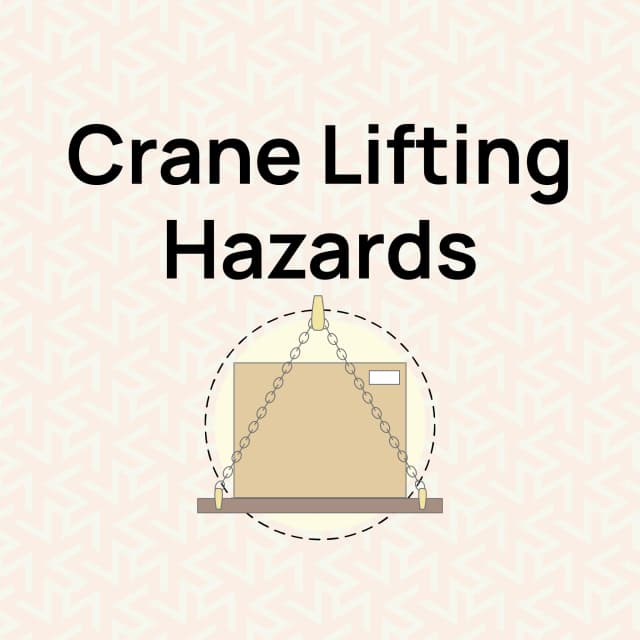
Crane Lifting Hazards and Control Measures: A Practical Safety Guide
Crane operations are a common sight on construction sites, manufacturing yards, and industrial projects across the UK. While they make it possible to move heavy materials with ease, cranes also present serious risks. Accidents involving cranes can cause severe injuries, property damage, and in some cases, even loss of life. That's why understanding crane lifting hazards and how to control them is crucial for anyone working around lifting equipment, from site operatives to supervisors and managers.This article examines the most common crane lifting hazards, the control measures that mitigate them, and the crucial role of training in creating a safer workplace. It's written in plain English and is intended for anyone looking to improve their knowledge, whether you're a beginner or a seasoned professional.Why Is Crane Lifting Safety So Important?Crane-related incidents often result from predictable causes, including a poorly secured load, unclear communication, or failure to identify a hazard before a lift. According to the UKs Health and Safety Executive (HSE), lifting operations continue to account for serious injuries and fatalities each year.Crane lifting doesn't just involve the operator; it's a coordinated task between supervisors, slingers, signalers, and ground workers. When a single part of that team breaks down or fails to follow procedure, the risks escalate quickly. From crushing injuries to electrocution or crane collapse, the potential consequences of poor planning or oversight are too significant to ignore.?? New to Site Work? Start HereThe Health and Safety Awareness (HSA) course covers the basics every site worker should know, including lifting zones, PPE, and hazard spotting.Explore the Health and Safety Awareness course.Common Hazards in Crane Lifting OperationsFalling LoadsOne of the most dangerous hazards during crane operations is a load becoming detached mid-lift. This can happen due to improper rigging, overloading, or worn lifting equipment. The weight and momentum of a falling load can be fatal to anyone beneath or nearby. Ensuring secure attachment and regular inspection of lifting gear is vital.Overloading and Equipment FailureEvery crane is designed with a maximum Safe Working Load (SWL). When this limit is exceeded, structural failure is likely to occur. Even if the crane appears to handle the weight, stress damage can accumulate, compromising future safety. Equipment failures also occur when slings, hooks, or shackles are damaged or have exceeded their usable lifespan.Unstable Ground and Crane TippingCranes rely on a stable base. Soft ground, uneven surfaces, or working too close to open trenches can cause a crane to become unbalanced and tip. Weather conditions, such as rain or high winds, can exacerbate this instability. A site that's poorly assessed or prepared becomes a serious risk for crane operations.Electrocution from Overhead Power LinesCranes often operate near overhead electrical lines, particularly on urban or infrastructure sites. If a crane comes into contact with live wires, the risk of electrocution is high, not only to the operator but also to anyone in contact with the crane or the ground in the area. Planning safe distances and monitoring boom heights are essential precautions.Poor Communication Among Team MembersEffective crane lifts require a well-informed and briefed team. If communication breaks down between the crane operator, signaler, or slinger, mistakes can occur, such as lifting before the load is secured or swinging the load into an unsafe area. Hand signals, radios, and a clear chain of command help prevent these issues.Control Measures That Reduce RiskThorough Planning and Risk AssessmentBefore any lifting operation begins, a risk assessment should be carried out by a competent person. This includes identifying the type of lift, load weight, ground conditions, weather forecasts, and potential obstacles. Every lift should be treated as a unique task, even when it is routine because conditions can vary from day to day.In the UK, this planning falls under the Lifting Operations and Lifting Equipment Regulations (LOLER). Supervisors responsible for implementing these plans must also ensure all team members are aware of their roles. If you're stepping into such a role, theSSSTS course offers targeted training on how to supervise lifting activities safely and legally.Equipment Checks and Regular InspectionsLifting equipment should be checked visually before each use and formally inspected on a scheduled basis. Defective gear, whether its a frayed sling or a misaligned hook, must be removed from service immediately. A competent person with knowledge of LOLER requirements should carry out formal inspections.Neglecting inspections doesn't just increase the risk of accidents; it may also result in legal penalties and fines. A deeper understanding of risk and hazard control can help workers spot potential dangers before they escalate.Thorough Planning and Risk AssessmentBefore any lifting operation begins, a risk assessment should be carried out by a competent person. This includes identifying the type of lift, load weight, ground conditions, weather forecasts, and potential obstacles. Every lift should be treated as a unique task, even when it is routine because conditions can vary from day to day.? Protect Your Back and TeamFrom rigging to load preparation, poor technique can lead to injury. The Manual Handling Training course teaches safer and smarter lifting on-site.Explore Manual Handling TrainingCreating a Controlled Lifting ZoneDuring crane operations, the lift area should be clearly marked and access restricted. Barriers, cones, or signage can be used to prevent unauthorised entry. The lifting zone should never be crossed while a load is suspended. Extra care should be taken when visibility is poor or ground conditions are unpredictable.Managers also have a duty to stop lifting operations if conditions become unsafe, for example, due to strong winds or poor visibility. This responsibility underscores the importance of effective leadership on-site and a thorough understanding of health and safety legal frameworks.Training and CompetenceProper training underpins every successful lifting operation. Everyone involved, from crane operators to ground workers, must be adequately trained and competent in their respective roles. Supervisors must not only understand the lifting process but also how to identify if team members are fit for duty.For those in a leadership position, courses like IOSH Managing Safely are valuable for understanding broader health and safety principles across the site.Clear, Unambiguous CommunicationWhether via hand signals, radios, or verbal instructions, communication during a lift must be consistent and understood by all parties. Misunderstood instructions can cause the crane to move at the wrong time or position the load in a dangerous manner. Everyone should be briefed beforehand, and only designated personnel should give instructions to the crane operator.Legal Duties and Your RoleUK law requires that lifting operations by:Planned adequately by a competent personSupervised and carried out safelyConducted using suitable and well-maintained equipmentThese legal duties fall under the Health and Safety at Work Act 1974, LOLER (Lifting Operations and Lifting Equipment Regulations), and PUWER (Provision and Use of Work Equipment Regulations). Non-compliance can result in prosecution, substantial fines, and reputational damage for companies, as well as severe injuries for workers.Understanding your legal responsibilities is part of being a responsible professional. The more informed you are, the better equipped you'll be to protect both your team and yourself.?? Lead Safer SitesManaging crane lifts or high-risk tasks? The CITB SMSTS course equips you with the tools to plan, lead, and remain compliant on-site.Explore the SMSTS courseThe Value of Professional TrainingTraining is more than a compliance requirement; it builds competence and confidence on-site. Whether you're learning how to rig loads correctly, supervise a lifting team, or enforce safe working practices, training sharpens your ability to recognise and control risks.It also supports career development. Supervisors and site managers with accredited safety training are not only safer but also more employable. Those new to construction can start with a foundation course, such as Health and Safety Awareness, while experienced professionals can expand their knowledge through advanced options.FAQsWhat are the most common hazards during crane lifting operations?Some of the most common crane lifting hazards include falling loads, overloading, unstable ground, contact with overhead power lines, and poor communication among the lifting team. Each of these can result in serious injuries or fatalities if not appropriately managed. Understanding these lifting hazards and control measures is essential for safe crane operation, especially on busy construction sites.Who is responsible for crane lifting safety on site?The responsibility for crane lifting safety is shared between several roles, including the crane operator, slinger/signaller, lifting supervisor, and site manager. However, under UK law, employers must ensure that lifting operations are properly planned and supervised by competent individuals. Supervisors trained in lifting operation safety are better equipped to identify and control risks before a lift takes place.What legal regulations apply to crane operations in the UK?Crane operations fall under multiple UK regulations, most notably:LOLER (Lifting Operations and Lifting Equipment Regulations 1998)PUWER (Provision and Use of Work Equipment Regulations 1998)Health and Safety at Work Act 1974These regulations require employers to plan lifts properly, use suitable equipment, and ensure all operators are competent. Non-compliance with these laws can result in prosecution or serious harm.How can I make sure a crane lift is safe before it begins?Safe crane lifting begins with a clear lift plan, prepared by a qualified person. This plan should cover the load weight, crane type, lifting method, ground conditions, and environmental factors such as wind speed. Daily visual checks of the crane and lifting gear should be conducted, and all personnel involved should receive a briefing before the lift. These steps form part of standard lifting operation safety procedures.Do I need formal training to be involved in crane lifting operations?Yes. While roles vary, anyone involved in crane operations, whether as an operator, signaler, or supervisor, should undergo appropriate safety training. Courses like CITB SSSTS or SMSTS are specifically designed to teach site personnel how to manage risks associated with crane operations and comply with relevant legislation. Even general safety awareness or manual handling courses are helpful for operatives working near lifting zones.What should I do if the lifting equipment looks worn or damaged?If any lifting equipment, such as slings, hooks, or shackles, appears worn or defective, it should be removed from use immediately and reported to a supervisor. Using damaged equipment significantly increases the risk of failure during a lift. Regular inspections and maintenance are key elements of crane lifting safety, and they are required by law under LOLER.How often should cranes and lifting accessories be inspected?In general, lifting accessories (such as slings or chains) should be formally inspected every 6 months, and cranes or lifting appliances should be inspected every 12 months or more frequently if specified by a risk assessment. Pre-use checks should be conducted daily before commencing crane operations. These inspections must be performed by a competent person and documented.What role does communication play in safe crane lifting?Communication is vital in any lifting operation safety strategy. Operators must receive precise instructions from a designated signaler using agreed-upon hand signals or radios. Miscommunication is one of the leading causes of lifting accidents, especially on busy construction sites. Toolbox talks and lift team briefings are simple but effective ways to reduce this risk.Can weather conditions affect lifting operations?Yes, weather plays a critical role in crane safety. High winds, rain, and poor visibility can all affect load stability and crane control. Lifts should be postponed or cancelled if conditions are unsafe. This is why every lift plan should include environmental monitoring as part of its risk controls.What's the best course to take if I want to supervise lifting operations?If you're looking to move into a supervisory role and oversee crane activities on-site, the CITB SSSTS (Site Supervisor Safety Training Scheme) is highly recommended. It covers how to plan safe lifting operations, understand site hazards, and ensure compliance with legal duties. For those managing more complex or high-risk projects, the SMSTS (Site Management Safety Training Scheme) provides a broader foundation in health and safety management.

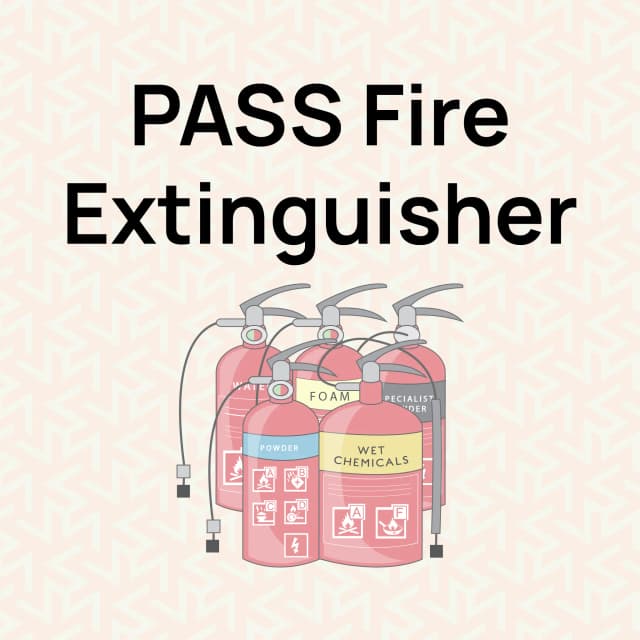
Mastering Fire Safety: The 4 Simple PASS Steps to Use a Fire Extinguisher Effectively
Fire is one of the most unpredictable and dangerous emergencies that can occur anywhere \ whether its a small kitchen spark, an electrical fault in the office, or an accident during celebrations. If not managed quickly, even a minor incident can escalate into a life-threatening situation.In such critical moments, panic often replaces reason, but preparedness can make all the difference. Knowing how to use a fire extinguisher isn't just an extra safety measure; it's a fundamental life skill that can prevent serious harm.Having a fire extinguisher within reach is essential, but understanding how to use it correctly is what truly saves lives. This is where the PASS method Pull, Aim, Squeeze, and Sweep becomes essential. These four simple steps form the foundation of effective fire extinguisher use.In this article, well explain how to apply the PASS technique, explore the ways fire and smoke spread, and highlight the crucial role strong safety practices play in preventing fire-related incidents and protecting lives.What are the four steps for using a fire extinguisher?When a fire breaks out, panic often sets in, but the PASS system fire technique can bring clarity and calmness in those critical moments. To operate a fire extinguisher correctly, you should always follow the PASS fire extinguisher steps.The technique consists of four key steps that can be performed quickly, even under pressure. To use a fire extinguisher, start by pulling the pin to unlock it. Aim the nozzle directly at the base of the fire, focusing on the fuel source rather than the flames. Firmly squeeze the handle to release the extinguishing agent, and then sweep the nozzle from side to side until the fire is completely extinguished.In real emergencies, using the PASS method, Pull, Aim, Squeeze, Sweep, can help transform fear into focused action. However, its important to remember that knowing how to use a fire extinguisher is just one aspect of fire safety. Regular training, awareness of evacuation routes, and understanding how fire and smoke can spread are all essential for ensuring safety.Here is a short way to learn the steps :StepActionDetailsP - PullPull the pinUnlock the extinguisher so it can be used.A - AimAim the nozzle at the baseDirectly at the fires base, not the flames.S - SqueezeSqueeze the handleReleases the extinguishing agent.S - SweepSweep side to sideCover the base until the fire is out.Why does the PASS system work?The PASS method is not just about putting out fires , its about doing so safely and effectively. By aiming at the base of the flames and applying the extinguisher in a steady, controlled motion, you improve your chances of stopping the fire before it spreads. Dividing the process into four simple steps helps you stay composed and act decisively when every second counts.The PASS system is widely taught in workplaces, schools, and safety programmes because it's easy to remember, even during stressful situations. Whether youre at home or in a busy office environment, understanding the correct approach to a fire extinguisher can make the difference between containing a small fire and facing a serious emergency.While the PASS method provides a clear and effective framework for operating extinguishers, personal safety should always come first. If the fire spreads quickly, produces heavy smoke, or feels beyond control, evacuate immediately and contact emergency services.Four Ways In Which Fire and Smoke Can SpreadIt is not enough to only know what the four steps for using a fire extinguisher are, or what PASS stands for. You must also understand the four ways in which fire and smoke can spread. This knowledge ensures you don't underestimate the danger of fire. Those four are :Convection Hot gases rise, carrying flames and smoke upward.Conduction Heat transfers through solid materials, such as wires, pipes, or beams.Radiation Heat moves through invisible waves, igniting nearby surfaces.Direct Flame Contact Flames spread by touching other combustible items.Knowing how fire spreads helps you decide when it's safe to act or when to evacuate. Effective safety management combines awareness, preparation, and timely action. Consistent attention to Fire Safety at Your Workplace ensures these practices become part of everyday routines.Essential fire safety precautionsAdopting the proper preventive habits can significantly reduce fire risks. Here are some key precautions to consider:Install and maintain fire alarmsKeep a fire extinguisher in key areas like the kitchen & officesPlan & practice escape routesUse electricity safelyStore flammables with careTurn off the heat-producing appliances when not in useStay updated with fire safety regulationsHow to Use a Fire Extinguisher CorrectlyEven if you have a PASS fire extinguisher nearby, you must know how to use the fire extinguisher tools properly. Too many people freeze in emergencies because they have never practised.Here are the rules for how to use fire extinguisher equipment:Always stand at a safe distance from the fire.Keep an escape route behind you in case the fire spreads.Use the extinguisher only on small, contained fires.If flames grow or smoke becomes heavy, evacuate immediately.By combining these safety rules with the PASS fire extinguisher steps, you'll know exactly how to use a fire extinguisher safely and effectively.The PASS fire extinguisher method is effective only on small, controllable fires. This is why it's crucial to understand and repeat the four steps for using a fire extinguisher multiple times. The method is specifically designed for small, contained fires, such as a stove flame, a waste bin fire in an office, or a minor spark from equipment.Even if you are familiar with the PASS system, regulations like the Fire Safety Order 2005 impose clear responsibilities on employers to minimise fire risks and provide proper training. Employers must conduct fire risk assessments, offer training, hold regular fire drills, and ensure escape routes are clearly marked. For a better workplace environment, it is necessary to learn and be trained in fire safety. Everyone working in offices, schools, or at public places should receive training and get certified.Achieve the NEBOSH Fire Safety Certificate with Hurak's accredited training. Gain in-depth knowledge in fire risk assessments, fire protection measures, and legal responsibilities, enhancing your qualifications for fire safety positions.ConclusionFire safety involves preparation, knowledge, and confidence. By understanding what the acronym PASS stands for, Pull, Aim, Squeeze, Sweep, you grasp the essential steps for using a fire extinguisher. This simple acronym answers the critical question: What are the four steps for using a fire extinguisher? It also helps you act effectively under pressure.The PASS method is recognised worldwide due to its simplicity and ease of remembrance. Whether in the workplace or at home, applying the PASS system can mean the difference between a minor, contained incident and a devastating fire.It is equally important to understand the four ways fire and smoke can spread: convection, conduction, radiation, and direct flame contact. Even if you know how to use a fire extinguisher, fire can quickly become dangerous if you do not understand the mechanisms of its spread.So, the next time you think about safety at work or home, remember: What are the four steps for using a fire extinguisher? The answer is always the PASS steps. By learning, training, practising, and sharing this knowledge, you take responsibility for your safety and the safety of those around you.FAQsWhat are the four steps for using a fire extinguisher?The four steps are explained through the PASS fire extinguisher method: Pull, Aim, Squeeze, and Sweep. When someone asks, What are the four steps for using a fire extinguisher? The answer is always to follow the PASS system fire technique for effective fire control.What does PASS stand for?It stands for PASS (Pull, Aim, Squeeze, Sweep). By remembering this, you can confidently explain how to use fire extinguisher equipment in any small fire emergency.Why is the PASS fire extinguisher method important?The PASS fire extinguisher steps simplify fire safety. In a stressful emergency, people often forget instructions, but the PASS system fire technique is easy to recall and proven to work.What are the four ways fire and smoke can spread?The four ways fire and smoke can spread are: convection, conduction, radiation, and direct flame contact. Knowing the four ways fire and smoke can spread is as important as learning how to use fire extinguisher equipment.Where can I get certified fire safety training in the UK?For those seeking recognised qualifications, there are excellent training options available. You can begin with Fire Safety Training and further enhance your skills through Health and Safety Training Courses. These programmes expand on the principles of the PASS method and the correct steps for using a fire extinguisher, while equipping you with the knowledge to handle real-life workplace situations confidently.

Fire Classification Explained: A Complete Guide to Fire Classes (A to F)
Fires in the workplace can escalate quickly and unpredictably, but your knowledge and response can make all the difference. Understanding what type of fire you're dealing with is not just useful; in high-risk environments, it can be lifesaving. That's why the UK uses a fire classification system to help people identify fires based on the fuel involved and respond using the correct method.Whether you're a site supervisor, an office worker, or someone starting a career in health and safety, learning fire classification equips you with the right knowledge to act responsibly in an emergency. This guide is designed to clearly explain fire classes, making them accessible to everyone, regardless of their background or experience level.What Is Fire Classification?Fire classification is the method used to group different types of fires based on the material thats burning. Each fire behaves differently and requires a unique method of extinguishment. Using water on a flammable liquid or electrical fire, for instance, can be dangerous and cause severe damage or injury.The fire classification system in the UK categorises fires from Class A to Class F, along with electrical fires, which, although not given a formal class, are widely acknowledged due to their unique nature.Understanding these classes isn't only crucial in theory; it's critical for real-world applications. In sectors like construction, hospitality, manufacturing, or warehousing, recognising fire types ensures both compliance and safety.?New to workplace safety? Start here.Build your foundational knowledge of workplace hazards, fire safety, and legal duties with this accessible Level 2 qualification.Start your training today.The Main Fire Classes in the UKLets take a closer look at the six key fire classes used in the UK:Class A Fires involving solids:These are everyday combustibles such as wood, paper, textiles, or cardboard. They're common in offices, schools, and warehouses. Water or foam extinguishers are typically used, as they cool the fire and remove the heat source.Class B Fires involving flammable liquids:This includes petrol, diesel, paints, and alcohol-based cleaning products. These fires can spread rapidly and should never be tackled with water. Instead, foam, dry powder, or CO? extinguishers are recommended.Class C Fires involving gases:Gases such as propane, butane, or natural gas can ignite with explosive force. The most important action is to cut off the gas supply if safe, then use a dry powder extinguisher. Class C fires are more likely in industrial or utility sectors.Class D Fires involving metals:Although rare, some industrial workplaces handle reactive metals such as magnesium or titanium. These fires require specialist dry powder extinguishers and should only be tackled by trained professionals.Electrical fires Fires involving live electrical equipment:These include faulty wiring, overloaded sockets, or electrical appliances. Water must be avoided due to the electrocution risk. Instead, CO? extinguishers are most effective, as they smother the flames without leaving residue.Class F Fires involving cooking oils and fats:Common in kitchens and catering environments, these fires burn at high temperatures. A special wet chemical extinguisher is used to cool the oil and form a seal that prevents re-ignition.Each of these fire types behaves differently. Recognising them and knowing the correct extinguisher to use isn't just smart, it could save lives.The Importance of Using the Right ExtinguisherFire extinguishers come in different types for a reason. Using the wrong one could cause injury, damage to equipment, or intensify the fire. For example, a water extinguisher used on a cooking oil fire could result in a violent flare-up. Thats why all staff must be trained to identify fire classes and match them to the appropriate extinguisher.Employers must ensure that extinguishers are not only available but also clearly labelled and positioned near likely hazards. Even more importantly, employees should understand how to use them. Our fire safety tips for the workplace provide a helpful overview of best practices to get started.Fire extinguisher training is often included in basic health and safety qualifications and is considered a must-have for anyone acting as a fire marshal or safety lead.Legal Responsibilities and Fire Risk in the WorkplaceUnder the Regulatory Reform (Fire Safety) Order 2005, UK employers are legally responsible for ensuring that workplaces are prepared for fire risks. This includes conducting fire risk assessments, installing the correct equipment, and providing staff with appropriate training.Further legislation, such as the Fire Safety Act 2021 and the Building Safety Act 2022, emphasises accountability, especially in high-risk buildings and roles involving safety oversight. These laws highlight that fire safety isnt optional it's a core responsibility tied to the duty of care.Neglecting fire precautions can result in fines, prosecution, or even worse consequences. To better understand the consequences of oversight, refer to our article on the impact of poor health and safety procedures.In addition to internal policies, UK workplaces can refer to official government guidance on fire safety in non-domestic premises for compliance information.Site Supervisors: Stay Compliant and ConfidentLearn how to assess fire risks, lead teams safely, and meet CITB requirements.Take the SSSTS Course.Who Should Learn Fire Classification?Understanding fire classification isnt just for fire marshals. Its relevant for:Employees in high-risk sectors like manufacturing, catering, or logisticsSupervisors and team leaders are responsible for staff safetyNew professionals aiming for careers in health and safetySite managers and duty holders are under a legal obligationWhether youre aiming to build a career in safety or simply want to be a responsible employee, this knowledge will always be relevant. For supervisors, training often includes fire classification as part of broader workplace safety education, such as that covered in SSSTS courses.Learn and Lead with Fire Safety TrainingTraining is the most effective way to turn fire classification knowledge into action. One course that aligns especially well with this topic is the Fire Marshal and Fire Warden Course. It covers fire classes, the use of extinguishers, evacuation protocols, and the legal duties of a fire warden.For those just starting out in safety roles or seeking a general introduction, the Level 2 Health and Safety in the Workplace course provides a strong foundation, particularly for office and retail environments.Final ThoughtsFire classification may seem like a technical detail, but in reality, it forms the basis of real-world fire safety. It enables you to act with confidence, choose the correct extinguisher, and protect both people and property. Whether you're in a leadership position or just starting your first job, this knowledge is empowering.More than that, its part of building a safety-conscious workplace culture, one where people are prepared, calm under pressure, and equipped to prevent small incidents from becoming major emergencies.If you're ready to learn more and take on a proactive safety role, consider enrolling in a fire marshal course or general health and safety training. These qualifications not only boost your confidence, they show your employer and colleagues that you're someone they can count on in critical situations.?Advance your career in fire safety.Gain a recognised NEBOSH Fire Safety Certificate and specialise in workplace fire risk management.Get NEBOSH Certified.Frequently Asked QuestionsWhat is a Class A fire?A Class A fire involves solid materials like wood, paper, or textiles. It's common in offices and homes and is best extinguished with water or foam.What is a Class B fire?Class B fires involve flammable liquids such as petrol or paint. They require foam, dry powder, or CO? extinguishers, never water.What is a Class F fire?Class F fires involve cooking oils or fats, typically in kitchens. These fires need a wet chemical extinguisher and should never be tackled with water.What is a Class D fire?Class D fires involve reactive metals like magnesium or titanium. These fires require a specialist dry powder extinguisher and are usually found in industrial settings.What extinguisher should I use for each fire class?Each fire class needs a specific extinguisher:A: Water or foamB: Foam, CO?, or dry powderC: Dry powderD: Specialised dry powderF: Wet chemicalElectrical: CO? or dry powder onlyWhy is fire classification important?Understanding fire classes helps you respond safely, reduces risk, and ensures compliance with UK fire safety regulations, essential in any workplace.Explore Related CoursesLooking to strengthen your fire safety knowledge or grow your workplace safety credentials? These courses are a significant next step:Fire Marshal and Fire Warden Course: Build confidence in fire prevention, evacuation protocols, and extinguisher use.Level 2 Health and Safety in the Workplace: Understand common risks, including fire hazards, in any work environment.SSSTS Site Supervisor Safety Training Scheme: Covers fire safety duties and risk control for supervisors on construction sites.SMSTS Site Management Safety Training Scheme: Designed for site managers, includes fire safety planning and legal responsibilities.Manual Handling Awareness Course: A foundational course to understand safe handling and reduce workplace risks, alongside fire hazards.CITB Health and Safety Awareness Course: An excellent introduction for those new to construction, including fire safety basics.
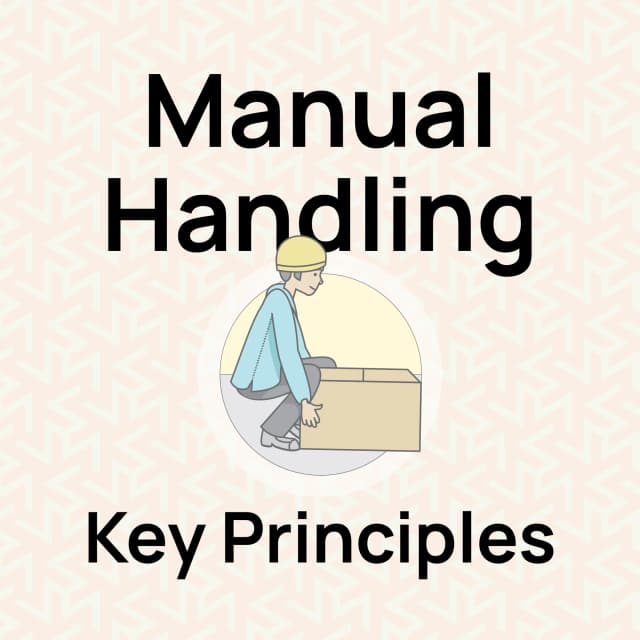
5 Essential Manual Handling Principles: Tips for Safer Moving and Lifting
Manual handling is a vital skill in various industries, ranging from construction sites to healthcare facilities. It involves lifting, carrying, pushing, or pulling items, and when done incorrectly, it can lead to injuries, including back pain, strains, and other musculoskeletal disorders. Understanding the key principles of manual handling is essential for ensuring both personal safety and workplace well-being.In this article, well explore the 5 essential manual handling principles that every worker should know. These principles will guide you in adopting safer lifting techniques, minimising the risk of injury, and enhancing overall efficiency in your work environment. Whether you're an experienced professional or new to manual handling, following these fundamental practices will help you perform tasks more safely and effectively.What is Manual Handling and Why is it Important in the Workplace?Manual handling refers to any task that involves lifting, carrying, pushing, pulling, or moving objects by hand or bodily force. Whether it's lifting a box, pushing a trolley, or manually moving equipment, these tasks are part of everyday work in various industries, including construction, healthcare, logistics, and retail.Why is Manual Handling Important?Proper manual handling is crucial for maintaining workplace safety. When performed incorrectly, manual handling can lead to serious injuries such as back strains, sprains, and musculoskeletal disorders (MSDs), which can result in prolonged downtime, increased healthcare costs, and reduced productivity.Understanding the correct techniques for manual handling not only protects employees but also ensures that tasks are carried out efficiently, reducing the risk of workplace accidents and boosting overall productivity. Adopting safe manual handling practices helps create a safer environment, improves morale, and contributes to the well-being of staff, ultimately fostering a culture of safety in the workplace.Master Safe Manual Handling with HurakTo perform manual handling tasks safely and efficiently, completing the Level 2 Health and Safety in the Workplace course is essential. Hurak provides expert guidance, interactive learning, and practical tips to help you reduce injury risks and comply with workplace safety regulations.Start the Level 2 Health & Safety Course | Learn Key Manual Handling Techniques | Explore Manual Handling Training Course | Browse Health & Safety Training CoursesManual Handling Legislation and Work RegulationsManual handling in the workplace is more than just following safe practices; its a legal obligation. The Manual Handling Operations Regulations 1992 (MHOR) require employers to assess the risks associated with lifting, carrying, and moving loads, and to provide employees with proper training, guidance, and equipment. Employees also have a responsibility to follow safe procedures, utilise lifting aids when necessary, and report any hazards. Adhering to these regulations not only reduces the risk of injury but also ensures legal compliance and fosters a culture of safety across the workplace.The 5 Key Principles of Manual Handling: A Quick OverviewManual handling is essential for many tasks, but it must be done safely to prevent injury and improve efficiency. By following these five key principles, you can significantly reduce the risk of injury and ensure tasks are completed safely and effectively.Assess the Load Before Lifting: Check the loads weight, size, and stability. Is it too heavy or awkward? Assessing the load helps determine whether it can be lifted safely or if you need assistance or equipment.Maintain Proper Posture: Keep your back straight, bend your knees, and keep the load close to your body. Avoid twisting or bending at the waist, as improper posture increases the risk of back injuries.Use Correct Lifting Techniques: Squat down and lift with your legs, not your back. This reduces strain on your spine and prevents injury. Always keep the load close to your body and avoid jerking movements.Ensure a Safe Environment: A clutter-free, well-lit space is vital for safe lifting. Ensure the area is free of obstacles and well-lit to avoid accidents when handling heavy or awkward loads.Ask for Help or Use Equipment When Needed: If the load is too heavy or awkward, dont hesitate to ask for help or use equipment like trolleys or hoists to assist with the lift. These tools reduce strain and improve safety.Principle 1: Assess the Load Before Lifting - A Crucial First StepBefore lifting any object, it's crucial to assess its weight, shape, and stability. This step ensures that you are prepared for the task and can identify if the load is manageable or requires assistance or equipment.Key Considerations:Weight: Can you safely lift it on your own, or is it too heavy for you? If in doubt, get help.Shape: Is the object an awkward shape that might make it difficult to grip or balance?Stability: Is the load balanced, or could it shift, causing you to lose control?By taking the time to assess the load before lifting, you reduce the risk of injury and ensure that you're using the proper technique or equipment for the task.Principle 2: Maintain Proper Posture for Safe Lifting and HandlingProper posture is crucial for preventing injuries while lifting and handling objects. Maintaining the correct posture helps reduce strain on your back and joints, ensuring that your body is aligned and supporting the weight evenly.Tips for Proper Posture:Straight Back: Always keep your back straight to maintain proper alignment and avoid strain.Bend Your Knees: Bend your knees instead of your back to use your leg muscles for lifting.Keep the Load Close: The closer the load is to your body, the less effort it takes to lift and carry.By maintaining proper posture, you not only reduce the risk of injury but also make lifting tasks easier and more efficient.Principle 3: Master the Correct Lifting Technique to Prevent InjuryMastering the correct lifting technique is essential for preventing strain and injury during manual handling. Using proper lifting techniques ensures that your muscles and joints are working efficiently, reducing unnecessary stress on your body.How to Lift Correctly:Keep the Load Close: Hold the load as close to your body as possible to reduce pressure on your spine.Stand Up Using Your Legs: Push through your legs to lift the load, not your back.Lift Smoothly: Avoid jerking the load. Move in a steady, controlled manner to prevent strain.Mastering these lifting techniques will reduce the risk of injury and make lifting tasks easier and more efficient.Principle 4: Ensure a Safe Environment for Lifting - Remove HazardsCreating a safe environment for lifting is just as important as using the proper technique. A clutter-free and hazard-free workspace reduces the risk of accidents and enables more efficient lifting.How to Ensure a Safe Lifting Environment:Clear Ventilated Area: Clear your path of any objects or debris that may cause you to trip. Ensure the space is well-ventilated and comfortable to help maintain focus and reduce fatigue.Good Lighting: Proper lighting helps you see hazards and handle loads safely.Safe Pathways: Ensure the area is clear of obstacles and wide enough to allow for unrestricted movement. Ensure the floor is level and non-slip to prevent slips and falls.By eliminating hazards, you ensure a safer and more effective lifting process.Principle 5: Recognise When to Ask for Help or Use Lifting EquipmentKnowing when to seek help or use lifting equipment is vital for preventing injury. Lifting heavy or awkward loads alone can lead to strain, while using the right equipment ensures a safer and more efficient process.When to Seek Help or Use Equipment:Heavy Loads: If the load is too heavy to lift safely on your own, seek assistance or use a mechanical aid, such as a hoist or forklift.Unstable Loads: For loads that are unbalanced or awkward to handle, using specialised equipment or requesting assistance ensures a safer lift.Fatigue: If you're tired or unsure about lifting, don't hesitate to ask for help to avoid mistakes and injuries.Understanding when to rely on others or use tools makes lifting tasks safer and reduces the risk of injury.The Power Zone: Safely Handling Loads Within the Optimal RangeThe "power zone" refers to the ideal area where lifting and carrying loads are the safest and most efficient. This range, typically between your waist and shoulders, allows you to lift with minimal strain on your body, particularly your back and joints. When you lift within this zone, you engage your body's strongest muscles, specifically your legs and core, rather than relying on your back muscles, which reduces the risk of strain or injury.The reason the power zone matters so much is simple: it helps minimise strain on your lower back and spine. By keeping the load close to your body and at waist height, you also improve your control over the load, making the lift easier and safer to perform. Lifting within this optimal range prevents awkward bending or twisting motions that can lead to injury, allowing for a more efficient and safer lifting experience.To maximise the power zone, always bring the load as close to your body as possible, ideally within the waist-to-shoulder range. Avoid lifting above shoulder height, as it places unnecessary strain on your back and shoulders. Instead, engage your legs when lifting, using the strength of your lower body rather than bending at the waist, which can put extra pressure on your lower back.By focusing on the power zone, you can significantly reduce the risk of injury and lift more efficiently, ensuring safer manual handling practices in the workplace.Advance Your Workplace Safety Skills with HurakHurak offers a range of accredited Health & Safety and Manual Handling courses to help you develop essential skills, reduce workplace risks, and progress confidently in your career.Recommended Courses:Level 2 Health and Safety in the Workplace Gain practical knowledge to maintain a safe working environment.Level 3 Health and Safety (RQF) Advanced training for supervisory roles and safety management.Manual Handling Training Course Learn to tackle poor moving and handling techniques.Safety Harness Training Specialised training for safe working at heights.Browse Health & Safety Training Options. Find more courses to enhance your workplace safety.Common Manual Handling Mistakes and How to Avoid ThemManual handling tasks can lead to serious injuries if not performed correctly. By recognising common mistakes and following the right techniques, you can ensure safer lifting practices and improve efficiency at work. Below is a breakdown of common manual handling mistakes and tips on how to avoid them.MistakeDescriptionHow to Avoid ItLifting with Your Back Instead of LegsLifting with your back, rather than your legs, places unnecessary strain on your spine, increasing the risk of injury.Always bend your knees and lift with your legs. Keep your back straight to avoid strain on your spine.Twisting While LiftingTwisting your body while lifting, especially when turning, can cause severe strain on your spine and muscles, leading to injury.Turn your whole body by pivoting on your feet, not by twisting your back. This ensures safer movement and reduces strain.Lifting Loads That Are Too Heavy or AwkwardAttempting to lift overly heavy or awkward loads can lead to injury, especially if the load is unbalanced or challenging to manage.Assess the load beforehand. If it's too heavy or awkward, use lifting aids or ask for help.Poor PostureSlouching or bending at the waist while lifting places additional stress on your muscles, which can lead to back strain and discomfort.Maintain a straight back, keep your chest out, and ensure your shoulders are aligned. Bend your knees and keep the load close to your body for better posture.Not Using Proper EquipmentFailing to use mechanical aids when needed can lead to injury, especially with heavy or difficult loads.Use trolleys, hoists, or forklifts when necessary. Don't hesitate to ask for help if the load is too heavy to manage on your own.The Benefits of Following Manual Handling Principles in the WorkplaceFollowing proper manual handling principles not only helps prevent injuries but also offers a range of benefits that enhance workplace safety, efficiency, and overall productivity.Reduced Risk of Injury: By using the correct lifting techniques and maintaining proper posture, employees are less likely to suffer from back pain, musculoskeletal disorders (MSDs), or other lifting-related injuries. This leads to fewer sick days and a healthier workforce.Improved Efficiency and Productivity: When manual handling tasks are performed correctly, workers can handle loads more quickly and efficiently. Reducing the time spent managing injuries or improper lifting means more time spent on productive work, which directly benefits the business.Enhanced Employee Well-being: A focus on safe manual handling practices helps reduce fatigue, discomfort, and stress on the body. Employees who feel physically supported and secure at work are more likely to remain engaged and motivated.Compliance with Health and Safety Regulations: By adhering to manual handling principles, businesses ensure they comply with health and safety laws, reducing the risk of legal issues, fines, and claims related to workplace injuries.A Safer Workplace Culture: When manual handling principles are followed, a culture of safety is fostered. Employees become more aware of the importance of safety, which encourages safer practices throughout the workplace, benefiting everyone.By prioritising manual handling principles, businesses not only protect their employees but also create a more efficient, productive, and compliant work environment.FAQs:What is manual handling?Manual handling refers to the act of lifting, carrying, pushing, or pulling objects at work. Correct techniques prevent injuries and improve efficiency.Why are the 5 manual handling principles important?They reduce the risk of injury, promote proper posture, and ensure safer, more efficient handling of loads.What is the power zone in manual handling?The power zone is the safe lifting range between your waist and shoulders, where your body can lift loads with minimal strain.How do I assess a load before lifting?Check the weight, shape, and stability. If the load is too heavy or awkward, use the appropriate equipment or ask for assistance.What are common manual handling mistakes?Lifting with your back, twisting, poor posture, and ignoring lifting aids are common mistakes that increase the risk of injury.Are there legal requirements for manual handling at work?Yes. The Manual Handling Operations Regulations 1992 require employers to assess risks, provide training, and ensure that safe handling practices are implemented.When should I use lifting aids or ask for help?Always if the load is heavy, awkward, or unstable. Equipment such as trolleys, hoists, or forklifts can help prevent strain and injury.Conclusion: Mastering the 5 Key Principles for Safe Manual HandlingMastering the 5 key principles of manual handling is essential for creating a safer and more productive workplace. By assessing the load, maintaining proper posture, using the correct lifting techniques, ensuring a hazard-free environment, and knowing when to ask for help or use equipment, you can significantly reduce the risk of injury and improve operational efficiency.By following these principles, employees can lift and move loads with confidence, thereby reducing strain on their bodies and minimising the risk of unnecessary accidents. For businesses, adopting these practices not only promotes employee well-being but also fosters a culture of safety and compliance with health and safety regulations.Prioritise safe manual handling in your daily routine, and encourage others to do the same. The result will be a safer, more efficient, and healthier work environment for everyone.

Why Health and Safety is Crucial in the Workplace: A Wellbeing Guide
In today�s fast-paced and ever-changing work environment, health and safety are more than just rules; they form the foundation of a thriving and sustainable workplace. Ensuring the health and safety of your employees not only prevents accidents but also fosters a culture of trust, engagement, and overall well-being. Companies that prioritise these factors see improved morale, enhanced productivity, and a more resilient workforce.This guide will examine why health and safety are essential in the workplace and how establishing a safe environment benefits both employees and businesses. We�ll cover practical strategies, key regulations, and best practices to help you create a safer and more supportive workplace for everyone.KEY BENEFITS OF HEALTH AND SAFETY FOR EMPLOYEES AND BUSINESSES�Health and safety are pillars of a successful and sustainable workplace. For employees, it�s about feeling valued and secure, while for businesses, it�s about ensuring longevity, reducing costs, and building a positive work environment. Implementing robust health and safety measures brings clear benefits to both parties.Key Benefits for Employees:Physical Protection: The most apparent benefit of health and safety measures is the physical protection of employees. Ensuring safe working conditions reduces the likelihood of accidents and injuries, preventing workplace fatalities and long-term health issues.Mental and Emotional Wellbeing: A workplace that prioritises health and safety shows employees that their wellbeing is valued. This can reduce stress, anxiety, and burnout, as workers feel secure in their environment. A focus on safety can significantly contribute to better mental health, fostering a more positive workplace culture.Increased Job Satisfaction: Employees who feel safe at work are more likely to be satisfied with their jobs. Feeling valued by an employer who invests in safety leads to increased engagement and motivation, which ultimately contributes to higher job satisfaction.Key Benefits for Businesses:Legal Compliance and Reduced Risk: Health and safety laws are designed to protect both employees and employers. By adhering to regulations, businesses reduce their risk of legal action, fines, and penalties. A commitment to safety ensures that the company maintains a good standing with regulatory bodies, thereby safeguarding its operations and reputation.Enhanced Productivity: Healthy employees tend to be more productive. When workers feel safe and well-supported, they can focus more effectively on their tasks, leading to improved productivity. Additionally, a safer work environment reduces downtime due to injuries or accidents, keeping operations running smoothly.Stronger Reputation: Companies that prioritise health and safety enjoy a stronger reputation within their industry and community. This not only helps attract top talent but also fosters trust among customers, clients, and partners. Businesses with a strong safety record are often seen as responsible and reliable, which can lead to competitive advantages.Boost Your Business Success with Health and Safety TrainingPrioritising health and safety isn't just about compliance; it's a strategic investment for growth, employee engagement, and a competitive edge.With Hurak�s comprehensive training programs, we support you every step of the way to build a safer and more productive workplace.Join the Level 2 Health and Safety course | Start a Health and Safety Course Today | Download Our Free Health & Safety Checklist | Learn How to Ensure Workplace Compliance LEGAL REQUIREMENTS FOR HEALTH AND SAFETY IN THE WORKPLACE�Health and safety laws are designed to ensure that employees work in environments where risks to their health and safety are adequately controlled. Compliance with these laws is not only essential for protecting workers but also critical for businesses to avoid legal ramifications, financial penalties, and potential reputational damage.�In this section, we�ll explore the key regulations governing health and safety in the workplace and why adhering to them is crucial for both employees and businesses.KEY REGULATIONS EVERY BUSINESS MUST FOLLOW�Health and safety laws in the workplace vary by country and region, but most countries have established national or regional regulations that businesses must adhere to. In the UK, for example, the �Health and Safety at Work Act 1974 is the primary legislation, setting out the duties of employers and employees to ensure a safe working environment.The Health and Safety at Work Act 1974: This is the foundational legislation that requires employers to provide a safe and healthy workplace for their employees.The Control of Substances Hazardous to Health (COSHH) Regulations: These regulations require employers to control exposure to hazardous substances to protect employees' health.The Reporting of Injuries, Diseases, and Dangerous Occurrences Regulations (RIDDOR): Employers must report any serious accidents, diseases, or dangerous occurrences to the relevant authorities.These regulations apply to all businesses, regardless of size or industry, and ensure that every employee�s physical and mental health is safeguarded.HOW LEGAL COMPLIANCE PROTECTS BOTH EMPLOYEES AND BUSINESSESCompliance with health and safety laws offers a dual benefit: it protects employees from harm and mitigates the legal and financial risks for businesses. By adhering to regulations, companies not only avoid penalties but also reduce the risks that could lead to economic losses or damage to their brand reputation.Employee Protection:Safety from Workplace Hazards: Employees are less likely to suffer from preventable injuries or illnesses, as the law requires employers to provide necessary safety measures and training.Right to a Safe Environment: Workers have the right to work in an environment that does not expose them to unnecessary risks. Health and safety laws ensure that employees are equipped with the necessary tools, training, and resources to maintain a safe working environment.Business Protection:Avoiding Legal Penalties: Failure to comply with health and safety regulations can result in fines and legal action, which can severely affect a business�s bottom line.Reputation and Trust: Businesses that prioritise legal compliance are seen as responsible and reliable by both employees and customers, which helps improve brand loyalty and market positioning.Insurance and Liability: Compliant businesses often benefit from lower insurance premiums, as they pose fewer risks to insurers.PENALTIES FOR NON-COMPLIANCE WITH LEGAL REQUIREMENTSWhile complying with health and safety laws is essential, failure to do so can result in severe consequences. Non-compliance can lead to fines, lawsuits, and even criminal charges, depending on the severity of the violation.Consequences of Non-Compliance:Fines: A company that fails to meet health and safety standards could face hefty fines. These fines can escalate depending on the nature and frequency of violations.Criminal Charges: In extreme cases, where non-compliance results in injury or death, business owners could face criminal prosecution. In the UK, for example, under the Health and Safety at Work Act, employers can face imprisonment if found guilty of gross negligence.Damage to Reputation: Beyond financial penalties, non-compliance can significantly damage a company�s reputation, making it difficult to attract top talent and retain customers.HOW TO ENSURE YOUR BUSINESS IS COMPLIANT WITH HEALTH AND SAFETY LAWSEnsuring that your business complies with health and safety laws requires ongoing effort, regular training, and monitoring. Here's how companies can stay on track with legal compliance:Stay Informed: Regularly update yourself and your employees on the latest health and safety laws. This might involve subscribing to industry newsletters, attending workshops, or working with a health and safety consultant.Create and Enforce Safety Policies: Develop and communicate clear workplace safety policies to all employees. These policies should be tailored to your industry and updated regularly to reflect new regulations.Provide Ongoing Training: Health and safety training should be continuous, ensuring that employees understand the risks they face and how to mitigate them. Consider regular refresher courses and training programs to stay up-to-date.Conduct Regular Audits: Regular health and safety audits can help identify potential hazards and ensure that your safety procedures are up-to-date and compliant.Invest in Health and Safety Equipment: Ensure your business is equipped with the necessary health and safety equipment, including personal protective equipment (PPE), first-aid kits, and hazard signage.UNDERSTANDING COMMON RISKS IN THE WORKSPACE�Health and safety risks are present in all work environments, and understanding them is essential for both employee well-being and business continuity. Physical dangers, such as poorly maintained equipment, uneven floors, or moving machinery, can lead to serious injuries if left unchecked. Chemical and biological risks, including exposure to hazardous substances or infectious agents, require strict protocols to prevent illness and long-term health issues. Ergonomic and psychosocial risks, such as repetitive strain injuries or workplace stress, also impact employee performance and satisfaction. By thoroughly understanding these risks, businesses can implement targeted interventions, reduce accidents, and foster a safer, more supportive workplace culture that benefits both staff and the organisation as a whole.Explore Our Most In-Demand Health and Safety Courses and Build a Safer WorkplaceHurak offers a range of accredited health and safety training courses to help you advance your skills and enhance workplace safety.Health and Safety Courses:Level 2 Award in Health and Safety in the WorkplaceLevel 3 NVQ Certificate in Occupational Health and SafetyIOSH Working SafelyNEBOSH National General Certificate in Occupational Health and SafetyCITB Site Manager Safety Training Scheme (SMSTS)Specialised Health and Safety Courses:CITB Health and Safety Awareness Course (HSA)Mental Health First Aid TrainingManual Handling TrainingFirst Aid at Work TrainingNEBOSH Certificate in Fire SafetyWant more options? Browse All Health and Safety Courses at HurakBUILDING A CULTURE OF WORKSPACE SAFETY AND EMPLOYEE WELL-BEINGMaintaining a safe and healthy workplace is an ongoing responsibility that requires dedication from both management and employees. Beyond legal compliance, fostering a culture of safety ensures that every team member understands their role in preventing accidents and promoting well-being.Clear Safety Policies and Procedures: Developing well-defined safety policies tailored to your workplace is essential. Communicate these policies consistently and support them with regular training sessions so employees are fully aware of their responsibilities and the measures in place to mitigate risks.Regular Risk Assessments and Safety Audits: Conducting periodic risk assessments and safety audits helps identify potential hazards before they escalate into serious incidents. By reviewing equipment, processes, and employee practices, businesses can implement improvements that protect both staff and operations.Proper Safety Equipment and Resources: Investing in appropriate safety equipment, such as personal protective equipment (PPE), first aid kits, and hazard signage, is essential. Ensuring employees have access to these resources helps reduce workplace injuries and fosters a culture of safety.Open Communication and Reporting: Encourage employees to report unsafe conditions, near misses, or health concerns without fear of repercussions. Open communication allows organisations to address issues promptly and maintain a proactive approach to workplace safety.Ongoing Training and Holistic Safety Awareness: Continuous training is vital, covering not only technical safety measures but also mental health, ergonomics, and stress management. A holistic approach ensures employees are equipped to handle both physical and psychosocial risks, enhancing overall productivity and engagement.By integrating these best practices, businesses can protect their employees, reduce operational disruptions, and reinforce their reputation as responsible and caring employers. Safety becomes more than a legal requirement; it becomes a core value that drives long-term success.PREVENTING ACCIDENTS THROUGH TAILORED AND INNOVATIVE TRAINING�Training employees in health and safety protocols is one of the most effective ways to prevent accidents and ensure a safer work environment. However, to be truly effective, health and safety training needs to go beyond standard procedures. It should be tailored to the specific risks of each workplace and incorporate innovative training methods that keep employees engaged and informed.Why Health and Safety Training MattersInvesting in training ensures that employees are equipped to identify hazards early, respond correctly to risks, and follow safety procedures with confidence. This proactive approach reduces the likelihood of accidents and fosters a culture where employees are encouraged to take responsibility for their own safety.Key Elements of Effective Health and Safety TrainingInnovative training methods, such as virtual reality (VR) simulations and hands-on scenario exercises, are becoming essential for preparing employees for real-world situations. These methods allow employees to practice safety protocols in a risk-free environment, ensuring they are ready for any situation.Impact on Business Efficiency and ReputationCompanies that implement targeted health and safety training experience a direct impact on operational efficiency, resulting in reduced downtime due to accidents and illnesses. Furthermore, businesses that show a clear commitment to employee safety enhance their reputation, making them more attractive to potential hires and partnersTHE LINK BETWEEN HEALTH AND SAFETY, PRODUCTIVITY AND EMPLOYEE RETENTIONSafety Builds Focused and Motivated TeamsWhen employees know their workplace prioritises safety, they experience less stress and distraction. This confidence allows them to concentrate fully on their tasks, resulting in higher efficiency and better-quality output. A secure environment transforms daily routines from reactive to proactive, helping teams stay focused and productive.Cultivating Loyalty Through CareEmployees are more likely to remain with organisations that actively safeguard their well-being. Demonstrating genuine concern for staff health and safety fosters trust and loyalty among staff. Reduced turnover means lower recruitment costs, less training time, and a more experienced, cohesive workforce.Minimising Disruptions and Maintaining EfficiencyIncidents, injuries, or health-related absences can disrupt workflow and delay projects. By embedding safety into the workplace culture, businesses reduce unplanned downtime and ensure that operations run smoothly. This proactive approach enhances planning, consistency, and overall performance.Strategic Advantage for Long-Term SuccessPrioritising health and safety is more than an ethical obligation; it is a strategic business decision. A safe environment fosters employee engagement, boosts team morale, and enhances productivity, all while cultivating a positive reputation. Businesses that achieve this balance enjoy sustainable growth and a competitive edge in attracting and retaining top talent.USING WORKPLACE SAFETY AS A STRATEGIC ADVANTAGE FOR GROWTH AND TALENT RETENTIONHealth and safety initiatives can be a strategic business advantage, directly impacting growth, talent retention, and employee engagement. By prioritising safety, organisations demonstrate that they value their workforce, which not only attracts skilled professionals but also encourages long-term retention.Safety-conscious workplaces also inspire confidence among clients and industry partners. Businesses with proactive safety measures are viewed as lower-risk, more reliable, and professional, which can lead to better contracts, collaborations, and investment opportunities.Embedding safety into the organisational culture creates a virtuous cycle: employees feel secure and supported, morale improves, productivity rises, and the business becomes more competitive. In this way, health and safety is not just about risk mitigation; it is a driver of strategic growth and organisational excellence.Advance Your Safety Credentials with Hurak�s Accredited Health and Safety CoursesLooking to enhance your knowledge of workplace safety and meet industry standards? Hurak offers a wide range of accredited health and safety courses designed for employees, supervisors, and managers across industries.Popular Health and Safety courses include:Level 2 Award in Health and Safety in the WorkplaceLevel 3 Health and Safety(RQF)CITB Site Safety Plus: Health and Safety Awareness (HSA)CITB Site Manager Safety Training Scheme (SMSTS)First Aid at Work TrainingNEBOSH Certificate in Fire SafetyNEBOSH National General Certificate in Occupational Health and SafetyIOSH Working SafelyIOSH Managing SafelyFREQUENTLY ASKED QUESTIONSWhy is health and safety important in the workplace?Health and safety are crucial for protecting employees, enhancing morale, and promoting productivity. Prioritising these practices reduces accidents, enhances employee wellbeing, and boosts business performance.What are the key benefits of health and safety in the workplace?Health and safety benefits both employees and businesses by providing physical protection, reducing absenteeism, improving job satisfaction, and fostering a culture of trust and engagement.How can businesses ensure compliance with health and safety regulations?Businesses can maintain compliance by regularly updating employees on safety laws, conducting thorough risk assessments, providing ongoing training, and establishing clear safety policies.How does health and safety training prevent workplace accidents?Health and safety training equips employees with the skills to identify hazards, follow safety protocols, and respond effectively to risks, significantly reducing the likelihood of accidents and injuries.What are the common health and safety risks in the workplace?Common risks include slips, trips, and falls, exposure to chemicals, ergonomic issues, and psychosocial risks such as workplace stress or harassment. Identifying and managing these risks is key to maintaining a safe workplace.How does a safe workplace improve productivity and employee retention?When employees feel secure in their environment, their productivity increases, absenteeism decreases, and job satisfaction improves, leading to higher retention and engagement levels.Can health and safety be a competitive advantage for businesses?Yes, businesses that prioritise health and safety attract top talent, strengthen their reputation, and reduce legal and financial risks, making them more competitive in the market.What are the potential penalties for failing to comply with health and safety regulations?Failure to comply with health and safety regulations can result in fines, legal actions, and reputational damage, all of which can significantly affect a business�s financial and operational standing.CONCLUSION: DRIVING BUSINESS SUCCESS THROUGH HEALTH AND SAFETYPrioritising health and safety is not just about legal compliance; it is a strategic investment that drives long-term business success. By fostering a safe and supportive work environment, businesses protect their employees from harm, reduce the risk of accidents, and ensure operational continuity. A well-implemented health and safety program enhances employee morale, productivity, and engagement, leading to fewer absences and higher retention rates.Moreover, organisations that consistently demonstrate a commitment to health and safety strengthen their reputation with clients, partners, and potential hires. Employees are more likely to remain loyal to a company that values their well-being, which in turn enables businesses to gain a competitive advantage in the marketplace. Ultimately, embedding health and safety into the core of organisational culture is essential for sustainable growth, resilience, and long-term success.

What Is a Tender? Meaning, Process, and Examples in Business
A tender in business is a formal request from an organisation inviting suppliers or contractors to submit bids for a project or to provide goods and services. In the public sector, tenders are often required to ensure transparency and accountability, as seen when the government seeks contractors for road construction projects.�In the private sector, companies also use tenders, particularly for large projects, but they have the discretion to choose which suppliers they invite to bid.The tendering process follows a structured approach. It begins with the buyer publishing a tender notice or request for tender (RFT), which outlines the project's requirements, scope, and deadlines. Interested suppliers prepare and submit their bids, which should include details such as pricing, delivery schedules, compliance documents, and relevant experience.Tenders can vary in format depending on the nature of the project. Open tenders permit anyone to submit a bid, promoting maximum competition and fairness; this approach is commonly used for government infrastructure projects, such as road construction. In contrast, selective tenders restrict participation to invited suppliers who have demonstrated expertise, making them more suitable for specialised tasks, such as IT system upgrades.The value of tendering extends beyond simply awarding contracts. For buyers, the process ensures competitive pricing, accountability, and quality assurance.Tender Meaning In Business�When an organisation needs to deliver a project, such as constructing a building, providing catering services, or implementing new technology, it may determine that the work cannot be handled internally. In such cases, the organisation issues a tender, which is a formal invitation outlining the project�s requirements, technical specifications, timelines, and legal or compliance expectations. The primary objective of tendering is to create a competitive environment that enables the buyer to evaluate multiple proposals and select the most suitable supplier objectively.In business, a tender is more than just a request for pricing. It represents a structured procurement process built on transparency and accountability. This approach fosters trust between buyers and suppliers, reduces risks, ensures quality, and encourages fair competition. For suppliers, winning a tender often presents a significant growth opportunity, leading to long-term contracts, enhanced credibility, and broader business expansion.The Tender Process Explained�The tendering process plays a crucial role in ensuring transparency, fairness, and accountability in public and private sector procurement. It allows organisations to find the best supplier who can deliver the required goods or services efficiently, cost-effectively, and in compliance with legal and quality standards. Each stage of the process is designed to promote competition, manage risk, and achieve the best possible value for money.Here�s a step-by-step breakdown of how the tender process typically works:Identify Needs: Conduct an internal review to determine areas requiring external support.Draft Tender Documents: Outline evaluation standards, compliance requirements, and contractual terms.Invite Suppliers: Send tender invitations based on open, selective, or negotiated approaches.Receive Bids: Suppliers submit proposals with pricing, technical data, and evidence of past projects.Evaluate Bids: Perform detailed scoring, financial checks, and risk evaluation.Shortlist Candidates: Examine shortlisted suppliers closely to verify suitability.Award Contract: Assign the project formally to the selected supplier.Manage Contract Performance: Track progress, conduct audits, and maintain project standards.Types Of Tender�Tenders can take different forms depending on the project�s size, complexity, and urgency. Each type of tender follows its own approach to inviting and evaluating suppliers, ensuring the process is tailored to the specific needs of the organisation. The types of tenders are as follows:Open Tender: Open to all eligible suppliers, encouraging broad competition. Common in public sector projects.Selective Tender: Participation is limited to pre-approved suppliers with proven expertise.Negotiated Tender: Suitable for urgent or technical projects requiring direct discussions with suppliers.Single-Stage Tender: Applicable when project specifications are complete and precise.Two-Stage Tender: Used for intricate projects where the scope is clarified progressively.Why Tender Matters�Tenders play a vital role in ensuring that organisations select the most suitable suppliers in a fair, transparent, and efficient way. Through this process, buyers can assess key factors such as experience, reliability, safety standards, and compliance before awarding a contract. This careful evaluation helps prevent delays, poor-quality outcomes, or unexpected complications, leading to better project delivery and long-term value.By thoroughly reviewing a supplier�s financial stability, technical expertise, and track record, buyers can make informed decisions that reduce risks and promote accountability. Effective tendering also strengthens public trust in how resources are managed, ensuring that businesses and communities receive dependable, high-quality services.Tenders In Construction�In the construction industry, tenders play a crucial role in connecting contractors with clients and ensuring projects are awarded based on merit and capability. Winning a tender demonstrates a contractor�s expertise, strengthens their portfolio, and creates opportunities for future projects. In highly competitive markets, successful tendering can lead to partnerships with government bodies, private developers, and international organisations, opening doors to both local and large-scale infrastructure work.The transparency of the tendering process helps minimise disputes, promote accountability, and maintain control over budgets and timelines. For public sector projects, tendering ensures the responsible use of taxpayer funds. For private developments, it provides reliable, skilled, and compliant contractors. In both cases, effective tendering contributes to safer, higher-quality, and more sustainable construction projects, which have a positive impact on communities and economies. How Training Supports Tender SuccessPractical training helps businesses strengthen their tender applications by building competence, safety awareness, and a clear understanding of regulatory requirements. During the tendering process, buyers seek contractors who can guarantee safety, quality, and compliance with key standards, such as the Health and Safety at Work Act 1974.Enrolling employees in accredited Health and Safety Training Courses, including the Level 2 Health and Safety in the Workplace, demonstrates readiness, professionalism, and a proactive commitment to compliance. It shows that your team can manage on-site risks, apply safe working practices, and maintain high performance throughout every stage of the project.Companies that prioritise training signal to clients that they value competence, continuous improvement, and professionalism. A skilled workforce is better prepared to manage challenges, mitigate risks, and maintain productivity. Training in areas such as leadership, project management, and communication enhances coordination and ensures deadlines are met, while health and safety courses significantly reduce workplace incidents and reinforce a culture of safety and reliability.Conclusion�The tendering process offers a chance, encourages competition, and enhances accountability. It allows organisations to demonstrate their ability to deliver value, fulfil expectations, and maintain high standards. This process fosters an equitable environment, providing clients with a transparent view of who can offer professionalism and dependability.�Nevertheless, tenders are now focused not only on cost but also on safety, compliance, and effective risk management. This is the reason why health and safety qualifications are so significant in tender applications.�Investing in training is not only about meeting compliance but also about building credibility. By showcasing a robust safety culture, companies can enhance their chances of securing tenders and establish themselves as reliable, long-term partners.FAQsWhat does tender mean in business?�A tender is a formal offer to provide goods or services at a set price. It�s a process where companies compete to win contracts by submitting proposals to clients.Why are tenders important for companies and clients?Tenders ensure fairness and transparency. Clients get the best value and quality, while companies get the opportunity to secure new projects.What are the main steps in the tendering process?�The key steps include preparing tender documents, inviting bids, submitting proposals, evaluating offers, and awarding the contract.What are the different types of tenders?The main types are open tendering, selective tendering, negotiated tendering, single-stage tendering, and two-stage tendering.What role does Health & Safety compliance play in tenders?It�s crucial. Clients want assurance that contractors can manage risks, protect workers, and comply with UK safety laws.

How AI-Powered Visual Tools Are Transforming Compliance, Safety and Professional Training
Read the full article for more details.
