On This Page

July 20, 20268 min read
Fires in the workplace can escalate quickly and unpredictably, but your knowledge and response can make all the difference. Understanding what type of fire you're dealing with is not just useful; in high-risk environments, it can be lifesaving. That's why the UK uses a fire classification system to help people identify fires based on the fuel involved and respond using the correct method.
Whether you're a site supervisor, an office worker, or someone starting a career in health and safety, learning fire classification equips you with the right knowledge to act responsibly in an emergency. This guide is designed to clearly explain fire classes, making them accessible to everyone, regardless of their background or experience level.
Fire classification is the method used to group different types of fires based on the material thats burning. Each fire behaves differently and requires a unique method of extinguishment. Using water on a flammable liquid or electrical fire, for instance, can be dangerous and cause severe damage or injury.
The fire classification system in the UK categorises fires from Class A to Class F, along with electrical fires, which, although not given a formal class, are widely acknowledged due to their unique nature.
Understanding these classes isn't only crucial in theory; it's critical for real-world applications. In sectors like construction, hospitality, manufacturing, or warehousing, recognising fire types ensures both compliance and safety.
New to workplace safety? Start here.
Build your foundational knowledge of workplace hazards, fire safety, and legal duties with this accessible Level 2 qualification.
Start your training today.
Let's take a closer look at the six key fire classes used in the UK:
These are everyday combustibles such as wood, paper, textiles, or cardboard. They're common in offices, schools, and warehouses. Water or foam extinguishers are typically used, as they cool the fire and remove the heat source.
This includes petrol, diesel, paints, and alcohol-based cleaning products. These fires can spread rapidly and should never be tackled with water. Instead, foam, dry powder, or CO? extinguishers are recommended.
Gases such as propane, butane, or natural gas can ignite with explosive force. The most important action is to cut off the gas supply if safe, then use a dry powder extinguisher. Class C fires are more likely in industrial or utility sectors.
Although rare, some industrial workplaces handle reactive metals such as magnesium or titanium. These fires require specialist dry powder extinguishers and should only be tackled by trained professionals.
These include faulty wiring, overloaded sockets, or electrical appliances. Water must be avoided due to the electrocution risk. Instead, CO? extinguishers are most effective, as they smother the flames without leaving residue.
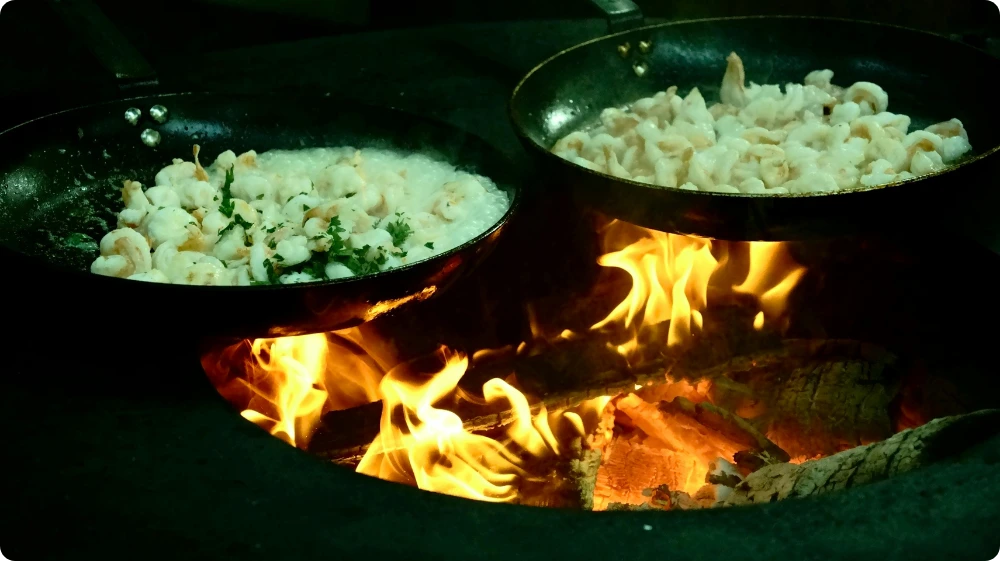
Common in kitchens and catering environments, these fires burn at high temperatures. A special wet chemical extinguisher is used to cool the oil and form a seal that prevents re-ignition.
Each of these fire types behaves differently. Recognising them and knowing the correct extinguisher to use isn't just smart, it could save lives.
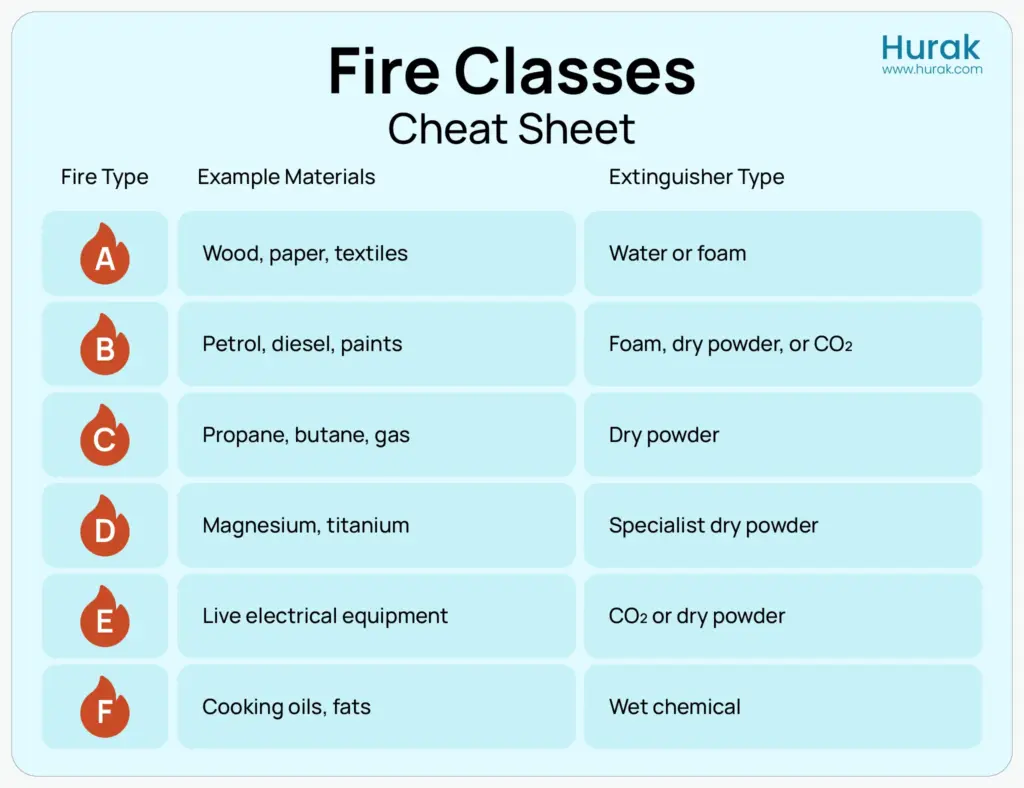
Fire extinguishers come in different types for a reason. Using the wrong one could cause injury, damage to equipment, or intensify the fire. For example, a water extinguisher used on a cooking oil fire could result in a violent flare-up. Thats why all staff must be trained to identify fire classes and match them to the appropriate extinguisher.
Employers must ensure that extinguishers are not only available but also clearly labelled and positioned near likely hazards. Even more importantly, employees should understand how to use them. Our fire safety tips for the workplace provide a helpful overview of best practices to get started.
Fire extinguisher training is often included in basic health and safety qualifications and is considered a must-have for anyone acting as a fire marshal or safety lead.
Under the Regulatory Reform (Fire Safety) Order 2005, UK employers are legally responsible for ensuring that workplaces are prepared for fire risks. This includes conducting fire risk assessments, installing the correct equipment, and providing staff with appropriate training.
Further legislation, such as the Fire Safety Act 2021 and the Building Safety Act 2022, emphasises accountability, especially in high-risk buildings and roles involving safety oversight. These laws highlight that fire safety isnt optional it's a core responsibility tied to the duty of care.
Neglecting fire precautions can result in fines, prosecution, or even worse consequences. To better understand the consequences of oversight, refer to our article on the impact of poor health and safety procedures.
In addition to internal policies, UK workplaces can refer to official government guidance on fire safety in non-domestic premises for compliance information.
Site Supervisors: Stay Compliant and Confident
Learn how to assess fire risks, lead teams safely, and meet CITB requirements.
Take the SSSTS Course.
Understanding fire classification isnt just for fire marshals. Its relevant for:
Employees in high-risk sectors like manufacturing, catering, or logistics
Supervisors and team leaders are responsible for staff safety
New professionals aiming for careers in health and safety
Site managers and duty holders are under a legal obligation
Whether you're aiming to build a career in safety or simply want to be a responsible employee, this knowledge will always be relevant. For supervisors, training often includes fire classification as part of broader workplace safety education, such as that covered in SSSTS courses.
Training is the most effective way to turn fire classification knowledge into action. One course that aligns especially well with this topic is the Fire Marshal and Fire Warden Course. It covers fire classes, the use of extinguishers, evacuation protocols, and the legal duties of a fire warden.
For those just starting out in safety roles or seeking a general introduction, the Level 2 Health and Safety in the Workplace course provides a strong foundation, particularly for office and retail environments.
Fire classification may seem like a technical detail, but in reality, it forms the basis of real-world fire safety. It enables you to act with confidence, choose the correct extinguisher, and protect both people and property. Whether you're in a leadership position or just starting your first job, this knowledge is empowering.
More than that, its part of building a safety-conscious workplace culture, one where people are prepared, calm under pressure, and equipped to prevent small incidents from becoming major emergencies.
If you're ready to learn more and take on a proactive safety role, consider enrolling in a fire marshal course or general health and safety training. These qualifications not only boost your confidence, they show your employer and colleagues that you're someone they can count on in critical situations.
Advance your career in fire safety.
Gain a recognised NEBOSH Fire Safety Certificate and specialise in workplace fire risk management.
Get NEBOSH Certified.
A Class A fire involves solid materials like wood, paper, or textiles. It's common in offices and homes and is best extinguished with water or foam.
Class B fires involve flammable liquids such as petrol or paint. They require foam, dry powder, or CO? extinguishers, never water.
Class F fires involve cooking oils or fats, typically in kitchens. These fires need a wet chemical extinguisher and should never be tackled with water.
Class D fires involve reactive metals like magnesium or titanium. These fires require a specialist dry powder extinguisher and are usually found in industrial settings.
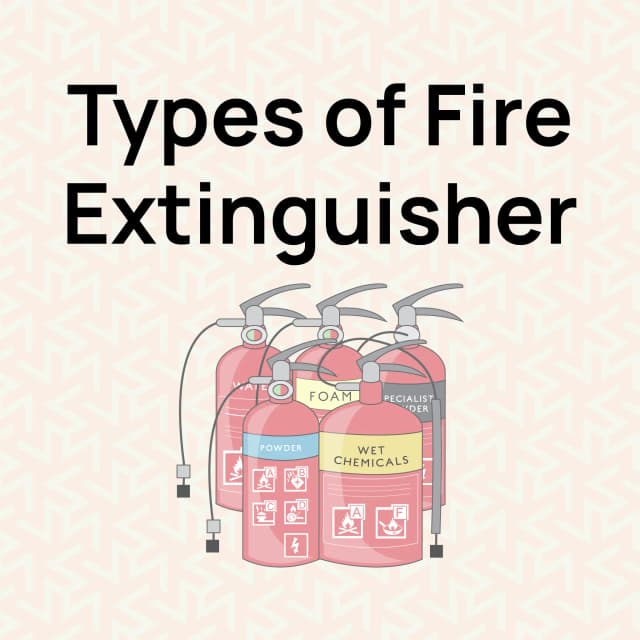
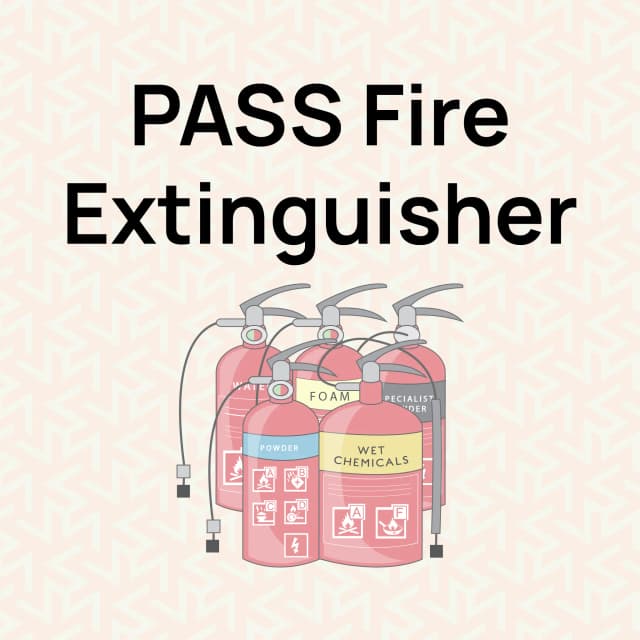
Each fire class needs a specific extinguisher:
A: Water or foam
B: Foam, CO?, or dry powder
C: Dry powder
D: Specialised dry powder
F: Wet chemical
Electrical: CO? or dry powder only
Understanding fire classes helps you respond safely, reduces risk, and ensures compliance with UK fire safety regulations, essential in any workplace.
Looking to strengthen your fire safety knowledge or grow your workplace safety credentials? These courses are a significant next step:
Fire Marshal and Fire Warden Course: Build confidence in fire prevention, evacuation protocols, and extinguisher use.
Level 2 Health and Safety in the Workplace: Understand common risks, including fire hazards, in any work environment.
SSSTS Site Supervisor Safety Training Scheme: Covers fire safety duties and risk control for supervisors on construction sites.
SMSTS Site Management Safety Training Scheme: Designed for site managers, includes fire safety planning and legal responsibilities.
Manual Handling Awareness Course: A foundational course to understand safe handling and reduce workplace risks, alongside fire hazards.
CITB Health and Safety Awareness Course: An excellent introduction for those new to construction, including fire safety basics.
Courses
Upskill with job-ready training.
Mock Tests
Measure your learning progress.
Create an online video course, reach students across the globe and earn money