On This Page

July 20, 20267 min read
Manual handling is a vital skill in various industries, ranging from construction sites to healthcare facilities. It involves lifting, carrying, pushing, or pulling items, and when done incorrectly, it can lead to injuries, including back pain, strains, and other musculoskeletal disorders. Understanding the key principles of manual handling is essential for ensuring both personal safety and workplace well-being.
In this article, well explore the 5 essential manual handling principles that every worker should know. These principles will guide you in adopting safer lifting techniques, minimising the risk of injury, and enhancing overall efficiency in your work environment. Whether you're an experienced professional or new to manual handling, following these fundamental practices will help you perform tasks more safely and effectively.
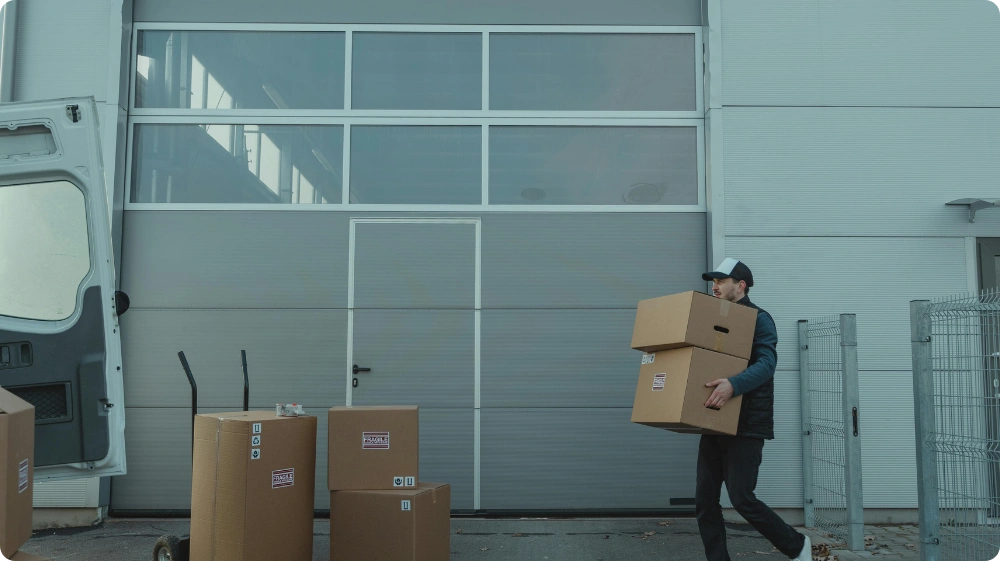
Manual handling refers to any task that involves lifting, carrying, pushing, pulling, or moving objects by hand or bodily force. Whether it's lifting a box, pushing a trolley, or manually moving equipment, these tasks are part of everyday work in various industries, including construction, healthcare, logistics, and retail.
Why is Manual Handling Important?
Proper manual handling is crucial for maintaining workplace safety. When performed incorrectly, manual handling can lead to serious injuries such as back strains, sprains, and musculoskeletal disorders (MSDs), which can result in prolonged downtime, increased healthcare costs, and reduced productivity.
Understanding the correct techniques for manual handling not only protects employees but also ensures that tasks are carried out efficiently, reducing the risk of workplace accidents and boosting overall productivity. Adopting safe manual handling practices helps create a safer environment, improves morale, and contributes to the well-being of staff, ultimately fostering a culture of safety in the workplace.
Master Safe Manual Handling with Hurak
To perform manual handling tasks safely and efficiently, completing the Level 2 Health and Safety in the Workplace course is essential. Hurak provides expert guidance, interactive learning, and practical tips to help you reduce injury risks and comply with workplace safety regulations.
Start the Level 2 Health & Safety Course | Learn Key Manual Handling Techniques | Explore Manual Handling Training Course | Browse Health & Safety Training Courses
Manual handling in the workplace is more than just following safe practices; its a legal obligation. The Manual Handling Operations Regulations 1992 (MHOR) require employers to assess the risks associated with lifting, carrying, and moving loads, and to provide employees with proper training, guidance, and equipment. Employees also have a responsibility to follow safe procedures, utilise lifting aids when necessary, and report any hazards. Adhering to these regulations not only reduces the risk of injury but also ensures legal compliance and fosters a culture of safety across the workplace.
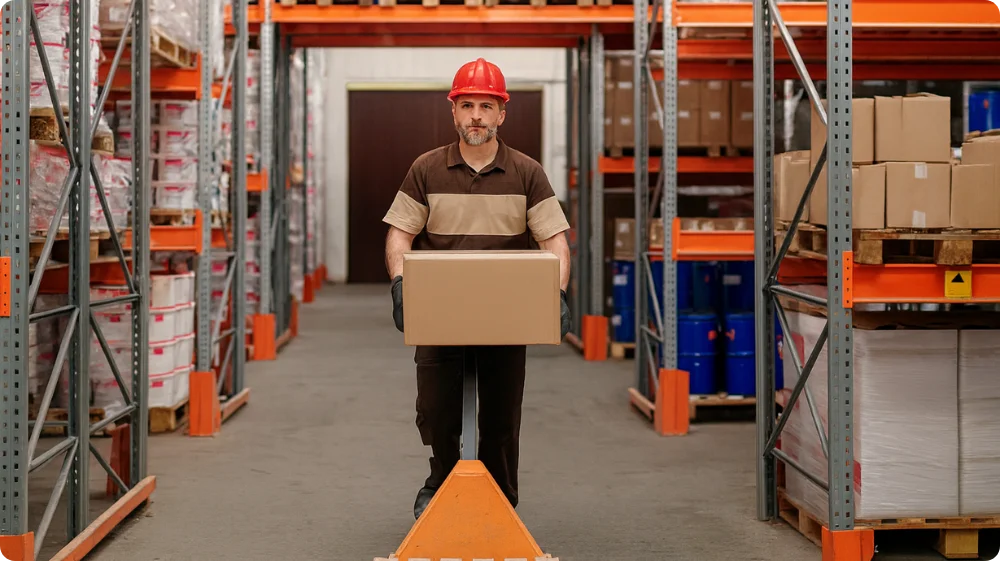
Manual handling is essential for many tasks, but it must be done safely to prevent injury and improve efficiency. By following these five key principles, you can significantly reduce the risk of injury and ensure tasks are completed safely and effectively.
Assess the Load Before Lifting: Check the loads weight, size, and stability. Is it too heavy or awkward? Assessing the load helps determine whether it can be lifted safely or if you need assistance or equipment.
Maintain Proper Posture: Keep your back straight, bend your knees, and keep the load close to your body. Avoid twisting or bending at the waist, as improper posture increases the risk of back injuries.
Use Correct Lifting Techniques: Squat down and lift with your legs, not your back. This reduces strain on your spine and prevents injury. Always keep the load close to your body and avoid jerking movements.
Ensure a Safe Environment: A clutter-free, well-lit space is vital for safe lifting. Ensure the area is free of obstacles and well-lit to avoid accidents when handling heavy or awkward loads.
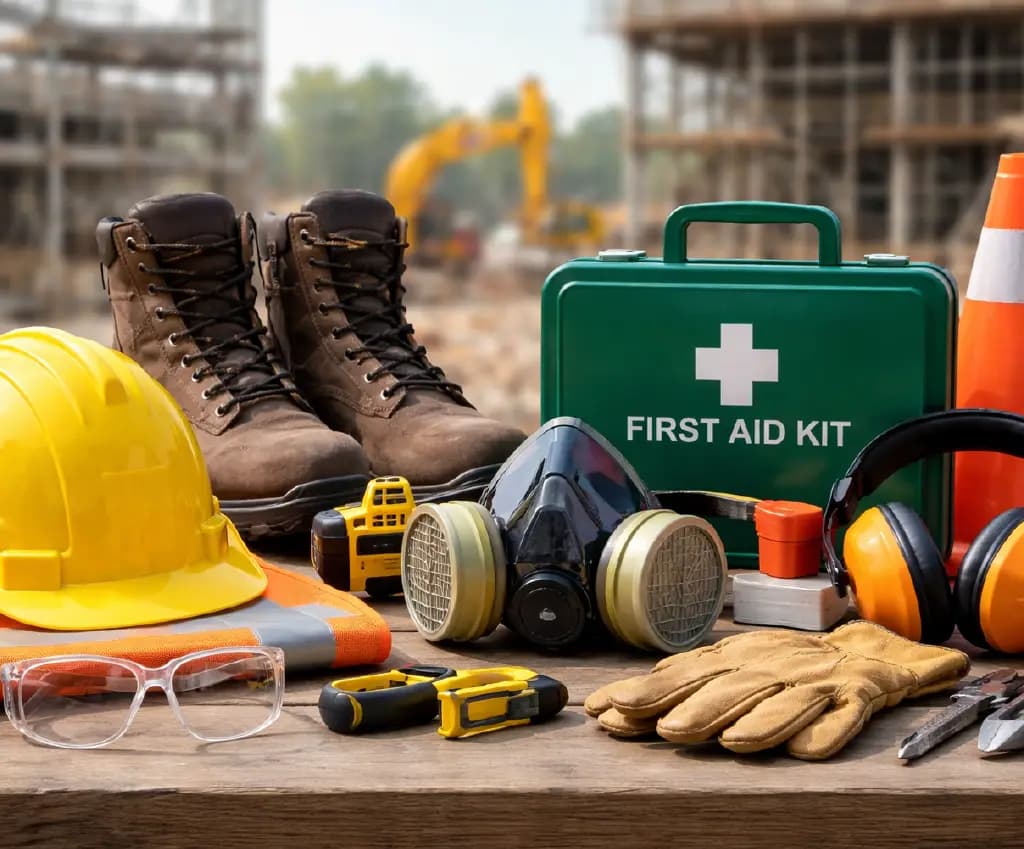
Ask for Help or Use Equipment When Needed: If the load is too heavy or awkward, dont hesitate to ask for help or use equipment like trolleys or hoists to assist with the lift. These tools reduce strain and improve safety.
Before lifting any object, it's crucial to assess its weight, shape, and stability. This step ensures that you are prepared for the task and can identify if the load is manageable or requires assistance or equipment.
Key Considerations:
Weight: Can you safely lift it on your own, or is it too heavy for you? If in doubt, get help.
Shape: Is the object an awkward shape that might make it difficult to grip or balance?
Stability: Is the load balanced, or could it shift, causing you to lose control?
By taking the time to assess the load before lifting, you reduce the risk of injury and ensure that you're using the proper technique or equipment for the task.
Proper posture is crucial for preventing injuries while lifting and handling objects. Maintaining the correct posture helps reduce strain on your back and joints, ensuring that your body is aligned and supporting the weight evenly.
Tips for Proper Posture:
Straight Back: Always keep your back straight to maintain proper alignment and avoid strain.
Bend Your Knees: Bend your knees instead of your back to use your leg muscles for lifting.
Keep the Load Close: The closer the load is to your body, the less effort it takes to lift and carry.
By maintaining proper posture, you not only reduce the risk of injury but also make lifting tasks easier and more efficient.
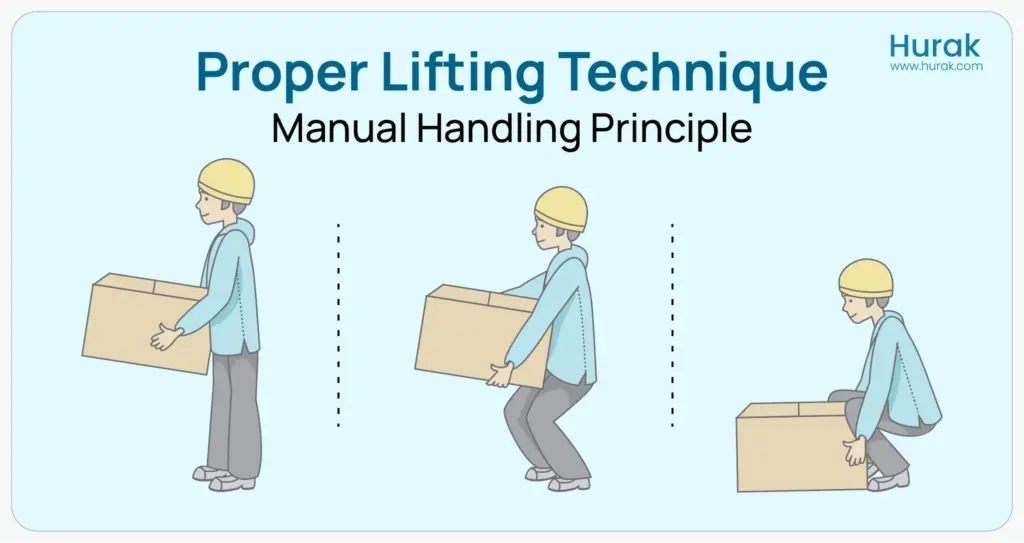
Mastering the correct lifting technique is essential for preventing strain and injury during manual handling. Using proper lifting techniques ensures that your muscles and joints are working efficiently, reducing unnecessary stress on your body.
How to Lift Correctly:
Keep the Load Close: Hold the load as close to your body as possible to reduce pressure on your spine.
Stand Up Using Your Legs: Push through your legs to lift the load, not your back.
Lift Smoothly: Avoid jerking the load. Move in a steady, controlled manner to prevent strain.
Mastering these lifting techniques will reduce the risk of injury and make lifting tasks easier and more efficient.
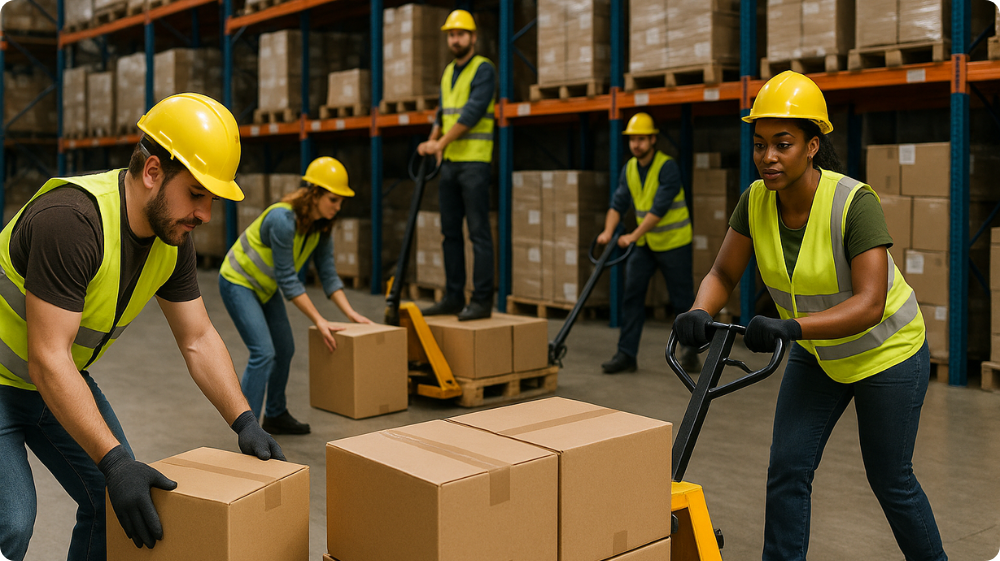
Creating a safe environment for lifting is just as important as using the proper technique. A clutter-free and hazard-free workspace reduces the risk of accidents and enables more efficient lifting.
How to Ensure a Safe Lifting Environment:
Clear Ventilated Area: Clear your path of any objects or debris that may cause you to trip. Ensure the space is well-ventilated and comfortable to help maintain focus and reduce fatigue.
Good Lighting: Proper lighting helps you see hazards and handle loads safely.
Safe Pathways: Ensure the area is clear of obstacles and wide enough to allow for unrestricted movement. Ensure the floor is level and non-slip to prevent slips and falls.
By eliminating hazards, you ensure a safer and more effective lifting process.
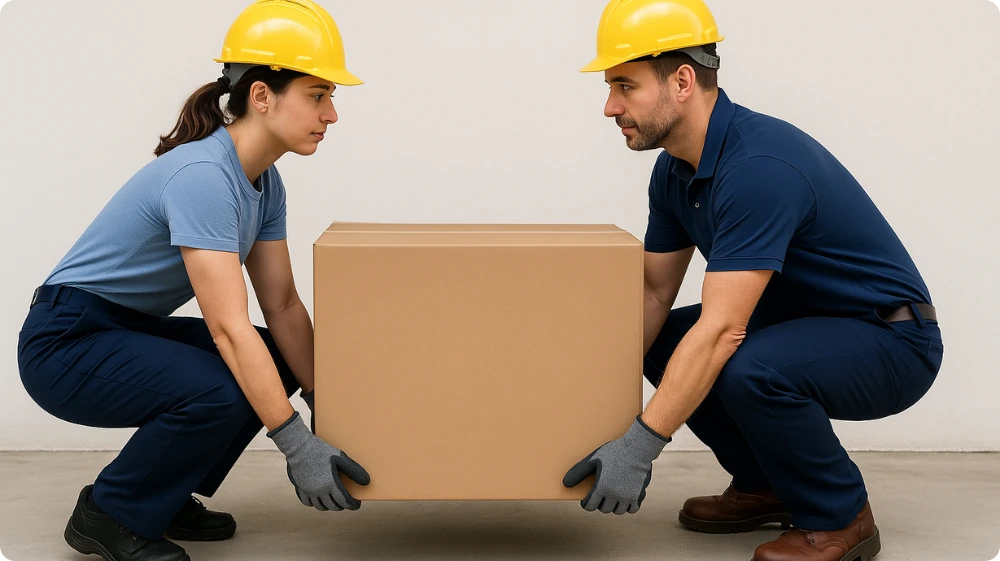
Knowing when to seek help or use lifting equipment is vital for preventing injury. Lifting heavy or awkward loads alone can lead to strain, while using the right equipment ensures a safer and more efficient process.
When to Seek Help or Use Equipment:
Heavy Loads: If the load is too heavy to lift safely on your own, seek assistance or use a mechanical aid, such as a hoist or forklift.
Unstable Loads: For loads that are unbalanced or awkward to handle, using specialised equipment or requesting assistance ensures a safer lift.
Fatigue: If you're tired or unsure about lifting, don't hesitate to ask for help to avoid mistakes and injuries.
Understanding when to rely on others or use tools makes lifting tasks safer and reduces the risk of injury.
The "power zone" refers to the ideal area where lifting and carrying loads are the safest and most efficient. This range, typically between your waist and shoulders, allows you to lift with minimal strain on your body, particularly your back and joints. When you lift within this zone, you engage your body's strongest muscles, specifically your legs and core, rather than relying on your back muscles, which reduces the risk of strain or injury.
The reason the power zone matters so much is simple: it helps minimise strain on your lower back and spine. By keeping the load close to your body and at waist height, you also improve your control over the load, making the lift easier and safer to perform. Lifting within this optimal range prevents awkward bending or twisting motions that can lead to injury, allowing for a more efficient and safer lifting experience.
To maximise the power zone, always bring the load as close to your body as possible, ideally within the waist-to-shoulder range. Avoid lifting above shoulder height, as it places unnecessary strain on your back and shoulders. Instead, engage your legs when lifting, using the strength of your lower body rather than bending at the waist, which can put extra pressure on your lower back.
By focusing on the power zone, you can significantly reduce the risk of injury and lift more efficiently, ensuring safer manual handling practices in the workplace.
Advance Your Workplace Safety Skills with Hurak
Hurak offers a range of accredited Health & Safety and Manual Handling courses to help you develop essential skills, reduce workplace risks, and progress confidently in your career.
Recommended Courses:
Level 2 Health and Safety in the Workplace Gain practical knowledge to maintain a safe working environment.
Level 3 Health and Safety (RQF) Advanced training for supervisory roles and safety management.
Manual Handling Training Course Learn to tackle poor moving and handling techniques.
Safety Harness Training Specialised training for safe working at heights.
Browse Health & Safety Training Options. Find more courses to enhance your workplace safety.
Manual handling tasks can lead to serious injuries if not performed correctly. By recognising common mistakes and following the right techniques, you can ensure safer lifting practices and improve efficiency at work. Below is a breakdown of common manual handling mistakes and tips on how to avoid them.
Mistake | Description | How to Avoid It |
Lifting with Your Back Instead of Legs | Lifting with your back, rather than your legs, places unnecessary strain on your spine, increasing the risk of injury. | Always bend your knees and lift with your legs. Keep your back straight to avoid strain on your spine. |
Twisting While Lifting | Twisting your body while lifting, especially when turning, can cause severe strain on your spine and muscles, leading to injury. | Turn your whole body by pivoting on your feet, not by twisting your back. This ensures safer movement and reduces strain. |
Lifting Loads That Are Too Heavy or Awkward | Attempting to lift overly heavy or awkward loads can lead to injury, especially if the load is unbalanced or challenging to manage. | Assess the load beforehand. If it's too heavy or awkward, use lifting aids or ask for help. |
Poor Posture | Slouching or bending at the waist while lifting places additional stress on your muscles, which can lead to back strain and discomfort. | Maintain a straight back, keep your chest out, and ensure your shoulders are aligned. Bend your knees and keep the load close to your body for better posture. |
Not Using Proper Equipment | Failing to use mechanical aids when needed can lead to injury, especially with heavy or difficult loads. | Use trolleys, hoists, or forklifts when necessary. Don't hesitate to ask for help if the load is too heavy to manage on your own. |
Following proper manual handling principles not only helps prevent injuries but also offers a range of benefits that enhance workplace safety, efficiency, and overall productivity.
Reduced Risk of Injury: By using the correct lifting techniques and maintaining proper posture, employees are less likely to suffer from back pain, musculoskeletal disorders (MSDs), or other lifting-related injuries. This leads to fewer sick days and a healthier workforce.
Improved Efficiency and Productivity: When manual handling tasks are performed correctly, workers can handle loads more quickly and efficiently. Reducing the time spent managing injuries or improper lifting means more time spent on productive work, which directly benefits the business.
Enhanced Employee Well-being: A focus on safe manual handling practices helps reduce fatigue, discomfort, and stress on the body. Employees who feel physically supported and secure at work are more likely to remain engaged and motivated.
Compliance with Health and Safety Regulations: By adhering to manual handling principles, businesses ensure they comply with health and safety laws, reducing the risk of legal issues, fines, and claims related to workplace injuries.
A Safer Workplace Culture: When manual handling principles are followed, a culture of safety is fostered. Employees become more aware of the importance of safety, which encourages safer practices throughout the workplace, benefiting everyone.
By prioritising manual handling principles, businesses not only protect their employees but also create a more efficient, productive, and compliant work environment.
Manual handling refers to the act of lifting, carrying, pushing, or pulling objects at work. Correct techniques prevent injuries and improve efficiency.
They reduce the risk of injury, promote proper posture, and ensure safer, more efficient handling of loads.
The power zone is the safe lifting range between your waist and shoulders, where your body can lift loads with minimal strain.
Check the weight, shape, and stability. If the load is too heavy or awkward, use the appropriate equipment or ask for assistance.
Lifting with your back, twisting, poor posture, and ignoring lifting aids are common mistakes that increase the risk of injury.
Yes. The Manual Handling Operations Regulations 1992 require employers to assess risks, provide training, and ensure that safe handling practices are implemented.
Always if the load is heavy, awkward, or unstable. Equipment such as trolleys, hoists, or forklifts can help prevent strain and injury.
Mastering the 5 key principles of manual handling is essential for creating a safer and more productive workplace. By assessing the load, maintaining proper posture, using the correct lifting techniques, ensuring a hazard-free environment, and knowing when to ask for help or use equipment, you can significantly reduce the risk of injury and improve operational efficiency.
By following these principles, employees can lift and move loads with confidence, thereby reducing strain on their bodies and minimising the risk of unnecessary accidents. For businesses, adopting these practices not only promotes employee well-being but also fosters a culture of safety and compliance with health and safety regulations.
Prioritise safe manual handling in your daily routine, and encourage others to do the same. The result will be a safer, more efficient, and healthier work environment for everyone.
Courses
Upskill with job-ready training.
Mock Tests
Measure your learning progress.
Create an online video course, reach students across the globe and earn money