Tejasweta Pradhan
Blending research and strategy, Tejasweeta Pradhan currently works as a content writer at Hurak. Creating SEO-driven and accessible content across diverse topics, including Teaching and Academics, First Aid, Construction and Health and Safety. She also develops local course pages, ensuring clarity and engagement for learners and businesses. Previously worked as a content writer and project lead for various organisations across India, including BCGI, American Football India, Green Campus Project and Maiti India. Her approach seamlessly blends readability, making complex information easy to understand and impactful. With a Master’s in Comparative Literature from Jadavpur University, she brings creativity, critical thinking and clarity to every project she works on. Committed to professional growth, she is expanding her expertise in digital content and audience engagement while refining her writing craft.

Blending research and strategy, Tejasweeta Pradhan currently works as a content writer at Hurak. Creating SEO-driven and accessible content across diverse topics, including Teaching and Academics, First Aid, Construction and Health and Safety. She also develops local course pages, ensuring clarity and engagement for learners and businesses. Previously worked as a content writer and project lead for various organisations across India, including BCGI, American Football India, Green Campus Project and Maiti India. Her approach seamlessly blends readability, making complex information easy to understand and impactful. With a Master’s in Comparative Literature from Jadavpur University, she brings creativity, critical thinking and clarity to every project she works on. Committed to professional growth, she is expanding her expertise in digital content and audience engagement while refining her writing craft.

The Ultimate LOLER Inspection Checklist: Ensure Safety, Compliance, and Equipment Reliability with Essential Checks
Lifting operations are essential in many industries, but they also come with inherent risks. To mitigate these dangers and ensure the safety of both your equipment and workforce, it�s vital to follow the Lifting Operations and Lifting Equipment Regulations (LOLER). Regular inspections are not just a regulatory requirement; they are crucial for maintaining equipment reliability and preventing accidents.In this guide, we�ll provide you with the ultimate LOLER inspection checklist, covering all the key aspects of lifting equipment safety. By following this comprehensive checklist, you�ll ensure that your equipment meets safety standards, operates effectively, and remains compliant with legal requirements. Whether you're a safety officer or an operator, this checklist will help you navigate the inspection process with confidence and precision.What is LOLER and Why Is It Essential for Safe Lifting Operations?LOLER, or the Lifting Operations and Lifting Equipment Regulations, is a crucial UK legislation designed to ensure that all lifting equipment is safe for use in workplaces. By setting precise requirements for regular inspections, maintenance, and safe operational practices, LOLER helps businesses prevent accidents and keep both workers and equipment protected.The Importance of LOLER:Ensures Worker Safety: Lifting operations, if not properly managed, can lead to serious accidents. LOLER mandates that lifting equipment be thoroughly inspected to identify risks, ensuring the safety of those operating or working near the equipment.Regulatory Compliance: Adhering to LOLER ensures businesses remain compliant with UK health and safety laws, thereby reducing the risk of legal issues, fines, or liability in the event of an incident.Enhances Equipment Longevity: Regular LOLER inspections not only promote safety but also help extend the life of expensive equipment, protecting your investment and improving operational efficiency.Following LOLER guidelines safeguards both human and equipment assets, making it an essential part of any business's safety culture.Key Components of a LOLER Inspection Checklist for Safe Equipment UseThis section outlines the core aspects of a LOLER inspection:General Equipment Condition: Ensure no visible damage, corrosion, or wear.Load-bearing Components: Chains, ropes, hooks, etc., should be in a safe, functional condition.Safety Features: Overload protection, limit switches, and emergency stops should be operational and functioning properly.Lifting Accessories: Slings, shackles, hooks, and other lifting accessories must meet the Safe Working Load (SWL) standards.Calibration Systems: The Accuracy of weight measurement systems should be verified.Environmental Conditions: Ensure the work area and installation environment are safe for lifting operations.This high-level checklist emphasises the key areas to focus on during an inspection.How to Conduct a LOLER Inspection: A Step-by-Step GuideConducting a LOLER inspection is a vital process for ensuring the safety and compliance of lifting equipment. A thorough inspection not only keeps equipment operational but also ensures that all necessary safety protocols are in place. Below is a step-by-step guide on how to effectively conduct a LOLER inspection:Step 1: Preparation and Documentation ReviewBefore starting the inspection, review any previous inspection records and maintenance logs to ensure a thorough understanding of the property's condition. Ensure you have the equipment's manual and inspection history on hand. This helps you understand any issues from past inspections and any work that has been done on the equipment.Review safety documentation, including training records for operators and maintenance staff, to ensure they are up-to-date and comply with relevant regulations.Step 2: Inspect the General Condition of the EquipmentCheck for visible damage, such as cracks, rust, or corrosion, on the lifting equipment�s body. Look for any signs of wear and tear that could affect the equipment�s operation, such as loose parts or worn-out cables.Verify the overall cleanliness of the equipment. Dirt and debris can hide problems, so it�s essential to clean the equipment before proceeding with the inspection.Step 3: Assess Load-Bearing ComponentsInspect all load-bearing parts, including chains, ropes, and slings, for any damage, fraying, or stretching. Look for any deformation that could reduce the equipment's strength and safety.For lifting hooks and eyebolts, check that the latch mechanisms are working correctly and are not bent or distorted.Step 4: Examine Safety Devices and SystemsTest all safety mechanisms: Ensure that devices such as overload protection, limit switches, emergency stops, and brakes are fully functional.Verify that any safety indicators (such as lights or alarms) are operational. These features prevent overloading and help protect workers from unsafe conditions.Step 5: Inspect Lifting Accessories and AttachmentsInspect slings, shackles, and hooks for signs of wear, corrosion, and any damage that may compromise their strength or integrity.Ensure that all lifting accessories are clearly marked with their safe working load (SWL) and match the equipment specifications.Step 6: Evaluate the Calibration of Measuring SystemsVerify accuracy for any weight measurement systems, load cells, or scales. These devices must be calibrated to prevent errors in load handling, which could lead to accidents.Step 7: Check the Environment and InstallationInspect the installation site to ensure foundations and supports are stable. Ensure that the work area is free from hazards, such as loose flooring, exposed electrical wires, or obstructions.Ensure that weather conditions (if applicable) are suitable for lifting operations, as rain, high winds, or extreme temperatures can affect equipment performance.Step 8: Record Your FindingsAs you conduct the inspection, document your findings carefully, noting any defects or concerns that arise during the process. For each component, record the condition and, if applicable, the action required (e.g., repair, replacement, or re-inspection).If any defects are found, specify the priority for repair or maintenance, and ensure that these actions are followed up on promptly.Step 9: Final Check and ConfirmationAfter completing the inspection, conduct a final review to ensure that everything has been thoroughly reviewed and documented. Recheck any previously marked concerns to ensure they have been addressed.If the equipment passes the inspection, confirm that it is safe for use and provide the necessary certification or sticker to indicate compliance with LOLER standards.Step 10: Follow Up on Maintenance and RepairsIf the inspection reveals issues that need addressing, schedule immediate repairs or maintenance and make arrangements for a follow-up inspection. Ensure that the equipment is re-evaluated before it is put back into service.By following this step-by-step guide, you can ensure that your lifting equipment remains compliant with LOLER regulations, operates safely, and minimises risks associated with lifting operations. Regular inspections are crucial for maintaining both workplace safety and equipment reliability, ensuring your operations run smoothly.Common Issues Identified During LOLER Inspections Load-Bearing Components Showing Signs of Degradation: Over time, chains, ropes, and slings can exhibit stretching, fraying, or deformation. This compromises their ability to safely bear the weight of lifting operations. Identifying these issues early helps prevent overloading and ensures that only properly rated components are used, reducing the risk of failure during lifting operations.Action: Replace or repair worn-out components immediately to maintain safety standards. Corrosion and Rust on Critical Parts: Corrosion and rust are among the most common issues affecting lifting equipment, particularly for metal components such as hooks, chains, and hoists. Exposure to moisture, chemicals, or harsh conditions accelerates this damage, weakening the equipment�s structural integrity and safety.Action: Regularly inspect and clean exposed components, applying protective coatings or using corrosion-resistant materials where necessary. Malfunctioning or Out-of-Calibration Safety Mechanisms: Safety mechanisms such as overload protection systems, limit switches, and braking systems may degrade over time. These systems are crucial in preventing accidents, and their failure could result in unsafe lifting conditions.Action: Regularly test and service safety devices to ensure they operate correctly, and replace malfunctioning systems immediately. Inconsistent Documentation and Maintenance Records: One of the key issues is the lack of up-to-date maintenance records. Without proper documentation, it's difficult to track the condition and repairs of equipment, leading to potential oversights or regulatory non-compliance.Action: Maintain comprehensive, up-to-date records of inspections, repairs, and maintenance for each piece of lifting equipment. This ensures compliance and helps with future inspections. Environmental Impact on Equipment Integrity: Environmental factors, such as extreme weather, high humidity, or exposure to chemicals, can significantly impact the condition of lifting equipment. These conditions can cause components to deteriorate more rapidly than expected, compromising both safety and equipment reliability.Action: Regularly inspect equipment exposed to harsh environments, and ensure protective measures (e.g., covers or sheltered storage) are in place to minimise wear from environmental factors.Boost Your Lifting Operations Knowledge and ComplianceTake the Next Step in Your Career with Our Accredited Training CoursesCPCS Courses � For Lifting Equipment Operators & SupervisorsCPCS Slinger Signaller A40 Course: Gain key skills to manage signalling in lifting operations.CPCS Crane Supervisor Course: Become a Crane Supervisor and enhance your supervisory skills for safe operations.CPCS A09 Forward Tipping Dumper Course: Master site machinery operations, ensuring safe lifting tasks.CPCS A61 Appointed Persons Lifting Operations: Learn how to manage and plan lifting operations safely.NVQ Qualifications � For Certified and Safe Lifting OperationsNVQ Level 2 Slinger Signaller: Gain NVQ certification in slinging and signalling, ensuring safe lifting practices.Level 4 NVQ Diploma Lift Supervisor: Become a Lift Supervisor with this advanced NVQ qualification.Level 5 NVQ Diploma in Controlling Lifting Operations: Elevate your career by managing and controlling lifting operations safely.Start your training today and ensure the safety and compliance of your lifting operations with Hurak.How Often Should You Inspect Your Lifting Equipment?The frequency of LOLER inspections depends on several factors, including the frequency of equipment use, its condition, and the environment in which it operates. While general guidelines exist, there are specific circumstances that might require more frequent checks.Standard Inspection IntervalsAccording to LOLER regulations, lifting equipment should be inspected at least once every 6 months if it is used frequently. Equipment used less frequently may be inspected annually. However, this interval can vary depending on the type of equipment and its usage.Daily Pre-Use ChecksBefore each use, operators should perform a quick visual check to ensure equipment is safe to operate. This should include verifying that the safety features (emergency stops, limit switches) are functional and that there are no visible defects in load-bearing components like chains, slings, or hooks.Thorough Annual InspectionsA thorough examination is required annually, as part of LOLER compliance. This inspection includes a detailed evaluation of the equipment�s condition, including testing safety devices, checking for structural damage, and ensuring load-bearing parts are fit for use.Post-Repair InspectionsAfter any significant repairs or modifications to lifting equipment, it�s mandatory to perform an inspection before returning the equipment to service. This ensures that all changes were made correctly and that the equipment remains safe to use.LOLER Inspection Checklist: Your Downloadable Resource for Safe Equipment InspectionsTo ensure that your lifting equipment meets safety standards and stays compliant with LOLER regulations, having a structured inspection checklist is essential. Below is a downloadable template to guide you through each step of the inspection process, helping to maintain operational safety and equipment reliability. The Importance of Using a LOLER Inspection ChecklistA LOLER checklist ensures that each part of your lifting equipment is thoroughly examined. Using this tool:Guarantees compliance with safety regulations.Promotes consistency in inspections.Helps identify potential issues before they lead to accidents or downtime. What the LOLER Checklist IncludesThe checklist covers essential components like:Equipment condition (e.g., visible damage, rust, wear).Load-bearing components (e.g., chains, hooks, slings).Safety features (e.g., brakes, overload protection).Calibration and measuring systems (e.g., load cells).Lifting accessories and installation environment. How to Use the Checklist EffectivelyOnce you download the template:Conduct a systematic inspection of all components listed in the checklist.Record the condition of each part, marking any issues or damages.Use the checklist for future reference, ensuring that each inspection is documented for compliance purposes. Tools to Improve Inspection EfficiencyUtilise apps that enable inspectors to complete checklists on-site, upload results instantly, and generate reports.Digital tools can track inspection schedules, provide reminders, and allow for real-time compliance checks.What to Do If Your Equipment Fails a LOLER InspectionWhen lifting equipment fails a LOLER inspection, immediate action is crucial to ensure safety, compliance, and operational continuity. Follow these streamlined steps:StepsActions NeededStep 1: Document and IsolateCarefully review the inspection findings and document all identified issues, noting their severity. Immediately remove the equipment from service to prevent accidents and further damage.Step 2: Address the IssuesDetermine whether the equipment needs repairs, component replacement, or complete refurbishment. Schedule the necessary actions promptly to restore equipment safety and compliance.Step 3: Verify RepairsOnce repairs are completed, conduct a follow-up inspection to confirm that all issues have been resolved and the equipment meets LOLER standards.Step 4: Update Records and Train StaffUpdate maintenance logs with details of repairs, inspections, and replaced components. If failure was due to improper handling, provide refresher training to operators to prevent recurrence.Step 5: Maintain Regular ChecksReinforce a schedule of routine inspections and preventive maintenance to detect issues early, ensuring equipment remains safe, reliable, and compliant.By acting swiftly and following these steps, you can ensure that your equipment is restored to full compliance and operational safety. Failing a LOLER inspection doesn�t have to mean extended downtime; with the right actions, you can address issues quickly and prevent future failures, protecting both your workforce and your equipment.Best Practices for Maintaining Equipment After a LOLER InspectionAfter a LOLER inspection, maintaining your lifting equipment is crucial to ensuring its continued safety and compliance. Follow these best practices to keep your equipment operating efficiently and reduce the risk of future failures: Address Identified Issues ImmediatelyIf the inspection reveals any faults, such as worn parts or malfunctioning safety devices, address them promptly. Repair or replace any damaged components before using the equipment again. Schedule Routine MaintenanceImplement a regular maintenance schedule for all critical equipment components like load-bearing parts and safety features. Regular checks help detect issues early and prevent costly repairs later. Perform Pre-Use InspectionsBefore each use, conduct a quick pre-use check to ensure the equipment is in good condition. Inspect for any visible signs of wear or damage, and verify key safety features, such as limit switches and emergency stops. Keep Detailed RecordsDocument every inspection, repair, and maintenance activity. This helps track the equipment's condition over time and ensures that you're meeting LOLER compliance requirements. Provide Operator TrainingEnsure that your operators are trained to spot potential issues during daily operations. Well-trained operators can identify minor problems early, reducing downtime and improving overall safety.The Role of LOLER in Ensuring Workplace Safety and ComplianceThe Lifting Operations and Lifting Equipment Regulations (LOLER) are central to maintaining safe and efficient lifting operations across workplaces. By requiring regular inspections and checks, LOLER ensures that lifting equipment remains in good condition and identifies potential issues before they can cause accidents. This proactive approach not only reduces the risk of equipment failure and workplace injuries but also keeps businesses compliant with legal health and safety requirements, helping to avoid fines or penalties.Beyond compliance, LOLER supports long-term equipment reliability. Routine inspections and maintenance prevent unexpected breakdowns, extend the lifespan of machinery, and minimise costly downtime. At the same time, employees benefit from a safer working environment. Knowing that all lifting equipment is properly maintained and regularly inspected fosters confidence, improves morale, and encourages a culture of safety throughout the organisation. In this way, LOLER not only protects workers but also strengthens operational efficiency and workplace trust.Conclusion: Stay Compliant and Ensure Safe Operations with LOLER InspectionsIn conclusion, LOLER inspections are not merely a regulatory requirement; they are essential for maintaining workplace safety, ensuring equipment reliability, and ensuring compliance with legal standards. Regular inspections help identify potential hazards, prevent accidents, and extend the lifespan of your lifting equipment, ultimately improving operational efficiency.By following a structured LOLER inspection process, addressing any identified issues, and keeping detailed records, you can maintain the safety and functionality of your equipment while protecting your workforce. Whether you're conducting daily pre-use checks or annual thorough examinations, prioritising regular inspections keeps your business in compliance with health and safety laws and ensures that lifting operations run smoothly and safely.Remember, LOLER isn�t just about compliance but about fostering a culture of safety, accountability, and proactive maintenance. Taking the proper steps now to inspect and maintain your lifting equipment will not only keep your operations safe but will also prevent costly downtimes and legal issues in the future.Enhance Your Lifting Operations Expertise TodayEnsure LOLER compliance and boost your career with our accredited training courses. Choose the right course to improve safety and operational efficiency:CPCS Slinger Signaller A40 Course � Master signalling operations to ensure safe lifting procedures.NVQ Level 2 Slinger Signaller � Gain your NVQ certification to enhance your skills and meet safety standards.CPCS A61 Appointed Persons Lifting Operations � Become an appointed person responsible for managing and overseeing safe lifting operations.Enrol now to enhance your lifting skills and stay compliant with LOLER regulations.

Complete Guide to Working at Height Risk Assessment: Key Steps, Examples, and Control Measures
When working at height, the risks are significant, and ensuring a safe environment is not just a legal requirement; it�s a moral obligation. A working at height risk assessment helps identify potential dangers and put in place appropriate measures to safeguard workers. It�s essential for safety officers, managers, and supervisors to understand how to conduct a thorough assessment to mitigate risks effectively.In this guide, we will explore the essential steps involved in carrying out a working at height risk assessment, from identifying hazards to implementing control measures. Along the way, we�ll provide real-life examples and actionable steps to help you manage and reduce risks, ensuring both compliance and safety in the workplace. Whether you're new to safety assessments or seeking to refine your approach, this article provides the tools you need to enhance your risk management practices.What is a Working at Height Risk Assessment?A working at height risk assessment is a structured process used to identify, evaluate, and manage the potential dangers associated with tasks performed at height. Working at height involves any work where there is a risk of a person falling and injuring themselves. This includes tasks performed on ladders, scaffolding, roofs, or any elevated surface.The primary goal of a working at height risk assessment is to ensure the safety of workers and compliance with safety regulations. By conducting a thorough assessment, organisations can take proactive steps to prevent accidents and injuries before they occur. The risk assessment identifies hazards such as unstable surfaces, poor weather conditions, and faulty equipment, and it helps implement control measures to mitigate these risks.This process is crucial for any workplace where employees are required to work at height, from construction sites to maintenance tasks and more. Understanding and conducting a proper risk assessment ensures that the work environment remains safe and compliant with health and safety regulations, such as the Health and Safety at Work Act 1974 and the Work at Height Regulations 2005.By systematically evaluating risks, employers can implement control measures such as using the right equipment, providing protective gear, and establishing safe working practices. Without this essential assessment, the risks associated with working at height can lead to severe injuries, fatalities, and legal repercussions for the employer.The Importance of Conducting a Working at Height Risk AssessmentWhen employees work at heights, the risks they face are significant, including falls and falling objects. A working at height risk assessment helps manage these risks by identifying potential hazards and implementing control measures. This process is not only crucial for maintaining safety standards but also for fulfilling legal obligations, preventing accidents, and ensuring that all work is conducted in a controlled and safe environment. Failing to conduct a proper risk assessment can result in hazardous incidents, substantial fines, and damage to a company's reputation.Key Steps in Conducting a Working at Height Risk AssessmentConducting a working at height risk assessment involves a systematic approach to ensure safety and minimise risks. This process is designed to identify potential hazards, evaluate their severity, and implement control measures to prevent accidents. Below are the key steps in conducting a practical risk assessment for tasks performed at height:Step 1: Identify HazardsThe first step in any risk assessment is to identify the hazards associated with working at height. Hazards can vary depending on the work environment, the equipment used, and the tasks involved. Common hazards include:The risk of falling from ladders, scaffolding, or roofs.Tools or materials falling from height pose a danger to workers below.Adverse weather conditions, such as high winds or rain, can make working at heights unsafe.Working on uneven or slippery surfaces may cause accidents.It�s essential to thoroughly inspect the site and consider all potential hazards associated with the work being carried out.Step 2: Evaluate the RisksOnce hazards are identified, the next step is to evaluate the level of risk associated with each hazard. This involves assessing two main factors:How likely is it that a particular hazard will result in an accident?What would the consequences be if an accident were to occur?�Would it result in minor injury, serious injury, or even a fatality?The risks can be categorised into high, medium, or low risk, helping you prioritise which hazards need immediate attention and which can be managed with less urgency.Step 3: Implement Control MeasuresAfter evaluating the risks, it�s crucial to implement appropriate control measures to reduce or eliminate those risks. Control measures can be categorised into:Measures that avoid falls altogether, such as guardrails, safety nets, or barriers.Equipment such as personal protective equipment (PPE), including harnesses, lanyards, and helmets, protects workers in the event of a fall.Systems that stop a fall from occurring, such as safety harnesses attached to anchor points.Other control measures may include providing proper training for workers, ensuring safe access to work areas, and ensuring that the necessary equipment is available and adequately maintained.Step 4: Review and MonitorRisk assessments should not be a one-time event; they should be conducted on a regular basis. Regular review and monitoring are crucial to ensure that control measures are effective and that the risk assessment remains relevant as working conditions evolve. This can involve:Conducting regular inspections of equipment and safety measures.Reviewing any incidents or near-misses to identify areas for improvement.Updating the risk assessment when new equipment or tasks are introduced, or when there are changes in the work environment.Real-World Applications of Working at Height Risk AssessmentsWhen it comes to working at height, risk assessments must be tailored to the unique hazards present in each environment. The following examples illustrate the diversity of challenges and the corresponding control measures implemented to ensure safety. These examples will give you a clear picture of how risk assessments work in practice:Example 1: High-Rise Building ConstructionHazard Identified: Working on scaffolding at significant heights.Control Measures: Use of full-body harnesses, frequent scaffold inspections, and weather monitoring.Outcome: A marked decrease in falls and fewer safety violations.Example 2: Window Cleaning at HeightHazard Identified: Falls from ladders and dropped tools.Control Measures: The installation of safety harnesses, the use of tool lanyards, and regular safety training are implemented to ensure a safe working environment.Outcome: Zero reported accidents over a year.Essential Components of a Working at Height Risk AssessmentWhen conducting a working at height risk assessment, it�s essential to focus on key components that help identify and mitigate potential hazards. These elements not only ensure safety but also facilitate compliance with industry regulations. The following components should be considered when evaluating risks associated with working at height: Location and Environmental Factors: Evaluating the environment where the work will take place is crucial. Consider factors like weather conditions, surface stability, and any physical obstacles. Worker Competence and Experience: Assessing the experience and training of workers performing tasks at height ensures they can handle the challenges safely. Proper certifications and physical fitness play an important role. Equipment and Tools: The use of proper equipment, including ladders, scaffolding, and personal protective equipment (PPE), is essential. Regular checks and maintenance of these tools are also necessary. Task Complexity: Assess the complexity of the tasks to be performed at height, considering factors like duration, the need for specialised tools, and the involvement of heavy lifting.�Control Measures: Implementing proper control measures, such as fall prevention systems, safety barriers, and emergency rescue plans, will significantly reduce the risk of accidents.Master Working at Height Safety with HurakTo effectively manage risks when working at height, it�s essential to complete comprehensive working at height risk assessments and implement the proper control measures. Hurak offers accredited training courses that guide you through the risk assessment process, ensuring you stay compliant and maintain a safe workplace.Start the Working at Height Course | Enrol in our Safety Harness Training | Learn about Working at Height Risks | Get Hands-On Health and Safety Awareness Mock TestControl Measures for Working at HeightEnsuring the safety of workers when performing tasks at height requires implementing effective control measures. These measures are designed to either prevent a fall, protect workers if a fall occurs, or minimise the impact if a fall does happen. By incorporating the right control measures, you can significantly reduce the risks associated with working at height and create a safer environment for all involved. Fall PreventionThe most effective way to reduce risk is by preventing falls before they occur. Fall prevention eliminates the risk entirely, offering workers the highest level of protection. One of the most common methods is installing guardrails and barriers around elevated platforms, scaffolding, or the edges of roofs. These barriers act as physical barriers, preventing workers from accidentally stepping too close to the edge.Additionally, the use of scaffolding and aerial work platforms (AWPs) ensures that workers are working within a stable, enclosed space, minimising exposure to open edges. For extra protection, safety nets can be installed beneath elevated work areas to prevent falls. These nets act as a safety cushion, catching workers if they lose their balance, further reducing the likelihood of a serious fall. Fall ProtectionIn situations where fall prevention is not possible, fall protection systems become essential. These systems do not prevent falls but protect workers if one occurs. Key elements of fall protection include personal protective equipment (PPE), such as harnesses, lanyards, and fall arresters, which workers wear to keep them securely attached to anchor points. Even if a worker falls, these systems ensure that they remain suspended safely without coming into contact with the ground.In addition to PPE, anchor points must be properly installed and secure, allowing workers� safety harnesses to stop a fall effectively. Moreover, implementing a rescue system is critical. A well-designed rescue system ensures that if a worker becomes suspended after a fall, they can be retrieved safely and quickly, minimising exposure to risk for prolonged periods. Fall Arrest SystemsWhen fall protection is insufficient and a fall occurs, fall arrest systems are used to stop the fall and prevent injury. These systems are designed to slow the descent and reduce the impact forces. Lifelines are a key component in fall arrest systems. These horizontal and vertical lifelines are anchored securely and connected to workers� safety harnesses, halting their fall before it reaches the ground.In addition to lifelines, fall arresters, such as shock-absorbing lanyards, are used to absorb the energy from a fall, significantly reducing the shock to the worker�s body. These systems play a crucial role in preventing serious injuries or fatalities in the event of unexpected falls. Safe Access and EgressSafe access to and from work areas at height is another critical element in minimising risk. Without safe means of accessing elevated work areas, workers may be exposed to additional hazards. Using sturdy ladders and stairways that are regularly inspected and securely positioned can significantly reduce the risk associated with climbing or descending to high locations.Where ladders or scaffolding are not feasible, rope access systems provide a safe and controlled method for workers to access elevated areas. Trained personnel use ropes, harnesses, and anchor points to safely access and work at height, ensuring that no unsafe access methods are used. These systems not only enhance safety but also enable workers to operate in locations that might otherwise be inaccessible. Training and CompetenceFinally, training is one of the most vital control measures. No matter how effective the equipment or systems are, they are only valuable if the workers using them are adequately trained. Training should cover the correct usage of PPE, ensuring that workers know how to wear and adjust harnesses, helmets, and lanyards to maximise their effectiveness.Training should also focus on safe work practices. Workers must be instructed on the proper methods of using ladders, scaffolds, and aerial work platforms. In addition, it's essential that workers are familiar with emergency procedures, particularly rescue techniques, so they know exactly what to do in the event of an accident. Proper training ensures that safety protocols are followed and that workers are prepared to handle the challenges of working at height.The Third Stage of Risk Assessment: Implementing Control MeasuresAfter identifying hazards and evaluating risks in the earlier stages, the next crucial step is to implement control measures that mitigate these risks. This stage ensures that the appropriate systems are in place to manage the risks and keep workers safe.Control MeasureDescriptionActionable Steps for ImplementationPrioritise Control MeasuresFocus on the highest risks first, ensuring that the most hazardous hazards are addressed promptly.- Prioritise fall prevention measures for the highest-risk areas.- Focus on critical control measures that address immediate dangers first.Integrate Fall Prevention SystemsIncorporate fall prevention methods directly into the work environment to eliminate exposure to hazards.-Install guardrails or barriers before any work begins.- Enclose work areas using scaffolding or platforms to create safer environments.Equip Workers with PPEProvide workers with personal protective equipment to ensure they are protected in the event of a fall.-Distribute harnesses and lanyards, ensuring all workers are equipped.- Verify the correct fit and adjustment of PPE before starting work.Conduct Regular InspectionsEnsure that all equipment and safety measures are functioning correctly and consistently.-Inspect all equipment daily before use.- Check safety barriers, scaffolding, and PPE for any wear and tear or damage.Continuous Training and DrillsOngoing training ensures that workers are fully prepared to handle the tasks and emergencies that might arise while working at height.-Hold regular training sessions on equipment usage and safety protocols.- Conduct emergency drills to test workers� response to falls or accidents.Common Mistakes in Working at Height Risk AssessmentsHere are the 5 most common mistakes made during risk assessments and how to avoid them: Failing to Identify All HazardsOne of the most significant errors is failing to identify all hazards at the worksite thoroughly. Often, only the most obvious risks, such as falling from height, are considered, while other dangers, like weather conditions or unstable surfaces, are overlooked.How to Avoid It: Perform a comprehensive site inspection to identify both common and hidden hazards, including environmental factors, work equipment, and worker competence. Underestimating the Risks of Certain TasksMany risk assessments underestimate the dangers of tasks that may appear low-risk at first glance, such as using a ladder or accessing a roof. Even seemingly simple tasks can pose significant risks if not adequately assessed.How to Avoid It: Evaluate the task thoroughly, considering its complexity, duration, equipment condition, and environment, before making an assessment. Inadequate or Improper Use of PPEPersonal protective equipment (PPE) is essential for worker safety; however, many assessments fail to ensure that PPE is used correctly or that it is adequate for the task. Incorrectly fitted harnesses or helmets can compromise safety.How to Avoid It: Ensure workers are provided with the correct PPE for the task, and regularly train them on its proper use and maintenance to ensure it is effective. Neglecting Regular Inspections and MaintenanceA common oversight is failing to conduct regular inspections and maintenance of equipment and work areas. Unsafe equipment or poorly maintained structures can significantly increase the risk of accidents.How to Avoid It: Implement a daily inspection routine for all equipment (including ladders, scaffolding, and PPE) and conduct periodic site assessments to ensure ongoing safety. Always inspect the worksite before starting any task. Ignoring the Need for an Emergency PlanInadequate planning for emergencies, such as fall incidents, can result in delayed responses that worsen the outcome of an accident. A clear, practised rescue plan is essential to minimise harm in case of an emergency.How to Avoid It: Establish a detailed rescue plan that includes clear roles, emergency contacts, and necessary equipment. Regularly practice emergency procedures to ensure everyone knows how to respond promptly.Who is Responsible for Conducting a Working at Height Risk Assessment?A working at height risk assessment is a collaborative effort, requiring input from several key personnel within an organisation. The responsibility lies not just with the employer, but with all individuals involved in the task. Let�s look at the key roles:RolePrimary ResponsibilityKey RoleHealth and Safety Manager or Safety OfficerLead the risk assessment process, ensuring compliance with safety regulations and standards.Oversee the overall safety measures, ensuring that control measures are comprehensive and implemented effectivelySite Supervisors and ManagersOversee daily tasks at the worksite and ensure safety measures are followed during operations.Monitor the implementation of the risk assessment and ensure that workers follow safety protocols on-site.WorkersProvide firsthand input into potential hazards and offer insight based on their experience with the tasks at height.Trained workers should understand their role in maintaining safety at height and contribute to safety decisions.EmployersEnsure that adequate resources, such as training, PPE, and supervision, are available to implement risk assessment recommendations.Ensure the organisational culture supports safety initiatives and that resources are correctly allocated.Understanding RAMS for Working at Height: What You Need to KnowRisk Assessment and Method Statements (RAMS) are integral to managing the risks associated with working at height. RAMS documents outline the risks, methods, and precautionary measures that must be followed to ensure the safety of workers and compliance with regulations. Below, we explain the key elements of RAMS and their importance in height-related work.What Does RAMS Include?A well-prepared RAMS document addresses both the risks of a task and the methods to carry it out safely. It typically consists of two key components: Risk AssessmentIdentifying hazards such as unstable surfaces, adverse weather conditions, or equipment failure.Evaluating the likelihood and severity of risks such as falls or falling objects.Outlining the necessary control measures to minimise risk (e.g., guardrails, PPE).� Method StatementDescribing safe working practices for tasks at height, including PPE requirements and tools needed.Detailing the steps involved in the task to ensure all safety protocols are followed.Emergency procedures and first aid plans in case of an accident.Why RAMS are Vital for Working at HeightRAMS provide a clear and structured plan for carrying out work safely at height, helping to:Prevent accidents by eliminating or mitigating risks.Comply with regulations like the Work at Height Regulations 2005.Ensure all workers understand their roles, PPE requirements, and safe work practices.Boost Your Site Safety Credentials with CITB CoursesLooking to enhance your knowledge of site safety and meet industry standards? Hurak�s CITB Site Safety Plus courses are designed to support professionals at every level.Popular CITB-accredited courses include:CITB Health and Safety Awareness (HSA)CITB SMSTS: Site Management Safety Training SchemeCITB SMSTS Refresher CourseCITB SSSTS: Site Supervisor Safety Training SchemeCITB SSSTS Refresher CourseHow Often Should a Working at Height Risk Assessment Be Reviewed?A working at height risk assessment should be reviewed regularly to ensure ongoing safety and compliance. Typically, risk assessments should be updated at least annually or more frequently if circumstances change. If the work environment or procedures evolve, the assessment must be updated to reflect these changes to remain accurate and effective.Immediate reviews are required when significant incidents occur, such as a fall or near miss, as these highlight gaps in existing safety measures. New equipment or methods also necessitate a review to ensure that updated procedures do not introduce new hazards. Additionally, changes in regulations should trigger a review to ensure compliance with current safety standards. Regular updates maintain safety, reduce the risk of accidents, and ensure continued adherence to legal requirements.FAQsWhat is a working at height risk assessment?A working at height risk assessment identifies hazards associated with tasks performed at elevated levels and outlines control measures to prevent accidents, ensuring the safety of workers.Why is working at height risk assessment critical?It is crucial to identify and mitigate risks, comply with safety regulations, and protect workers from injuries or fatalities when working at height.Who should conduct a working at height risk assessment?Safety officers, site supervisors, and employers should all be involved in conducting and overseeing the risk assessment to ensure it is thorough and accurate.How often should a working at height risk assessment be reviewed?The risk assessment should be reviewed annually, or whenever there are changes in equipment, work conditions, or regulations, or after incidents.What are the key components of a working at height risk assessment?Key components include hazard identification, risk evaluation, control measures, safe work procedures, and emergency response plans.What are common mistakes in working at height risk assessments?Common mistakes include failing to identify all hazards, underestimating risks, improper use of PPE, and not updating the assessment after incidents or regulatory changes.What control measures should be implemented when working at height?Control measures include fall prevention systems, PPE (personal protective equipment, such as harnesses and lanyards), fall arrest systems, and regular inspections to ensure safe working conditions.ConclusionConducting a working at height risk assessment is a critical process for ensuring the safety of workers and complying with regulations. By systematically identifying hazards, evaluating risks, and implementing effective control measures, organisations can significantly reduce the likelihood of accidents and create a safer work environment. Regular reviews of the risk assessment are essential for identifying new risks, maintaining compliance with evolving regulations, and improving overall safety practices.Whether it's by prioritising high-risk tasks, equipping workers with the proper PPE, or continuously monitoring safety measures, following a structured approach to risk assessments can prevent falls and other height-related injuries. Remember, safety is an ongoing commitment, and by regularly reviewing and updating risk assessments, businesses can ensure a culture of safety that protects both workers and the organisation.

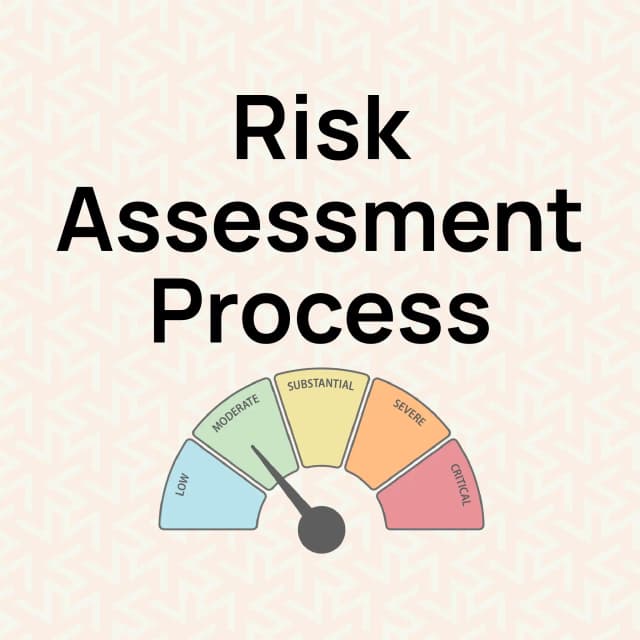
The Risk Assessment Process: A 5-Step Guide to Identifying and Managing Workplace Hazards
Risk assessments are a critical component of maintaining a safe and healthy workplace. Whether you're managing a construction site, an office, or any other work environment, identifying potential hazards and understanding the associated risks is essential for protecting employees, clients, and visitors.In this comprehensive guide, we will walk you through the 5-step risk assessment process, from identifying hazards to managing and mitigating risks effectively. By the end of this guide, you'll not only understand the importance of conducting regular risk assessments but also how to perform them with confidence. The knowledge and tools shared here will help you ensure a safer, more compliant workplace, reducing the likelihood of accidents and improving overall productivity.What is a Risk Assessment?A risk assessment is a systematic process used to identify potential hazards in the workplace, evaluate the risks associated with them, and determine the appropriate control measures to prevent accidents or harm. Conducting a risk assessment ensures that employees, contractors, and visitors can work in a safe and compliant environment.Performing regular risk assessments is a legal requirement in many industries, but beyond compliance, it helps organisations proactively manage safety, reduce workplace injuries, and maintain operational efficiency.A risk assessment is more than just a formality; it is a structured approach to workplace safety. The primary purpose is to:Identify hazards that could cause injury, illness, or property damage.Assess the likelihood and severity of those hazards.Implement controls to minimise or eliminate risk.Provide documentation to support compliance and facilitate continuous improvement.Understanding the difference between hazard and risk is crucial for a practical risk assessment:HazardRiskAnything that has the potential to cause harm (e.g., chemicals, machinery, slippery floors).The likelihood that the hazard will actually cause harm, and the severity of the potential outcome.Example: A wet floor is a hazard, while the possibility of someone slipping and injuring themselves is the risk.Why Carry Out a Risk Assessment?Conducting a risk assessment is not only a legal requirement but also an essential step in creating a safe and productive workplace. By identifying potential hazards and assessing risks, businesses can prevent accidents, protect their employees, and ensure compliance with relevant safety regulations.A well-executed risk assessment also supports better decision-making, reduces costs associated with workplace incidents, and fosters a culture of proactive safety awareness.Many industries are legally required to conduct risk assessments under workplace health and safety regulations. These laws are designed to:Ensure employers provide a safe working environment.Protect employees, contractors, and visitors from preventable harm.Require documentation and evidence of safety measures taken.Failing to conduct risk assessments can lead to penalties, legal action, or reputational damage.Importance of Risk Assessments in Workplace Safety and ProductivityRisk assessments are a cornerstone of workplace safety and organisational efficiency. They serve both as a legal requirement and a practical tool to protect employees, reduce risks, and enhance productivity.Key reasons to conduct regular risk assessments include:Legal compliance: Many safety regulations require documented risk assessments.Accident prevention: Identifying hazards early helps prevent injuries, fatalities, and workplace incidents.Cost savings: Reduces downtime, compensation claims, insurance costs, and damage to equipment or property.Improved efficiency: Streamlines operations by proactively managing risks before they escalate.Employee confidence and culture of safety: Encourages proactive behaviour, boosts morale, and fosters a safe working environment.By implementing effective risk assessments, organisations can maintain smooth operations, safeguard their workforce, and create a proactive safety culture that benefits everyone.Key Principles of an Effective Risk AssessmentAn effective risk assessment is built on a series of structured principles designed to identify, evaluate, control, and monitor workplace hazards. Following these principles ensures organisations protect employees, maintain compliance, and foster a proactive safety culture. Identifying Hazards: The foundation of any risk assessment is recognising potential hazards that could cause harm. These hazards may arise from physical sources, such as machinery or wet floors, chemical substances like cleaning agents, biological risks including bacteria or viruses, or environmental factors such as poor lighting and extreme temperatures.A practical way to identify hazards is to walk through the workplace, observe daily operations, consult employees, and review past incident reports. This approach helps ensure no potential hazard goes unnoticed. Evaluating Risks and Their Severity: After identifying hazards, it�s crucial to assess the risks associated with each hazard. This evaluation focuses on three key aspects: the likelihood of harm occurring, the severity of potential consequences, and the level of exposure to which employees may be subjected.For instance, a wet floor in a frequently trafficked corridor represents a high likelihood of slips and falls, while a minor chemical spill in a restricted area may present a lower risk if managed correctly. Evaluating risks in this way allows organisations to prioritise which hazards need immediate attention. Controlling and Mitigating Risks: Once risks are evaluated, the next step is to implement control measures to reduce or eliminate them. Control methods range from removing the hazard entirely to substituting dangerous substances or processes with safer alternatives, and installing engineering solutions such as machine guards or ventilation systems.Administrative measures, including training, policies, and safe work procedures, complement these controls, while personal protective equipment (PPE) acts as the final line of defence. The goal is to create multiple layers of protection to ensure employee safety. Monitoring and Reviewing Risk Assessments: Risk assessments are ongoing activities, not one-off tasks. Regular monitoring ensures risks remain controlled, while reviews help identify new hazards or changing workplace conditions.Organisations should schedule periodic assessments, re-evaluate risk controls after incidents or near-misses, and continuously improve procedures and training. This ensures the risk assessment process remains dynamic, practical, and relevant to the evolving workplace environment.Master Workplace Safety � Strengthen Your Risk Assessment Skills with HurakWant to ensure hazards are appropriately identified, risks are controlled, and your workplace stays safe and compliant?Popular Courses You Might Find Useful:Level 2 Health and Safety in the Workplace: Learn essential safety principles, risk assessment techniques, and compliance requirements.Level 3 Health and Safety in the Workplace: Advanced training for managing complex risks and leading safety initiatives.IOSH Managing Safely: Equip yourself with practical skills to assess, manage, and mitigate workplace hazards effectively.Working Safely (IOSH): Gain fundamental knowledge to maintain a safe working environment across various industries.Explore Hurak�s range of Health and Safety Courses designed for employees, managers, and safety professionals. Whether you�re new to workplace safety or looking to enhance your expertise, there�s a course tailored for you.The 5-Step Risk Assessment ProcessThe 5-step risk assessment process is the industry-standard approach to identifying, evaluating, and controlling workplace hazards. By following these steps, organisations can ensure legal compliance, protect employees, and improve operational efficiency. Understanding each step enables businesses to implement effective safety measures while cultivating a proactive culture of risk management.Step 1: Identify HazardsThe first step in the process is to recognise any potential hazards that could cause harm to employees, visitors, or contractors. Hazards can be physical, chemical, biological, ergonomic, or environmental in nature.Practical examples include wet floors, exposed machinery, hazardous chemicals, poorly maintained equipment, or even work-related stress. Conducting walkthrough inspections, consulting staff, and reviewing past incidents are effective ways to identify hazards before they escalate into accidents.Step 2: Decide Who Might Be Harmed and HowAfter identifying hazards, it�s essential to determine who could be affected and in what way. This includes employees, contractors, visitors, or even members of the public in certain workplaces.Consider factors like frequency of exposure, vulnerability of individuals (e.g., new staff, pregnant workers, or those with disabilities), and potential consequences of an incident. Understanding who is at risk and how they may be harmed helps in prioritising safety measures effectively.Step 3: Evaluate Risks and Implement ControlsOnce hazards and affected individuals are identified, the next step is to assess the likelihood and severity of each risk and implement appropriate controls.Controls should follow the hierarchy of risk management, starting with eliminating the hazard if possible, substituting dangerous processes with safer alternatives, implementing engineering or administrative controls, and using personal protective equipment (PPE) where necessary.For example, if a machine poses a cutting hazard, installing a guard and providing operator training are both adequate controls. The goal is to minimise the risk to an acceptable level.Step 4: Record Your FindingsDocumenting the risk assessment is crucial for legal compliance and accountability. A written record should include the identified hazards, who might be harmed, the evaluation of risks, and the controls implemented.Recording findings ensures that employees are informed about potential hazards and can follow the safety measures. It also provides a reference for future audits and inspections, making it easier to demonstrate compliance with health and safety regulations.Step 5: Review and Update the Risk AssessmentRisk assessments are dynamic documents that require regular review and updates. Any changes in the workplace, such as the introduction of new equipment, processes, or personnel, may create new risks that require reassessment.Regular reviews help ensure that safety measures remain effective and reflect current workplace conditions. This proactive approach supports continuous improvement and helps organisations maintain a culture of safety.How to Fill Out a Risk Assessment FormCompleting a risk assessment form may seem straightforward, but doing it correctly is crucial for ensuring workplace safety, complying with legal requirements, and implementing effective risk management. A properly completed form ensures that hazards are identified, evaluated, and controlled, and it serves as a formal record for audits and inspections.Here�s how to approach it effectively: Start with Basic InformationEvery risk assessment form begins with essential details:Location or department: Specify the area or team being assessed.Date and assessor name: Record who is completing the assessment and when.Task or process description: Clearly state what activity, equipment, or procedure is being evaluated.This information ensures accountability and provides context for the findings. Identify HazardsList all potential hazards related to the task or area. Consider physical, chemical, biological, ergonomic, and environmental risks. Examples include:Slippery floors or trip hazardsMoving machineryHazardous substancesWalkthrough inspections and staff consultation can help uncover less obvious hazards. Determine Who Might Be HarmedFor each identified hazard, specify who is at risk and how they might be affected. Include:EmployeesVisitorsVulnerable groups (e.g., new staff, young workers, or pregnant employees)Understanding the affected individuals is key to implementing targeted and effective control measures. Evaluate the Risk and Identify ControlsAssess the likelihood and severity of each hazard and determine the risk level. Then, identify controls to eliminate, reduce, or remove the hazard entirely (if possible):�Substitute with a safer alternativeImplement engineering or administrative controlsUse personal protective equipment (PPE)Clearly document both the risk evaluation and the measures being taken to mitigate it. Record Findings and Sign OffOnce all hazards, affected individuals, and controls are documented:Sign the form to confirm completionShare the findings with relevant staffStore the form for future reference, audits, or updates.A thoroughly completed form ensures that your organisation meets legal obligations and maintains a proactive safety culture. Review and Update RegularlyRisk assessment forms are living documents. Review and update them:After changes in the workplaceWhen introducing new equipment or processesFollowing incidents or near missesRegular updates ensure that control measures remain effective and risks are managed appropriately.Common Mistakes to Avoid During Risk AssessmentsEven experienced safety officers and managers can make errors during risk assessments. Avoiding these common mistakes ensures that the assessment is accurate, effective, and compliant with legal requirements.By recognising these pitfalls, you can strengthen workplace safety, improve compliance, and prevent accidents before they occur.Common MistakeWhy It�s a ProblemHow to Avoid ItFailing to Involve EmployeesFailing to Involve EmployeesInclude frontline staff in the assessment process for real-world insightsOverlooking Small or Less Obvious HazardsMinor hazards can cause accidents or near missesConduct thorough inspections; consider ergonomic, environmental, and behavioural risksNot Evaluating Severity or Likelihood ProperlyInadequate or excessive controls, wasted resourcesUse a risk matrix to assess likelihood and impact systematicallyFailing to Update Assessments RegularlyOutdated controls create false security and non-complianceReview assessments periodically or after incidentsInadequate DocumentationDifficult to track progress, demonstrate compliance, or learn from incidentsKeep clear, detailed, and accessible records of hazards, controls, and responsibilitiesIgnoring Employee TrainingControl measures may be ineffective if staff don�t know how to apply themProvide regular training and updates to employees on safety proceduresBest Practices for Conducting a Risk AssessmentConducting a risk assessment effectively requires more than just identifying hazards; it involves a systematic approach that ensures workplace safety, compliance, and efficiency. One of the most important best practices is to engage all relevant employees. Frontline staff often have first-hand knowledge of the risks in their work environment, so involving them in the assessment process can uncover hazards that might otherwise be overlooked. To ensure your risk assessments are thorough and effective, start by involving all relevant employees. Their insights can reveal hidden dangers and practical solutions.�Use a structured approach, following the 5-step risk assessment process, and prioritise risks according to severity and likelihood. Always document your findings clearly, and schedule regular reviews to keep assessments up to date. Training employees on identified hazards and controls ensures that safety measures are consistently applied. Don�t forget to include less obvious risks, such as environmental, ergonomic, or procedural hazards, to create a truly comprehensive assessment.Frequently Asked Questions About Risk AssessmentWhat is a risk assessment?A risk assessment is a systematic process of identifying workplace hazards, evaluating the risks they pose, and implementing controls to minimise harm. It ensures the safety of employees and compliance with legal requirements.�Why are risk assessments necessary?Risk assessments are crucial for preventing accidents, ensuring legal compliance, reducing costs, and fostering a proactive safety culture. They help organisations identify hazards before incidents occur and protect both employees and business operations.�How do you conduct a risk assessment?Conducting a risk assessment involves five key steps: identifying hazards, determining who might be harmed and how, evaluating risks and implementing controls, documenting findings, and regularly reviewing the assessment. This structured process ensures that all hazards are addressed effectively.�How do I fill out a risk assessment form?A risk assessment form should document each identified hazard, the associated risks, who is affected, the control measures in place, and the person responsible for implementation. Ensure it�s clear, accurate, and regularly updated.�What is the difference between a hazard and a risk?A hazard is anything that can cause harm, such as machinery, chemicals, or working at height. A risk is the likelihood that the hazard will cause damage and its potential severity. Understanding this difference is essential for prioritising controls during a risk assessment.�How often should a risk assessment be reviewed?Risk assessments should be reviewed regularly and whenever changes occur in the workplace, such as the introduction of new equipment, processes, or personnel. Regular reviews ensure that controls remain effective and hazards are continuously managed.�Can risk assessments reduce costs for a business?Yes. By identifying hazards early and implementing controls, organisations can prevent accidents, reduce downtime, minimise compensation claims, and lower insurance premiums, all of which lead to cost savings.Conclusion: Implementing the Risk Assessment Process EffectivelyA well-executed risk assessment process is not just about compliance; it�s a strategic tool for enhancing workplace safety, productivity, and efficiency. By following the structured 5-step process, companies can identify hazards early, implement adequate controls, and minimise the likelihood of accidents or downtime. Involving employees in assessments increases awareness and engagement, creating a proactive safety culture. Regular monitoring and reviews ensure that risks are continuously managed, helping organisations protect their workforce while optimising operations and reducing costs.

Employees� Responsibilities for Health and Safety at Work: A Complete Guide
Health and safety in the workplace isn�t just the employer�s responsibility; it�s a shared duty. Every employee, regardless of their role, plays a vital part in maintaining a safe and healthy working environment. By understanding and fulfilling their responsibilities, employees not only protect themselves but also contribute to the well-being of colleagues and the overall success of the organisation.Under the Health and Safety at Work Act 1974 (HASAWA), employees have clear legal duties. These range from following safety procedures and using equipment properly to reporting hazards and cooperating with their employer�s policies. Failing to fulfil these responsibilities can lead to accidents, injuries, and even legal consequences.In this guide, we�ll explore the key responsibilities employees have for health and safety, explain their legal duties under HASAWA, and highlight practical steps to keep the workplace safe for everyone.Why Health and Safety Responsibilities Matter for EmployeesHealth and safety in the workplace is a shared responsibility, not something that rests solely with employers. Employees play a crucial role in creating a safe environment, and their actions have a direct impact on the well-being of everyone around them. By following procedures, reporting hazards, and working responsibly, employees help prevent accidents and reduce risks.Taking responsibility isn�t just about avoiding injury; it also builds a culture of safety and trust. When staff actively contribute to health and safety, it protects colleagues, reassures clients or visitors, and ensures smoother business operations. It also helps employees feel more confident and valued, knowing they are part of a workplace that prioritises their wellbeing.Importantly, fulfilling health and safety duties is also a legal requirement under the Health and Safety at Work Act 1974. Failing to meet these responsibilities can lead to accidents, disciplinary action, or even legal consequences. Ultimately, when employees take health and safety seriously, everyone benefits from individual workers to the organisation as a whole.Take Charge of Workplace Safety � Boost Your Health and Safety Skills with HurakEnsure you understand your responsibilities and contribute to a safer workplace. Hurak offers a range of accredited Health and Safety courses to help employees, supervisors, and managers stay compliant and confident.Popular Health and Safety Courses:Level 2 Health and Safety in the Workplace � Fundamental knowledge for all employeesLevel 3 Health and Safety in the Workplace � Advanced training for managers and supervisorsManual Handling Training � Safe lifting techniques to prevent injuriesIOSH Managing Safely Course and Certificate� � Learn prevention and emergency response proceduresIOSH Working Safely Course � Identify hazards and implement effective controlsWant more options? Browse all Health and Safety Courses at Hurak and find the right training for your team.Employees� Rights and Responsibilities Under Health and Safety LawWorkplace safety depends on a balance between what employees can expect from their employers and what is expected of them in return. Employees have the right to safe systems of work, access to training, and the use of personal protective equipment (PPE). They should also be informed about risks and know how to raise concerns.In return, employees carry responsibilities. These include taking care of their own health and safety, following agreed safety procedures, cooperating with managers, and ensuring their actions do not put others at risk. Reporting hazards, near misses, or faulty equipment is a vital part of this responsibility.By combining rights with responsibilities, the Health and Safety at Work Act 1974 ensures that safety is a shared duty. This partnership helps reduce accidents, improve compliance, and build safer working environments.What Are Employees� Responsibilities for Health and Safety?Employees have clear legal responsibilities under the Health and Safety at Work Act 1974 (HASAWA). These duties are non-negotiable and form the foundation of workplace safety compliance. Every employee must:Follow workplace health and safety policies set by the employer.Use protective equipment and machinery correctly, as instructed.Take reasonable care of their own safety and that of others who may be affected by their actions.Report hazards, accidents, or unsafe practices to a manager or supervisor.Cooperate with employer safety measures to ensure that legal standards are upheld.Refrain from misusing safety equipment or creating risks for others.These responsibilities are rooted in law, meaning failure to comply can result in disciplinary action or even legal consequences. By meeting these duties, employees help employers meet their obligations while protecting everyone in the workplace.Duties Under the Health and Safety at Work Act 1974 (HASAWA)The Health and Safety at Work Act 1974 (HASAWA) is the foundation of workplace safety law in the UK. While it places significant responsibilities on employers to create safe working conditions, it also sets out clear duties for employees. These duties ensure that safety is a shared responsibility across the workplace.Key employee duties under HASAWA include:Taking reasonable care of your own health and safety, as well as that of colleagues and anyone who may be affected by your work.Following the safety instructions and training provided by the employer to ensure tasks are carried out safely.Using equipment and protective gear properly and never misusing items designed for safety purposes.Reporting hazards, accidents, or unsafe practices so that risks can be addressed quickly.Cooperating with employers and supervisors to ensure all legal obligations under health and safety law are met.Failing to fulfil these duties can result in disciplinary action, legal consequences, or an increased risk of accidents in the workplace. By complying with HASAWA, employees not only fulfil their legal obligations but also contribute to fostering a safer and more responsible working environment.Practical Steps to Keep the Workplace SafeHealth and safety isn�t just about knowing the law; it�s about putting safety into practice every day. Employees can take simple yet effective actions that make a significant difference in reducing risks and preventing workplace accidents.Steps employees can take include:Follow training and instructions carefully: Apply the knowledge gained from health and safety training and always carry out tasks as instructed.Wear and maintain PPE: Use personal protective equipment (PPE) as required, and report any damage or loss promptly.Report hazards and near misses quickly: Don�t ignore unsafe conditions, inform your manager or safety officer so issues can be addressed before they cause harm.Keep your workspace clean and organised: A tidy work area reduces slips, trips, and falls while making it easier to spot potential hazards.Encourage safe behaviour among colleagues: Look out for others, share safety reminders, and promote a culture where everyone feels responsible.Stay alert and proactive: Pay attention to your surroundings, avoid shortcuts that compromise safety, and take action when something seems unsafe.By following these steps, employees not only meet their legal duties but also contribute to a safer, healthier, and more efficient workplace.How Employees Support Employer ResponsibilitiesEmployers carry the primary legal duty for workplace safety, but their efforts only work if employees cooperate. By following safety procedures every day, employees help ensure that the systems designed to protect them are effective. Proper use of equipment and personal protective equipment (PPE) prevents unnecessary risks and supports the employer�s investment in safety resources.Employees also contribute by promptly reporting hazards, allowing employers to take corrective action, and by providing feedback on policies and training to highlight areas for improvement. Active participation in health and safety training demonstrates commitment and enables employees to apply safe practices in real-world situations. Just as significantly, encouraging teamwork and cooperation fosters a culture where safety is a priority for everyone.Together, these actions demonstrate that health and safety are not just a matter of employer duty but a shared responsibility that benefits the entire organisation.Where to Get Help and Advice on Health and SafetyEmployees have several support options if they are unsure about their health and safety responsibilities or need to raise concerns. The table below outlines the primary sources of help:Source of HelpHow They Support EmployeesLine Manager / SupervisorFirst point of contact for reporting hazards, unsafe practices, or health and safety concernsHealth and Safety OfficerProvides guidance, investigates issues, and ensures policies are followed correctly.Safety RepresentativesAct on behalf of employees, raise concerns collectively, and help maintain compliance.Training & Workplace ResourcesManuals, induction sessions, and refresher training provide knowledge on rights and duties.External Regulators (HSE)Offer impartial advice, enforce the Health and Safety at Work Act 1974, and investigate reports.By knowing who to contact and when, employees can address safety concerns quickly and effectively, ensuring risks are managed before they become serious problems.Frequently Asked QuestionsWhat responsibilities do employees have in health and safety?Employees must take reasonable care of their own health and safety and that of others. This includes following workplace procedures, using PPE correctly, and reporting hazards or unsafe practices.Who is responsible for health and safety in the workplace?Both employers and employees share responsibility. Employers provide a safe system of work, training, and equipment, while employees must cooperate and play their part in maintaining a safe workplace.What must employees do under the Health and Safety at Work Act 1974?Under HASAWA, employees are legally required to act responsibly, use safety equipment properly, follow training and instructions, and report risks or incidents promptly.Who should be contacted for health and safety matters?Employees should raise concerns with their line manager, supervisor, or the organisation�s appointed health and safety officer. External regulators, such as the Health and Safety Executive (HSE), may also be contacted if needed.Who has legal duties at work?Legal duties are shared: employers, employees, contractors, and even visitors may have responsibilities depending on their role and actions in the workplace.Conclusion: Employees� Role in Workplace SafetyHealth and safety is not just the employer�s duty; it is a shared responsibility that depends on the active involvement of employees. By following workplace policies, using equipment safely, reporting hazards, and cooperating with managers, employees help create a safer and more productive environment for everyone.The Health and Safety at Work Act 1974 makes it clear that employees have legal obligations; however, beyond compliance, these responsibilities also build trust, reduce risks, and promote a positive workplace culture. Every action, from wearing PPE to speaking up about unsafe practices, contributes to protecting colleagues and ensuring that safety remains a top priority.Ultimately, health and safety work best when everyone takes ownership. Employees who understand and carry out their responsibilities not only safeguard themselves but also play a vital part in protecting their team and supporting their organisation�s long-term success.

Cuts and Grazes First Aid: How to Clean, Treat and Heal Minor Wounds Effectively
Minor injuries like cuts and grazes are common in everyday life, whether it's a slip, a scraped knee, or a kitchen accident. Knowing how to treat these wounds correctly is essential to prevent infection and promote faster healing.In this guide, you'll discover straightforward first aid steps to safely clean, treat, and care for minor wounds, whether you're helping yourself, a child, or someone else.What Are Cuts and Grazes?Cuts and grazes are two of the most common minor injuries. A cut is a break in the skin typically caused by something sharp like glass, a knife, or metal. It can range from shallow surface nicks to deeper wounds. A graze, on the other hand, happens when the outer layer of skin is scraped off, often due to friction, such as falling on a rough surface. Both types of injuries expose the skin to bacteria and dirt, thereby increasing the risk of infection if not properly cleaned and treated.Understanding these differences helps you choose the correct first aid response and prevent the spread of infection.Injury Types:Laceration: Torn skin, often irregular.Incision: Clean, straight-edged wound.Graze (abrasion): Surface-level scrape.Puncture: Small entry point with depth.How to Clean a Cut or GrazeProper cleaning is the first and most crucial step in treating any cut or graze. It helps remove dirt, debris, and bacteria, reducing the risk of infection and supporting faster healing.Wash your HandsBefore touching the wound, wash your hands thoroughly with soap and water to prevent introducing bacteria. Dont forget to check that your kit includes clean gauze and plasters.Stop the BleedingIf the wound is bleeding, gently apply pressure with a clean cloth or sterile pad for a few minutes until it stops.Rinse with Clean WaterGently run cool or lukewarm tap water over the wound to flush out dirt and debris.Clean Around the WoundUse a clean cloth or sterile gauze with mild soap to clean the skin around the cut or graze, not directly in it.Dry the Area GentlyPat the area dry with a clean towel or sterile gauze; avoid rubbing.Apply an AntisepticUse a mild antiseptic cream or spray if advised, especially if the wound is at risk of infection.Cover the WoundApply a sterile dressing to protect it from dirt and bacteria.Tip: Avoid using alcohol, hydrogen peroxide, or iodine directly in the wound, as they can irritate the skin and slow healing. Avoid touching the wound directly once it's cleaned. Change the dressing daily or if it becomes wet or dirty.Steps to Stop Bleeding and Apply First AidStopping the bleeding quickly and safely is crucial to minimise the risk of infection and facilitate proper healing. Bleeding is your body's natural response to a cut, but it doesn't need to last long. While most minor cuts and grazes stop bleeding on their own, some may need basic first aid intervention. Here's what to do if they don't:STEPACTIONPURPOSE1Apply pressureControls bleeding immediately2Elevate the limbReduces blood flow to the area3Wait 5-10 minsAllows clotting to begin4Clean the woundRemoves bacteria and debris5Apply dressingKeeps it protected and cleanIf the wound continues to bleed after applying pressure for 10 minutes or looks deep, it's best to seek medical advice.Boost Your First Aid Confidence Get Certified with HurakWant to be fully prepared to manage bleeding, dress wounds, and respond to everyday injuries with confidence?Popular Courses You Might Find Useful:Emergency First Aid at Work (EFAW): Perfect for workplace responders and frontline staffPaediatric First Aid Course: Ideal for parents, childminders, and early years educatorsFirst Aid at Work (FAW): A comprehensive 3-day course for designated first aiders at workExplore Hurak's range of First Aid Courses designed for individuals, teams, and workplaces. Whether you're a parent, carer, employee, or health and safety rep, there's a course tailored for youHow to Treat and Heal Minor Wounds QuicklyTreating cuts and grazes properly not only speeds up recovery but also reduces the risk of infection or scarring. With a few simple steps, you can help your skin heal faster and more comfortably. Stick to these simple steps:Clean the Wound Thoroughly: Use clean water and mild soap to remove dirt and bacteria. This is the foundation of fast healing.Apply a Healing Ointment or Antiseptic: A thin layer of antiseptic cream or petroleum jelly helps keep the wound moist and protected, facilitating the formation of new skin cells more easily.Cover It Up: Use a dressing to keep the area clean and protected from friction or further injury.Change Dressings Daily: Replace the dressing at least once a day, or whenever it becomes wet or dirty, to prevent irritation or infection.Let It Breathe: Once the wound starts forming a scab and is no longer weeping, give it short periods of air exposure to support the natural healing process.Avoid Picking Scabs: As tempting as it is, picking at a scab delays healing and increases the risk of scarring.Eat a Nutrient-Rich Diet: Healing is also an internal process; foods rich in vitamin C, zinc, and protein support skin repair and regeneration.Signs of Infection You Shouldn't IgnoreMost cuts and grazes heal without issue, but infection can delay healing and cause discomfort. Even minor cuts and scrapes can become infected if not properly cared for and treated. Spotting the early signs of infection is crucial for preventing complications and knowing when to seek medical attention.Common Signs a Wound May Be Infected:Redness spreading around the wound.Swelling that persists or worsens.Increased pain or tenderness around the area.Pus or yellowish discharge.Warmth in the skin surrounding the wound.A foul smell is coming from the wound.Fever or feeling unwell (in more serious cases).When to seek medical advice if:The wound doesn't start healing after a few days.Signs of infection (redness, swelling, pus, and pain) are worsening.A dirty object, bite, or rusted metal caused the injury.You haven't had a tetanus booster in the last 10 years.Tip: Don't wait it out. When in doubt, it's always best to get a medical opinion, especially if the wound is large, deep, or slow to heal.Healing Timeline: How Long Do Cuts and Grazes Take to Heal?The time it takes for a cut or graze to heal depends on its depth, location, and how well it's cared for. Most minor wounds heal quickly with basic first aid, but knowing what to expect can help you monitor progress and avoid complications.StageWhat HappensDay 1-2The cut may bleed at first, then a scab begins to form.Day 3-4The area might feel sore and look red. Scab thickens.Day 5-7The scab starts to dry and fall off. New skin forms.Week 2+Skin finishes healing. A faint scar might remain.Factors That Affect Healing Time:Wound depth: Superficial grazes heal quicker than deeper cuts.Location: Joints and hands may take longer due to movement.Infection: Even a minor infection can delay healing.Aftercare: Clean, moist wounds heal faster than dry or exposed ones.When to Seek Medical Help for Cuts and GrazesMost minor cuts and grazes can be safely treated at home, but some injuries require professional care, especially if there is a risk of infection or complications. See a doctor if:The wound is deep, large, or bleeding heavily.Bleeding doesn't stop after applying pressure for 10 minutes.Dirt or debris is stuck in the wound and can't be cleaned out.A rusty object, an animal bite, or a dirty surface caused the injury.You haven't had a tetanus shot in the last 10 years.The area around the wound becomes redder, swollen, or painful.There is pus, a bad smell, or you develop a fever, signs of infection.The wound isn't healing after 7 to 10 days.FAQCan I use antiseptic on every cut?Use mild antiseptics carefully and sparingly. Strong antiseptics can irritate healthy skin and may slow down the healing process.When should I get a tetanus booster?If the cut is deep, caused by rusty or dirty objects, and your last tetanus booster was more than 10 years ago, it's time to get a booster.How often should I change the dressing?Change the dressing daily or sooner if it becomes wet, dirty, or loose to help prevent infection.Are grazes more likely to get infected than cuts?Yes, grazes can be more prone to infection because the skin is scraped away, allowing dirt and bacteria to enter. Clean grazes thoroughly and keep an eye on them.How can I help a wound heal faster?Keep the wound clean and covered. Use a non-medicated ointment to keep it hydrated. Avoid picking at scabs. Also, eat a diet rich in protein and vitamin C to support healing.ConclusionTaking proper care of cuts and grazes is essential to prevent infection and promote rapid healing. By knowing how to clean wounds, apply first aid, and recognise when to seek medical help, you can confidently manage these common injuries at home. Cuts and grazes are everyday injuries that most people will encounter. With the proper first aid knowledge, you can treat these wounds quickly and effectively, thereby reducing pain and promoting a faster recovery.Always keep a basic first aid kit handy, follow clean and safe wound care steps, and don't hesitate to get medical advice if needed. By taking these simple precautions, you can prevent complications and support your body's natural healing process, allowing you to return to your daily routine with confidence.Take the Next Step: Get Certified in First Aid with HurakCuts and grazes are easy to handle, but are you ready for more serious emergencies? Gain the skills to respond confidently in any emergency; at home, at work, or in public.Join our First Aid at Work (FAW), A comprehensive 3-day training designed for workplace first aiders and safety-conscious professionals.Be prepared. Be the one who knows what to do. Train with Hurak today.<

The Regulatory Reform (Fire Safety) Order 2005 Explained: Purpose, Compliance, and Penalties
Fire safety isn't just a box to tick; it's a legal requirement that can save lives. The Regulatory Reform (Fire Safety) Order 2005 was introduced to streamline fire safety laws and place responsibility firmly on those in control of premises. Employers, landlords, and managers should make sure that risks are evaluated, hazards are minimised, and individuals are safeguarded.Designed to simplify multiple pieces of legislation, the Fire Safety Order 2005 clearly outlines what compliance looks like and the serious consequences of failing to meet these standards. This article examines its purpose, compliance requirements, and the penalties for non-compliance.What Is the Regulatory Reform (Fire Safety) Order 2005?The Regulatory Reform (Fire Safety) Order 2005, often referred to as the Fire Safety Order 2005 , is the foundation of fire safety law in England and Wales. It was enacted on 1 October 2006 and replaced more than 70 separate pieces of fire safety legislation with a single unified framework.This act applies to almost all non-domestic premises, such as workplaces, residential buildings, and common areas. Its main aim is to make sure that the responsible person, who is an employer, a landlord, building owner, or facilities manager, is under reasonable measures to minimise the threat of fire and ensure the safety of anyone who might be present on the premises.Unlike older regulations, the Fire Safety Order 2005 focuses on prevention and ongoing risk management, rather than prescribing specific standards. It requires regular fire risk assessments, appropriate safety measures, and ongoing monitoring to ensure the safety of people.By combining several legislations into one, the Regulatory Reform Order 2005 made fire safety obligations clearer, easier to follow, and more enforceable across different types of buildings and organisations.Why Was the Fire Safety Order 2005 Introduced?For many businesses, fire safety once meant navigating a maze of outdated regulations.Fire Safety Order 2005 was introduced to identify this confusion, and dozens of old rules were replaced by one set of clear and practical duties.The law is structured in such a manner that it is easy to comply with because it has one responsible individual per premises; either it is an employer, a landlord, or a building manager. This shift also encouraged a proactive approach to fire safety, moving away from rigid checklists towards regular risk assessments and prevention.Who Must Comply With the Fire Safety Order 2005?The Fire Safety Order 2005 applies to almost every type of business and organisation. Whether you run a shop, manage an office, operate a factory, or oversee a school or hospital, this legislation applies to you. It also covers shared spaces in apartment blocks, such as corridors and stairwells.The law makes the responsible person, usually the employer, landlord, or building manager, accountable for fire safety. Their job is to assess risks, implement the necessary measures, and protect everyone on the premises, including staff, customers, contractors, and visitors.Prioritise Fire Safety Compliance with HurakThe Regulatory Reform (Fire Safety) Order 2005 makes fire safety a legal duty . Don't leave compliance to chance. Build the skills you need with our accredited training:Fire Marshal & Fire Warden Online Train designated staff to lead safe evacuations and meet legal requirements.NEBOSH Fire Safety Certificate Gain advanced knowledge of fire risk management and compliance.Fire Safety Manager Advanced Diploma Develop leadership-level fire safety expertise for high-risk or multi-site organisations.Stay compliant, protect lives, and meet your legal responsibilities with Hurak. Explore All Fire Safety Courses.Core Compliance Duties for Businesses and OrganisationsCompliance with the Regulatory Reform (Fire Safety) Order 2005 is not optional; it is a legal requirement for anyone responsible for non-domestic premises. The law makes the responsible person accountable for ensuring that fire risks are appropriately managed and that everyone on the premises is protected.Some of the key duties include:Conducting regular fire risk assessments: Involves identifying hazards, assessing who may be at risk, and taking action to mitigate those risks.Maintaining fire safety equipment: Ensure alarms, extinguishers, lighting, and emergency exits are installed and kept in good working order.Developing and communicating evacuation procedures: Ensure all occupants know how to respond promptly in the event of an emergency.Providing staff training: Equip employees with fire prevention knowledge, emergency response skills, and confidence in using fire safety equipment.Ongoing monitoring and reviews: Periodically update fire risk assessment and fire risk procedures, especially when there is a change in the premises or workforce.These duties are designed to move fire safety from a reactive approach to a proactive culture of prevention. By meeting them, organisations not only comply with the law but also create a safer environment for employees, customers, visitors, and residents.Consequences of Failing to Meet Fire Safety ObligationsFor businesses, failing to meet the requirements of the Fire Safety Order 2005 can have devastating consequences. In addition to fines and legal penalties, failure to comply may destroy customer trust, disrupt operations, and pose a risk to lives.Authorities may:Issue enforcement or prohibition notices that affect the normal running of the business.Impose financial penalties that can be severe and damaging.Pursue prosecution, which may result in huge fines or imprisonment in grave cases.The message is also straightforward, compliance does not merely mean that you are following the legal obligations, but also that you are protecting people, your reputation and running your business smoothly.How to Stay Compliant With the Fire Safety Order 2005Compliance with the Regulatory Reform (Fire Safety) Order 2005 should be seen as a cycle rather than a one-off activity. It starts with a detailed fire risk assessment, followed by action to address any hazards that are identified. However, the process doesn't stop there; it must be repeated and updated whenever circumstances change, such as renovations, staff turnover, or the introduction of new equipment.From there, organisations must ensure fire safety systems remain functional at all times. This includes regularly checking alarms, extinguishers, and escape routes. Alongside this, evacuation procedures should be tested through drills, while staff need ongoing training to reinforce awareness and responsibility.The final piece of the cycle is recording everything. Proper documentation shows that an organisation takes its duties seriously and provides crucial evidence if challenged by authorities. Seeking advice from professionals can further strengthen compliance, especially for larger or higher-risk premises.The Lasting Importance of the Fire Safety OrderNearly two decades after it came into force, the Regulatory Reform (Fire Safety) Order 2005 is still one of the pillars of fire safety in England and WalesEven though new laws have been introduced, such as the Fire Safety Act 2021 and the Building Safety Act 2022, the Order continues to form the foundation of fire safety law.It still matters today because:Fire risks have not disappeared: Workplaces, public buildings, and residential blocks all continue to face hazards that must be managed.It sets the baseline for compliance: Newer laws build on, rather than replace, the Fire Safety Order. making a clear understanding of it to achieve the existing duties.Accountability is essential: By assigning responsibility to a clearly defined responsible person, the Order ensures that fire safety is not overlooked.It promotes a culture of prevention: The focus on risk assessment and ongoing management keeps organisations proactive rather than reactive.For businesses, landlords, and property managers, staying aligned with the Fire Safety Order 2005 remains the essential starting point for protecting people, safeguarding assets, and meeting legal requirements.ConclusionThe Fire Safety Order 2005 continues to shape how businesses and organisations manage fire risks. Its purpose is clear: simplify the law, promote prevention, and ensure someone is always responsible for safety.For employers, landlords, and managers, compliance entails conducting risk assessments, providing staff training, developing emergency plans, and conducting ongoing reviews. Lack of compliance may lead to fines, prosecution, and loss of reputation. The Order enables businesses to remain compliant, prevent disruptions and most importantly keep people safe when used accordingly.

Workplace Regulations 1992: A Clear Guide to Health, Safety and Welfare Compliance
Understanding the Workplace Regulations 1992 is key for any business committed to health, safety, and compliance. These regulations define what's expected in areas such as workplace design, safety measures, and staff welfare, ensuring that legal standards are met. Yet, many employers and managers struggle to interpret the legal text. This guide simplifies the rules, providing clear and practical explanations to help you stay compliant, protect your workforce, and foster a culture of safety.What Are the Workplace Regulations 1992?The Workplace (Health, Safety and Welfare) Regulations 1992 are a set of legal requirements designed to ensure that working environments across the UK meet basic standards of health, safety, and welfare. Introduced under the Health and Safety at Work 1974 Act, they were developed to bring UK law in line with European Directive 89/654/EEC, which established minimum safety requirements for workplaces.These regulations outline the conditions that every employer must provide, including adequate ventilation, proper lighting, reasonable workplace temperatures, and access to welfare facilities. They apply to almost all types of workplaces, from offices and factories to shops and warehouses, making them one of the most widely relevant pieces of UK health and safety legislation.At their core, the regulations aim to create a safe, comfortable, and supportive work environment for employees, while providing employers with a clear legal framework to follow. They remain a cornerstone of workplace compliance and continue to shape how health and safety are managed across industries today.Who Do the Workplace Regulations 1992 Apply To?The Workplace Regulations 1992 apply to the majority of workplaces in the UK, setting minimum standards that employers must meet to protect their staff. Whether it's an office, warehouse, factory, retail store, or school, most working environments fall under these rules.However, there are some key exceptions. The regulations do not apply to:Construction sites are covered by separate legislation.Workplaces inside means of transport, such as ships or aircraft.Mines, quarries, and other extractive industries have their own safety regulations.Domestic premises where people are employed.For most employers, this means the 1992 regulations are highly relevant and legally binding. Every business owner, manager, and supervisor has a duty to ensure their workplace meets the required health, safety, and welfare standards. For employees, it provides reassurance that their working environment must legally be kept safe, clean, and supportive.Main Requirements of the RegulationsThe Workplace Regulations 1992 outline a series of minimum standards that employers must maintain to keep staff safe, healthy, and supported at work. These requirements cover both the physical conditions of the workplace and the welfare facilities provided.Key areas include:Ventilation, Temperature, and Lighting: Employers must ensure that workplaces have fresh air or mechanical ventilation, maintain a reasonable indoor temperature, and provide adequate lighting that is suitable for the work being carried out.Cleanliness and Space Standards: Workrooms should be kept clean and free from waste, with sufficient floor space, adequate height, and a suitable room layout to allow staff to move and work safely without overcrowding.Safety of Doors, Windows, and Traffic Routes: Entrances, exits, windows, and internal traffic routes must be safe to use. This includes providing clear passageways, ensuring doors and gates open safely, and making windows or skylights easy to open, clean, and maintain.Welfare Facilities: Employers are required to provide essential welfare facilities, including clean toilets, washing facilities, access to drinking water, and suitable rest areas. These facilities must be adequate for the number of employees and kept in good condition.Together, these requirements ensure that workplaces are not only legally compliant but also comfortable and safe for employees to carry out their duties effectively.Why the Workplace Regulations 1992 MatterThe Workplace (Health, Safety and Welfare) Regulations 1992 are more than just a set of rules; they form the foundation of modern workplace standards in the UK. Their importance lies in the way they safeguard employees while giving employers a clear legal framework to follow.For employers, the regulations matter because they:Provide a structured approach to maintaining safe and healthy workplaces.Help prevent accidents, injuries, and illnesses that could disrupt operations.Reduce the risk of enforcement action, financial penalties, and reputational damage.Support a culture of compliance that enhances efficiency and productivity.For employees, these regulations matter because they:Guarantee access to safe, clean, and supportive working conditions.Protect their right to welfare facilities such as toilets, rest areas, and drinking water.Ensure that the workplace environment does not compromise their health or well-being.Reinforce confidence that their employer has a legal duty to safeguard them.In practice, the 1992 regulations help strike a balance between business responsibilities and employee rights. They are designed to create work environments where people can perform effectively without unnecessary risks to their health or safety. By shaping both the physical conditions and the welfare provisions of a workplace, these regulations remain central to building safer, fairer, and more productive organisations across the UK.Employer Duties Under the RegulationsThe Workplace (Health, Safety and Welfare) Regulations 1992 place the primary responsibility for compliance with health, safety, and welfare regulations on employers. Every business, regardless of size, has a legal duty to ensure that its workplace meets the minimum standards for health, safety, and welfare.Key employer duties include:Providing a safe and suitable working environment: Employers must maintain workplaces that are adequately ventilated, well-lit, at a reasonable temperature, and kept clean to protect the health of their employees.Ensuring adequate space and safe access: Workrooms must allow sufficient space for movement, and doors, windows, and traffic routes must be designed and maintained to minimise risks.Maintaining welfare facilities: Employers are required to provide suitable facilities, including toilets, washing areas, drinking water, and rest areas. These must be adequate for the number of staff and kept in good working order.Conducting risk assessments and regular checks: Employers must regularly inspect the workplace to identify hazards and take steps to eliminate or mitigate them. Maintenance routines should be scheduled to ensure continued compliance.Training and informing employees: Staff should be made aware of workplace safety standards and trained on how to use facilities and equipment safely. Clear policies and guidance help ensure compliance at all levels of the organisation.Failing to meet these duties can lead to enforcement action by the Health and Safety Executive (HSE) or local authorities, including fines or prosecution. Beyond legal requirements, fulfilling these duties helps employers protect their workforce, maintain productivity, and build a positive safety culture within the organisation.Employee Rights and ExpectationsWhile employers carry the primary responsibility under the Workplace (Health, Safety and Welfare) Regulations 1992, employees also benefit from clear rights and are expected to play a role in maintaining safe working conditions.Employee rights under the regulations include:Working in an environment that is clean, well-ventilated, adequately lit, and maintained at a reasonable temperature.Access to welfare facilities such as toilets, washing areas, drinking water, and suitable rest spaces.Safe access to and from their workplace, with doors, windows, and traffic routes designed to minimise risks.The right to raise concerns if workplace conditions do not meet the required standards, without fear of unfair treatment.Employee expectations include:Following workplace safety rules and policies put in place by their employer.Using equipment, facilities, and protective measures responsibly.Reporting hazards, defects, or unsafe practices to supervisors or managers.Cooperating with employer-led training and instructions to ensure compliance with the regulations.By outlining both rights and expectations, the regulations aim to create a balanced approach where employers provide safe and supportive conditions, and employees contribute to maintaining them. This shared responsibility helps build safer, healthier, and more productive workplaces.Consequences of Non-ComplianceFailing to meet the standards set out in the Workplace (Health, Safety and Welfare) Regulations 1992 can have serious implications for employers. Non-compliance is not just a minor oversight; it is a legal offence that can lead to enforcement action by the Health and Safety Executive (HSE) or local authorities.Enforcement notices: Inspectors may issue Improvement or Prohibition Notices requiring employers to correct unsafe conditions or stop dangerous activities immediately.Financial penalties: Businesses found to be in breach of the regulations may face unlimited fines, depending on the severity of the offence.Prosecution: In severe cases, employers can be prosecuted in court, with potential custodial sentences for individuals held personally responsible.Reputational damage: Beyond legal sanctions, failing to meet basic health and safety standards can harm a company's reputation, affecting employee trust and client relationships.Increased costs: Workplace accidents or poor welfare standards can lead to higher staff turnover, sickness absence, and compensation claims.By complying with the 1992 regulations, employers not only avoid these consequences but also create a safer and healthier workplace that benefits both staff and business performance.How to Stay CompliantMeeting the requirements of the Workplace (Health, Safety and Welfare) Regulations 1992 is not only a legal duty but also an investment in the well-being and productivity of your workforce. Employers can take practical steps to make sure their workplace consistently meets the standards set out in the regulations.For employers, staying compliant with the Workplace Regulations 1992 means protecting both people and business operations. Compliance involves more than meeting minimum requirements; it's about creating a workplace where staff feel safe and supported. Risk assessments, proper maintenance, and welfare provisions are essential, but so is training employees to understand and follow safety policies. A compliant workplace reduces accidents, improves staff morale, and avoids costly penalties, making compliance a smart business strategy as well as a legal obligation.FAQsWhat are the Workplace (Health, Safety and Welfare) Regulations 1992?The Workplace Regulations 1992 are a set of UK laws that define minimum standards for health, safety, and welfare in most workplaces. They cover essentials such as ventilation, lighting, cleanliness, workspace, and welfare facilities.Who do the Workplace Regulations 1992 apply to?They apply to the majority of UK workplaces, including offices, shops, factories, and schools. Exceptions include construction sites, mines, quarries, domestic premises, and means of transport, which are governed by separate legislation.What are the main requirements of the Workplace Regulations 1992?The regulations require employers to maintain safe and clean workplaces with adequate ventilation, reasonable temperatures, sufficient lighting, safe traffic routes, and proper welfare facilities such as toilets, washing areas, and drinking water.What are employers' duties under the Workplace Regulations 1992?Employers must ensure the workplace is safe, clean, and properly maintained, carry out regular risk assessments, provide adequate welfare facilities, and train staff on health and safety practices. Failure to do so can lead to fines or legal action.What rights do employees have under the Workplace Regulations 1992?Employees have the right to work in clean, safe, and supportive conditions, access welfare facilities, and raise concerns about unsafe practices without fear of retaliation. They are also expected to follow safety policies and report hazards.What happens if an employer does not comply with the Workplace Regulations 1992?Non-compliance can result in enforcement notices, unlimited fines, prosecution, business disruption, reputational damage, and increased costs due to accidents or staff absence.How can employers stay compliant with the Workplace Regulations 1992?Employers can stay compliant by conducting regular risk assessments, maintaining safe working conditions, ensuring welfare facilities are available, training staff, and keeping up to date with health and safety standards through accredited training.ConclusionThe Workplace (Health, Safety and Welfare) Regulations 1992 remain a cornerstone of UK health and safety law, shaping the conditions in which millions of employees work every day. By setting minimum standards for ventilation, lighting, welfare facilities, and overall workplace safety, the regulations ensure that employees are protected while giving employers a clear framework to follow.For businesses, compliance is not just about avoiding fines or legal action; it is also about maintaining a strong reputation. It's about creating a safe and supportive environment where employees can perform at their best. For staff, it reinforces the right to work in conditions that promote health, well-being, and dignity.In essence, these regulations strike a balance between legal responsibility and human need. Employers who prioritise compliance not only safeguard their workforce but also benefit from improved morale, higher productivity, and a stronger reputation. Investing in health and safety training and conducting regular workplace assessments are among the most effective ways to maintain compliance and foster a positive work environment.Stay Compliant with Workplace Regulations Learn with HurakThe Workplace (Health, Safety and Welfare) Regulations 1992 set clear standards for employers and employees. Training is the most effective way to meet compliance, protect your workforce, and create a safer environment.Explore Hurak's Range of Health & Safety Courses:Core Health & Safety Compliance CoursesThese are directly tied to the regulations and employer/employee duties:Level 2 Health and Safety in the WorkplaceLevel 3 Health and Safety in the WorkplaceNEBOSH Certificate in Fire SafetyWorkplace Welfare & Safety Support CoursesGood fits for sections like welfare facilities, cleanliness, and safe environments:Manual Handling TrainingIOSH Working Safely CourseFirst Aid at Work TrainingSpecialised Workplace Safety CoursesThese reinforce areas linked to employer duties and compliance under workplace regs:Asbestos Awareness TrainingWorking at Height TrainingIOSH Managing Safely CourseIOSH Working Safely CourseExplore Huraks Health and Safety Courses to keep your business compliant and your employees protected.

What Is SMSTS Qualification? A Complete Guide to Course, Test and Certification
Looking to lead a construction site safely and legally? The SMSTS qualification might be your next essential step. If you're aiming for a site management role in construction, the Site Management Safety Training Scheme (SMSTS) qualification is widely recognised as a must-have. It provides managers and supervisors with the practical knowledge and legal skills necessary to manage site safety, risk management and legal requirements of health and safety rules.This guide provides a clear outline of the SMSTS course structure, what to expect during the examination, helpful revision tips, and details on mock tests and refresher requirements. Whether you're preparing for your first assessment or planning a renewal, this article will help you navigate the process confidently and make the most of your certification.What Is the SMSTS Qualification?The Site Management Safety Training Scheme (SMSTS) is a CITB-accredited health and safety qualification designed for individuals responsible for managing construction sites.Its specifically designed for site managers, supervisors, and those taking steps toward leadership roles, and it helps them understand how to keep worksites safe, compliant, and efficient.The SMSTS coursefocuses on practical skills for managing on-site risks, the implementation of the UK health and safety legislation, and ensuring a safe working environment.Delivered through certified CITB training providers, the SMSTS qualification is recognised across the construction sector and is often a mandatory requirement for site managers.This qualification is essential not just for compliance but also to make the working environment safer, reducing accidents, and ensuring that site managers are legally and practically prepared for their responsibilities.Who Should Take the SMSTS Course?The SMSTS qualification is commonly required for professionals responsible for managing construction sites and ensuring adherence to health and safety standards. It shows that you are aware of the legal and practical responsibilities involved in site operations. Its ideal for:Site Managers: responsible for day-to-day site operations and legal complianceProject Managers: managing various sites or larger construction projectsSite Supervisors: especially those progressing toward managerial rolesConstruction Directors: involved in high-level planning and safety strategyBusiness Owners: running small construction firms who manage their own sitesMany employers now require SMSTS certification as a condition of employment for senior site roles. Whether you're already in a supervisory position or planning to take on more responsibility, this course will ensure you are aware of your legal obligations and how to manage site hazards and maintain a healthy working environment.If you're aiming to take on more responsibility or lead a construction team, the SMSTS course can position you as a competent and safety-aware professional.SMSTS Course Breakdown: Modules, Format and ContentThe SMSTS course is a CITB-accredited training programme designed to help current and aspiring site managers understand their legal, practical, and safety responsibilities on construction sites. It is a comprehensive five-day training programme designed to provide in-depth knowledge of health and safety best practices in the construction industry.It encompasses everything from fundamental laws to certain threats site managers need to tackle on a daily basis.Key Modules Include:Health and Safety at Work Act (HSWA): legal responsibilities and complianceRisk Assessments and Method Statements (RAMS): planning safe systems of workSite Set-Up and Security: managing site access, welfare facilities, and safety signageWorking at Height and Equipment Safety: scaffolding, ladders, fall protectionManual Handling and Plant Safety: handling, maintenance, and safety protocolsFire Prevention and Control: risk identification and evacuation planningOccupational Health Hazards: noise, dust, vibration, and hazardous substancesEnvironmental Awareness: waste management, pollution control, sustainabilityDelivery Format:Duration: Typically 5 days (full-time or spread out over weeks)Format: Face-to-face or virtual classroom sessions through CITB-approved providersLearning Style: Interactive presentations, real-world case studies, group discussionsThe course is assessed through active participation and a final multiple-choice exam. Learners are expected to participate in group tasks and contribute to conversations throughout the course to strengthen their understanding.By the end of the course, candidates will have the confidence and capability to manage site safety proactively and in line with current legislation, which is vital in any construction management career.Download our SMSTS Test Prep Book[wpforms id="32373" title="false"]SMSTS Training Costs Explained: Average Fees and InclusionsSMSTS course fees typically range from 450 to 600 for the full 5-day course, depending on the provider and course format. The classroom-based sessions are more expensive than virtual sessions, but both offer the same CITB certification. The factors that have a significant effect on the price include:Delivery method: Online courses can be slightly cheaper than classroom-based options.Location: Training centres in major cities may charge more due to higher overheads.When comparing prices, always check whats included:Registration and certification fees of CITBStudy materials or revision guidesAccess to mock tests or exam prep resourcesNOTE: Some providers may offer early-bird discounts or group booking rates. If you're an employee, ask if your employer covers the cost, as it's often included in workplace training budgets.Step Into Site Management With ConfidenceEnrol now in a flexible format, online or in-person, and earn an industry-recognised certificate backed by CITB. Take the next step in your construction career with Hurak's CITB-approved SMSTS Course.Looking to progress further? You can also:Earn the Level 6 NVQ in Construction Site Management to qualify for the Black CSCS Card.Book a SMSTS Refresher Course if your current certificate is near expiry.Test your knowledge with free CSCS Mock Tests.SMSTS Assessment and Certification ExplainedThe SMSTS course ends with a multiple-choice exam, which is normally done at the end of the training period. The assessment will test your knowledge about the major issues, such as health and safety legislation, risk assessment, and effective site management practices. In order to pass successfully, candidates must score at least 80% on the test, while also demonstrating full attendance and active participation in all course elements, including group work and case studies.Upon passing, learners receive the CITB Site Safety Plus certificate, an industry-recognised qualification valid for five years. This certificate serves as proof of your ability to manage safety on-site in line with current legal and regulatory standards. To maintain validity, certificate holders must complete the one-day SMSTS Refresher course before it expires.The course doesn't just test theory; it ensures you're practically ready to manage safety on active construction sites. Notably, most providers allow a free resit if you fail, provided youve been actively engaged throughout the course.How to Prepare for the SMSTS Exam: Strategy, Practical Tips and Study TechniquesPassing the Site Management Safety Training Scheme exam requires more than just memorising facts; its about understanding how to apply health and safety principles in real-life site management. A balanced preparation plan includes structured revision, practical application, and active participation during the course. Here's how to prepare effectively.Review Course Material RegularlyTake time to review your notes after every training session. Pay special attention to key topics such as:Health and safety legislation.Risk assessments.Legal responsibilities of site managers under UK law.Use Mock Tests and Timed PracticeMock exams are one of the best tools to prepare for the real test. Many training providers, including ours, offer CSCS mock tests that closely resemble the real SMSTS exam. Practice under timed conditions to simulate the actual exam environment.Focus on Real-Life ApplicationIt is necessary to know how the information of the course can be used in the field. Go and re-read each of the modules and relate what you have learnt to real life. The course provides case studies and practical exercises that assist you in doing exactly that. Actively engaging with these exercises helps bridge the gap between theory and practice.Participate Actively During the CourseDont treat the course as a passive experience. Ask questions, join group discussions, and take part in practical activities. This does not only boosts your learning but also helps you in remembering the important information when you are taking the exam.Identify and Revisit Weak AreasWhen you are revising, highlight topics that you find challenging. Revisit those sections using your course materials or additional resources provided by your training centre. Making weak areas stronger will make the preparation process more balanced and lower the stress levels on the exam day.Ready to Ace the SMSTS Exam?At Hurak, we support your success every step of the way. Access our SMSTS Course for expert-led training, real-life case studies, and timed CSCS mock tests.Whether you're struggling with legislation or risk assessments, we've got the resources to help you succeed.Enrol in the SMSTS Course TodayRenewing Your SMSTS: Validity, Refresher and RetestingThe SMSTS certificate is valid for five years from the date of issue. To maintain your qualification and continue working in a managerial or supervisory role, you'll need to complete the SMSTS Refresher course before your certificate expires. This 1-day refresher is designed to update your knowledge of legislation, safety standards, and best practices on-site.To be eligible for the refresher, you must have a valid and up-to-date certificate. In case your certificate has already expired, you will be asked to go through the full 5-day SMSTS course again to obtain your qualification. To avoid extra time and costs, keep an eye on your expiration date and plan your renewal in advance.Completing the refresher demonstrates your continued commitment to safety and ensures you're up to date with your legal responsibilities and site safety expectations.Key Benefits of Earning the SMSTS QualificationThe SMSTS qualification offers clear, career-boosting advantages for anyone aiming to step into or grow within a site management role. It offers detailed training on health and safety laws, risk assessment, and your legal responsibility on-site, which is directly used to reduce accidents, impose safer working practices, and all regulatory standards on the construction projectsFor professionals, its more than just a training course; it's often seen as a mandatory benchmark for site managers and supervisors. Many employers now require SMSTS certification as part of their hiring criteria, particularly for roles that involve responsibility for site safety or project leadership.Additionally, holding the SMSTS shows a strong commitment to professional development. It indicates to the clients, contractors and employers that you are serious about the issue of safety and leadership, and this increases your credibility and your future career.In essence, the SMSTS course doesn't just make you compliant; it also equips you with skills to be a confident leader, work safely and be a competitive player in the construction industry.Frequently Asked Questions (FAQs)What does SMSTS stand for?SMSTS stands for Site Management Safety Training Scheme, a health and safety qualification offered by CITB for construction site managers and supervisors.Who should take the SMSTS course?The SMSTS course is ideal for site managers, supervisors, and anyone responsible for planning, organising, monitoring, or managing construction site safety.How long does the SMSTS course take?It typically runs over 5 days, either consecutively or spread out through day-release or weekend formats.What is the pass mark for the SMSTS exam?To pass, candidates must score at least 80% on the final multiple-choice test and fully participate throughout the course.How long is the SMSTS certificate valid?The SMSTS certificate is valid for 5 years. To maintain certification, you must complete a 1-day SMSTS Refresher course before it expires.Is the SMSTS qualification mandatory?Although it is not legally required, it is widely regarded as essential by most construction employers and is often specified in project contracts.How much does the SMSTS course cost?Course fees generally range between 450 and 600, depending on the provider, location, and delivery format (in-person or online).Can I get a Black CSCS Card with SMSTS?No, SMSTS alone does not qualify you for a Black CSCS Card. To obtain one, you'll need to complete a Level 6 NVQ Diploma in Construction Site Management and pass the CITB MAP test.Conclusion: Is SMSTS Right for Your Career Path?The SMSTS qualification isn't just another certificate; it's a vital step for anyone responsible for leading safely and effectively on a construction site. Whether you're aiming to advance your career, take on more responsibility, or meet industry and client expectations, the course equips you with the essential legal knowledge and practical skills to manage site operations confidently.This guide has covered everything from course content and costs to exam preparation and renewal. If you're serious about progressing in your construction career, earning the SMSTS qualification is a smart, future-focused investment.Ready to Take the Next Step in Your Construction Career?Whether you're enrolling for the first time or due for a refresher, Hurak offers CITB-approved SMSTS training to suit your schedule and career goals.Join the 5-Day SMSTS Course: Learn how to manage site safety, legal duties, and real-world risks.Book the 1-Day SMSTS Refresher: Renew your certification and stay compliant with industry standards.Take a Free SMSTS Mock Test: Practice under exam-style conditions and boost your confidence.Start building a safer site today with the proper qualifications from Hurak.

What is SSSTS? All you need to know about the Site Supervisor Safety Training Scheme
If you're planning to step into a supervisory role on a construction site, understanding the SSSTS qualification is essential. The Site Supervisor Safety Training Scheme isn't just another certificate; it's your legal proof of competence in managing site safety. Recognised across the construction industry, this CITB-accredited training ensures that site supervisors understand their responsibilities in maintaining a safe working environment.��What is the SSSTS qualification, and why does it matter? If you're searching for SSSTS course details, training insights, or certificate validity, this guide covers it all. Whether you're stepping into a supervisory role or renewing your credentials, understanding SSSTS is essential in today�s construction sector.What Is the SSSTS Qualification?The Site Supervisor Safety Training Scheme (SSSTS) is a CITB-approved course designed for those currently working or planning to work as site supervisors in the construction industry. It provides the legal knowledge and practical skills required to effectively manage health and safety on-site. The course covers key responsibilities, including understanding legal duties under health and safety law, conducting risk assessments, preparing method statements, delivering toolbox talks and inductions, and supervising site activities to identify and address unsafe practices.The SSSTS qualification is widely recognised across the construction sector and is often mandatory for supervisory roles on CITB-regulated sites. Earning this qualification demonstrates a strong commitment to health and safety and positions you as a competent and responsible site leader.Requirements and Who Should Apply for SSSTS�The SSSTS course is designed for individuals who currently hold or aspire to a supervisory position in the construction industry. It provides essential knowledge about health and safety, legal responsibilities, and team management skills. This makes it an important step for career advancement on-siteWho Can Take the SSSTS Course?A first-time supervisor, team leader, foreperson, or subcontractor lead.Looking to move into a site supervisory role.In need of a CITB-recognised qualification to meet job or site requirements.Entry Requirements:No formal qualifications are needed.A good command of spoken and written English (for training participation and assessment).Must attend the full 2-day course to complete certification.This course focuses on real-world supervision, making it accessible and practical, even if you�re new to formal training. It�s not about your educational background, but your readiness to take on responsibility for safety and leadership on-site.SSSTS Course Content BreakdownThe SSSTS course is delivered over two days and provides essential training for site supervisors, tailored to health and safety management. It�s designed to help you understand your legal duties and implement safe systems of work on construction sites.Key topics covered in this SSSTS qualification include:Legal responsibilities under the Health and Safety at Work Act.Risk assessments and how to write method statements.Conducting effective site inductions and toolbox talks.Recognising and responding to unsafe behaviours on-site.Supervisory techniques to maintain safety standards.Encouraging behavioural safety and leading by example.At the end of your training, you�ll take a multiple-choice test to earn your SSSTS certificate, which remains valid for five years. This nationally recognised certificate shows that you're qualified to manage on-site safety and legal compliance confidently.Explore CITB-Approved Construction Courses with HurakLooking to build your construction career or upskill your team? Our courses are fully accredited, delivered by expert tutors, and available in flexible formats to suit your needs.Featured Courses:SSSTS Course � For site supervisors, team leaders, and forepersonsSMSTS Course � For site managers and project leadersSSSTS Refresher � 1-day renewal for current certificate holdersSMSTS Refresher � 2-day renewal to maintain your site management certificationLevel 6 NVQ in Construction Site Management � Qualify for the Black CSCS CardCSCS Mock Test � Practice free tests to prepare for your examBrowse All Construction Courses and start building your future today.Benefits and Legal Responsibilities of a Site Supervisor: Why SSSTS Training Is CrucialThe Site Supervisor Safety Training Scheme (SSSTS) is essential for anyone overseeing construction activities. Whether you're stepping into a supervisory role or looking to formalise your responsibilities, this course ensures you�re prepared for the legal and practical demands of the job.Key Benefits:Legal Compliance: Learn about key regulations such as the Health and Safety at Work Act, CDM Regulations, and your role in upholding them.Enhanced Safety Awareness: Identify hazards promptly, implement effective control measures, and minimise on-site incidents.Leadership Development: Gain confidence in managing teams, delivering toolbox talks, and setting safety expectations.Career Advancement: Holding a CITB-accredited SSSTS certificate enhances your professional credibility and opens doors to more senior rolesLegal Responsibilities�As a site supervisor, you're legally responsible for ensuring that work is carried out safely and in compliance with health and safety regulations. The SSSTS course equips you with the knowledge and skills to manage these duties effectively. You'll learn how to conduct and monitor risk assessments and method statements, accurately report accidents and near misses, and maintain essential site documentation. Additionally, the course emphasises the importance of supporting your company�s policies and meeting all legal obligations on-site.Booking and Preparing for Your SSSTS TrainingBooking your SSSTS course is a simple process, whether you're enrolling independently or through an employer. Start by selecting a CITB-accredited training provider that offers the course in a format that suits you, either in person or online. Once you've chosen your provider, pick a convenient date, complete the registration process, and secure your spot by paying the course fee.Prepare for the CourseTo prepare, ensure you have a basic understanding of site operations, as this will enable you to engage more effectively during the course. A good command of spoken and written English is essential, as the training includes discussions, interactive tasks, and a multiple-choice exam.If you're attending online, ensure your device is equipped with a webcam and that you have a stable internet connection. Approaching the course with focus and preparation ensures you gain the practical knowledge and certification needed to supervise safely and confidently.Maintaining and Renewing Your SSSTS QualificationSSSTS certificates are only valid for 5 years, after which they must be renewed through an SSSTS Refresher course. This 1-day course ensures your knowledge stays current with the latest legislation, site supervision practices, and safety protocols.To avoid losing your qualification, make sure to take the refresher before your certificate expires. If you miss the deadline, you�ll be required to repeat the full 2-day SSSTS course, which costs more time and money.Staying certified demonstrates your ongoing commitment to site safety and leadership, qualities every construction employer valuesCurious how SSTS compares to SMSTS in terms of content and responsibilities? Dive into our full breakdown: SSSTS vs SMSTS: Which Qualification Is Right for You?.�Download our SSSTS Test Prep Book[wpforms id="32386" title="false"]Frequently Asked Questions (FAQs)What does SSSTS stand for?SSSTS stands for Site Supervisor Safety Training Scheme. It�s a CITB-accredited course designed to train those in supervisory roles on health and safety responsibilities in construction.Who needs to take the SSSTS course?Anyone currently working or aspiring to work as a site supervisor, team leader, or foreperson in the construction industry should consider taking the SSSTS. It�s often required by employers to meet health and safety standards.How long does the SSSTS course take?The SSSTS course is typically a 2-day programme delivered either in person or virtually. Attendance for the full duration is mandatory to earn certification.How long does the SSSTS certificate last?The certificate is valid for 5 years. To maintain your qualification, you must complete an SSSTS Refresher course before the certificate expires.What happens if my SSSTS certificate expires?If your certificate lapses, you can�t take the refresher course. Instead, you�ll need to recomplete the full 2-day SSSTS course to regain your qualification.Is there an exam in the SSSTS course?Yes. The course ends with a multiple-choice exam and a continuous trainer assessment. You must pass both to receive your SSSTS certificate.Can I take the SSSTS course online?Yes, many accredited training centres offer the SSSTS course in a remote learning format via Zoom or similar platforms, along with live instructor guidance.What�s the difference between SSSTS and SMSTS?SSSTS is for site supervisors, while SMSTS (Site Management Safety Training Scheme) is for site managers or those progressing into higher management roles. SMSTS covers more in-depth legal and managerial responsibilities.Conclusion: Build Your Career with the SSSTS QualificationIn today�s construction sector, safety leadership is a must, not a bonus. The SSSTS course equips you with the legal knowledge and practical skills to manage site risks confidently and responsibly. From understanding health and safety legislation to leading teams with confidence, the course equips you with the tools you need to keep your site compliant, safe, and efficient.Whether you're starting your supervisory journey or renewing your current certification, investing in SSSTS training shows employers and colleagues that you're committed to creating a safer working environment.SSSTS Training with Hurak � Flexible, Accredited, Career-FocusedHurak provides flexible SSSTS training to accommodate your schedule, role, and preferred learning style, whether you're prepared to advance or still considering your options. All courses are CITB-approved, taught by qualified instructors, and available both online and in person.Explore Our CITB Site Safety Courses:SSSTS Course: Ideal for supervisors, team leaders, and forepersons.SMSTS Course: Designed for site managers and project leads.SSSTS Refresher: 1-day renewal course for current SSSTS holders.SMSTS Refresher: 2-day renewal for existing SMSTS-qualified managers.Weekday, weekend, and fast-track options available � learn on your terms.View All Courses.
Teach the World Online
Create an online video course, reach students across the globe and earn money