On This Page

July 16, 20268 min read
Scelerophobia is an intense and irrational fear of crime, criminals, or burglars. Individuals with this phobia often feel unsafe even in secure environments, constantly worrying about the possibility of being attacked or robbed. This overwhelming fear can disrupt daily life, leading to anxiety, sleeplessness, and the avoidance of certain situations. Understanding the meaning, symptoms, and treatment options for scelerophobia can help individuals manage their fear and regain a sense of safety and control.
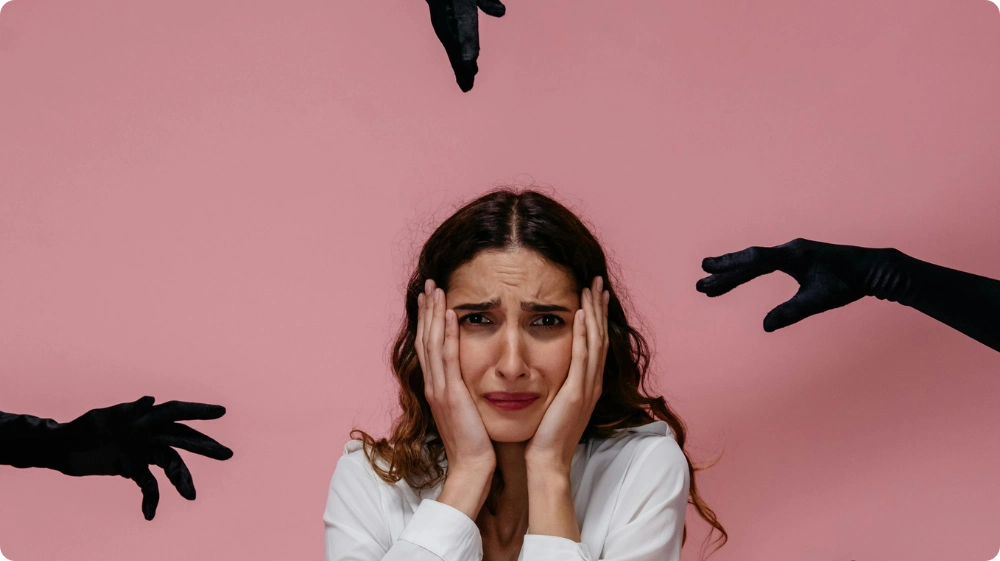
Scelerophobia, often referred to as the fear of burglars or crime, is a specific anxiety disorder characterised by a persistent fear of being attacked, robbed, or harmed in one's home. This fear typically exceeds usual caution and can result in symptoms such as panic, restlessness, or hypervigilance.
Individuals with scelerophobia may struggle to sleep, feel uncomfortable being alone, or have difficulty feeling secure, even when safety measures are in place. Like many phobias, it can stem from personal experiences or exposure to distressing media coverage. Understanding scelerophobia is the first step in recognising its symptoms and addressing the underlying anxiety, which can be managed through therapy or professional mental health support.
Some individuals with scelerophobia develop obsessive habits such as repeatedly checking locks or alarms, which can heighten distress. Its essential to understand what OCD is, how obsessive patterns form, and how they connect to anxiety disorders. Recognising this relationship can help individuals identify when professional intervention or therapy may be necessary to manage these symptoms effectively.
Scelerophobia doesnt just create mental stress; it can cause physical symptoms and change everyday habits. The table below highlights the symptoms of Scelerophobia, enabling you to understand better how this phobia presents itself.
Symptom | Description |
Excessive Fear | Constant worry about being robbed or harmed, even in safe environments. |
Panic Attacks | Sudden episodes of intense fear with rapid heartbeat, sweating, or dizziness. |
Physical Tension | Nausea, headaches, muscle tightness, or general restlessness caused by anxiety. |
Avoidance Behaviors | Staying home, avoiding unfamiliar areas, or refusing to be alone. |
Obsessive Safety Measures | Repeatedly checking locks, over-preparing security, or installing multiple alarms. |
Hypervigilance | Constantly monitoring surroundings, suspicious of people or sounds, unable to relax. |
Sleep Problems | Trouble falling or staying asleep due to fear of intruders. |
Emotional Strain | Irritability, frustration, or feelings of helplessness can significantly impact daily life. |
People with scelerophobia often struggle to sleep soundly, as constant anxiety and intrusive thoughts can trigger restless nights and vivid stress dreams. These episodes illustrate how profoundly fear can impact the mind, disrupting sleep and leaving you feeling exhausted. Understanding this connection can be the first step towards calming the mind and restoring a healthier sleep pattern.
The development of scelerophobia, or the fear of burglars, is often associated with previous traumatic experiences, such as encountering criminal incidents or unsafe situations. Individuals who are naturally prone to anxiety and those with certain biological factors may have an increased vulnerability to this fear. Additionally, family or social influences can instil overcautious behaviours.
People with a heightened stress response or a tendency to worry are more likely to develop a persistent fear of burglars or intruders. Understanding the underlying causes of scelerophobia is crucial for creating effective treatment strategies. Cognitive Behavioural Therapy (CBT) is one approach that can be beneficial, as it addresses both learned behaviours and inherent anxiety tendencies.

Scelerophobia is often triggered by environmental or psychological factors that heighten the perception of danger. These triggers may include sounds such as footsteps, creaking doors, or alarms, as well as visual cues like broken locks or suspicious figures. Media exposure, including crime news and social media stories, can also reinforce this fear. Additionally, being alone or in poorly secured areas can act as triggers. Identifying these triggers is a crucial step in therapy, as it allows for gradual exposure and desensitisation techniques to help reduce anxiety.
Scelerophobia doesn't just affect personal life; it can also interfere with professional performance and workplace well-being. People experiencing this fear of burglars or crime may face:
Decreased Concentration and Efficiency
Constant anxiety about personal safety can make it difficult to focus on tasks. Employees may struggle to complete work on time, make more mistakes, or feel mentally exhausted due to persistent worry.
Sleep Disruption
Fear of intruders can lead to trouble falling asleep, frequent awakenings, or poor-quality sleep. This lack of rest affects cognitive performance, energy levels, and decision-making, ultimately reducing productivity at work.
Avoidance of Work-Related Activities
Some may avoid travelling for meetings, staying late at the office, or visiting unfamiliar locations due to fear, which can limit career growth and professional opportunities.
Compulsive Security Checks
Time-consuming behaviours, such as checking office locks multiple times or monitoring security systems, can distract from core responsibilities and reduce overall efficiency.
Emotional Stress and Workplace Relationships
Persistent anxiety can lead to irritability, frustration, or emotional withdrawal, affecting communication, teamwork, and professional relationships. Colleagues may notice changes in mood or a decrease in participation in collaborative tasks.
Scelerophobia, the fear of crime, can sometimes lead to a phobia about leaving the house, which may significantly impact both personal and professional life. Individuals may avoid commuting, attending meetings, or participating in work events due to increased anxiety about safety. This avoidance can lead to decreased productivity, limited career advancement, and strained professional relationships.
Recognising the link between scelerophobia and the fear of leaving home is vital for promoting mental health support in the workplace. Mental health first aid training can equip managers and colleagues with the skills to provide empathy, offer early intervention, and suggest practical strategies to help those affected manage their fears effectively.
Treatment for scelerophobia not only enhances personal well-being but also improves workplace functioning. Cognitive Behavioural Therapy (CBT) and exposure therapy can significantly reduce excessive fear, allowing individuals to engage confidently in daily activities and professional tasks.
Incorporating relaxation techniques, mindfulness, and stress management practices can help alleviate anxiety symptoms that may hinder concentration and performance. In some cases, prescribed medication may be beneficial in supporting therapy for severe anxiety.
Workplace support, including mental health first aid interventions, can help colleagues manage triggers and maintain productivity. A comprehensive approach ensures that individuals with scelerophobia feel safe both at home and in professional settings, thereby promoting overall mental health and resilience.
Mental Health First Aid (MHFA) training is an essential resource for supporting employees with Scelerophobia, the fear of failure. Managers and colleagues who are trained in MHFA can recognise warning signs such as avoidance, hypervigilance, and stress-related symptoms, allowing them to intervene effectively.
The training equips participants with strategies to offer reassurance, communicate clearly, and connect employees with mental health resources. By incorporating MHFA into the workplace, organisations can foster a safer environment that alleviates anxiety, reduces absenteeism driven by fear, and promotes overall mental well-being.
Mental health challenges like scelerophobia often carry social stigma, making many people hesitant to speak openly about their fears. Negative labelling can profoundly affect self-esteem, increase isolation, and slow the recovery process. Encouraging empathy and understanding within workplaces helps create an environment where individuals feel safe, supported, and free from judgment.
This approach ensures that individuals with Scelerophobia feel supported and empowered in their professional lives.
Scelerophobia can affect focus, productivity, and overall well-being. Recognising symptoms, understanding causes, and identifying triggers are vital for effective management.
Evidence-based treatments, including therapy, self-help strategies, and workplace mental health first aid support, can reduce anxiety and improve daily functioning.
Employers and colleagues trained in mental health first aid play a crucial role in supporting individuals affected by mental health issues, thereby ensuring a safe and understanding work environment.
With timely intervention and comprehensive support, individuals with Scelerophobia can regain confidence, maintain professional performance, and enhance their quality of life both at home and at work.
Scelerophobia is an intense, irrational fear of burglars, criminals, or being a victim of crime. It goes beyond usual caution and can interfere with daily life.
It can develop due to past traumatic experiences, exposure to crime in the media, or underlying anxiety disorders. Genetics and personality traits may also play a role.
Symptoms include excessive fear, panic attacks, physical tension (like rapid heartbeat or nausea), avoidance behaviours, obsessive security measures, hypervigilance, sleep problems, and emotional stress.
It can impact home life, work performance, social interactions, and overall mental health. People may avoid going out, constantly check locks, or struggle with sleep and concentration.
While fear of crime is common, Scelerophobia is less frequent because it is persistent, excessive, and significantly interferes with daily functioning.

Courses
Upskill with job-ready training.
Mock Tests
Measure your learning progress.
Create an online video course, reach students across the globe and earn money