On This Page

July 20, 202614 min read
In today's fast-paced and ever-changing work environment, health and safety are more than just rules; they form the foundation of a thriving and sustainable workplace. Ensuring the health and safety of your employees not only prevents accidents but also fosters a culture of trust, engagement, and overall well-being. Companies that prioritise these factors see improved morale, enhanced productivity, and a more resilient workforce.
This guide will examine why health and safety are essential in the workplace and how establishing a safe environment benefits both employees and businesses. We'll cover practical strategies, key regulations, and best practices to help you create a safer and more supportive workplace for everyone.

Health and safety are pillars of a successful and sustainable workplace. For employees, it's about feeling valued and secure, while for businesses, it's about ensuring longevity, reducing costs, and building a positive work environment. Implementing robust health and safety measures brings clear benefits to both parties.
Key Benefits for Employees:
Physical Protection: The most apparent benefit of health and safety measures is the physical protection of employees. Ensuring safe working conditions reduces the likelihood of accidents and injuries, preventing workplace fatalities and long-term health issues.
Mental and Emotional Wellbeing: A workplace that prioritises health and safety shows employees that their wellbeing is valued. This can reduce stress, anxiety, and burnout, as workers feel secure in their environment. A focus on safety can significantly contribute to better mental health, fostering a more positive workplace culture.
Increased Job Satisfaction: Employees who feel safe at work are more likely to be satisfied with their jobs. Feeling valued by an employer who invests in safety leads to increased engagement and motivation, which ultimately contributes to higher job satisfaction.
Key Benefits for Businesses:
Legal Compliance and Reduced Risk: Health and safety laws are designed to protect both employees and employers. By adhering to regulations, businesses reduce their risk of legal action, fines, and penalties. A commitment to safety ensures that the company maintains a good standing with regulatory bodies, thereby safeguarding its operations and reputation.
Enhanced Productivity: Healthy employees tend to be more productive. When workers feel safe and well-supported, they can focus more effectively on their tasks, leading to improved productivity. Additionally, a safer work environment reduces downtime due to injuries or accidents, keeping operations running smoothly.
Stronger Reputation: Companies that prioritise health and safety enjoy a stronger reputation within their industry and community. This not only helps attract top talent but also fosters trust among customers, clients, and partners. Businesses with a strong safety record are often seen as responsible and reliable, which can lead to competitive advantages.
Boost Your Business Success with Health and Safety Training
Prioritising health and safety isn't just about compliance; it's a strategic investment for growth, employee engagement, and a competitive edge.
With Hurak's comprehensive training programs, we support you every step of the way to build a safer and more productive workplace.
Join the Level 2 Health and Safety course | Start a Health and Safety Course Today | Download Our Free Health & Safety Checklist | Learn How to Ensure Workplace Compliance
Health and safety laws are designed to ensure that employees work in environments where risks to their health and safety are adequately controlled. Compliance with these laws is not only essential for protecting workers but also critical for businesses to avoid legal ramifications, financial penalties, and potential reputational damage.
In this section, we'll explore the key regulations governing health and safety in the workplace and why adhering to them is crucial for both employees and businesses.
Health and safety laws in the workplace vary by country and region, but most countries have established national or regional regulations that businesses must adhere to. In the UK, for example, the Health and Safety at Work Act 1974 is the primary legislation, setting out the duties of employers and employees to ensure a safe working environment.
The Health and Safety at Work Act 1974: This is the foundational legislation that requires employers to provide a safe and healthy workplace for their employees.
The Control of Substances Hazardous to Health (COSHH) Regulations: These regulations require employers to control exposure to hazardous substances to protect employees' health.
The Reporting of Injuries, Diseases, and Dangerous Occurrences Regulations (RIDDOR): Employers must report any serious accidents, diseases, or dangerous occurrences to the relevant authorities.
These regulations apply to all businesses, regardless of size or industry, and ensure that every employees physical and mental health is safeguarded.

Compliance with health and safety laws offers a dual benefit: it protects employees from harm and mitigates the legal and financial risks for businesses. By adhering to regulations, companies not only avoid penalties but also reduce risks of economic losses or damage to their brand reputation.
Employee Protection:
Safety from Workplace Hazards: Employees are less likely to suffer from preventable injuries or illnesses, as the law requires employers to provide necessary safety measures and training.
Right to a Safe Environment: Workers have the right to work in an environment that does not expose them to unnecessary risks. Health and safety laws ensure that employees are equipped with the necessary tools, training, and resources to maintain a safe working environment.
Business Protection:
Avoiding Legal Penalties: Failure to comply with health and safety regulations can result in fines and legal action, which can severely affect a business's bottom line.
Reputation and Trust: Businesses that prioritise legal compliance are seen as responsible and reliable by both employees and customers, which helps improve brand loyalty and market positioning.
Insurance and Liability: Compliant businesses often benefit from lower insurance premiums, as they pose fewer risks to insurers.
While complying with health and safety laws is essential, failure to do so can result in severe consequences. Non-compliance can lead to fines, lawsuits, and even criminal charges, depending on the severity of the violation.
Consequences of Non-Compliance:
Fines: A company that fails to meet health and safety standards could face hefty fines. These fines can escalate depending on the nature and frequency of violations.
Criminal Charges: In extreme cases, where non-compliance results in injury or death, business owners could face criminal prosecution. In the UK, for example, under the Health and Safety at Work Act, employers can face imprisonment if found guilty of gross negligence.
Damage to Reputation: Beyond financial penalties, non-compliance can significantly damage a company's reputation, making it difficult to attract top talent and retain customers.
Ensuring that your business complies with health and safety laws requires ongoing effort, regular training, and monitoring. Here's how companies can stay on track with legal compliance:
Stay Informed: Regularly update yourself and your employees on the latest health and safety laws. This might involve subscribing to industry newsletters, attending workshops, or working with a health and safety consultant.
Create and Enforce Safety Policies: Develop and communicate clear workplace safety policies to all employees. These policies should be tailored to your industry and updated regularly to reflect new regulations.
Provide Ongoing Training: Health and safety training should be continuous, ensuring that employees understand the risks they face and how to mitigate them. Consider regular refresher courses and training programs to stay up-to-date.
Conduct Regular Audits: Regular health and safety audits can help identify potential hazards and ensure that your safety procedures are up-to-date and compliant.
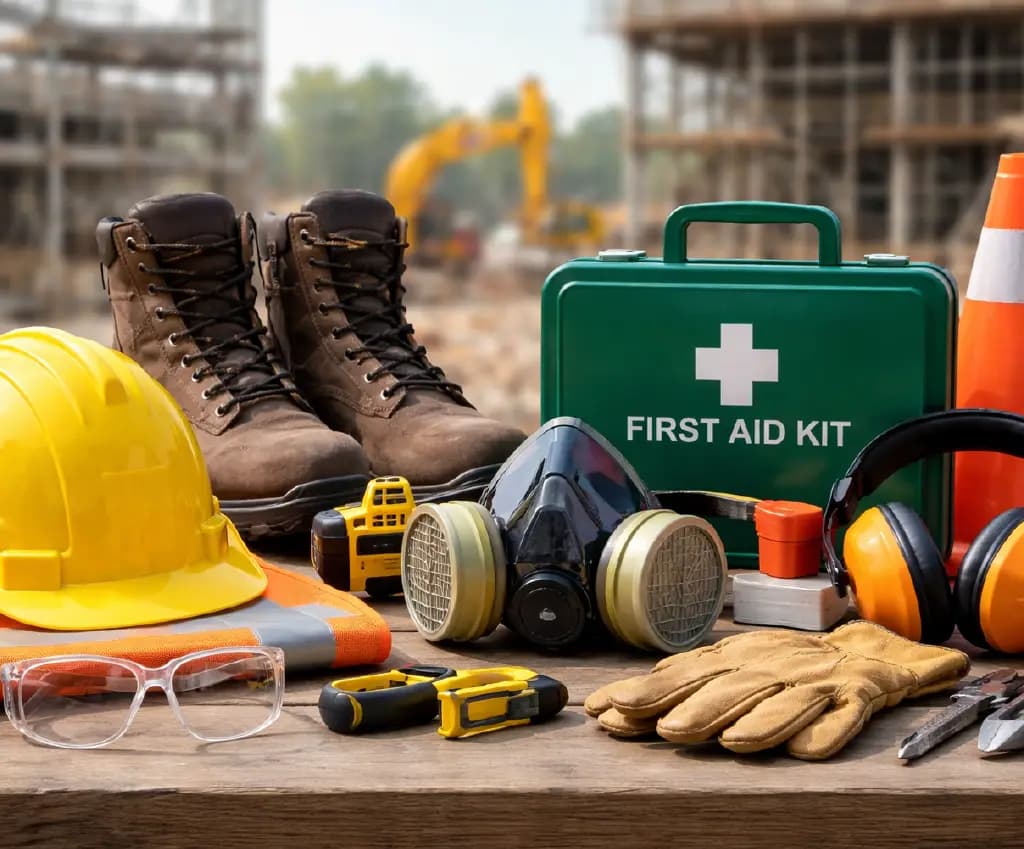
Invest in Health and Safety Equipment: Ensure your business is equipped with the necessary health and safety equipment, including personal protective equipment (PPE), first-aid kits, and hazard signage.

Health and safety risks are present in all work environments, and understanding them is essential for both employee well-being and business continuity. Physical dangers, such as poorly maintained equipment, uneven floors, or moving machinery, can lead to serious injuries if left unchecked. Chemical and biological risks, including exposure to hazardous substances or infectious agents, require strict protocols to prevent illness and long-term health issues. Ergonomic and psychosocial risks, such as repetitive strain injuries or workplace stress, also impact employee performance and satisfaction. By thoroughly understanding these risks, businesses can implement targeted interventions, reduce accidents, and foster a safer, more supportive workplace culture that benefits both staff and the organisation as a whole.
Explore Our Most In-Demand Health and Safety Courses and Build a Safer Workplace
Hurak offers a range of accredited health and safety training courses to help you advance your skills and enhance workplace safety.
Health and Safety Courses:
Specialised Health and Safety Courses:
Want more options? Browse All Health and Safety Courses at Hurak
Maintaining a safe and healthy workplace is an ongoing responsibility that requires dedication from both management and employees. Beyond legal compliance, fostering a culture of safety ensures that every team member understands their role in preventing accidents and promoting well-being.
Clear Safety Policies and Procedures: Developing well-defined safety policies tailored to your workplace is essential. Communicate these policies consistently and support them with regular training sessions so employees are fully aware of their responsibilities and the measures in place to mitigate risks.
Regular Risk Assessments and Safety Audits: Conducting periodic risk assessments and safety audits helps identify potential hazards before they escalate into serious incidents. By reviewing equipment, processes, and employee practices, businesses can implement improvements that protect both staff and operations.
Proper Safety Equipment and Resources: Investing in appropriate safety equipment, such as personal protective equipment (PPE), first aid kits, and hazard signage, is essential. Ensuring employees have access to these resources helps reduce workplace injuries and fosters a culture of safety.
Open Communication and Reporting: Encourage employees to report unsafe conditions, near misses, or health concerns without fear of repercussions. Open communication allows organisations to address issues promptly and maintain a proactive approach to workplace safety.
Ongoing Training and Holistic Safety Awareness: Continuous training is vital, covering not only technical safety measures but also mental health, ergonomics, and stress management. A holistic approach ensures employees are equipped to handle both physical and psychosocial risks, enhancing overall productivity and engagement.
By integrating these best practices, businesses can protect their employees, reduce operational disruptions, and reinforce their reputation as responsible and caring employers. Safety becomes more than a legal requirement; it becomes a core value that drives long-term success.
Training employees in health and safety protocols is one of the most effective ways to prevent accidents and ensure a safer work environment. However, to be truly effective, health and safety training needs to go beyond standard procedures. It should be tailored to the specific risks of each workplace and incorporate innovative training methods that keep employees engaged and informed.
Why Health and Safety Training Matters
Investing in training ensures that employees are equipped to identify hazards early, respond correctly to risks, and follow safety procedures with confidence. This proactive approach reduces the likelihood of accidents and fosters a culture where employees are encouraged to take responsibility for their own safety.
Key Elements of Effective Health and Safety Training
Innovative training methods, such as virtual reality (VR) simulations and hands-on scenario exercises, are becoming essential for preparing employees for real-world situations. These methods allow employees to practice safety protocols in a risk-free environment, ensuring they are ready for any situation.
Impact on Business Efficiency and Reputation
Companies that implement targeted health and safety training experience a direct impact on operational efficiency, resulting in reduced downtime due to accidents and illnesses. Furthermore, businesses that show a clear commitment to employee safety enhance their reputation, making them more attractive to potential hires and partners
Safety Builds Focused and Motivated Teams
When employees know their workplace prioritises safety, they experience less stress and distraction. This confidence allows them to concentrate fully on their tasks, resulting in higher efficiency and better-quality output. A secure environment transforms daily routines from reactive to proactive, helping teams stay focused and productive.
Cultivating Loyalty Through Care
Employees are more likely to remain with organisations that actively safeguard their well-being. Demonstrating genuine concern for staff health and safety fosters trust and loyalty among staff. Reduced turnover means lower recruitment costs, less training time, and a more experienced, cohesive workforce.
Minimising Disruptions and Maintaining Efficiency
Incidents, injuries, or health-related absences can disrupt workflow and delay projects. By embedding safety into the workplace culture, businesses reduce unplanned downtime and ensure that operations run smoothly. This proactive approach enhances planning, consistency, and overall performance.
Strategic Advantage for Long-Term Success
Prioritising health and safety is more than an ethical obligation; it is a strategic business decision. A safe environment fosters employee engagement, boosts team morale, and enhances productivity, all while cultivating a positive reputation. Businesses that achieve this balance enjoy sustainable growth and a competitive edge in attracting and retaining top talent.

Health and safety initiatives can be a strategic business advantage, directly impacting growth, talent retention, and employee engagement. By prioritising safety, organisations demonstrate that they value their workforce, which not only attracts skilled professionals but also encourages long-term retention.
Safety-conscious workplaces also inspire confidence among clients and industry partners. Businesses with proactive safety measures are viewed as lower-risk, more reliable, and professional, which can lead to better contracts, collaborations, and investment opportunities.
Embedding safety into the organisational culture creates a virtuous cycle: employees feel secure and supported, morale improves, productivity rises, and the business becomes more competitive. In this way, health and safety is not just about risk mitigation; it is a driver of strategic growth and organisational excellence.
Looking to enhance your knowledge of workplace safety and meet industry standards? Hurak offers a wide range of accredited health and safety courses designed for employees, supervisors, and managers across industries.
Popular Health and Safety courses include:
Health and safety are crucial for protecting employees, enhancing morale, and promoting productivity. Prioritising these practices reduces accidents, enhances employee wellbeing, and boosts business performance.
Health and safety benefits both employees and businesses by providing physical protection, reducing absenteeism, improving job satisfaction, and fostering a culture of trust and engagement.
Businesses can maintain compliance by regularly updating employees on safety laws, conducting thorough risk assessments, providing ongoing training, and establishing clear safety policies.
Health and safety training equips employees with the skills to identify hazards, follow safety protocols, and respond effectively to risks, significantly reducing the likelihood of accidents and injuries.
Common risks include slips, trips, and falls, exposure to chemicals, ergonomic issues, and psychosocial risks such as workplace stress or harassment. Identifying and managing these risks is key to maintaining a safe workplace.
When employees feel secure in their environment, their productivity increases, absenteeism decreases, and job satisfaction improves, leading to higher retention and engagement levels.
Yes, businesses that prioritise health and safety attract top talent, strengthen their reputation, and reduce legal and financial risks, making them more competitive in the market.
Failure to comply with health and safety regulations can result in fines, legal actions, and reputational damage, all of which can significantly affect a business's financial and operational standing.

Prioritising health and safety is not just about legal compliance; it is a strategic investment that drives long-term business success. By fostering a safe and supportive work environment, businesses protect their employees from harm, reduce the risk of accidents, and ensure operational continuity. A well-implemented health and safety program enhances employee morale, productivity, and engagement, leading to fewer absences and higher retention rates.
Moreover, organisations that consistently demonstrate a commitment to health and safety strengthen their reputation with clients, partners, and potential hires. Employees are more likely to remain loyal to a company that values their well-being, which in turn enables businesses to gain a competitive advantage in the marketplace. Ultimately, embedding health and safety into the core of organisational culture is essential for sustainable growth, resilience, and long-term success.

Courses
Upskill with job-ready training.
Mock Tests
Measure your learning progress.
Create an online video course, reach students across the globe and earn money