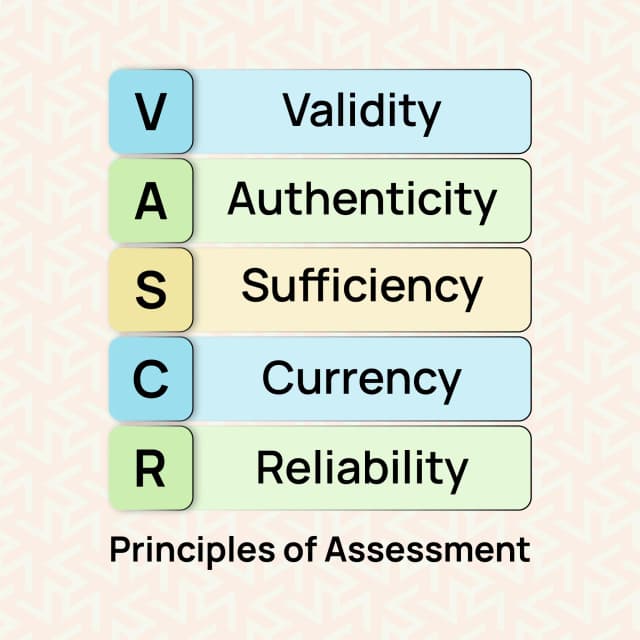
Studying the concepts and principles of assessment is important. It helps us understand how assessments work and why they are important. This knowledge confirms that assessments are fair, reliable, and valid.Knowledge about the concepts and principles improves the quality of assessments and the accuracy of the outcome. It is also useful for evaluating learning effectively.Importance of Assessment PrinciplesAssessment principles are important for accurate and ethical learning and development practices. They guide how qualified assessors consistently evaluate learners' knowledge, skills, and abilities without bias.Ethical Considerations in AssessmentEthical principles in assessment include conducting assessments responsibly and ethically. This includes respecting learners' rights and well-being and avoiding bias or discrimination based on gender, race, disability, or socioeconomic status.Assessors must promote fairness by designing assessments for diverse learner backgrounds and experiences.Key Ethical PracticesConfidentiality: Keeping assessment information private and secure.Respect for Diversity: Creating inclusive and respectful assessments of different backgrounds.Clear Communication: Providing clear instructions and expectations to learners.Objectivity: Maintaining impartiality and fairness throughout the assessment process.Validity and Reliability: Using assessment methods that accurately measure what they intend to measure.By following ethical guidelines, practitioners create supportive learning environments and uphold integrity in assessments. Transparency is also important. Assessors should openly communicate with learners about assessment purposes, evaluation criteria, potential outcomes, benefits, and available support.Understanding Concepts and Principles of AssessmentThe concepts and principles of assessment are the fundamental ideas and values guiding the assessment process. Key concepts include measuring a learner's knowledge and learning standards using various assessment types. .main{ border:3px solid #0f7c90; border-radius:20px; position: relative; font-family:roboto; font-weight: 400; color: #000; } .main-two{ position: absolute; top:-25px; left:45px; background-color:white; } .img-div{ border-radius : 100%; padding:2px 7px; background-color:#0f7c90; margin-right:5px; width: 50px; height: 50px; } .img{ width:30px; object-fit:contain; height:auto; border-radius : 100%; } @media only screen and (max-width: 600px) { .heading{ font-size:20px; } .img{ width:20px; object-fit:contain; height:auto; border-radius : 100%; } .img-div{ width: 40px; height: 40px; } .main-two{ left:25px; } } The VASCR principles�Validity, Authenticity, Sufficiency, Currency, and Reliability�ensure fair, accurate, and consistent assessments. The Level 3 Certificate in Assessing Vocational Achievement (CAVA) and the Level 3 Award in Understanding the Principles and Practices of Assessment (UPPA Unit 1) allow you to apply these principles effectively in assessment practices. Benefits of Studying Assessment Concepts and PrinciplesStudying assessment concepts and principles helps design assessments that accurately measure learner progress and achievements. It promotes effective feedback to motivate and guide learners, improving their learning journey. .banner-blue { border-radius: 10px; overflow: hidden; border: 2px solid #ccc; box-shadow: 0 4px 8px rgba(0, 0, 0, 0.2); background-color: #fdf9ee; } .book-now { color: white; background-color: #DF3D52; border: none; padding: 15px 60px; border-radius: 5px; cursor: pointer; font-size: 20px; text-decoration: none; } .book-now:hover { /*text-decoration: none;*/ color: white; background-color: #c33f50; } Get Certified with our TQUK Assessor Courses Regulated by OFQUAL Assessor Courses Book Now Trustpilot The VASCR Principles of AssessmentIn assessment, following the VACSR principles�Valid, Authentic, Sufficient, Current, and Reliable�confirms complete fairness and accuracy.These principles make sure that assessments are genuinely produced by learners, remain relevant, cover all learning outcomes, and show consistency over time.Validity Principle in AssessmentThe Validity Principle is about assessments accurately measuring what they intend to assess�knowledge, skills, or abilities. Key aspects of the Validity Principle include:Content ValidityThe assessment's content aligns with the course or program's learning outcomes and objectives.Construct ValidityExamines whether the assessment measures the underlying theoretical construct or concept it purports to measure. This involves demonstrating that the assessment items reflect the intended construct or skill.Criterion-Related ValidityDetermines how well the assessment correlates with an external criterion, such as another established assessment or real-world performance. It includes concurrent validity (how well the assessment compares with a similar assessment simultaneously) and predictive validity (how well the assessment predicts future performance).Face ValidityRefers to whether the assessment appears to measure what it is intended to measure on the surface.Valid assessments provide reliable results reflecting a learner's capabilities, contributing to meaningful and fair evaluations.Authenticity Principle in AssessmentThe authenticity principle confirms that submitted evidence truly belongs to the learners.In the modern digital age and busy schedules, plagiarising or purchasing coursework from online sources is a temptation. However, submitting work that is not one's own undermines the purpose of learning and achieving qualifications.It constitutes plagiarism, cheating, and fraud, which legal authorities and regulatory bodies condemn.Key aspects of the Authenticity Principle include:OriginalityLearners must submit work that is their creation and not copied or plagiarised from others, and should consider performing a plagiarism check to ensure authenticity.GenuinenessThe evidence presented should accurately represent the learner's skills, knowledge, and abilities without falsification or fabrication.RelevanceThe evidence should be directly related to the assessment task and the learning outcomes being assessed.Proper referencing is essential to acknowledge all sources used, and learners must submit only genuine evidence without fabrication.How to Verify the Authenticity of the Learner's WorkProvide a copy of the learner's secure email address to send evidence to the assessor.Use an individual learner's login on their e-portfolio system.Obtain a learner's declaration confirming that all portfolio contents are their own.Record either a video or audio of the learner confirming the authenticity of their work or participating in an assessment like a reflective discussion.Sufficiency Principle in AssessmentThe Sufficiency Principle requires evidence to directly address learning outcomes and assessment criteria. Assessments accurately gauge learner competence. For instance, if asked to discuss CPD and reflective practice, focusing only on CPD would not meet the requirements.In practice, this principle guides the development of assessments based on content breadth and depth. Key aspects of the Sufficiency Principle include:CoverageThe evidence should comprehensively cover all aspects of the assessment criteria and learning outcomes specified for the task.DepthThe evidence should thoroughly understand and apply the assessed knowledge, skills, or abilities.QualityThe evidence should be sufficient for accurate assessment and evaluation.Assessments should include all levels and assessment methods (e.g., written responses and practical demonstrations). Multiple assessment types offer a comprehensive view of learner capabilities. Using the Sufficiency Principle guarantees fair, valid, and reliable assessments. It allows practitioners to gather evidence, aiding accurate evaluations and tailored learning interventions.Current Principle in AssessmentEvidence should be recent and dated close to the assessment date. It must be current andrelevant, reflecting present expectations and standards. Key aspects of the Current Principle include:TimelinessThe evidence should be recent and dated close to the assessment date to reflect current knowledge and practices accurately.RelevanceThe evidence should be pertinent and applicable to evaluating assessment criteria and learning outcomes.ValidityUsing current evidence enhances the validity of assessments by ensuring that they accurately measure current competence and understanding.Outdated qualifications or evidence may not meet current practice guidelines or legislative changes. All evidence should align with expected timelines and represent real-world scenarios.Reliability Principle in AssessmentThe Reliability Principle in assessment refers to the consistency and dependability of assessment results. It confirms that assessments produce consistent outcomes when administered under similar conditions and with similar groups of learners. This consistency allows for reliable judgments about learners' knowledge, skills, or abilities.Key aspects of the Reliability Principle include:ConsistencyAssessments should yield consistent results over time and across different assessors or evaluators.RepeatabilityThe assessment process should be repeatable, meaning that if it were conducted again under the same conditions, it would produce similar results.PrecisionThe assessment method should measure what it intends to measure accurately and reliably.Practitioners improve reliability using standardised procedures, clear assessment criteria, and well-defined scoring rubrics. They also avoid potential sources of error, such as bias or variability in scoring, for fair and consistent evaluation of learners.Structured Approach to AssessmentWhen beginning any assessment process, consider the VASCR principles: Valid, Authentic, Sufficient, Current, and Reliable. These principles confirm that the evidence collected meets standards and accurately reflects the learner's capabilities. You can confidently proceed with the Assessment Cycle if the evidence satisfies these criteria. This cycle involves initial assessment, planning assessments aligned with learning outcomes, engaging learners in relevant activities, etc.Initial AssessmentInitial assessments aim to understand students' motivations for joining the course, their prior subject experience, and any learning difficulties or disabilities. This helps determine their starting level. An Initial Skills Assessment aids in accurately grading students.Methods and Questions: Choose an initial assessment method to uncover relevant information to guide students towards their learning goals.Planning the AssessmentOnce initial information is gathered, plan how to assess session/course activities aligned with learning outcomes. Communicate assessment criteria to students, making sure they understand expectations.Assessment Criteria: Prepare a detailed list of criteria to clarify what students must demonstrate.Assessment Methods: Decide on assessment methods such as observation, questioning, or practical demonstrations.The Learning Activity or OpportunityStudents engage in learning activities where evidence is collected to evaluate progress. This evidence sufficiently demonstrates the application of taught concepts or skills.Evidence Gathering: Determine the most effective methods to gather evidence that validates learning in your subject area.Making a JudgementEvaluate student progress based on shared criteria. Assessments should be fair, transparent, and unbiased. They should involve students in setting learning goals.Judgement Criteria: Use the VASCR (Valid, Authentic, Sufficient, Current, Reliable) principles for comprehensive and accurate assessments.Feedback & Action PlanProvide constructive feedback highlighting strengths and areas for development. To avoid overwhelming students, limit feedback to three strengths and three areas for improvement.Feedback Delivery: Decide on the method of feedback delivery�whether through conversation, written format, or a structured session. You can also provide quick access to feedback forms through QR codes to make it easier for learners to respond, including options like The QR Code Generator (TQRCG).Action Plan: Develop an actionable plan outlining steps for improvement so students know how to progress effectively.This assessment cycle repeats with subsequent assessments or new modules/tasks for continuous improvement and tailored support for each student's learning journey.ConclusionThe VASCR principles produce fair, meaningful, and beneficial assessments for learner development. Following these principles of validity, authenticity, sufficiency, current, and reliability improves the credibility of assessment processes and supports learners in achieving their educational goals.

Businesses across diverse sectors actively seek assessors, offering opportunities for career advancement and a rewarding salary. An assessor is responsible for guiding trainees towards achieving their career goals.They evaluate learners' skills and knowledge against set standards. Their duties include planning and conducting assessments to gauge learners' work-related competence.Given their responsibilities, assessors must possess expertise in their respective fields and undergo training. It is important to acquire relevant skills and knowledge before assuming the role of an assessor.What Qualifications do you Need to Become a Qualified Assessor?Obtaining a Relevant Assessor Qualification, such as the Level 3 CAVA Certificate, is important to qualify as an assessor. This credential enables individuals to conduct assessments in educational environments and trains them to evaluate competence in occupational settings.Upon completion of the certification, assessors become eligible to evaluate learners pursuing National Vocational Qualifications (NVQs) and apprenticeships.These are the three levels of courses for assessor qualifications: Level 3 Award in Understanding Assessment Principles and PracticesThe UPPA assessor course focuses on knowledge and is excellent for current assessors who want to improve their skills. It teaches the background knowledge and importance of assessment practicesLevel 3 Award in Assessing Vocationally Related AchievementThe AVRA assessor course allows you to assess students in a training setting, like a workshop or classroom, but not in their workplace. To finish the course, you will complete four assessments on two learners (8). .banner-blue { border-radius: 10px; overflow: hidden; border: 2px solid #ccc; box-shadow: 0 4px 8px rgba(0, 0, 0, 0.2); background-color: #fdf9ee; } .book-now { color: white; background-color: #DF3D52; border: none; padding: 15px 60px; border-radius: 5px; cursor: pointer; font-size: 20px; text-decoration: none; } .book-now:hover { /*text-decoration: none;*/ color: white; background-color: #c33f50; } Get Certified with our TQUK Assessor Courses Regulated by OFQUAL Assessor Courses Book Now Trustpilot Level 3 Award in Assessing Competence in the Work EnvironmentThis ACWE assessor course lets you assess students at their workplace rather than in a classroom. Like the Vocationally Related Achievement award, you will determine the skills of two learners.Level 3 (A1, D32/33) Certificate in Assessing Vocationally Related Achievement (CAVA)The CAVA qualification lets you assess students in training and at their workplace. To finish, you must do 8 assessments with each learner (16 assessments in total).What are the responsibilities of an assessor?The responsibilities of an assessor vary based on the vocation assessed and the employing organisation. Common responsibilities of an assessor are:Observing students' competency in the workplaceOffering feedback and guidance to studentsParticipating in standardisation meetings alongside other assessorsDesigning and conducting training sessions and workshopsApproving awards upon fulfilment of all criteriaMaintaining comprehensive records of students' advancements.How is an Assessor Different from an Internal Quality Assurer?Knowing that an assessor's role differs from an IQA's is important. An IQA checks that assessments in an organisation are done fairly. They review the decisions made by assessors. Assessors are the ones who carry out the evaluations that the IQA checks.Career Opportunities for a Qualified AssessorOnce you finish the TAQA Level 3 qualification (CAVA Level 3), you can assess learners in a classroom or at work. You can determine skills in many qualifications, including:ApprenticeshipsFunctional SkillsTechnical CertificatesNVQsAwardsCertificatesDiplomasOnce you gain some experience, you can move on to something more challenging and rewarding. The next step in this career path is the TAQA Level 4 of internal quality assurance.How Much Do Qualified Assessors Earn?Beginner or apprentice assessors can earn around �23,000 a year. The salary is typically around �25,000 annually for those who are established. Experienced assessors can earn up to �35,000 per year. These figures can vary, and if you work as a freelance assessor, you can choose your working hours and days.FAQsWhat is the TAQA assessor qualification?The TAQA assessor qualification is a nationally recognised certification in the UK. It is designed for individuals who are currently assessing or want to assess the occupational competence of others in the workplace.What is the difference between CAVA and TAQA?CAVA is a qualification part of the TAQA suite. It stands for Certificate in Assessing Vocational Achievement. TAQA is not a qualification for Training, Assessment, and Quality Assurance. As the name suggests, TAQA is a suite of qualifications relevant to training, assessment, and quality assurance.Can anyone become an assessor?Anyone can become an NVQ assessor if qualified and gain relevant industry experience. NVQ assessors evaluate learners� competency in their chosen vocational field.What are the different types of assessors?Assessors evaluate the learner�s skills, knowledge, and competence across various settings. Based on the certification, NVQ assessors are Workplace NVQ Assessors, Off-the-job NVQ Assessors or End-Point Assessors.

In the United Kingdom, there's a growing demand for skilled professionals who can deliver high-quality hospitality service and safe, hygienic cuisine.Hospitality and Catering ApprenticeshipsOn-the-job hospitality and catering training offers opportunities to gain practical skills and industry insights. It also helps build professional connections and networking with industry professionals.In the UK, main apprenticeships include:Chef de PartieThe apprentice would learn skills in:Cooking techniquesMenu planningFood preparationSafety and hygiene guidelinesAdvanced ButcherThe apprentice would learn skills in:Meat cuttingMeat preparationMeat storage and sellingHospitality SupervisorThe apprentice would learn skills in:Administrative tasksManaging staffSolving customer complaintsOverseeing smooth operationsDesk managementEvent coordinationEvent AssistantThe apprentice would learn skills in:Event organisation executionEvent logisticsVendor coordinationBudget managementClient communicationThe Growing Employment Rate in the UK Hospitality and Catering IndustryHospitality and catering is the third largest employer in the UK. The sector employs 3.5 million people and is one of the nation�s biggest employers.Moreover, the hospitality sector contributed 17% of overall UK employment growth between 2009 and 2019, placing it fifth in total number of jobs created.Essential Skills for Hospitality and Catering EmployeesA few of the essential skills needed to thrive and succeed in the competitive sector of hospitality and catering are as follows:Effective CommunicationImpeccable Customer Service Strong LeadershipCulinary ExpertiseFood safety and hygiene practicesTraining and Education Courses in Hospitality and CateringRunning a successful hospitality or catering business requires more than just culinary skills�it also requires a solid understanding of hygiene and safety principles. These regulated practices confirm compliance with various food and safety laws.Plenty of courses and qualifications are available to help you improve your skills and prepare for a career in the industry. Formal education can give you the knowledge and credentials you need to succeed. .second-cta-block .main-heading { font-weight: bold; font-size: 22px; } .second-cta-block .book-now { background: #DF3D52; color: #FFFFFF !important; border-radius: 8px; } .second-cta-block .second-heading { font-size: 17px; } .second-cta-block .card { border: 0 !important; } .second-cta-block .card-body { border: 1px solid #909090; box-shadow: rgba(0, 0, 0, 0.16) 0px 1px 4px; border-top-right-radius: 100px; border-bottom-right-radius: 100px; background: #fdf9ee; } .second-cta-block .image-wrapper { height: 330px; position: absolute; right: -60px; top: calc(50% - 210px); /* Center the image vertically */ } .second-cta-block .image-wrapper img { height: 100%; } .second-cta-block .trustpilot-widget { width: 256px; } .cta-heading-section { width: 75%; } @media screen and (max-width:991px) { .second-cta-block { padding-top: 100px; } .second-cta-block .card-body { border: 1px solid #909090; box-shadow: rgba(0, 0, 0, 0.16) 0px 1px 4px; border-radius: 19px; border-radius: 14px; background: #fdf9ee; } .cta-heading-section { width: 100%; padding-top: 50px; } .second-cta-block .image-wrapper { height: 270px; right: 0; position: absolute; left: calc(50% - 90px); top: calc(50% - 315px); } } Get Online Food Safety Courses Food Hygiene And Safety Check the Course Rated Excellent on major review sites Five Sectors of the Hospitality and Catering IndustryAccommodation:�This sector includes the supply of comfortable lodging facilities to clients. Services include:HotelsMotelsResortsRoom serviceHousekeepingFood and Beverage:Food and beverage focuses on providing customers with a quality dining experience through catering and refreshment services.Travel and Tourism:This sector is important in facilitating travel for leisure, business, and other purposes by offering transportation and sightseeing attractions.Event management:Event management is concerned with planning, coordinating, and executing events. It involves selecting locations, managing crowd numbers, and controlling budgets.Leisure and Recreation:This category of hospitality and catering includes pursuing activities that lead to mental and physical well-being. The activities include relaxation exercises, social experiences, and adventurous pursuits for pleasure.ConclusionThe hospitality and catering industry in the UK is experiencing a surge in demand for skilled professionals. Apprenticeships in this field offer invaluable hands-on training. Hospitality and catering is the third largest employer in the UK, employing 3.5 million people. Training and education courses are available to improve these skills and prepare individuals for success in the industry.

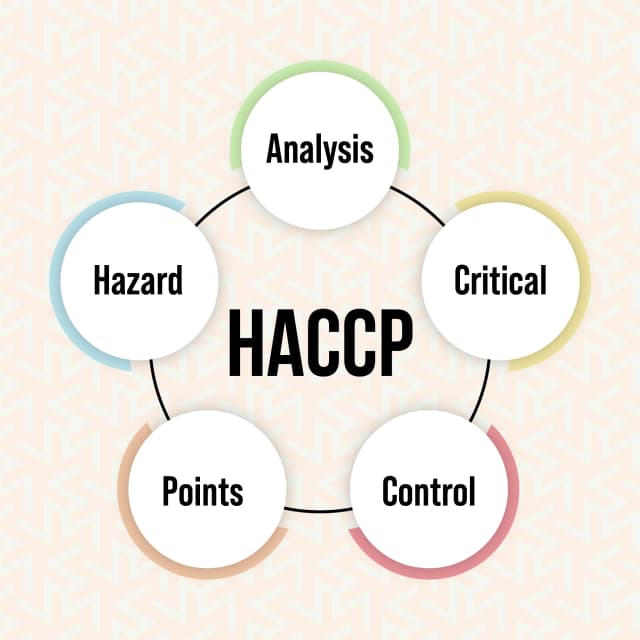
The HACCP is a contamination control procedure applied across all stages of the food supply chain to assess and control potential risks. It is the primary risk management process of food safety. The HACCP system provides a systematic preventive approach for food-related contaminants and mishaps.Explaining the Acronym: HACCPHACCP stands for Hazard Analysis Critical Control Point.HazardHazards are possible risks in the form of pollutants or unacceptable material and unsafe practices in the food production system. They can affect the safety, quality, and purity of the food product. Hazards include microbial, physical, chemical, and allergenic contaminants. The entry of pollutants through cross-contamination in food is another hazardous risk to food safety.AnalysisHazards identified in the food preparation process undergo standardised examination. This occurs through a series of regulated steps. Critical points for hazard entry and damage are predictively marked to proactively control them.Critical Control PointAll points in the food production stage where corrective measures are applied are critical control points (CCPs). These are contamination control measures that reduce the risk of food-related complications. CCPs look for �critical dangerous areas� and aim to eliminate them.The HACCP System for Food SafetyThe HACCP system monitors and supervises food quality throughout the food production chain, from food processing to food service. It puts in place preventive controls to eliminate potential adverse risks from the food system.Application of the HACCP system for food safety includes seven important steps, also known as the seven HACCP principles. The principles of the HACCP system identify and eradicate physical, microbiological and chemical pollutants that may have occurred due to cross-contamination or cross-contact contamination.HACCP is more of a preventive approach than a responsive one. It predicts areas of unsafety in the food production cycle and charts out a plan to control them on time. It focuses more on in-process hazard control than finished product analysis. .second-cta-block .main-heading { font-weight: bold; font-size: 22px; } .second-cta-block .book-now { background: #DF3D52; color: #FFFFFF !important; border-radius: 8px; } .second-cta-block .second-heading { font-size: 17px; } .second-cta-block .card { border: 0 !important; } .second-cta-block .card-body { border: 1px solid #909090; box-shadow: rgba(0, 0, 0, 0.16) 0px 1px 4px; border-top-right-radius: 100px; border-bottom-right-radius: 100px; background: #fdf9ee; } .second-cta-block .image-wrapper { height: 330px; position: absolute; right: -60px; top: calc(50% - 210px); /* Center the image vertically */ } .second-cta-block .image-wrapper img { height: 100%; } .second-cta-block .trustpilot-widget { width: 256px; } .cta-heading-section { width: 75%; } @media screen and (max-width:991px) { .second-cta-block { padding-top: 100px; } .second-cta-block .card-body { border: 1px solid #909090; box-shadow: rgba(0, 0, 0, 0.16) 0px 1px 4px; border-radius: 19px; border-radius: 14px; background: #fdf9ee; } .cta-heading-section { width: 100%; padding-top: 50px; } .second-cta-block .image-wrapper { height: 270px; right: 0; position: absolute; left: calc(50% - 90px); top: calc(50% - 315px); } } Get Online Food Safety Courses Food Hygiene And Safety Check the Course Rated Excellent on major review sites The Process of the HACCP SystemThe main steps to implementing the HACCP plan include creating the required sanitation and hygiene programs. This is followed by building a team of competent people responsible for carrying out the HACCP plan. Educating the team about the food product they are dealing with is important. This should include information about the type of food, its ingredients, customer assessment, storage, and distribution conditions. The last and most important step in the HACCP system is implementing the seven HACCP principles.The 7 Principles of the HACCP ProcessPrinciple 1: Perform Hazard AnalysisHazard analysis and identification are conducted for all stages of the food production process. Special attention is given to areas where hazards are most likely found. If not controlled, hazards can cause injury or illness. Performing hazard analysis is the most important step of the HACCP system. It allows necessary preemptive actions to be taken. For hazard listing and assessing control measures, emphasis is placed on the following areas:staff competence in assessing any potential hazardconditions for food transportationfood quality and ingredients for young, elderly and immune-sensitive peoplefood storage conditionshygiene of food handlersequipment maintenance and sanitationSome common examples of analysing hazards include:Microbes are found in stored raw meat due to unsuitable temperature conditions.Peanuts containing food delivered to allergic customers.Principle 2: Establish Critical Control Points (CCPs)Critical Control Points refer to those potentially dangerous areas in the food system that should be promptly addressed and controlled. They are control procedures that reduce contaminants and risks identified during the hazard analysis stage. The hazards are brought to a minimum level until they are eliminated from the food production chain.The CCP Decision TreeThe HACCP team uses a hierarchical decision-making map known as the �Critical Control Point Decision Tree' to identify crucial areas of concern in the food safety process. It consists of a series of questions that lead to an informed decision about whether a particular identified hazard should be managed as a critical control point.Principle 3: Establish Critical Limits (CLs)Critical limits are established in response to the critical control points to regulate and manage the identified hazard. These limits are measurable and assessed to ensure the threat remains within the bounds established by the HACCP team. Limits can be set for variables to which food is exposed, such as temperature, pH, time, and moisture content.Some common examples of setting critical limits include:The critical limit for reheating temperature for food leftovers is 74�C or 165�F in microwaves and on stovetops.The critical limit for fridge storage temperature for food is between 0 �C and 4�C.Principle 4: Monitoring ProceduresThe HACCP team must monitor and supervise the identification of Critical Control Points and the application of subsequent critical limits. Proper monitoring procedures are implemented to ensure the hazard is dealt with effectively.If any deviation from the standard critical limit is recorded, the monitoring staff takes the necessary steps to correct the irregularity. The HACCP principles' monitoring procedures uphold food safety and quality standards.Some common examples of performing monitoring procedures include:Monitoring the reheating temperature for food leftovers based on the set critical limits.Monitoring the fridge storage temperature for food based on the set critical limits.Principle 5: Corrective ActionsIf the critical limits set for the critical control points are not followed, corrective actions are performed to re-standardise the process. Errors are reported at the monitoring stage, and measures are taken to resolve them.Some common examples of performing corrective actions include:Discarding food stored at room temperature for more than two hours.Proper identification of food allergens on non-packaged and packaged food.Principle 6: Verification MethodsThe HACCP system is a scientific plan that can be measured, assessed, and verified. It is important to holistically evaluate the program to determine its reliability and validity. Frequent observations, recording, and monitoring of the HACCP plan can help make necessary changes and improvements.For a thorough verification process, the HACCP team can run a survey among customers and employees. The survey will contain relevant questions about the quality of the end product and areas of concern in the food production chain. This approach will maintain a constructive feedback loop about the effectiveness of the HACCP program.Principle 7: Documentation & Record-KeepingCareful documentation is key for the successful operation of any program. It helps assess progress and continuous improvements made at each plan step. Similarly, the HACCP system's record-keeping is important. This is to confirm that the established standards for food safety and hygiene are met along different stages of the food supply chain.Documentation can be written by a trained team member by hand or digitally in the form of a central database, accessible to all members of the HACCP team. This will confirm transparency and accountability. Record keeping can include subjects ranging from basic hygiene measures to implementing critical limits.Space Food: The Birth of the HACCP SystemHACCP was an outcome of the Cold War when the space race between the US and USSR was at its peak. It was initiated to provide safe and hygienic food to astronauts for space expeditions. National Aeronautics and Space Administration (NASA), the Pillsbury Company, and the U.S. Army Laboratories worked together to find a standardised method of confirming food safety to be sent to outer space missions.The Critical Control Points (CCPs) system was historically related to NASA�s engineering management system. It tested the durability of American weapons and machinery by marking areas of failure and mapping out their control plan. This similar approach was further applied to space-related food safety management. In 1997, it expanded into the HACCP system for food safety management and is still practised today.FAQsWhat does HACCP stand for?HACCP stands for Hazard Analysis Critical Control Point.What is HACCP?The HACCP is a contamination control procedure applied across all stages of the food supply chain to assess and control potential risks. It is the primary risk management process of food safety.How many steps must be followed in a HACCP system?The HACCP process has four steps. The HACCP has seven principles that are included in the HACCP process.What is HACCP in food?HACCP is the primary risk management process for food safety. The HACCP system provides a systematic preventive approach to food-related contaminants and mishaps.What is HACCP designed to control?HACCP is more of a preventive approach than a responsive one. It predicts areas of unsafety in the food production cycle and charts out a plan to control them on time.ConclusionThe Hazard Analysis Critical Control Point (HACCP) is fundamental to food safety management. It was initially developed for food safety in space missions for the United States. However, it has now evolved into a universal standard for identifying and addressing risks associated with global food production. Implementing the HACCP process and principles allows proactive steps to be taken against the identified food-related hazard.

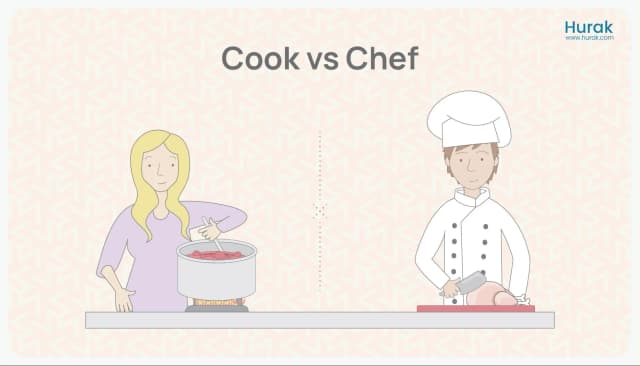
The terms chef and cook are often used interchangeably. However, they have key differences in their job descriptions and responsibilities. A cook prepares and cooks food, whereas a chef is a skilled and trained cook who works in a hotel or restaurant setting.Kitchen Hierarchy of Chefs and CooksKnowledge of the kitchen brigade system is important for better understanding the difference between a chef and a cook.CooksCooks in different roles support the chef's culinary vision within the kitchen structure.Stagiaires: Interns in the kitchen, often in apprenticeships or fresh from culinary school.Kitchen Porters: Assist in upper-level kitchens with basic cooking tasks and some cleaning, varying in training.Junior Cooks/Commis: Work under line cooks to learn specific kitchen sections, with or without culinary training.Line Cooks: Specialize in running specific food preparation stations on the kitchen line.ChefsChefs have more diverse roles in kitchens, from entry-level positions to executive leadership. They oversee tasks important for restaurant operations.Chef de Partie (Station Chefs): Manage specific kitchen stations, creating dishes and recipes under the head or sous chef's guidance.Sous Chef: Deputy to the head chef, supervising daily cooking and kitchen operations, sometimes stepping in for the head chef.Chef de Cuisine: Head chef responsible for kitchen management, menu creation, staff supervision, and restaurant operations.Executive Chef: Top-level chef overseeing kitchen operations, managing costs, multiple locations, and focusing on the business aspects rather than daily cooking.Personal Chefs: Work independently, preparing diverse meals for private clients onsite or for delivery.Chefs hold the highest position in the kitchen hierarchy. They blend culinary expertise with managerial skills for efficient kitchen functioning and high-quality menu execution.The Difference Between a Chef and a CookWhile chefs are a subset of the broader category of cooks, they stand out with their specialised skills and formal training. This distinction also means that chefs are more likely to have experience in high-end culinary establishments, showing the difference between a chef and a cook. The following table summarises the key differences between chefs and cooks, focusing on their approach to recipes, skill levels, training, innovation, adaptation, and typical work environments.Similarities between a Chef and a CookEveryone involved in food preparation, whether cook or chef, must prioritise kitchen cleanliness and food safety, to prevent contamination and food allergen reactions.Both chefs and cooks need to receive comprehensive training in food safety protocols. .second-cta-block .main-heading { font-weight: bold; font-size: 22px; } .second-cta-block .book-now { background: #DF3D52; color: #FFFFFF !important; border-radius: 8px; } .second-cta-block .second-heading { font-size: 17px; } .second-cta-block .card { border: 0 !important; } .second-cta-block .card-body { border: 1px solid #909090; box-shadow: rgba(0, 0, 0, 0.16) 0px 1px 4px; border-top-right-radius: 100px; border-bottom-right-radius: 100px; background: #fdf9ee; } .second-cta-block .image-wrapper { height: 330px; position: absolute; right: -60px; top: calc(50% - 210px); /* Center the image vertically */ } .second-cta-block .image-wrapper img { height: 100%; } .second-cta-block .trustpilot-widget { width: 256px; } .cta-heading-section { width: 75%; } @media screen and (max-width:991px) { .second-cta-block { padding-top: 100px; } .second-cta-block .card-body { border: 1px solid #909090; box-shadow: rgba(0, 0, 0, 0.16) 0px 1px 4px; border-radius: 19px; border-radius: 14px; background: #fdf9ee; } .cta-heading-section { width: 100%; padding-top: 50px; } .second-cta-block .image-wrapper { height: 270px; right: 0; position: absolute; left: calc(50% - 90px); top: calc(50% - 315px); } } Get Online Food Safety Courses Food Hygiene And Safety Check the Course Rated Excellent on major review sites ConclusionThe distinction between chefs and cooks is important to understand despite their interchangeable use of common language. Cooks primarily prepare food following recipes, while chefs with formal training and specialised skills oversee kitchen operations and innovate dishes. Understanding the kitchen hierarchy, from stagiaires to executive chefs, clarifies their respective roles in managing kitchen tasks and food safety. Chefs and cooks contribute significantly to culinary settings by maintaining high standards of cleanliness and following food safety protocols that are important for delivering quality meals.�

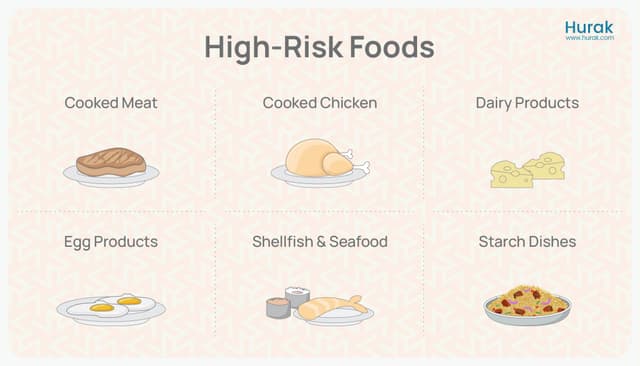
Certain types of food are more likely to get contaminated, and it is important to identify these high-risk food types. Understanding the sources of contamination and taking proper storage measures is key to reducing food contamination.The Food Standards Agency (FSA) reported increased food poisoning cases in the UK. In 2009, there were around 1 million cases annually, but by 2022, this number had risen to 2.4 million. Food poisoning is a serious health issue when contaminated food is eaten.What are the Food Risk CategoriesHigh-risk food types have an increased chance of harmful bacteria growing and are stored under refrigeration.Low-risk food is typically low in moisture and contains high sugar and salt content. Bacteria struggle to multiply under these conditions, so it is stored safely at room temperature. .second-cta-block .main-heading { font-weight: bold; font-size: 22px; } .second-cta-block .book-now { background: #DF3D52; color: #FFFFFF !important; border-radius: 8px; } .second-cta-block .second-heading { font-size: 17px; } .second-cta-block .card { border: 0 !important; } .second-cta-block .card-body { border: 1px solid #909090; box-shadow: rgba(0, 0, 0, 0.16) 0px 1px 4px; border-top-right-radius: 100px; border-bottom-right-radius: 100px; background: #fdf9ee; } .second-cta-block .image-wrapper { height: 330px; position: absolute; right: -60px; top: calc(50% - 210px); /* Center the image vertically */ } .second-cta-block .image-wrapper img { height: 100%; } .second-cta-block .trustpilot-widget { width: 256px; } .cta-heading-section { width: 75%; } @media screen and (max-width:991px) { .second-cta-block { padding-top: 100px; } .second-cta-block .card-body { border: 1px solid #909090; box-shadow: rgba(0, 0, 0, 0.16) 0px 1px 4px; border-radius: 19px; border-radius: 14px; background: #fdf9ee; } .cta-heading-section { width: 100%; padding-top: 50px; } .second-cta-block .image-wrapper { height: 270px; right: 0; position: absolute; left: calc(50% - 90px); top: calc(50% - 315px); } } Get Online Food Safety Courses Food Hygiene And Safety Check the Course Rated Excellent on major review sites Explaining High-Risk FoodHigh-risk food types are ready-to-eat items. They do not undergo further heat treatment or cooking to protect against microbial contamination. They act as breeding grounds for the growth of pathogenic bacteria.High-risk food has a high protein content and a higher chance of bacterial spread. It requires careful handling and storage to prevent microbial growth.Examples of High-Risk food include:Cooked meat and poultry:Beef, pork, ham, lamb, chicken, turkey, duckCooked meat products:Meat pies, pasties, p�t�, meat stock, gravy, cook-chill mealsDairy products:Milk, cream, artificial cream, custards, products with unpasteurised milk, ripened soft and moulded cheesesEgg products:Cooked eggs, quiche, products containing raw or lightly cooked eggs (e.g., mayonnaise, mousse, homemade ice cream)Shellfish and seafood:Mussels, cockles, cooked prawns, raw oystersStarch dishes:Cooked rice, pastaExplaining Low-Risk FoodLow-risk food remains safe at room temperature. It is less likely to cause food poisoning. Examples include:Preserved food:Smoked or salted fishDry good:Bread, flour, biscuitsAcidic food:Pickled foods, vinegar, fruitFermented productsSalami, pepperoniFood with high sugar/fat content:Jam, chocolateUnopened tinned foodThese food types typically contain low moisture or are preserved to inhibit bacterial growth, reducing the risk of contamination and foodborne illnesses.Is Raw Chicken a High-Risk Food?There is a misunderstanding that raw chicken is high-risk. Although eating improperly cooked or thawed raw chicken can lead to illness, it is not a high-risk food type. In the UK, it undergoes additional cooking or roasting before consumption, destroying bacteria.For instance, raw chicken provides an ideal environment for bacterial growth due to its protein content and moisture. However, this does not categorise it as a high-risk food unless eaten raw.On the other hand, cooked chicken, having undergone preparation and cooking, is immediately eaten without further treatment. If contaminated post-cooking, it can lead to foodborne illnesses. Therefore, it is a high-risk food.How Does Bacterial Spread Occur in FoodBacteria can multiply rapidly under suitable conditions. Especially at the Danger Zone�Temperature, bacteria can double in number every 10 to 20 minutes.These multiplying bacteria absorb nutrients from their surroundings through their cell walls and release toxins that can cause illness if consumed.For bacteria to multiply, they require:ProteinMoistureWarmthNeutral pH conditions (not too acidic or alkaline)Sufficient timeFor example, an apple contains moisture but lacks the protein needed to support bacterial growth, making it a low-risk food.How Should You Store and Handle High-Risk FoodDetecting contamination of high-risk food is not always possible through sight, smell, or taste. Therefore, correct storage is important for preventing contamination with high-risk food.Lowering temperatures significantly slow down this growth process, making refrigerators and freezers important for preventing bacterial spread.The table below lists the causes and prevention of high-risk food types.Cause of High-Risk Food ContaminationPrevention of High-Risk Food ContaminationInappropriate cooking or reheating temperature�Confirm that the internal temperature of the food reaches 75 degrees or above while cooking or reheating�Inappropriate food storage conditionsRaw and cooked food must be stored separately�Properly rearrange food according to their type.�Maintain fridge temperature at below 5 �C and your freezer below -15 �C.�High-risk food left exposed at the Temperature Danger ZoneDo not leave food to thaw or defrost at room temperature for over 2 hours.Handling food using unclean equipment or surfacesUse different colour-coded chopping boards or utensils for different food types�Handling food using unwashed hands�Wash hands before and during food preparation using the 7 steps for hand hygieneFood eaten after the �Use By� date�Microbial growth will likely occur in high-risk food types if eaten beyond their �Use By� date.�Follow the FIFO Food Stock Rotation Method for the timely consumption of food to prevent food-borne illnesses.Carelessness in detecting food-related hazards�Implement the HACCP process throughout the food production and supply cycle.ConclusionColour-coded chopping boards help keep your food and customers safe by minimising microbial cross-contamination and allergenic cross-contact risk. Using separate chopping boards for different food types is a good kitchen practice that controls contamination. Be consistent with your specific chopping boards, and discard those with prominent cracks and damage.

Quality assurance plays an important role in overcoming quality-related concerns within organisations. Quality failures, such as biased assessments, can damage an organisation's reputation. Early detection of issues saves the cost of correcting systematic errors. To become a quality assurer, you must pass relevant qualifications. QA qualifications are of two types: internal and external. A learner must read the course guidelines carefully to choose the right qualification.Internal Quality Assurance IQAQuality assurance is the backbone of maintaining quality standards in products or services. IQA confirms fairness and quality in assessments. Organisations rely on IQAs to oversee assessors' activities. They confirm that all evaluations are impartial and uphold the organisation's reputation for quality.The responsibilities of an Internal Quality Assurer may include:Verifying that assessors meet requisite standardsOrganising monitoring activitiesCollaborating with assessors, trainers, and employers for uniformity in assessment practicesAssessing the performance of trainers and assessors and offering constructive feedbackAssisting trainers and assessorsReviewing samples of assessment records and decisionsEngaging with learnersPlanning the methods and timing of assessor monitoringIdentifying the best practices across the organisationInternal Quality Assurance (IQA) ensures that institutions offering official qualifications regulated by Awarding Organisations maintain high standards.Awarding Organisations, Bodies, or Exam Boards issue certificates and set qualification standards. An IQA oversees compliance with Awarding Organisation requirements, which is especially important for assessing candidates' qualification process. .main{ border:3px solid #0f7c90; border-radius:20px; position: relative; font-family:roboto; font-weight: 400; color: #000; } .main-two{ position: absolute; top:-25px; left:45px; background-color:white; } .img-div{ border-radius : 100%; padding:2px 7px; background-color:#0f7c90; margin-right:5px; width: 50px; height: 50px; } .img{ width:30px; object-fit:contain; height:auto; border-radius : 100%; } @media only screen and (max-width: 600px) { .heading{ font-size:20px; } .img{ width:20px; object-fit:contain; height:auto; border-radius : 100%; } .img-div{ width: 40px; height: 40px; } .main-two{ left:25px; } } The right quality assurance qualification depends on your goals. Start with the IQA Award Unit 1 for foundational knowledge, or progress to IQA Units 1 and 2 for practical and theoretical skills in monitoring assessments. For leadership roles, the Lead IQA Course prepares you to manage quality assurance teams effectively. Which IQA Qualifications Do I Need?For those looking to work in internal quality assurance for an organisation, there are three IQA qualifications to consider.The Level 4 Award in Understanding Internal Quality Assurance (Unit 1) is a theory-based course intended to provide learners with the essentials of internal quality assurance.The Level 4 Award in the Internal Quality Assurance of Assessment Processes and Practice (RQF), comprised of units 1 & 2, is the most popular IQA qualification required. This credential is used for the main IQA roles within organisations and is highly useful for your career in quality assurance.What Follows the IQA Level 4 Award?Upon obtaining the Level 4 Award, individuals may choose the Level 4 Certificate in Leading the Internal Quality Assurance of Assessment Processes and Practice (RQF). This advanced qualification allows individuals to oversee their quality assurance team.Hurak offers Level 4 Awards and Level 4 Certificate programs. Learners gain access to our 24/7 student portal, which facilitates flexible study options. Visit our course offerings or contact our team for further details.External Quality Assurance (EQA)EQAs represent an awarding organisation rather than directly affiliated with an organisation or assessment centre. They offer advice, support, and assistance to the centre's Internal Quality Assurers (IQAs). They also help assessors and other staff involved in qualification processes to ensure the fair treatment of candidates. EQAs verify that qualifications are delivered in compliance with regulatory standards, such as those set by OFQUAL. This may involve preventing cheating or unethical behaviour, such as plagiarism or impersonation during assessments.Which EQA qualification Do I Need?The primary qualification in this field is the Level 4 Award in External Quality Assurance of Assessment Processes and Practice. It covers the theoretical understanding of the EQA role and the practical aspects of conducting visits, checks, and monitoring.It is suitable for individuals who oversee assessment quality externally.The Level 4 Award in Understanding the External Quality Assurance of Assessment Processes and Practice is for EQA beginners who want to understand the principles and methods of external quality assurance without needing practical application.This qualification's goal is to prepare individuals for roles in the workplace where they are responsible for maintaining assessment quality standards.What is the Difference Between Internal and External Quality Assurance QualificationsWhile both IQA and EQA are concerned with upholding the standard of quality, there are differences between their objectives and level of operations.

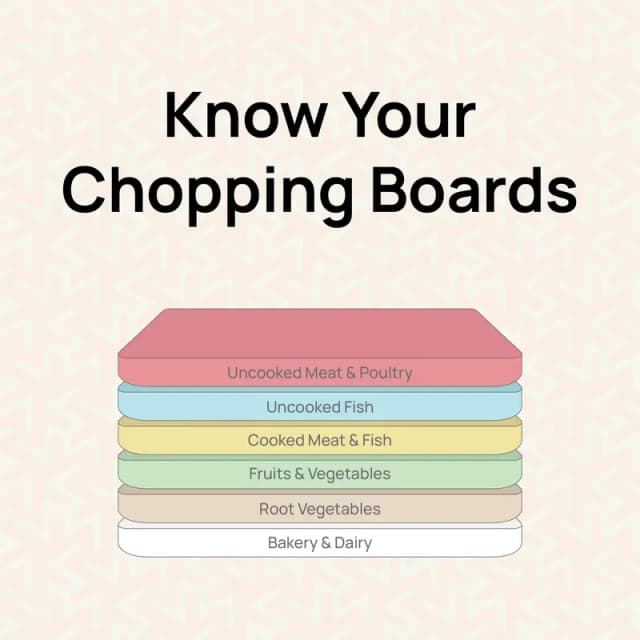
Providing safe and hygienic food is a top priority in the food industry. Customers trust food manufacturers and restaurants to meet food safety standards. To maintain this trust, kitchen hazards must be controlled to prevent contamination and customer harm. One such hazard control is using a colour-coded chopping board system in the kitchen so that low and high-risk food types do not mix. Assigning different colours to chopping boards for different food types is a good kitchen practice that will help prevent cross-contamination. Using colour-coded boards is also a HACCP practice for hazard analysis and contamination control.Understanding Different Colour-Coded Chopping BoardsNo law says you have to use specific-coloured chopping boards in kitchens. However, it is wise to follow the common practice of colour-coding to prevent microbial contamination. For kitchen safety, chefs and cooks must know what each chopping board colour means.What Colour Chopping Board Should Be Used?Keeping a red-coloured chopping board in sight is advisable if you regularly deal with raw meat. For cooked meat, use a yellow chopping board. A white chopping board is typically used for dairy food and bread, while a blue one is used for handling raw fish. The brown board is used for unwashed vegetables, while green is used for fresh fruits and vegetables. .second-cta-block .main-heading { font-weight: bold; font-size: 22px; } .second-cta-block .book-now { background: #DF3D52; color: #FFFFFF !important; border-radius: 8px; } .second-cta-block .second-heading { font-size: 17px; } .second-cta-block .card { border: 0 !important; } .second-cta-block .card-body { border: 1px solid #909090; box-shadow: rgba(0, 0, 0, 0.16) 0px 1px 4px; border-top-right-radius: 100px; border-bottom-right-radius: 100px; background: #fdf9ee; } .second-cta-block .image-wrapper { height: 330px; position: absolute; right: -60px; top: calc(50% - 210px); /* Center the image vertically */ } .second-cta-block .image-wrapper img { height: 100%; } .second-cta-block .trustpilot-widget { width: 256px; } .cta-heading-section { width: 75%; } @media screen and (max-width:991px) { .second-cta-block { padding-top: 100px; } .second-cta-block .card-body { border: 1px solid #909090; box-shadow: rgba(0, 0, 0, 0.16) 0px 1px 4px; border-radius: 19px; border-radius: 14px; background: #fdf9ee; } .cta-heading-section { width: 100%; padding-top: 50px; } .second-cta-block .image-wrapper { height: 270px; right: 0; position: absolute; left: calc(50% - 90px); top: calc(50% - 315px); } } Get Online Food Safety Courses Food Hygiene And Safety Check the Course Rated Excellent on major review sites Red - Raw MeatsRed chopping boards are used for raw meat and poultry. Given their high risk of causing foodborne illnesses, reserving these boards solely for handling uncooked meats is essential.The red chopping board can cook, marinate, or debone raw food. However, use it solely for raw meat to prevent cross-contamination between raw and ready-to-eat food.Yellow - Cooked Meat and FishYellow chopping boards are used strictly for cooked meat and fish. Using them for raw animal products compromises food safety standards. The yellow board is specifically designed for slicing or deboning cooked meats:beef jointroasted chickenham, salami, and turkey slicescooked salmoncooked troutWhite - Dairy and Baked GoodsWhite chopping boards serve a dual purpose, catering to dairy and bakery items. From slicing cake to grating cheese, they carry out many tasks. However, washing the board between uses is essential due to the risk of cross-contact contamination caused by potential allergens. Having separate boards for dairy and baked goods is an option, but it may not be practical. Therefore, it is advisable to reserve white chopping boards for non-allergenic food items to confirm safety.Blue - Raw FishBlue chopping boards are used for raw fish. Given the high risk associated with raw seafood, limit the use of blue boards solely to handling uncooked fish. Thoroughly clean the chopping board daily to maintain hygiene standards.Therefore, when it comes to raw fish, turn to the blue chopping board. Examples include:Raw codRaw haddockRaw tunaRaw salmonRaw prawnsRaw musselsBrown - Root VegetablesBrown chopping boards are intended for preparing uncooked root vegetables like potatoes and carrots. These vegetables often retain traces of soil, making them prone to microbial contamination. By using brown boards exclusively for this purpose, cross-contamination risks are minimised.Green - Washed Fruits and VegetablesAs the colour suggests, a green chopping board is used to wash fruits and salad vegetables. It can also be used to cut up fruit, such as apples and bananas, and salad items like tomatoes, peppers, and cucumbers. Do not use the green chopping board for unwashed fruits and vegetables carrying soil; use the brown board instead.Purple - Allergen-Free FoodPurple boards are dedicated to "free-from" food, especially for people suffering from allergies or food intolerances. Using a separate board for these food helps prevent cross-contamination of allergens for the safety of sensitive individuals. As allergens pose significant risks to certain individuals, it is important to utilise purple boards correctly in the kitchen.Food such as gluten-free bread relies on the purple chopping board. This practice is smart and prevents allergic reactions. Avoid cross-contact to keep everyone safe from allergens.Promoting AwarenessA prominent poster of the colour-coded chopping boards in the kitchen reminds the staff to follow the designated colours during food preparation. This can uphold food safety standards and minimise the risk of cross-contamination.Why Do We Use Different Chopping BoardsDifferent-coloured chopping boards in kitchens help keep high-risk food separate. They also reduce the chance of cross-contamination and cross-contact among different food types. Chefs can work faster because they instantly know which board to use for each food. We can use the same colour system to make knives extra safe.Put up a poster in the kitchen to remind everyone which colour board to use for each type of food. It is an easy way to keep things safe when you're cooking.Be Consistent with Colour-Coded Chopping BoardsAssign specific colours for different food groups, like red for raw meat and yellow for cooked meat. Maintain consistency to prevent cross-contamination. Avoid mixing colours for different food groups to confirm kitchen safety.The Debate about Using Plastic Chopping Boards for SafetyWhen chefs choose chopping boards, they consider more than just colours. The material of the board matters, too. The two main options are plastic and wood.Many people choose plastic chopping boards when handling risky food like raw meat. They believe plastic is safer and easier to clean.However, experts do not all agree on this. Some say plastic boards are better for hygiene because they do not soak up liquids and are easier to clean.Knowing When to Replace Your Chopping BoardFor food safety, it is important to frequently change your chopping boards. Even with colour coding, old and worn boards can pose risks.Deep Knife Scratches: While knife marks are standard, many deep scratches provide a breeding ground for bacteria. If you spot many deep cuts, it is time to replace the board.Uneven Surface: A board no longer sits flat on your counter is unsafe. Constant cleaning can cause warping, making it wobble during use, increasing the risk of accidents.Accidental Use of the Wrong Coloured Board: If someone mistakenly uses the wrong board for a task. For instance, if you cut raw meat on a board meant for vegetables, replace that board for safety standards.ConclusionColour-coded chopping boards help keep your food and customers safe by minimising microbial cross-contamination and allergenic cross-contact risk. Using separate chopping boards for different food types is a good kitchen practice that controls contamination. Be consistent with your specific chopping boards, and discard those with prominent cracks and damage.

Food safety and hygiene cannot be used interchangeably as they have key differences in meaning and practice. Food hygiene is based on sanitation and cleanliness practices. Food safety is a holistic guide that upholds consumer protection from foodborne hazards. Food hygiene can be considered as part of the complete food safety procedure.The Main Difference between Food Hygiene and Food SafetyFood hygiene confirms product value and quality. It deals with measures that maintain equipment and facilities cleanliness and proper hygiene. For hygienic food production, washing hands and sanitising surfaces is important. Food hygiene practices prevent bacterial contamination and promote food safety.On the other hand, food safety is largely concerned with consumer welfare and protecting food from physical, chemical, and microbial contaminants. It involves complete food supply chain safety by following good manufacturing and storage practices. Examples include cooking and storing food at suitable temperatures and protecting food from cross-contamination.Food Safety & Food Hygiene with ExamplesPrimary Concern of Food Safety PracticesThe primary concern of food safety practices is the prevention of contamination at all stages of the food supply chain.Example: In agricultural food production, farmers implement Good Agricultural Practices (GAPs) to minimise the risk of contamination. This includes proper irrigation practices, pest management strategies, and worker hygiene protocols.Primary Concern of Food Hygiene PracticesFood hygiene practices aim to prevent microbial contamination. They help keep the environment clean in food-handling areas, such as kitchens, restaurants, and food-processing facilities. This involves maintaining the cleanliness of surfaces, equipment and employees.Example: In a restaurant kitchen, food hygiene practices may include regular handwashing by food handlers. They also include proper cleaning and sanitising of food contact surfaces.Target Hazards in Food Safety PracticesThe main types of hazards encountered in food safety are microbiological, chemical, and physical. Microbiological hazards refer to harmful bacteria, viruses, parasites, and fungi that can contaminate food and cause illness.Some of the chemical hazards include cleaning agents, food additives, and pesticides. Physical hazards are any foreign object, such as glass, metal, or plastic, that may accidentally enter food products.Example: A microbiological hazard could be the presence of Salmonella bacteria in raw poultry, which can cause food poisoning if not properly cooked. These chemical hazards can be the pesticides left on fruits and vegetables. Pieces of broken glass in a salsa jar could be physical hazards.Target Hazard of Food Hygiene PracticesFood hygiene measures are specifically aimed at microbiological food contamination that may lead to foodborne diseases. This requires maintaining strict hygiene practices and sanitation standards to reduce the risk of contamination.Example: Pest control measures are implemented to prevent food contamination by insects or rodents, which can act as microorganism carriers.For more information, visit our blog article �Four Common Types of Food Contamination�Standard Regulation of Food Safety PracticesGovernments and international organisations set rules and standards to keep food safe and protect people�s health. These rules include food labelling, hygiene practices, and inspection standards.Example: The Food Standards Agency (FSA) is responsible for food safety and hygiene in England, Wales and Northern Ireland.Standard Regulation of Food Hygiene PracticesLocal health departments and municipal governments impose regulations and standards for food hygiene practices within their jurisdictions. These regulations may include requirements for food handler training, facility inspections, and pest control measures.Example: Health inspectors conduct routine inspections of food establishments to oversee compliance with hygiene regulations. They can check food handling procedures, cleanliness facilities and storage of food products. Key Food Safety MeasuresKey measures of food safety include cooking foods to appropriate temperatures to kill harmful bacteria, conducting hazard analysis, and testing food products for contaminants.Example: The Hazard Analysis and Critical Control Points (HACCP) system is a preventive approach food businesses use to identify and address potential hazards. This involves conducting a hazard analysis, establishing critical control points (CCPs), and implementing control measures.Key Food Hygiene MeasuresKey measures for maintaining food hygiene include personal hygiene practices among food handlers, such as proper cleaning and sanitation of equipment and facilities. Pest control management is also a step towards food hygiene.Example:�Food handlers must wash their hands frequently, especially after handling raw meat or using the restroom, to prevent the spread of bacteria.Food preparation equipment is washed and sanitised on a regular basis to eliminate food residue or microbial contamination.Sealing cracks and crevices is done to prevent the entry and spread of pests carrying microbes in food-handling areas. .second-cta-block .main-heading { font-weight: bold; font-size: 22px; } .second-cta-block .book-now { background: #DF3D52; color: #FFFFFF !important; border-radius: 8px; } .second-cta-block .second-heading { font-size: 17px; } .second-cta-block .card { border: 0 !important; } .second-cta-block .card-body { border: 1px solid #909090; box-shadow: rgba(0, 0, 0, 0.16) 0px 1px 4px; border-top-right-radius: 100px; border-bottom-right-radius: 100px; background: #fdf9ee; } .second-cta-block .image-wrapper { height: 330px; position: absolute; right: -60px; top: calc(50% - 210px); /* Center the image vertically */ } .second-cta-block .image-wrapper img { height: 100%; } .second-cta-block .trustpilot-widget { width: 256px; } .cta-heading-section { width: 75%; } @media screen and (max-width:991px) { .second-cta-block { padding-top: 100px; } .second-cta-block .card-body { border: 1px solid #909090; box-shadow: rgba(0, 0, 0, 0.16) 0px 1px 4px; border-radius: 19px; border-radius: 14px; background: #fdf9ee; } .cta-heading-section { width: 100%; padding-top: 50px; } .second-cta-block .image-wrapper { height: 270px; right: 0; position: absolute; left: calc(50% - 90px); top: calc(50% - 315px); } } Get Online Food Safety Courses Food Hygiene And Safety Check the Course Rated Excellent on major review sites ConclusionWhile food safety and hygiene are essential aspects of food quality and safety, they cannot be used interchangeably. Food hygiene is primarily concerned with the cleanliness and sanitation of the food handling environment to avoid the contamination of food by microbes. Food safety, on the other hand, is a broader term that focuses on protecting consumers from harmful contaminants and foodborne illnesses throughout the entire food supply chain.
Create an online video course, reach students across the globe and earn money