Hurak

Aliza Hasnain

Aliza Hasnain
SIA Approved Contractor
Feb 4, 2025
Security

The SIA Approved Contractor in the UK

Having the proper credentials can make a significant difference in the security industry. The SIA Approved Contractor Scheme (ACS) is one such credential that sets companies apart, ensuring they adhere to the highest standards.What is an SIA Approved Contractor?The Security Industry Authority (SIA) is the organisation responsible for regulating the private security industry in the UK. The Approved Contractor Scheme (ACS) is a voluntary program that improves standards in private security services. Being an SIA Approved Contractor means a company meets high customer service, operations, and employee development criteria. This builds client trust and helps the company stand out from competitors.What are the Benefits of Being an SIA-Approved ContractorGetting ACS accreditation shows that your business meets high standards, builds trust, and improves its reputation. It helps your company stand out in a competitive market, attracting more clients who value good service. Having ACS status can also give you access to contracts and opportunities that require this certification. Plus, it encourages your business to keep improving and staying efficient over time.How to Become an SIA Approved ContractorStep 1: Meet the Eligibility CriteriaTo apply, your organisation must:Be based in the UKProvide services in the private security sectorHold a valid SIA license for relevant activitiesStep 2: Complete the Self-Assessment Workbook (SAW)The SAW helps you identify areas where your business complies with ACS requirements and where improvements are needed.Step 3: External AssessmentAn independent assessor reviews your organisation to verify compliance with ACS standards.Step 4: Approval and MaintenanceOnce approved, you must maintain the standards to keep your accreditation.What is the Key Criteria for SIA Approved Contractor StatusCriteriaDescriptionFit and ProperEnsuring business owners and managers are suitable for running a security firmService DeliveryShowing efficient, high-quality services to clientsLeadershipShowing strong, ethical leadership within the organisationPeople ManagementSupporting employee growth and ensuring welfareCorporate Social ResponsibilityAdopting practices that benefit the community and environmentCommon Challenges in Achieving ACS StatusMeeting ACS requirements can be challenging for businesses, as it takes a lot of effort to meet the high standards. Assessments and improvements can be costly but valuable investments in long-term success. The accreditation also needs ongoing effort and regular reviews to maintain the standards.Comparing Approved Contractors Made SimpleMost SIA-approved contractors measure their performance against the ACS standard annually, with scores verified by independent assessors. However, businesses approved through accredited passport schemes are not required to submit scores.What Do the Scores Mean?A company�s score can give a general idea of its quality but doesn�t provide the whole picture. A low overall score might still mean the company excels in certain areas, while a high score might hide weaknesses in specific aspects. That�s why it�s also essential to consider the company�s reputation and the quality of its proposals and, if possible, review its assessment report (available with the contractor�s permission).How Are Scores Calculated?Contractors are assessed on 78 indicators, covering staff training, financial management, and health and safety. A score above zero shows the company is exceeding minimum requirements. Companies scoring below the standard must improve or risk losing their approval. The maximum score a company can achieve is 145.What Scores Are Common?Average scores vary based on the organisation's size, measured by the number of licensable staff. Comparing scores alongside other factors can help you make a more informed choice.� .main{ border:3px solid #0f7c90; border-radius:20px; position: relative; font-family:roboto; font-weight: 400; color: #000; } .main-two{ position: absolute; top:-25px; left:45px; background-color:white; } .img-div{ border-radius : 100%; padding:2px 7px; background-color:#0f7c90; margin-right:5px; width: 50px; height: 50px; } .img{ width:30px; object-fit:contain; height:auto; border-radius : 100%; } @media only screen and (max-width: 600px) { .heading{ font-size:20px; } .img{ width:20px; object-fit:contain; height:auto; border-radius : 100%; } .img-div{ width: 40px; height: 40px; } .main-two{ left:25px; } } Choosing an SIA Approved Contractor ensures you work with a trusted security provider that meets industry standards. Whether you�re hiring for door supervision, close protection, security guarding, or CCTV operations, approved contractors deliver reliable and professional services. SIA courses are important for obtaining an SIA license and opening doors to opportunities in the security industry. Why Clients Prefer SIA Approved ContractorsClients feel reassured knowing that their security provider adheres to the highest industry standards, offering them confidence in the quality of service. SIA Approved Contractors are also less likely to encounter legal or regulatory issues, providing clients with added peace of mind. Furthermore, the rigorous assessments in the approval process ensure that all operations are transparent and trustworthy, reinforcing the provider's reliability and professionalism.When hiring a private security company, you can choose between an SIA-approved contractor and a company that has not been approved. Here are some key reasons why selecting an approved contractor is a better choice.Quality Assured by the Industry RegulatorThe Approved Contractor Scheme (ACS) is a trusted mark of quality in the private security industry. Approved contractors are assessed across 78 business areas, including staff training, financial management, and health and safety policies. Choosing an approved contractor ensures you work with a business that has undergone a thorough quality assurance process.A Commitment to QualityThe ACS is a voluntary scheme, meaning that companies join because they are committed to maintaining high standards. It is also a progressive standard, with continually updated requirements to raise the level of quality businesses must achieve.Quality Assurance Throughout the ProcessIn the private security industry, sub-contracting is common. Approved contractors can only sub-contract to other approved contractors unless special permission is granted. This ensures that the high quality of service you expect is consistently maintained.Customer-Focused ServicesThe ACS encourages approved contractors to tailor their services to meet your needs, ensuring a personalised and customer-focused approach.FAQsWhat is an SIA Approved Contractor?An SIA Approved Contractor is a security business that has voluntarily met the high standards of the Security Industry Authority (SIA). These companies are recognised for their excellence in customer service, operational performance, and employee development.What are the benefits of hiring an SIA Approved Contractor?Hiring an approved contractor ensures you work with a reliable provider that meets strict industry standards. These contractors offer professional services, are less likely to face legal issues and provide tailored solutions to meet your needs.What is the ACS scoring system?Contractors are assessed across 78 performance indicators, including staff training, financial management, and health and safety. A positive score shows the company exceeds minimum standards, while ongoing compliance ensures quality service.Why do clients prefer SIA Approved Contractors?Clients choose approved contractors for their adherence to high industry standards, commitment to legal compliance, and transparent operations. These factors provide peace of mind and ensure reliable, professional service.ConclusionThe SIA Approved Contractor Scheme (ACS) benchmarks excellence in the UK security industry. It helps businesses improve their services, gain client trust, and access exclusive opportunities. Choosing an approved contractor guarantees clients high-quality, customer-focused, and legally compliant services. Whether you�re hiring for door supervision, close protection, security guarding, or CCTV operations, SIA-approved contractors offer top-level professionalism.

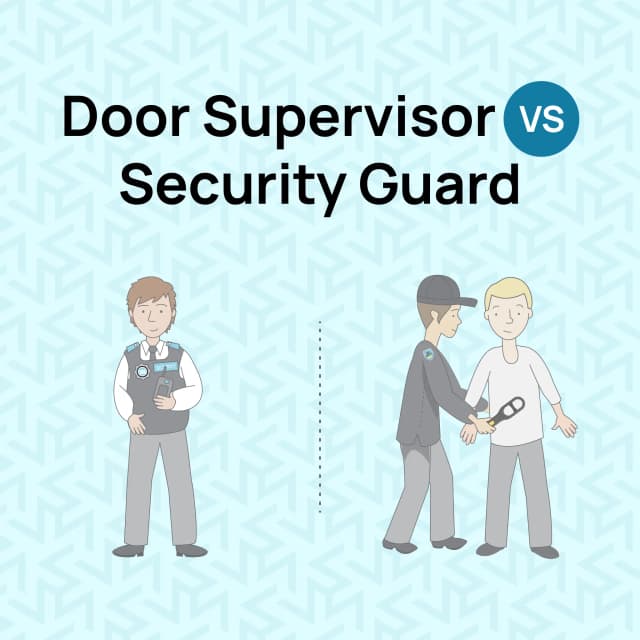
Difference Between a Door Supervisor and a Security Guard
Jan 31, 2025
Security

What is the Difference Between a Door Supervisor and a Security Guard in the UK

When it comes to maintaining safety and order, both door supervisors and security guards play important roles. While their responsibilities often overlap, these professions are distinct in several ways. Understanding the differences can help individuals choose the right career path or hire the appropriate personnel for specific needs. Roles and ResponsibilitiesDoor SupervisorA door supervisor is usually employed in licensed premises such as pubs, clubs, and events where alcohol is served. Their primary role is to ensure the safety of patrons, staff, and the premises. This includes managing entry, checking identification, maintaining crowd control, and preventing or addressing conflicts. Door supervisors also enforce licensing laws, such as preventing underage drinking or drug use.Security GuardOn the other hand, security guards provide a broader range of services. They are employed in various settings, such as retail stores, office buildings, hospitals, and construction sites. Their responsibilities include monitoring CCTV systems, patrolling premises, preventing theft, and responding to emergencies. Unlike door supervisors, they may only sometimes work in environments where alcohol is served.A licensed door supervisor can work as a security guard, but a security guard, even with the right license, cannot perform the duties of a door supervisor. Keep reading to know more!TrainingDoor Supervisor TrainingDoor supervisors require specific training related to managing licensed premises. This includes conflict resolution, physical intervention techniques, drug awareness, and understanding licensing laws. The training also covers the core competencies of a security guard.Security Guard TrainingSecurity guard training focuses on basic security practices, including patrolling, customer service, and emergency procedures. While the training is less specialised than door supervisors, it teaches guards the skills to ensure general safety and security.UniformDoor SupervisorDoor supervisors often wear formal or semi-formal attire, such as suits or branded uniforms, to maintain a professional appearance. Their clothing may also feature high-visibility elements for safety and identification.Security GuardSecurity guards usually wear uniforms designed for functionality and visibility. This may include high-visibility jackets, badges, and other items identifying their role. The uniform often varies depending on the employer and the nature of the venue.� .main{ border:3px solid #0f7c90; border-radius:20px; position: relative; font-family:roboto; font-weight: 400; color: #000; } .main-two{ position: absolute; top:-25px; left:45px; background-color:white; } .img-div{ border-radius : 100%; padding:2px 7px; background-color:#0f7c90; margin-right:5px; width: 50px; height: 50px; } .img{ width:30px; object-fit:contain; height:auto; border-radius : 100%; } @media only screen and (max-width: 600px) { .heading{ font-size:20px; } .img{ width:20px; object-fit:contain; height:auto; border-radius : 100%; } .img-div{ width: 40px; height: 40px; } .main-two{ left:25px; } } Did you know? A Door Supervisor is specifically trained to manage licensed premises, such as bars and clubs, often dealing with challenging situations like crowd control and intoxicated individuals. In contrast, Security Guards focus on safeguarding various environments, from corporate offices to retail spaces, ensuring general site safety and preventing unauthorised access. Check our SIA security courses that offer ? Flexible schedules | ? Expert Trainers | ? SIA Approval! Venue of WorkDoor SupervisorDoor supervisors predominantly work at night and in environments where alcohol consumption is a factor. These venues include nightclubs, bars, and large-scale events.Security GuardSecurity guards work in various environments, including retail outlets, schools, hospitals, and corporate offices. Their work may involve day or night shifts, depending on the location and requirements.Qualifications and Work RequirementsDoor SupervisorTo become a door supervisor, complete an SIA-approved training course and obtain a Door Supervisor licence. They should possess good communication and conflict management skills, physical fitness, and the ability to work under pressure.Security GuardSecurity guards must also complete an SIA-approved training course but can obtain a Security Guard licence, which has fewer requirements than a Door Supervisor licence. Strong observational skills, attention to detail, and a professional demeanour are essential.Job OpportunitiesDoor SupervisorThe demand for door supervisors is high in urban areas with a thriving nightlife. Job opportunities are common in cities with licensed premises and events.Security GuardSecurity guards have broader job opportunities, as their roles are required in various industries, including retail, healthcare, construction, and corporate sectors.Door Supervisor vs Security GuardFeatureDoor SupervisorSecurity GuardPrimary RoleMaintains order and safety at licensed premises (e.g., bars, clubs)Provides security for various settings, such as offices, malls, or eventsLegal RequirementsMust hold a Door Supervisor license issued by the SIA (UK)Requires a Security Guard license or equivalent certificationWork EnvironmentPrimarily works at venues where alcohol is served or large crowds gatherWorks in diverse environments, including retail, corporate, and industrial sitesConflict ManagementTrained to handle intoxicated individuals and de-escalate fights or disturbancesFocuses on general security threats and unauthorised accessDress CodeOften wears formal attire or branded uniforms specific to the venueUsually wears standard security uniformsKey ResponsibilitiesConducting bag checks, ensuring proper ID verification, and managing entryPatrolling premises, monitoring CCTV, and responding to alarmsInteraction with PublicHigh level of interaction, including managing crowds and handling complaintsModerate interaction, mostly with employees or visitorsPhysical TrainingMay require additional physical training for handling aggressive individualsBasic physical fitness to handle emergencies and long shiftsLegal ResponsibilitiesDoor SupervisorDoor supervisors have additional legal responsibilities due to their work in licensed premises. They must comply with the Licensing Act 2003, ensuring that establishments comply with the law. They also have the authority to refuse entry and remove individuals from the premises if necessary.Security GuardSecurity guards focus on protecting property and ensuring people's safety. While they do not enforce licensing laws, they must operate within the boundaries of the law, particularly when detaining individuals or using reasonable force.Door Supervisor vs Security Guard: Key Differences in SIA LicencesThe SIA (Security Industry Authority) issues licences for both roles, but the requirements and permissions differ. A Door Supervisor licence allows individuals to work as both a door supervisor and a security guard, providing greater flexibility. In contrast, a Security Guard licence only permits work in non-licensed premises, limiting job opportunities. Moreover, if you have a Close Protection Licence, the SIA allows you to use your licence to work as a Door Supervisor.ConclusionWhile door supervisors and security guards share common goals of ensuring safety and security, their roles, responsibilities, and work environments are distinct. Door supervisors specialise in managing licensed premises, requiring advanced training and legal knowledge, whereas security guards operate in a broader range of settings. Understanding these differences is important for pursuing a career in the security industry or hiring security personnel for specific needs.

SIA Convictions
Jan 31, 2025
Security

What Convictions Stop You From Getting an SIA Licence

The Security Industry Authority (SIA) ensures that individuals working in the private security industry are qualified and trustworthy. If you have a criminal record, it affects your chances of obtaining or keeping an SIA licence.What Things Are Considered by the SIA When Checking Criminal RecordsWhen reviewing your criminal record, the SIA considers several factors. The type of offence plays a significant role, with serious crimes such as violence, fraud, or theft being more likely to impact your application. The time since the offence occurred is also considered; older offences may hold less weight, particularly if you have shown clear signs of rehabilitation. The nature of the punishment, whether a custodial sentence, community order, or fine, is assessed differently. A history of repeated offences or a pattern of criminal behaviour can further influence the decision.Relevant Offences for SIA Criminal Record CheckThe SIA focuses on specific offences that could raise concerns about your suitability. These include crimes involving violence, such as assault or battery, as well as theft or burglary. Fraud-related offences, such as identity theft or forgery, are scrutinised closely. Drug offences, particularly those involving possession with intent to supply, and sexual offences are additional areas of concern.If your record includes any of these, it doesn�t automatically disqualify you, but the SIA will closely review the details. .main{ border:3px solid #0f7c90; border-radius:20px; position: relative; font-family:roboto; font-weight: 400; color: #000; } .main-two{ position: absolute; top:-25px; left:45px; background-color:white; } .img-div{ border-radius : 100%; padding:2px 7px; background-color:#0f7c90; margin-right:5px; width: 50px; height: 50px; } .img{ width:30px; object-fit:contain; height:auto; border-radius : 100%; } @media only screen and (max-width: 600px) { .heading{ font-size:20px; } .img{ width:20px; object-fit:contain; height:auto; border-radius : 100%; } .img-div{ width: 40px; height: 40px; } .main-two{ left:25px; } } Seek professional advice if you're unsure how a past conviction might affect your SIA licence application. In the meantime, you can begin your journey into the security industry by enrolling in the SIA-approved courses: the Door Supervisor Course, Security Guard Course, Close Protection Officer Course, or CCTV Operator Course. These courses will give you the skills needed to pursue a career in security, regardless of your past convictions. How SIA Deals with Your Off-Court and On-Court OffencesThe SIA focuses on specific offences that could raise concerns about your suitability. These include crimes involving violence, such as assault or battery, as well as theft or burglary. Fraud-related offences, such as identity theft or forgery, are scrutinised closely. Drug offences, particularly those involving possession with intent to supply, and sexual offences are areas of concern.How Is a UK Criminal Record Checked?The SIA carries out criminal record checks through the Disclosure and Barring Service (DBS), which provides information about convictions, cautions, warnings, and reprimands. For applicants in Scotland and Northern Ireland, equivalent services are used to obtain similar records.Will I Lose My SIA Licence for Drink Driving?A drink-driving conviction does not automatically result in losing your licence. The SIA considers several factors, such as whether the offence involved violence or caused harm to others, how recent the conviction is, and whether it reflects a pattern of behaviour. If your licence is suspended or revoked, you can appeal the decision.How Long Does the SIA Criminality Check Take?The criminality check takes up to 25 working days, though the timeframe can change based on several factors. These include the complexity of your criminal record, potential delays in gathering information from other agencies, and the need for any additional checks.Criminal Record Check from Another CountryIf you�ve lived abroad in the past five years, the SIA will require a criminal record check from that country. This ensures consistency in assessing applicants regardless of where they�ve lived. You�ll need to provide documents proving your criminal history (or lack thereof) from the relevant authorities.A criminal record doesn�t always mean you can�t get an SIA licence. The SIA evaluates each case individually, considering the nature and timing of offences, among other factors. Use the tools and resources available to ensure you�re informed before applying.Use the SIA Criminal Record Indicator to Check if You Can Get a LicenceTo make things simple, the SIA provides a criminal record indicator tool. This tool lets you enter details about your convictions and see if you can apply for a licence. It�s quick, easy, and gives a clear idea of where you stand before you start your application.FAQsHow does having a criminal record affect my SIA licence application?The SIA reviews your criminal record when considering your application. Serious offences, such as violence, fraud, or theft, are more likely to impact your chances. The time since the offence and whether you�ve shown signs of rehabilitation are also considered.What offences are considered during the SIA criminal record check?The SIA focuses on offences like violence (assault, battery), theft or burglary, fraud (identity theft, forgery), drug offences (uncommonly possession with intent to supply), and sexual offences. These offences are closely examined, but having one doesn�t automatically disqualify you.How can I check if I can get an SIA licence with my criminal record?The SIA provides a criminal record indicator tool where you can enter details about your convictions and see if you are eligible for a licence. This tool is quick, easy to use, and gives you a clear understanding of your situation before you apply.Will older convictions affect my application?Older convictions may carry less weight, especially if you�ve demonstrated rehabilitation. The SIA considers the time that has passed since the offence and whether you have shown any signs of improvement.How does the type of punishment affect my SIA application?The type of punishment given, whether a custodial sentence, community order, or fine, is assessed differently by the SIA. Serious punishments are more likely to affect your application, especially if there is a history of repeated offences.What should I do if I�m unsure how my criminal record affects my SIA application?If you're unsure, seeking professional advice to understand how your criminal record may impact your eligibility is a good idea. You can also use the SIA's criminal record indicator tool for guidance.ConclusionThe SIA takes a detailed approach to reviewing criminal records when assessing licence applications. While serious offences like violence, fraud, and theft are likely to affect your application, older offences and evidence of rehabilitation can play a role in the decision. If you have any concerns about how your criminal record may impact your chances, the SIA�s criminal record indicator tool is a helpful resource.

SIA Security Licences
Jan 29, 2025
Security

What are the Types of SIA Security Licences

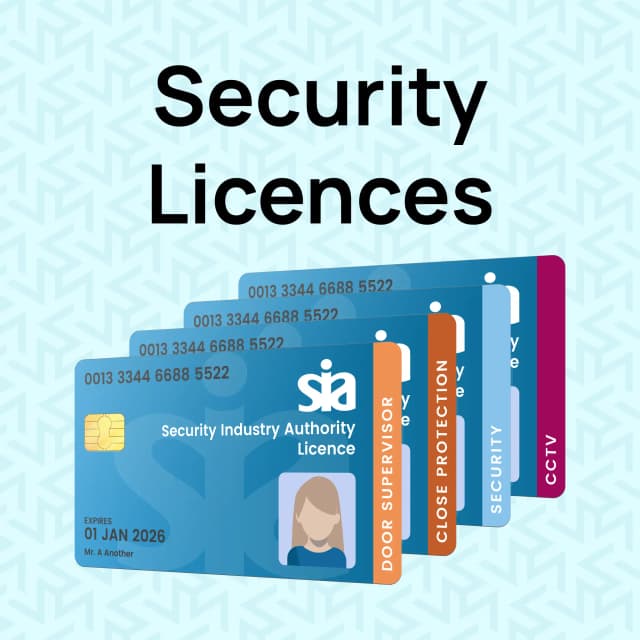
The Security Industry Authority (SIA) is the regulatory body responsible for licensing security professionals in the UK. Obtaining the appropriate SIA licence is important whether you're pursuing a role in security guarding, CCTV operation, or close protection.Front Line SIA LicenceA front-line SIA license is necessary for active security roles, such as door supervisors, security guards, or CCTV operators. This licence permits direct interaction with the public while performing security duties. .main{ border:3px solid #0f7c90; border-radius:20px; position: relative; font-family:roboto; font-weight: 400; color: #000; } .main-two{ position: absolute; top:-25px; left:45px; background-color:white; } .img-div{ border-radius : 100%; padding:2px 7px; background-color:#0f7c90; margin-right:5px; width: 50px; height: 50px; } .img{ width:30px; object-fit:contain; height:auto; border-radius : 100%; } @media only screen and (max-width: 600px) { .heading{ font-size:20px; } .img{ width:20px; object-fit:contain; height:auto; border-radius : 100%; } .img-div{ width: 40px; height: 40px; } .main-two{ left:25px; } } SIA Licences Application Made Simple SIA licences are for different security jobs like door supervisors, security guards, and CCTV operators.The Door Supervisor Licence manages crowds and entrances, while the Security Guard Licence protects property. If you work with surveillance cameras, you need a CCTV Operator Licence. Taking the right SIA courses will prepare you for the job and help you get licensed easily. How Much is an SIA Licence?An SIA licence costs �204, regardless of the type. This fee is applicable to the three-year licence period, and it is paid during the application process. Some employers or training providers may cover this fee on your behalf.SIA Licence ApplicationThe SIA licence application is done online through SIA website. You�ll be asked to give personal information, evidence of your training and qualifications, and a criminal background check.SIA CertificateOnce you have finished your SIA training, you will be awarded an SIA certificate. This document proves that you have successfully passed the course and met the training requirements to apply for your licence.SIA Non-Front Line LicenceThe non-frontline SIA licence is given to individuals in supervisory or administrative positions in the security industry. It is required for individuals who are in charge of or overseeing supervising licensable security activities, but not directly participating in security operations.How Long Does the SIA Criminality Check Take?The criminality check is one of the most essential steps in the SIA licence application process. This typically takes up to 14 days, but it might also change depending on the situation of the individual and the complexity of the background check.SIA Licence TypesThe SIA offers several licence types, each tailored to a specific role:Door Supervisor Licence: For roles involving access control and crowd management.Security Guard Licence: For guarding premises and assets.CCTV Operator Licence: For monitoring security systems.Close Protection Licence: For providing personal security to individuals.What are the SIA Licence RequirementsTo qualify for an SIA licence, you must meet the following requirements:Be at least 18 years old.Complete the relevant SIA-approved training course.Hold a valid first aid certificate.Pass a criminal record check.Have the right to work in the UK.What are the Steps to Get an SIA LicenceComplete the required training for your chosen licence type.Obtain a valid first aid certificate.Pass the SIA criminality and right-to-work checks.Create an account on the SIA website and submit your application.Pay the �204 licence fee and await approval.SIA Right to Work CheckThe SIA, as part of the application process, makes a right-to-work check to ensure that you are legally permitted to work in the UK. You are required to produce some form of documentation, such as a passport or biometric residence permit.SIA Application FormThe SIA application form is available online through the SIA portal. It requires information about your training, criminal record, and personal information. Always make sure that all the information is correct to prevent any delays in the processing.SIA Licence RenewalRenewing your SIA licence is generally straightforward, though additional training might be required depending on when you obtain your qualification. If your qualification was awarded after April 2021 or your certificate states "[Awarding Body Name] Level 2 Award in Door Supervision (QCF)," no extra training is necessary.However, if additional training is required, then you have to undergo a refresher course, such as Top-Up Refresher Training for Door Supervisors, before you renew your licence. You can start the renewal process up to four months before your current licence expires, but the new licence will only become active after the current one has expired.How Long is an SIA Licence Valid For?SIA licences are valid for three years from the date of issue. To continue working legally in the security industry, you must renew your licence before it expires.SIA Licence FeeThe licence cost for all SIA licences is �204. This fee is non-refundable, so ensure you meet all the eligibility requirements before applying.We are applying for all SIA Licenses on your behalf. Visit our SIA License page and contact us now. ConclusionAn SIA licence is the key to a successful career in the security sector of the UK. Whether your intention is to work as a door supervisor, security guard or on CCTV operations, it is important to know the various types of licences, application procedures and requirements. With the right preparation, you can obtain your licence and open up exciting opportunities in the security field.If you're ready to take the next step, explore the relevant SIA training courses and ensure you meet all the requirements for your chosen licence type.

security behaviour
Jan 28, 2025
Security

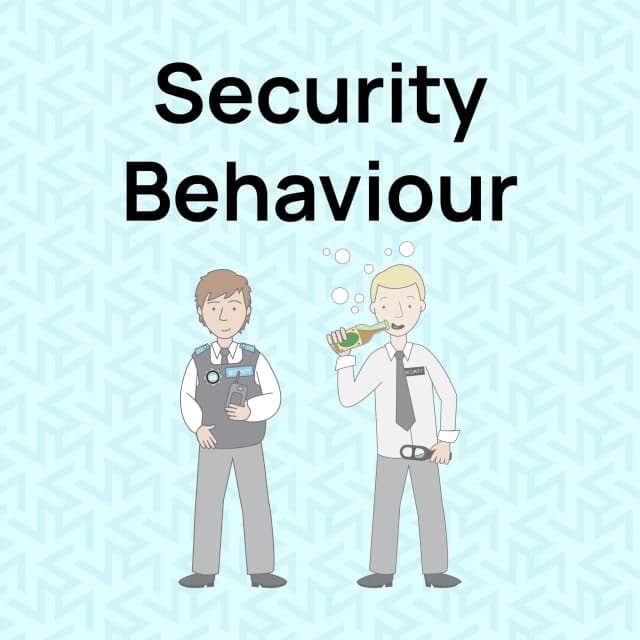
What are the Required Standards of Behaviour of a Security Operative in the UK

The SIA requires people in the private security industry to follow specific standards of behaviour and act professionally, skillfully, and ethically. Not following these rules can lead to disciplinary action, such as losing their SIA license. The private security industry in the UK is significant, employing thousands of people and playing an important role in the economy.What are the Standards of Behaviour for Security GuardsUK security guards must follow strict professional conduct standards set by the SIA. This means they must carry out their duties with honesty, integrity, responsibility, and respect for others. Guards must avoid behaviour that could damage public trust in the security profession. This includes:Accepting bribesFalsifying incident reportsSharing confidential informationAbusing their authorityWorking under the influence of drugs or alcohol, which affects judgmentWhile on duty, guards should stay calm under pressure, resolve conflicts through clear and non-aggressive communication, and only use force as a last resort. Serious misconduct, negligence, or failure to follow these standards can lead to suspension or loss of their SIA license.Conflicts of InterestSecurity guards must not engage in activities that create actual or perceived conflicts of interest. For example, a guard working at a shopping mall cannot also work for a retailer within the same mall, as their roles may conflict.Guards must never use their position for personal gain. For instance, allowing unauthorised access to a warehouse for illegal activity in exchange for money violates trust. Any potential or actual conflicts of interest must be reported to employers immediately.Discrimination and Human RightsSecurity guards interact with people from diverse backgrounds and must treat everyone fairly and respectfully. The SIA forbids discrimination based on race, religion, gender, disability, sexual orientation, or other protected characteristics.Guards must not engage in harassment, intimidation, or unfair treatment. For example, targeting someone based on their ethnicity or stereotypes is considered discrimination.While performing their duties, guards must:Only take actions (like limiting access) when there is a real and valid reason, not based on bias.Make reasonable accommodations for disabled individuals to ensure fair treatment.Guards must also respect the rights of others and not exceed their lawful authority. Actions like improper detention, excessive use of force, or restricting freedoms (e.g., movement, expression, or assembly) violate SIA standards.Security guards uphold professionalism, integrity, and UK laws by acting fairly and ethically. SIA licensing requires ongoing training to help guards apply human rights principles daily.Activity/BehaviourCode of Ethics & ConductConsequences of BreachEthical ConductGuards must perform their duties with honesty, integrity, and respect for others.Licence suspension or revocationConflicts of InterestGuards must avoid situations that create actual or perceived conflicts of interest.Disciplinary action or dismissalDiscrimination and Human RightsGuards must treat everyone fairly and uphold human rights in all interactions.Legal action and licence revocationIntoxication and Substance AbuseWorking under the influence of drugs or alcohol is strictly prohibited.Suspension, fines, or loss of licenceExceeding AuthorityGuards must act within their legal powers and avoid overstepping their authority.Fines, prosecution, or licence revocationConfidentialityGuards must share confidential information with proper authorisation.Fines, legal action, or licence revocationEquipment UseGuards must only use restricted equipment, like handcuffs or batons, when permitted.Fines, licence suspension, or revocationSurveillance and RecordingGuards must follow privacy laws and regulations when conducting surveillance.Fines, legal action, or licence revocationWhat are the Prohibited Activities for Security OperativesIntoxication and Substance AbuseSecurity guards must never work while under the influence of alcohol or drugs. Staying alert and clear-headed is essential for their safety and making good emergency decisions.The SIA strictly bans drinking alcohol or using recreational drugs while on duty. Turning up to work impaired can lead to suspension or loss of their licence. Employers may also carry out random drug and alcohol tests.Guards must avoid drinking shortly before their shift, which can still affect their performance. If a guard takes prescription medication that may impact their duties, they must inform their supervisor. Breaking these rules puts public safety at risk.Exceeding Authority and PowersSecurity guards must act within the limits of their legal powers, as outlined in their SIA licence and training. Misusing authority�such as overstepping duties, making threats, or giving unlawful orders�is strictly prohibited.For example, security guards cannot pretend to be police officers, search people without reason, or use force beyond their training. They should never suggest they have more power than the law allows.Overstepping boundaries damages public trust in security professionals. Regular training helps guards understand their limits and the consequences of going beyond their lawful powers.Disclosing Confidential InformationSecurity guards must keep private or sensitive information they learn on the job confidential unless required by law. For example, sharing details about important visitors, security procedures, or company secrets is prohibited.Leaking private information�such as someone�s habits, vulnerabilities, or incident details�can harm people�s privacy and security. It could also expose the client or organisation to further risks.Guards must get permission before publicly sharing confidential information, such as interviews or articles. They should avoid unnecessary requests for sensitive data and refrain from casually discussing work-related details with others.Maintaining discretion is essential for professionalism and trust. Breaking confidentiality rules�intentionally or carelessly�violates SIA standards and can lead to serious consequences.� .main{ border:3px solid #0f7c90; border-radius:20px; position: relative; font-family:roboto; font-weight: 400; color: #000; } .main-two{ position: absolute; top:-25px; left:45px; background-color:white; } .img-div{ border-radius : 100%; padding:2px 7px; background-color:#0f7c90; margin-right:5px; width: 50px; height: 50px; } .img{ width:30px; object-fit:contain; height:auto; border-radius : 100%; } @media only screen and (max-width: 600px) { .heading{ font-size:20px; } .img{ width:20px; object-fit:contain; height:auto; border-radius : 100%; } .img-div{ width: 40px; height: 40px; } .main-two{ left:25px; } } Understanding the SIA Code of Conduct is useful for security professionals to stay compliant and progress in their roles. Whether you're a Door Supervisor, Security Guard, Close Protection Officer, or CCTV Operator, practising these standards builds trust and professionalism. To become qualified SIA security officers, take our expert courses today, develop your skills, and become the best in the field! FAQsWhat are the required standards of behaviour for security guards in the UK?Security guards in the UK must follow strict standards set by the SIA, including honesty, integrity, and respect for others. They must avoid bribery, falsifying reports, sharing confidential information, abusing authority, and working under the influence of drugs or alcohol.What happens if a security guard violates the SIA standards of behaviour?If a security guard fails to follow the required standards, they may face disciplinary action, including suspension or revocation of their SIA license. Serious misconduct can result in legal action or fines.Can a security guard work in a role that creates a conflict of interest?No, security guards must avoid situations that create actual or perceived conflicts of interest. For example, working for a retailer at a mall while being a guard at that mall is prohibited. Any potential conflicts must be reported to employers.What is considered discrimination by a security guard?Security guards must treat everyone fairly and respectfully, without discrimination based on race, religion, gender, disability, or other protected characteristics. Engaging in harassment or unfair treatment is prohibited.Can security guards use excessive force in their duties?No, security guards must only use force when necessary and appropriate. They should not exceed their legal powers or engage in actions like improper detention or excessive use of force.What are the rules regarding intoxication and substance abuse for security guards?Security guards must never work while under the influence of alcohol or drugs. Doing so can lead to suspension or loss of their license. Guards must also avoid drinking shortly before their shift and inform their supervisors if they take medication that affects their duties.What is the importance of confidentiality for security guards?Security guards must maintain confidentiality regarding sensitive or private information they encounter during their duties. Sharing this information without authorisation, such as security procedures or personal details, is prohibited and can lead to serious consequences, including legal action.ConclusionIn conclusion, security operatives in the UK are held to high professional and ethical standards set by the SIA to ensure public safety, trust, and the integrity of the security industry. By adhering to the required behaviour, avoiding conflicts of interest, and respecting human rights, security guards help maintain a secure and respectful environment. Violations of these standards, such as working under the influence, exceeding authority, or disclosing confidential information, can have serious consequences, including legal action and loss of employment. Ongoing training and awareness are important for security professionals to comply with these standards and uphold their responsibility to the public and their clients.

Security Uniform in the UK
Jan 28, 2025
Security

Security Uniform in the UK Security Industry

A security guard's uniform is more than just clothing; it symbolises authority, professionalism, and safety. In the UK, several roles within the security industry mean that uniforms are tailored to fit specific functions and environments. From high-visibility gear on construction sites to formal attire in corporate settings, security uniforms are important in creating a professional image while ensuring functionality and safety.What is Personal Protective Equipment in the UK Security Industry?Personal Protective Equipment (P.P.E.) refers to clothing and accessories used to protect security officers from potential hazards on the job. This can include high-visibility jackets, steel-toe boots, gloves, helmets, and protective eyewear in the UK. P.P.E. is especially important in environments like construction sites or events with higher physical risks. Regulations often mandate specific P.P.E. to ensure the officer's safety and compliance with health and safety standards.Uniform for a Door SupervisorDoor supervisors, often the first point of contact at venues like clubs, bars, and events, require practical and professional uniforms. Their security attire usually includes:High-visibility jacketsHigh-visibility armbands displaying their SIA licenseComfortable but durable shoesThe uniform should convey authority while remaining approachable to patrons.Uniforms for CCTV OperatorsCCTV operators usually work in control rooms, so their uniforms prioritise comfort and practicality. A typical CCTV operator�s uniform includes:Polo shirts or smart casual attireComfortable trousersIdentification badges or lanyardsUnlike field roles, high-visibility clothing is generally unnecessary.Uniform for Close Protection OfficersClose protection officers (CPOs), commonly known as bodyguards, require a discreet and professional appearance. Their uniforms often depend on the client�s preferences and the environment, but typically include:Business suits or formal attire for corporate settingsTactical clothing for high-risk situationsComfortable, sturdy footwear.CPOs balance formality with functionality to respond to threats while blending into their surroundings.Uniform for Dog HandlersDog handlers work in diverse settings, from event security to perimeter patrols. Their uniforms are designed for practicality and durability, often including:High-visibility jackets and vestsWeather-resistant clothingSturdy boots for outdoor workUtility belts carry equipment like leashes, torches, and first-aid kitsThe uniform ensures that the handler and the dog can operate effectively under different conditions. .main{ border:3px solid #0f7c90; border-radius:20px; position: relative; font-family:roboto; font-weight: 400; color: #000; } .main-two{ position: absolute; top:-25px; left:45px; background-color:white; } .img-div{ border-radius : 100%; padding:2px 7px; background-color:#0f7c90; margin-right:5px; width: 50px; height: 50px; } .img{ width:30px; object-fit:contain; height:auto; border-radius : 100%; } @media only screen and (max-width: 600px) { .heading{ font-size:20px; } .img{ width:20px; object-fit:contain; height:auto; border-radius : 100%; } .img-div{ width: 40px; height: 40px; } .main-two{ left:25px; } } In the security industry, wearing the right uniform maintains professionalism, safety, and compliance, whether you're a Door Supervisor, CCTV Operator, Close Protection Officer, or Security Guard. Along with your uniform, obtaining the necessary training and SIA license is essential. Apply for your SIA License to ensure you're fully prepared for your career in security! Uniform for Construction, Logistics, and Traffic ManagementSecurity officers in construction and traffic management roles require high-visibility clothing to ensure safety on busy sites. Typical items include:High-visibility vests or jacketsHard hats and steel-toe bootsGloves and protective eyewearComfortable trousers designed for outdoor useThese uniforms prioritise safety and compliance with site-specific regulations.Uniforms for Corporate and Education Security SectorsIn corporate offices and educational institutions, security officers often serve as the public face of security. Their uniforms reflect professionalism and approachability, usually consisting of the following:Formal shirts and tiesBlazers or tailored jacketsSmart trousers and polished shoesThis attire ensures a polished appearance while maintaining authority.What is the Best Kind of Security Uniform?The best security uniform depends on the specific role and environment. Key considerations include:Functionality: The uniform should enable the officer to perform their duties effectively.Comfort: Long shifts require clothing that is easy to wear for extended periods.Professionalism: The uniform should convey authority and instil confidence in the public.Compliance: Ensuring the uniform meets industry regulations and safety standards is essential.A one-size-fits-all approach doesn�t work in the UK security industry. Tailoring uniforms to specific roles and environments ensures officers can perform their duties safely, efficiently, and professionally.FAQsWhat is the purpose of a security guard uniform?Security guard uniforms signify authority, professionalism, and safety while offering functionality suited to specific roles and environments.What does Personal Protective Equipment (P.P.E.) include in the UK security industry?P.P.E. includes high-visibility jackets, steel-toe boots, gloves, helmets, and protective eyewear, primarily used in high-risk environments like construction sites.What is typically included in a door supervisor's uniform?Door supervisors wear high-visibility jackets, SIA armbands, and durable, comfortable shoes to convey authority while remaining approachable.Do CCTV operators need high-visibility clothing?CCTV operators usually wear comfortable, practical clothing like polo shirts and trousers, as their work is conducted in control rooms.What kind of attire do close protection officers (CPOs) wear?CPOs wear business suits or tactical clothing depending on the setting, balancing professionalism with functionality for discreet security.Why is high-visibility clothing essential for construction and traffic security officers?High-visibility clothing ensures safety in high-risk environments by increasing visibility to others on busy sites.How are uniforms tailored for corporate and educational security officers?Corporate and education security uniforms include formal shirts, ties, blazers, and polished shoes to reflect professionalism and authority.ConclusionSecurity guard uniforms in the UK security industry are important in balancing professionalism, functionality, and safety. From door supervisors to corporate security, each role demands tailored attire to meet the job's needs while complying with health and safety standards. These uniforms are a practical tool for security operations and a visual representation of authority and trust. By aligning uniform design with role-specific requirements, the industry ensures that security officers can perform their duties effectively, fostering a safe and professional environment.

Three S�s of Seizure Management
Jan 14, 2025
First Aid

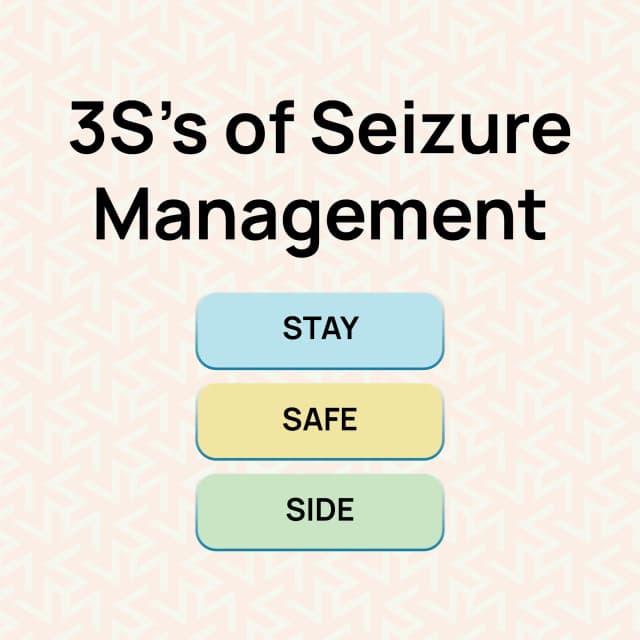
The Three S�s of Seizure Management - Stay, Safe, Side

Epilepsy affects millions worldwide, and understanding seizure first aid is important in helping someone during a seizure. The "Three S's" of seizure management�Stay, Safe, Side�offer simple, actionable steps to provide practical assistance.Stay: Be Present, Be Calm During First Aid Seizure ManagementThe first rule of seizure first aid is to stay with the person throughout the episode. Your presence is important for their safety and comfort.Why Stay?Being present during a seizure ensures that the person is not left alone in a vulnerable moment and allows for careful observation of the seizure's duration and type, which can provide valuable information to medical professionals.How to Stay?Check for a medical ID: Some individuals with epilepsy wear bracelets or carry cards identifying their condition and providing treatment details.Time the seizure: Use a timer or watch to monitor how long the seizure lasts. Most seizures are brief, lasting seconds to a few minutes, but a seizure lasting five minutes or more is a medical emergency.Safe: Minimise Hazards During First Aid Epileptic ManagementCreating a safe environment is critical to prevent injury during a seizure.Why Safe?Seizures can cause loss of awareness or uncontrolled movements, increasing the risk of accidents.How to Keep Them Safe?Remove nearby hazards by moving sharp or hard objects out of reach.Guide gently if they�re wandering: If the person is walking or confused, steer them away from traffic, stairs, or other dangers.Water safety: If the seizure occurs in a pool or bathtub, remove the person from the water immediately to prevent drowning.Side: Position for Recovery During First Aid Seizure ManagementPositioning the person on their side, also known as the recovery position, can prevent complications if they lose consciousness.Why Side?Laying the person on their side with their mouth pointed downward prevents saliva from obstructing their airway, reducing the risk of choking.How to Help?Gently roll the person onto their side. Ensure their head is cushioned.Avoid forcing their body into the position if it�s difficult; wait until their movements allow you to assist.The Do's in Emergency First Aid for SeizuresStay Calm: Keep your composure to help the person promptly.Time of the Seizure: Always note the duration of the seizure to provide this information to medical professionals if needed.Protect the Person: Move harmful objects away and provide a soft surface under their head if possible.Help Them to the Side: If the person is unconscious, gently position them on their side to help keep their airway clear.Observe Closely: Monitor their breathing and behaviour during and after the seizure.Offer Comfort Post-Seizure: When the seizure ends, reassure the person, explain what happened if they�re confused, and stay with them until they recover fully. .main{ border:3px solid #0f7c90; border-radius:20px; position: relative; font-family:roboto; font-weight: 400; color: #000; } .main-two{ position: absolute; top:-25px; left:45px; background-color:white; } .img-div{ border-radius : 100%; padding:2px 7px; background-color:#0f7c90; margin-right:5px; width: 50px; height: 50px; } .img{ width:30px; object-fit:contain; height:auto; border-radius : 100%; } @media only screen and (max-width: 600px) { .heading{ font-size:20px; } .img{ width:20px; object-fit:contain; height:auto; border-radius : 100%; } .img-div{ width: 40px; height: 40px; } .main-two{ left:25px; } } Knowing the 3 S�s rule for seizure management is important in emergencies, but there's more to first aid. Our First Aid courses offer complete training to help you handle critical situations. Whether you want to improve your skills or workplace safety, these courses help build confidence and expertise. View our Emergency First Aid at Work (EFAW) and Level 3 First Aid at Work courses. These courses meet the UK legal requirements and help you keep people safe. The Don't's in Emergency First Aid for SeizuresWhile the Three S�s guide what to do, it�s equally important to know what not to do:Do not place anything in their mouth.Contrary to popular myths, people cannot swallow their tongue during a seizure. Objects in the mouth could break teeth, block the airway, or cause choking.Do not restrain them.Holding someone down during a seizure can lead to injuries for both you and the person.When to Call 999 During an Epileptic Seizure EventIn some cases, seizures require immediate medical attention. Call emergency services if:The seizure lasts longer than five minutes.The person experiences multiple seizures without regaining consciousness.They have difficulty breathing or appear to choke.It�s their first seizure.There�s a risk they�ve aspirated water.It�s better to err on caution when in doubt and call for help. As Dixon aptly says, �No one will fault you for getting help in a situation where you�re not sure what to do.�Beyond First Aid: Supporting Those with EpilepsyProviding effective first aid during a seizure is critical, but there�s more to supporting someone with epilepsy:Educate Yourself: Learn about epilepsy and its triggers. Common triggers include lack of sleep, stress, and flashing lights.Advocate for Awareness: Share knowledge about seizure first aid within your community.Be Prepared: If a friend or family member has epilepsy, keep emergency contact information and a list of their medications handy.By following the Three S�s and being informed, you can make a meaningful difference in the life of someone experiencing a seizure. Seizure first aid is not just about safety; it�s about empathy and empowerment.ConclusionIn conclusion, knowing how to help someone during a seizure can make a big difference. By remembering the "Three S's"�Stay, Safe, Side�you can provide the support they need and keep them safe. With some knowledge and care, you can help them get through a challenging moment confidently and calmly.

what is asthma
Jan 9, 2025
First Aid

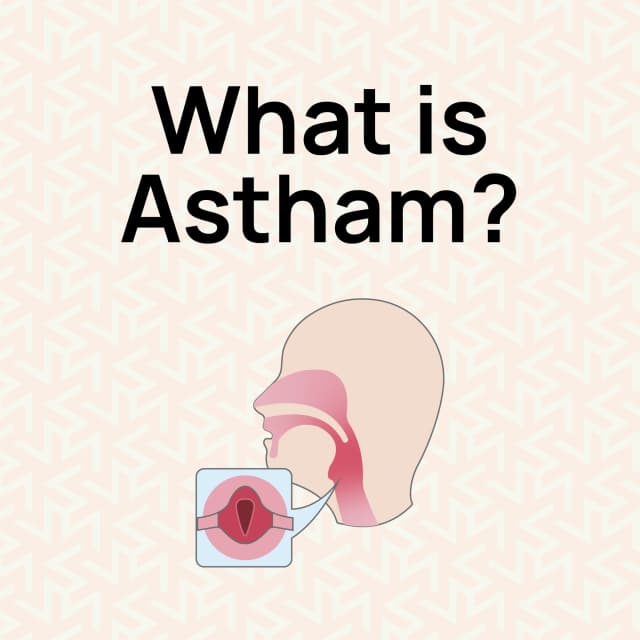
What is Asthma - Signs, Symptoms and Treatment

Asthma can affect people of all ages, from young children to older adults, with over 300 million cases worldwide. While it often starts in childhood and may continue into adulthood, some people develop asthma later in life without previous episodes.Asthma affects males and females and occurs in people of all races and ethnicities. Although there is no cure, the symptoms can be managed, allowing individuals to lead an everyday, healthy life.What is Asthma?Asthma is a chronic respiratory condition that affects the airways in the lungs, causing inflammation and narrowing. This can lead to breathing difficulties, wheezing, and coughing. Asthma is a common condition affecting people of all ages, and while it cannot be cured, it can be managed with the right approach.What are the Different Types of AsthmaThere are several types of asthma, each with unique characteristics. Allergens like pollen or pet dander trigger allergic asthma. Non-allergic asthma is caused by irritants such as smoke or strong odours. Exercise-induced asthma occurs during or after physical activity. Occupational asthma results from exposure to irritants in the workplace. Childhood asthma often starts early and is linked to allergies or infections, while adult-onset asthma develops later in life and may not be allergy-related.What are the Early Signs of AsthmaThe signs that help identify asthma are frequent respiratory infections that are slow to resolve. This persistent cough doesn�t respond to standard treatments, breathing difficulties that worsen with specific triggers (like allergens or exercise), and a family history of asthma or allergies. If you notice these signs, you must seek medical advice for a proper diagnosis. .main{ border:3px solid #0f7c90; border-radius:20px; position: relative; font-family:roboto; font-weight: 400; color: #000; } .main-two{ position: absolute; top:-25px; left:45px; background-color:white; } .img-div{ border-radius : 100%; padding:2px 7px; background-color:#0f7c90; margin-right:5px; width: 50px; height: 50px; } .img{ width:30px; object-fit:contain; height:auto; border-radius : 100%; } @media only screen and (max-width: 600px) { .heading{ font-size:20px; } .img{ width:20px; object-fit:contain; height:auto; border-radius : 100%; } .img-div{ width: 40px; height: 40px; } .main-two{ left:25px; } } Get trained at recognising early signs of an asthma attack for prompt management. Our First Aid courses offer complete training to help you handle critical situations. Whether you want to improve your skills or workplace safety, these courses help build confidence and expertise. View our Emergency First Aid at Work (EFAW) and Level 3 First Aid at Work courses. These courses meet the UK legal requirements and help you keep people safe. What are the Common Asthma SymptomsAsthma symptoms can range from mild to severe and vary from person to person. Common symptoms include shortness of breath, wheezing (a whistling sound when breathing), persistent coughing (especially at night or early morning), and chest tightness or discomfort. These symptoms can worsen during an asthma attack, making breathing even more difficult.What Causes Asthma?The exact cause of asthma is not fully understood, but it is believed to result from a combination of genetic and environmental factors. Common causes include the following:A family history of asthma or allergiesExposure to environmental pollutants or allergensSevere respiratory infections in early childhoodHypersensitivity to specific triggers such as pollen, dust, or pet danderWhat are the Common Asthma TriggersAsthma triggers are external factors that can exacerbate symptoms. Common triggers include allergens such as:pollen, mould, dust mites, and pet danderirritants such as tobacco smoke, strong odourschemical fumesweather changes like cold air or high humidityphysical exertion, which can cause exercise-induced asthmaemotional stress or anxietyIdentifying and avoiding these triggers is a key aspect of asthma management.How to Stop an Asthmatic CoughAn asthmatic cough can be persistent and disruptive, but there are ways to manage an asthma attack. As directed by a healthcare provider, a reliever inhaler can provide immediate relief. Staying hydrated helps thin mucus in the airways, making it easier to clear. Avoiding exposure to cold air and other known triggers is important. Anti-inflammatory medications may also be prescribed for more severe cases, and breathing exercises can help reduce coughing episodes by improving lung function.Diagnosis of AsthmaDoctors diagnose asthma by combining medical history, physical exams, and lung function tests to assess how well the lungs work and how sensitive the airways are. Modern clinics also rely on digital systems like functional medicine EMR to track patient history, monitor symptoms, and support accurate, data-driven asthma care. During the medical history assessment, the doctor asks about your symptoms, other health conditions, family history, and any specific triggers that worsen your symptoms. A physical examination follows, where the doctor listens to your lungs for wheezing or other abnormal sounds and checks for inflammation in the chest or back.Lung function tests are a key part of the diagnosis. These tests measure how well the lungs are functioning and help determine the severity of asthma. Standard tests include the methacholine challenge, which checks how your airways react to methacholine, a substance that can trigger asthma symptoms and peak flow testing. Peak flow testing uses a peak flow meter to measure the strength of your exhalation. Lower readings often indicate asthma and help monitor the condition and treatment progress.A peak flow meter is a simple, cost-effective tool for at-home monitoring. To use it, stand up straight and blow forcefully into the meter. Record the highest reading out of three attempts and simultaneously measure your peak flow daily. Keep a chart of your readings and share it with your doctor to help manage asthma more effectively.What is the Most Effective Asthma TreatmentAsthma treatment focuses on controlling symptoms and preventing flare-ups. Inhalers are a primary treatment tool, delivering medication directly to the lungs. There are two main types: Reliever inhalers for immediate symptom relief Preventer inhalers for long-term controlOccasionally, oral medications like corticosteroids or leukotriene receptor antagonists may be prescribed. Allergy treatments such as antihistamines or immunotherapy can be beneficial if allergens trigger asthma. Lifestyle changes, including avoiding triggers, maintaining a healthy weight, and staying active, also significantly manage the condition.Devices for Inhaled MedicationsInhaler: Inhalers are used to deliver asthma medicine straight to the lungs. They can be metered-dose inhalers (MDIs) or dry powder inhalers (DPIs). Sometimes, a spacer or holding chamber is added to MDIs to help the medicine reach the airways better and lower the chance of side effects.Nebuliser: A nebuliser changes the medicine into a mist that�s easier to breathe in than an inhaler. This might be a better option for patients who have trouble breathing.FAQsWhat is asthma?Asthma is a chronic respiratory condition that causes inflammation and narrowing of the airways, leading to symptoms such as breathing difficulties, wheezing, and persistent coughing. While it cannot be cured, treatment and lifestyle changes can be managed effectively.What are the common symptoms of asthma?Common asthma symptoms include shortness of breath, wheezing (a whistling sound during breathing), persistent coughing (especially at night or early morning), and chest tightness or discomfort. These symptoms may worsen during an asthma attack.What are the early signs of asthma?Early signs of asthma include frequent respiratory infections that are slow to resolve. This persistent cough is unresponsive to standard treatments, breathing difficulties triggered by allergens or exercise, and a family history of asthma or allergies.What are the main treatments for asthma?Asthma treatments include inhalers, such as reliever inhalers for immediate symptom relief and preventer inhalers for long-term control. Additional treatments may include oral medications like corticosteroids, allergy treatments like antihistamines, and lifestyle modifications to avoid triggers.What causes asthma?Asthma is believed to result from genetic and environmental factors. Common causes include a family history of asthma or allergies, exposure to environmental pollutants, severe respiratory infections in early childhood, and hypersensitivity to triggers like pollen, dust, or pet dander.How can I stop an asthmatic cough?To manage an asthmatic cough, use a reliever inhaler as directed by a healthcare provider, stay hydrated to thin mucus, avoid cold air and triggers, and consider anti-inflammatory medications if prescribed. Breathing exercises can also help reduce coughing episodes.What are the different types of asthma?Types of asthma include allergic asthma (triggered by allergens), non-allergic asthma (caused by irritants), exercise-induced asthma, occupational asthma (from workplace irritants), childhood asthma (linked to allergies or infections), and adult-onset asthma (which may not be allergy-related).ConclusionAsthma is a manageable condition with proper treatment and lifestyle adjustments. Understanding its symptoms, causes, triggers, and treatment options allows people to take control of their health. Working closely with healthcare providers, people with asthma can lead active and fulfilling lives while minimising the condition's impact.

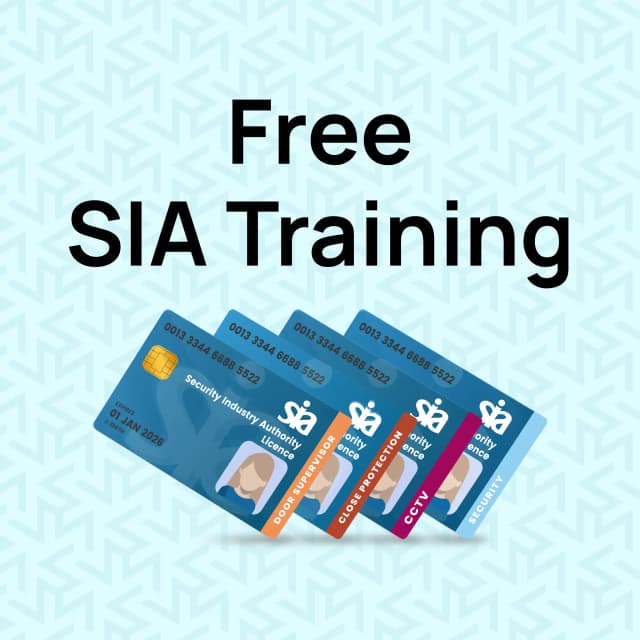
Free SIA Training
Dec 10, 2024
Security

How to Enrol in FREE SIA Security Training in 2025

In 2025, there are many ways to access free SIA training to help you enter the security sector without the upfront costs.What is an SIA Training?SIA (Security Industry Authority) training is a set of courses that provide individuals with the necessary skills and knowledge to work legally and effectively in regulated security roles in the UK. These roles include door supervisors, security guards, CCTV operators, and close protection officers.To obtain an SIA licence, a legal requirement for anyone in these roles, you must first complete the relevant SIA training course. The training covers many topics, including conflict management, physical intervention, health and safety, emergency procedures, and the legal aspects of working in security.How to Get Free SIA Training in 2025Free access to SIA courses and qualifications is available through many pathways. Some of the common ones are:Fully Funded Training ProgramsMany organisations and training providers offer fully funded training programs for people who want to enter the security industry. These programs cover the costs of the training courses and exams required to obtain an SIA license. The government, local authorities, and private organisations run these programs to help people enter the workforce, especially in high-demand sectors like security.You can often find fully funded courses through local job centres or by searching online for training providers offering government-backed schemes. These programs remove the financial barrier to entering the security sector and can be a great way to get your SIA license without paying it upfront.Job-Linked FundingSome employers offer financial support to help you obtain your SIA licence. This is common in companies looking to hire security staff who want to ensure their employees are fully qualified. In this case, the employer may cover the cost of your training and licence as part of the hiring process. It�s a good idea to check with potential employers during the application process to see if they offer any funding for SIA licences.Government-Backed InitiativesThe UK government runs several programs that support people in finding work in high-demand sectors, such as security. These government-backed initiatives may provide funding to cover your training and SIA licence costs. Some training providers collaborate with these government programs to offer eligible individuals free training. You can check with your local job centre or search online for schemes.Youth and Employment ProgramsIf you are a young person or have been long-term unemployed, you may be eligible for special programs to help you get your first job in the security industry. Many youth and employment programs provide free SIA training to help individuals enter the workforce. These programs provide opportunities in sectors like security, with high worker demand. If you fit into these categories, you can check local opportunities for free training through youth employment programs.SIA GrantsThe Security Industry Authority (SIA) awarded a total of �72,163.70 in grants for good causes during the 2023�2024 financial year. Recipients included Diverse FM Community Media & Training Ltd (�23,000), Employment 4 All C.I.C (�18,000), Glasgow Street Aid (�9,264), and several others, supporting community welfare and safety initiatives.SIA Training Courses You Can Access for FreeTo work in the security industry, you will need to complete specific training depending on the type of role you are aiming for. Here are the most common SIA training courses and their durations:SIA Training TypeDurationFocusDoor Supervisor Training6 daysSkills necessary to work as a door supervisor in securitySecurity Guard Training4 daysSkills needed to work as a security guardCCTV Operator Training3 daysOperating CCTV systems in security settingsClose Protection Training16-19 daysTraining for close protection officers for high-profile individualsWhile these courses may have associated costs, many fully funded programs will cover the cost of the training, allowing you to enter the workforce as a qualified security professional without paying out of pocket. .main{ border:3px solid #0f7c90; border-radius:20px; position: relative; font-family:roboto; font-weight: 400; color: #000; } .main-two{ position: absolute; top:-25px; left:45px; background-color:white; } .img-div{ border-radius : 100%; padding:2px 7px; background-color:#0f7c90; margin-right:5px; width: 50px; height: 50px; } .img{ width:30px; object-fit:contain; height:auto; border-radius : 100%; } @media only screen and (max-width: 600px) { .heading{ font-size:20px; } .img{ width:20px; object-fit:contain; height:auto; border-radius : 100%; } .img-div{ width: 40px; height: 40px; } .main-two{ left:25px; } } Free SIA Licence Funding Options While we don't offer free SIA courses, many resources, such as FREE mock exams and E-Books, are available to help cover the cost of your SIA licence. You can explore funding opportunities through local providers, employers, and government schemes. Check out available SIA security courses like Door Supervisor, Security Guard, and CCTV Operator to help start your career in the security industry. Other Costs to ConsiderWhile free SIA training programs are available, there may still be additional costs associated with obtaining your SIA licence, such as:Background Check: The criminal background check required by the SIA is a mandatory part of obtaining your licence. This check may be fee-based, though some training programs will cover the cost.First Aid Course: All SIA licence holders must complete an emergency first aid course. Some training programs may include this as part of the package, but you should check if any extra costs are involved.When applying for a funded program, ask about any additional fees to ensure you are fully prepared.How to Apply for an SIA LicenceOnce you�ve completed your training, the process to apply for your SIA licence is straightforward:Create an Account: Set up an account on the SIA website.Submit Your Application: Log into your account and complete the application form, providing personal details and information about your training.Pay the Licence Fee: The SIA licence costs �204. Some funded programs may cover this fee, but if not, you will need to pay it yourself.Wait for Your Licence: Once your application is processed, you will receive your SIA licence. This typically takes around 14 days.ConclusionGetting your SIA licence for free in 2025 is possible through many funded programs, job-linked funding, and government-backed initiatives. These opportunities can help remove the financial barrier to entering the security industry and allow you to start a rewarding career in a growing sector. While we don�t offer free SIA courses, many resources are available to help cover the cost of training and licensing.

Teach the World Online

Create an online video course, reach students across the globe and earn money

Teach With Hurak