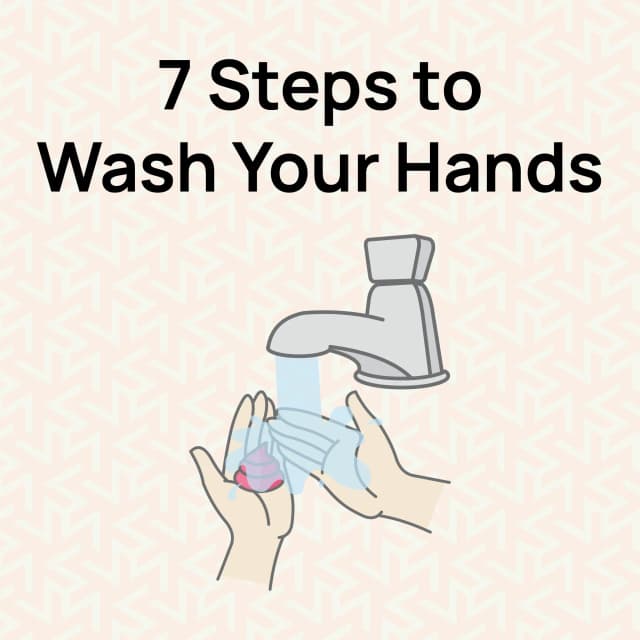
When it comes to keeping germs at bay, there is one simple practice we can all do: hand washing. But it is not just a quick rinse under the tap; there is a proper way to do it to make sure you are getting rid of those germs. Why Hand Washing Is Important?Hand washing is important because it helps keep us healthy and stops germs from spreading. Our hands touch many things throughout the day like door handles, money, and even our faces. And on all those things, some germs can make us sick.When we wash our hands with soap and water, the soap breaks down the germs and dirt. When we rinse them off, they go down the drain. By washing our hands regularly, especially before we eat and after using the restroom. We can stop those germs from getting into our bodies. It is a simple but super effective way to stay healthy.Unfortunately, many do not know how to wash their hands properly or neglect to do so. However, proper hand washing is important for food safety in places like restaurants.Therefore, everyone must learn the correct way to wash their hands. It is straightforward�there are just seven steps that anyone can follow.Singing "Happy Birthday" twice while washing your hands can help you ensure you are washing them for the recommended 20 seconds.How to Wash Your Hands in 7 Steps?The 7 steps of hand washing, recommended by the NHS, are simple and effective. Remember to wash your hands for at least 20 seconds for thorough cleaning. Here they are:Wet Your Hands: Use warm water and enough soap to create a good lather.Rub Your Palms Together: Rub your hands in circles, clockwise and anti-clockwise.Wash the Back of Your Hands: Interlock your fingers and rub the back of one hand with the palm of the other, then switch hands.Interlace Your Fingers: Link your fingers together, palm to palm, and rub your palms and fingers together.Clean Your Fingertips: Put one hand over the other, interlock your fingers, and rub the backs of your fingers against your palms, then switch hands.Scrub Your Thumbs: Wrap your fingers around your thumb and rub it in circles, then switch thumbs.Rub Your Fingertips on Your Palm: Rub the tips of your fingers in circles on the palm of your other hand, then switch hands.After following these steps, rinse your hands thoroughly with warm running water. Dry them with a clean, disposable paper towel. Paper towels are best for hygiene, but if hand dryers are available, you can use those too.�Be careful not to touch anything with your clean hands after drying them. This is to avoid transferring germs back onto them.�If possible, use a paper towel to turn off the taps. If your hands feel dry after washing, moisturising them is a good idea. Dry hands can be more prone to cracking, providing a breeding ground for germs.�Following these simple steps, every time you wash your hands can help keep yourself and those around you safe from germs and illness. So, lather up, scrub away, and stay healthy! .second-cta-block .main-heading { font-weight: bold; font-size: 22px; } .second-cta-block .book-now { background: #DF3D52; color: #FFFFFF !important; border-radius: 8px; } .second-cta-block .second-heading { font-size: 17px; } .second-cta-block .card { border: 0 !important; } .second-cta-block .card-body { border: 1px solid #909090; box-shadow: rgba(0, 0, 0, 0.16) 0px 1px 4px; border-top-right-radius: 100px; border-bottom-right-radius: 100px; background: #fdf9ee; } .second-cta-block .image-wrapper { height: 330px; position: absolute; right: -60px; top: calc(50% - 210px); /* Center the image vertically */ } .second-cta-block .image-wrapper img { height: 100%; } .second-cta-block .trustpilot-widget { width: 256px; } .cta-heading-section { width: 75%; } @media screen and (max-width:991px) { .second-cta-block { padding-top: 100px; } .second-cta-block .card-body { border: 1px solid #909090; box-shadow: rgba(0, 0, 0, 0.16) 0px 1px 4px; border-radius: 19px; border-radius: 14px; background: #fdf9ee; } .cta-heading-section { width: 100%; padding-top: 50px; } .second-cta-block .image-wrapper { height: 270px; right: 0; position: absolute; left: calc(50% - 90px); top: calc(50% - 315px); } } Get Online Food Safety Courses Food Hygiene And Safety Check the Course Rated Excellent on major review sites The 7 Steps of Hand Washing PosterWe have created a free poster displaying the 7 steps of hand washing. You can download and display it in the hand-washing areas at your workplace or home. This poster will serve as a reminder for everyone to wash their hands properly, helping to prevent microbial contamination.

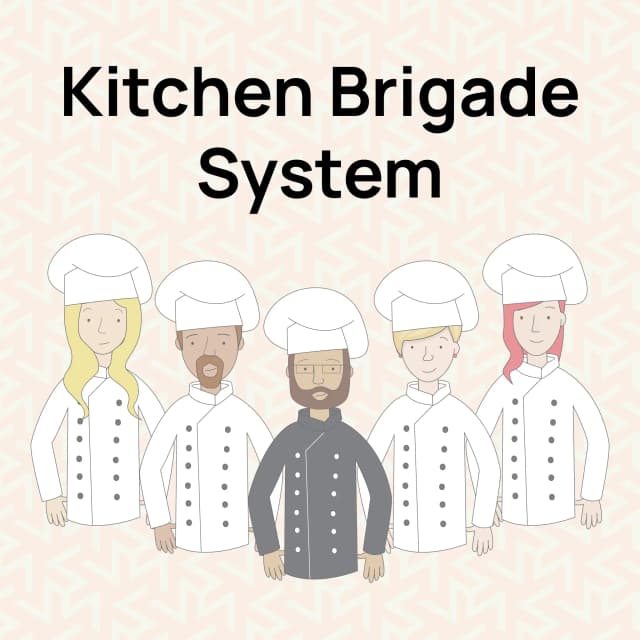
There is a system called the Brigade de Cuisine in many professional kitchens today. It is a fancy French way of saying there is a specific order to how things are done in the kitchen.What's the Kitchen Brigade System?The kitchen brigade system, or "brigade de cuisine", organises the people who work in a restaurant kitchen so that everything runs smoothly. Each person has a specific job, which helps the kitchen work well.In a big kitchen, there are many different jobs, like the boss chef (called the executive chef) and the assistant boss (sous chef). Other chefs (line cooks) look after different parts of the cooking.�For example, the chef in charge of making soups is the potager. Another one for seafood dishes is the poissonnier. For desserts, the chef is called the p�tissier.The kitchen brigade idea started in fancy restaurants, but even fast-food places use a simpler version. In fast-food kitchens, there are stations for frying, grilling, and putting meals together. Cooks are hired to work at these stations and keep things running smoothly.The Birth of the Kitchen HierarchyGeorges Auguste Escoffier was a clever chef who devised a way to organise kitchen work like an army. In the 1800s, he used his experience from the French military to set up a system in hotel kitchens. The aim was to keep things running smoothly and avoid chaos.�Escoffier created a way to organise the kitchen staff. He gave each person a specific job to do. As time passed, kitchens got smaller, and wages went up. Escoffier's system could still be adapted to fit any kitchen. .second-cta-block .main-heading { font-weight: bold; font-size: 22px; } .second-cta-block .book-now { background: #DF3D52; color: #FFFFFF !important; border-radius: 8px; } .second-cta-block .second-heading { font-size: 17px; } .second-cta-block .card { border: 0 !important; } .second-cta-block .card-body { border: 1px solid #909090; box-shadow: rgba(0, 0, 0, 0.16) 0px 1px 4px; border-top-right-radius: 100px; border-bottom-right-radius: 100px; background: #fdf9ee; } .second-cta-block .image-wrapper { height: 330px; position: absolute; right: -60px; top: calc(50% - 210px); /* Center the image vertically */ } .second-cta-block .image-wrapper img { height: 100%; } .second-cta-block .trustpilot-widget { width: 256px; } .cta-heading-section { width: 75%; } @media screen and (max-width:991px) { .second-cta-block { padding-top: 100px; } .second-cta-block .card-body { border: 1px solid #909090; box-shadow: rgba(0, 0, 0, 0.16) 0px 1px 4px; border-radius: 19px; border-radius: 14px; background: #fdf9ee; } .cta-heading-section { width: 100%; padding-top: 50px; } .second-cta-block .image-wrapper { height: 270px; right: 0; position: absolute; left: calc(50% - 90px); top: calc(50% - 315px); } } Get Online Food Safety Courses Food Hygiene And Safety Check the Course Rated Excellent on major review sites The 'Mother' Sauces�Escoffier also created five important sauces, the starting points for many others. These sauces are b�chamel, velout�, espagnole, hollandaise, and tomato. They are handy in cooking, and each has special uses. Making them is easy, with simple ingredients like flour, butter, and some liquid.Chef hierarchy in the kitchenJust like an army has a general at the top, a restaurant kitchen has an executive chef as the big boss. According to the kitchen brigade system, the next in line is the chef de cuisine. Sometimes, a restaurant might have one or the other, not both. Right under the chef de cuisine is the sous chef (also known as the sous chef de cuisine).Under the sous chef are the line cooks, also called chefs de partie. They are in charge of different parts of the kitchen, called stations. Some stations might have more than one chef. For instance, the pastry section might have a pastry chef, a baker, and someone who makes frozen desserts. The brigade is completed by junior chefs known as commis chefs.The Kitchen Hierarchy Explained�The kitchen hierarchy, the Brigade de Cuisine, is like a team structure in a restaurant kitchen. Each team member has a particular job that helps the kitchen run smoothly.Here are the leading kitchen position roles:Executive Chef: The big boss of the kitchen. They handle the management side and only sometimes cook directly.Chef de Cuisine (Head Chef): This is like the boss of cooking. They manage the whole kitchen, from staff to costs, and work closely with the restaurant manager and suppliers.Sous Chef (Deputy Chef): They help the head chef and often step in when needed. They're hands-on with the cooking.Chef de Partie (Station Chef): These are the specialist cooks. Each one looks after a different kitchen part, making sure everything is cooked perfectly.There are various types of station chefs.�Sauce Chef: Makes sauces and gravies.Butcher Chef: Prepares meat and poultry.Fish Chef: Deals with fish and seafood.Roast Chef: Cooks roast meats.Fry Chef: Specialises in fried food.Grill Chef: The master of grilling.Pantry Chef: Prepares cold dishes like salads.Pastry Chef: Makes desserts and pastries.Roundsman: Fills in wherever needed.Commis Chef (Junior Chef): They learn from the station chefs and are usually still training.Kitchen Porter: They help with basic kitchen tasks and cleaning.Dishwasher: Washes all the dishes and equipment used in cooking.Waiter/Waitress: These folks work in the dining area, serving customers and letting the kitchen know if there are any issues with the food.The following table summarises different kitchen positions and their roles.Each role is important for keeping the kitchen running smoothly and ensuring customers get tasty food served just right.ConclusionIn conclusion, the Brigade de Cuisine, or kitchen hierarchy, is like an organised team structure in restaurant kitchens. It confirms that every task is handled efficiently, just like an army operates. This system, introduced by Georges Auguste Escoffier, assigns specific roles to each kitchen staff member, from the top boss, the executive chef, down to the line cooks and junior chefs.Even in fast-food kitchens, a simplified version of this system helps maintain order. Escoffier's legacy extends beyond just organisation, he also introduced the 'Mother' sauces, which are important foundations for many dishes. Whether in a high-end restaurant or a fast-food joint, the kitchen brigade system allows everything to run smoothly, resulting in delicious meals served just right.

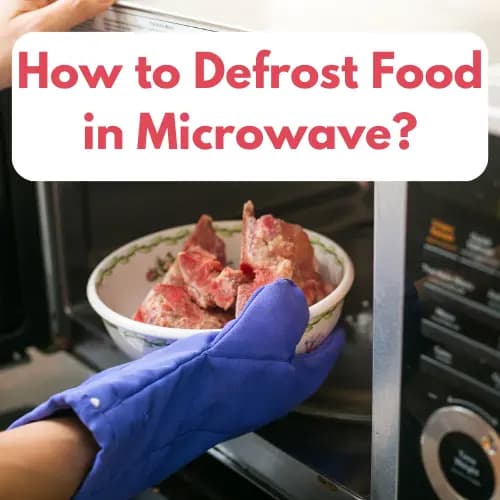
Microwaves are the most commonly used kitchen devices for warming up food. For proper defrosting, food is kept in a microwave safe-glass container. The appliance is then set to defrosting mode. Microwave defrosting saves time and provides convenience, however, defrosting food in the refrigerator is a safer option.Food is kept frozen at -18�C. Freezing preserves food by slowing down microbial activity. During freezing, water in food is formed into ice crystals. Less water content is available for bacteria to thrive. Some foods can be cooked directly from frozen, while most are defrosted before cooking.How Does Food Defrost in the Microwave?Defrosting is the process of removing ice or frost from frozen items. Microwave is an appropriate food reheating and defrosting machine for domestic and commercial kitchens. It uses electromagnetic waves to increase the kinetic energy of water molecules in food. Water molecules vibrate and generate heat, warming up the whole food. It is quick and convenient. While defrosting frozen food in a refrigerator takes hours or days, the microwave takes a few minutes to defrost food taken out of the freezer.Is it Safe to Defrost Food in the Microwave?Ideally, do not defrost food in a microwave. It carries the risk of exposing food to the temperature �Danger Zone�. The bacteria that were inactive in the frozen state grow twice as fast at the danger zone temperature. This is why it is important to cook food at high temperatures immediately after microwave defrosting, to destroy harmful bacteria. .second-cta-block .main-heading { font-weight: bold; font-size: 22px; } .second-cta-block .book-now { background: #DF3D52; color: #FFFFFF !important; border-radius: 8px; } .second-cta-block .second-heading { font-size: 17px; } .second-cta-block .card { border: 0 !important; } .second-cta-block .card-body { border: 1px solid #909090; box-shadow: rgba(0, 0, 0, 0.16) 0px 1px 4px; border-top-right-radius: 100px; border-bottom-right-radius: 100px; background: #fdf9ee; } .second-cta-block .image-wrapper { height: 330px; position: absolute; right: -60px; top: calc(50% - 210px); /* Center the image vertically */ } .second-cta-block .image-wrapper img { height: 100%; } .second-cta-block .trustpilot-widget { width: 256px; } .cta-heading-section { width: 75%; } @media screen and (max-width:991px) { .second-cta-block { padding-top: 100px; } .second-cta-block .card-body { border: 1px solid #909090; box-shadow: rgba(0, 0, 0, 0.16) 0px 1px 4px; border-radius: 19px; border-radius: 14px; background: #fdf9ee; } .cta-heading-section { width: 100%; padding-top: 50px; } .second-cta-block .image-wrapper { height: 270px; right: 0; position: absolute; left: calc(50% - 90px); top: calc(50% - 315px); } } Get Online Food Safety Courses Food Hygiene And Safety Check the Course Rated Excellent on major review sites How to Defrost Food in the Microwave?There are six easy steps to carry out defrosting in the microwave safely. Food is kept in the microwave-safe container made up of glass or plastic. Plain paper plates and microwave-safe zipper bags are also used for defrosting food.Step 1: Take out Food from the FreezerProper freezing of food takes place at -18�C (0� F). Frozen food is taken out of the freezer and is prepared for microwave defrosting.Step 2: Use Appropriate Packaging for Microwave DefrostingTransfer the food to a microwave-safe container. They can be made of plastic or glass. Glass containers are the best choice.Step 3: Set the Defrost Option on the MicrowaveUsually, microwaves have a defrost option. If not, adjust according to the setting�s instructions of the microwave. Use the level button to set the power to 20-30 per cent. Other microwaves require mass measurements of food to automatically calculate the defrosting time.Step 4: Adjust Microwave Timer for DefrostingTypically, raw frozen poultry or beef take 7-10 minutes for thorough defrosting. Vegetables take 2-3 minutes. Adjust time accordingly for different food types mentioned on the package label.Step 5: Cut Food into Smaller PiecesAt regular intervals, make sure that all sides of food are exposed to heat. Cut larger pieces of food into smaller ones. This is done to increase and expose a larger surface area of food to heat for thorough and rapid heating.Step 6: Immediately Cook Defrosted FoodOnce the food is defrosted, immediately cook it. Do not leave defrosted food at room temperature for a prolonged time. This reduces the probability of microbial contamination of food.How Long Does it Take For Microwave DefrostingUnlike other microwave functions that run at 100% power, the defrost setting reduces power levels to 20%�30%. Defrosting times are also based on weight.Which Foods Can be Defrosted in the MicrowaveIt is always preferred to use the refrigerator for defrosting food. If a quicker and easier method is required, then a microwave can be used in such circumstances. However, caution should be practised because not all food types can be defrosted in a microwave.Defrosting Raw Frozen Chicken in the MicrowaveRaw frozen chicken can be defrosted in a microwave directly by placing it in a microwave-safe container. Adjust the settings and timer of the microwave for defrosting. For every pound of chicken, 8-10 minutes are required for defrosting. Once the chicken has been defrosted, cook it immediately.Whole chicken is not recommended to be defrosted in a microwave. Uneven heating is a common cause where some portions of meat get defrosted faster than others, leading to microbial growth. Microwave defrosting should be done for smaller chicken pieces.Which Containers are Microwave-Safe?You can safely place containers in the microwave made up of the following materials:glasssilicone ceramicsWhich Containers Are Not Microwave-Safe?Make sure not to place the following containers in the microwave as they may cause electric sparking or food contamination.Crystalhandcrafted potteryplasticsStyrofoamcardboardmetals such as steel, iron, copper or other heavy metalswrinkled aluminium foilFridge Defrosting versus Microwave DefrostingRefrigeration safely defrosts food at below 5�C, at which bacteria remains inactivated. If the frozen food is left out at room temperature for over 20 minutes, avoid defrosting it in the microwave. Instead, thaw it in ice-cold water or a fridge.FAQsCan you freeze defrosted chicken more than once?If defrosting takes place in the fridge, refreezing is possible within two days. Raw chicken defrosted in the microwave should be refrozen after it is fully cooked.Is it safe to defrost food in the microwave?Defrosting food in the microwave is safe if it is kept for an appropriate time duration at the defrost setting. However, defrosting food in the fridge is a safer option.How long does it take to defrost meat in the microwave?Each pound of meat takes 8-12 minutes to defrost in the microwave. Time duration for microwave defrostingWhich containers are microwave-safe for defrosting food?Containers made of glass or silicone ceramic are safe materials for defrosting food in the microwave.ConclusionMicrowave defrosting is a convenient but less safe method compared to refrigerator defrosting. While it saves time, it increases the risk of bacterial growth due to exposure to the temperature danger zone. However, if opting for microwave defrosting, follow safety measures such as using appropriate containers and cooking immediately after defrosting to minimise microbial contamination.

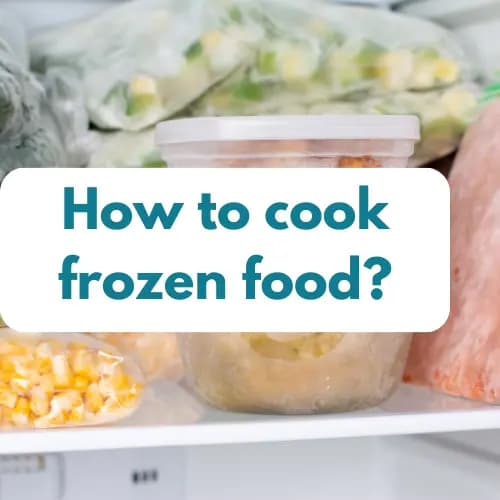
Cooking frozen food directly without defrosting is possible, if specific cooking and heating conditions are followed for food safety and hygiene.What is Frozen Food?Freezing is a preservation method that involves lowering the temperature of food to below freezing point, typically at -18�C (0�F). This is done to stop microbial growth and contamination. By freezing food, moisture is formed into ice crystals. Freezer storage increases the shelf life of food, maintaining preservation and freshness.Can You Cook Raw Frozen Food Directly?Defrosting reduces cooking time and promotes even cooking. It takes longer to cook frozen food directly from the freezer. However, it is safe as long as you cook and store raw food at appropriate temperatures. Cooking frozen food straight from the freezer requires reheating the cooking device to a suitable temperature before adding ingredients onto the cooking surface.Sausages:Cooking sausages directly from the freezer is convenient and does not affect the taste or texture.Preheat your pan or grill to medium heat. Preheat the baking oven to an appropriate temperature.Add a small amount of oil to the cooking surface to prevent the sausages from sticking.Next, place the frozen sausages on the cooking surface.There should be enough space between the sausages to allow for even cooking.Cook the sausages for at least 12-20 minutes or bake for 20-25 minutes.Use a meat thermometer to check the internal temperature reaches 75�C (165�F).Let the cooked sausages sit for a few minutes and serve.Beef, Pork and Poultry Mince:Preheating is followed by adding a small amount of oil to the cooking pan.Add the frozen mince directly to the pan.�Break up any large clumps of mince using a spatula or wooden spoon.Season the mince with salt and pepper. Add herbs or spices according to your recipe or personal preference.�Add chopped onions, garlic, or other aromatics at this stage for extra flavour.Cook the frozen mince, stirring occasionally, until it is browned and cooked through.�The mince should reach an internal temperature of 71�C (160�F) for beef or pork mince and 74�C (165�F) for poultry mince.It is preferable to thaw or defrost frozen whole meat portions before cooking rather than directly cooking them from the freezer.�Bacon:Preheat a frying pan on the stove over medium heat.�Place frozen bacon slices flat on the preheated cooking surface.Fry the frozen bacon slices for 5-7 minutes on each side, or bake for 10-15 minutes.Check that the internal temperature reaches 71�C (160�F).Once cooked, you can blot the cooked bacon slices with a paper towel to remove any excess grease before serving.�Proper refrigeration of leftover bacon requires storing in an airtight container in the refrigerator for up to 3-4 days. Reheat bacon under appropriate conditions.Prawns:Preheat a frying pan or a grill to an appropriate temperature.Season the prawns with salt and pepper. Marinate them in a mixture of olive oil, garlic, lemon juice, and herbs for extra flavour.Once your cooking surface is hot, add a small amount of oil or butter to the pan.Cook the prawns for 2-3 minutes on each side or until they are lightly charred and cooked through.If baking, place the prawns on a baking sheet lined with parchment paper or aluminium foil. Bake in the preheated oven for 8-10 minutes or until they are pink and opaque throughout.The prawns should also be firm to the touch and slightly curled.Avoid overcooking, as this can make them tough and rubbery.Store any leftover cooked prawns in an airtight container in the refrigerator for up to 2 days. Reheat them gently in a skillet or microwave before serving.For more information, visit our blog article, �Can you Reheat Pork?�Can You Cook Frozen Raw Meat in an Air Fryer?Air fryer is a safe option for cooking frozen food directly from the freezer or after thawing. Following chart displays the recommended time and appropriate temperatures for cooking raw frozen food in an air fryer.For more information, visit our blog article, �The Safety of Reheating Food More Than Once.�Which Food Should Defrost Before CookingWhile many foods can be cooked directly from frozen, some require defrosting or thawing for proper cooking. Foods with larger cuts or thicker portions, such as roasts or whole chickens, benefit from thawing before cooking. This confirms that even cooking throughout is at the correct internal temperature. However, smaller items like sausages and thinly sliced meats can be cooked directly from frozen with excellent results.Importance of Safely Freezing Raw FoodOffers convenient preservation of food.Compliance with FIFO and HACCP guidelinesPrevents exposure to the temperature danger zonePrevents food contamination .second-cta-block .main-heading { font-weight: bold; font-size: 22px; } .second-cta-block .book-now { background: #DF3D52; color: #FFFFFF !important; border-radius: 8px; } .second-cta-block .second-heading { font-size: 17px; } .second-cta-block .card { border: 0 !important; } .second-cta-block .card-body { border: 1px solid #909090; box-shadow: rgba(0, 0, 0, 0.16) 0px 1px 4px; border-top-right-radius: 100px; border-bottom-right-radius: 100px; background: #fdf9ee; } .second-cta-block .image-wrapper { height: 330px; position: absolute; right: -60px; top: calc(50% - 210px); /* Center the image vertically */ } .second-cta-block .image-wrapper img { height: 100%; } .second-cta-block .trustpilot-widget { width: 256px; } .cta-heading-section { width: 75%; } @media screen and (max-width:991px) { .second-cta-block { padding-top: 100px; } .second-cta-block .card-body { border: 1px solid #909090; box-shadow: rgba(0, 0, 0, 0.16) 0px 1px 4px; border-radius: 19px; border-radius: 14px; background: #fdf9ee; } .cta-heading-section { width: 100%; padding-top: 50px; } .second-cta-block .image-wrapper { height: 270px; right: 0; position: absolute; left: calc(50% - 90px); top: calc(50% - 315px); } } Get Online Food Safety Courses Food Hygiene And Safety Check the Course Rated Excellent on major review sites ConclusionCooking frozen food directly without defrosting is possible, keeping in mind important cooking considerations. Freezing food is an effective preservation method. It lowers the temperature to inhibit microbial growth and maintain freshness. Many foods, such as sausages, mince, bacon, and prawns, can be cooked directly from frozen.�Larger cuts like roasts or whole chickens may benefit from thawing before cooking for even heating. Proper freezing and cooking prevent contamination and maintain compliance with guidelines like FIFO and HACCP.

Freezer offers a safe space for preserving and keeping food fresh for several months. It is the most important storage appliance for food in domestic and commercial kitchens. Food is best protected from microbial contamination in a freezing environment at 0�F (-18�C) or below. Correct freezing of food can increase its shelf life and keeps it safe for later use.Why Freeze Food?Helps preserves foodAllows safe FIFO storageFollows food safety and hygiene practicesPromotes hazard control (HACCP guidelines)Keeps food away from the temperature danger zoneProtects food from contaminationHow to Store Food in the Freezer Safely?Temperature:Freezing temperatures can range from -6�C to -18�C. Freezer temperature at -18�C is most preferred as it preserves the quality and safety of food for a longer time.Packaging:Store food in freezer-safe containers or freezer bags to prevent freezer burn. These packages also remove excess air from containers and prevent oxidation. For instance, you can use custom food boxes to keep different items well-packed, organized, and safe for longer storage.�First-In First-Out Storage:The FIFO method, "First-In First-Out," is a safety storage rule for food that allows older items to be used before newer ones. This reduces the risk of food waste and heavy spending on stocking fresh products. This way, the soon-to-be-expired food items are consumed before they become sub-standard.Labelling:Label containers of frozen food packages with their ingredients and the date of freezing. This helps facilitate the FIFO method and timely consumption.Separate Placement:Leave space between packages for proper airflow. Keep raw meats separate from other foods to prevent cross-contamination.For more information, visit our blog article, �How To Organise Your Fridge.�Rapid FreezingBring down the temperature of warm food before freezing, to prevent temperature fluctuations in the freezer. Rapid freezing helps preserve texture and taste.How Long Can You Freeze Food For?Freezing causes water molecules in food to solidify into ice crystals. This reduces the amount of water available for bacterial activity and growth, thereby slowing down microbial spread and contamination. Generally, food is safely stored in a freezer for 3-12 months if the freezer�s temperature is maintained at 0�F (-18�C) or below.Fruits:The nutritional value and taste of fruits can remain preserved in the freezer for several months. Berries like strawberries, raspberries, and blueberries can last up to 6-12 months. Sliced bananas and mangoes maintain quality for 2-3 months.Vegetables:Vegetables can be stored in the freezer for around 8 to 12 months. Scalding� vegetables in boiling water before freezing preserves the flavour of vegetables for a longer time. Without boiling, freezing vegetables may reduce their quality and degrade faster.Raw Meat:Meat preservation in the freezer extends its shelf life significantly. Safe freezing duration for types of meat are:Ground meat: 3-4 monthsWhole cuts (steaks and chops): 6-12 monthsFish: 3-6 monthsBacon and sausage:1-2 monthsMinced meat: 2-3 monthsChickenWhole chicken: up to 12 monthsChicken pieces (chicken cutlets): up to 6-9 monthsGround chicken: 3-4 monthsFully cooked chicken sausage: 1-2 monthsCooked Leftovers:Leftovers can be frozen for 2-6 months, after which they can be safely reheated for later consumption.Cooked grains and pasta dishes: 1-2 months�Soups and stews: 2-3 months�Burgers: 3-4 monthsCooked rice: up to 6 months�Cooked chicken: 2 to 6 monthsCooked pasta: 2-3 monthsHow To Freeze Dairy FoodYou can freeze milk, cheese, and yoghurt easily in your freezer just like you would with other foods.MilkPut it in a plastic or glass container that's safe for the freezer. Don't freeze milk in paper cartons because they might not seal well and could leak. Leave some space (about 1 to 2 inches) at the top because milk expands a bit when it freezes, like other liquids do. This helps prevent the container from bursting.Cheese:Wrap the cheese first in parchment paper and then in aluminium foil to stop it from getting freezer burn. Soft cheeses might become watery and grainy when frozen.Yoghurt:Because yoghurt has some liquid, it expands a little when frozen. You can freeze it in its original container or another airtight one, but leave some space at the top to stop the container from bursting. One way to freeze thick yoghurt is to scoop it onto a tray lined with parchment paper. Once it's frozen solid, you can transfer it into an airtight container.How long can I freeze dairy food in the freezerYou can safely keep dairy products in the freezer at 0�F for different amounts of time:Milk: Up to 3 monthsCheese: Up to 6 monthsYoghurt: 1 to 2 monthsWhich Foods can not be Frozen?Some foods may not survive in the freezer due to changes in texture, flavour, or appearance. Examples of food types that generally do not freeze well include:Mayonnaise-Based Sauces: Mayonnaise becomes watery and grainy when exposed to freezing temperatures.�Shelled Eggs: Egg shells expand and crack upon freezing, leaving room for bacterial contamination.�Fried Foods: Fried foods lose their crispness and become soggy when frozen and thawed. This is particularly true for french fries, tempura, and breaded chicken.Salads and Leafy Vegetables: Leafy greens like lettuce, spinach, and kale tend to wilt and become limp when frozen.�Gelatin-Based Desserts: Gelatin desserts may lose their firm texture and become watery when frozen and thawed.What is a Freezer Burn in Frozen Food?Air inside the freezer causes dehydration and oxidation of food�s surface. Odd-coloured patches and tough texture can be seen. Freezer burn does not make food unsafe to eat, but it can significantly affect its quality and taste. A freezer burn can be prevented using the following safety measures:Use airtight containers or freezer bags to prevent food oxidation.Wrap food tightly in plastic wrap or aluminium foil.Label and date packages to keep track of how long the food has been stored. .second-cta-block .main-heading { font-weight: bold; font-size: 22px; } .second-cta-block .book-now { background: #DF3D52; color: #FFFFFF !important; border-radius: 8px; } .second-cta-block .second-heading { font-size: 17px; } .second-cta-block .card { border: 0 !important; } .second-cta-block .card-body { border: 1px solid #909090; box-shadow: rgba(0, 0, 0, 0.16) 0px 1px 4px; border-top-right-radius: 100px; border-bottom-right-radius: 100px; background: #fdf9ee; } .second-cta-block .image-wrapper { height: 330px; position: absolute; right: -60px; top: calc(50% - 210px); /* Center the image vertically */ } .second-cta-block .image-wrapper img { height: 100%; } .second-cta-block .trustpilot-widget { width: 256px; } .cta-heading-section { width: 75%; } @media screen and (max-width:991px) { .second-cta-block { padding-top: 100px; } .second-cta-block .card-body { border: 1px solid #909090; box-shadow: rgba(0, 0, 0, 0.16) 0px 1px 4px; border-radius: 19px; border-radius: 14px; background: #fdf9ee; } .cta-heading-section { width: 100%; padding-top: 50px; } .second-cta-block .image-wrapper { height: 270px; right: 0; position: absolute; left: calc(50% - 90px); top: calc(50% - 315px); } } Get Online Food Safety Courses Food Hygiene And Safety Check the Course Rated Excellent on major review sites FAQsCan you eat food that is frozen for a year?Yes, it is safe to eat food that has been frozen for a year if it has been stored at 0�F (-18�C) or below for the entire time. Check for signs of foul odour, odd texture, and taste before eating or cooking it.Which foods should not be frozen?Do not freeze mayonnaise-based foods, eggs, fried food, and leafy vegetables as they will lose their original flavour and texture.�For how long can you freeze food?Foods can be safely stored in a freezer for 3-12 months if the freezer�s temperature is maintained at 0�F (-18�C) or below.For how long can you freeze chicken?Whole chicken can be frozen for up to12 months, while smaller pieces can last up to 9 months.�For how long can you freeze cooked pasta?Cooked leftover pasta can remain stored in a freezer for up to 1-2 months.ConclusionFreezing food at 0�F (-18�C) or below protects it from bacterial contamination. Different types of food have specific suitable freezing temperatures. Not all foods are suited for freezing. Some may experience undesirable changes in texture, flavour, or appearance. Proper freezing techniques are important for preserving food quality and safety.

FIFO stands for First-In First-Out. In the food industry, FIFO is a storage method that allows for the correct placement of food. The food with the earliest best-before or expiry date is placed at the front or on top in a visible position. The item with a later expiration date is placed on the back.What is FIFO: Explaining the AcronymFI: First-In - Stocked items that are manufactured or produced first are stored in the warehouse or displayed on the shop racks.FO: First-Out -�The products that are stocked first must be consumed first. This is done by placing them at the front of a storage area or a retail shelf.The First-In First-Out (FIFO) RuleThe system of FIFO stock rotation is a type of inventory management that confirms a product is used or purchased before its shelf life runs out. Stocked items from the warehouse are placed in the market for sales in such a way that the one with the nearest expiry date is placed at the front display.Items to be expired later are placed at the back and rotate to the front only after the short-dated products are used first. Shelf life of a product is the duration of time for which the product remains usable. After the recommended shelf life of an item, the quality diminishes and it is best to discard it. This method produces a minimum amount of waste. The FIFO method has a branch called FEFO. .second-cta-block .main-heading { font-weight: bold; font-size: 22px; } .second-cta-block .book-now { background: #DF3D52; color: #FFFFFF !important; border-radius: 8px; } .second-cta-block .second-heading { font-size: 17px; } .second-cta-block .card { border: 0 !important; } .second-cta-block .card-body { border: 1px solid #909090; box-shadow: rgba(0, 0, 0, 0.16) 0px 1px 4px; border-top-right-radius: 100px; border-bottom-right-radius: 100px; background: #fdf9ee; } .second-cta-block .image-wrapper { height: 330px; position: absolute; right: -60px; top: calc(50% - 210px); /* Center the image vertically */ } .second-cta-block .image-wrapper img { height: 100%; } .second-cta-block .trustpilot-widget { width: 256px; } .cta-heading-section { width: 75%; } @media screen and (max-width:991px) { .second-cta-block { padding-top: 100px; } .second-cta-block .card-body { border: 1px solid #909090; box-shadow: rgba(0, 0, 0, 0.16) 0px 1px 4px; border-radius: 19px; border-radius: 14px; background: #fdf9ee; } .cta-heading-section { width: 100%; padding-top: 50px; } .second-cta-block .image-wrapper { height: 270px; right: 0; position: absolute; left: calc(50% - 90px); top: calc(50% - 315px); } } Get Online Food Safety Courses Food Hygiene And Safety Check the Course Rated Excellent on major review sites FEFO: First-Expired First-OutProducts with the nearest expiry dates come out of the storage stock first.First In First Out is a storage rule that arranges stored food according to their respective best-before or use by dates. The stock of food items are rotated based on their manufacturing timelines.Example of the FIFO System: Milk Pack Stock RotationFrom Storage to SaleThe milk pack produced or manufactured first is stocked in earlier at the warehouse. It is transferred to the retail market and is shelved at the front display. The upcoming stock is placed at the back.From Sale to ConsumptionYou go grocery shopping at the same retail shop. You buy two milk packs. Milk pack A expires in two days. Milk Pack B expires in four days. You place the long-dated milk pack (expiring in four days) at the back of the refrigerator. The short-dated milk pack that expires in two days is placed at the front of the refrigerator.The next morning, you take out the milk that was expiring in two days and use it for your breakfast. This is an example of the applied FIFO method.New items are long-dated with late expiration dates. They are placed at the back of a fridge or a shelf. Old items are short-dated and have upcoming expiration dates. They are placed at the front. This storage technique confirms that old items are used before they are expired. Once they are consumed, new items are placed at the back and placed in front to be used ahead of their best-before dates.Practising FIFO in Food SafetyStock rotation of food items using the FIFO method is an important part of food safety and hygiene. The First-In First-Out method is a practical rule applied for fridge storage or shelf stacking. Old and new items are required to be replaced regularly based on their expiration dates. Four common FIFO measures to implStock rotation is crucial for maintaining food safety and hygiene standards, and the FIFO (First-In First-Out) method is a practical approach to ensure freshness. Here's a breakdown of four key FIFO measures that can be implemented:Best-Before LabellingAll food items should be labelled with their best-before dates. This helps staff identify which items need to be used or sold first to prevent wastage and ensure that customers receive fresh products.Daily ChecksConduct daily inspections of stock to identify items nearing their expiration dates. By regularly monitoring inventory, staff can promptly remove expired items from shelves and replace them with fresh ones.Timely Stock RotationImplement a systematic process for rotating stock based on their expiration dates.Older items should be placed at the front of storage areas, while newer items are stored behind them, ensuring that older products are used or sold first.Staff TrainingProvide comprehensive training to all staff members on the importance of stock rotation and FIFO principles. Educate employees on how to identify expiration dates, conduct daily checks, and properly rotate stock to maintain food safety standards.Why Use FIFO?First-In First-Out is the cornerstone for maintaining food safety. It minimises food waste in food retail outlets and households. Timely stock rotation helps save money by allowing all items to be utilised. First-In First-Out complies with standard safety procedures (HACCP) and maintains food quality.HACCP Compliance:FIFO maintains food quality and prevents possible contamination of food. It facilitates Hazard Analysis and Critical Control Points (HACCP) compliance, which is a systematic approach for contamination control.Inventory Management:FIFO helps businesses manage their inventory effectively by confirming that older stock is used first. This prevents products from expiring and becoming wasted. By rotating stock in this manner, businesses can keep track of their inventory levels and avoid overstocking or understocking.Reduces Food Waste:Implementing FIFO reduces food waste by making sure that items are used or sold before they reach their expiration dates. By preventing food from going bad and being thrown away, businesses can save money and minimise their environmental impact.Food Safety and Hygiene:FIFO maintains food safety and hygiene standards by reducing the likelihood of serving expired or spoiled food to customers. It helps prevent foodborne illnesses and promote fresh and safe products.Consumer Satisfaction:FIFO principles improve consumer satisfaction by consistently offering fresh and high-quality products. Customers are more likely to return to establishments that prioritise food safety and hygiene, leading to increased loyalty and positive reviews.First-In First-Out FoodThe FIFO food stock rotation is appropriate for managing perishable food items and those products with a short shelf life.FruitsVegetablesDairy FoodSeafoodMeatsConclusionThe First-In First-Out (FIFO) in food safety is a stock rotation method that allows punctual use of food items. Products which are stored first are used first. The stock is rotated according to the relative expiry dates labelled on each product. It is applicable to perishable food products that have a short shelf life. The FIFO inventory management reduces food waste and cost. It also plays a part in standardising the process of the food supply chain. The main FIFO practices include proper labelling of best-before dates, regular checks and timely rotation of the stock by trained staff. This contributes to food safety and hygiene and has economic benefits in warehouses, retail outlets, and households.

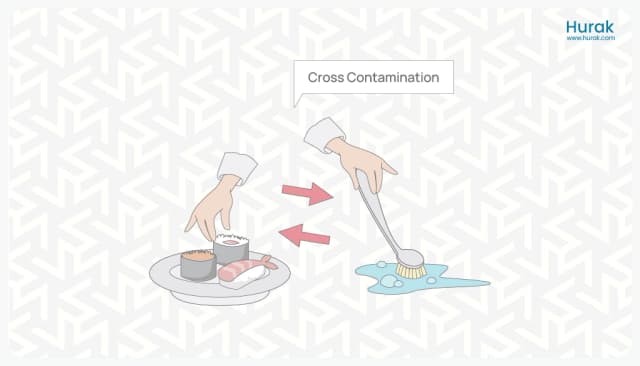
The transfer of contaminants to food from another food source or an unhygienic environment is called cross-contamination in food. Improper food handling based on unhygienic and unsafe practices is the cause of cross-contamination. Food can be protected from cross-contamination using separate storage and equipment, contaminant analysis and food safety practices.What is Cross-Contamination in FoodCross-contaminated food is food that has come in contact with microbial, chemical, or solid pollutants. It can be from contaminated food, equipment or environment during any stage of the food production process.Cross-contamination can also occur due to pollutants carried over from raw food to packaged food during improper food handling and storage. For example, the transfer of bacteria from one food to another can occur by sharing the same unwashed plate on which contaminated food was kept.How To Avoid Cross-Contamination in FoodProper Storage of FoodProper storage of food can prevent cross-contamination if:Stored in the fridge at below 5�CStored in the freezer at -18�CStored in sealed containersStored in separate storage sections, for example, raw meat stored separately on the bottom shelf of the refrigerator, away from pre-packaged products.For more information, visit our blog article, �The Correct Order of Food Refrigeration.�Contamination Control Method: HACCPThe HACCP system is the primary preventive approach to protect food from cross-contamination.Separate Crockery for Different Food TypesUnclean crockery can carry microbes from one food source to another, cross-contaminating the latter. It is important to use separate tools for different food types to avoid inter-mixing of ingredients. After each use, all utensils must be washed and cleaned to reduce the risks of cross-contamination of food.Read the related blog article, �Protecting Food From Cross-Contact Contamination.�Food Safety MeasuresThe United Kingdom�s food authority, the Food Standards Agency, encourages the food industry�s working staff and owners to follow legal guidelines on Food Safety and Hygiene Practices. Certain food safety obligations are enclosed in the following food safety laws:�Food Standards Act 1999Food Safety Act 1990General Food LawThe Food Standard Order 1991Food Information RegulationFood Hygiene MeasuresKey measures for maintaining food hygiene include the following:Standard hygiene of food-handlersClean equipment and facilityPest control measuresAntimicrobial sanitationFor more information, visit our blog article �Difference between Food Hygiene and Food Safety.� .second-cta-block .main-heading { font-weight: bold; font-size: 22px; } .second-cta-block .book-now { background: #DF3D52; color: #FFFFFF !important; border-radius: 8px; } .second-cta-block .second-heading { font-size: 17px; } .second-cta-block .card { border: 0 !important; } .second-cta-block .card-body { border: 1px solid #909090; box-shadow: rgba(0, 0, 0, 0.16) 0px 1px 4px; border-top-right-radius: 100px; border-bottom-right-radius: 100px; background: #fdf9ee; } .second-cta-block .image-wrapper { height: 330px; position: absolute; right: -60px; top: calc(50% - 210px); /* Center the image vertically */ } .second-cta-block .image-wrapper img { height: 100%; } .second-cta-block .trustpilot-widget { width: 256px; } .cta-heading-section { width: 75%; } @media screen and (max-width:991px) { .second-cta-block { padding-top: 100px; } .second-cta-block .card-body { border: 1px solid #909090; box-shadow: rgba(0, 0, 0, 0.16) 0px 1px 4px; border-radius: 19px; border-radius: 14px; background: #fdf9ee; } .cta-heading-section { width: 100%; padding-top: 50px; } .second-cta-block .image-wrapper { height: 270px; right: 0; position: absolute; left: calc(50% - 90px); top: calc(50% - 315px); } } Get Online Food Safety Courses Food Hygiene And Safety Check the Course Rated Excellent on major review sites 4 Routes of Cross-Contamination in FoodThe four common ways through which food can become cross-contaminated are through coming in contact with chemical, microbial, physical and allergenic contaminants.Chemical contaminants from cleaning agents or pesticidesMicrobial or biological contaminants such as Salmonella and Campylobacter, due to unhygienic food-handlingPhysical contaminants due to equipment malfunction during processing and packagingAllergenic contaminants due to unidentified allergens such as peanuts and glutenFor more information, visit our blog page, �Four Common Types of Food Contamination.�Types of Cross-Contamination in FoodThree common examples of cross-contamination in food occur through food to food, equipment to food and people to food interaction.Food to Food Cross-ContaminationRaw meat drippings stored on the top shelf of a freezer come in contact with a cooked steak stored on the same shelf or on the one below it.Open food coming in contact with canned foodEquipment to Food Cross-ContaminationStoring food in an unclean containerHandling different foods using unwashed knives and cutting boardsPerson to Food Cross-ContaminationUsing dirty gloves for handling foodTouching food without washing handsUsing unclean apron to wipe hands while handling foodConsequences of Cross-Contaminated FoodFood poisoning and financial loss to food businesses are two of the major negative consequences of cross-contaminated food.Food PoisoningFood poisoning can occur due to accidental cross-contamination between microbial sources and food items. Pathogens such as salmonella, E.Coli and campylobacter can lead to nausea, diarrhea and gastric complications in individuals who consume cross-contaminated food.Economic Decline of Food BusinessesThe food industry in the UK is strictly regulated. A slight negligence can damage the brand�s reputation and financial gains. The food safety laws mentioned above must be given serious attention by junior-level staff and supervisors alike, to avoid contamination-related mishaps.Direct and Indirect Cross-ContaminationDirect cross-contamination takes place between raw food and pre-packaged food during preparation, storage and packaging. Indirect cross-contamination in food occurs through unhygienic food handlers, unclean surfaces on which food is being handled and unsanitized equipment. Indirect cross-contamination can also occur when the same crockery or utensils are used for different food types, such as meat and vegetables.ConclusionThe transfer of contaminants to food from another food source or an unhygienic environment refers to cross-contamination in food. Proper storage and handling of food and the HACCP system are practices that confirm the protection of food from cross-contamination. The four common ways through which food can become cross-contaminated are by coming in contact with chemical, microbial, physical, and allergenic contaminants. Three common examples of cross-contamination in food occur through food-food, equipment-food and people-food interaction. Food poisoning and financial loss to food businesses are two of the major negative consequences of cross-contaminated food.

Cross-contact contamination is related to food allergens, particularly when they come in direct or indirect contact with an allergen-free food. It is prevented by proper allergen management during food production. Appropriate labelling of allergens on packaged and unpackaged foods is another important step in protecting food from cross-contact contamination.Protecting Food from Cross-Contact ContaminationFood is protected from cross-contact contamination by proper allergen management during food processing and packaging. Allergen control methods include the following.Clear Labelling of Food AllergensAllergen labelling for different types of food must be provided to the customers. Standard rules indicate clear identification of allergens on pre-packed and unpacked foods. Food businesses and caterers must inform the consumer about any potential allergen present in the food they provide.For more information, visit our blog article �The HACCP System: Process and Principles�Separate Storage of Allergenic FoodFood containing any one of the 14 allergens must be stored or kept separate from non-allergenic food, in different areas or compartments. This will prevent accidental allergenic cross-contact contamination. It is recommended to discard food if cross-contact contamination has been suspected.Maintenance of Staff and Equipment HygieneIt is important for food-handlers to follow strict hygiene practices to prevent transfer of allergenic proteins to non-allergenic food. For this purpose, their work uniform must be clean. They should frequently wash their hands with soap after handling a particular type of food.Equipment involved in food preparation must be cleaned with a safe detergent and sufficient quantities of water. The equipment must be washed after each use. .second-cta-block .main-heading { font-weight: bold; font-size: 22px; } .second-cta-block .book-now { background: #DF3D52; color: #FFFFFF !important; border-radius: 8px; } .second-cta-block .second-heading { font-size: 17px; } .second-cta-block .card { border: 0 !important; } .second-cta-block .card-body { border: 1px solid #909090; box-shadow: rgba(0, 0, 0, 0.16) 0px 1px 4px; border-top-right-radius: 100px; border-bottom-right-radius: 100px; background: #fdf9ee; } .second-cta-block .image-wrapper { height: 330px; position: absolute; right: -60px; top: calc(50% - 210px); /* Center the image vertically */ } .second-cta-block .image-wrapper img { height: 100%; } .second-cta-block .trustpilot-widget { width: 256px; } .cta-heading-section { width: 75%; } @media screen and (max-width:991px) { .second-cta-block { padding-top: 100px; } .second-cta-block .card-body { border: 1px solid #909090; box-shadow: rgba(0, 0, 0, 0.16) 0px 1px 4px; border-radius: 19px; border-radius: 14px; background: #fdf9ee; } .cta-heading-section { width: 100%; padding-top: 50px; } .second-cta-block .image-wrapper { height: 270px; right: 0; position: absolute; left: calc(50% - 90px); top: calc(50% - 315px); } } Get Online Food Safety Courses Food Hygiene And Safety Check the Course Rated Excellent on major review sites Colour-Coded System for UtensilsFor handling different food types, utensils can be marked with different colours. Knives, chopping boards and plates for allergenic food types can be assigned red colour while those for non-allergenic food types can be assigned green colour. Using separate utensils for handling allergenic and non-allergenic food reduces the risk of cross-contact contamination.Cross-Contact Food AllergyCross-contact is caused by allergenic contamination of food.Allergens in food trigger an anaphylactic reaction in immunity-compromised persons. They require immediate clinical care and treatment.Food allergens are antigens or protein substances that enter the human body. They are harmless for most but dangerous for some people, depending on the sensitivity of their immune systems. Entry of a small allergenic protein turns non-hazardous food into hazardous one.Sources of Cross-Contact ContaminationAccording to the Food Standards Agency, the 14 food allergens are:celerycereals containing gluten (such as wheat, barley and oats)crustaceans (such as prawns, crabs and lobsters)eggsfishlupinmilkmolluscs (such as mussels and oysters)mustardpeanutssesameSoybeanssulphur dioxide and sulphitestree nuts (such as almonds, hazelnuts, walnuts, brazil nuts, cashews, pecans, pistachios and macadamia nuts).Difference between Cross-Contact Contamination and Cross-ContaminationThe terms cross-contact contamination and cross-contamination cannot be used interchangeably as they have key differences in meaning. Cross-contamination is a broad term which refers to contamination of food by physical, microbial and chemical pollutants. On the other hand, cross-contact contamination specifically deals with allergenic contamination of food.Cross-contamination requires holistic implementation of food safety and hygiene measures targeting physical, chemical and microbial pollutants. Cross-contact contamination prevention requires only allergenic contamination control. A natural reaction of cross-contamination is food poisoning, whereas, cross-contact contamination can lead to anaphylaxis.One major difference is that while cross-contaminated food can become safe by killing bacteria at appropriate cooking temperatures, allergens are not affected by heat at any temperature. Food containing allergens remains unsafe for consumption for people who are allergic to them.AspectsCross-ContaminationCross-Contact ContaminationRangeBroad�NarrowCausesMicrobial, chemical and physical contaminantsAllergenic contaminantsPreventionHolistic Food Safety and Hygiene Measures (bacteria killed at appropriate cooking temperature)Allergenic Management and Control Measures (allergens not affected by heat)Major ConsequencesFood Poisoning (bacterial infection)Anaphylaxis Reaction (allergic reaction)Common SymptomsDiarrhoeastomach crampsVomitingFeverRashSwellingItchingBreathing difficultiesStomach painTreatment�Fluid ReplacementAntibioticsAntihistaminesAdrenaline auto-injectionCommon Examples of Cross-Contact Contamination in FoodCross-contact contamination occurs mostly due to negligence on the part of food handlers and labellers at any stage of the food preparation process. Common everyday example includes:Improper labelling of chocolate containing peanutsCooking vegetables in fried fish oil and servedBread sliced using an unwashed knife previously used to handle boiled eggsKetchup sauce was replaced with mustard in sandwiches without informing the customerConsequences of Cross-Contact Contamination in Food: AnaphylaxisA small quantity of an allergen can lead to a life-threatening situation where the person may face breathing difficulties, if not addressed promptly. Once cross-contact contaminated food is eaten, a rash appears. This is followed by a more serious anaphylactic reaction. Cross-contact is lethal for hypersensitive people who are allergic to particular kinds of food.ConclusionAllergenic contamination of food is the main source of cross-contact contamination. Knowledge about the official 14 food allergens and their management is important for food handlers and labellers. This is to prevent cross-contact contamination of food. There are numerous differences between cross-contamination and cross-contact contamination in terms of causes and preventive measures. Cross-contact contamination results in an allergic reaction and is solely concerned with food allergy.

Microbial or biological contamination is the most common type of food contamination. Microbial food contamination occurs when harmful living microorganisms are present unintentionally and pollute food. This contamination can lead to illness and food spoilage. Protect food from microbial contamination using microbial control methods; HACCP system, appropriate storage temperatures, and suitable food preservation methods.What is Microbial Contamination of FoodMicrobial or biological contamination is the presence of undesirable microorganisms. These microbes include bacteria, viruses, parasites, and fungi like moulds and yeasts that can lead to foodborne illnesses.How To Protect Food from Microbial Contamination: Microbial Control MethodsFood safety protocols against microbial contamination include:Appropriate temperatures and hygieneHazard analysisProper storageThe Hazard Analysis and Critical Control Points (HACCP) SystemFood businesses use this preventive system to identify and combat food contaminants. The HACCP approach performs the following tasks to protect food from microbial contamination:Conducts a hazard analysisEstablishes critical control points (CCPs)Implements control measuresMonitors proceduresMaintains records to ensure the safety of food productsFor more information, visit our blog article, �The HACCP System: Process and Principles.�Food Hygiene MeasuresPathogens can spread rapidly through contaminated hands, utensils and equipment. This highlights the importance of food hygiene practices in food handling areas. To prevent unhygienic food handling, following these steps is necessary:hand washing with a medicated anti-bacterial soapwearing appropriate gearstoring food correctlyseparating raw and ready-to-eat itemsFood Preservation MethodsPreservation of food includes methods to slow down or kill bacterial growth to keep food fit for human consumption. Common food preservation methods are:Fridge StorageFreezer StorageCan StorageVacuum StorageSalt TreatmentSugar TreatmentCooking and Reheating Food at Appropriate TemperaturesReheat food in microwaves or stove tops at a universally acceptable temperature of 165�F (74�C), for a duration of at least 2 minutes. Reheating leftover food reduces the risk of bacterial contamination and food poisoning.For more information, visit our blog article, �Can You Reheat Pork?�Keep Food Out of the "Danger Zone" TemperatureFood exposed to the danger zone temperature range promotes bacterial multiplication by two times. Keep food out of this temperature to prevent microbial contamination.Proper Storage of FoodBacteria survive in a wide range of environments and undergo rapid growth. Store leftover or cooked food in the fridge at below 5�C, for up to 3-4 days. Food should be stored in a refrigerator within 2 hours. If it stays exposed to warmer room temperatures, it becomes unfit for consumption and should be immediately discarded. .second-cta-block .main-heading { font-weight: bold; font-size: 22px; } .second-cta-block .book-now { background: #DF3D52; color: #FFFFFF !important; border-radius: 8px; } .second-cta-block .second-heading { font-size: 17px; } .second-cta-block .card { border: 0 !important; } .second-cta-block .card-body { border: 1px solid #909090; box-shadow: rgba(0, 0, 0, 0.16) 0px 1px 4px; border-top-right-radius: 100px; border-bottom-right-radius: 100px; background: #fdf9ee; } .second-cta-block .image-wrapper { height: 330px; position: absolute; right: -60px; top: calc(50% - 210px); /* Center the image vertically */ } .second-cta-block .image-wrapper img { height: 100%; } .second-cta-block .trustpilot-widget { width: 256px; } .cta-heading-section { width: 75%; } @media screen and (max-width:991px) { .second-cta-block { padding-top: 100px; } .second-cta-block .card-body { border: 1px solid #909090; box-shadow: rgba(0, 0, 0, 0.16) 0px 1px 4px; border-radius: 19px; border-radius: 14px; background: #fdf9ee; } .cta-heading-section { width: 100%; padding-top: 50px; } .second-cta-block .image-wrapper { height: 270px; right: 0; position: absolute; left: calc(50% - 90px); top: calc(50% - 315px); } } Get Online Food Safety Courses Food Hygiene And Safety Check the Course Rated Excellent on major review sites Impact of Microbial Food Contamination Food polluted by pathogens can affect its safety and hygiene. Most importantly, it can impact health by causing gastrointestinal problems in people who eat contaminated food.Food Poisoning:Pathogenic bacteria such as E. coli and Salmonella are among the most well-known causes of severe diarrheal illnesses in humans. When these bacteria contaminate food, especially if consumed raw or undercooked, they can lead to food poisoning.Symptoms of food poisoning include the following:DiarrheaAbdominal painNauseaVomitingFeverAnti-palatability of Food:Certain bacteria can produce organic acids during their metabolic processes, which can affect the pH levels of food. This change in acidity can impact the taste and texture of food.Spoilage of Food:Microbial contamination can alter the structure of food. Some bacteria produce enzymes that break down proteins, fats, and carbohydrates present in food. This leads to spoilage and changes in texture. For example, the slimy texture of spoiled meat can be due to microbial activity.Sources of Microbial Contamination in FoodMicrobes such as bacteria, viruses, fungi and their toxins find their way into food products. Microbial contamination can be caused by various sources:Unhygienic Practices: One primary source of contamination is unhygienic practices during food production and processing. Examples include:Inadequate handwashing by food-handlersUse of contaminated equipment.Inappropriate Cooking Temperatures: Improper cooking techniques or insufficient heat treatment allow bacteria like Salmonella and Campylobacter to survive. This can lead to potential health risks for consumers.Water Pollution: Contaminated water used in irrigation or during food processing worsens the problem. It can transfer pathogens such as norovirus and E. coli. These microbes contaminate crops and ready-to-eat foods.Improper Storage of Food: Inadequate storage conditions create favourable environments for microbial growth. This allows contamination to persist even after the production phase.Global Significance of Microbial ContaminationMicroorganisms present the greatest threat to food safety. According to the Centers for Disease Control and Prevention, approximately 250 foodborne diseases are linked to microorganisms, primarily bacteria and viruses.ConclusionMicrobial contamination is the primary threat to food safety worldwide. Prevention of microbial contamination of food includes microbial control methods, primarily the HACCP approach and food preservation methods. Microbes have detrimental effects on both the quality of food and the health of consumers. Microbial or biological contamination results from the infiltration of harmful microorganisms like bacteria, viruses, fungi, and their related toxins into the food chain. The consequences of microbial contamination include food poisoning and spoilage.
Create an online video course, reach students across the globe and earn money