


Heat Rash Symptoms, Causes and Treatment
The IOSH Code of Conduct serves as the backbone of ethical practice in the health and safety profession. It defines the standards every IOSH member must follow to maintain integrity, competence, respect, and service in their work. These principles ensure that safety professionals act responsibly, make fair decisions, and build public trust through their commitment to high standards. Whether you're a seasoned IOSH member or just beginning your safety career, understanding these principles helps you make sound professional decisions and uphold the highest standards. This article examines the key principles, rules, and ethical practices outlined in the IOSH Code of Conduct, helping UK safety professionals apply them effectively and strengthen their professional reputation within the field of occupational safety and health. What Is the IOSH Code of Conduct?The IOSH Code of Conduct is a set of professional and ethical standards developed by the Institution of Occupational Safety and Health (IOSH), the UK's leading body for health and safety professionals. It defines how safety professionals should act, make decisions, and maintain integrity in their roles. The Code guides members to work responsibly, stay competent, protect people's health and safety, and uphold the reputation of the profession. The Code applies to all IOSH members, regardless of their grade or experience, and ensures that every professional acts responsibly towards employers, colleagues, and the public. It serves as a benchmark for ethical behaviour, guiding members in situations where legal, professional, or moral questions may arise. By adhering to the IOSH Code of Conduct, professionals strengthen public trust and demonstrate their ongoing commitment to excellence, accountability, and the highest standards of safety practice.Why the IOSH Code of Conduct Matters for Safety ProfessionalsThe IOSH Code of Conduct serves as the ethical foundation for all safety professionals. It defines how members should behave, make decisions, and uphold professional standards in their workplace. Here's why it truly matters:Builds trust and integrity:The Code helps safety professionals act with honesty and fairness, earning respect from employers and colleagues.Encourages ethical decisions:It guides members to make responsible choices that prioritise safety and wellbeing above all else.Ensures accountability:Professionals are held responsible for their actions, promoting transparency in every aspect of their work.Maintains consistency:It sets a uniform standard of conduct, ensuring safety practices remain reliable across all industries.Protects public interest:By following the Code, professionals commit to safeguarding people's health, safety, and environment.Enhances professional reputation:Upholding the Code reflects a strong moral compass and reinforces credibility within the safety community. Ultimately, the IOSH Code of Conduct reinforces the responsibility safety professionals have toward people and workplaces. It ensures that every action they take reflects integrity, accountability, and a genuine dedication to safety.The Four Core Principles of the IOSH Code of ConductThe IOSH Code of Conduct is founded on four essential principles that capture the true essence of being an ethical health and safety professional. These principles serve as a guide for members to uphold integrity, professionalism, and accountability in every aspect of their work. Each principle reflects the standards that IOSH members are expected to follow in their daily practice.1. IntegrityAct with honesty and fairness in all professional dealings. IOSH members should never mislead others, misuse authority, or compromise their ethical standards. Key Points:Maintains transparency and honesty in every form of communication.Declare any conflicts of interest.Uphold the reputation of IOSH and the profession through integrity and trustworthiness.2. CompetenceCompetence refers to maintaining the knowledge and expertise necessary to perform safety duties effectively. Members must engage in lifelong learning to keep their skills up to date. Key Points:Participate in continuous professional development (CPD) to enhance your knowledge and expertise.Work only within your area of competence.Share insights and best practices responsibly with colleagues and clients.3. RespectIOSH members must treat everyone with dignity, equality, and understanding. They should encourage inclusive and fair workplaces. Key Points:Promote diversity and inclusion by treating everyone fairly and without discrimination.Safeguard confidentiality in all professional interactions.Communicate professionally and courteously.4. ServiceService reflects an IOSH member's duty to protect life and promote wellbeing. Members must deliver high-quality, responsible advice in the public interest. Key Points:Prioritise public safety above personal or corporate gain.Take full responsibility for your professional decisions and advice.Strive for excellence in all health and safety practices.Together, these four principles form the foundation of the IOSH Code of Conduct, guiding safety professionals to act ethically, competently, and responsibly.Gain a deeper understanding of the IOSH Code of ConductExplore how the IOSH Code of Conduct shapes best practices in health and safety management. Whether you're new to the industry or a seasoned professional, understanding the principles of ethical safety practice is essential.IOSH Working Safely is perfect for beginners and frontline staff to learn core safety responsibilities.IOSH Managing Safely is designed for managers and supervisors to apply safety principles effectively.Strengthen your health and safety practices and make ethical decisions that promote a safer workplace. Start your journey today.Key Rules and Responsibilities Under the CodeThe IOSH Code of Conduct sets clear rules that guide members on how to maintain professionalism, integrity, and accountability in their daily roles. These responsibilities ensure that every IOSH member contributes to a culture of safety, transparency, and ethical practice within the workplace.Upholding Professional StandardsIOSH members must always act in ways that protect and promote the reputation of both the Institution and the profession. This means demonstrating ethical behaviour, providing accurate advice, and maintaining the highest level of professionalism. Members must:Provide accurate, evidence-based safety advice.Represent IOSH with honesty and fairness.Avoid actions that could harm their professional reputation.Reporting Misconduct and BreachesEvery IOSH member has a duty to report unethical or unsafe conduct. This ensures accountability and prevents harm to individuals or organisations. Members must:Report serious breaches of the Code or unsafe practices to IOSH.Cooperate in investigations or disciplinary processes.Support transparency and accountability within the profession.Maintaining Confidentiality and IntegrityMembers must respect the confidentiality of information obtained through their professional role. Information should only be disclosed when legally required or in the public interest. Members must:Safeguard confidential business or personal information.Avoid misusing data for personal gain.Protect client and employer trust at all times.Consequences of Violating the CodeFailure to comply with the IOSH Code can result in disciplinary action, including suspension or termination of membership. This ensures accountability and maintains the profession's credibility. Possible actions include:Investigation by IOSH's Professional Standards Committee.Formal warnings, suspension, or expulsion.Public disclosure of disciplinary outcomes.How to Apply the IOSH Code of Conduct and Ethical Practices in the WorkplaceApplying the IOSH Code of Conduct goes beyond understanding its principles; it's about putting them into action every day. Ethical practice ensures that health and safety professionals make fair, responsible, and transparent decisions that protect people and build trust at work.Lead by example:Demonstrate honesty, fairness, and respect in all safety interactions to set a positive tone for others.Promote a safety-first culture:Encourage open discussions about risks, near misses, and improvements without fear of blame.Stay professionally competent:Regularly update your skills through IOSH training, workshops, and CPD activities to ensure informed decision-making.Communicate transparently:Provide clear, factual safety information and avoid exaggerating or concealing details that could affect outcomes.Handle sensitive information responsibly:Maintain confidentiality and use data only for legitimate safety purposes.Challenge unethical behaviour:Speak up or report actions that breach professional or safety standards.Make balanced decisions:Consider legal, ethical, and practical aspects before implementing any health and safety measures.Support and respect colleagues:Foster teamwork, diversity, and inclusion while maintaining a respectful workplace environment. When safety professionals consistently follow the IOSH Code of Conduct, they set the foundation for a safer, more respectful, and ethically responsible workplace. Their actions inspire others to value integrity and professionalism.ConclusionIn conclusion, the IOSH Code of Conduct serves as the foundation of professional ethics in health and safety practice. By understanding its four core principles, Integrity, Competence, Respect, and Service and following the key rules and responsibilities, IOSH members can make responsible decisions, protect the public, and uphold workplace safety standards across the UK. Applying these principles through ethical practice not only ensures compliance but also strengthens professional credibility, fosters trust, and promotes a culture of accountability in every organisation. Whether you're an experienced practitioner or new to IOSH, embracing the Code helps you navigate complex situations with confidence and integrity, ultimately contributing to safer and more ethical workplaces.FAQsWhat is the IOSH Code of Conduct?The IOSH Code of Conduct is a set of ethical guidelines for safety professionals, outlining the standards of integrity, accountability, and professionalism expected in health and safety practice.Why is the IOSH Code of Conduct important for safety professionals?It ensures that safety practitioners act responsibly, maintain professional integrity, protect the well-being of others, and uphold public trust in workplace safety.Who must follow the IOSH Code of Conduct?All IOSH members and safety professionals are required to follow the Code of Conduct, regardless of their role, industry, or level of experience.How does the IOSH Code of Conduct improve workplace safety?By guiding ethical decision-making and professional behaviour, the Code fosters a culture of trust, responsibility, and continuous safety improvement in organisations.Can violating the IOSH Code of Conduct affect a professional's career?Yes. Breaching the Code can damage credibility, lead to disciplinary action from IOSH, and negatively impact professional reputation and career growth.

Understanding First Aid Certificate Validity in the UK: Duration, Renewal Key Facts
Asbestos was once a go-to material for insulation, flooring, roofing, and fireproofing. But beneath its usefulness lies a serious health hazard. Although it has been banned from use in construction since 1999, many older homes and buildings still contain asbestos-based materials. If disturbed, these fibres can become airborne and pose life-threatening risks to anyone exposed. If you're wondering how to test for asbestos safely in your property, this guide explains everything you need to know, from identifying potential asbestos materials to choosing between a self-sampling kit and professional testing.What is Asbestos and Why is it DangerousAsbestos is a naturally occurring mineral made up of fine, durable fibres resistant to heat, fire, and chemicals. Because of these properties, it was widely used in construction and manufacturing throughout much of the 20th century. There are three main types of asbestos you might come across:Chrysotile (white asbestos): Found in ceilings, walls, roofs, and floors.Amosite (brown asbestos): Common in insulating boards, ceiling tiles, and thermal insulation.Crocidolite (blue asbestos): Typically used in pipe insulation and spray-on coatings.Asbestos-containing materials (ACMs) can still be found in many older buildings, especially those built before 2000. Common locations include Artex or textured coatings, floor tiles and adhesives, roofing sheets, pipe lagging, cement panels, and insulation boards. These materials were once popular because of their strength and resistance to heat, but they can pose a serious risk if disturbed during maintenance or renovation work. When these materials are damaged or disturbed, they release microscopic fibres that can be inhaled. Over time, this can lead to serious illnesses such as asbestosis, mesothelioma, and lung cancer, which often take decades to develop. Testing suspected materials is the only reliable way to know if asbestos is present and to protect your health and those around you.How to Tell If Something Is AsbestosUnfortunately, asbestos can't be identified by sight alone. However, some clues might suggest its presence.Signs a Material Might Contain AsbestosThe building was constructed or refurbished before 2000.You see grey-white fibrous material in insulation, boards, or sealants.Old vinyl floor tiles or adhesives have a dull or rigid texture.Textured ceiling coatings (Artex) appear rough and patterned.Corrugated roof panels look aged or brittle.Still, these are only indicators. Some asbestos-free materials look identical to those that contain asbestos. That's why testing is essential. According to the Health and Safety Executive (HSE), asbestos identification must always be confirmed through laboratory analysis, rather than visual inspection.How to Check for Asbestos Before TestingBefore jumping straight into sampling, you can conduct a non-intrusive check to determine whether testing is necessary. Here's a simple checklist:Identify suspect materials: Focus on insulation, ceiling panels, roofing, and old pipework.Check the age of the building: If it was built or renovated before 2000, asbestos could be present.Avoid disturbing surfaces: Do not drill, scrape, sand, or break any materials you suspect may contain asbestos.Observe the condition: Damaged, crumbling, or flaking materials are at higher risk.Record locations: Note down any suspect areas for reference by a professional.If you're unsure, it's better to arrange a professional inspection or use a certified testing kit following strict safety guidelines. If you or your team work in environments where asbestos may be present, it's essential to complete certified training like the Asbestos Awareness Course, which covers everything from identification and legal duties to emergency procedures. TIP: Never attempt to remove or break a sample on your own unless you fully understand the safety procedures. Even small amounts of asbestos dust can be hazardous if inhaled.How to Test for Asbestos SafelyOnce you've identified potential asbestos materials, there are two safe routes for testing: hiring a professional surveyor or using a home testing kit.Option 1: Hire a UKAS-Accredited ProfessionalThe most reliable and safest option is to hire an accredited asbestos surveyor or testing company. These professionals follow strict HSE and UKAS (United Kingdom Accreditation Service) standards. Here's how the process works:Initial assessment: The surveyor inspects your property to locate potential asbestos-containing materials (ACMs).Sample collection: Using specialist tools and protective equipment, they safely remove small samples.Laboratory analysis: The samples are sent to a UKAS-accredited lab for testing under a microscope.Report and results: You'll receive a detailed report outlining the type of asbestos (if present), location, condition, and recommended next steps.Professional testing not only ensures accuracy but also eliminates your risk of exposure. If asbestos is confirmed, the surveyor can guide you on whether to remove, encapsulate, or manage the material in place. You can find accredited asbestos surveyors and labs via the HSE directory or the UKAS websiteOption 2: Using a Home Asbestos Testing KitFor small, solid (non-crumbly) materials, a home asbestos testing kit can be a cost-effective option. These kits usually include protective gloves, sample bags, instructions, and a prepaid envelope for lab testing. When collecting a sample:Always wear a disposable mask, gloves, and coveralls.Lightly dampen the area to prevent dust release.Cut a small piece (no larger than a 50p coin), seal it securely, and send it to the lab.Avoid using kits for friable materials such as pipe lagging, insulation, or sprayed coatings, as these require professional handling.After Testing: Understanding Your ResultsLab results will confirm whether asbestos fibres were detected and specify the type found (e.g., chrysotile or amosite). If the result is negative, you can proceed safely with your renovation or repair. If positive, you'll need to decide how to manage it:Encapsulation: Sealing the surface to prevent fibres from escaping.Removal: Carried out by licensed asbestos contractors.Management: Monitoring and maintaining the material in a safe condition.Always ensure any removal or repair follows HSE-approved procedures and is performed by licensed professionals.Asbestos Exposure Test: Checking for Health RisksTesting a material for asbestos is not the same as testing for asbestos exposure. An asbestos exposure test focuses on whether you've been exposed to harmful fibres, especially if you suspect past contact during renovation or demolition.Types of Exposure TestingAir monitoring: Measures the concentration of asbestos fibres in the air.Medical assessment: Doctors may recommend a chest X-ray, CT scan, or lung function test.Blood or sputum tests: Used in some cases to monitor lung inflammation or exposure markers.When to Get TestedAfter the accidental disturbance of suspect materials.If you worked in construction or maintenance before asbestos bans.When renovating older properties without prior inspection.If you think you've been exposed, contact your GP for a medical review. Early detection and regular health monitoring are crucial.Boost Your Health & Safety Expertise with CITB TrainingSpotting asbestos is just one step toward creating a safer workplace. To effectively manage broader health and safety challenges and meet legal obligations, construction professionals need proper accredited training. Hurak's CITB Site Safety Plus courses equip you with the essential skills to identify hazards, conduct risk assessments, and maintain safe and compliant worksites. Popular CITB-Accredited Courses:CITB Health and Safety Awareness (HSA): Ideal for beginners learning to identify common hazards, such as asbestos.CITB SMSTS Site Management Safety Training Scheme: A must-have for site managers responsible for controlling asbestos and other health and safety risks.CITB SMSTS Refresher Course: Stay up to date with the latest safety legislation and industry best practices.CITB SSSTS Site Supervisor Safety Training Scheme: Train supervisors to identify, manage, and minimise on-site hazards.CITB SSSTS Refresher Course: Renew your certification and keep your safety management skills sharp.Empower your team, stay compliant, and take the next step in your career with Hurak's accredited CITB training programmes. Regulations and Legal ResponsibilitiesAsbestos management is regulated under the Control of Asbestos Regulations 2012. These laws place responsibilities on employers, landlords, and property owners to prevent exposure.Identifying and recording asbestos-containing materials.Assessing the risk of fibre release.Keeping an up-to-date asbestos management plan.Ensuring only trained and licensed contractors handle asbestos.For workplaces, compliance with guidance is mandatory. Even in domestic settings, homeowners should follow the same safety principles to protect themselves and others.Cost of Asbestos TestingThe cost of asbestos testing varies depending on the method used, the number of samples, and the size of the property.Type of TestTypical Cost (Approx.)Home Testing Kit30- 60 per sampleProfessional Asbestos Survey200 - 400+Full Management or Refurbishment Survey500+ for larger buildingsFactors that affect cost:Number of samples requiredTravel distance and access difficultyTurnaround time (same-day results often cost more)While self-sampling kits are cheaper, professional testing offers peace of mind with certified results and legal documentation, which is essential if future proofing is required.Common Mistakes to Avoid When Testing for AsbestosEven minor missteps can lead to serious health risks. Avoid these common mistakes:Breaking or scraping materials to see what's inside.Skipping PPE or using low-grade masks.Sending samples to uncertified labs.Disposing of waste incorrectly (asbestos waste must go to licensed facilities).Ignoring hidden materials, such as those behind tiles or under flooring.If there's any uncertainty, it's safest to stop work and involve a qualified asbestos expert.ConclusionTesting for asbestos isn't just about compliance; it's about protecting your health and preventing long-term harm. Whether you choose a self-sampling kit or a professional survey, make sure samples are handled safely and tested by accredited experts. By staying informed and proactive, you can keep your property and everyone in it safe from one of the world's most silent hazards.FAQsHow do you test for asbestos?You can test for asbestos by either hiring an accredited surveyor or using a certified testing kit. Professionals take samples and send them to a UKAS-accredited lab for confirmation.Can I test for asbestos myself?Yes, but only for small, non-friable materials like cement sheets or floor tiles. Always wear PPE and follow kit instructions carefully.Is asbestos testing safe to do at home?It can be safe if the material is intact and you avoid disturbing it. For damaged materials or insulation, hire a licensed professional specialising in asbestos removal.How long does asbestos testing take?Lab results usually take 24 to 72 hours, depending on the provider and delivery method.Where can I send samples for asbestos testing?Samples should always be sent to UKAS-accredited laboratories. Avoid cheap or uncertified online services, as they may not follow proper analysis standards.


Hyperventilation: Causes, Symptoms, and Effective Relief Techniques
Read the full article for more details.

Security Officer CV: Sample, Template Writing Guide
The UK security sector is more competitive than ever. With dozens of candidates applying for roles as door supervisors, security guards, or close protection operatives, your CV needs to stand out from the crowd.Recruiters often decide within seconds whether to continue reading your CV or move on. That�s why it must be clear, concise, and tailored, highlighting your SIA licence, relevant training, and practical on-the-job skills, all aligned with the job requirements.This guide gives you everything you need: a recruiter?friendly security CV template, expert writing tips, and a complete sample CV to use as a reference.Interested in a career in security and wondering how much it costs?Check our SIA Badge Cost guide to understand the investment required, and read our Free SIA Training guide to discover how to begin your journey without breaking the bank.Why Is a Security Officer CV Important & What Employers Look ForA successful security CV does more than list experience: it convinces employers you�re reliable, compliant, and capable. Your CV is a trust-building tool and proves why you're the right candidate for the job.A strong CV helps you:Stand out in a competitive market: as many applicants are vying for roles like door supervisor, security guard, or close protection officer.Showcase relevant skills and qualifications: including your SIA licence, CCTV, first aid, and conflict management certifications.Demonstrate meaningful work experience: such as patrolling, surveillance, incident reporting, and customer service.Match job requirements: reflect keywords and responsibilities from the job description.Highlight key soft skills: communication, situational awareness, attention to detail, professionalism, and conflict resolution.A strong CV not only showcases your strengths but also helps employers match your profile with their expectations, bringing you one step closer to landing your desired job.�Here�s what employers typically expect to see in a well-written security CV:What the employers expect:Contextual experience: roles, worked environments, and specific duties like entry control or emergency response.Certifications & licences: SIA licence, CCTV, first aid/CPR, with explicit licence numbers.Hard skills: surveillance, access control, alarm systems, proactive monitoring.Soft skills: vigilance, situational awareness, communication, conflict de-escalation.Tailored content: align CV with the specific job ad by including matching keywords to pass ATS filters.There are specific skills and areas of knowledge that employers specifically look for when hiring a security professional. From demonstrating your situational awareness to showcasing the proper certifications, your CV must reflect these expectations to be taken seriously.�If you�re applying for a job as a security guard, make sure you�re equipped with the right capabilities.Read our article on the Essential Skills in a Security Guard to understand exactly what employers are looking for.Boost Your Job Prospects with the Right Security TrainingHurak offers a range of security training programmes designed to help you meet employer expectations and enhance your CV.Our courses cover everything from legal responsibilities and conflict management to customer service and emergency procedures�making you a stronger candidate for any security role.�Enhance your CV and skills with:SIA Door Supervisor TrainingSIA CCTV Operator TrainingSIA Security Guard CourseClose Protection TrainingJoin our course today and become job-ready.Tips for Writing a Good CV for a Security OfficerA well-written CV can be the difference between getting shortlisted or being overlooked. Recruiters often scan CVs in under 30 seconds, so clarity, relevance, and professional formatting are essential.When applying for a security job, your CV should speak directly to the employer�s needs. It�s not just about listing past roles; it�s about clearly presenting your skills, training, and experience in a way that matches the job description.Whether you're writing a door supervisor CV, security guard CV, or applying for a close protection role, think of your CV as your personal security briefing. It must be clear, focused, and show that you're fully equipped to handle the role. Employers are seeking precision, reliability, and the ideal balance of technical and interpersonal skills.Here are the most important tips to help you stand out as a strong candidate:Tailor Your CV to the Job DescriptionUse specific keywords from the job ad. If the role mentions �conflict management� or �CCTV monitoring,� be sure to reflect those in your experience and skills sections.Keep the Layout Simple and CleanAvoid clutter. Stick to a minimal, modern format with clear headings, bullet points, and plenty of white space. A clean CV shows professionalism and is easy to scanFocus on Key QualificationsInclude your SIA licence, First Aid training, CCTV certification, or any other relevant course. Mention full names of qualifications and licence validity dates where applicable.Use Action-Oriented LanguageStart each bullet point with an action verb, such as �monitored,� �patrolled,� �responded,� or �reported�, to communicate your responsibilities and achievements clearly.Prioritise Relevant ExperienceList your most relevant roles first. Mention job titles, site types (e.g., retail, events, construction), and key tasks. Focus on what matters most to the role you're applying for.Show Professionalism ThroughoutFrom the language you use to the way you name your file (e.g., John_Doe_Security_CV.pdf), everything should reflect a professional and reliable image.A well-drafted CV can help you stand out, but to truly succeed, you also need to understand what�s expected from a licensed security professional.�Make sure you�re fully prepared by exploring these essential guides:Standards of Behaviour of a Security OperativeCan Security Guards Detain or Touch You?What Are SIA Security Jobs Like?Standard Security CV Template��A well-structured CV ensures that employers can quickly identify your suitability for the role. First impressions matter, especially in a competitive field like security.Follow this standard security CV template to present your qualifications clearly and professionally:CV FormatPersonal InformationPlace your full name, phone number, email, and address (or a location reference) at the top. Accuracy is essential.Profile SummaryWrite a short statement (2�3 lines) highlighting your most relevant experience and qualifications for the role.Key Skills�Bullet your strongest, role-specific skills:Surveillance & monitoringRisk assessment & threat analysisAccess control & patrol proceduresEmergency response & first aidConflict resolution & de-escalationCCTV operation & reportingExcellent communicationHigh attention to detailIT proficiencyPhysical strength & agilityPrior Work ExperienceList roles in reverse chronological order. For each job, include title, employer, location, dates, and bullet points of your duties. Focus on relevant roles; if you're new, include internships or related work.EducationMention your most recent qualifications first. Include the qualification name, institution, location, and study dates. Add any relevant awards.Certifications & LicencesClearly list your SIA licence (include badge number and validity) and any first-aid certification. Ensure everything is current.Additional InformationInclude any other relevant credentials, like a driving licence or language skills, that might add value.References / ProofreadEither list referees or write �References available upon request.� Then proofread your CV for consistency, spelling, and formatting. Ask a trusted friend to review it too.A door supervisor CV will differ slightly from a security guard CV, as the responsibilities and employer expectations aren�t the same.�It�s crucial to understand your specific job requirements and tailor your CV accordingly.Read our guide on the Difference Between Door Supervisor and Security Guard to explore their key differences.If you're already working in security and aiming to renew your SIA licence or upskill, consider joining our Top-Up training courses.Refresh and Upskill with Hurak Top-Up CoursesEnroll in our SIA refresher and top-up courses to not only keep your licence valid but also strengthen your CVSIA Close Protection Top-UpSIA Door Supervisor RefresherSIA Security Guard RefresherJoin our top-up course today and strengthen your CV for your next security job.Security CV Sample for ReferenceWhen it comes to job applications, many candidates struggle with how to present their experience effectively. That�s why we�ve created a ready-made CV sample tailored specifically for security professionals.This example uses the correct format, tone, and details expected by employers.Use it as inspiration to draft your own or simply download and customise it.Download This CV TemplateA well-written CV shows more than your qualifications�it shows your professionalism and attention to detail.�Make sure to tailor your CV to the specific security role you�re applying for, whether that�s guarding, CCTV operation, or close protection or any other. Combine this with proper training, format, structure, layout and you're set to stand out.ConclusionWhether you�re just entering the industry or looking to upskill, a great CV opens the door to your next opportunity.A poorly structured CV can cost you the job, even if you have the right skills. A great CV isn�t built on experience alone�it�s built on how well you present that experience.�With employers reviewing dozens of applications, your layout, keywords, and clarity can all become key deciding factors. A scattered or outdated format won�t communicate the high standards you�re trained to uphold.�When you match a clean CV with strong security skills and current certifications, you immediately position yourself as a capable, job-ready professional. FAQs�What should a security officer's CV include?A security officer's CV should include a professional summary, key skills such as conflict resolution and surveillance, work history, valid SIA licence details, and certifications, including first aid training.How do I write a CV for a security guard job?To write a strong security guard CV, use a clean layout, tailor the content to the job description, highlight SIA certification, and showcase relevant experience such as patrolling, CCTV monitoring, or access control.Is there a difference between a security guard CV and a door supervisor CV?Yes. While both roles involve security, a door supervisor CV should emphasise customer-facing duties and conflict management skills. In contrast, a security guard CV may focus more on surveillance and static guarding tasks.Where can I find a good security CV sample or template?You can view a professional security CV sample template in this article, and download an editable version to customise for your job application.How do I format my CV for a security job in the UK?Use a standard UK format: start with contact details and a profile summary, followed by key skills, work experience, education, certifications (like your SIA badge), and references.

Cuts and Grazes First Aid: How to Clean, Treat and Heal Minor Wounds Effectively
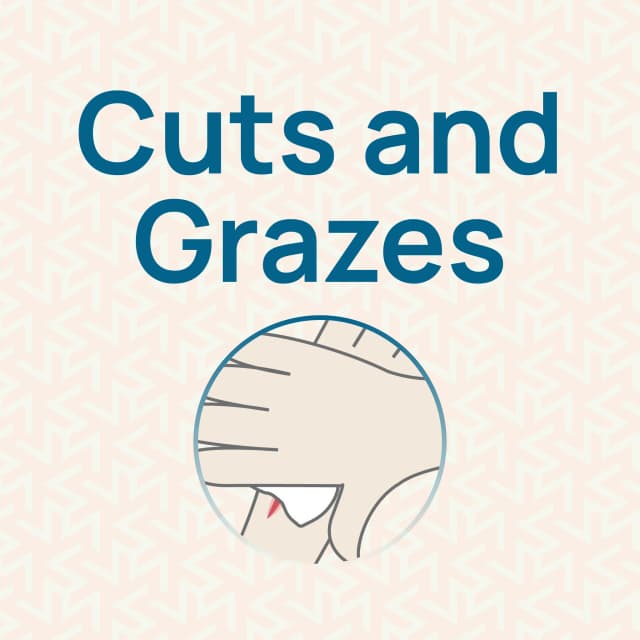
Minor injuries like cuts and grazes are common in everyday life, whether it's a slip, a scraped knee, or a kitchen accident. Knowing how to treat these wounds correctly is essential to prevent infection and promote faster healing.In this guide, you'll discover straightforward first aid steps to safely clean, treat, and care for minor wounds, whether you're helping yourself, a child, or someone else.What Are Cuts and Grazes?Cuts and grazes are two of the most common minor injuries. A cut is a break in the skin typically caused by something sharp like glass, a knife, or metal. It can range from shallow surface nicks to deeper wounds. A graze, on the other hand, happens when the outer layer of skin is scraped off, often due to friction, such as falling on a rough surface. Both types of injuries expose the skin to bacteria and dirt, thereby increasing the risk of infection if not properly cleaned and treated.Understanding these differences helps you choose the correct first aid response and prevent the spread of infection.Injury Types:Laceration: Torn skin, often irregular.Incision: Clean, straight-edged wound.Graze (abrasion): Surface-level scrape.Puncture: Small entry point with depth.How to Clean a Cut or GrazeProper cleaning is the first and most crucial step in treating any cut or graze. It helps remove dirt, debris, and bacteria, reducing the risk of infection and supporting faster healing.Wash your HandsBefore touching the wound, wash your hands thoroughly with soap and water to prevent introducing bacteria. Dont forget to check that your kit includes clean gauze and plasters.Stop the BleedingIf the wound is bleeding, gently apply pressure with a clean cloth or sterile pad for a few minutes until it stops.Rinse with Clean WaterGently run cool or lukewarm tap water over the wound to flush out dirt and debris.Clean Around the WoundUse a clean cloth or sterile gauze with mild soap to clean the skin around the cut or graze, not directly in it.Dry the Area GentlyPat the area dry with a clean towel or sterile gauze; avoid rubbing.Apply an AntisepticUse a mild antiseptic cream or spray if advised, especially if the wound is at risk of infection.Cover the WoundApply a sterile dressing to protect it from dirt and bacteria.Tip: Avoid using alcohol, hydrogen peroxide, or iodine directly in the wound, as they can irritate the skin and slow healing. Avoid touching the wound directly once it's cleaned. Change the dressing daily or if it becomes wet or dirty.Steps to Stop Bleeding and Apply First AidStopping the bleeding quickly and safely is crucial to minimise the risk of infection and facilitate proper healing. Bleeding is your body's natural response to a cut, but it doesn't need to last long. While most minor cuts and grazes stop bleeding on their own, some may need basic first aid intervention. Here's what to do if they don't:STEPACTIONPURPOSE1Apply pressureControls bleeding immediately2Elevate the limbReduces blood flow to the area3Wait 5-10 minsAllows clotting to begin4Clean the woundRemoves bacteria and debris5Apply dressingKeeps it protected and cleanIf the wound continues to bleed after applying pressure for 10 minutes or looks deep, it's best to seek medical advice.Boost Your First Aid Confidence Get Certified with HurakWant to be fully prepared to manage bleeding, dress wounds, and respond to everyday injuries with confidence?Popular Courses You Might Find Useful:Emergency First Aid at Work (EFAW): Perfect for workplace responders and frontline staffPaediatric First Aid Course: Ideal for parents, childminders, and early years educatorsFirst Aid at Work (FAW): A comprehensive 3-day course for designated first aiders at workExplore Hurak's range of First Aid Courses designed for individuals, teams, and workplaces. Whether you're a parent, carer, employee, or health and safety rep, there's a course tailored for youHow to Treat and Heal Minor Wounds QuicklyTreating cuts and grazes properly not only speeds up recovery but also reduces the risk of infection or scarring. With a few simple steps, you can help your skin heal faster and more comfortably. Stick to these simple steps:Clean the Wound Thoroughly: Use clean water and mild soap to remove dirt and bacteria. This is the foundation of fast healing.Apply a Healing Ointment or Antiseptic: A thin layer of antiseptic cream or petroleum jelly helps keep the wound moist and protected, facilitating the formation of new skin cells more easily.Cover It Up: Use a dressing to keep the area clean and protected from friction or further injury.Change Dressings Daily: Replace the dressing at least once a day, or whenever it becomes wet or dirty, to prevent irritation or infection.Let It Breathe: Once the wound starts forming a scab and is no longer weeping, give it short periods of air exposure to support the natural healing process.Avoid Picking Scabs: As tempting as it is, picking at a scab delays healing and increases the risk of scarring.Eat a Nutrient-Rich Diet: Healing is also an internal process; foods rich in vitamin C, zinc, and protein support skin repair and regeneration.Signs of Infection You Shouldn't IgnoreMost cuts and grazes heal without issue, but infection can delay healing and cause discomfort. Even minor cuts and scrapes can become infected if not properly cared for and treated. Spotting the early signs of infection is crucial for preventing complications and knowing when to seek medical attention.Common Signs a Wound May Be Infected:Redness spreading around the wound.Swelling that persists or worsens.Increased pain or tenderness around the area.Pus or yellowish discharge.Warmth in the skin surrounding the wound.A foul smell is coming from the wound.Fever or feeling unwell (in more serious cases).When to seek medical advice if:The wound doesn't start healing after a few days.Signs of infection (redness, swelling, pus, and pain) are worsening.A dirty object, bite, or rusted metal caused the injury.You haven't had a tetanus booster in the last 10 years.Tip: Don't wait it out. When in doubt, it's always best to get a medical opinion, especially if the wound is large, deep, or slow to heal.Healing Timeline: How Long Do Cuts and Grazes Take to Heal?The time it takes for a cut or graze to heal depends on its depth, location, and how well it's cared for. Most minor wounds heal quickly with basic first aid, but knowing what to expect can help you monitor progress and avoid complications.StageWhat HappensDay 1-2The cut may bleed at first, then a scab begins to form.Day 3-4The area might feel sore and look red. Scab thickens.Day 5-7The scab starts to dry and fall off. New skin forms.Week 2+Skin finishes healing. A faint scar might remain.Factors That Affect Healing Time:Wound depth: Superficial grazes heal quicker than deeper cuts.Location: Joints and hands may take longer due to movement.Infection: Even a minor infection can delay healing.Aftercare: Clean, moist wounds heal faster than dry or exposed ones.When to Seek Medical Help for Cuts and GrazesMost minor cuts and grazes can be safely treated at home, but some injuries require professional care, especially if there is a risk of infection or complications. See a doctor if:The wound is deep, large, or bleeding heavily.Bleeding doesn't stop after applying pressure for 10 minutes.Dirt or debris is stuck in the wound and can't be cleaned out.A rusty object, an animal bite, or a dirty surface caused the injury.You haven't had a tetanus shot in the last 10 years.The area around the wound becomes redder, swollen, or painful.There is pus, a bad smell, or you develop a fever, signs of infection.The wound isn't healing after 7 to 10 days.FAQCan I use antiseptic on every cut?Use mild antiseptics carefully and sparingly. Strong antiseptics can irritate healthy skin and may slow down the healing process.When should I get a tetanus booster?If the cut is deep, caused by rusty or dirty objects, and your last tetanus booster was more than 10 years ago, it's time to get a booster.How often should I change the dressing?Change the dressing daily or sooner if it becomes wet, dirty, or loose to help prevent infection.Are grazes more likely to get infected than cuts?Yes, grazes can be more prone to infection because the skin is scraped away, allowing dirt and bacteria to enter. Clean grazes thoroughly and keep an eye on them.How can I help a wound heal faster?Keep the wound clean and covered. Use a non-medicated ointment to keep it hydrated. Avoid picking at scabs. Also, eat a diet rich in protein and vitamin C to support healing.ConclusionTaking proper care of cuts and grazes is essential to prevent infection and promote rapid healing. By knowing how to clean wounds, apply first aid, and recognise when to seek medical help, you can confidently manage these common injuries at home. Cuts and grazes are everyday injuries that most people will encounter. With the proper first aid knowledge, you can treat these wounds quickly and effectively, thereby reducing pain and promoting a faster recovery.Always keep a basic first aid kit handy, follow clean and safe wound care steps, and don't hesitate to get medical advice if needed. By taking these simple precautions, you can prevent complications and support your body's natural healing process, allowing you to return to your daily routine with confidence.Take the Next Step: Get Certified in First Aid with HurakCuts and grazes are easy to handle, but are you ready for more serious emergencies? Gain the skills to respond confidently in any emergency; at home, at work, or in public.Join our First Aid at Work (FAW), A comprehensive 3-day training designed for workplace first aiders and safety-conscious professionals.Be prepared. Be the one who knows what to do. Train with Hurak today.<

Recognising Emergency Symptoms That Need an Ambulance
Emergencies can happen anytime, and knowing when to call an ambulance could save a life. This guide helps you recognise the key symptoms that require urgent medical attention and describes the process of calling 999. Whether youre unsure about a situation or want to be prepared, this advice will give you the confidence to act quickly and appropriately.What Is the Emergency Number in the UK and How to CallIn the UK, the emergency number to call for an ambulance is 999. When you call this number, your call is connected to a trained operator who will ask you important questions to understand the situation. Its important to stay calm, speak clearly, and provide accurate information about the location and the patients condition to ensure help arrives quickly.When to Call an Ambulance: Key Symptoms and SituationsKnowing when to call an ambulance is essential for getting urgent medical help when it really matters. If you or someone else experiences any of the following symptoms or situations, call 999 immediately:Severe chest pain or suspected heart attackDifficulty breathing or shortness of breathUncontrolled or heavy bleedingSudden loss of consciousness or unresponsivenessSigns of a stroke (face drooping, arm weakness, speech difficulties)Severe allergic reactions (anaphylaxis)Major injuries from accidents or traumaPut Your First Aid Knowledge into Practice by enrolling in a course today! Our First Aid courses equip you to handle critical situations, including spinal injury management, and enhance workplace safety. Build confidence and expertise with Emergency First Aid at Work (EFAW) and Level 3 First Aid at Work meeting UK legal requirements.How to Call an Ambulance: Step-by-Step GuidanceWhen calling an ambulance, following a clear step-by-step process helps ensure you provide the right information quickly and get the best possible help. Use this guide to stay calm and confident during your emergency call.StepsWhat to doTips1Dial 999Stay calm and wait for the operator to answer2Say you need an ambulanceBe clear and direct3Provide your exact locationInclude street names, landmarks, or nearby buildings4Describe the emergency and symptomsBe honest and specific about whats happening5Answer any questions from the operatorListen carefully and respond clearly6Follow the instructions given by the operatorThey may guide you on first aid or safety7Stay on the line until you are told you can hang upDont end the call prematurelyFirst Aid Actions to Take While Waiting for an AmbulanceWhen youve called an ambulance, your actions before help arrives can make a big difference. Here are some key first aid steps to take while waiting:Keep the person calm and comfortable, either seated or lying down.If unconscious but breathing, place them in the recovery position to open the airway.If not breathing, start CPR immediately to maintain blood circulation until help arrives.Apply gentle pressure on any wounds with a clean cloth or bandage to stop bleeding.Avoid moving someone with serious injuries unless its absolutely necessary.Monitor their breathing and responsiveness closely until the ambulance arrives.Do not give food or drink unless advised by a medical professional or the 999 operator.Knowing When an Ambulance Is Not NeededNot every medical situation requires calling an ambulance. Understanding when to seek alternative care can help ensure emergency services are available for those who need them most. You dont need to call an ambulance if the condition is stable, non-life-threatening, or can be treated by a pharmacist, GP, or urgent care centre.Examples of situations where calling an ambulance isnt necessary include:Minor cuts and bruises that can be treated at homeMild fevers or common coldsMinor sprains or strains without severe pain or swellingTaking someone to the hospital who can travel safely by car or taxiOngoing health conditions that are not worsening rapidlyIf youre ever unsure, its better to call 111 for advice or speak to a healthcare professional before deciding.How to Be Prepared for Medical EmergenciesBeing prepared for emergencies can make all the difference when seconds count. Here are some essential steps to help you stay ready and confident in any situation:ConclusionKnowing when and how to call an ambulance is crucial in emergencies. Acting quickly and providing accurate information can save lives. Remember to stay calm, follow the steps outlined, and take basic first aid actions while waiting for help. Being prepared with the right knowledge and skills gives you the confidence to respond effectively in any emergency situation. To build your skills further, consider enrolling in our First Aid Course at Work, designed to equip you with practical techniques for workplace emergencies and beyond.Frequently Asked QuestionsWhen should I call an ambulance?Call an ambulance if someone is seriously ill or injured and their condition is life-threatening. Common reasons include chest pain, difficulty breathing, severe bleeding, unconsciousness, or a suspected stroke. If you're unsure, it's safer to call 999.What is the emergency number in the UK?The main emergency number in the UK is 999. You can call for ambulance, police, or fire services. Another option is 112, which also connects you to emergency services and works throughout Europe.How do I call an ambulance in the UK?Dial 999 and ask for the ambulance service. Stay calm, clearly describe the situation, provide the exact location, and answer any questions the call handler asks. They may give you instructions to follow until help arrives.What are the most common reasons for calling an ambulance in the UK?Some of the most common reasons include chest pain (possible heart attack), breathing difficulties, strokes, serious accidents, allergic reactions, and unconsciousness. These are all considered medical emergencies.What should I do if Im not sure whether to call an ambulance?If youre unsure, call NHS 111 for advice. They can assess the situation and tell you whether an ambulance is needed, or guide you to another appropriate service.Explore Popular First Aid Courses at HurakLooking to boost your first aid skills?Explore our range of first aid courses and find the one thats right for you.Popular First Aid Courses:Emergency First Aid at Work (1 Day): Learn CPR, choking, bleeding control, and emergency response for low-risk workplaces.First Aid at Work (3 Days): Full training for workplace injuries and illnesses; meets HSE standards for high-risk settings.Paediatric First Aid (2 Days): Covers child-related emergencies like choking, seizures, and allergic reactions.Basic First Aid Course: General awareness course covering minor injuries, burns, shock, and fainting.Advanced First Aid Training: Includes trauma care, oxygen use, and advanced secondary assessments.First Aid for Mental Health: Learn to identify and support mental health issues like stress, anxiety, and depression.


Worst Areas in Birmingham
Located in the West Midlands region of England, Birmingham is considered the second-largest city in the UK.It is celebrated for its rich heritage, booming economy, and diverse community, which give it a unique character.But apart from being a go-to destination for many across England, Birmingham also has another side to it.The city, despite all its vibrance, is often seen as dangerous and continues to rank among the most crime-affected areas in the UK.Birmingham, in 2023, has the worst crime rate, with approximately 136 crimes reported per 1,000 people.However, the latest report, covering the 12 months to September 2024, shows a slight decrease in the numbers from 136 to 128.63 crimes per 1,000 people, indicating slow but positive progress.In this article, we will examine the most challenging areas in Birmingham, compare its crime rates to those of other cities in the UK, and offer advice on staying safe while living in or visiting this vibrant city.Birmingham Crime Rates: Types of CrimeIn recent years, the city has seen notable fluctuations in its crime patterns.In April 2023, Birmingham recorded the highest rate of theft from a person in the entire West Midlands, with 208 crimes and a rate of 0.20 per 1,000 people.Similarly, March 2022 was another difficult month, with 213 theft from the person incidents at the same rate.When we look at overall figures, the most reported crime in Birmingham during 2023 was violence and sexual offences, which totalled 63,464 offences, amounting to a crime rate of 61 per 1,000 people. Encouragingly, this was a 10% decrease from 2022, when there were 70,435 offences and a higher crime rate of 67.Notably, the least number of registered crimes was bicycle theft, with 938 offences in 2023, marking a 12% drop from 2022s 1,072 incidents.The data above not only reflects the most common offences occurring in the area but also shows that crime levels have fallen in certain parts of the city.This suggests that by taking necessary actions, such as effective policing, employing trained manned security personnel, and using thoughtful crime prevention strategies, we can make a real difference over a period of time.Based on official data from CrimeRate.co.uk, lets have a look at the crime table below to understand the trends in different types of crime.Birmingham Crime DataType Of CrimeCrime Count (2023)Crime Rate (per 1,000 people)Violence & Sexual Offences63,46461Vehicle Crime12,93312Robbery4,1884.02Theft from the Person2,4912.4Public Order Offences8,1737.8Drugs3,9423.8Criminal Damage & Arson5,7825.6Other Theft (eg. shoplifting)7,8327.5Burglary6,1956.0Bicycle Theft9380.9Source: CrimeRate.co.uk (JanuaryDecember 2023)Notes:The data above covers the calendar year 2023 (January to December).Crime counts reflect the total number of reported offences during this period in Birmingham.Crime rates show the number of crimes per 1,000 people.The data above covers the calendar year 2023 (JanuaryDecember) and reflects the breakdown of crimes by type in Birmingham. More recent figures for the rolling 12 months ending September 2024 are available only for the overall crime rate, which is cited separately below when comparing Birmingham to other UK citiesIs Birmingham Safe?When comparing Birmingham against other major cities in the UK, it becomes evident that while the city faces significant challenges, it is not alone.Many urban centres in the UK experience similar crime pressures, although Birmingham ranks higher than most in terms of overall crime rates.Birmingham in Comparison with Major Cities in the UK (Oct 2023 Sep 2024)CityCrime Rate (per 1,000 people)Rate DifferenceLondon28.9378% saferTower Hamlets98.6023% saferSheffield102.9420% saferCamden108.0716% saferNottingham110.8614% saferLiverpool124.423.3% saferBirmingham128.63-Bristol140.841.7% more dangerousWestminister132.943.4% more dangerousLeeds150.5610% more dangerousNotes:Figures above reflect the rolling 12-month period ending September 2024.These figures represent the overall crime rate (comprising all types of offences) per 1,000 people, by city.Detailed breakdowns by crime type (e.g., violence, theft) are only available for calendar year 2023 and are shown earlier in this article.So, is Birmingham safe?Birmingham currently records around 128.63 crimes for every 1,000 people.Although the crime rate in Birmingham is lower than that of cities like Leeds and Bristol, it remains higher than in London, Liverpool, and Sheffield.This puts Birmingham among the UKs major cities with some of the highest crime rates, although its essential to note that its not the most dangerous.Like any large city, Birmingham is a mix of both some neighbourhoods feel safe and welcoming, while others carry higher risks. The key is knowing where those differences lie and taking reasonable precautions based on your location.There are certain areas in Birmingham that one should avoid or be aware of.Lets have a look at the worst areas in Birmingham to avoid.Top 10 Worst Areas in BirminghamIts essential to understand that the following areas often face higher crime rates and social challenges.Knowing the worst parts of Birmingham and the areas of Birmingham to avoid can help residents and visitors make safer choices.Below is a list of the top 10 worst places to live in Birmingham, UK, based on reported crime rates and local insights.Birmingham City CentreBirmingham City Centre is the hub of the city; it's home to shopping centres, nightlife, and cultural landmarks. Despite its popularity, it has the highest crime rate in Birmingham, at 349.9 crimes per 1,000 people. The most common offences here include violence, theft, and shoplifting, particularly around the busiest streets and venues.Bordesley GreenBordesley Green is located to the east of the city centre and is a close-knit community. However, it faces a high crime rate of 290.1 crimes per 1,000 people, with violence, public order offences, and vehicle crime ranking the highest.Aston & NewtownAston & Newtown are known for their multicultural atmosphere and local landmarks. Unfortunately, the crime rate here stands at 241.4 crimes per 1,000 people, with violent offences, vehicle crime, and public disorder topping the list.EdgbastonFamous for its cricket ground and green spaces, Edgbaston also has areas near the centre that struggle with crime. The crime rate here is 218.1 crimes per 1,000 people, with violence, vehicle theft, and antisocial behaviour being common in certain parts.Stockland Green & Gravelly HillThis area combines residential streets with industrial sites and busy road networks. It has a crime rate of 214.2 crimes per 1,000 people, with violence, vehicle crime, and criminal damage being the most reported offences.Acocks Green & TyseleyLocated at the southeast of Birmingham, Acocks Green & Tyseley have been continuously reporting a higher rate of crime. With a rate of 199.1 crimes per 1,000 people, they experience frequent violence, public order offences, and theft.Lozells & East HandsworthKnown for its dense housing and diverse community, Lozells & East Handsworth has long faced social and crime challenges. The area has a crime rate of 196.8 crimes per 1,000 people, primarily driven by violence, public order offences, and vehicle theft.Tyburn & Castle ValeThese neighbouring areas have seen regeneration in recent years, but still report high crime. Their rate is 189.4 crimes per 1,000 people, with violence, theft, and property damage being among the most common offences.Hodge HillA suburban area with large housing estates, Hodge Hill records a crime rate of 186.8 crimes per 1,000 people, with shoplifting, violence, and vehicle crime being the most recorded.LongbridgeKnown for its industrial heritage, Longbridge's crime rate stands at 179.7 crimes per 1,000 people, the area deals with violence, criminal damage, and theft regularly.These areas of Birmingham have continuously ranked high in crime rates. In order to improve the situation and reduce the rate of crime here, emphasis must be placed on proper security and the appointment of qualified SIA-licensed personnel.This is especially crucial, as some of these locations exhibit similar trends to those seen in the top 10 most dangerous towns in the UK, where concentrated efforts in policing and security have already shown improvements.Start Your Career in Security and Help Make Cities SaferAs crime continues to challenge cities like Birmingham, trained security professionals are more vital than ever.Whether you want to work on the front line or behind the scenes, here are some trusted training options:SIA Door Supervisor TrainingSIA Security Guard Training CourseClose Protection TrainingSIA CCTV Operator TrainingStart your training today and help keep communities safeHow to Stay Safe in BirminghamMaintaining certain safety precautions can help you stay safe and enjoy the vibrant beauty and lifestyle that the city has to offer.Staying aware of your surroundings and avoiding known hotspots after dark can go a long way in keeping you out of trouble.Tips to Stay Safe:Stick to well-lit, busy areas, especially at night.Keep your valuables out of sight and secure at all times.Use licensed taxis or trusted public transport after evenings out.Stay alert in crowded places where pickpocketing is common.Avoid walking alone through unfamiliar areas, particularly those with high crime rates.Businesses must install proper CCTV cameras as a precaution to deter crime and gather evidence if needed.By following these simple steps, you will be able to reduce the risk and enjoy everything Birmingham has to offer.If youre a business owner in Birmingham, hiring qualified security personnel is one of the most effective ways to protect your property and customers.However, its crucial to verify who you hire properly. With fake SIA licences becoming increasingly common, it's always beneficial to check that your team members hold a valid SIA licence, have successfully passed their SIA criminal check, and are fully authorised to work.Best Places to Live in BirminghamNot all areas of Birmingham have high crime rates the city also boasts some excellent, safe, and welcoming neighbourhoods.Here are five of the best places to live in Birmingham that offer a blend of culture, green spaces, and a strong sense of community spirit.Top Areas to Consider:Erdington This residential neighbourhood is renowned for its affordable housing, excellent schools, and a strong sense of community that continues to thrive, making it a solid choice for families and first-time buyers alike.Digbeth With its creative energy, regenerated industrial buildings, and a lively mix of trendy bars and cultural spaces, Digbeth has become a favourite among young professionals looking for something a little different.Moseley and Kings Heath These two neighbouring suburbs are loved for their leafy streets, independent shops, and welcoming, artsy vibe that makes them feel both charming and full of character.Edgbaston Just a stones throw from the city centre yet noticeably quieter, Edgbaston offers elegant homes, excellent schools, and its famous cricket ground, giving it a refined yet accessible feel.Harborne and Solihull Harborne boasts a quaint, village-like atmosphere within the city, while nearby Solihull offers a more suburban lifestyle, complete with excellent amenities, good schools, and lower crime rates, making it ideal for those seeking peace without straying too far from Birmingham.Although some parts of Birmingham do have higher crime rates, not every area is risky.Like anywhere else, the city has its good and bad spots. As long as you stay cautious in the higher-risk neighbourhoods, you can enjoy what the city has to offer without worry.ConclusionA city comes with both highs and lows, and Birmingham is no exception. With the right measures, crime can be significantly reduced, as reflected in recent data.Although Birmingham recorded a crime rate of 136 crimes per 1,000 people in 2023, the rate declined to 128.63 per 1,000 in the 12 months ending in September 2024, indicating a positive trend.With proper policies and regulations in place, this number can continue to fall, helping create a safer and more secure environment for everyone.FAQsWhat are the worst areas in Birmingham?The worst areas in Birmingham, based on crime rates, include Birmingham City Centre, Bordesley Green, Aston & Newtown, Edgbaston (central parts), and Stockland Green. These neighbourhoods report higher rates of violence, theft, and antisocial behaviour compared to other parts of the city.What is the crime rate in Birmingham?Birmingham recorded a crime rate of 136 crimes per 1,000 people in 2023, which fell to 128.63 crimes per 1,000 people in the 12 months ending September 2024. This places Birmingham among the UKs major cities with higher-than-average crime rates.Is Birmingham safe to live in?Birmingham has both safe and high-risk areas. While some neighbourhoods experience higher crime rates, others are known for being quiet and family-friendly. If you avoid the worst parts of Birmingham and take sensible precautions, the city can still be a safe and enjoyable place to live.What are the top 10 worst places to live in Birmingham, UK?The top 10 worst places to live in Birmingham, based on crime data, include:Birmingham City CentreBordesley GreenAston & NewtownEdgbastonStockland Green & Gravelly HillAcocks Green & TyseleyLozells & East HandsworthTyburn & Castle ValeHodge HillLongbridgeAre there areas of Birmingham to avoid at night?Yes, its best to avoid poorly-lit or deserted areas, particularly in neighbourhoods like the city centre, Bordesley Green, and Aston at night. Staying in well-populated, secure areas is advised after dark.What are the best places to live in Birmingham?Some of the best places to live in Birmingham, with lower crime rates and a good quality of life, include Erdington, Digbeth, Moseley & Kings Heath, Edgbaston (outer parts), Harborne, and Solihull.How does Birminghams crime rate compare to other UK cities?Birminghams crime rate of 128.63 per 1,000 people is higher than cities like London, Liverpool, and Sheffield but lower than Bristol, Leeds, and Westminster.How can I stay safe in Birmingham?To stay safe in Birmingham, stick to well-lit, busy areas, keep valuables secure, avoid high-risk areas after dark, and stay aware of your surroundings. Businesses should also invest in CCTV and hire properly licensed security staff.
What is the Difference Between Use By and Best Before Dates
Food labels provide information about the food we buy, from nutritional content to important dates. When you check food labels, you might encounter two important terms: "use by" and "best before." These dates guide you on when to eat your food, but they mean different things. Understanding the difference between use-by and best-before dates is useful for making informed food consumption and storage decisions.Meaning of Use By Date on Food PackagingThe use-by date indicates when a product may no longer be safe to consume. This is because, after the use-by-date, microbial contamination of food or spoilage may occur. Therefore, follow these dates to prevent foodborne illnesses.Meaning of Best Before Date on Food PackagingBest-before dates show when the food is expected to keep its peak quality. While food after this date is generally safe, its fresh taste and texture may change.Use By and Best Before Dated Food TypesUse By Dates: For perishable items like meat, dairy, and ready-to-eat meals.Best Before Dates: Non-perishable items like dry pasta, canned goods, and snacks often have best-before dates.What is the Difference Between Use By and Best Before Dates on Food Packages?Best-before and use-by dates give information about two different aspects of food.If thoroughly cooked, food can be eaten after the best-before date, but it is unsafe to eat food beyond its use-by date. Proper storage, according to the manufacturers instructions, maintains food's freshness.Food Safety Importance of Use By and Best Before DatesPrevents Food PoisoningUnderstanding these labels helps us avoid getting sick. If we eat something past its use-by date, we could risk getting food poisoning from bacteria like Listeria. This bacteria can grow quickly in certain foods and can be dangerous, especially for people with weaker immune systems.Food PreservationBest-before and use-by labelling on food packaging helps preserve food for the right amount of time and protects us from eating contaminated food. It also tells us whether food must be stored in the refrigerator or a freezer. For example, fresh meat, poultry, and fish can go off quickly and are usually labelled with use-by or freeze-by dates. Correctly freezing and refrigerating these food types is important for their preservation.Reduces Food WastageWhile use-by dates are important for food safety, they also help us reduce food waste. By paying attention to use-by dates, food can be consumed and bought in time without adding extra bulk, which can lead to food waste.Facilitates the FIFO Food Stock Rotation SystemRemember to organise your fridge so that older items are used first, as the First-In, First-Out (FIFO) rule suggests. If you can't eat food before its "use by" date, freeze it.Sniff Test for Dated Food TypesIf you're checking foods with a "best before" date about quality rather than safety, you can use your senses to help decide if it's still good to eat. For example, you can look for mould on bread or taste biscuits or crisps to check if they're stale.However, if the food has a "use-by" date, the sniff test isn't reliable for checking if it's safe to eat. Even if the food looks and smells okay after the use-by date, eating might still be unsafe. That's because harmful bacteria that can make you sick aren't always visible or noticeable by smell.It's up to the manufacturers to decide whether to put a use-by date or a best-before date on their products. They consider how the food is made and how risky it might be. They make sure to use the right label to keep us safe.Examples of Dated Food TypesEggsThe eggs you buy from the shop will have a date on them, either "best if used by" or "expiration" (EXP). Always get eggs on the box before the best-before date. When you get home, put the eggs in the fridge in their original box and keep them at the back of one of the middle shelves, not in the fridge door. Do not freeze raw eggs.For the best quality, try to use the eggs within 3 to 5 weeks of buying them. You can eat eggs up to 24-48 hours after their best-before date, but make sure you cook them well. Cook them until both the white and yolk are hard.After the best-before date, eggs might not taste as good, and more salmonella bacteria could make you ill. If you're eating eggs after this date, it's important to cook them properly to kill any harmful bacteria.MilkMilk cartons have best-before dates. If you put them in the fridge immediately when you bring them home from the shop and don't leave them out during meals, they can still be okay to drink after that date, only for a few hours.Pasteurised milk lasts 7 to 14 days. Milk processed under ultra-high temperatures can be stored at room temperature for up to 90 days. Once opened, UHT milk deteriorates at the same rate as regular milk and should be kept in the fridge.BreadBread usually has a 'Best by' or 'Use by' date stamped on the plastic bag or tag if it's sliced. Freshly baked bread from the bakery tends to go stale faster because it often doesn't have preservatives added. When the bread starts to go off, you'll notice green or white mould spots forming. If you see these, throwing away the whole loaf, not just the affected slices, is best.Reliability of Best Before DatesManufacturers set best-before dates to encourage consumption while the food is at its peak quality. However, proper storage and handling can extend the freshness beyond this date, but caution should be exercised.Sell By and Display Until DatesSell-by and display-until dates are important for retailers in managing inventory. Consumers should primarily focus on use-by and best-before dates for food safety and quality.FAQsCan I eat food after the Best Before date?While consuming food after the best-before date is generally safe, its quality may decline over time. Discard food if it has an unusual texture, smell and taste.Is it safe to consume food after the Use By date?Do not consume food after the use-by date, as it may cause food poisoning due to potential bacterial growth or spoilage. Follow use-by dates strictly for food safety.How can I maximise the shelf life of food?Proper storage is key to maximising the shelf life of food. Follow storage instructions provided on the label, keep perishable items refrigerated in proper packaging to prevent contamination.How long can you eat eggs after the expiration date?You can eat eggs up to 24-48 hours after their best-before date, but cook them well. Cook them until both the white and yolk are hard.ConclusionUnderstanding the distinction between use-by and best-before dates on food labels is important for informed decision-making regarding food consumption and storage. While use-by dates indicate safety and the risk of microbial contamination, best-before dates signify peak quality. These labels help prevent foodborne illnesses, reduce food waste, and guide consumers in proper storage practices.

How to Write a Security Report: Complete SIA Reporting Guide
Picture this: you're on duty at a Leeds shopping centre when a store notifies you of suspected shoplifting. You arrive to find a teenager detained by the staff for attempting to steal a pair of wireless earbuds.You manage the situation swiftly, detain the individual appropriately, and hold the crowd back. Since the store decides to pursue the matter legally, you alert the police, and they arrive shortly and collect statements.Once the situation is handled, your job isnt done. As the responding door supervisor, your next task is just as critical, which is Writing a Security Report.Its your official written account of the situation, and it may be used as part of the police investigation or your companys internal review.But what exactly is a Security Report, and why does it matter so much?What Is a Security Report?A Security Report is a standard incident reporting document widely used across the UK security industry.Its designed for SIA-licensed professionals to formally log events that happen on duty.This report isnt just a formality. It serves as a legal and professional record.Your security report may be reviewed by:The policeYour site manager or company head officeInsurance providersCourt representatives (in rare but serious cases)Your report should clearly show:What happenedWhen and where it happenedWho was involvedWhat actions you tookWhat was the resultThe format is standard across many companies, but the quality of your report depends on how clearly and objectively you write it.If you're working or planning to work in security, there are a few other things you need to be clear on.For example, do you know what separates a door supervisor from a security guard? Or what youre actually allowed to do in a conflict?? Find out more, read our article:Difference Between Door Supervisor and Security GuardWhat Security Guards Can and Cannot DoWhen and Who Should Write a Security ReportNow that you know what a Security Report is, the next step is understanding who should write it and when.If you're a door supervisor, security guard, or CCTV operator, reporting incidents is a part of your professional duty.Any time you respond to a situation, whether minor or serious, youre responsible for documenting it accurately.It creates a formal record that may be referred to days, weeks, or even months later.You should write a report if:Youve responded to theft, damage, injury, or violenceThe police have been involvedThere was a safety risk, even if no one was harmedCCTV footage captured a serious eventA manager or officer asks you to provide a statementIt is crucial for you to write your report straight after the incident to ensure accuracy.Delays can often lead to lost detail, which can impact future investigations.Choose the Right Training for Your RoleGet Qualified with SIA-Approved CoursesProfessional security work goes beyond presence its about judgement, action, and reporting.Every incident you respond to matters. So does how you report it.Explore Huraks SIA-approved training tailored just for your role, and ensure youre prepared for anything.? Security Guard Training Course? Door Supervisor Training Course? CCTV Operator Training CourseGet licensed, stay compliant, and handle every situation with confidence.How to write a Security ReportNow that you understand when to write a report, lets talk about how to do it properly.Poorly written reports can lead to confusion or even legal complications. Thats why its essential to follow a clear structure and keep your report factual and easy to understand.Heres how to get it right:Keep it neutral and factualSay what the person did, not what you think they were trying to do. Example: individual raised their voice rather than individual was being rude.Avoid internal jargon and unclear abbreviationsSomeone reading the report may not work in your environment. Replace terms like DS with door supervisor, and PPO with site supervisor, and use simple, easy-to-understand language.Use 24-hour time formatThis helps avoid confusion in handovers or late-night incidents. For example, use 22:30 instead of 10:30 PM.Add full names and rolesThis makes it easier for others to identify who was involved. Write Jack Morgan, Cleaning Staff, not just Jack.Describe only what you witnessedDont guess someones intentions. If you didnt see it happen, dont include it.Do not delay submitting your reportDelays can lead to missing or inaccurate details. Aim to write your report shortly after the incident.In the modern world, reporting tools allow you to type your report directly into a secure system to avoid any confusion or formatting issues. Its cleaner, easier to review, and reduces errors.To understand how technology is transforming the security industry, read our articleRole of Technology in Modern Security.Format of a Security ReportTo ensure your report is professional and easy to process, it's important to follow a standard format used across the UK security industry.Heres what a typical structure looks like:Following this structure ensures your report is both professional and compliant, helping avoid confusion, legal issues, or gaps in communication.Door Supervisor Incident Report ExampleTo demonstrate how a professional security report should be structured, lets take the previously discussed shoplifting incident at the Leeds shopping centre as a reference and draft a clear, factual, and compliant report.Security Report:Incident Number: 0067-LSC-2025Date: 22/06/2025Time of Incident: 15:40Location: Leeds Shopping Centre TechStore (Ground Floor)Reporting Officer:Name: Noah SmithPosition: Door SupervisorSIA Licence No: 123456789Other Persons Involved:Jamie Thornton (Suspected individual, male, approx. 16 years old)Laura Grant (TechStore staff member reported the incident)PC R. Morgan (West Yorkshire Police Badge No. 78932)Store CCTV Operator (footage reviewed but not saved at the time)Description of Incident:At approximately 15:40, I was called via radio by Laura Grant (TechStore staff) regarding a suspected shoplifting incident. Upon arriving at the scene, I observed a male teenager, later identified as Jamie Thornton, being held at the customer service area. Store staff stated he had attempted to leave the premises with a pair of wireless earbuds concealed in his hoodie pocket.I calmly intervened, asked the individual to remain on-site while I contacted the police, and positioned myself between the scene and a small gathering of onlookers to maintain order. The teenager did not attempt to flee and complied with instructions.Actions Taken:Maintained calm and professional demeanourContacted West Yorkshire Police via controlIsolated the area to manage bystandersAwaited police arrival and provided full account upon requestEnsured CCTV was noted for future evidenceAssisted police in identifying the individual and staff involvedOutcome:Police arrived at 15:57. Jamie Thornton was formally cautioned and removed from the premises by PC R. Morgan. No injuries were reported. Incident deemed resolved by 16:10.Additional Notes:CCTV footage available via TechStores internal security for 22/06/25 between 15:3016:00.Report Submitted By:Noah SmithTime of Report Submission: 16:25Signature: N. SmithThis report offers a useful reference for anyone looking to improve their incident reporting skills and demonstrates whats expected from SIA-licensed professionals.By following this example, you can ensure your reports are professional, compliant, and ready to support investigations, internal reviews, or legal processes.Mastering Crowd Management and Emergency ResponseIncident reports become even more vital during large-scale events, where crowd control adds an extra layer of responsibility for security professionals.Learn how to respond effectively at football matches, concerts, or community events.Read our article to know more about crowd safety.Event Stewards & Stewarding at Spectator Events | Crowd Safety During EmergenciesIf you're serious about building your skills in this area, explore our certified crowd safety training courses: ? Understanding Stewarding at Spectator Events | Level 2 Spectator Safety CourseConclusionThe format outlined above is widely accepted across the UK security industrybut in more complex situations, its worth going a step further and adding details such as the type of incident, its severity, or any follow-up actions taken. These details show that you're not just responding to incidents, but learning from them.For SIA-licensed professionals, incident reporting is more than a task; its proof that you acted with clarity, control, and professionalism when it mattered most.A well-documented report shows that you took the right steps, followed procedure, and acted in the best interest of public safety.If you're ready to sharpen your skills or step into more senior roles, explore Huraks certified SIA security training courses.FAQsWhat is a Security Report?A Security Report 60 is a standard incident reporting format used in the UK security industry, particularly by SIA licence holders, such as door supervisors.When should a security guard write a report?You should write a report immediately after an incident involving theft, injury, police involvement, or safety concerns.What should be included in a Door Supervisor incident report?It should include the following: time, date, location, people involved, actions taken, outcome, and evidence.Can I handwrite a security report?Yes, but typed reports are preferred for clarity, accuracy, and professional record-keeping.How do you write an incident report example?Use clear language, avoid assumptions, and stick to factual descriptions. Include all relevant details and follow a standard format.