On This Page

July 16, 20269 min read
Minor injuries like cuts and grazes are common in everyday life, whether it's a slip, a scraped knee, or a kitchen accident. Knowing how to treat these wounds correctly is essential to prevent infection and promote faster healing.
In this guide, you'll discover straightforward first aid steps to safely clean, treat, and care for minor wounds, whether you're helping yourself, a child, or someone else.
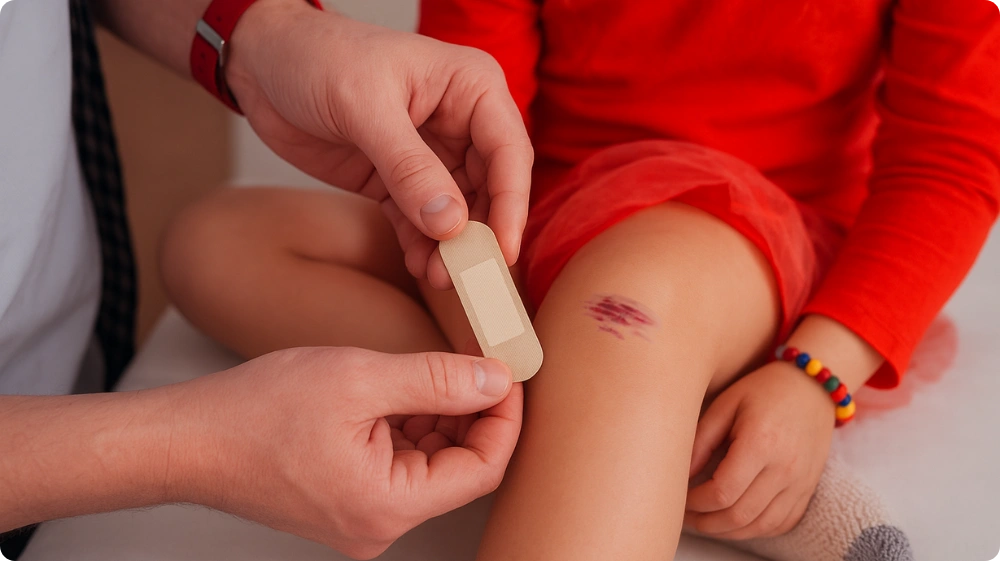
Cuts and grazes are two of the most common minor injuries. A cut is a break in the skin typically caused by something sharp like glass, a knife, or metal. It can range from shallow surface nicks to deeper wounds. A graze, on the other hand, happens when the outer layer of skin is scraped off, often due to friction, such as falling on a rough surface. Both types of injuries expose the skin to bacteria and dirt, thereby increasing the risk of infection if not properly cleaned and treated.
Understanding these differences helps you choose the correct first aid response and prevent the spread of infection.
Injury Types:
Laceration: Torn skin, often irregular.
Incision: Clean, straight-edged wound.
Graze (abrasion): Surface-level scrape.
Puncture: Small entry point with depth.
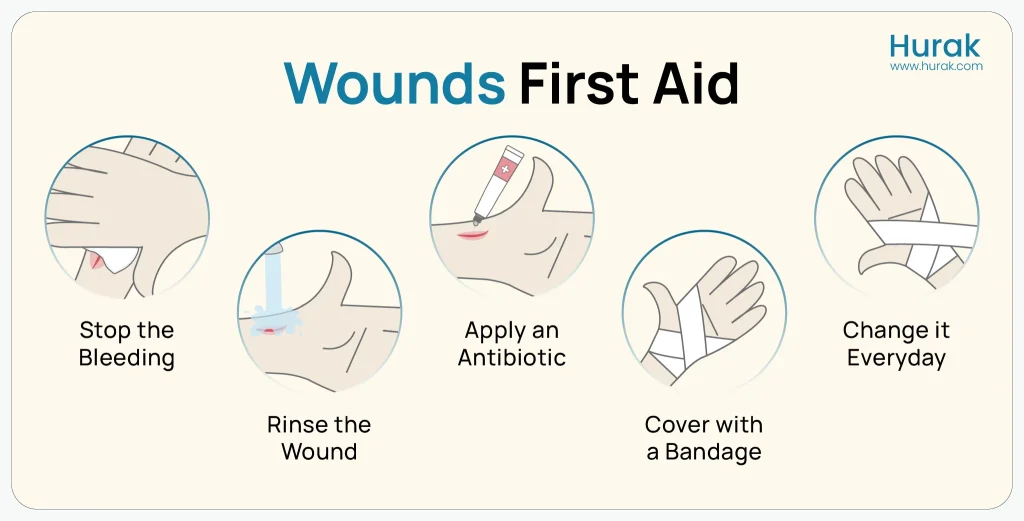
Proper cleaning is the first and most crucial step in treating any cut or graze. It helps remove dirt, debris, and bacteria, reducing the risk of infection and supporting faster healing.
Wash your Hands
Before touching the wound, wash your hands thoroughly with soap and water to prevent introducing bacteria. Dont forget to check that your kit includes clean gauze and plasters.
Stop the Bleeding
If the wound is bleeding, gently apply pressure with a clean cloth or sterile pad for a few minutes until it stops.
Rinse with Clean Water
Gently run cool or lukewarm tap water over the wound to flush out dirt and debris.
Clean Around the Wound
Use a clean cloth or sterile gauze with mild soap to clean the skin around the cut or graze, not directly in it.
Dry the Area Gently
Pat the area dry with a clean towel or sterile gauze; avoid rubbing.
Apply an Antiseptic
Use a mild antiseptic cream or spray if advised, especially if the wound is at risk of infection.
Cover the Wound
Apply a sterile dressing to protect it from dirt and bacteria.
Tip: Avoid using alcohol, hydrogen peroxide, or iodine directly in the wound, as they can irritate the skin and slow healing. Avoid touching the wound directly once it's cleaned. Change the dressing daily or if it becomes wet or dirty.


Stopping the bleeding quickly and safely is crucial to minimise the risk of infection and facilitate proper healing. Bleeding is your body's natural response to a cut, but it doesn't need to last long. While most minor cuts and grazes stop bleeding on their own, some may need basic first aid intervention. Here's what to do if they don't:
STEP | ACTION | PURPOSE |
1 | Apply pressure | Controls bleeding immediately |
2 | Elevate the limb | Reduces blood flow to the area |
3 | Wait 5-10 mins | Allows clotting to begin |
4 | Clean the wound | Removes bacteria and debris |
5 | Apply dressing | Keeps it protected and clean |
If the wound continues to bleed after applying pressure for 10 minutes or looks deep, it's best to seek medical advice.
Want to be fully prepared to manage bleeding, dress wounds, and respond to everyday injuries with confidence?
Popular Courses You Might Find Useful:
Emergency First Aid at Work (EFAW): Perfect for workplace responders and frontline staff
Paediatric First Aid Course: Ideal for parents, childminders, and early years educators
First Aid at Work (FAW): A comprehensive 3-day course for designated first aiders at work
Explore Hurak's range of First Aid Courses designed for individuals, teams, and workplaces. Whether you're a parent, carer, employee, or health and safety rep, there's a course tailored for you
Treating cuts and grazes properly not only speeds up recovery but also reduces the risk of infection or scarring. With a few simple steps, you can help your skin heal faster and more comfortably. Stick to these simple steps:
Clean the Wound Thoroughly: Use clean water and mild soap to remove dirt and bacteria. This is the foundation of fast healing.
Apply a Healing Ointment or Antiseptic: A thin layer of antiseptic cream or petroleum jelly helps keep the wound moist and protected, facilitating the formation of new skin cells more easily.
Cover It Up: Use a dressing to keep the area clean and protected from friction or further injury.
Change Dressings Daily: Replace the dressing at least once a day, or whenever it becomes wet or dirty, to prevent irritation or infection.
Let It Breathe: Once the wound starts forming a scab and is no longer weeping, give it short periods of air exposure to support the natural healing process.
Avoid Picking Scabs: As tempting as it is, picking at a scab delays healing and increases the risk of scarring.
Eat a Nutrient-Rich Diet: Healing is also an internal process; foods rich in vitamin C, zinc, and protein support skin repair and regeneration.
Most cuts and grazes heal without issue, but infection can delay healing and cause discomfort. Even minor cuts and scrapes can become infected if not properly cared for and treated. Spotting the early signs of infection is crucial for preventing complications and knowing when to seek medical attention.
Redness spreading around the wound.
Swelling that persists or worsens.
Increased pain or tenderness around the area.
Pus or yellowish discharge.
Warmth in the skin surrounding the wound.
A foul smell is coming from the wound.
Fever or feeling unwell (in more serious cases).
The wound doesn't start healing after a few days.
Signs of infection (redness, swelling, pus, and pain) are worsening.
A dirty object, bite, or rusted metal caused the injury.
You haven't had a tetanus booster in the last 10 years.
Tip: Don't wait it out. When in doubt, it's always best to get a medical opinion, especially if the wound is large, deep, or slow to heal.
The time it takes for a cut or graze to heal depends on its depth, location, and how well it's cared for. Most minor wounds heal quickly with basic first aid, but knowing what to expect can help you monitor progress and avoid complications.
Stage | What Happens |
Day 1-2 | The cut may bleed at first, then a scab begins to form. |
Day 3-4 | The area might feel sore and look red. Scab thickens. |
Day 5-7 | The scab starts to dry and fall off. New skin forms. |
Week 2+ | Skin finishes healing. A faint scar might remain. |
Wound depth: Superficial grazes heal quicker than deeper cuts.
Location: Joints and hands may take longer due to movement.
Infection: Even a minor infection can delay healing.
Aftercare: Clean, moist wounds heal faster than dry or exposed ones.
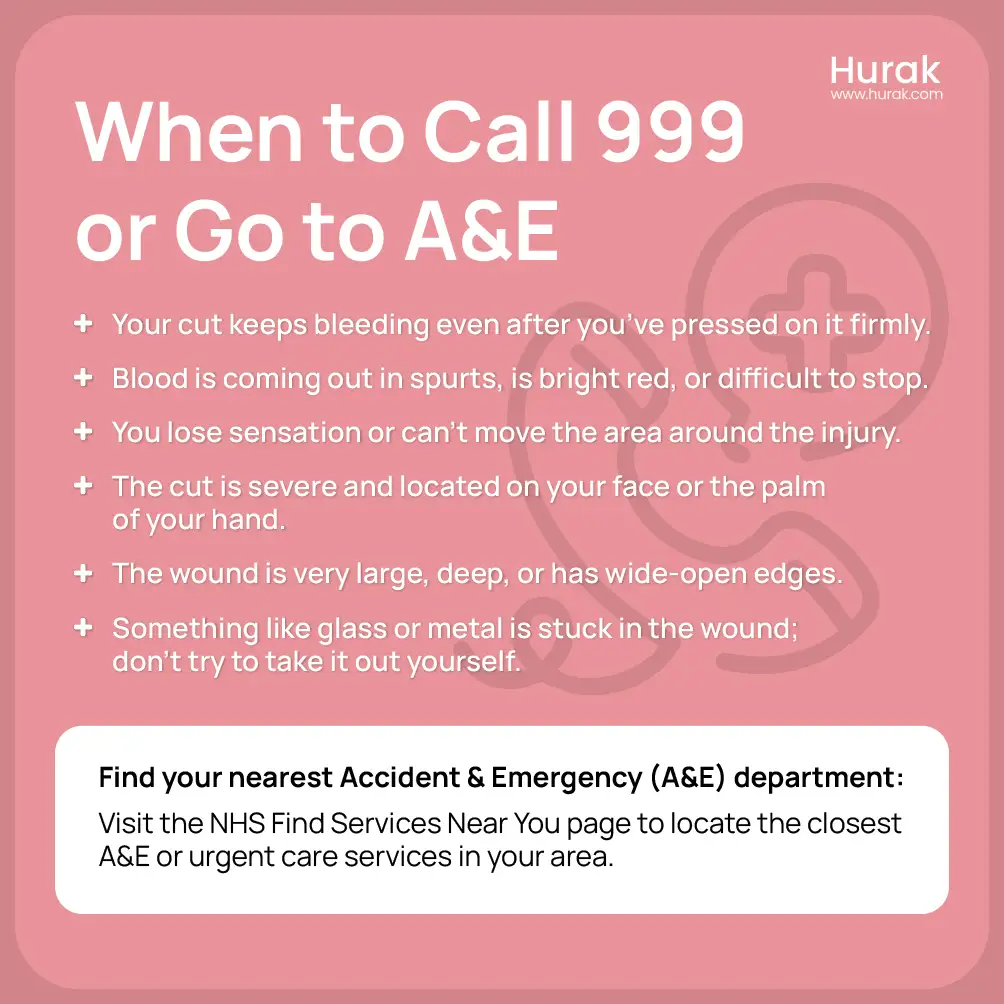
Most minor cuts and grazes can be safely treated at home, but some injuries require professional care, especially if there is a risk of infection or complications. See a doctor if:
The wound is deep, large, or bleeding heavily.
Bleeding doesn't stop after applying pressure for 10 minutes.
Dirt or debris is stuck in the wound and can't be cleaned out.
A rusty object, an animal bite, or a dirty surface caused the injury.
You haven't had a tetanus shot in the last 10 years.
The area around the wound becomes redder, swollen, or painful.
There is pus, a bad smell, or you develop a fever, signs of infection.
The wound isn't healing after 7 to 10 days.
Use mild antiseptics carefully and sparingly. Strong antiseptics can irritate healthy skin and may slow down the healing process.
If the cut is deep, caused by rusty or dirty objects, and your last tetanus booster was more than 10 years ago, it's time to get a booster.
Change the dressing daily or sooner if it becomes wet, dirty, or loose to help prevent infection.
Yes, grazes can be more prone to infection because the skin is scraped away, allowing dirt and bacteria to enter. Clean grazes thoroughly and keep an eye on them.
Keep the wound clean and covered. Use a non-medicated ointment to keep it hydrated. Avoid picking at scabs. Also, eat a diet rich in protein and vitamin C to support healing.
Taking proper care of cuts and grazes is essential to prevent infection and promote rapid healing. By knowing how to clean wounds, apply first aid, and recognise when to seek medical help, you can confidently manage these common injuries at home. Cuts and grazes are everyday injuries that most people will encounter. With the proper first aid knowledge, you can treat these wounds quickly and effectively, thereby reducing pain and promoting a faster recovery.
Always keep a basic first aid kit handy, follow clean and safe wound care steps, and don't hesitate to get medical advice if needed. By taking these simple precautions, you can prevent complications and support your body's natural healing process, allowing you to return to your daily routine with confidence.
Cuts and grazes are easy to handle, but are you ready for more serious emergencies? Gain the skills to respond confidently in any emergency; at home, at work, or in public.
Join our First Aid at Work (FAW), A comprehensive 3-day training designed for workplace first aiders and safety-conscious professionals.
Be prepared. Be the one who knows what to do. Train with Hurak today.
Courses
Upskill with job-ready training.
Mock Tests
Measure your learning progress.
Create an online video course, reach students across the globe and earn money