Hurak

Iram Irfan

Iram Irfan is a dedicated Content Writer at Hurak, with a strong focus on creating engaging, informative, and SEO-optimized articles in the field of first aid and health education. With a background in Law (B.A. LL.B), she has developed strong research capabilities, and the ability to present complex information with clarity and accuracy. Her legal training has strengthened her research and critical thinking skills, allowing her to produce content that is both accurate and impactful. At Hurak, Iram contributes to building a more informed community through her insightful and practical articles. Her work not only enhances online visibility but also serves a meaningful purpose, helping readers gain the confidence to respond effectively in real-life situations. Her goal is to make every piece of content a reliable source of information that helps people stay informed, prepared, and safe.

Iram Irfan
Understanding Schizophrenia: Types, Causes, Symptoms  Effective Treatments

Understanding Schizophrenia: Types, Causes, Symptoms Effective Treatments
There are many people who die from work-related accidents in the UK each year. This indicates that there remains a strong need for effective health and safety practices. Employers,and workers should understand the causes of fatalities at work. In this article, we will detail the biggest causes of fatalities at work, provide statistics specific to the UK, identify the height where falls occur most frequently, summarise the measures you can take to avoid these types of incidents, and discuss safety measures for your workplace. Implementing safe work practices is more than just complying with the law; it is a commitment to protecting the lives of every individual associated with your site. Let's look at some statistics and identify steps to prevent the leading causes of workplace death and injury.How Big is the Problem?Workplace fatalities are a serious concern in the UK and worldwide. Globally, the International Labour Organisation (ILO) and World Health Organisation (WHO) report nearly 2 million work-related deaths annually, with millions more suffering serious injuries. In the UK, HSE reports 124 work-related fatalities in 2024/25, with falls from height leading the statistics. Other causes include being struck by moving vehicles, contact with machinery, and exposure to harmful substances. � � Cause of Fatality� � UK Deaths 2024/25� � �% of Total Fatalities� � Falls from height� � � � � � 42� � � � � � � � 34%� � Vehicle accidents� � � � � � 25� � � � � � � � 20%� � Contact with machinery� � � � � � 18� � � � � � � � 15%� � � Other�� � � � � � 39� � � � � � � � 31%Understanding the scale of the problem makes it clear: falls from height are the primary workplace hazard in the UK.What is the Biggest Cause of Fatalities at Work?In the UK, falling from height is the most frequent cause of workplace fatalities (approximately 36% of fatalities). Falls from ladders, scaffolds, rooftops and elevated platforms are the leading causes.Which of the Following is the Leading Cause of Death in the Workplace?Falls from height are the leading cause of workplace fatality, followed by vehicle accidents, machinery accidents, and hazardous materials. Most falls occur during routine work where workers may not see the associated risks of their actions:�Climbing ladders without proper safety measuresWorking on unprotected roofs or scaffoldsUsing unstable platforms or temporary structuresWhere and How Do Most Falls from Height Occur?Most falls from height occur in industries where workers regularly work at heights:Construction (scaffold, ladder and rooftop work)Agriculture & Forestry (tree work, silo work and equipment use)Maintenance and Utility Companies (working on roofs, access to high platforms, towers)Examples of everyday occurrences leading to falling from height:Using a ladder incorrectly, or over-reachingNo or inappropriate guard railingA scaffold that has collapsed due to poorly assembled or poorly maintained partsSlips on wet or uneven surfacesWorking without any type of fall protection systemsCase Studies: In London, England, a construction worker fell from an unguarded scaffold while installing roof panels. Proper edge protection, training and/or supervision could have prevented this accident.Want to make your site safer?Explore Hurak�s Health and Safety courses, like the Level 1 Award in Health and Safety in a Construction Environment and the Manual Handling Awareness Course. With the proper training, you can prevent falls, improve compliance, and protect every worker on site.Why Do These Accidents Still Happen?The environmental conditions, organisational factors, and human factors have all contributed to the ongoing occurrence of falls as a nursing team, despite available regulations and safety programs. Human Factor: Human Factors remain the greatest risk factor in workplace accidents. The greatest percentage of falls results from inadequate training and unsafe behaviours by staff. In many cases, when completing normal workplace activities, staff are constantly finding ways to save time and rush through their work. These unsafe behaviours all lead to excessive risk-taking; in this case, the risks of falling and sustaining a serious injury increase significantly as the likelihood of making mistakes or not following safety guidelines increases. Therefore, consistent training and proper supervision are critical to reducing the likelihood of these preventable workplace accidents. Equipment & Environment: Unsafe equipment and unsafe environmental conditions will have a dramatic impact on worker fatalities from falls. The number one cause of falling from heights is defective ladders, unsafe scaffolding, and broken safety gear. The majority of fatalities from Falls occur when there are no guardrails, unsecured platforms, and/or no edge protection in place. Environmental conditions such as rain, ice, snow, poor lighting, and wet surfaces increase workers' safety risks. Regular equipment inspections and maintenance, along with environmental risk assessments, are essential to maintaining a safe working environment for staff.Organisational CultureOrganisational Culture significantly impacts an organisation's overall safety performance. Culture is an important factor of safety; hence, when an organisation does not prioritise safety, there will usually be gaps in supervision, training, risk assessment, and control. An example of cultural influence is the pressure organisations apply to their workers to complete their work on time. This pressure causes workers to work faster and to skip safety checks and protocols to meet their deadlines. Cultural changes within an organisation can lead to a positive safety culture, founded upon a collective commitment to safety by all staff and a better understanding of safety and associated risk issues. With this commitment to safety, there is a greater likelihood of reducing workplace injuries and fatalities. The findings from industry safety reports highlight how even minor Safety lapses can lead to Fatalities, creating an opportunity to develop a safety-first culture. Many accidents are caused by human factors such as Poor Training and taking Shortcuts. An additional issue for many workers is injury due to Manual Handling.Prevention: What you can doBy a few factors, falls from heights can be significantly reduced, if not eliminated. By implementing structured safety, comprehensive training, and regular site checks, all organisations can significantly reduce the risk of injury associated with working at heights and create a safe working environment for all employees. Understanding Workplace Health and Safety Signs is another important aspect of ensuring Safe Workplaces.Employers and Supervisors Safety ChecklistBefore any Work at Height, the Employer/Supervisor must complete a Thorough Risk Assessment.Use of safety equipment, such as harnesses, guardrails, and ladders in good condition, is mandatory.Ensure workers are adequately trained in fall prevention.Supervise high-risk tasks closely.Maintain an emergency response plan for accidents.Best Practices for WorkersWorkers also play a crucial role in keeping themselves and others safe. Always inspect equipment before use, follow all training procedures consistently, and avoid taking shortcuts even for simple or routine tasks. Wearing the proper personal protective equipment (PPE) and reporting potential hazards immediately can make a real difference in preventing serious injuries.Quick Tips � 10 Steps to Prevent FallsUse ladders correctly and secure them.Install guardrails on all platforms.Check the scaffolding before use.Wear a harness when required.Keep work areas tidy.Avoid working in poor weather.Stay alert and focused.Follow training instructionsReport hazards immediatelyRefresh safety skills regularly.Technology can enhance compliance and reduce accidents. Discover how AI surveillance for workplace safety is transforming safety practices.Why Following Safety Protocols MattersPreventing falls isn�t just about compliance; it also saves lives, reduces costs, and protects your organisation�s reputation.Economic impact: Each fatal incident costs companies thousands in fines, compensation, and lost productivity.Legal compliance: Meeting Work at Height Regulations 2005 reduces liability risks.Human cost: Every life lost affects families, coworkers, and the workplace community.Conclusion�Falls from height represent the leading cause of work-related fatalities; however, falls can be avoided. Establishing safe work practices, providing worker training, and assessing the potential risk of falling can help prevent falling deaths.Take immediate action: Use the Working at Height checklist to perform a site assessment today.Ongoing commitment: Reinforce worker training and ensure the ongoing inspection and maintenance of all equipment.Establish a safety culture: Promote a workplace with an open door for reporting unsafe conditions and for compliance with operating procedures.Every life counts; therefore, by taking proactive measures, you can limit workplace accidents and create a safe environment for your employees. In addition, proper first aid training can help to decrease the impact of workplace accidents on both the individual and the organisation. .Frequently Asked QuestionsWhich of the following is the leading cause of death in the workplace?Falls from height. They account for over a third of all workplace fatalities in the UK.Most falls from height occur when workers are performing which types of tasks?During ladder use, roof work, scaffolding, or elevated platforms, without proper safety measures.Other frequent causes of workplace fatalities?Vehicle accidents, contact with machinery, and exposure to harmful substances.What�s the fatal injury rate per 100,000 workers?In the UK, approximately 0.5�1 fatalities per 100,000 workers occur annually, depending on the sector.How often should training be refreshed?Safety training should be refreshed annually or whenever new risks, equipment, or regulations arise.Explore Related CoursesWhether you�re looking to improve your safety, lead a team, or move into a supervisory role, these courses support your journey:Manual Handling Awareness: Understand safe lifting techniques, reduce injury risks, and work more efficiently in physically demanding roles.CITB SSSTS (Site Supervisor Safety Training Scheme): For team leaders responsible for safety on-site, including proper manual handling practices.CITB SMSTS (Site Management Safety Training Scheme): Designed for site managers looking to manage risks, meet legal duties, and build safer teams.SSSTS Refresher: Keep your supervisor certification valid while refreshing your knowledge of site safety and manual handling.SMSTS Refresher: Update Your Understanding of Workplace Risks and Continue Leading by Example.Health and Safety Awareness Course: A foundational course covering key responsibilities, ideal for new starters across all industries.

complete-guide-to-heat-rash-relief-uk-guide-hurak
Mar 10, 2026
First Aid

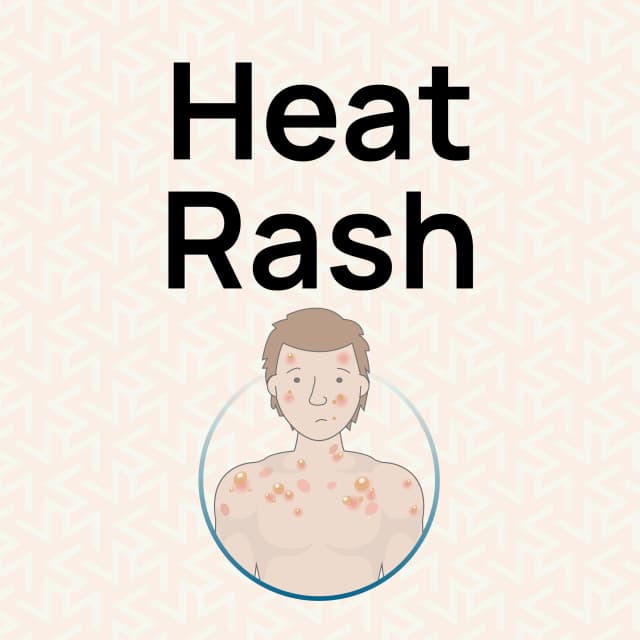
Heat Rash Symptoms, Causes and Treatment

The IOSH Code of Conduct serves as the backbone of ethical practice in the health and safety profession. It defines the standards every IOSH member must follow to maintain integrity, competence, respect, and service in their work. These principles ensure that safety professionals act responsibly, make fair decisions, and build public trust through their commitment to high standards.� Whether you�re a seasoned IOSH member or just beginning your safety career, understanding these principles helps you make sound professional decisions and uphold the highest standards. This article examines the key principles, rules, and ethical practices outlined in the IOSH Code of Conduct, helping UK safety professionals apply them effectively and strengthen their professional reputation within the field of occupational safety and health. What Is the IOSH Code of Conduct? The IOSH Code of Conduct is a set of professional and ethical standards developed by the Institution of Occupational Safety and Health (IOSH) � the UK�s leading body for health and safety professionals. It defines how safety professionals should act, make decisions, and maintain integrity in their roles. The Code guides members to work responsibly, stay competent, protect people�s health and safety, and uphold the reputation of the profession. The Code applies to all IOSH members, regardless of their grade or experience, and ensures that every professional acts responsibly towards employers, colleagues, and the public. It serves as a benchmark for ethical behaviour, guiding members in situations where legal, professional, or moral questions may arise. By adhering to the IOSH Code of Conduct, professionals strengthen public trust and demonstrate their ongoing commitment to excellence, accountability, and the highest standards of safety practice. Why the IOSH Code of Conduct Matters for Safety Professionals The IOSH Code of Conduct serves as the ethical foundation for all safety professionals. It defines how members should behave, make decisions, and uphold professional standards in their workplace. Here�s why it truly matters: Builds trust and integrity: The Code helps safety professionals act with honesty and fairness, earning respect from employers and colleagues. Encourages ethical decisions:� It guides members to make responsible choices that prioritise safety and wellbeing above all else. Ensures accountability:� Professionals are held responsible for their actions, promoting transparency in every aspect of their work. Maintains consistency:� It sets a uniform standard of conduct, ensuring safety practices remain reliable across all industries. Protects public interest:� By following the Code, professionals commit to safeguarding people�s health, safety, and environment. Enhances professional reputation:� Upholding the Code reflects a strong moral compass and reinforces credibility within the safety community. Ultimately, the IOSH Code of Conduct reinforces the responsibility safety professionals have toward people and workplaces. It ensures that every action they take reflects integrity, accountability, and a genuine dedication to safety. The Four Core Principles of the IOSH Code of Conduct The IOSH Code of Conduct is founded on four essential principles that capture the true essence of being an ethical health and safety professional. These principles serve as a guide for members to uphold integrity, professionalism, and accountability in every aspect of their work. Each principle reflects the standards that IOSH members are expected to follow in their daily practice. 1. Integrity Act with honesty and fairness in all professional dealings. IOSH members should never mislead others, misuse authority, or compromise their ethical standards. Key Points: Maintains transparency and honesty in every form of communication. Declare any conflicts of interest. Uphold the reputation of IOSH and the profession through integrity and trustworthiness. 2. Competence Competence refers to maintaining the knowledge and expertise necessary to perform safety duties effectively. Members must engage in lifelong learning to keep their skills up to date. Key Points: Participate in continuous professional development (CPD) to enhance your knowledge and expertise. Work only within your area of competence. Share insights and best practices responsibly with colleagues and clients. 3. Respect IOSH members must treat everyone with dignity, equality, and understanding. They should encourage inclusive and fair workplaces. Key Points: Promote diversity and inclusion by treating everyone fairly and without discrimination. Safeguard confidentiality in all professional interactions. Communicate professionally and courteously. 4. Service Service reflects an IOSH member�s duty to protect life and promote wellbeing. Members must deliver high-quality, responsible advice in the public interest. Key Points: Prioritise public safety above personal or corporate gain. Take full responsibility for your professional decisions and advice. Strive for excellence in all health and safety practices. Together, these four principles form the foundation of the IOSH Code of Conduct, guiding safety professionals to act ethically, competently, and responsibly. Gain a deeper understanding of the IOSH Code of Conduct Explore how the IOSH Code of Conduct shapes best practices in health and safety management. Whether you're new to the industry or a seasoned professional, understanding the principles of ethical safety practice is essential. IOSH Working Safely � Perfect for beginners and frontline staff to learn core safety responsibilities. IOSH Managing Safely � Designed for managers and supervisors to apply safety principles effectively. Strengthen your health and safety practices and make ethical decisions that promote a safer workplace. Start your journey today. Key Rules and Responsibilities Under the Code The IOSH Code of Conduct sets clear rules that guide members on how to maintain professionalism, integrity, and accountability in their daily roles. These responsibilities ensure that every IOSH member contributes to a culture of safety, transparency, and ethical practice within the workplace. Upholding Professional Standards IOSH members must always act in ways that protect and promote the reputation of both the Institution and the profession. This means demonstrating ethical behaviour, providing accurate advice, and maintaining the highest level of professionalism. Members must: Provide accurate, evidence-based safety advice. Represent IOSH with honesty and fairness. Avoid actions that could harm their professional reputation. Reporting Misconduct and Breaches Every IOSH member has a duty to report unethical or unsafe conduct. This ensures accountability and prevents harm to individuals or organisations. Members must: Report serious breaches of the Code or unsafe practices to IOSH. Cooperate in investigations or disciplinary processes. Support transparency and accountability within the profession. Maintaining Confidentiality and Integrity Members must respect the confidentiality of information obtained through their professional role. Information should only be disclosed when legally required or in the public interest. Members must: Safeguard confidential business or personal information. Avoid misusing data for personal gain. Protect client and employer trust at all times. Consequences of Violating the Code Failure to comply with the IOSH Code can result in disciplinary action, including suspension or termination of membership. This ensures accountability and maintains the profession's credibility. Possible actions include: Investigation by IOSH�s Professional Standards Committee. Formal warnings, suspension, or expulsion. Public disclosure of disciplinary outcomes. How to Apply the IOSH Code of Conduct and Ethical Practices in the Workplace Applying the IOSH Code of Conduct goes beyond understanding its principles � it�s about putting them into action every day. Ethical practice ensures that health and safety professionals make fair, responsible, and transparent decisions that protect people and build trust at work. Lead by example:� Demonstrate honesty, fairness, and respect in all safety interactions to set a positive tone for others. Promote a safety-first culture:� Encourage open discussions about risks, near misses, and improvements without fear of blame. Stay professionally competent:� Regularly update your skills through IOSH training, workshops, and CPD activities to ensure informed decision-making. Communicate transparently: Provide clear, factual safety information and avoid exaggerating or concealing details that could affect outcomes. Handle sensitive information responsibly:� Maintain confidentiality and use data only for legitimate safety purposes. Challenge unethical behaviour:� Speak up or report actions that breach professional or safety standards. Make balanced decisions:� Consider legal, ethical, and practical aspects before implementing any health and safety measures. Support and respect colleagues:� Foster teamwork, diversity, and inclusion while maintaining a respectful workplace environment. When safety professionals consistently follow the IOSH Code of Conduct, they set the foundation for a safer, more respectful, and ethically responsible workplace. Their actions inspire others to value integrity and professionalism. Conclusion In conclusion, the IOSH Code of Conduct serves as the foundation of professional ethics in health and safety practice. By understanding its four core principles�Integrity, Competence, Respect, and Service and following the key rules and responsibilities, IOSH members can make responsible decisions, protect the public, and uphold workplace safety standards across the UK. Applying these principles through ethical practice not only ensures compliance but also strengthens professional credibility, fosters trust, and promotes a culture of accountability in every organisation. Whether you�re an experienced practitioner or new to IOSH, embracing the Code helps you navigate complex situations with confidence and integrity, ultimately contributing to safer and more ethical workplaces. FAQs What is the IOSH Code of Conduct? The IOSH Code of Conduct is a set of ethical guidelines for safety professionals, outlining the standards of integrity, accountability, and professionalism expected in health and safety practice. Why is the IOSH Code of Conduct important for safety professionals? It ensures that safety practitioners act responsibly, maintain professional integrity, protect the well-being of others, and uphold public trust in workplace safety. Who must follow the IOSH Code of Conduct? All IOSH members and safety professionals are required to follow the Code of Conduct, regardless of their role, industry, or level of experience. How does the IOSH Code of Conduct improve workplace safety? By guiding ethical decision-making and professional behaviour, the Code fosters a culture of trust, responsibility, and continuous safety improvement in organisations. Can violating the IOSH Code of Conduct affect a professional�s career? Yes. Breaching the Code can damage credibility, lead to disciplinary action from IOSH, and negatively impact professional reputation and career growth.

cluster-a-b-c-personality-disorders-explained- hurak

Personality Disorders Explained: Cluster A, B C Types, Symptoms and Treatment
Self-harm is when someone intentionally hurts themselves to cope with painful emotions, stress, or situations that feel too hard to manage.� It may bring a momentary sense of relief, but it often leads to guilt or shame later. Talking about self-harm is difficult, yet awareness is the first step in finding safer ways to cope and seek help. Promoting open conversations about mental health awareness is especially important, as many people struggle silently with emotional pain or self-harming thoughts. Understanding why people self-harm, what it means, and how to get help is an essential step towards healing and recovery. What Is Self-Harm? Self-harm refers to the intentional act of causing harm or injury to oneself as a way to cope with emotional pain, stress, or complicated thoughts. For some individuals, it serves as a coping mechanism to express feelings that are difficult to articulate. For others, it provides a sense of control when life feels overwhelming. However, the relief obtained from self-harm is often temporary, and the emotional pain typically returns, sometimes even stronger. Self-harm can take various forms, including cutting, hitting, starvation, overdosing, or engaging in risky behaviour.� What is truly important is recognising these actions as signals of emotional distress and seeking help. Self-harm can also be linked to mental health problems such as depression, anxiety, or mood-related disorders like mania and hypomania, which can affect emotional regulation and impulse control. Why Do People Self-Harm? There isn�t one single reason why people self-harm. For many, it�s a way to cope with overwhelming emotions or regain a sense of control during difficult times. Some people use self-harm to express pain, anger or guilt they can�t put into words, while others do it to feel something when they feel emotionally numb. Self-harm can also be linked to past trauma, financial trauma, abuse, bullying, stress, or mental health problems such as depression or anxiety. Traumatic experiences, particularly in childhood, can profoundly impact a person's ability to cope with emotions later in life.� Survivors of physical, emotional, or sexual abuse may struggle with shame, self-blame, or unresolved anger, which sometimes manifests as self-harming behaviour. People with conditions such as borderline personality disorder often experience intense emotions and impulsivity, which can increase the risk of self-harming behaviours. Similarly, individuals who have faced persistent bullying or rejection may turn to self-harm as a way of dealing with feelings of worthlessness or isolation. Chronic stress and mental health conditions such as depression or anxiety can intensify these emotions. When someone feels trapped in their thoughts, helpless, or consumed by inner pain, self-harm can seem like the only outlet to regain even a small sense of relief or control. Types Of Self-Harm There are many types of self-harm, and they can vary from person to person. Some people harm themselves physically, while others engage in emotional or behavioural forms. Each method reflects a different way of coping with distress or emotional pain. Typical forms of self-harm include: Cutting, hitting, scratching, or burning: These are some of the most visible forms of self-harm. People may do this to release emotional tension, express anger or sadness, or to feel a sense of control when everything else feels chaotic. Overdosing or misusing medication: Some individuals may take more medication than prescribed or use substances as a form of self-punishment or to escape overwhelming emotions. Refusing to eat or overexercising: These behaviours can be a way of regaining control over one�s body or punishing oneself. For example, restricting food intake might reflect feelings of guilt or unworthiness, while excessive exercise may be used to cope with anxiety or self-criticism. Engaging in risky situations: Putting oneself in harm�s way, such as reckless driving, unsafe sexual behaviour, or substance abuse, can be a less obvious but equally serious form of self-harm, often rooted in emotional distress or a desire to feel something when emotionally numb. Emotional or psychological self-harm: This includes negative self-talk, isolating from loved ones, or deliberately sabotaging relationships and opportunities, often as a reflection of deep-seated feelings of shame or low self-worth. It�s important to understand: These behaviours are not about attention-seeking, they are expressions of intense internal pain and a cry for help. Every act of self-harm signals an underlying emotional struggle and the need for empathy, understanding, and support. Recognising these signs can be the first step toward finding healthier ways to express emotions, cope with distress, and seek professional guidance or therapy. How To Stop Self-Harm? Overcoming self-harm is a gradual process that requires time, patience, and the proper support. Recovery involves understanding the underlying triggers, developing safer coping strategies, and building a network of professional and personal support.Practical steps to begin the recovery process include: Recognise your triggers: Begin by identifying the specific thoughts, emotions, or situations that lead to self-harming behaviours. These triggers may include feelings of rejection, anger, loneliness, or intense stress. Recognising these patterns allows for better self-awareness and helps you respond with healthier coping mechanisms. Reach out for support: Speaking to someone you trust, whether a close friend, family member, therapist, or GP, can make a significant difference. Sharing your experiences helps reduce feelings of isolation and opens the door to emotional and practical support. Reaching out is not a sign of weakness; it�s an essential step towards recovery. Seek professional help: Evidence-based therapies such as Cognitive Behavioural Therapy (CBT) and Dialectical Behaviour Therapy (DBT) are effective in addressing self-harming behaviours. CBT focuses on identifying and changing unhelpful thought patterns that contribute to distress. DBT teaches emotional regulation, distress tolerance, and mindfulness techniques, which are particularly helpful for managing strong or impulsive emotions. Adopt healthier coping strategies: Engaging in positive activities can provide relief and help manage overwhelming emotions. Consider: Journaling to express emotions safely Physical activity, such as walking, running, or yoga, can help release built-up tension Breathing exercises or mindfulness to calm the mind and body Creative outlets like painting, music, or writing to process emotions constructively Or even reading reduces stress, which can help quiet the mind and promote emotional clarity Be patient and compassionate with yourself: Recovery is not always linear. Occasional setbacks or relapses do not signify failure � they are a regular part of the healing process. Acknowledge your progress, no matter how small, and treat yourself with kindness throughout the journey. Getting Help And Support If you or someone you know is self-harming, reaching out for help is the most crucial step. You don�t have to face it alone. Start by talking to someone you trust, such as a friend, family member, teacher, or colleague. Sharing your feelings openly can bring relief, reduce shame, and help you feel supported. Professional help is also available. Your GP can refer you to a counsellor, psychologist, or mental health service for appropriate care. Therapies such as Cognitive Behavioural Therapy (CBT) and Dialectical Behaviour Therapy (DBT) are proven to be effective in addressing self-harm and helping individuals build healthier coping strategies. Conclusion� Recovery from self-harm takes time, but it is possible. Every small step you take towards understanding your emotions and seeking support brings you closer to healing. You don�t have to do it all at once, and you don�t have to do it alone. With the proper guidance, therapy, and compassion, both from others and oneself, people can and do recover. Remember, your pain does not define you. You are worthy of care, understanding, and a future free from harm. Healing is not about perfection, but about progress and every step forward matters. FAQs What is self-harm? Self-harm refers to intentionally causing harm or injury to oneself as a way to cope with emotional distress, pain, or numbness. It can include behaviours such as cutting, scratching, burning, or other actions that inflict harm on the body. Why do people self-harm? People self-harm for many reasons. For some, it�s a way to express emotions they can�t put into words or to regain a sense of control during difficult times. It may also be linked to experiences of trauma, stress, bullying, or mental health conditions like depression and anxiety. Is self-harm the same as a suicide attempt? No. Self-harm is not always a suicide attempt. Many people who self-harm do not want to die; instead, they use it as a way to cope with emotional pain. However, self-harm can increase the risk of suicidal thoughts over time, so it�s vital to seek professional help early. How can I stop the urge to self-harm? When you feel the urge to self-harm, try to delay the action and use safer alternatives to manage the emotion. Techniques such as deep breathing, journaling, squeezing an ice cube, listening to music, or talking to someone you trust can help distract and calm your mind. Can self-harm be treated? Yes. With professional help and support, self-harm can be treated effectively. Therapies such as Cognitive Behavioural Therapy (CBT) and Dialectical Behaviour Therapy (DBT) can help you understand triggers, manage emotions, and develop healthier coping strategies. How can I help someone who self-harms? If someone you know is self-harming, stay calm and avoid judgment. Listen to them, show empathy, and encourage them to seek professional help. Offer support by helping them find trusted mental health services or by being present when they need to talk. Can recovery from self-harm take a long time? Yes, recovery is a gradual process and different for everyone. It takes time, patience, and consistent support. Even small steps towards healing, such as discussing emotions or seeking therapy, are signs of progress.

types-and-causes-of-mental-illness-uk-guide-hurak

A Complete Guide to Mental Illness : Causes, Symptoms Treatment Options
Read the full article for more details.

types-of-phobia-uk-guide-hurak

Understanding Phobias: Types, Causes, Symptoms Treatment

Do certain situations make your heart race, your hands shake, or your mind jump straight into panic mode even when you know deep down that you�re not actually in danger? If yes, you�re not alone. This is exactly how a phobia feels, and many people experience these sudden waves of fear without fully understanding why they happen.Phobias aren�t just �normal fears�. These fears can trigger strong physical and emotional reactions, making daily activities such as travelling, socialising, or even getting a medical check-up feel challenging. Whether it�s heights, flying, needles, or crowded places, phobias can affect anyone at any stage of life.This article provides a clear overview of phobias, including their types, symptoms, causes, and treatment options. Whether you're dealing with a phobia yourself or supporting someone you care about, this guide offers clear, easy-to-understand information.�What Are Phobias?A phobia is an anxiety disorder marked by a powerful, persistent fear of a specific object, situation, or environment. The fear is disproportionate to the actual level of danger and can significantly impact daily functioning. This fear can lead to physical symptoms like sweating, shaking, shortness of breath, or even panic attacks.While fear is a natural response to real danger, phobias cause panic even when there is no actual threat. For example, someone might feel terrified of flying or stepping into a lift, even when they know it�s safe.Phobias can make certain situations feel impossible to handle. The fear can feel so strong that people start avoiding certain places or activities, which affects both emotional well-being and quality of life. Phobias are treatable, and recognising the problem is the first step toward getting help.Types of PhobiasPhobias come in many forms, and each one affects people differently. They can be grouped into several categories depending on what triggers the fear. To help you understand them better, here�s a simple breakdown of the main types of phobias.1. Specific (Simple) PhobiasThese are the most common types of phobias and involve an intense fear of a particular object, place, or situation. They often develop in childhood and can persist into adulthood if not treated. The trigger is usually easy to identify.Common examples include:Animal phobias: fear of spiders, dogs, snakes, insectsNatural environment phobias: fear of heights, storms, waterSituational phobias: fear of flying, driving, tunnels, elevatorsBlood-injection-injury phobias: fear of needles, blood, medical proceduresPeople with specific phobias often avoid the trigger entirely, even if it affects their daily life.2. Complex PhobiasComplex phobias are usually more severe and often develop during adulthood. They involve a combination of emotional, physical, and behavioural symptoms and usually require professional treatment.Two of the most common complex phobias are:Social Phobia (Social Anxiety Disorder)This phobia involves an intense fear of social situations where someone might feel judged, embarrassed, or evaluated by others. It can make everyday situations overwhelming.Examples include:Fear of public speakingFear of meeting new peopleFear of being the centre of attentionFear of eating, writing, or performing tasks in front of othersIt often leads to avoidance of social gatherings or work-related interactions.AgoraphobiaAgoraphobia is the fear of being in environments where escape may be difficult or help might not be available. People often associate it only with �fear of open spaces,� but it�s much broader.People with agoraphobia may fear:Crowded placesPublic transportShopping mallsBeing outside aloneStanding in linesEnclosed spacesIn severe cases, individuals may avoid leaving their home altogether.Understanding the different types of phobias helps recognise how varied fear responses can be and why each person�s experience is unique. Whether simple or complex, phobias can be overwhelming, but they�re also highly manageable with the right support and treatment.Causes of PhobiasPhobias don�t have one single cause. They usually build up over time and are shaped by our experiences, our personality, and sometimes even family history. Here are some of the most common reasons someone might develop a phobia.Genetic FactorsSome people are naturally more prone to anxiety due to their genetic makeup. If a close family member has a phobia or an anxiety disorder, the chances of developing one are higher. This doesn�t mean phobias are �inherited directly,� but genetics can influence how strongly a person reacts to fear or stress.Brain ChemistryThe way the brain regulates fear can also contribute to phobia development. Imbalances in certain neurotransmitters like serotonin and dopamine can heighten anxiety and make someone more reactive to fear triggers.Past Trauma or ExperiencesA frightening or distressing event can trigger a long-lasting fear. Experiences such as being bitten by a dog, getting stuck in a lift, or experiencing turbulence during a flight can create a powerful association that leads to a phobia. Even one intense incident can be enough to form a lasting fear response.Learned BehaviourPhobias can develop by observing someone else�s fear, especially during childhood. If a parent, sibling, or close one consistently shows fear toward certain animals, situations, or places, a child may adopt the same response. This is known as �vicarious learning� and is one of the most common pathways through which phobias form. Over time, this learned fear can turn into a phobia.Physical Ill HealthChronic medical conditions or sudden health scares can also trigger phobias. For example, someone who has experienced breathing difficulties may develop a fear of confined spaces, or a person with heart problems may fear situations that raise their heart rate.Phobias often develop slowly and silently, shaped by genetics, experiences, and the way the brain reacts to fear. Acknowledging these causes empowers individuals to seek help and learn healthier ways to cope.Symptoms of PhobiasPhobias can trigger a mix of physical, emotional, and behavioural symptoms. These symptoms usually appear when someone is faced with the feared object or situation, and sometimes even when they just think about itPhysical SymptomsPhysical symptoms are the body�s automatic reactions when someone encounters a phobia trigger. Essentially, the body reacts as if it�s in immediate danger, even when the situation isn�t truly harmful.Rapid heartbeat or chest tightnessShortness of breathSweating or tremblingFeeling faint, dizzy, or lightheadedNausea or stomach discomfortHot or cold flushesA sudden urge to escapeEmotional SymptomsEmotional symptoms are the intense feelings and psychological responses a person experiences when confronted with a phobia. They reflect how fear affects the mind, causing distress, tension, or a sense of losing control.Sudden fear or panic when facing the triggerFeeling out of control or helplessIntense anxiety even when the threat isn�t realDread or worry leading up to situations involving the phobiaFeeling overwhelmed or distressed without a clear reasonBehavioural SymptomsBehavioural symptoms are the actions or patterns of behaviour a person shows in response to a phobia. They reflect how fear influences everyday activities, often leading to avoidance of the feared object or situation and changes in routine to prevent exposure.Avoiding places, objects, or situations linked to the phobiaNeeding reassurance or someone to accompany youInability to function normally when exposed to the triggerFeeling the urge to escape the situation immediatelyMaking lifestyle changes to avoid the fear trigger entirelyThe symptoms of phobias show how fear impacts both mind and body. Identifying these signs early can make it easier to manage phobias and reduce their interference with everyday activities.Be the Calm in Someone�s FearPhobias can trigger overwhelming reactions.Our Mental Health First Aid (MHFA) courses teach you how to assist safely and effectively. Take the step toward meaningful support.List of PhobiasPhobias can develop around nearly anything, and they range from common fears to rare and unusual ones. A comprehensive list of phobias helps understand the variety of fears people may experience and how these fears are categorised. Presenting phobias alphabetically or in groups makes it easier to read and reference.CATEGORYTYPES OF PHOBIASAnimal-Related PhobiasArachnophobia � Fear of spidersCynophobia � Fear of dogsOphidiophobia � Fear of snakesEquinophobia � Fear of horsesOrnithophobia � Fear of birdsEnvironmental PhobiasHydrophobia � Fear of waterNyctophobia � Fear of the darkOmbrophobia � Fear of rainChionophobia � Fear of snowPyrophobia � Fear of fireSituational PhobiasClaustrophobia � Fear of enclosed spacesAerophobia � Fear of flyingElevator Phobia � Fear of liftsTaphophobia � Fear of being buried aliveVehophobia � Fear of drivingBlood, Injury, and Medical PhobiasHemophobia � Fear of bloodTrypanophobia � Fear of needles or injectionsNosocomephobia � Fear of hospitalsTraumatophobia � Fear of medical proceduresAlgophobia � Fear of painSocial and Psychological PhobiasSocial Phobia (Social Anxiety Disorder) � Fear of social situations or public embarrassmentGlossophobia � Fear of public speakingAnthropophobia � Fear of people or social interactionAutophobia � Fear of being aloneSociophobia � Fear of society or social situationsOther Common PhobiasGlobophobia � Fear of balloons�Thanatophobia � Fear of death or dyingPogonophobia � Fear of beardsNomophobia � Fear of being without a mobile phoneErgophobia � Fear of work or the workplacePhobophobia � Fear of developing a phobiaAblutophobia � Fear of bathingGaleophobia � Fear of sharksAilurophobia � Fear of catsAnthophobia � Fear of flowersDentophobia � Fear of dentists or dental proceduresEmetophobia � Fear of vomitingGamophobia � Fear of marriageHaphephobia � Fear of being touchedMysophobia � Fear of germs or dirtNecrophobia � Fear of dead things or corpsesPhasmophobia � Fear of ghostsXenophobia � Fear of strangers or foreignersPhobias Treatment: Effective Methods to Overcome FearPhobias are highly treatable, and a combination of therapies, coping strategies, and sometimes medication can help people manage or even overcome their fears. The right treatment depends on the type and severity of the phobia, as well as the individual�s needs.Cognitive-Behavioural Therapy (CBT)CBT is one of the most effective treatments for phobias. It helps individuals recognise and change the negative thought patterns that trigger fear, and gradually teaches them healthier ways to respond to phobic situations. Patients learn to challenge irrational thoughts and gradually develop healthier ways to respond to the feared object or situation. CBT often includes homework exercises, thought logs, and behavioural experiments to reinforce learning.Exposure TherapyExposure therapy is a type of behavioural therapy where individuals are gradually and systematically exposed to the object or situation they fear. The goal is to desensitise the person to the trigger and reduce the intensity of fear over time.In vivo exposure: Directly facing the feared situation in real life, such as climbing heights for acrophobia.Imaginal exposure: Visualising the feared situation in a controlled setting.Virtual reality (VR) exposure: Using VR technology to simulate the feared environment safely.Repeated exposure helps the brain learn that the situation is not dangerous, which reduces panic responses and avoidance behaviour.Relaxation TechniquesRelaxation techniques help manage the physical symptoms of phobias, such as rapid heartbeat, sweating, trembling, or shortness of breath. These techniques are often combined with therapy to improve coping during exposure to fear triggers.Deep breathing exercises to calm the nervous system.Progressive muscle relaxation to release tension in the body.Mindfulness meditation to stay present and reduce anticipatory fear.Self-Help StrategiesSelf-help strategies are valuable tools that can support therapy or be used as a first step for mild phobias. These include:Learning about the phobia to understand triggers and symptoms.Gradual exposure to the feared object or situation at a comfortable pace.Seeking support from friends, family, or online/self-help groups.MedicationWhile therapy is the primary treatment, medications may be prescribed in some cases, especially for severe or persistent phobias. Medication does not cure phobias but can help reduce anxiety and panic symptoms, making therapy more effective. Common medications include:Antidepressants (SSRIs or SNRIs) to reduce overall anxiety.Benzodiazepines for short-term relief during extreme anxiety episodes.Beta-blockers are used to manage physical symptoms like a rapid heartbeat or shaking in specific situations.Medication is usually recommended in combination with therapy rather than as a standalone treatment.Treatment for phobias is highly effective when tailored to the individual. Combining therapy, exposure techniques, relaxation methods, and sometimes medication helps reduce fear, improve coping skills, and restore normal daily functioning.ConclusionPhobias are real and often overwhelming fears that can affect anyone at any stage of life. They range from specific fears like animals or heights to complex fears such as social situations or crowded spaces. These fears often develop due to a combination of genetic factors, past experiences, learned behaviours, and brain chemistry, making them unique to each individual. Recognising the physical, emotional, and behavioural symptoms is crucial for seeking help and taking the first step toward recovery.Effective treatment options, including Cognitive-Behavioural Therapy (CBT), exposure therapy, relaxation techniques, and sometimes medication, provide hope and practical solutions. With awareness, early intervention, and consistent effort, individuals can overcome their fears, reduce anxiety, and regain control of their daily lives, leading to a healthier and more confident future.FAQsWhat is a phobia?A phobia is an intense and persistent fear of a specific object, situation, or activity that is often disproportionate to the actual danger it poses. It can affect daily life, causing physical, emotional, and behavioural symptoms.What are the main types of phobias?Phobias are generally divided into simple (specific) phobias, such as fear of animals, heights, or flying, and complex phobias, which include social phobia (social anxiety disorder) and agoraphobia.What causes phobias?Phobias can develop due to a combination of factors, including genetics, past trauma, learned behaviour, brain chemistry, stressful life experiences, physical health conditions, or even drug use.What are the symptoms of phobias?Symptoms include physical reactions like rapid heartbeat or sweating, emotional responses such as fear or panic, and behavioural changes like avoidance of the feared situation or object.Are phobias treatable?Yes, phobias are highly treatable. Common approaches include Cognitive-Behavioural Therapy (CBT), exposure therapy, relaxation techniques, self-help strategies, and, in some cases, medications, especially when guided by professionals.When should I seek help for a phobia?You should seek professional help if a phobia interferes with your daily life, causes severe anxiety, or prevents you from performing normal activities. Early intervention can make treatment more effective.Can children have phobias?Yes, children can develop phobias, often due to traumatic experiences or learned behaviour. Early recognition and therapy can help prevent phobias from affecting their development and daily life.

which-iosh-course-is-best-uk-guide-hurak
Jan 16, 2026
Health and Safety

IOSH Courses Explained: Find Which One Suits You Best

Read the full article for more details.

iosh-code-of-conduct
Jan 15, 2026
Health and Safety

�IOSH Code of Conduct: Key Principles and Rules

Read the full article for more details.

mental-health-facts-uk-guide-hurak

Understanding Mental Health: Facts, Causes, and Common Illness Types
We all experience mood changes, feeling cheerful one moment and down the next � which is a regular part of life. But for someone living with bipolar disorder, these emotional changes are much more intense and longer-lasting. This condition goes beyond everyday ups and downs, causing dramatic shifts in energy, thinking, and behaviour that can affect every aspect of life. Bipolar disorder is a mental health condition that causes extreme mood swings, from emotional highs (mania or hypomania) to deep lows (depression). Although these shifts can be challenging to manage, with the proper treatment and support, people can live stable, fulfilling, and meaningful lives. What Is Bipolar Disorder? Bipolar disorder, also known as manic depression, is a mental health condition that causes significant shifts in mood, energy, and activity levels. People with this condition experience episodes of emotional highs called mania or hypomania, and periods of deep lows known as depression. During a manic episode, a person may experience unusually high energy levels, speak rapidly, sleep very little, and take impulsive actions, such as overspending or taking unnecessary risks. While these feelings might seem positive at first, they can quickly become overwhelming and lead to serious consequences. In contrast, a depressive episode brings intense sadness, low energy, and a loss of interest in activities once enjoyed. These emotional changes go far beyond regular ups and downs, often affecting relationships, work, and daily life. Recognising the Symptoms of Bipolar Disorder The symptoms of bipolar disorder can vary from person to person, depending on the type and severity of the condition. Episodes may include manic, hypomanic, or depressive states � each with its own distinct pattern. Symptoms of Mania or Hypomania Feeling unusually excited, energetic, or �on top of the world� Talking more or faster than usual Needing very little sleep without feeling tired Acting impulsively or making risky decisions Having racing thoughts or becoming easily distracted Feeling overly confident or powerful Symptoms of Depression Feeling sad, hopeless, or empty Losing interest in activities once enjoyed Feeling tired or low in energy Sleeping too much or having trouble sleeping Struggling to concentrate or make decisions Experiencing feelings of guilt or worthlessness Key Signs You Shouldn�t Ignore Recognising the early signs of bipolar disorder can make a significant difference in seeking timely help. While mood changes are common in everyone, people with bipolar disorder experience these shifts more frequently and with greater intensity. Key signs to look out for include: Sudden bursts of energy or irritability followed by periods of profound sadness Sleeping very little without feeling tired Speaking rapidly or having racing thoughts Engaging in risky behaviour such as overspending or impulsive decisions Withdrawing from friends, work, or daily activities during low moods If these signs persist or interfere with everyday life, it�s essential to reach out to a mental health professional. Early support can help manage symptoms and prevent episodes from worsening. What Causes Bipolar Disorder? The exact cause of bipolar disorder is not fully understood, but research points to a combination of genetic, chemical, and environmental factors. Genetic influence: Bipolar disorder can run in families. Having a close relative with the condition increases the risk, although not everyone with a family history of the condition will develop it. Chemical imbalance: Changes in the brain�s chemical messengers, known as neurotransmitters, can affect mood regulation and contribute to mood swings. Sleep problems: Disrupted or irregular sleep patterns are known to affect mood and may worsen symptoms. Environmental factors: Life events and circumstances can trigger or worsen mood episodes. Stressful experiences such as trauma, significant life changes, or prolonged stress may act as triggers in individuals who are already predisposed to bipolar disorder. Stress and irrational fears often heighten anxiety levels, as seen in conditions like the fear of fire, which can intensify emotional responses and trigger mood changes. Exploring the Different Types of Bipolar Disorder Bipolar disorder is not a single condition; it includes several types, each with its own patterns of mood changes. Understanding these types can help in recognising symptoms and the challenges individuals may face. Bipolar I Disorder:� Involves at least one episode of mania that lasts a week or requires hospital care. Depressive episodes usually occur too and may last for weeks. The mood swings are intense and can affect daily functioning.� Bipolar II Disorder:� Characterised by recurring depressive and hypomanic episodes. Hypomania is a milder form of mania that doesn�t cause significant disruption, but the depressive episodes can be severe and long-lasting. Understanding the distinction between mania and hypomania helps identify the subtle variations in energy levels and behaviour that define different bipolar types. Cyclothymic Disorder:� A milder version of bipolar disorder involving ongoing mood fluctuations for two years or more. Though less severe, cyclothymia can still interfere with relationships, work, and overall quality of life. Other Specified and Unspecified Bipolar Disorders:� Some people experience bipolar-like symptoms that do not neatly fit into the categories above. These may include irregular mood episodes or mixed symptoms, but they still significantly impact daily functioning and emotional well-being. How Is Bipolar Disorder Treated? Treatment for bipolar disorder usually involves a combination of approaches tailored to each individual. The main goal is to manage mood episodes, reduce their severity, and improve daily functioning.� Psychotherapy, such as cognitive-behavioural therapy (CBT), interpersonal therapy, or family therapy, can help individuals cope with symptoms and understand triggers. Therapeutic approaches also address thinking patterns such as catastrophising, where minor concerns are perceived as overwhelming problems, increasing emotional distress. Lifestyle adjustments, including maintaining a consistent sleep schedule, engaging in regular exercise, and maintaining a balanced diet, play a significant role in reducing mood swings.� Poor sleep quality or recurring stress dreams can indicate unresolved tension, which can impact emotional balance and overall mental health.� Education about the condition and participation in support groups empower both individuals and families, creating a strong support network. Effective treatment often requires collaboration with psychiatrists, therapists, and support systems to develop a holistic and sustainable plan. Medications And Professional Support Medication plays a central role in managing bipolar disorder, often combined with therapy and lifestyle changes. Commonly prescribed medications include mood stabilisers, antipsychotics, and sometimes antidepressants, depending on the individual�s symptoms and type of bipolar disorder.� It�s essential to work closely with a psychiatrist to find the proper medication and dosage, as responses can vary. Professional support, including regular check-ins with mental health specialists, ensures that treatment remains effective and adjustments are made when necessary. Combining medication with therapy and a supportive environment significantly improves long-term outcomes. Living Well with Bipolar Disorder Living well with bipolar disorder requires a combination of self-awareness, healthy habits, and support. Maintaining a consistent daily routine and healthy sleep patterns can help keep mood swings in check, while practising stress management techniques such as mindfulness or relaxation exercises provides additional stability.� Regular physical activity and a balanced diet contribute to overall well-being, and avoiding substances like alcohol or recreational drugs helps prevent mood disruptions. Building a support network, including family, friends, or peer groups, offers emotional support and understanding. By adopting these strategies, individuals with bipolar disorder can lead balanced, fulfilling, and productive lives. When To Reach Out For Help It�s essential to seek help when symptoms of bipolar disorder interfere with daily life or become overwhelming. Early intervention can prevent episodes from worsening and improve long-term outcomes.� Reach out to a mental health professional, such as a psychiatrist, psychologist, or therapist, for assessment and guidance. In urgent situations, contacting emergency services or helplines is essential for safety. Recognising when support is needed and taking action are key steps toward stability and well-being. Conclusion� Bipolar disorder is a complex but manageable mental health condition. Recognising symptoms early, understanding the different types, and seeking appropriate treatment can make a significant difference. Combining therapy, medication, lifestyle adjustments, and support networks empowers individuals to live fulfilling lives. With the proper care and strategies, people with bipolar disorder can maintain stability, pursue their goals, and lead meaningful lives. FAQs What is bipolar disorder? Bipolar disorder is a mental health condition characterised by extreme mood swings, including emotional highs (mania or hypomania) and lows (depression). These changes affect energy levels, behaviour, and daily functioning. How is bipolar disorder different from regular mood swings? Unlike regular mood changes, bipolar disorder involves intense and long-lasting episodes that can disrupt work, relationships, and everyday life. What are the main types of bipolar disorder? The main types include: Bipolar I Disorder: Severe manic episodes often followed by depression. Bipolar II Disorder: Hypomanic episodes (less intense than mania) along with depression. Cyclothymic Disorder: Milder mood swings over at least two years. Other Specified/Unspecified Bipolar Disorders: Symptoms that don�t fully match the above types but still affect daily life. What causes bipolar disorder? The exact cause isn�t fully understood, but it is linked to a combination of genetic, biological, and environmental factors. Family history, differences in brain structure and neurotransmitters, and stressful life events can all contribute to the development of depression. What are manic episodes like? During a manic episode, a person may feel overly energetic, euphoric, or irritable, babble, sleep very little, and engage in impulsive or risky behaviours. Mania can affect decision-making and relationships.

Hyperventilation-uk-guide-hurak
Jan 8, 2026
First Aid

Hyperventilation: Causes, Symptoms, and Effective Relief Techniques

Read the full article for more details.

Teach the World Online

Create an online video course, reach students across the globe and earn money

Teach With Hurak