

Pratyusha Pal is a content writer at Hurak, where she focuses on creating informative content on a variety of topics. She has written extensively on mental health, covering disorders such as OCD, Musophobia, Gamophobia, and Ombrophobia, as well as topics related to mental health first aid. Her approach combines solid research with a clear, accessible style, helping readers understand complex psychological conditions. In addition to mental health articles, Pratyusha contributes to the development of course landing pages, ensuring that the content is both informative and engaging for learners. Pratyusha holds a Master’s in Psychology, with a focus on human behaviour, particularly exploring personality traits like narcissism and how people present themselves online.


Emergencies can happen anytime, and knowing when to call an ambulance could save a life. This guide helps you recognise the key symptoms that require urgent medical attention and describes the process of calling 999. Whether you�re unsure about a situation or want to be prepared, this advice will give you the confidence to act quickly and appropriately.What Is the Emergency Number in the UK and How to CallIn the UK, the emergency number to call for an ambulance is 999. When you call this number, your call is connected to a trained operator who will ask you important questions to understand the situation. It�s important to stay calm, speak clearly, and provide accurate information about the location and the patient�s condition to ensure help arrives quickly.When to Call an Ambulance: Key Symptoms and SituationsKnowing when to call an ambulance is essential for getting urgent medical help when it really matters. If you or someone else experiences any of the following symptoms or situations, call 999 immediately:Severe chest pain or suspected heart attackDifficulty breathing or shortness of breathUncontrolled or heavy bleedingSudden loss of consciousness or unresponsivenessSigns of a stroke (face drooping, arm weakness, speech difficulties)Severe allergic reactions (anaphylaxis)Major injuries from accidents or trauma .main{ border:3px solid #0f7c90; border-radius:20px; position: relative; font-family:roboto; font-weight: 400; color: #000; } .main-two{ position: absolute; top:-25px; left:45px; background-color:white; } .img-div{ border-radius : 100%; padding:2px 7px; background-color:#0f7c90; margin-right:5px; width: 50px; height: 50px; } .img{ width:30px; object-fit:contain; height:auto; border-radius : 100%; } @media only screen and (max-width: 600px) { .heading{ font-size:20px; } .img{ width:20px; object-fit:contain; height:auto; border-radius : 100%; } .img-div{ width: 40px; height: 40px; } .main-two{ left:25px; } } Put Your First Aid Knowledge into Practice by enrolling in a course today! Our First Aid courses equip you to handle critical situations, including spinal injury management, and enhance workplace safety. Build confidence and expertise with Emergency First Aid at Work (EFAW) and Level 3 First Aid at Work meeting UK legal requirements. How to Call an Ambulance: Step-by-Step GuidanceWhen calling an ambulance, following a clear step-by-step process helps ensure you provide the right information quickly and get the best possible help. Use this guide to stay calm and confident during your emergency call.StepsWhat to doTips1Dial 999Stay calm and wait for the operator to answer2Say you need an ambulanceBe clear and direct3Provide your exact locationInclude street names, landmarks, or nearby buildings4Describe the emergency and symptomsBe honest and specific about what�s happening5Answer any questions from the operatorListen carefully and respond clearly6Follow the instructions given by the operatorThey may guide you on first aid or safety7Stay on the line until you are told you can hang upDon�t end the call prematurelyFirst Aid Actions to Take While Waiting for an AmbulanceWhen you�ve called an ambulance, your actions before help arrives can make a big difference. Here are some key first aid steps to take while waiting:Keep the person calm and comfortable, either seated or lying down.If unconscious but breathing, place them in the recovery position to open the airway.If not breathing, start CPR immediately to maintain blood circulation until help arrives.Apply gentle pressure on any wounds with a clean cloth or bandage to stop bleeding.Avoid moving someone with serious injuries unless it�s absolutely necessary.Monitor their breathing and responsiveness closely until the ambulance arrives.Do not give food or drink unless advised by a medical professional or the 999 operator. Knowing When an Ambulance Is Not NeededNot every medical situation requires calling an ambulance. Understanding when to seek alternative care can help ensure emergency services are available for those who need them most. You don�t need to call an ambulance if the condition is stable, non-life-threatening, or can be treated by a pharmacist, GP, or urgent care centre.Examples of situations where calling an ambulance isn�t necessary include:Minor cuts and bruises that can be treated at homeMild fevers or common coldsMinor sprains or strains without severe pain or swellingTaking someone to the hospital who can travel safely by car or taxiOngoing health conditions that are not worsening rapidlyIf you�re ever unsure, it�s better to call 111 for advice or speak to a healthcare professional before deciding.How to Be Prepared for Medical EmergenciesBeing prepared for emergencies can make all the difference when seconds count. Here are some essential steps to help you stay ready and confident in any situation:� ConclusionKnowing when and how to call an ambulance is crucial in emergencies. Acting quickly and providing accurate information can save lives. Remember to stay calm, follow the steps outlined, and take basic first aid actions while waiting for help. Being prepared with the right knowledge and skills gives you the confidence to respond effectively in any emergency situation. To build your skills further, consider enrolling in our First Aid Course at Work, designed to equip you with practical techniques for workplace emergencies and beyond.Frequently Asked QuestionsWhen should I call an ambulance?Call an ambulance if someone is seriously ill or injured and their condition is life-threatening. Common reasons include chest pain, difficulty breathing, severe bleeding, unconsciousness, or a suspected stroke. If you're unsure, it's safer to call 999.What is the emergency number in the UK?The main emergency number in the UK is 999. You can call for ambulance, police, or fire services. Another option is 112, which also connects you to emergency services and works throughout Europe.How do I call an ambulance in the UK?Dial 999 and ask for the ambulance service. Stay calm, clearly describe the situation, provide the exact location, and answer any questions the call handler asks. They may give you instructions to follow until help arrives.What are the most common reasons for calling an ambulance in the UK?Some of the most common reasons include chest pain (possible heart attack), breathing difficulties, strokes, serious accidents, allergic reactions, and unconsciousness. These are all considered medical emergencies.What should I do if I�m not sure whether to call an ambulance?If you�re unsure, call NHS 111 for advice. They can assess the situation and tell you whether an ambulance is needed, or guide you to another appropriate service.Explore Popular First Aid Courses at HurakLooking to boost your first aid skills?Explore our range of first aid courses and find the one that�s right for you.Popular First Aid Courses:Emergency First Aid at Work (1 Day): Learn CPR, choking, bleeding control, and emergency response for low-risk workplaces.First Aid at Work (3 Days): Full training for workplace injuries and illnesses; meets HSE standards for high-risk settings.Paediatric First Aid (2 Days): Covers child-related emergencies like choking, seizures, and allergic reactions.Basic First Aid Course: General awareness course covering minor injuries, burns, shock, and fainting.Advanced First Aid Training: Includes trauma care, oxygen use, and advanced secondary assessments.First Aid for Mental Health: Learn to identify and support mental health issues like stress, anxiety, and depression.

Understanding when an organisation is legally required to have an accident book is essential, not just for compliance, but also for creating a safer work environment. Businesses with 10 or more employees in the UK must keep an accident book to document injuries.�Even if your team is small, tracking any workplace injuries or incidents is essential for ensuring safety and complying with regulations. Having a clear record helps meet legal requirements and improve overall workplace safety and support your employees' well-being.Why Every Workplace Needs an Accident Book and How It HelpsAn accident book is an essential record that employers and employees use to document injuries, illnesses, or incidents at work. It ensures legal compliance, helps track safety trends, and is crucial in investigating how incidents occur.By identifying unsafe practices, the accident book aids in preventing future accidents and reducing workplace risks. Whether it�s a first aid accident book or a standard accident report book, keeping accurate records supports both safety and compliance.Accident Book Legal Requirements in the UK (SSCPR & RIDDOR)The accident book legal requirement in the UK is set out under SSCPR, and further reporting duties come under RIDDOR. If your organisation has 10 or more employees, the law requires you to keep an accident book under the Social Security (Claims and Payments) Regulations 1979 (SSCPR).�You also need to follow RIDDOR 2013 (Reporting of Injuries, Diseases, and Dangerous Occurrences Regulations), which means reporting certain serious incidents to the Health and Safety Executive (HSE).While both SSCPR and RIDDOR aim to protect employees and keep your workplace compliant, SSCPR focuses on record-keeping, and RIDDOR focuses on reporting specific types of incidents.Key Requirements for Employers to Keep an Accident BookEmployers must understand what should be recorded in an accident book to stay compliant and protect staff from future risks. Here�s a breakdown of the essential information you need to know about maintaining an accident book:RequirementsDetailsWho must keep an accident book?Employers with 10 or more employees working on the same premises and owners or occupiers of mines, quarries, or premises covered by the Factories Act 1961.What must be recorded?Any accident that causes personal injury to an employee must be recorded. The injured person or someone on their behalf can make the entry.How should the records be kept?The accident book must be in a format approved by the Secretary of State and readily accessible.How long should the records be kept?Once the accident book is complete, it must be preserved for at least 3 years from the date of the last entry.Essential Details to Record in an Accident BookThe injured party should fill in the accident details; however, under Regulation 25(3) of the SSCPR, someone acting on their behalf can also complete the record. The accident book should include the following information:Date and Time: The exact moment the incident occurred.Injured Person�s Name: The full name of the individual involved.Accident Description: A brief account of what happened.Injury Type: The specific nature of the injury sustained.Witnesses: Names and contact details of any individuals who witnessed the incident.Medical Treatment: Any medical care or treatment provided to the injured party.Further Actions: Any follow-up actions, such as investigations or safety measures. Physical vs. Digital: Which Accident Book Format is Required?Whether you keep a digital or physical accident book at work, it must be accessible and secure. While a physical book is often easier to access quickly, a digital version may pose challenges, such as login barriers or unfamiliarity with the system for the person reporting the incident. There's also a risk of losing or accidentally deleting digital records, which could compromise important information.Ultimately, the choice between a physical or digital format depends on your workplace�s needs and preferences, but it should always prioritise safety, accessibility, and efficiency.ConclusionAccident books are vital in maintaining workplace safety and ensuring legal compliance. Whether in physical or digital format, they must be accessible and accurately maintained. Coupled with first aid awareness, this simple tool can help protect employees, meet legal responsibilities, and support a safer working environment.Frequently Asked QuestionsWho is responsible for filling in the accident book?The injured employee or a witness usually fills in the accident book. Employers must ensure it�s accessible and properly maintained.How long do you have to put an accident in the accident book?Accidents should be recorded as soon as possible after they occur. Records must be kept for at least three years from the date of the last entry.�Where must first aid incidents be recorded?Employers should ensure that first aid incidents are recorded in the accident book as required.What should be recorded in an accident book?Key details include the incident's date, time, and location, names of those involved, injury details, and any treatment given.Explore Popular First Aid Courses at HurakLooking to boost your skills? Explore our range of first aid courses to find the right one for you.Here are some of our most popular first aid courses to help you stay prepared:Emergency First Aid at Work (1 Day): A one-day course covering essential life-saving skills, including CPR, choking, bleeding control, and managing emergencies. Ideal for low-risk workplaces.First Aid at Work (3 Days): A comprehensive three-day training that prepares you to respond to a wide range of injuries and illnesses in the workplace. Meets HSE requirements for high-risk environments.Basic First Aid Course: Perfect for general awareness. It covers basic skills like dealing with minor wounds, burns, shock, and fainting and is suitable for non-workplace settings.Advanced First Aid Training: Intended for those needing higher-level skills. Includes oxygen administration, advanced trauma management, and secondary assessments.First Aid for Mental Health: Focuses on identifying, understanding, and supporting individuals with mental health conditions. Covers stress, anxiety, depression, and early intervention strategies.

Whether you're an employer aiming to meet legal obligations, an HR professional managing workplace safety, or an individual looking to gain vital life-saving skills, understanding the different levels of first aid training is essential. With various course options available, each designed for specific environments and risk levels, it�s important to choose the right training that aligns with your responsibilities.This guide breaks down the most common first aid courses, what they cover, how long they�re valid, and who they�re best suited for, so you can make a confident and informed decision that supports both compliance and preparedness.Legal Requirements for First Aid Training in the WorkplaceFirst aid training is more than just a recommendation, and it�s a legal requirement in many workplaces. Under the Health and Safety (First-Aid) Regulations 1981, employers are required to provide adequate and appropriate first aid equipment, facilities, and trained personnel to ensure employees receive immediate care if injured or taken ill at work. The exact number of trained first aiders needed depends on the size and nature of your business. Beyond compliance, being skilled in first aid helps reduce workplace injuries and can even save lives.Different Levels of First Aid Training ExplainedWhile the Health and Safety Executive (HSE) does not formally assign �levels,� training providers commonly use these informal categories:�Level�CourseBest ForLevel 2Emergency First Aid at WorkLow-risk workplaces (e.g., offices)Level 3First Aid at WorkHigher-risk environments (e.g., factories, construction)RefresherAnnual First Aid RefresherAll workplaces (recommended annually)Let�s now take a closer look at the most common types of first aid training courses, what they cover, who they�re for, and how long the certifications last.Emergency First Aid at Work (EFAW)This entry-level Emergency First Aid at Work course focuses on essential skills like CPR, treating minor injuries, and responding to common incidents until help arrives. It�s ideal for low-risk environments such as offices, retail shops, or community centres. The training usually takes one day and is valid for three years.Upon completion, you�ll receive an Emergency First Aid at Work certificate. This certification meets the Health and Safety Executive (HSE) requirements for workplace first aiders and is fully recognised for compliance purposes.How long is the Emergency First Aid certificate valid?Your certificate remains valid for 3 years from the course completion date, as required by HSE. To stay certified, you�ll need to retake the course before it expires.Topics covered in this course:This course will equip you with practical skills and the confidence to act in emergencies. You�ll learn how to:Understand the responsibilities and duties of a designated first aiderApproach and assess emergency situations safely and effectivelyAdminister aid to an unconscious person (including those not breathing normally)Respond to choking incidents with appropriate techniquesControl bleeding and manage open woundsIdentify signs of shock and provide appropriate supportTreat minor injuries such as small cuts, bruises, or burns First Aid at Work (FAW)For workplaces with higher risks, the First Aid at Work course offers more in-depth training. It covers a wider range of conditions, including fractures, burns, cardiac emergencies, and medical conditions. This course is recommended for larger organisations, factories, or construction sites. It typically takes three days to complete and includes both theory and practical assessments.After finishing, you�ll receive a First Aid at Work certificate, qualifying you as a workplace first aider in medium to high-risk environments. This certification also complies with HSE guidelines.How long is the First Aid at Work certificate valid?Your certificate is valid for 3 years. To maintain your certification, you�ll need to take a requalification course before it expires.Topics covered in this course:Building on the Emergency First Aid content, this course trains you to:Assess the scene and manage complex incidents effectivelyProvide first aid to an unresponsive casualty and perform CPRUse an Automated External Defibrillator (AED) safely and confidentlyManage serious injuries and conditions such as heavy bleeding, burns, fractures, heart attacks, strokes, seizures, choking, and shock First Aid At Work Refresher (FAW Annual Refresher)The First Aid at Work Refresher course is designed for those who already hold a FAW certificate and want to maintain their skills and knowledge. This refresher training is recommended annually to ensure you stay confident and competent in handling workplace emergencies.This course revisits essential first aid techniques and updates you on any changes in procedures. It covers the key elements of the full FAW course but in a shorter format, making it ideal for individuals and organisations looking to refresh their first aid training without repeating the entire initial course.Upon successful completion, you�ll receive a First Aid at Work Refresher certificate, helping you remain compliant with workplace safety requirements.How long is the FAW Refresher certificate valid?While annual renewal is recommended, the refresher certificate supports maintaining your qualification until the full FAW certification expires after 3 years.Topics covered in this course:Review of scene assessment and managing incidentsFirst aid for unresponsive casualties and CPR practiceUsing an Automated External Defibrillator (AED)Managing serious injuries, including bleeding, burns, fractures, cardiac emergencies, strokes, seizures, choking, and shock Advanced and Specialist CoursesIf you need training tailored to specific groups or industries, there are specialised courses such as:Paediatric First Aid � Designed for those working with infants and children, like teachers and childcare professionals. This course covers a broad range of topics, from managing choking and seizures to treating burns, fractures, and allergic reactions. Successful learners receive a Highfield-accredited certificate valid for three years.Mental Health First Aid � Focuses on recognising and supporting individuals experiencing mental distress. You�ll learn to identify common mental health disorders, offer initial aid, and practice empathetic, non-judgmental listening. The certification lasts for three years.Industry-specific courses �Tailored for sectors such as hospitality, sports, and construction to meet the unique demands of those workplaces.How to Choose the Right First Aid Training CourseThe type of first aid training your workplace needs depends on several factors, including:The number of employeesWorkplace hazardsDifferent work environmentsAny special requirementsSmaller, low-risk workplaces may only need Emergency First Aid at Work training. At the same time, larger or higher-risk environments typically require a more comprehensive First Aid at Work course for nominated first aiders. Some workplaces may benefit from a mix of training levels or specialist courses, such as Paediatric First Aid and Mental Health First Aid, depending on their specific needs and risks. Assessing your unique situation helps ensure you have the right first aid provision in place.Consider the following when choosing your training:Low-risk, small workplaces: Emergency First Aid at Work (EFAW) is usually sufficient.Larger or higher-risk workplaces: First Aid at Work (FAW) is recommended for nominated first aiders.Mixed environments: A combination of EFAW and FAW courses may be necessary.Childcare or education settings: Paediatric First Aid is essential.Workplaces prioritising mental wellbeing: Mental Health First Aid helps support colleagues facing mental health challenges.Special environments: Activity-specific courses for outdoor or remote work may also be needed.ConclusionChoosing the right first aid training is a vital step in creating a safe and prepared workplace. Whether you work in a low-risk office or a high-risk industrial environment, there is a course designed to meet your specific needs, from the foundational Emergency First Aid at Work to specialised programs like Paediatric and Mental Health First Aid.Investing in proper first aid training not only ensures legal compliance but also equips you and your team with the confidence and skills to respond effectively during emergencies. Ready to get started? Explore our range of certified first aid courses today, and take the first step toward a safer workplace.Frequently Asked QuestionsWhat are the different levels of first aid training in the UK?First aid training in the UK is commonly divided into three levels: Emergency First Aid at Work (EFAW), First Aid at Work (FAW), and the Annual First Aid Refresher. EFAW is a basic one-day course for low-risk settings, while FAW is a more comprehensive three-day course for higher-risk environments. Though the HSE doesn�t formally assign levels, these classifications are widely recognised among training providers.How long is first aid training valid for?Most first aid qualifications, including both EFAW and FAW, are valid for three years. To maintain certification, you must retake the course before it expires. Taking an annual refresher course is strongly recommended to keep your skills sharp and compliant with workplace standards.Which level of first aid training should I choose?The right level of first aid training depends on your workplace�s size and risk level. EFAW is suitable for small, low-risk environments like offices, while FAW is better for high-risk settings such as factories or construction sites. Workplaces involving children or mental health support may require specialised courses like Paediatric or Mental Health First Aid.What�s the difference between Emergency First Aid at Work and First Aid at Work?The main difference is in depth and duration. Emergency First Aid at Work is a one-day course focused on essential skills, whereas First Aid at Work spans three days and includes more advanced topics like fractures, cardiac events, and serious trauma. Your workplace risk assessment will help determine which is appropriate.Can I take a refresher instead of the full course?�If your current certificate is still valid, you can take an Annual First Aid Refresher to stay updated or a requalification course to extend your certification. However, if your certificate has expired, you�ll need to complete the full training again to remain qualified.

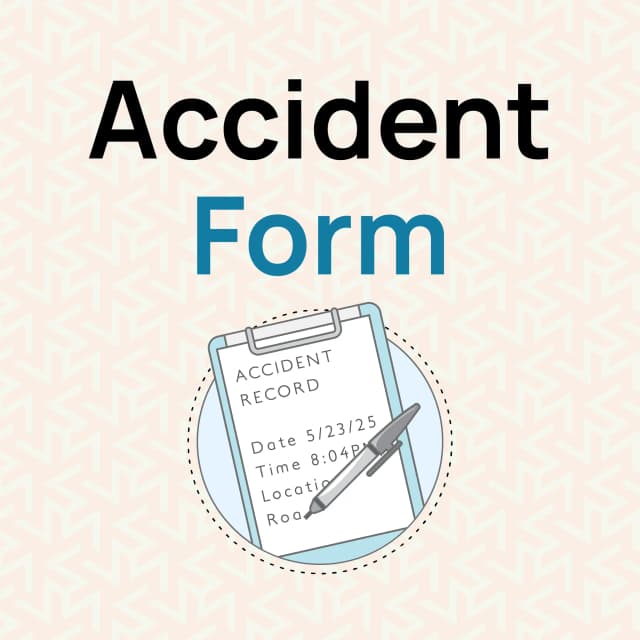
Accurately reporting workplace accidents is essential, not just to meet legal requirements, but to help maintain a safe working environment. In the UK, under RIDDOR 2013 (Reporting of Injuries, Diseases and Dangerous Occurrences Regulations), employers are required to report certain work-related injuries, illnesses, and dangerous occurrences. Accident forms play a key role in this process, helping to document incidents, identify risks, and prevent future harm.In this article, we�ll cover the key points about accident forms, their purpose, when they�re needed, and how they contribute to overall workplace safety.The Importance of Accident Forms in Workplace SafetyAn accident form is a crucial document used to report incidents that occur in the workplace. It serves as a detailed record of what happened, helping to ensure the event is documented for legal purposes. In cases where injuries or damages are involved, the form can act as evidence in court during legal proceedings.By accurately documenting incidents, employers can identify potential hazards, address risks early, and take proactive steps to reduce accidents in the future. This makes accident forms an integral part of any workplace safety strategy. .main{ border:3px solid #0f7c90; border-radius:20px; position: relative; font-family:roboto; font-weight: 400; color: #000; } .main-two{ position: absolute; top:-25px; left:45px; background-color:white; } .img-div{ border-radius : 100%; padding:2px 7px; background-color:#0f7c90; margin-right:5px; width: 50px; height: 50px; } .img{ width:30px; object-fit:contain; height:auto; border-radius : 100%; } @media only screen and (max-width: 600px) { .heading{ font-size:20px; } .img{ width:20px; object-fit:contain; height:auto; border-radius : 100%; } .img-div{ width: 40px; height: 40px; } .main-two{ left:25px; } } Put Your First Aid Knowledge into Practice by enrolling in a course today! Our First Aid courses equip you to handle critical situations and enhance workplace safety. Build confidence and expertise with Emergency First Aid at Work (EFAW) and Level 3 First Aid at Work meeting UK legal requirements. Key Information to Include on an Accident Report FormThe chart below outlines key information you should include in a workplace accident report form, which aligns with RIDDOR guidelines.SectionDetails to RecordInjured Person�s DetailsName, job title, department, contact informationDate & TimeExact date and time the accident occurredLocation of IncidentSpecific area or site within the workplaceIncident DescriptionClear explanation of what happened and howInjury DetailsType of injury, body part affected, severityImmediate Action TakenFirst aid given, emergency response, by whom and whenWitness InformationNames and contact details of any witnessesReported ByName, job role of the person completing the form, and date completedFollow-Up ActionsPreventive measures taken, referrals, or investigation stepsSignaturesFrom the injured person (if possible), the reporter, and a manager/supervisorTypes of Workplace Incidents That Require an Accident ReportUnder the Reporting of Injuries, Diseases and Dangerous Occurrences Regulations (RIDDOR), employers and those responsible for workspaces are expected to report specific incidents to the Health and Safety Executive (HSE). These include:Fatalities and Major Injuries: In case of serious injuries, such as fractures or amputations, these should be reported as soon as possible, either online or by phone.Over-Seven-Day Injuries: If an employee is unable to work for more than seven days, the incident should be reported within 15 days using the HSE�s online form.Occupational Diseases: If an employee is diagnosed with conditions like asthma or carpal tunnel syndrome related to their work, these should be reported within 10 days using the appropriate RIDDOR form.Dangerous Occurrences: In the event of a near miss or equipment failure that could have caused serious harm, it�s essential to report it promptly through the HSE system.Gas Incidents: If there are any gas-related issues, such as leaks, injuries, or unsafe fittings, these should be reported right away. Gas engineers and employers have designated online forms to use for these incidents. Accident Reporting: A Step-by-Step GuideWhen an accident occurs, responding quickly and correctly is essential. Here are the key steps to follow:Ensure safety: First, ensure that the area is safe to prevent further harm.Administer first aid: Provide immediate care to the injured person.Record first aid: If treatment was given, fill out a first aid report form.Notify management: Inform a supervisor or manager as soon as possible.Complete the accident form: Document the incident with all relevant details.Report under RIDDOR: Visit the HSE's online form to submit details of any work-related injuries or incidents and complete the accident report.Preserve the scene: If necessary, secure the area for investigation.ConclusionAccident reporting isn�t just about meeting legal obligations; it is vital in identifying risks, preventing future incidents, and promoting a safer workplace for everyone. Using accident forms helps capture essential details and supports continuous improvement in workplace safety.Frequently Asked QuestionsWhat must be recorded on an accident report form?Date, time, location, people involved, injury details, and witnesses.What is the accident reporting procedure in the workplace?Notify a supervisor, complete an accident form, and report under RIDDOR if required.In the event of an accident, what should be completed?An accident form or a first aid report form.What is a first aid report form used for?To record the treatment given and who provided it.Explore Our Popular First Aid CoursesLooking to boost your skills? Explore our range of first aid courses to find the right one for you.Here are some of our most popular first aid courses to help you stay prepared:Emergency First Aid at Work (1 Day): A one-day course covering vital skills like CPR, choking, bleeding control, and managing common emergencies. Ideal for low-risk workplaces.First Aid at Work (3 Days): A comprehensive three-day course that prepares you to respond to a wide range of injuries and illnesses. Meets HSE standards for high-risk environments.Paediatric First Aid (2 Days): Designed for those working with infants and children. Covers child-specific emergencies such as seizures, choking, and allergic reactions.Basic First Aid Course: Perfect for low-risk environments like offices, shops, and restaurants. This course is also ideal for those preferring online training. It teaches key first aid skills and builds confidence to handle everyday emergencies safely and effectively.Advanced First Aid Training: For those who need higher-level skills. Covers oxygen use, advanced trauma care, and secondary assessments for more complex situations.First Aid for Mental Health: Focuses on recognising and supporting people with mental health conditions like stress, anxiety, and depression, with an emphasis on early intervention.

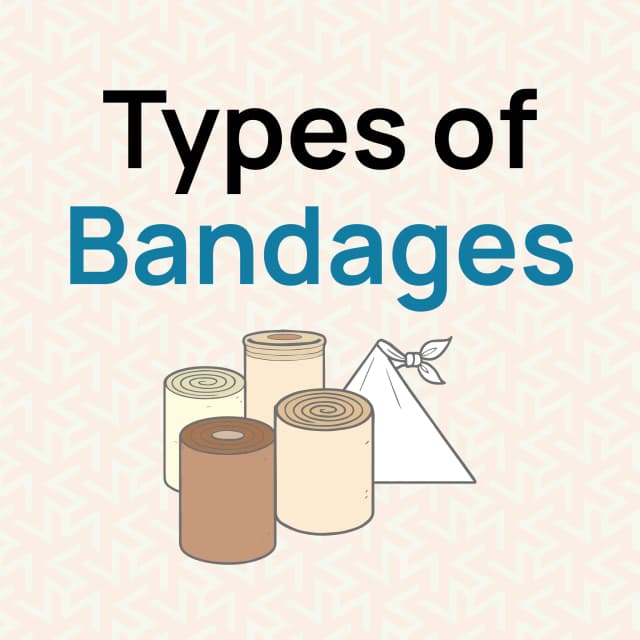
Injuries can happen at any moment, and knowing how to treat them effectively is essential. Bandages are a crucial part of any first aid kit, designed to protect wounds, support injured areas, and encourage healing.Whether you're managing a sprain, cut, or other injury, choosing the right bandage is key to providing proper care. With so many different types of bandages available, it�s important to understand their unique purposes.In this article, we�ll explore the five most important types of bandages and how to use them to provide effective first aid.Exploring Different Types of Bandages and Their Practical UsesNot all bandages do the same job. Knowing which one to grab is a crucial step in any first-aid emergency. Here�s a look at the different types and when to use each.Roller bandagesRoller bandages are flexible and commonly used to secure dressings, support joints, or apply pressure. They�re ideal for covering large areas and are easy to wrap around limbs.When to use:To hold a dressing in place.To provide support for a sprain or strain.To apply pressure to control bleeding.To cover large wound areas on arms or legs.Triangular bandagesTriangular bandages are adaptable cloths used to support, cover, or immobilise injuries. Their shape makes them especially useful for upper limb injuries.When to use:To create an arm or shoulder slingTo immobilise a fractured limbTo secure a dressing on the head or scalpAs a temporary wrap for splintingTubular bandagesTubular bandages are slip-on coverings designed for fingers, toes, and limbs. They offer light compression and protect minor injuries.When to use:To cover cuts or abrasions on fingers or toesTo protect dressings on minor woundsTo provide gentle compression for swellingTo secure padding on elbows, knees, or other jointsCrepe bandagesCrepe bandages are elastic wraps that provide compression and support for joint or muscle injuries. They help reduce swelling and stabilise affected areas.When to use:To support sprains or strainsTo reduce swelling in sprained areasTo keep wound dressings in placeFor compression in soft tissue injuriesCohesive bandagesCohesive bandages stick to themselves, not the skin, making them ideal for tricky areas. They offer flexible support and compression without the need for clips or tape.When to use:To support sprains and strainsTo wrap joints like wrists, knees, or fingersTo secure dressings on moving areasFor compression without adhesive on the skinComparison of Bandage Types and Their UsesHere�s a quick comparison of the five bandage types covered above, summarising their typical uses.Types of bandagesUsesRoller BandagesUsed for securing dressings, providing support, and stopping bleeding.Triangular BandagesUsed to create slings, immobilise limbs, or cover wounds.Tubular BandagesUsed to cover fingers, toes, and minor injuries for light compression.Crepe BandagesUsed for compression, support, and reducing swelling in sprains and strains.Cohesive BandagesUsed for compression and support, adheres to itself, ideal for joints. .main{ border:3px solid #0f7c90; border-radius:20px; position: relative; font-family:roboto; font-weight: 400; color: #000; } .main-two{ position: absolute; top:-25px; left:45px; background-color:white; } .img-div{ border-radius : 100%; padding:2px 7px; background-color:#0f7c90; margin-right:5px; width: 50px; height: 50px; } .img{ width:30px; object-fit:contain; height:auto; border-radius : 100%; } @media only screen and (max-width: 600px) { .heading{ font-size:20px; } .img{ width:20px; object-fit:contain; height:auto; border-radius : 100%; } .img-div{ width: 40px; height: 40px; } .main-two{ left:25px; } } Put Your First Aid Knowledge into Practice by enrolling in a course today! Our First Aid courses equip you to handle critical situations and enhance workplace safety. Build confidence and expertise with Emergency First Aid at Work (EFAW) and Level 3 First Aid at Work meeting UK legal requirements. How to Apply Different Types of BandagesEach type of bandage has its own special use, and applying them the right way makes all the difference in providing effective care. Whether you're tending to a small cut or helping someone with a sprain, knowing the best way to use each bandage will help things heal properly. To make sure you're applying each bandage correctly, refer to the guide below.Bandage TypeQuick Application GuideRollerAnchor at the far end; wrap toward the body, overlapping each layer by half its width; secure and check circulation.TriangularFold to the correct width for a sling; place under the limb; tie over the shoulder; tuck or pin ends out of the way.TubularSlide over the injured area (use an applicator if available); smooth out any wrinkles for a snug fit.CrepeWrap in a spiral or figure-eight pattern; overlap each layer by one-third of its width; secure and verify circulation.CohesiveTear to the needed length; wrap so it sticks to itself; press the end down; avoid wrapping too tightly. Quick-Reference: 5 Simple Steps to Apply a BandageThese five steps will help you bandage any minor injury quickly and confidently.Clean and dry the wound: Wash your hands, then gently clean the wound with water or a sterile saline solution. Pat the area dry with a clean gauze or cloth.Place a sterile dressing: Place a sterile dressing or pad over the wound without touching the side that will contact the skin. Smooth it down so it lies flat.Choose the right bandage: Select the appropriate bandage type (roller, crepe, cohesive, etc.) based on the injury location and required support or compression.Wrap from the lower end: Anchor your bandage at the point farthest from the heart, then wrap toward the body with even tension, overlapping each turn by about one-third.Secure and check circulation: Fasten the end of the bandage (with clips, tape, or by self-adhesion) and then check that the fingers or toes beyond the bandage are warm and pink and have a normal sensation.ConclusionUnderstanding how and when to use different bandages is a key part of effective first aid. Recognising their specific uses and applying them correctly can make all the difference in an emergency. To build your confidence and gain hands-on experience, consider enrolling in one of our First Aid Courses, a valuable step towards being fully prepared when it matters most.Frequently Asked QuestionsWhat are the 5 types of bandages in first aid?Roller, triangular, tubular, crepe, and cohesive bandages.When should I use each type of bandage?Use a roller for limbs, a triangular for slings, tubular for fingers, crepe for sprains, and cohesive for secure wrapping.Can I learn bandaging in a first aid course?Yes, first aid courses teach how to use and apply bandages correctly.Explore Popular First Aid Courses at HurakLooking to boost your skills? Explore our range of first aid courses to find the right one for you.Here are some of our most popular first aid courses to help you stay prepared:Emergency First Aid at Work (1 Day): Get equipped with essential life-saving skills in just one day. This course covers CPR, choking, bleeding control, and how to manage various workplace emergencies, ideal for low-risk environments.First Aid at Work (3 Days): A thorough three-day course designed to help you handle a wide range of injuries and illnesses in the workplace. Fully compliant with HSE requirements and perfect for high-risk settings.Paediatric First Aid (2 Days): Tailored for anyone working with babies and young children. Learn how to respond to emergencies like choking, febrile seizures, allergic reactions, and more in a childcare context.Basic First Aid Course: Great for general awareness outside the workplace. Learn how to treat minor injuries, burns, fainting, shock, and other common incidents.Advanced First Aid Training: For those needing a higher level of care. This course covers oxygen therapy, advanced trauma response, and detailed secondary assessments.First Aid for Mental Health: Learn how to identify and support individuals facing mental health challenges. Topics include stress, anxiety, depression, and practical early intervention techniques.

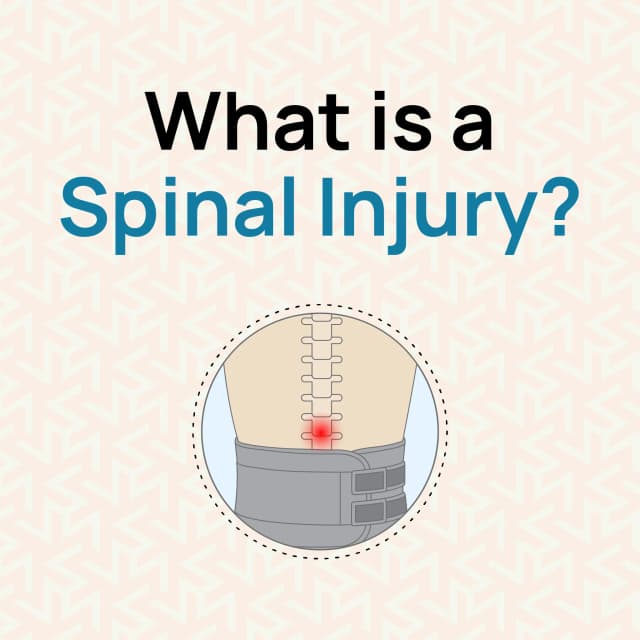
Spinal injuries can be life-threatening, so knowing how to act quickly and correctly in an emergency is vital. Whether you�re at home, at work, or outdoors, this guide will walk you through the key first aid steps and how to spot the signs of a spinal injury to help prevent further damage.What is a Spinal Injury?Spinal injuries happen when the spine or spinal cord is damaged, and they may lead to serious issues like paralysis. Because these injuries often happen without warning and can cause lasting disability, it�s vital to act quickly and correctly to prevent further harm. In the event of a spinal injury, understanding the importance of first aid training could mean the difference between recovery and permanent disability, or even life and death.Recognising the Symptoms of a Spinal InjuryUnderstanding what to look for in a potential spinal injury can help you respond more effectively. Below are some of the most common symptoms to be aware of in such situations.Neck or back pain or tenderness (especially in the spinal region).Difficulty moving limbs or inability to move.Numbness or loss of sensation in the arms, legs, or other body parts.Weakness or loss of coordination in the limbs.Paralysis (partial or complete, depending on the severity of the injury).Loss of bowel or bladder control.Breathing difficulties or trouble with respiration.Sharp or stinging pain in the neck or back.Muscle spasms in the back or limbs.Loss of consciousness or altered mental state (due to shock or head injury).Loss of sensation in the limbs.Deformity or abnormal positioning of the head, neck, or back.Unconsciousness or drowsiness.Common Causes of Spinal InjurySpinal injuries often result from sudden, forceful events that impact the spine or the structure surrounding the spine. The most common causes include:Falls: Especially from height, down stairs, or falling awkwardly during everyday activities. Older adults and people working at heights are particularly vulnerable.Road Traffic Accidents: High-speed collisions or sudden deceleration in a vehicle can cause severe spinal trauma.Motorcycle Accidents: Being thrown off or falling from a motorcycle frequently leads to back and spinal injuries, especially without proper protection.Sports Injuries: Contact and high-impact sports like rugby, diving, or horse riding can stress the spine significantly.Falling Objects: A heavy object hitting the back, every day in construction and warehouse settings, can result in spinal fractures or compression injuries. .main{ border:3px solid #0f7c90; border-radius:20px; position: relative; font-family:roboto; font-weight: 400; color: #000; } .main-two{ position: absolute; top:-25px; left:45px; background-color:white; } .img-div{ border-radius : 100%; padding:2px 7px; background-color:#0f7c90; margin-right:5px; width: 50px; height: 50px; } .img{ width:30px; object-fit:contain; height:auto; border-radius : 100%; } @media only screen and (max-width: 600px) { .heading{ font-size:20px; } .img{ width:20px; object-fit:contain; height:auto; border-radius : 100%; } .img-div{ width: 40px; height: 40px; } .main-two{ left:25px; } } Put Your First Aid Knowledge into Practice by enrolling in a course today! Our First Aid courses equip you to handle critical situations, including spinal injury management, and enhance workplace safety. Build confidence and expertise with Emergency First Aid at Work (EFAW) and Level 3 First Aid at Work meeting UK legal requirements. Step-by-Step Guide: How to Give First Aid for a Suspected Spinal InjuryIf you suspect someone has a spinal injury, giving the right first aid can make a big difference. Follow these step-by-step instructions to protect their spine and keep them safe until emergency help arrives.StepsActionDetails1Reassure and keep still.Tell the casualty not to move unless there�s immediate danger. Call 999 or 112, or ask someone else to call.2Support the head and neck.Kneel behind their head. Hold both sides of the head with fingers spread (don�t cover ears). Keep head, neck, and spine aligned.3Use rolled blankets for supportAsk a helper to place rolled blankets/towels on either side of the head to keep it steady in a neutral position.4Monitor breathing and responsivenessKeep checking their breathing and level of response while waiting for emergency services.5Open the airway with the jaw thrustPlace fingertips at the jaw angles and gently lift the jaw to open the airway; do not tilt the neck.6Check breathing for 10 secondsLook, listen, and feel for breathing by placing your ear near their mouth and looking down their body.7If breathingContinue supporting the head and monitor their breathing and response until help arrives.8If not breathingConfirm emergency call, start CPR immediately (if trained), and ask for a defibrillator (AED) if available.Recovery Position: When It�s the Only OptionIn most cases of suspected spinal injury, the casualty should not be moved to avoid worsening the injury. However, if they�re unresponsive and not breathing normally, and you can�t maintain an open airway, you may need to place them in the recovery position. This involves gently rolling the person onto their side, keeping the head, neck, and spine aligned as much as possible, with the head tilted slightly to keep the airway open. In such emergencies, ensuring the casualty is breathing takes priority over spinal stability. Simple Safety Measures to Avoid Spinal InjuryPreventing spinal injuries is about being mindful in everyday activities and making safe choices. Here are some simple steps you can take to protect your spine:Wear your seatbelt: Always buckle up, whether driving or riding in the car. It�s your first line of defence in a crash.Lift smart: When lifting heavy objects, bend your knees instead of your back. Keep the object close to your body and avoid twisting as you stand.Make your home fall-proof: Secure loose rugs, install handrails on stairs, and use non-slip mats in bathrooms to reduce the risk of falls.Stay active: Regular exercise helps strengthen your core muscles, supporting your spine. Even simple activities like walking or swimming will help keep your back healthy.Suit up for sports: Wear protective gear when playing or participating in recreational activities. Helmets and pads are essential in preventing serious injury.Think before you dive: Always check the water depth before diving. Avoid diving into shallow water to prevent spinal injuries.Keep kids safe: Ensure children use the appropriate car seats for their size and age, and always supervise them during rough play or at the playground.Not sure where to start? This infographic summarises the top four ways to protect your spine daily. ConclusionKnowing the signs of a spinal injury and how to respond quickly can help prevent serious harm. First aid training gives you the confidence to act fast in emergencies, and that can save lives. Simple everyday habits like wearing a seatbelt, lifting safely, and staying active all help protect your spine. A little care now can make a big difference later.Frequently Asked QuestionsWhat is the recovery position?The recovery position keeps the airway clear in someone who is unconscious but breathing. It involves gently rolling them onto their side with their head tilted back. If a spinal injury is suspected, only use it if absolutely necessary, such as if they�re vomiting or having trouble breathing. You�ll learn how to respond safely in situations like this in our First Aid at Work course.What should you not do if someone has a spinal injury?Don�t move them unless there�s an immediate danger. Avoid twisting their spine, removing helmets, or allowing them to sit up, stand, or walk, these actions could cause further harm.What are the signs of a spinal injury?Watch for neck or back pain, numbness, tingling, weakness, or difficulty moving limbs. Loss of sensation or control in the arms or legs can also be a sign. Always treat these symptoms seriously.What should you know about spinal injury first aid?Keep the person still, support their head and neck, and call 999. Only move them if they�re in danger or their airway is blocked. Reassure them and monitor their breathing until help arrives.Explore Popular First Aid Courses at HurakLooking to boost your skills? Explore our range of first aid courses to find the right one for you.Here are some of our most popular first aid courses to help you stay prepared:Emergency First Aid at Work (1 Day): A one-day course covering essential life-saving skills, including CPR, choking, bleeding control, and managing emergencies. Ideal for low-risk workplaces.First Aid at Work (3 Days): A comprehensive three-day training that prepares you to respond to a wide range of injuries and illnesses in the workplace. Meets HSE requirements for high-risk environments.Paediatric First Aid (2 Days): Designed for those working with infants and children. Covers child-specific emergencies like choking, febrile seizures, allergic reactions, and more.Basic First Aid Course: Perfect for general awareness. It covers basic skills like dealing with minor wounds, burns, shock, and fainting and is suitable for non-workplace settings.Advanced First Aid Training: Intended for those needing higher-level skills. Includes oxygen administration, advanced trauma management, and secondary assessments.First Aid for Mental Health: Focuses on identifying, understanding, and supporting individuals with mental health conditions. Covers stress, anxiety, depression, and early intervention strategies.

Gamophobia, the fear of commitment or marriage, can be a painful and isolating experience. For many, it�s rooted in past heartbreak, trauma, or toxic relationships. In this article, we�ll take a closer look at what causes gamophobia, the symptoms it can trigger, and how it can be treated.What is Gamophobia? Gamophobia is an intense and often irrational fear of commitment, particularly in romantic relationships. People with this fear may feel anxious or overwhelmed at the idea of long-term relationships or marriage. As a result, they may avoid serious connections altogether, which can negatively affect their personal lives.Symptoms of GamophobiaThe symptoms of gamophobia can vary, but they typically include:SymptomsExamplesIntense anxietyA strong sense of dread or panic when thinking about or discussing commitment.Avoidance behaviourActively avoiding relationships that may lead to commitment or a serious partnershipPhysical symptoms�Sweating, rapid heartbeat, or nausea when faced with commitment-related conversations or situations.Negative thoughtsConstantly worrying or thinking negatively about marriage, long-term relationships, or future commitment.Understanding the Root Causes of GamophobiaWitnessing Parental DivorceObserving the breakdown of parental relationships, such as divorce, can leave a lasting fear of commitment.Personal Experience with Toxic RelationshipsIndividuals who have suffered emotional trauma or betrayal in previous relationships may fear repeating these experiences.Fear of Repeating Negative PatternsGrowing up in unstable or dysfunctional relationships can lead to a fear of repeating similar patterns in one's own romantic life.Low Trust in OthersPast betrayals, such as infidelity or manipulation, may make it difficult for someone to trust others in a long-term relationship.Societal PressureUnrealistic expectations around marriage and commitment can create anxiety, with individuals fearing failure or loss of independence.Is Gamophobia the Same as Commitment Issues?While gamophobia specifically refers to the intense fear of marriage or long-term commitment, commitment issues is a broader term. People with commitment issues may struggle with emotional vulnerability, fear of losing independence, or past relationship trauma, but not all experience the irrational fear or anxiety that defines gamophobia. In essence, all gamophobes have commitment issues, but not everyone with commitment issues has gamophobia.How to Treat Gamophobia While gamophobia can feel overwhelming, there are effective strategies to overcome it and build healthier relationship patterns.Cognitive Behavioural Therapy (CBT)CBT is a proven method for addressing irrational fears. A therapist helps individuals identify negative thought patterns around commitment and replace them with healthier responses.Open CommunicationIf you�re in a relationship, having honest conversations about your fears can create mutual understanding. Openness can reduce pressure and help partners navigate commitment together.Gradual Exposure Facing commitment-related situations gradually can reduce fear over time. Start with small steps, like discussing future plans or committing to regular meetups, in a relaxed setting.Practice Self-ReflectionJournaling, mindfulness, or guided introspection can help uncover the personal beliefs and past experiences contributing to your fear of commitment. ConclusionGamophobia, the fear of commitment or marriage, can feel isolating, but it's more common than you might think. With the right support, whether through therapy, communication, or self-reflection, it is possible to overcome this fear and build healthier, more meaningful relationships. Frequently Asked QuestionsWhat is the meaning of gamophobia?Gamophobia is the irrational fear of commitment or marriage, often triggered by past trauma, failed relationships, or emotional insecurity.Is gamophobia the same as commitment issues?Not exactly. Commitment issues can be mild and situational, whereas gamophobia is a more intense, often anxiety-inducing fear of long-term relationships or marriage.What are the common signs of gamophobia?Typical signs include intense anxiety when thinking about commitment, avoiding serious relationships, negative thoughts about marriage, and physical symptoms like nausea or sweating.Can gamophobia be treated?Yes. Gamophobia is treatable through methods like cognitive-behavioural therapy (CBT), gradual exposure, open communication, and self-reflection.What causes gamophobia?It can stem from witnessing parental divorce, toxic past relationships, fear of repeating negative patterns, trust issues, or societal pressures around marriage.Explore Our Popular First Aid and Mental Health Training CoursesLooking to broaden your first aid knowledge? Here are more expert-led courses we offer at Hurak:First Aid at Work: A comprehensive 3-day course equipping employees with essential first aid skills for high-risk workplaces.Emergency First Aid at Work: A 1-day practical course covering life-saving techniques for low-risk work environments.Online First Aid At Work Course: A flexible, CPD-accredited course to build first aid knowledge at your own pace, ideal for general awareness.Mental Health First Aid: Learn to recognise, respond to, and support mental health issues in the workplace with this certified training.Looking for more information on Mental Health First Aid? Visit our Mental Health First Aid courses to explore available training options.

Ombrophobia is a specific phobia characterised by an intense fear of rain. Ombrophobes may feel anxious or panicked even at the thought of rain. Though the term is not widely known, the condition is relatively common in the UK.Exploring OmbrophobiaOmbrophobia is marked by an overwhelming and irrational fear of rain. Although the condition is rarely diagnosed, it is relatively common among people in the UK, where rain is frequent. An ombrophobe may experience anxiety or panic attacks simply at the thought of rain. While rain can be unpleasant due to the discomfort it causes, individuals with ombrophobia are significantly affected, often disrupting their daily lives.Signs and Symptoms of OmbrophobiaPeople with ombrophobia often experience a combination of physical and behavioural symptoms when confronted with rain or even the thought of it. These reactions can range from mild discomfort to severe anxiety, and they may interfere with daily functioning.Physiological symptomsBehavioural symptomsDizzinessAvoiding outdoor activities due to rainy weather.NauseaConstantly checking weather forecastsTrembling�Skipping appointments or travel due to rainRapid breathingExcessive worry about loved ones being exposed to rainProfuse sweatingSocial withdrawal to avoid rain-related stressorsWhat Causes Ombrophobia? Key Factors Behind the Fear of RainOmbrophobia can stem from a range of psychological and environmental influences. While every individual�s experience is unique, the following are some of the most common contributing factors:Traumatic ExperiencesA direct or indirect traumatic event involving rain, such as being caught in a thunderstorm, a flooding incident, or even a frightening weather-related news story, can leave a lasting emotional imprint. This trauma may lead the brain to associate rain with danger, triggering a persistent fear response.Learned BehaviourFear can be learned through observation. Children who see parents or caregivers reacting anxiously to rain or storms may internalise this fear themselves. Over time, this behaviour can evolve into a deep-seated phobia, especially if left unaddressed.Sensory SensitivitiesFor individuals with heightened sensory processing, such as those on the autism spectrum or with sensory processing disorder, the sound, feel, or even smell of rain can be overwhelming or distressing. This discomfort may contribute to developing ombrophobia over time.Underlying Anxiety or Mental Health ConditionsPeople with generalised anxiety disorder (GAD), panic disorder, or other mental health conditions may be more prone to developing specific phobias like ombrophobia. In such cases, the fear of rain may be a symptom of broader emotional distress or hypervigilance.How to Cure Ombrophobia: Effective Treatment OptionsIf you're struggling with ombrophobia, there are several ways to manage the fear and regain control. These strategies combine education, therapy, self-help techniques, and social support to guide you on your recovery journey:Education And AwarenessUnderstanding what ombrophobia is and why it happens can make it feel less overwhelming. Learning about its causes and triggers gives you the tools to face the fear with more confidence and control.Cognitive Behavioural Therapy (CBT)CBT is one of the most effective ways to treat phobias. It helps you spot and challenge the negative thoughts you have about rain. With the help of a therapist, you�ll learn how to replace these thoughts with more balanced, realistic ones, making rainy days feel less threatening.Exposure TherapyExposure therapy is a powerful CBT technique. It works by gradually exposing you to rain-related situations in a safe and controlled way. You might start by listening to rain sounds or looking at images of rain, and slowly progress to being outside in light rain. This step-by-step process, known as systematic desensitisation, teaches your brain that rain isn�t something to fear.Medication SupportIn more serious cases, when therapy on its own isn�t enough, short-term medication might be an option. Always speak to your GP or a mental health professional first. Medication is usually most effective when used alongside therapy, not as a standalone solution.Relaxation and Mindfulness TechniquesThese techniques help reduce anxiety and calm your body during stressful moments:Deep Breathing Exercises: Slow, steady breathing activates your body�s natural relaxation response and helps ease panic.Progressive Muscle Relaxation: Tensing and relaxing your muscles one group at a time can release physical tension and reduce stress.Mindfulness Meditation: Staying present helps you feel more grounded and less reactive to rain-related triggers.Join a Community or Support GroupTalking to others who share the same fear can be incredibly comforting. Whether online or in person, support groups give you a space to share experiences, gain encouragement, and learn practical tips from people who genuinely understand what you're going through. Coping Strategies for OmbrophobiaCheck out these practical coping strategies for managing ombrophobia, presented in an easy-to-follow image:Frequently Asked QuestionsWhat is ombrophobia, and how is it related to rain anxiety?Ombrophobia is an intense fear of rain, often leading to anxiety, avoidance behaviours, and distress during rainy conditions. It�s also commonly referred to as rain anxiety.What causes ombrophobia to develop?Ombrophobia may be caused by past traumatic experiences related to storms or heavy rain, learned behaviours from others, or underlying anxiety disorders.What are the symptoms of ombrophobia?Symptoms can include rapid heartbeat, sweating, nausea, panic attacks, and a strong desire to avoid rain or stay indoors during wet weather.How can you treat or cure ombrophobia?Treatment options include cognitive behavioural therapy (CBT), exposure therapy, medication for anxiety, and relaxation techniques to manage symptoms.Explore Our Range of First Aid and Mental Health Training Courses Looking to broaden your first aid knowledge? Here are more expert-led courses we offer at Hurak: Emergency First Aid at Work (EFAW) � A one-day Level 3 course suitable for low-risk workplaces, covering essential first aid skills. Basic Life Support (BLS) Course � Learn critical life-saving procedures including CPR, AED usage, and choking response. Mental Health First Aid (MHFA) � Equip yourself with the skills to support mental well-being and manage mental health crises in both workplace and community environments. Looking for more information on Mental Health First Aid? Visit our Mental Health First Aid courses to explore available training options.

Musophobia is a specific phobia that involves irrational fear of mice and rats. It is a common phobia in the UK and can cause significant anxiety and distress, impacting daily life activities. It�s often said that the fear started because rats were linked to the terrible sickness of the Great Plague.Defining musophobia: The fear of mice and ratsMusophobia, also known as Murophobia or Suriphobia, is a persistent or overwhelming fear of mice or rats. We often worry about rats for practical reasons like food and sickness, but for those with musophobia, the fear causes severe anxiety and problems in their daily lives.How common is musophobia?Accurate figures for an actual phobia are challenging to obtain, but it is estimated that thousands of people across the UK experience musophobia. Some studies suggest that as many as 1 in 6 people in the UK are affected by musophobia. The phobia is reportedly more common in females than males.Musophobia vs Fear of Rats: What's the difference?It�s important to distinguish between a general dislike or unease around rodents and a phobia. Musophobia involves an intense and irrational fear that can lead to significant distress and impact daily life, potentially causing avoidance behaviours and even panic attacks. To be classified as musophobia according to the DSM-5-TR (Diagnostic and Statistical Manual of Mental Disorders, Text Revision), the fear of rats must meet the following criteria:Marked fear or anxiety about rats or miceMice or rats almost always provoke immediate fear or anxietyMice and rats are actively avoidedThe fear of mice is out of proportion to the actual dangerThe fear, anxiety or avoidance is persistent, typically lasting for 6 months or moreThe fear or anxiety causes clinically significant distressThe disturbances are not better explained by the symptoms of another mental disorderHow musophobia affects you: key symptomsThe symptoms of musophobia vary from person to person. However, they often involve psychological, physical, and behavioural responses.Psychological symptomsPhysical symptomsBehavioural symptomsFeeling of panicIncreased heart rate and palpitationsScreaming or cryingSignificant nervousness or worryProfuse sweating, especially on the palms, forehead, or underarms.Trying to escape the situation.A sense of losing controlTrembling of the hands, legs, or entire body.Seeking reassurance from other people.Persistent images of rats or mice.Shortness of breathConstantly looking for signs of mice.Actively trying to avoid places where mice or rats might be presentFeeling of nausea.Avoiding conversations or pictures of mice,Spending an excessive amount of time worrying about encountering mice or rats.Feeling dizzy or unsteady.Sleeping difficulty due to fear of encountering mice during the night.Looking for more information on Mental Health First Aid? Visit our Mental Health First Aid courses to explore available training options.How to overcome musophobia effectivelyThe most effective way to deal with musophobia is to learn about the symptoms and develop coping strategies. You can learn to deal with the feelings and manage the symptoms through different therapies available both online and offline. Let�s have a quick look at some of them.Cognitive behavioural therapy Cognitive behavioural therapy offers a practical and structured path to tackling the fear of rodents.The therapy focuses on the powerful connection between thoughts, feelings, and actions.CBT helps to identify the negative automatic thoughts about rodents and replace them with more balanced and practical thoughts. Graded exposure is a key element for CBT, where you learn to confront your fear of mice slowly and safely in a controlled environment.CounsellingCounselling provides a supportive and confidential space to explore the emotional roots of your musophobia.It offers valuable insights and coping mechanisms.HypnotherapyHypnotherapy offers a quick approach by harnessing the power of focused attention and deep relaxation to access your subconscious mind.Through suggestion and guided imagery, hypnotherapy can help to reframe your negative associations with mice and rats, replacing fear with feelings of calm and neutrality. Frequently Asked QuestionsWhat is musophobia, and what causes it?Musophobia is the intense fear of mice and rats, which can stem from past traumatic experiences, genetic predisposition, or learned behaviours. This phobia often causes significant anxiety when confronted with rodents or even thoughts of them.What are the symptoms of musophobia?Symptoms include rapid heartbeat, sweating, shortness of breath, dizziness, and an overwhelming desire to flee when encountering mice or rats. These physical reactions can severely impact daily life, especially in environments where rodents are common.How can I overcome musophobia?Overcoming musophobia typically involves cognitive behavioural therapy (CBT), exposure therapy, and relaxation techniques like deep breathing and mindfulness. Seeking professional help is crucial to develop a plan tailored to your needs, helping you manage fear more effectively.How common is musophobia in the UK?Musophobia is relatively common, especially in urban areas where encounters with rodents are more frequent. The severity of the phobia can vary, with some individuals experiencing only mild anxiety, while others may suffer from intense fear and panic attacks.Is it possible to have musophobia and a fear of saliva together?Yes, it�s possible to experience both musophobia and sialophobia (fear of saliva) simultaneously. These two phobias can exacerbate each other, leading to heightened anxiety in situations where both fears are triggered. Explore our expert-led first aid and mental health training coursesInterested in building the skills to help in both physical and emotional emergencies? At Hurak, we offer a range of accredited, expert-led courses designed to equip you with essential life-saving and mental health support knowledge.Emergency First Aid at Work (EFAW) � A one-day Level 3 course ideal for low-risk environments. Learn how to handle common workplace emergencies with confidence.Basic Life Support (BLS) Course � Master critical procedures like CPR, how to use an AED, and how to respond to choking�skills that save lives.Mental Health First Aid (MHFA) � Learn to recognise signs of mental distress, offer initial support, and guide people toward professional help, whether at work or in everyday life.If you or someone you know is struggling with a fear like musophobia, our Mental Health First Aid courses can help you better understand and support those affected.
Create an online video course, reach students across the globe and earn money