Hurak

Articles

Browse all articles - 423 results

baby-cpr-uk-guide-hurak
November 19, 2025
Paediatric First Aid

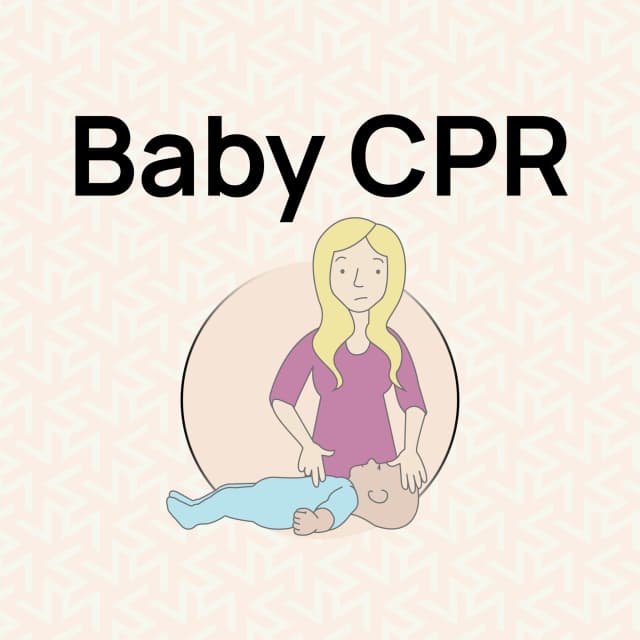
Baby CPR: Step-By-Step to Performing CPR on a Baby or Child

Read the full article for more details.

baby-choking-uk-guide-hurak
November 19, 2025
Paediatric First Aid

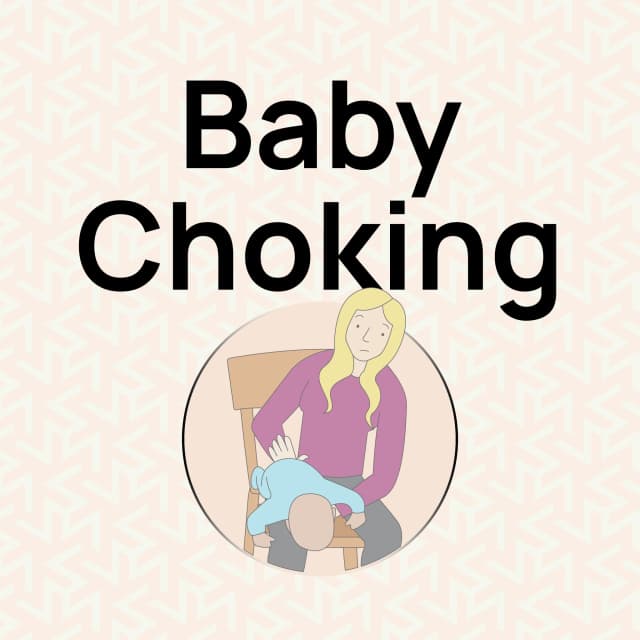
Baby Choking: What Every Parent and Caregiver Should Know About

A baby choking is every parent's worst nightmare. It happens suddenly, while playing, feeding, or even when the baby is lying down. Babies naturally put objects in their mouths as they explore and learn about the world. Choking accidents are more common than many people think. Understanding what to do if your baby is choking can make a life-saving difference. Whether it's a piece of food, a small object or milk going the wrong way, knowing the proper first aid steps and how to position your baby correctly can help clear their airway quickly and safely. In this step-by-step guide, you will learn everything parents and caregivers need to know about baby choking first aid, from spotting the signs of choking to what to do when a newborn chokes on milk and how to stop a baby choking safely and confidently. Understanding Baby Choking Choking occurs when something blocks a baby's airway, making it difficult or impossible for them to breathe. It can happen suddenly during feeding, while playing or even when the baby is lying down. Babies explore the world with their mouths, which makes them especially vulnerable. Difference Between Gagging and Choking  It's essential to understand the difference between gagging and choking. Gagging is the baby's natural reflex to clear the throat. The baby may cough or make noises and can usually breathe. Choking, however, is a more serious issue. The airway is either wholly or partially blocked, and the baby may be unable to cry, cough, or breathe. Why babies are more prone to choking Babies are naturally at a higher risk of choking because their bodies and reflexes are still developing. Understanding the reasons can help parents take simple precautions to keep their little ones safe during feeding and playtime. Small airways: A baby’s airway is very narrow, so even a tiny piece of food, a toy, or an object can block it. This makes them more vulnerable to choking compared to older children or adults. Exploring with their mouths: Babies learn about the world by putting things in their mouths. It’s part of how they explore. Unfortunately, this curiosity often leads to them mouthing objects that are unsafe or too small to chew. Newborn feeding: During feeding, especially in newborns, milk can sometimes flow into the airway instead of the stomach. This can happen due to improper feeding positions or fast-flow nipples. Due to their small airways and natural curiosity, babies require constant supervision when eating or playing. Being alert and prepared can significantly reduce the risk of choking. Everyone should know basic life-saving skills. You can also enhance your knowledge by enrolling in a course today! Our first aid courses provide comprehensive training to help you handle critical situations effectively. Whether you are a parent or childcare professional, these courses help build confidence and expertise. View our Paediatric First Aid Training (2 days) and Online First Aid at Work course. Signs of Baby Choking  Recognising choking in a baby as soon as it happens can make all the difference in how effectively you respond. Babies can’t always signal distress clearly, so parents and carers need to know what to look for to recognise it. Understanding the warning signs early helps you act fast and potentially save a life. Inability to make sounds or cry If your baby suddenly stops making any noise while feeding or playing, it may indicate that their airway is completely blocked. If the baby cannot cry, cough, or make any sound, this is a clear indication that air is not passing adequately, and you need to act quickly. Weak or no cough Coughing is the body's natural defence mechanism for clearing the airway. If the baby is attempting to cough but is unable to, it may indicate a severe obstruction. If the baby has only minimal cough attempts or has completely stopped coughing, you need to help the baby open the airway rather than waiting for it to open on its own. Skin or lips turning blue or pale A change in skin tone, especially around the lips or face, is a late and serious sign of choking. It indicates that the baby isn’t getting enough oxygen. This symptom requires urgent attention. Begin first aid immediately and call for emergency help if necessary. Difficulty breathing or noisy breathing If your baby is struggling to breathe, gasping, or making high-pitched noises, it suggests a partial airway obstruction. Even if the baby can still draw some breath, this situation can worsen quickly, so it’s essential to stay alert and ready to act. Panic or flailing arms A choking baby may look scared or begin waving their arms in panic. This physical distress is often an instinctive reaction to the sudden inability to breathe correctly. It’s crucial to stay calm, as a quick and composed response can help your baby recover more quickly. Recognising these signs early allows you to respond immediately with the correct first aid techniques, such as back blows and chest thrusts, before professional help arrives. The faster you act, the better the chances of clearing the blockage and preventing serious complications. Common Causes of Baby Choking Choking can occur in various situations, and some are more common than others. Understanding the potential causes can help parents, carers, and childcare professionals reduce the risk. Below are some of the most common choking hazards for babies and young children:   Cause Description Choking on milk Newborns and infants can choke on milk, especially if they feed too quickly or lie flat while feeding. Small food items Foods like grapes, nuts, chunks of meat, and hard candies can block the airway if not prepared correctly. Toys and household objects Small items like coins, buttons, beads, and toy parts can easily become choking hazards for babies and toddlers. Improper feeding techniques Overfilled bottles or fast-flow nipples cause babies to swallow too much at once, increasing choking risks. Feeding in a lying-down position Feeding in this position increases the risk of choking as milk can flow into the wrong airway. Lack of supervision Choking often happens when babies are left alone, even for a short time, while eating or playing. Sticky or chewy foods Foods like peanut butter, marshmallows, and certain candies can get stuck in the airway, particularly for younger children. Playing with small toys Babies and toddlers often put small toys or toy parts in their mouths, creating choking hazards. Poorly cut food Large chunks of food or food that’s not appropriately cut can block a baby’s airway, leading to choking. Sudden distractions Distractions during feeding or play can cause babies to accidentally swallow or put objects in their mouths too quickly, leading to choking. What to Do If Your Baby is Choking: A Step-by-Step Guide When a baby chokes, acting quickly and calmly can save their life. The following steps are based on NHS guidelines and are designed to be clear and actionable for all carers. 1. Assess the situation:  If the baby can still cough or cry, allow him/her to continue what he/she was doing, as this helps dislodge the obstruction. If the baby cannot make any sounds (cries or coughs) or is turning blue from lack of breath, you need to act immediately 2. Call for Help: Call 999 or 112 for emergency assistance. If you are busy helping your baby, ask someone nearby to call for you. 3. Position the Baby: For infants under 1 year old, lay the baby face down along your forearm, supporting the head and neck. Ensure the head is lower than the chest. 4. Administer Back Blows: Using the heel of your hand, give up to five sharp back blows between the baby’s shoulder blades. Check after each blow to see if the object has been dislodged. 5. Perform Chest Thrusts: If the blockage remains, turn the baby face-up, keeping the head lower than the chest. Place two fingers in the centre of the chest, just below the nipple line. Give up to five sharp chest thrusts. 6. Repeat if Necessary: Continue alternating back blows and chest thrusts until the object is expelled or emergency help arrives. If at any point the baby becomes unresponsive and is not breathing, begin infant CPR. Below is a visual checklist of the essential do's and don'ts to follow when handling a choking baby or infant: Prevent Choking in Infants  Prevention is always better than dealing with a choking emergency. Here are simple steps to reduce the risk of your baby choking: Supervise feeding and play: Always supervise the baby while they eat or play. Don't leave an infant or toddler alone and unattended with small objects or food. Feed in the correct position: When feeding your baby, you should hold them slightly upright. Whether the baby is bottle-fed or breastfed, you want to make sure you burp them often to prevent milk from coming back up quickly. Offer age-appropriate foods: Don't give babies under 4 years anything small, complex, or round like nuts, grapes, popcorn, or hard candies. For soft foods, cut them into tiny, manageable pieces. Offer age-appropriate foods: Store small items such as coins, buttons, and small toy pieces on high surfaces so babies cannot reach them, and check your floors and the surfaces below them for potential choking hazards regularly. Stay up-to-date with first aid for baby choking: It is essential for parents, caregivers, and childcare providers to stay up to date with first-aid training pertaining to infants who are choking. Take a first-aid certification course to be confident and knowledgeable about how to respond in an emergency. Conclusion  Choking can happen suddenly, and every second counts when a baby’s airway is blocked. Understanding the signs of choking, knowing what to do if your baby is choking, and learning the correct positioning for back blows and chest thrusts can save a life. Parents, carers and childcare professionals choosing the best first aid training qualification play vital roles in keeping babies safe. While emergency first aid is vital, prevention is equally important; supervising feeding, offering age-appropriate foods and keeping small objects out of reach can significantly reduce risks Frequently Asked Questions How should you position a choking infant when you begin to treat them? Hold the baby face down along your forearm, supporting the head and neck. Keep the head lower than the chest for a back blow. If chest thrusts are needed, turn the baby face-up while still supporting the head and neck. How to stop a baby choking? Back-to-back five blows and five chest thrusts for infants under 1 year. Call emergency services if the baby cannot breathe or becomes unresponsive. Avoid finger sweeps unless the object is clearly visible. What to do if a newborn chokes on milk? Sit the baby slightly upright during feeding and burp regularly. If choking occurs, follow the back blows and chest thrust sequence. Call emergency services if the baby cannot clear the milk and shows signs of distress When should you seek medical help after a choking incident? Seek medical attention even if the baby seems fine afterwards. Call emergency services immediately if the baby cannot breathe or coughs or turns blue. Newborns choking on milk or other fluids should always be assessed by a healthcare professional. Explore Other First Aid Courses at Hurak Looking to boost your skills? Explore our range of first aid courses to find the right one for you. Here are some of our most popular first aid courses to help you stay prepared: Emergency First Aid at Work (1 Day): A one-day course covering essential life-saving skills, including CPR, choking, bleeding control, and managing emergencies. Ideal for low-risk workplaces. First Aid at Work (3 Days): A comprehensive three-day training that prepares you to respond to a wide range of injuries and illnesses in the workplace. Meets HSE requirements for high-risk environments. Paediatric First Aid (2 Days): Designed for those working with infants and children. Covers child-specific emergencies like choking, febrile seizures, allergic reactions, and more. Basic First Aid Course: Perfect for general awareness. It covers basic skills like dealing with minor wounds, burns, shock, and fainting and is suitable for non-workplace settings. Advanced First Aid Training: Intended for those needing higher-level skills. Includes oxygen administration, advanced trauma management, and secondary assessments. First Aid for Mental Health: Focuses on identifying, understanding, and supporting individuals with mental health conditions. Covers stress, anxiety, depression, and early intervention strategies.

self-harm-uk-guide-hurak
November 18, 2025
Mental Health First Aid

Self-Harm: Understanding the Reasons, Types and How to Stop

Read the full article for more details.

Bipolar-disorder-uk-guide-hurak
November 18, 2025
Mental Health First Aid

Is It More Than Mood Swings? Understanding Bipolar Disorder

Read the full article for more details.

what-is self-esteem-uk-guide-hurak
November 11, 2025
Mental Health First Aid

Exploring Self-Esteem: Signs, Causes, and Ways to Strengthen It

Self-esteem refers to your overall sense of self-worth and how much you value and believe in yourself. It plays a significant role in your confidence, decision-making, and emotional well-being. When self-esteem is low, it can lead to self-doubt, anxiety, and a negative self-image.In today�s world, where social comparison is constant, it�s essential to understand the meaning of self-esteem. Strengthening your self-esteem can enhance both mental health and quality of life.�Understanding Self-Esteem�Self-esteem is our internal sense of worth that influences how we think and feel about ourselves. It is not about being perfect or having pride; instead, it involves self-acceptance and the belief that we deserve respect and happiness.Experts view self-esteem as a fundamental part of emotional well-being. High self-esteem fosters motivation and resilience, while low self-esteem can lead to social withdrawal or excessive compensatory behaviour. The good news is that self-esteem can always be rebuilt with patience and self-awareness.What Is Low Self-Esteem?Low self-esteem is more than occasional doubt; it�s an ongoing belief that you�re not capable, deserving, or valuable. People with low self-esteem often doubt their decisions, feel inadequate compared to others, and struggle to accept compliments or acknowledge their achievements. This mindset can manifest in many ways, such as harsh self-criticism, excessive worry about making mistakes, fear of failure, or avoidance of new challenges. It can also affect relationships, as individuals may struggle to express their needs, set boundaries, or trust others.Recognising the signs of low self-esteem is a crucial first step toward positive change. Awareness allows individuals to identify patterns of negative thinking and self-sabotaging behaviours. Over time, consistently applying these strategies can lead to a healthier self-image, improved decision-making, and more fulfilling personal and professional relationships.Signs and Symptoms of Low Self-EsteemLow self-esteem can affect thoughts, emotions, and behaviour. Common signs include:Self-doubt: Constantly questioning your abilities or decisions.Negative self-talk: Criticising yourself or focusing on weaknesses.Fear of failure: Avoiding challenges due to worry about making mistakes.Difficulty accepting praise: Downplaying achievements or feeling undeserving.Perfectionism: Feeling anything less than perfect is a failure.Social anxiety: Feeling nervous in social situations or avoiding interactions.People-pleasing: Putting others� needs first to gain approval.What Causes Low Self-Esteem?Low self-esteem develops from a combination of personal experiences, emotions, and environmental factors. Common causes include:Childhood experiencesNeglect, harsh criticism, or a lack of emotional support can cause children to internalise feelings of unworthiness.Bullying and peer rejectionRidicule or social exclusion reinforces self-doubt.TraumaAbuse, loss, or other traumatic events can create lasting feelings of guilt, shame, or helplessness.Social comparisonComparing oneself to others, especially on social media, can intensify feelings of inadequacy.Environmental and emotional factorsToxic relationships, high-pressure environments, anxiety, or perfectionism can reinforce negative self-beliefs.Negative self-talkPersistent self-critical thoughts shape behaviour and hinder confidence.How To Improve Self-EsteemImproving self-esteem starts with recognising and understanding your inherent value as a person. One practical approach is to challenge negative thoughts and self-criticism, replacing them with balanced and positive perspectives.�Celebrating achievements, whether big or small, reinforces a sense of accomplishment and reminds you of your abilities. Taking small risks and stepping out of your comfort zone can gradually build your confidence, demonstrating that you are capable of handling challenges.Equally important is surrounding yourself with supportive and encouraging people who uplift you, rather than bring you down. Strengthening self-esteem also involves building healthy attachment and independence.When To Seek Professional Help�Low self-esteem can significantly impact various aspects of life, including personal confidence, relationships, and overall mental health. When persistent feelings of self-doubt or inadequacy begin to interfere with daily functioning, consulting a mental health professional can be highly beneficial. Therapy and counselling provide a structured and supportive environment to explore these feelings, identify their underlying causes, and develop evidence-based strategies to enhance self-esteem.�Such interventions often focus on cultivating emotional resilience, challenging negative thought patterns, and increasing self-awareness. Techniques include practising self-compassion, developing assertiveness skills, and learning adaptive coping mechanisms to manage criticism or setbacks effectively. Approaching self-esteem in this proactive manner aligns with the principles of mental health first aid:Recognising signs of psychological distressUnderstanding their impactImplementing strategies to support mental well-beingOver time, these approaches contribute to improved confidence, healthier interpersonal relationships, and a more stable and positive sense of self.Conclusion�Low self-esteem can impact various aspects of your daily life, including personal relationships, professional performance, and overall mental well-being. However, with awareness, consistent effort, and supportive guidance, it is possible to improve and nurture a stronger sense of self-worth. Understanding what self-esteem is and how it develops is the first step toward meaningful change.�By practising strategies like challenging negative thoughts, celebrating achievements, setting realistic goals, and surrounding yourself with positive influences, you can reshape your self-perception. Seeking professional support can also provide valuable tools to enhance your emotional resilience.These efforts lead to greater confidence, better decision-making, healthier relationships, and overall life satisfaction. Building self-esteem is an ongoing process that, with persistence and support, empowers you to face challenges confidently and embrace a more fulfilling life.FAQsWhat is self-esteem, and why is it important?Self-esteem is the overall sense of how much you value and believe in yourself. It affects your confidence, decision-making, and emotional health. Healthy self-esteem helps you handle challenges, form strong relationships, and maintain a positive outlook on life.What are the common signs of low self-esteem?People with low self-esteem may experience self-doubt, negative self-talk, fear of failure, difficulty accepting praise, perfectionism, social anxiety, or people-pleasing behaviour. Recognising these signs is the first step toward improving self-worth.What causes low self-esteem?Low self-esteem often develops from adverse childhood experiences, bullying, trauma, or constant comparison to others. It can also result from perfectionism, toxic relationships, or prolonged stress.How can I improve my self-esteem?You can improve self-esteem by challenging negative thoughts, celebrating achievements, setting realistic goals, and surrounding yourself with supportive people. Practising self-compassion and seeking therapy when needed can also help.How long does it take to build self-esteem?Improving self-esteem is a gradual process that varies from person to person. With consistent effort, positive thinking, and professional support, many people begin to notice changes within weeks or months.

A Comprehensive Guide to Fire Safety Signs: Regulations, Categories, and Colour Codes
October 30, 2025
Health and Safety

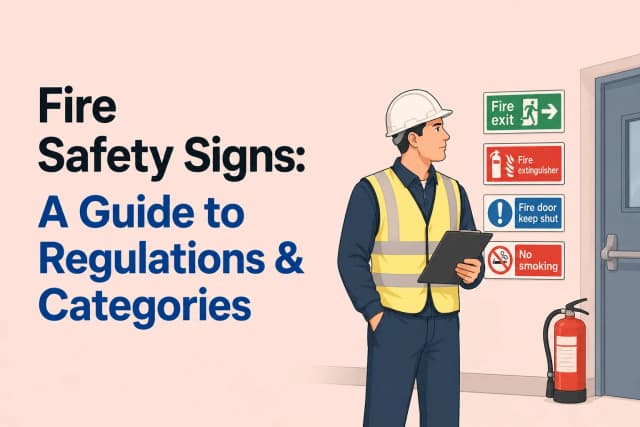
A Comprehensive Guide to Fire Safety Signs: Regulations, Categories, and Colour Codes

Fire safety signs are not just regulatory requirements; they are life-saving tools that enable individuals to respond appropriately in the event of a fire. These signs guide people to safety, highlight crucial equipment, and indicate hazardous areas that require caution. Whether you’re a business owner, safety manager, or employee, understanding the various types of fire safety signs and their meaning is essential for creating a safe environment. In this guide, we will cover the key categories of fire safety signs, explain their colour codes, and walk you through the regulations that ensure compliance. From emergency evacuation signage to fire equipment indicators, this article provides all the necessary information to meet fire safety standards and ensure safety at all times. What Are Fire Safety Signs and Why Are They Essential? Fire safety signs are symbols or visual cues designed to communicate important safety information in the event of a fire or other emergency. They help guide people to safety, direct them to essential fire equipment, and indicate the proper evacuation routes. These signs are not only crucial for preventing confusion during a fire, but they are also required by law in many countries, including the UK, to ensure a compliant and safe environment. The importance of fire safety signs cannot be overstated. In an emergency situation, every second counts. Clear and visible fire safety signs can help people make informed decisions quickly, reducing the risk of accidents and injuries. Whether in an office building, factory, or public space, these signs ensure that everyone knows how to act when disaster strikes. In the UK, fire safety signage is governed by strict regulations to ensure it meets BS 5499 standards. This ensures consistency and effectiveness, so people can easily understand the instructions at a glance. Fire safety signs cover various types of information, including emergency exits, fire alarm locations, fire extinguisher locations, and safety equipment. Different Categories of Fire Safety Signs You Need to Know Fire safety signs are categorised based on their function, ensuring that they communicate specific information quickly and effectively during an emergency. Understanding these categories is essential for maintaining a safe environment and complying with fire safety regulations. Here are the key categories of fire safety signs you need to know: Category Description Examples Prohibition Signs Indicates actions that are prohibited in areas where fire safety may be compromised. ‘No Smoking’, ‘No Open Flames’. Mandatory Signs Provides instructions on actions that must be taken to ensure safety and well-being. ‘Wear Fire-Resistant Clothing’, ‘Use Fire Exit’ Warning Signs Highlights hazardous situations or areas where fire risk is present. ‘Flammable Materials, ‘High Fire Risk Zone’ Emergency Escape and First Aid Signs Directs people to emergency exits and first aid equipment. ‘Fire Exit’, ‘First Aid Kit’, ‘Emergency Assembly Point’ Fire Equipment Signs Indicates the location of essential fire safety equipment. ‘Fire Extinguisher’, ‘Fire Alarm’, ‘Fire Hose’. Information Signs Gives additional guidance to aid in fire safety compliance. ‘Fire Safety Instructions’, ‘Assembly Point Location’ Each of these categories plays a distinct role in enabling individuals to react swiftly and safely in a fire emergency. Understanding and correctly placing these signs is crucial for meeting legal fire safety obligations and ensuring the safety of everyone in your building or workplace. Understanding Fire Safety Sign Colours: What Do They Mean? The colour of a fire safety sign plays a crucial role in communicating the type of action that needs to be taken during an emergency. Different colours are used to convey specific messages that help individuals respond quickly and effectively in crisis situations. Understanding these colours is essential for interpreting the signs correctly and ensuring that safety protocols are followed. Here’s a breakdown of the most commonly used colours in fire safety signs and their meanings: 1.Red: Prohibition and Fire Equipment Signs Red is primarily used for prohibition signs (e.g., “No Smoking”) and fire equipment signs (e.g., “Fire Extinguisher“). It signifies danger or emergency, indicating actions that are forbidden or essential equipment to be used in an emergency situation. 2.Green: Emergency and Escape Signs Green is used for escape routes, emergency exits, and first aid signs. It indicates safety and escape, guiding individuals to safe zones or emergency exits. For example, a green “Fire Exit” sign indicates where people should safely exit the building. 3.Yellow/Amber: Warning Signs Yellow or amber is used to signify warnings and potential hazards. This colour is commonly used in warning signs, such as “High Fire Risk Zone” or “Flammable Material Storage.” It warns people to proceed with caution in specific areas. 4.Blue: Mandatory Action Signs Blue signs communicate mandatory actions that must be taken, such as “Wear Protective Equipment” or “Use Fire Exit.” It’s used to indicate what should be done to maintain safety. 5.White/Black: Information Signs White and black are typically used for informational signs, providing additional guidance, like “Fire Safety Instructions” or “Assembly Point Location.” These signs are not as urgent as the red or green signs, but still provide crucial safety-related information. By understanding the meaning of these colours, individuals can quickly identify the type of action required during an emergency and respond accordingly. Correct colour usage is a key part of fire safety regulations, ensuring that signs are not only compliant but also effective in guiding people to safety. Common Fire Safety Symbols and Their Meaning Fire safety symbols are visual cues that quickly communicate vital information during an emergency. These symbols are designed to be simple, recognisable, and easy to understand, ensuring that people can act swiftly and appropriately in high-pressure situations. Each symbol represents a specific action, location, or piece of fire safety equipment, making them an integral part of any fire safety plan. Here are some of the most common fire safety symbols and their meanings: Fire Safety Symbol Meaning and Purpose Fire Exit Symbol This symbol indicates the nearest fire exit. Typically accompanied by a green background, it signifies safety and serves as a route to escape during a fire Fire Extinguisher Symbol Depicted with an image of a fire extinguisher and a red background, this symbol indicates the location of a fire extinguisher to help put out small fires before they escalate. Fire Alarm Symbol This symbol indicates the location of fire alarms, typically depicted by a bell icon. It indicates where individuals can trigger the alarm to alert others in the building to the fire. First Aid Symbol Used to mark first aid kits or first aid stations, typically in green or white, this symbol indicates that medical supplies are available in the event of injuries during an emergency. No Smoking Symbol Featuring a cigarette with a slash through it, this symbol indicates areas where smoking is prohibited, particularly in spaces with flammable materials. Flammable Material Symbol This symbol warns of areas containing flammable materials, typically marked with a flame or fuel container icon, helping to prevent accidental ignition in high-risk zones Fire Hose Reel Symbol This symbol marks the location of fire hose reels in areas with higher fire risks (e.g., factories or warehouses). It provides quick access to firefighting equipment for larger fires. UK Regulatory Requirements for Fire Safety Signs In the UK, fire safety signs are subject to strict regulatory standards designed to ensure clarity, consistency, and effectiveness in guiding individuals during emergencies. The BS 5499 standards are the cornerstone of these regulations, specifying the design, layout, and placement of fire safety signs. These standards ensure that fire safety signs meet specific requirements for visibility, legibility, and comprehensibility, enabling people to act quickly in the event of a fire. Additionally, the Health and Safety at Work Act 1974 and the Health and Safety (Fire Safety) Regulations 1996 outline the legal obligations for fire safety signage. This legislation mandates the use of standardised symbols and colours, as defined by the European Union Directive 92/58/EEC, to create uniformity across workplaces. For example, green signs are used to indicate emergency exits, while red signs are typically used for fire equipment, ensuring that the meaning of each sign is immediately apparent to anyone, even under stressful conditions. Fire safety signage also requires proper placement. Signs must be visible and easily identifiable, even in low-light conditions. They should be strategically placed in areas such as corridors, near fire exits, and close to firefighting equipment. Maintaining these signs is just as important, as damaged or obscured signage can hinder a swift response during an emergency. Furthermore, fire safety signs must be part of a company’s fire risk assessment, as required by the Regulatory Reform (Fire Safety) Order 2005. This ensures that all signage is aligned with the building’s emergency evacuation plans and fire protection measures, offering full compliance with the law. In summary, adhering to these fire safety regulations is not just about meeting legal requirements; it’s about ensuring the safety of individuals in your building and minimising the risks associated with fire emergencies. A Step-by-Step Guide to Choosing the Correct Fire Safety Signs for Your Business Selecting the right fire safety signs is crucial for safeguarding your employees and ensuring compliance with relevant laws. Follow this step-by-step guide to choose the correct signage for your workplace: Step 1: Assess Your Business’s Layout and Fire Risks Evaluate your building’s layout and identify high-risk areas. Consider the location of fire exits, fire extinguishers, and first aid stations. Each area should be clearly marked with appropriate signs to guide people in the event of an emergency. Step 2: Understand the Regulatory Requirements Ensure compliance with UK regulations such as BS 5499 and the Health and Safety (Safety Signs and Signals) Regulations 1996. These laws dictate the standardised symbols, colours, and sizes of fire safety signs. Familiarise yourself with these requirements to avoid penalties and improve safety. Step 3: Choose the Right Types of Signs Select the appropriate fire safety signs based on their function. Common types include: Prohibition signs (e.g., “No Smoking”) Mandatory signs (e.g., “Wear Protective Gear”) Escape route signs (e.g., “Fire Exit”) Fire equipment signs (e.g., “Fire Extinguisher”) Each sign should be clearly visible and convey its message without ambiguity. Step 4: Consider Sign Placement Strategically place signs where they will be most effective. Fire exit signs should be visible as people approach exits, and fire equipment signs should be located next to the equipment. Ensure all signs are placed in high-traffic areas and are clearly visible and unobstructed. Step 5: Ensure Visibility and Clarity Fire safety signs must be easily visible and readable, even in low-light conditions. Use reflective materials and ensure the signs are large enough to be seen from a distance. Avoid clutter or obstructions that could block the signs. Step 6: Maintain and Update Regularly Fire safety signs should be regularly inspected and maintained. Replace any damaged or faded signs immediately, and ensure that the signage is updated if there are changes to fire exits, equipment, or building layout. By following these steps, you can ensure that your fire safety signage is not only compliant but also effective in guiding people to safety during an emergency. Ensure Your Fire Safety Knowledge is Up-to-Date Ready to advance your fire safety expertise? Explore our accredited Fire Safety courses at Hurak, designed to help you meet the latest safety regulations and boost your career. Featured Courses: NEBOSH Fire Safety Certificate: Gain in-depth knowledge of fire safety regulations and fire risk management. Ideal for professionals seeking to improve workplace safety. Fire Marshal & Fire Warden Online: Learn how to manage fire safety in your workplace with this comprehensive online course, including practical and legal aspects of fire marshal duties. Fire Safety Manager Advanced Diploma: Enhance your fire safety management skills with our advanced diploma. Perfect for those looking to take on senior roles in fire safety. Start Your Training Today and Become a Fire Safety Expert. How to Maintain and Place Fire Safety Signs for Maximum Effectiveness Effective fire safety signs are critical for ensuring a safe and compliant environment. To maximise their visibility, compliance, and effectiveness, follow these best practices: Strategic Placement Fire safety signs must be positioned in high-traffic and visible areas. Install them at eye level, keeping them away from obstructions such as furniture or equipment. Ensure signs are placed near fire exits, fire equipment, and emergency routes for easy identification during an emergency. Use Standardised Symbols and Colours Ensure that your fire safety signs follow standardised symbols and colour codes, like green for exits and red for fire equipment. Consistency is key to ensuring that the signs are universally understood, especially in high-stress situations. Regular Inspections and Maintenance Fire safety signs should be inspected regularly for damage, fading, or obstructions. Signs that are illegible or obstructed can hinder a swift response during emergencies. Replace any damaged signs promptly to maintain clear and visible guidance. Update Signs After Changes to Layout Whenever there are changes to the building’s layout, such as the addition of new fire exits, fire equipment, or alterations to escape routes, update the signage to reflect these adjustments. Keeping your signs current ensures that they continue to provide accurate directions during an emergency. Use Durable, High-Quality Materials Choose fire safety signs made from weather-resistant and durable materials to ensure longevity. High-quality materials will help maintain the signs’ visibility and legibility, even in challenging environments. By following these practices, your fire safety signs will stay compliant, functional, and effective in guiding people to safety when every second counts. Fire Safety Signage Errors: What to Avoid for Better Safety and Compliance While fire safety signs are critical, even minor mistakes in their design, placement, or maintenance can lead to serious consequences. Here are the key errors to avoid to ensure your fire safety signs are effective and compliant: Incorrect Sign Placement: Signs should be placed in precise, visible locations where they can be easily seen during an emergency. Avoid hiding signs behind obstacles or putting them in hard-to-reach areas. Fire exit signs should be clearly visible and easily identifiable from any direction. Failure to Use Standardised Symbols and Colours: Using non-compliant symbols or incorrect colours can confuse individuals, delaying their response. Stick to the standardised colour codes (e.g., green for emergency exits, red for fire equipment) to ensure clarity and reduce confusion during an emergency. Neglecting Maintenance: Faded, damaged, or obstructed fire safety signs can compromise safety. Regularly inspect your signs to ensure they remain legible and unobstructed. Replace any damaged signs promptly to maintain clear guidance in an emergency. Overcrowding with Too Many Signs: While it’s essential to have sufficient signage, excessive signs can create

working-at-height-hazards-hurak-uk-guide
October 29, 2025
Health and Safety

Understanding Working at Height Hazards: Risks, Safety Protocols, and Control Measures

Working at height is one of the most hazardous activities across various industries, from construction sites to warehouses and even maintenance jobs. Every year, a significant number of accidents and fatalities occur due to falls from height, making it essential for employers and workers alike to understand the risks involved and implement effective safety measures.This article explores the primary hazards associated with working at heights, the risks faced by workers, and the most effective safety protocols to ensure their protection. Additionally, we will explore proven control measures that can drastically reduce the likelihood of accidents. Whether you're an employer seeking to enhance workplace safety or a worker looking to stay informed, understanding these fundamental aspects is crucial for maintaining a safe working environment.By gaining insight into these critical safety protocols and control measures, you will be better equipped to prevent accidents and ensure that working at height is conducted as safely as possible. Let�s begin by taking a closer look at the primary hazards and risks involved.What Are the Key Hazards of Working at Height?Working at height presents several significant hazards, each of which can pose a serious risk to workers' health and safety. The nature of these risks often depends on the type of work, environment, and safety protocols in place. Understanding these key hazards is the first step in ensuring a safe working environment.Common Height-Related Hazards:Falls from elevations: Ladders, scaffolds, roofs, and elevated platforms are primary sources of risk.Falling objects: Tools or materials can injure people working below.Unprotected edges: Open edges, fragile surfaces, and incomplete structures increase the risk of falls.Industry-Specific Risks:Construction: Roof work, scaffolding assembly, and working on cranes.Maintenance: Cleaning high surfaces or servicing tall equipment.Warehousing: Operating at heights for storage or retrieval, often using forklifts or laddersWhy Is Working at Height So Dangerous?Working at height is inherently dangerous due to several factors that increase the risk of accidents. Whether it's due to falls, environmental conditions, or inadequate equipment, the dangers associated with working at heights are often exacerbated by the nature of the tasks and the environment in which they are performed. Understanding why these tasks are so hazardous is crucial for mitigating the risks and ensuring worker safety.Here are the primary reasons why working at height is considered so dangerous:Risk of Severe Injury or Fatality from Falls: Falls are the leading cause of injury and death in the workplace, particularly when working at height. A fall from a height can result in serious injuries like broken bones, head trauma, or internal injuries, often leading to permanent disability or even death. The severity of a fall depends on various factors, such as:The height of the fallThe surface below (hard ground, machinery, etc.)The presence (or lack) of protective barriers or fall arrest systemsLoss of Control or Balance: When working at height, workers are often in a vulnerable position, and even a slight loss of balance can result in a fall. Slippery surfaces, gusts of wind, or a lack of stable footing can cause a worker to lose their balance and fall. In high-risk environments, such as scaffolding, ladders, or roofs, workers are at a heightened risk of sudden movement or destabilisation. Factors contributing to loss of control include:Poorly maintained or unstable work surfacesLack of proper safety equipment, such as harnesses or guardrailsEnvironmental factors like wind or rainInadequate Fall Protection Systems: Inadequate fall protection systems, such as guardrails, safety nets, or personal fall arrest systems, significantly increase the danger of working at height. If these systems are absent, damaged, or improperly used, workers are left unprotected. For example:Scaffolds without toeboards or edge protection can expose workers to fall risksLadders that do not have stabilisers or anti-slip feet can cause instabilityInsufficient or faulty harnesses and lanyards fail to catch a fall, leading to severe consequencesDifficulty in Emergency Response: In the event of an accident or emergency, reaching a worker who has fallen or is injured at height is often challenging. Delays in providing medical help or rescue can worsen the outcome of an injury. Emergency response difficulties can arise from:The height and location of the incident (e.g., roofs, high scaffolds)Limited access to rescue equipment or trained personnelDelays caused by the worker being unconscious or unable to moveWorking in Unfamiliar or Confined Spaces: Many height-related tasks take place in confined or unusual spaces, such as on rooftops or elevated platforms, where workers often have limited mobility. These areas often have restricted access or poor visibility, making it difficult for workers to move safely and avoid hazards. In these environments:There is a higher chance of becoming trapped or losing footingThe ability to use proper safety equipment can be limited by spaceWorkers may be exposed to other hazards, like electrical lines or fragile surfacesEnvironmental Conditions: Environmental factors, such as extreme weather, temperature fluctuations, or poor visibility, can increase the dangers associated with working at heights. Weather-related hazards include:Slippery or icy surfacesReduced visibility during fog or rainStrong winds make it harder to maintain balance or control equipmentHuman Error and Complacency: Human error is a significant factor contributing to accidents that occur when working at heights. Workers may be complacent, overlook safety protocols, or make poor decisions due to fatigue, stress, or a lack of attention. Common human errors include:Failing to secure tools or equipment properlyIgnoring safety protocols because of time constraints or overconfidenceIncorrectly using or bypassing safety gear.Risks Workers Face When Working at HeightWorkers face a combination of health and safety risks that need careful consideration:Health Risks:Musculoskeletal injuries from lifting or awkward postures.Severe trauma from falls, even from low heights.Safety Risks:Exposure to fragile surfaces or unstable platforms.Potential hazards from environmental conditions such as wind, rain, or ice.Risk of falling objects striking workers below.A thorough assessment of these risks is crucial to prevent accidents and maintain compliance with the Working at Heights Regulations 2005.Stay Safe and Certified While Working at HeightWorking at height is risky, but with the proper training, equipment, and risk assessment knowledge, you can protect yourself and your team. Hurak�s accredited courses provide practical skills, safety protocols, and compliance guidance for all elevated work tasks.Safety Harness Training � Learn to use fall protection systems effectively.Working at Height Training � Gain essential skills for safe elevated work.Manual Handling Training � Learn safe lifting and handling techniques while working at height.Level 2 Health and Safety in the Workplace � Gain a solid understanding of hazard identification, risk assessments, PPE use, and safety protocols for elevated work.Equip Yourself with the Knowledge to Work Safely and Confidently at Height.Safety Protocols for Working at HeightTo ensure the safety of workers and compliance with regulations, it's essential to implement effective safety protocols. These measures significantly reduce the risk of accidents and protect workers while on the job.Key Safety Protocols:Personal Protective Equipment (PPE): Ensure workers wear appropriate PPE, including helmets, harnesses, and non-slip footwear, to safeguard against falls and injuries.Fall Protection Systems: Install guardrails, safety nets, and personal fall arrest systems, such as harnesses and lanyards, to prevent falls from heights.Training and Certification: Provide workers with thorough training on safe practices, proper equipment use, and hazard recognition. Regular refresher courses keep safety standards top of mind.Site Safety Measures: Maintain clear access paths, display warning signs, and secure work areas to prevent accidents and ensure workers can move safely around the site.Regular Equipment Inspections: Check all equipment, including ladders, scaffolds, and fall protection gear, before use to ensure they are in good working condition and safe for the task.By adhering to these safety protocols, employers create a safer work environment, minimise the likelihood of accidents, and ensure workers are well-protected from hazards.How to Implement Control Measures to Prevent Accidents While Working at HeightWorking at height presents significant risks, but with the proper control measures in place, these risks can be significantly minimised. Below are the critical safety protocols that must be implemented to ensure the safety of workers.Control MeasureAction RequiredKey DetailsEliminationRemove the need to work at height where possible.Utilise extended tools to complete tasks from the ground up.SubstitutionReplace high-risk tasks with safer alternatives.Use mechanical lifts instead of ladders for elevated tasksEngineering ControlsInstall physical barriers to prevent falls, such as guardrails, safety platforms, and secure scaffolds.Install guardrails and fall protection systems around elevated work areas to prevent falls and other accidents.Administrative ControlsImplement work procedures, training, and supervision to reduce risk.Establish work schedules that limit the time spent at height.PPEPersonal protective equipment should be used as the last line of defence if other controls are insufficient.Provide workers with helmets, harnesses, and non-slip footwear.Understanding the Minimum Height for "Working at Height"When most people think of �working at height,� they imagine towering scaffolds, rooftops, or ladders that appear dangerously high. However, the legal definition is less about the actual height and more about the potential risk of injury from a fall. This distinction is crucial for ensuring that every worker is adequately protected, regardless of the height at which they work.Under the Work at Height Regulations 2005, �working at height� is defined by the risk of falling, not a specific elevation. Even tasks just 1�2 metres above the ground can qualify if a fall could cause injury. For example, a worker on a ladder 1.5 metres high could still sustain serious injuries if they fall, making fall protection measures necessary.The key takeaway is that risk assessments and appropriate fall protection dictate safety requirements, not the height itself. This approach ensures all workers are safeguarded, whether they are working on a roof or slightly above ground level.Conducting a Thorough Risk Assessment for Working at HeightWhen working at height, assessing risks is not just a regulatory requirement; it�s a critical process that safeguards workers and ensures their well-being. A thorough risk assessment enables employers to identify hazards and take proactive steps to mitigate them, thereby providing a safe working environment.Step 1: Evaluate the Work EnvironmentExamine the nature of the task and the location, considering factors such as ladders, scaffolds, rooftops, or elevated platforms that may be involved.Identify unstable surfaces, fragile materials, or potential fall points.Even minor elevations can pose serious risks if not assessed correctly.Step 2: Assess Fall RisksDetermine if fall protection systems, such as guardrails or personal fall arrest systems, are in place.Inspect the stability of surfaces and platforms to ensure they are secure.Consider the potential distance and consequences of a fall, including what the worker might land on.Step 3: Check EquipmentInspect ladders, scaffolds, harnesses, and lanyards.Ensure tools and materials are secured to prevent falling objects.Maintain equipment regularly to prevent failures.Step 4: Evaluate Environmental FactorsConsider wind, rain, ice, or temperature extremes.Determine when work should be suspended due to unsafe conditions.Ensure workers are fit and trained to handle environmental hazards.Step 5: Document the AssessmentRecord all hazards, risk levels, and control measures.Communicate the findings clearly to all workers.Maintain records for compliance and continual improvement.Enhance Your Safety Skills for Working at HeightHurak offers a range of accredited courses to help you work safely at height, understand risk assessments, and implement proper safety protocols. Gain the confidence and qualifications to protect yourself and your team.Recommended Courses for Working at Height:Working at Height Training � Comprehensive guidance on fall hazards, safety protocols, and accident prevention.Safety Harness Training � Learn how to use fall protection systems and harnesses correctly.Manual Handling Training � Learn safe lifting, carrying, and handling techniques essential for working at elevated heights.IOSH Managing Safely Course � Equip yourself with essential health and safety management skills.Working Safely IOSH � Practical skills for identifying risks and following safety procedures in any workplace.Level 3 Health and Safety RQF � Advanced understanding of workplace health and safety for higher responsibility roles.Level 2 Health and Safety in the Workplace � Master hazard identification, risk assessments, PPE usage, and emergency protocols.Browse All Health and Safety Courses at Hurak.Best Practices for Working at Height: Key ResponsibilitiesWorking at height involves serious risks, but following essential practices ensures safety for both workers and employers. Focus on these core measures: Establish Clear Safety Policies: Documented safety procedures set expectations for everyone. Policies should outline hazard management, the use of fall protection, training requirements, and emergency protocols to ensure that all team members understand their roles and responsibilities. Equip and Maintain Proper Safety Systems: Use fall protection equipment, guardrails, and safety nets where needed. Regular maintenance and inspections ensure these systems remain reliable and effective at all times. Provide Targeted Training and Awareness: Workers should receive training on safe movement, equipment use, and hazard recognition. Refresher courses and emergency drills reinforce awareness and readiness. Organise Work Areas and Tools: Keep elevated workspaces tidy and tools secured to prevent accidents. Simple measures, such as tool lanyards, clear pathways, and debris-free platforms, drastically reduce hazards.Monitor Conditions and Manage Workload: Plan tasks to minimise prolonged exposure at height and adjust work based on weather or environmental risks. Fatigue, wind, rain, or ice can increase dangers, so proactive scheduling and safety checks are critical.Frequently Asked Questions�What is considered �working at height�?Working at height refers to any task where a person could fall and injure themselves, regardless of the actual height. This includes ladders, scaffolds, roofs, or even ground-level work near fragile surfaces.What safety equipment is essential when working at height?Essential safety equipment includes helmets, harnesses, non-slip footwear, guardrails, safety nets, and personal fall arrest systems. Proper training on using this equipment is equally important.Do I need training to work safely at height?Yes. Training ensures workers understand hazard recognition, safe equipment use, emergency procedures, and how to minimise risks. Courses like Working at Height Training, Safety Harness Training, and IOSH Managing Safely are highly recommended.How can employers minimise the risks of falls from height?Employers should conduct thorough risk assessments, implement fall protection systems, provide proper training, maintain equipment, and monitor environmental conditions like wind or rain that could increase risk.Is there a minimum height that requires safety precautions?There is no specific minimum height. Any situation where a fall could cause injury qualifies as working at height, meaning safety protocols must be followed even for tasks just above ground level.Conclusion: Prioritising Safety at HeightEnsuring safety when working at height is crucial for protecting workers and maintaining regulatory compliance. Employers who adopt clear safety policies, provide targeted training, and regularly inspect equipment can significantly reduce the risk of accidents.Monitoring environmental conditions, securing access points, and maintaining clear emergency routes further enhance worker safety. By implementing these best practices, organisations create a safer work environment, foster a culture of safety, and minimise the likelihood of falls. A proactive approach to working at height not only protects employees but also strengthens operational efficiency and compliance.

online-video-based-training-session
October 29, 2025
Uncategorized

The Power of Visual Learning: Why Video Content Is Essential for Modern Online Training

Today�s fast-paced learning environment has demanded video to be one of the most influential online education tools. No matter if it is a corporate compliance module, a technical certification, or a soft skills course, learners remember more and stay involved longer if the training incorporates visual content. For companies such as Hurak, which focus on offering online courses and certifications that are easily accessible, knowing how to incorporate and manage video content can definitely enhance both learner experience and training outcomes.The Growing Role of Video in Online TrainingSeveral studies on e-learning effectiveness show that visual information is processed faster than text by a factor of 60,000. That is why video-based content has quickly become the bedrock of digital education. The transition from instructor-led tutorials to interactive scenario-based videos has never been easier and the flexibility along with the engagement that video brings is also unmatched.Online training providers are not only about static slides or text-heavy lessons anymore. They are gradually investing in dynamic video modules that break down the most difficult concepts. For example, in a Health and Safety certification course, short video demonstrations can very clearly display the procedures of fire safety drills or first aid applications thus helping the learners to understand and remember the steps much more effectively than by just reading.Why Video Quality and Framing Matter in eLearningThe quality of content is crucial but the way of presentation of content is the same. A well-structured video that�s properly framed and visually appealing makes learning smooth and enjoyable. Poorly cropped visuals, excessive background clutter, or off-centered frames can easily annoy learners and reduce the professionalism of the training material.That�s the reason why course creators and training professionals should put attention to video editing especially to how visuals are framed. Clean, focused visuals guarantee that the attention of the learners stays where it is supposed to be: on the educational message.This is when dependable editing tools come into play, especially for instructors who need to make quick adjustments without advanced technical knowledge.Streamlining Course Content with Smart Video Cropping ToolsMaking online courses frequently necessitates repurposing of already existent materials, recorded lectures, webinars, or demonstrating workplace training. But, not all footage is ready to be used as it is. Teachers frequently need to cut or change the frame to ensure that only the visuals of their concern are in the view.A simple online video editing tool that enables you to trim or crop videos easily and accurately is a practical method to do this. This process helps in removing the unwanted parts from the frame, bettering the composition, and key details supporting the learning objectives are highlighted. These refined clips can also be repurposed into lightweight formats, such as GIFs, using a video to GIF maker for quick and easy sharing across learning platforms.For trainers handling several videos for different certification programs using an intuitive online video cropping tool saves a lot of time. It does away with the requirement for large software downloads or complicated editing configurations, allowing educators to modify videos right from their browsers thus guaranteeing that all course materials retain a cohesive, professional look.Enhancing Learner Engagement Through Personalized MediaModern eLearning isn�t just about uploading a lecture; it�s about creating a tailored learning experience. Adding custom intros, annotations, or focused visuals helps personalize each course and makes content more relatable to the learner. Instructors often use AI image tools to quickly generate bespoke visuals from annotated diagrams to themed slide backgrounds that improve clarity and learner recall. Instructors can highlight important gestures, tools, or on-screen text by adjusting the video frame, making it easier for students to follow along.Using reliable online video editing tools, training providers can quickly fine-tune visual assets to better match course design standards. This is particularly useful for industries like construction, health and safety, or IT training where small details, such as the position of hands during a safety drill or the layout of a user interface, are critical to learner understanding.The Role of AI in Content Creation for eLearningAI technology is revolutionizing not only classrooms but also the way teachers supply and use digital content, even outside the video. with options like a cartoon creator enhancing visual storytelling. AI tools are performing all tasks such as assessment automation, content recommendations, etc., which makes teachers' work focus more on educational activities and less on paperwork.The AI-assisted learning materials� lifecycle for instance has already been advanced with AI scripts and voiceovers � with platforms offering a full suite of AI video and image models that allow educators to generate professional training visuals from text prompts alone.�The AI lyrics generator software, for example, can be used in different ways by course developers to create rhythmic study aids, background music for online learning, or memory aids that facilitate learners' recollection of key terms and definitions. When AI is involved in the creative process the result is still the same but adding a new exciting layer to the online training and thus making the learning process more engaging and unforgettable.Integrating Video Editing Tools into the Course Creation WorkflowIn order to keep the online training modules of different topics in the same line concerning their quality, it is necessary to incorporate video editing into the course creation process standard workflow. However, this does not imply that every trainer must be a professional videographer, but they need easy and efficient tools that help in content refining.For instance, during the process of creating new modules for a compliance training course, the trainers might have to cut down long video clips, reframe the important moments or change the orientation to fit with the platform�s display format. With the help of simple browser-based video tools, teachers can make these alterations very fast, and thus get the visuals that are in line with the learning objectives.By the usage of such tools, online training companies like Hurak can simplify their content production, keep their brand consistent and provide a better learning experience that is more professional than before.Best Practices for Video Use in Online TrainingThe following are best practices that should be considered when video is to be a part of your online courses:Keep videos concise � Break long sessions into shorter segments (5�10 minutes) to sustain learner attention.Use visual cues �Highlight important points with text overlays or focused framing.Ensure accessibility � Add captions and transcripts for inclusivity.Maintain visual consistency � Use tools to standardize framing, lighting, and branding across all videos.Optimize for mobile � Crop and format videos to ensure they display correctly on smaller screens.These simple yet effective techniques not only enhance learner engagement but also increase completion rates and retention.Conclusion: Elevating Learning Experiences Through Smart Video ToolsVideo has become a cornerstone of modern online training helping learners connect, visualize, and retain information more effectively. As eLearning continues to evolve, trainers and certification providers must ensure that every visual element supports the overall learning objective.Integrating intuitive, easy-to-use video editing tools enables educators to produce professional-quality training materials efficiently, without needing advanced technical skills. Combined with innovative AI-driven content creation tools such as AI lyrics generatortrainers can enhance engagement and creativity across every course.For professionals and institutions delivering online training through platforms like Hurak, embracing these tools means not only improving the quality of learning materials but also staying ahead in the ever-evolving landscape of digital education.

manual-handling-equipment-hurak-uk-guide
October 28, 2025
Health and Safety

Manual Handling Equipment: Types, Uses, Safety Tips Inspection Guide

Manual handling equipment is crucial for ensuring employee safety when lifting or moving heavy loads. Items like lifting aids, trolleys, and hoists reduce strain on the body and minimise the risk of common injuries such as sprains, back problems, and muscle fatigue.Health and safety regulations require employers to provide suitable equipment and ensure it is inspected regularly. By understanding the different types of manual handling equipment and using them correctly, businesses can improve both compliance and efficiency.This article outlines the main equipment types, their uses, and provides practical safety tips, explaining why regular inspection is crucial for maintaining a safe and healthy workplace.What Is Manual Handling Equipment?Manual handling equipment refers to tools and devices designed to assist workers in lifting, carrying, pushing, pulling, or moving loads. Instead of relying solely on physical strength, this equipment helps reduce strain on the body, lowers the risk of musculoskeletal injuries, and enables tasks to be carried out more efficiently.Why It Matters for Workplace SafetyWithout the right equipment, workers are more likely to suffer from injuries such as back pain, muscle strains, and joint problems. According to HSE guidance, manual handling remains one of the most common causes of workplace injuries in the UK. By using equipment correctly, employers can not only protect their staff but also comply with health and safety regulations.Types of Manual Handling EquipmentLifting Equipment:These tools are designed to safely raise or lower heavy loads. Common examples include hydraulic lifts, hoists, and cranes. They are instrumental in construction sites, warehouses, and healthcare environments where lifting large or awkward objects is part of daily operations.Transport Equipment:Used to move items from one place to another, transport equipment reduces the need for manual carrying. This category encompasses pallet trucks, sack trucks, dollies, and trolleys, which are ideal for use in warehouses, retail, and logistics sectors.Positioning and Storage Equipment:This equipment facilitates the arrangement, stacking, or positioning of goods for easy access and storage. Scissor lift tables, conveyors, and adjustable shelving systems fall into this category. They minimise bending and twisting, reducing strain on workers.Healthcare Moving and Handling Equipment:Specialist tools designed to move patients safely in healthcare and care home settings. Examples include patient hoists, transfer boards, and slings. These not only protect staff from injuries but also ensure the comfort and dignity of patients.Common Uses of Manual Handling EquipmentManual handling equipment is applied across a wide range of industries to improve safety and efficiency:Construction and Warehousing: Equipment such as pallet trucks, sack trucks, hoists, and conveyors helps move heavy or bulky loads with less effort, reducing the risk of injury and speeding up daily operations.Healthcare and Care Homes: Patient hoists, slings, and transfer aids allow staff to move patients safely while protecting both carers and patients from unnecessary strain.Retail and Hospitality: Trolleys, dollies, and stock carts make it easier to transport supplies, restock shelves, and move goods quickly, improving workflow and minimising fatigue.Offices and Education: Smaller aids such as carts, lifting tables, and adjustable trolleys support the safe movement of files, IT equipment, and classroom supplies.Manual Handling Equipment List and NamesEquipment NameCommon UsesSack Trucks (Hand Trucks)Move heavy pallets in warehouses, retail, and logistics.Trolleys and DolliesTransport boxes, cylinders, or smaller loads safely and securely.Hoists and CranesCarry goods in shops, hotels, offices, and schools.Scissor Lift TablesLift and lower heavy or awkward loads in construction and warehousing.ConveyorsEfficiently move items in warehouses, factories, and production lines.Patient Hoists and SlingsSafely transfer patients in hospitals and care homes.Platform TrucksTransport bulky or oversized goods in warehouses and retail stores.Lifting Straps and HarnessesSupport for moving heavy or irregular objects safely.Safety Tips for Using Manual Handling EquipmentUsing manual handling equipment safely is crucial for protecting workers, preventing injuries, and ensuring compliance with relevant health and safety regulations. Below are key safety practices, framed around common workplace challenges and their solutions:Overloading EquipmentRisk: Placing too much weight on trucks, trolleys, or hoists can damage equipment and cause accidents.Safe Practice: Always check the manufacturer�s weight limits and keep loads balanced before moving.Poor Handling TechniquesRisk: Incorrect posture, twisting, or rushing can lead to musculoskeletal injuries.Safe Practice: Train staff to maintain a neutral spine posture, use a pushing motion rater than a pulling motion when possible, and handle loads steadily.Uninspected or Damaged EquipmentRisk: Using faulty tools increases the chance of breakdowns or accidents.Safe Practice: Conduct pre-use inspections and remove any unsafe equipment from service immediately.Cluttered or Unsafe Work AreasRisk: Narrow aisles, spills, or poor lighting create hazards during load movement.Safe Practice: Keep pathways clear, improve lighting, and maintain a tidy work environment.Lack of Training and Refresher SessionsRisk: Workers may misuse equipment or forget correct procedures over time.Safe Practice: Provide initial training and regular refreshers to ensure confidence and competency.Ready to Enhance Your Health and Safety Knowledge?Ensure workplace safety with Hurak�s accredited Health and Safety courses. From manual handling to compliance, we�ve got you covered with training that helps protect both your employees and your business.Manual Handling Training: Specialised training for safe handling techniques.Level 2 Health and Safety in the Workplace: Learn essential safety principles for the workplace.Level 3 Health & Safety (RQF): Advanced strategies for workplace safety and compliance.Level 3 Health and Safety Training for Managers:� Master the Process of Identifying and Managing Workplace Risks.NEBOSH Certificate in Fire Safety: Learn how to handle fire risks and ensure workplace safety.Stay Safe, Stay Compliant. Explore Hurak�s range of accredited courses to build a safer, compliant workplace today.How Often Must Manual Handling Equipment Be Inspected?Regular inspection is essential to ensure manual handling equipment remains safe, reliable, and compliant with health and safety regulations. The frequency of inspection depends on the type of equipment, its use, and legal requirements.According to the Health and Safety Executive (HSE), all work equipment must be maintained in a safe condition. Some lifting equipment also falls under the LOLER (Lifting Operations and Lifting Equipment Regulations), which requires thorough examinations at defined intervals.Before Use (Daily Checks): Operators should conduct quick visual inspections for damage, wear, or faults.Regular Maintenance (Weekly/Monthly): Routine servicing should follow the manufacturer�s instructions.Thorough Examinations (6�12 Months): Equipment such as hoists, cranes, or patient lifting aids must be examined by a competent person at least every six or twelve months, depending on the frequency of use.Record-Keeping and ComplianceInspection and maintenance records must be kept up to date. These documents demonstrate compliance with regulations and provide evidence of a safe system of work in the event of audits or incidents.Benefits of Using Manual Handling EquipmentManual handling equipment provides key advantages for both employers and employees, including:Reduced Risk of Injuries: Minimises physical strain from lifting, carrying, or moving loads, helping prevent back injuries, sprains, and musculoskeletal disorders.Improved Efficiency and Productivity: Allows one worker to handle tasks that would typically require several people, saving time and reducing fatigue.Compliance with Health and Safety Standards: Ensures businesses meet their legal duties under workplace health and safety laws, avoiding fines and liability.Cost Savings in the Long Term: Fewer accidents lower compensation claims, downtime, and staff turnover, making safe equipment a cost-effective investment.Better Workplace Morale: Safe, supported employees feel more confident, motivated, and satisfied in their roles. FAQsWhat is manual handling equipment?Manual handling equipment refers to tools and devices like pallet trucks, trolleys, hoists, and conveyors that reduce the physical effort of lifting, carrying, or moving loads. They help prevent injuries and improve workplace efficiency.What are examples of manual handling equipment?Examples include pallet trucks, sack trucks, dollies, patient hoists, slings, conveyors, scissor lift tables, and platform trucks. These are used across various industries, including construction, warehousing, healthcare, and retail.Why is manual handling equipment important in the workplace?It reduces the risk of musculoskeletal injuries, saves time, improves productivity, ensures compliance with health and safety laws, and boosts employee morale.How often must manual handling equipment be inspected?Equipment should be visually checked before each use, maintained regularly according to the manufacturer's guidance, and thoroughly examined every 6�12 months if covered under LOLER regulations.What safety tips should be followed when using manual handling equipment?Don�t overload equipment.Keep loads balanced and stable.Train staff in correct handling techniques.Inspect tools before use.Maintain clear pathways and work areas.Who is responsible for providing manual handling equipment?Employers are legally responsible for ensuring that suitable manual handling equipment is available, properly maintained, and used safely by trained staff.Does manual handling equipment replace the need for training?No. Even with the best equipment, staff must be trained in safe use, correct posture, and inspection procedures to prevent accidents and ensure compliance.Conclusion: Safer Workplaces with the Right EquipmentManual handling equipment is more than just a set of workplace tools; it�s an investment in safety, compliance, and productivity. From pallet trucks and hoists to patient slings and conveyors, the right equipment reduces the risk of injuries, speeds up everyday tasks, and ensures businesses meet health and safety standards.Regular inspections, proper training, and safe handling practices are just as necessary as the equipment itself. By combining these elements, employers can create a safer environment, protect staff wellbeing, and build a more efficient workplace.Prioritising the right equipment and its safe use not only prevents costly accidents but also boosts employee confidence and morale, leading to a healthier, safer, and more productive workforce.