Hurak

Articles

Browse all articles - 423 results

sell-alcohol-online-uk
May 7, 2025
Hospitality

Selling Alcohol Online in the UK: A Complete Legal Licensing Guide (2025)

Selling alcohol online can be a profitable venture, but it comes with a set of legal and licensing requirements that must be met. In this guide, we will walk you through the essential steps and information needed to sell alcohol online in the UK, ensuring you remain compliant with the law.Do You Need a Licence to Sell Alcohol Online in the UK?Before you start selling alcohol online, it's essential to determine whether you need a licence. The simple answer is yes, if you plan to sell alcohol in the UK, you need the appropriate licences. This includes obtaining a Personal Licence and a Premises Licence. These licences allow you to legally sell alcohol and ensure that you�re operating within the law.The Two Main Alcohol Licences You�ll NeedSelling alcohol online in the UK requires obtaining two licences:Personal LicenceTo sell alcohol, the person responsible for the alcohol sales must hold a Personal Licence. This licence allows you to legally sell alcohol, either for on-site consumption or retail.To obtain a Personal Licence, you�ll need to complete APLH training course and pass the necessary exam. Once you�ve passed, you can apply to your local council for the licence.For a step-by-step breakdown of the process, learn how to get an Alcohol Personal Licence in the UK. /* The Modal */ .ebook-modal { display: none; /* Hidden by default */ position: fixed; z-index: 1050; left: 0; top: 0; width: 100%; height: 100%; overflow: auto; background-color: rgba(0,0,0,0.5); justify-content: center; align-items: flex-start; /* Align to top */ padding-top: 20px; /* 20px from top */ } /* Modal Content */ .ebook-modal-content { background-color: #fefefe; padding: 30px; border: 1px solid #888; border-radius: 8px; width: 70%; max-width: 700px; position: relative; display: flex; flex-direction: column; align-items: stretch; box-sizing: border-box; margin: 0 auto; /* Center horizontally */ } /* Header */ .ebookModal-header { color: #0f7c90; font-size: 26px; margin-bottom: 20px; text-align: center; } /* Close Button */ .ebookModal-close { color: #aaaaaa; font-size: 24px; font-weight: bold; cursor: pointer; position: absolute; top: 15px; right: 20px; } .ebookModal-close:hover, .ebookModal-close:focus { color: #000; text-decoration: none; } /* WPForms submit button */ div.wpforms-container-full .wpforms-form input[type=submit], div.wpforms-container-full .wpforms-form button[type=submit], div.wpforms-container-full .wpforms-form .wpforms-page-button { border: 1px solid #ddd; font-size: 1em; font-family: inherit; padding: 10px 20px; background: #0f7c90; color: white; border-radius: 8px; width: 100%; box-sizing: border-box; margin-top: 15px; } /* Hide WPForms errors */ div.wpforms-container-full .wpforms-form label.wpforms-error { display: none; } /* Responsive */ @media (max-width: 576px) { .ebook-modal-content { width: 90%; padding: 20px; max-height: 80vh; } .ebookModal-header { font-size: 20px; } } @media (min-width: 577px) and (max-width: 1024px) { .ebook-modal-content { width: 80%; max-height: 75vh; } .ebookModal-header { font-size: 22px; } } Download our Personal Licence (APLH) Test Prep Book for free! × [wpforms id="20453" title="false"] #myImg{ cursor: pointer; } Premises LicenceIf you are selling alcohol from a physical location, whether a store or a warehouse, you will also need a Premises Licence. This licence authorises a specific location to sell alcohol. You�ll need to apply for this licence with your local council, and they will assess your application based on your business and the premises you operate from.Want to better understand the roles of each licence?Read more about the differences between a Personal Licence and a Premises LicenceWhy Alcohol Licences ExistAlcohol licences in the UK aren't just a bureaucratic requirement, they serve important public safety and regulatory purposes. Understanding these objectives helps you appreciate your responsibilities as a seller.The key objectives of alcohol licensing include:Preventing crime and disorder: Ensuring alcohol is sold responsibly to avoid alcohol-related disturbances.Promoting public safety: Protecting the health and safety of the public through proper control and monitoring.Preventing public nuisance: Reducing the risk of noise, anti-social behaviour, and other disturbances caused by irresponsible alcohol distribution.Protecting children from harm: Ensuring minors cannot access alcohol by enforcing robust age verification.Each of these objectives guides the decisions of local licensing authorities when granting or reviewing licences.Age Verification and Legal Compliance OnlineWhen selling alcohol online, age verification is a legal requirement. You must verify that all customers purchasing alcohol are over the age of 18. Failure to comply with this requirement can result in significant penalties, including fines and suspension of licences.How to Ensure Age ComplianceTo ensure compliance, you must implement robust age verification systems at the point of sale and delivery. Age verification can be done manually by requesting a customer's date of birth, or you can use third-party verification services like AgeChecked, VerifyMyAge, or Yoti. Additionally, make sure to check photo identification when delivering alcohol to confirm the recipient�s age.How to Set Up Your Online Alcohol BusinessNow that you understand the legalities and licences required, the next step is setting up your online alcohol business.Choose Your Selling PlatformYou�ll need to decide whether to sell on your own website or use third-party platforms like Amazon. Each platform has its own set of requirements, so it's essential to ensure that your business complies with both platform rules and the law.Apply for the Necessary LicencesAs we discussed earlier, obtaining a Personal Licence and a Premises Licence is a must. This ensures that you can legally sell alcohol online and deliver it to customers. You will need to ensure that both licences are up to date to avoid legal issues down the line.Set Up Age Verification SystemsAge verification is one of the most critical aspects of selling alcohol online. This ensures that underage individuals cannot purchase alcohol from your business. Make use of third-party services or set up manual systems to verify the age of customers at checkout and at the point of delivery.Ensure Legal Delivery RequirementsAnother essential element is ensuring that alcohol is only delivered to individuals who are legally allowed to purchase it. It's always advisable to This includes checking photo ID at the point of delivery and ensuring that your delivery service complies with alcohol delivery rules and maintain control. To make sure you are able to maintain control you can bring the delivery in-house, for with you would require investment in vehicles and human resources, along with the implementation of advanced technologies such as fleet management software, free route planners app, and proper training for delivery personnel. .main{ border:3px solid #0f7c90; border-radius:20px; position: relative; font-family:roboto; font-weight: 400; color: #000; } .main-two{ position: absolute; top:-25px; left:45px; background-color:white; } .img-div{ border-radius : 100%; padding:2px 7px; background-color:#0f7c90; margin-right:5px; width: 50px; height: 50px; } .img{ width:30px; object-fit:contain; height:auto; border-radius : 100%; } @media only screen and (max-width: 600px) { .heading{ font-size:20px; } .img{ width:20px; object-fit:contain; height:auto; border-radius : 100%; } .img-div{ width: 40px; height: 40px; } .main-two{ left:25px; } } Start Your Alcohol Business with Hurak To get your Personal Licence, you�ll first need to complete the APLH course. This is a legal requirement. Hurak makes the whole process simple, and we can even apply for your Personal Licence on your behalf. Start with the APLH Course | Apply for a Personal Licence We also offer full support for your Premises Licence application. Apply for a Premises Licence. Selling Liquor Online: Platforms and MarketplacesSelling liquor online can be slightly more complicated due to the specific rules around alcohol sales on various platforms. It's important to choose the right platform for your business and ensure that it supports the sale of alcohol. Some online marketplaces like Amazon have strict rules about alcohol sales and may require you to meet specific criteria to list your products.Can You Resell Alcohol Online?Reselling alcohol online is a tricky area. To resell alcohol legally, you need to ensure that the alcohol is sourced from a licensed supplier and that all necessary documentation is in place. Reselling alcohol without the correct licences can lead to severe penalties, including the revocation of your licence or even criminal charges.Costs of Selling Alcohol OnlineWhile the upfront costs of setting up your business may not be excessive, there are some ongoing costs to consider:Licensing Fees: You will need to budget for both the Personal Licence and the Premises Licence.Platform Fees: If you choose to sell on third-party platforms, there may be additional fees.Age Verification: Services like AgeChecked and Yoti often charge a fee for their services.Shipping and Packaging: Make sure to factor in the cost of delivering alcohol to your customers, including the packaging materials needed for safe delivery.Where to Sell Alcohol OnlineWhen deciding where to sell alcohol online, you have several options. You can set up your own website, or you can use third-party platforms like Amazon. Each option has its pros and cons, so consider what best suits your business model.How to Legally Sell Alcohol Online in the UKBefore launching your online alcohol business, ensure you've completed the necessary legal steps. Here's a step-by-step guide to help you navigate the process:1. Obtain a Personal LicenceTo legally sell alcohol, you must hold a Personal Licence. This requires completing the Level 2 Award for Personal Licence Holders (APLH) course. After obtaining the qualification, you can apply for the licence through your local council. Hurak offers assistance with the application process and streamlines it for you.Book Your APLH CourseApply for Your Personal Licence2. Secure a Premises LicenceEven for online sales, a Premises Licence is required for the location where alcohol is stored or dispatched. This could be a warehouse, office, or your home, provided it meets licensing criteria. You'll also need to designate a Designated Premises Supervisor (DPS), typically the Personal Licence holder.Apply for a Premises Licence3. Implement Age Verification SystemsThe law mandates robust age verification to prevent underage alcohol sales. Your online platform must incorporate digital age checks at checkout, and delivery personnel should verify the customer's age upon delivery. Various tools are available to integrate these checks seamlessly into your e-commerce operations.4. Choose Your Sales PlatformDecide whether to sell through your website, online marketplaces, or delivery apps. Ensure the chosen platform supports age verification and complies with alcohol sale regulations. Each platform has distinct requirements, so select one that aligns with your business model and licensing obligations.5. Establish Legal Disclaimers and Delivery PoliciesClearly state age restrictions and delivery terms on your website. Include disclaimers on product pages, during checkout, and in delivery policies. Ensure delivery staff are trained to request valid ID before handing over alcohol, maintaining compliance with legal requirements.6. Stay Informed on UK Alcohol LawsAlcohol licensing laws can evolve, so it's crucial to stay updated. Regularly consult your local authority's website for changes and seek professional advice when necessary. Staying informed ensures your business remains compliant and avoids potential legal issues.Learn More About Personal Licence RequirementsBy following these steps and utilising Hurak's resources, you can confidently establish and operate your online alcohol business within the legal framework.Everything You Need to Get Licensed, All in One PlaceSelling alcohol online is entirely legal, as long as you follow the right licensing and compliance steps. But failing to meet these legal obligations can result in severe penalties, including unlimited fines or even imprisonment under the Licensing Act 2003.Avoid these risks by ensuring your business is properly licensed and that you have the systems in place to meet all legal requirements, such as age verification and secure delivery.

what-is-ocd

What Is OCD? Understanding the Disorder

IntroductionObsessive-Compulsive Disorder (OCD) is a long-term mental health condition where individuals experience uncontrollable, recurring thoughts (obsessions) and repetitive behaviours (compulsions). Often misunderstood or misused in everyday language, OCD is far more than a preference for cleanliness or organisation. This article explores the true meaning of OCD, its symptoms, causes, and the most effective treatments available, including how to stop OCD from interfering with daily life.What is the meaning of OCD?When someone experiences obsessions, they often feel an intense urge to carry out specific behaviours (compulsions) to reduce the discomfort. Even if they try to resist, the intrusive thoughts tend to return and interfere with whatever they�re doing. Eventually, the person gives in to the compulsion, which brings short-term relief. But this relief is temporary; before long, the obsessions return, and the cycle starts all over again.OCD behaviour: symptoms of obsessions and compulsionsIt is essential to understand that OCD includes both obsessions and compulsions. However, sometimes a person may experience only obsessive symptoms. Learn more about the symptoms below.Symptoms of obsessionsObsessions are uncontrollable and unwanted thoughts, images, or impulses that appear repeatedly. These can be disturbing, frightening and leave you feeling anxious and uncomfortable. Obsessions often follow common themes.Types of obsessionsExamplesFear of contaminationFeeling that you might get infected by germs, someone else is spreading germs, or everything around you is contaminatedIntrusive thoughts, images and impulsesViolent images, persistent doubt about a relationship, or fear of harming someoneFear related to symmetryThe need for everything to be perfectly aligned or something bad might happenFear of failing to prevent harmWorrying that someone might hurt your loved ones or yourself due to your inattentionSymptoms of compulsionsCompulsions are behaviours or rituals you feel the urge to perform to deal with the anxiety caused by obsessions. These actions are time-consuming, and any relief is usually temporary. Common compulsions include:Compulsions�ExamplesCheckingChecking your body for contamination or repeatedly checking doors and windows to ensure safetyRitualsArranging items to maintain symmetryConnecting thoughtsCounting to a specific number before starting tasks, or repeating words or phrases.ReassuranceFrequently seeking confirmation from others that everything is fineWhat causes OCD?The causes of OCD have not been fully understood yet, but research suggests some factors contributing to the development of the condition:Biological factorsOCD can run in families, suggesting a genetic linkAbnormalities in different brain areas can contribute to the conditionAn imbalance in neurotransmitters can cause OCDSome other neurological conditions can increase the risk.�Psychosocial factorsObsessions and compulsions may develop as a way to cope with stress.Being very self-critical or sensitive to judgment may make someone more likely to develop OCD.Events like job loss or significant changes can trigger symptoms.Difficult or traumatic experiences in early life may increase the risk. Interested in mental health training? Our Mental Health First Aid (MHFA) course provides essential knowledge and practical skills to promote well-being in everyday situations.How to manage OCD: Effective strategiesMany people with OCD hesitate to seek help due to embarrassment or fear of being judged. But OCD is a recognised mental health condition � and getting support is not only okay, it�s essential.Therapy and medicationOne of the most effective ways to manage OCD is through Cognitive Behavioural Therapy (CBT) � a type of therapy that helps individuals recognise and change negative patterns in thinking and behaviour. Within CBT, the most important technique used to treat OCD is called Exposure and Response Prevention (ERP). ERP works by gradually exposing individuals to the thoughts or situations that trigger their obsessions while helping them resist the urge to carry out compulsive behaviours. Medications, often in combination with ERP, can significantly reduce symptoms.Self-helpYou can refer yourself directly to the NHS talking therapies.You can contact NHS 111 directly and find mental health support.You can contact your local GP in case of an emergency.Peer supportYou can find local support through organisations like:OCD ActionOCD UK. Frequently Asked QuestionsWhat is the complete form of OCD?The complete form of OCD is Obsessive-Compulsive Disorder.Is OCD a disability?It can be considered a disability when it significantly impairs the ability to perform daily activities.How can I treat OCD?Therapy, along with medication, is helpful. Consider taking professional help if needed.What are the types of OCD?Common themes in OCD include contamination, checking, symmetry/order, and intrusive thoughts.Can workplaces help people with OCD?Yes. With proper accommodations and MHFA-trained staff, employees with OCD can thrive.Explore Our Range of First Aid and Mental Health Training CoursesLooking to broaden your first aid knowledge? Here are more expert-led courses we offer at Hurak:Emergency First Aid at Work (EFAW) � A one-day Level 3 course suitable for low-risk workplaces, covering essential first aid skills.Basic Life Support (BLS) Course � Learn critical life-saving procedures including CPR, AED usage, and choking response.Mental Health First Aid (MHFA) � Equip yourself with the skills to support mental well-being and manage mental health crises in both workplace and community environments.Looking for more information on Mental Health First Aid? Visit our Mental Health First Aid courses to explore available training options.

Electric shock
March 14, 2025
First Aid

Electric Shock: Symptoms, First Aid & Prevention Tips

Electricity is everywhere from the plugs in your walls to the power lines above. And while it�s a modern convenience, it can also be dangerous if you�re not careful. Here�s a breakdown of what electric shock is, how it can affect you, and what to do if it happens.What Is Electric Shock?Electric shock happens when electricity touches or travels through your body. It can be mild, like when you accidentally touch a faulty plug, or serious, like contact with a downed power line. Fatal electric shocks are called electrocutions.The danger level depends on the voltage. Higher voltage means more electricity and greater risk. But don�t underestimate low-voltage shocks- these can still cause internal injuries that aren�t obvious right away. If you or someone else experiences an electric shock, always seek medical attention, no matter how minor it seems.Important Safety Tip: If someone is shocked, don�t touch them if they�re still in contact with electricity. Call 911 and, if it�s safe, turn off the power source first.How Often Do Electric Shocks Happen?Believe it or not, electric shocks are fairly common. Every year, about 30,000 non-fatal electric injuries happen in the U.S. Around 20% of these involve kids, often from chewing cords or sticking objects into outlets.Tragically, around 1,000 people die from electric shock every year in the U.S., with about 400 of those deaths linked to high-voltage sources. And while rare, lightning strikes cause between 50 and 300 deaths annually.Symptoms of Electric ShockElectric shocks don�t always leave visible signs. Some symptoms you may notice include:Loss of consciousness.Tingling or numbness.Muscle spasms.Weak or irregular heartbeat.Burns, especially where the electricity entered or exited.Breathing problems.Chest or abdominal pain.Seizures or headaches.Vision or hearing issues.Children, in particular, may show burned lips if they chew on electrical cords. Even if someone seems fine, they could have internal injuries, so it�s critical to see a doctor.What Causes Electric Shock?Electric shocks can be caused by many things, including:Old or damaged electrical cords.Wet outlets or appliances.Cutting into live electrical wires.Faulty appliances.Fallen power lines.Lightning strikes (though these are less common).Potential Complications of Electric ShockElectric shock injuries can range from mild to life-threatening. Some complications include:Infections (the most common reason for deaths after electric injuries).Irregular heartbeat or cardiac arrest.Respiratory failure, where breathing stops.Burns and trauma from being thrown during the shock.Memory loss or personality changes.Mental health issues, such as anxiety or depression.How Do Doctors Treat Electric Shock?When you arrive at the hospital, medical teams will check for damage to your heart, muscles, bones, or brain. They may run tests like:EKG (Electrocardiogram): Monitors your heart.Blood Tests/Urinalysis: Checks for muscle damage.Imaging (X-rays, CT scans, or MRI screening): Looks for broken bones or other injuries.Depending on your injuries, treatment may include:Pain medication.IV fluids.Burn treatments (ointments or skin grafts for more serious burns). .main{ border:3px solid #0f7c90; border-radius:20px; position: relative; font-family:roboto; font-weight: 400; color: #000; } .main-two{ position: absolute; top:-25px; left:45px; background-color:white; } .img-div{ border-radius : 100%; padding:2px 7px; background-color:#0f7c90; margin-right:5px; width: 50px; height: 50px; } .img{ width:30px; object-fit:contain; height:auto; border-radius : 100%; } @media only screen and (max-width: 600px) { .heading{ font-size:20px; } .img{ width:20px; object-fit:contain; height:auto; border-radius : 100%; } .img-div{ width: 40px; height: 40px; } .main-two{ left:25px; } } Want to learn more about Electric Shocks? Our First Aid courses offer complete training to help you handle critical situations. Whether you want to improve your skills or workplace safety, these courses help build confidence and expertise. View our Emergency First Aid at Work (EFAW) and Level 3 First Aid at Work courses. These courses meet the UK legal requirements and help you keep people safe. Can Electric Shock Be Prevented?Yes! You can reduce the risk of electric shock by following these safety tips:Ensure all electrical work is handled by a certified professional.Install safety switches and test them regularly.Keep appliances away from water.Don�t use cords that are damaged or frayed.Follow safety instructions for power tools.Use protective gear (like rubber gloves) if working with electricity.What�s the Outlook for Electric Shock Injuries?The severity of electric shock injuries varies, but high-voltage shocks are more likely to cause serious complications. Even low-voltage shocks can be life-threatening, depending on the situation.Survival chances are lower if someone:Has a cardiac arrest during the shock.Suffers from extensive burns.Develops an infection.Even with successful treatment, some people may face long-term issues like anxiety, depression, or other mental health challenges.When Should You See a Doctor?Minor shocks with no burns: Visit a doctor within 48 hours.Shocks with burns: Head to the emergency room.High-voltage shocks: Call 911 or go to the ER immediately.Frequently Asked QuestionsWhat�s the difference between shock and electrocution?Shock means injury from electricity.Electrocution is fatal.Can a shock from a household plug kill you?It�s rare, but possible. Standard U.S. outlets (120 volts) usually aren�t fatal, but deaths have been reported with voltages as low as 42 volts.Can a shock kill you later?Yes. Complications like infections or heart problems can develop after the shock. Quick medical care can reduce these risks.Understanding the risks and symptoms of electric shock could save your life or someone else�s. Always prioritize safety and seek medical help when needed.

drowning first aid
March 14, 2025
First Aid

First Aid for Drowning: Step-by-Step Guide to Save a Life

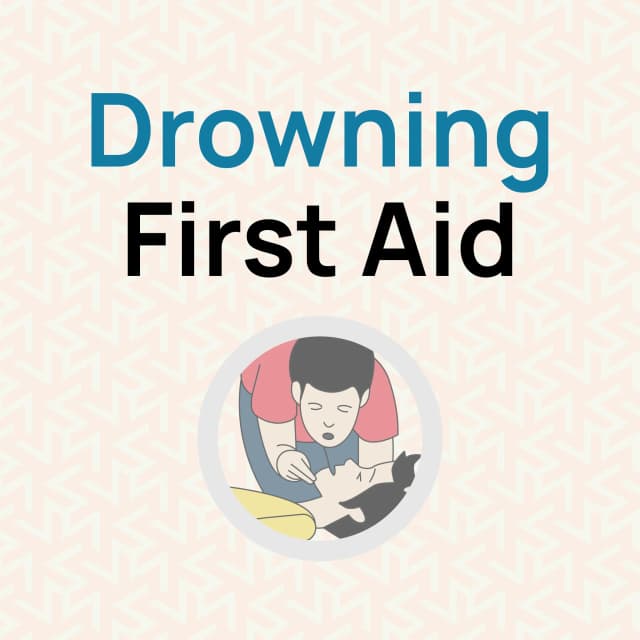
Drowning emergencies happen fast, often without any warning. Knowing what to do in those critical moments could mean the difference between life and death. Whether you�re hanging out at the pool, the beach, or even a lake, it�s important to stay calm, act quickly, and follow these drowning first aid steps..How to Spot a Drowning EmergencyDrowning doesn�t look like what you see in the movies. It�s usually silent and subtle, while in most cases a person maybe calling out for help or splashing in a state of panic, there have been cases where the person may not even be able to call for help. Here are the common signs to watch for:Head low in the water, with their mouth open or tilted backGasping or struggling to breatheWeak or no movement-sometimes they just float motionlessTrying to �climb� in the water but not making any progressIf you see any of these signs, don�t wait-take action immediately.Step 1: Keep Yourself SafeBefore diving in, make sure you�re not putting yourself in danger. If the water looks rough or risky, use a flotation device or a long pole to reach them. Enter the water only if you�re sure you can safely bring them back.Step 2: Get the Person Out of the WaterIf it�s safe, remove the person from the water as quickly as possible. Time is critical when someone isn�t breathing. Lay them flat on their back on a solid surface and clear their airway.Step 3: Check for Breathing and PulseBreathing: Place your ear close to their mouth and nose to listen for breath sounds. Watch their chest for movement.Pulse: Check for a pulse by placing two fingers on their neck, just under the jawline.If a person rescued from drowning is not breathing, you�ll need to act fast.Step 4: Give 5 Rescue Breaths FirstCall emergency services (999 UK, 112 Europe, 911 US) before taking action.For drowning victims, oxygen is often the biggest issue. Unlike other emergencies, drowning first aid starts with 5 rescue breaths before moving to chest compressions:Tilt their head back slightly to open their airway.Pinch their nose shut and cover their mouth with yours to form a seal.Blow in gently�just enough to make the chest rise. Repeat 5 times.This is an important step because it helps bring much-needed oxygen to their lungs.Step 5: Start CPR if There�s Still No BreathingIn case the individual does not reply after the 5 rescue breaths, then proceed with the following CPR steps:Start chest compressions:Place one hand over the other in the middle of their chest.Push hard and fast (about 2 inches deep) at a rate of 100�120 compressions per minute.Alternate 30 chest compressions with 2 rescue breaths.Keep on going until the individual begins to breathe or the emergency services arrive.This combination of rescue breaths and compressions is essential for CPR in drowning emergencies.Step 6: Prevent Hypothermia and Monitor CloselyIf they regain consciousness, lay them on their side (recovery position) to keep their airway open, especially if they might vomit.If they are cold, wrap them with a towel or blanket to avoid hypothermia, but do not overheat.Stay with them until medical help arrives.Step 7: Always Get Medical HelpEven if the person seems fine afterward, take them to the hospital. Drowning victims can develop secondary drowning, where fluid builds up in the lungs hours later. This condition can be life-threatening if not treated quickly. .main{ border:3px solid #0f7c90; border-radius:20px; position: relative; font-family:roboto; font-weight: 400; color: #000; } .main-two{ position: absolute; top:-25px; left:45px; background-color:white; } .img-div{ border-radius : 100%; padding:2px 7px; background-color:#0f7c90; margin-right:5px; width: 50px; height: 50px; } .img{ width:30px; object-fit:contain; height:auto; border-radius : 100%; } @media only screen and (max-width: 600px) { .heading{ font-size:20px; } .img{ width:20px; object-fit:contain; height:auto; border-radius : 100%; } .img-div{ width: 40px; height: 40px; } .main-two{ left:25px; } } Want to learn more about First Aid for drowning? Our First Aid courses offer complete training to help you handle critical situations. These courses can be helpful whether you would like to get better in your skills or in the workplace. View our Emergency First Aid at Work (EFAW) and Level 3 First Aid at Work courses. These courses meet the UK legal requirements and help you keep people safe. Why 5 Rescue Breaths for Drowning MatterIn the cases of drowning, the lungs are not always filled with water; however, the airway might be blocked, and the body lacks oxygen (hypoxia). That�s why giving 5 rescue breaths before starting chest compressions can make a huge difference�it helps oxygenate the body, increasing the chances of survival.How to Prevent Drowning EmergenciesAlways supervise: Never leave children alone near water�not even for a few seconds.Learn to swim: Take swimming lessons or refresh your skills if it�s been a while.Use life jackets: They are necessary when boating or swimming in open water.Avoid alcohol near water: Alcohol disrupts judgment and balance, which increases the risk of drowning.Learn CPR: Knowing how to give CPR for drowning can save lives when every second counts.Nobody would ever wish to be in a drowning situation, but being prepared is key. In case an individual who has been rescued after drowning is not breathing, administer 5 rescue breaths before starting CPR. Stay calm, act quickly, and never skip medical attention, even if the person seems okay.

Wasp Sting Treatment
March 14, 2025
First Aid

Wasp Sting Treatment

Outdoor celebrations and activities like relaxing on your patio can quickly be disrupted if there are wasps around because these stingers are not only a hassle to deal with and can pose a major threat to someone who has wasp allergies or to people with sensitive skin conditions and weaker immune responses. Our aim is to provide the necessary information alongside practical tools for protecting you from wasps so you can safely use your outdoor spaces for your summer barbeques and picnics.How to Identify Wasps and Understand Their BehaviorPaper WaspsPaper wasps form an umbrella-shaped nest commonly found under eaves, decks, or in sheltered spaces, these wasps tend to be less aggressive as opposed to yellow jackets or hornets. However, if they sense danger they will sting immediately. It's best not to provoke them. These wasps are fascinating to look at, but best left alone if you encounter them.Understanding the behavior of these wasps is key to effective control. They are usually attracted to food sources, especially sweets and proteins, and they have the tendency to become territorial, and aggressive if their nest is threatened.Prevention is Key: Keeping Wasps AwayThe ideal way to deal with wasps is to prevent them from becoming a problem in the first place. Here are some measures you can take to ensure you do not encounter wasps:Food Management: Keep food covered, especially when eating outdoors. Clean up spills and crumbs promptly, and ensure garbage cans are tightly sealed. You don�t want your BBQ to turn into a buffet for wasps!Yard Maintenance: Eliminate potential nesting sites by trimming bushes, filling holes in the ground, and removing fallen fruit. A well-kept yard is less inviting to wasps.Sealing Entry Points: Inspect your home for cracks and openings; seal them to prevent wasps from building nests inside walls or attics. Check your eaves and vents � they can be prime real estate for wasps!Landscaping Tips: While not a foolproof solution, some people believe certain plants like citronella or mint may deter wasps. A bit of trial and error can go a long way in keeping your outdoor spaces enjoyable.When to Call a Professional: Expert Help is EssentialFor larger nests or those nests that are not easy to reach like the ones built in elevated spots, it's crucial to call a professional pest control service. They have the expertise and right equipment needed to handle wasps safely and effectively. If you have allergies or experience repeated infestations, seeking professional help is even more essential to ensure safety.Symptoms of a Wasp StingSharp pain and burningRedness and swellingItching and irritationSmall bump with a white centerSevere allergic reactionFirst Aid for Wasp Stings: Immediate Actions to TakeWasp stings can occur unexpectedly. Here are the recommended immediate actions:Immediate StepsIf the stinger is visible, do not pinch it, pinching it will release more venom try scraping it away with a credit card or other flat object. Wash the area where you were stung with soap and clean water, then apply a cold compress to alleviate swelling.Pain ReliefOver-the-counter pain relievers and antihistamines may help manage pain and itching. Keeping a first aid kit handy is always a good idea for summer activities.Allergic ReactionsSeek immediate medical attention if you experience signs of a severe allergic reaction (anaphylaxis), such as shortness of breath, hives, swollen face, or dizziness. Time is of the essence in these situations. .main{ border:3px solid #0f7c90; border-radius:20px; position: relative; font-family:roboto; font-weight: 400; color: #000; } .main-two{ position: absolute; top:-25px; left:45px; background-color:white; } .img-div{ border-radius : 100%; padding:2px 7px; background-color:#0f7c90; margin-right:5px; width: 50px; height: 50px; } .img{ width:30px; object-fit:contain; height:auto; border-radius : 100%; } @media only screen and (max-width: 600px) { .heading{ font-size:20px; } .img{ width:20px; object-fit:contain; height:auto; border-radius : 100%; } .img-div{ width: 40px; height: 40px; } .main-two{ left:25px; } } Want to learn more about Wasp Sting Treatment? Our First Aid courses offer complete training to help you handle critical situations. Whether you want to improve your skills or workplace safety, these courses help build confidence and expertise. View our Emergency First Aid at Work (EFAW) and Level 3 First Aid at Work courses. These courses meet the UK legal requirements and help you keep people safe. Debunking Myths about Wasps: Separating Fact from FictionMany misconceptions exist regarding wasps. For instance, while they seem attracted to sweet scents, it's usually food that is decaying that draws them in. Additionally, swatting away at a wasp is a recipe for danger. It will provoke a sting. The solution is to calmly move away. It's always best to remain calm when surrounded by wasps.What to Do If Complications OccurIn rare cases, wasp stings can lead to severe complications, including:Multiple organ failureNeurological symptoms, such as seizuresCardiovascular symptoms, including palpitations and arrhythmiasIf any of these symptoms occur right after an encounter with a wasp, seek immediate medical assistance.First Aid Kit that Caters to Insect BitesFor those who enjoy outdoor activities, having a first aid kit that includes items to help and prevent insect bites is imperative. Your first aid kit should include an EpiPen, ointments for pain relief, allergy medication, and a cold pack for swelling.ConclusionUnderstanding wasp behaviour is key along with knowing exactly when to call for professional help, you can effectively manage wasp-related issues and enjoy outdoor spaces without concern. Wasp stings can pose a serious threat, especially if you have allergies or other conditions like autoimmune diseases. It is crucial to keep an eye on symptoms and seek immediate medical help if they don�t dissipate after first aid. Also, it's wise for those with asthma or allergies to always carry an EpiPen. Enjoy the summer sun while staying vigilant!

spider bite treatment
March 13, 2025
First Aid

Spider Bite First Aid: Spot It, Treat It, Stay Safe!

Spider Bite First Aid: What to Do When BittenSpider bites are common, and while most are harmless, some can cause serious health issues. Knowing how to treat a spider bite properly minimises discomfort and prevents complications. This blog post will guide you through the essential first-aid steps for spider bites.Identifying a Spider BiteSpider bites often appear as tiny, red marks on the skin, similar to other insect bites. However, some spider bites may have distinct characteristics, depending on the nature of the venom. These distinct characteristics can present themselves as:Pain: The bite area may be painful, ranging from mild to severe.Swelling: The bite site may swell and become inflamed.Redness: The skin around the bite soon turns reddish.Itching: The area might feel itchy.Blistering: While some spider bites (like a brown recluse) can cause blisters or necrotic tissue, not all do.Muscle cramps or spasms: In extreme cases a person may suffer from muscle spasms.Nausea and vomiting: Another example of a severe case is that a person may feel nauseated after being bitten by a spider.Fever: some people might end up with a fever followed by a spider bite.First Aid for Spider BitesIf you suspect you've been bitten by a spider, follow these first-aid steps:Clean the wound: Wash the bite area with mild soap and water to prevent infection.Apply a cold compress: Apply a cold compress or ice pack to the bite for 15 minutes at a time, several times a day, to reduce swelling and pain.Elevate the affected area: If possible, elevate the bitten limb to help reduce swelling.Take over-the-counter pain medication: If you're experiencing pain, take an over-the-counter pain reliever like acetaminophen or ibuprofen.Monitor for signs of infection: Watch for signs of infection, such as increased redness, swelling, pain, or pus. If you notice any of these signs, seek medical attention immediately.If the signs worsen- seek immediate help, if the person is having difficulty breathing or has chest pain then it is imperative that you take immediate action. .main{ border:3px solid #0f7c90; border-radius:20px; position: relative; font-family:roboto; font-weight: 400; color: #000; } .main-two{ position: absolute; top:-25px; left:45px; background-color:white; } .img-div{ border-radius : 100%; padding:2px 7px; background-color:#0f7c90; margin-right:5px; width: 50px; height: 50px; } .img{ width:30px; object-fit:contain; height:auto; border-radius : 100%; } @media only screen and (max-width: 600px) { .heading{ font-size:20px; } .img{ width:20px; object-fit:contain; height:auto; border-radius : 100%; } .img-div{ width: 40px; height: 40px; } .main-two{ left:25px; } } Want to learn more about spider bites and how to treat them? Our First Aid courses offer complete training to help you handle critical situations. Whether you want to improve your skills or workplace safety, these courses help build confidence and expertise. View our Emergency First Aid at Work (EFAW) and Level 3 First Aid at Work courses. These courses meet the UK legal requirements and help you keep people safe. When to Seek Medical AttentionWhile most spider bites can be treated at home, it's essential to seek medical attention if you experience any of the following:Severe pain: If the pain is intense or worsening, seek medical help immediately.Muscle cramps or spasms: Muscle cramps or spasms can indicate a severe reaction to the venom and require medical treatment.Difficulty breathing: If you experience difficulty breathing, wheezing, or chest tightness, seek emergency medical attention immediately.Nausea and vomiting: Persistent nausea and vomiting can also indicate a severe reaction and require medical treatment.Signs of infection: If the bite shows signs of infection, such as increased redness, swelling, pain, or pus, seek medical attention promptly.Bite from a known dangerous spider: If you know you were bitten by a potentially dangerous spider, such as a black widow or brown recluse, seek medical attention immediately, even if you don't have any symptoms.Preventing Spider BitesWhile it's impossible to prevent all spider bites, you can take steps to reduce your risk:Wear protective clothing: When working in areas where spiders may be present, wear long sleeves, pants, and gloves.Inspect clothing and gear: Shake out clothing, shoes, and gear before wearing or using them, especially if they've been stored in a garage or shed.Be cautious in dark or undisturbed areas: Spiders often prefer dark, secluded spaces. Be cautious when working in such areas, like attics, basements, and crawl spaces.Keep your home clean: Regularly clean and declutter your home to reduce spider habitats.Seal cracks and openings: Seal cracks and openings in your home's foundation and walls to prevent spiders from entering.ConclusionSpider bites are common, but most turn out to be harmless and can be treated at home with basic first aid. However, knowing when to seek medical attention is imperative, as some spider venomous spiders can cause severe reactions. By carefully following the tips in this article, you can be prepared to handle any spider bites effectively and prevent or reduce any potential complications.

Security Technology
February 26, 2025
Security

How Modern Technology Has Affected Security in the UK

In recent years, technology has dramatically impacted security in the UK. New technology has changed how we protect our homes, businesses, and public spaces, from smart home gadgets to robust surveillance systems. While these advances make us safer, they also raise some concerns.The Growth of Smart Security DevicesOne of the most significant security changes is the rise of smart devices. These gadgets help protect homes and businesses and are easy to control from your phone or computer. For example, smart cameras and video doorbells allow people to see who is at their door, even when they're not home. Other devices, like motion sensors and smart locks, can send alerts if something unusual happens.These devices can also be linked to create an intelligent security system, making monitoring and protecting a property easier. The convenience of managing everything from your phone has made home security more accessible for many people.� .main{ border:3px solid #0f7c90; border-radius:20px; position: relative; font-family:roboto; font-weight: 400; color: #000; } .main-two{ position: absolute; top:-25px; left:45px; background-color:white; } .img-div{ border-radius : 100%; padding:2px 7px; background-color:#0f7c90; margin-right:5px; width: 50px; height: 50px; } .img{ width:30px; object-fit:contain; height:auto; border-radius : 100%; } @media only screen and (max-width: 600px) { .heading{ font-size:20px; } .img{ width:20px; object-fit:contain; height:auto; border-radius : 100%; } .img-div{ width: 40px; height: 40px; } .main-two{ left:25px; } } Learn more about modern technology�s role in security through our SIA courses. Whether you�re applying for door supervision, close protection, security guarding, or CCTV operations, these courses meet the latest industry standards. SIA courses are essential for obtaining an SIA license and opening doors to opportunities in the security industry. Improved Surveillance with New TechnologySecurity cameras have become much more advanced in recent years. In the UK, public and private cameras now have better features like higher video quality, night vision, and facial recognition. These improvements help businesses and the police can quickly respond to incidents.AI (artificial intelligence) is also making surveillance brighter. It can help cameras detect unusual activity, like someone breaking into a building, or track people's movements in busy areas. While there are privacy concerns, these technologies are helpful in preventing crime and solving cases faster.Drones: A New Tool for Security Drones are another new addition to the security world. Drones with cameras monitor large areas like stadiums, festivals, or even industrial sites. They can capture live video or use thermal imaging to spot fires or intruders. Drones can quickly cover much ground, making them a valuable tool for security teams. These devices are also great in emergencies, helping to assess damage or provide live footage in hard-to-reach places like rooftops or disaster zones.Artificial Intelligence and Predictive SecurityArtificial intelligence (AI) is playing an important role in security. Many organisations now use ai ml development services to analyse huge amounts of data, such as surveillance footage or social media posts, and spot potential threats before they happen. By hiring a professional AI and ML expert, businesses can build predictive systems that not only identify risks but also recommend the best response in real time, improving decision-making and operational safety.AI also helps by automating tasks that generally take a lot of time, like monitoring dozens of cameras simultaneously. This makes it easier for security teams to respond quickly during an emergency.The Growing Need for CybersecurityThe need for strong cybersecurity increases as more devices connect to the internet. In the UK, there has been a rise in cyberattacks, like hacking and online scams. To fight back, businesses and government organisations use advanced security technology such as a secure web gateway solution to protect data and prevent attacks.Smart devices, like security cameras and locks, also need strong protection to stop hackers from gaining access. The rise of cybersecurity technology shows that digital security is just as important as physical security in today�s world.A simple step to strengthen device security is adopting a�password manager. This tool centralizes and encrypts credentials, encourages unique passwords for each device, and enables teams to share access securely�reducing the risk that one compromised password could unlock multiple systems.Privacy Concerns and ChallengesWhile new security technology brings many benefits, it also raises privacy concerns. Surveillance cameras, facial recognition, and drones can make people feel like they�re always being watched. In the UK, there are rules to ensure that technology is used fairly and doesn�t violate people's privacy.For example, the government has guidelines to protect people's data and ensure proper surveillance. But as technology evolves, the balance between security and privacy must be maintained. Beyond hardware, digital investigative tools are also becoming a standard part of a comprehensive security strategy. For instance, a Reverse address search can provide critical context for homeowners or security teams by identifying the residents or history associated with a specific property. This type of digital due diligence complements physical tools like smart cameras, allowing individuals to verify the legitimacy of visitors or neighbors and better understand the security landscape of their immediate environment.ConclusionModern technology has made the UK's security more competent, effective, and easier to manage. Smart devices, AI, and drones are all helping to protect people and property in new ways. However, it�s important to remember that with these advances come challenges, especially regarding privacy and data protection.As technology continues to improve, security will keep getting better. But we must use these tools carefully and thoughtfully to make sure they help keep us safe without invading our privacy.

frontline vs non-frontline
February 25, 2025
Security

What is the Difference between Frontline and Non-Frontline SIA Licence

In the UK, a career in the security industry requires specific qualifications to ensure that individuals are trained and legally compliant. One of the most important qualifications is the SIA licence issued by the Security Industry Authority (SIA).The SIA ensures high standards within the private security industry, protecting public safety and security professionals.There are two main categories of SIA licences: frontline and non-frontline. Understanding the difference between the two is important for anyone pursuing a career in security.What is an SIA Licence?An SIA licence is an official certification that shows an individual is qualified to perform security duties for businesses, organisations, or private clients. The SIA, a government-backed authority tasked with regulating the security industry, issued the licence.An individual must legally hold the appropriate licence to work in any security-related role in the UK. The SIA licence covers various security positions, including close protection, security guarding, and CCTV operation.There are several types of SIA licences, each corresponding to specific roles in the security sector. Understanding the primary categories�frontline and non-frontline�is key to determining which licence is necessary for your role.What is a Frontline SIA Licence?A frontline SIA licence is required for individuals directly involved in security activities. This includes roles that involve physical security tasks such as patrolling, monitoring alarms, manning doors, or interacting with the public in a security capacity.Some common types of frontline SIA licences include:Door Supervisor Licence: Required for individuals working at the entrance of venues like pubs, clubs, or other entertainment establishments. The role often involves checking IDs, ensuring the safety of patrons, and managing crowd control.Close Protection Licence: For professionals who provide personal security to individuals such as celebrities, high-profile businesspeople, or government officials.Public Surveillance Using CCTV: Required for those who monitor surveillance systems in control rooms.Key Points About Frontline LicencesDirect Involvement in Security Work: Frontline workers actively carry out security-related duties.Visibility: Frontline licences must be worn visibly while on duty. This helps to demonstrate that the individual is qualified for the role.Training Requirement: To obtain a frontline licence, you must complete an SIA-approved training course specific to the role.What is a Non-Frontline SIA Licence?A non-frontline SIA licence is for individuals who oversee or manage security operations but do not directly participate in security duties themselves. These roles are generally managerial or supervisory in nature.Examples of individuals who may require a non-frontline license include:Security Managers: Individuals who oversee the overall security operations for a company or venue.Supervisors: Those who manage teams of security personnel but do not engage in security duties directly.Employers: Individuals running security firms or businesses that employ security guards.Non-frontline SIA licences come in the form of a letter rather than a card and do not need to be displayed while working.Key Points About Non-Frontline LicencesSupervisory and Managerial Roles: Non-frontline licence holders manage and supervise security staff but do not perform hands-on security work.No Display Requirement: Unlike frontline licences, non-frontline licences do not need to be shown publicly while working.No Mandatory Training: There are no specific training requirements for obtaining a non-frontline SIA licence, although applicants must meet specific eligibility criteria.Main Differences Between Frontline and Non-Frontline LicencesFeatureFrontline SIA LicenceNon-Frontline SIA LicenceRoleDirect involvement in security duties (e.g., patrolling, door supervision)Supervisory or managerial roles (e.g., security manager, supervisor)Licence TypeIssued as a card that must be worn visiblyIssued as a letter, no need to displayRequired forSecurity guards, door supervisors, close protection officers, CCTV operatorsSecurity managers, supervisors, employersTraining RequirementsMust complete SIA-approved training for the roleNo specific training requirementsTasks AllowedPerform physical security tasks (e.g., patrolling, handling alarms)Manage or oversee security operations .main{ border:3px solid #0f7c90; border-radius:20px; position: relative; font-family:roboto; font-weight: 400; color: #000; } .main-two{ position: absolute; top:-25px; left:45px; background-color:white; } .img-div{ border-radius : 100%; padding:2px 7px; background-color:#0f7c90; margin-right:5px; width: 50px; height: 50px; } .img{ width:30px; object-fit:contain; height:auto; border-radius : 100%; } @media only screen and (max-width: 600px) { .heading{ font-size:20px; } .img{ width:20px; object-fit:contain; height:auto; border-radius : 100%; } .img-div{ width: 40px; height: 40px; } .main-two{ left:25px; } } Stay safe, stay qualified, and get the right certification to make your security career a success! SIA licences are for different security jobs like door supervisors, security guards, and CCTV operators. The Door Supervisor Licence manages crowds and entrances, while the Security Guard Licence protects property. If you work with surveillance cameras, you need a CCTV Operator Licence. Taking the right SIA courses will prepare you for the job and help you get licensed easily. Which Licence Do You Need?The type of SIA licence you need depends entirely on the nature of the security work you will be performing. If your role involves direct interaction with the public or engaging in physical security activities, you will need a frontline SIA licence.However, a non-frontline SIA licence is required if you will be working in a supervisory or managerial capacity, overseeing those involved in frontline security duties.For example, you need a frontline licence if you are employed as a door supervisor. But if you manage a team of door supervisors, you need a non-frontline licence.ConclusionUnderstanding the difference between frontline and non-frontline SIA licences is essential when entering the UK security industry. Frontline licences are required for individuals who perform direct security tasks, while non-frontline licences are for those in managerial or supervisory roles.Choosing the correct licence will ensure you comply with UK law and help you gain the necessary skills and knowledge to succeed in your security career. If you want to pursue an SIA license, carefully review the requirements for your role and choose the appropriate certification.

SIA Refresher Course
February 24, 2025
Security

New SIA Refresher Courses for 2025

If you work in the UK security industry, the Security Industry Authority (SIA) has introduced changes to licence renewal requirements that could affect your career.Starting April 1, 2025, all door supervisors and security guards must complete refresher training to renew their SIA licence.This is part of the SIA�s ongoing efforts to ensure security professionals stay up-to-date with the latest safety standards and techniques.SIA Refresher Course: What Is It?The new SIA refresher training is a mandatory requirement for certain security professionals to maintain their licences. It�s designed to refresh and update the safety-critical skills that door supervisors and security guards need to keep the public safe. The refresher training will cover the latest safety topics, including advanced techniques in conflict management, terror threat awareness, and other essential skills that may have changed since your last qualification.Starting from October 1, 2024, the new refresher training courses will be available, and they must be completed to renew your SIA licence after April 1, 2025.Why is the New SIA Training Necessary?Security challenges and expectations are constantly changing. The SIA has recognised that skills can fade over time, so it wants security professionals to have up-to-date training. The training will focus on spiking awareness, terror threat awareness, and practical skills for handling various situations safely.SIA Renewal Course: Who Needs It?From April 1, 2025, the SIA will require door supervisors and security guards to complete refresher training to renew their licence.Roles affected by this new refresher training include:Door SupervisorsSecurity GuardsYou must complete this refresher training before your renewal application if you�re due to renew your licence after April 1, 2025. .main{ border:3px solid #0f7c90; border-radius:20px; position: relative; font-family:roboto; font-weight: 400; color: #000; } .main-two{ position: absolute; top:-25px; left:45px; background-color:white; } .img-div{ border-radius : 100%; padding:2px 7px; background-color:#0f7c90; margin-right:5px; width: 50px; height: 50px; } .img{ width:30px; object-fit:contain; height:auto; border-radius : 100%; } @media only screen and (max-width: 600px) { .heading{ font-size:20px; } .img{ width:20px; object-fit:contain; height:auto; border-radius : 100%; } .img-div{ width: 40px; height: 40px; } .main-two{ left:25px; } } Don�t wait until the last minute � book your SIA refresher training early to stay compliant with the new 2025 requirements. At SIA Refresher Training, we offer accredited courses to help door supervisors and security guards meet the latest standards. Stay professional and ensure your licence renewal by completing your training today! New SIA Badge: Key Modules in the Refresher TrainingThe new refresher training will include updated content on topics important for security professionals. Here�s an overview of what you can expect in the refresher training:For Door Supervisors:Conducting Searches �The latest techniques for practical and legal searches.Physical Intervention � Updated methods for handling difficult situations safely.Protecting Vulnerable People � Including specific content on handling spiking incidents.Terror Threat Awareness � Includes training on recognising and responding to terror threats (ACT/You Can ACT certificate).For Security Guards:Conducting Seaches � How to conduct searches safely and lawfully.Protecting Vulnerable People � Focus on keeping vulnerable people safe in various situations.Terror Threat Awareness � Similar to door supervisors, security guards will also complete the ACT/You Can ACT training.Important! You can choose between two options for your refresher training if you're a door supervisor:Take the door supervisor refresher training and renew your door supervisor licence.Take the security guard refresher training and switch to a licence if your role changes.What Happens If You Don�t Complete the SIA Refresher Training?If you don�t complete your refresher training in time for your licence renewal, you may face serious consequences, including:Rejection of your licence renewal � Without proof of refresher training, your SIA licence will not be renewed.Potential job loss � You may be unable to work in licensed security roles.Legal penalties � Working without the required training may result in fines.To avoid these risks, plan and complete your refresher training before your licence is due for renewal.How Often Do You Need to Complete SIA Refresher Training?The refresher training must be completed every three years, which aligns with your SIA licence renewal period. However, some training modules, like emergency first aid and physical intervention, may need to be refreshed annually.Tips for Completing Your SIA Refresher Training SuccessfullyHere are some tips to help you complete your SIA refresher training:Book early � Don�t leave it until the last minute to complete your training. Book as soon as it becomes available.Choose an accredited provider � Ensure that the training provider is SIA-approved, so you meet the official requirements.Check with your employer � Some employers may cover the cost of the training, so make sure to ask.Keep a copy of your certificate � You�ll need proof of completion for your licence renewal.Stay informed � Stay up-to-date with any changes from the SIA to ensure you�re meeting all requirements.Frequently Asked Questions (FAQs)Is refresher training mandatory for all security personnel?Yes, it�s mandatory for all door supervisors and security guards who are renewing their licences after April 1, 2025.Can I complete my refresher training online?Yes, online training is available for some roles like CCTV operators. However, physical intervention training must be completed in person.How much does SIA refresher training cost?Depending on the training provider, the cost typically ranges from �100 to �300.Can my employer pay for my refresher training?Many employers cover the cost of refresher training, so check with your employer to see if they�ll cover it.What happens if I fail the refresher training?If you fail the refresher training, you must retake it before your licence can be renewed.ConclusionThe new SIA refresher training for 2025 is essential for maintaining your license and ensuring you remain qualified to work in the security industry. By completing this refresher training, you will stay up-to-date with the latest safety standards, techniques, and regulations, giving you the tools you need to keep the public safe and advance your career.