Hurak

Articles

Browse all articles - 423 results

temporary work construction
September 27, 2023
Construction

All About Temporary Works in the Construction Industry�

Temporary works are required for almost every construction project, but it is often misunderstood what temporary works are and how we can manage them efficiently. Just like permanent work, temporary works in construction have their own significance in building projects.In this blog, I�ll provide valuable insights and explore the main purpose of temporary works, such as site clearing and excavations. We'll also explore the various aspects of temporary work, from the types of jobs you can have as a temporary worker to tips to manage temporary works efficiently.What Are Temporary Works in Construction? Temporary works can be defined as an engineered solution used to facilitate the construction of permanent works. Once the construction work is completed, they are often removed. Common examples of temporary works in construction are scaffolding and hoarding.According to the Code of Practice for temporary works procedures �BS 5975 Design Temporary Falsework�, temporary works are designed to support or protect a structure during construction, an item of plant or equipment, and the sides of excavation during construction operations, or to provide access. To understand this term more precisely, let�s explore the difference between temporary works and permanent works in construction.Temporary Works Vs. Permanent Works in Construction�Permanent WorksTemporary WorksWhat is it?Permanent site works are the structure that is the permanent part of the design.This type of construction work is a component of the project that allows you to construct permanent site work.Where is it required?It is required for the entire lifespan of the structure.These works are required for a certain period of time to execute certain construction activities.�ExamplesWalls, roads, parking, ponds and canals, and landscaping.�Site clearing, demolition of abandoned structures, evacuations, and scaffoldings.�What are the Different Types of Temporary Site Works in Construction?There are a number of temporary works in the construction industry. Let�s explore the most common ones below.Types of Temporary WorksDescriptionSite ClearingIt involves cutting trees and removal of bushes and topsoil. These are done by using machines such as backhoes, dozers, clearing rakes, and stump splitters.Demolition of Abandoned StructuresThis includes the deconstruction of abandoned concrete, steel, and masonry structures.Mass Grading�The process of obtaining the right elevation of the ground is known as mass grading. It is done by dozers, excavators, and loaders after demolition and site clearing.ScaffoldingThis type of temporary works are used to support workers and their equipment during the construction, maintenance, and repair of buildings, bridges, and other man-made structures. It provides a safe working environment for inspection, access, and construction.Formwork�Formwork refers to the moulding/shaping of�concrete into structural shapes (beams, columns, slabs, shells) for buildings, bridges, or any other structure. Any composite material, wood or plastic can be used to make formwork.�FalseworkFalsework refers to the temporary structure that is built during construction to hold up the permanent structure to the point where it can stand alone without any temporary support. Falsework includes temporary supports for formwork, which is used to mould�concrete when elevated roads, bridges, and structures are being built.Shoring�A temporary structure called shoring is used to keep the main building, which is still under construction, from collapsing. In general, it's important to safeguard nearby buildings, stabilise the walls of the construction pit, and stop water from getting into the pit.CranesCranes are used in the construction of bridge superstructures and substructures. Cranes can also act as bridges, allowing concrete to move to�inaccessible areas. Floating cranes, bridge cranes, or gantry cranes are common examples of crane equipment.Temporary Construction Jobs and Their SalariesConstruction sites that are only set up for a short time have many different jobs.Why is There a Need for Temporary Work?Temporary works provide safety to crew staff involved in the construction. Secondly, it provides adequate strength to the permanent structure, which is extremely important in achieving the required structure. As concrete takes time to harden, structural members are held in place with props until the desired strength is reached. Sometimes temporary works also shift and is incorporated into permanent works such as haul road foundations and crane and pilling platforms.Thirdly, it allows access to areas where construction is taking place. You've probably seen workers using shuttering to gain entry into areas where access is not possible. When planning a new build, it�s important to include temporary works in your budget, as they form a key part of overall home construction expenses.How to Manage Temporary Works in Construction?According to figures released by the Health and Safety Executive (HSE), 30 deaths occur annually in the construction industry.Among all industries, the construction industry has the highest rate of fatal injuries. Though there is no specific legal requirement for how to manage temporary work, there are certain measures you can take to ensure safety.Hire temporary works Coordinators: Typically, temporary works coordinators (TWC) are hired to manage temporary works efficiently. They help to ensure that the right designs are created, reviewed, and erected on the job site. Moreover, in order to ensure that all work is carried out and coordinated in a manner that does not involve any risk or harm, it is important to appoint a competent work coordinator.Focus on Temporary Works Design: All equipment and items of temporary works must be designed with meticulous details and attention. The instructions provided by the equipment manufacturer must be followed when selecting and using temporary support or the product manual, e.g. standard scaffold or hoarding system.CSCS Training CoursesUpon finishing the Green CSCS Card Course or the Level 1 Health and Safety in a Construction Environment, you can apply for the CSCS Green Card.This card will qualify you for employment on construction sites in various entry-level roles, such as bricklayer, carpenter, or plumber.CSCS courses are important for anyone in the construction industry, whether you are a labourer, tradesperson, or manager. The card demonstrates that you possess the required training and qualifications for your specific role on-site.Frequently Asked Questions (FAQs)What are the risks of temporary work?The major risks associated with temporary works include the collapse of structures, the falling of objects, excavation collapses, and getting struck by moving machinery. Additionally, if temporary works are not carried out properly it also results in financial, health, and safety loss.Do I need a CSCS card for temporary works in construction?Yes, you will need a valid CSCS card for temporary works on the construction site, whether you�re a skilled labour or site supervisor. Though getting a CSCS card is not a legal requirement, you must still get it in order to gain access to the construction site or to qualify for any job. There are several types of CSCS cards, and you can get any one of these depending on your qualifications and experience. What is temporary formwork?Formwork is used for temporary moulding to form concrete into structural shapes for buildings, bridges, and other structures.What are temporary structures?Any structure that is only intended to perform a specific function temporarily rather than for long-term use is considered to be "temporary." These structures are created to meet a short-term need, lasting hours, days, weeks, or even months rather than years.What are the advantages of temporary construction?There are many advantages of temporary construction. These structures are:Cost efficientHighly customisableCan be installed quicklyCan be shifted and incorporated into permanent worksProvides adequate strength to the permanent structureWhat are the different kinds of temporary structures?Temporary structures come in various forms, including canopies, garages, sizable greenhouses, barn and farming storage facilities, aeroplane hangars, materials storage facilities, screen houses, and more.Conclusion Temporary works in the construction industry hold great importance as they help to build permanent structures. It also provides many job opportunities to construction workers. However, we shouldn�t overlook the fact that the majority of injuries occur during temporary work, which is why it is critical to manage temporary work effectively.

earnings-with-cscsc-labourer-card
September 7, 2023
Construction

Earnings with CSCS Labourer Card: How Much Can You Earn in 2023?

The CSCS Green Card supports those wanting to join construction sites as labourers. But, how much do they make?This guide will walk you through that and we�ll find out how much you can earn as a labourer in 2023, and which other cards CSCS offers for higher earnings. .second-cta-block .main-heading { font-weight: bold; font-size: 22px; } .second-cta-block .book-now { background: #DF3D52; color: #FFFFFF !important; border-radius: 8px; } .second-cta-block .second-heading { font-size: 17px; } .second-cta-block .card { border: 0 !important; } .second-cta-block .card-body { border: 1px solid #909090; box-shadow: rgba(0, 0, 0, 0.16) 0px 1px 4px; border-top-right-radius: 100px; border-bottom-right-radius: 100px; background: #ECECEC; } .second-cta-block .image-wrapper { height: 134px; position: absolute; right: -100px; top: calc(50% - 67px); /* Center the image vertically */ } .second-cta-block .image-wrapper img { height: 100%; } .second-cta-block .trustpilot-widget { width: 256px; } .cta-heading-section { width: 75%; } @media screen and (max-width:991px) { .second-cta-block { padding-top: 100px; } .second-cta-block .card-body { border: 1px solid #909090; box-shadow: rgba(0, 0, 0, 0.16) 0px 1px 4px; border-radius: 19px; border-radius: 14px; background: #ECECEC; } .cta-heading-section { width: 100%; padding-top: 50px; } .second-cta-block .image-wrapper { height: 134px; right: 0; position: absolute; left: calc(50% - 108px); top: calc(50% - 203px); } } RQF LEVEL 1 COURSE for CSCS GREEN CARD Check the Course Rated Excellent on major review sites Average Earnings With A CSCS Labourer Card Across The UKAccording to talent.com, the average annual earnings of an individual with a CSCS Labourer Card are reported to be �21,548 in 2023. However, entry-level positions pay �20,914 annually. On the other hand, workers with some experience are getting about �24,863 per annum.It shows that a CSCS Labourer Card can significantly boost your earning potential and expose you to a broader job market.This is not the exact figure, as wages for CSCS Labourer Card holders vary across the UK. Based on the data collected by Indeed.com, I�ve created a list below that states the average per-hour earnings with a CSCS Labourer Card in 2023.LocationPer Hour WagesCambridge�13.54Oxford��13.44Bristol��13.34Reading�13.06London��12.83Leeds�12.69Manchester�12.41Birmingham��12.39Now I�ll compare the earnings of a CSCS Labourer Card holder with those holding other CSCS card types.Earnings with a CSCS Labourer Card vs. other CSCS CardsA CSCS Labourer Card can be a great way to increase your earnings and achieve a professionally recognised qualification. But other advanced cards can get you paid more. Where workers holding a CSCS Labourer card can earn around �13 per hour on average, a Blue Skilled Worker CSCS Card can help them earn an average salary of around �17 per hour.On the other hand, a CSCS Black Manager Cardholder can get anywhere from �30 to �33 per hour. However, a White PQP or PQP Card can elevate your earnings to around �81 per hour, which becomes �55,000 per year.Hence, you should continuously upgrade your skills and acquire other CSCS cards to increase your earnings as your career progresses.What Jobs Can I Apply For With A CSCS Labourer Card?CSCS Labourer Card holders are required to do manual and physical work on a construction site. However, people with additional skills can also apply for this card.Road BuildersIf you are someone who has acquired road-building skills, you can apply for a CSCS labourer card. All you have to do is to pass a CITB Health, Safety, and Environment Test and show that you have completed the RQF Level 1 or SQF Level 4 Award in health and safety.PaintersPainters can also apply for a CSCS Labourer Card. For them, the requirement is the same as for manual labourers and road builders.RoofersRoofers can apply for CSCS Labourer Cards, which can improve their income substantially. Moreover, CSCS labourer cards also provide career progression opportunities upon acquiring relevant skills and experience.PlumbersPlumbers can also benefit from a CSCS Labourer Card by obtaining a CSCS Labourer Card for plumbers. This allows them to demonstrate to their employers that they are fully aware of all the necessary health and safety measures.ElectriciansAs electricians work in environments that are prone to hazards, a CSCS Labourer Card can help them show employers that they are well-trained to work on hazardous construction sites.How Can I Increase My Earnings with a CSCS Labourer Card?A CSCS Labourer Card can help you get a foot in the door of the construction industry. If you�re skilled enough, you can get employment opportunities with better pay and benefits.However, relying solely on a CSCS Labourer Card is not the right way to go if you want to increase your earnings. Instead, you can upskill yourself and apply for advanced CSCS cards that can help you unlock more employment opportunities.Which CSCS Card Should I Get after the CSCS Labourer Card?After acquiring a CSCS Labourer Card, you can apply for several different CSCS cards. These cards include:Blue Skilled Worker CardGold Supervisory Advanced Craft CardBlack Manager CardWhite Professionally Qualified Person (PQP) CardWhite Academically Qualified Person (ACP) CardYou should apply for a Blue Skilled Worker Card after you�ve worked in a specialised skill (roofing, plumbing, etc.). Also, you need to pass NVQ Level 2 to be eligible for this card.If you�re a skilled employee and also have supervised a team of construction workers, the next logical step is to apply for a Gold Supervisory Advanced Craft Card. This card will allow you to become a supervisor on a construction site and will also help you get a raise in salary. You need to pass an NVQ level 3 or 4 to be eligible for this card.The next step in your professional journey should be to become a manager at a construction site. A Black Manager CSCS Card can help you become one. With this card, you can demonstrate to employers that you have sufficient expertise and skills to manage an entire construction site. You need to have an NVQ level 5 or above to be eligible for this CSCS card.Once you have gained enough experience as a construction manager, you can apply for a CSCS White Card. For a White Professionally Qualified Person (PQP) Card, you need an NVQ level 7 qualification to be eligible for this card. Moreover, you can apply for a White Academically Qualified (AQP) Card with a level 7 NVQ qualification.For all these CSCS cards, you�re required to pass the relevant CITB HS&E Test.Frequently Asked Questions (FAQs)How much do labourers make in the UK?The average labourer's earnings in the UK is �21,548. Entry-level positions start at �20, 914 while experienced labourers make around �24,863 annually.How much do labourers get paid in London?The average salary of labourers in London is �47,508 per year. The average additional cash compensation for labourers in London is �7,060.ConclusionThe CSCS Labourer Card is a valuable asset that not only ensures safety on construction sites but also boosts earning potential. With this card, you can step into the industry with confidence and access better opportunities. When it comes to increasing earnings with a CSCS Labourer Card, it surely can provide you with the platform.

cscs-green-card
September 7, 2023
Construction

CSCS Card Funding � Find out How to Get a Free CSCS Card?

If you're aiming for a career in construction � you should get a CSCS card.In this blog post, we�ll cover different funding options and the process you can follow to apply for CSCS Card funding.Potential Funding Options � CITB, LEPs and B&CE Charitable TrustLet�s take a closer look at potential funding options for you to get a CSCS card:If You're an Employee of a CITB Registered EmployerIn this case, all you need to do is ask your employer if they are registered with the Construction Industry Training Board (CITB). Be sure to communicate your reasons for seeking a recognized qualification, and do so in a way that doesn't raise concerns about you wanting to switch jobs. You can emphasize that you want to:� -� Enhance your skill set.� -� Obtain a recognized certification to remain relevant in the industry.� -� Become a member of the CSCS-approved workforce.� -� Familiarize yourself with the health and safety principles expected from you in your job role.Please find the value you can claim in the table below:Reaching out to Local Bodies - LEPsLocal Enterprise Partnerships (LEPs) are partnerships between local authorities and businesses aimed at promoting skill development. You can reach out to them to inquire about funding opportunities and secure a free CSCS card.If You're UnemployedTo qualify for funding under this category, you must have at least 12 months of experience as a tradesperson in the construction industry. And, if you've been unemployed for 3 months or more, you will be eligible for support from the B&CE charitable trust.Final Verdict � How to Get a CSCS Card for Free?Specify the CardUse the CSCS Card Finder; simply add in the qualification you aim to pursue, and it�ll give you the card you�re eligible for.If it�s the first time you are trying to use an online tool, don�t hesitate to follow this handy guide our team wrote specifically on using the CSCS Card Finder. You�ll find a step-by-step way to get your job done, that too with screenshots.Find a Relevant Funding ProgrammeSee, if you were to claim funding for the Blue Card and enrol on the Level 2 NVQ Diploma in Roofing Occupations (just an example)...You need to first figure out how long it would take since it'd help you narrow down CITB fundings. You should reach out to the training provider to get a clear-cut answer for that. Let�s say they say the qualification will take you anywhere from 6-8 months. The next thing you should do is to match the duration against the table we provided up here.Since it can be completed within a year, you�ll be eligible for short qualification funding from CITB.Apply for the GrantDownload the application form, fill it, and send it to CITB.This is just one way to do it.If you�re enrolled on a longer qualification, you might have to reconsider your choices. To make it simpler for you, I�d recommend that you visit this page. You�ll find a list of available grant options. Figure out where you fit and go down that route accordingly.What Would You otherwise Pay for a CSCS Card?The primary factor that determines the cost is the qualification or the training programme you enrol yourself on. If you aim to become a skilled worker, pursuing a Level 2 NVQ course in your trade is the way to go. You can find a list of NVQs on Hurak and see which one goes with what you do.For instance, If you want to become a labourer on a construction site, the training expenses would be around �100 - �200, and this does not include the cost of the CITB test, which is an additional �23.50 � once you have everything in place, you'll need to pay an extra 36 pounds for the CSCS card application. So, in total, it would cost you approximately �200 - �250 to become a labourer on a construction site in the UK.Wrapping UpThe objective of these non-departmental public bodies is to maintain safety standards and ensure that the workforce on construction sites is appropriately qualified for their respective roles. That's why these qualifications are funded � to promote this safety culture.If you found this information overwhelming or have any questions, feel free to connect with our team via LIVE Chat or call us at 0333 344 1293, and we'll be happy to address your queries.

cscs-white-card1-hurak
September 5, 2023
Construction

Your Guide to Getting A CSCS Carpenter Card in the UK

The construction industry is switching to a CSCS-certified workforce. This being the reason, many employers prefer that you carry a CSCS card. And, If you�re a carpenter, then you should get a CSCS card to prove that you�re not just good at what you do but also have an understanding of health and safety principles.In this blog, we�ll see what CSCS card you should pursue as a carpenter and what next when your card expires.What CSCS Card Do I Need for Carpentry?As a carpenter, you can apply for most of the CSCS cards � it comes down to your level of expertise in doing your job. For instance, the Blue Card could be an option if you�ve just started your job on a construction site as a carpenter. Similarly, the CSCS Gold Card could be another option if you're a supervisor.Not that the CSCS card is a barrier to getting a job in construction, but as said earlier, it certainly increases the likelihood of you asking more for your services. So, it never is a bad idea to get one.To obtain this card, you need to demonstrate competence and qualifications related to carpentry. Typically, it involves passing a relevant construction-related qualification or training course and the CITB test.Different CSCS Card Types for CarpentersOne thing you should do to find out which card type is for you is to use the CSCS Card Finder tool. Simply, add your qualification and occupation, and it�ll give you a card you�re eligible for. Here�s a peek into the different card types that would go well with your skill.Blue CSCS Card - Skilled WorkerThe Blue CSCS Card is for skilled carpenters who have completed their apprenticeship or hold an NVQ Level 2 in Carpentry and Joinery.Requirements - Blue CSCS CardNVQ Level 2CITB Operatives HS&E TestGold CSCS Card - Supervisor/Skilled WorkerThe CSCS Gold Card is a step up from the Blue Card, as it approves that the person is a specialist. It also is for supervisors. So, if you�re overseeing a group of carpenters, this one could do the job for you.Requirements - Gold CSCS CardNVQ Level 3 or 4 qualificationsFor the Supervisory card, you must pass a specialist CITB test.For the Skilled Worker Card, you need to pass the CITB operatives test.Black CSCS Card - ManagerThe CSCS Black Card is for those managing operations on a construction site. A level 4 NVQ or higher in carpentry and joinery could get you a senior role in the industry.Requirements - Black CSCS CardNVQ Level 4 QualificationCITB HS&E Test for Managers and Professionals (MAP)Red CSCS CardIf you�ve got none of these qualifications, and you�re just planning to enrol on one. Then, it�s best you take a course in parallel and apply for the temporary card. After you�re done with the training, you can then progress to other CSCS cards.How to Get a CSCS Card as a Carpenter in the UKFor you to get a CSCS card, you first should figure out where you fit. Re-read the above section if you jumped straight onto this, and see if you�ve got the qualifications CSCS asks for. If not, your first step should be enroling on an appropriate qualification.For a list of construction NVQs, please check the �Construction� category on Hurak.Next up, enrol on a CITB test � again, you can have us book this test for you. This MCQ-based test assesses your understanding of safety standards so you can keep yourself and those around you safe on construction sites. To study what this test is about and which one you should particularly pass, this dedicated guide on the CITB test will address your concerns.With both requirements met, you can now start with the application. All you need to do is to create an account on the CSCS online portal, fill in your details and submit an online application. CSCS will issue your card within 3-5 working days after the initial approval. You can also apply over the phone, but it could take up to 10 days to receive your card.Just so you don�t find yourself confused in the middle of nowhere, this blog on filing an application will help you smoothly sail through. You�ll find screenshots in there to check if you�re on the right track.How to Renew if the Card Expires? You�ll find an expiry date stamped on the front side of your CSCS card. CSCS allows you to file a card renewal application within 6 months before or after the expiry of the card. So, you must keep track of it to avoid doing everything from scratch. Also, since you might not be allowed to enter some construction sites without a valid CSCS card, it could cost you a job.For card renewal, you need to again sign in to your CSCS portal account and apply. You can check out this blog on the CSCS card renewal � it includes a list of renewal processes and the required documentation.Frequently Asked Questions (FAQs)What CSCS card does a carpenter need? The qualification and the role they are in define what CSCS card would suit them. For instance, the Blue Card is an option if they�ve got a Level 2 NVQ Diploma in Carpentry and Joinery. Similarly, as they go up, they must enrol on longer qualifications.Are CSCS cards a legal requirement? No, CSCS cards aren�t required by law. It�s just that having these cards increases your chances of landing a better job since many employers prefer that you get this card.Who needs a CSCS card? Those who�re working on a construction site should get a CSCS card. If you�re not directly involved in construction work, you don�t need a card. For instance, you don�t need a CSCS card if you aim to become a security guard on a construction site. Contrarily, if you want to do labour tasks, having a CSCS card is good.Final WordsThe CSCS card provides proof of your competency and communicates to employers that you know what you�re doing. In this guide, we saw how different CSCS cards would befit your profile based on your current qualification.You can also check out other construction courses on Hurak.

631ee465573fe_CSCS-Logo
September 5, 2023
Construction

The Truth about Fake CSCS Cards: Staying Safe and Legitimate

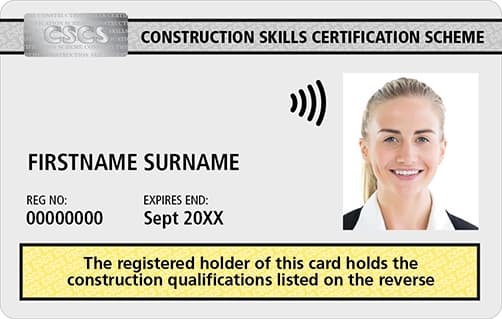
Being an employer in the construction industry, you�re always under threat of fraudulent who try to get jobs with fake CSCS cards. According to the Health and Safety Executive, accidents at work cost businesses �16.2 billion. It shows that workers are not aware of health and safety practices, and a fake CSCS card is one of the reasons. That�s the reason, it�s important to understand how you can spot a fake CSCS card and what are the necessary actions to take when you come across such a situationWhat is a Fake CSCS Card?A fake CSCS card is a fraudulent representation of a valid CSCS card. Individuals willing to work in the construction industry create this card through illegal means. The main purpose of using a fake CSCS card is to get a job and gain access to construction sites.These counterfeit cards mimic the appearance and design of genuine CSCS cards but are not issued or authorised by the official CSCS (Construction Skills Certification Scheme) scheme. These cards may display incorrect or forged information regarding the individual's training, certifications, and industry experience. The production, possession, or use of a fake CSCS card is considered a serious offence under the Fraud Act 2006.How to Spot a Fake CSCS CardSince there could be serious consequences for hiring a worker with a fake CSCS card (which will be discussed later in the blog), it�s extremely important to spot a fake CSCS card. To help you out with this, I�ve compiled a list of critical checks which you must ensure if they are present on the CSCS cards.Name on the CSCS CardTo verify a CSCS card, first ensure that the name on the card matches the ID. If the names don't fit, it's likely a fake or borrowed card. Additionally, check the card's formatting and date; older cards have titles and initials, while newer ones display the full name.Expiry DateThe expiry date is an important way to identify a CSCS card. Most CSCS cards are valid for 5 years, except for Red CSCS Cards, which last for 1 year. If the card has an expiry date that is more than 5 years away, it's likely fake. Also, if the expiry date format doesn't match the card variation, it�s a red flag.Registration NumberEvery CSCS card should have a unique registration number for identification. You can use this number to check the card's validity with the CITB card checker.Smart Card MicrochipThe latest cards may not have a visible microchip but will have a contactless symbol next to the picture. Using an NFC reader, you can verify the card and access the operative's profile.PictureIf the card is fake, relying solely on the picture may not be enough. CSCS requires a passport-style photo and that must be with a plain background.CSCS HologramThere�s one thing common in all CSCS cards, which is a hologram in the top left corner. This hologram is difficult to fake but not impossible, so having it doesn't guarantee the card's authenticity.CITB Card CheckerThe most reliable way to ensure a CSCS card is valid and genuine is to use the CITB card checker.What to Do If You Spot a Fake CSCS CardIf you ever find a fake CSCS card, it's important to take the following steps:If possible, keep the original card and make copies of both the front and back.According to company rules, deny access to the person on-site to the extent permitted by law.Ask the cardholder where they got the card from.Try to record the name and address of the person holding the card.Immediately get to the local police.Forward copies of all evidence to the CSCS address or email it to [email protected] to Avoid Workers with Fake CSCS CardsIf you want to avoid hiring workers with fake CSCS cards, you can apply for CSCS cards on behalf of your employees. Taking control of the application process provides several advantages. Firstly, it saves your business valuable time and resources by hiring the right candidates with real CSCS cards. This helps streamline the recruitment process and you will only have eligible candidates for the jobs.The Dangers Of Fake CSCS CardsIf you hire a person with a fake CSCS card, it welcomes many dangers. And in case of an accident, fatality, or any kind of loss, you will be responsible for the consequences. It�s due to the fact that you�re the business owner and hiring the right candidates is your responsibility. Otherwise, you can have a high number of accidents or fatalities.Frequently Asked Questions (FAQs)Can you get a dodgy CSCS card?Some people go for dodgy or fake CSCS cards. But now, these cards have smart technology, and the CSCS Smart Check app helps detect fake cards easily and quickly.How can I identify a fake CSCS card?You can identify a fake CSCS card by checking certain details such as the card design, holograms, and security features. You can also use the CSCS Card Checker.What are the consequences of using or possessing a fake CSCS card?In that case, you can face legal consequences as well as loss of your job. It can also affect your future job opportunities.What should I do if I suspect someone is using a fake CSCS card on a construction site?If you suspect someone is using a fake CSCS card on a construction site, you must report your suspicions to the appropriate authorities. This matter must be properly investigated and for that, you must notify the site supervisor, project manager, or contact the CSCS.Wrapping Up: Fake CSCS CardIt is extremely important to remain vigilant and informed about the truth surrounding fake CSCS cards. It�s because hiring any employee with a fake CSCS card could cost you a lot. Being an employer, you must ensure the safety and legitimacy of the construction industry.

level-1-award-in-health-and-safety
August 17, 2023
Construction

Level 1 Award in Health and Safety in a Construction Environment - Free Mock Tests Available

The construction industry is going through a big-time change, and if you want to stay relevant, there's nothing better than pursuing a regulated course. But it can sometimes be a burden on your finances.In this blog post, I've provided resources that you can use to prepare for the Level 1 Award in Health and Safety in a Construction Environment for free. It will help you prepare for a career in construction. How to Access Free Resources for the Level 1 Award In Health and Safety in a Construction Environment? You can access the following resources completely free. The videos provided contain questions and answers that will help you get familiar with the test pattern. You also have the opportunity to take the mock test for free.Below are the given resources including videos and a mock test. These will help you get familiar with the test format. And once you feel you�re well prepared, go ahead and attempt the CITB test.Who's It For?The Level 1 Award in Health and Safety in a Construction Environment is suitable for labourers in the construction industry. Even though you�re employed, the free route to preparing for the Level 1 Award in Health and Safety in Construction Environment would do the job for you.What Comes Next after Completing the Free Level 1 Award in Health and Safety?Follow this 3-stage process to apply for a CSCS Green Card.Stage 1: Achieve a Level 1 Award in Health and Safety in a Construction Environment.For this course, I've included a free mock test for you to prepare. Like I said earlier, it's a basic course that covers topics on health and safety, such as the relevant legislations, the importance of risk assessment and method statements, risks associated with working at heights, inhaling airborne particles, and handling moving plants, among others.Stage 2: Pass the CITB Health, Safety, and Environment Test.Once you've passed the Level 1 Award in Health and Safety in a Construction Environment, the next step is to book the CITB test. We've got another mock test for this one, absolutely free, to help you prepare and get ready for the actual test.Stage 3: Apply for the CSCS Green Card.Now it's time to apply for the card from CSCS. You can do it either online or over the phone. I�ve put together a detailed guide so you can learn the step-by-step process of getting the CSCS card after passing the test.Frequently Asked Questions (FAQs)What free resources can I access on Hurak? You get access to our free mock tests, which include not only the videos but also the MCQ-based tests.What is the CITB test for? The CITB test is a prerequisite to applying for any CSCS card. It stays valid for two years.ConclusionHaving access to free mock tests for the Free Level 1 Award in Health and Safety in a Construction Environment will help you prepare for your construction career. This is the first step to starting the process; the next step is to prepare for the CITB test and get your CSCS card.In case you want us to help you in this process, we have three different plans (Saver, Flexi, and Premium), saving you at least 50 pounds. You will have access to the course material with free same-day results.Want to know more about it? Check out this CSCS Green Card (Labourers) Course!

cscs-white-card1-hurak
August 11, 2023
Construction

Regulated Qualifications Framework (RQF): Meaning, Levels and Durations

RQF, short for Regulated Qualifications Framework, is a nationally recognised system. It governs qualifications in England, Wales, and Northern Ireland.The primary goal of the RQF is to establish an adaptable educational framework throughout these regions. In other words, it ensures consistency and facilitates mobility.What Do the Different RQF Levels Represent?If you take a look at a certificate for an RQF qualification, you'll see a number displayed alongside the qualification title, such as Level 2.This numerical value indicates the qualification's difficulty level, and as the level increases, so does the complexity of the content, requiring learners to allocate additional time to complete the qualification.The RQF consists of 8 primary levels, along with 3 additional entry levels. Here is a table that compares these RQF levels to their corresponding certificates:Understanding the equivalent qualifications at each RQF level is crucial. This understanding allows you to effectively compare the qualifications you're pursuing, be it awards, certificates, or diplomas. However, it's equally important to assess suitability when determining the most appropriate RQF level for your goals.Entry Levels: These levels are typically not mandatory or required by organisations as they provide only basic knowledge. They are suitable for individuals entering a new field.RQF Level 1: The RQF Level 1 marks the initial step towards formal recognition of your knowledge across England, Wales, and Northern Ireland. It caters to learners aged 15-16 and offers foundational knowledge.RQF Level 2: Building on the previous level, RQF Level 2 takes it a step further. It covers the basics of the subject as well as additional modules. It is suitable for learners aged 15-16.RQF Level 3: At this level, you become a specialist in your chosen subject area. It implies that you have covered the basics and have taken a more in-depth approach to learning.RQF Level 4: This level is equivalent to the first year of a bachelor's degree, representing a step up from secondary level content.RQF Level 5: RQF Level 5 acts as a preparatory stage for individuals planning to pursue a Level 6 qualification. It builds the essential groundwork to move beyond secondary education.RQF Level 6: Equivalent to a 3-year bachelor's degree, RQF Level 6 is intended for learners aged above 19.RQF Level 7: Corresponding to a master's degree, RQF Level 7 takes the subject matter to a deeper level of understanding.RQF Level 8: RQF Level 8 represents the highest achievement in England, Wales, and Northern Ireland, indicating a doctoral-level qualification in your subject.What Are Credits and How Do They Affect RQF Qualification Durations?Each qualification is assigned a specific number of credits, with each credit generally representing 10 hours of learning. By multiplying the number of credits by 10, we can estimate the Total Qualification Time (TQT) for a course. For example, if a course has 12 credits, its TQT would be around 120 hours.For instance, a course might have a core duration of 40 hours, but if it involves additional time for completing assignments and assessments, these hours are also factored into the estimated TQT. On the other hand, Guided Learning Hours are distinct and only account for the time spent under the direct supervision of a lecturer or a training body.Putting in a mathematical form,Total Qualification Time (TQT) = Guided Learning Hours (GLH) + Directed Learning Hours + Assessment HoursWhat is the Difference Between RQF and SCQF?In England, Wales, and Northern Ireland, the Regulated Qualifications Framework (RQF) is followed. On the other hand, Scotland has its own Scottish Credit Qualification Framework (SCQF).The RQF starts with 3 entry levels and goes all the way up to level 8, which is the highest attainable level. On the other hand, the SCQF doesn't have any entry levels and starts simply from Level 1, going up to a total of 12 levels.To make it clearer for you, here's a comparison table showcasing the RQF and SCQF levels.What is the Difference between an Award, Certificate, and Diploma?It's essential to understand that within the context of regulated qualifications, the terms "award," "certificate," and "diploma" serve as key indicators for the level and depth of knowledge and skills acquired by a learner. An award is typically the shortest and represents a basic level of competence or understanding in a particular subject area. Typically it takes up to 13 credits or 130 hours to complete. Moving up, a certificate, being more extensive, points to a broader and deeper level of proficiency. Certificates require learners to go through 13 to 37 credits, equivalent to approximately 130 to 370 hours of study. A diploma, the most comprehensive of these distinctions, indicates a high degree of expertise, often requiring a more extended study period. Diplomas extend beyond 37 credits or roughly 370 hours.While duration frequently correlates with the qualification level, these terms primarily convey the depth and complexity of learning and the resulting skill set rather than being solely linked to the length of the programme.Frequently Asked Questions (FAQs)Are RQF levels recognised throughout the UK?No, these levels are not recognised across the entire UK. RQF Levels are applicable in England, Wales, and Northern Ireland, while the SCQF is used in Scotland.What is RQF Level 6 equivalent to?RQF Level 6 is equivalent to a bachelor�s degree.What do RQF levels mean?The levels indicate the complexity of the qualification. The higher the number goes, the more complex it gets.What does "size" mean?The size of a qualification is simply the time it takes to complete the course content.Summing it upI hope that this blog has provided you with a better understanding of RQF qualifications. Keep in mind that the various RQF levels are indicators of a qualification's level of difficulty, and each credit typically represents approximately 10 hours of learning. Awards are typically the briefest, requiring up to 13 credits to complete, while certificates involve 37 credits. Diplomas typically take the longest to finish and may extend beyond 37 credits.With an extensive range of over 500 regulated courses, don't wait; secure your place today by booking or giving us a call to explore how we can jumpstart your career.

hurakLogo
August 10, 2023
Health and Safety

All About CITB Operatives Test: Topics, Structure, Cost, How To Book

The CITB Operatives test is an essential part of obtaining a CSCS card. Passing this test is mandatory for certain types of CSCS cards, so it's important to grasp its fundamental aspects. This blog will provide vital insights into one of the most commonly taken CITB tests � the CITB Operatives test. It will cover the test topics, associated costs, and the booking process.For information on the CITB Supervisor Test or the CITB Managers and Professionals Test, refer to our extensive blog, Everything You Need to Know About the CITB Test. Otherwise, keep reading.About the CITB HS&E Operatives TestThe CITB HS&E Operatives Test is designed to test the abilities and knowledge of workers who perform general construction tasks on a construction site. It includes individuals working as labourers, bricklayers, carpenters, and painters.Passing the CITB Operatives Test proves that you have gained the minimum level of health, safety, and environmental awareness required to work on a construction site.Structure of the CITB Operatives TestYou have 45 minutes to complete the CITB test for operatives, which contains 50 questions.Test Pass Marks for CITB Operatives TestTo pass the CITB HS&E Operatives Test, you must score 90%, which means at least 45 out of 50 questions must be correct.Cost of the TestThe CITB HS&E Operatives Test costs �23.50.How to Book the CITB Operatives Test?Booking the CITB Operatives Test is as straightforward as booking any other CITB test, with a user-friendly process.Follow these steps to book and secure your test date:Go to the official CITB website, log in to your account, create a new one, and provide the required personal details.Choose the CITB Health, Safety, and Environment test for Operatives, select your preferred test centre location, and pick a convenient date and time.After reviewing all the details, confirm the reservation and pay the �23.50 test fee.Once you complete the process, you will receive a confirmation email.At Hurak, we handle all the arrangements to ensure your CITB test reservation is secured effortlessly. Reserve your test today!What are the Topics Covered in the CITB Operatives Test?This CITB Operatives Test covers five core knowledge areas:Working environmentOccupational healthSafetyHigh risk activitiesSpecialistWorking EnvironmentThis section of the CITB Operatives Test focuses on different aspects of a working environment in the construction industry. Some key topics in this section include safe access to construction sites, manual handling, site hazards, personal protective equipment (PPE), and maintenance of a clean and organised workplace.Occupational HealthBeing an important aspect of construction work, the occupational health section covers risks associated with exposure to hazardous substances, noise, and vibrations. Additionally, this section evaluates your knowledge of regular health checks and the proper use of control measures to minimise occupational health risks.SafetyThe safety section of this test assesses knowledge related to general safety practices and procedures. The topics covered in this section include identifying and reporting hazards, the importance of proper communication, and understanding emergency procedures.High-Risk ActivitiesConstruction involves various high-risk activities, so this section is very important. It covers lifting and moving heavy loads, working in confined spaces, excavating and trenching, using machinery and equipment safely, and working with electricity.SpecialistThis section evaluates your knowledge about specific construction work areas requiring specialised knowledge. It focuses on demolition, scaffolding, working with hazardous materials, scaffolding, and other specialised trades.How to Revise for the CITB Operatives TestWe highly recommend using our free resources when preparing for your CITB Operatives test. These include a test preparation book containing more than 400 multiple-choice questions and answers, a dedicated section on our website offering multiple mock exams for the CITB Operatives Test, and a library of educational videos on this test available on our YouTube channel. div.wpforms-container-full .wpforms-form label.wpforms-error{ display: none; } /* The Modal (background) */ .ebook-modal { display: none; /* Hidden by default */ position: fixed; /* Stay in place */ z-index: 1; /* Sit on top */ padding-top: 100px; /* Location of the box */ left: 0; top: 0; width: 100%; /* Full width */ height: 100%; /* Full height */ overflow: auto; /* Enable scroll if needed */ background-color: rgb(0,0,0); /* Fallback color */ background-color: rgba(0,0,0,0.4); /* Black w/ opacity */ } div.wpforms-container-full .wpforms-form input[type=submit], div.wpforms-container-full .wpforms-form button[type=submit], div.wpforms-container-full .wpforms-form .wpforms-page-button { border: 1px solid #ddd; font-size: 1em; font-family: inherit; padding: 9px 31px; background: #0f7c90; color: white; /* display: flex; */ /* width: 100%; */ position: absolute; bottom: -418px; right: -150px; /* margin: auto; */ justify-content: center; align-items: center; } /* Modal Content */ .ebook-modal-content { display: flex; flex-direction: column; justify-content: space-between; align-items: baseline; background-color: #fefefe; margin: auto; padding: 31px; border: 1px solid #888; width: 30%; position: relative; } /* The Close Button */ .ebookModal-close { color: #aaaaaa; float: right; font-size: 20px; font-weight: bold; cursor: pointer; position: absolute; right: 21px; top: 10px; } .ebookModal-close:hover, .ebookModal-close:focus { color: #000; text-decoration: none; cursor: pointer; } div.wpforms-container-full { margin: 0px auto 20px;!important } .ebookModal-header{ color:#0f7c90;font-size:30px;margin:0 30px } @media (max-width:576.888px){ .ebook-modal-content { width: 90%; } } @media (max-width:768.888px){ .ebook-modal-content { width: 70%; } .ebookModal-header{ font-size:20px!important; margin:0 } } @media (min-width:768.888px){ .ebook-modal-content { width: 50%; } } @media (max-width:1024.888px){ div.wpforms-container-full .wpforms-form input[type=submit], div.wpforms-container-full .wpforms-form button[type=submit], div.wpforms-container-full .wpforms-form .wpforms-page-button { width: 100%; position: static; } .ebookModal-header{ margin:0; font-size: 25px; } } @media (max-width:1280.888px){ .ebookModal-header{ margin:0; font-size: 30px; } } @media (min-width:992px){ .wpforms-submit-spinner{ max-width: 100%!important; position: absolute!important; top:250px!important; left:150px!important; transform: translate(-50%,-50%)!important; } @media (min-width:1280.888px){ div.wpforms-container-full .wpforms-form input[type=submit], div.wpforms-container-full .wpforms-form button[type=submit], div.wpforms-container-full .wpforms-form .wpforms-page-button { border: 1px solid #ddd; font-size: 1em; font-family: inherit; padding: 9px 31px; background: #0f7c90; color: white; /* display: flex; */ /* width: 100%; */ position: absolute; bottom: -380px; right: -150px; /* margin: auto; */ justify-content: center; align-items: center; } } Download our CITB Operatives and Specialists Test Prep Book for free! × [wpforms id="14869" title="false"] #myImg{ cursor: pointer; } Frequently Asked Questions (FAQs)Is it easy to pass the CITB test?It entirely depends on your knowledge and preparation for the test. You can easily pass the test if you spend proper time, study dedicatedly, and practice the content using our free resources.How long is the CITB test valid?To be eligible for a CSCS card, you must have passed the CITB test in the last 2 years. So make sure you apply for your CSCS card within 2 years of passing the CITB test.Is the CITB test the only requirement for a CSCS card?The CITB test is a requirement for obtaining a CSCS card. However, additional criteria, such as meeting the necessary qualifications and providing evidence of relevant experience, are also required.Wrapping Up: The CITB Operatives TestTo be eligible for various CSCS cards, passing the CITB Operatives Test is a compulsory prerequisite. Make sure to use our wide range of free resources for your CITB test revision and follow the steps provided in this blog when booking your CITB Operatives test.

blue-cscs-card-without -nvq.webp
August 9, 2023
Construction

How To Get A Blue CSCS Card Without NVQ?

�Are you a skilled worker in the construction industry trying to get a Blue CSCS Card, but don�t have an NVQ? Don�t worry! Luckily, you have other options available and you can still obtain a Blue CSCS Card without an NVQ.In this blog post, I�m going to discuss different routes and alternative qualifications to obtain a Blue CSCS Card without an NVQ. Furthermore, I will guide you through the steps to apply for a Blue CSCS Card and offer additional valuable information.How to Get a Blue CSCS Card without an NVQ / SVQ? The Three Other RoutesThere are three ways of obtaining a Blue CSCS Card without an NVQ:A City & Guilds of London Institute Craft CertificateA Trailblazer Apprenticeship with CSCS ApprovalExperienced Worker Practical Assessment (EWPA) route or the On-Site Assessment (OSAT) routeA City & Guilds of London Institute Craft CertificateThe first route is to get higher-level qualifications from City & Guilds. Depending on your job role, you can obtain a qualification from this awarding body. City & Guilds offers courses in Management, Engineering Technology, Building Services Engineering, and Professional Engineering. Moreover, it also offers degrees of apprenticeships for different job levels.After completing the qualification from City & Guilds, you become eligible to obtain a CSCS Blue Card.A Trailblazer Apprenticeship with CSCS ApprovalThe second route to get a Blue CSCS Card without an NVQ is through the Trailblazer Apprenticeship.Basically, the Trailblazer is a group responsible for developing occupational standards that support T levels and technical qualifications in various industries. T levels are a type of technical qualification in the United Kingdom, equivalent to A levels and combine classroom learning with on-the-job experience through work placements.If you have a qualified Trailblazer Apprenticeship you can obtain a Blue CSCS Card without an NVQ.On-Site Assessment (OSAT) Route and Experienced Worker Practical Assessment (EWPA) routeEWPA is the third route to obtain a Blue CSCS Card without an NVQ. EWPA is an off-site assessment that offers a fast-track route as compared to OSAT.If you have practical knowledge of your trade then you don�t require any training; all you have to do is to take the EWPA route. The assessment continues for 1 or 2 days.OSAT is the most common route for a worker who needs some individual training. If you want to get a CSCS card through this route, it will take around 3 to 6 months. Another requirement for this route is to present a portfolio of evidence. And for that, an examiner and a learner work together. A portfolio of evidence shows that a worker has gained trade skills and has the required level of competency to be eligible for a Blue CSCS Card.If you want to obtain a Blue Card without NVQs, you can choose any of these two assessment routes.Pass the CITB HS&E TestAfter successfully completing any of your chosen routes, you must schedule and pass a CITB test before you can proceed with your application for a Blue CSCS card. This test consists of 50 multiple-choice questions, and candidates must achieve a minimum score of 45 out of 50 to pass.The test takes 45 minutes to complete and costs �23.50. Pearson test centers, conveniently located across the country, offer this test, making it easy to find one near you.It's also a good idea to practice and prepare with a CSCS mock test before your examination.Let Hurak Learning simplify the process for you by reserving your CITB test spot. Book Now!How to Apply for a Blue CSCS Card without an NVQ?The next step is to apply for a Blue CSCS Card.Apply for your card over the phone or onlineIf you want to apply for your card over the phone, call CSCS on 0344 994 4400 (Monday to Friday, 9 a.m. to 5 p.m.). Alternatively, you can apply online. Learn how to apply for a CSCS card in detail.There are different card fees�according to different types of cards. Some cards cost you �36 and others cost you �60.To apply for the card, you must provide the required documents and a passport-style photo. Once you successfully submit your application, you will get your CSCS Blue Card in 3-5 business days. If you apply over the phone, it will take around 10 days to receive your CSCS Blue Card.Can I Get a Blue CSCS Card without an NVQ?Yes, you can get a Blue CSCS Card without an NVQ. This change is a result of the recent updates made by the Construction Leadership Council (CLC) in their apprenticeship acceptance criteria for CSCS.In the past, there were apprenticeships that did not require an NVQ/SVQ, but these were not accepted by CSCS. This created confusion, leading many to believe that the only path to obtaining a Blue CSCS Card was through obtaining an NVQ.Thankfully, the new updates now allow CSCS to recognize apprenticeships that are nationally recognised across all four UK nations, even if they do not entail an NVQ. Upon successful completion of a relevant apprenticeship, you become eligible for a Blue CSCS Card.Frequently Asked Questions (FAQs)When applying for the Blue CSCS Card without an NVQ, are there any tests or assessments required?If you want to apply for a Blue CSCS Card with or without NVQ, you must pass a CITB Test. The CITB test is a mandatory step to get a Blue CSCS Card.Is my Blue CSCS Card valid worldwide?A Blue CSCS Card cannot be used outside of the UK. You might need to obtain a different card or certificate that is recognised by the local authorities and employers if you want to work in other countries.How do I locate a training facility for the alternative qualification?You can search online to find institutes that provide training for alternative qualifications. Look for reviews other learners have given on particular courses. It can also be beneficial to consult with your friends and colleagues.What is the easiest way to get a Blue CSCS Card?The easiest way to obtain a Blue CSCS Card is by completing the relevant NVQ or SVQ Level 2 qualification in your trade or occupation. After that, you must pass a CITB HS&E exam and then apply for the CSCS Blue Card.Can I apply for a CSCS card without qualifications?Yes, you can apply for a CSCS card without formal qualifications. For instance, you can obtain a Blue CSCS Card without an NVQ qualification but you must choose one of the alternative ways such as the Trailblazer Apprenticeship. Passing the CITB test is also required for this card.Final WordsThere�s a widespread misconception that you can only get a Blue CSCS Card by completing a Level 2 NVQ. In this blog, we�ve addressed this misunderstanding by listing the alternative methods you can take to get your Blue CSCS card.While the traditional NVQ route remains the most recognised and straightforward method, exploring options such as apprenticeships and on-the-job experience can offer great alternatives for you if you�re seeking a Blue CSCS Card.By pursuing these alternative routes and demonstrating a commitment to maintaining high standards of safety and professionalism, you can successfully obtain a Blue CSCS Card.