On This Page

July 17, 202610 min read
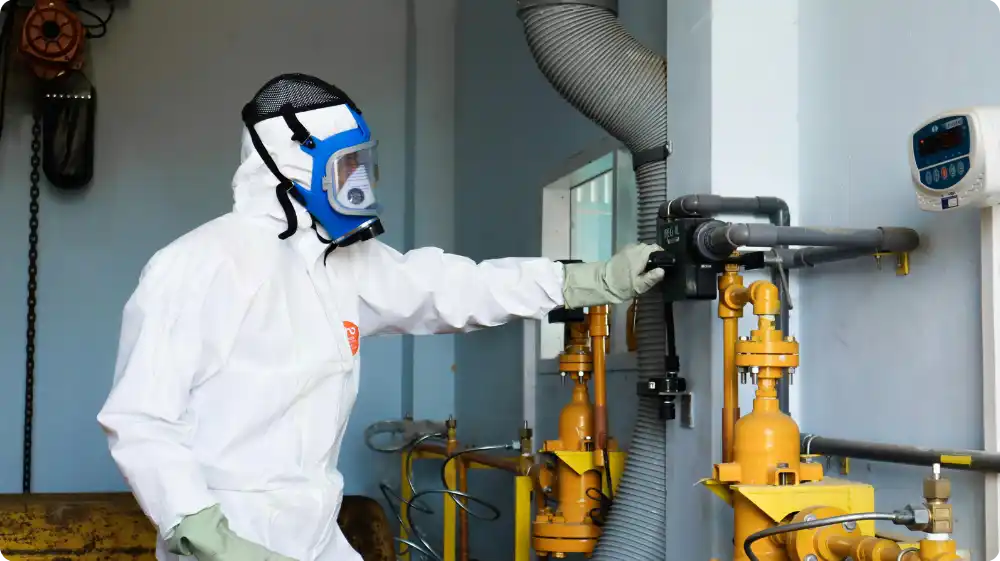
Ensuring workplace safety is a shared responsibility, and under the Control of Substances Hazardous to Health (COSHH) regulations, employees play a vital role. While employers are required to provide a safe working environment, employees must also take proactive steps to protect themselves and their colleagues from harmful substances. From understanding the risks of exposure to using the proper protective equipment, COSHH employee responsibilities are essential in preventing health issues.
This guide will walk you through the key COSHH employee responsibilities you need to know to ensure your safety at work. Whether you're handling chemicals, dust, fumes, or any other hazardous substance, understanding your duties under COSHH can help reduce risks and foster a safe working environment for everyone.
By fulfilling your COSHH responsibilities, you'll not only comply with legal requirements but also contribute to a workplace culture focused on health and safety.
COSHH (Control of Substances Hazardous to Health) is a set of regulations designed to prevent employees from being exposed to hazardous substances that could harm their health. These substances can range from chemicals, fumes, dust, biological agents, and even gases used in various industries. The regulations ensure that employers take the necessary steps to protect their workers, including providing appropriate training, implementing safety measures, and conducting health surveillance.
For employees, understanding COSHH is crucial, as it defines their rights and responsibilities when working with hazardous substances. By being aware of these regulations, you can take steps to protect yourself from potential health risks and contribute to a safer workplace. COSHH helps employees recognise hazards, use protective equipment, and report unsafe conditions to prevent exposure and injury.

As an employee, you play a crucial role in ensuring both your own safety and the safety of your colleagues under COSHH (Control of Substances Hazardous to Health) regulations. By following these key responsibilities, you help create a safe and compliant workplace:
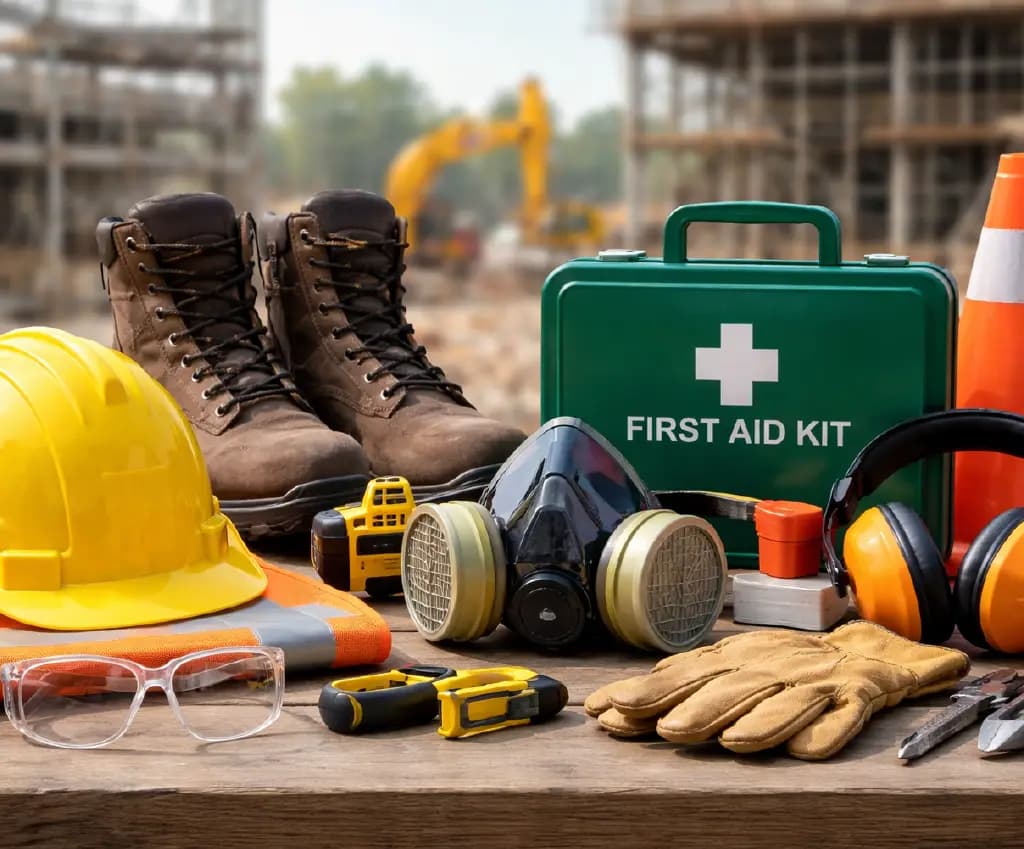
Use PPE Correctly: Personal Protective Equipment (PPE) is essential for protecting you from hazardous substances. Always wear the correct PPE, whether it's custom work uniforms, gloves, masks, goggles, or protective clothing, when handling chemicals or other harmful materials. Proper use ensures maximum protection.
Adhere to Safe Work Practices: Follow all safety procedures set by your employer, including safe handling, storage, and disposal of chemicals, as well as cleaning procedures after use for example, wiping down designated work surfaces such asstainless steel tableswith the correct cleaning agents. These practices are designed to minimise exposure and prevent accidents, so it's vital to follow them consistently.
Report Hazards Immediately: If you identify any unsafe conditions, such as spills, improper storage, or faulty equipment, please report them to your supervisor or the designated safety officer. Prompt reporting helps address potential risks before they lead to accidents or health issues.
Engage in COSHH Training: Participate in all relevant COSHH training sessions, including regular refresher courses. Staying informed about safe practices, risk management, and updated guidelines ensures you are prepared to handle hazardous substances safely.
Stay Informed About Risk Assessments: Familiarise yourself with the COSHH risk assessments provided by your employer. These assessments highlight the hazards in your specific work environment and outline necessary precautions. Staying aware of these measures is essential to ensuring your safety and compliance with regulations.
By fulfilling these responsibilities, you not only protect your health but also contribute to a culture of safety that benefits everyone in the workplace.
COSHH covers a wide variety of substances that may pose a risk to health in the workplace. These include:
Chemicals: Acids, solvents, and cleaning agents are used in various industries.
Dust: Materials like wood, asbestos, or silica dust, which can cause respiratory diseases if inhaled.
Fumes: Emissions from welding, chemicals, or exhaust systems that can be harmful when inhaled.
Biological Agents: Bacteria, viruses, and mould, especially in healthcare and agricultural industries.
Gases and Vapours: Substances like carbon monoxide, which can be dangerous when exposure exceeds safe limits.
Employees need to understand which substances in their workplace are covered by COSHH to know what precautions to take and when to use protective equipment. COSHH ensures that exposure to these substances is controlled and mitigated.
Stay compliant with COSHH regulations and boost your workplace safety with Hurak's accredited Health and Safety courses. Equip yourself with the skills and knowledge to handle hazardous substances safely and ensure a safer work environment.
Featured Health and Safety Courses
Browse All Health and Safety Courses at Hurak.
Proper use of Personal Protective Equipment (PPE) is crucial for protecting employees from hazardous substances in the workplace. Under COSHH regulations, employees are responsible for wearing the correct PPE and using it effectively. Here's how you can ensure its proper use:
Select the Right PPE: Always use the PPE specified for the specific task or substance you're handling. Different substances require different protective measures.
Check PPE Condition: Before use, inspect your PPE for any damage or wear, such as tears in gloves or cracks in safety goggles. Damaged PPE should be replaced immediately.
Wear PPE Correctly: Follow employer guidelines on how to wear PPE. Ensure that it fits appropriately and covers all exposed areas to prevent contact with hazardous substances.
Remove PPE Safely: After use, follow the correct procedures to remove PPE to avoid contamination. Dispose of or clean PPE according to workplace guidelines.
Maintain PPE Regularly: Reusable PPE should be cleaned and maintained regularly to ensure it continues to provide adequate protection.
By following these steps, employees can maximise the effectiveness of PPE, reduce exposure to hazardous substances, and ensure compliance with COSHH safety standards.
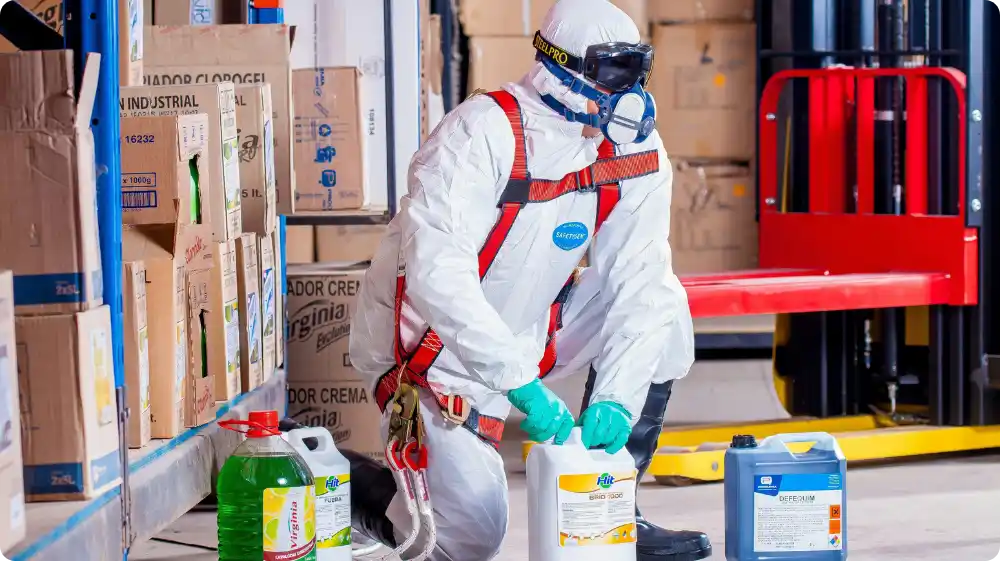
Unsafe working conditions pose serious risks to employee health and safety. Reporting these conditions promptly is a crucial step in preventing accidents, injuries, and long-term health issues. Under COSHH (Control of Substances Hazardous to Health), employees are required to report any unsafe situations or hazards they encounter, from poor handling of hazardous substances to the lack of appropriate safety measures.
By identifying and reporting unsafe conditions, employees help to mitigate potential risks before they cause harm. Whether it's something as obvious as a chemical spill or something less visible, such as faulty ventilation, each reported hazard can be addressed proactively, leading to immediate corrective action.
Reporting unsafe conditions also helps employers meet their legal obligations. Failure to address hazards in the workplace can result in serious legal consequences for employers, including fines or health-related lawsuits. When employees report hazards, they are not only protecting themselves but also contributing to the overall safety culture of the organisation.
COSHH training is essential for ensuring that employees are aware of the risks associated with hazardous substances and know how to mitigate them. Your duty to participate in training includes:
Attending initial training sessions: Understand the fundamentals of COSHH regulations, hazardous substances, and proper safety measures.
Participating in refresher courses: COSHH guidelines evolve, and regular training ensures that you stay informed about new substances and practices.
Practising what you learn: Implement the skills and knowledge gained from training to ensure safe practices are followed in the workplace.
Proper training enables you to carry out your duties safely and effectively, protecting yourself and your colleagues.
If you are exposed to a hazardous substance at work, immediate action is crucial to minimise health risks. Follow these steps:
Remove yourself from exposure to the harmful substance as quickly as possible.
Follow emergency protocols, such as seeking fresh air or using eye wash stations, depending on the nature of the exposure.
Report the exposure to your supervisor and document the incident.
Seek medical attention if necessary, even if symptoms are not immediately apparent.
Prompt action helps limit the potential health impact and ensures the situation is managed correctly.
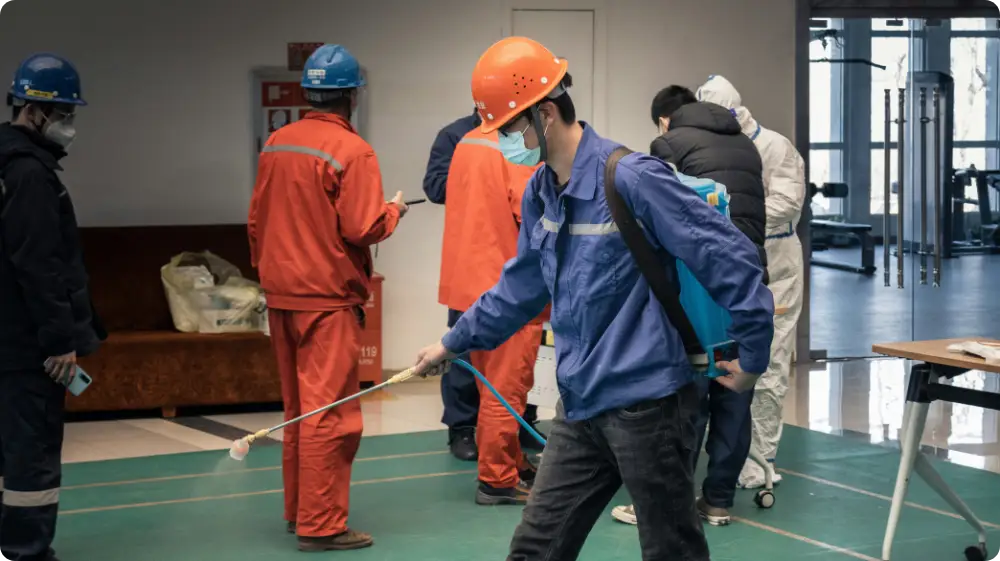
Failing to fulfil your responsibilities under COSHH regulations can result in severe consequences. Not only can prolonged exposure to hazardous substances result in health issues like respiratory diseases, skin disorders, or even cancer, but it can also expose you and your employer to legal risks.
Employers are legally required to ensure that COSHH guidelines are followed. Failing to comply can result in fines or criminal charges for the company, especially in cases of gross negligence. As an employee, disregarding safety protocols can lead to disciplinary actions, including termination, depending on the severity of the situation.
By adhering to COSHH regulations, you protect both your health and your legal standing, thereby contributing to a safer and compliant workplace for everyone.
To ensure COSHH compliance and promote safety in the workplace, employees should follow these best practices:
Adhere to safety procedures: Always follow the safety protocols established by your employer, whether it involves handling, storing, or disposing of hazardous substances.
Regularly review risk assessments: Stay updated on the risks associated with the substances you work with.
Use PPE correctly: Always wear the appropriate PPE, and ensure that its in good condition.
Stay proactive: Look out for potential hazards and report them promptly.
By following these best practices, employees can reduce exposure risks, enhance workplace safety, and ensure compliance with the COSHH regulations.
COSHH regulations protect employees from exposure to harmful substances in the workplace. They require employers to manage these risks, and employees must adhere to safety practices to prevent health issues.
Employees must use PPE correctly, follow safe work practices, report hazards, participate in training, and stay informed about COSHH risk assessments.
COSHH covers chemicals, dust, fumes, gases, and biological agents, such as bacteria or mould, that can harm employees' health.
If exposed, immediately remove yourself from the source, follow emergency procedures, report the incident, and seek medical attention if necessary.
You must attend initial COSHH training and refresher courses as required to stay informed on safety practices and risk management.
Failure to follow COSHH guidelines can lead to health issues, legal consequences for your employer, and disciplinary action for employees.
Inspect and clean your PPE regularly, replace damaged items, and follow your employers instructions for safe use and disposal.
In conclusion, COSHH regulations are vital for ensuring employee safety in the workplace. By understanding your responsibilities, using PPE correctly, reporting hazards, and participating in training, you play an active role in creating a safe and compliant environment. Adhering to these responsibilities not only protects your health but also contributes to a culture of safety in your workplace, ensuring that everyone remains safe from the risks posed by hazardous substances.

Courses
Upskill with job-ready training.
Mock Tests
Measure your learning progress.
Create an online video course, reach students across the globe and earn money