On This Page

August 11, 202621 min read
Food businesses across the UK have seen significant growth in recent years, especially after the pandemic reshaped how we eat and shop.
According to the Office for National Statistics, while traditional food outlets, such as restaurants and cafes, began recovering, there has also been a noticeable surge in home-based food businesses from home bakers and meal preppers to small-scale catering services.
If you're wondering how to start a food business from home or launch a small outlet or food truck, you're not alone. The flexibility and lower costs of starting small, especially from your kitchen, are making it a popular route for aspiring food entrepreneurs.
But before you begin, there are a few essential things to consider: a solid business plan, legal registrations, hygiene and food safety standards, budgeting, and how you plan to sell and deliver your products.
In this article, we'll guide you through everything you need to know about starting a food business in the UK - whether it's from home, a physical outlet, or a mobile food truck.
From choosing your business model to handling hygiene regulations, we'll help you get started the right way.
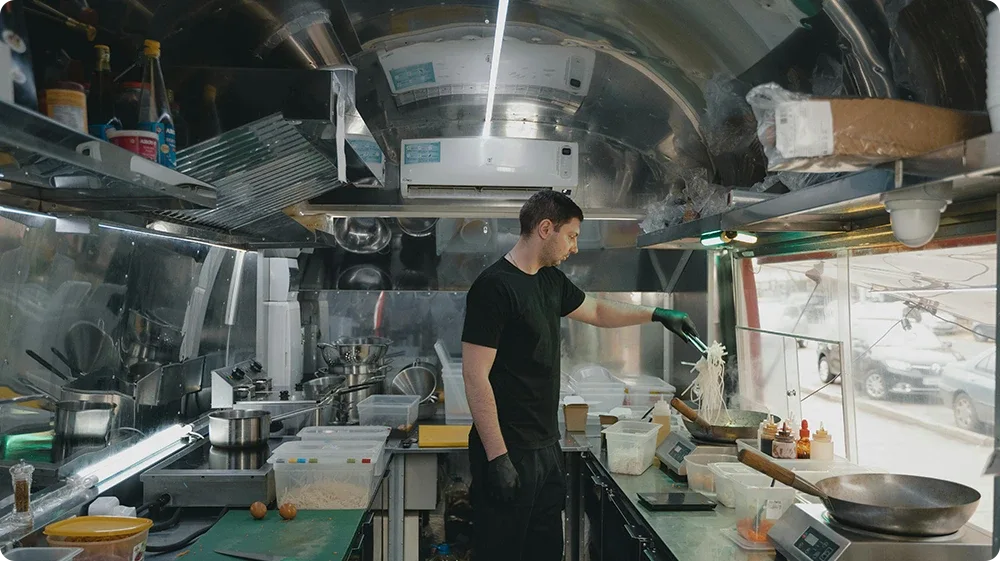
Starting a food business in the UK can feel overwhelming, but if you follow the proper steps in the correct order, it becomes a much smoother process.
Whether you're setting up from home or planning a food stall or truck, here's a simple breakdown of what to do and when.
Start by looking at:
What kind of food businesses already exist in your area?
Who are your potential customers?
What are the gaps or opportunities in the market?
This helps you build something that's in demand
Decide who you're selling to.
Are they:
Busy professionals?
Parents looking for healthy kids' meals?
Students or fitness enthusiasts?
Knowing your customer helps guide your branding, menu, and pricing
Why should someone choose your food over someone else's?
Your USP could be:
Home-cooked comfort meals.
Vegan or allergen-friendly food.
Authentic regional cuisine.
Organic or locally sourced ingredients.
Include:
Your food concept or menu.
Your target audience and USP.
Pricing strategy.
Initial budget and running costs.
Sales channels (delivery, in-person, online).
You don't need a 30-page document - just a clear roadmap
Pick your format:
Home-based kitchen.
Food truck.
Market stall.
Delivery-only/ghost kitchen.
Cafe or takeaway outlet.
Each has different costs, regulations, and space needs
This is essential:
Register your food business with your local authority - it's free, but you must do this at least 28 days before starting.
Complete food hygiene training.
Prepare for inspections by your local Environmental Health Officer.
You must comply with the Food Safety Act 1990, handle ingredients safely, and effectively manage allergen risks.
If you're selling packaged food, you must clearly label the ingredients that contain allergens.
Understanding the Difference between Food Safety and Food Hygiene and being aware of common Food Safety Hazards can help you stay compliant and protect your customers.
Calculate what you need for:
Ingredients and equipment
Food packaging
Licences and insurance
Marketing and delivery setup
Start simple:
Create an Instagram and Facebook page
Register on Google Business
Use delivery platforms like Just Eat, Uber Eats, Metrobi or Deliveroo (if applicable)
Consider a website later using tools like Wix or Shopify
As you scale beyond direct-to-consumer orders into corporate catering or wholesale, consider revenue intelligence platforms to forecast demand, spot at-risk deals, and unify CRM data. If you're comparing options, this guide to evaluating revenue intelligence software outlines the top tools for 2026, with notes on data coverage, AI forecasting, activity capture, integrations, and cost—useful for planning pipeline and budgets.
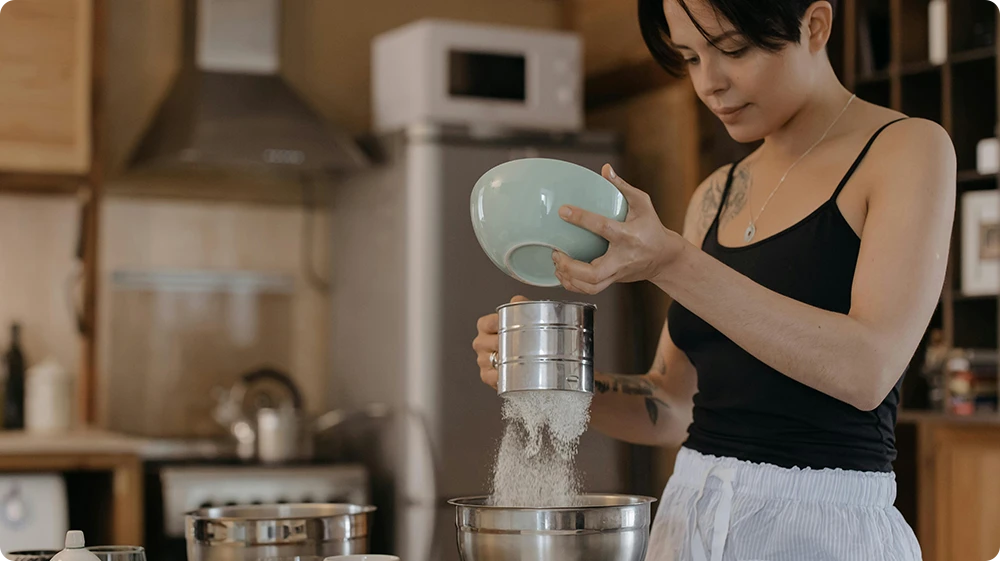
Starting a food business from home has become a practical and empowering option for many people across the UK, particularly in recent years. One of the biggest reasons is how easy and accessible it is compared to launching a high-street outlet.
It doesn't require a massive investment, a team or even a commercial kitchen. You can get started with your existing space, equipment, and a passion for food.
The pandemic played a significant role in this shift. Being at home gave people time to reflect on what they love. For many, that was cooking.
Whether it was baking bread, sharing meals with neighbours, or posting food online, people realised their skills could be turned into something bigger a business.
What began as a hobby or side hustle evolved into full-time income for many home cooks.
Here are some of the key benefits:
Lower Costs: No rent, and minimal setup costs.
Creative Freedom: You can experiment, test small batches, and refine your offerings without pressure.
Flexible Hours: You choose when and how much you work.
Scalable: Start small and grow at your own pace - many local brands began in a single kitchen.
Easier to Test Your Market: Before making significant investments, you can trial your concept with real customers.
For example, The Wholesome Slice, a gluten-free baked goods company in London, started with one woman experimenting at home. After gaining traction through Instagram and local orders, she grew the business into a full-time venture, all without leaving her kitchen.
New entrepreneurs can also benefit from working with small business accountants to manage finances, taxes, and growth planning. As your operations expand, using tools like cafe accounting software can help simplify bookkeeping, stock control, and financial reporting.
But while starting a home food business is easier than setting up a restaurant, it still requires careful planning and compliance with food laws. There are specific legal and operational requirements that must be followed when selling food from home in the UK. Twicsy plays a crucial role in attracting potential customers to grow your business.
Let's look at the key legal and practical steps.
Even if you view it as a side hustle, if you regularly prepare and supply food to others, whether for free or paid, you're legally considered a food business under UK law. That means you need to meet specific requirements before you can get started.
Here's what you must do:
You must register your food business with your local authority at least 28 days before commencing trading. This applies to all businesses, including those operating from home.
After registering, your local council will arrange a food hygiene inspection. They'll check your kitchen setup, food safety procedures, and hygiene practices to ensure they meet the required standards.
Understanding how inspections are scored through the food hygiene rating scheme and preparing using a food hygiene rating checklist can help you meet the necessary standards with confidence.
Register with your local authority
Inform HMRC that you're self-employed so you can pay taxes through Self-Assessment. This applies even if:
You're running your food business part-time.
You have another job.
Register with HMRC as self-employed, consider registering as a limited company, depending on your long-term business objectives.
Before running your food business from home, check if you need permissions from:
Your mortgage provider or landlord.
Your local council (especially if you're altering your home or increasing footfall)
Also, review guidance related to:
Business rates
Home insurance (you may need separate business cover)
Health and safety compliance
You need to ensure your kitchen (or designated prep space) is suitable for inspection and food production:
Maintain all areas in a clean and well-maintained condition.
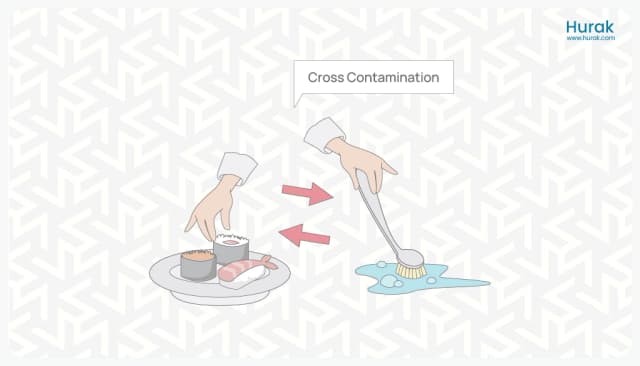
Use separate utensils and surfaces for raw and cooked foods.
Store food at the correct temperatures.
Maintain clear records of food safety procedures.
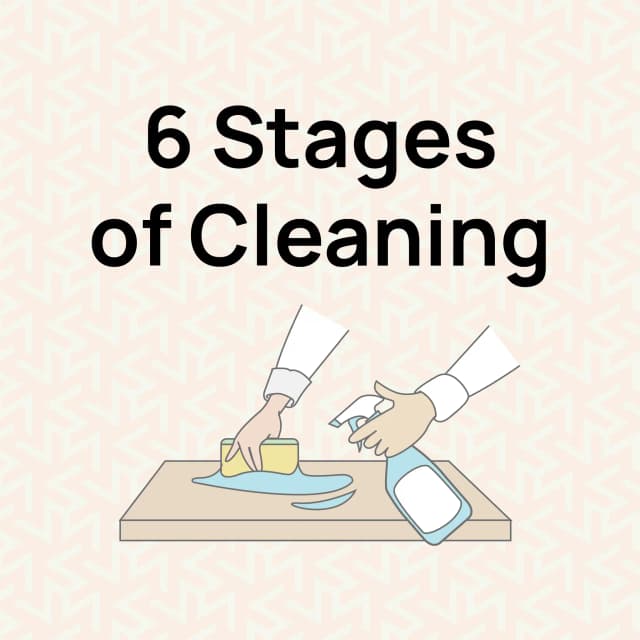
To maintain a hygienic working environment, it's essential to follow proper cleaning procedures, such as the clean as you go approach and the structured six stages of cleaning method.
It's also highly recommended to complete food hygiene training, even if it's not legally required.
To stay compliant and demonstrate professionalism in your food business, enrol on a CPD-certified food hygiene course by Hurak.
If you're just starting, the Level 1 Food Hygiene and Safety course is a great introduction to safe food handling practices.
For those who regularly prepare or handle food, the Level 2 Food Hygiene and Safety course covers your legal responsibilities and best practices regarding food safety threats, temperature control, personal hygiene, and the cleanliness of your premises.
Most home-based food businesses today operate partly or entirely online, whether through their own websites, social media platforms, or third-party delivery services. That means food safety isn't just important in your kitchen; it matters all the way to your customer's door.
Suppose you're selling food online, over the phone, or via platforms like Deliveroo, Facebook Marketplace, or your website. In that case, additional rules apply to selling food from home in the UK under the Consumer Contracts Regulations 2013 and the UK E-Commerce Regulations 2002.
This includes:
Providing full product and allergen information before the sale
Giving buyers the right to cancel and request refunds (in some instances)
Ensuring food is delivered safely and at the correct temperature
Using food-grade packaging that prevents leaks or contamination
Whether you deliver the food yourself or use a third-party service, you are still responsible for maintaining safety during transit.
Whether you sell food online, in person, or through third-party platforms, you must legally declare if your food contains any of the 14 key allergens under UK law.
You're required to:
Provide clear allergen information before purchase (e.g., on menus, websites, or social media).
Reconfirm this information at the point of delivery, either verbally or in writing.
Here's a list of the 14 legal allergens you must disclose:
Celery, Cereals containing gluten, Crustaceans, Eggs, Fish, Lupin, Milk, Molluscs, Mustard, Peanuts, Sesame, Soya, Sulphur dioxide (preservatives), Tree nuts.
If running a food business from home doesn't align with your long-term goals, you might want to explore options that offer more visibility and scalability. Two of the most popular choices in the UK are setting up a physical outlet or operating a food truck.
These models offer the opportunity to build a strong local presence and cater to larger volumes of customers. While they typically involve more upfront investment and planning compared to home-based setups, they can also lead to faster growth and brand recognition if done right
Opening a food business in a physical space, like a cafe, restaurant, bakery, or takeaway, can give your brand a solid identity and a loyal customer base. It allows you to provide dine-in or takeaway services and build regular foot traffic.
However, it requires more extensive planning, from location scouting and interior setup including installing proper trade waste systems to hiring staff and maintaining daily operations.
A food truck or street food stall offers flexibility and mobility, making it a great low-risk entry point for entrepreneurs who want to reach different locations. With that mobility, you can use a dynamic QR code generator to offer digital menus or location-based deals, turning each stop into a unique experience for your customers. It's ideal for testing your concept, attending events or markets, and keeping operational costs lower than a fixed premises.
That said, you'll still need to meet all the same food safety standards and obtain relevant permissions from the local authority.
Opening a food outlet or truck is a great way to grow your food business beyond your kitchen walls. But before you launch, it's essential to understand the legal and operational requirements involved.
If you're setting up a physical food business, whether it's a restaurant, cafe, food truck or a street food stall, you must follow these legal requirements before trading:
Register your food business: You must register with your local authority at least 28 days before commencing trading. Registration is free and cannot be refused.
Understand your role as a food business operator: Whether you're running a small cafe or a mobile unit, the person making decisions is legally considered the food business operator and is responsible for compliance.
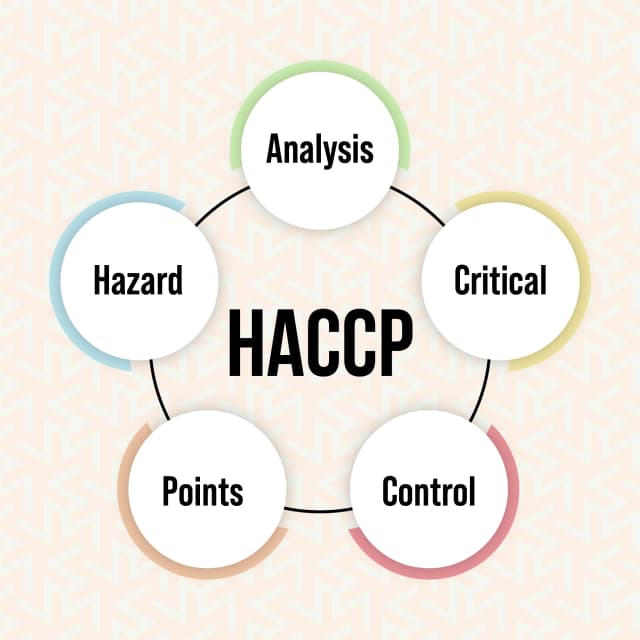
Implement a Food Safety Management System (FSMS): You're legally required to put an FSMS in place, typically based on HACCP principles, to manage hygiene and food safety risks.
Follow allergen labelling laws: If you serve pre-packed food, ensure labels clearly state any of the 14 allergens they may contain.
You'll need to follow all food safety and hygiene regulations and ensure that your staff are trained in essential topics, such as cross-contamination, temperature danger zones, and food preservation methods.
Note: After registration, your business will be inspected and given a food hygiene rating, so it's vital to get everything in place from day one.
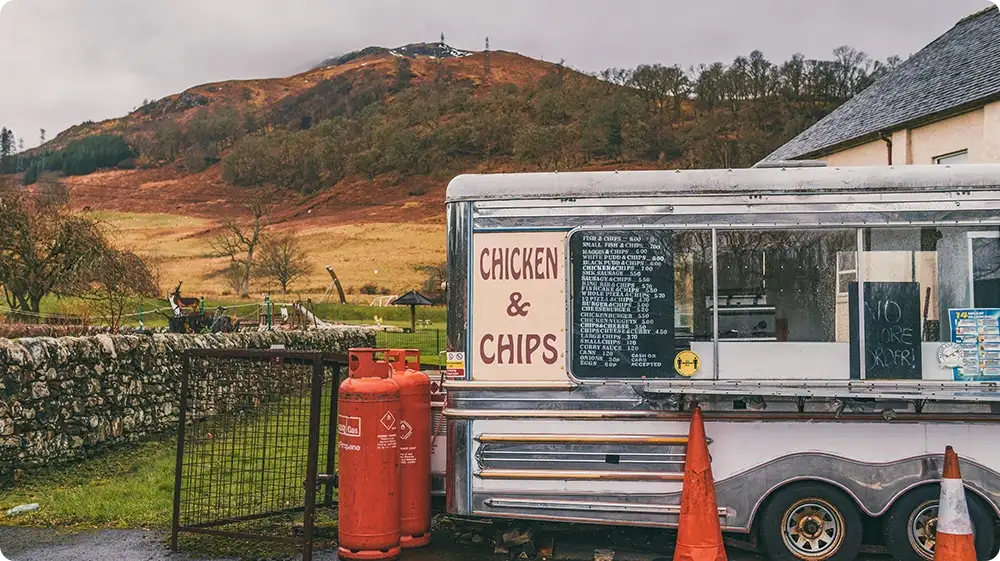
If you're planning to operate from a food truck or market stall, these extra steps apply:
Apply for a street trading licence: Most local councils require a street trading licence. Rules vary some allow trading only in set areas or on private land. Check with your local council.
Get a market stall licence (if applicable): If you plan to trade from a market stall, apply for a temporary or permanent licence. Your licence will specify where and when you can trade, as well as the size of your stall.
Obtain a Gas Safety Certificate: All gas equipment used must be inspected annually by a Gas Safe registered engineer. You'll need a valid certificate confirming your setup is safe and compliant.
Apply for alcohol licences (if serving alcohol): You may need a Temporary Event Notice (TEN), a Personal Alcohol Licence, and possibly an Alcohol Beverage Control certificate.
Operating a food business safely is essential, whether you are running it from home, a street stall, or a café. Knowing and following the necessary requirements helps protect your customers, maintain good hygiene, and comply with legal standards
Before starting, conduct a risk assessment to identify potential hazards and manage them effectively. Following HACCP or a HACCP-based system, such as Safer Food Better Business, helps maintain consistent food safety standards.
Good hygiene practices, including the 4Cs - cleaning, cooking, chilling, and maintaining a food hygiene rating checklist- are essential to uphold higher food safety standards.
While a food hygiene certificate is not legally required, completing training improves your knowledge and helps meet food safety regulations.
As explained earlier, you're legally required to manage and clearly communicate allergen risks to customers. This includes correct labelling and handling to prevent cross-contamination.
Keep detailed records of your food suppliers and customers efficiently to trace production in the event of any safety issue.
Purchase ingredients only from trusted suppliers and be cautious of unusually low prices or unfamiliar businesses.
If you employ five or more people, a written health and safety policy is mandatory to ensure a safe working environment.
Failing to register your food business is a criminal offence. If you trade without registering, you could face a fine or even imprisonment for up to 2 years. It's always safer and legally required to notify your local authority at least 28 days before you begin operations.
Your premises must comply with regulations to enable safe food preparation and hygiene. Proper setup helps prevent contamination, pest infestations, and safety hazards.
Select premises that allow safe food preparation and comply with food safety standards.
Ensure sufficient washbasins with hot and cold running water are available for staff hygiene.
Provide suitable areas for staff to change clothes when necessary.
Maintain adequate ventilation, lighting, and drainage throughout the premises.
Keep these surfaces smooth, easy to clean, and free from damage, mould, or condensation.
Install insect-proof screens on all external openings and keep them clean and disinfected.
Maintain and regularly disinfect surfaces and equipment to prevent contamination.
Provide separate sinks with potable water for washing food and cleaning utensils.
Dispose of food waste securely and manage grease to prevent blockages and pest problems.
Identify the signs of pest infestation and implement measures to prevent pests such as rodents, insects, and birds from contaminating food areas.
Carry out a fire risk assessment and follow your local fire authority's advice to ensure safety.
Prepare thoroughly for local authority inspections to achieve and maintain a high food hygiene rating.
For detailed guidance, see our article on the Food Hygiene Rating Scheme, which explains how hygiene ratings are awarded by local Food Safety Officers.
Food businesses are growing rapidly across the UK, especially those run from home. In this article, we've tried to break down everything you need to know to start a food business - whether from your home kitchen, a food truck, or a cafe.
From getting started and meeting legal requirements to operating safely, preparing premises, managing allergens, and passing inspections, we've got you covered.
Understanding UK food laws and compliance is vital to success. As the Food Standards Agency (FSA) highlights, all food businesses must ensure that their staff are properly trained to maintain safety and comply with legal requirements.
Hurak offers a wide range of Food Safety Training Courses to keep you prepared. Some popular options include:
Level 2 Food Hygiene and Safety for Catering
Level 2 Food Hygiene and Safety for Manufacturing
Level 3 Food Hygiene and Safety for Supervisors
Whether you're just starting out or scaling up, Hurak's Food Hygiene & Safety Courses are designed to help you meet UK food safety laws and confidently run your business.
Explore our certified online courses and stay inspection-ready.
Yes, you can legally sell food from home in the UK, but you must register with your local authority at least 28 days before trading. You'll also need to follow food safety and hygiene rules, provide allergen information, and ensure your kitchen meets regulatory standards.
The key rules include:
Registering with your local authority
Maintaining food hygiene standards
Following allergen labelling laws
Using proper packaging
Keeping records for traceability
These rules apply whether you're selling online, at markets, or to friends and neighbours.
To start a food business from home, follow these steps:
Register with your local authority.
Complete a food hygiene training course (recommended).
Set up a clean, compliant kitchen.
Create a Food Safety Management System (FSMS).
Label allergens clearly and follow safe packaging practices.
Prepare for local authority inspection.
You do not need a specific licence, but you must register your food business with your local council. Depending on your setup (e.g. selling at markets, cooking with gas, or selling alcohol), additional licences may apply, like a street trading licence or TEN (Temporary Event Notice).
Yes, running a catering business from home is legal in the UK. You'll need to follow all food safety laws, register with your local authority, and create a HACCP-based food safety management plan. It's ideal for small-scale catering for events, home deliveries, or online orders.
While not always legally required, food hygiene training is highly recommended. Completing a Level 2 Food Hygiene and Safety course helps you understand safe practices and pass local authority inspections. You may also consider training in HACCP principles and allergen management.
Yes. If you're earning money through your food business, you must register as self-employed with HMRC and declare your income. You may also need to register for tax purposes, keep accounting records, and possibly pay VAT if your turnover exceeds the threshold.
Courses
Upskill with job-ready training.
Mock Tests
Measure your learning progress.
Create an online video course, reach students across the globe and earn money