On This Page

July 20, 202616 min read
Pests and pest control are often overlooked - until it's too late. By the time a full-blown outbreak occurs, pests may have already caused severe damage to your business reputation, operations, and public health.
If you run a restaurant, cafe, food retail outlet, or manufacturing unit, maintaining high hygiene standards isn't just about cleanliness; it's also about spotting the signs of pest infestation early.
The reality is that many signs of infestation go unnoticed until the situation becomes critical.
Neglecting these warning signs can shut down your business overnight. That's why it's crucial to understand what pest infestations are, how to identify them, the types of pests that pose risks, and most importantly, how to prevent them.
In this guide, we'll break it all down in simple terms so you can take the right action at the right time.
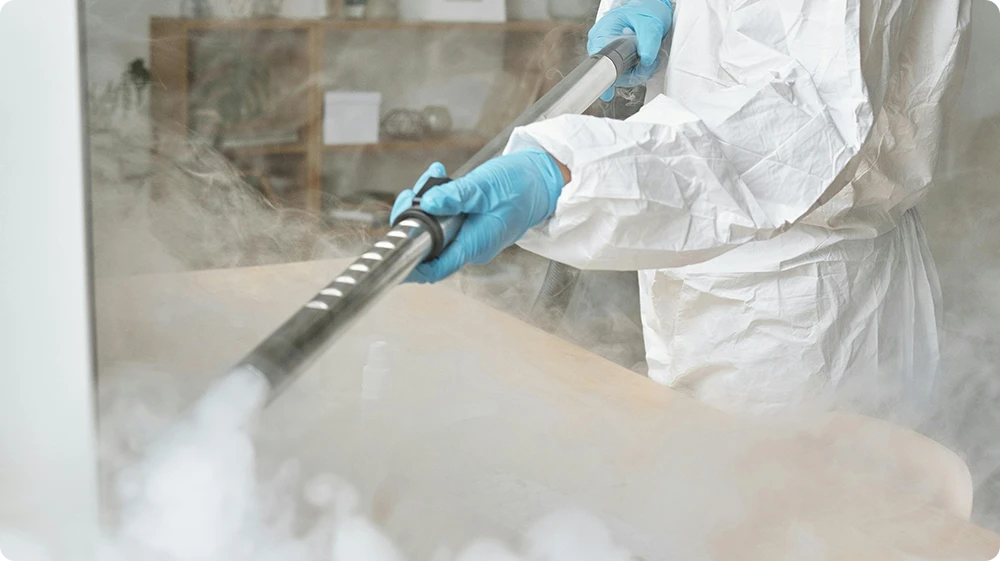
Pest control refers to the measures taken to manage and eliminate pests that can cause harm to people, food, or property.
In industries such as hospitality, food retail, and manufacturing, pests pose a significant risk to health and safety, as well as a legal concern.
Effective pest control includes:
Identifying signs of infestation
Knowing which types of pests to look out for
Applying the correct treatment or action
Putting preventive measures in place to avoid future outbreaks
Whether you're dealing with insect infestations, rodents, or other unwanted visitors, understanding pest control is crucial to keep your environment safe and compliant.
Stay one step ahead of pest infestations with industry-approved hygiene training. Choose a course that fits your sector:
Level 2 Food Hygiene and Safety for Catering
Perfect for chefs, kitchen staff, and food handlers in restaurants, cafes, or hotels. Learn how to maintain cleanliness, avoid contamination, and comply with food safety laws.
Level 2 Food Hygiene and Safety for Manufacturing
Designed for those working in food processing and production. This course covers hygiene best practices, cross-contamination risks, and safe handling in factory or plant environments.
Level 2 Food Hygiene and Safety for Retail
Ideal for supermarket staff, food shop workers, and delis. Understand safe food display, handling, and storage, as well as pest risk prevention.
A pest infestation occurs when unwanted organisms, commonly known as pests, enter and settle in a space where they shouldn't be, such as a food establishment, manufacturing unit, retail setting or maybe your own house.
This could involve a group of pests, or even a single one, depending on the risk it poses.
Pests such as rodents, flies, and cockroaches can significantly compromise hygiene, food safety, and public health.
When pests come into contact with food or food preparation areas, they can easily become a vehicle for cross-contamination.
Because pests are often found near waste, food, or damp environments, they can carry and spread harmful pathogens such as Salmonella, E. coli, Campylobacter,and Listeria.
These bacteria can cause serious foodborne illnesses, including Food Poisoning, especially in environments that prepare or serve food to the public.
Ignoring even minor pest activity can escalate into a full-scale infestation, placing your staff, customers, and business reputation at significant risk.
There are three main categories of pests commonly found in food businesses:
Examples: Rats and Mice
Rodents are one of the most hazardous pests due to their ability to spread disease through urine, droppings, and hair.
They can chew through packaging, electrical wiring, and even structural elements of a building.
Examples: Cockroaches, Flies, Ants, Beetles
Cockroaches
Recognised by their flat, oval-shaped bodies and long antennae, cockroaches are particularly feared in food environments.
They give off a strong odour and may even hiss. Fast-moving and often nocturnal, they contaminate food and surfaces with pathogens that cause foodborne illnesses.
Flies
Flies are more than just a nuisance. They breed quickly, laying up to 150 eggs at once.
As they travel between waste and food, they easily spread dangerous bacteria. Their presence is a strong indicator of hygiene issues in the workplace.
Ants
Ants are drawn to sugary or greasy food sources. Once they discover a food supply, they travel in large groups and set up trails that are difficult to control.
While not all ants pose health threats, their presence in food preparation areas seriously undermines food hygiene standards.
Examples: Pigeons, Seagulls
Birds like pigeons may not be the first pest you think of, but they can be highly disruptive.
Their droppings are acidic and can damage property, contaminate food areas, and introduce harmful pathogens. Nesting materials and feathers can block vents, introducing fire risks.
From rodents to insects and birds, each pest poses unique threats.
Identifying the type of pest is the first step in choosing the proper control measures and maintaining a safe and hygienic environment.
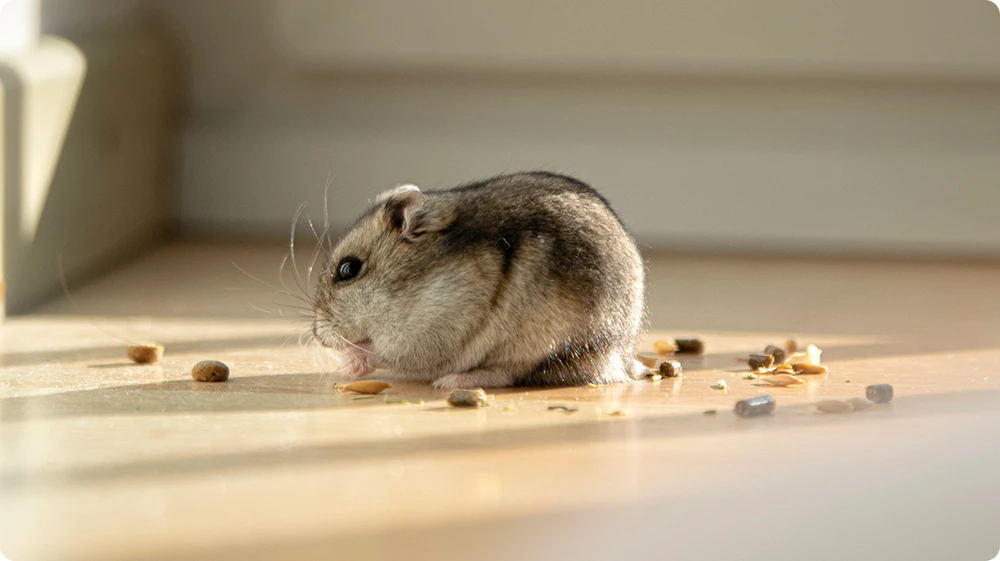
Detecting a pest infestation early is crucial for maintaining a safe and hygienic environment, especially in food businesses. Insect infestations, rodent activity, or bird presence can escalate quickly if left unchecked.
Recognising the signs of insect and pest infestations enables you to take prompt action and mitigate health and safety risks.
Below are some common indicators of pest infestation:
Droppings: Small, speckled droppings (insects) or larger, pellet-like faeces (rodents) are a tell-tale sign, often found under appliances, in cupboards, or in corners.
Urine Stains: Rodents leave behind urine marks that may fluoresce under UV light.
Dead Pests or Moulted Skins: Shedding (especially in cockroach infestations) or finding carcasses is a clear sign of an active insect infestation.
Gnaw Marks: Look for chewed wires, packaging, or wooden fixtures - signs of rats or mice.
Damaged Fabrics or Furniture: Holes or worn patches may indicate nesting behaviour.
Gnawed Packaging or Goods: A strong indicator of a rodent presence.
Animal Footprints or Tracks: Especially in dusty areas or along skirting boards.
Grease Marks and Tail Streaks: Rodents often leave smears on walls or surfaces they regularly travel along.
Signs of Nesting: Shredded paper, insulation, or fabrics found in corners or behind appliances.
Musty or Ammonia-Like Odour: A strong, stale smell can indicate a heavy infestation.
Scratching or Hissing Noises: Rodents or cockroaches are typically nocturnal and may be heard behind walls or in ceilings.
Seeing Live Vermin: Catching sight of pests during the day, especially cockroaches or rodents, often means the infestation is already advanced.
Woodpeckers on Your Property: These birds are often drawn to insects within wood and may signal an underlying issue, such as wood-boring beetles.
Now that we have covered the warning signs, let's break it down further - here's a quick comparison of common pests and how to spot their presence.
Type of Pest | Common Signs of Infestation |
Rodents (Rats, Mice) | - Droppings (large pellets) - Gnaw marks on food, cables or packaging - Urine stains - Scratching noises - Grease marks or tail streaks along walls |
Cockroaches | - Small, dark droppings - Presence of egg cases (oothecae) - Unusual odour (musty) - Moulted skins - Sightings at night or in dark cupboards |
Flies | - Sightings of adult flies - Maggots in food bins - Dead flies around windows - Eggs or larvae in food waste areas |
Ants | - Visible trails of ants - Presence near sugary or greasy food sources |
Birds (e.g. Pigeons) | - Bird droppings on surfaces - Nesting materials in vents or ledges - Feathers in food prep areas |
Stored Product Insects (e.g. beetles, weevils) | - Holes in packaging - Insects in dry goods (flour, rice, cereals) - Dust-like material (frass) near food storage |
Imagine this: A customer spots a rat darting across your cafe floor or finds a cockroach in their meal. Such incidents don't just tarnish your reputation - they can lead to severe health risks and legal consequences.
Let's understand some of the safety and regulatory risks involved with pest infestation.
Pests like rats and cockroaches are carriers of harmful pathogens. For instance, rats can transmit Weils disease, a serious illness that can lead to kidney failure and, in severe cases, death.
These pests contaminate food and surfaces with bacteria such as Salmonella, E. coli, and Listeria, posing significant food safety and food hygiene risks.
Moreover, rodents are known to chew through electrical wiring, leading to costly repairs and potential fire hazards. Such damages not only disrupt operations but also pose safety threats to both staff and customers.
Related Reads:
In the UK, failing to manage pest infestations can result in stringent enforcement actions by the Food Standards Agency (FSA) and local authorities.
Businesses may face Remedial Action Notices (RANs), which can mandate the cessation of operations until issues are resolved.
Persistent non-compliance can lead to prosecution, hefty fines, or even permanent closure of the establishment.
Beyond legal and health implications, pest infestations can severely damage your brand's reputation.
Negative reviews, social media backlash, and loss of customer trust can have long-lasting effects, making recovery challenging even after the issue is addressed.
By proactively identifying and addressing pest infestations, you not only ensure compliance with health regulations but also protect your business's reputation and customer trust.
Early detection is your best defence against a full-blown pest infestation. That's why it's critical to regularly inspect your premises for signs of rodents, insects or birds.
If you do spot any signs, swift action is essential to protect public health and maintain your businesss reputation.
Here's what to do:
Close affected areas immediately If you discover mice, rats, or cockroaches in food storage, preparation, or service areas, stop operations until the pests are fully cleared.
Call a professional pest control company Only a qualified, competent person should assess and treat the premises.
Thoroughly clean and disinfect Any surface or piece of equipment that may have been contaminated must be disinfected. Pest droppings, hair, or urine can carry serious food safety hazards.
Fix entry points and maintenance issues Seal holes, cracks, or entryways that pests could use to enter.
Dispose of contaminated food Any food that may have come into contact with pests must be safely discarded.
Act quickly to avoid business closure If an Environmental Health Officer finds signs of pest activity, they have the authority to shut down your business under an Emergency Prohibition Order. This can result in lost revenue, negative publicity, and fines exceeding 1,000.
While removing pests is crucial, making small daily efforts for prevention is even better. A proactive approach helps you protect your customers, your brand, and ensures compliance with food safety regulations.
If you run a food business, one of the most effective preventative steps is to arrange a pest control contract with a reputable pest management company.
However, hiring them isn't enough, as the owner, manager, or supervisor, you are responsible for maintaining ongoing vigilance through good practices and regular monitoring.
Robust systems like HACCP (Hazard Analysis and Critical Control Points) help you stay organised and minimise the risk of contamination.
Regularly use tools like a food hygiene checklist to ensure standards are consistently met.
Well-trained staff are your first line of defence. Ensure they understand the risks associated with kitchen hazards and food safety hazards.
Reinforce essential practices like the clean-as-you-go principle and the 6 stages of cleaning, which help keep the premises safe and pest-free.
Fit external doors tightly and install brush strips.
Use fly screens on windows and vents.
Seal gaps around pipes, cables, drains, and grates using rodent-proof materials like concrete.
Fill cracks in walls, floors, and ceilings to remove hiding places.
Remember: a mouse can squeeze through a gap as small as a pencil's width - don't underestimate their persistence!
Inspect food handling and storage areas regularly.
Clean hard-to-reach areas, like behind equipment.
Wipe up spillages immediately.
Store open food in sealed containers and off the floor.
Maintain bins with tightly fitted lids and empty them regularly.
Keep refuse areas clean and free from clutter, such as cardboard or old equipment.
Control vegetation and remove stagnant water sources.
Inspect all food deliveries for signs of infestation.
By taking these steps, you not only prevent infestations but also create a hygienic and efficient environment that your customers and inspectors can trust.
Pest infestations can strike even the most well-run food businesses, but they are not inevitable. The key to protecting your customers, reputation, and legal standing is early detection and strong preventive action.
In this article, we've covered:
How to spot common signs of pest activity
The serious health and legal consequences of infestations
What immediate steps should be taken if pests are found on-site
Best practices for keeping pests out in the first place, like staff training, maintaining food hygiene standards, and implementing HACCP systems
The cost of ignoring these issues is far greater than the cost of prevention.
Risk assessments, hygiene practices, and pest-proofing your premises are not just optional they are essential for compliance, safety, and survival in the food industry.
Explore Hurak's certified Food Hygiene Courses to build your team's knowledge and stay inspection-ready.
Early signs include droppings, gnaw marks, unusual smells, scratching noises, and sightings of pests such as rodents or cockroaches.
Insect infestations often reveal themselves through moulted skins, egg cases, dead insects near windows, and trails of ants near sugary foods.
Common pests include rats, mice, cockroaches, flies, ants, and birds such as pigeons. Stored product insects like beetles and weevils also pose contamination risks.
Pests carry bacteria like Salmonella and E. coli, making food hazardous through contamination of surfaces, packaging, and ingredients.
The main methods include chemical control (e.g., insecticides), physical control (e.g., traps, barriers), and biological control (e.g., introducing natural predators).
Immediately isolate the affected area, contact a licensed pest control professional, disinfect thoroughly, and identify how pests entered to prevent recurrence.
Courses
Upskill with job-ready training.
Mock Tests
Measure your learning progress.
Create an online video course, reach students across the globe and earn money