On This Page

July 20, 202613 min read
Ever stood in front of your fridge wondering, Is this beef still safe to eat?
Whether it's leftovers from Sunday roast or raw mince from yesterday's shop, knowing how long beef lasts in the fridge (or freezer) can be confusing and potentially risky if you get it wrong.
In this guide, we'll walk you through how to store beef correctly, how long it lasts depending on the type and condition, safe defrosting practices, how to spot signs of spoilage, and even UK food safety laws you need to know, especially if you're running a food business.
Let's make food safety simple and your fridge, safer.
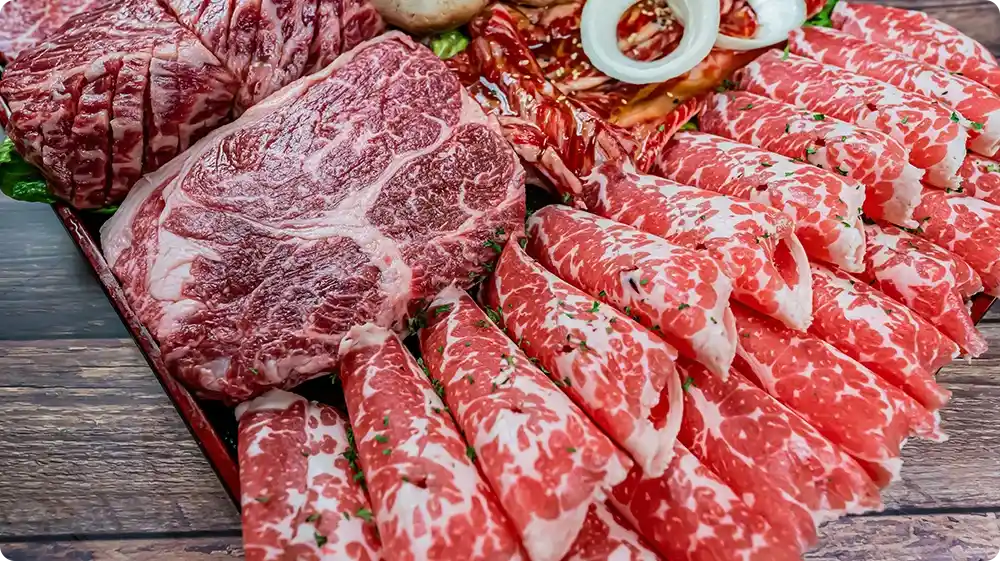
Storing beef properly is crucial for maintaining its freshness, preventing foodborne illness, and minimising waste. Whether it's raw, cooked, minced, or sliced, how you pack and store beef (in your fridge or freezer) plays a crucial role in determining how long it will last.
Store beef in airtight containers or sealed freezer-safe bags to prevent contamination and moisture loss.
Wrap raw cuts in cling film and foil, or better yet, vacuum seal them if possible.
Avoid leaving beef in supermarket packaging for long-term storage. Transfer to proper containers once you're home.
Your fridge should always be kept at 5C or below, and your freezer at -18C or colder, to stop bacteria from multiplying.
Keeping your appliances within these limits helps you avoid entering the Temperature Danger Zone where harmful microbes can grow quickly, as explained in our food safety fridge storage temperature guideline.
Raw beef should always be stored on the bottom shelf, in a leak-proof container, to prevent drips from contaminating other foods.
Cooked beef can be placed on upper shelves but must be kept away from raw items at all times to prevent cross-contamination.
An organised fridge, with clearly defined zones for raw and cooked foods, is not only safer but also more efficient. If you're unsure how to set it up, our guide on how to organise your fridge offers practical tips for arranging shelves properly and maximising space.
Mark each item with the storage date and note whether it's raw or cooked.
This helps track freshness and reduces the risk of consuming spoiled beef or discarding safe food too soon.
Divide large packs of beef into smaller portions before freezing to avoid repeatedly defrosting and refreezing.
Lay bags flat for faster freezing and to save space.
Remove as much air as possible from the packaging to prevent freezer burn.
Safe storage starts with small habits, using the proper packaging, setting the correct temperature, and placing beef where it won't contaminate other foods. These steps not only help your food last longer but also reduce waste and protect your health.
Start the Level 1 Food Hygiene and Safety Course
Perfect for home cooks, kitchen staff, and anyone handling food, this concise online course teaches you how to store, prepare, and serve food safely, including tips for preventing cross-contamination and maintaining a well-organised fridge.
Storing beef safely isn't just about keeping it cold; it's about knowing how long each type can stay fresh without putting your health at risk. From steaks and mince to cooked leftovers, each has its own shelf life in the fridge and freezer.
Let's look at how long you can store different types of beef in the fridge and freezer based on UK food safety standards.
Type of Beef | Storage Style | Fridge (? 5C) | Freezer (? -18C) |
Raw steak or roasting joint | Uncooked cut | 35 days | 6 to 12 months |
Raw minced/ground beef | Uncooked mince | 1 to 2 days | 3-4 months |
Cooked beef (any type) | Leftovers | 3 to 4 days | 2 to 3 months |
Stews and beef-based meals | Mixed dishes | 3 to 4 days | 2 to 3 months |
Raw beef sausages | Fresh packed | 1 to 2 days | 1 to 2 months |
Cold cuts/sliced beef | Deli-style | 3 to 5 days (opened) | 1 to 2 months |
Beef gravy or stock | Cooked liquids | 1 to 2 days | 2 to 3 months |
Now that you've seen the chart, let's understand what it means in practical terms. Not all beef is created equal, mince spoils quicker than steaks, and leftovers have different timelines than raw cuts.
Each category also requires different handling to keep it safe in the fridge or freezer.
Here's a quick breakdown of why:
Whole cuts like steaks and joints have a longer shelf life because they're exposed to less air and bacteria.
Minced beef should be treated with urgency. The grinding process increases bacterial exposure, so it's best used within 1 to 2 days.
Cooked beef dishes, such as roast beef or bolognese, can be stored in the refrigerator for 3 to 4 days. If you're not sure you'll eat it in that time, freeze it to extend its life.
Gravy, stock, or cold cuts may look harmless, but they can spoil quickly. Store them in airtight containers and clearly label the date on each container.
Pro Tip: No matter the type, always label and date what you freeze; it's easy to forget when that container was put in.
Let's understand how long beef lasts in the fridge with an example for better understanding:
Example:
Anna, a busy parent, buys beef mince and steaks every Saturday. She keeps the mince in the fridge and uses it for Sunday lasagne. She freezes the steak for next weekend. Leftover cooked beef is placed in labelled containers and eaten for lunch within 3 days, or frozen if not.
Meanwhile, James, who runs a catering business, logs every beef delivery and moves anything unused into the deep freeze within 48 hours. This process helps him stay compliant, organised, and waste-free.
Whether you are storing food at your home or at a restaurant, understanding the timelines is key to avoiding spoilage and keeping your kitchen safe.
Explore related articles:
high-risk foods | food preservation methods | how to cook frozen food
Absolutely and more than you might expect.
As discussed earlier, whole cuts stay fresh longer thanks to their minimal surface exposure.
Here's a quick breakdown:
Whole Cuts (e.g. steak, joint): Last longer; fewer exposed surfaces mean slower spoilage.
Minced or Ground Beef: Spoils faster due to increased exposure to air and bacteria during processing.
Cooked Beef: Shorter life once cooked, even if it started fresh.
Sliced Cold Cuts: High risk, especially once opened; they spoil quickly.
Tip: When in doubt, opt for vacuum-sealed cuts and store them in the coldest part of your refrigerator.
While storage rules apply broadly to all beef, understanding the type of cut can help you fine-tune how long you keep it in your fridge or freezer. Whole cuts last longer than ground or sliced beef, and cooked beef has a much shorter shelf life regardless of the cut.
Being aware of these nuances helps you avoid food waste and reduce the risk of spoilage
The Level 3 Food Hygiene and Safety Course is designed for supervisors, managers, and owners to build a strong foundation in food hygiene systems and solve day-to-day safety challenges.
We've just seen how different cuts affect how long beef lasts, but that's not all. Once you're ready to use it, how you defrost your beef is just as crucial for maintaining safety, flavour, and texture. Defrosting incorrectly can undo all the careful storage you've done so far.
Here's how to do it right:
In the fridge (best method): Place your beef on a tray at the bottom of the refrigerator to prevent drips from contaminating other food. This slow, controlled method keeps the meat below 5C, which helps prevent the growth of harmful bacteria.
In cold water: Submerge the beef in a leak-proof plastic bag in a bowl of cold water. Change the water every 30 minutes to maintain its freezing temperature. Cook immediately after thawing.
In the microwave: Use the defrost setting and cook the beef straight away. Be aware that microwave defrosting may partially cook the outer layers, so timing matters. Our guide on how to defrost food in the microwave explains how to do it safely and avoid uneven cooking.
Proper defrosting keeps your beef safe to eat, preserves quality, and supports good kitchen hygiene. And if you're handling food in a business setting, knowing the correct methods is essential for staying compliant with UK food safety law.
After defrosting, it's essential to check whether the beef is still safe to use, especially if it has been in storage for an extended period. Even when stored or defrosted correctly, beef can still spoil due to improper handling, inadequate packaging, or prolonged storage.
Knowing the signs of spoilage helps you avoid food waste, but more importantly, it protects against foodborne illness, whether you're cooking at home or running a kitchen.
Look out for these common indicators that your beef is no longer safe to eat:
Strange or sour smell: Fresh beef should have a neutral scent. A sour, ammonia-like, or rotten smell means it's spoiled and should be discarded immediately.
Slimy or sticky surface: Spoiled beef often develops a slippery film on the surface. This is caused by bacterial growth and is a clear sign that the meat should not be used.
Discolouration: Beef naturally darkens slightly with age, especially when exposed to air. But if it turns green, grey, or has unusual patches, it's a red flag.
Off taste (in cooked beef): If the flavour is bitter, metallic, or off, it's better to be safe than sorry don't eat it.
Note: Microbial contamination isn't always visible. Even if beef looks and smells okay, if it's been stored improperly or past its use-by and best-before dates, it can still be unsafe.
Spotting spoiled beef isn't always about what you can see; it's also about how it's been stored, handled, and defrosted. When in doubt, throw it out -- safety comes first.
Regular fridge checks and proper labelling go a long way in keeping your kitchen safe.

Now that you know how to identify spoiled beef, let's talk about prevention. Taking a few simple steps when storing, preparing, and handling beef can significantly extend its shelf life and reduce waste.
Label and Date Everything Clearly
Whether you're storing raw steaks or cooked mince, always label with the storage date. Not only does this support FIFO (First In, First Out) rotation, but it's essential for traceability under UK food law, particularly in commercial kitchens.
Keep Beef at Safe Temperatures
Store beef in the fridge at 5C or below, and freeze it at -18'C or lower. UK regulations set a legal maximum of 8C for chilled foods, but best practice recommends a lower temperature to ensure safety.
Use Airtight or Vacuum-Sealed Containers
Packaging beef in sealed, air-tight containers or vacuum bags prevents exposure to air and slows bacterial growth. This protects quality and meets hygiene standards that help prevent contamination.
Store Raw Beef on the Bottom Shelf
In both home and professional settings, placing raw meat at the bottom of the fridge stops juices from dripping onto ready-to-eat foods, a key step in avoiding food contamination, which is strictly regulated under UK food safety law.
Avoid Overpacking the Fridge or Freezer
Proper airflow ensures the entire unit maintains safe temperatures. Overcrowding can lead to uneven cooling and breach legal storage limits.
Follow Use-By Dates They're Legally Binding
Unlike best-before dates, use-by dates are enforceable. Selling, serving, or even consuming beef past this point is illegal under the Food Safety and Hygiene (England) Regulations 2013..
Ensure Staff Are Trained in Food Storage Practices
For food businesses, having trained staff is not just good sense, it's a requirement under Regulation (EC) No. 852/2004. Even basic storage mishandling can lead to legal action if safety is compromised.
For a deeper dive into your responsibilities as a food business, visit our guide to the Food Safety Act 1990.
Combining good habits with legal knowledge is the key to safe beef storage. Whether you're labelling meat at home or running a catering operation, the rules are there to protect health and ensure accountability. Doing things properly means reducing risk and doing right by your customers
Proper beef storage is about more than just keeping your food fresh; it's a vital step in protecting yourself, your family, or your customers from foodborne illness. Understanding the differences in shelf life between cuts, following safe defrosting practices, recognising spoilage signs, and complying with UK food safety laws all contribute to safer kitchens at home and in business.
By combining simple storage habits with clear labelling and correct temperatures, you can significantly reduce waste and keep your food safe to enjoy. Whether you're cooking dinner or running a busy catering business, these practical steps build a foundation of food safety everyone can rely on.
So, how long does beef last in the fridge? Now you know, and with the right approach, you can store your beef safely and confidently every time.
Boost your food safety skills with expert training.
Explore a wide range of accredited food hygiene and safety courses designed for every level, from home cooks to food business professionals.
Find the right course for you at Hurak!!
Beef can last between 1 to 5 days in the fridge, depending on the cut and whether it's raw or cooked. For example, raw steaks and roasting joints usually stay fresh for 3 to 5 days, while minced beef should be used within 1 to 2 days. Cooked beef leftovers typically last 3 to 4 days in the fridge. Always store beef at or below 5C and label it with the date to keep track of freshness.
Chicken can be safely stored in the freezer for varying lengths depending on the cut and whether it's cooked or raw. Raw whole chicken can last up to 12 months in the freezer, while raw chicken pieces are best used within 9 months. Cooked chicken typically lasts 2 to 6 months in the refrigerator. Always freeze chicken at -18C or below and use airtight packaging to maintain quality.
Use airtight containers or vacuum-sealed bags to store both beef and chicken. Label your packages with the storage date. Keep raw meat on the bottom shelf of your refrigerator to prevent drips, and ensure the temperature stays at 5C or lower. For freezing, wrap meat tightly to avoid freezer burn and portion it for easy thawing.
Its safe to refreeze beef or chicken only if it has been thawed in the fridge and hasn't been left out at room temperature. Refreezing may affect texture and flavour, so it's best to freeze in smaller portions to avoid the need for multiple thawing cycles.
Courses
Upskill with job-ready training.
Mock Tests
Measure your learning progress.
Create an online video course, reach students across the globe and earn money