


What is the Difference Between Use By and Best Before Dates
Food labels provide information about the food we buy, from nutritional content to important dates. When you check food labels, you might encounter two important terms: "use by" and "best before." These dates guide you on when to eat your food, but they mean different things. Understanding the difference between use-by and best-before dates is useful for making informed food consumption and storage decisions.Meaning of Use By Date on Food PackagingThe use-by date indicates when a product may no longer be safe to consume. This is because, after the use-by-date, microbial contamination of food or spoilage may occur. Therefore, follow these dates to prevent foodborne illnesses.Meaning of Best Before Date on Food PackagingBest-before dates show when the food is expected to keep its peak quality. While food after this date is generally safe, its fresh taste and texture may change.Use By and Best Before Dated Food TypesUse By Dates: For perishable items like meat, dairy, and ready-to-eat meals.Best Before Dates: Non-perishable items like dry pasta, canned goods, and snacks often have best-before dates.What is the Difference Between Use By and Best Before Dates on Food Packages?Best-before and use-by dates give information about two different aspects of food.�If thoroughly cooked, food can be eaten after the best-before date, but it is unsafe to eat food beyond its use-by date. Proper storage, according to the manufacturer�s instructions, maintains food's freshness.Food Safety Importance of Use By and Best Before DatesPrevents Food Poisoning�Understanding these labels helps us avoid getting sick. If we eat something past its use-by date, we could risk getting food poisoning from bacteria like Listeria. This bacteria can grow quickly in certain foods and can be dangerous, especially for people with weaker immune systems.Food PreservationBest-before and use-by labelling on food packaging helps preserve food for the right amount of time and protects us from eating contaminated food. It also tells us whether food must be stored in the refrigerator or a freezer. For example, fresh meat, poultry, and fish can go off quickly and are usually labelled with use-by or freeze-by dates. Correctly freezing and refrigerating these food types is important for their preservation.Reduces Food WastageWhile use-by dates are important for food safety, they also help us reduce food waste. By paying attention to use-by dates, food can be consumed and bought in time without adding extra bulk, which can lead to food waste. Facilitates the FIFO Food Stock Rotation SystemRemember to organise your fridge so that older items are used first, as the First-In, First-Out (FIFO) rule suggests. If you can't eat food before its "use by" date, freeze it. Sniff Test for Dated Food TypesIf you're checking foods with a "best before" date about quality rather than safety, you can use your senses to help decide if it's still good to eat. For example, you can look for mould on bread or taste biscuits or crisps to check if they're stale.However, if the food has a "use-by" date, the sniff test isn't reliable for checking if it's safe to eat. Even if the food looks and smells okay after the use-by date, eating might still be unsafe. That's because harmful bacteria that can make you sick aren't always visible or noticeable by smell.It's up to the manufacturers to decide whether to put a use-by date or a best-before date on their products. They consider how the food is made and how risky it might be. They make sure to use the right label to keep us safe.Examples of Dated Food TypesEggsThe eggs you buy from the shop will have a date on them, either "best if used by" or "expiration" (EXP). Always get eggs on the box before the best-before date. When you get home, put the eggs in the fridge in their original box and keep them at the back of one of the middle shelves, not in the fridge door. Do not freeze raw eggs.For the best quality, try to use the eggs within 3 to 5 weeks of buying them. You can eat eggs up to 24-48 hours after their best-before date, but make sure you cook them well. Cook them until both the white and yolk are hard.�After the best-before date, eggs might not taste as good, and more salmonella bacteria could make you ill. If you're eating eggs after this date, it's important to cook them properly to kill any harmful bacteria.Milk�Milk cartons have best-before dates. If you put them in the fridge immediately when you bring them home from the shop and don't leave them out during meals, they can still be okay to drink after that date, only for a few hours.��Pasteurised milk lasts 7 to 14 days. Milk processed under ultra-high temperatures can be stored at room temperature for up to 90 days. Once opened, UHT milk deteriorates at the same rate as regular milk and should be kept in the fridge.BreadBread usually has a 'Best by' or 'Use by' date stamped on the plastic bag or tag if it's sliced. Freshly baked bread from the bakery tends to go stale faster because it often doesn't have preservatives added. When the bread starts to go off, you'll notice green or white mould spots forming. If you see these, throwing away the whole loaf, not just the affected slices, is best.Reliability of Best Before DatesManufacturers set best-before dates to encourage consumption while the food is at its peak quality. However, proper storage and handling can extend the freshness beyond this date, but caution should be exercised.Sell By and Display Until DatesSell-by and display-until dates are important for retailers in managing inventory. Consumers should primarily focus on use-by and best-before dates for food safety and quality.FAQs�Can I eat food after the Best Before date?While consuming food after the best-before date is generally safe, its quality may decline over time. Discard food if it has an unusual texture, smell and taste.�Is it safe to consume food after the Use By date?Do not consume food after the use-by date, as it may cause food poisoning due to potential bacterial growth or spoilage. Follow use-by dates strictly for food safety.How can I maximise the shelf life of food?Proper storage is key to maximising the shelf life of food. Follow storage instructions provided on the label, keep perishable items refrigerated in proper packaging to prevent contamination.How long can you eat eggs after the expiration date?�You can eat eggs up to 24-48 hours after their best-before date, but cook them well. Cook them until both the white and yolk are hard. ConclusionUnderstanding the distinction between use-by and best-before dates on food labels is important for informed decision-making regarding food consumption and storage. While use-by dates indicate safety and the risk of microbial contamination, best-before dates signify peak quality. These labels help prevent foodborne illnesses, reduce food waste, and guide consumers in proper storage practices.
Food Safety Act 1990 Explained: UK Legal Guide for Food Businesses
Food safety is a legal and moral obligation that protects public health by ensuring the food we produce, distribute, and consume is safe, hygienic, and accurately labelled. In the UK, this responsibility is enforced through a strong regulatory framework led by the Food Standards Agency (FSA) and local authorities, who work together to uphold national food safety standards.At the heart of this framework is the Food Safety Act 1990 � a foundational piece of legislation that sets out clear duties for anyone involved in the production, processing, storage, distribution, and sale of food. Whether you manage a catering business, operate a warehouse, or handle food in a retail setting, understanding this Act is essential for staying compliant and protecting consumers.This article explains how the Food Safety Act 1990 works, what it covers, who it applies to, and why it remains critical to food safety in the UK today.Food Safety Act 1990The Food Safety Act 1990 is a key part of the legal framework governing food safety in the United Kingdom. It outlines the responsibilities of those involved in the food chain and gives enforcement powers to local authorities and the Food Standards Agency (FSA), which monitors food businesses and investigates breaches.This Act supports more detailed food regulations that came later, covering hygiene, labelling, allergens, traceability, and use-by dates.�It helps ensure consistency in how food safety is maintained and monitored across all types of food businesses in the UK.Related Reading:Difference Between Food Hygiene and Food SafetyDifference Between Use By and Best Before DatesUnderstanding Food AdditivesThe Act is not just about food quality � it�s about public health. It forms the legal foundation for other UK legislation, including:Food Hygiene (England) Regulations 2006General Food Regulations 2004Retained EU Regulation (EC) No. 178/2002These laws work together to ensure safe handling, accurate information, and consumer protection.Purpose of the Food Safety Act 1990The purpose of the Food Safety Act 1990 is to provide a legal basis for regulating the safety, quality, and integrity of food throughout the supply chain.It was introduced to:Protect consumers from unsafe or mislabelled foodClarify legal duties for food producers, suppliers, and retailersProvide enforcement powers to regulatory authorities such as the FSA and local councilsAuthorities can:Inspect food businessesRemove unsafe products from the marketProsecute those who commit offences under the ActIt also aligns UK food law with international food safety standards, helping the country meet its public health obligations.Want to know how hygiene standards are assessed in UK food businesses?�Learn how the Food Hygiene Rating Scheme works.Get Trained in Food Safety with CPD-Certified CoursesHurak�s CPD-certified Level 2 Food Hygiene courses are ideal for those working in manufacturing, catering, or retail food environments.�These courses support your legal duties under the Food Safety Act 1990 and prepare you for inspections with confidence.Level 2 Food Hygiene and Safety for CateringLevel 2 Food Hygiene and Safety for ManufacturingLevel 2 Food Hygiene and Safety for RetailStart learning today to stay compliant and protect your customers.Best Containers for Cooling and Storing Hot FoodStoring hot food safely starts with choosing the proper containers. Here�s how to do it right.Start Smart: The Right Containers Make All the DifferenceUsing appropriate containers can significantly reduce cooling time and ensure your fridge stays safe and hygienic.Shallow Containers (?5cm deep)Encourage even cooling and prevent the centre from staying hot for too long.Glass or Food-Grade Stainless SteelThese materials cool faster than thick plastic and are non-reactive.Ventilated Lids or CoversLeave lids slightly ajar during the initial cooling process; fully seal them before refrigerating.Portion-Sized ContainersDivide large batches into smaller containers to help them cool more quickly.Avoid Deep Plastic Tubs for Hot FoodsThey trap heat and prolong time in the danger zone.? Tip: Always label containers with time and date if storing food commercially.Using the correct container isn�t just a storage choice � it�s a safety measure. Whether you�re meal-prepping or running a kitchen, smart storage keeps bacteria at bayWhat Does the Food Safety Act 1990 Cover?The Food Safety Act 1990 sets out the legal requirements that food businesses must follow to ensure food is safe, honestly presented, and of acceptable quality.It applies to every stage of the food chain � from farming and manufacturing to packaging, transport, retail, and catering. Here�s what it covers:Food must be safe to eat � it must not be harmful to healthFood must be correctly described and labelled � no misleading packaging or marketingFood must meet expected quality standards � in line with what consumers reasonably expectThese standards are applied through inspection, traceability checks, and enforcement action when needed.Day-to-day hygiene and operational procedures are guided by additional legislation like the Food Safety and Hygiene (England) Regulations 2013. These cover cleaning, temperature control, pest control, food handler training, and require food businesses to implement procedures based on HACCP (Hazard Analysis and Critical Control Points).To better understand the everyday food safety practices that support these legal duties, explore the following guides:Methods of Pest Control in Food PremisesThe HACCP System: Process and Principles Explained7 Steps of Hygienic Hand Washing: A Practical GuideCommon Types of Food ContaminationThe Temperature Danger Zone for Food: What You Need to KnowWho Does the Food Safety Act 1990 Apply To?The Food Safety Act 1990 applies to everyone involved at any stage of the food supply chain in the UK.�If your work involves the production, processing, storage, distribution, or sale of food, this law applies to you whether you're a multinational food manufacturer, a takeaway operator, a caterer, or a food importer.Key Sectors Covered:Food manufacturers � those producing packaged goods or ready mealsCaterers and restaurants � from small caf�s to large chainsRetailers � supermarkets, convenience stores, delisImporters and exporters � including agents and distributors bringing food into the UKFood storage and logistics � warehouses and transport operatorsMobile food vendors � vans, market stalls and temporary eventsThe Act extends across Great Britain. The Enforcement falls to local authorities and the Food Standards Agency, who check that businesses registered with them are meeting their obligations.�Non-compliance can lead to prohibition orders, fines, or prosecution.Now that we know who must comply, let�s examine what constitutes a breach and what penalties could follow.Offences Under the Food Safety Act 1990Under the Food Safety Act 1990, it is a criminal offence to sell, prepare, or handle food in ways that could harm consumers or deceive them.�Failing to comply can result in prosecution, fines, or even imprisonment, so understanding the offences and penalties is crucial.What Counts as an Offence?Supplying or Selling Unsafe FoodE.g., food contaminated with bacteria, chemicals, or allergens without warning.Misleading or False Labelling and PresentationIncludes packaging that hides ingredients, misleading allergens, or inaccurate dates.Selling Food of the Wrong Nature or QualitySuch as substituting ingredients (e.g., peanuts instead of almonds).Obstructing Enforcement OfficerRefusing inspections or lying about compliance to local authority officers.Ignoring Official NoticesFailure to comply with Improvement, Emergency, or Remedial Action Notices issued under the Act.Understanding Penalties: What Happens If You Commit These Offences?UK law categorises offences under this Act as either summary or indictable, which affects where and how they�re tried, and what penalties can be applied. Summary Offences (Magistrates� Court)For less serious breaches, like minor labelling errors.Penalties include:Up to 6 months� imprisonmentFines of up to �20,000 per offence (E.g. selling unsafe food) Indictable Offences (Crown Court)For serious breaches, such as selling contaminated food that causes harm.Penalties include:Up to 2 years� imprisonmentUnlimited finesSource�What is �Unlimited Fine�?An "unlimited fine" simply means that the court is not restricted by a predefined cap and can impose any amount deemed appropriate based on factors like harm caused and the offender�s financial situation, ensuring penalties can be proportionate to the offence.Let�s understand how these offences apply in real situations with two examples, where breaches of the Food Safety Act led to legal consequences:Examples of Offences in PracticeCaseDetailsOffence TypeOutcomeJamie O�Leary � Luxury Food TruckA well-known chef operating �JOL�s Food Truck� was found guilty of 23 hygiene offences�including unsafe storage of raw fish and meat, poor cleaning standards, and inadequate handwashing facilities�following inspections that revealed ponded food waste, unclean equipment, and broken fridges.SourceSummary offence under hygiene regulationsFined �344, plusUpto �2,283.75 court costs�The food business closedNo prison sentenceSamir Najeeb � Allergy BreachThe operator of a restaurant in Newcastle served a �peanut-free� dish that actually contained peanuts, prompting anaphylactic shock in a customer. Environmental Health charged him under Food Hygiene Regulations for providing unsafe food and misrepresentation.SourceSummary offence under both hygiene and safety regulationsFined �450 plus�Upto �3,000 costsNo prisonConviction recordedWhy These Cases MatterJamie O�Leary�s case highlights how failing to maintain even basic hygiene, such as cleaning equipment or keeping fridges at the correct temperature, can result in legal action, fines, and business closure.Samir Najeeb�s case demonstrates how seriously the law treats misrepresentation and allergen risks, even in the absence of illness, with clear consequences under both hygiene and food safety standards.These examples show that even minor offences under the Act can lead to real financial and operational consequences.Offences under the Food Safety Act 1990 range from hygiene lapses and labelling errors to unsafe food handling.�While many cases are summarised and dealt with through the Magistrates� Court, they can still result in fines, costs, and reputational damage.�It�s imperative that businesses address these risks head-on with robust hygiene systems and accurate food information. How Does the Food Safety Act 1990 Impact Imported Food?Imported food must meet the same legal standards as domestically produced items in the UK. Under the Food Safety Act 1990, importers are responsible for ensuring the food they bring in is safe, properly labelled, and traceable.Key Points:All imported food must comply with UK food laws � including hygiene, labelling, and safety requirements.The Food Standards Agency (FSA) and port health authorities can inspect and detain imported goods that do not meet legal standards.Non-compliant or unsafe food can be seized, rejected at the border, or even result in the prosecution of the importer.Whether you're sourcing goods from the EU or outside it, ensuring compliance with UK food law is essential.�The Food Safety Act holds importers accountable, reinforcing the UK's commitment to consumer protection, regardless of the country of origin.Other Key UK Food LegislationFor food businesses, staying compliant goes beyond understanding a single law. While the Food Safety Act 1990 provides the legal foundation, it�s supported by several detailed regulations that guide everyday operations - from hygiene checks and accurate labelling to staff training and food handling procedures.Key Supporting Regulations:Food Hygiene (England) Regulations 2006 � Focuses on hygiene practices, food premises, and staff training requirements.General Food Law Regulation (EC) No. 178/2002 � Establishes the principles of food law and responsibilities across the supply chain.Food Information Regulations 2014 � Covers consumer rights related to allergen labelling and nutritional information.Laws on Food Labelling, Sampling, and Additives � Ensure accurate representation of products and safe ingredient use.Collectively, these regulations reinforce the Food Safety Act 1990 by addressing specific aspects of hygiene, labelling, and food traceability.�Understanding how these laws interconnect enables food businesses to develop comprehensive compliance systems that not only meet legal standards but also foster consumer trust.Conclusion: Why the Food Safety Act Still MattersThe Food Safety Act 1990 isn�t just another piece of legislation � it�s the backbone of food safety in the UK. While newer regulations support it, the Act remains central in setting out clear responsibilities for food producers, handlers, importers, and retailers alike.By defining what constitutes safe food, empowering authorities to act, and holding businesses accountable, it has helped shape a safer and more transparent food system.As consumer expectations continue to rise and legislation evolves, staying informed isn't just a legal requirement � it's a competitive advantage.Support Safer Food Practices in Your WorkplaceThe responsibility of food safety doesn�t just sit with inspectors � it starts with you.�Take the initiative to protect consumers and boost your team's confidence with Hurak�s CPD-certified food hygiene & safety courses, suitable for all levels and sectors.? See All Food Hygiene & Safety CoursesFAQs��What is the Food Safety Act 1990?The Food Safety Act 1990 is a UK law that outlines food safety regulations for all individuals involved in the production, storage, sale, or service of food. It ensures food is safe to eat, properly labelled, and of the right quality.What is the purpose of the Food Safety Act 1990?The Act was created to protect consumers from unsafe or misleading food. It gives regulators the power to inspect food businesses, remove unsafe products, and take legal action where necessary.Who does the Food Safety Act 1990 apply to?It applies to everyone in the UK food supply chain � from manufacturers and caterers to retailers and food importers. If you handle food at any stage, this law covers you.Which is an offence under the Food Safety Act 1990?Offences include selling unsafe food, misleading labelling, using poor hygiene practices, or obstructing inspections. Even minor breaches can lead to fines or legal action.What is the maximum fine per offence under the Food Safety Act 1990?For serious offences, there�s no maximum limit. Courts can issue unlimited fines based on the severity of the breach and the offender�s circumstances. Less serious offences can lead to fines of up to �20,000.How does the Food Safety Act 1990 relate to food safety legislation?The Act is the foundation of UK food safety legislation. It works alongside other laws like the Food Hygiene Regulations and General Food Law to regulate hygiene, labelling, allergens, and training.Does the Food Safety Act 1990 cover imported food?Yes. Imported food must meet the same safety and labelling standards as UK-produced food. Importers are legally responsible for compliance, and unsafe goods can be seized or rejected at the border
How Long Does Beef Last in the Fridge?
Ever stood in front of your fridge wondering, �Is this beef still safe to eat?�Whether it�s leftovers from Sunday roast or raw mince from yesterday�s shop, knowing how long beef lasts in the fridge (or freezer) can be confusing and potentially risky if you get it wrong. In this guide, we�ll walk you through how to store beef correctly, how long it lasts depending on the type and condition, safe defrosting practices, how to spot signs of spoilage, and even UK food safety laws you need to know, especially if you're running a food business. Let�s make food safety simple � and your fridge, safer. How to Store Beef in the Fridge or FreezerStoring beef properly is crucial for maintaining its freshness, preventing foodborne illness, and minimising waste. Whether it�s raw, cooked, minced, or sliced, how you pack and store beef (in your fridge or freezer) plays a crucial role in determining how long it will last.Choose the Right Packaging: Airtight is EssentialStore beef in airtight containers or sealed freezer-safe bags to prevent contamination and moisture loss.Wrap raw cuts in cling film and foil, or better yet, vacuum seal them if possible.Avoid leaving beef in supermarket packaging for long-term storage. Transfer to proper containers once you're home.Set the Right TemperatureYour fridge should always be kept at 5�C or below, and your freezer at -18�C or colder, to stop bacteria from multiplying.Keeping your appliances within these limits helps you avoid entering the Temperature Danger Zone where harmful microbes can grow quickly, as explained in our food safety fridge storage temperature guideline.�Store in the Right Place: Raw Below, Cooked AboveRaw beef should always be stored on the bottom shelf, in a leak-proof container, to prevent drips from contaminating other foods.Cooked beef can be placed on upper shelves but must be kept away from raw items at all times to prevent cross-contamination.An organised fridge, with clearly defined zones for raw and cooked foods, is not only safer but also more efficient. If you�re unsure how to set it up, our guide on how to organise your fridge offers practical tips for arranging shelves properly and maximising space.Label Before You StoreMark each item with the storage date and note whether it�s raw or cooked.This helps track freshness and reduces the risk of consuming spoiled beef or discarding safe food too soon.Portion Before FreezingDivide large packs of beef into smaller portions before freezing to avoid repeatedly defrosting and refreezing.Lay bags flat for faster freezing and to save space.Remove as much air as possible from the packaging to prevent freezer burn.Safe storage starts with small habits, using the proper packaging, setting the correct temperature, and placing beef where it won�t contaminate other foods. These steps not only help your food last longer but also reduce waste and protect your health.Want to build a stronger foundation in food hygiene?? Start the Level 1 Food Hygiene and Safety Course Perfect for home cooks, kitchen staff, and anyone handling food, this concise online course teaches you how to store, prepare, and serve food safely, including tips for preventing cross-contamination and maintaining a well-organised fridge.How Long Does Beef Last in the Fridge or Freezer?Storing beef safely isn�t just about keeping it cold; it�s about knowing how long each type can stay fresh without putting your health at risk. From steaks and mince to cooked leftovers, each has its own shelf life in the fridge and freezer.�Let�s look at how long you can store different types of beef in the fridge and freezer based on UK food safety standards.Beef Storage Chart (UK Guidelines)Type of BeefStorage StyleFridge (? 5�C)Freezer (? -18�C)Raw steak or roasting jointUncooked cut3�5 days6�12 monthsRaw minced/ground beefUncooked mince1�2 days3-4 monthsCooked beef (any type)Leftovers3�4 days2�3 monthsStews and beef-based mealsMixed dishes3�4 days2�3 monthsRaw beef sausagesFresh packed1�2 days1�2 monthsCold cuts/sliced beefDeli-style3�5 days (opened)1�2 monthsBeef gravy or stockCooked liquids1�2 days2�3 monthsNow that you�ve seen the chart, let�s understand what it means in practical terms. Not all beef is created equal, mince spoils quicker than steaks, and leftovers have different timelines than raw cuts.�Each category also requires different handling to keep it safe in the fridge or freezer.Here�s a quick breakdown of why:Whole cuts like steaks and joints have a longer shelf life because they�re exposed to less air and bacteria.Minced beef should be treated with urgency. The grinding process increases bacterial exposure, so it�s best used within 1�2 days.Cooked beef dishes, such as roast beef or bolognese, can be stored in the refrigerator for 3�4 days. If you're not sure you�ll eat it in that time, freeze it to extend its life.Gravy, stock, or cold cuts may look harmless, but they can spoil quickly. Store them in airtight containers and clearly label the date on each container.Pro Tip: No matter the type, always label and date what you freeze; it�s easy to forget when that container was put in.Let�s understand how long beef lasts in the fridge with an example for better understanding:Example:Anna, a busy parent, buys beef mince and steaks every Saturday. She keeps the mince in the fridge and uses it for Sunday lasagne. She freezes the steak for next weekend. Leftover cooked beef is placed in labelled containers and eaten for lunch within 3 days, or frozen if not.Meanwhile, James, who runs a catering business, logs every beef delivery and moves anything unused into the deep freeze within 48 hours. This process helps him stay compliant, organised, and waste-free.Whether you are storing food at your home or at a restaurant, understanding the timelines is key to avoiding spoilage and keeping your kitchen safe.Want to dive deeper into food safety?�Explore related articles:�high-risk foods | food preservation methods | how to cook frozen foodDoes the Type of Beef Cut Affect Fridge Life?Absolutely � and more than you might expect.As discussed earlier, whole cuts stay fresh longer thanks to their minimal surface exposure.Here�s a quick breakdown:Whole Cuts (e.g. steak, joint): Last longer; fewer exposed surfaces mean slower spoilage.Minced or Ground Beef: Spoils faster due to increased exposure to air and bacteria during processing.Cooked Beef: Shorter life once cooked, even if it started fresh.Sliced Cold Cuts: High risk, especially once opened; they spoil quickly.Tip: When in doubt, opt for vacuum-sealed cuts and store them in the coldest part of your refrigerator.While storage rules apply broadly to all beef, understanding the type of cut can help you fine-tune how long you keep it in your fridge or freezer. Whole cuts last longer than ground or sliced beef, and cooked beef has a much shorter shelf life regardless of the cut.Being aware of these nuances helps you avoid food waste and reduce the risk of spoilageTake charge of food safety in your kitchen.The Level 3 Food Hygiene and Safety Course is designed for supervisors, managers, and owners to build a strong foundation in food hygiene systems and solve day-to-day safety challenges.How to Defrost Beef SafelyWe�ve just seen how different cuts affect how long beef lasts, but that's not all. Once you�re ready to use it, how you defrost your beef is just as crucial for maintaining safety, flavour, and texture. Defrosting incorrectly can undo all the careful storage you�ve done so far.Here�s how to do it right:? Safe Defrosting MethodsIn the fridge (best method): Place your beef on a tray at the bottom of the refrigerator to prevent drips from contaminating other food. This slow, controlled method keeps the meat below 5�C, which helps prevent the growth of harmful bacteria.In cold water: Submerge the beef in a leak-proof plastic bag in a bowl of cold water. Change the water every 30 minutes to maintain its freezing temperature. Cook immediately after thawing.In the microwave: Use the defrost setting and cook the beef straight away. Be aware that microwave defrosting may partially cook the outer layers, so timing matters. Our guide on how to defrost food in the microwave explains how to do it safely and avoid uneven cooking.Proper defrosting keeps your beef safe to eat, preserves quality, and supports good kitchen hygiene. And if you�re handling food in a business setting, knowing the correct methods is essential for staying compliant with UK food safety law.How to Tell if Beef Has Gone BadAfter defrosting, it�s essential to check whether the beef is still safe to use, especially if it has been in storage for an extended period. Even when stored or defrosted correctly, beef can still spoil due to improper handling, inadequate packaging, or prolonged storage.Knowing the signs of spoilage helps you avoid food waste, but more importantly, it protects against foodborne illness, whether you�re cooking at home or running a kitchen.Look out for these common indicators that your beef is no longer safe to eat:Strange or sour smell: Fresh beef should have a neutral scent. A sour, ammonia-like, or rotten smell means it�s spoiled and should be discarded immediately.Slimy or sticky surface: Spoiled beef often develops a slippery film on the surface. This is caused by bacterial growth and is a clear sign that the meat should not be used.Discolouration: Beef naturally darkens slightly with age, especially when exposed to air. But if it turns green, grey, or has unusual patches, it�s a red flag.Off taste (in cooked beef): If the flavour is bitter, metallic, or �off�, it�s better to be safe than sorry � don�t eat it.Note: Microbial contamination isn�t always visible. Even if beef looks and smells okay, if it�s been stored improperly or past its use-by and best-before dates, it can still be unsafe.Spotting spoiled beef isn�t always about what you can see; it's also about how it�s been stored, handled, and defrosted. When in doubt, throw it out -- safety comes first.Regular fridge checks and proper labelling go a long way in keeping your kitchen safe. Beef Storage in the UK: Essential GuidelinesNow that you know how to identify spoiled beef, let�s talk about prevention. Taking a few simple steps when storing, preparing, and handling beef can significantly extend its shelf life and reduce waste.Label and Date Everything ClearlyWhether you�re storing raw steaks or cooked mince, always label with the storage date. Not only does this support FIFO (First In, First Out) rotation, but it�s essential for traceability under UK food law, particularly in commercial kitchens.Keep Beef at Safe TemperaturesStore beef in the fridge at 5�C or below, and freeze it at -18�C or lower. UK regulations set a legal maximum of 8�C for chilled foods, but best practice recommends a lower temperature to ensure safety.Use Airtight or Vacuum-Sealed ContainersPackaging beef in sealed, air-tight containers or vacuum bags prevents exposure to air and slows bacterial growth. This protects quality and meets hygiene standards that help prevent contamination.Store Raw Beef on the Bottom ShelfIn both home and professional settings, placing raw meat at the bottom of the fridge stops juices from dripping onto ready-to-eat foods, a key step in avoiding food contamination, which is strictly regulated under UK food safety law.Avoid Overpacking the Fridge or FreezerProper airflow ensures the entire unit maintains safe temperatures. Overcrowding can lead to uneven cooling and breach legal storage limits.Follow Use-By Dates � They�re Legally BindingUnlike best-before dates, use-by dates are enforceable. Selling, serving, or even consuming beef past this point is illegal under the Food Safety and Hygiene (England) Regulations 2013..Ensure Staff Are Trained in Food Storage PracticesFor food businesses, having trained staff is not just good sense, it�s a requirement under Regulation (EC) No. 852/2004. Even basic storage mishandling can lead to legal action if safety is compromised.For a deeper dive into your responsibilities as a food business, visit our guide to the Food Safety Act 1990.Combining good habits with legal knowledge is the key to safe beef storage. Whether you�re labelling meat at home or running a catering operation, the rules are there to protect health and ensure accountability. Doing things properly means reducing risk and doing right by your customersConclusion:Proper beef storage is about more than just keeping your food fresh; it�s a vital step in protecting yourself, your family, or your customers from foodborne illness. Understanding the differences in shelf life between cuts, following safe defrosting practices, recognising spoilage signs, and complying with UK food safety laws all contribute to safer kitchens at home and in business.�By combining simple storage habits with clear labelling and correct temperatures, you can significantly reduce waste and keep your food safe to enjoy. Whether you're cooking dinner or running a busy catering business, these practical steps build a foundation of food safety everyone can rely on.So, how long does beef last in the fridge? Now you know, and with the right approach, you can store your beef safely and confidently every time.Boost your food safety skills with expert training.Explore a wide range of accredited food hygiene and safety courses designed for every level, from home cooks to food business professionals.Find the right course for you at Hurak!!FAQHow long does beef last in the fridge?Beef can last between 1 to 5 days in the fridge, depending on the cut and whether it�s raw or cooked. For example, raw steaks and roasting joints usually stay fresh for 3 to 5 days, while minced beef should be used within 1 to 2 days. Cooked beef leftovers typically last 3 to 4 days in the fridge. Always store beef at or below 5�C and label it with the date to keep track of freshness.How long can you keep chicken in the freezer?Chicken can be safely stored in the freezer for varying lengths depending on the cut and whether it�s cooked or raw. Raw whole chicken can last up to 12 months in the freezer, while raw chicken pieces are best used within 9 months. Cooked chicken typically lasts 2 to 6 months in the refrigerator. Always freeze chicken at -18�C or below and use airtight packaging to maintain quality.What�s the best way to store beef and chicken to maximise their shelf life?Use airtight containers or vacuum-sealed bags to store both beef and chicken. Label your packages with the storage date. Keep raw meat on the bottom shelf of your refrigerator to prevent drips, and ensure the temperature stays at 5�C or lower. For freezing, wrap meat tightly to avoid freezer burn and portion it for easy thawing.Can you refreeze beef or chicken after thawing?It�s safe to refreeze beef or chicken only if it has been thawed in the fridge and hasn�t been left out at room temperature. Refreezing may affect texture and flavour, so it�s best to freeze in smaller portions to avoid the need for multiple thawing cycles.
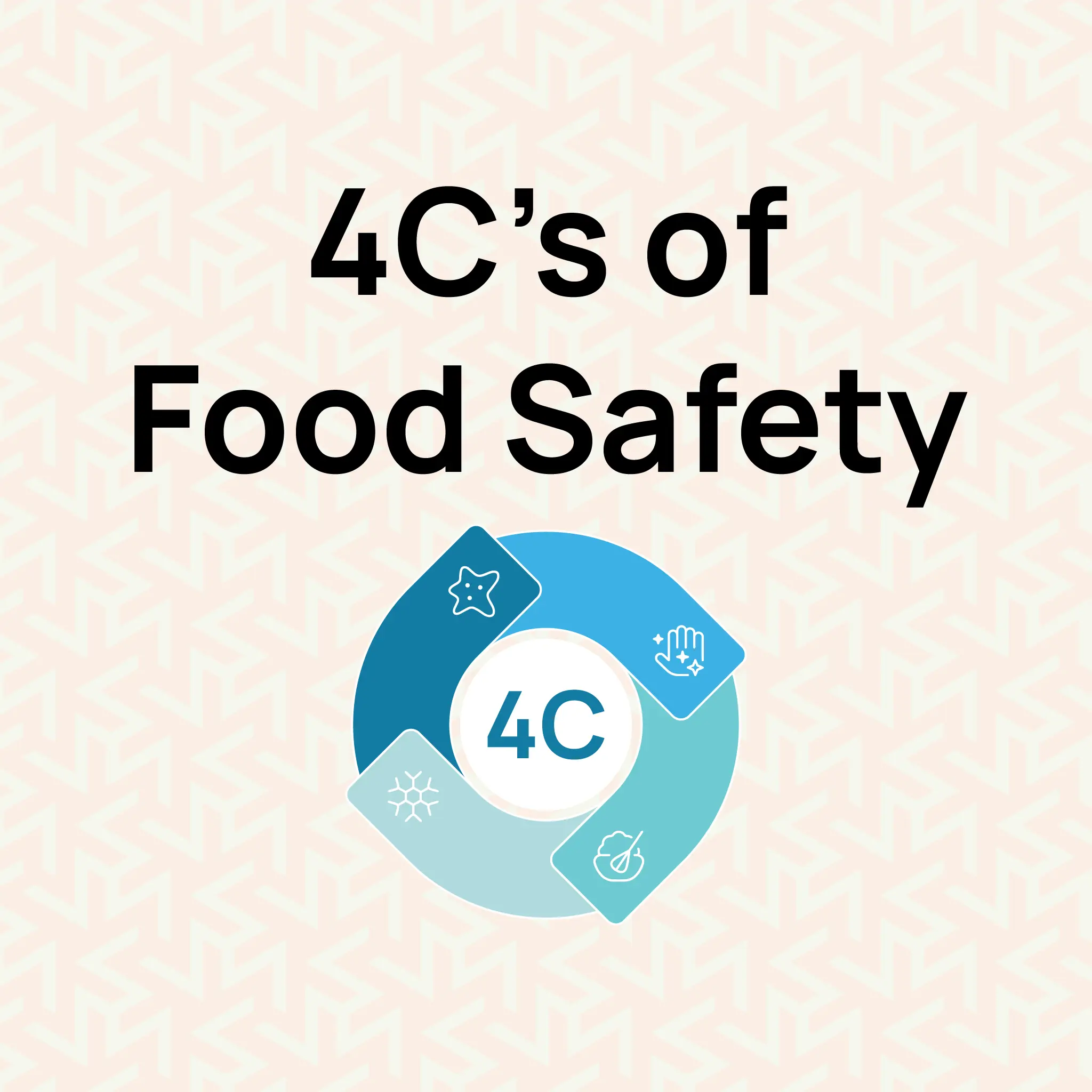
The Complete Guide to the 4?Cs of Food Safety for UK Food Businesses
Running a food business in the UK requires adhering to strict food safety standards to protect your customers and fulfil your legal obligations. From restaurants and caf�s to catering services and takeaways, maintaining high levels of hygiene and safe food handling is essential to avoid health risks and regulatory consequences.The 4Cs of food safety � Cleaning, Cooking, Chilling, and avoiding Cross-contamination � are key principles promoted by the Food Standards Agency (FSA). They provide a clear and practical framework for managing food safety throughout every stage of food preparation and service.Although the 4Cs themselves aren�t explicitly outlined in legislation, the practices they support are fundamental to complying with UK food laws, including the Food Safety Act 1990 and the Food Hygiene Regulations 2006. Failing to implement these practices can lead to foodborne illnesses, poor hygiene ratings, and legal action.In this article, we�ll break down each of the 4Cs, explore why they�re so important for food businesses, and offer practical tips to help you apply them in day-to-day operations.But first, let�s look at why these four principles are considered essential across the UK food industry.Why Is Following the 4Cs Important for Food Businesses?What are the 4Cs of food safety, and why are they important?Simply put, they are Cleaning, Cooking, Chilling, and avoiding Cross-contamination, four essential principles that safeguard food safety and help UK businesses comply with legal and hygiene standards.The 4Cs aren�t just a checklist; they form the foundation of safe food handling by reducing health risks, supporting legal compliance, and ensuring you�re prepared for inspections.Here�s how each of these principles reinforces why the 4Cs should be at the heart of every UK food business.They Reflect FSA Guidelines and ExpectationsThe Food Standards Agency (FSA) strongly promotes the 4Cs because they provide a clear foundation for safe food handling and hygiene. While not explicitly mentioned in the law, the FSA considers the 4Cs to be essential to good food safety practices, and inspectors will expect to see them applied in kitchens, storage areas, and front-of-house environments.Following the 4Cs can also help businesses achieve a better food hygiene rating, which in turn influences customer trust and reputationIgnoring the 4Cs Increases Health RisksWhen businesses don�t follow the 4Cs, they increase the risk of foodborne illnesses caused by harmful bacteria like Salmonella, Listeria, or E. coli. Cross-contamination, incorrect cooking temperatures, or inadequate chilling can all contribute to the growth and spread of these pathogens, posing a serious risk to your customers' health.There Are Serious Legal Consequences Although the 4Cs themselves aren't written into legislation, the practices they represent are enforceable under UK food law. The Food Safety Act 1990 requires all food businesses to produce and serve food that is safe to eat. Failure to control food safety hazards could result in prosecution, fines, business closure, or even imprisonment in serious cases.Helps You Stay Inspection-ReadyFood safety inspections don�t happen on your schedule; they can occur at any time. Following the 4Cs ensures you're prepared, with strong cleaning routines, proper temperature control, labelled storage, and clear procedures in place. This makes risk assessments easier and helps maintain compliance across your team.For detailed guidance on how to be prepared for a Food Safety Inspection, read our article on the food hygiene rating checklist.Incorporating the 4Cs into your daily operations isn�t just about passing inspections; it�s about building a food safety culture that protects people, supports your brand, and reduces long-term risks.Now let�s look more closely at each of the 4Cs in action.? Ready to upskill your staff or meet legal training requirements?�Start with a certified course: ? Level 2 Food Hygiene and Safety for Catering ? Level 2 Food Hygiene and Safety for RetailThe 4Cs of Food Safety Now that we�ve explored why the 4Cs matter, let�s look at each one in practice. Together, they create a strong framework that protects food from common hazards, but each one plays a unique role in keeping your premises inspection-ready and legally compliant CleaningCleaning is the first and arguably the most continuous step in food safety. It�s about creating and maintaining a hygienic environment, not just at the start or end of the day, but throughout the entire day.A clean-as-you-go approach ensures that spills, food scraps, and splashes are addressed promptly. Why wait until the end of a shift to wipe down a counter that�s been touched dozens of times? By cleaning as you work, you prevent harmful bacteria from building up and spreading to food or equipment. It�s proactive, not reactive.Go beyond a simple wipe-down. The six stages of cleaning are key: pre-clean, main clean, rinse, disinfect, final rinse, and drying. These aren�t just steps, they�re safeguards. Miss one, and you risk leaving behind dangerous residues or ineffective sanitisation.Use colour-coded chopping boards to separate raw meat, cooked food, dairy, and vegetables. It�s a small thing that goes a long way in reducing cross-contamination, especially when multiple people are prepping in a busy kitchen.And don�t overlook the basics: hand hygiene. Hands can transfer thousands of bacteria in a single touch. Follow the 7 steps of hygienic hand washing, especially after handling raw foods, using the toilet, or taking out the bins.Lastly, wash fruits and vegetables under running water before cooking or serving. This removes dirt and pesticide residues, but do not wash raw meat; it can splash bacteria across your sink and counters, increasing the risk of contamination.CookingCooking is more than getting food hot, it�s your defence against harmful microorganisms like Salmonella or E. coli. If meat isn�t cooked properly, these bacteria can survive and cause serious illness.Every food type has its specific requirements. The core cooking temperature generally recommended is 75�C; however, checking with a food probe is the most reliable way to ensure the food is safe. You should always be aware of the Temperature Danger Zone while cooking.If you're cooking something with packaging (like a frozen pie or pre-made meal), follow the manufacturer's guidelines. But if there are no instructions, stick with FSA advice, especially for:Poultry (chicken, duck, turkey)PorkMinced meats (like sausages, kebabs, burgers)Offal (liver, kidneys)Rolled joints, where bacteria can be pushed from the surface into the centre during preparationThese foods are considered high-risk because they�re more likely to carry harmful bacteria. That�s why undercooking them isn�t just a mistake, it�s a danger.Poor cooking practices can also breach the Food Safety Act 1990. If your food harms someone, even unintentionally, the consequences are legal.ChillingChilling slows down the growth of bacteria, but only if it�s done right.It is essential to understand the ideal fridge storage temperature and make sure your fridge is set to 5�C or below. Also, never overload your fridge. Cold air needs space to circulate; otherwise, certain spots warm up, creating the perfect breeding ground for bacteria.Always store raw meats on the bottom shelf of the fridge to prevent their juices from dripping onto ready-to-eat foods, which can lead to cross-contamination and serious foodborne illnesses. For tips on safe fridge storage, see our full guide on how to organise a fridge.Understand the food dates. A �use-by� date is about safety; eat it after that and you�re taking a risk. A �best-before� date, on the other hand, is about quality. It is crucial to be aware of the difference between use-by and best-before date.When it comes to leftovers, many wonder: Can you put warm food in the fridge? The answer is yes, but let it cool slightly first � ideally for no more than 1�2 hours. Placing steaming food directly into the fridge can raise its internal temperature and potentially affect other items stored nearby.Understand your freezing limits, too. Beef and other meats can only last a certain amount of time, even when stored in the freezer. Learn how long you can safely freeze food, the best methods for cooking it from frozen, and how to defrost it properly.Cross-ContaminationCross-contamination is silent and quick. A knife used for raw chicken, then reused for salad without washing, that�s all it takes.To protect food from cross-contamination:Always use separate equipment and colour-coded boards for raw and cooked food.Store raw food below cooked food in the fridge to prevent drips.Wash your hands every time you switch tasks.Clean and disinfect surfaces between jobs.Be aware of cross-contact, especially when it comes to allergens, as even a trace can trigger a serious reaction.Understand the different types of contamination:Physical (e.g. hair, glass)Microbial (bacteria, viruses)Chemical (cleaning agents)This is where habits matter most � a well-trained team that�s alert, organised, and consistent makes all the difference.Advance Your Food Safety Skills With Professional TrainingUnderstanding the 4Cs is essential, but it�s only the beginning. To truly lead safe, compliant food operations, especially in supervisory roles, formal training is a must.? Level 3 Food Hygiene and Safety Course Ideal for managers and supervisors, this course dives deeper into food law, risk assessments, and hygiene practices, helping you implement the 4Cs across your team and stay compliant with UK regulations.? Food Allergy Awareness Course Allergen cross-contact is a serious risk. This short course trains you to identify, label, and control allergens in food preparation � a vital extension of your cross-contamination strategy.Take charge of food safety today!Going Beyond the 4Cs: Best Practices to Prevent Food Safety FailuresNow that we�ve seen how each of the 4Cs plays a role in preventing foodborne risks, let�s shift focus to the broader strategies businesses can adopt to keep those risks at bay�before they even start.�Here are three proven ways to stay proactive about food safety compliance:Implement a HACCP PlanHazard Analysis and Critical Control Points (HACCP) is more than just a checklist�it's a structured system designed to identify, assess, and control food safety risks at every stage of your operation. From storage to service, every potential hazard is identified and managed effectively.Stay Inspection-Ready at All TimesWaiting until an EHO visit is announced is a recipe for panic. By maintaining your premises, documentation, and adhering to food safety protocols on a daily basis, you ensure that you're always prepared for a spot check. This includes having updated cleaning logs, temperature records, and allergen labelling processes in place.Invest in Regular Staff TrainingEven the best systems fall apart without well-trained staff. Ongoing training ensures that your team is confident in consistently applying the 4Cs. Refresher sessions are especially crucial in high-turnover environments, such as the hospitality industry. A simple misunderstanding of cross-contact, for example, could put a customer with allergies at serious risk.HACCP Training for Safer PremisesLearn how to assess food safety risks, apply adequate controls, and keep your kitchen inspection-ready with Hurak�s Level 2 HACCP Course.��Start TodayIncorporating these measures won�t just help you avoid food safety issues; they�ll help you build a culture of accountability across your team.�Let�s now understand how things can quickly go wrong when even one of the 4Cs of food safety is ignored, with an example.This example shows how one small lapse in chilling can escalate into a serious breach, reinforcing why every C counts.How a Small Oversight Can Lead to a Major Food Safety BreachLet�s examine a scenario that could occur at any food outlet, where a minor lapse in judgment puts customer health at risk.�Note: This example is provided for educational purposes only.Scenario: A Busy Caf� and a Chilling OversightIn a small high-street caf�, the kitchen staff cooked large batches of minced beef chilli during morning prep. Due to time pressure and limited fridge space, hot food was placed directly into the fridge to cool faster. Later that evening, several customers reported symptoms of food poisoning. An investigation by local authorities revealed that the food had spent too long in the temperature danger zone�between 8�C and 63�C. Allowing bacteria like Clostridium perfringens to multiply. No chilling logs were maintained, and the team was unaware of proper cooling procedures.What went wrong? A failure to follow safe chilling practices, one of the 4Cs, triggered a chain reaction, demonstrating how a single oversight can impact public health, damage your brand reputation, and result in legal action.The story also illustrates why understanding guidelines isn�t enough; you must apply them, monitor their implementation, and train your staff to do the same.Conclusion: Food Safety is a Constant CommitmentMastering the 4Cs �Cleaning, Cooking, Chilling, and Cross-Contamination �forms the backbone of any safe food environment. But food safety doesn�t end there.�To truly protect your customers and reputation, you must go the extra mile.Consider TACCP and VACCP strategies to protect against intentional food threats, or implement regular risk assessments to identify vulnerabilities before they cause harm. Leveraging smart kitchen technology for temperature logs and hygiene audits can also add precision and confidence to your operations.Whether you run a food truck or manage a full-service kitchen, your safety systems must evolve with the industry. When done right, these steps not only reduce risk but also boost customer trust and business resilience.Go Beyond the 4Cs � Train SmarterMaster legal compliance, inspections, allergen safety and more with Hurak�s CPD-certified Food Hygiene and Safety Courses.? Find Your Course NowFAQsWhat are the 4Cs of food safety, and why are they important?The 4Cs of food safety are Cleaning, Cooking, Chilling, and avoiding Cross-contamination.�They are important because they form the foundation of safe food handling practices, helping to prevent foodborne illnesses, protect public health, and ensure compliance with UK food safety laws. By following the 4Cs, food businesses can reduce health risks, maintain hygiene standards, and pass inspections with confidence.How can I train my staff on the 4Cs?Enrol them in a certified Food Hygiene Course, such as Hurak�s Level 2 or Level 3 programmes, which cover the 4Cs in depth.Is it mandatory to follow the 4Cs in a home kitchen?While not legally required for home use, following the 4Cs helps protect your family from harmful bacteria and ensures safer food practices.Are there practices beyond the 4Cs that I should know?Yes, advanced methods such as TACCP, VACCP, digital temperature monitoring, and regular risk assessments extend beyond the 4Cs to address intentional food threats and complex safety risks.
Food Hygiene Inspection Checklist UK: What Every Kitchen Needs
High food hygiene standards are crucial for every food business, from home caterers to busy restaurant chains.� To stay compliant and achieve a 5-star food hygiene rating, every food business should follow a well-structured food hygiene rating checklist. This checklist keeps everything in check, starting from kitchen cleanliness to food storage, pest control and staff hygiene. Helping you run smooth daily operations while staying inspection-ready at all times. An Environmental Health Officer (EHO) is a government official responsible for inspecting food businesses to ensure compliance with health and safety laws. Their job is to ensure that your kitchen operates safely and that the food you serve is safe for consumption. EHO inspections are conducted regularly to ensure that food businesses comply with food hygiene and food safety standards. These officers visit your premises to conduct a formal food hygiene inspection, and based on their findings, your business receives a rating under the Food Hygiene Rating Scheme (FHRS). Their reports can directly impact your business�s reputation and ability to trade. If they find hygiene practices falling short, it could result in anything from a poor rating to closure in extreme cases.� These inspections often happen without any prior notice. As these inspections often occur unexpectedly, it�s essential to implement and maintain a food hygiene checklist that�s followed consistently, not just before an inspection, but every single day. What do EHOs look for during a food hygiene inspection? When an EHO visits your food premises, they assess your operation based on three key criteria under the FHRS. These areas help determine your final hygiene rating, so it�s crucial to understand them thoroughly.1. How hygienically food is handled EHOs will observe how food is prepared, cooked, cooled, stored, and reheated. Their goal is to ensure that every stage of food handling is safe and hygienic. They�ll assess: Cleanliness of work surfaces and utensils Safe handling of raw and cooked foods (avoiding cross-contamination) Food temperature control during storage and reheating Proper food labelling and shelf-life monitoring 2. Condition and structure of the premisesThe physical condition of your kitchen or workspace is also evaluated. First impression matters!EHOs will check:General cleanliness and organisationStructural condition � walls, floors, ceilings, sinks, etc.Proper lighting and ventilationFunctioning hand-washing facilitiesSigns of pest infestation and proof of pest controlOverall maintenance and repair3. Food safety management systems This area focuses on how well your business manages food safety. EHOs want to see that you�ve implemented proper systems and that your staff are trained and confident in following them. They�ll look for: A written food safety management system, such as HACCP principles Records of temperature checks and cleaning schedules Staff food safety training (e.g. Level 2 Food Hygiene Course) Safe use and storage of cleaning chemicals Take Charge of Food Safety in Your Business If you're responsible for overseeing food safety standards, managing teams, and ensuring all systems are in place, the Level 3 Food Hygiene and Safety Course is ideal for you. This advanced course covers: Legal responsibilities of managers Implementing and monitoring food safety systems (like HACCP) Handling inspections with confidence Supervising and training staff effectively Equip yourself with the tools to lead a food-safe workplace. Other areas are often inspected In addition to the core three, EHOs may also check: Pest control measures and monitoring Equipment condition and cleanliness Waste management processes Labelling accuracy and allergen information Availability of hand-washing facilities Supplier delivery checks Keeping all the above elements in check is crucial for passing an unannounced EHO visit and maintaining a food hygiene rating that builds trust with your customers. Boost Your Food Safety Game with Specialist Training Environmental Health Officers don�t just check surfaces - they assess everything from allergen handling to your overall food safety system. Make sure your team is inspection-ready with targeted training: Food Allergy Awareness Online Course Learn how to identify, manage, and effectively communicate food allergens - especially vital for high-risk customers and ensuring legal compliance. Level 2 HACCP Online Training Gain confidence with Hazard Analysis and Critical Control Points (HACCP), a vital system for protecting against contamination and meeting EHO expectations. Both courses are CPD-accredited, online, and ideal for businesses of all sizes. Kitchen inspection checklist to pass EHO visits While we�ve summarised the key EHO focus areas above in brief, in order to stay at the top of your game, download our detailed, ready-to-use EHO inspection checklist covering inspection pointers in greater detail. *Note: This checklist is based on official guidance from the Food Standards Agency and best practices for UK food businesses. It�s designed to help you stay prepared for EHO inspections and maintain a 5-star hygiene rating.Daily kitchen management: How to use the EHO inspection checklist effectivelyA checklist is essential, but what�s even more important is putting that checklist to good use every single day.�A checklist only works if your team knows how to use it effectively every day. Here�s how to turn your EHO inspection checklist into a practical tool that drives daily food safety.1.�Assign clear roles:�Allocate specific tasks � such as cleaning, stock rotation, and monitoring fridge temperatures � to individual team members and display responsibilities visibly.2.Monitor progress:Conduct quick daily or weekly self-inspections and review your records regularly to catch issues early.3.Train your team:�Ensure that everyone understands HACCP principles and knows the significance of each task on the checklist.Want to implement HACCP effectively? Explore our Level 2 HACCP Online Course to train your team and streamline operations.4. Combine tools:�Link your checklist with cleaning rotas, stock control, and training records to create a seamless workflow.Let�s understand how you can utilise the checklist in your daily kitchen operations and how maintaining it consistently can make inspections more manageable and smoother, with a real-life example.Case: A busy takeaway kitchen in London Maria runs a fast-paced takeaway kitchen with three chefs and two helpers. During a surprise visit, the Environmental Health Officer (EHO) requested to review records on fridge temperatures, cleaning schedules, and allergen management. Maria had: A printed environmental health inspection checklist filled out daily, Digital logs of fridge temperatures updated every 4 hours, A whiteboard displaying the cleaning rota and the names of the responsible staff. The EHO was impressed, not just with the records, but also with how the team could explain their duties. Maria�s kitchen earned a good hygiene rating. Why it worked: Maria didn�t just have a checklist - she built it into the team's routine. Every member knew their role, and the documentation was always up to date. This is why using a food hygiene inspection checklist on a day-to-day basis is crucial - it not only helps you stay compliant with the Food Safety Act 1990 and avoid costly penalties, but also boosts your Food Hygiene Rating, builds customer trust, and protects your business reputation.EHO inspection checklist: What to expectWhen an Environmental Health Officer (EHO) visits your premises, there are clear standards they must follow. They�re expected to be professional, respectful, and transparent throughout the process.Here are a few things that the EHO inspector must follow during their visit:1. Identification First:� �����������The EHO will always present official identification before commencing the inspection.2.Professional Conduct:������������They must maintain courtesy, respect, and transparency at all times.3.Hazard Identification:�������������EHOs will highlight hygiene or safety risks and suggest practical corrective actions.4. Clear Distinctions:������������They will clarify what is legally required versus what is recommended as best practice.5. Legal Breaches:������������If a breach of the law occurs, the officer must clearly state which�law has been violated.6. Written Explanation:������������All required actions must be explained in writing for your understanding�and records.7. Reasonable Timeframes:������������You�ll typically be given time to address any issues, unless there�s�an immediate public health risk.8. Right to Appeal:������������You�re entitled to information on how to appeal any decisions or enforcement�actions.Conclusion Using a structured food hygiene rating checklist isn�t just about passing inspections�it�s about building a safe, efficient, and trusted kitchen environment. By following proper procedures and knowing what to expect from an EHO visit, you're actively protecting your customers, your team, and your business reputation.FAQs What is a food hygiene rating checklist used for? A food hygiene rating checklist helps businesses prepare for inspections by ensuring hygiene standards meet the criteria set by local authorities. Are kitchen inspection checklists and EHO inspection checklists the same? Yes, both a kitchen inspection checklist and an EHO inspection checklist UK cover areas like food safety, cleanliness, and legal compliance during routine checks. What should be included in a food hygiene inspection checklist UK? A food hygiene inspection checklist UK typically includes checks for food storage, staff hygiene, temperature control, and pest prevention. What is an environmental health inspection checklist? An environmental health inspection checklist focuses on broader safety measures, including waste disposal, cleanliness, and food safety documentation. How does a workplace inspection checklist differ in the UK? A workplace inspection checklist in the UK covers general health and safety aspects beyond the kitchen, including fire exits, PPE, and equipment checks. Why is a kitchen health and safety checklist important? A kitchen health and safety checklist helps prevent accidents and injuries by ensuring safe working conditions in food prep areas. What types of restaurant checklists should be used daily? Restaurant checklists can include opening/closing procedures, cleaning tasks, stock checks, and hygiene control to maintain consistent standards.
The 6 Stages of Cleaning: A Simple, Step-by-Step Guide to A Cleaner Workplace
Did You Know Germs Can Hide In Plain Sight?We often think of dirt as something we see, like crumbs on a counter or stains on a surface. But the real danger lies in the germs and bacteria we cannot see. These can quietly accumulate on kitchen surfaces, door handles, tools, and even the objects we touch daily.Keeping your kitchen clean is not just about appearance; it is about preventing food contamination, protecting health, and creating a safe environment for everyone. And this applies far beyond kitchens. Whether you work in a restaurant, clinic, office, or factory, a clean workplace is essential for health, safety, and efficiency.That is why it�s essential to understand the 6 stages of cleaning, a simple yet powerful process used across industries to ensure spaces are not only clean but also safe.Before we move on to the 6 stages of cleaning, it�s essential to understand the differences between cleaning, disinfecting, and sanitising. These terms are often used interchangeably; however, they serve distinct purposes.�Understanding the difference helps you choose the correct method according to your requirements, ensuring that you not only clean the surface but also make it safe and hygienic.What Is Cleaning, Disinfecting And Sanitising?Understanding the difference between cleaning, disinfecting, and sanitising is essential for maintaining hygiene, especially in environments where safety matters most.�The visual below explains how each process works and why all three are equally important in achieving a spotless and safe space.To put it simply, clean to remove, disinfect to kill, and sanitise to make it safe. Each one plays a unique role in keeping your environment truly clean.Understanding the difference between cleaning, disinfecting, and sanitising is just the first step. The real challenge lies in applying them effectively in real-world settings, like a busy kitchen, a healthcare facility, or any shared workspace.That�s where the 6 stages of cleaning come in. This structured method ensures that every surface is not only visibly clean but also hygienically safe, helping prevent the spread of germs and keeping people protected.Why Do the 6 Stages of Cleaning Matter?A quick wipe with a cloth might remove visible dirt, but it�s not always enough to kill germs or stop the spread of illness.To truly clean and disinfect a surface, a proper method must be followed. This simple, step-by-step process helps ensure every surface is not only clean but also safe.It removes hidden germs, reduces health risks, and helps meet hygiene standards, especially in places where food is handled or equipment is shared.Understanding these 6 stages is especially important if you work in:Food handling or hospitalityHealthcare or caregivingBeauty, salon, or tattoo industriesCleaning services or facilities managementOr any job where cleanliness affects people�s safetyEnsure You Master Food Hygiene!Stay compliant and protect your workplace by taking our certified Food Hygiene Level 2 course. Practical, accredited, and designed for busy professionals.Level 2 Food Hygiene and Safety for CateringLevel 2 Food Hygiene and Safety for ManufacturingLevel 2 food hygiene and safety for retail�Level 2 Food Hygiene and SafetyThe 6 Stages Of Cleaning � With Real-Life ExamplesWhether you�re in a commercial kitchen, a healthcare setting, or simply maintaining cleanliness at home, following a structured cleaning process ensures you�re doing more than just shifting dirt around.Understand the 6 stages of cleaning with real-life examples and learn how to apply them effectively in everyday situations to keep your environment safe and hygienic.Stage 1. Pre-Clean - Remove Loose Dirt And MessWhat does it mean:Start by clearing away anything you can physically see, like food scraps, dust, hair, or packaging.Example:In a kitchen, this could mean wiping crumbs off a cutting board after making sandwiches.In an office, it might be brushing dust and bits of paper off your desk before cleaning it.Why it matters:If you skip this step, dirt and debris can block your cleaning products from working effectively in the following stages.Stage 2. Main Clean - Wash Off Grease, Grime, Or SpillsWhat does it mean:Now you apply warm water and detergent to scrub away stubborn messes, like sticky � sauces, oil, or dried spills.Example:In a restaurant kitchen, this might be scrubbing greasy residue off a grill or stove.In a clinic, detergent could be used to clean off any visible stains on a treatment bed.Why it matters:This step removes the stuff that soap can lift, but water alone can�t handle. It prepares the surface for disinfection.Stage 3. Rinse - Wash Away Dirt And DetergentWhat does it mean:Rinse the area with clean water to remove the loosened grime and leftover detergent from stage 2.Example:After scrubbing a chopping board with detergent, rinse it under running hot water.In an office pantry, rinse the sink basin after cleaning it with soap and water.Why it matters:Leftover soap or dirt can react with disinfectant and reduce its power, so rinsing is key before moving on.Stage 4. Disinfect - Kill Germs And MicroorganismsWhat does it mean:Now it�s time to kill harmful bacteria and viruses using a disinfectant or sanitiser. Apply and leave it for the right amount of time. To learn more about maintaining hygiene standards in food safety, refer to our comprehensive guide on HACCP principles.Example:Spray an antibacterial solution on kitchen counters after cleaning them, and let it sit for 5�10 minutes as per instructions.In a salon, disinfectant spray on tools like scissors or tweezers.Why it matters:Even if something looks clean, it could still carry dangerous germs. Disinfection removes what you can�t see.Stage 5. Final Rinse - Remove Disinfectant (If Required)What does it mean:Some disinfectants need to be rinsed off with clean water to avoid leaving harmful chemical residues.Example:In a food preparation area, rinse countertops after disinfection to ensure that no chemical residue ends up in the food.In a child care centre, rinse toys after disinfecting to prevent chemicals from getting on children�s hands or mouths.Why it matters:Leftover disinfectant can be toxic if ingested or touched, especially around food, children, or sensitive skin.Stage 6. Dry - Get Rid Of MoistureWhat does it mean:Dry the surface completely�either by letting it air dry or by using a clean, disposable cloth.Example:In a bakery, leave trays to air dry after washing and disinfecting.In an office kitchen, use a paper towel to dry the sink or counter after final rinsing.Why it matters:Germs thrive in damp places. If the surface stays wet, it can become contaminated again quickly.By following all 6 stages - from pre-cleaning to drying - you go beyond surface-level cleaning and ensure a truly hygienic environment.�This methodical approach not only improves safety and hygiene but also helps meet compliance standards in food handling, healthcare, and other high-risk settings. Mastering these stages is a simple and effective way to prevent the spread of harmful germs and protect those around you.Things To Keep In Mind Before You Start CleaningWhile the 6 stages of cleaning provide a structured process, their effectiveness depends on proper preparation. Before you begin the actual cleaning steps, it�s important to prepare appropriately.�The steps below help you set up correctly, ensuring your cleaning process is efficient, compliant, and thorough � even in demanding environments.Follow A Cleaning ScheduleIf you are cleaning as part of your job, you likely have a cleaning rota or a risk assessment in place. Stick to it. These tools make sure:You're cleaning the right areas at the right timeHigh-risk zones (like food prep areas or shared surfaces) are not missed.The whole process runs smoothly and safelyUse The Right Products�Every job needs the right tools, and cleaning is no different.Choose cleaning products that are:Effective against the specific germs in your environment (e.g. food-borne bacteria in kitchens, viruses in healthcare)Safe for the surface you're working on (some products can damage wood, stone, or stainless steel)Never mix chemicals unless the label clearly says it�s safe�it can release dangerous gases.Always Read The LabelCleaning products come with instructions for a reason. Pay attention to:How much to use (too much doesn�t mean better)How long should I leave it on the surfaceWhere and how to store it safelyIf you're using strong chemicals, always check the manufacturer�s guidelines, especially in commercial settings.Wear The Right PPEBefore cleaning, wear proper personal protective equipment (PPE) like:Gloves � to avoid skin reactions from detergents and disinfectantsAprons � to prevent spills from reaching your clothes or skinThis is not just about comfort�it�s about your long-term health.Ventilation Is ImportantAlways ensure the space you�re cleaning is well-ventilated. Some cleaning chemicals release fumes that can cause:HeadachesBreathing issuesLong-term respiratory problemsOpen windows or turn on exhaust fans when needed.Follow A Smart Cleaning PatternTo clean effectively and avoid cross-contamination:Start from the cleanest area and move to the dirtiestClean top to bottom (so dust doesn't fall onto already-cleaned areas)Use an S-shaped motion with your cloth, which helps cover the whole surface without re-contaminating itPractice Good Hand HygieneEven if you wear gloves, wash your hands after cleaning. This prevents any lingering germs from spreading to food, surfaces, or other people.Place hand sanitisers and disinfectant wipes in visible, easy-to-reach areas to promote regular hand hygiene.Stick To A Deep Cleaning RoutineSet a regular schedule for deep cleaning, especially for shared items like:Kitchen appliancesTouchscreens, phones, and printersLight switches and door handlesPromote Cough & Sneeze EtiquetteEncourage everyone in the workspace to:Cover coughs and sneezes with a tissue or their elbowDispose of tissues properlyDisinfect any surface they may have sneezed or coughed onManage Waste ProperlyDon�t let rubbish pile up. Keep waste bins:CoveredCleaned regularlyEmptied frequentlyFollowing these ten steps will not only make your cleaning routine more efficient but also help maintain a healthier, safer environment for everyone around you. Getting these fundamentals right sets the stage for proper disinfection and long-term hygiene.Use this quick checklist as a reminder to keep your cleaning process safe, effective, and fully compliant.ConclusionA clean workplace is crucial for maintaining health, ensuring safety, and promoting productivity.By following the 6 stages of cleaning, you ensure that your environment is not only free from visible dirt but also hygienically safe for everyone.These stages are applicable across a wide range of industries, including food production, hospitality, healthcare, and facilities management, and provide a reliable framework for meeting high hygiene standards and complying with regulations. FAQsWhat is the cleaning process in the food industry?The cleaning process typically follows six key stages: pre-clean, leading clean, rinse, disinfection, final rinse, and drying. This ensures all surfaces are safe and free from contaminants.What are the different types of cleaning?There are several types of cleaning depending on the environment and need:Routine cleaning: Regular, daily cleaning tasks to maintain hygiene.Deep cleaning: More intensive cleaning is performed periodically to remove hidden dirt and contaminants.Reactive cleaning: Immediate response to spills, accidents, or other forms of contamination.Preventive cleaning: Scheduled cleaning to prevent the build-up of germs and maintain standards.Understanding the type of cleaning required helps you choose the right products, tools, and methods.Why is rinsing important in cleaning?Rinsing removes detergent and loosened dirt, preventing residue buildup that could interfere with disinfection or contaminate food.What is the final rinse step in cleaning?The final rinse removes any remaining disinfectant using clean, potable water. This step is critical in food areas to prevent chemical residues.What does pre-cleaning involve?Pre-cleaning involves removing loose dirt, food particles, or debris before using cleaning agents. It improves the efficiency of subsequent cleaning steps.What is the drying stage in the cleaning process?�Drying is the final step where surfaces are allowed to air dry or are dried using clean cloths. This helps prevent microbial growth on damp surfaces.What occurs in the main cleaning stage of the 6 stages of cleaning?�In this stage, detergents are applied to remove grease, grime, and food residues. It's essential for breaking down contaminants before rinsing and disinfecting.What are the cleaning and disinfection steps?The cleaning and disinfection steps involve two critical actions:Cleaning: Physically removing dirt, grease, and residues from surfaces using detergent and water.Disinfection: Applying a disinfectant to kill harmful bacteria, viruses, and other microorganisms after cleaning.Both steps are essential � cleaning removes what you can see, while disinfection tackles what you can�t.What is the final stage of cleaning and disinfection?The last stage is drying. Surfaces must air dry or be dried with clean cloths to avoid moisture buildup, which can harbour bacteria.
Can You Put Warm Food in the Fridge? UK Cooling Safety Guide for Homes and Commercial Kitchens
Can You Put Warm Food in the Fridge?It�s a question that crosses nearly every cook�s mind: Can you put warm food in the fridge, or should you wait until it cools down first?Whether you're cooling leftovers after dinner, managing surplus food in a commercial kitchen, or storing dishes safely in a catering van, this simple decision can have profound implications for food safety.Improper cooling and refrigeration can lead to bacterial growth, food spoilage, and even foodborne illness, such as food poisoning.�Yet, confusion remains - how long should you let food cool before refrigerating?And what really happens if you put hot food straight in the fridge?This guide cuts through the noise. Backed by food safety principles and UK-specific advice, we�ll walk you through:What happens when hot food goes into the fridgeThe best practices for cooling food quicklyHow long to wait before refrigerating safelyWhat UK regulations and professional guidance sayFrom single portions to bulk batches, the core food safety rules apply to all settings.So, can you really put warm food in the fridge?�Let�s look at what science, safety experts, and UK guidance have to say.Is It Safe to Put Hot Food in the Fridge?The short answer: it depends.While it may seem like a quick way to preserve freshness, putting hot food straight into the fridge can actually do more harm than good if done incorrectly, at home or in a commercial kitchen.Let�s explore what happens when hot food is placed in the fridge and why this can compromise food safety.What Happens When You Put Hot Food in the Fridge?Internal Fridge Temperature RisesWhen you put hot food into a cold fridge, the heat from the food doesn�t just disappear; it transfers to the air and surrounding items.Think of your fridge as a climate-controlled box designed to keep food at or below 5�C. But when you place a large container of steaming curry or stew inside, especially if your fridge is already full, that heat warms the air and nearby items.This causes the fridge�s internal temperature to spike temporarily, and it may take hours to return to a safe range.During this time, foods like cooked meats, dairy products, or sauces can enter the temperature danger zone.What Is the Temperature Danger Zone?The temperature danger zone is between 8�C and 63�C. This is the range where bacteria, such as Salmonella, E. coli, and Listeria, grow and multiply most rapidly. According to the Food Standards Agency, food should be kept below 5�C in the fridge or above 63�C if kept hot.When your fridge warms up even slightly, you create an ideal environment for bacterial growth, which is invisible, rapid, and can lead to foodborne illness, especially in vulnerable groups such as children, the elderly, or individuals with weakened immune systems.Keeping your fridge at or below 5�C, as outlined in our Fridge Storage Temperature Guidelines, ensures that food remains safe.Uneven Cooling: A Hidden RiskCooling food in a fridge isn�t just about chilling the outer layer; the core temperature is what truly matters.When hot food is stored in deep containers or kept covered, the outside cools quickly in the fridge air, but the centre can stay warm for hours. This delay allows bacteria, whether leftover from cooking or added later, to grow and multiply.This risk is exceptionally high in commercial kitchens, where large batches of food, such as sauces, rice, or meats, are stored and used over time.Condensation & Contamination: A Moisture ProblemWhen hot food enters a cold space, steam is released, and this steam condenses on the fridge's surfaces, shelves, and containers.This may seem harmless, but excess moisture:Encourages mould growthIncreases the chance of cross-contamination, as water droplets can transfer bacteria across surfacesReduces fridge efficiency, making it harder to maintain a safe temperature throughoutIf your fridge isn�t cleaned regularly or is overcrowded (a common issue in restaurant kitchens), this moisture can quickly turn into a contamination hazard.Putting hot food directly into the fridge isn't just a minor oversight � it can compromise the safety of everything stored inside.�From raising the internal temperature and triggering bacterial growth in high-risk foods to causing hidden condensation risks, understanding these hidden dangers is essential.For best practices on safe fridge storage, don�t miss our guide on How to Organise Your Fridge for Food Safety.The Science Behind Cooling Food SafelyCooling food safely is more than just a storage routine, it�s a science-backed step to stop bacteria like Clostridium perfringens and Bacillus cereus from growing.These pathogens can survive the cooking process and multiply quickly if food cools too slowly, producing toxins that reheating won�t destroy.Let�s explore how to cool food the right way, whether you're at home or running a food business.For Home Kitchens & Small Food BusinessesIf you�re storing leftovers at home or operating a small caf� or food stall, the UK Food Standards Agency (FSA) advises:Let food cool at room temperature for no more than 90 minutes to 2 hoursOnce slightly cooled, refrigerate it below 5�CDiscard food left out at room temperature for 4+ hours, as bacteria may have already multiplied to unsafe levelsTip: To cool food faster, divide it into smaller portions, place it in shallow containers, or stir occasionally to release heat.This simple approach dramatically reduces the time food spends in the temperature danger zone (between 8�C and 63�C), where bacteria grow fastest.Cooling in Commercial Kitchens and Catering SettingsIn professional environments, cooling food rapidly is a critical requirement not just for safety, but for compliance with UK FSA guidance. According to widely accepted HACCP-based practices, cooling must be done using efficient tools and under strict time limits.UK Cooling Standards for Food BusinessesCool hot food to below 8�C within 90 minutes using methods such as blast chillers, ice paddles, or shallow traysNever leave food at room temperature for more than 2 hours after cookingDiscard food left out for over 4 hoursThese standards help remove food from the danger zone as quickly as possible, thereby reducing the risk of contamination from bacteria such as Salmonella, E. coli, and Listeria.Common Cooling Methods in UK KitchensBlast chillers: Rapidly lower the temperature of large batches of foodShallow trays and portioning: Spread food out to ensure even coolingIce baths/paddles: Useful for soups, sauces, or riceBy adhering to the 90-minute cooling rule and utilising proper tools, both home cooks and food handlers in commercial settings can ensure that food remains safe, compliant, and free from harmful bacteria.How Long Should You Let Food Cool Before Refrigerating?If you're still unsure, here's a clear breakdown:�At Home or Small Food BusinessesLet food cool at room temperature for no more than 90 minutes to 2 hoursOnce the steam has reduced, refrigerate below 5�CUse shallow containers, stir occasionally, or place near a fan to help speed up cooling�In Commercial SettingsUse blast chillers, ice baths, or cooling paddles to reduce the temperature to below 8�C within 90 minutesLabel and date cooled food properly, especially in batch-cooked settingsAvoid placing hot food directly into the fridge it disrupts cooling and risks cross-contaminationIn short:? Commercial kitchens: cool food to below 8�C within 90 minutes? At home: cool food for 90 minutes to 2 hours max, then refrigerate below 5�CDelaying this process increases the risk of bacterial growth and can lead to foodborne illness.Take the Next Step in Food SafetyIf you or your team handle food professionally, the right training is essential to avoid critical mistakes like improper cooling, cross-contamination, or unsafe reheating.Here are some courses to strengthen your knowledge and keep your kitchen inspection-ready:? Level 2 Food Hygiene and Safety for Catering: Designed for anyone who prepares or handles food�especially useful for caterers and kitchen staff.??? Level 3 Food Hygiene and Safety for Supervisors: A must-have for managers and supervisors responsible for food safety and training others.? Level 2 HACCP Course: Learn how to implement critical controls, including how to safely cool, store, and handle high-risk foods.? Stay compliant. Stay safe. Start your training today.Busting Common Myths About Refrigerating Hot FoodDespite clear food safety guidance, myths about cooling and refrigeration still confuse many home cooks and food business operators. Here's a quick myth-busting guide to help you separate fact from fiction.Don't let food myths lead to food safety mistakes. Trust science-backed practices to stay safe and compliant.Best Containers for Cooling and Storing Hot FoodStoring hot food safely starts with choosing the proper containers. Here�s how to do it right.Start Smart: The Right Containers Make All the DifferenceUsing appropriate containers can significantly reduce cooling time and ensure your fridge stays safe and hygienic.Shallow Containers (?5cm deep)Encourage even cooling and prevent the centre from staying hot for too long.Glass or Food-Grade Stainless SteelThese materials cool faster than thick plastic and are non-reactive.Ventilated Lids or CoversLeave lids slightly ajar during the initial cooling process; fully seal them before refrigerating.Portion-Sized ContainersDivide large batches into smaller containers to help them cool more quickly.Avoid Deep Plastic Tubs for Hot FoodsThey trap heat and prolong time in the danger zone.? Tip: Always label containers with time and date if storing food commercially.Using the correct container isn�t just a storage choice � it�s a safety measure. Whether you�re meal-prepping or running a kitchen, smart storage keeps bacteria at bayGo Beyond the Basics Hurak�s Level 3 Food Hygiene and Safety Course is ideal for managers and business owners seeking to enhance cooling practices, confidently pass inspections, and ensure full legal compliance.Start your training today � don�t just meet the standards, exceed them.ConclusionFollowing proper food safety guidelines is essential to prevent bacterial growth and keep your food safe to eat. Correctly cooling and storing food reduces the risk of foodborne illness and protects both your health and that of others.Let�s summarise the key points with two practical examples to highlight how safe cooling works at home and in commercial kitchens:At Home:You�ve just cooked a large batch of chicken curry. You divide it into shallow containers and let it cool on the kitchen counter for about 90 minutes. Once the steam has disappeared, you place it in the fridge, storing it below 5�C, and it is ready for tomorrow�s lunch.In a Commercial Kitchen:The same dish is made in bulk for a busy lunch service. The kitchen team spreads it out in shallow trays, then uses blast chillers to quickly bring the temperature down to below 8�C within 90 minutes. Each container is labelled and stored in a walk-in fridge, well away from raw ingredients.In both cases, the principle is clear:Cool food quickly, store it smartly, and keep it below 5�C.Whether you�re cooking at home or working in a professional kitchen, following these safe hot food cooling and storing practices protects everyone at the table.FAQsCan you put warm food in the fridge?Yes, you can put warm food in the fridge, but it�s best to let it cool slightly first. Putting very hot food directly into the refrigerator can raise the temperature inside, affecting other food and increasing the risk of bacterial growth.How long should you let food cool before refrigerating?Ideally, let food cool for no more than 30 minutes before refrigerating. Large portions should be divided into smaller containers to help cool faster and safely.What happens if you put hot food in the fridge?Placing hot food directly into the fridge can cause the internal temperature to rise, potentially spoiling other stored food and encouraging the growth of harmful bacteria.What are the top 3 quick cooling tips?Divide large portions into smaller, shallow containersStir hot liquids occasionally to release heatUse an ice bath or blast chiller if availableDoes fridge loading affect food cooling?Yes, a crowded fridge reduces airflow and cooling efficiency. Avoid overloading your fridge so cold air can circulate freely, helping all food cool safely and quickly.How can I avoid cross-contamination when cooling food?Always use clean containers and cover food adequately before refrigerating. Keep raw and cooked foods separate to prevent cross-contaminationBest Containers for Cooling and Storing Hot FoodStoring hot food safely starts with choosing the proper containers. Here�s how to do it right.Start Smart: The Right Containers Make All the DifferenceUsing appropriate containers can significantly reduce cooling time and ensure your fridge stays safe and hygienic.Shallow Containers (?5cm deep)Encourage even cooling and prevent the centre from staying hot for too long.Glass or Food-Grade Stainless SteelThese materials cool faster than thick plastic and are non-reactive.Ventilated Lids or CoversLeave lids slightly ajar during the initial cooling process; fully seal them before refrigerating.Portion-Sized ContainersDivide large batches into smaller containers to help them cool more quickly.Avoid Deep Plastic Tubs for Hot FoodsThey trap heat and prolong time in the danger zone.? Tip: Always label containers with time and date if storing food commercially.Using the correct container isn�t just a storage choice � it�s a safety measure. Whether you�re meal-prepping or running a kitchen, smart storage keeps bacteria at bay
Common Kitchen Hazards: What They Are and How to Prevent Them
Kitchen hazards are potential sources of danger within a kitchen environment that can cause injury, illness, or damage. These include physical risks such as slips, cuts, and burns, as well as biological and chemical hazards that affect food safety.Understanding and managing kitchen hazards is essential for anyone working in or managing a commercial kitchen. Being aware of risks helps prevent accidents, protects staff wellbeing, and ensures smooth daily operations.In this article, we will guide you through the most common kitchen hazards and ways to identify and prevent them.Why Is It Important To Understand Kitchen Hazards? Understanding kitchen hazards is crucial to creating a safer and more efficient working environment. Unaddressed hazards not only pose a risk to staff but can also lead to serious incidents, such as food contamination, fires, or equipment damage, all of which can disrupt service and impact the business. By identifying risks early, you can take simple preventative steps to avoid accidents, maintain food safety standards, and ensure smooth day-to-day operations. To effectively manage these risks, let's explore the various types of hazards commonly found in kitchen settings. Types Of Kitchen HazardsKitchens are busy environments where hazards come from many sources. Here are the most common types:Physical HazardsInjuries caused by physical objects or environmental conditions.Slips and trips from wet floors or food spills.Cuts from knives or broken glass.Burns from hot surfaces or boiling liquids.Falling objects like pans or stacked containers.Maintaining cleaning habits and consistent clean as you go routines helps minimise these physical hazards through better organisation and cleanliness.Chemical HazardsExposure to harmful substances.Cleaning agents not rinsed off properly.Food additives misused.Chemical storage near food items.Biological HazardsCaused by harmful microorganisms.Bacteria like Salmonella or E. coli in undercooked food.Mould growing in damp areas.Viruses spread through unclean surfaces.Understanding how these microorganisms contribute to the 4 types of food contamination can help food handlers prevent biological hazards more effectively.Ergonomic HazardsStrain or injury due to poor posture or repetitive movement.Lifting heavy items improperly.Standing for long periods without support.Repetitive chopping causing muscle strain.Electrical HazardsRisks involving faulty or unsafe electrical equipment.Exposed wires or damaged plugs.Water near electrical appliances.Overloaded sockets.Fire HazardsCommon in kitchens due to high heat and flammable materials.Grease buildup near open flames.Unattended cooking.Blocked fire exits.Equipment HazardsInjuries from improper use or maintenance of kitchen tools.Malfunctioning machines like slicers or fryers.Improper training on equipment use.Cross-ContaminationTransfer of harmful substances between surfaces, food, or equipment.Raw meat juices touching ready-to-eat foods.Unclean chopping boards or utensils used for multiple foods.Using separate tools based on the chopping board colours system, and consistently applying best practices to prevent cross contamination, can significantly reduce these riskTemperature HazardsDanger from improper temperature control.Food left in the temperature danger zone.Inadequate cooling or reheating.How To Prevent Kitchen Hazards Understanding kitchen hazards is the first step; implementing preventive measures is equally important to ensure a safe kitchen environment. Prevention starts with good habits, clear protocols, and regular maintenance.� Here are some essential tips for a safer kitchen: Knife Safety Keep knives sharp and well-maintained; dull blades can slip more easily and cause accidents. (Be extra careful while using sharp knives.) Always use a non-slip cutting board. Store knives securely in a knife block or magnetic strip, not loose in drawers. Example: During a busy shift at a catering event, a sous-chef used a damp cutting board and a dull knife to slice tomatoes. The knife slipped and caused a deep cut to the hand. Tip: Always use a dry, non-slip cutting board and keep knives sharp to reduce the risk of slipping and injury. Burns And ScaldsUse oven mittens or pot holders when handling hot pans or trays.Turn pot and pan handles inward to prevent accidental knocks.Tie back long hair, and avoid wearing loose clothing near hot surfaces.Example: A kitchen worker grabbed a hot tray with bare hands during a busy lunch service and suffered serious burns. The oven mitts were stored too far from the oven.Tip: Keep mitts and pot holders close to ovens and hotplates to encourage use, even when rushed.Food SafetyCover cuts with waterproof dressings and wear gloves if needed.Store raw meat, poultry, and seafood on the lowest shelf in the fridge to prevent drips and cross-contamination.Keep the fridge at or below 4�C and the freezer at -18�C.Label and date leftovers, and discard any that are out of date.Avoid leaving cooked food out at room temperature for more than 2 hours./li>Example: At a cafe, raw chicken was stored above salad ingredients in the fridge. Juices leaked overnight, contaminating ready-to-eat food and causing food poisoning.Tip:� Always place raw meats on the bottom shelf and regularly inspect overall fridge organisation. Following proper guidelines on how to organise your fridge helps minimise contamination and maintain food safety standards.Chemical SafetyStore cleaning products away from food and prep areas, ideally in a clearly labelled cabinet.Always rinse food contact surfaces after using chemical cleaners.Follow the manufacturer's instructions when using cleaning agents.Example: A cleaner at a takeaway used bleach instead of a food-safe sanitiser because bottles weren�t clearly labelled. The kitchen had to be fully sanitised, resulting in a full day�s closure.Tip: Use clearly labelled containers and ensure all staff are trained on safe chemical use. Adopting consistent protocols based on the 6 Stages of cleaning and promoting a clean as you go culture ensures safe and compliant workspaces.Preventing Slip, Trip And FallWipe up spills immediately.Use non-slip mats in wet areas.Keep walkways clear of obstacles and clutter.Example: A waiter slipped on water near the sink while carrying hot soup. The spill hadn�t been cleaned or signposted, leading to injury and a compensation claim.Tip: Clean up spills instantly and place wet floor signs when needed.Fire SafetyKeep a fire extinguisher nearby and ensure staff know how to use it.Clean grease from ventilation hoods and filters on a regular basis.Never leave cooking unattended.Keep flammable materials (like cloth towels or packaging) away from heat sources.Example: A cloth towel left near a gas stove caught fire. The team panicked and didn�t know how to use the extinguisher. The fire caused significant kitchen damage.�Tip: Train staff in basic fire response and keep flammable items away from heat.? Want to Be Better Prepared?? Take the Fire Marshal / Fire Warden Online Course � ideal for anyone responsible for fire safety in the workplace.Electrical SafetyUnplug small appliances, such as blenders or toasters, when not in use.Don�t use appliances with damaged cords or plugs.Avoid overloading power sockets � use surge-protected strips if needed.Keep electrical devices away from water.Example: An employee was electrocuted while turning on a toaster located near a leaking dishwasher. The plug socket was not waterproof.Tip: Keep electrical appliances dry and conduct regular safety inspectionsAir Quality And VentilationUse extractor fans or open windows to reduce smoke and steam while cooking.Clean ventilation systems and filters regularly to prevent grease build-up and fire risks.Example: In a takeaway, grease-clogged vents led to thick smoke and breathing issues. Staff had to evacuate and call the fire brigade.Tip: Schedule regular vent cleaning to prevent build-up and maintain air quality.General Safety And Hygiene Educate all kitchen staff on basic safety procedures � including knife handling, first aid, and fire response. Keep a first aid kit in a readily accessible location, and ensure that someone on-site is trained in first aid. Dispose of rubbish frequently and clean bins to prevent pests. Example: A team member cut their hand, but no one knew where the first aid kit was, which delayed treatment. Tip: Ensure all staff know where safety equipment is stored and who�s trained in first aid. Recovering From Kitchen Hazards And Maintaining SafetyEven with thorough risk assessments and control measures in place, kitchen hazards can still occur. When they do, it is essential to respond quickly and effectively to minimise damage.Prioritise Safety FirstThe immediate priority must be to ensure the safety of all kitchen staff. If necessary, call emergency services for any urgent dangers. Make sure any ongoing hazards are controlled before proceeding. For hazards involving gas, it is advisable to hire a gas detector to confirm that no dangerous leaks remain before resuming kitchen operations.Assess And Address the DamageOnce everyone is safe, carefully assess the extent of the damage caused by the hazard. This evaluation will guide your next steps, whether they involve cleaning up spills, repairing equipment, or addressing contamination.Clean And Sanitise ThoroughlyTo prevent the spread of bacteria or other harmful substances, clean and sanitise any affected areas promptly and thoroughly. Following proper cleaning protocols helps restore a safe working environment.Document The IncidentKeep detailed records of the hazard incident, including what happened, when it occurred, who was involved, and the actions taken. This documentation is valuable for reviewing procedures and preventing future risks.aReview And Update ProceduresUse the incident as a learning opportunity. Review your current safety procedures and make necessary adjustments to reduce the chances of a similar hazard occurring again.Notify Relevant Authorities If NeededDepending on the severity of the incident, inform the relevant authorities, such as local health departments, regulatory bodies, or insurance providers, to ensure compliance and receive necessary support.Support Your TeamHazard incidents can be stressful for staff. Offer support where needed, including counselling or practical assistance, to help employees recover and maintain morale.Resume Normal Operations After the hazard has been addressed and the kitchen is safe, resume normal operations as quickly as possible to minimise disruption and financial impact.ConclusionEffectively managing kitchen hazards is essential to maintaining a safe, efficient, and compliant workplace. By conducting regular risk assessments, responding promptly to issues, and continuously improving safety practices, you protect your team and minimise costly disruptions. Staying informed and prepared ensures your kitchen runs smoothly every day.Make Kitchen Safety Your PrioritySign up for our certified Food Safety courses now!FAQsWhat are the most common kitchen hazards?The most common kitchen hazards include slips, trips, cuts, burns, fire risks, and food contamination hazards. These can occur due to poor housekeeping, improper storage, inadequate safety training, or improper food handling practices.What makes food hazardous?Food becomes hazardous when it is exposed to harmful substances, such as bacteria, chemicals, or foreign objects. Poor hygiene, cross-contamination, incorrect cooking temperatures, and expired ingredients are examples of what make food hazardous.What are the physical hazards in food?Physical hazards in food refer to foreign objects, such as glass, plastic, hair, or metal fragments, that can accidentally contaminate food. These can cause injury and are a serious breach of food safety standards.How can I prevent contamination hazards in the kitchen?To reduce contamination hazards of food, you should:Store raw and cooked foods separatelyUse colour-coded chopping boardsClean as you goPractice good hand hygieneFollow the 6 stages of cleaningWhy is temperature control important in the kitchen?Temperature control helps prevent the growth of harmful bacteria. Food should be stored outside the temperature danger zone (5�C � 63�C) to remain safe. Always cook, chill, and store foods at the right temperatures.What safety equipment is essential in a kitchen?Essential kitchen safety equipment includes:Fire blankets and extinguishersFirst aid kitsPPE (like gloves and aprons)Non-slip matsClearly labelled chemical storage unitsHow can I reduce the risk of fire in the kitchen?To prevent fire hazards:Keep flammable materials away from heat sourcesRegularly clean grease traps and extractor fansNever leave cooking unattendedTrain staff on using fire safety equipmentFor more, see our article on the difference between flammable and combustible materials.What training should staff have to manage kitchen hazards?Staff should complete food safety and hygiene training and be familiar with HACCP principles, proper cleaning methods, and safe food handling practices. Regular refresher training ensures safety practices stay up to date.How often should kitchen equipment be checked?Kitchen equipment should be inspected regularly, ideally on a daily or weekly basis, depending on its usage. Scheduled maintenance helps prevent accidents caused by faulty or worn-out tools.
Understanding The Food Hygiene Rating Scheme (0 to 5 Ratings)
When deciding where to eat or buy food, many people first check the business�s food hygiene rating. But what does that rating mean, and how is it decided?The Food Hygiene Rating Scheme (FHRS) is an initiative by the UK government to check the food safety and hygiene practices of businesses across England. Run by the Food Standards Agency (FSA) in partnership with local authorities, it provides a clear rating, ranging from 0 to 5, based on how well a business complies with food hygiene law.�For food business owners, the rating can influence customer trust, reputation, and even sales. For consumers, it�s a quick way to check that food is being handled safely.In this article, we�ll explain how the scheme works, what inspectors look for, how to improve your score, and why maintaining a good hygiene rating matters more than ever.What Is The Food Hygiene Rating Scheme?The Food Hygiene Rating Scheme (FHRS) is a UK government programme that assesses how well food businesses adhere to hygiene and safety regulations. It applies to places like restaurants, cafes, takeaways, food shops, and even some schools and hospitals. The scheme�s main goal is to help people make safer choices when eating out or buying food. It also encourages businesses to improve their hygiene standards to protect customers.Each business is inspected by local authority food safety officers who give it a rating from 0 to 5, with 5 meaning very good hygiene and 0 meaning urgent improvement is needed.How Does The Food Hygiene Rating System Work?When a food business is inspected, the food safety officer checks how well it follows the law in three key areas:Food handling � how it�s prepared, cooked, cooled, stored, and reheated.Cleanliness and condition of the premises � this covers the layout, lighting, ventilation, handwashing facilities, and overall cleanliness.Management of food safety � whether the business has systems in place to make sure food is safe and whether staff know how to follow them. This includes practices based on HACCP principles.Each area is assessed, and the business is given a rating that ranges from 0 to 5, based on how well it meets the legal standards:Ranges Of The Food Hygiene Rating System:The higher the rating, the better the hygiene practices. If serious problems are identified, the business will receive a lower rating and be required to take immediate action to resolve the issues.To maintain a high food hygiene rating, it�s essential to follow effective hygiene practices for Food Safety and Food Hygiene, and apply proper cleaning methods, such as the 6 Stages of Cleaning.Understanding The Food Hygiene Ratings (0 to 5)The Food Hygiene Rating indicates how well a business adheres to food safety regulations. Here�s what each range means:Food Hygiene Rating �5� Indicates � Very goodThe business is fully compliant with food hygiene law. Clean premises, safe food handling, and strong safety systems are all in place.Food Hygiene Rating �4� Indicates � GoodGenerally high standards. Minor improvements may be needed, but nothing major.Food Hygiene Rating �3� Indicates � Generally satisfactoryThe basics are covered, but there's room for improvement in one or more areas.Food Hygiene Rating �2� Indicates � Improvement necessarySeveral issues need to be addressed to meet the required hygiene standards.Food Hygiene Rating �1� Indicates � Major improvement necessarySerious issues exist. The business must take urgent steps to improve food hygiene.Food Hygiene Rating �0� Indicates � Urgent improvement necessaryThe hygiene conditions are very poor. There�s a serious risk to public health, and immediate action is required.These ratings enable customers to make informed choices and encourage businesses to maintain safe and hygienic practices.FHRS Ratings Breakdown (UK)To give you a clearer picture of how food businesses are performing across the UK, let�s look at the approximate percentage of food businessesthat fall into each category:RatingMeaningApproximate % of Businesses5Hygiene standards are excellent47%4Hygiene standards are good36%3Hygiene standards are generally satisfactory10%2Some improvement is necessary4%1Major improvement is necessary2%0Urgent improvement is required1%Note: These figures are approximate and compiled from publicly available industry sources, such as the Food Standards Agency. Percentages may vary slightly depending on the region and the time of reporting.Who Carries Out The Inspection?Food hygiene ratings are given by a food safety officer from the local authority.Local authority food safety officers are responsible for inspecting premises to assess how well a business is complying with food hygiene laws. Their role is to ensure that food sold or served to the public is safe and that businesses comply with the required standards.Most inspections are unannounced, offering an accurate picture of day-to-day food safety practices. During the visit, the officer checks records, observes practices, and examines the condition of the premises. Their findings are then used to assign a food hygiene rating from 0 to 5.Key Areas InspectedDuring the inspection, officers focus on:Food handling: Preparation, cooking, cooling, storage, and reheating practices.Cleanliness and condition: Premises cleanliness, layout, lighting, ventilation, and hygiene facilities.Management of food safety: Systems like HACCP, staff training, and ongoing safety checks.Each of these areas contributes to the overall hygiene rating.How Often Are Inspections Done?Food hygiene inspections are typically conducted by local authorities at regular intervals, based on the risk level of the business. Higher-risk establishments, such as those handling high-risk food or serving vulnerable populations, are inspected more frequently than lower-risk ones, like small retailers or cafes.High-risk businesses (such as restaurants, takeaways, and catering services) are usually inspected every 6 to 12 months.Medium-risk businesses (like convenience stores) might be inspected every 1 to 2 years.Low-risk businesses (such as food wholesalers or manufacturers) may have inspections every 2 to 3 years or longer.If a business receives a low rating, local authorities often conduct follow-up visits to check whether necessary improvements have been made. Businesses are typically required to address serious hygiene issues within a specified timeframe, depending on the severity of the problems identified during the inspection.Is Displaying The Food Hygiene Rating Certificate Mandatory, And What If You Are Not Happy With The Certificate?Is Displaying The Rating Mandatory?The requirement to display a food hygiene rating varies across the UK:England: Displaying the food hygiene rating is voluntary. While businesses are encouraged to display their rating, there is no legal obligation to do so.Wales: Since November 2013, it�s been a legal requirement for food businesses to display their food hygiene rating sticker in a prominent place, such as at the entrance to their premisesNorthern Ireland: Since October 2016, food businesses have been legally required to display their food hygiene rating sticker in a prominent place, like the front door, entrance, or window of the business.What If You Are Not Happy With The Rating?If you believe your food hygiene rating does not accurately reflect your business's standards:Request a Re-Inspection: You can apply for a re-inspection after making improvements. Note that some local authorities may charge a fee for this service.Appeal the Rating: If you think the rating is unfair, you have the right to appeal. The process varies by local authority, so it's advisable to contact them directly for guidance.Why A High Food Hygiene Rating MattersA high food hygiene rating is important for several reasons:Legal Compliance: A strong rating shows that your business meets food hygiene regulations, helping you avoid fines, closures, or legal action from health authorities.Public Health Protection: Good hygiene reduces the risk of foodborne illnesses and protects customers from contamination or allergic reactions.Customer Trust: A visible high rating reassures customers that your business takes food safety seriously, encouraging loyalty and repeat visits.Competitive Advantage: Many people check hygiene ratings before deciding where to eat or shop. A high score can give you a competitive edge.Business Reputation: Maintaining high standards protects your brand image and reduces the risk of negative reviews or complaints.Staff Morale: A clean, well-managed workplace improves working conditions, motivates staff, and supports better service delivery.Overall, a high rating helps establish a successful and trustworthy food business.How To Improve Your Food Hygiene RatingImproving your rating involves focusing on key areas inspectors assess and acting on feedback from inspections. Here are some practical steps:Keep Premises Clean: Regular cleaning routines, like following the 6 stages of cleaning, help maintain hygiene and reduce contamination risks.Train Staff Thoroughly: Ensure everyone knows proper food handling, handwashing, and cross-contamination prevention techniques.Maintain Records: Keep accurate logs of temperature checks, cleaning schedules, and supplier details to demonstrate control of food safety.Fix Facility Issues Promptly: Address problems with ventilation, lighting, or pest control to keep the environment safe and compliant.Review Food Safety Systems: Regularly update your food safety plan, ideally based on HACCP principles, to stay prepared for inspections and prevent issues.Small, ongoing improvements can boost your rating and help protect your customers and business reputation.ConclusionUnderstanding the Food Hygiene Rating Scheme is vital for both food businesses and customers. A good rating not only helps build trust and protect public health but also supports your business success. By keeping premises clean, training staff, and maintaining strong food safety systems, you can improve and maintain a high hygiene rating.Want to take your food safety knowledge to the next level?�Check out these certified courses to help you stay compliant and confident in your food handling skills:Food Safety Level 2 � Essential training for food handlers to understand hygiene best practices.HACCP Awareness � Learn the principles of hazard analysis and critical control points to manage food safety effectively.�Allergen Awareness � Understand how to manage allergenic risks and keep customers safe.Book Our Certified Courses NowFAQs�What is the Food Hygiene Rating Scheme?The Food Hygiene Rating Scheme (FHRS) is a UK government initiative run by the Food Standards Agency. It scores food businesses from 0 to 5 based on their hygiene practices, enabling customers to make informed choices about where to eat or purchase food.What is the range of food hygiene ratings in the UK?The range of food hygiene ratings goes from 0 to 5:0 � Urgent improvement necessary1 � Major improvement necessary2 � Improvement necessary3 � Generally satisfactory4 � Good5 � Very good (often called a 5 star hygiene rating)What does a food hygiene rating 5 mean?A food hygiene rating 5 means the business has very good hygiene standards and fully complies with UK food safety laws. This is the highest rating and is often referred to as a 5 star hygiene rating.What does a food hygiene rating 4 mean?A food hygiene rating 4 indicates that the business has good hygiene standards with only minor issues. It means the premises are clean and safety systems are mostly effective.What does a food hygiene rating 3 mean?A food hygiene rating 3 means the business is generally satisfactory. It meets basic legal hygiene requirements but may need improvements in one or more areas.What does a food hygiene rating 2 mean?A food hygiene rating 2 shows that improvement is necessary. Several problems were identified during the inspection that must be addressed to meet legal food hygiene standards.What does a food hygiene rating 1 mean?A food hygiene rating 1 means major improvement is necessary. The business may have poor cleaning routines, inadequate food safety management, or other significant hygiene concerns.What does a food hygiene rating 0 mean?A food hygiene rating 0 means urgent improvement is needed. This is the lowest possible rating, indicating serious issues that could pose a risk to public health. The business is often re-inspected quickly after receiving this score.Are food hygiene ratings in the correct order from 0 to 5?Yes, food hygiene ratings are listed in order from 0 (worst) to 5 (best). Each level reflects the business�s level of compliance with food safety and hygiene laws, with 5 being excellent and 0 meaning urgent action is needed.