

Hurak │ Blog
Stay informed with course info, industry updates, best practices and news for learners and industry workers.
Featured article
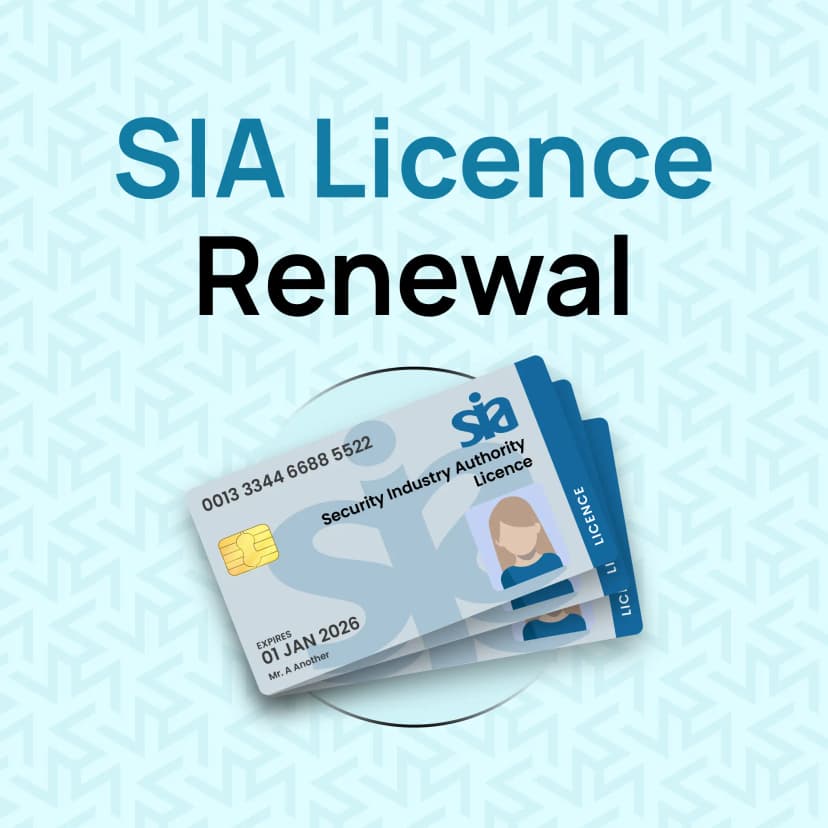
How to Renew Your SIA Licence in 2025
You must renew your SIA Licence to keep working in the private security industry in the UK. Before renewing, you need to complete SIA Refresher Training and a First Aid Course.The licence must be renewed every three years, and to meet industry rules, employees must undergo extra training and pass a criminal background check.Can I Still Renew My SIA Security Licence After It Expires?You can renew your SIA security licence online, starting about four months before it expires. However, SIA licences do not renew automatically and must be renewed every three years.Your employer may be able to renew your licence for you. If not, you will need to complete the renewal process yourself.You should apply for renewal as early as possible to avoid delays affecting your workability. You cannot legally work in the security sector without a valid SIA licence.SIA Renewal CostRenewing your SIA licence costs £204, the same as applying for a new licence. This fee is required every three years.No additional training or qualifications are needed for most licence renewals, except for renewing a Door Supervisor Licence, which requires extra training.How to Renew the SIA LicenceRenewing your licence is straightforward. Follow these steps:Step 1If you haven't already, create a personal online account on the SIA website. You will need this account to start the renewal process.Step 2Log in to your account and submit your renewal application. You must provide personal information, such as your addresses from the past five years. After submitting, you�ll receive instructions on the next steps.Step 3Follow the instructions provided and pay the renewal fee.The SIA may request additional documents, which they will notify you about. Once everything is submitted, the renewal process typically takes around 14 days.How to Work in the Security SectorYou must have an SIA licence to work as a Door Supervisor, Security Guard, or CCTV operator in the security sector.You must complete a relevant training course to get an SIA licence. After completing the course, you can apply for your licence and start working in security.Please note: Renewing your CCTV Licence does not require any refresher training. You can renew your licence by paying a fee of �204. The renewal process can be started up to four months before your licence expires.When Do I Need to Renew My SIA Licence?You must renew your SIA licence every three years to continue working in regulated security roles.It�s important to keep track of your licence expiration date and start the renewal process early to avoid any gaps in your ability to work. While the SIA usually sends reminders when your licence is due for renewal, it is your responsibility to renew on time.The renewal process may include updating your details, providing proof of required training or qualifications, and paying the renewal fee. If you don�t renew your licence before it expires, you won�t be allowed to work in a regulated security role until the renewal is complete.SIA Licence TypeRefresher Course RequiredCourse DurationDoor Supervisor LicenceTop-Up Door Supervisor Training2 daysSecurity Guard LicenceTop-Up Security Guard Training1 dayClose Protection LicenceTop-Up Close Protection Training3 daysCCTV Operator LicenceNo refresher course is requiredN/ASIA Top-Up Refresher Training for Door SupervisorsThe SIA Top-Up Refresher Training allows Door Supervisors to renew their expired licences. This updated course covers all the requirements for licence renewal and ensures compliance with the latest SIA standards.The SIA occasionally introduces extra training requirements to ensure licence holders stay updated with important new topics.For example:Door Supervisors: If you hold an SIA Door Supervisor Licence valid for three years, you must complete the Top-Up Door Supervisor Training to renew it.Security Guards: If you've completed the SIA Security Guard course, you must take the Top-Up Security Guard Training to continue working in the private security industry.Additional training is especially required if you have not obtained updated licence-linked qualifications introduced since the summer of 2010. This ensures all licence holders meet current standards.Looking to Book the SIA Licence Renewal Course?To renew your SIA licence, you must complete the required SIA Top-Up Training based on your licence type. Door Supervisors must complete a two-day Top-Up Training for Door Supervisors course, while Security Guard Top-Up is a one-day course. An Emergency First Aid course is compulsory for all licence renewals. Once you pass the required training, your certificate information will be uploaded to the SIA portal, allowing you to apply for your renewal immediately.What's New in the SIA Top-Up Refresher CourseThe course includes important updates, such as:Terror Threat AwarenessVulnerability Awareness, including issues like spikingAdvanced Physical Intervention SkillsThese updates align with current SIA standards, providing the skills to handle modern security challenges and ensuring a smooth licence renewal process.FAQsHow often do I need to renew my SIA licence?You must renew your SIA licence every three years to continue working in regulated security roles in the UK.Can I still renew my SIA licence after it expires?Yes, you can renew your SIA licence online for up to four months before it expires. However, SIA licences do not renew automatically, so you must complete the renewal process on time.What is the cost of renewing an SIA licence?Renewing your SIA licence costs �204, the same amount as applying for a new licence. This fee is required every three years.What additional training is required for renewing a Door Supervisor licence?To renew a Door Supervisor licence, complete the SIA Top-Up Door Supervisor Training. This course is mandatory for all Door Supervisors.How do I renew my SIA licence?To renew your SIA licence, create a personal account on the SIA website, log in, and submit your renewal application. You may need to provide personal information and pay the renewal fee. The process usually takes around 14 days.Can I work in the security sector without an SIA licence?You cannot legally work in the security sector without a valid SIA licence. Working as a Door Supervisor, Security Guard, or CCTV Operator is required in the UK.ConclusionRenewing your SIA licence is important for continuing to work in the UK security industry. Complete any necessary training, such as the Top-Up Training and Emergency First Aid, and submit your renewal application on time. Following the simple renewal process, you can maintain your eligibility and stay compliant with industry standards.

Aliza Hasnain
Trending articles
Hypothermia in Babies: Signs, Causes, Symptoms and Treatment
Read the full article for more details.

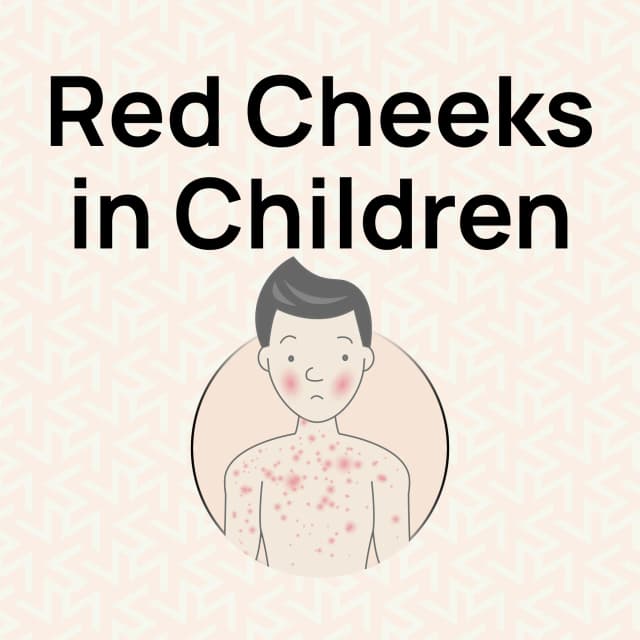
Slapped Cheek Syndrome: A Parent's Guide to Red Cheeks in Children
Training for industries with strict compliance regulations�such as construction, first aid, fire safety, food hygiene, and security�depends on clarity, precision, and strong learner engagement. Content providers on platforms like Hurak.com are putting constant efforts to offer materials that meet UK workplace standards and are understandable and applicable by the learners in real-world scenarios. AI (artificial intelligence) is increasingly playing a vital role today in enabling teachers to produce more clear and attractive learning materials. Instructors are supported by AI tools to a great extent in creating visual diagrams, scenario illustrations, and even training videos, besides that, it is making the process less time-consuming and more efficient. Coming up next are the ways that AI-generated visuals are beneficial for compliance and safety training, the reasons for their importance, and the ways trainers can take advantage of them�all with an illustrative example of the tools along the way. Why Visual Content Matters in Compliance & Safety Training The construction, security, healthcare, hospitality, and fire safety industries all generally rely on practical decision-making. Thus, high-quality visuals have a great impact on learning outcomes in several ways: 1. Better Understanding of Critical Procedures Compliance content involves risks, step-by-step instructions, and emergency responses. Visual aids are remembered easier by the students, for example: CPR and recovery positions Fire extinguisher types and fire classes Site safety rules Conflict management scenarios Hazard identification and risk assessment 2. Higher Engagement in Online Courses Charts, diagrams, illustrations, and scenario-based visuals help prevent learner fatigue, especially in long safety or compliance courses. 3. Easy Updates and Scalability The digital visuals can be quickly refreshed, thereby keeping the training materials updated with the latest industry and organizational regulations and guidelines. How AI Is Taking Control of Training Material Creation In the past, the trainers had to rely on graphic designers, photographers, or stock image suppliers to get visuals made. The whole process could be time-consuming, costly, and at times limited if the content was very specific�e.g., a fire warden's scenario or a construction hazard's illustration. The use of AI tools enables the trainers to make unique visuals within minutes which helps them: Create diagrams for manuals Develop illustrations for scenario-based learning Create images for e-learning platforms Produce short explainer videos So, for instance, the AI Image Generator could take text-based training instructions and convert them into a visual diagram that could be used for the first aid, security, or fire safety teaching modules. In the same way, a short scenario clip can be made with the help of an AI Video Generator to demonstrate actual workplace situations, like emergency evacuation routes or conflict-resolution responses. Practical Ways AI Visual Tools Are Aiding Safety & Compliance Training 1. First Aid Training The visuals generated by AI can support the instructors create: Diagrams illustrating the different steps in CPR Pictures showing the measures taken when someone chokes Images that depict the proper dressing of wounds Flowcharts that show the assessment process for emergencies The use of these materials enhances the absorption of life-saving procedures by the learners. 2. Fire Safety Courses AI can produce diagrams that illustrate: The different classes of fires (A, B, C, D, F) The correct usage of the respective fire extinguishers The order of the evacuation The procedures for alarms and assembly points Visuals that are clear and easy to read promote the correctness of information and cut down on the chances of misunderstanding. 3. Security and SIA Training The use of scenario-based illustrations helps in showing the following ways: To spot shady activities Reducing the conflict Controlling access Steps of incident reporting Through the use of these visuals, the learners are supported by contextual, real-world examples. 4. Construction & Workplace Safety AI visuals can play a role in hazard identification (e.g., trips, falls, misuse of equipment)� Proper use of PPE� Safety rules on the site� Techniques in manual handling� In this way, safety training becomes more practical and relatable. Benefits for Training Providers on Hurak.com 1. Quicker Course Development The visuals that used to consume several days can now be generated in a matter of minutes using AI image-generation tools . 2. Consistent Branding Across Materials AI tools assist in establishing a particular style throughout the handbooks, slides, assessments, and e-learning content. 3. Better Learner Engagement and Feedback Courses that contain diagrams and scenario-based visuals usually get stronger learner reviews and higher completion rates. 4. Cost-Effective for Small Providers AI minimizes the dependency on hiring professional designers or visual resources that are expensive. Best Practices for Using AI Visuals in Training In order to maintain quality and compliance, training providers shall adopt some straightforward rules: Sync visuals with learning objectives Every single image or diagram must help the specific learning outcome. Keep up to date with accuracy for regulated content First aid, fire safety, and SIA-related visuals should rely on UK-approved procedures that are already correct. Use visuals to make complex topics easier Longer procedures should be divided into steps that are easier to digest. Maintain a uniform visual style If you are using tools like Dreamina, apply the same style to all modules. Pilot visuals with a minor learner group A speedy review assists in verifying clarity and preventing possible misunderstandings. Conclusion AI-driven visual tools are becoming powerful assets for compliance, safety and professional training providers. For trainers delivering courses through Hurak.com, these tools make it easier to produce accurate, engaging and up-to-date learning materials without the delays and costs associated with traditional design methods. By using AI responsibly � and integrating visuals that genuinely support learning � providers can significantly improve the quality of their course delivery and create a more effective training experience for their learners.


Why an NVQ Is the Qualification Every Skilled Painter Needs
If you're a working painter in the UK and want to secure more site work, earn better pay, and gain formal recognition for the skills you already have, an NVQ in Painting and Decorating is the most credible and practical route to take. Whether you�re looking to get your CSCS Blue or Gold Card or simply want to level up your trade career, completing an NVQ helps you stand out as a trusted, competent professional.What Is the Painting and Decorating NVQ?A Painting and Decorating NVQ (National Vocational Qualification) is a work-based qualification that assesses your decorating skills on-site. Unlike classroom courses, there�s no need to take time off work; everything is based on what you already do day to day.There are two key NVQs available:NVQ Level 2 Painting and Decorating � Ideal for painters already working on-site who want to get their CSCS Blue Skilled Worker Card.NVQ Level 3 Painting and Decorating � Designed for experienced painters who manage others or want to progress to supervisory roles. It qualifies you for the CSCS Gold Skilled Worker Card.These qualifications are recognised across the construction industry in the UK and can make a massive difference to your job security and long-term career growth.Why Skilled Painters Choose the NVQ RouteMany decorators working in the trade have never had the chance to earn a formal qualification. An NVQ fills this gap by offering a flexible, no-classroom solution that fits around your work. It enables you to prove your skills on the job, build a portfolio based on real tasks, and earn a nationally recognised certificate. Most importantly, it qualifies you for a CSCS card, which is often essential for accessing job sites and securing higher-paying contracts. If you're aiming to grow your career, take on larger projects, or simply be recognised for your expertise, the NVQ is a smart moveHow the NVQ Benefits Self-Employed DecoratorsIf you run your own business, an NVQ can unlock new opportunities. It enables you to win contracts that require formal qualifications, raise your rates due to increased credibility, and market yourself as a certified professional. This is especially useful when competing for larger jobs or working with clients who prioritise qualifications.Want to Step Up as a Supervisor?The NVQ Level 3 in Painting and Decorating is designed for decorators who manage others or handle larger responsibilities on site. It's a fast route to the CSCS Gold Card and better pay.Entirely work-based, no exams or college.Complete in as little as 4 weeks.From �899.99 with interest-free payments.Explore the Level 3 NVQ CourseShort-Term Benefits of the NVQIn the short term, the NVQ can lead to greater job stability, better pay, and access to more construction sites through your CSCS card. You'll also see increased job opportunities and more respect within the trade, especially from employers and clients who value certified skills.Long-Term Benefits of the NVQLonger term, the NVQ sets the stage for supervisory roles, further qualifications, and wider professional recognition. For self-employed decorators, it�s also a marketing advantage helping you win higher-value jobs, charge more, and build trust with clients by showing your skills meet national standards.Why Employers Value the NVQTo employers, an NVQ shows certified competence. Holding this qualification means you meet national standards, understand essential safety protocols, and take your trade seriously. Employers see this as a sign that you�re ready for more responsibility, whether that�s managing jobs or mentoring others. In a competitive field, having an NVQ can give you a clear edge, making it easier to win contracts, command higher rates, and find more stable work.Overcoming Industry Challenges with the NVQThe decorating trade presents challenges, including tight deadlines, high expectations, and managing safety on-site. The NVQ equips you with the tools to handle all of these. You�ll improve your time management, sharpen your planning skills, and become more confident in health and safety compliance. These skills make you a more reliable, efficient, and trusted professional, qualities that clients and employers consistently seek.Not Sure Which Level Is Right for You?Quick Guide:Level 2 NVQ in Painting and Decorating � For painters already working on-site who want the CSCS Blue Card.Level 3 NVQ in Painting and Decorating � For experienced painters who lead teams or plan jobs and want the CSCS Gold Card.Both qualifications are work-based, fully online, and supported by expert assessorsQuick Facts Before You StartWhat Does the NVQ Involve?You�ll be assessed on real tasks, such as surface preparation, painting, wallpapering, and health and safety, via photo or video uploads. No exams or classroom time.Common ChallengesStruggling with time or evidence collection? Stay organised, plan ahead, and keep in touch with your assessor.Support with HurakGet one-to-one support, no exams, and admin help. Everything�s online and designed to fit around your job.Which Level Do You Need?Level 2 � For decorators wanting the CSCS Blue Card.Level 3 � For those managing jobs or teams and aiming for the CSCS Gold Card.After You QualifyGet your diploma and apply for your CSCS card, which is valid for 5 years and accepted on most UK construction sites.ConclusionAn NVQ in Painting and Decorating is more than just a certificate; it's a practical, work-based route to boosting your career as a painter and decorator. It�s flexible, exam-free, and fully supported by assessors, making it ideal for both employed and self-employed painters. With benefits like increased credibility, better pay, more job opportunities, and a clear path to supervision or site management roles, the NVQ sets you up for both immediate progress and long-term success in the industry.Get Started TodayIf you're a skilled painter ready to formalise your experience, now�s the time to act. An NVQ in Painting and Decorating is your key to:Increased site accessBetter payMore job securityLong-term career growthComplete your NVQ online, at your own pace, with full support starting from just �699.99.Explore the NVQ Level 2 Painting and Decorating Explore the NVQ Level 3 in Painting and Decorating Browse all NVQ courses at HurakFAQsDo I need to attend classes to complete the NVQ?No. Both Level 2 and Level 3 NVQs are work-based and can be completed entirely online through evidence from your daily decorating tasks.How long does it take to complete the NVQ?Most learners complete Level 2 in 3�4 weeks and Level 3 in around 4�5 weeks. You can take up to 12 months if needed.What kind of support will I receive?You'll be assigned a dedicated assessor who provides one-to-one support, regular check-ins, and guidance throughout the course.Can I pay in instalments?Yes, Hurak offers interest-free payment plans for both Level 2 and Level 3 NVQs.Is the NVQ recognised across the UK?Yes. The NVQ is OFQUAL and CITB approved and is recognised by employers and construction sites nationwide.What documents or evidence do I need to submit?You�ll need to upload photos or videos of your work, written answers, site documentation, and a witness testimony from a colleague or supervisor.Can self-employed decorators apply?Absolutely. The NVQ is ideal for self-employed decorators who want to access larger contracts or work on sites that require CSCS cards.


What Are Febrile Seizures? Signs, Causes and Treatment
Read the full article for more details.
Scarlet Fever: Symptoms, Causes and Treatments Explained
If your child suddenly develops a red, rough rash along with a sore throat and fever, you might be wondering if it’s scarlet fever. Scarlet fever is a contagious bacterial infection that mostly affects children, though adults can get it too. Scarlet fever is caused by the same bacteria that cause strep throat. This often starts with fever, sore throat, and a bright red rash. If your child has any of these symptoms, it is important to treat them early with antibiotics. If treated properly, scarlet fever does have an excellent prognosis. Early diagnosis will help avoid serious complications and allow your child to return to their regular activities sooner rather than later.Causes and Transmission of Scarlet FeverUnderstanding scarlet fever helps parents and carers take early precautions to prevent the illness. The cause of scarlet fever is a bacterial infection triggered by Streptococcus pyogenes (group A streptococcus), the same bacteria responsible for strep throat. This infection releases toxins that lead to the characteristic red rash, sore throat, and high fever associated with scarlet fever.Scarlet Fever is a highly infectious disease; transmission occurs via respiratory droplets (from sneezing, coughing, etc.) produced by an affected individual, or through direct contact with contaminated surfaces and objects (such as sharing personal items, including cutlery, towels, toys, etc.). The age group most commonly affected by scarlet fever is 5-15 years, particularly in close-contact settings, such as daycare centres and schools. Like children, adults can also develop Scarlet Fever, but most cases in adults manifest with milder symptoms.Bacteria can spread from one person to another for a few days before symptoms appear, and they can still spread after 24 hours of starting antibiotic treatment. Therefore, it is essential that people with scarlet fever be diagnosed promptly and treated with prescribed antibiotics. In addition to speeding up recovery, prompt treatment prevents the continued spread of the disease among family and friends.To reduce the risk of infection, practice good hygiene habits, such as frequent handwashing, avoiding shared cups or cutlery, and keeping children home from school until they are fully recovered. Understanding both the cause and spread of scarlet fever is the first step toward protecting yourself and others.Signs and SymptomsThe symptoms of scarlet fever can look slightly different depending on a person’s age. While the infection most often affects children between 5 and 15, babies and adults can also catch it. Recognising the signs of scarlet fever early, such as fever, sore throat, and the typical scarlet fever rash, helps in getting the proper treatment quickly and preventing complications.BabiesChildren (5–15 years)AdultsMild or low-grade feverSudden high fever Moderate fever or body ache Irritability and crying more than usual Sore throat and difficulty swallowing Sore throat and mild fatiguePoor feeding or refusal to eatHeadache and chillsHeadache and mild chills Rah may appear faint or patchy Classic scarlet fever rash- red,sandpaper-like texture starting on the chest and neckSometimes a mild or no rash Vomiting or upset stomachNausea and vomiting Mild nausea or upset stomachFussiness and tirednessSwollen glands in the neck Slight swelling of glandsPeeling skin is less commonPeeling skin on fingers and toes during recovery Peeling skin is mild or absentHard to notice strawberry tongue Distinct strawberry tongue -Red and bumpy Red tongue may occur Cough or cold-like symptoms Flushed face with a pale area around the mouth Facial redness may appear mildDehydration signs- dry mouth, fear wet nappiesFatigue and general weaknessFatigue and body achesEven though the signs of scarlet fever vary slightly, the most common features across all ages include a sore throat, fever, and the scarlet fever rash, which feels rough like sandpaper and spreads from the chest and neck to other parts of the body. Early attention to these symptoms can help prevent the infection from becoming serious or spreading to others.Diagnosis of Scarlet FeverIf you notice any scarlet fever symptoms, it’s essential to see a doctor right away. Diagnosis is usually made through a physical examination and a throat swab to detect group A streptococcus, the leading cause of the infection. In some cases, doctors may run a rapid strep test for faster results. Early diagnosis ensures timely antibiotic treatment, speeds recovery, and helps stop the infection from spreading within families or classrooms.Treatment and Recovery of Scarlet FeverTo regain a person’s health as quickly as possible, immediate medical attention is essential. The primary treatment for scarlet fever involves administering antibiotics to eliminate the Group A Streptococcus bacteria. Taking the antibiotic will shorten the time the patient remains contagious and lower the risk of serious complications, such as rheumatic fever or kidney inflammation. Although some antibiotics are commonly prescribed for scarlet fever, it is important to complete the full course to ensure all bacteria are killed, even if the patient feels better before finishing the regimen.In addition to antibiotics, doctors may recommend:Fever reducers (as advised by your doctor)Adequate hydration to replace fluids lost from fever or sweatingPlenty of rest to help the body recoverSoothing warm liquids to relieve soreness.With proper treatment, most children will start to feel better between 48 and 72 hours. The rash associated with scarlet fever typically resolves within 1 week of starting antibiotic treatment; peeling of the skin on the hands and feet may occur during the healing phase, but this condition resolves naturally.Recovery After Scarlet FeverFull recovery generally takes 5 to 7 days, although fatigue can persist slightly longer. During this period, it’s essential to:Continue resting and staying hydratedMonitor the rash and other symptoms for improvement.Complete the entire antibiotic course, even if the child feels well.With proper treatment, most children start feeling better within a few days, and the rash typically fades within a week. Scarlet fever treatments are effective, and the infection usually resolves completely with medical care. Alongside proper medical care, knowing the benefits of first aid training ensures an immediate and effective response at home or school.Complications, Risks, and Adult Cases of Scarlet FeverAlthough most people recover fully with timely scarlet fever treatment, untreated or delayed cases can sometimes lead to serious complications. These occur when the group A streptococcus bacteria spread to other parts of the body or when the immune system reacts to the infection.Possible Complications and RisksUntreated scarlet fever can result in various complications, including the following:Rheumatic fever: A condition that causes an inflammatory response in the heart, joints, and nervous system.Post-streptococcal glomerulonephritis: An inflammatory disease of the kidney.Ear or sinus infections: may develop from direct bacterial spread from the throat to these areas.Pneumonia or abscesses: rare but serious bacterial complications of untreated scarlet fever.Joint pain or swelling: resulting when the immune system is in the process of reacting to an infection with streptococcus bacteria.Children under five years old, individuals with weakened immune systems, or those who delay medical treatment are more at risk of developing these complications. Early antibiotic therapy and proper rest remain the best ways to avoid such outcomes.Scarlet Fever in AdultsWhile scarlet fever is most common among school-aged children, adults can also contract the infection, especially parents, teachers, or caregivers who are in close contact with children. Adult cases usually present milder symptoms, such as sore throat, fever, fatigue, and occasionally a faint scarlet fever rash.Adults can transmit the bacteria even when symptoms are mild. Therefore, practising good hand hygiene, avoiding any contact with those who are infected, and ensuring you finish all antibiotic prescriptions are important for preventing further spread of the infection.Understanding the potential for disease spread reduces the risk of outbreaks in family, work, or community environments. You may wish to conduct research if you are uncertain of the best first aid method for your situation in order to make a sound, scientific decision.Prevention and When to Seek Medical AttentionTaking simple precautions can go a long way in preventing the spread of scarlet fever, especially in households, schools, and childcare settings. Because scarlet fever is contagious, especially among children, maintaining good hygiene is key to preventing its spread. Since the illness is highly contagious, practising good hygiene and responding early to symptoms helps protect both children and adults.To reduce the risk of infection and stop the spread of scarlet fever symptoms:Prevention TipsWash your hands frequently with soap and water, especially after coughing, sneezing, or touching shared surfaces.Avoid sharing utensils, cups, towels, or toothbrushes with anyone who is ill.Cover coughs and sneezes with a tissue or elbow to prevent droplets from spreading.Keep infected children at home until they’ve taken antibiotics for at least 24 hours and are fever-free.Clean and disinfect commonly touched objects, such as toys, doorknobs, and countertops.These habits not only reduce the chances of catching scarlet fever but also help contain the infection before it spreads to others. These prevention steps align with the key principles of the 3 P’s in first aid, helping reduce risks and respond safely.When to Seek Medical AttentionSeek immediate medical attention if your child or another family member shows any of the following:High or persistent fever that does not respond to medicationDifficulty breathing or swallowingRash spreading quickly or becoming painful.Extreme tiredness or confusionSymptoms are not improving after 48 hours of antibiotic treatment.Most cases of scarlet fever recover smoothly with prompt care, but early medical attention ensures proper diagnosis, a faster recovery, and prevents complications such as rheumatic fever or kidney inflammation.Know the Warning SignsWe believe that first aid training should be practical, easy to understand, and accessible to everyone. Enrolling in a Paediatric First Aid course, Emergency First Aid at Work (EFAW) and First Aid at Work ensures you learn the life-saving techniques under expert guidance.ConclusionScarlet fever is a contagious but treatable bacterial infection. Recognising the symptoms, understanding the causes, and seeking early treatment are key to ensuring a quick recovery. Most children recover fully with proper care, and adults can also be affected, though usually with milder symptoms. By following preventive measures and being alert to warning signs, parents and carers can protect their families and reduce the spread of this infection.Choosing the right first aid training qualification is essential for ensuring you have the skills and knowledge to respond effectively in emergencies. Whether for workplace safety, childcare, or general preparedness, selecting a recognised and comprehensive course helps build confidence and competence.Frequently Asked QuestionsWhat are the symptoms of scarlet fever?Sore throat, fever, headache, swollen glands, nausea, rough red rash, and sometimes “strawberry tongue”.What does a scarlet fever rash look like?Red, rough, sandpaper-like rash starting on the chest and neck, spreading to other areas.What causes scarlet fever?Group A Streptococcus bacteria are spread through coughing, sneezing, or contaminated surfaces.How is scarlet fever treated?Antibiotics, rest, hydration, and fever management.Is scarlet fever contagious?Yes, it spreads through droplets and close contact with infected people.Can adults get scarlet fever?Yes, often milder symptoms, but adults can still spread it.How long does scarlet fever last?Typically 5–7 days with proper treatment.Is scarlet fever dangerous?Rarely, if untreated, complications can include rheumatic fever or kidney problems.What are the signs of scarlet fever?Red rash, sore throat, fever, headache, swollen glands, nausea, and sometimes strawberry tongue.Explore More First Aid Training OptionsExpand your emergency preparedness by exploring our selection of first aid courses tailored to suit every need, profession, and level of experience:Emergency First Aid at Work (1 Day): Teaches the essentials of CPR, wound care, and how to respond to unconscious casualties. Ideal for smaller businesses.First Aid at Work Requalification Course (FAWR): A focused two-day course for those renewing their FAW certification before it expires. Refreshes essential knowledge and ensures full compliance with HSE standards.First Aid at Work (3 Days): A full three-day qualification covering a wide range of medical emergencies essential for high-risk workplaces.Paediatric First Aid (2 Days): Focused on child and infant care, including choking, fever, and allergic reactions.Advanced First Aid Training: Go beyond the basics with advanced trauma care, oxygen use, and secondary assessments.First Aid for Mental Health: Understand and support individuals showing signs of anxiety, stress, or depression.
Spotting and Treating Mumps: A Complete Guide for Families
Read the full article for more details.
Understanding Phobias: Types, Causes, Symptoms Treatment
Do certain situations make your heart race, your hands shake, or your mind jump straight into panic mode even when you know deep down that you�re not actually in danger? If yes, you�re not alone. This is exactly how a phobia feels, and many people experience these sudden waves of fear without fully understanding why they happen.Phobias aren�t just �normal fears�. These fears can trigger strong physical and emotional reactions, making daily activities such as travelling, socialising, or even getting a medical check-up feel challenging. Whether it�s heights, flying, needles, or crowded places, phobias can affect anyone at any stage of life.This article provides a clear overview of phobias, including their types, symptoms, causes, and treatment options. Whether you're dealing with a phobia yourself or supporting someone you care about, this guide offers clear, easy-to-understand information.�What Are Phobias?A phobia is an anxiety disorder marked by a powerful, persistent fear of a specific object, situation, or environment. The fear is disproportionate to the actual level of danger and can significantly impact daily functioning. This fear can lead to physical symptoms like sweating, shaking, shortness of breath, or even panic attacks.While fear is a natural response to real danger, phobias cause panic even when there is no actual threat. For example, someone might feel terrified of flying or stepping into a lift, even when they know it�s safe.Phobias can make certain situations feel impossible to handle. The fear can feel so strong that people start avoiding certain places or activities, which affects both emotional well-being and quality of life. Phobias are treatable, and recognising the problem is the first step toward getting help.Types of PhobiasPhobias come in many forms, and each one affects people differently. They can be grouped into several categories depending on what triggers the fear. To help you understand them better, here�s a simple breakdown of the main types of phobias.1. Specific (Simple) PhobiasThese are the most common types of phobias and involve an intense fear of a particular object, place, or situation. They often develop in childhood and can persist into adulthood if not treated. The trigger is usually easy to identify.Common examples include:Animal phobias: fear of spiders, dogs, snakes, insectsNatural environment phobias: fear of heights, storms, waterSituational phobias: fear of flying, driving, tunnels, elevatorsBlood-injection-injury phobias: fear of needles, blood, medical proceduresPeople with specific phobias often avoid the trigger entirely, even if it affects their daily life.2. Complex PhobiasComplex phobias are usually more severe and often develop during adulthood. They involve a combination of emotional, physical, and behavioural symptoms and usually require professional treatment.Two of the most common complex phobias are:Social Phobia (Social Anxiety Disorder)This phobia involves an intense fear of social situations where someone might feel judged, embarrassed, or evaluated by others. It can make everyday situations overwhelming.Examples include:Fear of public speakingFear of meeting new peopleFear of being the centre of attentionFear of eating, writing, or performing tasks in front of othersIt often leads to avoidance of social gatherings or work-related interactions.AgoraphobiaAgoraphobia is the fear of being in environments where escape may be difficult or help might not be available. People often associate it only with �fear of open spaces,� but it�s much broader.People with agoraphobia may fear:Crowded placesPublic transportShopping mallsBeing outside aloneStanding in linesEnclosed spacesIn severe cases, individuals may avoid leaving their home altogether.Understanding the different types of phobias helps recognise how varied fear responses can be and why each person�s experience is unique. Whether simple or complex, phobias can be overwhelming, but they�re also highly manageable with the right support and treatment.Causes of PhobiasPhobias don�t have one single cause. They usually build up over time and are shaped by our experiences, our personality, and sometimes even family history. Here are some of the most common reasons someone might develop a phobia.Genetic FactorsSome people are naturally more prone to anxiety due to their genetic makeup. If a close family member has a phobia or an anxiety disorder, the chances of developing one are higher. This doesn�t mean phobias are �inherited directly,� but genetics can influence how strongly a person reacts to fear or stress.Brain ChemistryThe way the brain regulates fear can also contribute to phobia development. Imbalances in certain neurotransmitters like serotonin and dopamine can heighten anxiety and make someone more reactive to fear triggers.Past Trauma or ExperiencesA frightening or distressing event can trigger a long-lasting fear. Experiences such as being bitten by a dog, getting stuck in a lift, or experiencing turbulence during a flight can create a powerful association that leads to a phobia. Even one intense incident can be enough to form a lasting fear response.Learned BehaviourPhobias can develop by observing someone else�s fear, especially during childhood. If a parent, sibling, or close one consistently shows fear toward certain animals, situations, or places, a child may adopt the same response. This is known as �vicarious learning� and is one of the most common pathways through which phobias form. Over time, this learned fear can turn into a phobia.Physical Ill HealthChronic medical conditions or sudden health scares can also trigger phobias. For example, someone who has experienced breathing difficulties may develop a fear of confined spaces, or a person with heart problems may fear situations that raise their heart rate.Phobias often develop slowly and silently, shaped by genetics, experiences, and the way the brain reacts to fear. Acknowledging these causes empowers individuals to seek help and learn healthier ways to cope.Symptoms of PhobiasPhobias can trigger a mix of physical, emotional, and behavioural symptoms. These symptoms usually appear when someone is faced with the feared object or situation, and sometimes even when they just think about itPhysical SymptomsPhysical symptoms are the body�s automatic reactions when someone encounters a phobia trigger. Essentially, the body reacts as if it�s in immediate danger, even when the situation isn�t truly harmful.Rapid heartbeat or chest tightnessShortness of breathSweating or tremblingFeeling faint, dizzy, or lightheadedNausea or stomach discomfortHot or cold flushesA sudden urge to escapeEmotional SymptomsEmotional symptoms are the intense feelings and psychological responses a person experiences when confronted with a phobia. They reflect how fear affects the mind, causing distress, tension, or a sense of losing control.Sudden fear or panic when facing the triggerFeeling out of control or helplessIntense anxiety even when the threat isn�t realDread or worry leading up to situations involving the phobiaFeeling overwhelmed or distressed without a clear reasonBehavioural SymptomsBehavioural symptoms are the actions or patterns of behaviour a person shows in response to a phobia. They reflect how fear influences everyday activities, often leading to avoidance of the feared object or situation and changes in routine to prevent exposure.Avoiding places, objects, or situations linked to the phobiaNeeding reassurance or someone to accompany youInability to function normally when exposed to the triggerFeeling the urge to escape the situation immediatelyMaking lifestyle changes to avoid the fear trigger entirelyThe symptoms of phobias show how fear impacts both mind and body. Identifying these signs early can make it easier to manage phobias and reduce their interference with everyday activities.Be the Calm in Someone�s FearPhobias can trigger overwhelming reactions.Our Mental Health First Aid (MHFA) courses teach you how to assist safely and effectively. Take the step toward meaningful support.List of PhobiasPhobias can develop around nearly anything, and they range from common fears to rare and unusual ones. A comprehensive list of phobias helps understand the variety of fears people may experience and how these fears are categorised. Presenting phobias alphabetically or in groups makes it easier to read and reference.CATEGORYTYPES OF PHOBIASAnimal-Related PhobiasArachnophobia � Fear of spidersCynophobia � Fear of dogsOphidiophobia � Fear of snakesEquinophobia � Fear of horsesOrnithophobia � Fear of birdsEnvironmental PhobiasHydrophobia � Fear of waterNyctophobia � Fear of the darkOmbrophobia � Fear of rainChionophobia � Fear of snowPyrophobia � Fear of fireSituational PhobiasClaustrophobia � Fear of enclosed spacesAerophobia � Fear of flyingElevator Phobia � Fear of liftsTaphophobia � Fear of being buried aliveVehophobia � Fear of drivingBlood, Injury, and Medical PhobiasHemophobia � Fear of bloodTrypanophobia � Fear of needles or injectionsNosocomephobia � Fear of hospitalsTraumatophobia � Fear of medical proceduresAlgophobia � Fear of painSocial and Psychological PhobiasSocial Phobia (Social Anxiety Disorder) � Fear of social situations or public embarrassmentGlossophobia � Fear of public speakingAnthropophobia � Fear of people or social interactionAutophobia � Fear of being aloneSociophobia � Fear of society or social situationsOther Common PhobiasGlobophobia � Fear of balloons�Thanatophobia � Fear of death or dyingPogonophobia � Fear of beardsNomophobia � Fear of being without a mobile phoneErgophobia � Fear of work or the workplacePhobophobia � Fear of developing a phobiaAblutophobia � Fear of bathingGaleophobia � Fear of sharksAilurophobia � Fear of catsAnthophobia � Fear of flowersDentophobia � Fear of dentists or dental proceduresEmetophobia � Fear of vomitingGamophobia � Fear of marriageHaphephobia � Fear of being touchedMysophobia � Fear of germs or dirtNecrophobia � Fear of dead things or corpsesPhasmophobia � Fear of ghostsXenophobia � Fear of strangers or foreignersPhobias Treatment: Effective Methods to Overcome FearPhobias are highly treatable, and a combination of therapies, coping strategies, and sometimes medication can help people manage or even overcome their fears. The right treatment depends on the type and severity of the phobia, as well as the individual�s needs.Cognitive-Behavioural Therapy (CBT)CBT is one of the most effective treatments for phobias. It helps individuals recognise and change the negative thought patterns that trigger fear, and gradually teaches them healthier ways to respond to phobic situations. Patients learn to challenge irrational thoughts and gradually develop healthier ways to respond to the feared object or situation. CBT often includes homework exercises, thought logs, and behavioural experiments to reinforce learning.Exposure TherapyExposure therapy is a type of behavioural therapy where individuals are gradually and systematically exposed to the object or situation they fear. The goal is to desensitise the person to the trigger and reduce the intensity of fear over time.In vivo exposure: Directly facing the feared situation in real life, such as climbing heights for acrophobia.Imaginal exposure: Visualising the feared situation in a controlled setting.Virtual reality (VR) exposure: Using VR technology to simulate the feared environment safely.Repeated exposure helps the brain learn that the situation is not dangerous, which reduces panic responses and avoidance behaviour.Relaxation TechniquesRelaxation techniques help manage the physical symptoms of phobias, such as rapid heartbeat, sweating, trembling, or shortness of breath. These techniques are often combined with therapy to improve coping during exposure to fear triggers.Deep breathing exercises to calm the nervous system.Progressive muscle relaxation to release tension in the body.Mindfulness meditation to stay present and reduce anticipatory fear.Self-Help StrategiesSelf-help strategies are valuable tools that can support therapy or be used as a first step for mild phobias. These include:Learning about the phobia to understand triggers and symptoms.Gradual exposure to the feared object or situation at a comfortable pace.Seeking support from friends, family, or online/self-help groups.MedicationWhile therapy is the primary treatment, medications may be prescribed in some cases, especially for severe or persistent phobias. Medication does not cure phobias but can help reduce anxiety and panic symptoms, making therapy more effective. Common medications include:Antidepressants (SSRIs or SNRIs) to reduce overall anxiety.Benzodiazepines for short-term relief during extreme anxiety episodes.Beta-blockers are used to manage physical symptoms like a rapid heartbeat or shaking in specific situations.Medication is usually recommended in combination with therapy rather than as a standalone treatment.Treatment for phobias is highly effective when tailored to the individual. Combining therapy, exposure techniques, relaxation methods, and sometimes medication helps reduce fear, improve coping skills, and restore normal daily functioning.ConclusionPhobias are real and often overwhelming fears that can affect anyone at any stage of life. They range from specific fears like animals or heights to complex fears such as social situations or crowded spaces. These fears often develop due to a combination of genetic factors, past experiences, learned behaviours, and brain chemistry, making them unique to each individual. Recognising the physical, emotional, and behavioural symptoms is crucial for seeking help and taking the first step toward recovery.Effective treatment options, including Cognitive-Behavioural Therapy (CBT), exposure therapy, relaxation techniques, and sometimes medication, provide hope and practical solutions. With awareness, early intervention, and consistent effort, individuals can overcome their fears, reduce anxiety, and regain control of their daily lives, leading to a healthier and more confident future.FAQsWhat is a phobia?A phobia is an intense and persistent fear of a specific object, situation, or activity that is often disproportionate to the actual danger it poses. It can affect daily life, causing physical, emotional, and behavioural symptoms.What are the main types of phobias?Phobias are generally divided into simple (specific) phobias, such as fear of animals, heights, or flying, and complex phobias, which include social phobia (social anxiety disorder) and agoraphobia.What causes phobias?Phobias can develop due to a combination of factors, including genetics, past trauma, learned behaviour, brain chemistry, stressful life experiences, physical health conditions, or even drug use.What are the symptoms of phobias?Symptoms include physical reactions like rapid heartbeat or sweating, emotional responses such as fear or panic, and behavioural changes like avoidance of the feared situation or object.Are phobias treatable?Yes, phobias are highly treatable. Common approaches include Cognitive-Behavioural Therapy (CBT), exposure therapy, relaxation techniques, self-help strategies, and, in some cases, medications, especially when guided by professionals.When should I seek help for a phobia?You should seek professional help if a phobia interferes with your daily life, causes severe anxiety, or prevents you from performing normal activities. Early intervention can make treatment more effective.Can children have phobias?Yes, children can develop phobias, often due to traumatic experiences or learned behaviour. Early recognition and therapy can help prevent phobias from affecting their development and daily life.

Getting a CSCS Card as a Bricklayer: Everything You Need to Know
If you're a bricklayer working in the UK, you'll likely need a CSCS card to work on most construction sites. As a bricklayer, you have a few different CSCS card options based on your experience and qualifications. These include the Red (temporary), Blue Skilled Worker, and Gold Skilled Worker cards.In this guide, we�ll walk you through each option. We�ll explain what each card means, who it�s for, and how to get it.What is a CSCS Card?The CSCS (Construction Skills Certification Scheme) card is a credential that demonstrates you have the necessary training and qualifications to work safely on a construction site. It's not a legal requirement, but most employers will ask for it. It proves you're trained and know how to do your job safely.Can Bricklayers Get a CSCS Card?Most bricklayers typically pursue one of three main CSCS cards. The Red CSCS card is a temporary option often used by those in training or working toward their qualifications. The Blue Skilled Worker card is suitable for bricklayers who have completed an NVQ Level 2 in bricklaying, proving they have the necessary skills and experience. For those with advanced expertise and qualifications, the Gold Skilled Worker card offers recognition of a higher skill level, typically linked to an NVQ Level 3.In the following sections, we�ll explore each of these CSCS cards in more detail to help you decide which one is right for you.CSCS Red Cards for BricklayersCSCS Red Cards are issued to individuals currently in training, regardless of their specific trade. For bricklayers, the most commonly held red cards include the Apprentice CSCS Card, Trainee CSCS Card, Experienced Worker CSCS Card, and Experienced Technical CSCS Card.Red CSCS cards are temporary by design, with expiry dates based on the expected duration of your training rather than a fixed five-year term like most other CSCS cards. For instance, the Experienced Worker Card is valid for one year�enough time to complete an NVQ Level 2. Since these cards are tied to your training progress, they are non-renewable. Once you finish your qualification, the red card is no longer needed, and you�ll be eligible to apply for a higher-grade CSCS card.Below, you�ll find a breakdown of the most popular red CSCS cards.Apprentice CSCS CardThe Apprentice CSCS Card is intended for individuals enrolled in a CSCS-recognised bricklaying apprenticeship. It is issued free of charge and remains valid for four years and six months. However, compared to other routes for obtaining a CSCS card, the apprenticeship pathway is generally less common among bricklayers.To apply for this card, you will be required to submit evidence that you are registered for an apprenticeship and that you have passed a CITB Health, Safety and Environment testTrainee CSCS CardIf you're new to bricklaying but registered for an NVQ/SVQ in Bricklaying, or another approved qualification in the field, the Trainee CSCS Card can help you get started. This card lets you work on-site and gives you a five-year window to complete your training.To apply for a Trainee CSCS Card, you must have passed the CITB Health, Safety and Environment test at the Operative level within the past two years and provide evidence of registration for your qualification.Experienced Worker CSCS CardThe Experienced Worker CSCS Card is intended for bricklayers who have at least one year of site experience in the past three years and are currently registered for an NVQ Level 2 in Bricklaying. This card is valid for one year.�Holders are expected to complete their qualification within this time and then apply for the CSCS Blue Skilled Worker card for bricklayers. Applicants must also have passed the CITB Health, Safety and Environment Test for Operatives within the last two years.Among the various types of CSCS Red Cards, the Experienced Worker card is the most popular option for bricklayers. That�s because many bricklayers begin working on-site without a CSCS card or formal qualification. By simply registering for a Level 2 NVQ, they become eligible to apply for this card, allowing them to stay on-site while working toward their qualification. The card offers a practical route to gaining site access while working toward a recognised qualification, making it the go-to choice for those looking to formalise their skills.Experienced Technical CSCS CardAimed at more advanced bricklayers, the Experienced Technical CSCS Card is similar to the Experienced Worker Card but specifically for those registered on an NVQ Level 3 in Bricklaying. To be eligible, applicants must have at least one year of recent site experience within the last three years. This card is valid for three years and is intended as a stepping stone toward the Gold CSCS Skilled Worker Card.You must also have passed the CITB Health, Safety and Environment Test for Operatives within the past two years.�Download our CITB Operatives and Specialists Test Prep Book[wpforms id="14869" title="false"]�Ready to pass your CITB Operatives HS&E Test? Let Hurak help you book your test with ease. Reserve your spot now!CSCS Blue Skilled Worker Card for BricklayersThe Blue CSCS Skilled Worker Card for Bricklayers, often referred to as the Blue Bricklayer CSCS Card, is the most widely held card among bricklayers. It�s available to those who have completed the NVQ Level 2 in Bricklaying and passed the CITB Health, Safety and Environment Test for Operatives within the last two years.This card is intended for bricklayers already working on-site who hold the NVQ, as well as those currently working toward it and ready to apply once qualified.The card is valid for five years and can be renewed upon expiration.Recognised across UK construction sites, the Blue Card confirms that you're a competent, skilled worker�able to carry out bricklaying tasks safely and to a professional standard, without any site restrictions.CSCS Gold Skilled Worker Card for BricklayersThe Gold CSCS Skilled Worker Card for Bricklayers is intended for experienced bricklayers who have advanced beyond Level 2 and taken on greater responsibility on-site. It�s issued to individuals who have completed the NVQ Level 3 in Bricklaying and passed the CITB Health, Safety and Environment Test for Operatives within the last two years.This card is designed for senior bricklayers who not only perform complex tasks but also supervise others or lead teams on-site. It�s suitable for those who already hold their Level 3 NVQ, as well as those close to completion and preparing to apply.The card is valid for five years and can be renewed.Recognised throughout the industry, the Gold Card demonstrates that you are a highly skilled and experienced professional, trusted to deliver high-quality work and oversee bricklaying operations with a strong commitment to health and safety.Which NVQ Do I Need for a CSCS Bricklaying Card?Here�s a quick guide to help you understand which NVQ matches which CSCS card, and who each one is best suited for:�CSCS Card TypeRequired QualificationWho It�s For�Red Apprentice CardRecognised bricklaying apprenticeshipIndividuals enrolled on a recognised bricklaying apprenticeship�Red Trainee CardNVQ/SVQ in Bricklaying or a related courseLearners with no site experience, enrolled on a relevant bricklaying qualification�Red Experienced Worker CardNVQ Level 2 in BricklayingBricklayers with on-site experience who are currently working towards their NVQ Level 2�Red Experienced Technical CardNVQ Level 3 in BricklayingExperienced bricklayers working towards their NVQ Level 3 qualification�Blue Skilled Worker CardNVQ Level 2 in BricklayingQualified bricklayers with NVQ Level 2 and on-site experience�Gold Skilled Worker CardNVQ Level 3 in BricklayingSenior bricklayers, team leads, or supervisors who hold NVQ Level 3How to Apply for a Bricklayer CSCS CardLet�s break down the steps to apply for a CSCS card in a simple, clear way. These are the steps you�ll need to take, in the correct order, to get started.Choose the right card � Start by selecting the CSCS card that matches your experience and qualification level: Red (temporary), Blue Skilled Worker, or Gold Skilled Worker card.Pass the CITB test � Book and pass the CITB Health, Safety and Environment Test for Operatives, which is mandatory for all card types.Prepare your documents � Depending on the card type, you�ll need to show either your NVQ certificate or proof that you�re currently enrolled in a recognised NVQ or apprenticeship.Apply online � Once everything is ready, you can complete your application through the official CSCS website.If you�ve already passed the CITB Health, Safety and Environment Test and hold the correct NVQ qualification, applying for a CSCS card is a quick and straightforward process. The CSCS card typically costs around �36, while the CITB test costs approximately �23.50.Read more on: How to Renew Your CSCS CardNeed Help Getting Your Bricklaying CSCS Card?If you�re unsure about the process or need to book your NVQ Level 2 or 3 in Bricklaying, contact Hurak at 0333 344 1293.We offer a wide range of trade-specific NVQs and provide full support with CSCS card applications.Are You an Employer Looking to Upskill Your Team?Hurak makes it simple to get your bricklaying staff CSCS-ready with fully accredited, industry-recognised courses. Our flexible model ensures minimal disruption to your operations while delivering maximum results.�From start to finish, your team will receive full support to help them gain the qualifications they need to work safely and confidently on-site.Enrol your team today:NVQ Level 2 in Bricklaying - For Blue CSCS CardsNVQ Level 3 in Bricklaying - For Gold CSCS CardsConclusionWhether you're just starting out in bricklaying or already have years of on-site experience, there�s a CSCS card tailored to your stage in the trade. From Red trainee and experienced worker cards to the long-term Blue and Gold Skilled Worker cards, each one plays a vital role in helping you prove your qualifications, stay compliant, and access more job opportunities on UK construction sitesFAQCan I work as a bricklayer without a Construction Skills Certification Scheme (CSCS) card?Most employers and sites in the UK require a valid CSCS card to ensure you have the necessary skills and health & safety knowledge. Without one, it�s unlikely you�ll be permitted to work on most commercial projects.What is the cost of obtaining a CSCS card for bricklayers?Typical costs include the CSCS card application fee (�36), the CITB Health, Safety & Environment (HS&E) Test fee (�23.50), and NVQ training courses, which vary depending on the provider and level of training.At Hurak, the NVQ courses for bricklayers are priced as follows:NVQ Level 2 in Bricklaying: �699.99 This comprehensive package includes full assessor support, access to the digital learner system, ongoing feedback, and final certification.NVQ Level 3 in Bricklaying: �899.99 Designed for experienced bricklayers seeking to advance their skills, this course offers similar benefits to the Level 2 course, tailored to a higher level of expertise.Both courses also offer flexible, interest-free instalment plans to help manage the cost over time.How do I pass the CITB Health, Safety & Environment test required for the CSCS card for Bricklayers?The test consists of 50 multiple-choice questions on site safety and environmental awareness. You�ll need to study the official CITB HS&E guide and aim to answer at least 45 questions correctly to pass. To revise for the CITB Health, Safety, and Environment Test, try out a 50-question mock exam.How long does it take to receive my CSCS card after applying?Once your application is submitted and approved, you can typically expect to receive your CSCS card within 3 to 10 working days.Can I use overseas qualifications to apply for a CSCS Card for a Bricklayer?Yes, but your overseas qualifications must be recognised by UK ENIC (formerly NARIC) before you can apply. This process verifies the equivalency of your qualifications to UK standards.Are there fast-track options for experienced bricklayers to get NVQ qualifications?Yes, some providers offer fast-track NVQ assessments using your work experience and portfolio, allowing you to achieve qualifications more quickly.Do I Need a CSCS Card if I�m Self-Employed as a Bricklayer?Even if you work for yourself, having a CSCS card is a smart move. Many clients and contractors look for workers with a CSCS card because it shows you care about safety and doing a good job. Holding a CSCS card can help you get more work, especially on bigger projects or with clients who want to follow safety rules.What Are the Benefits of Having a CSCS Card for My Career as a Bricklayer?Getting a CSCS card can help your career in several ways:More Job Opportunities: Many employers want or need workers with a CSCS card.Better Reputation: A CSCS card shows you follow industry safety and quality standards.Potential for Higher Pay: Employers may pay more to certified workers because they bring added value.Explore Other Popular NVQsLooking to expand your skills or qualify for other CSCS cards? Here are some of the most in-demand NVQs across the construction industry:Level 2 NVQs (Skilled Worker � Blue CSCS Card)NVQ Level 2 in PlasteringNVQ Level 2 in Roofing OccupationsNVQ Level 2 in CarpentryNVQ Level 2 in Wall and Floor TilingNVQ Level 2 in Painting and DecoratingNVQ Level 2 in Passive Fire ProtectionNVQ Level 2 in BricklayingNVQ Level 2 in StonemasonryLevel 3 NVQs (Advanced Worker � Gold CSCS Card)NVQ Level 3 in PlasteringNVQ Level 3 in Roofing Occupations� � � � � � � � � � � �NVQ Level 3 in Wall and Floor TilingNVQ Level 3 in Painting and DecoratingNVQ Level 3 in BricklayingNVQ Level 3 in Stonemasonry � Banker MasonryNVQ Level 3 in Stonemasonry � Memorial MasonryEach NVQ can be completed through on-site assessment, allowing you to earn your qualification while continuing to work. Explore these options to broaden your career opportunities and stay competitive in the construction industry.
Haemophobia (Fear of Blood): Causes, Symptoms, and Treatment Options
Have you ever felt like you�re suffocating or about to pass out, even when there�s plenty of air around you? Hyperventilation can be a scary and disorienting experience, often triggered by stress, anxiety, or underlying medical conditions. Many people experience hyperventilation at some point in their lives, yet few truly understand why it happens. It is a condition where rapid or shallow breathing disrupts the balance of oxygen and carbon dioxide in the body. It can cause dizziness, shortness of breath, and anxiety, often appearing during stressful situations or panic attacks. In this article, we�ll explore the causes, symptoms, and treatment options for hyperventilation, helping you understand and manage this common yet often misunderstood condition. What is Hyperventilation? Hyperventilation is a condition in which a person breathes faster or more deeply than usual, resulting in an imbalance of oxygen and carbon dioxide in the body. Healthy breathing occurs when an individual maintains a perfect balance between inhaling and exhaling. If the person is upset or stressed, there is an imbalance, and they start hyperventilating by exhaling more than they can inhale. It causes a rapid reduction of carbon dioxide in the body. If the carbon dioxide level drops, it leads to the narrowing of blood vessels. The blood vessels are responsible for supplying blood to the brain. This condition leads to light-headedness and a tingling sensation in the fingers. Therefore, in severe cases, the patient may lose consciousness. It also appears as a response to depression, anxiety, and anger.� Hyperventilation is also known as: Rapid or deep breathing Rapid or deep respiratory rate Over breathing Causes of Hyperventilation Hyperventilation can occur for several reasons, and understanding the underlying cause is key to managing it effectively. The triggers are usually divided into psychological, physical and environmental factors. Psychological Causes Emotional and mental health factors are among the most common causes of hyperventilation. Anxiety and Panic Attacks: One of the leading causes of hyperventilation. When you�re anxious or panicking, your body enters �fight or flight� mode, causing faster breathing and lower carbon dioxide levels. Emotional Stress: Intense emotions, such as fear, anger, or excitement, can cause you to breathe faster without realising it, as your body reacts to heightened stress levels. Depression or Chronic Worry: Ongoing emotional strain may subtly alter your breathing patterns over time, leading to recurrent episodes of hyperventilation. Physical Causes Certain medical or physical conditions can interfere with normal breathing rhythms. Respiratory Conditions Diseases such as asthma, bronchitis, or chronic obstructive pulmonary disease (COPD) can make breathing difficult, sometimes triggering hyperventilation. Heart-Related Issues:� Conditions that affect heart function, like arrhythmia or heart failure, can cause shortness of breath and fast breathing. Pain or Injury:� Intense pain, especially from chest, back, or rib injuries, can cause faster breathing as the body reacts to discomfort. Fever or Infection:� When your body temperature rises, your breathing may naturally speed up to help regulate internal heat, which can sometimes lead to hyperventilation. Stimulants or Medications:� Excessive caffeine, nicotine, or certain prescription drugs can overstimulate your nervous system, increasing your breathing rate. Environmental Causes Your surroundings can also significantly impact how you breathe. High Altitude:� At high elevations, the oxygen level in the air is lower. Your body compensates by breathing faster, which can result in hyperventilation. Poor Air Quality: Polluted or stuffy environments can make breathing feel more difficult, triggering rapid breaths. Overexertion During Exercise:� Pushing your body too hard during workouts can temporarily cause hyperventilation, especially if you�re not properly conditioned. Be ready to help someone experiencing hyperventilation by building your first aid skills with Hurak�s First Aid Courses. Learn essential techniques through the Emergency First Aid at Work (EFAW), gain in-depth knowledge with the Level 3 First Aid at Work (3 Days), or specialise in caring for young ones with the Paediatric First Aid Course. Equip yourself with the confidence to handle breathing emergencies calmly and effectively. Symptoms of Hyperventilation Recognising the symptoms of hyperventilation early can help you regain control of your breathing before it worsens. When you breathe too quickly, your body loses too much carbon dioxide, which can cause a range of physical and emotional symptoms. An individual suffering from hyperventilation may show signs of the following: Shortness of Breath Many people feel as though they�re not getting enough air, even while breathing rapidly. This is because over-breathing changes the oxygen and carbon dioxide levels in the blood, making it seem like you can�t catch your breath, even though your lungs are full. Dizziness or Lightheadedness When carbon dioxide levels drop too low, blood vessels in the brain narrow, which can reduce blood flow and make you feel dizzy or faint. This is one of the most common sensations during hyperventilation. Chest Tightness or Pain Chest discomfort can feel like pressure, tightness, or even a sharp pain. Many people mistake it for a heart problem, but it�s usually caused by strained chest muscles or tension from rapid breathing. Tingling or Numbness� Over-breathing alters blood chemistry, resulting in tingling (pins and needles) or numbness in the fingers, toes, and around the mouth. This can be unsettling but typically fades as breathing normalises. Dry Mouth and Throat During hyperventilation, fast breathing through the mouth can dry out your throat and mouth, adding to discomfort or difficulty speaking clearly. Anxiety or Panic Feelings The physical sensations of hyperventilation, like dizziness or chest tightness, can trigger panic or fear, creating a cycle where anxiety leads to even faster breathing. Blurred or Distorted Vision Temporary changes in vision, such as blurriness, tunnel vision, or spots, can occur because of reduced oxygen flow to the eyes and brain. Effective Relief Techniques for Hyperventilation Treating hyperventilation focuses on calming your breathing and restoring the balance of oxygen and carbon dioxide in your body. With simple breathing techniques, relaxation methods, and medical guidance when necessary, most people can effectively manage hyperventilation. Controlled Breathing Controlling breaths can help treat hyperventilation and allow the patient to breathe normally. A person can practise in two ways: Purse the lips:� In this method, a person should take a deep breath slowly through the nose and not the mouth. The patient should ensure the lips are in the same position as when one blows out a birthday candle. Breathe out slowly through the pursed lips. While taking a deep breath, take time to inhale, and while exhaling, try not to blow the air forcefully. The patient can repeat this technique until the breathing is regulated. Limit the airflow:� Here, a person should try to keep their mouth closed and, with the help of one finger, close one nostril. Breathe in and out with the help of the other nostril. Remember not to inhale and exhale too quickly or forcefully. Repeat the above procedure several times, switching between nostrils with each breath. This procedure aims to make the patient breathe through the nose, not the mouth. Hyperventilating patients can be motivated to try these moves, but they should be instructed to exhale and inhale very slowly. Stress Reduction If a patient is affected by hyperventilation syndrome, it is required to find the cause of the syndrome. It is important to treat anxiety and stress immediately. Stress reduction and breathing techniques can help a patient control the condition. Home remedies Home remedies may do the trick to bring the breathing rate back to normal when an individual suffers from mild hyperventilation due to anxiety or stress. Some of the home remedies are as follows: Diaphragmatic Breathing: Include the belly breathing technique. In this method, a person should focus on breathing from the diaphragm, not the chest. Nostril breathing: In this technique, a person blocks one nostril and breathes through the other. Thus, alternating breathing between the nostrils and focusing on breathing. Meditation: Try meditation to start focusing on slow breathing. Meditation helps calm the mind and body, reducing stress and helps individuals become more aware of their thoughts and emotions. Medications The doctor may prescribe medications such as alprazolam, doxepin, and paroxetine, depending on the severity of the condition. Medications should only be taken under the advice of a qualified healthcare professional. Self-medicating can lead to side effects or worsen symptoms. Breathing exercises, therapy, and lifestyle changes are typically recommended in conjunction with medication for optimal long-term results. Difference Between Hyperventilation and Hyperventilation Syndrome (HVS) Although the terms sound similar, there�s a key difference between hyperventilation and hyperventilation syndrome (HVS). Hyperventilation is a symptom itself, whereas HVS is the diagnosis that occurs when these symptoms are frequent and disruptive. Feature Hyperventilation Hyperventilation Syndrome� (HVS) Definition A temporary episode of rapid or deep breathing. A chronic or recurring pattern of over-breathing, often linked to stress or anxiety. Causes Exercise, stress, pain, fever, high altitude, or sudden triggers. Mainly, anxiety, panic attacks, or emotional stress can occur without a clear physical trigger. Duration Short-term; usually stops once the trigger is removed or breathing is controlled. Long-term episodes can happen repeatedly, even at rest. Symptoms Dizziness, shortness of breath, tingling in hands/ feet, rapid heartbeat. Similar symptoms, but episodes are frequent and may occur without an obvious trigger. Treatment Controlled breathing, relaxation, and removing the trigger. Breathing exercises, stress management, therapy, and sometimes medications for anxiety or panic disorders. Conclusion Hyperventilation, while often alarming, is a common condition that can affect anyone, particularly during stress, anxiety, or medical episodes. Hence, the abnormal breathing condition of the lung, which results in faster breathing, is nothing but hyperventilation. Recognising the early signs, such as rapid breathing, dizziness, or tingling sensations, is key to managing it effectively. Simple techniques like controlled breathing, staying calm, and seeking professional guidance when necessary can significantly reduce episodes and improve overall well-being. By staying informed and practising preventive strategies, you can take control of hyperventilation and support both your physical and mental health. Remember, early awareness and proper management make all the difference. FAQs What is hyperventilation? Hyperventilation is a condition where a person breathes faster or more deeply than normal, causing an imbalance of oxygen and carbon dioxide in the body. This over-breathing can lead to symptoms such as dizziness, shortness of breath, chest tightness, tingling in the hands or feet, and a rapid heartbeat. What are the common symptoms of hyperventilation? Symptoms include shortness of breath, dizziness, lightheadedness, tingling in the hands or feet, chest tightness, rapid or irregular heartbeat and sometimes dry mouth and numbness. What causes hyperventilation? Emotional stress, anxiety, panic attacks, depression, fever, infections, heart or lung conditions, and even environmental conditions such as high altitude, poor air quality, can cause hyperventilation. How is hyperventilation different from hyperventilation syndrome? Hyperventilation syndrome is a chronic or recurring form of hyperventilation, often linked to long-term anxiety or stress, whereas occasional hyperventilation can happen suddenly and be short-lived. When should I see a doctor for hyperventilation? Seek medical help if episodes are frequent, severe, or accompanied by chest pain, fainting, or heart palpitations. Persistent hyperventilation may indicate an underlying health issue. Can hyperventilation be prevented? Yes. Regular stress management, breathing exercises, avoiding triggers, and maintaining overall physical health can help prevent episodes. Do medications help with hyperventilation? Certain medications may help if hyperventilation is linked to anxiety or underlying medical conditions, but lifestyle changes and breathing techniques are often the first line of management. Explore Popular First Aid Courses at Hurak First Aid at Work Training (3 Days): A comprehensive three-day course designed for those who want an in-depth understanding of first aid. Emergency First Aid at Work (EFAW): A one-day course perfect for beginners or anyone who needs basic first aid training. Online Emergency First Aid at Work Refresher (Refresh EFAW): This online Emergency First Aid at Work Refresher (EFAW Annual Refresher) course will equip you with the skills and understanding you need to refresh your Level 3 Emergency First Aid knowledge. Paediatric First Aid: Specifically created for parents, teachers, and childcare providers, this course focuses on emergencies involving infants and children.
