On This Page

July 6, 20266 min read
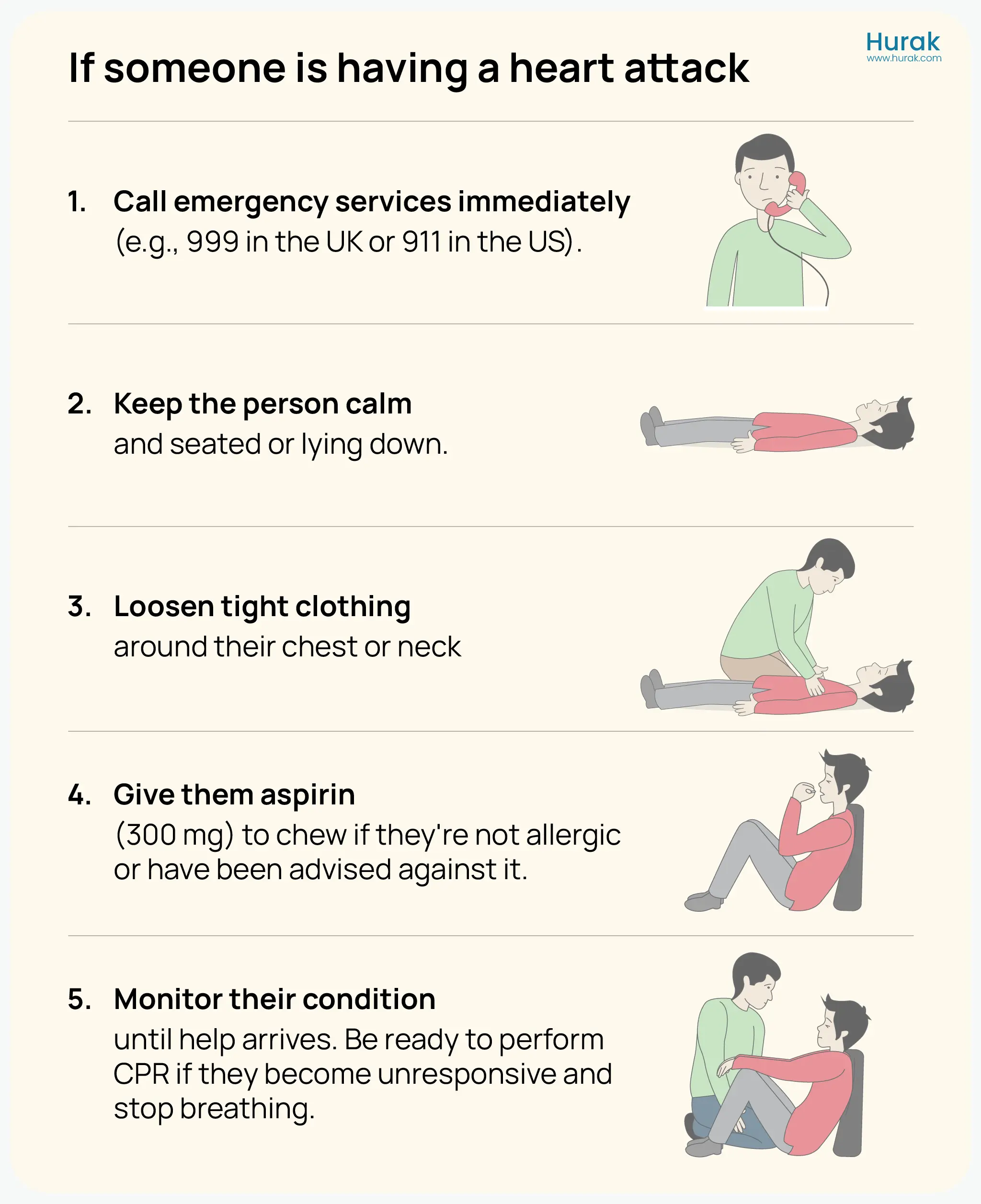
If someone is having a heart attack:
Call emergency services immediately (e.g., 999 in the UK or 911 in the US).
Keep the person calm and seated or lying down.
Loosen tight clothing around their chest or neck.
Give them aspirin (300 mg) to chew if they're not allergic or have been advised against it.
Monitor their condition until help arrives. Be ready to perform CPR if they become unresponsive and stop breathing.
Learn to recognize heart attack symptoms so you can act quickly and appropriately.
Call the emergency helpline, as EMT's are trained and have the right tools to provide critical care before reaching the hospital.
Give them blood thinning medicine like aspirin. For quick results make sure they chew it.
Reassure and keep the person calm, staying with them until medical help arrives.
Don't make assumptions Age or fitness level doesn't rule out a heart attack. Treat all symptoms seriously.
Don't wait for symptoms to pass Every second counts. Delaying action worsens the condition and increases the risk of severe heart damage.
Avoid driving them to the hospital yourself Unless there's no other option, wait for an ambulance, as EMTs can provide life-saving care en route.
Don't give them food, drink (including water), or medication other than aspirin unless instructed by a professional.
Don't force them to walk or move unnecessarily, as this can put extra strain on their heart.
Before taking action, it's crucial to identify the symptoms of a heart attack. Common signs include:
Chest Pain and Discomfort: most commonly known as the sensation of constriction, tightness, it might even include pain located in the mid-sternal area or left sternal region of the chest
Shortness of breath: This may occur with chest pain and can be described as pressure or squeezing sensation or they may even feel like they are choking.
Radiating Pain: When people experience discomfort it can spread to the shoulders, the neck, arms, back, teeth or jaw.
Other symptoms: These symptoms can be extremely debilitating; they include nausea, cold sweats, feeling lethargic while finding it difficult to rest.
Understanding the causes can help in prevention:
Having a thorough understanding of the causes can help in prevention
Coronary Artery Disease: This is the most common cause of a heart attack. With Coronary Artery Disease what happens is that arteries are constricted leading to narrowing.
High Blood Pressure: High blood pressure can gradually damage the arteries
High Cholesterol: Consuming food in high proportions can lead to formation of Plaque in the arteries
Lifestyle Factors: This includes excessively smoking or an excessive consumption of alcohol, poor diet and no exercise among other causative factors.
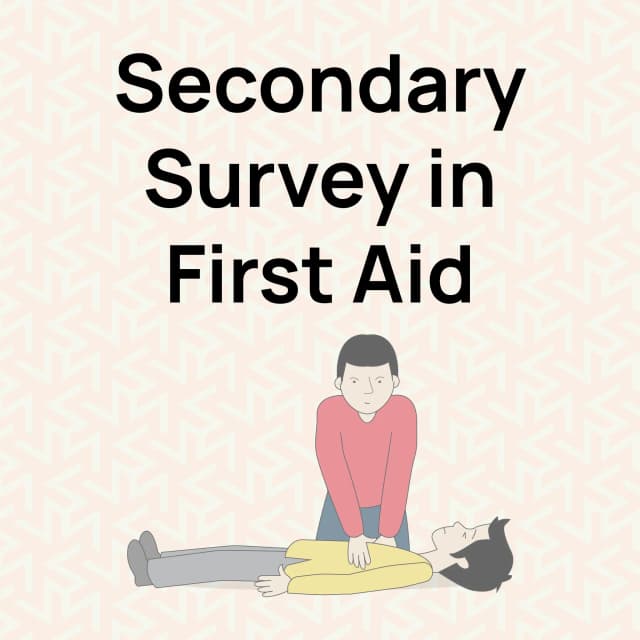
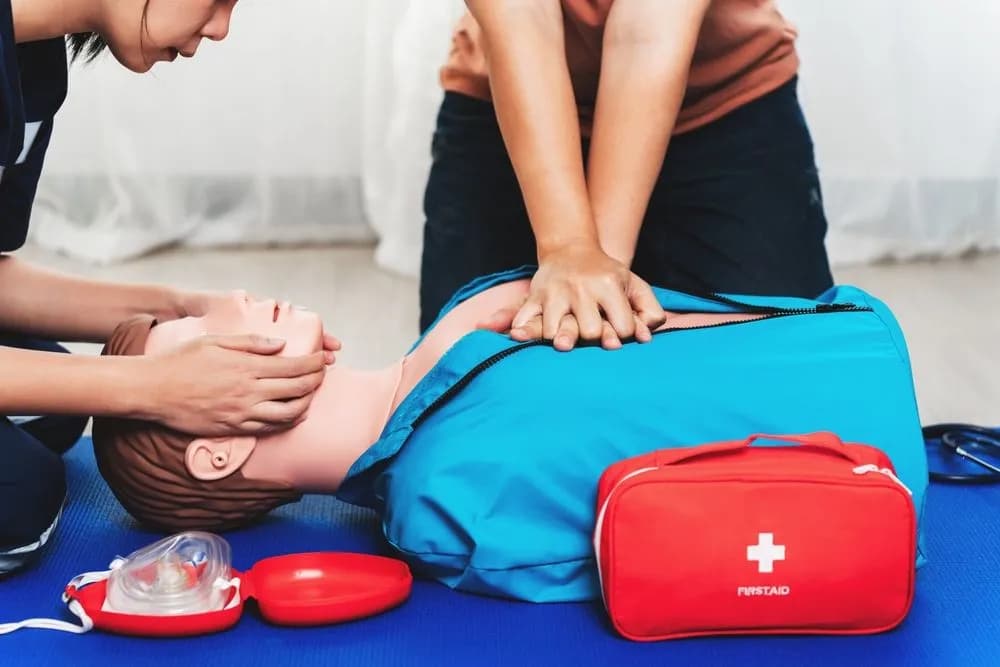
If the person loses consciousness and stops breathing, start giving CPR immediately. Place one hand on the center of their chest, with the other hand on top, and press down firmly in a rhythmic motion. Perform 30 chest compressions followed by 2 rescue breaths. Continue CPR until help arrives or someone trained in CPR takes over. If the person regains consciousness, stop the procedure.
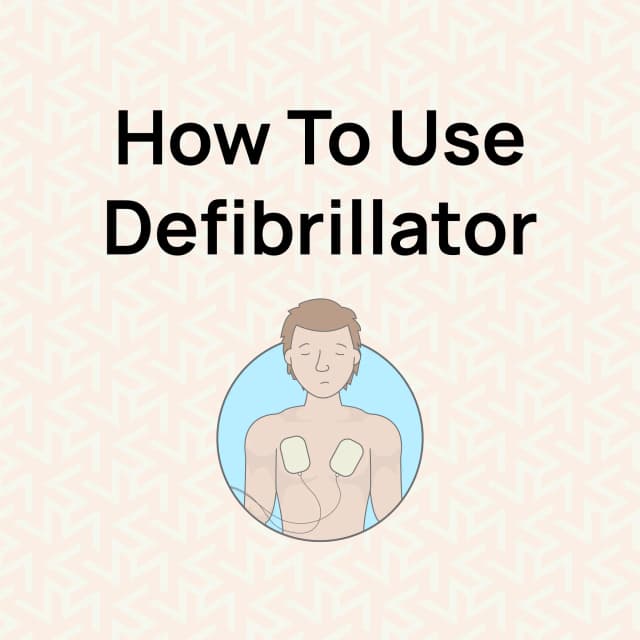
Using an AED
If an AED (Automated External Defibrillator) is available, use it immediately after calling for help. Follow the device's prompts to analyze the heart rhythm and deliver a shock if needed. Continue CPR in between AED prompts until emergency services arrive or the person regains consciousness.
Upon arrival at the hospital, healthcare professionals will conduct several tests to diagnose a heart attack, including:
Electrocardiogram (ECG): To measure heart activity.
Blood Tests: To check for markers indicating heart damage.
Imaging Tests: Such as echocardiograms or angiograms to visualize the heart and blood vessels.
Treatment may involve medications, lifestyle changes, or procedures like angioplasty or surgery.
The process of recovery varies but it usually includes:
Rehabilitation Programs: this is something that is mandatory it includes specific exercises and therapy
Medications: These are a necessity if you want to ensure that your heart does not suffer from anymore defects. Taking medicines that are prescribed by your doctor are important for a healthy heart.
Lifestyle Changes: This includes exercising, intake of certain food which includes fruits and vegetables, the patient should avoid intake of saturated fats while also managing stress.
Prevention is Key. Here are some strategies to prevent heart attack:
Maintain a healthy diet- Make an attempt to eat fruits and vegetables, and incorporate proteins in your diet. Choose foods that are high in fiber, choose whole grain foods and stick to lean protein sources.
Get proper exercise- Exercise for at least 150 minutes weekly
Stop smoking- If you let go of habits such as smoking you will inadvertently lower your chances of a heart attack.
Regular check-ups- go for regular check-ups to make sure that your blood pressure and cholesterol are under control.
Heart attacks can strike at any time, if you are equipped with the right knowledge you can take quick action, and make a difference. If you are ready to save a life Sign up for our First Aid course today to gain the essential skills, Skills that will help you handle a situation confidently during a heart attack.
In conclusion it should be noted that over the past decade heart attacks have become more prevalent, with the debilitating issue becoming more and more common even amongst young adults. Taking quick action and administering first aid when someone is having a heart attack is crucial.
Knowing what to do being active and ready to take action when someone is having a heart attack can make a significant difference therefore it is crucial that you learn the symptoms, causes and equip yourself with additional knowledge which might include the necessary measures that you'd need to take. The right kind of knowledge and timely response are your go-to weapons in such calamity. Always be alert and ready to save a life.
Courses
Upskill with job-ready training.
Mock Tests
Measure your learning progress.
Create an online video course, reach students across the globe and earn money