

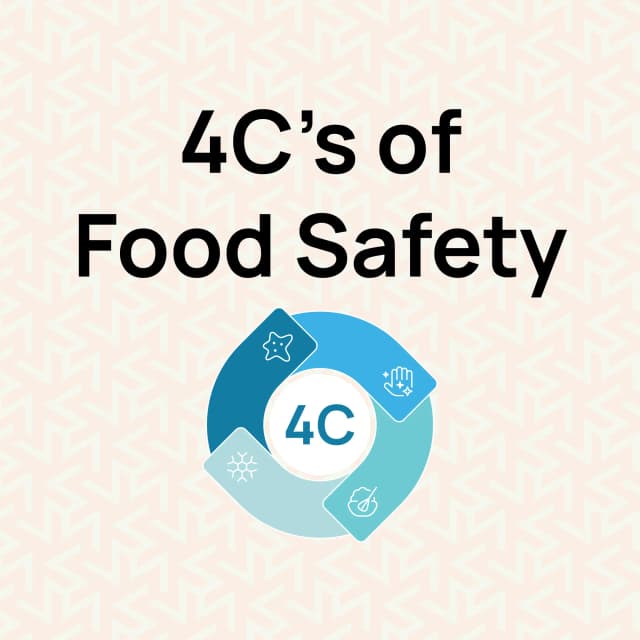
The Complete Guide to the 4?Cs of Food Safety for UK Food Businesses
Running a food business in the UK requires adhering to strict food safety standards to protect your customers and fulfil your legal obligations. From restaurants and caf�s to catering services and takeaways, maintaining high levels of hygiene and safe food handling is essential to avoid health risks and regulatory consequences.The 4Cs of food safety � Cleaning, Cooking, Chilling, and avoiding Cross-contamination � are key principles promoted by the Food Standards Agency (FSA). They provide a clear and practical framework for managing food safety throughout every stage of food preparation and service.Although the 4Cs themselves aren�t explicitly outlined in legislation, the practices they support are fundamental to complying with UK food laws, including the Food Safety Act 1990 and the Food Hygiene Regulations 2006. Failing to implement these practices can lead to foodborne illnesses, poor hygiene ratings, and legal action.In this article, we�ll break down each of the 4Cs, explore why they�re so important for food businesses, and offer practical tips to help you apply them in day-to-day operations.But first, let�s look at why these four principles are considered essential across the UK food industry.Why Is Following the 4Cs Important for Food Businesses?What are the 4Cs of food safety, and why are they important?Simply put, they are Cleaning, Cooking, Chilling, and avoiding Cross-contamination, four essential principles that safeguard food safety and help UK businesses comply with legal and hygiene standards.The 4Cs aren�t just a checklist; they form the foundation of safe food handling by reducing health risks, supporting legal compliance, and ensuring you�re prepared for inspections.Here�s how each of these principles reinforces why the 4Cs should be at the heart of every UK food business.They Reflect FSA Guidelines and ExpectationsThe Food Standards Agency (FSA) strongly promotes the 4Cs because they provide a clear foundation for safe food handling and hygiene. While not explicitly mentioned in the law, the FSA considers the 4Cs to be essential to good food safety practices, and inspectors will expect to see them applied in kitchens, storage areas, and front-of-house environments.Following the 4Cs can also help businesses achieve a better food hygiene rating, which in turn influences customer trust and reputationIgnoring the 4Cs Increases Health RisksWhen businesses don�t follow the 4Cs, they increase the risk of foodborne illnesses caused by harmful bacteria like Salmonella, Listeria, or E. coli. Cross-contamination, incorrect cooking temperatures, or inadequate chilling can all contribute to the growth and spread of these pathogens, posing a serious risk to your customers' health.There Are Serious Legal Consequences Although the 4Cs themselves aren't written into legislation, the practices they represent are enforceable under UK food law. The Food Safety Act 1990 requires all food businesses to produce and serve food that is safe to eat. Failure to control food safety hazards could result in prosecution, fines, business closure, or even imprisonment in serious cases.Helps You Stay Inspection-ReadyFood safety inspections don�t happen on your schedule; they can occur at any time. Following the 4Cs ensures you're prepared, with strong cleaning routines, proper temperature control, labelled storage, and clear procedures in place. This makes risk assessments easier and helps maintain compliance across your team.For detailed guidance on how to be prepared for a Food Safety Inspection, read our article on the food hygiene rating checklist.Incorporating the 4Cs into your daily operations isn�t just about passing inspections; it�s about building a food safety culture that protects people, supports your brand, and reduces long-term risks.Now let�s look more closely at each of the 4Cs in action.? Ready to upskill your staff or meet legal training requirements?�Start with a certified course: ? Level 2 Food Hygiene and Safety for Catering ? Level 2 Food Hygiene and Safety for RetailThe 4Cs of Food Safety Now that we�ve explored why the 4Cs matter, let�s look at each one in practice. Together, they create a strong framework that protects food from common hazards, but each one plays a unique role in keeping your premises inspection-ready and legally compliant CleaningCleaning is the first and arguably the most continuous step in food safety. It�s about creating and maintaining a hygienic environment, not just at the start or end of the day, but throughout the entire day.A clean-as-you-go approach ensures that spills, food scraps, and splashes are addressed promptly. Why wait until the end of a shift to wipe down a counter that�s been touched dozens of times? By cleaning as you work, you prevent harmful bacteria from building up and spreading to food or equipment. It�s proactive, not reactive.Go beyond a simple wipe-down. The six stages of cleaning are key: pre-clean, main clean, rinse, disinfect, final rinse, and drying. These aren�t just steps, they�re safeguards. Miss one, and you risk leaving behind dangerous residues or ineffective sanitisation.Use colour-coded chopping boards to separate raw meat, cooked food, dairy, and vegetables. It�s a small thing that goes a long way in reducing cross-contamination, especially when multiple people are prepping in a busy kitchen.And don�t overlook the basics: hand hygiene. Hands can transfer thousands of bacteria in a single touch. Follow the 7 steps of hygienic hand washing, especially after handling raw foods, using the toilet, or taking out the bins.Lastly, wash fruits and vegetables under running water before cooking or serving. This removes dirt and pesticide residues, but do not wash raw meat; it can splash bacteria across your sink and counters, increasing the risk of contamination.CookingCooking is more than getting food hot, it�s your defence against harmful microorganisms like Salmonella or E. coli. If meat isn�t cooked properly, these bacteria can survive and cause serious illness.Every food type has its specific requirements. The core cooking temperature generally recommended is 75�C; however, checking with a food probe is the most reliable way to ensure the food is safe. You should always be aware of the Temperature Danger Zone while cooking.If you're cooking something with packaging (like a frozen pie or pre-made meal), follow the manufacturer's guidelines. But if there are no instructions, stick with FSA advice, especially for:Poultry (chicken, duck, turkey)PorkMinced meats (like sausages, kebabs, burgers)Offal (liver, kidneys)Rolled joints, where bacteria can be pushed from the surface into the centre during preparationThese foods are considered high-risk because they�re more likely to carry harmful bacteria. That�s why undercooking them isn�t just a mistake, it�s a danger.Poor cooking practices can also breach the Food Safety Act 1990. If your food harms someone, even unintentionally, the consequences are legal.ChillingChilling slows down the growth of bacteria, but only if it�s done right.It is essential to understand the ideal fridge storage temperature and make sure your fridge is set to 5�C or below. Also, never overload your fridge. Cold air needs space to circulate; otherwise, certain spots warm up, creating the perfect breeding ground for bacteria.Always store raw meats on the bottom shelf of the fridge to prevent their juices from dripping onto ready-to-eat foods, which can lead to cross-contamination and serious foodborne illnesses. For tips on safe fridge storage, see our full guide on how to organise a fridge.Understand the food dates. A �use-by� date is about safety; eat it after that and you�re taking a risk. A �best-before� date, on the other hand, is about quality. It is crucial to be aware of the difference between use-by and best-before date.When it comes to leftovers, many wonder: Can you put warm food in the fridge? The answer is yes, but let it cool slightly first � ideally for no more than 1�2 hours. Placing steaming food directly into the fridge can raise its internal temperature and potentially affect other items stored nearby.Understand your freezing limits, too. Beef and other meats can only last a certain amount of time, even when stored in the freezer. Learn how long you can safely freeze food, the best methods for cooking it from frozen, and how to defrost it properly.Cross-ContaminationCross-contamination is silent and quick. A knife used for raw chicken, then reused for salad without washing, that�s all it takes.To protect food from cross-contamination:Always use separate equipment and colour-coded boards for raw and cooked food.Store raw food below cooked food in the fridge to prevent drips.Wash your hands every time you switch tasks.Clean and disinfect surfaces between jobs.Be aware of cross-contact, especially when it comes to allergens, as even a trace can trigger a serious reaction.Understand the different types of contamination:Physical (e.g. hair, glass)Microbial (bacteria, viruses)Chemical (cleaning agents)This is where habits matter most � a well-trained team that�s alert, organised, and consistent makes all the difference.Advance Your Food Safety Skills With Professional TrainingUnderstanding the 4Cs is essential, but it�s only the beginning. To truly lead safe, compliant food operations, especially in supervisory roles, formal training is a must.? Level 3 Food Hygiene and Safety Course Ideal for managers and supervisors, this course dives deeper into food law, risk assessments, and hygiene practices, helping you implement the 4Cs across your team and stay compliant with UK regulations.? Food Allergy Awareness Course Allergen cross-contact is a serious risk. This short course trains you to identify, label, and control allergens in food preparation � a vital extension of your cross-contamination strategy.Take charge of food safety today!Going Beyond the 4Cs: Best Practices to Prevent Food Safety FailuresNow that we�ve seen how each of the 4Cs plays a role in preventing foodborne risks, let�s shift focus to the broader strategies businesses can adopt to keep those risks at bay�before they even start.�Here are three proven ways to stay proactive about food safety compliance:Implement a HACCP PlanHazard Analysis and Critical Control Points (HACCP) is more than just a checklist�it's a structured system designed to identify, assess, and control food safety risks at every stage of your operation. From storage to service, every potential hazard is identified and managed effectively.Stay Inspection-Ready at All TimesWaiting until an EHO visit is announced is a recipe for panic. By maintaining your premises, documentation, and adhering to food safety protocols on a daily basis, you ensure that you're always prepared for a spot check. This includes having updated cleaning logs, temperature records, and allergen labelling processes in place.Invest in Regular Staff TrainingEven the best systems fall apart without well-trained staff. Ongoing training ensures that your team is confident in consistently applying the 4Cs. Refresher sessions are especially crucial in high-turnover environments, such as the hospitality industry. A simple misunderstanding of cross-contact, for example, could put a customer with allergies at serious risk.HACCP Training for Safer PremisesLearn how to assess food safety risks, apply adequate controls, and keep your kitchen inspection-ready with Hurak�s Level 2 HACCP Course.��Start TodayIncorporating these measures won�t just help you avoid food safety issues; they�ll help you build a culture of accountability across your team.�Let�s now understand how things can quickly go wrong when even one of the 4Cs of food safety is ignored, with an example.This example shows how one small lapse in chilling can escalate into a serious breach, reinforcing why every C counts.How a Small Oversight Can Lead to a Major Food Safety BreachLet�s examine a scenario that could occur at any food outlet, where a minor lapse in judgment puts customer health at risk.�Note: This example is provided for educational purposes only.Scenario: A Busy Caf� and a Chilling OversightIn a small high-street caf�, the kitchen staff cooked large batches of minced beef chilli during morning prep. Due to time pressure and limited fridge space, hot food was placed directly into the fridge to cool faster. Later that evening, several customers reported symptoms of food poisoning. An investigation by local authorities revealed that the food had spent too long in the temperature danger zone�between 8�C and 63�C. Allowing bacteria like Clostridium perfringens to multiply. No chilling logs were maintained, and the team was unaware of proper cooling procedures.What went wrong? A failure to follow safe chilling practices, one of the 4Cs, triggered a chain reaction, demonstrating how a single oversight can impact public health, damage your brand reputation, and result in legal action.The story also illustrates why understanding guidelines isn�t enough; you must apply them, monitor their implementation, and train your staff to do the same.Conclusion: Food Safety is a Constant CommitmentMastering the 4Cs �Cleaning, Cooking, Chilling, and Cross-Contamination �forms the backbone of any safe food environment. But food safety doesn�t end there.�To truly protect your customers and reputation, you must go the extra mile.Consider TACCP and VACCP strategies to protect against intentional food threats, or implement regular risk assessments to identify vulnerabilities before they cause harm. Leveraging smart kitchen technology for temperature logs and hygiene audits can also add precision and confidence to your operations.Whether you run a food truck or manage a full-service kitchen, your safety systems must evolve with the industry. When done right, these steps not only reduce risk but also boost customer trust and business resilience.Go Beyond the 4Cs � Train SmarterMaster legal compliance, inspections, allergen safety and more with Hurak�s CPD-certified Food Hygiene and Safety Courses.? Find Your Course NowFAQsWhat are the 4Cs of food safety, and why are they important?The 4Cs of food safety are Cleaning, Cooking, Chilling, and avoiding Cross-contamination.�They are important because they form the foundation of safe food handling practices, helping to prevent foodborne illnesses, protect public health, and ensure compliance with UK food safety laws. By following the 4Cs, food businesses can reduce health risks, maintain hygiene standards, and pass inspections with confidence.How can I train my staff on the 4Cs?Enrol them in a certified Food Hygiene Course, such as Hurak�s Level 2 or Level 3 programmes, which cover the 4Cs in depth.Is it mandatory to follow the 4Cs in a home kitchen?While not legally required for home use, following the 4Cs helps protect your family from harmful bacteria and ensures safer food practices.Are there practices beyond the 4Cs that I should know?Yes, advanced methods such as TACCP, VACCP, digital temperature monitoring, and regular risk assessments extend beyond the 4Cs to address intentional food threats and complex safety risks.

Understanding Teaching Assistant Levels: Roles, Qualifications Salary Insights
If you're exploring a career as a Teaching Assistant (TA), understanding the different levels within the role is crucial. Each level has specific responsibilities, qualifications, and pay scales, making it important to know where you fit in.�Whether you're just starting your journey or looking to advance, this guide explains the key differences between Teaching Assistant levels. We'll break down what each level involves, the qualifications required, and how your duties and salary evolve as you progress in your role.What are Teaching Assistant levels?If you're new to the education sector, you might be wondering what Teaching Assistant levels actually mean. In simple terms, they define the range of roles and responsibilities a TA can hold in a school. From helping with basic classroom tasks to leading small group sessions, these levels guide how duties are assigned based on your experience, training, and confidence.Each level represents a step forward in your career. You might start in an entry-level support role, then work towards more independent positions such as a Higher Level Teaching Assistant (HLTA).�Understanding these levels not only helps schools set expectations but also helps you find the right starting point and plan your growth within the field.Breakdown of Teaching Assistant LevelsEach Teaching Assistant level reflects your experience, qualifications, and the responsibilities you take on. Here's a clear breakdown:Level 1 � Entry-Level SupportRole: Basic classroom tasks such as preparing materials, helping pupils with simple activities, tidying up, and providing general support.Requirements: No formal qualifications required, but GCSEs in Maths and English are usually expected.Career tip: Enter into a volunteer program if you're just starting out or exploring a career in education.Level 2 � Classroom Support Assistant�Role: Actively supports teaching by working with small groups, assisting individual pupils, and helping to deliver learning activities.Qualification: Level 2 Certificate in Supporting Teaching and Learning (or equivalent).Career tip: Offers a good balance between gaining hands-on experience and making a visible difference in the classroom.Level 3 � Specialist Support AssistantRole: Supports pupils with additional needs, helps plan lessons, and may lead small group sessions independently.Qualification: Level 3 Diploma in Supporting Teaching and Learning.�Career tip: Often linked to better pay and greater responsibility within the school setting.HLTA � Higher Level Teaching AssistantRole: Delivers lessons, manages classes in the teacher�s absence, assesses pupil progress, and supports planning.Qualification: HLTA status, typically with a Level 4 Certificate and proven classroom experience.Career tip: A strong step if you're aiming to train as a qualified teacher in the future.These levels act as a career ladder within the TA profession. You can progress through them with experience and the right training, gaining both confidence and capability as you go.Below is a quick reference table for Teaching Assistant qualifications structured to match your level of responsibility and experience. There's a clear path forward, whether you're just starting or aiming to lead lessons.Not sure which Teaching Assistant level is right for you? Explore our range of Teaching Assistant Courses at Hurak to find the perfect fit.�Browse our Teaching Assistant Courses to support pupils more directly. Our Level 2 course offers a strong starting point with hands-on classroom involvement. For those aiming to specialise or take on more responsibility, especially in areas like SEN or small group teaching, Level 3 could be the ideal next step. Our Higher Level Teaching Assistant (HLTA) course prepares you for a senior TA role, with the potential to step into teaching. Below is a quick reference table for Teaching Assistant qualifications structured to match your level of responsibility and experience. There's a clear path forward, whether you're just starting or aiming to lead lessons.QUALIFICATION NAMELEVELWHO IS IT FORWHAT DOES IT LEAD TOLevel 1 Award in Preparing to Work in Schools1Complete beginners with no classroom experienceEntry into volunteer roles or basic classroom supportLevel 2 Certificate in Supporting Teaching & Learning (STL)2New or aspiring TAs in supervised rolesGeneral classroom TA positionsLevel 3 Certificate/Diploma in STL3TAs looking to take on more responsibilitySpecialist roles, including SEN supportHLTA Preparation & Assessment4+Experienced TAs looking to lead classroom activitiesHLTA status � lead lessons, assess pupil progressLevel 4 Certificate in Education and Training4TAs aiming to progress into formal teaching rolesPathway into teacher training or QTLSWhy TA Levels MatterWhether you're currently a Teaching Assistant or considering entering the profession, understanding TA levels is crucial to your career growth and success. Here�s why:Career Growth and OpportunitiesTA levels serve as stepping stones in your professional journey. As you progress through each level, you become eligible for more advanced roles, such as a Higher Level Teaching Assistant (HLTA) or even pursue teacher trainingIncreased Earning PotentialYour pay often reflects your TA level. By advancing through the levels and gaining relevant qualifications, you not only improve your skills but also increase your earning potential, as schools typically align pay with the level of responsibility.Demonstrates Competence to EmployersEach level showcases your skills and expertise to hiring managers and headteachers. From supporting students with special educational needs (SEN) to taking on leadership roles in classrooms, your qualifications and level make it clear what you can bring to the tableConfidence BoostWhen you�re trained and qualified for your role, it boosts your confidence in the classroom. This confidence is not only valuable to your development but also fosters respect from students and colleagues alikeMaking a Meaningful ImpactAt higher levels, you have the chance to make a real difference in students� educational journeys. Whether it�s providing one-on-one support, managing lessons, or helping students with additional needs, advancing your TA level opens doors to impactful, rewarding workTeaching Assistant Levels and Pay Scale in the UK (2025)Understanding the pay scale for Teaching Assistants is vital for career planning. Salaries can vary depending on the level of responsibility, qualifications, experience, and geographic location. Here�s a detailed overview of the current pay scale for TAs, updated for 2025Entry-Level Teaching Assistants (Level 1)Typical Salary: �17,000 � �19,000 per yearHourly Rate: �9.50 � �10.50Note: Salaries may be lower in areas with a high cost of living, such as London.Classroom Support Assistants (Level 2)�Typical Salary: �19,000 � �22,000 per yearHourly Rate: �10.50 � �12.00Note: Pay may be higher in regions with higher living costs, including LondonHigher Level Teaching Assistants (HLTAs)�Typical Salary: �22,500 � �29,000 per yearHourly Rate: �12.00 � �15.00Note: According to sources such as Impact Teachers, these positions offer more advanced responsibilities and higher pay.Special Educational Needs (SEN) Teaching AssistantsTypical Salary: �21,000 � �24,000 per yearHourly Rate: �11.00 � �13.00Note: SEN TAs may receive additional training and support to cater to the specific needs of students.Geographic VariationsSalaries for TAs can vary significantly depending on location:London (Inner and Outer): Higher pay scales to reflect the increased cost of living. For example, in Inner London, salaries can be significantly higher than in other parts of the UK. The National Careers Service reports that starting salaries in London can be around �21,000, which is above the national average.Rural Areas: Salaries in rural areas may be slightly lower due to reduced living costs, though local school budgets can still influence pay.For more details on the current salary range, you can explore resources like the National Careers Service.Explore our Teaching Assistant Courses at Hurak and choose the Right Level for youLevel 2 Award in Support Work in Schools (RQF)A perfect entry point for those new to the education sector.Level 2 Certificate in Supporting Teaching and LearningGain hands-on skills for active classroom support roles.Level 3 Award in Supporting Teaching and LearningGreat for those looking to take on more classroom responsibilities.Level 3 Certificate in Supporting Teaching and LearningIn-depth training for long-term teaching assistant roles.Level 3 Diploma in Specialist Support for Teaching and LearningSpecialise in areas like SEN and become a key classroom support expert.Level 4 Certificate for Higher Level Teaching Assistants (HLTA)Step into a senior TA role and lead learning activities.Not sure which Teaching Assistant level suits you? Browse our Teaching Assistant CoursesHow to Progress as a Teaching AssistantIf you�re eager to grow in your Teaching Assistant (TA) role, here are some practical steps you can take to enhance your career and gain more responsibilities:Start Volunteering or Part-TimeIf you're new to the field, volunteering or taking on part-time work can help you gain valuable classroom experience. This is a great way to get your foot in the door, build your skills, and establish connections within schoolsPursue a TA QualificationTaking a TA qualification course is one of the most effective ways to enhance your knowledge and skills. Whether it's a short online course or a more formal qualification like a Level 2 or Level 3 certificate, these qualifications can make a huge difference in your career prospects.Take Advantage of CPD (Continuing Professional Development)Many schools offer CPD opportunities that support your growth. These programs help you stay up-to-date with educational practices and improve your teaching skills. Don�t hesitate to ask your school about CPD options, as this can also strengthen your CV.Work Towards HLTA StatusIf you�re aiming for a leadership role, working towards Higher Level Teaching Assistant (HLTA) status is an important step. HLTA status enables you to take on more advanced responsibilities, such as leading lessons or managing classes, and can serve as a stepping stone towards a career in teaching.FAQ:Do I need qualifications to become a Teaching Assistant?Not always. You can start in some entry-level roles (Level 1) without formal qualifications. However, most schools prefer candidates with GCSEs in English and Maths, and progressing to Levels 2 and 3 typically requires recognised certifications.What�s the difference between Level 2 and Level 3 Teaching Assistants?Level 2 TAs provide general classroom support, often under supervision. Level 3 TAs take on more responsibility working with SEN pupils, leading small groups, and sometimes contributing to lesson planning.How much can a Teaching Assistant earn in the UK?Pay varies by level, region, and experience. Entry-level TAs typically earn between �20,000��23,000, while Higher Level Teaching Assistants can earn up to �29,000+, depending on the local authority and role set by the National Career Service.What is a Higher Level Teaching Assistant (HLTA)?An HLTA is an experienced TA who can lead lessons, assess pupils, and take on more advanced responsibilities. You usually need a Level 4 qualification and substantial classroom experience to reach this level.What does SEN mean in schools?SEN stands for Special Educational Needs. It refers to pupils who need additional support due to learning difficulties, disabilities, or emotional and behavioural challenges that affect their ability to learn.Can Teaching Assistant roles lead to becoming a teacher?Yes. Many TAs progress into teacher training through qualifications like the Level 4 Certificate in Education and Training or by pursuing QTLS (Qualified Teacher Learning and Skills status).ConclusionBecoming a Teaching Assistant (TA) opens up a variety of career opportunities, with clear paths for progression, better pay, and a chance to make a real impact in the classroom. Whether you�re just starting out or looking to advance in your career, understanding the different TA levels and what they require is key to making informed decisions. The role offers flexibility, a rewarding environment, and the potential for continuous growth, without the need for years of formal university education.Ready to Start Your Teaching Assistant Career?Build strong classroom skills and earn a recognised qualification with the Level 2 Certificate in Supporting Teaching and Learning. Perfect for beginners looking to step confidently into a TA role.Start Your Journey Today and Enrol Now.

How Long Does Beef Last in the Fridge?
Ever stood in front of your fridge wondering, �Is this beef still safe to eat?�Whether it�s leftovers from Sunday roast or raw mince from yesterday�s shop, knowing how long beef lasts in the fridge (or freezer) can be confusing and potentially risky if you get it wrong. In this guide, we�ll walk you through how to store beef correctly, how long it lasts depending on the type and condition, safe defrosting practices, how to spot signs of spoilage, and even UK food safety laws you need to know, especially if you're running a food business. Let�s make food safety simple � and your fridge, safer. How to Store Beef in the Fridge or FreezerStoring beef properly is crucial for maintaining its freshness, preventing foodborne illness, and minimising waste. Whether it�s raw, cooked, minced, or sliced, how you pack and store beef (in your fridge or freezer) plays a crucial role in determining how long it will last.Choose the Right Packaging: Airtight is EssentialStore beef in airtight containers or sealed freezer-safe bags to prevent contamination and moisture loss.Wrap raw cuts in cling film and foil, or better yet, vacuum seal them if possible.Avoid leaving beef in supermarket packaging for long-term storage. Transfer to proper containers once you're home.Set the Right TemperatureYour fridge should always be kept at 5�C or below, and your freezer at -18�C or colder, to stop bacteria from multiplying.Keeping your appliances within these limits helps you avoid entering the Temperature Danger Zone where harmful microbes can grow quickly, as explained in our food safety fridge storage temperature guideline.�Store in the Right Place: Raw Below, Cooked AboveRaw beef should always be stored on the bottom shelf, in a leak-proof container, to prevent drips from contaminating other foods.Cooked beef can be placed on upper shelves but must be kept away from raw items at all times to prevent cross-contamination.An organised fridge, with clearly defined zones for raw and cooked foods, is not only safer but also more efficient. If you�re unsure how to set it up, our guide on how to organise your fridge offers practical tips for arranging shelves properly and maximising space.Label Before You StoreMark each item with the storage date and note whether it�s raw or cooked.This helps track freshness and reduces the risk of consuming spoiled beef or discarding safe food too soon.Portion Before FreezingDivide large packs of beef into smaller portions before freezing to avoid repeatedly defrosting and refreezing.Lay bags flat for faster freezing and to save space.Remove as much air as possible from the packaging to prevent freezer burn.Safe storage starts with small habits, using the proper packaging, setting the correct temperature, and placing beef where it won�t contaminate other foods. These steps not only help your food last longer but also reduce waste and protect your health.Want to build a stronger foundation in food hygiene?? Start the Level 1 Food Hygiene and Safety Course Perfect for home cooks, kitchen staff, and anyone handling food, this concise online course teaches you how to store, prepare, and serve food safely, including tips for preventing cross-contamination and maintaining a well-organised fridge.How Long Does Beef Last in the Fridge or Freezer?Storing beef safely isn�t just about keeping it cold; it�s about knowing how long each type can stay fresh without putting your health at risk. From steaks and mince to cooked leftovers, each has its own shelf life in the fridge and freezer.�Let�s look at how long you can store different types of beef in the fridge and freezer based on UK food safety standards.Beef Storage Chart (UK Guidelines)Type of BeefStorage StyleFridge (? 5�C)Freezer (? -18�C)Raw steak or roasting jointUncooked cut3�5 days6�12 monthsRaw minced/ground beefUncooked mince1�2 days3-4 monthsCooked beef (any type)Leftovers3�4 days2�3 monthsStews and beef-based mealsMixed dishes3�4 days2�3 monthsRaw beef sausagesFresh packed1�2 days1�2 monthsCold cuts/sliced beefDeli-style3�5 days (opened)1�2 monthsBeef gravy or stockCooked liquids1�2 days2�3 monthsNow that you�ve seen the chart, let�s understand what it means in practical terms. Not all beef is created equal, mince spoils quicker than steaks, and leftovers have different timelines than raw cuts.�Each category also requires different handling to keep it safe in the fridge or freezer.Here�s a quick breakdown of why:Whole cuts like steaks and joints have a longer shelf life because they�re exposed to less air and bacteria.Minced beef should be treated with urgency. The grinding process increases bacterial exposure, so it�s best used within 1�2 days.Cooked beef dishes, such as roast beef or bolognese, can be stored in the refrigerator for 3�4 days. If you're not sure you�ll eat it in that time, freeze it to extend its life.Gravy, stock, or cold cuts may look harmless, but they can spoil quickly. Store them in airtight containers and clearly label the date on each container.Pro Tip: No matter the type, always label and date what you freeze; it�s easy to forget when that container was put in.Let�s understand how long beef lasts in the fridge with an example for better understanding:Example:Anna, a busy parent, buys beef mince and steaks every Saturday. She keeps the mince in the fridge and uses it for Sunday lasagne. She freezes the steak for next weekend. Leftover cooked beef is placed in labelled containers and eaten for lunch within 3 days, or frozen if not.Meanwhile, James, who runs a catering business, logs every beef delivery and moves anything unused into the deep freeze within 48 hours. This process helps him stay compliant, organised, and waste-free.Whether you are storing food at your home or at a restaurant, understanding the timelines is key to avoiding spoilage and keeping your kitchen safe.Want to dive deeper into food safety?�Explore related articles:�high-risk foods | food preservation methods | how to cook frozen foodDoes the Type of Beef Cut Affect Fridge Life?Absolutely � and more than you might expect.As discussed earlier, whole cuts stay fresh longer thanks to their minimal surface exposure.Here�s a quick breakdown:Whole Cuts (e.g. steak, joint): Last longer; fewer exposed surfaces mean slower spoilage.Minced or Ground Beef: Spoils faster due to increased exposure to air and bacteria during processing.Cooked Beef: Shorter life once cooked, even if it started fresh.Sliced Cold Cuts: High risk, especially once opened; they spoil quickly.Tip: When in doubt, opt for vacuum-sealed cuts and store them in the coldest part of your refrigerator.While storage rules apply broadly to all beef, understanding the type of cut can help you fine-tune how long you keep it in your fridge or freezer. Whole cuts last longer than ground or sliced beef, and cooked beef has a much shorter shelf life regardless of the cut.Being aware of these nuances helps you avoid food waste and reduce the risk of spoilageTake charge of food safety in your kitchen.The Level 3 Food Hygiene and Safety Course is designed for supervisors, managers, and owners to build a strong foundation in food hygiene systems and solve day-to-day safety challenges.How to Defrost Beef SafelyWe�ve just seen how different cuts affect how long beef lasts, but that's not all. Once you�re ready to use it, how you defrost your beef is just as crucial for maintaining safety, flavour, and texture. Defrosting incorrectly can undo all the careful storage you�ve done so far.Here�s how to do it right:? Safe Defrosting MethodsIn the fridge (best method): Place your beef on a tray at the bottom of the refrigerator to prevent drips from contaminating other food. This slow, controlled method keeps the meat below 5�C, which helps prevent the growth of harmful bacteria.In cold water: Submerge the beef in a leak-proof plastic bag in a bowl of cold water. Change the water every 30 minutes to maintain its freezing temperature. Cook immediately after thawing.In the microwave: Use the defrost setting and cook the beef straight away. Be aware that microwave defrosting may partially cook the outer layers, so timing matters. Our guide on how to defrost food in the microwave explains how to do it safely and avoid uneven cooking.Proper defrosting keeps your beef safe to eat, preserves quality, and supports good kitchen hygiene. And if you�re handling food in a business setting, knowing the correct methods is essential for staying compliant with UK food safety law.How to Tell if Beef Has Gone BadAfter defrosting, it�s essential to check whether the beef is still safe to use, especially if it has been in storage for an extended period. Even when stored or defrosted correctly, beef can still spoil due to improper handling, inadequate packaging, or prolonged storage.Knowing the signs of spoilage helps you avoid food waste, but more importantly, it protects against foodborne illness, whether you�re cooking at home or running a kitchen.Look out for these common indicators that your beef is no longer safe to eat:Strange or sour smell: Fresh beef should have a neutral scent. A sour, ammonia-like, or rotten smell means it�s spoiled and should be discarded immediately.Slimy or sticky surface: Spoiled beef often develops a slippery film on the surface. This is caused by bacterial growth and is a clear sign that the meat should not be used.Discolouration: Beef naturally darkens slightly with age, especially when exposed to air. But if it turns green, grey, or has unusual patches, it�s a red flag.Off taste (in cooked beef): If the flavour is bitter, metallic, or �off�, it�s better to be safe than sorry � don�t eat it.Note: Microbial contamination isn�t always visible. Even if beef looks and smells okay, if it�s been stored improperly or past its use-by and best-before dates, it can still be unsafe.Spotting spoiled beef isn�t always about what you can see; it's also about how it�s been stored, handled, and defrosted. When in doubt, throw it out -- safety comes first.Regular fridge checks and proper labelling go a long way in keeping your kitchen safe. Beef Storage in the UK: Essential GuidelinesNow that you know how to identify spoiled beef, let�s talk about prevention. Taking a few simple steps when storing, preparing, and handling beef can significantly extend its shelf life and reduce waste.Label and Date Everything ClearlyWhether you�re storing raw steaks or cooked mince, always label with the storage date. Not only does this support FIFO (First In, First Out) rotation, but it�s essential for traceability under UK food law, particularly in commercial kitchens.Keep Beef at Safe TemperaturesStore beef in the fridge at 5�C or below, and freeze it at -18�C or lower. UK regulations set a legal maximum of 8�C for chilled foods, but best practice recommends a lower temperature to ensure safety.Use Airtight or Vacuum-Sealed ContainersPackaging beef in sealed, air-tight containers or vacuum bags prevents exposure to air and slows bacterial growth. This protects quality and meets hygiene standards that help prevent contamination.Store Raw Beef on the Bottom ShelfIn both home and professional settings, placing raw meat at the bottom of the fridge stops juices from dripping onto ready-to-eat foods, a key step in avoiding food contamination, which is strictly regulated under UK food safety law.Avoid Overpacking the Fridge or FreezerProper airflow ensures the entire unit maintains safe temperatures. Overcrowding can lead to uneven cooling and breach legal storage limits.Follow Use-By Dates � They�re Legally BindingUnlike best-before dates, use-by dates are enforceable. Selling, serving, or even consuming beef past this point is illegal under the Food Safety and Hygiene (England) Regulations 2013..Ensure Staff Are Trained in Food Storage PracticesFor food businesses, having trained staff is not just good sense, it�s a requirement under Regulation (EC) No. 852/2004. Even basic storage mishandling can lead to legal action if safety is compromised.For a deeper dive into your responsibilities as a food business, visit our guide to the Food Safety Act 1990.Combining good habits with legal knowledge is the key to safe beef storage. Whether you�re labelling meat at home or running a catering operation, the rules are there to protect health and ensure accountability. Doing things properly means reducing risk and doing right by your customersConclusion:Proper beef storage is about more than just keeping your food fresh; it�s a vital step in protecting yourself, your family, or your customers from foodborne illness. Understanding the differences in shelf life between cuts, following safe defrosting practices, recognising spoilage signs, and complying with UK food safety laws all contribute to safer kitchens at home and in business.�By combining simple storage habits with clear labelling and correct temperatures, you can significantly reduce waste and keep your food safe to enjoy. Whether you're cooking dinner or running a busy catering business, these practical steps build a foundation of food safety everyone can rely on.So, how long does beef last in the fridge? Now you know, and with the right approach, you can store your beef safely and confidently every time.Boost your food safety skills with expert training.Explore a wide range of accredited food hygiene and safety courses designed for every level, from home cooks to food business professionals.Find the right course for you at Hurak!!FAQHow long does beef last in the fridge?Beef can last between 1 to 5 days in the fridge, depending on the cut and whether it�s raw or cooked. For example, raw steaks and roasting joints usually stay fresh for 3 to 5 days, while minced beef should be used within 1 to 2 days. Cooked beef leftovers typically last 3 to 4 days in the fridge. Always store beef at or below 5�C and label it with the date to keep track of freshness.How long can you keep chicken in the freezer?Chicken can be safely stored in the freezer for varying lengths depending on the cut and whether it�s cooked or raw. Raw whole chicken can last up to 12 months in the freezer, while raw chicken pieces are best used within 9 months. Cooked chicken typically lasts 2 to 6 months in the refrigerator. Always freeze chicken at -18�C or below and use airtight packaging to maintain quality.What�s the best way to store beef and chicken to maximise their shelf life?Use airtight containers or vacuum-sealed bags to store both beef and chicken. Label your packages with the storage date. Keep raw meat on the bottom shelf of your refrigerator to prevent drips, and ensure the temperature stays at 5�C or lower. For freezing, wrap meat tightly to avoid freezer burn and portion it for easy thawing.Can you refreeze beef or chicken after thawing?It�s safe to refreeze beef or chicken only if it has been thawed in the fridge and hasn�t been left out at room temperature. Refreezing may affect texture and flavour, so it�s best to freeze in smaller portions to avoid the need for multiple thawing cycles.
Key Strengths of a Teaching Assistant: Essential Qualities for Success
Whether you're considering a role as a teaching assistant or looking to improve in your current position, understanding the key strengths schools value can set you apart. Teaching assistants(TA) play a vital role in supporting both teachers and students, but success in the role goes beyond just following instructions.In this article, we�ll explore the most important strengths and qualities that make a teaching assistant truly effective in the classroom. It highlights the core strengths that schools value most, qualities that help you succeed, support students effectively, and grow within your role.Why Teaching Assistants Matter: The Qualities That Make a DifferenceTeaching assistants are central to supporting both teachers and pupils, often bridging the gap between individual needs and classroom expectations. In classrooms, teaching assistants are the quiet driving force behind successful learning. They provide essential support that allows pupils to flourish and teachers to focus on delivering high-quality lessons. Whether you're exploring a career in education or seeking to hire support staff, it's important to recognise the unique contribution these professionals make.Their responsibilities reach far beyond helping with reading or setting up activities. Teaching assistants play a key role in pupils� academic development, emotional health, and behaviour. They are instrumental in building inclusive classrooms where every learner feels seen, supported, and valued.�Whether working individually with a child or supporting the whole class, the most effective teaching assistants bring a thoughtful balance of academic understanding and emotional intelligence, making them invaluable to teachers and pupils alike.Top 10 Core Strengths of an Outstanding TACommunication skills�Clear, respectful communication is at the heart of teaching. A TA must:Explain ideas in simple terms.Communicate confidently with children, teachers, and parents.Use active listening to understand student needs.Patience and empathyWorking with young learners can be unpredictable. Effective TAs:Stay calm under pressure.Show understanding and care for diverse learning needs.Support students with emotional or behavioural challengesAdaptability and flexibility�Every school day is different. Strong TAs:Quickly adjust to new tasks or last-minute changes.Work across multiple age groups or subject areas.Embrace new teaching tools and methods.Organisational skillsA tidy, well-prepared classroom is a productive one. TAs often:Help set up and tidy learning spaces.Track students' progress and record observations.Assist with lesson planning and materials.Behaviour managementCreating a positive learning environment is key. TAs should:Reinforce classroom rules and routines.Handle disruptions calmly and fairly.Support positive behaviour through praise and encouragement.TeamworkTeaching is collaborative. Great TAs:Work closely with class teachers and SEN coordinators.Support team-wide goals and initiatives.Share ideas and strategies openly.Commitment to learningA genuine interest in helping pupils grow makes a real difference. Look for TAs who:Inspire confidence and curiosity.Celebrate students� achievements.Stay motivated and committed to the role.Professionalism and confidentialityTrust is crucial in educational settings. A TA must:Handle sensitive information discreetly.Maintain professional boundaries with pupils and parents.Follow safeguarding and school policies closely.InitiativeA proactive TA is a valuable asset. They:Step in to assist without always being told.Identify pupils who may need extra help.Suggest ideas for improving lessons or classroom dynamics.Subject knowledge and learning supportWhile not always subject specialists, effective TAs:Understand the basics of core subjects like English and maths.Provide targeted support for pupils falling behind.Use learning aids and differentiation techniques confidently.Advance Your Career as a Teaching AssistantExplore our accredited Teaching Assistant courses at Hurak that fit your goals. Whether you're just starting out or aiming for a school-based role, Hurak offers flexible, employer-recognised training to help you get classroom-ready.Popular Teaching Assistant courses at Hurak:HLTA Level 4 Certificate for Higher Level Teaching Assistants (RQF)Level 2 Certificate in Supporting Teaching and Learning in Schools (STALIS/STLS)Level 3 Certificate in Supporting Teaching and Learning in Schools (STALIS/STLS)�Level 2 Award in Support Work in Schools (RQF)�Level 3 Diploma in Specialist Support for Teaching and Learning in Schools (RQF) How to Develop These Teaching Assistant StrengthsStageDescriptionHow to ProgressEntry-Level TAStart in a classroom setting with basic responsibilities. Often requires no formal qualification.Gain experience through volunteering or support roles.�Level 2/3 Qualified TANationally recognised qualifications that build key classroom and pupil support skills.Level 2 Certificate in Supporting Teaching and Learning or a Level 3 TA course.Higher Level Teaching Assistant (HLTA)Take on more responsibility, including leading activities or delivering lessons under supervision.�Enrol in HLTA training and gain teaching experience.�Specialist TA RolesFocus on� Special Educational Needs (SEN), mental health or behaviour support.Take targeted CPD courses. Speak to your school about in-house training.Teacher Training or Education LeadershipTransition into full-time teaching or move into leadership and support services.Apply for a PGCE, SCITT, or education-related degree. Use TA experience as a strong foundationExcelling in a Role That Supports LearningTo succeed in this role, start by strengthening the core skills covered above. You can also:Get Qualified: Take a recognised TA course, such as a Level 2 or 3 Certificate, to build essential knowledge and meet school expectations.Seek Feedback: Regular input from teachers can help you grow and refine your approach.Reflect Often: Consider what�s working in your practice and adjust where needed.Stay Informed: Keep up with changes in safeguarding, SEN, and classroom strategies.�With consistent effort and development, you can become a valued and effective member of any school team.FAQsQ. What qualifications do I need to become a TA?Most schools prefer a Level 2 Certificate in Supporting Teaching and Learning or a Level 3 Certificate in Supporting Teaching and Learning, but some entry roles accept experience alone.�Q. Is experience required?Not always, but volunteering or school placements can strengthen your application.Q. What's the difference between Level 2 and Level 3 courses?Level 2 is for beginners; Level 3 allows more responsibility and progression to roles like HLTA.�Q. Can I work as a TA without qualifications?Yes, in some cases, especially if you have relevant experience or are training on the job.Q. How much do TAs earn?According to National Career Service, the typical salary is between �21,000��25,000, depending on qualifications, experience, and region.�Q. What is National Teaching Assistants Day?�National Teaching Assistants Day is a day of recognition for TAs, usually held in the last week of September, celebrating the work and impact of support staff. This year, the National Teaching Assistant Day falls on the 26th of September.ConclusionBeing a teaching assistant is more than just a role, it�s a chance to make a real difference in a child�s life. From building confidence in shy learners to creating calmer, more inclusive classrooms, your strengths help shape the way pupils grow and thrive. Whether you're just starting out or looking to enhance your impact, focusing on personal development and continuous learning is key.Strong TAs don�t just support the lesson, they help transform it. And by refining your skills, you�re not only investing in your career but also in the future of every pupil you support.Take Your Next Step in EducationUnlock your full potential with a recognised Teaching Assistant course.Build confidence, boost your classroom skills, and take your career further.Explore Teaching Assistant Courses�
Understanding LOLER: Key Facts About Lifting Operations and Equipment
In high-risk workplaces, such as construction sites, warehouses, and factories, lifting operations are a daily necessity. However, lifting tasks, whether using cranes, hoists, forklifts, or lifting accessories, carry significant dangers if they aren�t handled correctly. Even a minor oversight can lead to serious injuries or costly damage. To reduce these risks and improve workplace safety across the UK, the government introduced a specific set of rules known as LOLER.LOLER stands for the Lifting Operations and Lifting Equipment Regulations 1998. These regulations are a legal requirement under the Health and Safety at Work etc. Act 1974, and they apply to any business where lifting operations take place. Understanding LOLER is essential not only for employers but also for site managers, supervisors, health and safety officers, and those looking to enter these roles.In this guide, we�ll explore what LOLER means, what it covers, and how it influences workplace safety practices. Whether you're an experienced professional or a beginner just starting in the field, this article will help you grasp the fundamentals of LOLER and why it matters.What Is LOLER and Why Was It Introduced?LOLER was introduced to ensure that lifting operations are carried out safely, using suitable equipment and by individuals who are trained to do so. Before LOLER came into effect, there was no unified legal standard for managing lifting equipment and operations in the workplace. Accidents caused by unstable loads, unsuitable equipment, and poorly planned lifts were common and often resulted in serious injuries.The regulations focus on three main objectives: ensuring that lifting equipment is safe, operations are adequately planned and supervised, and regular inspections are carried out. By meeting these requirements, organisations can significantly reduce the chances of accidents, protect their workers, and avoid legal penalties.LOLER applies across a wide range of industries, including construction, logistics, healthcare, and manufacturing. It�s particularly relevant in sectors where loads are moved frequently, either manually or mechanically, often under challenging site conditionsWho Is Responsible Under LOLER?LOLER places legal duties on several roles within a workplace. The employer is ultimately responsible for ensuring that lifting operations meet all safety requirements. However, responsibility doesn�t stop there.Supervisors and site managers must ensure that lifting activities are appropriately planned, assessed for risk, and carried out under the supervision of a competent person. The law states that a competent person must plan every lifting operation. This individual must have sufficient training, knowledge, and experience to carry out their duties safely.Operators of lifting equipment must also follow the procedures laid out and report any faults or unsafe conditions. Even equipment owners and hire companies have obligations under LOLER to ensure the equipment they supply is safe and compliant before use.This shared responsibility model encourages a culture of accountability and promotes safer practices across teams.?New to workplace safety or exploring a career shift?Build a strong foundation in UK health & safety law before you dive into specialisations like LOLER.Start with the Level 2 Health and Safety in the Workplace CourseWhat Equipment Is Covered by LOLER?LOLER applies to any equipment used to lift or lower a load, and also to the accessories used to attach, support, or anchor the load. Examples include:Cranes (mobile, tower, and overhead)Forklift trucks and telehandlersPassenger and goods liftsChain blocks and hoistsMobile Elevating Work Platforms (MEWPs)Lifting accessories such as slings, shackles, hooks, eyebolts, and spreader beamsEven lightweight or temporary equipment is covered if it is used to lift loads. It's important to note that LOLER doesn�t just apply to heavy construction machinery. Any piece of lifting gear, no matter the size, falls under these regulations if it's used to raise or lower a load from one level to another.However, LOLER does not cover equipment that moves loads without lifting them, such as trolleys, conveyor belts, pallet trucks (unless used to lift), or escalators. These are generally regulated under PUWER (Provision and Use of Work Equipment Regulations), which focuses on the safe use of all work equipment, not just lifting machinery.Understanding the distinction between LOLER and PUWER helps businesses ensure full compliance and avoid unnecessary confusion during risk assessments and inspections.To make things more straightforward, here�s a quick visual guide showing which equipment falls under LOLER and what doesn�t.Core Principles of LOLER ComplianceLOLER is built on a few key principles. When applied correctly, they create a safer environment for everyone involved in lifting operations.Proper Planning and SupervisionEvery lifting operation must be planned and supervised by a competent person. This involves evaluating the load, selecting suitable equipment, identifying potential risks, and coordinating the task with team members. On busy sites, especially construction projects with tight schedules, this level of oversight can prevent serious accidents.Supervision ensures that even well-planned operations are carried out correctly. If something unexpected happens during the lift, a supervisor must be prepared to intervene and make safe decisions in real time. Equipment Suitability and Safe Working Load (SWL)LOLER requires that all lifting equipment be suitable for its intended task. This means it must be strong and stable enough to safely carry the load. All equipment should be clearly marked with its Safe Working Load (SWL), the maximum load it can handle under safe conditions.Using the wrong equipment or exceeding its load limit can result in equipment failure, tipping, or dropped loads. This doesn�t just damage property, it puts lives at risk. That�s why choosing the right equipment is as important as using it correctly.This principle also applies to lifting accessories. Chains, slings, hooks, and shackles all have their load ratings and must be selected and used based on the job�s requirements.Inspection and Maintenance RequirementsRegular inspection is another pillar of LOLER compliance. All lifting equipment must be thoroughly examined at legally defined intervals by a competent person. These intervals are:Every 6 months, for equipment lifting, people or lifting accessories are required.Every 12 months for all other lifting equipmentAfter any damage, malfunction, or relocationEach examination must be followed by a written report. This document should detail the findings, highlight any issues, and confirm whether the equipment is safe to use. Reports must be kept for at least two years and should be readily accessible.Routine maintenance should also be performed in accordance with the manufacturer's recommendations. Preventive action is far more effective and far less costly than waiting for something to go wrong.For organisations, having a documented inspection and maintenance process helps to demonstrate due diligence and prevent the consequences of poor health and safety procedures, including legal penalties and damaged reputationThe Human Side of LOLER: Training and CultureLOLER compliance isn�t just about equipment; it�s also about people. A well-maintained hoist is still dangerous in the hands of an untrained operator. Similarly, even simple manual handling tasks can lead to injury if not performed with care.Creating a culture of safety means ensuring that all staff, not just managers, understand the risks associated with lifting and how to mitigate them. Basic training in manual handling, awareness of equipment capabilities, and reporting unsafe practices are all essential habits to develop.This shared awareness across all roles contributes to a safer, more efficient, and more legally compliant work environment.?For individuals working with or around lifting equipment, Manual Handling Awareness Training provides valuable insight into how to reduce strain, prevent injury, and work more safely in tandem with mechanical systems.Why LOLER Matters for Professionals and Career SeekersFor those already in the workforce, understanding LOLER can help you take on more responsibility and move into leadership roles. Site supervisors, safety officers, and project managers are all expected to understand and apply lifting regulations on the job.For career seekers, LOLER knowledge adds a layer of credibility and preparedness that employers appreciate. It shows that you understand how safe operations work and that you�re serious about working safely and effectively.Whether you're managing operations or just entering the industry, LOLER provides a valuable framework for considering safety, accountability, and competence.LOLER in Action � A Quick Compliance ChecklistBefore we conclude, here�s a visual summary of the key responsibilities and safety checks required under LOLER. This can serve as a practical guide for site supervisors, safety officers, or anyone working around lifting operations.Final ThoughtsLOLER isn�t just a list of rules; it�s a reflection of the mindset every workplace needs: that safety is a shared priority. From equipment selection to supervision, from maintenance schedules to manual handling practices, LOLER is designed to ensure that lifting operations are carried out without risk to people or property.For employers, it builds legal compliance and peace of mind. For professionals, it provides a pathway to enhanced leadership. And for beginners, it opens the door to a deeper understanding of workplace safety, one lift at a time.Frequently Asked QuestionsWhat does LOLER stand for?LOLER stands for the Lifting Operations and Lifting Equipment Regulations 1998. It is a UK regulation designed to ensure lifting operations in the workplace are carried out safely and responsibly. Introduced under the Health and Safety at Work Act 1974, LOLER helps reduce the risks associated with lifting tasks and places legal responsibilities on those who manage or use lifting equipment.What is the meaning of LOLER?The meaning of LOLER lies in its focus on preventing workplace accidents. It requires lifting tasks to be planned, equipment to be suitable and safe, and operations to be supervised by competent individuals. It also mandates routine equipment inspections and detailed record-keeping, all aimed at creating safer working environments.What equipment is LOLER relevant to?LOLER applies to any equipment used for lifting or lowering loads. This includes cranes, forklift trucks, passenger and goods lifts, hoists, MEWPs (mobile elevating work platforms), and lifting accessories like chains, hooks, slings, and eyebolts. If the equipment lifts a load from one level to another, LOLER likely applies.What equipment is not covered by LOLER?LOLER does not apply to equipment that doesn�t lift loads vertically. Items like trolleys, pallet trucks (when not used to lift), conveyor belts, and escalators are excluded. These are typically covered under PUWER regulations, which address the general safety of workplace equipment.What is LOLER legislation?LOLER legislation outlines the legal standards employers must meet when using lifting equipment. It ensures that all lifting operations are safe, well-planned, and supervised. Failure to comply with LOLER can result in enforcement action from the Health and Safety Executive (HSE), including fines or prosecution in severe cases.What are LOLER regs?The term �LOLER regs� refers to the specific regulations within the legislation. These include requirements such as using suitable equipment, clearly marking safe working loads, conducting risk assessments, and arranging regular thorough examinations of lifting gear. These regulations apply across various sectors, especially construction and logistics.How often should lifting equipment be inspected under LOLER?Inspections must be carried out at regular intervals by a competent person. Equipment lifting people or lifting accessories must be examined every 6 months, while other lifting equipment must be checked at least once every 12 months. Additional inspections are needed if the equipment is damaged, repaired, or moved.Who is responsible for LOLER compliance?Responsibility under LOLER is shared. Employers must ensure that lifting tasks meet legal standards, supervisors must plan and oversee them safely, and operators must use equipment properly and report any issues promptly. Equipment owners or hire providers also play a role in ensuring machinery is compliant before it�s used.Explore Related CoursesLooking to boost your knowledge or take on more responsibility in lifting operations and workplace safety? These popular courses are a smart next step.CITB SSSTS Course: Step into a site supervisory role with confidence. Ideal for those planning or overseeing lifting tasks under LOLER.CITB SMSTS Course: Aimed at managers handling health & safety on site. Covers legal duties and best practices in depth.Manual Handling Awareness Training: Learn how to lift, move, and carry loads safely, an essential skill alongside LOLER compliance.

Food Hygiene Inspection Checklist UK: What Every Kitchen Needs
High food hygiene standards are crucial for every food business, from home caterers to busy restaurant chains.� To stay compliant and achieve a 5-star food hygiene rating, every food business should follow a well-structured food hygiene rating checklist. This checklist keeps everything in check, starting from kitchen cleanliness to food storage, pest control and staff hygiene. Helping you run smooth daily operations while staying inspection-ready at all times. An Environmental Health Officer (EHO) is a government official responsible for inspecting food businesses to ensure compliance with health and safety laws. Their job is to ensure that your kitchen operates safely and that the food you serve is safe for consumption. EHO inspections are conducted regularly to ensure that food businesses comply with food hygiene and food safety standards. These officers visit your premises to conduct a formal food hygiene inspection, and based on their findings, your business receives a rating under the Food Hygiene Rating Scheme (FHRS). Their reports can directly impact your business�s reputation and ability to trade. If they find hygiene practices falling short, it could result in anything from a poor rating to closure in extreme cases.� These inspections often happen without any prior notice. As these inspections often occur unexpectedly, it�s essential to implement and maintain a food hygiene checklist that�s followed consistently, not just before an inspection, but every single day. What do EHOs look for during a food hygiene inspection? When an EHO visits your food premises, they assess your operation based on three key criteria under the FHRS. These areas help determine your final hygiene rating, so it�s crucial to understand them thoroughly.1. How hygienically food is handled EHOs will observe how food is prepared, cooked, cooled, stored, and reheated. Their goal is to ensure that every stage of food handling is safe and hygienic. They�ll assess: Cleanliness of work surfaces and utensils Safe handling of raw and cooked foods (avoiding cross-contamination) Food temperature control during storage and reheating Proper food labelling and shelf-life monitoring 2. Condition and structure of the premisesThe physical condition of your kitchen or workspace is also evaluated. First impression matters!EHOs will check:General cleanliness and organisationStructural condition � walls, floors, ceilings, sinks, etc.Proper lighting and ventilationFunctioning hand-washing facilitiesSigns of pest infestation and proof of pest controlOverall maintenance and repair3. Food safety management systems This area focuses on how well your business manages food safety. EHOs want to see that you�ve implemented proper systems and that your staff are trained and confident in following them. They�ll look for: A written food safety management system, such as HACCP principles Records of temperature checks and cleaning schedules Staff food safety training (e.g. Level 2 Food Hygiene Course) Safe use and storage of cleaning chemicals Take Charge of Food Safety in Your Business If you're responsible for overseeing food safety standards, managing teams, and ensuring all systems are in place, the Level 3 Food Hygiene and Safety Course is ideal for you. This advanced course covers: Legal responsibilities of managers Implementing and monitoring food safety systems (like HACCP) Handling inspections with confidence Supervising and training staff effectively Equip yourself with the tools to lead a food-safe workplace. Other areas are often inspected In addition to the core three, EHOs may also check: Pest control measures and monitoring Equipment condition and cleanliness Waste management processes Labelling accuracy and allergen information Availability of hand-washing facilities Supplier delivery checks Keeping all the above elements in check is crucial for passing an unannounced EHO visit and maintaining a food hygiene rating that builds trust with your customers. Boost Your Food Safety Game with Specialist Training Environmental Health Officers don�t just check surfaces - they assess everything from allergen handling to your overall food safety system. Make sure your team is inspection-ready with targeted training: Food Allergy Awareness Online Course Learn how to identify, manage, and effectively communicate food allergens - especially vital for high-risk customers and ensuring legal compliance. Level 2 HACCP Online Training Gain confidence with Hazard Analysis and Critical Control Points (HACCP), a vital system for protecting against contamination and meeting EHO expectations. Both courses are CPD-accredited, online, and ideal for businesses of all sizes. Kitchen inspection checklist to pass EHO visits While we�ve summarised the key EHO focus areas above in brief, in order to stay at the top of your game, download our detailed, ready-to-use EHO inspection checklist covering inspection pointers in greater detail. *Note: This checklist is based on official guidance from the Food Standards Agency and best practices for UK food businesses. It�s designed to help you stay prepared for EHO inspections and maintain a 5-star hygiene rating.Daily kitchen management: How to use the EHO inspection checklist effectivelyA checklist is essential, but what�s even more important is putting that checklist to good use every single day.�A checklist only works if your team knows how to use it effectively every day. Here�s how to turn your EHO inspection checklist into a practical tool that drives daily food safety.1.�Assign clear roles:�Allocate specific tasks � such as cleaning, stock rotation, and monitoring fridge temperatures � to individual team members and display responsibilities visibly.2.Monitor progress:Conduct quick daily or weekly self-inspections and review your records regularly to catch issues early.3.Train your team:�Ensure that everyone understands HACCP principles and knows the significance of each task on the checklist.Want to implement HACCP effectively? Explore our Level 2 HACCP Online Course to train your team and streamline operations.4. Combine tools:�Link your checklist with cleaning rotas, stock control, and training records to create a seamless workflow.Let�s understand how you can utilise the checklist in your daily kitchen operations and how maintaining it consistently can make inspections more manageable and smoother, with a real-life example.Case: A busy takeaway kitchen in London Maria runs a fast-paced takeaway kitchen with three chefs and two helpers. During a surprise visit, the Environmental Health Officer (EHO) requested to review records on fridge temperatures, cleaning schedules, and allergen management. Maria had: A printed environmental health inspection checklist filled out daily, Digital logs of fridge temperatures updated every 4 hours, A whiteboard displaying the cleaning rota and the names of the responsible staff. The EHO was impressed, not just with the records, but also with how the team could explain their duties. Maria�s kitchen earned a good hygiene rating. Why it worked: Maria didn�t just have a checklist - she built it into the team's routine. Every member knew their role, and the documentation was always up to date. This is why using a food hygiene inspection checklist on a day-to-day basis is crucial - it not only helps you stay compliant with the Food Safety Act 1990 and avoid costly penalties, but also boosts your Food Hygiene Rating, builds customer trust, and protects your business reputation.EHO inspection checklist: What to expectWhen an Environmental Health Officer (EHO) visits your premises, there are clear standards they must follow. They�re expected to be professional, respectful, and transparent throughout the process.Here are a few things that the EHO inspector must follow during their visit:1. Identification First:� �����������The EHO will always present official identification before commencing the inspection.2.Professional Conduct:������������They must maintain courtesy, respect, and transparency at all times.3.Hazard Identification:�������������EHOs will highlight hygiene or safety risks and suggest practical corrective actions.4. Clear Distinctions:������������They will clarify what is legally required versus what is recommended as best practice.5. Legal Breaches:������������If a breach of the law occurs, the officer must clearly state which�law has been violated.6. Written Explanation:������������All required actions must be explained in writing for your understanding�and records.7. Reasonable Timeframes:������������You�ll typically be given time to address any issues, unless there�s�an immediate public health risk.8. Right to Appeal:������������You�re entitled to information on how to appeal any decisions or enforcement�actions.Conclusion Using a structured food hygiene rating checklist isn�t just about passing inspections�it�s about building a safe, efficient, and trusted kitchen environment. By following proper procedures and knowing what to expect from an EHO visit, you're actively protecting your customers, your team, and your business reputation.FAQs What is a food hygiene rating checklist used for? A food hygiene rating checklist helps businesses prepare for inspections by ensuring hygiene standards meet the criteria set by local authorities. Are kitchen inspection checklists and EHO inspection checklists the same? Yes, both a kitchen inspection checklist and an EHO inspection checklist UK cover areas like food safety, cleanliness, and legal compliance during routine checks. What should be included in a food hygiene inspection checklist UK? A food hygiene inspection checklist UK typically includes checks for food storage, staff hygiene, temperature control, and pest prevention. What is an environmental health inspection checklist? An environmental health inspection checklist focuses on broader safety measures, including waste disposal, cleanliness, and food safety documentation. How does a workplace inspection checklist differ in the UK? A workplace inspection checklist in the UK covers general health and safety aspects beyond the kitchen, including fire exits, PPE, and equipment checks. Why is a kitchen health and safety checklist important? A kitchen health and safety checklist helps prevent accidents and injuries by ensuring safe working conditions in food prep areas. What types of restaurant checklists should be used daily? Restaurant checklists can include opening/closing procedures, cleaning tasks, stock checks, and hygiene control to maintain consistent standards.
Teaching Assistant Pay Scale Explained: TA Salary by Level Grade in the UK
Understanding the teaching assistant pay scale is essential for anyone considering or already working in this vital educational role. In this article, we break down the TA salary structure in the UK, covering different levels and grades, and explain how qualifications, experience, and regional factors influence earnings. Whether you�re just starting or looking to advance your career, this guide will provide a clear picture of what to expect regarding pay.What Is the Teaching Assistant Pay Scale?The teaching assistant (TA) pay scale refers to the structured salary system used to determine the compensation of TAs based on their role, experience, and qualifications. Most teaching assistants in the UK are employed by local authorities or academies, which follow pay guidelines set out in the local government pay spine or individual school policies. The teaching assistant pay scale in the UK typically follows local authority guidelines, which are based on the National Joint Council (NJC) pay spine.�It�s influenced by factors such as job level, responsibilities, experience, and qualifications. Most schools follow a local government pay structure or academy trust policy, which outlines different pay bands.Understanding where you fall on this scale helps you track your career growth and determine what salary to expect at each stage, from entry-level to senior roles, such as HLTA.For teaching assistants looking to boost their qualifications and earning potential � particularly in schools with multilingual student populations � obtaining language certifications can be valuable. Taking German proficiency test or similar language assessment helps TAs qualify for specialist roles supporting EAL (English as an Additional Language) students, which often come with higher pay bands and enhanced responsibilities.Teaching Assistant Salary by Level and GradeTeaching assistants are paid according to their level of responsibility, experience, and qualifications. Most schools follow a structured pay scale based on levels or grades. As of 2025, UK teaching assistant salaries reflect updates to the National Joint Council (NJC) pay scales, which are often used by local authorities.Employment TypeAverage TA Salary (2025)DescriptionLevel 1�20,000 � �21,000Entry-level support with basic classroom tasksLevel 2�21,000 � �23,000Assists with group work and one-to-one supportLevel 3�23,000 � �25,000Works with minimal supervision; may plan activitiesLevel 4 / HLTA�25,000 � �26,500+High-level responsibility; covers classes, plans lessonsWhile these are national estimates, actual pay can vary by location and whether the school follows local authority or academy trust rates. TAs in Greater London or specialist roles (e.g., SEN) often earn on the higher end of the spectrum.Why Do Teaching Assistant Salaries Vary?Several key factors determine how much a teaching assistant earns. While pay scales provide a baseline, actual earnings can vary depending on the following:Experience and Length of Service:�The more years you�ve worked as a TA, the more likely you are to move up the pay scale. Many schools reward long-term staff with incremental increases.Qualifications and Training:�Holding a recognised TA qualification, such as Level 2, Level 3, or HLTA status, can lead to higher pay. Some roles require specific credentials, especially in SEN (Special Educational Needs) or early years support.School Type and EmployerYour salary might differ depending on whether you work in a local authority-maintained school, an academy, a multi-academy trust (MAT) or an independent or private schoolLocation and Regional Pay VariationsTAs working in London and the South East often receive higher pay due to the increased cost of living. Local authority pay bands also vary across England, Wales, and Northern Ireland.Full-Time vs Part-Time HoursMost TA roles are part-time or term-time only, meaning your take-home salary could be lower than the full-time equivalent listed on job descriptions.How Teaching Assistants Can Increase Their Salary Over TimeBeing a teaching assistant can be more than a supporting role; it can be the start of a long-term career in education. Here�s how your TA journey can evolve:Level 2 to Level 3 ProgressionStart as a general classroom assistant and move into more structured teaching support roles by completing further qualifications.Achieve HLTA StatusBecoming a Higher Level Teaching Assistant allows you to work with minimal supervision, run lessons, and even lead subject interventions, all of which come with better pay.Consider SEN or EAL SpecialismsBy specialising in areas like Special Educational Needs (SEN) or English as an Additional Language (EAL), you not only become more valuable but may also qualify for additional funding or allowancesStep Into TeachingSome TAs choose to train as teachers through part-time Initial Teacher Training (ITT) programmes, transforming their career and salary range entirely.Advance Your Teaching Assistant Career with HurakBeing a Teaching Assistant is just the beginning. Explore these courses to enhance your skills, increase your earning potential, and open doors to new opportunities:Level 2 Certificate in Supporting Teaching and Learning in Schools (STALIS/STLS): Ideal for those new to education, this course provides foundational knowledge in supporting teaching and learning in schools.Level 3 Award in Supporting Teaching and Learning in Schools (STALIS/STLS): A step up for those looking to deepen their understanding and skills in supporting teaching and learning.Level 3 Diploma in Specialist Support for Teaching and Learning in Schools (RQF): Focuses on inclusivity, meeting diverse learning needs, and building positive student and colleague relationships.Level 4 Certificate for Higher Level Teaching Assistants (HLTA): Achieve HLTA status to work with minimal supervision, run lessons, and lead subject interventions.Level 5 Diploma in Teaching (DiT) - Further Education and Skills: For those aiming to step into teaching, this qualification provides the skills and knowledge needed to succeed in colleges and adult education settings.Start your journey today with HurakGeographical Variation in Teaching Assistant Pay: How Location Affects SalaryWhile national pay scales offer general guidance, where you work has a significant impact on your salary as a teaching assistant. Regional cost of living, local authority funding, and demand all play a roleLondon and the South EastHigher salaries due to increased living costs.Often includes London Weighting, a financial allowance on top of base salary.Inner London TAs can earn up to �3,000��5,000 more than those elsewhereNorth of EnglandGenerally offers lower starting salaries.Some local authorities supplement pay to retain staff.High demand in urban centres like Manchester, Leeds, and Liverpool.Midlands and East of EnglandSalaries sit around the national averageAcademies and MATs may vary slightly in what they offerWales, Scotland, and Northern IrelandSeparate pay structures from England.Pay progression and contracts are often governed by devolved government frameworks.Rural vs Urban DifferencesTAs in rural areas may have fewer hours or part-time roles.Urban schools often face higher pupil needs, which may result in increased pay for SEN or HLTA rolesAdditional Pay and Benefits for Teaching AssistantsTeaching assistants can earn more than just their base salary. Extra duties, such as supervising clubs, supporting SEN pupils, or covering absences, may be compensated with overtime pay or allowances. Some schools also offer small incentives for roles like lunchtime supervision or first aid.Beyond pay, many TAs benefit from the Local Government Pension Scheme, enhanced sick leave, and maternity or paternity benefits. Term-time contracts include paid holidays throughout the year, and flexible hours make the role ideal for achieving a good work-life balanceFrequently Asked Questions (FAQs)What is the average salary for a teaching assistant in the UK?The average salary for a teaching assistant in the UK typically ranges from �15,000 to �24,000 per year, depending on experience, location, and job level. London-based TAs and those in specialist roles, such as SEN, often earn more.Do teaching assistants get paid during school holidays?Most TAs are on term-time only contracts, which means their pay is spread evenly across 12 months, including holidays. However, the total salary reflects only the weeks worked during the academic year.Is there a difference in TA pay between regions?Yes. TAs working in London and the South East typically receive higher salaries due to regional weighting. Pay bands also differ across local authorities in England, Wales, and Northern Ireland.Can teaching assistants earn more with additional qualifications?Absolutely. Gaining Level 3, HLTA, or SEN specialism qualifications can significantly increase earning potential and open doors to higher-level roles.Are there opportunities for career progression?Yes. Many TAs progress by completing further training to become HLTAs, specialise in SEN or EAL, or even transition into Initial Teacher Training (ITT) to become qualified teachers.Do teaching assistants receive pensions and benefits?Teaching assistants in state-funded schools usually qualify for the Local Government Pension Scheme (LGPS), which offers a secure, defined benefit pension. Additional benefits may include maternity and paternity leave, enhanced sick pay, and term-time flexibility.Final Thoughts on Teaching Assistant Salaries in the UKUnderstanding the teaching assistant pay scale helps you make informed decisions about your career. While salaries vary by level, qualifications, and location, most teaching assistants (TAs) can expect structured pay progression over time. Additional responsibilities, training, and specialist roles (like SEN) can lead to higher earnings, and many schools offer pension schemes, flexible hours, and other benefits that add real value beyond the monthly salary.Whether you're just starting or looking to advance, knowing what influences your pay and how to boost it can help you make the most of a rewarding career in education.Take the Next Step in Your TA CareerReady to boost your earning potential as a Teaching Assistant? Whether you're starting with the Level 2 Award in Support Work in Schools or aiming for a Level 3 Diploma in Specialist Support for Teaching and Learning in Schools or an HLTA role, the right qualifications can make all the difference.Explore our accredited TA courses at Hurak
Understanding Fire Marshal Responsibilities: What They Do and Why They Matter
Fire safety is a critical aspect of every workplace; yet, many people are unsure of what it truly means to be a fire marshal. Whether you�re new to the workforce, stepping into a leadership role, or simply want to understand how your workplace stays safe, knowing the responsibilities of a fire marshal is essential. Fire marshals, also known as fire wardens, are trained individuals who play a vital role in preventing fires, preparing people for emergencies, and ensuring that everyone knows what to do in the event of a worst-case scenario.The Evolving Role of the Fire MarshalFire marshals are not firefighters, but they are the first line of defence against fire risks in the workplace. Their responsibilities have grown as workplaces have become increasingly complex, with new challenges such as lithium battery fires and the need for inclusive evacuation plans. Today, fire marshals are expected to be proactive, not just reactive, and to take a leadership role in both day-to-day safety and emergency situations.If you want a comprehensive overview of workplace fire safety responsibilities, the UK Government�s official fire safety guidance is a great place to start.Fire Marshal Responsibilities: Explained in DetailA fire marshal plays a pivotal role in any organisation�s fire safety strategy. Far beyond the basics of sounding alarms or directing evacuations, their responsibilities span across proactive fire prevention, planning, real-time emergency response, and post-incident recovery. Today, fire risks have evolved in tandem with workplace trends, making fire marshals more essential than ever. Let�s take a closer look at the core responsibilities of a fire marshal, broken down into four key pillars.Fire Prevention: Staying Ahead of the RiskThe foundation of a fire marshal�s role is prevention. This means regularly inspecting the workplace to identify and address any potential hazards that could cause or exacerbate a fire. For example, fire marshals check that fire exits are never blocked, electrical equipment isn�t overloaded, and flammable materials are stored safely. These inspections are not just about ticking boxes; they are about spotting potential dangers before they become real threats.A fire marshal also ensures all fire safety equipment, such as extinguishers and alarms, is in good working order. They keep a detailed logbook of their checks and actions, which is invaluable during health and safety audits or inspections. Just as importantly, fire marshals promote good habits among staff, encouraging everyone to keep escape routes clear, report hazards, and respect no-smoking areas. By fostering a culture of safety, fire marshals help prevent fires from starting in the first place.Want to learn more about identifying and controlling hazards? Read Hurak�s guide on the differences between risk control and hazard control.Preparedness: Planning for EmergenciesNo matter how careful everyone is, accidents can still happen. That�s why fire marshals are responsible for making sure everyone knows what to do if a fire breaks out. They help develop and update the workplace�s fire evacuation plan, ensuring it�s tailored to the building�s layout and the needs of all staff, including those with disabilities or mobility issues.A big part of preparedness is running regular fire drills. These practice evacuations enable everyone to learn the escape routes and assembly points, and they help the fire marshal identify any potential problems, such as bottlenecks or confusion, that may arise during an actual evacuation. After each drill, the fire marshal reviews what happened and suggests improvements. In larger buildings or shared spaces, fire marshals may also coordinate with other teams to ensure a unified response.For individuals who require additional support, fire marshals assist in creating Personal Emergency Evacuation Plans (PEEPs). These plans are crucial for ensuring that everyone can evacuate safely, regardless of their circumstances.? Take the next step toward becoming a trusted fire safety leader.The Fire Marshal & Fire Warden Online Course by Hurak is designed to equip you with practical skills, legal understanding, and the confidence to lead evacuations, conduct risk assessments, and support workplace compliance. Whether you�re just starting or stepping into a formal safety role, this CPD-accredited course is your foundationEmergency Response: Leading When It CountsWhen a fire alarm sounds, the fire marshal�s training is put to the test. Their job is to act quickly and calmly, raising the alarm if necessary and guiding everyone to safety. Fire marshals are often assigned specific areas to �sweep,� checking every room, corridor, and restroom to make sure no one is left behind. They are also trained to assist those who may be panicked or need extra help, ensuring a safe and orderly evacuation.If it�s safe to do so, fire marshals may use extinguishers to tackle small, contained fires, but their priority is always the safety of people, not property. Once outside, they assist in conducting roll calls and provide crucial information to the fire brigade, such as the location of the fire or any missing persons. Fire marshals are never expected to re-enter a building once evacuated unless instructed by emergency services.If you�re interested in taking your fire safety leadership further, the Fire Safety Manager Advanced Diploma from Hurak offers advanced training in managing fire risks and compliance across complex sites.Post-Incident Review: Learning and ImprovingAfter a fire drill or a real emergency, the fire marshal�s work continues. They write a detailed report outlining what happened, what went well, and what could be improved. This reflection is crucial for refining the fire safety strategy and ensuring lessons are learned. Fire marshals may lead debriefing sessions, update signage, change assembly points, or adjust PEEPs based on the feedback received.They are also responsible for ensuring that all fire systems and equipment are reset, replenished, or serviced as needed. For example, a used fire extinguisher should be replaced immediately, and any triggered alarms must be tested and reactivated. Fire marshals utilise these experiences to advocate for additional training or resources if gaps are identified, thereby helping to foster a culture of continuous safety improvement.For more tips and best practices, visit Hurak�s blog on fire safety at your workplace and fire safety tips for the workplace.Fire Marshal Training: What Does It Involve?Becoming a fire marshal doesn�t require years of study, but it does require professional training. In the UK, fire marshal courses are widely available and usually take just a few hours. Training covers fire risk awareness, types of extinguishers, evacuation procedures, and UK fire safety law, especially the Regulatory Reform (Fire Safety) Order 2005. Participants learn how to lead during emergencies, communicate clearly, and ensure legal compliance.After completing the course, you�ll receive a certificate, which is typically valid for three years. However, it�s best practice to refresh your training every year or after significant changes in your workplace.?Looking to build a long-term career in health and safety?The NEBOSH National General Certificate is a widely respected qualification that equips professionals with in-depth knowledge of UK safety laws, risk management, and compliance strategies. Ideal for supervisors, managers, or anyone stepping into a senior safety role.Who Is Responsible for Enforcing Fire Safety?In the UK, the employer or building owner, known as the �responsible person�, is legally required to ensure fire safety rules are followed. This includes appointing and training fire marshals, keeping exits clear, and making sure everyone knows what to do in an emergency. The law doesn�t specify an exact number of fire marshals, but a standard guideline is one fire marshal for every 20 employees in low-risk environments, with more marshals being required in higher-risk settings.For a full explanation of your legal duties, visit the official government fire safety page.Why Become a Fire Marshal?Taking on the role of fire marshal is an excellent way to develop leadership, communication, and crisis management skills. It demonstrates your concern for your colleagues� safety and can help you stand out in your career. For employers, having well-trained fire marshals is not just about legal compliance; it�s about creating a safer, more confident, and productive workplace.ConclusionFire marshals are the unsung heroes who keep workplaces safe and secure. Their work in prevention, preparedness, emergency response, and ongoing improvement protects lives and helps organisations meet their legal responsibilities. Whether you�re thinking about becoming a fire marshal or simply want to understand workplace safety, learning about these responsibilities is a decisive step toward a safer future for everyone. Frequently Asked QuestionsWhat do fire marshal responsibilities include?Fire marshals are responsible for conducting risk assessments, organising fire drills, inspecting equipment, planning evacuations, and providing support during emergencies. They help ensure legal compliance and workplace safety.Who is responsible for enforcing fire safety?The �Responsible Person� (usually the employer or building owner) is legally accountable. Fire marshals assist by carrying out day-to-day fire safety duties.How many fire marshals are needed in a workplace?It depends on size and risk level:Low risk: 1 per 50 peopleMedium risk: 1 per 20High risk: 1 per 15Adjust for shifts and multiple floors.What does FED stand for in fire safety?FED means Fractional Effective Dose. It measures toxic gas exposure during fires�mainly used in technical assessments, not daily fire marshal tasks.Is fire marshal training required?Yes. UK law requires trained and competent persons for fire safety. Fire marshal training meets this legal requirement.Explore popular Fire Marshal Courses on Hurak.Looking to expand your skills and boost your workplace credentials? At Hurak, we offer a wide range of practical, accredited fire safety courses designed to keep you informed, compliant, and confident, whether you're just starting or stepping into a new role. Here are some popular options to help you grow in your career:Fire Safety Manager Advanced Diploma: An expert-level course for managing fire safety strategies, risk assessments, and legal compliance across complex sites.Fire Marshal Course: Learn the legal duties and emergency procedures expected of a certified fire marshal.NEBOSH Certificate in Fire Safety: A globally recognised qualification that equips professionals to identify fire risks, implement controls, and ensure legal compliance in the workplace.
The 6 Stages of Cleaning: A Simple, Step-by-Step Guide to A Cleaner Workplace
Did You Know Germs Can Hide In Plain Sight?We often think of dirt as something we see, like crumbs on a counter or stains on a surface. But the real danger lies in the germs and bacteria we cannot see. These can quietly accumulate on kitchen surfaces, door handles, tools, and even the objects we touch daily.Keeping your kitchen clean is not just about appearance; it is about preventing food contamination, protecting health, and creating a safe environment for everyone. And this applies far beyond kitchens. Whether you work in a restaurant, clinic, office, or factory, a clean workplace is essential for health, safety, and efficiency.That is why it�s essential to understand the 6 stages of cleaning, a simple yet powerful process used across industries to ensure spaces are not only clean but also safe.Before we move on to the 6 stages of cleaning, it�s essential to understand the differences between cleaning, disinfecting, and sanitising. These terms are often used interchangeably; however, they serve distinct purposes.�Understanding the difference helps you choose the correct method according to your requirements, ensuring that you not only clean the surface but also make it safe and hygienic.What Is Cleaning, Disinfecting And Sanitising?Understanding the difference between cleaning, disinfecting, and sanitising is essential for maintaining hygiene, especially in environments where safety matters most.�The visual below explains how each process works and why all three are equally important in achieving a spotless and safe space.To put it simply, clean to remove, disinfect to kill, and sanitise to make it safe. Each one plays a unique role in keeping your environment truly clean.Understanding the difference between cleaning, disinfecting, and sanitising is just the first step. The real challenge lies in applying them effectively in real-world settings, like a busy kitchen, a healthcare facility, or any shared workspace.That�s where the 6 stages of cleaning come in. This structured method ensures that every surface is not only visibly clean but also hygienically safe, helping prevent the spread of germs and keeping people protected.Why Do the 6 Stages of Cleaning Matter?A quick wipe with a cloth might remove visible dirt, but it�s not always enough to kill germs or stop the spread of illness.To truly clean and disinfect a surface, a proper method must be followed. This simple, step-by-step process helps ensure every surface is not only clean but also safe.It removes hidden germs, reduces health risks, and helps meet hygiene standards, especially in places where food is handled or equipment is shared.Understanding these 6 stages is especially important if you work in:Food handling or hospitalityHealthcare or caregivingBeauty, salon, or tattoo industriesCleaning services or facilities managementOr any job where cleanliness affects people�s safetyEnsure You Master Food Hygiene!Stay compliant and protect your workplace by taking our certified Food Hygiene Level 2 course. Practical, accredited, and designed for busy professionals.Level 2 Food Hygiene and Safety for CateringLevel 2 Food Hygiene and Safety for ManufacturingLevel 2 food hygiene and safety for retail�Level 2 Food Hygiene and SafetyThe 6 Stages Of Cleaning � With Real-Life ExamplesWhether you�re in a commercial kitchen, a healthcare setting, or simply maintaining cleanliness at home, following a structured cleaning process ensures you�re doing more than just shifting dirt around.Understand the 6 stages of cleaning with real-life examples and learn how to apply them effectively in everyday situations to keep your environment safe and hygienic.Stage 1. Pre-Clean - Remove Loose Dirt And MessWhat does it mean:Start by clearing away anything you can physically see, like food scraps, dust, hair, or packaging.Example:In a kitchen, this could mean wiping crumbs off a cutting board after making sandwiches.In an office, it might be brushing dust and bits of paper off your desk before cleaning it.Why it matters:If you skip this step, dirt and debris can block your cleaning products from working effectively in the following stages.Stage 2. Main Clean - Wash Off Grease, Grime, Or SpillsWhat does it mean:Now you apply warm water and detergent to scrub away stubborn messes, like sticky � sauces, oil, or dried spills.Example:In a restaurant kitchen, this might be scrubbing greasy residue off a grill or stove.In a clinic, detergent could be used to clean off any visible stains on a treatment bed.Why it matters:This step removes the stuff that soap can lift, but water alone can�t handle. It prepares the surface for disinfection.Stage 3. Rinse - Wash Away Dirt And DetergentWhat does it mean:Rinse the area with clean water to remove the loosened grime and leftover detergent from stage 2.Example:After scrubbing a chopping board with detergent, rinse it under running hot water.In an office pantry, rinse the sink basin after cleaning it with soap and water.Why it matters:Leftover soap or dirt can react with disinfectant and reduce its power, so rinsing is key before moving on.Stage 4. Disinfect - Kill Germs And MicroorganismsWhat does it mean:Now it�s time to kill harmful bacteria and viruses using a disinfectant or sanitiser. Apply and leave it for the right amount of time. To learn more about maintaining hygiene standards in food safety, refer to our comprehensive guide on HACCP principles.Example:Spray an antibacterial solution on kitchen counters after cleaning them, and let it sit for 5�10 minutes as per instructions.In a salon, disinfectant spray on tools like scissors or tweezers.Why it matters:Even if something looks clean, it could still carry dangerous germs. Disinfection removes what you can�t see.Stage 5. Final Rinse - Remove Disinfectant (If Required)What does it mean:Some disinfectants need to be rinsed off with clean water to avoid leaving harmful chemical residues.Example:In a food preparation area, rinse countertops after disinfection to ensure that no chemical residue ends up in the food.In a child care centre, rinse toys after disinfecting to prevent chemicals from getting on children�s hands or mouths.Why it matters:Leftover disinfectant can be toxic if ingested or touched, especially around food, children, or sensitive skin.Stage 6. Dry - Get Rid Of MoistureWhat does it mean:Dry the surface completely�either by letting it air dry or by using a clean, disposable cloth.Example:In a bakery, leave trays to air dry after washing and disinfecting.In an office kitchen, use a paper towel to dry the sink or counter after final rinsing.Why it matters:Germs thrive in damp places. If the surface stays wet, it can become contaminated again quickly.By following all 6 stages - from pre-cleaning to drying - you go beyond surface-level cleaning and ensure a truly hygienic environment.�This methodical approach not only improves safety and hygiene but also helps meet compliance standards in food handling, healthcare, and other high-risk settings. Mastering these stages is a simple and effective way to prevent the spread of harmful germs and protect those around you.Things To Keep In Mind Before You Start CleaningWhile the 6 stages of cleaning provide a structured process, their effectiveness depends on proper preparation. Before you begin the actual cleaning steps, it�s important to prepare appropriately.�The steps below help you set up correctly, ensuring your cleaning process is efficient, compliant, and thorough � even in demanding environments.Follow A Cleaning ScheduleIf you are cleaning as part of your job, you likely have a cleaning rota or a risk assessment in place. Stick to it. These tools make sure:You're cleaning the right areas at the right timeHigh-risk zones (like food prep areas or shared surfaces) are not missed.The whole process runs smoothly and safelyUse The Right Products�Every job needs the right tools, and cleaning is no different.Choose cleaning products that are:Effective against the specific germs in your environment (e.g. food-borne bacteria in kitchens, viruses in healthcare)Safe for the surface you're working on (some products can damage wood, stone, or stainless steel)Never mix chemicals unless the label clearly says it�s safe�it can release dangerous gases.Always Read The LabelCleaning products come with instructions for a reason. Pay attention to:How much to use (too much doesn�t mean better)How long should I leave it on the surfaceWhere and how to store it safelyIf you're using strong chemicals, always check the manufacturer�s guidelines, especially in commercial settings.Wear The Right PPEBefore cleaning, wear proper personal protective equipment (PPE) like:Gloves � to avoid skin reactions from detergents and disinfectantsAprons � to prevent spills from reaching your clothes or skinThis is not just about comfort�it�s about your long-term health.Ventilation Is ImportantAlways ensure the space you�re cleaning is well-ventilated. Some cleaning chemicals release fumes that can cause:HeadachesBreathing issuesLong-term respiratory problemsOpen windows or turn on exhaust fans when needed.Follow A Smart Cleaning PatternTo clean effectively and avoid cross-contamination:Start from the cleanest area and move to the dirtiestClean top to bottom (so dust doesn't fall onto already-cleaned areas)Use an S-shaped motion with your cloth, which helps cover the whole surface without re-contaminating itPractice Good Hand HygieneEven if you wear gloves, wash your hands after cleaning. This prevents any lingering germs from spreading to food, surfaces, or other people.Place hand sanitisers and disinfectant wipes in visible, easy-to-reach areas to promote regular hand hygiene.Stick To A Deep Cleaning RoutineSet a regular schedule for deep cleaning, especially for shared items like:Kitchen appliancesTouchscreens, phones, and printersLight switches and door handlesPromote Cough & Sneeze EtiquetteEncourage everyone in the workspace to:Cover coughs and sneezes with a tissue or their elbowDispose of tissues properlyDisinfect any surface they may have sneezed or coughed onManage Waste ProperlyDon�t let rubbish pile up. Keep waste bins:CoveredCleaned regularlyEmptied frequentlyFollowing these ten steps will not only make your cleaning routine more efficient but also help maintain a healthier, safer environment for everyone around you. Getting these fundamentals right sets the stage for proper disinfection and long-term hygiene.Use this quick checklist as a reminder to keep your cleaning process safe, effective, and fully compliant.ConclusionA clean workplace is crucial for maintaining health, ensuring safety, and promoting productivity.By following the 6 stages of cleaning, you ensure that your environment is not only free from visible dirt but also hygienically safe for everyone.These stages are applicable across a wide range of industries, including food production, hospitality, healthcare, and facilities management, and provide a reliable framework for meeting high hygiene standards and complying with regulations. FAQsWhat is the cleaning process in the food industry?The cleaning process typically follows six key stages: pre-clean, leading clean, rinse, disinfection, final rinse, and drying. This ensures all surfaces are safe and free from contaminants.What are the different types of cleaning?There are several types of cleaning depending on the environment and need:Routine cleaning: Regular, daily cleaning tasks to maintain hygiene.Deep cleaning: More intensive cleaning is performed periodically to remove hidden dirt and contaminants.Reactive cleaning: Immediate response to spills, accidents, or other forms of contamination.Preventive cleaning: Scheduled cleaning to prevent the build-up of germs and maintain standards.Understanding the type of cleaning required helps you choose the right products, tools, and methods.Why is rinsing important in cleaning?Rinsing removes detergent and loosened dirt, preventing residue buildup that could interfere with disinfection or contaminate food.What is the final rinse step in cleaning?The final rinse removes any remaining disinfectant using clean, potable water. This step is critical in food areas to prevent chemical residues.What does pre-cleaning involve?Pre-cleaning involves removing loose dirt, food particles, or debris before using cleaning agents. It improves the efficiency of subsequent cleaning steps.What is the drying stage in the cleaning process?�Drying is the final step where surfaces are allowed to air dry or are dried using clean cloths. This helps prevent microbial growth on damp surfaces.What occurs in the main cleaning stage of the 6 stages of cleaning?�In this stage, detergents are applied to remove grease, grime, and food residues. It's essential for breaking down contaminants before rinsing and disinfecting.What are the cleaning and disinfection steps?The cleaning and disinfection steps involve two critical actions:Cleaning: Physically removing dirt, grease, and residues from surfaces using detergent and water.Disinfection: Applying a disinfectant to kill harmful bacteria, viruses, and other microorganisms after cleaning.Both steps are essential � cleaning removes what you can see, while disinfection tackles what you can�t.What is the final stage of cleaning and disinfection?The last stage is drying. Surfaces must air dry or be dried with clean cloths to avoid moisture buildup, which can harbour bacteria.