

Balanced Diet Made Easy: Using the Healthy Eating Pyramid for Smarter Meal Planning
In today�s competitive food industry, serving great-tasting meals isn�t enough - you also need to serve responsibly. Whether you plan menus, prepare food, or run a restaurant, cafe, or catering business, understanding healthy eating is key.Knowing how to create balanced meals, choose proper portion sizes, and follow the food pyramid can help you plan better menus, meet your customers' needs, and stay informed about food regulations.In this guide, we�ll explain what a balanced diet is, break down the Healthy Eating Pyramid (also known as the Food Pyramid UK), and show you how to use it in everyday meal planning for all age groups.What Is A Balanced Diet?A balanced diet means consuming the right amount of various foods to ensure the body receives all the necessary nutrients for optimal health. It�s about balance, not cutting out food groups, but eating the right things in the right amounts.Our body needs:Carbohydrates for energy (like rice, bread, pasta)Proteins to build muscles (like eggs, chicken, lentils)Fats for cell health (like nuts, seeds, oils)Vitamins and minerals for overall function (from fruits and vegetables)Water helps maintain hydration and supports the digestive process.Understanding these core components lays the foundation for building a balanced diet. Now let�s look at how much of each you should actually eat every day.Daily Balanced Diet Recommendations (by Age Group)Your daily nutritional needs vary depending on age, activity level, and physiological stage. The chart below outlines the ideal food intake to ensure each age group receives the right balance of nutrients for healthy growth and function.Food GroupsChildren�(2-3 years)Children (6-11 years)Teenagers(12-17 years)AdultsElderlyGrains1.5�3 bowls3�4 bowls4�6 bowls3�8 bowls3�5 bowlsVegetablesAt least 1.5 servingsAt least 2 servingsAt least 3 servingsAt least 3 servingsAt least 3 servingsFruitsAt least 1 servingAt least 2 servingsAt least 2 servingsAt least 2 servingsAt least 2 servingsProtein (meat, fish, eggs, legumes)56.25�112.5 g112.5�187.5 g150�225 g187.5�300 g187.5�225 gDairy/Alternatives2 servings2 servings2 servings�1-2 servings1-2 servingsFats & SugarsSmall amountSmall amountSmall amountSmall amountSmall amountWater4-5 glasses6-8 glasses6-8 glasses6-8 glasses6�8 glassesSide note on portion guidance:1 Serving of vegetables = approx.?80?g (e.g. a medium apple, � cup cooked veg, or a small bowl of salad)1 Serving of dairy = approx.?150?ml (e.g. a glass of milk or a small yoghurt pot)Small amount of fats & oils = about 1 teaspoon (5?ml) of oil or reduced-fat spread per mealSource: NHS?? Did You Know?Some everyday foods like dairy, meat, and eggs fall into the high-risk food category. If they�re not stored or cooked correctly, they can quickly become a serious health hazard.�That�s why it�s essential to follow proper methods of food preservation - such as refrigeration, freezing, or vacuum sealing, to maintain their safety and extend shelf life.The daily recommendations in the chart are meant to guide your everyday eating habits. You don�t have to give up your favourite foods to eat healthily. It�s all about balance. Enjoy the foods you love, just in the proper portions. A healthy diet doesn�t mean cutting out treats completely. It means making wise choices most of the time, so your body gets what it needs while you still enjoy what you eat.Food Pyramid Basics: A Layered Approach to Healthy EatingNow that we have seen the Balanced Diet Chart for children, teenagers, adults, and the elderly, you might wonder,� �How do I apply this in everyday life?�That�s where the Healthy Eating Food Pyramid comes in.While the diet chart gives you exact portions for each age group, the healthy food pyramid offers a simple visual guide to help you plan meals wisely. It shows which types of food to eat more of, which to eat in moderation, and which to limit.�Whether you're cooking for a child, packing lunch for a teenager, or planning meals for the elderly, the food pyramid helps you keep everything in balance.The Food Pyramid Chart is divided into five layers:�Fruits and Vegetables, Starchy Foods, Proteins, Dairy Products, Fats and Sugar.�This healthy eating pyramid structure helps clarify which foods to eat more or less of for a balanced diet.Let�s understand the food pyramid chart layer by layer.Layer 1?. Fruit and Vegetables � Eat the Most (Base Layer)Examples: Apples, bananas, carrots, spinach, broccoli, oranges, berries, etc.Why: These are packed with vitamins, minerals, fibre, and antioxidants. They help your body fight diseases and maintain healthy digestion.How much: Aim for at least 5 portions every day. Try to include a variety of colours on your plate � the more colourful, the betterLayer 2?. Starchy Foods (Carbohydrates) � Eat PlentyExamples: Wholemeal bread, brown rice, pasta, cereals, couscous, oats, potatoes, beansWhy: These are the body�s main energy source. They also help protect muscles, support brain function, and regulate blood sugar.How much: These should make up a big portion of each meal. Choose wholegrain options for more fibre and better digestion.Layer 3?. Proteins � Eat in Moderation (Middle Layer)Examples: Meat, fish, eggs, poultry, beans, lentils, chickpeas, nuts, seedsWhy: Protein helps build and repair the body�s tissues. It keeps muscles strong and supports the immune system. For a broader look at how proteins fit into a balanced diet alongside other essential food groups, refer to the NHS Eatwell Guide, the official UK resource for healthy eating.How much: Eat a moderate amount at each meal. Include both animal-based (e.g. chicken, fish) and plant-based proteins (e.g. beans, tofu) for balance.Layer 4?. Milk and Dairy Foods � Eat in ModerationExamples: Milk, yoghurt, cheese, butter, cream, and plant-based alternatives (like almond or soy milk)Why: Great source of calcium, protein, and vitamins for strong bones and teeth.How much: Have 2 to 3 servings daily, and go for low-fat or reduced-fat versions if possible.Layer 5?. Fats and Sugars � Eat the Least (Top of the Pyramid)Examples: Crisps, sweets, pastries, cakes, biscuits, deep-fried foods, soft drinks, processed foodsWhy: These foods are high in calories but offer very little nutrition. Too much can lead to weight gain and health problems like diabetes and heart disease.How much: Eat sparingly - just once or twice a week is enough. When using oils, choose healthy unsaturated fats like olive oil or sunflower oil. When consuming packaged treats or processed items, it�s also vital to understand the difference between �use by� and �best before� dates to avoid spoilage and waste.Note: Foods at the top of the Healthy Eating Pyramid - like sweets, fried items, and processed foods, should be eaten sparingly.These are often high-risk foods due to their sugar, salt, or fat content, which can contribute to long-term health issues like heart disease or obesity.Did you know?The Food Pyramid is also known as the Food Triangle or the Healthy Eating Triangle because of its triangular shape. This layout visually indicates which foods to consume more of at the base and which to consume sparingly at the top.�Whether you're preparing meals for children, teens, or adults, the Food Pyramid helps you maintain the right nutritional balance across all age groups. It�s a practical tool that simplifies healthy eating into a format anyone can follow.Below, you'll find a clear visual chart of the Healthy Eating Pyramid to help you put this into practice.How to Apply the Healthy Eating Pyramid in Daily LifeUnderstanding the Healthy Eating Pyramid is helpful, but applying it to daily life is where it makes a real difference. The pyramid isn�t just a concept it�s a practical guide you can use to make everyday decisions, whether you're grocery shopping, prepping meals for the week, or choosing what to order at a restaurant.�By aligning your food choices with the pyramid structure, you ensure your meals are balanced, varied, and rich in essential nutrients without the stress of a strict diet.Let�s understand how to apply the healthy eating pyramid in daily life.When Shopping:Plan meals around the base of the pyramid: whole grains, fruits, and vegetables.Use a shopping list based on the pyramid levels to avoid impulse buys.When Meal Prepping:Batch-cook whole grains like brown rice, quinoa, or oats.Wash and chop vegetables in advance for easy access.Pre-portion lean proteins to save time during busy weekdays.When Eating Out:Choose dishes that include vegetables, whole grains, and lean proteins.Avoid meals that are overly fried, creamy, or high in sugar.By making these small, pyramid-based changes in daily life, you naturally move towards healthier choices and support long-term wellbeing for yourself and your loved ones.Enhance Your Food Safety KnowledgeWhether you're just starting out or working in a professional kitchen, understanding food hygiene is essential.? Level 1 Food Hygiene and Safety Course � Ideal for beginners in food handling environments who need to learn the basics of food safety and hygiene.? Level 2 Food Hygiene and Safety for Catering Course � Perfect for catering professionals involved in food preparation and handling.? Both courses are CPD Certified and entirely online � start learning today!Sample Daily Meal Plan Based on the Food PyramidAfter understanding what a balanced diet is and how the food pyramid guides us in making smart food choices, let�s create a healthy food chart based on the Food Pyramid.Note: This is intended to serve as a general guide to help you plan balanced meals throughout. However, everyone's nutritional needs are different.�MealWhat To EatImportancePyramid CoverageBreakfastWholegrain toast with peanut butter + 1 bananaEnergy from grains, good fats from peanut butter, vitamins & fibre from fruit? Grains (base), ? Fruit,? Healthy fatsMid-Morning SnackLow-fat yoghurt or fruit slicesKeeps you full and adds calcium and vitamins? Dairy,�? FruitLunchBrown rice or wholemeal sandwich + chicken/egg + veggie sticksBalanced mix of carbs, protein and fibre? Grains,? Protein,? VegetablesAfternoon SnackHandful of nuts or crackers with hummusProtein and fibre boost, curbs cravings? Protein alternatives,? Healthy fatsDinnerGrilled fish/tofu + steamed veggies + chapati or potatoesLight but full of nutrients; aids repair, digestion and recovery? Protein,? Vegetables,? GrainsOptional TreatDark chocolate square or homemade smoothieSatisfies sweet cravings without overloading sugar??Treats (top of pyramid � eat rarely)ConclusionIn recent years, many healthy eating recommendations in the UK have shifted their focus towards sustainability. The Healthy Eating Pyramid naturally supports this by encouraging more plant-based meals, which are often more environmentally friendly.�Reducing red meat and processed foods not only improves health but also lowers your carbon footprint, a win for both you and the planet.If you are involved in meal planning, menu creation, or food preparation, understanding the principles of a balanced diet and the Food Pyramid is essential. These guidelines help you serve healthier meals, meet nutritional standards, and build trust with your customers. A balanced diet also goes hand in hand with food safety and food hygiene, especially when handling both raw and cooked foods, to ensure both nutrition and safety. FAQ�sWhat is the Food Pyramid in the UK, and how does it differ from other models?The Food Pyramid, often referred to as the Eatwell Guide, is a visual representation of the types and proportions of foods needed for a healthy, balanced diet. It emphasises consuming more fruits and vegetables, whole grains, and lean proteins while limiting saturated fats, sugars, and salt.How does the Human Body Nutrition Chart assist in meal planning?The Human Body Nutrition Chart outlines the essential nutrients required for various bodily functions, helping individuals understand the importance of a balanced intake of carbohydrates, proteins, fats, vitamins, and minerals. This chart serves as a guide to ensure all nutritional needs are met through diet.Why is understanding the Nutrition Facts Label important?The Nutrition Facts Label provides detailed information about the nutritional content of packaged foods, including calorie count, macronutrients, and micronutrients. Understanding this label helps consumers make informed choices and maintain a balanced diet.How can I plan meals using the Food Pyramid for Kids?The Food Pyramid for Kids breaks down the balanced diet into age-appropriate portions and food types, helping parents and caregivers provide nutritious meals that support healthy growth.How do I apply the pyramid to snacks?Choose snacks from the lower levels of the pyramid�like fruit, nuts, or wholegrain crackers. Avoid frequent high-fat or sugary snacks from the top tier.Is the Healthy Eating Pyramid suitable for vegetarians?Yes. It can be easily adapted with plant-based proteins like lentils, tofu, and beans. The focus on whole foods and plant-based meals aligns well with vegetarian and vegan diets.What about portion sizes?The pyramid doesn�t give exact portion sizes but offers a general guide on proportions. Use the larger base for bulk foods and smaller portions from the top levels.
Four Main Types of Food Safety Hazards and How to Keep Food Safe
Food handling in busy kitchens, caf�s, takeaways, and catering setups is anything but simple. With multiple hands on deck, shared equipment, and fast-paced service, there�s always a risk that something could go wrong, and when it comes to food safety, even one mistake can have serious consequences.From harmful bacteria and cleaning chemicals to unexpected objects or undeclared allergens, food can become contaminated at any stage, whether it's during storage, prep, cooking, or serving. These hazards don�t just risk your customer�s health - they can also damage your business reputation and lead to legal trouble.That�s why it�s crucial to understand what food safety hazards are, how they occur, and how to manage them effectively.In this article, we�ll break down the four main types of food hazards�biological, chemical, physical, and allergenic � explain their real-world impact, and share practical strategies for keeping your kitchen safe and compliant. .main{ border:3px solid #0f7c90; border-radius:20px; position: relative; font-family:roboto; font-weight: 400; color: #000; } .main-two{ position: absolute; top:-25px; left:45px; background-color:white; } .img-div{ border-radius : 100%; padding:2px 7px; background-color:#0f7c90; margin-right:5px; width: 50px; height: 50px; } .img{ width:30px; object-fit:contain; height:auto; border-radius : 100%; } @media only screen and (max-width: 600px) { .heading{ font-size:20px; } .img{ width:20px; object-fit:contain; height:auto; border-radius : 100%; } .img-div{ width: 40px; height: 40px; } .main-two{ left:25px; } } If you're exploring a career in food service or want to make your kitchen safer, don�t miss our guides on Kitchen Hazards and the hospitality and catering industry. What makes food hazardous?Food becomes hazardous when it�s contaminated by anything that can cause illness or injury. In a fast-paced kitchen, contamination can come from several sources � some visible, many not.For example, bacteria such as Salmonella or E. coli can multiply if food is left in the temperature danger zone, where it�s not hot or cold enough to prevent bacterial growth. Even clean-looking food can be unsafe if it�s been left out too long.Contamination can also occur when allergens like nuts or dairy are accidentally transferred between dishes � a common risk in shared preparation areas. This type of cross-contact can trigger severe allergic reactions, especially when allergenic ingredients aren�t clearly labelled.Then there are Physical hazards, which are a significant cause of physical contamination in food. These include things like glass shards from broken jars, pieces of plastic from packaging, or even human items like jewellery or fingernails.Some hazards are harder to detect, like chemical contamination or toxins produced by spoiled food. In cases like food poisoning, symptoms can strike quickly, even when the food smells or tastes fine.Understanding how these hazards occur is the first step in preventing them, especially in busy kitchens where large volumes of food are prepared every day. Having strong systems in place helps keep both food and customers safe.Stay Ahead of Food Hazards in Your IndustryFood hazards can occur at any point, whether you're working in catering, manufacturing, or retail. Maintaining high food hygiene standards isn't just a best practice, it's a legal and moral responsibility.�The risks of contamination are real, but with the proper training, they�re entirely preventable.Ensure that you and your team understand how to handle food safely, minimise risks, and remain compliant with Hurak�s Food Hygiene and Safety Courses.? Level 2 Food Hygiene and Safety for Catering ? Level 2 Food Hygiene and Safety for Manufacturing ? Level 2 Food Hygiene and Safety for Retail? CPD Certified | ? 100% Online | ? Flexible & Self-pacedWhat are the 4 types of food hazards?Now that we�ve seen what makes food unsafe, let�s look closely at the four main types of food hazards:Biological, Chemical, Physical, and Allergenic. Each presents a different risk, but all must be managed effectively to maintain food hygiene and safety.Biological Hazards in foodBiological hazards are caused by harmful microorganisms such as bacteria, viruses, parasites, and mould. These can lead to foodborne illnesses if not appropriately controlled.Examples include:TypeExampleCommon SourcesBacteriaSalmonella, Listeria, E. coliUndercooked meat, dairy and eggsVirusesNorovirus, Hepatitis AContaminated water, poor hygieneParasitesGiardia, CryptosporidiumContaminated water, raw meatMouldsMycotoxinsCereals, nuts, dried fruitsReal-life Example:�A chef in a caf� preps salads on a chopping board that has just been used for raw chicken. Without proper cleaning, bacteria such as E. coli can spread, putting customers at risk.Health Risks:�Biological hazards can result in vomiting, diarrhoea, listeriosis, or even hospitalisation in vulnerable individuals.Chemical Hazards in foodChemical hazards occur when harmful substances contaminate food. This could be due to naturally occurring toxins, accidental residues, or the incorrect use of food additives.Types of chemical hazards:a) Naturally occurring toxinsProduced by animals, plants, or microorganisms.Toxin TypeExampleCommonly Found InMycotoxinsAflatoxinsPeanuts, tree nuts, and cornMarine ToxinsCiguatera toxinFish, shellfishPlant ToxinsGlycoalkaloidsGreen potatoesBacterial ToxinsE. coli O157 toxinsUndercooked beef, unpasteurised milkb) Unintentionally added chemicalsThese enter food accidentally during farming or processing.SourceExamplePesticides and fertilisersCropsVeterinary drugsMeat, dairyCleaning agentsSanitiser residue on surfacesEnvironmental pollutantsPCBs, heavy metalsc) Intentionally added chemicals (in excess)These are added to improve food quality but can become hazardous if misused.AdditiveExamplePreservativesSulphites, nitratesColouringsTartrazine, cochinealVitaminsExcess Vitamin APolishing agentsOn confectionery or tabletsReal-life Example:�A local food stall uses bleach to clean surfaces but fails to rinse them properly. Chemical residue gets into the food, causing customers to experience nausea.�Health Risks:Symptoms vary from allergic reactions to organ damage depending on exposure levels.? Learn more about this in our article on microbial contaminationPhysical Hazards in foodPhysical hazards are objects in food that shouldn�t be there. These could be naturally occurring or accidentally introduced through equipment or packaging errors.Types of physical hazards:a) Naturally occurring physical hazardsExampleWhere it might be foundBonesMeat and fishFruit pits and stemsCherries, grapesShellsNuts, seafoodDirt or soilVegetablesb) Unnatural physical hazardsThese enter food due to poor hygiene or faulty equipment.HazardSourceGlassBroken containers, bulbsMetalMachinery parts, staplesPlasticPackaging, disposable glovesHuman itemsHair, nails, jewelleryReal-life Example:A bakery finds shards of plastic from a torn glove inside its dough batch. If unnoticed, this could result in a choking hazard.�Health Risks:�These range from internal injuries and broken teeth to choking and mouth cuts.? Dive deeper into this topic with our physical contamination guide.Allergenic Hazards in foodAllergenic hazards in food occur when allergens are not correctly declared or separated, putting customers at serious risk, even in trace amounts.There are 14 allergens recognised by law in the UK:AllergensCommon SourceCrustaceansPrawns, crab, pastesMolluscsMussels, snails, and saucesCereals with glutenBread, pasta, cakesSoybeansSoya milk, tofu, and saucesLupinBread, pastriesCelerySoups, sauces, saladsMustardCurry, salad dressingSesameBread, hummusSulphur dioxide/sulphitesWine, dried fruit, processed meatsFishDressings, saucesTree nutsAlmonds, hazelnuts, and ice creamPeanutsSauces, cakes, biscuitsMilkButter, cheese, yoghurtEggsCakes, mayonnaise, and sauces�Real-life Example:In a retail food setting, sesame seeds on sandwich bread aren�t mentioned on the label, triggering an allergic reaction in a customer.�Health Risks:�Symptoms include rashes, breathing difficulty, or even anaphylactic shock. How to control food safety hazards in your kitchen or food businessUnderstanding food safety hazards is only the first step; controlling them is what truly keeps your customers safe and your business running.�Whether you�re concerned about biological hazards in food, chemical hazards, physical hazards, or allergenic hazards, the goal remains the same: prevent contamination before it happens.Here are practical ways to do that:Apply the HACCP PrinciplesImplementing a structured food safety system, such as HACCP (Hazard Analysis and Critical Control Points), helps you identify risks at every stage�from storage to service.HACCP is legally required for most UK food businesses and is crucial for complying with regulations such as the Food Safety Act 1990.Train Your StaffOngoing staff training is essential to ensure that everyone understands how to identify and manage food safety hazards in real-time.�Whether you're a food handler or a manager, training reduces the risk of mistakes and helps you maintain safety standards.To stay compliant, consider Hurak�s food hygiene and safety courses, such as:Level 2 Food Hygiene and SafetyLevel 3 Food Hygiene and SafetyLevel 3 Food Hygiene and Safety for SupervisorsLevel 2 HACCP Online CourseKeep Your Kitchen CleanA clean kitchen is the foundation of safe food handling. Follow structured processes, such as the 6 stages of cleaning, to remove dirt, reduce microbial growth, and limit the chance of cross-contamination.Don't forget to follow Clean as You Go principles during busy service times to maintain hygiene standards throughout the day.Store Food ProperlyStorage mistakes are a common cause of contamination. Ensure:Raw meats are kept below ready-to-eat foods in the fridge.Foods are labelled with correct use-by dates.For help setting up your storage system or understanding correct date labelling, check out our guides on:How to organise your fridgeDifference between use by and best before datesSeparate Allergenic FoodsPrevent cross-contact by using:Colour-coded chopping boardsSeparate utensils and storageClear allergen labelsThis is especially critical for high-risk foods, such as nuts, milk, and gluten.Inspect RegularlyConduct regular checks for signs of physical contamination, spoilage, or pest activity. Look out for:Broken packagingCracked equipmentSigns of Pest InfestationUse tools like our Food Hygiene Rating Checklist to ensure consistency and compliance with hygiene standards.Know the LawFood businesses in the UK must comply with legal frameworks like:Food Safety Act 1990Regulation (EC) No 852/2004 on the hygiene of foodstuffsThese laws define the legal responsibilities of food handlers and business owners, and breaching them can result in prosecution, fines, or even closure of the establishment.By taking proactive steps through training, cleaning, proper storage, and allergen management, you can build a culture of food safety in your kitchen.But good systems alone aren�t enough unless everyone involved understands their specific responsibilities.Who Is Responsible for Preventing Food Hazards?Preventing food hazards is a shared responsibility. Everyone involved in handling food has a crucial role to play in keeping it safe, from preparation to serving on the plate.Food Handlers must follow proper hygiene, storage, and preparation practices to avoid introducing hazards. They�re on the frontline of food safety.Supervisors are responsible for monitoring operations, enforcing safety standards, and ensuring that staff are adequately trained and procedures are followed.Business Owners hold the legal duty to implement systems like HACCP, provide regular training, and maintain a hazard-free environment across the business.Understanding your role helps maintain high standards, avoid penalties, and protect public health.ConclusionFood safety hazards, whether biological, chemical, physical, or allergenic, can happen at any time and in any food setting. But with the proper awareness, training, and systems in place, these risks can be effectively controlled.From organising your fridge and labelling food correctly to implementing HACCP and separating allergens, every step matters. Whether you're a chef in a restaurant, a team member in food manufacturing, or running a caf�, being proactive is the key to prevention.Ready to Strengthen Your Food Safety Standards?From caf�s and takeaways to large-scale manufacturing units, understanding food hazards is just the start.�Take control of food safety across your team with certified training trusted nationwide.? Explore All Food Hygiene & Safety Courses�Find the right course specific to your goals.? CPD Certified | ? 100% Online | ? Flexible Study OptionsFAQsWhat are the 4 types of food safety hazards?�The four main types are:Biological hazards � such as bacteria, viruses, and parasites.Chemical hazards � like cleaning products or pesticides.Physical hazards � including glass, metal, or plastic fragments.Allergenic hazards � caused by undeclared allergens like nuts, milk, or gluten.What are biological hazards in food?Biological hazards refer to microorganisms such as bacteria (e.g., Salmonella), viruses, mould, and parasites that can contaminate food and cause illness. These are often found in raw meat, eggs, dairy, and improperly cooked foods.What are the physical hazards in food safety?Physical hazards are foreign objects, such as glass shards, bones, plastic, or metal fragments, that accidentally enter food during preparation, processing, or packaging.�Which food hazard is the most common?Biological hazards are the most common and can include bacteria like Salmonella or E. coli, which may lead to foodborne illness if food is improperly stored or cooked.What are allergenic hazards in food?The presence of allergens such as peanuts, shellfish, milk, or gluten causes allergenic hazards. Even trace amounts can cause serious allergic reactions in sensitive individuals, which is why clear labelling and cross-contact prevention are crucial.How do I reduce the risk of food safety hazards in my kitchen?Follow proper hygiene practices, store food correctly, maintain equipment, separate raw and cooked foods, and ensure all staff are trained in food safety procedures.What�s the difference between cross-contamination and cross-contact?Cross-contamination refers to the spread of harmful bacteria (like Salmonella) from one surface, food, or person to another, typically involving raw and cooked foods.Cross-contact, on the other hand, happens when allergens are unintentionally transferred to allergen-free foods, even in trace amounts. This can trigger serious allergic reactions.
Early Signs of Pest Infestation and How to Prevent It
Pests and pest control are often overlooked - until it's too late. By the time a full-blown outbreak occurs, pests may have already caused severe damage to your business�s reputation, operations, and public health.If you run a restaurant, caf�, food retail outlet, or manufacturing unit, maintaining high hygiene standards isn't just about cleanliness; it�s also about spotting the signs of pest infestation early.The reality is that many signs of infestation go unnoticed until the situation becomes critical.Neglecting these warning signs can shut down your business overnight. That's why it�s crucial to understand what pest infestations are, how to identify them, the types of pests that pose risks, and most importantly, how to prevent them.In this guide, we�ll break it all down in simple terms so you can take the right action at the right time.What Is Pest Control?Pest control refers to the measures taken to manage and eliminate pests that can cause harm to people, food, or property.In industries such as hospitality, food retail, and manufacturing, pests pose a significant risk to health and safety, as well as a legal concern.Effective pest control includes:Identifying signs of infestationKnowing which types of pests to look out forApplying the correct treatment or actionPutting preventive measures in place to avoid future outbreaksWhether you�re dealing with insect infestations, rodents, or other unwanted visitors, understanding pest control is crucial to keep your environment safe and compliant.Protect Your Business with the Right TrainingStay one step ahead of pest infestations with industry-approved hygiene training. Choose a course that fits your sector:? Level 2 Food Hygiene and Safety for CateringPerfect for chefs, kitchen staff, and food handlers in restaurants, caf�s, or hotels. Learn how to maintain cleanliness, avoid contamination, and comply with food safety laws.? Level 2 Food Hygiene and Safety for ManufacturingDesigned for those working in food processing and production. This course covers hygiene best practices, cross-contamination risks, and safe handling in factory or plant environments.? Level 2 Food Hygiene and Safety for RetailIdeal for supermarket staff, food shop workers, and delis. Understand safe food display, handling, and storage, as well as pest risk prevention.What Is Pest Infestation?A pest infestation occurs when unwanted organisms, commonly known as pests, enter and settle in a space where they shouldn't be, such as a food establishment, manufacturing unit,� retail setting or maybe your own house.�This could involve a group of pests, or even a single one, depending on the risk it poses.Pests such as rodents, flies, and cockroaches can significantly compromise hygiene, food safety, and public health.�When pests come into contact with food or food preparation areas, they can easily become a vehicle for cross-contamination.Because pests are often found near waste, food, or damp environments, they can carry and spread harmful pathogens such as Salmonella, E. coli, Campylobacter,and Listeria.�These bacteria can cause serious foodborne illnesses, including �Food Poisoning, especially in environments that prepare or serve food to the public.Different Types of Pest InfestationIgnoring even minor pest activity can escalate into a full-scale infestation, placing your staff, customers, and business reputation at significant risk.�There are three main categories of pests commonly found in food businesses:RodentsExamples: Rats and MiceRodents are one of the most hazardous pests due to their ability to spread disease through urine, droppings, and hair.They can chew through packaging, electrical wiring, and even structural elements of a building.InsectsExamples: Cockroaches, Flies, Ants, BeetlesCockroachesRecognised by their flat, oval-shaped bodies and long antennae, cockroaches are particularly feared in food environments.They give off a strong odour and may even hiss. Fast-moving and often nocturnal, they contaminate food and surfaces with pathogens that cause foodborne illnesses.FliesFlies are more than just a nuisance. They breed quickly, laying up to 150 eggs at once.As they travel between waste and food, they easily spread dangerous bacteria. Their presence is a strong indicator of hygiene issues in the workplace.AntsAnts are drawn to sugary or greasy food sources. Once they discover a food supply, they travel in large groups and set up trails that are difficult to control.While not all ants pose health threats, their presence in food preparation areas seriously undermines food hygiene standards.BirdsExamples: Pigeons, SeagullsBirds like pigeons may not be the first pest you think of, but they can be highly disruptive.�Their droppings are acidic and can damage property, contaminate food areas, and introduce harmful pathogens. Nesting materials and feathers can block vents, introducing fire risks.From rodents to insects and birds, each pest poses unique threats.Identifying the type of pest is the first step in choosing the proper control measures and maintaining a safe and hygienic environment.Signs of Pest InfestationDetecting a pest infestation early is crucial for maintaining a safe and hygienic environment, especially in food businesses. Insect infestations, rodent activity, or bird presence can escalate quickly if left unchecked.�Recognising the signs of insect and pest infestations enables you to take prompt action and mitigate health and safety risks.Below are some common indicators of pest infestation:Visible Traces and DroppingsDroppings: Small, speckled droppings (insects) or larger, pellet-like faeces (rodents) are a tell-tale sign, often found under appliances, in cupboards, or in corners.Urine Stains: Rodents leave behind urine marks that may fluoresce under UV light.Dead Pests or Moulted Skins: Shedding (especially in cockroach infestations) or finding carcasses is a clear sign of an active insect infestation.Damage to Property or FoodGnaw Marks: Look for chewed wires, packaging, or wooden fixtures - signs of rats or mice.Damaged Fabrics or Furniture: Holes or worn patches may indicate nesting behaviour.Gnawed Packaging or Goods: A strong indicator of a rodent presence.Tracks, Trails and Nesting EvidenceAnimal Footprints or Tracks: Especially in dusty areas or along skirting boards.Grease Marks and Tail Streaks: Rodents often leave smears on walls or surfaces they regularly travel along.Signs of Nesting: Shredded paper, insulation, or fabrics found in corners or behind appliances.Unusual Smells and SoundsMusty or Ammonia-Like Odour: A strong, stale smell can indicate a heavy infestation.Scratching or Hissing Noises: Rodents or cockroaches are typically nocturnal and may be heard behind walls or in ceilings.Unusual ActivitySeeing Live Vermin: Catching sight of pests during the day, especially cockroaches or rodents, often means the infestation is already advanced.Woodpeckers on Your Property: These birds are often drawn to insects within wood and may signal an underlying issue, such as wood-boring beetles.Now that we have covered the warning signs, let�s break it down further - here�s a quick comparison of common pests and how to spot their presence.Common Types of Infestation and Their SignsType of PestCommon Signs of InfestationRodents (Rats, Mice)- Droppings (large pellets)- Gnaw marks on food, cables or packaging- Urine stains- Scratching noises- Grease marks or tail streaks along wallsCockroaches- Small, dark droppings- Presence of egg cases (oothecae)- Unusual odour (musty)- Moulted skins- Sightings at night or in dark cupboardsFlies- Sightings of adult flies- Maggots in food bins- Dead flies around windows- Eggs or larvae in food waste areasAnts- Visible trails of ants- Presence near sugary or greasy food sourcesBirds (e.g. Pigeons)- Bird droppings on surfaces- Nesting materials in vents or ledges- Feathers in food prep areasStored Product Insects (e.g. beetles, weevils)- Holes in packaging- Insects in dry goods (flour, rice, cereals)- Dust-like material (frass) near food storageImpacts and Risks of Pest Infestation to Your BusinessImagine this: A customer spots a rat darting across your caf� floor or finds a cockroach in their meal. Such incidents don't just tarnish your reputation - they can lead to severe health risks and legal consequences.�Let�s understand some of the safety and regulatory risks involved with pest infestation.Health Hazards and Legal ImplicationsPests like rats and cockroaches are carriers of harmful pathogens. For instance, rats can transmit Weil�s disease, a serious illness that can lead to kidney failure and, in severe cases, death.�These pests contaminate food and surfaces with bacteria such as Salmonella, E. coli, and Listeria, posing significant food safety and food hygiene risks.Moreover, rodents are known to chew through electrical wiring, leading to costly repairs and potential fire hazards. Such damages not only disrupt operations but also pose safety threats to both staff and customers.Related Reads:�Fire Safety at Your WorkplaceDifference Between Risk Control and Hazard ControlRegulatory ConsequencesIn the UK, failing to manage pest infestations can result in stringent enforcement actions by the Food Standards Agency (FSA) and local authorities.�Businesses may face Remedial Action Notices (RANs), which can mandate the cessation of operations until issues are resolved.�Persistent non-compliance can lead to prosecution, hefty fines, or even permanent closure of the establishment.Reputational DamageBeyond legal and health implications, pest infestations can severely damage your brand's reputation.Negative reviews, social media backlash, and loss of customer trust can have long-lasting effects, making recovery challenging even after the issue is addressed.By proactively identifying and addressing pest infestations, you not only ensure compliance with health regulations but also protect your business's reputation and customer trust.What to Do If You See Signs of Pest InfestationEarly detection is your best defence against a full-blown pest infestation. That�s why it�s critical to regularly inspect your premises for signs of rodents, insects or birds.If you do spot any signs, swift action is essential to protect public health and maintain your business�s reputation.Here�s what to do:Close affected areas immediately � If you discover mice, rats, or cockroaches in food storage, preparation, or service areas, stop operations until the pests are fully cleared.Call a professional pest control company � Only a qualified, competent person should assess and treat the premises.Thoroughly clean and disinfect � Any surface or piece of equipment that may have been contaminated must be disinfected. Pest droppings, hair, or urine can carry serious food safety hazards.Fix entry points and maintenance issues � Seal holes, cracks, or entryways that pests could use to enter.Dispose of contaminated food � Any food that may have come into contact with pests must be safely discarded.Act quickly to avoid business closure � If an Environmental Health Officer finds signs of pest activity, they have the authority to shut down your business under an Emergency Prohibition Order. This can result in lost revenue, negative publicity, and fines exceeding �1,000.How to Prevent Pest InfestationWhile removing pests is crucial, making small daily efforts for prevention is even better. A proactive approach helps you protect your customers, your brand, and ensures compliance with food safety regulations.Set Up a Pest Control ContractIf you run a food business, one of the most effective preventative steps is to arrange a pest control contract with a reputable pest management company.�However, hiring them isn�t enough, as the owner, manager, or supervisor, you are responsible for maintaining ongoing vigilance through good practices and regular monitoring.Maintain Strong Food Safety SystemsRobust systems like HACCP (Hazard Analysis and Critical Control Points) help you stay organised and minimise the risk of contamination.�Regularly use tools like a food hygiene checklist to ensure standards are consistently met.Train Your StaffWell-trained staff are your first line of defence. Ensure they understand the risks associated with kitchen hazards and food safety hazards.�Reinforce essential practices like the clean-as-you-go principle and the 6 stages of cleaning, which help keep the premises safe and pest-free.Stop Access to PestsFit external doors tightly and install brush strips.Use fly screens on windows and vents.Seal gaps around pipes, cables, drains, and grates using rodent-proof materials like concrete.Fill cracks in walls, floors, and ceilings to remove hiding places.Remember: a mouse can squeeze through a gap as small as a pencil's width - don�t underestimate their persistence!Remove the AttractionInspect food handling and storage areas regularly.Clean hard-to-reach areas, like behind equipment.Wipe up spillages immediately.Store open food in sealed containers and off the floor.Maintain bins with tightly fitted lids and empty them regularly.Keep refuse areas clean and free from clutter, such as cardboard or old equipment.Control vegetation and remove stagnant water sources.Inspect all food deliveries for signs of infestation.By taking these steps, you not only prevent infestations but also create a hygienic and efficient environment that your customers and inspectors can trust. Conclusion: Staying One Step Ahead of PestsPest infestations can strike even the most well-run food businesses, but they are not inevitable. The key to protecting your customers, reputation, and legal standing is early detection and strong preventive action.In this article, we�ve covered:How to spot common signs of pest activityThe serious health and legal consequences of infestationsWhat immediate steps should be taken if pests are found on-siteBest practices for keeping pests out in the first place, like staff training, maintaining food hygiene standards, and implementing HACCP systemsThe cost of ignoring these issues is far greater than the cost of prevention.Risk assessments, hygiene practices, and pest-proofing your premises are not just optional�they are essential for compliance, safety, and survival in the food industry. .main{ border:3px solid #0f7c90; border-radius:20px; position: relative; font-family:roboto; font-weight: 400; color: #000; } .main-two{ position: absolute; top:-25px; left:45px; background-color:white; } .img-div{ border-radius : 100%; padding:2px 7px; background-color:#0f7c90; margin-right:5px; width: 50px; height: 50px; } .img{ width:30px; object-fit:contain; height:auto; border-radius : 100%; } @media only screen and (max-width: 600px) { .heading{ font-size:20px; } .img{ width:20px; object-fit:contain; height:auto; border-radius : 100%; } .img-div{ width: 40px; height: 40px; } .main-two{ left:25px; } } Build Confidence with the Right Food Safety Training. Explore Hurak�s certified Food Hygiene Courses to build your team�s knowledge and stay inspection-ready. FAQsWhat are the early signs of pest infestation?Early signs include droppings, gnaw marks, unusual smells, scratching noises, and sightings of pests such as rodents or cockroaches.How can I tell if there�s an insect infestation in my kitchen?Insect infestations often reveal themselves through moulted skins, egg cases, dead insects near windows, and trails of ants near sugary foods.What types of pests commonly affect food businesses?Common pests include rats, mice, cockroaches, flies, ants, and birds such as pigeons. Stored product insects like beetles and weevils also pose contamination risks.What makes food hazardous in the presence of pests?Pests carry bacteria like Salmonella and E. coli, making food hazardous through contamination of surfaces, packaging, and ingredients.What are the 3 methods of pest control?The main methods include chemical control (e.g., insecticides), physical control (e.g., traps, barriers), and biological control (e.g., introducing natural predators).What should I do if I spot pests in my food business?Immediately isolate the affected area, contact a licensed pest control professional, disinfect thoroughly, and identify how pests entered to prevent recurrence.
Food Poisoning Symptoms, Signs and When to Seek Help
Did you know that over 2.4 million cases of foodborne diseases are reported in the UK every year?Food poisoning is far more common than many people realise, and while most cases are mild, some can be serious or even life-threatening if not treated promptly.According to the Food Standards Agency (FSA), �Foodborne pathogens such as norovirus, Campylobacter, Listeria, Salmonella and Shiga toxin-producing Escherichia coli (STEC) cause approximately 2.4 million cases of disease in the UK population and impose an annual cost to society equivalent to �9.1 billion every year.�Food poisoning is an acute illness caused by eating contaminated food. It can be the result of bacteria, viruses, parasites, or harmful chemicals in what we eat. Most people recover within a few days; however, some vulnerable groups, including children, older adults, and individuals with weakened immune systems, may require medical attention. In rare cases, it can become life-threatening.That�s why understanding what causes food poisoning, how to spot the symptoms, and what to do when it strikes is essential for everyone.Want to understand how food becomes contaminated?�Read our detailed guides on the �Common Types of Food Contamination.�Learn how to prevent:�Cross-contamination, Microbial contamination, and �Physical contamination.What is Ptomaine Poisoning?One outdated but still widely searched term for food poisoning is ptomaine poisoning. It originally referred to illnesses caused by toxic compounds (called putrefactive toxins, or ptomaines) formed when food decays due to bacterial activity. The term comes from the Greek word pt?ma, meaning "fallen body" or "corpse".Today, what was once known as ptomaine poisoning is more accurately referred to as food poisoning.Symptoms and Types of Food PoisoningFood poisoning can be caused by different types of bacteria and viruses. Majorly, there are four types of Food poisoning, each with its own symptoms. Understanding the types and signs of food poisoning can help you take appropriate action.Let�s look at the types of food poisoning, along with their symptoms and how they often make their way into our kitchens.SalmonellaSalmonella bacteria often come from the intestines of animals and can transfer to food during processing or even through poor kitchen hygiene. It�s especially common in:Undercooked chickenRaw eggs (think homemade tiramisu or runny boiled eggs)Unpasteurised milkContaminated fruits or vegetablesExample: Let�s say you�re baking a cake and lick the spoon after mixing raw eggs into the batter. If those eggs carry salmonella, that one small taste could make you sick.Symptoms: Diarrhoea, fever, stomach cramps, and vomiting�usually starting within 6 to 72 hours and lasting 4 to 7 days.CampylobacterCampylobacter is the most common cause of food poisoning in the UK, and it doesn�t take much bacteria to cause illness. It�s typically found in:Undercooked poultry (especially chicken)Red meatUnpasteurised milkContaminated waterExample: Suppose you grill some chicken but only check if it's cooked by cutting near the edge. The inside is still pink, but you don�t notice and serve it anyway. That undercooked middle could be carrying campylobacter, especially in barbecue or busy dinner settings.Symptoms: Diarrhoea, abdominal pain, fever, and flu-like symptoms. They usually appear 2 to 5 days after exposure.? Check out our article on food safety hazards to learn how to spot and prevent common food safety mistakes.E. colicoli�especially the strain O157�can cause serious illness and is known to survive on surfaces like stainless steel for weeks.You could be exposed to E. coli through:Rare or undercooked minced meat (like a medium-rare burger)Raw vegetablesUnpasteurised dairyContaminated waterExample: Even a garden salad that hasn�t been appropriately washed can carry this bacteria, mainly if grown in fertilised soil or irrigated with untreated water.Symptoms: Usually appear within 1 to 3 days and include severe stomach cramps, diarrhoea, vomiting, and sometimes fever. The illness can last up to two weeks.ListeriaListeria monocytogenes causes listeriosis, which is particularly dangerous for pregnant women and older adults. What makes listeria tricky is that it can grow even in cold temperatures, like your fridge.High-risk foods include:Ready-to-eat deli meatsSoft cheeses like camembert and briePre-packed sandwiches or saladsUnpasteurised milkSo, if you�ve left a pack of sliced ham or a soft cheese open in the fridge for a few days, it might be time to double-check its shelf life and toss it if unsure.For more information, check out our article Difference Between Use By and Best Before DatesExample: Imagine grabbing a pre-packed ham sandwich or some brie from the fridge. If these haven�t been stored properly or have passed their use-by date, Listeria can grow, even in cold temperatures and can lead to severe illness.Symptoms: Nausea, vomiting, diarrhoea, and fever. These symptoms may appear anywhere from a few days to several weeks after consuming contaminated food.Viruses (Norovirus and Hepatitis E)While bacteria are the usual suspects, viruses can also cause foodborne illness. The two most common culprits are:Norovirus � Known as the �winter vomiting bug,� it spreads easily through contaminated hands, surfaces, and food. Just imagine someone sick prepping your sandwich without washing their hands�yep, that�s how quickly it spreads.Hepatitis E � This virus is often linked to undercooked pork and poor hygiene. Always ensure pork products are cooked until steaming hot, with no pink in the middle and juices running clear.Example: You're at a family barbecue, and someone serves pork sausages that look a little pink in the middle. If that pork isn't cooked all the way through, there's a risk of Hepatitis E.�Symptoms:For Norovirus - Sudden vomiting, diarrhoea, and stomach cramps.�For Hepatitis E - Symptoms in severe cases include fatigue, nausea, and jaundice.To reduce the spread of viruses, follow proper handwashing techniques and safe food handling practices.Common Causes of Food PoisoningFood poisoning is caused by eating food that�s been contaminated with harmful bacteria, viruses, or toxins. Contamination can occur at any stage, from growing and harvesting to processing, storing, transporting, or preparing food.There�s no single cause of food poisoning - it can result from a number of issues throughout the food journey.Below are the most common causes:Storing hot or cold food at incorrect temperatures-Want to understand more about the correct temperature range? Read our article on the Temperature Danger Zone to learn how to keep food safe.Cooling food too slowly before putting it in the fridgeBuying food from untrustworthy suppliersUndercooking food, especially meat and poultryNot defrosting food properly before cooking, especially chicken and turkey-Not sure how to do it safely? Here's our guide on How to Defrost Food the right way.Cross-contamination between raw and ready-to-eat foodEating raw or undercooked foodsFood being touched by someone who is ill or hasn�t washed their hands properlyNot reheating food thoroughly-Wondering how to do it right? Read our guide on Safe Food Reheating to avoid risks.These issues can occur anywhere, including homes, restaurants, catering kitchens, or manufacturing plants.Essential Food Safety Courses for Every Role�No matter your position, whether you�re a Staff Member, Manager, or Supervisor, knowing how to safely handle food is essential for maintaining hygiene standards and protecting public health.�To stay compliant and reduce the risk of foodborne illness, explore Hurak�s Food Safety courses below:Level 2 Food Hygiene and Safety for CateringLevel 2 Food Hygiene and Safety for ManufacturingLevel 3 Food Hygiene and Safety for SupervisorsEach course is tailored to meet your role-specific responsibilities and industry requirements.Which Foods Can Cause Food Poisoning?Almost any food can make you sick if it�s contaminated. But some foods are more likely to cause food poisoning because they help bacteria grow, especially when they�re high in protein or moisture.Food can be categorised into two main groups: low-risk and high-risk.Low-Risk FoodsThese are foods that don�t support bacterial growth easily. They usually have little moisture or are preserved with salt, sugar, or acid.Examples include:CerealsCanned foodsDried pastaDried riceHowever, caution is key�once you add water or cook them, they become high-risk and must be stored and handled safely to prevent bacterial contamination.High-Risk FoodsThese foods support rapid bacterial growth when not handled properly and are often eaten without further cooking.. That makes it easier for harmful microbes to survive and multiply.Examples of high-risk foods:Cooked meat and poultryMeat dishes like stews or p�t�sPies and pastiesSauces, soups, stocks, and graviesShellfish (like prawns, oysters, and crab)Foods made with raw eggs, like mayonnaiseDairy productsCooked riceTo keep food safe, it's crucial to store high-risk items at the correct temperatures and keep them separate from raw foods. Even items like raw salad and vegetables should be washed thoroughly under clean running water before consumption to reduce the risk of contamination.Want to learn more? Explore our guide on Fridge storage and High-risk foods.Who Is Most at Risk of Food Poisoning?Some people are more likely to get seriously ill from food poisoning. If you�re preparing food for them, take extra care with hygiene, storage, and cooking.People who are especially vulnerable include:Pregnant womenOlder adultsBabies and young childrenPeople with long-term health conditions or weakened immune systemsFor these groups, even a minor mistake can have serious consequences.Diagnosing and Treating Food PoisoningFood poisoning can be unpleasant, but it doesn�t always require a trip to the doctor. Most cases can be managed safely at home with rest and care.Signs of Food PoisoningIf you�ve eaten something contaminated, symptoms typically appear within a few hours to a couple of days. The most common signs include:Feeling or being sickDiarrhoeaStomach crampsA high temperatureAching musclesChills and tirednessThese symptoms usually last for a few days, and most people recover without needing medical help.Treatment: What to Do If You Have Food PoisoningIf you�re experiencing mild symptoms, follow these steps to help your body recover:Stay at home and rest � Avoid work, school, or socialising until at least 48 hours after symptoms stopDrink plenty of fluids � Small sips of water, clear broth, or rehydration drinks help prevent dehydrationEat light meals � Stick to bland foods like toast, rice, or bananas once you feel ready to eatAvoid caffeine, alcohol, and spicy or fatty foods until you�ve fully recoveredCall your family doctor (GP) if you want reassurance or need advice; they may recommend medication to relieve symptomsMost people don�t need antibiotics. Just focus on hydration and rest.When to See a DoctorWhile food poisoning is often mild, some situations require medical attention, especially if you're in a vulnerable group or showing more serious signs.See your GP, call NHS 111, or get urgent help if:You can�t keep any fluids down because of vomitingSymptoms haven�t improved after a few daysYou show signs of severe dehydration, such as:Rapid heartbeatLittle or no urineYou�re pregnantYou�re over 60Your baby or child shows signs of food poisoningYou have a long-term health condition, like diabetes, kidney disease, or IBDYou have a weakened immune system due to chemotherapy, medication, or HIV? If you're experiencing severe symptoms and can�t visit a doctor, call NHS 111 for advice and support.How Long Does Food Poisoning Last?For most people, food poisoning clears up within 1 to 3 days; however, some symptoms, such as tiredness or an upset stomach, may persist for a bit longer. Ensure you rest well, stay hydrated, and avoid high-risk foods during recovery.What to Eat vs What to Avoid During Food PoisoningHow to Prevent Food PoisoningPreventing food poisoning comes down to a few simple habits:Cleanliness, Cooking, Chilling, and Avoiding Cross-Contamination.Wash hands, worktops, and dishcloths regularly using hot, soapy water to stop germs from spreadingUse separate chopping boards for raw and ready-to-eat foods to prevent cross-contamination-Read our article on Different Colour Coded Chopping Boards to better understand the correct usage of each chopping board in food preparationStore raw meat properly�covered and on the bottom shelf of the fridge - away from other foodsCook food thoroughly until it�s steaming hot with no pink inside; never wash raw meat before cookingKeep your fridge at a temperature below 5�C and avoid overfilling it to ensure proper air circulation-For proper fridge temperature maintenance, read our article on Fridge Storage TemperatureCool and store leftovers quickly, ideally within 90 minutes, and eat refrigerated food within 2 daysAlways check use-by dates and don�t eat food that�s past them, even if it looks fine-For a detailed understanding, read our article on Difference Between Used By and Best Before DatesWant to Learn More About Preventing Food Poisoning?Take your knowledge further with our certified Level 1 and Level 2�Food Hygiene and Safety Courses.How to Report a Food Safety or Hygiene Issue�If you�ve experienced a food safety or hygiene problem, like suspected food poisoning, poor hygiene at a food business, mouldy food, or missing allergen information, you can report it to the local authority.Common issues you can report include:Suspected food poisoningForeign objects in foodDirty premises or poor hand hygieneUnsafe food handlingOut-of-date foodIncorrect or missing allergen informationUse the Food Standards Agency article below to find your local food safety team and make a report:? Report a Food Safety or Hygiene IssueSummaryIn this article, we�ve explored the key points about ptomaine poisoning - from common foodborne pathogens and high-risk foods to safer options when you�re unwell and when to seek medical advice.Understanding food safety is not only crucial for preventing food poisoning, but it is especially important if you work in the food or hospitality industry. With numerous customers to serve and risks that can arise at any time, paying close attention to even the smallest details is crucial for maintaining public safety and ensuring smooth day-to-day operations.? Take the next step and get certified�Book our Food Hygiene and Safety Course, designed to meet real-world food safety needs.FAQsWhat is ptomaine poisoning from canned food?Ptomaine poisoning was once a term used to describe food poisoning caused by bacteria in rotting food, especially canned food. While the term is outdated, the concern is still real�eating improperly canned food can cause serious illnesses like botulism, which can be life-threatening. Always check for bulging lids, rust, or unusual smells before consuming canned food.What are the symptoms of ptomaine poisoning?Although �ptomaine poisoning� isn�t a medical term used today, it generally refers to symptoms similar to food poisoning�nausea, vomiting, stomach cramps, and diarrhoea. If symptoms appear after eating canned or preserved food, especially if it tastes �off,� seek medical advice immediately.How long does food poisoning last?Food poisoning typically lasts from a few hours to a few days, depending on the cause and severity. Mild cases clear up in 1�3 days, while more serious ones, such as those caused by E. coli or Listeria, can take a week or more and may require medical treatment.What are the symptoms of food poisoning?Common food poisoning symptoms include:NauseaVomitingDiarrhoeaStomach crampsFeverWeakness or fatigueThese symptoms can start within a few hours of consuming contaminated food or may take days to appear, depending on the specific bacteria or virus involved.What is the most common cause of food poisoning?In the UK, Campylobacter is the most common bacterial cause of food poisoning, often found in undercooked poultry.
What are TACCP and VACCP in Food Safety
An effective food safety management system includes the principles of HACCP, TACCP, and VACCP. Generally, food safety is maintained through HACCP (Hazard Analysis Critical Control Points), which manages potential hazards arising from processing errors or human mistakes.However, there has been a rise in threats involving deliberate tampering or contamination of food for malicious or financial reasons, which are not specifically addressed by HACCP.As an ethical and legal strategy to fulfil high food safety and hygiene standards, TACCP and VACCP complement HACCP in maintaining food safety across the entire supply chain. Both strategies focus on preventing food adulteration.What Does TACCP Stand For?TACCP stands for "Threat Assessment and Critical Control Point." It is a food safety management approach used to identify and assess potential food safety threats not covered by traditional HACCP (Hazard Analysis Critical Control Point) systems.What is TACCP? While HACCP focuses on managing known hazards, TACCP addresses more specific and often less predictable threats, such as deliberate contamination or sabotage. By including TACCP, food businesses can better safeguard their products from unintentional and intentional risks.What are the TACCP PrinciplesThe principles of TACCP (Threat Assessment and Critical Control Point) are:Identify Threats: Find out what intentional harm could happen to food, like sabotage or fraud.Find Weak Spots: Examine the production process and supply chain to see where these threats could enter.Evaluate Risks: Consider how likely these threats will be used and how easily they can exploit the weak spots.Set Control Points: Choose key areas where you can implement measures to prevent or stop the threats.Implement Controls: Put security measures in place to address the threats, such as better storage or surveillance, and train staff to spot problems.Monitor and Check: Regularly check if the controls are working and update them as needed based on new information or changes in risks.Prepare for Incidents: Prepare a plan for responding to an intentional contamination incident, including who to contact and what actions to take.What is an Example of TACCP?To explain how TACCP works in food safety, we can use the example of a small-town bakery.The bakery's team starts the TACCP process by checking for possible threats, such as contamination of ingredients like flour. They then identify vulnerable points in the production process and assess how likely these vulnerabilities will be exploited. The bakery implements security measures to reduce these risks, such as secure ingredient storage and surveillance. The staff is trained to detect and respond to suspicious activities. By proactively addressing potential threats, the bakery successfully prevents deliberate contamination.What does VACCP Stand For?VACCP stands for "Vulnerability Assessment and Critical Control Points." It is a food safety approach focused on identifying and managing vulnerabilities in the food supply chain that could lead to food fraud and financial loss.What is VACCP?VACCP is a type of risk assessment that helps find and manage weaknesses in the food supply chain that could lead to food fraud for financial gain. VACCP aims to prevent intentional fraud, where food is deliberately tampered with during production for economic reasons.In a VACCP assessment, a food business examines its processes and supply chain to identify potential food fraud. This helps the business understand and address specific types of fraud.Food fraud involves tricking customers or consumers for financial benefit. VACCP focuses on preventing two key types:Adulteration: Adding something not listed on the label to reduce costs or fake a higher quality.Substitution: Replacing a food or ingredient with a similar but lower-quality substance. .second-cta-block .main-heading { font-weight: bold; font-size: 22px; } .second-cta-block .book-now { background: #DF3D52; color: #FFFFFF !important; border-radius: 8px; } .second-cta-block .second-heading { font-size: 17px; } .second-cta-block .card { border: 0 !important; } .second-cta-block .card-body { border: 1px solid #909090; box-shadow: rgba(0, 0, 0, 0.16) 0px 1px 4px; border-top-right-radius: 100px; border-bottom-right-radius: 100px; background: #fdf9ee; } .second-cta-block .image-wrapper { height: 330px; position: absolute; right: -60px; top: calc(50% - 210px); /* Center the image vertically */ } .second-cta-block .image-wrapper img { height: 100%; } .second-cta-block .trustpilot-widget { width: 256px; } .cta-heading-section { width: 75%; } @media screen and (max-width:991px) { .second-cta-block { padding-top: 100px; } .second-cta-block .card-body { border: 1px solid #909090; box-shadow: rgba(0, 0, 0, 0.16) 0px 1px 4px; border-radius: 19px; border-radius: 14px; background: #fdf9ee; } .cta-heading-section { width: 100%; padding-top: 50px; } .second-cta-block .image-wrapper { height: 270px; right: 0; position: absolute; left: calc(50% - 90px); top: calc(50% - 315px); } } Get Online Food Safety Courses Food Hygiene And Safety Check the Course Rated Excellent on major review sites What are the VACCP Principles?The principles of VACCP (Vulnerability Assessment and Critical Control Points) are:Identify Vulnerabilities: Recognise production and supply chain areas where food fraud could occur.Assess Risks: Evaluate how likely these vulnerabilities could be targeted and the potential impact of such fraud.Determine Critical Control Points: Identify key stages where controls can be applied to prevent or detect food fraud.Implement Controls: Put in place measures to address the identified vulnerabilities and risks.Monitor and Review: Regularly check the effectiveness of the controls and review the vulnerability assessment.Respond to Incidents: Have a clear plan for addressing food fraud incidents, including investigation procedures and corrective actions to prevent recurrence.What is an Example of VACCP?We can use a juice manufacturing company as an example to explain how VACCP works in the food industry.In a juice manufacturing company, VACCP is used to combat food fraud by focusing on supply chain vulnerabilities and production processes. The company identifies risks such as the potential substitution of high-quality fruit concentrates with cheaper alternatives and the threat of counterfeit packaging. They implement controls like quality checks on ingredients and tamper-evident packaging. Regular monitoring and audits are conducted to ensure these measures are effective. If fraud is detected, the company follows a response plan to trace the source, notify affected parties, and prevent future incidents. This approach helps maintain the integrity and authenticity of their products.What is the Difference between TACCP & VACCPTACCP and VACCP aim to prevent intentional food contamination, unlike HACCP, which deals with unintentional contamination. VACCP targets system vulnerabilities, focusing on where weaknesses could be exploited for fraud.In contrast, TACCP identifies specific threats, concentrating on what could happen. Essentially, TACCP is concerned with the nature of the threats, while VACCP addresses the timing and opportunity for fraud.TACCP and VACCP focus on identifying and preventing potential adulteration in the food supply chain but address different threats. TACCP aims to prevent malicious threats such as sabotage or extortion. In contrast, VACCP focuses on preventing food fraud driven by economic motives, like substituting ingredients or falsifying product information for financial gain.What are the Benefits of TACCP and VACCP?Using TACCP and VACCP in a food business offers several advantages:Shows your commitment to food safetyLowers the risk of intentional attacks or fraudEnsures reasonable precautions are taken to protect the supply chainAssures stakeholders and customers that risks are managed properlyMinimises the impact of any attack on your businessProtects and improves your brand and reputationConclusionTACCP and VACCP are strong defences against food fraud and contamination. When used correctly, they help reduce the chances of attacks and lessen the damage if they occur. Together with HACCP, they confirm food safety and protection from intentional and unintentional contamination.
What are the 3 Methods of Food Pest Control
Pests can be a nuisance and a health risk. They can contaminate food, damage property and spread diseases and harmful bacteria that cause food poisoning. No matter how good your business is, pests like insects or rodents can eventually become problematic.Pests are often found near waste, food, and other areas where they can spread diseases. They can carry and spread harmful bacteria such as Salmonella, E. Coli, Campylobacter, and Listeria.Food hygiene laws require businesses to protect against pests and have proper procedures to control them.The pest control industry has grown in the past five years. Food businesses must follow hygiene laws, so more food businesses in the UK mean more pest control needs.What is a Pest?A pest is any living thing that negatively affects humans. This can include unwanted plants (weeds), fungi, worms, microbes (like bacteria or viruses), and insects. What are the Different Types of Pests?Food businesses often deal with four main types of pests:Rodents: rats and miceInsects: cockroaches, beetles, fliesBirds: pigeons, seagulls, and similar birdsMicrobes: Bacteria, fungi and virusesWhat is the Meaning of Pest ControlPest control involves protecting our health and property. It is important for food safety and hygiene. Rodents eat about 20% of the world�s food supply. They also carry fleas, ticks, and mites and spread diseases to people and animals.Cockroaches are dirty insects that can trigger allergies in 7�8% of people. Good pest control helps maintain food hygiene and health standards. Without it, food safety and health regulations would be hard to follow.What are the 3 Methods of Pest ControlPhysical Pest ControlThis approach involves using non-chemical methods to manage pests through physical means or barriers. It is often used to prevent physical contaminants of food from entering an area or to capture and remove them.Control TechniquesPest-proofing is the process of closing cracks, gaps, and building entry points to prevent pests from entering. It may also include installing screens on doors and windows.Traps use various methods to capture and kill pests. There are several common traps, such as glue traps, snap traps, and live traps. These are particularly useful for small animals like rodents and insects.Temperature Control refers to the use of extreme temperatures to kill pests. As an example, bedbugs can be killed using heat treatments, which increase the temperature to unbearable levels. Conversely, freezing can kill pests in food items or other stored products.AdvantagesNon-toxic and not harmful even around human beings and pets.Provides immediate results in some cases, like when using traps.DisadvantagesRequires regular maintenance and monitoring.May not be effective for large infestations or pests that are difficult to physically capture.Chemical Pest ControlThis method uses chemical substances to kill or repel pests that may cause danger to food. It is often used when other methods are not effective or practical.Control TechniquesControl TechniquesPesticides: These are chemicals that are used to kill insects. They are available in different forms, such as sprays, powders, and granules. They are able to attack specific pests like ants, cockroaches, or fleas.Rodenticides: Strong chemicals used to control rodent populations. These are usually in the form of bait or pellets and are placed in areas where rodents are active.Poison Baits: They are used to attract pests. The pests consume the bait and then return to their nests, where the poison has the capacity to affect other members of the population.Advantages:Highly effective for large or difficult infestations.Gives fast results and is capable of attacking certain pests.DisadvantagesImproper use of chemicals may harm humans, pets, and beneficial insects.This may lead to pesticide resistance in pests over time.Environmental impact if not handled carefully.Biological Pest ControlThis method uses natural predators, parasites, or pathogens to control pest populations.Control TechniquesThis is a technique of using natural predators, parasites or pathogens to regulate the population of the pests.�Control TechniquesIntroducing Natural Predators: Release of predators such as ladybugs, which feed on aphids, or birds that eat insects. This helps in the reduction of pest populations naturally.Using Parasites: The introduction of parasites that specifically attack pests. For example, parasitic wasps can lay eggs in or on pests like caterpillars, which are then consumed by the developing larvae.Planting Repellent Species: Growing plants that naturally repel pests. As an example, marigolds can deter nematodes in the soil, and certain herbs can repel insects.AdvantagesEnvironment-friendly and sustainable.Reduces the need for chemical pesticides.Can provide long-term pest management solutions.DisadvantagesTakes a long time to give results as compared to chemical methods.Requires careful management to avoid disrupting the local ecosystem.Effectiveness can be influenced by environmental conditions and pest species.Each method has its strengths and is chosen based on factors such as the type of pest and environmental considerations. A combination of these methods is often used for the most effective pest control strategy.What are the Ways of Controlling Pest Control in the KitchenMicrobial or biological contamination is the most common type of food contamination. Kitchens must be use appropriate methods to prevent infestation of food by pathogens. Some of the ways of controlling bacterial pest control in the kitchen are: .second-cta-block .main-heading { font-weight: bold; font-size: 22px; } .second-cta-block .book-now { background: #DF3D52; color: #FFFFFF !important; border-radius: 8px; } .second-cta-block .second-heading { font-size: 17px; } .second-cta-block .card { border: 0 !important; } .second-cta-block .card-body { border: 1px solid #909090; box-shadow: rgba(0, 0, 0, 0.16) 0px 1px 4px; border-top-right-radius: 100px; border-bottom-right-radius: 100px; background: #fdf9ee; } .second-cta-block .image-wrapper { height: 330px; position: absolute; right: -60px; top: calc(50% - 210px); /* Center the image vertically */ } .second-cta-block .image-wrapper img { height: 100%; } .second-cta-block .trustpilot-widget { width: 256px; } .cta-heading-section { width: 75%; } @media screen and (max-width:991px) { .second-cta-block { padding-top: 100px; } .second-cta-block .card-body { border: 1px solid #909090; box-shadow: rgba(0, 0, 0, 0.16) 0px 1px 4px; border-radius: 19px; border-radius: 14px; background: #fdf9ee; } .cta-heading-section { width: 100%; padding-top: 50px; } .second-cta-block .image-wrapper { height: 270px; right: 0; position: absolute; left: calc(50% - 90px); top: calc(50% - 315px); } } Get Online Food Safety Courses Food Hygiene And Safety Check the Course Rated Excellent on major review sites Food Temperature RegulationsThe Food Hygiene (England) Regulations 2006 require food businesses to manage food temperatures to prevent harmful bacteria growth. Keeping food at the right temperature helps lower the risk of food poisoning. Bacteria grow best in temperatures between 8�C and 63�C.ng, avoid storing food within this �Danger Zone� temperature range.Chilled FoodChilled foods must be kept at or below 8�C. This is the temperature of the food itself, not just the air in the fridge. Aim for 5�C or lower to be safe, especially if you open the fridge door often.Hot FoodAfter cooking or reheating, keep hot food at or above 63�C.The Two-Hour RuleYou can keep hot food below 63�C for up to two hours while on display. Use a system to track the time and dispose of any food that has been out for more than two hours unless you are sure it is still safe. If the food is safe, quickly chill it to 8�C or below or reheat it to 63�C or more.DefrostingDefrost food in a way that prevents harmful bacteria or toxins from growing. Keep defrosting food at a safe temperature. If liquid from the defrosting food (like raw meat) could be a health risk, drain it properly. Handle the food carefully after defrosting to reduce the risk of bacteria and toxins.Use By Dates and Shelf LifeThe �Use By� date is the last day the manufacturer guarantees the product is safe. Do not use or store products past this date.Perishable, high-risk food types made and stored on-site should have a �Use By� date. Generally, food should be used within two days of production.Freezing and �Use By� DatesDo not freeze food labelled with a manufacturer�s �Use By� date. Freezing can affect safety. If you must freeze them:Freeze on the day you buy or receive them, not on the last day of the shelf life.Label the package with the freeze date and the defrost date.Use the food on the day you defrost it.FIFO Food Stock RotationFIFO is a storage method that enables the correct placement of food. The food with the earliest best-before or expiry date is placed at the front or on top in a visible position. The item with a later expiration date is placed on the back.Proper food storage helps prevent cross-contamination and keeps food quality high.Cross ContaminationCross-contamination occurs when germs transfer from one surface to another, such as from raw meat or dirty hands to ready-to-eat foods.To reduce cross-contamination:Organise your fridgeWash hands frequentlyUse color-coded chopping boardsFollow the HACCP systemWhat to Do if You Find a Pest ProblemTo handle pests effectively, find them early by regularly checking your premises. Follow these steps if you discover a pest issue:Close the Business: Stop operating until pests like mice, rats, or cockroaches are removed from all food areas.Hire a Professional: Contact a qualified pest control expert to inspect and treat the infestation. Set up a contract if you do not already have a pest control service.Clean Thoroughly: Disinfect all equipment and surfaces that might be contaminated. Dispose of any contaminated food and wear gloves to avoid disease.Remove Pests: Clean up droppings, dead cockroaches, and egg cases.Prevent Future Infestations: Fix any issues that might let pests into your business.Dispose of Contaminated Food: Throw away any food that might have been affected by pests.If an Environmental Health Officer finds pests, your business could be closed immediately. This can lead to lost income, bad publicity, and costs over �1000.
Career Guide: Hospitality and Catering
In the United Kingdom, there's a growing demand for skilled professionals who can deliver high-quality hospitality service and safe, hygienic cuisine.Hospitality and Catering ApprenticeshipsOn-the-job hospitality and catering training offers opportunities to gain practical skills and industry insights. It also helps build professional connections and networking with industry professionals.In the UK, main apprenticeships include:Chef de PartieThe apprentice would learn skills in:Cooking techniquesMenu planningFood preparationSafety and hygiene guidelinesAdvanced ButcherThe apprentice would learn skills in:Meat cuttingMeat preparationMeat storage and sellingHospitality SupervisorThe apprentice would learn skills in:Administrative tasksManaging staffSolving customer complaintsOverseeing smooth operationsDesk managementEvent coordinationEvent AssistantThe apprentice would learn skills in:Event organisation executionEvent logisticsVendor coordinationBudget managementClient communicationThe Growing Employment Rate in the UK Hospitality and Catering IndustryHospitality and catering is the third largest employer in the UK. The sector employs 3.5 million people and is one of the nation�s biggest employers.Moreover, the hospitality sector contributed 17% of overall UK employment growth between 2009 and 2019, placing it fifth in total number of jobs created.Essential Skills for Hospitality and Catering EmployeesA few of the essential skills needed to thrive and succeed in the competitive sector of hospitality and catering are as follows:Effective CommunicationImpeccable Customer Service Strong LeadershipCulinary ExpertiseFood safety and hygiene practicesTraining and Education Courses in Hospitality and CateringRunning a successful hospitality or catering business requires more than just culinary skills�it also requires a solid understanding of hygiene and safety principles. These regulated practices confirm compliance with various food and safety laws.Plenty of courses and qualifications are available to help you improve your skills and prepare for a career in the industry. Formal education can give you the knowledge and credentials you need to succeed. .second-cta-block .main-heading { font-weight: bold; font-size: 22px; } .second-cta-block .book-now { background: #DF3D52; color: #FFFFFF !important; border-radius: 8px; } .second-cta-block .second-heading { font-size: 17px; } .second-cta-block .card { border: 0 !important; } .second-cta-block .card-body { border: 1px solid #909090; box-shadow: rgba(0, 0, 0, 0.16) 0px 1px 4px; border-top-right-radius: 100px; border-bottom-right-radius: 100px; background: #fdf9ee; } .second-cta-block .image-wrapper { height: 330px; position: absolute; right: -60px; top: calc(50% - 210px); /* Center the image vertically */ } .second-cta-block .image-wrapper img { height: 100%; } .second-cta-block .trustpilot-widget { width: 256px; } .cta-heading-section { width: 75%; } @media screen and (max-width:991px) { .second-cta-block { padding-top: 100px; } .second-cta-block .card-body { border: 1px solid #909090; box-shadow: rgba(0, 0, 0, 0.16) 0px 1px 4px; border-radius: 19px; border-radius: 14px; background: #fdf9ee; } .cta-heading-section { width: 100%; padding-top: 50px; } .second-cta-block .image-wrapper { height: 270px; right: 0; position: absolute; left: calc(50% - 90px); top: calc(50% - 315px); } } Get Online Food Safety Courses Food Hygiene And Safety Check the Course Rated Excellent on major review sites Five Sectors of the Hospitality and Catering IndustryAccommodation:�This sector includes the supply of comfortable lodging facilities to clients. Services include:HotelsMotelsResortsRoom serviceHousekeepingFood and Beverage:Food and beverage focuses on providing customers with a quality dining experience through catering and refreshment services.Travel and Tourism:This sector is important in facilitating travel for leisure, business, and other purposes by offering transportation and sightseeing attractions.Event management:Event management is concerned with planning, coordinating, and executing events. It involves selecting locations, managing crowd numbers, and controlling budgets.Leisure and Recreation:This category of hospitality and catering includes pursuing activities that lead to mental and physical well-being. The activities include relaxation exercises, social experiences, and adventurous pursuits for pleasure.ConclusionThe hospitality and catering industry in the UK is experiencing a surge in demand for skilled professionals. Apprenticeships in this field offer invaluable hands-on training. Hospitality and catering is the third largest employer in the UK, employing 3.5 million people. Training and education courses are available to improve these skills and prepare individuals for success in the industry.
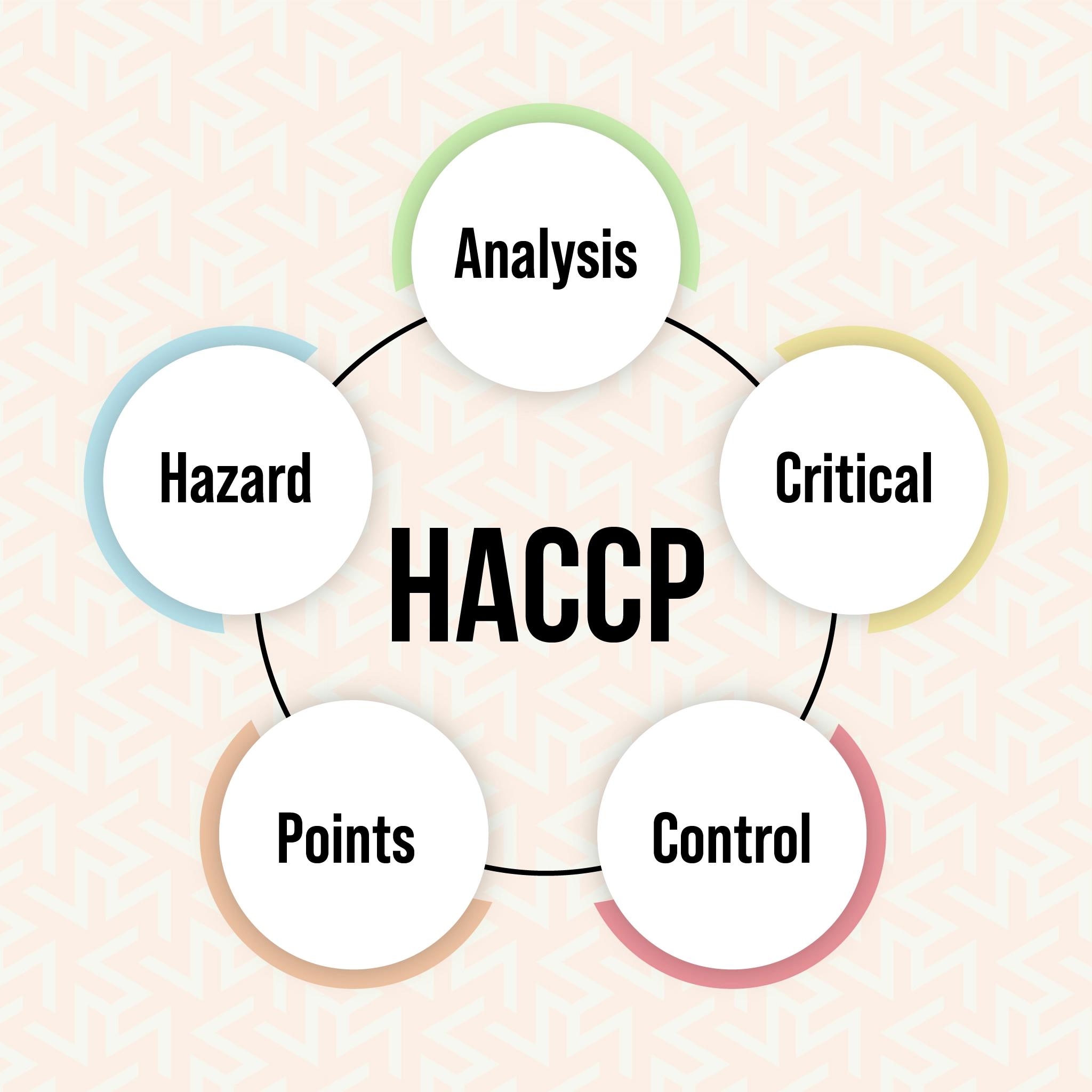
The HACCP System: Process and Principles
The HACCP is a contamination control procedure applied across all stages of the food supply chain to assess and control potential risks. It is the primary risk management process of food safety. The HACCP system provides a systematic preventive approach for food-related contaminants and mishaps.Explaining the Acronym: HACCPHACCP stands for Hazard Analysis Critical Control Point.HazardHazards are possible risks in the form of pollutants or unacceptable material and unsafe practices in the food production system. They can affect the safety, quality, and purity of the food product. Hazards include microbial, physical, chemical, and allergenic contaminants. The entry of pollutants through cross-contamination in food is another hazardous risk to food safety.AnalysisHazards identified in the food preparation process undergo standardised examination. This occurs through a series of regulated steps. Critical points for hazard entry and damage are predictively marked to proactively control them.Critical Control PointAll points in the food production stage where corrective measures are applied are critical control points (CCPs). These are contamination control measures that reduce the risk of food-related complications. CCPs look for �critical dangerous areas� and aim to eliminate them.The HACCP System for Food SafetyThe HACCP system monitors and supervises food quality throughout the food production chain, from food processing to food service. It puts in place preventive controls to eliminate potential adverse risks from the food system.Application of the HACCP system for food safety includes seven important steps, also known as the seven HACCP principles. The principles of the HACCP system identify and eradicate physical, microbiological and chemical pollutants that may have occurred due to cross-contamination or cross-contact contamination.HACCP is more of a preventive approach than a responsive one. It predicts areas of unsafety in the food production cycle and charts out a plan to control them on time. It focuses more on in-process hazard control than finished product analysis. .second-cta-block .main-heading { font-weight: bold; font-size: 22px; } .second-cta-block .book-now { background: #DF3D52; color: #FFFFFF !important; border-radius: 8px; } .second-cta-block .second-heading { font-size: 17px; } .second-cta-block .card { border: 0 !important; } .second-cta-block .card-body { border: 1px solid #909090; box-shadow: rgba(0, 0, 0, 0.16) 0px 1px 4px; border-top-right-radius: 100px; border-bottom-right-radius: 100px; background: #fdf9ee; } .second-cta-block .image-wrapper { height: 330px; position: absolute; right: -60px; top: calc(50% - 210px); /* Center the image vertically */ } .second-cta-block .image-wrapper img { height: 100%; } .second-cta-block .trustpilot-widget { width: 256px; } .cta-heading-section { width: 75%; } @media screen and (max-width:991px) { .second-cta-block { padding-top: 100px; } .second-cta-block .card-body { border: 1px solid #909090; box-shadow: rgba(0, 0, 0, 0.16) 0px 1px 4px; border-radius: 19px; border-radius: 14px; background: #fdf9ee; } .cta-heading-section { width: 100%; padding-top: 50px; } .second-cta-block .image-wrapper { height: 270px; right: 0; position: absolute; left: calc(50% - 90px); top: calc(50% - 315px); } } Get Online Food Safety Courses Food Hygiene And Safety Check the Course Rated Excellent on major review sites The Process of the HACCP SystemThe main steps to implementing the HACCP plan include creating the required sanitation and hygiene programs. This is followed by building a team of competent people responsible for carrying out the HACCP plan. Educating the team about the food product they are dealing with is important. This should include information about the type of food, its ingredients, customer assessment, storage, and distribution conditions. The last and most important step in the HACCP system is implementing the seven HACCP principles.The 7 Principles of the HACCP ProcessPrinciple 1: Perform Hazard AnalysisHazard analysis and identification are conducted for all stages of the food production process. Special attention is given to areas where hazards are most likely found. If not controlled, hazards can cause injury or illness. Performing hazard analysis is the most important step of the HACCP system. It allows necessary preemptive actions to be taken. For hazard listing and assessing control measures, emphasis is placed on the following areas:staff competence in assessing any potential hazardconditions for food transportationfood quality and ingredients for young, elderly and immune-sensitive peoplefood storage conditionshygiene of food handlersequipment maintenance and sanitationSome common examples of analysing hazards include:Microbes are found in stored raw meat due to unsuitable temperature conditions.Peanuts containing food delivered to allergic customers.Principle 2: Establish Critical Control Points (CCPs)Critical Control Points refer to those potentially dangerous areas in the food system that should be promptly addressed and controlled. They are control procedures that reduce contaminants and risks identified during the hazard analysis stage. The hazards are brought to a minimum level until they are eliminated from the food production chain.The CCP Decision TreeThe HACCP team uses a hierarchical decision-making map known as the �Critical Control Point Decision Tree' to identify crucial areas of concern in the food safety process. It consists of a series of questions that lead to an informed decision about whether a particular identified hazard should be managed as a critical control point.Principle 3: Establish Critical Limits (CLs)Critical limits are established in response to the critical control points to regulate and manage the identified hazard. These limits are measurable and assessed to ensure the threat remains within the bounds established by the HACCP team. Limits can be set for variables to which food is exposed, such as temperature, pH, time, and moisture content.Some common examples of setting critical limits include:The critical limit for reheating temperature for food leftovers is 74�C or 165�F in microwaves and on stovetops.The critical limit for fridge storage temperature for food is between 0 �C and 4�C.Principle 4: Monitoring ProceduresThe HACCP team must monitor and supervise the identification of Critical Control Points and the application of subsequent critical limits. Proper monitoring procedures are implemented to ensure the hazard is dealt with effectively.If any deviation from the standard critical limit is recorded, the monitoring staff takes the necessary steps to correct the irregularity. The HACCP principles' monitoring procedures uphold food safety and quality standards.Some common examples of performing monitoring procedures include:Monitoring the reheating temperature for food leftovers based on the set critical limits.Monitoring the fridge storage temperature for food based on the set critical limits.Principle 5: Corrective ActionsIf the critical limits set for the critical control points are not followed, corrective actions are performed to re-standardise the process. Errors are reported at the monitoring stage, and measures are taken to resolve them.Some common examples of performing corrective actions include:Discarding food stored at room temperature for more than two hours.Proper identification of food allergens on non-packaged and packaged food.Principle 6: Verification MethodsThe HACCP system is a scientific plan that can be measured, assessed, and verified. It is important to holistically evaluate the program to determine its reliability and validity. Frequent observations, recording, and monitoring of the HACCP plan can help make necessary changes and improvements.For a thorough verification process, the HACCP team can run a survey among customers and employees. The survey will contain relevant questions about the quality of the end product and areas of concern in the food production chain. This approach will maintain a constructive feedback loop about the effectiveness of the HACCP program.Principle 7: Documentation & Record-KeepingCareful documentation is key for the successful operation of any program. It helps assess progress and continuous improvements made at each plan step. Similarly, the HACCP system's record-keeping is important. This is to confirm that the established standards for food safety and hygiene are met along different stages of the food supply chain.Documentation can be written by a trained team member by hand or digitally in the form of a central database, accessible to all members of the HACCP team. This will confirm transparency and accountability. Record keeping can include subjects ranging from basic hygiene measures to implementing critical limits.Space Food: The Birth of the HACCP SystemHACCP was an outcome of the Cold War when the space race between the US and USSR was at its peak. It was initiated to provide safe and hygienic food to astronauts for space expeditions. National Aeronautics and Space Administration (NASA), the Pillsbury Company, and the U.S. Army Laboratories worked together to find a standardised method of confirming food safety to be sent to outer space missions.The Critical Control Points (CCPs) system was historically related to NASA�s engineering management system. It tested the durability of American weapons and machinery by marking areas of failure and mapping out their control plan. This similar approach was further applied to space-related food safety management. In 1997, it expanded into the HACCP system for food safety management and is still practised today.FAQsWhat does HACCP stand for?HACCP stands for Hazard Analysis Critical Control Point.What is HACCP?The HACCP is a contamination control procedure applied across all stages of the food supply chain to assess and control potential risks. It is the primary risk management process of food safety.How many steps must be followed in a HACCP system?The HACCP process has four steps. The HACCP has seven principles that are included in the HACCP process.What is HACCP in food?HACCP is the primary risk management process for food safety. The HACCP system provides a systematic preventive approach to food-related contaminants and mishaps.What is HACCP designed to control?HACCP is more of a preventive approach than a responsive one. It predicts areas of unsafety in the food production cycle and charts out a plan to control them on time.ConclusionThe Hazard Analysis Critical Control Point (HACCP) is fundamental to food safety management. It was initially developed for food safety in space missions for the United States. However, it has now evolved into a universal standard for identifying and addressing risks associated with global food production. Implementing the HACCP process and principles allows proactive steps to be taken against the identified food-related hazard.
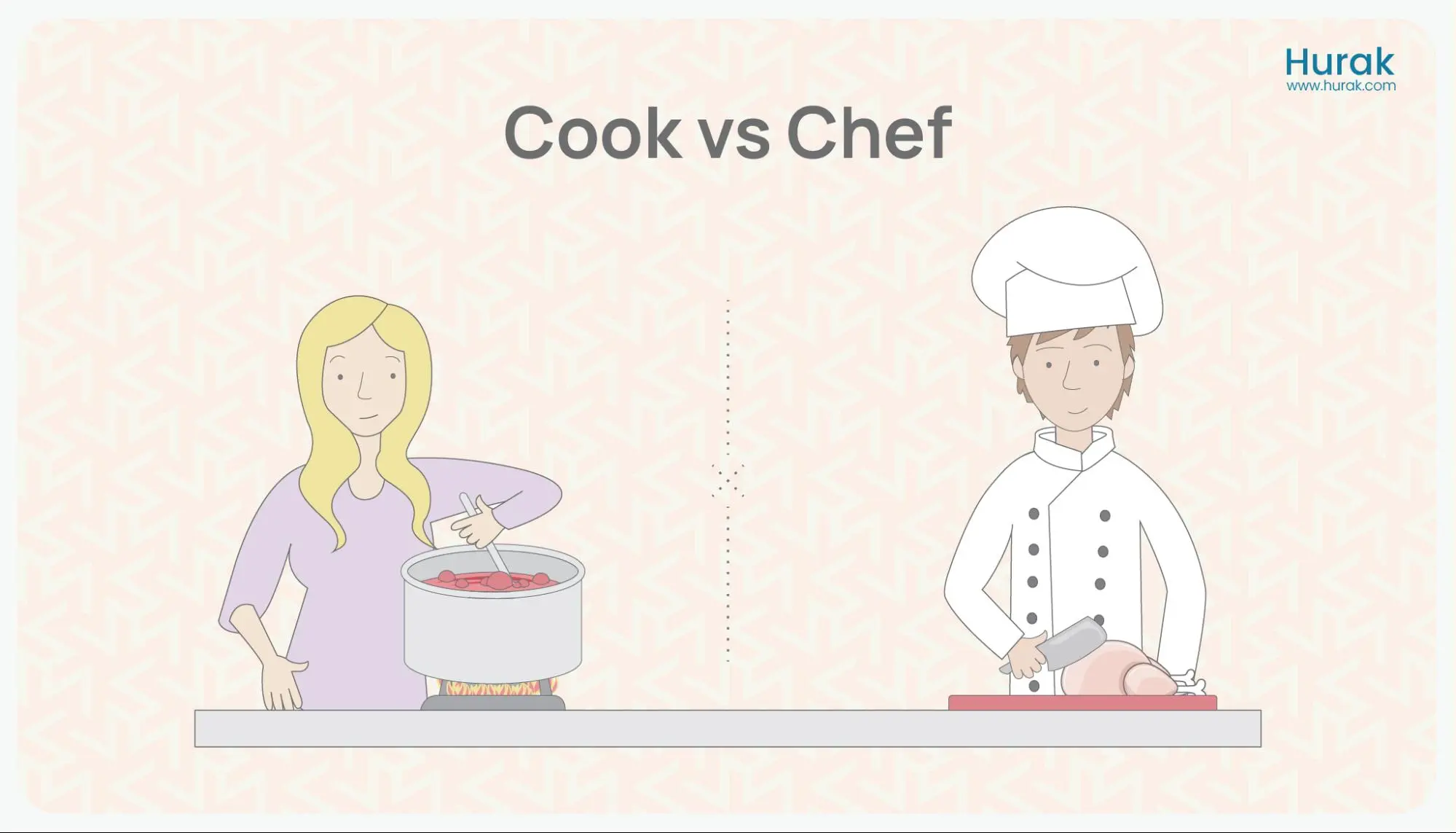
What is the Difference Between a Chef and a Cook
The terms chef and cook are often used interchangeably. However, they have key differences in their job descriptions and responsibilities. A cook prepares and cooks food, whereas a chef is a skilled and trained cook who works in a hotel or restaurant setting.Kitchen Hierarchy of Chefs and CooksKnowledge of the kitchen brigade system is important for better understanding the difference between a chef and a cook.CooksCooks in different roles support the chef's culinary vision within the kitchen structure.Stagiaires: Interns in the kitchen, often in apprenticeships or fresh from culinary school.Kitchen Porters: Assist in upper-level kitchens with basic cooking tasks and some cleaning, varying in training.Junior Cooks/Commis: Work under line cooks to learn specific kitchen sections, with or without culinary training.Line Cooks: Specialize in running specific food preparation stations on the kitchen line.ChefsChefs have more diverse roles in kitchens, from entry-level positions to executive leadership. They oversee tasks important for restaurant operations.Chef de Partie (Station Chefs): Manage specific kitchen stations, creating dishes and recipes under the head or sous chef's guidance.Sous Chef: Deputy to the head chef, supervising daily cooking and kitchen operations, sometimes stepping in for the head chef.Chef de Cuisine: Head chef responsible for kitchen management, menu creation, staff supervision, and restaurant operations.Executive Chef: Top-level chef overseeing kitchen operations, managing costs, multiple locations, and focusing on the business aspects rather than daily cooking.Personal Chefs: Work independently, preparing diverse meals for private clients onsite or for delivery.Chefs hold the highest position in the kitchen hierarchy. They blend culinary expertise with managerial skills for efficient kitchen functioning and high-quality menu execution.The Difference Between a Chef and a CookWhile chefs are a subset of the broader category of cooks, they stand out with their specialised skills and formal training. This distinction also means that chefs are more likely to have experience in high-end culinary establishments, showing the difference between a chef and a cook. The following table summarises the key differences between chefs and cooks, focusing on their approach to recipes, skill levels, training, innovation, adaptation, and typical work environments.Similarities between a Chef and a CookEveryone involved in food preparation, whether cook or chef, must prioritise kitchen cleanliness and food safety, to prevent contamination and food allergen reactions.Both chefs and cooks need to receive comprehensive training in food safety protocols. .second-cta-block .main-heading { font-weight: bold; font-size: 22px; } .second-cta-block .book-now { background: #DF3D52; color: #FFFFFF !important; border-radius: 8px; } .second-cta-block .second-heading { font-size: 17px; } .second-cta-block .card { border: 0 !important; } .second-cta-block .card-body { border: 1px solid #909090; box-shadow: rgba(0, 0, 0, 0.16) 0px 1px 4px; border-top-right-radius: 100px; border-bottom-right-radius: 100px; background: #fdf9ee; } .second-cta-block .image-wrapper { height: 330px; position: absolute; right: -60px; top: calc(50% - 210px); /* Center the image vertically */ } .second-cta-block .image-wrapper img { height: 100%; } .second-cta-block .trustpilot-widget { width: 256px; } .cta-heading-section { width: 75%; } @media screen and (max-width:991px) { .second-cta-block { padding-top: 100px; } .second-cta-block .card-body { border: 1px solid #909090; box-shadow: rgba(0, 0, 0, 0.16) 0px 1px 4px; border-radius: 19px; border-radius: 14px; background: #fdf9ee; } .cta-heading-section { width: 100%; padding-top: 50px; } .second-cta-block .image-wrapper { height: 270px; right: 0; position: absolute; left: calc(50% - 90px); top: calc(50% - 315px); } } Get Online Food Safety Courses Food Hygiene And Safety Check the Course Rated Excellent on major review sites ConclusionThe distinction between chefs and cooks is important to understand despite their interchangeable use of common language. Cooks primarily prepare food following recipes, while chefs with formal training and specialised skills oversee kitchen operations and innovate dishes. Understanding the kitchen hierarchy, from stagiaires to executive chefs, clarifies their respective roles in managing kitchen tasks and food safety. Chefs and cooks contribute significantly to culinary settings by maintaining high standards of cleanliness and following food safety protocols that are important for delivering quality meals.�