
Featured article

How to Renew Your SIA Licence in 2025
You must renew your SIA Licence to keep working in the private security industry in the UK. Before renewing, you need to complete SIA Refresher Training and a First Aid Course.The licence must be renewed every three years, and to meet industry rules, employees must undergo extra training and pass a criminal background check.Can I Still Renew My SIA Security Licence After It Expires?You can renew your SIA security licence online, starting about four months before it expires. However, SIA licences do not renew automatically and must be renewed every three years.Your employer may be able to renew your licence for you. If not, you will need to complete the renewal process yourself.You should apply for renewal as early as possible to avoid delays affecting your workability. You cannot legally work in the security sector without a valid SIA licence.SIA Renewal CostRenewing your SIA licence costs £204, the same as applying for a new licence. This fee is required every three years.No additional training or qualifications are needed for most licence renewals, except for renewing a Door Supervisor Licence, which requires extra training.How to Renew the SIA LicenceRenewing your licence is straightforward. Follow these steps:Step 1If you haven't already, create a personal online account on the SIA website. You will need this account to start the renewal process.Step 2Log in to your account and submit your renewal application. You must provide personal information, such as your addresses from the past five years. After submitting, you�ll receive instructions on the next steps.Step 3Follow the instructions provided and pay the renewal fee.The SIA may request additional documents, which they will notify you about. Once everything is submitted, the renewal process typically takes around 14 days.How to Work in the Security SectorYou must have an SIA licence to work as a Door Supervisor, Security Guard, or CCTV operator in the security sector.You must complete a relevant training course to get an SIA licence. After completing the course, you can apply for your licence and start working in security.Please note: Renewing your CCTV Licence does not require any refresher training. You can renew your licence by paying a fee of �204. The renewal process can be started up to four months before your licence expires.When Do I Need to Renew My SIA Licence?You must renew your SIA licence every three years to continue working in regulated security roles.It�s important to keep track of your licence expiration date and start the renewal process early to avoid any gaps in your ability to work. While the SIA usually sends reminders when your licence is due for renewal, it is your responsibility to renew on time.The renewal process may include updating your details, providing proof of required training or qualifications, and paying the renewal fee. If you don�t renew your licence before it expires, you won�t be allowed to work in a regulated security role until the renewal is complete.SIA Licence TypeRefresher Course RequiredCourse DurationDoor Supervisor LicenceTop-Up Door Supervisor Training2 daysSecurity Guard LicenceTop-Up Security Guard Training1 dayClose Protection LicenceTop-Up Close Protection Training3 daysCCTV Operator LicenceNo refresher course is requiredN/ASIA Top-Up Refresher Training for Door SupervisorsThe SIA Top-Up Refresher Training allows Door Supervisors to renew their expired licences. This updated course covers all the requirements for licence renewal and ensures compliance with the latest SIA standards.The SIA occasionally introduces extra training requirements to ensure licence holders stay updated with important new topics.For example:Door Supervisors: If you hold an SIA Door Supervisor Licence valid for three years, you must complete the Top-Up Door Supervisor Training to renew it.Security Guards: If you've completed the SIA Security Guard course, you must take the Top-Up Security Guard Training to continue working in the private security industry.Additional training is especially required if you have not obtained updated licence-linked qualifications introduced since the summer of 2010. This ensures all licence holders meet current standards. Looking to Book the SIA Licence Renewal Course?To renew your SIA licence, you must complete the required SIA Top-Up Training based on your licence type. Door Supervisors must complete a two-day Top-Up Training for Door Supervisors course, while Security Guard Top-Up is a one-day course. An Emergency First Aid course is compulsory for all licence renewals. Once you pass the required training, your certificate information will be uploaded to the SIA portal, allowing you to apply for your renewal immediately.What's New in the SIA Top-Up Refresher CourseThe course includes important updates, such as:Terror Threat AwarenessVulnerability Awareness, including issues like spikingAdvanced Physical Intervention SkillsThese updates align with current SIA standards, providing the skills to handle modern security challenges and ensuring a smooth licence renewal process.FAQsHow often do I need to renew my SIA licence?You must renew your SIA licence every three years to continue working in regulated security roles in the UK.Can I still renew my SIA licence after it expires?Yes, you can renew your SIA licence online for up to four months before it expires. However, SIA licences do not renew automatically, so you must complete the renewal process on time.What is the cost of renewing an SIA licence?Renewing your SIA licence costs �204, the same amount as applying for a new licence. This fee is required every three years.What additional training is required for renewing a Door Supervisor licence?To renew a Door Supervisor licence, complete the SIA Top-Up Door Supervisor Training. This course is mandatory for all Door Supervisors.How do I renew my SIA licence?To renew your SIA licence, create a personal account on the SIA website, log in, and submit your renewal application. You may need to provide personal information and pay the renewal fee. The process usually takes around 14 days.Can I work in the security sector without an SIA licence?You cannot legally work in the security sector without a valid SIA licence. Working as a Door Supervisor, Security Guard, or CCTV Operator is required in the UK.ConclusionRenewing your SIA licence is important for continuing to work in the UK security industry. Complete any necessary training, such as the Top-Up Training and Emergency First Aid, and submit your renewal application on time. Following the simple renewal process, you can maintain your eligibility and stay compliant with industry standards.

Aliza Hasnain
Trending articles
Workplace Regulations 1992: A Clear Guide to Health, Safety and Welfare Compliance
Understanding the Workplace Regulations 1992 is key for any business committed to health, safety, and compliance. These regulations define what's expected in areas such as workplace design, safety measures, and staff welfare, ensuring that legal standards are met. Yet, many employers and managers struggle to interpret the legal text. This guide simplifies the rules, providing clear and practical explanations to help you stay compliant, protect your workforce, and foster a culture of safety.What Are the Workplace Regulations 1992?The Workplace (Health, Safety and Welfare) Regulations 1992 are a set of legal requirements designed to ensure that working environments across the UK meet basic standards of health, safety, and welfare. Introduced under the Health and Safety at Work 1974 Act, they were developed to bring UK law in line with European Directive 89/654/EEC, which established minimum safety requirements for workplaces.These regulations outline the conditions that every employer must provide, including adequate ventilation, proper lighting, reasonable workplace temperatures, and access to welfare facilities. They apply to almost all types of workplaces, from offices and factories to shops and warehouses, making them one of the most widely relevant pieces of UK health and safety legislation.At their core, the regulations aim to create a safe, comfortable, and supportive work environment for employees, while providing employers with a clear legal framework to follow. They remain a cornerstone of workplace compliance and continue to shape how health and safety are managed across industries today.Who Do the Workplace Regulations 1992 Apply To?The Workplace Regulations 1992 apply to the majority of workplaces in the UK, setting minimum standards that employers must meet to protect their staff. Whether it's an office, warehouse, factory, retail store, or school, most working environments fall under these rules.However, there are some key exceptions. The regulations do not apply to:Construction sites are covered by separate legislation.Workplaces inside means of transport, such as ships or aircraft.Mines, quarries, and other extractive industries have their own safety regulations.Domestic premises where people are employed.For most employers, this means the 1992 regulations are highly relevant and legally binding. Every business owner, manager, and supervisor has a duty to ensure their workplace meets the required health, safety, and welfare standards. For employees, it provides reassurance that their working environment must legally be kept safe, clean, and supportive.Main Requirements of the RegulationsThe Workplace Regulations 1992 outline a series of minimum standards that employers must maintain to keep staff safe, healthy, and supported at work. These requirements cover both the physical conditions of the workplace and the welfare facilities provided.Key areas include:Ventilation, Temperature, and Lighting: Employers must ensure that workplaces have fresh air or mechanical ventilation, maintain a reasonable indoor temperature, and provide adequate lighting that is suitable for the work being carried out.Cleanliness and Space Standards: Workrooms should be kept clean and free from waste, with sufficient floor space, adequate height, and a suitable room layout to allow staff to move and work safely without overcrowding.Safety of Doors, Windows, and Traffic Routes: Entrances, exits, windows, and internal traffic routes must be safe to use. This includes providing clear passageways, ensuring doors and gates open safely, and making windows or skylights easy to open, clean, and maintain.Welfare Facilities: Employers are required to provide essential welfare facilities, including clean toilets, washing facilities, access to drinking water, and suitable rest areas. These facilities must be adequate for the number of employees and kept in good condition.Together, these requirements ensure that workplaces are not only legally compliant but also comfortable and safe for employees to carry out their duties effectively.Why the Workplace Regulations 1992 MatterThe Workplace (Health, Safety and Welfare) Regulations 1992 are more than just a set of rules; they form the foundation of modern workplace standards in the UK. Their importance lies in the way they safeguard employees while giving employers a clear legal framework to follow.For employers, the regulations matter because they:Provide a structured approach to maintaining safe and healthy workplaces.Help prevent accidents, injuries, and illnesses that could disrupt operations.Reduce the risk of enforcement action, financial penalties, and reputational damage.Support a culture of compliance that enhances efficiency and productivity.For employees, these regulations matter because they:Guarantee access to safe, clean, and supportive working conditions.Protect their right to welfare facilities such as toilets, rest areas, and drinking water.Ensure that the workplace environment does not compromise their health or well-being.Reinforce confidence that their employer has a legal duty to safeguard them.In practice, the 1992 regulations help strike a balance between business responsibilities and employee rights. They are designed to create work environments where people can perform effectively without unnecessary risks to their health or safety. By shaping both the physical conditions and the welfare provisions of a workplace, these regulations remain central to building safer, fairer, and more productive organisations across the UK.Employer Duties Under the RegulationsThe Workplace (Health, Safety and Welfare) Regulations 1992 place the primary responsibility for compliance with health, safety, and welfare regulations on employers. Every business, regardless of size, has a legal duty to ensure that its workplace meets the minimum standards for health, safety, and welfare.Key employer duties include:Providing a safe and suitable working environment: Employers must maintain workplaces that are adequately ventilated, well-lit, at a reasonable temperature, and kept clean to protect the health of their employees.Ensuring adequate space and safe access: Workrooms must allow sufficient space for movement, and doors, windows, and traffic routes must be designed and maintained to minimise risks.Maintaining welfare facilities: Employers are required to provide suitable facilities, including toilets, washing areas, drinking water, and rest areas. These must be adequate for the number of staff and kept in good working order.Conducting risk assessments and regular checks: Employers must regularly inspect the workplace to identify hazards and take steps to eliminate or mitigate them. Maintenance routines should be scheduled to ensure continued compliance.Training and informing employees: Staff should be made aware of workplace safety standards and trained on how to use facilities and equipment safely. Clear policies and guidance help ensure compliance at all levels of the organisation.Failing to meet these duties can lead to enforcement action by the Health and Safety Executive (HSE) or local authorities, including fines or prosecution. Beyond legal requirements, fulfilling these duties helps employers protect their workforce, maintain productivity, and build a positive safety culture within the organisation.Employee Rights and ExpectationsWhile employers carry the primary responsibility under the Workplace (Health, Safety and Welfare) Regulations 1992, employees also benefit from clear rights and are expected to play a role in maintaining safe working conditions.Employee rights under the regulations include:Working in an environment that is clean, well-ventilated, adequately lit, and maintained at a reasonable temperature.Access to welfare facilities such as toilets, washing areas, drinking water, and suitable rest spaces.Safe access to and from their workplace, with doors, windows, and traffic routes designed to minimise risks.The right to raise concerns if workplace conditions do not meet the required standards, without fear of unfair treatment.Employee expectations include:Following workplace safety rules and policies put in place by their employer.Using equipment, facilities, and protective measures responsibly.Reporting hazards, defects, or unsafe practices to supervisors or managers.Cooperating with employer-led training and instructions to ensure compliance with the regulations.By outlining both rights and expectations, the regulations aim to create a balanced approach where employers provide safe and supportive conditions, and employees contribute to maintaining them. This shared responsibility helps build safer, healthier, and more productive workplaces.Consequences of Non-ComplianceFailing to meet the standards set out in the Workplace (Health, Safety and Welfare) Regulations 1992 can have serious implications for employers. Non-compliance is not just a minor oversight; it is a legal offence that can lead to enforcement action by the Health and Safety Executive (HSE) or local authorities.Enforcement notices: Inspectors may issue Improvement or Prohibition Notices requiring employers to correct unsafe conditions or stop dangerous activities immediately.Financial penalties: Businesses found to be in breach of the regulations may face unlimited fines, depending on the severity of the offence.Prosecution: In severe cases, employers can be prosecuted in court, with potential custodial sentences for individuals held personally responsible.Reputational damage: Beyond legal sanctions, failing to meet basic health and safety standards can harm a company's reputation, affecting employee trust and client relationships.Increased costs: Workplace accidents or poor welfare standards can lead to higher staff turnover, sickness absence, and compensation claims.By complying with the 1992 regulations, employers not only avoid these consequences but also create a safer and healthier workplace that benefits both staff and business performance.How to Stay CompliantMeeting the requirements of the Workplace (Health, Safety and Welfare) Regulations 1992 is not only a legal duty but also an investment in the well-being and productivity of your workforce. Employers can take practical steps to make sure their workplace consistently meets the standards set out in the regulations.For employers, staying compliant with the Workplace Regulations 1992 means protecting both people and business operations. Compliance involves more than meeting minimum requirements; it's about creating a workplace where staff feel safe and supported. Risk assessments, proper maintenance, and welfare provisions are essential, but so is training employees to understand and follow safety policies. A compliant workplace reduces accidents, improves staff morale, and avoids costly penalties, making compliance a smart business strategy as well as a legal obligation.FAQsWhat are the Workplace (Health, Safety and Welfare) Regulations 1992?The Workplace Regulations 1992 are a set of UK laws that define minimum standards for health, safety, and welfare in most workplaces. They cover essentials such as ventilation, lighting, cleanliness, workspace, and welfare facilities.Who do the Workplace Regulations 1992 apply to?They apply to the majority of UK workplaces, including offices, shops, factories, and schools. Exceptions include construction sites, mines, quarries, domestic premises, and means of transport, which are governed by separate legislation.What are the main requirements of the Workplace Regulations 1992?The regulations require employers to maintain safe and clean workplaces with adequate ventilation, reasonable temperatures, sufficient lighting, safe traffic routes, and proper welfare facilities such as toilets, washing areas, and drinking water.What are employers' duties under the Workplace Regulations 1992?Employers must ensure the workplace is safe, clean, and properly maintained, carry out regular risk assessments, provide adequate welfare facilities, and train staff on health and safety practices. Failure to do so can lead to fines or legal action.What rights do employees have under the Workplace Regulations 1992?Employees have the right to work in clean, safe, and supportive conditions, access welfare facilities, and raise concerns about unsafe practices without fear of retaliation. They are also expected to follow safety policies and report hazards.What happens if an employer does not comply with the Workplace Regulations 1992?Non-compliance can result in enforcement notices, unlimited fines, prosecution, business disruption, reputational damage, and increased costs due to accidents or staff absence.How can employers stay compliant with the Workplace Regulations 1992?Employers can stay compliant by conducting regular risk assessments, maintaining safe working conditions, ensuring welfare facilities are available, training staff, and keeping up to date with health and safety standards through accredited training.ConclusionThe Workplace (Health, Safety and Welfare) Regulations 1992 remain a cornerstone of UK health and safety law, shaping the conditions in which millions of employees work every day. By setting minimum standards for ventilation, lighting, welfare facilities, and overall workplace safety, the regulations ensure that employees are protected while giving employers a clear framework to follow.For businesses, compliance is not just about avoiding fines or legal action; it is also about maintaining a strong reputation. It's about creating a safe and supportive environment where employees can perform at their best. For staff, it reinforces the right to work in conditions that promote health, well-being, and dignity.In essence, these regulations strike a balance between legal responsibility and human need. Employers who prioritise compliance not only safeguard their workforce but also benefit from improved morale, higher productivity, and a stronger reputation. Investing in health and safety training and conducting regular workplace assessments are among the most effective ways to maintain compliance and foster a positive work environment.Stay Compliant with Workplace Regulations Learn with HurakThe Workplace (Health, Safety and Welfare) Regulations 1992 set clear standards for employers and employees. Training is the most effective way to meet compliance, protect your workforce, and create a safer environment.Explore Hurak's Range of Health & Safety Courses:Core Health & Safety Compliance CoursesThese are directly tied to the regulations and employer/employee duties:Level 2 Health and Safety in the WorkplaceLevel 3 Health and Safety in the WorkplaceNEBOSH Certificate in Fire SafetyWorkplace Welfare & Safety Support CoursesGood fits for sections like welfare facilities, cleanliness, and safe environments:Manual Handling TrainingIOSH Working Safely CourseFirst Aid at Work TrainingSpecialised Workplace Safety CoursesThese reinforce areas linked to employer duties and compliance under workplace regs:Asbestos Awareness TrainingWorking at Height TrainingIOSH Managing Safely CourseIOSH Working Safely CourseExplore Huraks Health and Safety Courses to keep your business compliant and your employees protected.


What Is NVQ Level 6 Equivalent To? NVQ vs Degree Explained Simply
When looking through career development opportunities, you might have come across the NVQ Level 6 qualification and questioned what it's equivalent to. The short answer is: it's equivalent to a bachelor's degree.However, while they sit at the same level on the UK's qualifications framework, an NVQ Level 6 and a university degree are not the same. One is vocational, and the other is academic. Knowing the distinction can help you make the right choice to achieve your goals.Let's break down what NVQ Level 6 really means, how it compares to a degree or diploma, and why it might be the ideal choice if you're already working in industries like construction or site management.What Does NVQ Mean?NVQ stands for National Vocational Qualification. It's a type of qualification that recognises your ability to do a job competently, based on real, practical experience. Unlike traditional academic qualifications, NVQs are not assessed through exams and essays, but through observation, portfolio evidence, and on-the-job performance.This makes NVQs ideal for adults already in work who want to gain formal recognition of their skills. An NVQ can be done in the course of your employment, and this is ideal in case you have to upskill yourself without leaving the job.What Level Is NVQ 6 Equivalent To?In terms of qualification levels, NVQ Level 6 sits at Level 6 on the Regulated Qualifications Framework (RQF). This is equivalent to a bachelor's degree.However, an NVQ Level 6 diploma is vocational; it is concerned with how well you can complete your tasks in a particular job role, rather than with academic theory. So while it carries the same level of weight, it's delivered and assessed in a very different way.For example, someone working in construction site management may complete an NVQ Level 6 to demonstrate that they meet the national standard for the role, without needing to go back to university.NVQ Level 6 vs Degree: What's the Difference?Although both qualifications are at the same level, the experience required to earn them is very different.A bachelor's degree is an academic qualification typically earned over three years at university. It consists of lectures, exams, essays, and learning theory. In order to enrol, you typically require previous academic qualifications, e.g. A-Levels.In contrast, an NVQ Level 6 diploma in construction management (or a similar field) is assessed entirely through practical, work-based learning. There are no formal entry requirements, and no exams are required. You demonstrate your knowledge and skills through a portfolio, site assessments, and discussions with your assessor, all while continuing in your current job.This makes NVQ Level 6 an ideal choice for experienced professionals who prefer learning through hands-on experience and want a qualification that directly reflects their expertise.Is An NVQ Level 6 Higher Than a Diploma?Yes, it is.Many individuals ask how NVQ Level 6 compares with other qualifications, such as the Diploma of Higher Education (DipHE) or the Higher National Diploma (HND). Both DipHE and HND are Level 5 qualifications, which are generally equivalent to the first two years of a degree.An NVQ Level 6 is one step above these, making it equivalent to the final level of a full degree. Here's how these qualifications compare:HND / DipHE Level 5 (equivalent to Year 2 of a degree)NVQ Level 6 Level 6 (equivalent to a full bachelor's degree)So, if you're wondering, "What is a diploma?", you should know that diplomas are highly valued qualifications, but they are not as high as NVQ 6 or an undergraduate degree.Who Is An NVQ Level 6 Best Suited For?An NVQ Level 6 is designed for professionals who already have experience in their field, particularly in industries like construction, civil engineering, and health and safety.It's beneficial for those aiming to:Gain formal recognition for their on-site experienceProgress into senior management rolesQualify for the Black CSCS CardAvoid traditional academic study or university routes.This qualification suits individuals who learn best through on-the-job training and want to demonstrate their proficiency in meeting national occupational standards without attending a classroom setting.If you're leading teams, managing site operations, or already working in construction supervision, your next step may be an NVQ Level 6 in Construction Site Management.ConclusionTo sum it up, NVQ Level 6 is equivalent to a bachelor's degree, but it is designed to suit individuals who are already working and gaining practical experience. It is a respected qualification throughout the UK, and it is particularly helpful in the construction, health and safety and project management sectors.If you want to move up in your career, qualify for the Black CSCS Card, or simply formalise the work you already do, an NVQ Level 6 diploma could be the perfect fit.And with Hurak, you can get qualified without leaving your job.FAQIs NVQ Level 6 the same as a degree?Not exactly. NVQ Level 6 is equivalent in level to a bachelor's degree (Level 6 on the RQF), but it's a vocational qualification. This means it's focused on practical, work-based skills rather than academic theory.NVQ Level 6 in Construction Site Management qualifies you to work in senior positions, like Site Manager, Contracts Manager or Project Supervisor. It also qualifies you for the Black CSCS Card, which is normally required for management jobs on UK construction sites.How long does it take to complete NVQ Level 6?The NVQ Level 6 diploma typically takes 6 to 18 months to complete, depending on the learner's experience, availability, and the speed at which they can build their portfolio. As it is work-based, it can fit around your existing job.Can I do NVQ Level 6 online or remotely?Yes. Many training providers, including Hurak, offer remote or flexible NVQ Level 6 options. You will be able to work with an assessor online and complete your portfolio, depending on your current job position; no need to attend a classroom or take exams.What is the difference between a diploma and an NVQ?A diploma can refer to many types of academic or vocational courses. An NVQ (National Vocational Qualification) is based explicitly on practical, workplace-based assessment. Although some NVQs are called diplomas (e.g., the NVQ Level 6 Diploma), they are not assessed by exams or lectures but by practical work.Do I need qualifications to start NVQ Level 6?No formal academic qualifications are required. However, you typically have extensive experience in your role, such as a site supervisor or manager, to meet the NVQ Level 6 assessment criteria.

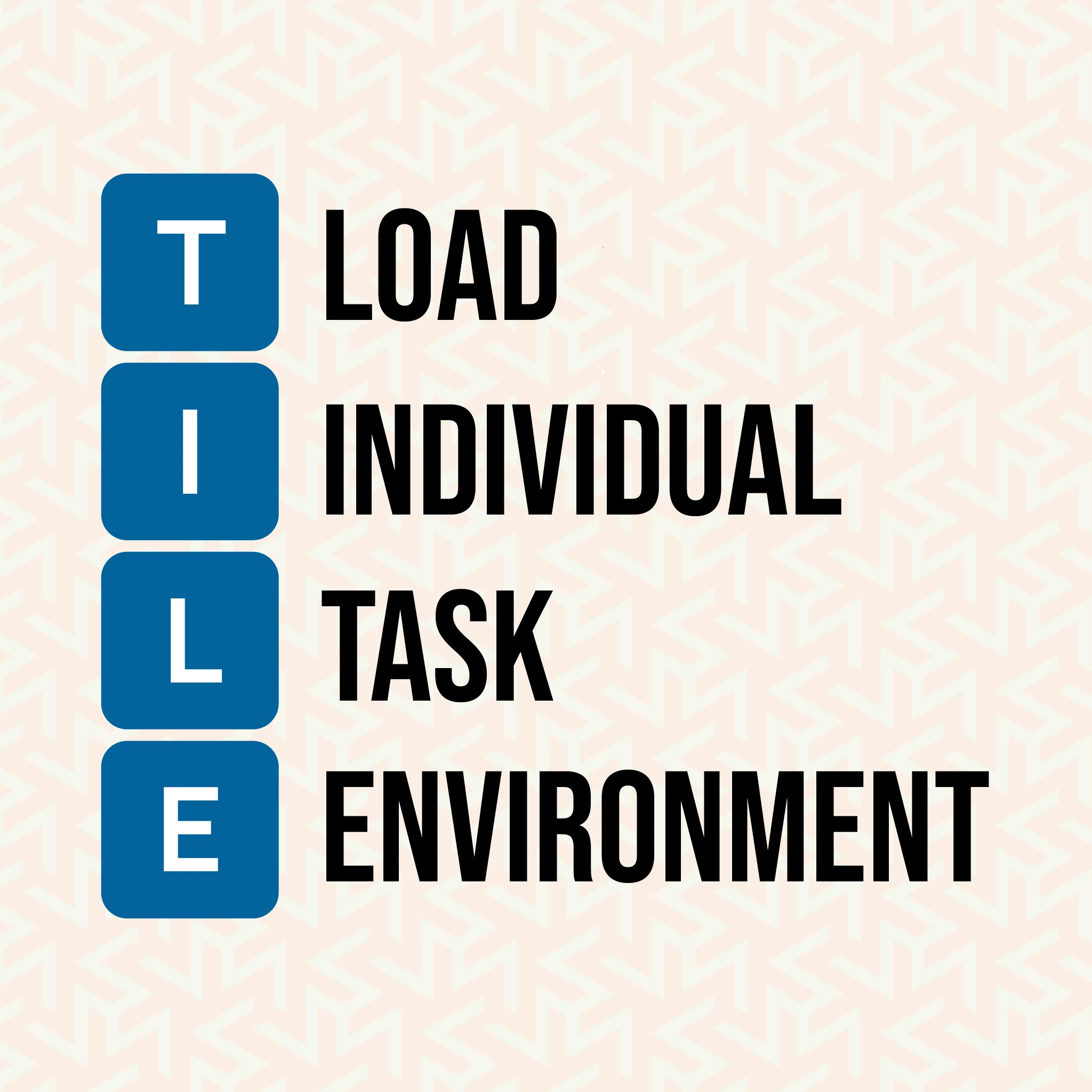
What Does TILE Stand For in Manual Handling? A Complete Guide to the TILE Framework
Manual handling is part of every workplace, whether it’s lifting boxes in a warehouse, moving patients in healthcare, or carrying equipment on a construction site. That’s where the TILE framework comes in. TILE stands for Task, Individual, Load, and Environment, a simple but practical method for assessing and minimising manual handling risks. Following this framework helps workers carry out tasks safely while staying compliant with UK Health and Safety Executive (HSE) guidelines.Understand what TILE stands for, how to use it effectively, and how it supports risk assessments. Also learn TILEO, a valid variation of the framework, and show how training can help you apply it in real workplace situations.Explore how this framework can make manual handling safer and more efficient.What is TILE in Manual Handling?TILE is a manual handling assessment framework that helps you evaluate risks before performing any lifting or moving task. It stands for:T: TaskI: IndividualL: LoadE: EnvironmentThis framework is consistent with the HSE's Manual Handling Operations Regulations 1992, which state that employers are responsible for assessing and controlling the risks associated with manual handling activities. If workers consider every aspect of TILE before picking up a box, they can help reduce injuries and improve safety.What Does TILE Stand For? (TILE Acronym Explained)Manual handling is one of the most common causes of workplace injuries, often resulting from incorrect lifting techniques or poorly assessed tasks. To minimise risks and protect employees, the TILE framework is widely used in health and safety training. TILE stands for Task, Individual, Load, and Environment, and provides a structured way to evaluate manual handling techniques before they are implemented. By applying TILE, workers can identify hazards early, reduce strain, and choose the safest approach to completing the job.T: TaskBefore moving any load, examine the task itself. Identify what the activity requires and whether it introduces unnecessary strain.Consider:Repetition: Will the task be repeated multiple times?Posture: Does it require bending, reaching, or twisting?Distance & frequency: How often and how far must the load be transported?Real scenario: Warehouse staff who frequently rotate their torsos while lifting parcels are at high risk of disc injuries; reviewing the task setup might justify using trolleys or repositioning stock.I: IndividualBefore starting any manual handling activity, consider the person performing the task. Different individuals have different levels of strength, experience, and physical ability.Consider:Capability: Is the worker physically able to handle the task?Training: Have they received proper manual handling training?Health conditions: Do they have any injuries, fatigue, or medical concerns that may increase risk?Real scenario: A new employee with no manual handling training attempts to lift heavy boxes alone and strains their back. Assigning tasks based on ability and ensuring proper training can significantly reduce the risk of injury.L: LoadA term that refers to more than the weight of any object, such as:Weight: Can one person lift it or not? Size and shape: Can the object be held securely and comfortably?Stability: Is it balanced, or will it move around when you pick it up?Texture: Is it slippery, sharp-edged, or awkward to hold?Real-world scenario: A box that seems light but contains several loose items may shift suddenly when lifted, causing the handler to lose balance and become injured. Checking the load first ensures that assistance/lifting equipment will be neededE: EnvironmentThe Environment refers to the space and surroundings in which manual handling occurs. A safe load can still be dangerous if the environment is unsafe.Consider:Floor conditions: Are surfaces uneven, wet, or slippery?Lighting: Is visibility clear enough to move safely?Space: Is there enough room to lift and manoeuvre the load?Obstacles & distractions: Are walkways clear and noise levels manageable? Real scenario: Moving a heavy trolley through a cluttered and dimly lit corridor increases the chance of slips, trips, and collisions. Clearing pathways and improving lighting before handling prevents avoidable accidents.Understanding the TILE Framework (Task, Individual, Load, Environment)The TILE framework is a structured method for assessing manual handling risks. It helps identify hazards before work begins and ensures each element of the task has been reviewed. Why it mattersPrevents injuries: Reduces the risk of back strain and musculoskeletal disorders.Ensures compliance: Meets HSE manual handling legal requirements.Improves productivity: Workers can handle loads with greater confidence and efficiency.Pro Tip: The TILE framework works best when it’s reviewed regularly and applied to every new task, not just heavy lifting.What Is TILEO? (Extra ‘O’ Explained)You may also come across the extended version: TILEO. Here, the “O” stands for Other factors, any additional risks not covered by the main four categories.“O”: Other FactorsEquipment condition (e.g., broken trolleys or faulty straps)Team coordination when lifting togetherTime pressure or tight deadlinesAvailability and proper use of PPEComparison Table:FrameworkStands ForFocus TILETask, Individual, Load, EnvironmentCore manual handling assessment TILEOTask, Individual, Load, Environment, Other factorsAdds wider situational awarenessHow To Apply the TILE in Manual Handling Step-by-StepTo use TILE successfully, every employee on the job can follow a procedure to perform this workload safely and effectively.Step 1: Understand the TaskIdentify your task: you have to lift, push or carry and how often you have to do it. Avoid any awkward movements or long carrying distances.Step 2: Evaluate the IndividualEnsure that the employee is physically capable of performing their task, adequately trained, and able to do so without undue fatigue. If necessary, rotate tasks among employees.Step 3: Assessment of the LoadExamine its load, stability and size. Test its weight before fully lifting.Step 4: Inspect the EnvironmentLook for obstructions, slippery floors, or inadequate lighting. Adjust the layout if you need to change your work area.Step 5: Review and RecordWhen you complete your assessment of each individual's ability to perform manual handling tasks, document your findings within your manual handling risk assessment. Creating documentation for this purpose helps with demonstrating compliance and will be helpful for future training. Encourage your supervisor to involve workers in the TILE process to help develop safety awareness across the team.TILE and Risk Assessment: Why It Matters for Workplace SafetyTiles play a vital role in assessing workplace risk by providing a comprehensive overview of the factors that could compromise manual handling safety. Rather than being a simple checklist, it provides an organised method for recognising hazards and eliminating injury risks.If organisations utilise TILE as part of their risk assessment process, they are better placed to meet the expectations of HSE legislation and promote a proactive safety image. Identifying hazards before undertaking work creates a safer working environment and enhances decision-making procedures.Using TILE appropriately can help prevent the most common types of manual handling injuries, including back pain, muscle tears, and injuries to the shoulders and knees.Example: A worker who lifts a heavy box without assessing the Load and Environment may twist their back. Using TILE, they’d recognise the uneven floor and ask for help preventing injury.TILE vs LITE: What’s the Difference?Another variation you may encounter in manual handling is LITE, which stands for Load, Individual, Task, and Environment. While both frameworks share the same core components, the order of assessment changes slightly, and that difference can influence how you approach risk evaluation.Both TILE and LITE aim to help workers think systematically before performing any lifting, pushing, or pulling. However, understanding their distinctions can help you choose the method that best fits your workplace routine.TILE (Task, Individual, Load, Environment)The TILE approach begins by assessing the Task first. This method is often used when the nature of the job or process is complex, for example, when multiple manual handling activities are involved or when a sequence of movements must be considered.By focusing on the task, you identify potential risks early, such as repetitive actions, awkward postures, or long carrying distances. It’s particularly effective in industries like construction, logistics, and manufacturing, where tasks can vary widely.LITE (Load, Individual, Task, Environment)In contrast, the LITE method starts with loading the object or item being handled. This approach is practical when the object itself poses the primary risk, such as when its size, weight, or shape makes it difficult to move safely. By examining the load first, workers quickly determine whether mechanical aids, team lifts, or weight checks are needed before proceeding.Key DifferenceFrameworkFull FormStarting FocusBest Used For TILETask, Individual, Load, EnvironmentStarts with assessing the taskWhen work involves multiple or complex handling steps LITELoad, Individual, Task, EnvironmentBegins with assessing the loadWhen the object’s weight or design poses the main challengeWhich One Should You Use?There’s no strict rule on which framework is better; both support safe, compliant manual handling.Many workplaces choose TILE because it encourages a broader view of the operation as a whole, helping to identify both human and environmental factors. However, LITE can be more intuitive for quick assessments, especially when dealing with varied or unpredictable loads.Practical Examples of TILE in the WorkplaceWarehouse and Logistics: Employees evaluate the task (lifting boxes), load (weights and stability), and environment (clear aisles) using TILE to reduce the risk of back injuries and dropped loads.Healthcare: Before moving a patient, workers evaluate the individual's (ability to assist), load (weight of patient), and environment (height of bed/space available). TILE makes it safer for patients and healthcare staff.Construction: When handling materials on uneven surfaces, it is safer for workers to apply TILE to determine the type of task being performed, the surface's stability, and the prevailing weather conditions.Office Settings: In a low-risk environment, TILE assists workers in correctly positioning themselves, ensuring that walkways and access points are not blocked when moving furniture or printers, and performing tasks such as bending.Common Mistakes to Avoid When Using TILEUsing unrealistic expectations based on individuals’ capabilities.Fitting more people into the schedule.Not considering the effect of outside elements, such as poor lighting, on worker safety.Thinking that TILE is only for lifting heavy objects.Failing to review TILE regularly as jobs change.By eliminating these mistakes, you are developing a safer, more uniform culture of manual handling.TILE Do’s and Don’tsTo reinforce correct application and make these points easier to remember, the infographic below highlights the key dos and don’ts of using the TILE framework in everyday workplace scenarios.How Manual Handling Training Reinforces the TILE FrameworkThe development of knowledge on how to assess risk using the TILE framework and apply it in the workplace is a key benefit of Manual Handling Training. Through training programmes such as the health and safety training, employees gain hands-on experience in safe lifting and moving techniques and learn to conduct a TILE-based risk assessment and understand their legal obligations with respect to health and safety.Training also instils confidence in workers, enabling them to identify hazards at an early stage, select the most appropriate lifting method, and recognise when mechanical assistive devices or further assistance will be necessary. Training increases workers' knowledge and enhances their decision-making abilities, leading to the TILE principle's transition from a theoretical concept to consistent application in their day-to-day work environment.To build confidence in using the TILE framework and meet workplace legal requirements, enrolling in an accredited training course can provide the practical skills needed for safer lifting.ConclusionTo summarise, TILE Task, Individual, Load, Environment is a simple yet effective framework for safe manual handling. It helps workers assess risks, improve efficiency, and stay compliant with safety regulations.By applying TILE consistently and pairing it with proper training, workplaces can significantly reduce the incidence of manual handling injuries.FAQs about the TILE FrameworkWhat does TILE stand for in manual handling?TILE stands for Task, Individual, Load, and Environment, a framework for assessing manual handling risks.What’s the difference between TILE and TILEO?TILEO adds an extra “O” for Other factors, such as equipment, teamwork, or time pressure.Is TILE required by law?While not legally required by name, TILE supports compliance with HSE’s Manual Handling Operations Regulations 1992.How often should TILE risk assessments be reviewed?Regularly, especially when new tasks, staff, or conditions are introduced.Can TILE be applied to tasks outside manual handling?Yes, TILE principles can improve ergonomics and reduce risks in other physical or repetitive tasks


Dissociative Disorders: Symptoms, Types Effective Treatments
Dissociative disorders are complex mental health conditions that affect how a person experiences their memory, identity, consciousness, and sense of reality. These disorders often develop as a way for the mind to cope with overwhelming trauma or stress, helping a person "disconnect" from painful emotions or memories.The symptoms can vary, ranging from memory gaps or feeling detached from oneself to experiencing multiple identities. It's essential to understand the different types of dissociative disorders, recognise the signs, and be aware of the treatment options available. Taking these steps can help manage the condition and support overall mental well-being.What Is Dissociative Disorder?Dissociative disorders are mental health conditions in which a person experiences a disconnection or disruption in their thoughts, memories, identity, or sense of reality. This detachment often serves as a coping mechanism in response to trauma or extreme stress, allowing individuals to disconnect from painful memories or emotions. People with dissociative disorders may feel detached from their own thoughts, bodies, or surroundings, which can make it difficult to function in daily life. While the exact cause of dissociative disorders is not fully understood, they are commonly associated with severe trauma, such as childhood abuse, neglect, or witnessing or experiencing life-threatening events. This disconnection helps the mind protect itself from overwhelming emotions or memories. In the UK, dissociative disorders affect a significant number of people. Research suggests that approximately 1 in 10 individuals will experience some form of dissociation at some point in their lives. Dissociative Identity Disorder (DID), which is often underdiagnosed, affects an estimated 0.5% of the population. Dissociative Amnesia, a common form of the disorder, is particularly linked to trauma, with studies indicating that around 10% of individuals who experience severe trauma may develop memory-related dissociative symptoms. These statistics shed light on how common and impactful dissociative disorders can be, yet many individuals may not understand what they are going through. With the right treatment, such as therapy and coping strategies, people can manage dissociative disorders and work towards improving their mental well-beingTypes Of Dissociative DisorderDissociative disorders involve disruptions in memory, identity, or perception. Key types include:Dissociative Identity Disorder (DID)Formerly called multiple personality disorder, DID involves two or more distinct identities within one person, each with its own memories and behaviours. Memory gaps and feelings of detachment from actions are common.Dissociative AmnesiaCharacterised by an inability to recall important personal information after trauma or extreme stress. A subtype, dissociative fugue, involves travelling or wandering with no memory of the journey.Depersonalization/Derealization DisorderCauses persistent feelings of detachment from oneself (depersonalization) or the surroundings (derealization), though memory usually remains intact.Other/Unspecified Dissociative Disorders (OSDD)Includes dissociative symptoms that don't fit the above types, such as brief amnesia, identity confusion, or stress-triggered dissociation.Symptoms Of Dissociative DisorderDissociative disorders can deeply impact a person's sense of self and their connection to the world around them. The symptoms vary, but they commonly include:Memory gaps or amnesia Forgetting crucial personal details or losing track of time, often linked to past trauma.Identity confusion or fragmentation Feeling uncertain about who you are, or experiencing multiple distinct identities.Depersonalization or derealization Feeling detached from your body or emotions, or perceiving the world as distorted or unreal.Emotional detachment Struggling to connect with your own feelings or those of others, leaving you feeling disconnected.Disruptions in consciousness Frequently zoning out, entering trance-like states, or experiencing altered perceptions of time.Vivid or unsettling dreams Stress or trauma-related dreams that may reflect emotional tension during sleep.Behavioural and psychological changes Sudden shifts in personality, heightened anxiety, depression, or difficulty managing stress.Physical symptoms Headaches, dizziness, nausea, fatigue, or sleep disturbances during dissociative episodes.If any of these symptoms resonate with you, understanding them is an important step in recognising how your mind processes emotional stressWhat Does Dissociation Feel Like?For many with dissociative disorders, theres a constant sense of being disconnected from themselves and the world around them. Dissociation can feel like:Floating outside your body, watching life happen without truly participating.Losing track of time or feeling as though it's slipping away.Feeling emotionally distant, like you're watching events unfold without being fully present.These episodes are often triggered by stress, trauma, or overwhelming emotions, making everyday life feel confusing and disorienting.Unfortunately, individuals with dissociative disorders often face stigma and misunderstanding, which can make it even harder to navigate their experiences. Labels and negative perceptions can profoundly affect ones mental health and self-worth, making it even more challenging to seek understanding and support.How to Manage Dissociation: Coping Strategies for Reducing EpisodesIf you're looking for ways to stop dissociating, there are practical strategies that can help manage and reduce these episodes effectively. These techniques can bring you back to the present moment, helping you regain control and stability when you need it most:Grounding: This technique helps you reconnect with the world around you. You can try noticing your surroundings by focusing on specific details, such as a tree, the feel of a textured object in your hand, or the sounds around you. Grounding exercises help reduce the sense of detachment and anchor you to the present.Mindful Breathing: Taking slow, deep breaths can have a profound calming effect on your body and mind. By focusing on your breath and being aware of the rhythm, you can reduce anxiety and promote relaxation, which may help prevent or shorten dissociative episodes.Daily Routine: Establishing a consistent daily routine can offer structure and predictability, which can reduce the uncertainty and stress that often trigger dissociative episodes. Knowing what to expect from your day can help create a sense of security and normalcy.Self-Soothing: Finding activities that bring comfort to your mind and body is essential. This can include journaling to process your thoughts, engaging in gentle exercise like yoga or stretching, or listening to music that relaxes you. These actions can help calm your emotions and ease the overwhelming feelings that often accompany dissociation.By incorporating these strategies into your life, you can gradually reduce the frequency and intensity of dissociative episodes, helping you feel more grounded and connected.ConclusionDissociative disorders can profoundly impact how a person experiences themselves and the world around them, but recovery is possible with the proper understanding and support. Recognising symptoms early and seeking professional help for dissociative disorders can make a significant difference in improving emotional stability and daily functioningWith consistent therapy, grounding techniques, and a supportive environment, individuals can gradually reconnect with their sense of identity and a more realistic understanding of their surroundings. Remember, dissociation is a response to overwhelming experiences, not a permanent state, and healing begins with awareness, compassion, and the courage to seek help.FAQsWhat triggers dissociation?Stressful or traumatic experiences, such as abuse, accidents, or emotional distress, often trigger dissociation. It can also occur during overwhelming situations where the mind tries to protect itself from pain or fear.Can dissociation be cured?While theres no single cure, dissociation can be effectively managed with therapy, grounding techniques, and self-care. Over time, many people experience fewer episodes and a stronger sense of control through consistent treatment.How can I assist someone who experiences dissociation?If someone is dissociating, stay calm and help them ground themselves by speaking gently, encouraging deep breaths, or asking them to focus on their surroundings. Avoid sudden movements or questions about their memories until they feel safe and present.Are dissociative disorders the same as schizophrenia?No. Dissociative disorders and schizophrenia are different conditions. Dissociation involves disconnection from reality or identity, while schizophrenia includes delusions, hallucinations, and disorganised thinking.When should I seek professional help?You should seek help if dissociation interferes with daily life, causes distress, or is linked to past trauma. A qualified mental health professional can diagnose the disorder and create a treatment plan tailored to your needs.

What is SSSTS? All you need to know about the Site Supervisor Safety Training Scheme
If you're planning to step into a supervisory role on a construction site, understanding the SSSTS qualification is essential. The Site Supervisor Safety Training Scheme isn't just another certificate; it's your legal proof of competence in managing site safety. Recognised across the construction industry, this CITB-accredited training ensures that site supervisors understand their responsibilities in maintaining a safe working environment.��What is the SSSTS qualification, and why does it matter? If you're searching for SSSTS course details, training insights, or certificate validity, this guide covers it all. Whether you're stepping into a supervisory role or renewing your credentials, understanding SSSTS is essential in today�s construction sector.What Is the SSSTS Qualification?The Site Supervisor Safety Training Scheme (SSSTS) is a CITB-approved course designed for those currently working or planning to work as site supervisors in the construction industry. It provides the legal knowledge and practical skills required to effectively manage health and safety on-site. The course covers key responsibilities, including understanding legal duties under health and safety law, conducting risk assessments, preparing method statements, delivering toolbox talks and inductions, and supervising site activities to identify and address unsafe practices.The SSSTS qualification is widely recognised across the construction sector and is often mandatory for supervisory roles on CITB-regulated sites. Earning this qualification demonstrates a strong commitment to health and safety and positions you as a competent and responsible site leader.Requirements and Who Should Apply for SSSTS�The SSSTS course is designed for individuals who currently hold or aspire to a supervisory position in the construction industry. It provides essential knowledge about health and safety, legal responsibilities, and team management skills. This makes it an important step for career advancement on-siteWho Can Take the SSSTS Course?A first-time supervisor, team leader, foreperson, or subcontractor lead.Looking to move into a site supervisory role.In need of a CITB-recognised qualification to meet job or site requirements.Entry Requirements:No formal qualifications are needed.A good command of spoken and written English (for training participation and assessment).Must attend the full 2-day course to complete certification.This course focuses on real-world supervision, making it accessible and practical, even if you�re new to formal training. It�s not about your educational background, but your readiness to take on responsibility for safety and leadership on-site.SSSTS Course Content BreakdownThe SSSTS course is delivered over two days and provides essential training for site supervisors, tailored to health and safety management. It�s designed to help you understand your legal duties and implement safe systems of work on construction sites.Key topics covered in this SSSTS qualification include:Legal responsibilities under the Health and Safety at Work Act.Risk assessments and how to write method statements.Conducting effective site inductions and toolbox talks.Recognising and responding to unsafe behaviours on-site.Supervisory techniques to maintain safety standards.Encouraging behavioural safety and leading by example.At the end of your training, you�ll take a multiple-choice test to earn your SSSTS certificate, which remains valid for five years. This nationally recognised certificate shows that you're qualified to manage on-site safety and legal compliance confidently.Explore CITB-Approved Construction Courses with HurakLooking to build your construction career or upskill your team? Our courses are fully accredited, delivered by expert tutors, and available in flexible formats to suit your needs.Featured Courses:SSSTS Course � For site supervisors, team leaders, and forepersonsSMSTS Course � For site managers and project leadersSSSTS Refresher � 1-day renewal for current certificate holdersSMSTS Refresher � 2-day renewal to maintain your site management certificationLevel 6 NVQ in Construction Site Management � Qualify for the Black CSCS CardCSCS Mock Test � Practice free tests to prepare for your examBrowse All Construction Courses and start building your future today.Benefits and Legal Responsibilities of a Site Supervisor: Why SSSTS Training Is CrucialThe Site Supervisor Safety Training Scheme (SSSTS) is essential for anyone overseeing construction activities. Whether you're stepping into a supervisory role or looking to formalise your responsibilities, this course ensures you�re prepared for the legal and practical demands of the job.Key Benefits:Legal Compliance: Learn about key regulations such as the Health and Safety at Work Act, CDM Regulations, and your role in upholding them.Enhanced Safety Awareness: Identify hazards promptly, implement effective control measures, and minimise on-site incidents.Leadership Development: Gain confidence in managing teams, delivering toolbox talks, and setting safety expectations.Career Advancement: Holding a CITB-accredited SSSTS certificate enhances your professional credibility and opens doors to more senior rolesLegal Responsibilities�As a site supervisor, you're legally responsible for ensuring that work is carried out safely and in compliance with health and safety regulations. The SSSTS course equips you with the knowledge and skills to manage these duties effectively. You'll learn how to conduct and monitor risk assessments and method statements, accurately report accidents and near misses, and maintain essential site documentation. Additionally, the course emphasises the importance of supporting your company�s policies and meeting all legal obligations on-site.Booking and Preparing for Your SSSTS TrainingBooking your SSSTS course is a simple process, whether you're enrolling independently or through an employer. Start by selecting a CITB-accredited training provider that offers the course in a format that suits you, either in person or online. Once you've chosen your provider, pick a convenient date, complete the registration process, and secure your spot by paying the course fee.Prepare for the CourseTo prepare, ensure you have a basic understanding of site operations, as this will enable you to engage more effectively during the course. A good command of spoken and written English is essential, as the training includes discussions, interactive tasks, and a multiple-choice exam.If you're attending online, ensure your device is equipped with a webcam and that you have a stable internet connection. Approaching the course with focus and preparation ensures you gain the practical knowledge and certification needed to supervise safely and confidently.Maintaining and Renewing Your SSSTS QualificationSSSTS certificates are only valid for 5 years, after which they must be renewed through an SSSTS Refresher course. This 1-day course ensures your knowledge stays current with the latest legislation, site supervision practices, and safety protocols.To avoid losing your qualification, make sure to take the refresher before your certificate expires. If you miss the deadline, you�ll be required to repeat the full 2-day SSSTS course, which costs more time and money.Staying certified demonstrates your ongoing commitment to site safety and leadership, qualities every construction employer valuesCurious how SSTS compares to SMSTS in terms of content and responsibilities? Dive into our full breakdown: SSSTS vs SMSTS: Which Qualification Is Right for You?.�Download our SSSTS Test Prep Book[wpforms id="32386" title="false"]Frequently Asked Questions (FAQs)What does SSSTS stand for?SSSTS stands for Site Supervisor Safety Training Scheme. It�s a CITB-accredited course designed to train those in supervisory roles on health and safety responsibilities in construction.Who needs to take the SSSTS course?Anyone currently working or aspiring to work as a site supervisor, team leader, or foreperson in the construction industry should consider taking the SSSTS. It�s often required by employers to meet health and safety standards.How long does the SSSTS course take?The SSSTS course is typically a 2-day programme delivered either in person or virtually. Attendance for the full duration is mandatory to earn certification.How long does the SSSTS certificate last?The certificate is valid for 5 years. To maintain your qualification, you must complete an SSSTS Refresher course before the certificate expires.What happens if my SSSTS certificate expires?If your certificate lapses, you can�t take the refresher course. Instead, you�ll need to recomplete the full 2-day SSSTS course to regain your qualification.Is there an exam in the SSSTS course?Yes. The course ends with a multiple-choice exam and a continuous trainer assessment. You must pass both to receive your SSSTS certificate.Can I take the SSSTS course online?Yes, many accredited training centres offer the SSSTS course in a remote learning format via Zoom or similar platforms, along with live instructor guidance.What�s the difference between SSSTS and SMSTS?SSSTS is for site supervisors, while SMSTS (Site Management Safety Training Scheme) is for site managers or those progressing into higher management roles. SMSTS covers more in-depth legal and managerial responsibilities.Conclusion: Build Your Career with the SSSTS QualificationIn today�s construction sector, safety leadership is a must, not a bonus. The SSSTS course equips you with the legal knowledge and practical skills to manage site risks confidently and responsibly. From understanding health and safety legislation to leading teams with confidence, the course equips you with the tools you need to keep your site compliant, safe, and efficient.Whether you're starting your supervisory journey or renewing your current certification, investing in SSSTS training shows employers and colleagues that you're committed to creating a safer working environment.SSSTS Training with Hurak � Flexible, Accredited, Career-FocusedHurak provides flexible SSSTS training to accommodate your schedule, role, and preferred learning style, whether you're prepared to advance or still considering your options. All courses are CITB-approved, taught by qualified instructors, and available both online and in person.Explore Our CITB Site Safety Courses:SSSTS Course: Ideal for supervisors, team leaders, and forepersons.SMSTS Course: Designed for site managers and project leads.SSSTS Refresher: 1-day renewal course for current SSSTS holders.SMSTS Refresher: 2-day renewal for existing SMSTS-qualified managers.Weekday, weekend, and fast-track options available � learn on your terms.View All Courses.
What Is SMSTS Qualification? A Complete Guide to Course, Test and Certification
Looking to lead a construction site safely and legally? The SMSTS qualification might be your next essential step. If you're aiming for a site management role in construction, the Site Management Safety Training Scheme (SMSTS) qualification is widely recognised as a must-have. It provides managers and supervisors with the practical knowledge and legal skills necessary to manage site safety, risk management and legal requirements of health and safety rules.This guide provides a clear outline of the SMSTS course structure, what to expect during the examination, helpful revision tips, and details on mock tests and refresher requirements. Whether you're preparing for your first assessment or planning a renewal, this article will help you navigate the process confidently and make the most of your certification.What Is the SMSTS Qualification?The Site Management Safety Training Scheme (SMSTS) is a CITB-accredited health and safety qualification designed for individuals responsible for managing construction sites.Its specifically designed for site managers, supervisors, and those taking steps toward leadership roles, and it helps them understand how to keep worksites safe, compliant, and efficient.The SMSTS coursefocuses on practical skills for managing on-site risks, the implementation of the UK health and safety legislation, and ensuring a safe working environment.Delivered through certified CITB training providers, the SMSTS qualification is recognised across the construction sector and is often a mandatory requirement for site managers.This qualification is essential not just for compliance but also to make the working environment safer, reducing accidents, and ensuring that site managers are legally and practically prepared for their responsibilities.Who Should Take the SMSTS Course?The SMSTS qualification is commonly required for professionals responsible for managing construction sites and ensuring adherence to health and safety standards. It shows that you are aware of the legal and practical responsibilities involved in site operations. Its ideal for:Site Managers: responsible for day-to-day site operations and legal complianceProject Managers: managing various sites or larger construction projectsSite Supervisors: especially those progressing toward managerial rolesConstruction Directors: involved in high-level planning and safety strategyBusiness Owners: running small construction firms who manage their own sitesMany employers now require SMSTS certification as a condition of employment for senior site roles. Whether you're already in a supervisory position or planning to take on more responsibility, this course will ensure you are aware of your legal obligations and how to manage site hazards and maintain a healthy working environment.If you're aiming to take on more responsibility or lead a construction team, the SMSTS course can position you as a competent and safety-aware professional.SMSTS Course Breakdown: Modules, Format and ContentThe SMSTS course is a CITB-accredited training programme designed to help current and aspiring site managers understand their legal, practical, and safety responsibilities on construction sites. It is a comprehensive five-day training programme designed to provide in-depth knowledge of health and safety best practices in the construction industry.It encompasses everything from fundamental laws to certain threats site managers need to tackle on a daily basis.Key Modules Include:Health and Safety at Work Act (HSWA): legal responsibilities and complianceRisk Assessments and Method Statements (RAMS): planning safe systems of workSite Set-Up and Security: managing site access, welfare facilities, and safety signageWorking at Height and Equipment Safety: scaffolding, ladders, fall protectionManual Handling and Plant Safety: handling, maintenance, and safety protocolsFire Prevention and Control: risk identification and evacuation planningOccupational Health Hazards: noise, dust, vibration, and hazardous substancesEnvironmental Awareness: waste management, pollution control, sustainabilityDelivery Format:Duration: Typically 5 days (full-time or spread out over weeks)Format: Face-to-face or virtual classroom sessions through CITB-approved providersLearning Style: Interactive presentations, real-world case studies, group discussionsThe course is assessed through active participation and a final multiple-choice exam. Learners are expected to participate in group tasks and contribute to conversations throughout the course to strengthen their understanding.By the end of the course, candidates will have the confidence and capability to manage site safety proactively and in line with current legislation, which is vital in any construction management career.Download our SMSTS Test Prep Book[wpforms id="32373" title="false"]SMSTS Training Costs Explained: Average Fees and InclusionsSMSTS course fees typically range from 450 to 600 for the full 5-day course, depending on the provider and course format. The classroom-based sessions are more expensive than virtual sessions, but both offer the same CITB certification. The factors that have a significant effect on the price include:Delivery method: Online courses can be slightly cheaper than classroom-based options.Location: Training centres in major cities may charge more due to higher overheads.When comparing prices, always check whats included:Registration and certification fees of CITBStudy materials or revision guidesAccess to mock tests or exam prep resourcesNOTE: Some providers may offer early-bird discounts or group booking rates. If you're an employee, ask if your employer covers the cost, as it's often included in workplace training budgets.Step Into Site Management With ConfidenceEnrol now in a flexible format, online or in-person, and earn an industry-recognised certificate backed by CITB. Take the next step in your construction career with Hurak's CITB-approved SMSTS Course.Looking to progress further? You can also:Earn the Level 6 NVQ in Construction Site Management to qualify for the Black CSCS Card.Book a SMSTS Refresher Course if your current certificate is near expiry.Test your knowledge with free CSCS Mock Tests.SMSTS Assessment and Certification ExplainedThe SMSTS course ends with a multiple-choice exam, which is normally done at the end of the training period. The assessment will test your knowledge about the major issues, such as health and safety legislation, risk assessment, and effective site management practices. In order to pass successfully, candidates must score at least 80% on the test, while also demonstrating full attendance and active participation in all course elements, including group work and case studies.Upon passing, learners receive the CITB Site Safety Plus certificate, an industry-recognised qualification valid for five years. This certificate serves as proof of your ability to manage safety on-site in line with current legal and regulatory standards. To maintain validity, certificate holders must complete the one-day SMSTS Refresher course before it expires.The course doesn't just test theory; it ensures you're practically ready to manage safety on active construction sites. Notably, most providers allow a free resit if you fail, provided youve been actively engaged throughout the course.How to Prepare for the SMSTS Exam: Strategy, Practical Tips and Study TechniquesPassing the Site Management Safety Training Scheme exam requires more than just memorising facts; its about understanding how to apply health and safety principles in real-life site management. A balanced preparation plan includes structured revision, practical application, and active participation during the course. Here's how to prepare effectively.Review Course Material RegularlyTake time to review your notes after every training session. Pay special attention to key topics such as:Health and safety legislation.Risk assessments.Legal responsibilities of site managers under UK law.Use Mock Tests and Timed PracticeMock exams are one of the best tools to prepare for the real test. Many training providers, including ours, offer CSCS mock tests that closely resemble the real SMSTS exam. Practice under timed conditions to simulate the actual exam environment.Focus on Real-Life ApplicationIt is necessary to know how the information of the course can be used in the field. Go and re-read each of the modules and relate what you have learnt to real life. The course provides case studies and practical exercises that assist you in doing exactly that. Actively engaging with these exercises helps bridge the gap between theory and practice.Participate Actively During the CourseDont treat the course as a passive experience. Ask questions, join group discussions, and take part in practical activities. This does not only boosts your learning but also helps you in remembering the important information when you are taking the exam.Identify and Revisit Weak AreasWhen you are revising, highlight topics that you find challenging. Revisit those sections using your course materials or additional resources provided by your training centre. Making weak areas stronger will make the preparation process more balanced and lower the stress levels on the exam day.Ready to Ace the SMSTS Exam?At Hurak, we support your success every step of the way. Access our SMSTS Course for expert-led training, real-life case studies, and timed CSCS mock tests.Whether you're struggling with legislation or risk assessments, we've got the resources to help you succeed.Enrol in the SMSTS Course TodayRenewing Your SMSTS: Validity, Refresher and RetestingThe SMSTS certificate is valid for five years from the date of issue. To maintain your qualification and continue working in a managerial or supervisory role, you'll need to complete the SMSTS Refresher course before your certificate expires. This 1-day refresher is designed to update your knowledge of legislation, safety standards, and best practices on-site.To be eligible for the refresher, you must have a valid and up-to-date certificate. In case your certificate has already expired, you will be asked to go through the full 5-day SMSTS course again to obtain your qualification. To avoid extra time and costs, keep an eye on your expiration date and plan your renewal in advance.Completing the refresher demonstrates your continued commitment to safety and ensures you're up to date with your legal responsibilities and site safety expectations.Key Benefits of Earning the SMSTS QualificationThe SMSTS qualification offers clear, career-boosting advantages for anyone aiming to step into or grow within a site management role. It offers detailed training on health and safety laws, risk assessment, and your legal responsibility on-site, which is directly used to reduce accidents, impose safer working practices, and all regulatory standards on the construction projectsFor professionals, its more than just a training course; it's often seen as a mandatory benchmark for site managers and supervisors. Many employers now require SMSTS certification as part of their hiring criteria, particularly for roles that involve responsibility for site safety or project leadership.Additionally, holding the SMSTS shows a strong commitment to professional development. It indicates to the clients, contractors and employers that you are serious about the issue of safety and leadership, and this increases your credibility and your future career.In essence, the SMSTS course doesn't just make you compliant; it also equips you with skills to be a confident leader, work safely and be a competitive player in the construction industry.Frequently Asked Questions (FAQs)What does SMSTS stand for?SMSTS stands for Site Management Safety Training Scheme, a health and safety qualification offered by CITB for construction site managers and supervisors.Who should take the SMSTS course?The SMSTS course is ideal for site managers, supervisors, and anyone responsible for planning, organising, monitoring, or managing construction site safety.How long does the SMSTS course take?It typically runs over 5 days, either consecutively or spread out through day-release or weekend formats.What is the pass mark for the SMSTS exam?To pass, candidates must score at least 80% on the final multiple-choice test and fully participate throughout the course.How long is the SMSTS certificate valid?The SMSTS certificate is valid for 5 years. To maintain certification, you must complete a 1-day SMSTS Refresher course before it expires.Is the SMSTS qualification mandatory?Although it is not legally required, it is widely regarded as essential by most construction employers and is often specified in project contracts.How much does the SMSTS course cost?Course fees generally range between 450 and 600, depending on the provider, location, and delivery format (in-person or online).Can I get a Black CSCS Card with SMSTS?No, SMSTS alone does not qualify you for a Black CSCS Card. To obtain one, you'll need to complete a Level 6 NVQ Diploma in Construction Site Management and pass the CITB MAP test.Conclusion: Is SMSTS Right for Your Career Path?The SMSTS qualification isn't just another certificate; it's a vital step for anyone responsible for leading safely and effectively on a construction site. Whether you're aiming to advance your career, take on more responsibility, or meet industry and client expectations, the course equips you with the essential legal knowledge and practical skills to manage site operations confidently.This guide has covered everything from course content and costs to exam preparation and renewal. If you're serious about progressing in your construction career, earning the SMSTS qualification is a smart, future-focused investment.Ready to Take the Next Step in Your Construction Career?Whether you're enrolling for the first time or due for a refresher, Hurak offers CITB-approved SMSTS training to suit your schedule and career goals.Join the 5-Day SMSTS Course: Learn how to manage site safety, legal duties, and real-world risks.Book the 1-Day SMSTS Refresher: Renew your certification and stay compliant with industry standards.Take a Free SMSTS Mock Test: Practice under exam-style conditions and boost your confidence.Start building a safer site today with the proper qualifications from Hurak.

How to Become a Site Manager: Qualifications, Roles and Salary Guide
Thinking of a career as a site manager, but do not know how to get started? The core of any construction project is the site manager, whose role is to lead teams, ensuring safety, managing budgets, and keeping projects on track. This role combines leadership, technical expertise, and problem-solving skills, offering high earning potential.In this guide, well explain how to become a site manager, highlighting the qualifications you need, key responsibilities, salary expectations, and the career steps to help you succeed in this role.What Does a Site Manager Do?A site manager, also known as a construction manager, is a person who is in charge of managing all the daily activities of a construction site. Their main goal is to make sure that projects are completed safely, on time, within budget, and to the required quality standards.Key Responsibilities of a Site ManagerPlanning and scheduling daily site activities.Supervising construction teams, subcontractors, and suppliers.Ensuring compliance with health and safety regulations.Monitoring progress and resolving on-site issues.Managing budgets, resources, and project timelines.Communicating with clients, architects, and engineers to keep the project on track.Site managers serve as the link between the construction team and senior management to make sure that there is effective coordination and smooth delivery of every phase of the project.How to Become a Site Manager: Step-by-Step GuideTheres no single path to becoming a site manager, but most careers in this role combine formal qualifications, practical training, and on-site experience. Here's a simple step-by-step guide:Step 1: Build a Strong Educational FoundationMost site managers begin with GCSEs (or equivalent) in maths, English and science, which help build the basic knowledge and skills needed to start a career in construction and progress into management roles. Technical subjects, such as design and technology, are also helpful.Step 2: Choose Your Entry RouteThere are various ways through which you can begin your career:Apprenticeships: Combine work and study while gaining practical skills.Trainee Roles: Start as a trainee construction manager or assistant site manager.Further Education: Take an HNC, HND or a construction-related course like construction management or civil engineering.Step 3: Gain Professional QualificationsTo progress, consider qualifications like:NVQ Level 4 or NVQ Level 6 in Site Management.Chartered Institute of Building (CIOB) courses for professional recognition.Step 4: Complete Health and Safety TrainingThe majority of employers demand that managers possess a CSCS Black Card and complete training such as the SMSTS (Site Management Safety Training Scheme).Step 5: Gain On-Site ExperiencePractical experience is key. Progress from roles such as site supervisor or assistant site manager to develop leadership and project management skills.Tip: Combining an NVQ Level 6 or 7 qualification with a CSCS Black Card can fast-track your promotion into senior site management roles.What Qualifications Do You Need to Be a Site Manager?There are several routes to becoming a site manager, depending on your education, experience, and career goals. Some professionals may begin as an apprentice or site supervisor and gradually progress; others take formal qualifications to fast-track their way into management roles.NVQ QualificationsOne of the most recognised methods of qualifying as a site manager is by means of NVQs (National Vocational Qualifications)NVQ Level 4 in Construction Site Supervision: Suited for people starting out in junior management positions.NVQ Level 6 in Construction Site Management: The standard qualification for site managers.NVQ Level 7 in Construction Senior Management: For senior or director-level roles.NVQs are conducted through practical on-site experience and are therefore suitable for individuals already working in the construction industry.CSCS Black Card and SMSTS CertificationMost employers require site managers to have:A CSCS Black Card (Manager level) is usually linked to NVQ Level 6 or equivalent qualifications.SMSTS (Site Management Safety Training Scheme) certification to demonstrate a strong understanding of health and safety.Alternative QualificationsHNC or HND (Higher National Certificate/Diploma) in construction-related disciplines.Undergraduate degrees in construction management, civil engineering, or building surveying.Construction apprenticeships are put together to provide practical training along with academic learning.Recommended NVQ and Certification Courses for Site ManagersHurak offers accredited construction courses that can help you qualify for site management roles and achieve the CSCS Black Card.Key NVQ Pathways:NVQ Level 4 Diploma in Construction Site Supervision: Best for junior management roles.NVQ Level 6 Diploma in Construction Site Management: Standard qualification for site managers.NVQ Level 7 Diploma in Construction Senior Management: For senior leadership roles.NVQ Level 6 Diploma in Construction Contracting Operations Management: For roles in contracting and operations.Health & Safety Certifications:SMSTS (Site Management Safety Training Scheme): Industry-required safety certification.SSSTS (Site Supervisor Safety Training Scheme): Great for supervisors stepping into management roles.CITB Health and Safety Awareness Course: Foundation-level health & safety knowledge.First Aid at Work: A must-have certification for safety on-site.CSCS Cards & OnboardingHow to Get a CSCS Black Card: Step-by-step guide to obtain the manager-level competency certification.CSCS Green Card Course (Labourers): Entry-level card for those starting in construction.Want more options? Browse all NVQ and site management courses on Hurak.What Skills Does a Site Manager Need?The role of a site manager is challenging and involves a combination of technical knowledge, leadership, and organisational skills. In order to succeed in this role, you should have a team-leading capacity, effective communication and the ability to cope with challenges while ensuring the project stays on track.Leadership and Communication:A site manager should motivate and oversee construction teams, subcontractors and suppliers. Effective communication skills will be needed to coordinate with clients, architects, and engineers.Planning and Organisation:From scheduling daily tasks to managing budgets and resources, organisational skills help keep projects on track within deadlines and costs.Technical and Safety Knowledge:A thorough understanding of construction processes, building regulations, and health and safety standards is essential to ensure smooth site operations.Problem-Solving and Attention to Detail:Issues on site can arise unexpectedly, so the ability to find rapid solutions without compromising quality is vital.Technology Skills:Awareness of project management tools, software such as MS Project or AutoCAD, and digital reporting is becoming increasingly important in modern construction management.How Much Does a Site Manager Earn?The salary of a site manager differs, depending on experience, location, and the size of the project or company. In the UK, salaries for site managers are competitive and often increase as you gain experience and take on larger responsibilities. Bonuses, overtime pay, and allowances are also part of the benefits enjoyed by many site managers, particularly when they work on high-value or long-term projects.Average Site Manager Salary in the UKThe average salary for a Site Manager in the UK ranges from £45,000 to £52,000. Senior Site Managers who oversee significant developments or commercial projects can earn over £70,000, particularly if they hold chartered status (MCIOB) or an NVQ Level 6 qualification.Experience LevelAverage Annual SalaryEntry-Level / Trainee(0-2years)£28,000 - £38,000Mid-Level (3-6 years)£40,000 - £52,000Senior Site Manager (7+years)£55,000 - £65,000+Career Progression and Job OpportunitiesA career in site management offers endless opportunities for growth and specialisation. Although most site managers start as apprentices or site supervisors and gradually move up, the right qualifications and experience can put you into high positions at a very rapid pace.As you gain experience, you can progress to positions like Senior Site Manager, Project Manager, or even Construction Director. Other professionals prefer to specialise in niche areas such as infrastructure projects, health and safety management, or sustainable construction practices.With ongoing infrastructure development and housing projects across the UK, the demand for skilled site managers continues to rise, making this a career with excellent job security and long-term potential.Ready to Advance Your Career in Site Management?Take your construction career to the next level with industry-recognised qualifications that open doors to senior site management roles:NVQ Level 6 Diploma in Construction Site Management The go-to qualification for site managers aiming to progress.NVQ Level 7 Diploma in Construction Senior Management For experienced professionals moving toward Project Manager or Construction Director roles.SMSTS (Site Management Safety Training Scheme) Essential for compliance and career growth.Explore All Advanced Construction Courses on Hurak.Frequently Asked Questions (FAQs)What qualifications do I need to become a site manager?The qualifications for becoming a site manager are usually an NVQ Level 6 Diploma in Construction Site Management or any other qualification similar to it, which can be either an HNC, HND or a degree in construction-related courses. A CSCS Black Card and SMSTS (Site Management Safety Training Scheme) qualification is also needed by many employers.Can I become a site manager without a degree?Yes, you can become a site manager without a degree. Most professionals begin their careers as apprentices, site supervisors, or tradespeople, and progress through NVQ qualifications (Level 4-7) and experience in the field.How long does it take to become a site manager?The time required varies based on your starting point. If you're already working in construction, earning an NVQ Level 6 Diploma can take 6 to 12 months. Those who begin as apprentices or trainees may need several years, depending on the selected pathway.How much does a site manager earn in the UK?Site managers in the UK earn between £40,000 and £55,000 per year on average, with senior managers earning £55,000 to £65,000+. Entry-level or trainee site managers can expect salaries of £28,000 to £35,000.Is SMSTS mandatory for site managers?Although this is not a legal requirement, SMSTS certification is often mandatory for site managers to comply with health and safety regulations and employer requirements.What is the difference between a site manager and a project manager?A site manager is concerned with day-to-day site operations, team management and safety, whereas a project manager is concerned with the general planning, budgeting and delivery of the project. Site managers often report to project managers.How do I get a CSCS Black Card for site management?In order to achieve a CSCS Black Card, one must have a recognised qualification like NVQ Level 6 in Construction Site Management and pass the CITB Health, Safety and Environment test.What are the career progression opportunities for a site manager?Site managers with experience and higher qualifications (e.g., NVQ Level 7) may rise to Senior Site Manager, Project Manager, Contracts Manager, or Construction Director.Are there online courses available for aspiring site managers?Yes, many NVQ Level 6 and Level 7 diplomas can be completed online or through blended learning with on-site assessments. Hurak offers flexible, accredited NVQ pathways for construction professionals.Conclusion: Is a Career as a Site Manager Right for You?Being a site manager is a great career option when you love leadership, solving problems, and working on projects that create the built environment. This role is a combination of technical skills, team management, and strategic planning, and it provides great job security and attractive salaries. With the right qualifications, hands-on experience, and certifications such as an NVQ Level 6 or a CSCS Black Card, you can fast-track your path to site management and progress into senior positions, including Project Manager or Construction Director.When you are willing to make the next step, it is high time to invest in training, improve your skills and create a solid career base. The construction industry is always looking for motivated professionals who can lead projects to success.

How to Get An NVQ Level 2 in Carpentry: From Eligibility to CSCS Card
If you're wondering how to get your NVQ Level 2 in Carpentry and what it takes to earn a Blue CSCS Card, you're in the right place. This qualification is designed for people already working in carpentry who want to become officially recognised for their skills. In this article, we'll walk you through everything from who's eligible, how the on-site assessment works, what evidence you'll need, and how it leads to getting your Blue Skilled Worker CSCS Card. Its a step-by-step guide to getting qualified without needing to stop work or go back to collegeWho Is Eligible for NVQ Level 2 in Carpentry?Youre eligible for the NVQ Level 2 in Carpentry or Joinery if youre over 16, have some experience in the trade, and are currently working in a carpentry role. You don't need formal education or exams; the course is designed for individuals who want to gain recognition for their hands-on experience. You'll need access to a site where you carry out real carpentry tasks, as assessments happen while you work.If you're wondering how to get an NVQ Level 2, it starts with finding an accredited provider who can assess your skills and guide you through the process. You don't have to be academic; the qualification is practical and based on what you already do on-site.What Is An NVQ Level 2 in Carpentry?An NVQ (National Vocational Qualification) is a practical qualification that proves you're competent in your trade. The NVQ Level 2 in Carpentry focuses on core site carpentry skills, including measuring, cutting, fixing components, working from technical drawings, and maintaining safety standards. It's also known as an NVQ Level 2 Diploma in Wood Occupations Site Carpentry.The qualification is recognised nationally and helps you access more job opportunities. It also allows you to apply for a Blue CSCS Card, showing employers and contractors that you're a fully qualified and skilled worker. Whether you're aiming to strengthen your reputation, secure a higher-paying role, or simply formalise your experience, this is the ideal next step.How to Get Your NVQ Level 2 in CarpentryStep 1: Choose a Training ProviderTo begin, find a reputable training provider that offers NVQ Level 2 in Carpentry or Joinery. They'll check your experience and ensure you're suitable for the qualification. Many providers also offer flexible payment plans or funding options.Step 2: Initial AssessmentOnce you enrol, you'll speak with an assessor who'll ask about your current job and previous experience. This helps them understand your skill level and plan your assessment. There's no exam; this part is simply about getting to know your work and confirming your readiness for the courseStep 3: Build a Portfolio of EvidenceThroughout the process, you'll need to collect evidence of your skills. This can include:Photos and videos of your on-site workSite documentation such as method statements or work plansWitness testimonies from supervisors or clientsDrawings or specs you've worked fromAll this evidence is used to show you meet the required standards across various units in the NVQ.Step 4: On-Site Assessment (OSAT)The central part of the course is the on-site assessment, during which an assessor visits you at your workplace. They'll observe you carrying out carpentry tasks and make sure you're working safely and to standard. This is known as OSAT On-Site Assessment and Training, and it's designed to be flexible and stress-freeStep 5: NVQ Level 2 Carpentry AnswersAlongside the practical work, you'll complete a few NVQ Level 2 carpentry answers. These are simple questions (written or spoken) that show you understand the theory behind what you do. These might include aspects such as health and safety, materials, or collaborating with others on-site.Step 6: Get CertifiedOnce you've completed your portfolio and your assessor is happy with your work, you'll receive your NVQ Level 2 Certificate. You'll then be eligible to apply for your Blue CSCS Skilled Worker Card, giving you more job opportunities and access to bigger, better-paying sites.How Long Does It Take?Most learners complete their NVQ Level 2 in Carpentry within 3 to 6 months. This can vary depending on your work schedule, how quickly you gather evidence and the availability of your assessor. Since it's a flexible, work-based qualification, you can progress at your own pace while continuing to earn a salary.What Does It Cost?At Hurak, an NVQ Level 2 in Carpentry is available for £699.99, inclusive of all costs. This price covers your registration, assessment, support, and certification, with no hidden fees. It's one of the most affordable ways to gain a nationally recognised qualification while you work. Flexible payment options are also available to help spread the cost.Why This Qualification MattersGetting your NVQ Level 2 in Carpentry is more than just a certificate, it's a recognised achievement that:Proves you're a skilled and qualified tradespersonHelps you apply for your Blue CSCS CardMakes it easier to access better jobs and higher payBuilds your credibility with employers, clients, and contractorsOpens the door to further qualifications like an NVQ Level 3Get Certified While You WorkYou've already got the skills, now its time to get recognised. With an NVQ Level 2 in Carpentry, you can earn a nationally recognised qualification without stepping away from work. There are no exams or classrooms involved; instead, you'll receive on-site support, a practical assessment, and a clear path to obtaining the Blue CSCS Card.Start Your NVQ Level 2 in Carpentry with HurakWhat's Next After Level 2?Once you've completed NVQ Level 2, you may want to continue learning. The next step is the NVQ Level 3 in Carpentry, which focuses on advanced skills and site supervision. It's a great option if you're aiming for senior roles, site management, or simply want to advance your careerConclusionIf you're a working carpenter looking to turn your skills into a recognised qualification, an NVQ Level 2 in Carpentry offers a flexible, practical route to do just that. It doesn't involve classroom lessons or exams; instead, it involves real on-site work, guided assessment, and support to help you succeed. From eligibility to on-site assessments, building your portfolio, and applying for your Blue CSCS Card, every step is designed to fit around your existing role. With Hurak, you can get certified for just £699.99, all-inclusive, making it one of the most affordable and accessible ways to advance in your career. Whether you want to boost your job prospects, take on more responsibility, or start working toward NVQ Level 3, this is the place to beginFAQsDo I need to go to college?No, NVQ Level 2 is assessed on-site while you work. There's no classroom study or exams.Can I fail the NVQ Level 2?Its not pass/fail like an exam. You'll work with your assessor until you complete all units successfully.Is this the same as NVQ Level 2 Joinery?Very similar. Carpentry and joinery overlap, but some providers offer a separate NVQ Level 2 Joinery pathway if your work is more workshop-based.How do I apply for a CSCS Card?Once you've completed the NVQ and passed the CITB Health, Safety and Environment Test, you can apply online for the Blue CSCS Skilled Worker Card.
Crane Lifting Hazards and Control Measures: A Practical Safety Guide
Crane operations are a common sight on construction sites, manufacturing yards, and industrial projects across the UK. While they make it possible to move heavy materials with ease, cranes also present serious risks. Accidents involving cranes can cause severe injuries, property damage, and in some cases, even loss of life. That's why understanding crane lifting hazards and how to control them is crucial for anyone working around lifting equipment, from site operatives to supervisors and managers.This article examines the most common crane lifting hazards, the control measures that mitigate them, and the crucial role of training in creating a safer workplace. It's written in plain English and is intended for anyone looking to improve their knowledge, whether you're a beginner or a seasoned professional.Why Is Crane Lifting Safety So Important?Crane-related incidents often result from predictable causes, including a poorly secured load, unclear communication, or failure to identify a hazard before a lift. According to the UKs Health and Safety Executive (HSE), lifting operations continue to account for serious injuries and fatalities each year.Crane lifting doesn't just involve the operator; it's a coordinated task between supervisors, slingers, signalers, and ground workers. When a single part of that team breaks down or fails to follow procedure, the risks escalate quickly. From crushing injuries to electrocution or crane collapse, the potential consequences of poor planning or oversight are too significant to ignore.?? New to Site Work? Start HereThe Health and Safety Awareness (HSA) course covers the basics every site worker should know, including lifting zones, PPE, and hazard spotting.Explore the Health and Safety Awareness course.Common Hazards in Crane Lifting OperationsFalling LoadsOne of the most dangerous hazards during crane operations is a load becoming detached mid-lift. This can happen due to improper rigging, overloading, or worn lifting equipment. The weight and momentum of a falling load can be fatal to anyone beneath or nearby. Ensuring secure attachment and regular inspection of lifting gear is vital.Overloading and Equipment FailureEvery crane is designed with a maximum Safe Working Load (SWL). When this limit is exceeded, structural failure is likely to occur. Even if the crane appears to handle the weight, stress damage can accumulate, compromising future safety. Equipment failures also occur when slings, hooks, or shackles are damaged or have exceeded their usable lifespan.Unstable Ground and Crane TippingCranes rely on a stable base. Soft ground, uneven surfaces, or working too close to open trenches can cause a crane to become unbalanced and tip. Weather conditions, such as rain or high winds, can exacerbate this instability. A site that's poorly assessed or prepared becomes a serious risk for crane operations.Electrocution from Overhead Power LinesCranes often operate near overhead electrical lines, particularly on urban or infrastructure sites. If a crane comes into contact with live wires, the risk of electrocution is high, not only to the operator but also to anyone in contact with the crane or the ground in the area. Planning safe distances and monitoring boom heights are essential precautions.Poor Communication Among Team MembersEffective crane lifts require a well-informed and briefed team. If communication breaks down between the crane operator, signaler, or slinger, mistakes can occur, such as lifting before the load is secured or swinging the load into an unsafe area. Hand signals, radios, and a clear chain of command help prevent these issues.Control Measures That Reduce RiskThorough Planning and Risk AssessmentBefore any lifting operation begins, a risk assessment should be carried out by a competent person. This includes identifying the type of lift, load weight, ground conditions, weather forecasts, and potential obstacles. Every lift should be treated as a unique task, even when it is routine because conditions can vary from day to day.In the UK, this planning falls under the Lifting Operations and Lifting Equipment Regulations (LOLER). Supervisors responsible for implementing these plans must also ensure all team members are aware of their roles. If you're stepping into such a role, theSSSTS course offers targeted training on how to supervise lifting activities safely and legally.Equipment Checks and Regular InspectionsLifting equipment should be checked visually before each use and formally inspected on a scheduled basis. Defective gear, whether its a frayed sling or a misaligned hook, must be removed from service immediately. A competent person with knowledge of LOLER requirements should carry out formal inspections.Neglecting inspections doesn't just increase the risk of accidents; it may also result in legal penalties and fines. A deeper understanding of risk and hazard control can help workers spot potential dangers before they escalate.Thorough Planning and Risk AssessmentBefore any lifting operation begins, a risk assessment should be carried out by a competent person. This includes identifying the type of lift, load weight, ground conditions, weather forecasts, and potential obstacles. Every lift should be treated as a unique task, even when it is routine because conditions can vary from day to day.? Protect Your Back and TeamFrom rigging to load preparation, poor technique can lead to injury. The Manual Handling Training course teaches safer and smarter lifting on-site.Explore Manual Handling TrainingCreating a Controlled Lifting ZoneDuring crane operations, the lift area should be clearly marked and access restricted. Barriers, cones, or signage can be used to prevent unauthorised entry. The lifting zone should never be crossed while a load is suspended. Extra care should be taken when visibility is poor or ground conditions are unpredictable.Managers also have a duty to stop lifting operations if conditions become unsafe, for example, due to strong winds or poor visibility. This responsibility underscores the importance of effective leadership on-site and a thorough understanding of health and safety legal frameworks.Training and CompetenceProper training underpins every successful lifting operation. Everyone involved, from crane operators to ground workers, must be adequately trained and competent in their respective roles. Supervisors must not only understand the lifting process but also how to identify if team members are fit for duty.For those in a leadership position, courses like IOSH Managing Safely are valuable for understanding broader health and safety principles across the site.Clear, Unambiguous CommunicationWhether via hand signals, radios, or verbal instructions, communication during a lift must be consistent and understood by all parties. Misunderstood instructions can cause the crane to move at the wrong time or position the load in a dangerous manner. Everyone should be briefed beforehand, and only designated personnel should give instructions to the crane operator.Legal Duties and Your RoleUK law requires that lifting operations by:Planned adequately by a competent personSupervised and carried out safelyConducted using suitable and well-maintained equipmentThese legal duties fall under the Health and Safety at Work Act 1974, LOLER (Lifting Operations and Lifting Equipment Regulations), and PUWER (Provision and Use of Work Equipment Regulations). Non-compliance can result in prosecution, substantial fines, and reputational damage for companies, as well as severe injuries for workers.Understanding your legal responsibilities is part of being a responsible professional. The more informed you are, the better equipped you'll be to protect both your team and yourself.?? Lead Safer SitesManaging crane lifts or high-risk tasks? The CITB SMSTS course equips you with the tools to plan, lead, and remain compliant on-site.Explore the SMSTS courseThe Value of Professional TrainingTraining is more than a compliance requirement; it builds competence and confidence on-site. Whether you're learning how to rig loads correctly, supervise a lifting team, or enforce safe working practices, training sharpens your ability to recognise and control risks.It also supports career development. Supervisors and site managers with accredited safety training are not only safer but also more employable. Those new to construction can start with a foundation course, such as Health and Safety Awareness, while experienced professionals can expand their knowledge through advanced options.FAQsWhat are the most common hazards during crane lifting operations?Some of the most common crane lifting hazards include falling loads, overloading, unstable ground, contact with overhead power lines, and poor communication among the lifting team. Each of these can result in serious injuries or fatalities if not appropriately managed. Understanding these lifting hazards and control measures is essential for safe crane operation, especially on busy construction sites.Who is responsible for crane lifting safety on site?The responsibility for crane lifting safety is shared between several roles, including the crane operator, slinger/signaller, lifting supervisor, and site manager. However, under UK law, employers must ensure that lifting operations are properly planned and supervised by competent individuals. Supervisors trained in lifting operation safety are better equipped to identify and control risks before a lift takes place.What legal regulations apply to crane operations in the UK?Crane operations fall under multiple UK regulations, most notably:LOLER (Lifting Operations and Lifting Equipment Regulations 1998)PUWER (Provision and Use of Work Equipment Regulations 1998)Health and Safety at Work Act 1974These regulations require employers to plan lifts properly, use suitable equipment, and ensure all operators are competent. Non-compliance with these laws can result in prosecution or serious harm.How can I make sure a crane lift is safe before it begins?Safe crane lifting begins with a clear lift plan, prepared by a qualified person. This plan should cover the load weight, crane type, lifting method, ground conditions, and environmental factors such as wind speed. Daily visual checks of the crane and lifting gear should be conducted, and all personnel involved should receive a briefing before the lift. These steps form part of standard lifting operation safety procedures.Do I need formal training to be involved in crane lifting operations?Yes. While roles vary, anyone involved in crane operations, whether as an operator, signaler, or supervisor, should undergo appropriate safety training. Courses like CITB SSSTS or SMSTS are specifically designed to teach site personnel how to manage risks associated with crane operations and comply with relevant legislation. Even general safety awareness or manual handling courses are helpful for operatives working near lifting zones.What should I do if the lifting equipment looks worn or damaged?If any lifting equipment, such as slings, hooks, or shackles, appears worn or defective, it should be removed from use immediately and reported to a supervisor. Using damaged equipment significantly increases the risk of failure during a lift. Regular inspections and maintenance are key elements of crane lifting safety, and they are required by law under LOLER.How often should cranes and lifting accessories be inspected?In general, lifting accessories (such as slings or chains) should be formally inspected every 6 months, and cranes or lifting appliances should be inspected every 12 months or more frequently if specified by a risk assessment. Pre-use checks should be conducted daily before commencing crane operations. These inspections must be performed by a competent person and documented.What role does communication play in safe crane lifting?Communication is vital in any lifting operation safety strategy. Operators must receive precise instructions from a designated signaler using agreed-upon hand signals or radios. Miscommunication is one of the leading causes of lifting accidents, especially on busy construction sites. Toolbox talks and lift team briefings are simple but effective ways to reduce this risk.Can weather conditions affect lifting operations?Yes, weather plays a critical role in crane safety. High winds, rain, and poor visibility can all affect load stability and crane control. Lifts should be postponed or cancelled if conditions are unsafe. This is why every lift plan should include environmental monitoring as part of its risk controls.What's the best course to take if I want to supervise lifting operations?If you're looking to move into a supervisory role and oversee crane activities on-site, the CITB SSSTS (Site Supervisor Safety Training Scheme) is highly recommended. It covers how to plan safe lifting operations, understand site hazards, and ensure compliance with legal duties. For those managing more complex or high-risk projects, the SMSTS (Site Management Safety Training Scheme) provides a broader foundation in health and safety management.