On This Page

July 16, 20267 min read

Bricklaying is a hands-on profession that shapes our homes and workplaces; it's more than just stacking bricks. If you've ever considered becoming a bricklayer, there are a few things you should know first: what credentials are required, how to get trained, what skills will help you succeed, what kind of salary to expect, and where this career might lead you. We've made it easy for you to get started in the bricklaying industry by providing clear guidance and easy steps.
Becoming a qualified bricklayer usually involves a mix of practical experience and formal training. The most common routes include:
Apprenticeships combine on-the-job training with classroom learning, allowing you to earn while you learn. You'll typically spend 2 to 3 years gaining hands-on experience alongside a qualified bricklayer while completing nationally recognised qualifications.
Many bricklayers pursue NVQ Level 2 or 3 diplomas in bricklaying or related construction trades. These qualifications show your capability to do the job at a professional level.
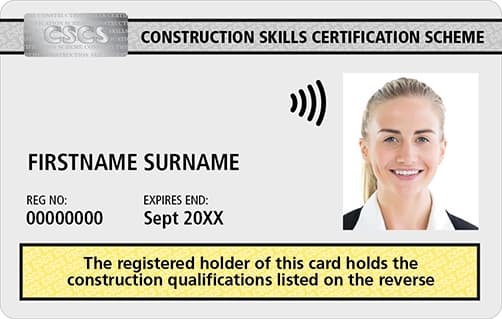
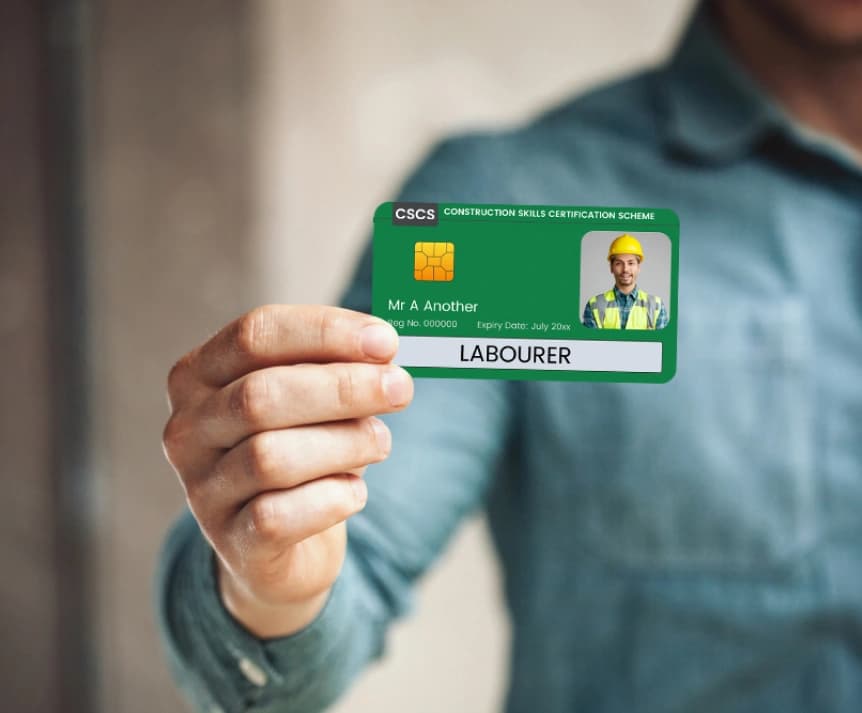
You must also have a valid CSCS (Construction Skills Certificate Scheme) card in order to work on most construction sites in the UK. This card indicates that you've met the required health and safety standards and usually requires an NVQ or equivalent qualification.
Together, your NVQ or diploma and a CSCS card form the essential foundation for a successful career in bricklaying. To learn how to obtain your card step-by-step, see our detailed guide on the Bricklayer CSCS Card.
Looking to build your career in construction?
Hurak offers a wide range of industry-recognised training courses, from bricklaying and health & safety to site supervision and management. Whether you're starting out or levelling up, we've got the right course for you.
A career in bricklaying can be started in a number of ways, depending on your experience and educational background.
Many young people go straight from school into bricklaying by signing up for apprenticeships or college classes that teach construction skills.
If you don't have any experience, you can start with entry-level jobs or short training courses. Some employers offer on-the-job training for beginners who show enthusiasm and a willingness to learn.
Colleges provide diplomas and certificates in bricklaying and construction, which are suitable for those who want to experience classroom learning before joining the labour force.
If you're just starting out, this guide on gaining site work as a bricklayer shares practical tips to help you land your first job on site.
To be a good bricklayer, you need to be in good physical condition and be able to work with your hands. You are required to be able to lift heavy objects, be on your feet most of the day, and use tools carefully, so good coordination and stamina are very helpful.
Being able to read plans and work accurately helps you understand technical drawings and build things correctly. A good eye for detail helps you lay bricks evenly and securely, in accordance with the project requirements.
Since bricklayers typically don't work alone, communication and teamwork are equally important. Being able to follow directions and coordinate effectively is important because you will be working with other construction professionals.
Safety is a big deal on busy construction sites. Knowing how to follow safety guidelines and use safety gear properly not only protects you but also the people around you.
Both new and experienced bricklayers can improve by avoiding common mistakes that affect quality and safety
According to the National Careers Service, bricklayers starting out typically earn between 20,000 and 30,000 per year. This depends on your employer, location, and whether you begin through an apprenticeship or direct employment.
The Apprenticeships.gov.uk site confirms that most bricklaying apprentices begin with wages around the apprentice minimum wage, but this usually increases quickly as experience builds and training milestones are reached.
Experienced bricklayers usually earn , as reported by the National Careers Service. This is based on industry averages for qualified professionals who have progressed beyond entry-level roles.
Additionally, the gov.uk guidance on Skilled Worker visa sponsorship lists bricklaying roles with minimum salary thresholds ranging from 25,600 to 30,960, reflecting the expected earnings of skilled tradespeople.
Completing the NVQ Level 3 Diploma in Bricklaying can significantly improve your earning potential. This advanced qualification is ideal for experienced bricklayers seeking supervisory roles or aiming to qualify for the CSCS Gold Card. With an NVQ 3, you're more likely to land higher-paying jobs and build a stronger career trajectory.
While direct government data on self-employed bricklayers is limited, the National Careers Service notes that bricklayers who are self-employed or run their own business may earn significantly more, depending on contracts and workload. Top-tier professionals in busy regions or those with niche skills may exceed 40,000 or more annually.
Bricklayers typically work outside on construction sites, where they may be subjected to a variety of weather conditions, and their work can be physically taxing. In addition to mixing and applying mortar, their main duties involve laying bricks, blocks, and stones. For maximum accuracy, they also measure and cut materials.
Collaboration with other construction professionals is essential to meet project deadlines effectively. Bricklayers wear protective gear like boots, gloves, and helmets to lower their risk of injury.
With experience and qualifications, you can progress from an apprentice to a fully skilled bricklayer, handling more complex tasks.
Experienced bricklayers can advance to become site supervisors, foremen, or project managers, overseeing teams and ensuring adherence to quality standards.
Some bricklayers specialise in areas like restoration or stone masonry. Others start their own contracting businesses for greater independence and income.
A career as a bricklayer is a rewarding one, with defined training paths, a gradual increase in remuneration and promotion possibilities. Whether you are an apprentice or have no experience, developing your skills and qualifications is important.
Bricklaying combines physical work with craftsmanship, and those who stick with it can enjoy a fulfilling career in construction.
Perfect for beginners or entry-level workers
This qualification demonstrates your ability to carry out bricklaying tasks safely and to a professional standard on site. It's ideal if you're looking to apply for the CSCS Blue Skilled Worker Card.
Typically, apprenticeships last 2 to 3 years, but some individuals gain skills more quickly, depending on their commitment and available opportunities.
Entry-level apprenticeships often require GCSEs or equivalent, but some employers accept learners with no formal qualifications.
Yes, there are a lot of people who start with zero experience, often through apprenticeships, training courses, or on-the-job learning.
Average salaries range from 18,000 for beginners to 35,000+ for experienced workers; self-employed bricklayers can earn more.
Yes, it requires strength, stamina, good hand-eye coordination, and a focus on safety.
If you're interested in advancing your skills beyond repointing and bricklaying basics, pursuing NVQ qualifications is a great way to build your expertise and qualify for various CSCS cards.
Level 2 NVQs | Level 3 NVQs |
Courses
Upskill with job-ready training.
Mock Tests
Measure your learning progress.
Create an online video course, reach students across the globe and earn money