On This Page

July 22, 202615 min read
Schizophrenia is a mental health condition that affects the way a person understands and responds to the world around them. Thoughts may feel scattered, emotions can be hard to manage, and reality itself may not always make sense. Some people hear voices or see things that others don’t. Others may strongly believe things that feel completely real to them, even when they aren’t. Day-to-day activities, conversations, or concentrating on simple tasks can become exhausting. The experience is different for everyone, and symptoms can change over time, which is why schizophrenia is often misunderstood.
A lot of people mistakenly believe that having schizophrenia means you have a “split personality,” though, and that’s not accurate. The truth is much more complicated, but with the correct information, it becomes much easier to understand. A person can recover when adequate treatment and support are provided at a very early stage of the illness.
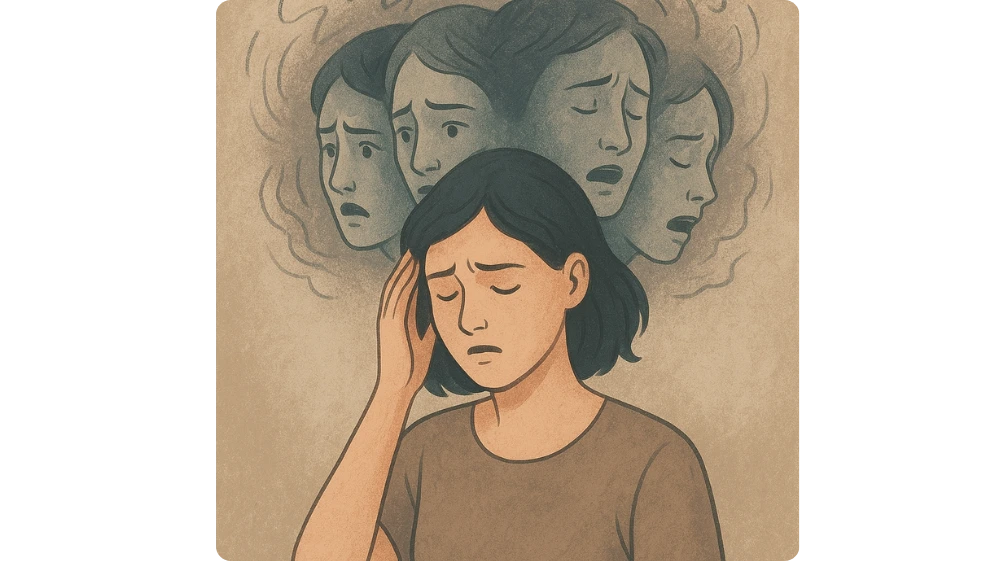
In this article, we’ll break down schizophrenia in a simple way, from its types and causes to its symptoms and treatment options. The goal is to help you understand the condition clearly, without medical jargon, and to reduce the stigma surrounding it.
Schizophrenia is a long-term mental health condition that affects how a person thinks, feels, and interprets the world around them. It often makes it hard to tell what is real and what isn't, making everyday experiences seem confusing or distorted. This illness may manifest as hallucinations (hearing or seeing things that aren't there), delusions (strong beliefs that aren't true), disorganised thinking, or difficulties performing daily tasks. Each person may experience these symptoms differently.
There are several factors that contribute to it. Schizophrenia is a complicated illness that arises from a combination of environmental, biological, and genetic factors.
Schizophrenia can appear in different forms, and these were grouped into specific types. Below are the main types of schizophrenia commonly recognised:
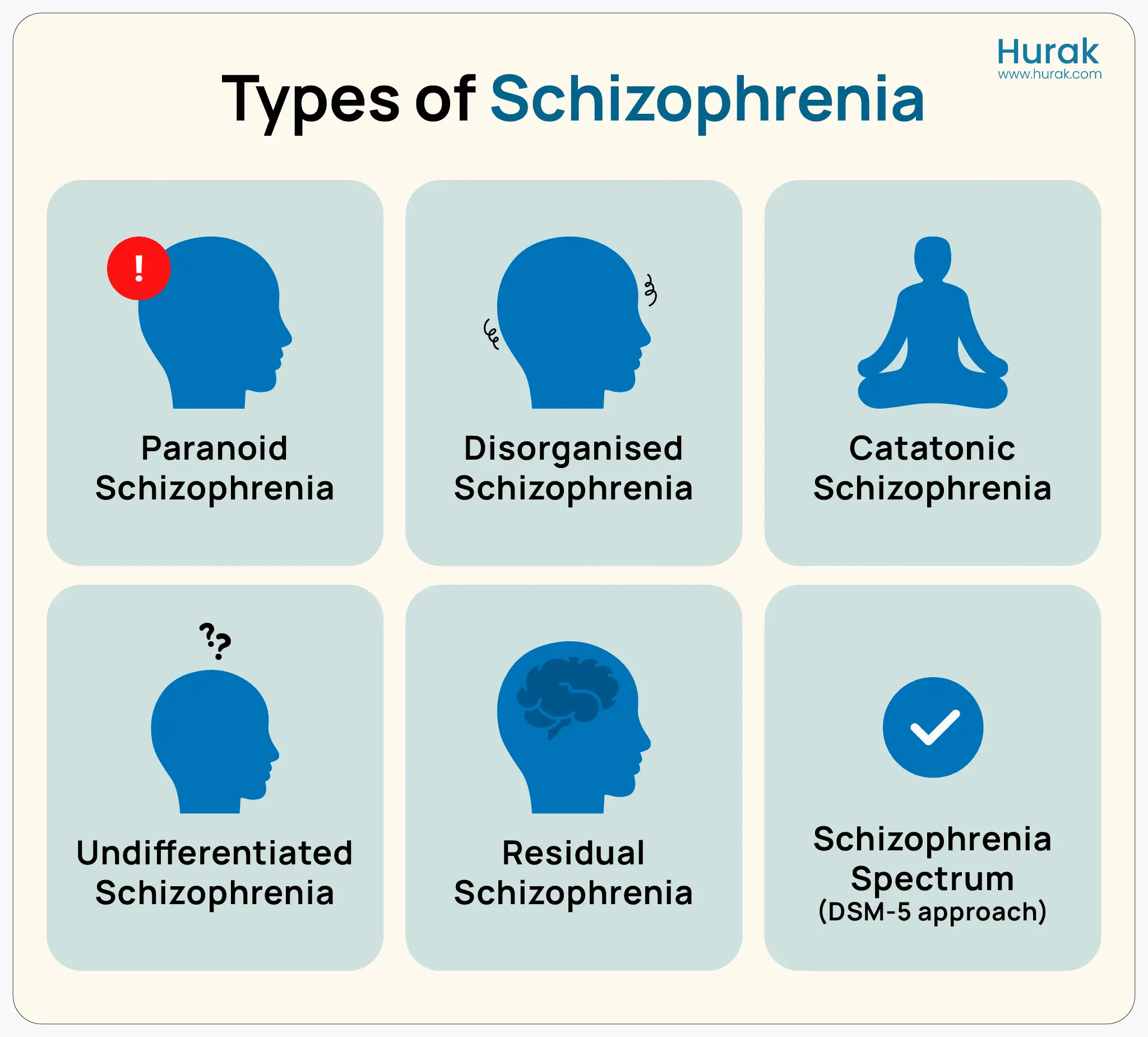
Paranoid schizophrenia is the most well-known and most common type. It is mainly marked by strong delusions and auditory hallucinations.
People with this type may:
Strongly believe things that are not true (often involving persecution or suspicion)
Hear voices that comment, warn, or argue
Appear highly alert, guarded, or mistrusting
Still have relatively “organised” thinking and speech compared to other types
Even though their beliefs can be intense, individuals with paranoid schizophrenia may maintain daily functioning better than those with more disorganised types.
This type is mainly characterised by disorganised thoughts, speech, and behaviour.
People may:
Have trouble speaking clearly
Provide irrelevant answers to questions
Make strange, inappropriate emotional expressions
Have trouble doing everyday chores like bathing, eating, and dressing
Every day functioning becomes extremely difficult as a result of disorganised thinking.
Catatonic schizophrenia affects movement, behaviour, and responsiveness.
A person may:
Stay motionless for extended periods of time
Refuse to move or follow directions
Display odd body positions
Make repetitive, aimless motions
Become extremely insensitive to the outside world
This type of schizophrenia demonstrates how the illness can seriously impair behaviour, physical activity and awareness of the surroundings.
This diagnosis is made when symptoms don't clearly fit into other categories. A person might show a mix of hallucinations, delusions, disorganised speech, or unusual behaviour. However, the symptoms aren't specific enough to be classified as paranoid, catatonic, or disorganised types.
It is essentially a “general” category for mixed symptoms.
The term "residual schizophrenia" describes situations in which some milder symptoms persist but significant symptoms have diminished as a result of treatment or natural improvement.
These could consist of:
Insufficient drive
Slight hallucinations or unusual thoughts
Diminished or flat feelings
Social withdrawal
It represents the “leftover” or persistent symptoms that remain after the more severe stage has ended.
The term “schizophrenia spectrum disorders” encompasses a range of disorders that share similar symptoms with schizophrenia. The DSM-5 classifies schizophrenia as part of the schizophrenia spectrum, which includes related disorders such as:
Schizophreniform Disorder
Schizoaffective Disorder
Brief Psychotic Disorder
Delusional Disorder
Schizotypal Personality Disorder
This approach helps provide better treatment because it concentrates on what the person is actually experiencing rather than fitting them into fixed categories.
Learn How to Respond to Schizophrenia with Confidence!
Interested in understanding serious mental health conditions? Our Mental Health First Aid (MHFA) course equips you with practical skills to recognise and support someone experiencing symptoms of schizophrenia.
Schizophrenia does not have a single cause. Rather, it develops due to a combination of genetic, biological, and environmental factors that affect how the brain functions. Knowing these causes makes it easier to understand why some people develop schizophrenia while others do not.
One of the most essential factors in the development of schizophrenia is genetics.
The following factors increase a person's risk of developing the condition:
A parent or sibling suffers from schizophrenia
Psychosis-related mental health disorders affect several family members.
But schizophrenia is not solely caused by genes. While some people without a family history still have the disorder, many people with a family history never get it. This demonstrates that while genetics raises the risk, it does not ensure the condition.
Schizophrenia is closely linked to imbalances in certain brain chemicals, especially:
Dopamine (involved in thinking, reward, and motivation)
Glutamate (associated with memory and cognitive processes)
The brain's ability to process thoughts and emotions can be affected by either too much or too little activity in these chemicals.
Environmental experiences can act as “triggers” for schizophrenia in people who are already vulnerable. These may include:
Chronic stress
Childhood trauma, such as emotional or physical abuse
Traumatic incidents like accidents, loss or violence
Significant life transitions, such as financial trauma or relationship breakdowns
These triggers do not directly cause schizophrenia, but they can activate symptoms in someone who already has a genetic or biological predisposition.
The risk of developing schizophrenia can be greatly increased by certain substances, particularly in adolescence or the early stages of adulthood.
The following substances are associated with an increased risk:
Cannabis – heavy or early use is strongly associated
Amphetamines and cocaine
LSD and other psychedelic substances
Abuse of alcohol
These substances can alter brain chemistry and may trigger symptoms such as paranoia, hallucinations, or psychosis in vulnerable individuals.
Factors that affect a baby during pregnancy or birth may also play a role in developing schizophrenia later in life. These include:
Pregnancy-related maternal infections
Malnutrition or vitamin deficiencies
Low birth weight
Lack of oxygen during birth (birth hypoxia)
These complications may interfere with early brain development, increasing vulnerability to schizophrenia in adulthood.
Understanding these causes helps us see that schizophrenia isn’t the result of a single factor but a mix of genetics, biology, and life experiences. Recognising these risks early can support timely diagnosis and better treatment outcomes.
Schizophrenia symptoms can vary from person to person, but they usually fall into three main categories: positive symptoms, negative symptoms, and cognitive symptoms. Together, they affect how a person thinks, feels, and behaves.
These are behaviours or experiences added to a person’s usual functioning. They’re the most noticeable signs.
Hallucinations
Hallucinations happen when a person senses things that aren’t actually present. The most common are auditory hallucinations, where individuals hear voices talking to them or about them. These voices may be friendly, critical, or commanding, making daily life extremely stressful. Visual, tactile, or smell-related hallucinations can also occur, though they are less common. Because these experiences feel very real to the person, they can strongly influence their behaviour and emotional reasoning.
Delusions
Delusions are strong beliefs that don’t match reality. For example, a person may believe they are being watched, followed, or controlled, even when there is no proof. These thoughts can cause a lot of fear and mistrust and may affect their relationships and daily life. Even when others try to explain things calmly or logically, the person may not accept it because the belief feels completely real to them. This can make conversations difficult, especially during intense episodes.
Disorganised Speech
Disorganised speech occurs when a person's thoughts become disorganised, which can result in confusing or off-topic conversations. They may speak in ways that others find confusing, jump from one topic to another without making a connection, or create new words or mix unrelated ideas together. This isn't deliberate; rather, it's a reflection of how disorganised their thoughts feel internally, which can make conversations difficult or repetitive.
Disorganised or Bizarre Behaviour
It involves actions that seem unusual, unpredictable, or out of place. A person may get upset out of the blue, laugh uncontrollably, repeat actions, and neglect to get up from daily chores. Such behaviour indicates a breakdown in the person's way of thinking and how things impact them. Over time, it can cause disruptions in one's personal and professional life.
These symptoms reduce a person’s normal emotional and behavioural abilities. They often develop slowly and can be mistaken for depression.
Lack of Motivation (Avolition)
They may find it hard to begin or complete everyday tasks, even things they once enjoyed. Simple actions can feel heavy. This isn’t laziness. It’s a core symptom that reduces the ability to get started at all. Goals that once mattered stop feeling important. Hobbies fade into the background. Over time, this can become deeply frustrating, not just for the person experiencing it, but for the people who care about them too.
Reduced Emotional Expression
Also known as “flat affect,” this symptom makes a person appear emotionless or distant. They might not show typical reactions, such as smiling, crying, or showing excitement. This doesn’t mean they don’t feel emotions; they just struggle to express them outwardly. This can make communication harder for others to interpret.
Social Withdrawal
Many people distance themselves from friends, family, and social situations. They may prefer being alone because social situations feel overwhelming or confusing. This may be a reaction to their symptoms, a lack of emotional energy, or a fear of being misinterpreted. Isolation can exacerbate loneliness and other symptoms over time.
Reduced Pleasure (Anhedonia)
Anhedonia is the inability to feel pleasure from activities that once felt enjoyable. Hobbies, food, music, or relationships may no longer create positive feelings. This can lead to reduced engagement in daily life. The person may feel emotionally “numb” or disconnected. This symptom can significantly impact motivation and overall quality of life.
These symptoms affect the brain’s ability to think clearly, make decisions, and remember information.
Trouble Focusing or Concentrating
The person may struggle to pay attention during conversations or tasks. Their mind drifts easily, making work or study difficult. This often leads to frustration and reduced productivity.
Poor Working Memory
Simple tasks like remembering instructions, details, or steps can become challenging. They may forget items, lose track of tasks, or struggle with planning. This affects independence and daily routines.
Difficulty Organising Thoughts
Their thoughts may feel scattered or unclear, making communication and decision-making harder. Planning daily activities or expressing ideas becomes challenging. This leads to confusion in everyday situations.
Problems with Planning and Problem-Solving
Tasks that require decision-making or thinking ahead may feel overwhelming. They may struggle with time management, budgeting, or completing complex tasks. This affects work, relationships, and independent living.
Identifying these symptoms early allows for quicker intervention and better outcomes. When supported with treatment and awareness, individuals with schizophrenia can lead productive, meaningful lives.
Although schizophrenia is a chronic illness, many people are able to control their symptoms and lead stable lives with the correct care and assistance. Medication, counselling, social support, and lifestyle modifications are typically used in combination for treatment. Here’s a simple breakdown of the best available treatments.
Antipsychotic medicines are commonly used to help manage schizophrenia by reducing symptoms such as hallucinations, fixed false beliefs, and confused thinking.
Older or first-generation medicines mainly helps to control visible symptoms like hearing voices or experiencing delusions. These are effective medicines but sometimes cause movement-related side effects.
Newer or second-generation medicines are more commonly used today because they are easier to tolerate and also helps in motivation, emotional balance, and daily functioning.
NOTE: It’s crucial to remember that prescription drugs must be taken exactly as directed by a physician. Symptoms may get worse if medications are taken improperly or abruptly stopped. Continued medical care helps strike a balance between long-term health and symptom management.
Therapy works alongside medication to help individuals understand and manage their symptoms.
CBTp (Cognitive Behavioural Therapy for Psychosis)
Helps people challenge delusions and hallucinations
Teaches coping mechanisms to lessen discomfort
Enhances confidence and day-to-day functioning
Family Therapy
Educates families about schizophrenia
Reduces conflict or misunderstandings
Aids in establishing a nurturing home environment
Supportive Therapy
Offers emotional support
Helps with stress, anxiety, and everyday difficulties
Encourages routine and self-care
Therapy does not remove symptoms entirely but helps individuals manage them more effectively.
Lifestyle habits play an important role in managing schizophrenia over time.
Helpful lifestyle strategies include:
Keeping up a consistent sleep schedule
Consuming a well-balanced diet
Regular physical activity can improve mood and reduce stress
Avoiding alcohol and drugs, which can worsen symptoms
Creating a daily schedule to boost motivation
These adjustments reduce the risk of relapse and promote overall well-being.
During severe episodes such as intense hallucinations, extreme distress, or risk of harm, crisis care may be necessary.
This can involve:
Hospitalisation for a brief period of time to ensure stability and safety
Emergency mental health teams providing urgent support
Adjustments in medication to control symptoms quickly
Hospital care is typically short-term and intended to help a person resume their regular daily activities.
Treatment is a journey, but every step brings individuals closer to better control and a healthier life. With consistent care and support, people with schizophrenia can find balance and move toward recovery.
Schizophrenia cannot be fully cured, but it can be successfully managed with the right combination of treatment, support, and long-term care. Many people experience significant improvement, reduced symptoms, and a better quality of life when they follow treatment plans. Modern antipsychotic medications, psychological therapies, and community services play a major role in reducing symptoms and preventing relapse. Schizophrenia often follows a variable course. Some individuals experience only a few episodes in their lifetime, while others may have more persistent symptoms.
To put it simply, there may not be a permanent cure for schizophrenia, but recovery is definitely possible, and many people who receive the right care go on to lead fulfilling lives.
Schizophrenia is a complex and long-term mental health condition, but understanding it is the first step toward reducing fear and stigma. By learning about its symptoms, causes, and treatment options, we become better equipped to recognise early warning signs and support those who need help. Although there is no permanent cure, modern treatments such as antipsychotic medications, therapy, and community support allow many individuals to manage their symptoms effectively and regain stability in their daily lives.
Living with schizophrenia can be challenging, but it does not mean a person cannot lead a meaningful, connected, and fulfilling life. With early intervention and consistent care, recovery becomes an achievable journey. As awareness grows, we can help create a more understanding and compassionate society where individuals feel empowered to seek help without judgment.
Schizophrenia is a long-term mental illness that affects how a person thinks, feels, and understands what is right and what is wrong. It often involves symptoms like hallucinations, delusions, and disorganised thinking.
There is no single cause. Schizophrenia develops due to a mix of genetic factors, brain chemistry imbalances, early brain development issues, and environmental stressors or trauma.
Early warning signs may include social withdrawal, changes in sleep, difficulty concentrating, unusual thoughts, reduced motivation, or emotional flatness. These signs may appear gradually.
Paranoid schizophrenia is a subtype of schizophrenia where a person experiences strong delusions, often involving fear, suspicion, or persecution and auditory hallucinations. People with this type usually have fewer issues with speech or movement but struggle most with mistrust, anxiety, and feeling threatened by others.
Yes. With ongoing treatment, regular monitoring, and a strong support system, many individuals can work, study, maintain relationships, and live meaningful lives. Early intervention improves long-term outcomes.
Drug use does not directly cause schizophrenia, but substances like cannabis, LSD, or amphetamines can trigger symptoms in people who are already at risk. They may also worsen existing symptoms.
Family history increases the risk, but it doesn’t guarantee someone will develop the condition. Many people with schizophrenia have no family history at all.
Looking to expand your first aid skills? At Hurak, we offer a range of expert-led courses designed to suit different needs:
Emergency First Aid at Work (EFAW) – A concise one-day Level 3 course ideal for low-risk workplaces, covering the core first aid techniques every employee should know.
Basic Life Support (BLS) – Gain confidence in performing vital life-saving actions, including CPR, AED operation, and responding to choking.
Mental Health First Aid (MHFA) – Learn how to recognise mental health challenges, provide initial support, and guide someone towards appropriate help.
Want to explore Mental Health First Aid in more depth? Check out our Mental Health First Aid courses for full details and training options.
Courses
Upskill with job-ready training.
Mock Tests
Measure your learning progress.
Create an online video course, reach students across the globe and earn money