


IOSH vs NEBOSH: Which Health Safety Qualification is Right for You?
Read the full article for more details.
The Biggest Cause of Fatalities at Work: Preventing Falls from Height
Read the full article for more details.
The Ultimate LOLER Inspection Checklist: Ensure Safety, Compliance, and Equipment Reliability with Essential Checks
Lifting operations are essential in many industries, but they also come with inherent risks. To mitigate these dangers and ensure the safety of both your equipment and workforce, it�s vital to follow the Lifting Operations and Lifting Equipment Regulations (LOLER). Regular inspections are not just a regulatory requirement; they are crucial for maintaining equipment reliability and preventing accidents.In this guide, we�ll provide you with the ultimate LOLER inspection checklist, covering all the key aspects of lifting equipment safety. By following this comprehensive checklist, you�ll ensure that your equipment meets safety standards, operates effectively, and remains compliant with legal requirements. Whether you're a safety officer or an operator, this checklist will help you navigate the inspection process with confidence and precision.What is LOLER and Why Is It Essential for Safe Lifting Operations?LOLER, or the Lifting Operations and Lifting Equipment Regulations, is a crucial UK legislation designed to ensure that all lifting equipment is safe for use in workplaces. By setting precise requirements for regular inspections, maintenance, and safe operational practices, LOLER helps businesses prevent accidents and keep both workers and equipment protected.The Importance of LOLER:Ensures Worker Safety: Lifting operations, if not properly managed, can lead to serious accidents. LOLER mandates that lifting equipment be thoroughly inspected to identify risks, ensuring the safety of those operating or working near the equipment.Regulatory Compliance: Adhering to LOLER ensures businesses remain compliant with UK health and safety laws, thereby reducing the risk of legal issues, fines, or liability in the event of an incident.Enhances Equipment Longevity: Regular LOLER inspections not only promote safety but also help extend the life of expensive equipment, protecting your investment and improving operational efficiency.Following LOLER guidelines safeguards both human and equipment assets, making it an essential part of any business's safety culture.Key Components of a LOLER Inspection Checklist for Safe Equipment UseThis section outlines the core aspects of a LOLER inspection:General Equipment Condition: Ensure no visible damage, corrosion, or wear.Load-bearing Components: Chains, ropes, hooks, etc., should be in a safe, functional condition.Safety Features: Overload protection, limit switches, and emergency stops should be operational and functioning properly.Lifting Accessories: Slings, shackles, hooks, and other lifting accessories must meet the Safe Working Load (SWL) standards.Calibration Systems: The Accuracy of weight measurement systems should be verified.Environmental Conditions: Ensure the work area and installation environment are safe for lifting operations.This high-level checklist emphasises the key areas to focus on during an inspection.How to Conduct a LOLER Inspection: A Step-by-Step GuideConducting a LOLER inspection is a vital process for ensuring the safety and compliance of lifting equipment. A thorough inspection not only keeps equipment operational but also ensures that all necessary safety protocols are in place. Below is a step-by-step guide on how to effectively conduct a LOLER inspection:Step 1: Preparation and Documentation ReviewBefore starting the inspection, review any previous inspection records and maintenance logs to ensure a thorough understanding of the property's condition. Ensure you have the equipment's manual and inspection history on hand. This helps you understand any issues from past inspections and any work that has been done on the equipment.Review safety documentation, including training records for operators and maintenance staff, to ensure they are up-to-date and comply with relevant regulations.Step 2: Inspect the General Condition of the EquipmentCheck for visible damage, such as cracks, rust, or corrosion, on the lifting equipment�s body. Look for any signs of wear and tear that could affect the equipment�s operation, such as loose parts or worn-out cables.Verify the overall cleanliness of the equipment. Dirt and debris can hide problems, so it�s essential to clean the equipment before proceeding with the inspection.Step 3: Assess Load-Bearing ComponentsInspect all load-bearing parts, including chains, ropes, and slings, for any damage, fraying, or stretching. Look for any deformation that could reduce the equipment's strength and safety.For lifting hooks and eyebolts, check that the latch mechanisms are working correctly and are not bent or distorted.Step 4: Examine Safety Devices and SystemsTest all safety mechanisms: Ensure that devices such as overload protection, limit switches, emergency stops, and brakes are fully functional.Verify that any safety indicators (such as lights or alarms) are operational. These features prevent overloading and help protect workers from unsafe conditions.Step 5: Inspect Lifting Accessories and AttachmentsInspect slings, shackles, and hooks for signs of wear, corrosion, and any damage that may compromise their strength or integrity.Ensure that all lifting accessories are clearly marked with their safe working load (SWL) and match the equipment specifications.Step 6: Evaluate the Calibration of Measuring SystemsVerify accuracy for any weight measurement systems, load cells, or scales. These devices must be calibrated to prevent errors in load handling, which could lead to accidents.Step 7: Check the Environment and InstallationInspect the installation site to ensure foundations and supports are stable. Ensure that the work area is free from hazards, such as loose flooring, exposed electrical wires, or obstructions.Ensure that weather conditions (if applicable) are suitable for lifting operations, as rain, high winds, or extreme temperatures can affect equipment performance.Step 8: Record Your FindingsAs you conduct the inspection, document your findings carefully, noting any defects or concerns that arise during the process. For each component, record the condition and, if applicable, the action required (e.g., repair, replacement, or re-inspection).If any defects are found, specify the priority for repair or maintenance, and ensure that these actions are followed up on promptly.Step 9: Final Check and ConfirmationAfter completing the inspection, conduct a final review to ensure that everything has been thoroughly reviewed and documented. Recheck any previously marked concerns to ensure they have been addressed.If the equipment passes the inspection, confirm that it is safe for use and provide the necessary certification or sticker to indicate compliance with LOLER standards.Step 10: Follow Up on Maintenance and RepairsIf the inspection reveals issues that need addressing, schedule immediate repairs or maintenance and make arrangements for a follow-up inspection. Ensure that the equipment is re-evaluated before it is put back into service.By following this step-by-step guide, you can ensure that your lifting equipment remains compliant with LOLER regulations, operates safely, and minimises risks associated with lifting operations. Regular inspections are crucial for maintaining both workplace safety and equipment reliability, ensuring your operations run smoothly.Common Issues Identified During LOLER Inspections Load-Bearing Components Showing Signs of Degradation: Over time, chains, ropes, and slings can exhibit stretching, fraying, or deformation. This compromises their ability to safely bear the weight of lifting operations. Identifying these issues early helps prevent overloading and ensures that only properly rated components are used, reducing the risk of failure during lifting operations.Action: Replace or repair worn-out components immediately to maintain safety standards. Corrosion and Rust on Critical Parts: Corrosion and rust are among the most common issues affecting lifting equipment, particularly for metal components such as hooks, chains, and hoists. Exposure to moisture, chemicals, or harsh conditions accelerates this damage, weakening the equipment�s structural integrity and safety.Action: Regularly inspect and clean exposed components, applying protective coatings or using corrosion-resistant materials where necessary. Malfunctioning or Out-of-Calibration Safety Mechanisms: Safety mechanisms such as overload protection systems, limit switches, and braking systems may degrade over time. These systems are crucial in preventing accidents, and their failure could result in unsafe lifting conditions.Action: Regularly test and service safety devices to ensure they operate correctly, and replace malfunctioning systems immediately. Inconsistent Documentation and Maintenance Records: One of the key issues is the lack of up-to-date maintenance records. Without proper documentation, it's difficult to track the condition and repairs of equipment, leading to potential oversights or regulatory non-compliance.Action: Maintain comprehensive, up-to-date records of inspections, repairs, and maintenance for each piece of lifting equipment. This ensures compliance and helps with future inspections. Environmental Impact on Equipment Integrity: Environmental factors, such as extreme weather, high humidity, or exposure to chemicals, can significantly impact the condition of lifting equipment. These conditions can cause components to deteriorate more rapidly than expected, compromising both safety and equipment reliability.Action: Regularly inspect equipment exposed to harsh environments, and ensure protective measures (e.g., covers or sheltered storage) are in place to minimise wear from environmental factors.Boost Your Lifting Operations Knowledge and ComplianceTake the Next Step in Your Career with Our Accredited Training CoursesCPCS Courses � For Lifting Equipment Operators & SupervisorsCPCS Slinger Signaller A40 Course: Gain key skills to manage signalling in lifting operations.CPCS Crane Supervisor Course: Become a Crane Supervisor and enhance your supervisory skills for safe operations.CPCS A09 Forward Tipping Dumper Course: Master site machinery operations, ensuring safe lifting tasks.CPCS A61 Appointed Persons Lifting Operations: Learn how to manage and plan lifting operations safely.NVQ Qualifications � For Certified and Safe Lifting OperationsNVQ Level 2 Slinger Signaller: Gain NVQ certification in slinging and signalling, ensuring safe lifting practices.Level 4 NVQ Diploma Lift Supervisor: Become a Lift Supervisor with this advanced NVQ qualification.Level 5 NVQ Diploma in Controlling Lifting Operations: Elevate your career by managing and controlling lifting operations safely.Start your training today and ensure the safety and compliance of your lifting operations with Hurak.How Often Should You Inspect Your Lifting Equipment?The frequency of LOLER inspections depends on several factors, including the frequency of equipment use, its condition, and the environment in which it operates. While general guidelines exist, there are specific circumstances that might require more frequent checks.Standard Inspection IntervalsAccording to LOLER regulations, lifting equipment should be inspected at least once every 6 months if it is used frequently. Equipment used less frequently may be inspected annually. However, this interval can vary depending on the type of equipment and its usage.Daily Pre-Use ChecksBefore each use, operators should perform a quick visual check to ensure equipment is safe to operate. This should include verifying that the safety features (emergency stops, limit switches) are functional and that there are no visible defects in load-bearing components like chains, slings, or hooks.Thorough Annual InspectionsA thorough examination is required annually, as part of LOLER compliance. This inspection includes a detailed evaluation of the equipment�s condition, including testing safety devices, checking for structural damage, and ensuring load-bearing parts are fit for use.Post-Repair InspectionsAfter any significant repairs or modifications to lifting equipment, it�s mandatory to perform an inspection before returning the equipment to service. This ensures that all changes were made correctly and that the equipment remains safe to use.LOLER Inspection Checklist: Your Downloadable Resource for Safe Equipment InspectionsTo ensure that your lifting equipment meets safety standards and stays compliant with LOLER regulations, having a structured inspection checklist is essential. Below is a downloadable template to guide you through each step of the inspection process, helping to maintain operational safety and equipment reliability. The Importance of Using a LOLER Inspection ChecklistA LOLER checklist ensures that each part of your lifting equipment is thoroughly examined. Using this tool:Guarantees compliance with safety regulations.Promotes consistency in inspections.Helps identify potential issues before they lead to accidents or downtime. What the LOLER Checklist IncludesThe checklist covers essential components like:Equipment condition (e.g., visible damage, rust, wear).Load-bearing components (e.g., chains, hooks, slings).Safety features (e.g., brakes, overload protection).Calibration and measuring systems (e.g., load cells).Lifting accessories and installation environment. How to Use the Checklist EffectivelyOnce you download the template:Conduct a systematic inspection of all components listed in the checklist.Record the condition of each part, marking any issues or damages.Use the checklist for future reference, ensuring that each inspection is documented for compliance purposes. Tools to Improve Inspection EfficiencyUtilise apps that enable inspectors to complete checklists on-site, upload results instantly, and generate reports.Digital tools can track inspection schedules, provide reminders, and allow for real-time compliance checks.What to Do If Your Equipment Fails a LOLER InspectionWhen lifting equipment fails a LOLER inspection, immediate action is crucial to ensure safety, compliance, and operational continuity. Follow these streamlined steps:StepsActions NeededStep 1: Document and IsolateCarefully review the inspection findings and document all identified issues, noting their severity. Immediately remove the equipment from service to prevent accidents and further damage.Step 2: Address the IssuesDetermine whether the equipment needs repairs, component replacement, or complete refurbishment. Schedule the necessary actions promptly to restore equipment safety and compliance.Step 3: Verify RepairsOnce repairs are completed, conduct a follow-up inspection to confirm that all issues have been resolved and the equipment meets LOLER standards.Step 4: Update Records and Train StaffUpdate maintenance logs with details of repairs, inspections, and replaced components. If failure was due to improper handling, provide refresher training to operators to prevent recurrence.Step 5: Maintain Regular ChecksReinforce a schedule of routine inspections and preventive maintenance to detect issues early, ensuring equipment remains safe, reliable, and compliant.By acting swiftly and following these steps, you can ensure that your equipment is restored to full compliance and operational safety. Failing a LOLER inspection doesn�t have to mean extended downtime; with the right actions, you can address issues quickly and prevent future failures, protecting both your workforce and your equipment.Best Practices for Maintaining Equipment After a LOLER InspectionAfter a LOLER inspection, maintaining your lifting equipment is crucial to ensuring its continued safety and compliance. Follow these best practices to keep your equipment operating efficiently and reduce the risk of future failures: Address Identified Issues ImmediatelyIf the inspection reveals any faults, such as worn parts or malfunctioning safety devices, address them promptly. Repair or replace any damaged components before using the equipment again. Schedule Routine MaintenanceImplement a regular maintenance schedule for all critical equipment components like load-bearing parts and safety features. Regular checks help detect issues early and prevent costly repairs later. Perform Pre-Use InspectionsBefore each use, conduct a quick pre-use check to ensure the equipment is in good condition. Inspect for any visible signs of wear or damage, and verify key safety features, such as limit switches and emergency stops. Keep Detailed RecordsDocument every inspection, repair, and maintenance activity. This helps track the equipment's condition over time and ensures that you're meeting LOLER compliance requirements. Provide Operator TrainingEnsure that your operators are trained to spot potential issues during daily operations. Well-trained operators can identify minor problems early, reducing downtime and improving overall safety.The Role of LOLER in Ensuring Workplace Safety and ComplianceThe Lifting Operations and Lifting Equipment Regulations (LOLER) are central to maintaining safe and efficient lifting operations across workplaces. By requiring regular inspections and checks, LOLER ensures that lifting equipment remains in good condition and identifies potential issues before they can cause accidents. This proactive approach not only reduces the risk of equipment failure and workplace injuries but also keeps businesses compliant with legal health and safety requirements, helping to avoid fines or penalties.Beyond compliance, LOLER supports long-term equipment reliability. Routine inspections and maintenance prevent unexpected breakdowns, extend the lifespan of machinery, and minimise costly downtime. At the same time, employees benefit from a safer working environment. Knowing that all lifting equipment is properly maintained and regularly inspected fosters confidence, improves morale, and encourages a culture of safety throughout the organisation. In this way, LOLER not only protects workers but also strengthens operational efficiency and workplace trust.Conclusion: Stay Compliant and Ensure Safe Operations with LOLER InspectionsIn conclusion, LOLER inspections are not merely a regulatory requirement; they are essential for maintaining workplace safety, ensuring equipment reliability, and ensuring compliance with legal standards. Regular inspections help identify potential hazards, prevent accidents, and extend the lifespan of your lifting equipment, ultimately improving operational efficiency.By following a structured LOLER inspection process, addressing any identified issues, and keeping detailed records, you can maintain the safety and functionality of your equipment while protecting your workforce. Whether you're conducting daily pre-use checks or annual thorough examinations, prioritising regular inspections keeps your business in compliance with health and safety laws and ensures that lifting operations run smoothly and safely.Remember, LOLER isn�t just about compliance but about fostering a culture of safety, accountability, and proactive maintenance. Taking the proper steps now to inspect and maintain your lifting equipment will not only keep your operations safe but will also prevent costly downtimes and legal issues in the future.Enhance Your Lifting Operations Expertise TodayEnsure LOLER compliance and boost your career with our accredited training courses. Choose the right course to improve safety and operational efficiency:CPCS Slinger Signaller A40 Course � Master signalling operations to ensure safe lifting procedures.NVQ Level 2 Slinger Signaller � Gain your NVQ certification to enhance your skills and meet safety standards.CPCS A61 Appointed Persons Lifting Operations � Become an appointed person responsible for managing and overseeing safe lifting operations.Enrol now to enhance your lifting skills and stay compliant with LOLER regulations.
How to Test for Asbestos: A Step-by-Step Guide for Homes and Buildings
Read the full article for more details.
Understanding Hazards in the Workplace: Types, Examples, and Control Measures
Workplace hazards are any sources of potential harm or adverse effects on people, processes, or the environment within a work setting. They can arise from unsafe conditions, hazardous materials, or even the way tasks are carried out. Understanding these hazards is crucial for maintaining a safe and healthy workplace, as they can lead to injuries, illnesses, financial losses, and legal repercussions if left unaddressed.�By identifying different types of hazards, learning from real-world examples, and implementing effective control measures, employers and employees can work together to minimise risks, ensure compliance with safety standards, and create a secure environment for everyone.What Is A Workplace Hazard?The term "workplace hazard" may seem technical, but its meaning is straightforward: it refers to any aspect of the work environment that can harm people. This includes physical hazards, such as slips, trips, and falls, as well as occupational hazards that arise from long-term exposure to chemicals or repetitive strain. Hazards can affect employees across all sectors. By learning to identify common workplace hazards and risks, employers can create safer environments and promote long-term employee well-being.Hazard vs Risk - Understanding the Difference�In health and safety, the terms �hazard� and �risk� are closely related but not the same. A hazard refers to something with the potential to cause harm, while a risk reflects the likelihood and severity of that harm occurring. The table below highlights the main differences between the two:�HazardRiskA hazard is anything with the potential to cause harm, injury, illness, or damage.A risk is the likelihood and severity of harm that can occur when an individual is exposed to a hazard.Exists inherently in the workplace (e.g., sharp tools, loud noise, chemicals).Depends on how workers interact with the danger and the level of exposure.Identifies the source of potential harm.Evaluates the probability and impact of that harm happening.Static - the hazard exists whether or not someone is exposed.Dynamic - the risk level changes based on controls, training, and safety measures in place.Wet floor (slip hazard)- Exposed wires (electrical hazard)- Chemical fumes (toxic hazard)Probability of slipping on the damp floor- Chance of electrocution from touching exposed wires- Likelihood of illness from inhaling fumesRemove or reduce the hazard at the source (clean spills, repair wiring, ventilate the area).Implement protective measures (warning signs, PPE, safety training, restricted access).Hazard remains present, creating ongoing potential for harm.Risks escalate, leading to actual incidents, injuries, illnesses, or financial/legal consequences.When understanding the difference between hazards and risks, it is also essential to be aware of the laws that govern workplace safety and health. The Health and Safety at Work Act outlines the duties of employers and employees in managing hazards and risks, helping organisations stay compliant.Types of Hazards In The Workplace�Workplace hazards exist in many forms, and recognising them is essential for health and safety management. Common types of hazards include physical hazards, such as vibration, noise, or manual handling injuries; occupational hazards, including long-term exposure to chemicals; biological hazards, such as contaminated blood or infectious agents; and psychosocial hazards, including stress and harassment. Practical risk assessment and workplace procedures ensure these hazards are appropriately managed.Physical Hazards Physical hazards are workplace conditions that can cause harm to employees� bodies due to environmental factors, machinery, or equipment. They are one of the most common types of hazards and can result in both immediate injuries and long-term health issues if not properly managed. These hazards can range from slips, trips, and falls to prolonged exposure to noise, vibration, or extreme temperatures.Common examples of physical hazards include:Noise: Continuous exposure to loud machinery or equipment can damage hearing and increase stress levels.Vibration: Prolonged use of vibrating tools may lead to musculoskeletal disorders and circulation problems.Temperature Extremes: Working in extremely hot or cold conditions can lead to heatstroke, hypothermia, or frostbite.Slips, Trips, and Falls: Wet or uneven surfaces, cluttered walkways, or poorly maintained floors can lead to serious injuries.Machinery and Equipment: Unguarded or malfunctioning machines can cause cuts, crush injuries, or amputations.Control Measures:Use personal protective equipment (PPE) such as earplugs, helmets, gloves, and safety shoes.Implement engineering controls like machine guards, anti-slip flooring, and ventilation systems.Provide training for safe handling of tools and equipment.Occupational HazardsOccupational hazards refer to risks associated with specific tasks or prolonged exposure to harmful substances, processes, or environments. Unlike general hazards, occupational hazards are directly related to the work employees perform and the industry in which they work. If not properly managed, these hazards can result in both short-term injuries and long-term health issues.Common examples of occupational hazards include:Chemical Exposure: Long-term contact with toxic chemicals, such as solvents, acids, or industrial fumes, can cause respiratory issues, skin conditions, or even chronic illnesses like cancer.Repetitive Tasks: Continuous repetition of specific movements, such as typing, assembly-line work, or lifting heavy objects, can lead to musculoskeletal disorders, joint pain, or carpal tunnel syndrome.Manual Handling: Improper lifting or moving of heavy loads can lead to back injuries and strains.Confined Spaces: Working in poorly ventilated or restricted areas can expose employees to suffocation, toxic gases, or other hazardous conditions.Work at Heights: Tasks performed on ladders, scaffolds, or elevated platforms carry a high risk of falls and serious injuries.Control Measures:Conducting regular risk assessments and hazard identification.Providing employee training on safe work practices.Using personal protective equipment (PPE) like gloves, helmets, and safety harnesses.Implementing engineering and administrative controls, such as ventilation systems, ergonomic tools, and shift rotations.Biological HazardsBiological hazards, also known as biohazards, are workplace risks that arise from exposure to living organisms or substances produced by them. These hazards are particularly common in healthcare, laboratories, agriculture, waste management, and emergency services, but they can occur in many industries. Biological hazards can lead to infections, allergic reactions, or even serious diseases if not properly controlled.�Biological Hazards in the Workplace:Blood and Bodily Fluids: These may carry harmful pathogens such as HIV, hepatitis B, or hepatitis C, posing serious risks to healthcare workers and first responders.Bacteria and Viruses: Employees in labs or medical facilities may encounter dangerous microorganisms like tuberculosis bacteria or influenza viruses.Fungi and Moulds: Found in damp environments, these can trigger respiratory problems and allergic reactions in workers.Insects and Animals: Workers in agriculture or pest control may face hazards from bites, stings, or diseases transmitted by animals.Control Measures:Using personal protective equipment (PPE) such as gloves, masks, and face shields.Implementing infection control protocols, such as the safe disposal of sharps and contaminated materials.Maintaining clean and hygienic work environments through proper sanitation.Providing employee training and vaccinations where applicable.Psychosocial HazardsPsychosocial hazards are workplace factors that negatively affect employees� mental health, well-being, and overall quality of life. Unlike physical or chemical hazards, they are not always visible but can have equally serious consequences if ignored. These hazards often stem from poor work design, unhealthy organisational culture, or stressful working conditions, leading to issues such as anxiety, depression, burnout, or reduced job satisfaction.�Psychosocial Hazards in the Workplace:Work-Related Stress: Excessive workload, tight deadlines, or lack of control over tasks can overwhelm employees.Harassment and Bullying: Verbal abuse, discrimination, or workplace bullying creates a toxic environment.Poor Work-Life Balance: Long hours or irregular shifts can interfere with personal life and cause fatigue.Job Insecurity: Fear of layoffs or unstable employment can contribute to anxiety and loss of motivation.Lack of Support: Limited guidance or recognition from supervisors and colleagues can leave workers feeling isolated.Control Measures:Encouraging open communication and providing platforms for employees to voice concerns.Promoting a healthy work-life balance through flexible hours and reasonable workload distribution.Implementing anti-bullying and anti-harassment policies with strict enforcement.Offering mental health resources such as counselling, wellness programs, or employee assistance services.Building a supportive culture where supervisors provide recognition, feedback, and guidance.Construction sites are a prime example of where multiple hazards coexist � from falls to manual handling risks. Our blog on Health and Safety Risks on Construction Sites explores how these hazards can be identified and controlled in high-risk industries.Identifying and Assessing Hazards�Identifying and assessing hazards is crucial for maintaining a safe workplace. This involves recognising potential sources of harm, such as machinery, chemicals, work processes, and psychosocial factors like stress. Tools like inspections, checklists, and employee feedback can help uncover both obvious and hidden hazards.Once identified, assessing hazards helps determine their likelihood of causing harm and the severity of potential consequences. For instance, a wet floor may be evaluated based on foot traffic, slip risks and the severity of possible injuries.This process allows employers to implement necessary controls, such as safety guards, personal protective equipment (PPE), improved ventilation, and adjusted work schedules to prevent fatigue. It also helps prioritise resources for addressing critical risks.Regular monitoring and employee involvement are crucial for effectively managing hazards. Training programs and clear reporting systems encourage prompt hazard reporting, fostering a proactive safety culture. Continuous assessment not only protects employees but also boosts productivity and enhances regulatory compliance, as well as the organisation's reputation.Workplace Safety Procedures and PoliciesWorkplace safety procedures and policies are essential tools for creating a secure and healthy working environment. They provide clear guidelines on how tasks should be performed safely, how risks should be managed, and how employees should respond in emergencies. These policies define the responsibilities of both employers and employees, ensuring that safety is a priority for everyone.Hazard Identification and Risk AssessmentThese procedures outline how to recognise potential hazards and evaluate the risks associated with them, enabling organisations to focus on the most critical safety issues first.Standard Operating Procedures (SOPs)Clear instructions on performing specific tasks safely, such as handling chemicals, operating machinery, or working at heights.Emergency ProtocolsSteps for responding to emergencies, such as fires, chemical spills, or accidents, including evacuation plans and first aid procedures.Personal Protective Equipment (PPE)Guidelines on selecting and using appropriate protective gear, such as helmets, gloves, goggles, and ear protection.Training and CommunicationRegular training sessions, safety meetings, and updates ensure employees understand policies and follow safe work practices.Having well-defined safety procedures and policies minimises accidents, prevents injuries, and promotes a culture of safety within the organisation. They also ensure compliance with legal and regulatory standards, protect company assets, and enhance employee confidence and productivity. Continuous review and employee feedback ensure that these policies remain practical and relevant.Clear workplace procedures protect employees from hazards, but training ensures that everyone knows how to apply them effectively. Our Level 2 Health and Safety in the Workplace Course provides practical guidance on risk assessments, controls, and complianceControlling And Managing Workplace Hazards�Managing workplace hazards is essential for the safety and well-being of employees. After identifying and assessing hazards, organisations must implement strategies to minimise or eliminate risks. Effective hazard control not only prevents accidents but also promotes a culture of safety.Key Steps to Control Hazards:Elimination: Remove the hazard entirely from the workplace, such as replacing toxic chemicals with safer alternatives.Substitution: If elimination isn�t possible, use a less dangerous material or process, like quieter machinery, to lower noise risks.Engineering Controls: Make physical changes to equipment or processes, such as adding machine guards or ventilation systems.Administrative Controls: Establish workplace rules, training programs, and safe work procedures to promote best practices and ensure a safe work environment.Personal Protective Equipment (PPE): When other controls are insufficient, use PPE such as helmets, gloves, and masks for additional protection.Controlling hazards is a continuous process that involves regular inspections and updates to safety policies to ensure effectiveness and adaptability.�Conclusion�Workplace hazards, whether physical, chemical, biological, ergonomic, or psychosocial, pose significant risks to employees' health and safety. To mitigate these risks, it is essential to identify and assess hazards, implement clear safety procedures, establish risk controls, and ensure the proper use of personal protective equipment (PPE). These measures help prevent accidents, injuries, and long-term health issues.Regular monitoring, employee training, and fostering a proactive safety culture are crucial to continuously identifying and managing hazards, as well as promptly addressing new risks. By prioritising hazard management, organisations not only protect their workforce but also enhance productivity, comply with regulations, and improve overall workplace morale, thus creating a safer and more efficient working environment for everyone.FAQsWhat are workplace hazards?Workplace hazards are any conditions, substances, or practices in a work environment that can potentially cause harm, injury, or ill health to employees.How can hazards be identified in the workplace?Hazards can be identified through workplace inspections, risk assessments, employee feedback, incident reports, and reviewing past accidents and near-miss incidents.Are blood and other bodily fluids considered hazards?Yes, they are primarily biological hazards because they can carry infectious agents like HIV or hepatitis B, which pose health risks to workers.Is blood a chemical hazard?No. Blood is not a chemical hazard. It is classified as a biological hazard because it may contain harmful microorganisms such as HIV, hepatitis B, or hepatitis C that can infect workers through exposure.What are some common physical hazards?Common physical hazards include noise, vibration, extreme temperatures, slips, trips and falls, and unguarded machinery.What is the role of risk assessment in hazard management?Risk assessment evaluates the likelihood and severity of harm associated with a hazard, enabling organizations to priorities and implement appropriate control measures.
Complete Guide to Working at Height Risk Assessment: Key Steps, Examples, and Control Measures
When working at height, the risks are significant, and ensuring a safe environment is not just a legal requirement; it�s a moral obligation. A working at height risk assessment helps identify potential dangers and put in place appropriate measures to safeguard workers. It�s essential for safety officers, managers, and supervisors to understand how to conduct a thorough assessment to mitigate risks effectively.In this guide, we will explore the essential steps involved in carrying out a working at height risk assessment, from identifying hazards to implementing control measures. Along the way, we�ll provide real-life examples and actionable steps to help you manage and reduce risks, ensuring both compliance and safety in the workplace. Whether you're new to safety assessments or seeking to refine your approach, this article provides the tools you need to enhance your risk management practices.What is a Working at Height Risk Assessment?A working at height risk assessment is a structured process used to identify, evaluate, and manage the potential dangers associated with tasks performed at height. Working at height involves any work where there is a risk of a person falling and injuring themselves. This includes tasks performed on ladders, scaffolding, roofs, or any elevated surface.The primary goal of a working at height risk assessment is to ensure the safety of workers and compliance with safety regulations. By conducting a thorough assessment, organisations can take proactive steps to prevent accidents and injuries before they occur. The risk assessment identifies hazards such as unstable surfaces, poor weather conditions, and faulty equipment, and it helps implement control measures to mitigate these risks.This process is crucial for any workplace where employees are required to work at height, from construction sites to maintenance tasks and more. Understanding and conducting a proper risk assessment ensures that the work environment remains safe and compliant with health and safety regulations, such as the Health and Safety at Work Act 1974 and the Work at Height Regulations 2005.By systematically evaluating risks, employers can implement control measures such as using the right equipment, providing protective gear, and establishing safe working practices. Without this essential assessment, the risks associated with working at height can lead to severe injuries, fatalities, and legal repercussions for the employer.The Importance of Conducting a Working at Height Risk AssessmentWhen employees work at heights, the risks they face are significant, including falls and falling objects. A working at height risk assessment helps manage these risks by identifying potential hazards and implementing control measures. This process is not only crucial for maintaining safety standards but also for fulfilling legal obligations, preventing accidents, and ensuring that all work is conducted in a controlled and safe environment. Failing to conduct a proper risk assessment can result in hazardous incidents, substantial fines, and damage to a company's reputation.Key Steps in Conducting a Working at Height Risk AssessmentConducting a working at height risk assessment involves a systematic approach to ensure safety and minimise risks. This process is designed to identify potential hazards, evaluate their severity, and implement control measures to prevent accidents. Below are the key steps in conducting a practical risk assessment for tasks performed at height:Step 1: Identify HazardsThe first step in any risk assessment is to identify the hazards associated with working at height. Hazards can vary depending on the work environment, the equipment used, and the tasks involved. Common hazards include:The risk of falling from ladders, scaffolding, or roofs.Tools or materials falling from height pose a danger to workers below.Adverse weather conditions, such as high winds or rain, can make working at heights unsafe.Working on uneven or slippery surfaces may cause accidents.It�s essential to thoroughly inspect the site and consider all potential hazards associated with the work being carried out.Step 2: Evaluate the RisksOnce hazards are identified, the next step is to evaluate the level of risk associated with each hazard. This involves assessing two main factors:How likely is it that a particular hazard will result in an accident?What would the consequences be if an accident were to occur?�Would it result in minor injury, serious injury, or even a fatality?The risks can be categorised into high, medium, or low risk, helping you prioritise which hazards need immediate attention and which can be managed with less urgency.Step 3: Implement Control MeasuresAfter evaluating the risks, it�s crucial to implement appropriate control measures to reduce or eliminate those risks. Control measures can be categorised into:Measures that avoid falls altogether, such as guardrails, safety nets, or barriers.Equipment such as personal protective equipment (PPE), including harnesses, lanyards, and helmets, protects workers in the event of a fall.Systems that stop a fall from occurring, such as safety harnesses attached to anchor points.Other control measures may include providing proper training for workers, ensuring safe access to work areas, and ensuring that the necessary equipment is available and adequately maintained.Step 4: Review and MonitorRisk assessments should not be a one-time event; they should be conducted on a regular basis. Regular review and monitoring are crucial to ensure that control measures are effective and that the risk assessment remains relevant as working conditions evolve. This can involve:Conducting regular inspections of equipment and safety measures.Reviewing any incidents or near-misses to identify areas for improvement.Updating the risk assessment when new equipment or tasks are introduced, or when there are changes in the work environment.Real-World Applications of Working at Height Risk AssessmentsWhen it comes to working at height, risk assessments must be tailored to the unique hazards present in each environment. The following examples illustrate the diversity of challenges and the corresponding control measures implemented to ensure safety. These examples will give you a clear picture of how risk assessments work in practice:Example 1: High-Rise Building ConstructionHazard Identified: Working on scaffolding at significant heights.Control Measures: Use of full-body harnesses, frequent scaffold inspections, and weather monitoring.Outcome: A marked decrease in falls and fewer safety violations.Example 2: Window Cleaning at HeightHazard Identified: Falls from ladders and dropped tools.Control Measures: The installation of safety harnesses, the use of tool lanyards, and regular safety training are implemented to ensure a safe working environment.Outcome: Zero reported accidents over a year.Essential Components of a Working at Height Risk AssessmentWhen conducting a working at height risk assessment, it�s essential to focus on key components that help identify and mitigate potential hazards. These elements not only ensure safety but also facilitate compliance with industry regulations. The following components should be considered when evaluating risks associated with working at height: Location and Environmental Factors: Evaluating the environment where the work will take place is crucial. Consider factors like weather conditions, surface stability, and any physical obstacles. Worker Competence and Experience: Assessing the experience and training of workers performing tasks at height ensures they can handle the challenges safely. Proper certifications and physical fitness play an important role. Equipment and Tools: The use of proper equipment, including ladders, scaffolding, and personal protective equipment (PPE), is essential. Regular checks and maintenance of these tools are also necessary. Task Complexity: Assess the complexity of the tasks to be performed at height, considering factors like duration, the need for specialised tools, and the involvement of heavy lifting.�Control Measures: Implementing proper control measures, such as fall prevention systems, safety barriers, and emergency rescue plans, will significantly reduce the risk of accidents.Master Working at Height Safety with HurakTo effectively manage risks when working at height, it�s essential to complete comprehensive working at height risk assessments and implement the proper control measures. Hurak offers accredited training courses that guide you through the risk assessment process, ensuring you stay compliant and maintain a safe workplace.Start the Working at Height Course | Enrol in our Safety Harness Training | Learn about Working at Height Risks | Get Hands-On Health and Safety Awareness Mock TestControl Measures for Working at HeightEnsuring the safety of workers when performing tasks at height requires implementing effective control measures. These measures are designed to either prevent a fall, protect workers if a fall occurs, or minimise the impact if a fall does happen. By incorporating the right control measures, you can significantly reduce the risks associated with working at height and create a safer environment for all involved. Fall PreventionThe most effective way to reduce risk is by preventing falls before they occur. Fall prevention eliminates the risk entirely, offering workers the highest level of protection. One of the most common methods is installing guardrails and barriers around elevated platforms, scaffolding, or the edges of roofs. These barriers act as physical barriers, preventing workers from accidentally stepping too close to the edge.Additionally, the use of scaffolding and aerial work platforms (AWPs) ensures that workers are working within a stable, enclosed space, minimising exposure to open edges. For extra protection, safety nets can be installed beneath elevated work areas to prevent falls. These nets act as a safety cushion, catching workers if they lose their balance, further reducing the likelihood of a serious fall. Fall ProtectionIn situations where fall prevention is not possible, fall protection systems become essential. These systems do not prevent falls but protect workers if one occurs. Key elements of fall protection include personal protective equipment (PPE), such as harnesses, lanyards, and fall arresters, which workers wear to keep them securely attached to anchor points. Even if a worker falls, these systems ensure that they remain suspended safely without coming into contact with the ground.In addition to PPE, anchor points must be properly installed and secure, allowing workers� safety harnesses to stop a fall effectively. Moreover, implementing a rescue system is critical. A well-designed rescue system ensures that if a worker becomes suspended after a fall, they can be retrieved safely and quickly, minimising exposure to risk for prolonged periods. Fall Arrest SystemsWhen fall protection is insufficient and a fall occurs, fall arrest systems are used to stop the fall and prevent injury. These systems are designed to slow the descent and reduce the impact forces. Lifelines are a key component in fall arrest systems. These horizontal and vertical lifelines are anchored securely and connected to workers� safety harnesses, halting their fall before it reaches the ground.In addition to lifelines, fall arresters, such as shock-absorbing lanyards, are used to absorb the energy from a fall, significantly reducing the shock to the worker�s body. These systems play a crucial role in preventing serious injuries or fatalities in the event of unexpected falls. Safe Access and EgressSafe access to and from work areas at height is another critical element in minimising risk. Without safe means of accessing elevated work areas, workers may be exposed to additional hazards. Using sturdy ladders and stairways that are regularly inspected and securely positioned can significantly reduce the risk associated with climbing or descending to high locations.Where ladders or scaffolding are not feasible, rope access systems provide a safe and controlled method for workers to access elevated areas. Trained personnel use ropes, harnesses, and anchor points to safely access and work at height, ensuring that no unsafe access methods are used. These systems not only enhance safety but also enable workers to operate in locations that might otherwise be inaccessible. Training and CompetenceFinally, training is one of the most vital control measures. No matter how effective the equipment or systems are, they are only valuable if the workers using them are adequately trained. Training should cover the correct usage of PPE, ensuring that workers know how to wear and adjust harnesses, helmets, and lanyards to maximise their effectiveness.Training should also focus on safe work practices. Workers must be instructed on the proper methods of using ladders, scaffolds, and aerial work platforms. In addition, it's essential that workers are familiar with emergency procedures, particularly rescue techniques, so they know exactly what to do in the event of an accident. Proper training ensures that safety protocols are followed and that workers are prepared to handle the challenges of working at height.The Third Stage of Risk Assessment: Implementing Control MeasuresAfter identifying hazards and evaluating risks in the earlier stages, the next crucial step is to implement control measures that mitigate these risks. This stage ensures that the appropriate systems are in place to manage the risks and keep workers safe.Control MeasureDescriptionActionable Steps for ImplementationPrioritise Control MeasuresFocus on the highest risks first, ensuring that the most hazardous hazards are addressed promptly.- Prioritise fall prevention measures for the highest-risk areas.- Focus on critical control measures that address immediate dangers first.Integrate Fall Prevention SystemsIncorporate fall prevention methods directly into the work environment to eliminate exposure to hazards.-Install guardrails or barriers before any work begins.- Enclose work areas using scaffolding or platforms to create safer environments.Equip Workers with PPEProvide workers with personal protective equipment to ensure they are protected in the event of a fall.-Distribute harnesses and lanyards, ensuring all workers are equipped.- Verify the correct fit and adjustment of PPE before starting work.Conduct Regular InspectionsEnsure that all equipment and safety measures are functioning correctly and consistently.-Inspect all equipment daily before use.- Check safety barriers, scaffolding, and PPE for any wear and tear or damage.Continuous Training and DrillsOngoing training ensures that workers are fully prepared to handle the tasks and emergencies that might arise while working at height.-Hold regular training sessions on equipment usage and safety protocols.- Conduct emergency drills to test workers� response to falls or accidents.Common Mistakes in Working at Height Risk AssessmentsHere are the 5 most common mistakes made during risk assessments and how to avoid them: Failing to Identify All HazardsOne of the most significant errors is failing to identify all hazards at the worksite thoroughly. Often, only the most obvious risks, such as falling from height, are considered, while other dangers, like weather conditions or unstable surfaces, are overlooked.How to Avoid It: Perform a comprehensive site inspection to identify both common and hidden hazards, including environmental factors, work equipment, and worker competence. Underestimating the Risks of Certain TasksMany risk assessments underestimate the dangers of tasks that may appear low-risk at first glance, such as using a ladder or accessing a roof. Even seemingly simple tasks can pose significant risks if not adequately assessed.How to Avoid It: Evaluate the task thoroughly, considering its complexity, duration, equipment condition, and environment, before making an assessment. Inadequate or Improper Use of PPEPersonal protective equipment (PPE) is essential for worker safety; however, many assessments fail to ensure that PPE is used correctly or that it is adequate for the task. Incorrectly fitted harnesses or helmets can compromise safety.How to Avoid It: Ensure workers are provided with the correct PPE for the task, and regularly train them on its proper use and maintenance to ensure it is effective. Neglecting Regular Inspections and MaintenanceA common oversight is failing to conduct regular inspections and maintenance of equipment and work areas. Unsafe equipment or poorly maintained structures can significantly increase the risk of accidents.How to Avoid It: Implement a daily inspection routine for all equipment (including ladders, scaffolding, and PPE) and conduct periodic site assessments to ensure ongoing safety. Always inspect the worksite before starting any task. Ignoring the Need for an Emergency PlanInadequate planning for emergencies, such as fall incidents, can result in delayed responses that worsen the outcome of an accident. A clear, practised rescue plan is essential to minimise harm in case of an emergency.How to Avoid It: Establish a detailed rescue plan that includes clear roles, emergency contacts, and necessary equipment. Regularly practice emergency procedures to ensure everyone knows how to respond promptly.Who is Responsible for Conducting a Working at Height Risk Assessment?A working at height risk assessment is a collaborative effort, requiring input from several key personnel within an organisation. The responsibility lies not just with the employer, but with all individuals involved in the task. Let�s look at the key roles:RolePrimary ResponsibilityKey RoleHealth and Safety Manager or Safety OfficerLead the risk assessment process, ensuring compliance with safety regulations and standards.Oversee the overall safety measures, ensuring that control measures are comprehensive and implemented effectivelySite Supervisors and ManagersOversee daily tasks at the worksite and ensure safety measures are followed during operations.Monitor the implementation of the risk assessment and ensure that workers follow safety protocols on-site.WorkersProvide firsthand input into potential hazards and offer insight based on their experience with the tasks at height.Trained workers should understand their role in maintaining safety at height and contribute to safety decisions.EmployersEnsure that adequate resources, such as training, PPE, and supervision, are available to implement risk assessment recommendations.Ensure the organisational culture supports safety initiatives and that resources are correctly allocated.Understanding RAMS for Working at Height: What You Need to KnowRisk Assessment and Method Statements (RAMS) are integral to managing the risks associated with working at height. RAMS documents outline the risks, methods, and precautionary measures that must be followed to ensure the safety of workers and compliance with regulations. Below, we explain the key elements of RAMS and their importance in height-related work.What Does RAMS Include?A well-prepared RAMS document addresses both the risks of a task and the methods to carry it out safely. It typically consists of two key components: Risk AssessmentIdentifying hazards such as unstable surfaces, adverse weather conditions, or equipment failure.Evaluating the likelihood and severity of risks such as falls or falling objects.Outlining the necessary control measures to minimise risk (e.g., guardrails, PPE).� Method StatementDescribing safe working practices for tasks at height, including PPE requirements and tools needed.Detailing the steps involved in the task to ensure all safety protocols are followed.Emergency procedures and first aid plans in case of an accident.Why RAMS are Vital for Working at HeightRAMS provide a clear and structured plan for carrying out work safely at height, helping to:Prevent accidents by eliminating or mitigating risks.Comply with regulations like the Work at Height Regulations 2005.Ensure all workers understand their roles, PPE requirements, and safe work practices.Boost Your Site Safety Credentials with CITB CoursesLooking to enhance your knowledge of site safety and meet industry standards? Hurak�s CITB Site Safety Plus courses are designed to support professionals at every level.Popular CITB-accredited courses include:CITB Health and Safety Awareness (HSA)CITB SMSTS: Site Management Safety Training SchemeCITB SMSTS Refresher CourseCITB SSSTS: Site Supervisor Safety Training SchemeCITB SSSTS Refresher CourseHow Often Should a Working at Height Risk Assessment Be Reviewed?A working at height risk assessment should be reviewed regularly to ensure ongoing safety and compliance. Typically, risk assessments should be updated at least annually or more frequently if circumstances change. If the work environment or procedures evolve, the assessment must be updated to reflect these changes to remain accurate and effective.Immediate reviews are required when significant incidents occur, such as a fall or near miss, as these highlight gaps in existing safety measures. New equipment or methods also necessitate a review to ensure that updated procedures do not introduce new hazards. Additionally, changes in regulations should trigger a review to ensure compliance with current safety standards. Regular updates maintain safety, reduce the risk of accidents, and ensure continued adherence to legal requirements.FAQsWhat is a working at height risk assessment?A working at height risk assessment identifies hazards associated with tasks performed at elevated levels and outlines control measures to prevent accidents, ensuring the safety of workers.Why is working at height risk assessment critical?It is crucial to identify and mitigate risks, comply with safety regulations, and protect workers from injuries or fatalities when working at height.Who should conduct a working at height risk assessment?Safety officers, site supervisors, and employers should all be involved in conducting and overseeing the risk assessment to ensure it is thorough and accurate.How often should a working at height risk assessment be reviewed?The risk assessment should be reviewed annually, or whenever there are changes in equipment, work conditions, or regulations, or after incidents.What are the key components of a working at height risk assessment?Key components include hazard identification, risk evaluation, control measures, safe work procedures, and emergency response plans.What are common mistakes in working at height risk assessments?Common mistakes include failing to identify all hazards, underestimating risks, improper use of PPE, and not updating the assessment after incidents or regulatory changes.What control measures should be implemented when working at height?Control measures include fall prevention systems, PPE (personal protective equipment, such as harnesses and lanyards), fall arrest systems, and regular inspections to ensure safe working conditions.ConclusionConducting a working at height risk assessment is a critical process for ensuring the safety of workers and complying with regulations. By systematically identifying hazards, evaluating risks, and implementing effective control measures, organisations can significantly reduce the likelihood of accidents and create a safer work environment. Regular reviews of the risk assessment are essential for identifying new risks, maintaining compliance with evolving regulations, and improving overall safety practices.Whether it's by prioritising high-risk tasks, equipping workers with the proper PPE, or continuously monitoring safety measures, following a structured approach to risk assessments can prevent falls and other height-related injuries. Remember, safety is an ongoing commitment, and by regularly reviewing and updating risk assessments, businesses can ensure a culture of safety that protects both workers and the organisation.
Employees� Responsibilities for Health and Safety at Work: A Complete Guide
Health and safety in the workplace isn�t just the employer�s responsibility; it�s a shared duty. Every employee, regardless of their role, plays a vital part in maintaining a safe and healthy working environment. By understanding and fulfilling their responsibilities, employees not only protect themselves but also contribute to the well-being of colleagues and the overall success of the organisation.Under the Health and Safety at Work Act 1974 (HASAWA), employees have clear legal duties. These range from following safety procedures and using equipment properly to reporting hazards and cooperating with their employer�s policies. Failing to fulfil these responsibilities can lead to accidents, injuries, and even legal consequences.In this guide, we�ll explore the key responsibilities employees have for health and safety, explain their legal duties under HASAWA, and highlight practical steps to keep the workplace safe for everyone.Why Health and Safety Responsibilities Matter for EmployeesHealth and safety in the workplace is a shared responsibility, not something that rests solely with employers. Employees play a crucial role in creating a safe environment, and their actions have a direct impact on the well-being of everyone around them. By following procedures, reporting hazards, and working responsibly, employees help prevent accidents and reduce risks.Taking responsibility isn�t just about avoiding injury; it also builds a culture of safety and trust. When staff actively contribute to health and safety, it protects colleagues, reassures clients or visitors, and ensures smoother business operations. It also helps employees feel more confident and valued, knowing they are part of a workplace that prioritises their wellbeing.Importantly, fulfilling health and safety duties is also a legal requirement under the Health and Safety at Work Act 1974. Failing to meet these responsibilities can lead to accidents, disciplinary action, or even legal consequences. Ultimately, when employees take health and safety seriously, everyone benefits from individual workers to the organisation as a whole.Take Charge of Workplace Safety � Boost Your Health and Safety Skills with HurakEnsure you understand your responsibilities and contribute to a safer workplace. Hurak offers a range of accredited Health and Safety courses to help employees, supervisors, and managers stay compliant and confident.Popular Health and Safety Courses:Level 2 Health and Safety in the Workplace � Fundamental knowledge for all employeesLevel 3 Health and Safety in the Workplace � Advanced training for managers and supervisorsManual Handling Training � Safe lifting techniques to prevent injuriesIOSH Managing Safely Course and Certificate� � Learn prevention and emergency response proceduresIOSH Working Safely Course � Identify hazards and implement effective controlsWant more options? Browse all Health and Safety Courses at Hurak and find the right training for your team.Employees� Rights and Responsibilities Under Health and Safety LawWorkplace safety depends on a balance between what employees can expect from their employers and what is expected of them in return. Employees have the right to safe systems of work, access to training, and the use of personal protective equipment (PPE). They should also be informed about risks and know how to raise concerns.In return, employees carry responsibilities. These include taking care of their own health and safety, following agreed safety procedures, cooperating with managers, and ensuring their actions do not put others at risk. Reporting hazards, near misses, or faulty equipment is a vital part of this responsibility.By combining rights with responsibilities, the Health and Safety at Work Act 1974 ensures that safety is a shared duty. This partnership helps reduce accidents, improve compliance, and build safer working environments.What Are Employees� Responsibilities for Health and Safety?Employees have clear legal responsibilities under the Health and Safety at Work Act 1974 (HASAWA). These duties are non-negotiable and form the foundation of workplace safety compliance. Every employee must:Follow workplace health and safety policies set by the employer.Use protective equipment and machinery correctly, as instructed.Take reasonable care of their own safety and that of others who may be affected by their actions.Report hazards, accidents, or unsafe practices to a manager or supervisor.Cooperate with employer safety measures to ensure that legal standards are upheld.Refrain from misusing safety equipment or creating risks for others.These responsibilities are rooted in law, meaning failure to comply can result in disciplinary action or even legal consequences. By meeting these duties, employees help employers meet their obligations while protecting everyone in the workplace.Duties Under the Health and Safety at Work Act 1974 (HASAWA)The Health and Safety at Work Act 1974 (HASAWA) is the foundation of workplace safety law in the UK. While it places significant responsibilities on employers to create safe working conditions, it also sets out clear duties for employees. These duties ensure that safety is a shared responsibility across the workplace.Key employee duties under HASAWA include:Taking reasonable care of your own health and safety, as well as that of colleagues and anyone who may be affected by your work.Following the safety instructions and training provided by the employer to ensure tasks are carried out safely.Using equipment and protective gear properly and never misusing items designed for safety purposes.Reporting hazards, accidents, or unsafe practices so that risks can be addressed quickly.Cooperating with employers and supervisors to ensure all legal obligations under health and safety law are met.Failing to fulfil these duties can result in disciplinary action, legal consequences, or an increased risk of accidents in the workplace. By complying with HASAWA, employees not only fulfil their legal obligations but also contribute to fostering a safer and more responsible working environment.Practical Steps to Keep the Workplace SafeHealth and safety isn�t just about knowing the law; it�s about putting safety into practice every day. Employees can take simple yet effective actions that make a significant difference in reducing risks and preventing workplace accidents.Steps employees can take include:Follow training and instructions carefully: Apply the knowledge gained from health and safety training and always carry out tasks as instructed.Wear and maintain PPE: Use personal protective equipment (PPE) as required, and report any damage or loss promptly.Report hazards and near misses quickly: Don�t ignore unsafe conditions, inform your manager or safety officer so issues can be addressed before they cause harm.Keep your workspace clean and organised: A tidy work area reduces slips, trips, and falls while making it easier to spot potential hazards.Encourage safe behaviour among colleagues: Look out for others, share safety reminders, and promote a culture where everyone feels responsible.Stay alert and proactive: Pay attention to your surroundings, avoid shortcuts that compromise safety, and take action when something seems unsafe.By following these steps, employees not only meet their legal duties but also contribute to a safer, healthier, and more efficient workplace.How Employees Support Employer ResponsibilitiesEmployers carry the primary legal duty for workplace safety, but their efforts only work if employees cooperate. By following safety procedures every day, employees help ensure that the systems designed to protect them are effective. Proper use of equipment and personal protective equipment (PPE) prevents unnecessary risks and supports the employer�s investment in safety resources.Employees also contribute by promptly reporting hazards, allowing employers to take corrective action, and by providing feedback on policies and training to highlight areas for improvement. Active participation in health and safety training demonstrates commitment and enables employees to apply safe practices in real-world situations. Just as significantly, encouraging teamwork and cooperation fosters a culture where safety is a priority for everyone.Together, these actions demonstrate that health and safety are not just a matter of employer duty but a shared responsibility that benefits the entire organisation.Where to Get Help and Advice on Health and SafetyEmployees have several support options if they are unsure about their health and safety responsibilities or need to raise concerns. The table below outlines the primary sources of help:Source of HelpHow They Support EmployeesLine Manager / SupervisorFirst point of contact for reporting hazards, unsafe practices, or health and safety concernsHealth and Safety OfficerProvides guidance, investigates issues, and ensures policies are followed correctly.Safety RepresentativesAct on behalf of employees, raise concerns collectively, and help maintain compliance.Training & Workplace ResourcesManuals, induction sessions, and refresher training provide knowledge on rights and duties.External Regulators (HSE)Offer impartial advice, enforce the Health and Safety at Work Act 1974, and investigate reports.By knowing who to contact and when, employees can address safety concerns quickly and effectively, ensuring risks are managed before they become serious problems.Frequently Asked QuestionsWhat responsibilities do employees have in health and safety?Employees must take reasonable care of their own health and safety and that of others. This includes following workplace procedures, using PPE correctly, and reporting hazards or unsafe practices.Who is responsible for health and safety in the workplace?Both employers and employees share responsibility. Employers provide a safe system of work, training, and equipment, while employees must cooperate and play their part in maintaining a safe workplace.What must employees do under the Health and Safety at Work Act 1974?Under HASAWA, employees are legally required to act responsibly, use safety equipment properly, follow training and instructions, and report risks or incidents promptly.Who should be contacted for health and safety matters?Employees should raise concerns with their line manager, supervisor, or the organisation�s appointed health and safety officer. External regulators, such as the Health and Safety Executive (HSE), may also be contacted if needed.Who has legal duties at work?Legal duties are shared: employers, employees, contractors, and even visitors may have responsibilities depending on their role and actions in the workplace.Conclusion: Employees� Role in Workplace SafetyHealth and safety is not just the employer�s duty; it is a shared responsibility that depends on the active involvement of employees. By following workplace policies, using equipment safely, reporting hazards, and cooperating with managers, employees help create a safer and more productive environment for everyone.The Health and Safety at Work Act 1974 makes it clear that employees have legal obligations; however, beyond compliance, these responsibilities also build trust, reduce risks, and promote a positive workplace culture. Every action, from wearing PPE to speaking up about unsafe practices, contributes to protecting colleagues and ensuring that safety remains a top priority.Ultimately, health and safety work best when everyone takes ownership. Employees who understand and carry out their responsibilities not only safeguard themselves but also play a vital part in protecting their team and supporting their organisation�s long-term success.
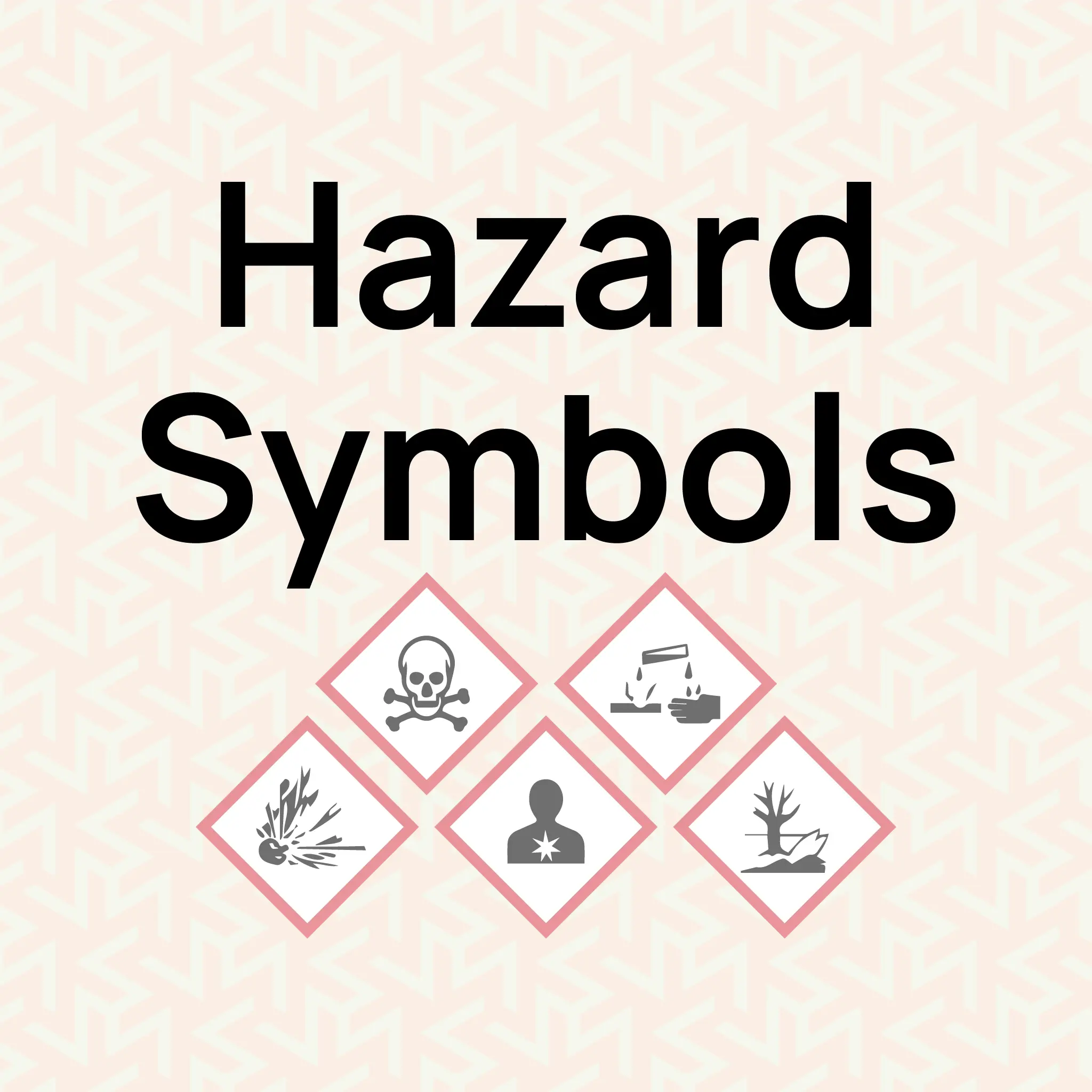
Understanding COSHH Reforms: What the New Hazard Symbols Mean for You
Hypothermia in children and infants occurs when core body temperature drops below the normal range of 36.5�C, usually due to the environment being significantly colder than the infant's body temperature (e.g., cold, damp). Unlike adults, infants and babies cannot effectively regulate their body temperature due to their smaller size and limited fat stores. With their larger surface area relative to their body weight, they can lose heat rapidly, particularly when exposed to cold surroundings. Mild cold stress can have far-reaching consequences on a baby's respiration, circulation, and overall wellness. In newborns and premature infants, even mild-to-moderate cases of hypothermia may cause low blood sugar or poor feeding. Severe cases could lead to extremely serious complications that could be life-threatening. The following information discusses everything you need to know regarding hypothermia in infants, including the causes, signs and symptoms, potential treatments, and preventative measures that may be employed. Regardless of whether you are a new parent, care provider, or childcare professional, learning to identify the first signs of hypothermia in your infant will help keep them safe and healthy. What Is Hypothermia? Hypothermia occurs when a baby�s core body temperature drops below 36.5�C, preventing the body from functioning normally. At this lowered temperature, vital processes such as metabolism, breathing, and circulation begin to slow. A baby�s heart rate may decrease, breathing can become shallow, and the body may struggle to maintain energy levels needed for growth and survival. A baby's small size, limited fat reserves, and immature ability to regulate body temperature make them more prone to heat loss than older children and adults. Infants are susceptible to temperature changes, even from brief exposure to cold or wet conditions. Early intervention is important in order to reduce the risk of negative health outcomes and avoid more serious complications. Quick responses to these conditions will allow your infant to achieve a full recovery as soon as possible. What Causes Hypothermia in Babies and Children Several everyday factors can make an infant or child lose body heat quickly. Understanding these causes is the first step in preventing hypothermia. Cold environment or draught: Many houses are very cold. A baby or child can lose a lot of body heat very quickly if in a room below the recommended temperature for that age group. Even being in a room for a short time (10-30 minutes) can be dangerous for a newborn, infant, or toddler. Wet skin or clothing: When a child is wet after bathing, swimming, or being outside in the rain, if they do not dry immediately, they will lose a lot of body heat quickly through evaporation. Wet clothes and bedding make the situation worse because they continue to draw heat from the body. Premature and low-weight babies: Babies born too soon (premature) or with a low birth weight have less body fat and are not able to regulate their temperature as well as full-term, normal-weight babies. These babies are at higher risk of developing cold stress. Illness or infections: Certain illnesses and infections (fever, sepsis, low energy, and dehydration) can weaken an infant or child's ability to generate body heat. They are at a greater risk of developing hypothermia when they are ill. Inadequate clothing or wrapping: Wearing clothing that is too thin or not covering the head and feet, or using blankets, can lead to significant loss of body heat even in otherwise warm environments. Outdoor exposure in cold weather (children): Older children can develop hypothermia if they spend an extended period outside in cold air due to wind or in wet conditions without proper clothing. Being aware of these common causes is crucial, as early recognition and simple preventive measures can protect both babies and children from hypothermia. Signs and Symptoms of Hypothermia in Babies Young children and babies cannot always tell us when they feel cold, so it is essential for carers and parents to recognise the warning signs early. Observing both physical cues and behavioural changes can help identify hypothermia before it becomes serious. � � � Age Group Physical Signs Behavioural Symptoms Babies / Infants Cold, pale, or bluish skin (hands, feet, lips); mottled skin; shivering (sometimes absent); cool abdomen or chest when touched Weak or high-pitched cry; slow or shallow breathing; poor feeding or refusal to feed; drowsiness, lethargy, reduced movement Children / Toddlers Cold or pale skin; blue lips or fingers; shivering; numb extremities; slow capillary refill Shivering, tiredness or fatigue; irritability; complaints of feeling cold; clumsiness or poor coordination Important: A baby with a temperature below 36.5�C should always be treated as at risk. For older children, persistent cold skin, blue lips, unrelenting shivering, or unusual tiredness or confusion are warning signs. When to call a doctor: Babies / Infants: Blue lips or face, very slow or shallow breathing, refusal to feed, unresponsiveness. Children / Toddlers: Persistent shivering, lethargy, confusion, cold extremities, or complaints of severe chill. Prompt action and early recognition can prevent serious complications and ensure both babies and children stay safe and healthy. How to Treat Hypothermia in Babies and Children When a baby or child shows signs of hypothermia, it is essential to warm them gently and gradually. Sudden or aggressive warming can be harmful, so a calm and measured approach is necessary. Mild Hypothermia � Babies / Infants Move the baby to a warm, quiet space away from draughts. Remove any wet clothing and dry the baby gently with soft towels. Wrap the baby snugly in warm blankets to retain body heat. Encourage skin-to-skin contact with a carer (kangaroo care) to help transfer warmth naturally. If the baby is alert, encourage feeding to maintain energy levels. Mild Hypothermia � Children / Toddlers Move the child to a warm, draft-free room. Remove wet clothing and dry thoroughly. Wrap the child in warm blankets and offer warm drinks if the child is alert. Encourage gentle movement to generate body heat. Moderate or Severe Hypothermia � Babies and Children Seek medical help immediately, as professional care is required. In hospitals, doctors may use incubators, radiant warmers, or warm intravenous fluids to safely restore body temperature. Warming must be gradual, as rapid increases in body temperature can cause shock or other complications. Monitor breathing, responsiveness, and temperature closely. With prompt and careful treatment, most babies recover quickly and safely. Early recognition and timely intervention make all the difference in preventing serious complications. For caregivers interested in understanding the skills and techniques involved, this complete guide to first aid training levels provides detailed information about child care. Possible Health Risks and Complications If hypothermia in babies goes untreated, several health issues can arise. A baby with a temperature below 36.5�C should be treated as at risk. Breathing difficulties or irregular heartbeat: Low body temperature can slow respiration and affect heart function, placing additional strain on the baby�s body. Low blood sugar and metabolic imbalance: Hypothermia increases the risk of hypoglycaemia and disrupts normal metabolic processes, potentially affecting energy levels and growth. Weakened immune system and higher infection risk: Cold stress can reduce the body�s ability to fight infections, making babies more susceptible to illness. While these complications are severe, early recognition and prompt treatment are highly effective. With proper care, most babies recover fully and safely. Preventing Hypothermia: Tips for Babies and Children The most important thing that parents or caregivers can do to help protect a child from cold stress is to take preventive measures. The preventative steps below will help you keep your baby safe and healthy. Keep the room warm at about 25�28�C Dry the baby right away after bathing (to prevent heat loss). Dress in layers (soft clothing with a hat and socks) to help keep in body heat. Practice skin-to-skin contact; holding your baby close against your chest is a natural way to help keep him/her warm. Avoid drafts (keep your baby away from windows, fans or air vents, which may cause a drop in body temperature). Check your baby�s temperature regularly (especially when it is cold outside or your baby is sick). Early recognition and simple preventive measures can protect both babies and children from hypothermia. Conclusion Baby hypothermia can develop quickly, often due to cold environments, wet clothing, prematurity, illness, or inadequate wrapping. Recognising the early warning signs, such as freezing or bluish skin, weak cry, poor feeding, and lethargy, is essential for timely intervention. Mild cases can be managed at home with gentle warming and skin-to-skin contact, while moderate or severe hypothermia requires immediate medical attention. Prevention is straightforward: maintain a warm environment, dress babies appropriately, dry them promptly, practise skin-to-skin contact, and monitor their temperature regularly. Knowledge and quick response can make a vital difference in keeping infants safe and healthy. With proper awareness and care, cold stress in newborns can be prevented, ensuring your little one stays warm, healthy, and safe. Knowing the benefits of first aid techniques can help parents respond quickly and safely if their baby shows signs of hypothermia. Frequently Asked Questions What is hypothermia in babies? It�s when a baby�s body temperature drops below 36.5�C, affecting breathing, metabolism, and circulation. What causes hypothermia in babies? Cold rooms, wet clothing, prematurity, illness, or inadequate wrapping can all cause heat loss. What are the signs of hypothermia in babies? Cold or bluish skin, weak cry, poor feeding, slow breathing, and lethargy. How do you treat hypothermia in babies? Mild cases: warm room, dry clothing, blankets, skin-to-skin contact. Severe cases: seek medical help immediately. How can hypothermia in babies be prevented? Keep rooms warm, dress in layers, dry promptly, practise skin-to-skin contact, and monitor temperature. When should I call a doctor? If the baby shows persistent cold, blue lips, a weak cry, slow breathing, refusal to feed, or lethargy. Broaden Your First Aid Knowledge� Stay prepared and confident by exploring our additional first aid courses. Each one is designed to help you protect lives and promote safety wherever you are: Emergency First Aid at Work (1 Day): Learn core techniques like CPR and handling unconscious casualties, a perfect first step for beginners. First Aid at Work (3 Days): Gain full workplace certification while mastering complex scenarios such as burns, fractures, and cardiac emergencies. Paediatric First Aid (2 Days): Tailored for child-focused environments, this course equips you to respond effectively to choking, allergic reactions, and injuries in children. Basic First Aid Course: A valuable but straightforward introduction for families, volunteers, and community workers. Advanced First Aid Training: Develop advanced decision-making skills for serious emergencies involving multiple injuries or trauma.� First Aid for Mental Health: Learn to approach, listen, and support those experiencing mental health challenges.