On This Page

July 21, 20268 min read

There are many people who die from work-related accidents in the UK each year. This indicates that there remains a strong need for effective health and safety practices. Employers and workers should understand the causes of fatalities at work.
In this article, we will detail the biggest causes of fatalities at work, provide statistics specific to the UK, identify the height where falls occur most frequently, summarise the measures you can take to avoid these types of incidents, and discuss safety measures for your workplace.
Implementing safe work practices is more than just complying with the law; it is a commitment to protecting the lives of every individual associated with your site. Let's look at some statistics and identify steps to prevent the leading causes of workplace death and injury.
Workplace fatalities are a serious concern in the UK and worldwide. Globally, the International Labour Organisation (ILO) and World Health Organisation (WHO) report nearly 2 million work-related deaths annually, with millions more suffering serious injuries.
In the UK, HSE reports 124 work-related fatalities in 2024/25, with falls from height leading the statistics. Other causes include being struck by moving vehicles, contact with machinery, and exposure to harmful substances.
Cause of Fatality | UK Deaths 2024/25 | % of Total Fatalities |
Falls from height | 42 | 34% |
Vehicle accidents | 25 | 20% |
Contact with machinery | 18 | 15% |
Other | 39 | 31% |
Understanding the scale of the problem makes it clear: falls from height are the primary workplace hazard in the UK.
In the UK, falling from height is the most frequent cause of workplace fatalities (approximately 36% of fatalities). Falls from ladders, scaffolds, rooftops and elevated platforms are the leading causes.
Falls from height are the leading cause of workplace fatality, followed by vehicle accidents, machinery accidents, and hazardous materials.
Most falls occur during routine work where workers may not see the associated risks of their actions:
Climbing ladders without proper safety measures
Working on unprotected roofs or scaffolds
Using unstable platforms or temporary structures
Most falls from height occur in industries where workers regularly work at heights:
Construction (scaffold, ladder and rooftop work)
Agriculture & Forestry (tree work, silo work and equipment use)
Maintenance and Utility Companies (working on roofs, access to high platforms, towers)
Examples of everyday occurrences leading to falling from height:
Using a ladder incorrectly, or over-reaching
No or inappropriate guard railing
A scaffold that has collapsed due to poorly assembled or poorly maintained parts
Slips on wet or uneven surfaces
Working without any type of fall protection systems
Case Studies: In London, England, a construction worker fell from an unguarded scaffold while installing roof panels. Proper edge protection, training and/or supervision could have prevented this accident.
Want to make your site safer?
Explore Hurak’s Health and Safety courses, like the Level 1 Award in Health and Safety in a Construction Environment and the Manual Handling Awareness Course. With the proper training, you can prevent falls, improve compliance, and protect every worker on site.
The environmental conditions, organisational factors, and human factors have all contributed to the ongoing occurrence of falls in the nursing team, despite available regulations and safety programs.
Human Factor: Human Factors remain the greatest risk factor in workplace accidents. The greatest percentage of falls results from inadequate training and unsafe behaviours by staff. In many cases, when completing normal workplace activities, staff are constantly finding ways to save time and rush through their work. These unsafe behaviours all lead to excessive risk-taking; in this case, the risks of falling and sustaining a serious injury increase significantly as the likelihood of making mistakes or not following safety guidelines increases. Therefore, consistent training and proper supervision are critical to reducing the likelihood of these preventable workplace accidents.
Equipment & Environment: Unsafe equipment and unsafe environmental conditions will have a dramatic impact on worker fatalities from falls. The number one cause of falling from heights is defective ladders, unsafe scaffolding, and broken safety gear. The majority of fatalities from Falls occur when there are no guardrails, unsecured platforms, and/or no edge protection in place. Environmental conditions such as rain, ice, snow, poor lighting, and wet surfaces increase workers' safety risks. Regular equipment inspections and maintenance, along with environmental risk assessments, are essential to maintaining a safe working environment for staff.
Organisational Culture significantly impacts an organisation's overall safety performance. Culture is an important factor of safety; hence, when an organisation does not prioritise safety, there will usually be gaps in supervision, training, risk assessment, and control. An example of cultural influence is the pressure organisations apply to their workers to complete their work on time. This pressure causes workers to work faster and to skip safety checks and protocols to meet their deadlines. Cultural changes within an organisation can lead to a positive safety culture, founded upon a collective commitment to safety by all staff and a better understanding of safety and associated risk issues. With this commitment to safety, there is a greater likelihood of reducing workplace injuries and fatalities.
The findings from industry safety reports highlight how even minor Safety lapses can lead to Fatalities, creating an opportunity to develop a safety-first culture. Many accidents are caused by human factors such as Poor Training and taking Shortcuts. An additional issue for many workers is injury due to Manual Handling.
By a few factors, falls from heights can be significantly reduced, if not eliminated. By implementing structured safety, comprehensive training, and regular site checks, all organisations can significantly reduce the risk of injury associated with working at heights and create a safe working environment for all employees. Understanding Workplace Health and Safety Signs is another important aspect of ensuring Safe Workplaces.
Before any Work at Height, the Employer/Supervisor must complete a Thorough Risk Assessment.
Use of safety equipment, such as harnesses, guardrails, and ladders in good condition, is mandatory.
Ensure workers are adequately trained in fall prevention.
Supervise high-risk tasks closely.
Maintain an emergency response plan for accidents.
Workers also play a crucial role in keeping themselves and others safe. Always inspect equipment before use, follow all training procedures consistently, and avoid taking shortcuts even for simple or routine tasks. Wearing the proper personal protective equipment (PPE) and reporting potential hazards immediately can make a real difference in preventing serious injuries.
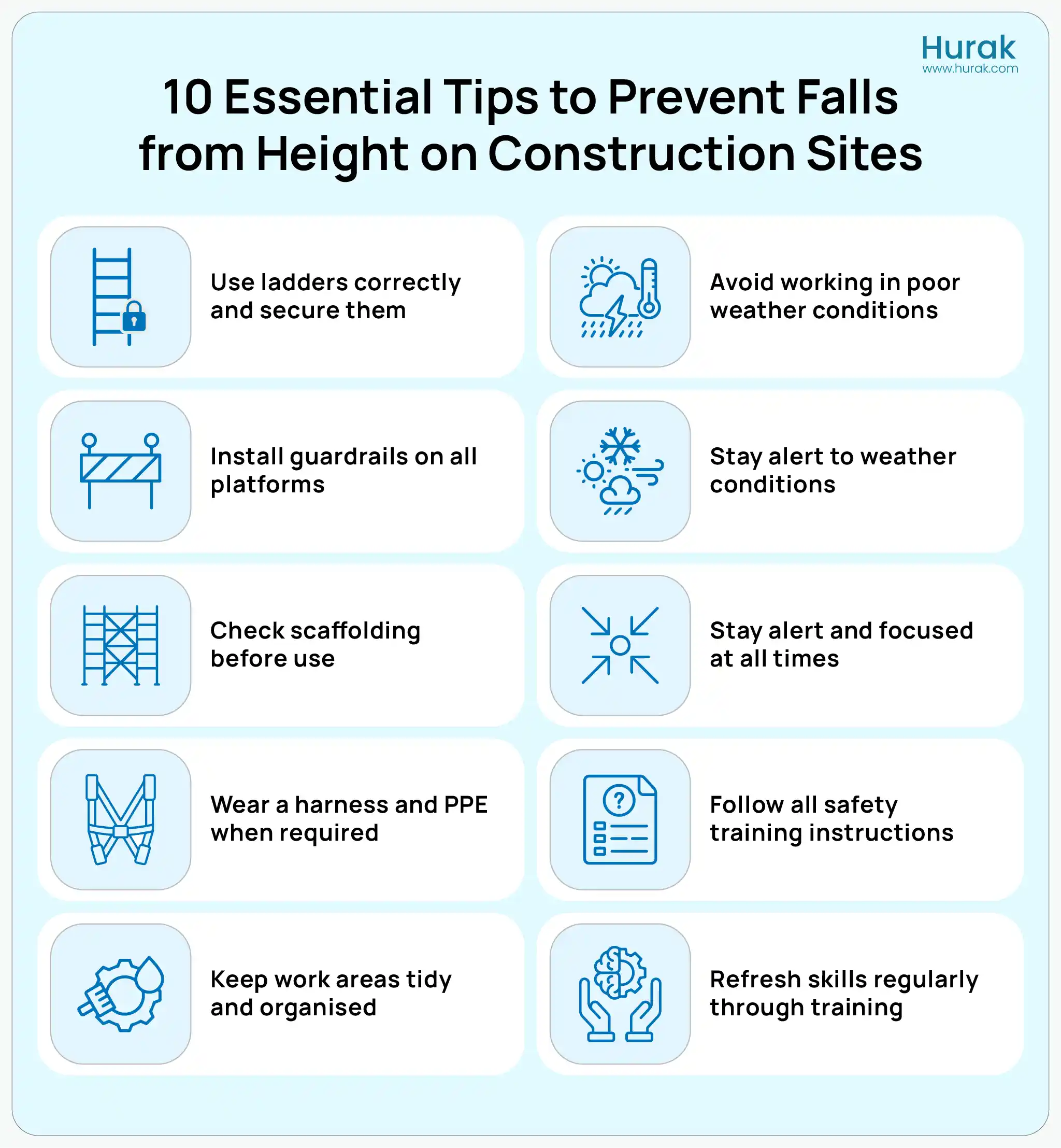
Use ladders correctly and secure them.
Install guardrails on all platforms.
Check the scaffolding before use.
Wear a harness when required.
Keep work areas tidy.
Avoid working in poor weather.
Stay alert and focused.
Follow training instructions
Report hazards immediately
Refresh safety skills regularly.
Technology can enhance compliance and reduce accidents. Discover how AI surveillance for workplace safety is transforming safety practices.
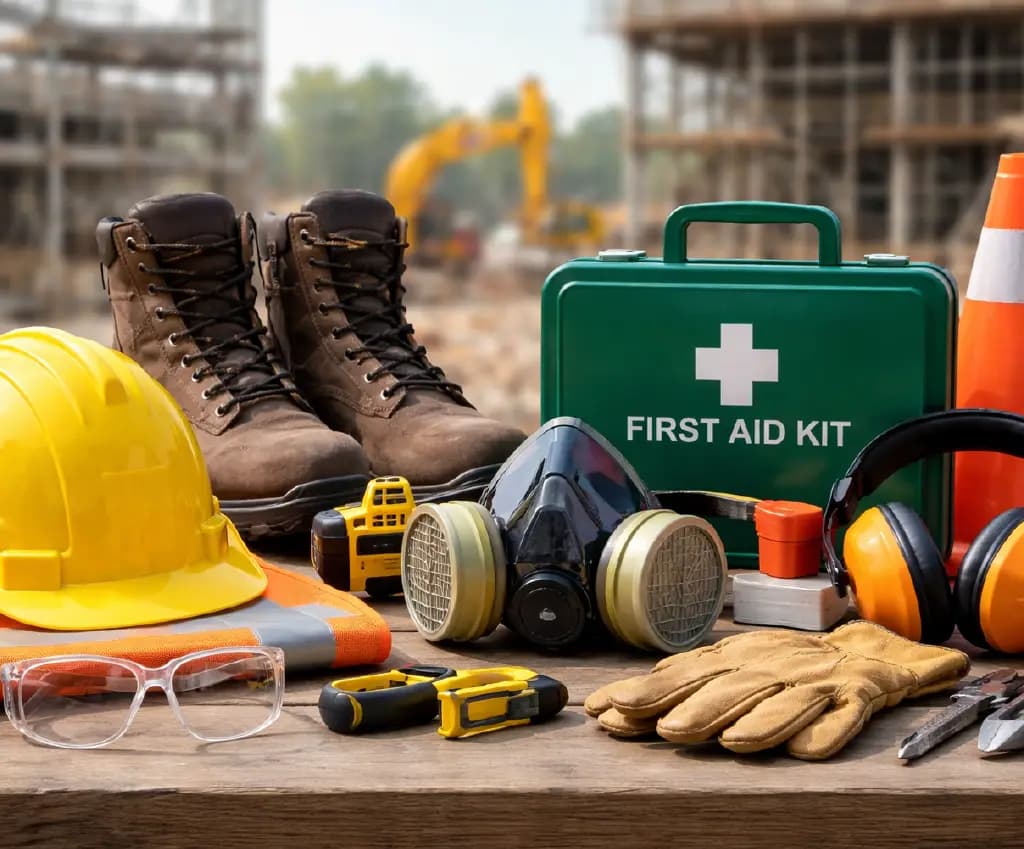
Preventing falls isn’t just about compliance; it also saves lives, reduces costs, and protects your organisation’s reputation.
Economic impact: Each fatal incident costs companies thousands in fines, compensation, and lost productivity.
Legal compliance: Meeting Work at Height Regulations 2005 reduces liability risks.
Human cost: Every life lost affects families, coworkers, and the workplace community.
Falls from height represent the leading cause of work-related fatalities; however, falls can be avoided. Establishing safe work practices, providing worker training, and assessing the potential risk of falling can help prevent falling deaths.
Take immediate action: Use the Working at Height checklist to perform a site assessment today.
Ongoing commitment: Reinforce worker training and ensure the ongoing inspection and maintenance of all equipment.
Establish a safety culture: Promote a workplace with an open door for reporting unsafe conditions and for compliance with operating procedures.
Every life counts; therefore, by taking proactive measures, you can limit workplace accidents and create a safe environment for your employees. In addition, proper first aid training can help to decrease the impact of workplace accidents on both the individual and the organisation.
Falls from height. They account for over a third of all workplace fatalities in the UK.
During ladder use, roof work, scaffolding, or elevated platforms, without proper safety measures.
Vehicle accidents, contact with machinery, and exposure to harmful substances.
In the UK, approximately 0.5–1 fatalities per 100,000 workers occur annually, depending on the sector.
Safety training should be refreshed annually or whenever new risks, equipment, or regulations arise.
Whether you’re looking to improve your safety, lead a team, or move into a supervisory role, these courses support your journey:
Manual Handling Awareness: Understand safe lifting techniques, reduce injury risks, and work more efficiently in physically demanding roles.
CITB SSSTS (Site Supervisor Safety Training Scheme): For team leaders responsible for safety on-site, including proper manual handling practices.
CITB SMSTS (Site Management Safety Training Scheme): Designed for site managers looking to manage risks, meet legal duties, and build safer teams.
SSSTS Refresher: Keep your supervisor certification valid while refreshing your knowledge of site safety and manual handling.
SMSTS Refresher: Update Your Understanding of Workplace Risks and Continue Leading by Example.
Health and Safety Awareness Course: A foundational course covering key responsibilities, ideal for new starters across all industries.
Courses
Upskill with job-ready training.
Mock Tests
Measure your learning progress.
Create an online video course, reach students across the globe and earn money