On This Page

July 16, 202617 min read
When working at height, the risks are significant, and ensuring a safe environment is not just a legal requirement; it's a moral obligation. A working at height risk assessment helps identify potential dangers and put in place appropriate measures to safeguard workers. It's essential for safety officers, managers, and supervisors to understand how to conduct a thorough assessment to mitigate risks effectively.
In this guide, we will explore the essential steps involved in carrying out a working at height risk assessment, from identifying hazards to implementing control measures. Along the way, we'll provide real-life examples and actionable steps to help you manage and reduce risks, ensuring both compliance and safety in the workplace. Whether you're new to safety assessments or seeking to refine your approach, this article provides the tools you need to enhance your risk management practices.
A working at height risk assessment is a structured process used to identify, evaluate, and manage the potential dangers associated with tasks performed at height. Working at height involves any work where there is a risk of a person falling and injuring themselves. This includes tasks performed on ladders, scaffolding, roofs, or any elevated surface.
The primary goal of a working at height risk assessment is to ensure the safety of workers and compliance with safety regulations. By conducting a thorough assessment, organisations can take proactive steps to prevent accidents and injuries before they occur. The risk assessment identifies hazards such as unstable surfaces, poor weather conditions, and faulty equipment, and it helps implement control measures to mitigate these risks.
This process is crucial for any workplace where employees are required to work at height, from construction sites to maintenance tasks and more. Understanding and conducting a proper risk assessment ensures that the work environment remains safe and compliant with health and safety regulations, such as the Health and Safety at Work Act 1974 and the Work at Height Regulations 2005.
By systematically evaluating risks, employers can implement control measures such as using the right equipment, providing protective gear, and establishing safe working practices. Without this essential assessment, the risks associated with working at height can lead to severe injuries, fatalities, and legal repercussions for the employer.
When employees work at heights, the risks they face are significant, including falls and falling objects. A working at height risk assessment helps manage these risks by identifying potential hazards and implementing control measures. This process is not only crucial for maintaining safety standards but also for fulfilling legal obligations, preventing accidents, and ensuring that all work is conducted in a controlled and safe environment. Failing to conduct a proper risk assessment can result in hazardous incidents, substantial fines, and damage to a company's reputation.
Conducting a working at height risk assessment involves a systematic approach to ensure safety and minimise risks. This process is designed to identify potential hazards, evaluate their severity, and implement control measures to prevent accidents. Below are the key steps in conducting a practical risk assessment for tasks performed at height:
Step 1: Identify Hazards
The first step in any risk assessment is to identify the hazards associated with working at height. Hazards can vary depending on the work environment, the equipment used, and the tasks involved. Common hazards include:
The risk of falling from ladders, scaffolding, or roofs.
Tools or materials falling from height pose a danger to workers below.
Adverse weather conditions, such as high winds or rain, can make working at heights unsafe.
Working on uneven or slippery surfaces may cause accidents.
It's essential to thoroughly inspect the site and consider all potential hazards associated with the work being carried out.
Step 2: Evaluate the Risks
Once hazards are identified, the next step is to evaluate the level of risk associated with each hazard. This involves assessing two main factors:
How likely is it that a particular hazard will result in an accident?
What would the consequences be if an accident were to occur?
Would it result in minor injury, serious injury, or even a fatality?
The risks can be categorised into high, medium, or low risk, helping you prioritise which hazards need immediate attention and which can be managed with less urgency.
Step 3: Implement Control Measures
After evaluating the risks, it's crucial to implement appropriate control measures to reduce or eliminate those risks. Control measures can be categorised into:
Measures that avoid falls altogether, such as guardrails, safety nets, or barriers.
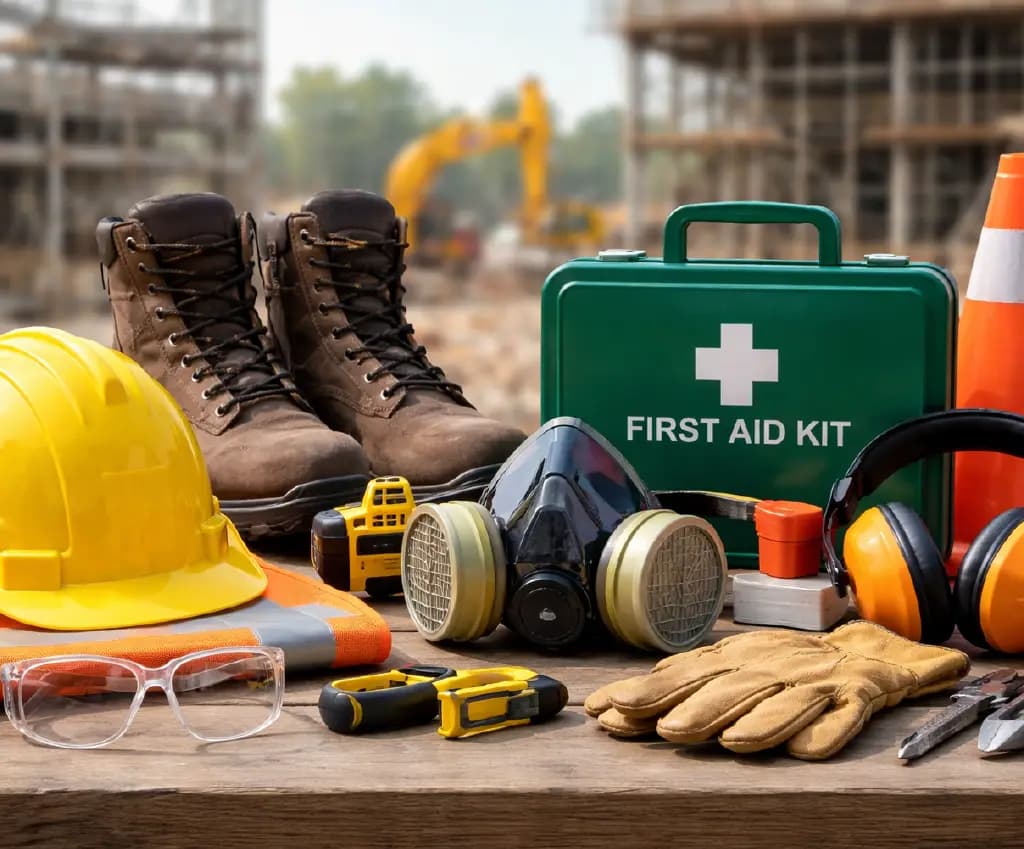
Equipment such as personal protective equipment (PPE), including harnesses, lanyards, and helmets, protects workers in the event of a fall.
Systems that stop a fall from occurring, such as safety harnesses attached to anchor points.
Other control measures may include providing proper training for workers, ensuring safe access to work areas, and ensuring that the necessary equipment is available and adequately maintained.
Step 4: Review and Monitor
Risk assessments should not be a one-time event; they should be conducted on a regular basis. Regular review and monitoring are crucial to ensure that control measures are effective and that the risk assessment remains relevant as working conditions evolve. This can involve:
Conducting regular inspections of equipment and safety measures.
Reviewing any incidents or near-misses to identify areas for improvement.
Updating the risk assessment when new equipment or tasks are introduced, or when there are changes in the work environment.
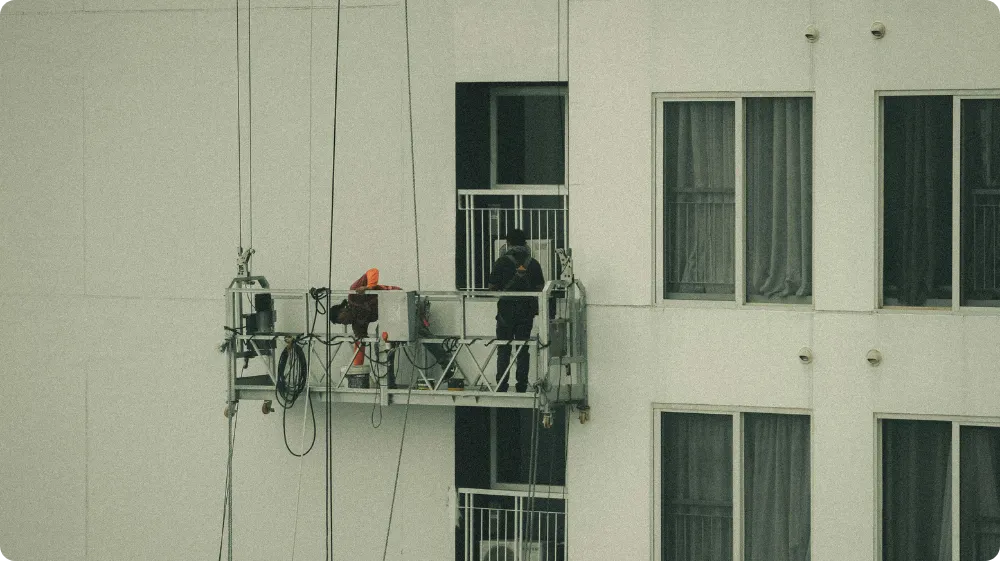
When it comes to working at height, risk assessments must be tailored to the unique hazards present in each environment. The following examples illustrate the diversity of challenges and the corresponding control measures implemented to ensure safety. These examples will give you a clear picture of how risk assessments work in practice:
Example 1: High-Rise Building Construction
Hazard Identified: Working on scaffolding at significant heights.
Control Measures: Use of full-body harnesses, frequent scaffold inspections, and weather monitoring.
Outcome: A marked decrease in falls and fewer safety violations.
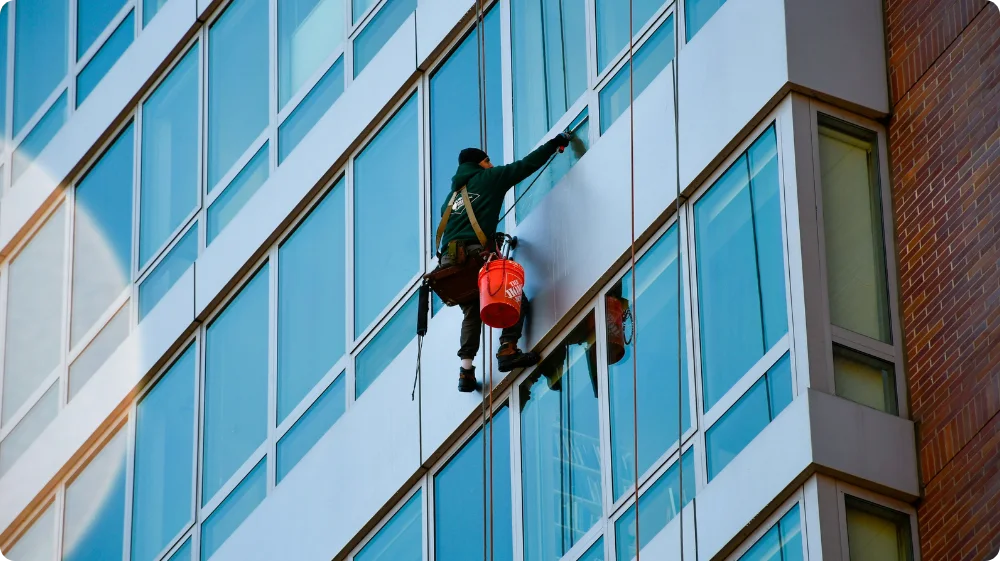
Example 2: Window Cleaning at Height
Hazard Identified: Falls from ladders and dropped tools.
Control Measures: The installation of safety harnesses, the use of tool lanyards, and regular safety training are implemented to ensure a safe working environment.
Outcome: Zero reported accidents over a year.
When conducting a working at height risk assessment, it's essential to focus on key components that help identify and mitigate potential hazards. These elements not only ensure safety but also facilitate compliance with industry regulations. The following components should be considered when evaluating risks associated with working at height:
Location and Environmental Factors: Evaluating the environment where the work will take place is crucial. Consider factors like weather conditions, surface stability, and any physical obstacles.
Worker Competence and Experience: Assessing the experience and training of workers performing tasks at height ensures they can handle the challenges safely. Proper certifications and physical fitness play an important role.
Equipment and Tools: The use of proper equipment, including ladders, scaffolding, and personal protective equipment (PPE), is essential. Regular checks and maintenance of these tools are also necessary.
Task Complexity: Assess the complexity of the tasks to be performed at height, considering factors like duration, the need for specialised tools, and the involvement of heavy lifting.
Control Measures: Implementing proper control measures, such as fall prevention systems, safety barriers, and emergency rescue plans, will significantly reduce the risk of accidents.
Master Working at Height Safety with Hurak
To effectively manage risks when working at height, it’s essential to complete comprehensive working at height risk assessments and implement the proper control measures. Hurak offers accredited training courses that guide you through the risk assessment process, ensuring you stay compliant and maintain a safe workplace.
Start the Working at Height Course | Enrol in our Safety Harness Training | Learn about Working at Height Risks | Get Hands-On Health and Safety Awareness Mock Test
Ensuring the safety of workers when performing tasks at height requires implementing effective control measures. These measures are designed to either prevent a fall, protect workers if a fall occurs, or minimise the impact if a fall does happen. By incorporating the right control measures, you can significantly reduce the risks associated with working at height and create a safer environment for all involved.
Fall Prevention
The most effective way to reduce risk is by preventing falls before they occur. Fall prevention eliminates the risk entirely, offering workers the highest level of protection. One of the most common methods is installing guardrails and barriers around elevated platforms, scaffolding, or the edges of roofs. These barriers act as physical barriers, preventing workers from accidentally stepping too close to the edge.
Additionally, the use of scaffolding and aerial work platforms (AWPs) ensures that workers are working within a stable, enclosed space, minimising exposure to open edges. For extra protection, safety nets can be installed beneath elevated work areas to prevent falls. These nets act as a safety cushion, catching workers if they lose their balance, further reducing the likelihood of a serious fall.
Fall Protection
In situations where fall prevention is not possible, fall protection systems become essential. These systems do not prevent falls but protect workers if one occurs. Key elements of fall protection include personal protective equipment (PPE), such as harnesses, lanyards, and fall arresters, which workers wear to keep them securely attached to anchor points. Even if a worker falls, these systems ensure that they remain suspended safely without coming into contact with the ground.
In addition to PPE, anchor points must be properly installed and secure, allowing workers safety harnesses to stop a fall effectively. Moreover, implementing a rescue system is critical. A well-designed rescue system ensures that if a worker becomes suspended after a fall, they can be retrieved safely and quickly, minimising exposure to risk for prolonged periods.
Fall Arrest Systems
When fall protection is insufficient and a fall occurs, fall arrest systems are used to stop the fall and prevent injury. These systems are designed to slow the descent and reduce the impact forces. Lifelines are a key component in fall arrest systems. These horizontal and vertical lifelines are anchored securely and connected to workers safety harnesses, halting their fall before it reaches the ground.
In addition to lifelines, fall arresters, such as shock-absorbing lanyards, are used to absorb the energy from a fall, significantly reducing the shock to the worker's body. These systems play a crucial role in preventing serious injuries or fatalities in the event of unexpected falls.
Safe Access and Egress
Safe access to and from work areas at height is another critical element in minimising risk. Without safe means of accessing elevated work areas, workers may be exposed to additional hazards. Using sturdy ladders and stairways that are regularly inspected and securely positioned can significantly reduce the risk associated with climbing or descending to high locations.
Where ladders or scaffolding are not feasible, rope access systems provide a safe and controlled method for workers to access elevated areas. Trained personnel use ropes, harnesses, and anchor points to safely access and work at height, ensuring that no unsafe access methods are used. These systems not only enhance safety but also enable workers to operate in locations that might otherwise be inaccessible.
Training and Competence
Finally, training is one of the most vital control measures. No matter how effective the equipment or systems are, they are only valuable if the workers using them are adequately trained. Training should cover the correct usage of PPE, ensuring that workers know how to wear and adjust harnesses, helmets, and lanyards to maximise their effectiveness.
Training should also focus on safe work practices. Workers must be instructed on the proper methods of using ladders, scaffolds, and aerial work platforms. In addition, it's essential that workers are familiar with emergency procedures, particularly rescue techniques, so they know exactly what to do in the event of an accident. Proper training ensures that safety protocols are followed and that workers are prepared to handle the challenges of working at height.
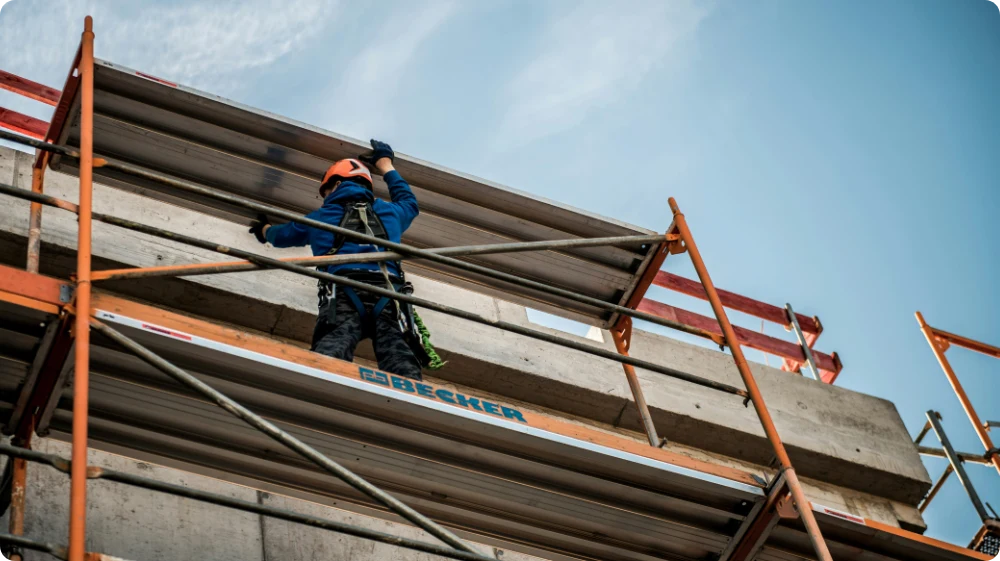
After identifying hazards and evaluating risks in the earlier stages, the next crucial step is to implement control measures that mitigate these risks. This stage ensures that the appropriate systems are in place to manage the risks and keep workers safe.
Control Measure | Description | Actionable Steps for Implementation |
Prioritise Control Measures | Focus on the highest risks first, ensuring that the most hazardous hazards are addressed promptly. | - Prioritise fall prevention measures for the highest-risk areas. - Focus on critical control measures that address immediate dangers first. |
Integrate Fall Prevention Systems | Incorporate fall prevention methods directly into the work environment to eliminate exposure to hazards. | -Install guardrails or barriers before any work begins. - Enclose work areas using scaffolding or platforms to create safer environments. |
Equip Workers with PPE | Provide workers with personal protective equipment to ensure they are protected in the event of a fall. | -Distribute harnesses and lanyards, ensuring all workers are equipped. - Verify the correct fit and adjustment of PPE before starting work. |
Conduct Regular Inspections | Ensure that all equipment and safety measures are functioning correctly and consistently. | -Inspect all equipment daily before use. - Check safety barriers, scaffolding, and PPE for any wear and tear or damage. |
Continuous Training and Drills | Ongoing training ensures that workers are fully prepared to handle the tasks and emergencies that might arise while working at height. | -Hold regular training sessions on equipment usage and safety protocols. - Conduct emergency drills to test workers response to falls or accidents. |
Here are the 5 most common mistakes made during risk assessments and how to avoid them:
Failing to Identify All Hazards
One of the most significant errors is failing to identify all hazards at the worksite thoroughly. Often, only the most obvious risks, such as falling from height, are considered, while other dangers, like weather conditions or unstable surfaces, are overlooked.
How to Avoid It: Perform a comprehensive site inspection to identify both common and hidden hazards, including environmental factors, work equipment, and worker competence.
Underestimating the Risks of Certain Tasks
Many risk assessments underestimate the dangers of tasks that may appear low-risk at first glance, such as using a ladder or accessing a roof. Even seemingly simple tasks can pose significant risks if not adequately assessed.
How to Avoid It: Evaluate the task thoroughly, considering its complexity, duration, equipment condition, and environment, before making an assessment.
Inadequate or Improper Use of PPE
Personal protective equipment (PPE) is essential for worker safety; however, many assessments fail to ensure that PPE is used correctly or that it is adequate for the task. Incorrectly fitted harnesses or helmets can compromise safety.
How to Avoid It: Ensure workers are provided with the correct PPE for the task, and regularly train them on its proper use and maintenance to ensure it is effective.
Neglecting Regular Inspections and Maintenance
A common oversight is failing to conduct regular inspections and maintenance of equipment and work areas. Unsafe equipment or poorly maintained structures can significantly increase the risk of accidents.
How to Avoid It: Implement a daily inspection routine for all equipment (including ladders, scaffolding, and PPE) and conduct periodic site assessments to ensure ongoing safety. Always inspect the worksite before starting any task.
Ignoring the Need for an Emergency Plan
Inadequate planning for emergencies, such as fall incidents, can result in delayed responses that worsen the outcome of an accident. A clear, practised rescue plan is essential to minimise harm in case of an emergency.
How to Avoid It: Establish a detailed rescue plan that includes clear roles, emergency contacts, and necessary equipment. Regularly practice emergency procedures to ensure everyone knows how to respond promptly.
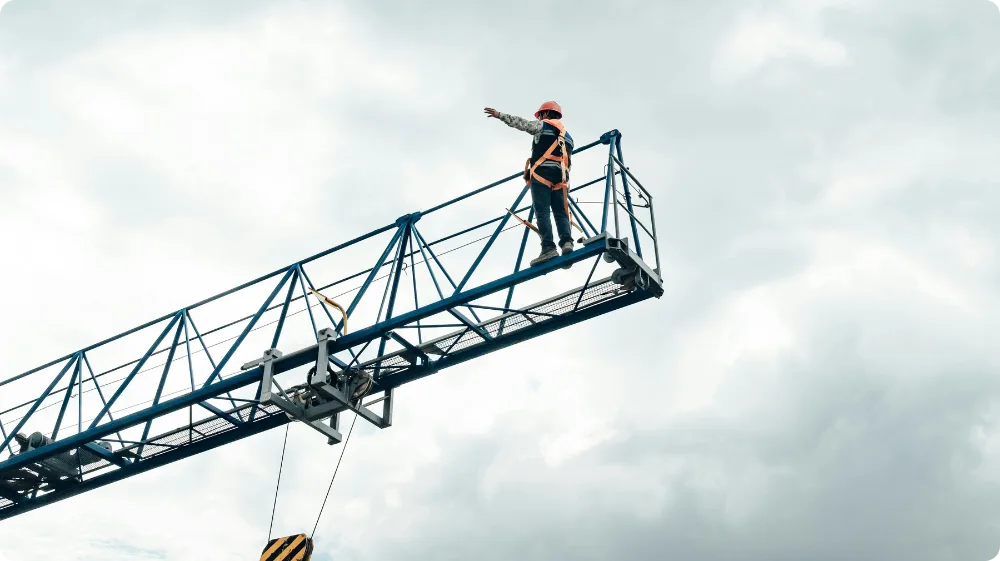
A working at height risk assessment is a collaborative effort, requiring input from several key personnel within an organisation. The responsibility lies not just with the employer, but with all individuals involved in the task. Let's look at the key roles:
Role | Primary Responsibility | Key Role |
Health and Safety Manager or Safety Officer | Lead the risk assessment process, ensuring compliance with safety regulations and standards. | Oversee the overall safety measures, ensuring that control measures are comprehensive and implemented effectively |
Site Supervisors and Managers | Oversee daily tasks at the worksite and ensure safety measures are followed during operations. | Monitor the implementation of the risk assessment and ensure that workers follow safety protocols on-site. |
Workers | Provide first hand input into potential hazards and offer insight based on their experience with the tasks at height. | Trained workers should understand their role in maintaining safety at height and contribute to safety decisions. |
Employers | Ensure that adequate resources, such as training, PPE, and supervision, are available to implement risk assessment recommendations. | Ensure the organisational culture supports safety initiatives and that resources are correctly allocated. |
Risk Assessment and Method Statements (RAMS) are integral to managing the risks associated with working at height. RAMS documents outline the risks, methods, and precautionary measures that must be followed to ensure the safety of workers and compliance with regulations. Below, we explain the key elements of RAMS and their importance in height-related work.
A well-prepared RAMS document addresses both the risks of a task and the methods to carry it out safely. It typically consists of two key components:
Risk Assessment
Identifying hazards such as unstable surfaces, adverse weather conditions, or equipment failure.
Evaluating the likelihood and severity of risks such as falls or falling objects.
Outlining the necessary control measures to minimise risk (e.g., guardrails, PPE).
Method Statement
Describing safe working practices for tasks at height, including PPE requirements and tools needed.
Detailing the steps involved in the task to ensure all safety protocols are followed.
Emergency procedures and first aid plans in case of an accident.
RAMS provide a clear and structured plan for carrying out work safely at height, helping to:
Prevent accidents by eliminating or mitigating risks.
Comply with regulations like the Work at Height Regulations 2005.
Ensure all workers understand their roles, PPE requirements, and safe work practices.
Boost Your Site Safety Credentials with CITB Courses
Looking to enhance your knowledge of site safety and meet industry standards? Hurak’s CITB Site Safety Plus courses are designed to support professionals at every level.
Popular CITB-accredited courses include:
A working at height risk assessment should be reviewed regularly to ensure ongoing safety and compliance. Typically, risk assessments should be updated at least annually or more frequently if circumstances change. If the work environment or procedures evolve, the assessment must be updated to reflect these changes to remain accurate and effective.
Immediate reviews are required when significant incidents occur, such as a fall or near miss, as these highlight gaps in existing safety measures. New equipment or methods also necessitate a review to ensure that updated procedures do not introduce new hazards. Additionally, changes in regulations should trigger a review to ensure compliance with current safety standards. Regular updates maintain safety, reduce the risk of accidents, and ensure continued adherence to legal requirements.
A working at height risk assessment identifies hazards associated with tasks performed at elevated levels and outlines control measures to prevent accidents, ensuring the safety of workers.
It is crucial to identify and mitigate risks, comply with safety regulations, and protect workers from injuries or fatalities when working at height.
Safety officers, site supervisors, and employers should all be involved in conducting and overseeing the risk assessment to ensure it is thorough and accurate.
The risk assessment should be reviewed annually, or whenever there are changes in equipment, work conditions, or regulations, or after incidents.
Key components include hazard identification, risk evaluation, control measures, safe work procedures, and emergency response plans.
Common mistakes include failing to identify all hazards, underestimating risks, improper use of PPE, and not updating the assessment after incidents or regulatory changes.
Control measures include fall prevention systems, PPE (personal protective equipment, such as harnesses and lanyards), fall arrest systems, and regular inspections to ensure safe working conditions.
Conducting a working at height risk assessment is a critical process for ensuring the safety of workers and complying with regulations. By systematically identifying hazards, evaluating risks, and implementing effective control measures, organisations can significantly reduce the likelihood of accidents and create a safer work environment. Regular reviews of the risk assessment are essential for identifying new risks, maintaining compliance with evolving regulations, and improving overall safety practices.
Whether it's by prioritising high-risk tasks, equipping workers with the proper PPE, or continuously monitoring safety measures, following a structured approach to risk assessments can prevent falls and other height-related injuries. Remember, safety is an ongoing commitment, and by regularly reviewing and updating risk assessments, businesses can ensure a culture of safety that protects both workers and the organisation.
Courses
Upskill with job-ready training.
Mock Tests
Measure your learning progress.
Create an online video course, reach students across the globe and earn money