On This Page

July 16, 20269 min read
Health and safety in the workplace isn't just the employer's responsibility; it's a shared duty. Every employee, regardless of their role, plays a vital part in maintaining a safe and healthy working environment. By understanding and fulfilling their responsibilities, employees not only protect themselves but also contribute to the well-being of colleagues and the overall success of the organisation.
Under the Health and Safety at Work Act 1974 (HASAWA), employees have clear legal duties. These range from following safety procedures and using equipment properly to reporting hazards and cooperating with their employer's policies. Failing to fulfil these responsibilities can lead to accidents, injuries, and even legal consequences.
In this guide, we'll explore the key responsibilities employees have for health and safety, explain their legal duties under HASAWA, and highlight practical steps to keep the workplace safe for everyone.
Health and safety in the workplace is a shared responsibility, not something that rests solely with employers. Employees play a crucial role in creating a safe environment, and their actions have a direct impact on the well-being of everyone around them. By following procedures, reporting hazards, and working responsibly, employees help prevent accidents and reduce risks.
Taking responsibility isn't just about avoiding injury; it also builds a culture of safety and trust. When staff actively contribute to health and safety, it protects colleagues, reassures clients or visitors, and ensures smoother business operations. It also helps employees feel more confident and valued, knowing they are part of a workplace that prioritises their wellbeing.
Importantly, fulfilling health and safety duties is also a legal requirement under the Health and Safety at Work Act 1974. Failing to meet these responsibilities can lead to accidents, disciplinary action, or even legal consequences. Ultimately, when employees take health and safety seriously, everyone benefits from individual workers to the organisation as a whole.
Take Charge of Workplace Safety – Boost Your Health and Safety Skills with Hurak
Ensure you understand your responsibilities and contribute to a safer workplace. Hurak offers a range of accredited Health and Safety courses to help employees, supervisors, and managers stay compliant and confident.
Popular Health and Safety Courses:
Level 2 Health and Safety in the Workplace – Fundamental knowledge for all employees
Level 3 Health and Safety in the Workplace – Advanced training for managers and supervisors
Manual Handling Training – Safe lifting techniques to prevent injuries
IOSH Managing Safely Course and Certificate – Learn prevention and emergency response procedures
IOSH Working Safely Course – Identify hazards and implement effective controls
Want more options? Browse all Health and Safety Courses at Hurak and find the right training for your team.
Workplace safety depends on a balance between what employees can expect from their employers and what is expected of them in return. Employees have the right to safe systems of work, access to training, and the use of personal protective equipment (PPE). They should also be informed about risks and know how to raise concerns.
In return, employees carry responsibilities. These include taking care of their own health and safety, following agreed safety procedures, cooperating with managers, and ensuring their actions do not put others at risk. Reporting hazards, near misses, or faulty equipment is a vital part of this responsibility.
By combining rights with responsibilities, the Health and Safety at Work Act 1974 ensures that safety is a shared duty. This partnership helps reduce accidents, improve compliance, and build safer working environments.

Employees have clear legal responsibilities under the Health and Safety at Work Act 1974 (HASAWA). These duties are non-negotiable and form the foundation of workplace safety compliance. Every employee must:
Follow workplace health and safety policies set by the employer.
Use protective equipment and machinery correctly, as instructed.
Take reasonable care of their own safety and that of others who may be affected by their actions.
Report hazards, accidents, or unsafe practices to a manager or supervisor.
Cooperate with employer safety measures to ensure that legal standards are upheld.
Refrain from misusing safety equipment or creating risks for others.
These responsibilities are rooted in law, meaning failure to comply can result in disciplinary action or even legal consequences. By meeting these duties, employees help employers meet their obligations while protecting everyone in the workplace.
The Health and Safety at Work Act 1974 (HASAWA) is the foundation of workplace safety law in the UK. While it places significant responsibilities on employers to create safe working conditions, it also sets out clear duties for employees. These duties ensure that safety is a shared responsibility across the workplace.
Key employee duties under HASAWA include:
Taking reasonable care of your own health and safety, as well as that of colleagues and anyone who may be affected by your work.
Following the safety instructions and training provided by the employer to ensure tasks are carried out safely.
Using equipment and protective gear properly and never misusing items designed for safety purposes.
Reporting hazards, accidents, or unsafe practices so that risks can be addressed quickly.
Cooperating with employers and supervisors to ensure all legal obligations under health and safety law are met.
Failing to fulfil these duties can result in disciplinary action, legal consequences, or an increased risk of accidents in the workplace. By complying with HASAWA, employees not only fulfil their legal obligations but also contribute to fostering a safer and more responsible working environment.
Health and safety isn't just about knowing the law; it's about putting safety into practice every day. Employees can take simple yet effective actions that make a significant difference in reducing risks and preventing workplace accidents.
Steps employees can take include:
Follow training and instructions carefully: Apply the knowledge gained from health and safety training and always carry out tasks as instructed.
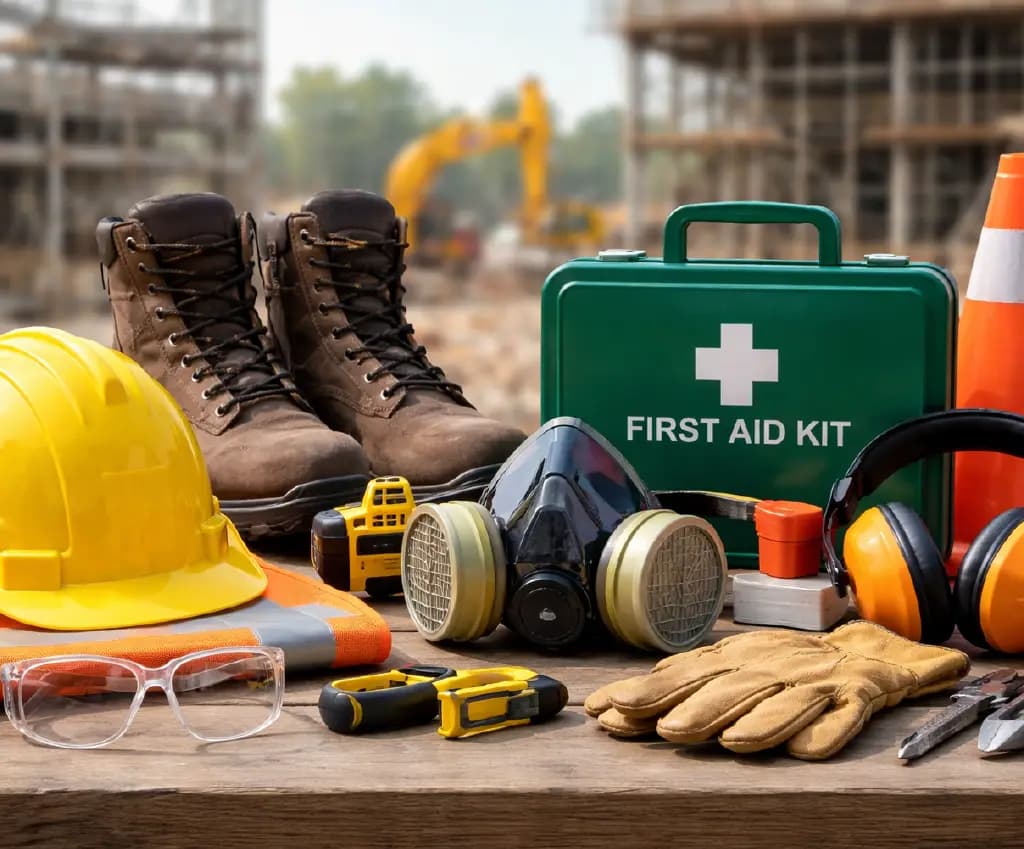
Wear and maintain PPE: Use personal protective equipment (PPE) as required, and report any damage or loss promptly.
Report hazards and near misses quickly: Don't ignore unsafe conditions, inform your manager or safety officer so issues can be addressed before they cause harm.
Keep your workspace clean and organised: A tidy work area reduces slips, trips, and falls while making it easier to spot potential hazards.
Encourage safe behaviour among colleagues: Look out for others, share safety reminders, and promote a culture where everyone feels responsible.
Stay alert and proactive: Pay attention to your surroundings, avoid shortcuts that compromise safety, and take action when something seems unsafe.
By following these steps, employees not only meet their legal duties but also contribute to a safer, healthier, and more efficient workplace.
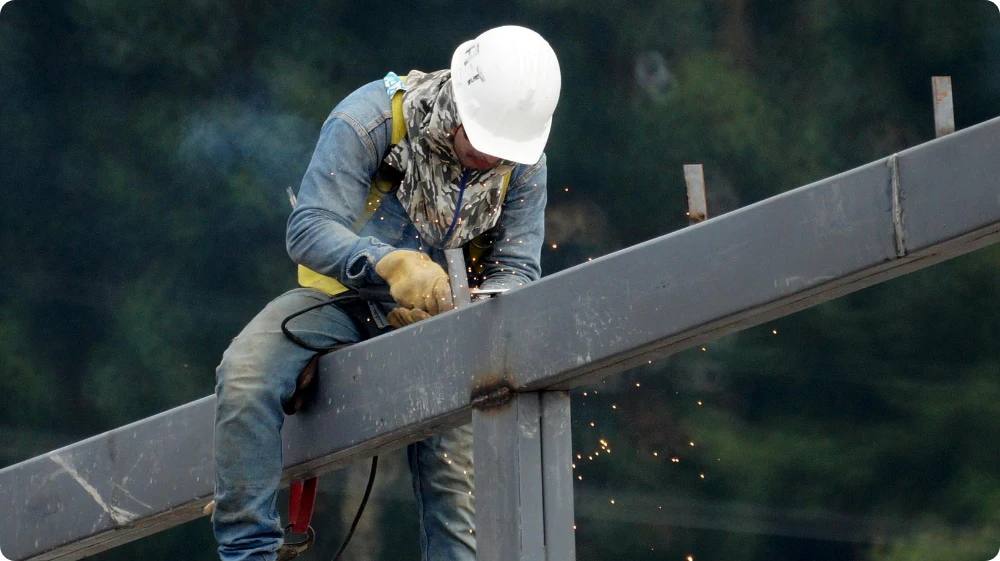
Employers carry the primary legal duty for workplace safety, but their efforts only work if employees cooperate. By following safety procedures every day, employees help ensure that the systems designed to protect them are effective. Proper use of equipment and personal protective equipment (PPE) prevents unnecessary risks and supports the employer's investment in safety resources.
Employees also contribute by promptly reporting hazards, allowing employers to take corrective action, and by providing feedback on policies and training to highlight areas for improvement. Active participation in health and safety training demonstrates commitment and enables employees to apply safe practices in real-world situations. Just as significantly, encouraging teamwork and cooperation fosters a culture where safety is a priority for everyone.
Together, these actions demonstrate that health and safety are not just a matter of employer duty but a shared responsibility that benefits the entire organisation.
Employees have several support options if they are unsure about their health and safety responsibilities or need to raise concerns. The table below outlines the primary sources of help:
Source of Help | How They Support Employees |
Line Manager / Supervisor | First point of contact for reporting hazards, unsafe practices, or health and safety concerns |
Health and Safety Officer | Provides guidance, investigates issues, and ensures policies are followed correctly. |
Safety Representatives | Act on behalf of employees, raise concerns collectively, and help maintain compliance. |
Training & Workplace Resources | Manuals, induction sessions, and refresher training provide knowledge on rights and duties. |
External Regulators (HSE) | Offer impartial advice, enforce the Health and Safety at Work Act 1974, and investigate reports. |
By knowing who to contact and when, employees can address safety concerns quickly and effectively, ensuring risks are managed before they become serious problems.

Employees must take reasonable care of their own health and safety and that of others. This includes following workplace procedures, using PPE correctly, and reporting hazards or unsafe practices.
Both employers and employees share responsibility. Employers provide a safe system of work, training, and equipment, while employees must cooperate and play their part in maintaining a safe workplace.
Under HASAWA, employees are legally required to act responsibly, use safety equipment properly, follow training and instructions, and report risks or incidents promptly.
Employees should raise concerns with their line manager, supervisor, or the organisation's appointed health and safety officer. External regulators, such as the Health and Safety Executive (HSE), may also be contacted if needed.
Legal duties are shared: employers, employees, contractors, and even visitors may have responsibilities depending on their role and actions in the workplace.

Health and safety is not just the employer's duty; it is a shared responsibility that depends on the active involvement of employees. By following workplace policies, using equipment safely, reporting hazards, and cooperating with managers, employees help create a safer and more productive environment for everyone.
The Health and Safety at Work Act 1974 makes it clear that employees have legal obligations; however, beyond compliance, these responsibilities also build trust, reduce risks, and promote a positive workplace culture. Every action, from wearing PPE to speaking up about unsafe practices, contributes to protecting colleagues and ensuring that safety remains a top priority.
Ultimately, health and safety work best when everyone takes ownership. Employees who understand and carry out their responsibilities not only safeguard themselves but also play a vital part in protecting their team and supporting their organisation's long-term success.

Courses
Upskill with job-ready training.
Mock Tests
Measure your learning progress.
Create an online video course, reach students across the globe and earn money