On This Page

July 16, 202611 min read
Workplace hazards are any sources of potential harm or adverse effects on people, processes, or the environment within a work setting. They can arise from unsafe conditions, hazardous materials, or even the way tasks are carried out. Understanding these hazards is crucial for maintaining a safe and healthy workplace, as they can lead to injuries, illnesses, financial losses, and legal repercussions if left unaddressed.
By identifying different types of hazards, learning from real-world examples, and implementing effective control measures, employers and employees can work together to minimise risks, ensure compliance with safety standards, and create a secure environment for everyone.
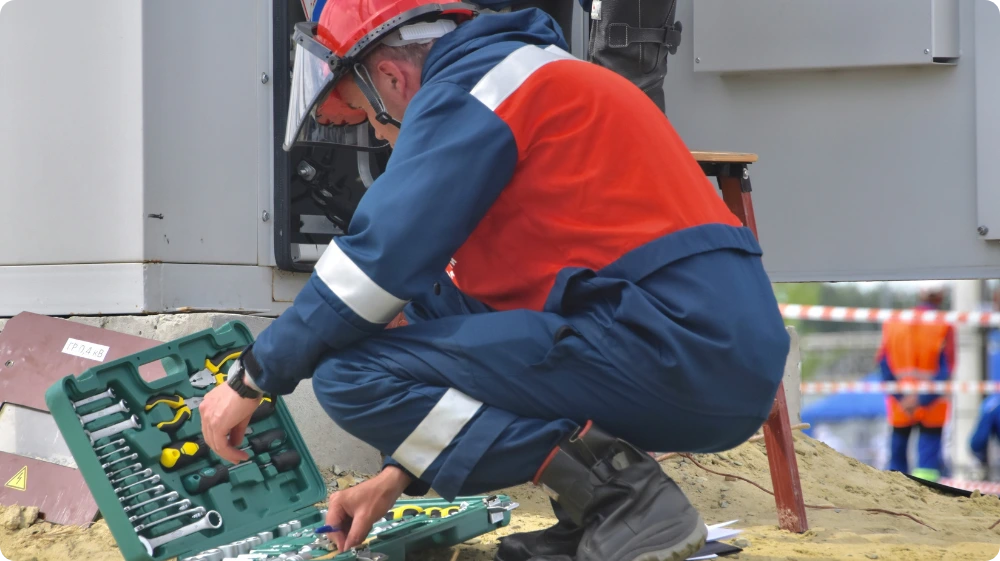
The term "workplace hazard" may seem technical, but its meaning is straightforward: it refers to any aspect of the work environment that can harm people. This includes physical hazards, such as slips, trips, and falls, as well as occupational hazards that arise from long-term exposure to chemicals or repetitive strain. Hazards can affect employees across all sectors. By learning to identify common workplace hazards and risks, employers can create safer environments and promote long-term employee well-being.
In health and safety, the terms hazard and risk are closely related but not the same. A hazard refers to something with the potential to cause harm, while a risk reflects the likelihood and severity of that harm occurring. The table below highlights the main differences between the two:
Hazard | Risk |
A hazard is anything with the potential to cause harm, injury, illness, or damage. | A risk is the likelihood and severity of harm that can occur when an individual is exposed to a hazard. |
Exists inherently in the workplace (e.g., sharp tools, loud noise, chemicals). | Depends on how workers interact with the danger and the level of exposure. |
Identifies the source of potential harm. | Evaluates the probability and impact of that harm happening. |
Static - the hazard exists whether or not someone is exposed. | Dynamic - the risk level changes based on controls, training, and safety measures in place. |
Wet floor (slip hazard)- Exposed wires (electrical hazard)- Chemical fumes (toxic hazard) | Probability of slipping on the damp floor- Chance of electrocution from touching exposed wires- Likelihood of illness from inhaling fumes |
Remove or reduce the hazard at the source (clean spills, repair wiring, ventilate the area). | Implement protective measures (warning signs, PPE, safety training, restricted access). |
Hazard remains present, creating ongoing potential for harm. | Risks escalate, leading to actual incidents, injuries, illnesses, or financial/legal consequences. |
When understanding the difference between hazards and risks, it is also essential to be aware of the laws that govern workplace safety and health. The Health and Safety at Work Act outlines the duties of employers and employees in managing hazards and risks, helping organisations stay compliant.
Workplace hazards exist in many forms, and recognising them is essential for health and safety management. Common types of hazards include physical hazards, such as vibration, noise, or manual handling injuries; occupational hazards, including long-term exposure to chemicals; biological hazards, such as contaminated blood or infectious agents; and psychosocial hazards, including stress and harassment. Practical risk assessment and workplace procedures ensure these hazards are appropriately managed.
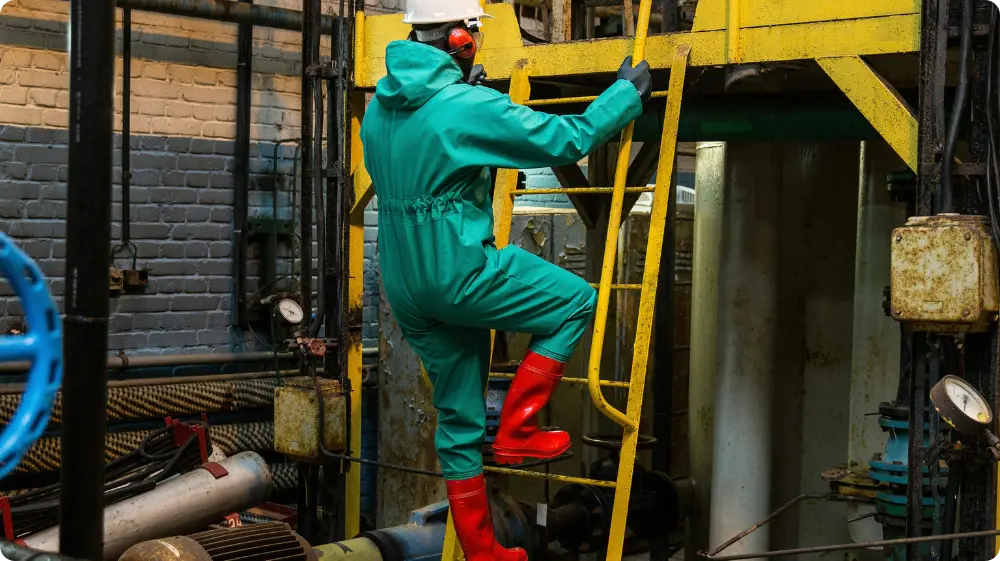
Physical hazards are workplace conditions that can cause harm to employees bodies due to environmental factors, machinery, or equipment. They are one of the most common types of hazards and can result in both immediate injuries and long-term health issues if not properly managed. These hazards can range from slips, trips, and falls to prolonged exposure to noise, vibration, or extreme temperatures.
Common examples of physical hazards include:
Noise: Continuous exposure to loud machinery or equipment can damage hearing and increase stress levels.
Vibration: Prolonged use of vibrating tools may lead to musculoskeletal disorders and circulation problems.
Temperature Extremes: Working in extremely hot or cold conditions can lead to heatstroke, hypothermia, or frostbite.
Slips, Trips, and Falls: Wet or uneven surfaces, cluttered walkways, or poorly maintained floors can lead to serious injuries.
Machinery and Equipment: Unguarded or malfunctioning machines can cause cuts, crush injuries, or amputations.
Control Measures:
Use personal protective equipment (PPE) such as earplugs, helmets, gloves, and safety shoes.
Implement engineering controls like machine guards, anti-slip flooring, and ventilation systems.
Provide training for safe handling of tools and equipment.
Occupational hazards refer to risks associated with specific tasks or prolonged exposure to harmful substances, processes, or environments. Unlike general hazards, occupational hazards are directly related to the work employees perform and the industry in which they work. If not properly managed, these hazards can result in both short-term injuries and long-term health issues.
Common examples of occupational hazards include:
Chemical Exposure: Long-term contact with toxic chemicals, such as solvents, acids, or industrial fumes, can cause respiratory issues, skin conditions, or even chronic illnesses like cancer.
Repetitive Tasks: Continuous repetition of specific movements, such as typing, assembly-line work, or lifting heavy objects, can lead to musculoskeletal disorders, joint pain, or carpal tunnel syndrome.
Manual Handling: Improper lifting or moving of heavy loads can lead to back injuries and strains.
Confined Spaces: Working in poorly ventilated or restricted areas can expose employees to suffocation, toxic gases, or other hazardous conditions.
Work at Heights: Tasks performed on ladders, scaffolds, or elevated platforms carry a high risk of falls and serious injuries.
Control Measures:
Conducting regular risk assessments and hazard identification.
Providing employee training on safe work practices.
Using personal protective equipment (PPE) like gloves, helmets, and safety harnesses.
Implementing engineering and administrative controls, such as ventilation systems, ergonomic tools, and shift rotations.
Biological hazards, also known as biohazards, are workplace risks that arise from exposure to living organisms or substances produced by them. These hazards are particularly common in healthcare, laboratories, agriculture, waste management, and emergency services, but they can occur in many industries. Biological hazards can lead to infections, allergic reactions, or even serious diseases if not properly controlled.
Biological Hazards in the Workplace:
Blood and Bodily Fluids: These may carry harmful pathogens such as HIV, hepatitis B, or hepatitis C, posing serious risks to healthcare workers and first responders.
Bacteria and Viruses: Employees in labs or medical facilities may encounter dangerous microorganisms like tuberculosis bacteria or influenza viruses.
Fungi and Moulds: Found in damp environments, these can trigger respiratory problems and allergic reactions in workers.
Insects and Animals: Workers in agriculture or pest control may face hazards from bites, stings, or diseases transmitted by animals.
Control Measures:
Using personal protective equipment (PPE) such as gloves, masks, and face shields.
Implementing infection control protocols, such as the safe disposal of sharps and contaminated materials.
Maintaining clean and hygienic work environments through proper sanitation.
Providing employee training and vaccinations where applicable.
Psychosocial hazards are workplace factors that negatively affect employees mental health, well-being, and overall quality of life. Unlike physical or chemical hazards, they are not always visible but can have equally serious consequences if ignored. These hazards often stem from poor work design, unhealthy organisational culture, or stressful working conditions, leading to issues such as anxiety, depression, burnout, or reduced job satisfaction.
Psychosocial Hazards in the Workplace:
Work-Related Stress: Excessive workload, tight deadlines, or lack of control over tasks can overwhelm employees.
Harassment and Bullying: Verbal abuse, discrimination, or workplace bullying creates a toxic environment.
Poor Work-Life Balance: Long hours or irregular shifts can interfere with personal life and cause fatigue.
Job Insecurity: Fear of layoffs or unstable employment can contribute to anxiety and loss of motivation.
Lack of Support: Limited guidance or recognition from supervisors and colleagues can leave workers feeling isolated.
Control Measures:
Encouraging open communication and providing platforms for employees to voice concerns.
Promoting a healthy work-life balance through flexible hours and reasonable workload distribution.
Implementing anti-bullying and anti-harassment policies with strict enforcement.
Offering mental health resources such as counselling, wellness programs, or employee assistance services.
Building a supportive culture where supervisors provide recognition, feedback, and guidance.
Construction sites are a prime example of where multiple hazards coexist, from falls to manual handling risks. Our blog on Health and Safety Risks on Construction Sites explores how these hazards can be identified and controlled in high-risk industries.
Identifying and assessing hazards is crucial for maintaining a safe workplace. This involves recognising potential sources of harm, such as machinery, chemicals, work processes, and psychosocial factors like stress. Tools like inspections, checklists, and employee feedback can help uncover both obvious and hidden hazards.
Once identified, assessing hazards helps determine their likelihood of causing harm and the severity of potential consequences. For instance, a wet floor may be evaluated based on foot traffic, slip risks and the severity of possible injuries.
This process allows employers to implement necessary controls, such as safety guards, personal protective equipment (PPE), improved ventilation, and adjusted work schedules to prevent fatigue. It also helps prioritise resources for addressing critical risks.
Regular monitoring and employee involvement are crucial for effectively managing hazards. Training programs and clear reporting systems encourage prompt hazard reporting, fostering a proactive safety culture. Continuous assessment not only protects employees but also boosts productivity and enhances regulatory compliance, as well as the organisation's reputation.

Workplace safety procedures and policies are essential tools for creating a secure and healthy working environment. They provide clear guidelines on how tasks should be performed safely, how risks should be managed, and how employees should respond in emergencies. These policies define the responsibilities of both employers and employees, ensuring that safety is a priority for everyone.
Hazard Identification and Risk Assessment
These procedures outline how to recognise potential hazards and evaluate the risks associated with them, enabling organisations to focus on the most critical safety issues first.
Standard Operating Procedures (SOPs)
Clear instructions on performing specific tasks safely, such as handling chemicals, operating machinery, or working at heights.
Emergency Protocols
Steps for responding to emergencies, such as fires, chemical spills, or accidents, including evacuation plans and first aid procedures.
Personal Protective Equipment (PPE)
Guidelines on selecting and using appropriate protective gear, such as helmets, gloves, goggles, and ear protection.
Training and Communication
Regular training sessions, safety meetings, and updates ensure employees understand policies and follow safe work practices.
Having well-defined safety procedures and policies minimises accidents, prevents injuries, and promotes a culture of safety within the organisation. They also ensure compliance with legal and regulatory standards, protect company assets, and enhance employee confidence and productivity. Continuous review and employee feedback ensure that these policies remain practical and relevant.
Clear workplace procedures protect employees from hazards, but training ensures that everyone knows how to apply them effectively. Our Level 2 Health and Safety in the Workplace Course provides practical guidance on risk assessments, controls, and compliance.
Managing workplace hazards is essential for the safety and well-being of employees. After identifying and assessing hazards, organisations must implement strategies to minimise or eliminate risks. Effective hazard control not only prevents accidents but also promotes a culture of safety.
Key Steps to Control Hazards:
Elimination: Remove the hazard entirely from the workplace, such as replacing toxic chemicals with safer alternatives.
Substitution: If elimination isn't possible, use a less dangerous material or process, like quieter machinery, to lower noise risks.
Engineering Controls: Make physical changes to equipment or processes, such as adding machine guards or ventilation systems.
Administrative Controls: Establish workplace rules, training programs, and safe work procedures to promote best practices and ensure a safe work environment.
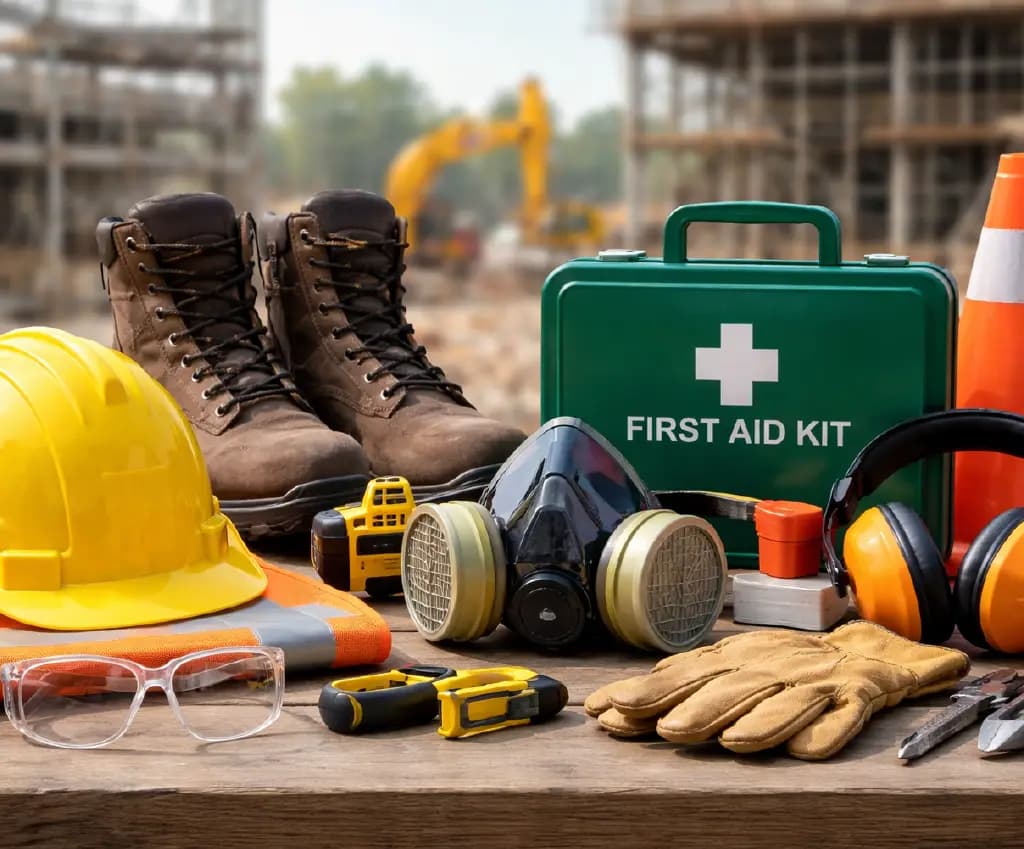
Personal Protective Equipment (PPE): When other controls are insufficient, use PPE such as helmets, gloves, and masks for additional protection.
Controlling hazards is a continuous process that involves regular inspections and updates to safety policies to ensure effectiveness and adaptability.
Workplace hazards, whether physical, chemical, biological, ergonomic, or psychosocial, pose significant risks to employees' health and safety. To mitigate these risks, it is essential to identify and assess hazards, implement clear safety procedures, establish risk controls, and ensure the proper use of personal protective equipment (PPE). These measures help prevent accidents, injuries, and long-term health issues.
Regular monitoring, employee training, and fostering a proactive safety culture are crucial to continuously identifying and managing hazards, as well as promptly addressing new risks. By prioritising hazard management, organisations not only protect their workforce but also enhance productivity, comply with regulations, and improve overall workplace morale, thus creating a safer and more efficient working environment for everyone.
Workplace hazards are any conditions, substances, or practices in a work environment that can potentially cause harm, injury, or ill health to employees.
Hazards can be identified through workplace inspections, risk assessments, employee feedback, incident reports, and reviewing past accidents and near-miss incidents.
Yes, they are primarily biological hazards because they can carry infectious agents like HIV or hepatitis B, which pose health risks to workers.
No. Blood is not a chemical hazard. It is classified as a biological hazard because it may contain harmful microorganisms such as HIV, hepatitis B, or hepatitis C that can infect workers through exposure.
Common physical hazards include noise, vibration, extreme temperatures, slips, trips and falls, and unguarded machinery.
Risk assessment evaluates the likelihood and severity of harm associated with a hazard, enabling organizations to priorities and implement appropriate control measures.
Courses
Upskill with job-ready training.
Mock Tests
Measure your learning progress.
Create an online video course, reach students across the globe and earn money