


How To Preserve Food And Why It�s Important
Food preservation keeps food safe to eat for a longer time, by stopping bacteria and spores from growing.What is Food Preservation?Food preservation primarily provides protection from germs. It is the process that extends the shelf life of food by protecting it from microbial contamination.�The time duration that food stays good to eat is called its "shelf life." Perishable food is used sooner because its shelf life runs out quickly. Non-perishable food has a long shelf life and can be stored for later use.How Do You Preserve FoodThere are different ways to preserve food. Here are some common ones:Putting food in the fridgeStoring food in the freezerPutting food in cans made of aluminium or tinAdding salt or sugar to foodLetting food fermentTreating food with heatThese methods help stop bacteria from growing and spoiling the food. They either take out water, keep it cold, seal it in a vacuum, or heat it to make it last longerPutting Food in the FridgeStoring food at a low temperature between 0�and 4 degrees celsius, slows down bacterial spread and keeps food fresh.Refrigerated food remains out of the "Danger Zone" Temperature at 40 �F and 140 �F� (8 �C and 60 �C). At the danger zone temperature, the growth of bacteria is twice as rapid.Fridge storage of food at below 5 �C for up to 3 to 4 days in most cases is preferred to prevent spoilage.Food leftovers should be stored within 2 hours to prevent prolonged exposure to room temperature.It is important to arrange food correctly stored in separate compartments or sealed containers, to prevent cross-contamination.Ideally, food items stored first must also be consumed first. The First-In First-Out (FIFO) rule confirms that food is used before it expires, reducing food waste.For more information, read our blog article, �The FIFO Food Stock Rotation.�Storing Food in the FreezerFreezer temperature usually ranges between -18�C and 0�C.�Freezing food slows down the growth of bacteria and enzymatic activity, preserving freshness and nutrients.Food stored in a freezer can remain preserved for up to several months.�It is important to cool food before freezing it.�Freezing causes water molecules to form crystals of ice.�The method reduces the amount of free water needed for microbial and enzymatic reactions.�Always maintain the freezer to the lowest temperature for proper crystal formation.�Freezing does not aim to sterilise food, it keeps the quality of food intact.Putting Food in Cans Made of Aluminium or TinStoring food in tin containers protects food from bacterial toxins.The container is sterilised using intense heat.�High temperatures in a pressure canner destroy harmful microorganisms like Clostridium botulinum spores.The required temperature for destroying these spores is 240�F (116�C).�During canning, the heat treatment kills vegetative bacteria, yeasts and moulds.�The high temperature also interferes with the process of microbial cell wall synthesis, protein production and metabolism.�Food is stored in a can under airtight conditions. The can is further heated to destroy microorganisms.�High-acid foods (low PH) such as fruits and pickles undergo low heat intensities during canning.Foods low in acidity require high temperatures for canning. Examples include meat and soups.Adding Salt or Sugar to FoodSugar and salt act as natural preservatives in food by reducing water activity and slowing microbial growth.Wet or dry sugar/salt treatment can help preserve food through desiccation or extreme dying.Drying occurs by osmosis when water moves from a region of high concentration to a region of low concentration.Water in food responsible for bacterial growth moves out into the salty environment of low water concentration.Sugar and salt-driven osmotic pressure leads to unfavourable conditions for microorganisms in water-starved environments.Letting Food FermentFermentation is the oldest method of food preservation that preserves the freshness of food through bacterial activity.�Fermentation causes acidification that inhibits the growth of microorganisms such as yeast, bacteria and moulds.�Microorganisms produce alcohols and organic acids from sugars. As a result, unfavourable environmental conditions are created for bacterial spread. The quality of food is preserved, and the shelf-life is prolonged.�Some microorganisms produce preservative compounds that help maintain the safety and quality of fermented foods.�Usually, there is no need to add chemicals or artificial additives in fermented foods.Fermentation occurs in an anaerobic environment that slows the growth of aerobic bacteria.The process of fermentation prevents unwanted oxidation of food.�Fermentation produces vitamins, enzymes, and bioactive compounds to maintain the nutritional value and health benefits of fermented foods.Treating Food with HeatPasteurisation reduces microbiological presence in solid and liquid foods by using high intensities of heat.�The process does not kill microbial growth at 100%.�Pasteurised foods have a limited shelf life and require refrigeration due to the presence of surviving microorganisms.�The main difference between the process of sterilisation in canning and pasteurisation is that sterilisation completely destroys microorganisms and spores. On the other hand, pasteurisation reduces microbial load with the presence of some surviving microorganisms. It does not change the nutritional value and taste of food.�Pasteurisation �Holder Method� Conditions: 149�F (65�C) for 30 minutesPasteurisation �High Temperature/Short Time (HTST)� Conditions: 190�F (88�C) for 15 secondsWhich Food Preservation Method is the Best?The most suitable preservation method depends on factors such as the type of food, and the desired shelf life. For example, canning is suitable for preserving fruits and vegetables. Freezing is used for preserving meats and seafood.Bacterial Spores in FoodThe shape of bacterial spores is oval or sphere-like. They are small dormant forms of bacteria that are highly resistant to heat, desiccation, and chemical agents. They survive high temperatures, up to 150�C (302�F). Spores can multiply and lead to food spoilage and potential health risks.Importance of Food Preservation in Food SafetyPrevents the growth of harmful microorganisms that cause foodborne illnessesProlongs the shelf life of perishable food items�Reduces the risk of consuming contaminated foodProtects consumers from foodborne pathogens such as Salmonella, E. coli, and ListeriaMinimises food waste by allowing extra food to be storedSaves money and reduces the environmental impact of food production and distribution. .second-cta-block .main-heading { font-weight: bold; font-size: 22px; } .second-cta-block .book-now { background: #DF3D52; color: #FFFFFF !important; border-radius: 8px; } .second-cta-block .second-heading { font-size: 17px; } .second-cta-block .card { border: 0 !important; } .second-cta-block .card-body { border: 1px solid #909090; box-shadow: rgba(0, 0, 0, 0.16) 0px 1px 4px; border-top-right-radius: 100px; border-bottom-right-radius: 100px; background: #fdf9ee; } .second-cta-block .image-wrapper { height: 330px; position: absolute; right: -60px; top: calc(50% - 210px); /* Center the image vertically */ } .second-cta-block .image-wrapper img { height: 100%; } .second-cta-block .trustpilot-widget { width: 256px; } .cta-heading-section { width: 75%; } @media screen and (max-width:991px) { .second-cta-block { padding-top: 100px; } .second-cta-block .card-body { border: 1px solid #909090; box-shadow: rgba(0, 0, 0, 0.16) 0px 1px 4px; border-radius: 19px; border-radius: 14px; background: #fdf9ee; } .cta-heading-section { width: 100%; padding-top: 50px; } .second-cta-block .image-wrapper { height: 270px; right: 0; position: absolute; left: calc(50% - 90px); top: calc(50% - 315px); } } Get Online Food Safety Courses Food Hygiene And Safety Check the Course Rated Excellent on major review sites Disadvantages of Food Preservation MethodsFood preservation methods offer several benefits, but they also have some drawbacks:Canning and drying can lead to a loss of vitamins and minerals in food.Some preserved foods have reduced palatability due to changes in texture and flavour.Packaging materials used in food preservation methods, such as cans and plastic containers, can have negative environmental consequences.FAQsWhat is the difference between pasteurisation and sterilisation?Sterilisation completely eliminates microorganisms and spores. On the other hand, pasteurisation reduces microbial load with the presence of some surviving bacteria.What temperature can spores survive?��The correct temperature for storing food in a fridge is at below 5 �C for up to 3 to 4 days.What is the correct temperature for storing food in a fridge?Fridge storage of food at below 5 �C for up to 3 to 4 days in most cases is preferred to prevent spoilage.�What is food preservation?Food preservation is the process that extends the shelf life of food items by protecting them from microbial contamination.�What are the common methods of food preservation?Common methods for preserving food are fridge/freezer storage, tin can storage, salt or sugar treatment, fermentation and heat treatment.ConclusionFood preservation protects food from microbial contamination. It maintains food safety, quality, and nutritional value. Methods of food preservation include fridge and freezer storage, tin can storage, salt or sugar treatment, fermentation, and heat treatment. They inhibit bacterial growth and prolong the freshness of food. Each preservation method is best suited based on the type of food and desired shelf life. Despite some drawbacks, food preservation methods contribute greatly to food safety.
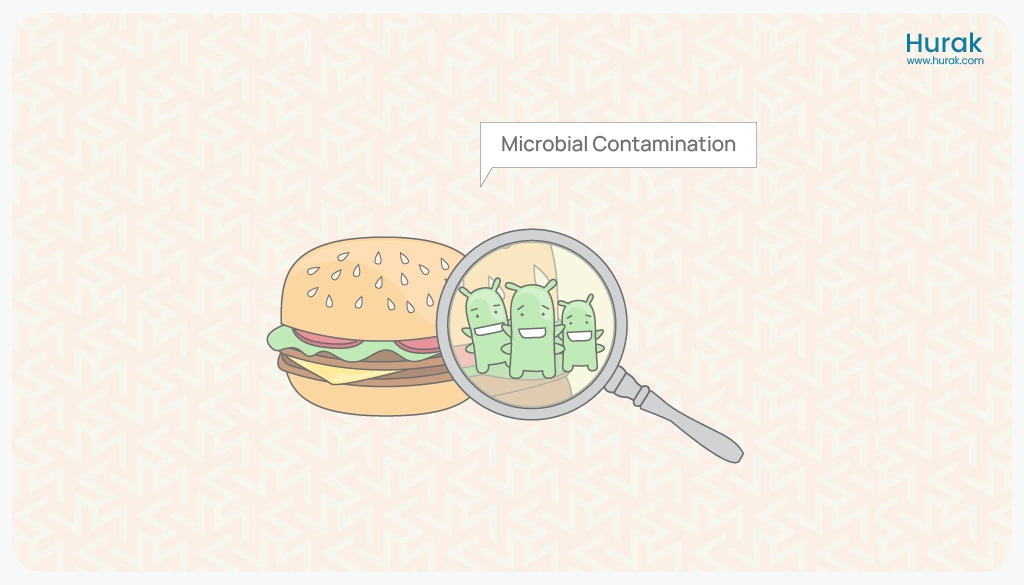
Four Common Types of Food Contamination
Food contamination is a serious concern for consumer health and food business. To uphold the standard of food quality, knowledge about the common types of food contamination is important.What is Food ContaminationFood contamination refers to harmful or unwanted substances affecting food�s safety, quality and purity. Food is said to become contaminated and unfit for consumption.�Finding a strand of hair in your rice or choking on peanut chocolate to which you are allergic are some examples of food contamination.Four Common Types of Food ContaminationThe four main categories of food contamination are chemical, microbiological, physical, and allergenic. Each type has a specific nature, cause, and preventive measures.Chemical Contamination of Food: Causes and PreventionChemical contaminants are harmful substances entering food that are unfit for human consumption.Sources of chemical food contaminants include:PesticidesCleaning agentsToxins included during various food production stages.Prevention of chemical food contamination includes:Safety protocolsProper cleaning proceduresCareful storage of foods away from chemicalsFor more information, visit our blog article �The HACCP System: Process and Principles.�Microbial or Biological Contamination of Food: Causes and PreventionMicrobial or biological contamination is the most common type of food contamination. It is contamination of food items by other living organisms. Microbial contaminants are harmful microorganisms like bacteria, viruses or parasites in food that can lead to foodborne illnesses.Foods left exposed to the "Danger Zone" temperature range between 40�F and 140 �F (8�C and 60�C) are prone to bacterial contamination. Bacteria can grow twice as fast between 8�C and 60�C in 20 minutes.Sources of microbial food contaminants include:Salmonella and campylobacter pathogensUnhygienic conditionsInappropriate cooking temperaturesCross-contaminationPrevention of microbial contamination of food includes:Food hygiene standardsAppropriate cooking temperaturesCross-contamination preventionFor more information, visit our blog article �Protecting Food From Microbial Contamination.�Physical Contamination of Food: Causes and PreventionPhysical contaminants include undesirable objects in food, such as glass or metal, that can contribute towards physical injury risks.Sources of physical food contaminants include:Inadequate quality control measuresEquipment malfunction during processing and packagingPrevention of physical contamination of food includes:Proper staff trainingQuality assuranceEquipment maintenanceFor more information, visit our blog article �Protecting Food From Physical Contamination.�Allergenic Contamination of Food: Causes and PreventionAllergenic contaminants include foreign substances or allergens that can cause a reaction when they are introduced into the bodies of susceptible people. Gluten, peanuts, eggs, mustard, and soy are examples of food allergens.Sources of allergenic food contaminants include:Presence of unidentified allergensImproper cleaning of space and equipmentImproper labelling of allergens on packaged and unpackaged foodCross-contact contaminationPrevention of allergenic contamination of food includes:Labelling and identification of food allergens on food packagesProper allergen management during food preparationAir, equipment and package cleaningCross-contact contamination preventionFor more information, visit our blog article �Protecting Food From Cross-Contact Contamination.� .second-cta-block .main-heading { font-weight: bold; font-size: 22px; } .second-cta-block .book-now { background: #DF3D52; color: #FFFFFF !important; border-radius: 8px; } .second-cta-block .second-heading { font-size: 17px; } .second-cta-block .card { border: 0 !important; } .second-cta-block .card-body { border: 1px solid #909090; box-shadow: rgba(0, 0, 0, 0.16) 0px 1px 4px; border-top-right-radius: 100px; border-bottom-right-radius: 100px; background: #fdf9ee; } .second-cta-block .image-wrapper { height: 330px; position: absolute; right: -60px; top: calc(50% - 210px); /* Center the image vertically */ } .second-cta-block .image-wrapper img { height: 100%; } .second-cta-block .trustpilot-widget { width: 256px; } .cta-heading-section { width: 75%; } @media screen and (max-width:991px) { .second-cta-block { padding-top: 100px; } .second-cta-block .card-body { border: 1px solid #909090; box-shadow: rgba(0, 0, 0, 0.16) 0px 1px 4px; border-radius: 19px; border-radius: 14px; background: #fdf9ee; } .cta-heading-section { width: 100%; padding-top: 50px; } .second-cta-block .image-wrapper { height: 270px; right: 0; position: absolute; left: calc(50% - 90px); top: calc(50% - 315px); } } Get Online Food Safety Courses Food Hygiene And Safety Check the Course Rated Excellent on major review sites Impact of Food ContaminationFood contamination can lead to serious negative impacts on consumers and businesses, in the form of food poisoning and economic losses, respectively.Consumer-Related Impacts of Food ContaminationAccidental or intentional food contamination can lead to food poisoning, hospitalisation or even death. According to the Food Standards Agency, there were an estimated 2.4 million cases of food-related diseases in 2018.�The causative agents identified were salmonella and campylobacter, the most common causes of food poisoning in people.Business-Related Impacts of Food ContaminationAs the food industry has become highly competitive in the UK, even slight negligence in terms of food contamination can result in far-reaching negative impacts on the brand name. This can include:Customer dissatisfactionDamage to brand reputationDecline in the food business's economic growthMethods of Food ContaminationPhysical, chemical and microbial contamination of food can occur through direct contamination or cross-contamination. These methods introduce contaminants into food products and substances.Direct Food ContaminationDirect food contamination is the pollution of those sources from which raw food is extracted, such as plants and animals. This is due to chemical and biological contaminants in the air, soil or water in the natural habitat of the food source.�Example: Shellfish contaminated by toxic marine algae is an example of direct food contamination.Food Cross-ContaminationCross-contamination is the transfer of contaminants among different kinds of food, between food and unclean equipment and from food handler to food. It usually occurs during improper food handling. Chemical and microbial contaminants enter food products during any one of the stages of food preparation.�Example: Raw food products like meat and poultry contaminate other foods and kitchen utensils. Microbes can be transferred from one food to another by sharing the same knife or another unwashed tool. This is an example of food cross-contamination.�Which Food Hygiene Training Course Certificate Do I Need?The food safety and hygiene certificate you need depends on your job and the type of food business you work in.Level 2 Certificate: This is for people who handle, prepare, cook, or package food, like chefs, kitchen assistants, baristas, childminders, food shop workers, market stall holders, bakers, and food factory workers.Level 3 Certificate: This certification is for those who manage or supervise food-related work, like head chefs, kitchen managers, restaurant managers, food shop supervisors, quality controllers, and factory supervisors. This level covers advanced food safety management and HACCP.You can also choose food hygiene courses based on your industry:Catering: For businesses that serve food directly to customers, like restaurants, cafes, and canteens.Retail: For businesses selling packaged food, like shops, delis, and supermarkets.Manufacturing: For businesses that process and pack food, like factories and warehouses.Food hygiene training is important for everyone in the food industry, from factory workers to restaurant supervisors to supermarket employees. It is a legal requirement to know about food safety, so getting the right certificate helps you promote good food safety practices in your workplace.FAQsWhat are the four types of food contamination?The four main categories of food contamination are chemical, microbial, physical and allergenic.What is the most common type of food contamination?Microbial or biological contamination is the most common type of food contamination. It is contamination of food items by other living organisms.What is food contamination?Food contamination refers to harmful or unwanted substances affecting food�s safety, quality and purity. Food is said to become contaminated and unfit for consumption.What is direct food contamination?Direct food contamination is the pollution of those sources from which raw food is extracted, such as plants and animals.What is cross-contamination of food?Cross-contamination is the transfer of contaminants among different kinds of food, between food and unclean equipment, and from food handler to food.How quickly can bacterial contamination of food occur?Bacteria can grow twice as fast between 8�C and 60�C in 20 minutes.ConclusionChemical, biological/microbial, physical and allergenic are the common types of food contamination that pose a threat to consumer health and food businesses. Each type has a specific set of causes and preventive measures which must be studied in detail to maintain food safety and hygiene. Consumer safety must be prioritised through proper decontamination methods and awareness. This is to prevent health complications in individuals and economic losses for the food industry.�

How to Reheat Food Safely More Than Once
Ideally, do not reheat food more than once. However, under appropriate conditions, food reheated two or three times is safe to eat. When it comes to reheating leftover food more than once, whether they are home-cooked meals or dine-in takeaways, appropriate heating and storage temperatures play an important role in determining food safety.The Safety of Reheating FoodFood reheated more than once is safe if correct temperatures and proper handling conditions are followed. Although fresh food is ideal, you can safely reheat it at an appropriate temperature, using proper storage methods and suitable cooking tools.How Many Times Can You Reheat Food?It is best to eat fresh food, right after it comes out of the oven or off the stove. Food should be reheated only once, as suggested by the Food Standards Agency (FSA).If you are unsure about the odour, texture or palatability of leftover food, it is best to dispose of it. Reheating should not be done quite frequently.Each time food is reheated, its safety and quality becomes questionable. However, by following certain guidelines reheated meals can be enjoyed without concerns about food safety.Do not Reheat These Foods More Than OnceIt is safe to reheat most foods more than once under suitable temperature and storage conditions. However, there are certain foods that should not be reheated more than once. This is because frequent reheating, even if done properly, negatively affects their taste, quality, texture and overall safety. Examples of foods that should not be reheated more than once include:PrawnsFishMilkCheeseCustardCooked RiceGnocchiSoupsThe Safe Method to Reheat Food LeftoversThe safe method to reheat food leftovers requires knowledge about the correct reheating temperature, refrigeration conditions and suitable reheating equipment.Safe Reheating Temperature and Duration for Food LeftoversIt is preferable to reheat food at 165�F (74�C) for a duration of at least 2 minutes.�Achieving proper internal temperature of food to kill any bacterial growth that may have occurred during storage is the most important aspect of reheating food safely.�Food safety guidelines in England require reheated food to reach an internal temperature of at least 70 �C (158�F). In Scotland, a minimum reheating temperature of at least 82 �C (180�F) is allowed.Safe Fridge and Freezer Storage for Food LeftoversStored food must be kept refrigerated at below 5�C and frozen between 0�C and -18�C. Leftover cooked food can be stored safely for up to 3 to 4 days, with some exceptions. Any unconsumed portions of food must be stored within 2 hours.Proper refrigeration and freezer storage of food can help preserve food to maintain its safety and hygiene.Safe Reheating Equipment for Food LeftoversFood should be reheated to the ideal internal temperature of 165�F (74�C) on air fryers, stovetops, microwave ovens and conventional ovens. It is important to note that slow heating devices are not recommended for reheating leftovers.Reheating Food in an Air fryerAir fryers are a recent invention in the world of cooking that serve dual purposes of cooking and reheating. While reheating food in an air fryer, set the temperature to 350�F (175�C) and reheat food for a few minutes. Check that its internal temperature reaches 165�F (74�C). Allow frequent stirring for proper heating. Air fryers provide convenience for preserving flavour and moisture content of your reheated food.Reheating Food in a Slow CookerSlow heating devices, such as a slow cooker, are not recommended for reheating leftovers. It carries the risk of food remaining over-exposed to temperatures in the danger zone, between 40 �F and 140 �F. The danger zone temperature� increases the growth rate of food bacteria.Reheating Food in Conventional Ovens, Microwave Ovens and StovetopsConventional ovens reheat food evenly but may take longer than other heating devices. Reheating in microwave ovens requires periodic stirring for even heating. Accurate temperature control can be achieved with stovetops but may demand our undivided attention.Defrosting and Reheating Frozen FoodCompletely defrost frozen food before reheating, by placing it from the freezer to the fridge, kept at a temperature range of 0�C- 4�C. It is not recommended to defrost food at room temperature or in a microwave. This is to avoid exposure to undesirable temperatures that promote bacterial growth in food.Reheating Frozen Food TwiceOnce frozen food has been thawed, it is recommended to reheat it only once to prevent the risks of spoilage and microbial contamination. However, frozen food can be reheated more than once provided that it is thoroughly heated to an internal temperature of 165�F (74�C) to completely destroy harmful bacteria.For more information, visit our blog article, �Cooking Raw Frozen Food Without Defrosting.�Probe Thermometer to Check Food TemperatureThe reading on the thermometer will indicate whether the food has undergone any contamination or spoilage due to bacterial growth. Check temperature using an appropriate metal stem probe thermometer to detect microbial spoilage in food.Safe Reheating of Food for ChildrenThe NHS suggests that reheating cooked food for a child should only be done once. Microwaved food should be stirred properly to avoid any air pockets before feeding the baby. While reheating, food must be hot and cooled before serving.Refrigerating Food LeftoversReheated food must be allowed to cool properly before storage. For rapid cooling, food can be placed in an ice bath and chilled before placing it in the fridge.Common Risks of Reheating FoodCommon risks concerned with reheating food include inappropriate temperatures leading to uneven heating and if the food has been stored at room temperature for a prolonged period of time. These risks lead to food poisoning, anti-palatability and consumer dissatisfaction.Inappropriate Temperatures and �Hot Spots�If food is reheated at an incorrect temperature, certain parts of food reach higher temperatures than others. This creates �hotspots� that act as breeding grounds for food pathogens. Pockets of hot and cold portions of food can also lead to an unsatisfactory taste and lack of appetite for the meal.Prolonged Storage at Room temperatureThe chances of bacterial contamination increase if food is stored at room temperature for a prolonged period of time. At room temperature, food is susceptible to �Danger Zone� temperatures between 40�F (4�C) and 140�F (60�C). At these temperatures, bacteria thrive and multiply, leading to food spoilage.Food poisoning and Consumer Health ImpactsA negative consequence of consuming unsafe reheated food is food poisoning, due to entry of pathogens such as Campylobacter and Salmonella into the human body. Common symptoms of food poisoning include nausea, vomiting, diarrhoea, and in severe cases, hospitalisation or even death.Impact on Commercial Food ProductsFood reheating and storage protocols are important to uphold the reputation and popularity of a food business. If customers face health concerns due to low food quality, the demand for the food product can decline. This can result in financial losses for the food company. For consumer loyalty and trust, safe food reheating and storage guidelines should be followed.Common Mistakes in Reheating FoodSeveral common mistakes can compromise the safety and quality of reheated food. These include use of plastic or metal containers, reheating food at incorrect temperatures, and uneven heating.Use of Plastic or Metal ContainersPlastic containers, when exposed to high temperatures, can pass on undesirable chemicals to food. Sparking can occur on uneven heating with metal containers. It is preferable to use ceramic or microwave safe-glass containers to heat food evenly, to avoid chemical leaching.Reheating Food at Inappropriate TemperaturesThe appropriate temperature to reheat food is at least 165�F (74�C) to destroy bacterial growth. If reheated at an inappropriate temperature, any bacteria present in food will not be completely destroyed. This increases the risk of food poisoning. It is recommended to use a food thermometer to make sure that food has achieved desirable reheating temperatures.Lack of Stirring for Even HeatingWhen one does not stir food properly while reheating, some portion of food may become burnt while the rest would be left under-heated. This reduces palatability and promotes microbial growth in food. Constant stirring while reheating helps distribute heat evenly throughout the food, confirming food hygiene. .second-cta-block .main-heading { font-weight: bold; font-size: 22px; } .second-cta-block .book-now { background: #DF3D52; color: #FFFFFF !important; border-radius: 8px; } .second-cta-block .second-heading { font-size: 17px; } .second-cta-block .card { border: 0 !important; } .second-cta-block .card-body { border: 1px solid #909090; box-shadow: rgba(0, 0, 0, 0.16) 0px 1px 4px; border-top-right-radius: 100px; border-bottom-right-radius: 100px; background: #fdf9ee; } .second-cta-block .image-wrapper { height: 330px; position: absolute; right: -60px; top: calc(50% - 210px); /* Center the image vertically */ } .second-cta-block .image-wrapper img { height: 100%; } .second-cta-block .trustpilot-widget { width: 256px; } .cta-heading-section { width: 75%; } @media screen and (max-width:991px) { .second-cta-block { padding-top: 100px; } .second-cta-block .card-body { border: 1px solid #909090; box-shadow: rgba(0, 0, 0, 0.16) 0px 1px 4px; border-radius: 19px; border-radius: 14px; background: #fdf9ee; } .cta-heading-section { width: 100%; padding-top: 50px; } .second-cta-block .image-wrapper { height: 270px; right: 0; position: absolute; left: calc(50% - 90px); top: calc(50% - 315px); } } Get Online Food Safety Courses Food Hygiene And Safety Check the Course Rated Excellent on major review sites When to Discard Reheated Food?Sometimes bacterial activity can cause contamination in food that undergoes proper reheating. Unusual flavours, odours and texture are signs of discarding the reheated food and it�s best not to eat it.�OdourThe most prominent sign of spoilage is foul and unusual odour which could imply chemical changes in food due to bacterial contamination.FlavourUncharacteristic or sour flavour of food that is different from its original taste is another sign of food spoilage due to bacterial activity.TextureIf reheated food has become slimy or semi solid in nature, indicating unusual consistency of food, the reheated food must be discarded immediately.It is best to practise vigilance when examining reheated food before eating it. Carefully identify the signs of food spoilage in terms of foul odour, uncharacteristic flavour and inconsistent texture. Even if reheated under desirable conditions, reheated food can still become inedible due to microbial pollution.Can You Reheat This Food More Than Once?Cooked RiceIt is not recommended to reheat rice more than once. Rice must not be stored in the fridge for more than a day. While reheating cooked rice, add a small quantity of water and heat it in a microwave, checking its consistency with a fork. This will prevent rice from becoming dry or lumpy.ChickenUse of a low-temperature oven when reheating chicken maintains its stable water content. To retain the original flavour of the meat, cover it with an aluminium foil to retain moisture.Stir-fryIn a frying pan, reheat the stir-fry chicken using a small amount of oil for 2-5 minutes, with continuous stirring.For more information, visit our blog article �Can You Reheat Pork?�ConclusionReheating food leftovers more than once can be safe if proper precautions are taken. While it's best to eat food fresh, reheating can be done safely at the correct reheating and storage temperatures. Using suitable reheating equipment and even heating of food are other measures that allow people to enjoy leftover meals without worrying about food safety.
Can you reheat food
Reheating food once is recommended by the Food Standards Agency (FSA). However, with special attention to food safety guidelines, reheated meals can be enjoyed without affecting quality.General Safety of Reheating FoodFood safety guidelines require food leftovers to be evenly heated to an average internal temperature of �165�F (74�C) for a duration of at least 2 minutes in microwaves and stove tops. Reheating food in baking ovens requires higher temperatures and more time. For even heating, frequent stirring is preferred. Proper storage and defrosting of leftover food is done at the correct refrigeration temperature range between 0�C and 4�C.For more information, visit our blog article �The Safety of Reheating Food More Than Once.� .second-cta-block .main-heading { font-weight: bold; font-size: 22px; } .second-cta-block .book-now { background: #DF3D52; color: #FFFFFF !important; border-radius: 8px; } .second-cta-block .second-heading { font-size: 17px; } .second-cta-block .card { border: 0 !important; } .second-cta-block .card-body { border: 1px solid #909090; box-shadow: rgba(0, 0, 0, 0.16) 0px 1px 4px; border-top-right-radius: 100px; border-bottom-right-radius: 100px; background: #fdf9ee; } .second-cta-block .image-wrapper { height: 330px; position: absolute; right: -60px; top: calc(50% - 210px); /* Center the image vertically */ } .second-cta-block .image-wrapper img { height: 100%; } .second-cta-block .trustpilot-widget { width: 256px; } .cta-heading-section { width: 75%; } @media screen and (max-width:991px) { .second-cta-block { padding-top: 100px; } .second-cta-block .card-body { border: 1px solid #909090; box-shadow: rgba(0, 0, 0, 0.16) 0px 1px 4px; border-radius: 19px; border-radius: 14px; background: #fdf9ee; } .cta-heading-section { width: 100%; padding-top: 50px; } .second-cta-block .image-wrapper { height: 270px; right: 0; position: absolute; left: calc(50% - 90px); top: calc(50% - 315px); } } Get Online Food Safety Courses Food Hygiene And Safety Check the Course Rated Excellent on major review sites Can You Reheat Meat?Reheating meat can be done safely, if the correct temperature and storage conditions are thoroughly followed.ChickenReheating cooked chicken is safe but it is important to avoid moisture loss and changes in texture. Reheat chicken to an internal temperature of 74�C (165�F) for a minimum of 2 minutes. Reheating chicken in a microwave multiple times should be avoided as it can drastically lower its quality and taste.If leftover chicken is stored in the fridge for more than four days, it is safer to discard it. However, cooked poultry can be safely stored in the freezer for up to 6 months.Pork and Pork ProductsReheating pork dishes is safe, but maintaining their taste and texture can be a difficult task. This is particularly difficult for roast pork or pork chops, which may become dry and tough. Proper storage is required for reheating pork food.�To keep pork safe for later consumption, do not leave it out at room temperature for more than two hours.SausagesYou can reheat sausages using the microwave or stovetop. Before reheating, cut the sausages lengthwise into two halves and add a small amount of water. This will prevent them from drying out. Refrigerate or freeze leftover sausages within two hours and consume it within three days.BaconBacon can be reheated in an oven by baking it on a wire rack or foil-lined baking sheet until it is heated internally.GammonLeftover gammon can be reheated in either sliced form or as a whole joint. Warm the gammon and place it on a baking sheet at a suitable temperature.ChorizoChop the chorizo into smaller pieces for even reheating. Spread the slices on a microwave-safe plate, preferably in a single layer. Reheat in short intervals of 30 seconds to a minute, to avoid overcooking.BeefReheating beef dishes is safe. Using a microwave or stove top are preferred methods as oven reheating can lead to dryness and toughness. For best results, consider reheating beef in sauces like gravy, casseroles, or pies to retain moisture. Beef dishes already in sauce can be reheated as is or with a small amount of water in the microwave or stovetop.SteakReheating steak can be carried out by the use of a damp paper towel on top of the steak. Then heat it on medium, rotating the meat in between, for at least 2 minutes.�LambLike other meats, reheating should bring the cooked lamb to an internal temperature of 165�F (74�C), measured with a thermometer. Proper storage and defrosting procedures are essential before reheating. Portions should be cooled, sliced, wrapped in foil, and frozen for later use. For leftover frozen lamb, thaw or defrost it in a refrigerator.DuckIt is safe to reheat leftover duck. Place the duck in a microwave-safe dish and add broth or water, to prevent dryness. A plastic wrap or a paper towel can be used to cover the dish. Reheat the duck for 2-3 minutes on medium heat, until the temperature reaches at least 165�F (75�C) before serving.Meat BallsThe correct method to reheat meatballs depends on whether they are served with sauce or not. When serving with sauce or gravy, reheat them gently on the stovetop by combining them with the sauce in a pan over low heat. If not served with sauce, reheat them in the oven making sure they are warmed evenly without drying out.HaggisHaggis can be frozen and reheated for later use. When reheating, defrosting in the refrigerator from the frozen state is important. Haggis can be reheated either by steaming or microwaving.KebabReheating kebab is safe the day after but not recommended beyond that due to meat freshness concerns. Use a microwave or heat on a stove to retain juices. Cool leftovers completely before refrigerating in airtight containers.Can You Reheat Seafood?When reheating seafood dishes, it is important to address timing and method for suitable taste and safety. Cooked fish can typically be reheated within four days, with the addition of onions or garlic, to improve flavour.PrawnsIt is best to reheat prawns once to avoid texture issues. Make sure prawns reach an internal temperature of 165�F (74�C) for safe consumption, whether reheating from frozen or thawed.FishMinimum internal cooking and reheating temperature for fish is 70�C (158�F), for a time span of 15 seconds. Preheat the oven and place seafood in a buttered dish and cover with foil. Bake for around 15 minutes. For salmon, preheat to 275�F (135�C).It is advisable to only reheat fish once to avoid bacteria growth. Reheating to boiling confirms safety but may affect taste. Proper reheating maintains both safety and flavour.TunaCanned tuna and casseroles can be reheated by using a standard reheating method. For tuna steaks, reheating is possible if they are refrigerated properly. If the tuna steak has been lightly pan-seared and remains rare in the middle, a quick sear should be enough, preserving its quality.Can You Reheat Eggs and Dairy Foods?Leftover cooked eggs and egg-based dishes can be safely enjoyed if they are stored correctly and reheated to a sufficient temperature.Several reheating techniques are suitable for different types of cooked eggs and egg dishes. Internal temperature should reach at least 165�F (74�C) before serving. Reheating cooked egg dishes does not affect their nutritional value but may undergo minor changes in texture or taste.EggsWhile reheating eggs is generally safe, not all types of cooked eggs reheat well. Scrambled eggs and omelettes can be reheated. Hard-boiled eggs, whether shelled or not, can be safely reheated by placing them in boiling water for a few minutes. It is safe to reheat fried eggs but they may become tough and rubbery.MilkWhen using the microwave, reheat milk on medium to high power, stirring every 15 seconds until steam rises. On the stovetop, reheat directly in a saucepan with regular stirring.Reheating milk is possible but not advisable, as it may form a gritty texture and lose its flavour. If reheating is necessary, store the milk in the refrigerator in an airtight container. Make sure not to keep reheated milk for more than two days and discard any leftovers after this period.CheeseMany dishes containing cheese can be reheated either in the oven or microwave, but only once. Refrigerate them within two hours of cooking and consume them within 2 to 4 days to maintain freshness and safety.CustardIt is important to note that the custard can be stored in the refrigerator for a maximum of 48 hours. When reheating, use a very low heat and stir continuously until the custard is thoroughly heated. Do not bring it to a boil. Reheat only once and serve immediately.PaneerIt is safe to reheat paneer in a microwaved covered dish. Avoid overheating that can lead to a tough texture. Upon reaching the desired temperature, remove the dish from the microwave. This will maintain better taste and texture.Can You Reheat Grains and Legumes?Reheating grains and legumes is possible, if done the right way. The cooked grains and legumes can be stored in the refrigerator for a maximum of four days or in the freezer for up to six months. Thoroughly reheat them before consumption and discard any remains having unpleasant odours or appearances.PastaReheat pasta with bolognese sauce in the oven. Add extra sauce or oil if needed, and bake under appropriate conditions. For pasta without sauce, boil water and immerse the sauce-free pasta for 30-40 seconds. You can also use a metal strainer submerged in boiling water for a brief reheating period. Drain and serve.NoodlesA recommended method for reheating noodles without sauce involves placing them in a metal strainer. Then submerge them in boiling water until warmed, for approximately 30 seconds. This technique maintains texture due to the brief exposure to intense heat.QuinoaThe best approach for reheating cooked quinoa is in the microwave. Place thawed or frozen quinoa in a microwave on high heat until it reaches the appropriate temperature.OrzoLike any pasta, leftover orzo might become slightly dry. Add water before reheating. For extra flavour, add lemon juice and seasoning with salt and pepper.Bulgar WheatBulgur, once cooked, can be stored in the refrigerator for up to four days. When reheating refrigerated bulgur, place it in a saucepan with a small amount of water. Cook over medium heat until it is heated thoroughly.LentilsTo reheat lentils, place the dish in a microwave and add a small amount of water or stock. Cover the dish and microwave it, stirring periodically until heated to 165�F (74�C).Kidney BeansReheat kidney beans once to preserve taste and texture. Make sure there is enough moisture during reheating. Kidney beans should be stored correctly in the fridge or freezer.Baked BeansReheating baked beans is feasible if they have been properly stored in a sealed container and refrigerated within 2 hours. Consumed leftover baked beans within three days. Baked beans must never be reheated in the original metal container. Achieve an appropriate reheating temperature to at least 165�F (74�C).ChickpeasTo reheat, soak the chickpeas in freshwater and bring it to a boil. This is achieved on a stove top for 5-6 minutes, or in a microwave for 1-2 minutes.Cooked RiceTo reheat leftover rice using a microwave, add 2 tablespoons (30 ml) of water per cup of rice. Microwave for 3�4 minutes until hot at a temperature of 165�F (74�C). For stir-frying, use oil in a pan over medium heat, breaking up clumps and checking temperature with a thermometer. Avoid reheating rice more than once.Can You Reheat Vegetables?While reheating vegetables is possible, it is important to be cautious and avoid overheating them. Studies indicate that exposing vegetables like spinach, carrots, turnips, or celery to intense heat can convert their high nitrate content into harmful toxins. This can lead to health issues such as cancer and infertility. However, there are safe methods to reheat vegetables.QuicheFor reheating of quiche, preheat the oven to 350�F (180�C) allow the chilled quiche to reach room temperature. Then, set it on a wire rack in the oven and warm for 10-15 minutes. To prevent the crust from burning, loosely cover the quiche with foil during reheating.Baked PotatoesReheating baked potatoes can be done by slicing them into quarters. This is followed by covered microwaving for 2 minutes. For oven reheating, baking at 350�F (177�C) for at least 20 minutes is recommended.Garlic BreadReheating garlic bread is safe. Using an oven to reheat your garlic bread is recommended. Wrap the bread in foil and place it in the oven at 350�F (177�C) for 10-15 minutes.Corn on the CobTo reheat corn on the cob, there are several convenient options. In the microwave method, place the corn in a dish with water. Cover it with a damp towel, and microwave in intervals until heated to an appropriate temperature. Boiling the corn for a few minutes is another quick method. If you prefer the grill, brush the corn with oil or butter. Rotate it every 30 seconds until warm.Can You Reheat This Food?SpaghettiFor reheating spaghetti without affecting texture, the stovetop method is a suitable option. In a pan, place the leftover spaghetti with a small amount of olive oil or water to generate steam. Warm over low to medium heat, stirring at regular intervals until the dish is thoroughly heated. This reheating method saves up moisture and keeps your spaghetti fresh.GnocchiYou can reheat gnocchi using a stovetop. Boil water with salt and add gnocchi to the boiling water. Let it warm for 30 to 60 seconds, then remove. Oven reheating requires preheating to 320�F (160�C). Place gnocchi in a dish with water, and heat for 10-12 minutes. Gnocchi should only be reheated once for safety and quality.LasagnaReheating a whole lasagna is feasible and convenient. For microwave reheating, individual servings can be placed on a microwave-safe dish. Sprinkle water on the dish and cover with a paper towel. Heating in 90-second intervals is advised to avoid overheating.BurgersReheating burgers is quite simple and easy. Cook the burgers until the centre of the patty reaches 165�F (74�C). If you are adding cheese, do it during the last 1 to 2 minutes of cooking.SoupIt is best to thaw frozen soup in the refrigerator before reheating. Once thawed, you can reheat it either on the stove or in the microwave. To preserve quality, avoid reheating soup more than once, heating only the required time.When reheating clear soups or broths, bring them to a boil for three minutes. However, for soups containing thickeners like cream or flour, boiling can change the flavour and texture. Instead, bring them to a boil, then reduce the heat while stirring continuously for 3 minutes.Frozen CurryReheating frozen curry is straightforward. You can either defrost it beforehand or reheat it directly from frozen. If reheating from frozen, microwave it until it is hot enough. Stir for even heating.Dumplings (Fried or Steamed)Dumplings can be reheated but not in a microwave as it can affect the texture unfavourably. Steamed dumplings are best reheated by steaming them once more. Fried dumplings can be reheated by briefly steaming, then adding a small amount of oil for a crisp finish.Gravy For a quick reheating method for gravy, transfer the gravy to a shallow microwave-safe dish. Stir between intervals, until it is in steaming liquid form.PorridgePorridge can be reheated in a microwave, until it becomes piping hot. Stir thoroughly before eating with the addition of a small amount of liquid. Porridge can be kept safely refrigerated for up to 5 days and frozen for up to 3 months.ConclusionWhether you are reheating meat, seafood, dairy, grains, or vegetables, there are a number of suitable reheating methods to suit your taste and convenience. Some foods such as cooked rice and gnocchi should not be reheated more than once. Regardless of the type of food, it is recommended to confirm proper storage of leftovers. Use appropriate reheating temperatures to maintain food safety and quality.
The "Danger Zone" Temperature for Food
The quality of food depends on its proper storage and handling at the right temperature. If food is kept in the "Danger Zone" for too long, microbial growth can lead to sickness.What is the Temperature "Danger Zone" for Food?The temperature danger zone is the range of temperature between 40 �F and 140 �F (8 �C and 60 �C) that can increase the spread of food bacteria, making it unfit for human consumption.�Food exposed for more than 20 minutes to the "Danger Zone" temperature range can cause food poisoning and other food borne illnesses.Best Way to Keep Food out of the Temperature "Danger Zone"Keeping food safe at appropriate temperatures is the best way to keep food out of the danger zone temperature range.�Food Safety TemperaturesReheating: 74�C or 165�F (Microwaves and Stove tops)The safe reheating temperature for home-cooked meals and leftover takeaways is 74 �C or 165�F, for at least 2 minutes in microwaves and stove tops. For oven baking, reheating at higher temperatures for approximately 15 minutes is recommended. This confirms that bacteria does not multiply in the danger zone temperature range between 40 �F and 140 �F (8 �C and 60 �C). At the safe reheating temperature, bacteria is destroyed and food becomes safe to eat.�Safe Reheating EquipmentFood can be properly reheated at the ideal temperature on stovetops, microwave and ovens. It is important to note that slow heating devices are not recommended for reheating leftovers. This is because food can remain over exposed to temperatures in the "Danger Zone," between 40 �F and 140 �F that can increase the growth of food bacteria and lead to food poisoning.Defrosting: 0 �C - 4�CIt is preferable to completely defrost frozen food before reheating. Place food from the freezer to the fridge, kept at a temperature range of 0�C - 4�C. Food must never be defrosted at room temperature or in a microwave. This correct defrosting method prevents microbial activity and food poisoning.For more information, visit our blog article: �The Safety of� Reheating Food Leftovers�Cold Fridge Storage: Below 5 �CFood requires storage below 5 �C at which spoilage of food due to bacterial growth is minimised. Therefore, food must be refrigerated and kept frozen at appropriate temperatures.Use a Probe Thermometer to Check Food TemperatureTo check whether food is stored or handled at suitable temperatures, use a metal stem probe thermometer. The probe must be placed in the middle of the dish or in the thickest part of the meat, without touching the base. The reading on the thermometer will indicate whether the food has undergone any contamination or spoilage due to bacterial growth in the danger zone temperature range.Practise the FIFO Storage SystemThe �First-In First-Out� food stock rotation is another important method of food storage. The FIFO system continuously rotates and replaces food items in the warehouse or selling outlets. Food that goes in first comes out first. This prevents unnecessary exposure to inappropriate storage conditions including the temperature �Danger Zone.�Food Safety Importance for the "Danger Zone"� TemperatureDanger Zone temperature is of great importance in the food industry business who have a legal responsibility to serve food. Food should be stored and handled under safe and hygienic conditions, outside of this temperature range.Microbiological contamination of food at the danger zone temperature range may occur invisibly without showing signs of food contamination. Recording the temperature at which food has been kept is important for detecting pathogenic activity.�The "Danger Zone"� Temperature is a food related hazard that should be proactively indicated and controlled, as suggested by the HACCP�of contamination control.� .second-cta-block .main-heading { font-weight: bold; font-size: 22px; } .second-cta-block .book-now { background: #DF3D52; color: #FFFFFF !important; border-radius: 8px; } .second-cta-block .second-heading { font-size: 17px; } .second-cta-block .card { border: 0 !important; } .second-cta-block .card-body { border: 1px solid #909090; box-shadow: rgba(0, 0, 0, 0.16) 0px 1px 4px; border-top-right-radius: 100px; border-bottom-right-radius: 100px; background: #fdf9ee; } .second-cta-block .image-wrapper { height: 330px; position: absolute; right: -60px; top: calc(50% - 210px); /* Center the image vertically */ } .second-cta-block .image-wrapper img { height: 100%; } .second-cta-block .trustpilot-widget { width: 256px; } .cta-heading-section { width: 75%; } @media screen and (max-width:991px) { .second-cta-block { padding-top: 100px; } .second-cta-block .card-body { border: 1px solid #909090; box-shadow: rgba(0, 0, 0, 0.16) 0px 1px 4px; border-radius: 19px; border-radius: 14px; background: #fdf9ee; } .cta-heading-section { width: 100%; padding-top: 50px; } .second-cta-block .image-wrapper { height: 270px; right: 0; position: absolute; left: calc(50% - 90px); top: calc(50% - 315px); } } Get Online Food Safety Courses Food Hygiene And Safety Check the Course Rated Excellent on major review sites Risks of Eating Food Stored at the "Danger Zone" TemperatureBacterial multiplication is fastest between 40 �F and 140 �F "Danger Zone" temperature range. Food kept in the temperature "Danger Zone" can serve as a breeding ground for microbes and pathogenic diseases.Common food bacteria active at the "Danger Zone" Temperature include:SalmonellaListeriaE. coliPeople eating food stored or handled at the danger zone temperature can experience symptoms of food poisoning such as:severe stomach painbloody diarrhoeavomitingmild feverConclusionFood bacteria grow twice as fast in the danger zone temperature range, between 40 �F and 140 �F or 8 �C and 60 �C. This makes it unfit for human consumption. Exposure of food to the "Danger Zone'' temperature range for more than 20 minutes can cause food poisoning and other foodborne illnesses. Certain ways to inhibit temperature-related complications in food include reheating and defrosting at appropriate temperatures. Monitoring the temperatures of cooked and reheated food is another way to keep food safe from the "Danger Zone'' temperature.
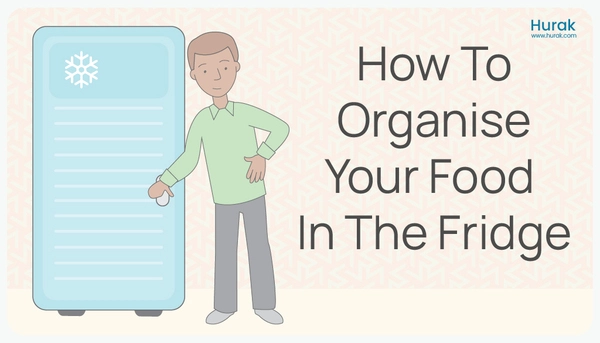
How to Organise Your Fridge
Food that does not require reheating or cooking and can be readily eaten is placed on the top shelf of a refrigerator. Cooked food that requires reheating should be arranged on the middle shelf. The bottom shelves are suitable for raw meat that is yet to be cooked and served. It is important to follow FIFO and HACCP guidelines when refrigerating food.Food Storage on the First Top Shelf: Non-Cooked/Non-ReheatedPackaged or ready-to-eat foods are not subjected to high temperatures and remain fresh in cold storage. They do not require reheating before serving nor do they need to be cooked at high heat. They are appropriate choices for the top shelf of a refrigerator.Since such foods do not get exposed to heat to kill bacteria, they must be stored in the fridge where cross-contamination from other raw meat or cooked food is minimal. It is important to arrange �low temperature� food in sealed containers on the highest shelf to avoid contact with drippings or leakage from other food sources.Examples of food stored on the first shelf of a fridge include:CheeseYoghurtDessertsSaladFood Storage on the Second Middle Shelf: Cooked/Reheated/Hot-HeldThe second shelf is suitable for storing leftover cooked food that requires reheating for future servings. They are also known as hot-held foods that have been prepared and will undergo reheating for a hot serving.Examples of food stored on the second shelf of a fridge include:Dine-in takeawaysCooked lentilsCooked meatCooked riceHot-held milkFood Storage on the Third Bottom Shelf: Raw MeatThe bottom shelf of the refrigerator should be reserved for foods that are cooked at high temperatures. Unlike food stored on the upper shelves, the bottom shelf food has to undergo cooking and is subjected to high intensities of heat.The bottom shelves are the coldest part of the refrigerator due to the phenomenon of�convection.�Cold air collects at the bottom of the fridge as it sinks every time the fridge is opened. Since raw meat is high in bacterial activity, cooler temperatures at the bottom shelves are ideal to keep microbes in a dormant state.Store these food items in sealed containers to prevent their contact with other food items in the fridge. If placed on a higher shelf, they can discharge liquid onto other food ingredients placed below them. Therefore, their ideal position in a refrigerator is at the bottom shelf to minimise the risk of cross-contamination.Examples of food stored on the third shelf of a fridge include:Raw poultryRaw fishRaw beefFood Storage in the Drawer: Fruits and VegetablesThe drawer is also considered to be the fourth shelf of the refrigerator. It is an enclosed box like a separate compartment below the shelves. It is appropriate for storing fresh fruits and vegetables wrapped in perforated paper or plastic to keep away from contamination and drying out.�Commercial kitchens with bigger refrigerators use drawers to store raw meat. However, this placement is not suitable for domestic fridges.��Examples of food stored in the drawer of a fridge include:�CarrotsLettuce�ApplesOrangesFood Storage on Door ShelvesFood products that do not require proper refrigeration or contain antimicrobial ingredients called preservatives should be placed in the fridge door. It is the warmest part of a refrigerator as it gets exposed to room temperature more frequently when the fridge is opened.�Liquid or solid foods which do not carry a high risk of becoming spoiled due to changes in temperature are the right choice for door shelves.�Examples of food stored on door shelves of a fridge include:Jams�Juices�Ketchup�Pickle�Mustard�Mayonnaise�Drinking waterFood Safety Importance of Fridge StorageA refrigerator is the backbone of a kitchen, whether in a restaurant or food factory. It serves the purpose of storage, protection and preservation of food. Cold storage is one of the most important practices of food safety regulations, complying with FIFO and HACCP guidelines.Keeping food stored at an appropriate temperature prevents exposure to the Temperature �Danger Zone� and slows down bacterial growth. A refrigerator is a safe haven for most food types, provided that it maintains the correct temperature required for proper food storage. While dealing with food refrigeration, it is recommended that:Stored food must be kept refrigerated at or below 40 �FMost cooked food can be safely refrigerated for up to 3 to 4 days.Leftover food must be stored in the refrigerator within 2 hours.Hot foods are preferred to be chilled in an ice bath to bring them to room temperature before placing them in the refrigerator.Wrap food in paper, plastic or sealed containers to prevent moisture loss and contamination.Large amounts of food, such as soups or meat pieces, are preferred to be divided into smaller portions before refrigeration.Place a thermometer in the warmest part of the fridge to check for temperature deviations. .second-cta-block .main-heading { font-weight: bold; font-size: 22px; } .second-cta-block .book-now { background: #DF3D52; color: #FFFFFF !important; border-radius: 8px; } .second-cta-block .second-heading { font-size: 17px; } .second-cta-block .card { border: 0 !important; } .second-cta-block .card-body { border: 1px solid #909090; box-shadow: rgba(0, 0, 0, 0.16) 0px 1px 4px; border-top-right-radius: 100px; border-bottom-right-radius: 100px; background: #fdf9ee; } .second-cta-block .image-wrapper { height: 330px; position: absolute; right: -60px; top: calc(50% - 210px); /* Center the image vertically */ } .second-cta-block .image-wrapper img { height: 100%; } .second-cta-block .trustpilot-widget { width: 256px; } .cta-heading-section { width: 75%; } @media screen and (max-width:991px) { .second-cta-block { padding-top: 100px; } .second-cta-block .card-body { border: 1px solid #909090; box-shadow: rgba(0, 0, 0, 0.16) 0px 1px 4px; border-radius: 19px; border-radius: 14px; background: #fdf9ee; } .cta-heading-section { width: 100%; padding-top: 50px; } .second-cta-block .image-wrapper { height: 270px; right: 0; position: absolute; left: calc(50% - 90px); top: calc(50% - 315px); } } Get Online Food Safety Courses Food Hygiene And Safety Check the Course Rated Excellent on major review sites FAQsWhat is the correct temperature for food refrigeration?The ideal temperature for storing food in a refrigerator is between 0�and 4 degrees Celsius.Where should raw meat be stored in a fridge?Raw meat should be stored on the bottom shelf of a refrigerator and kept separated from other food ingredients to prevent contamination from seepage.What is the safe storage temperature for food leftovers?Leftover cooked food can be stored safely for up to 3 to 4 days, with some exceptions.� Any unconsumed portions of food must be stored within 2 hours. Stored food must be kept refrigerated at below 5�C.�What is the best way to store eggs?Eggs can be stored on the middle shelf of a refrigerator slightly towards the back to prevent exposure to changes in temperature.What is the best way to refrigerate dairy food?Readily available dairy food should be stored on the top shelf of the refrigerator to prevent contamination from other raw food items.ConclusionRefrigerating food in the correct order promotes food safety and hygiene. Food that is readily available to eat and does not require cooking or reheating should be placed on the top shelf. This is followed by leftover food that requires reheating. Raw poultry and fish must be placed on the coldest bottom shelf of the fridge to prevent cross-contamination and seepage onto other food ingredients. Drawers are suitable for fresh vegetables and fruits. Fridge doors should be reserved for foods with artificial preservatives. The ideal temperature for storing food in a refrigerator is between 0 and 4 degrees Celsius. It is recommended to refrigerate food in sealed containers or plastic wrappings to keep food safe and hygienic.�

OSHA Bloodborne Pathogens Standard: Protecting Workers from Infectious Diseases
OSHA's Bloodborne Pathogens Standard, found in 29 CFR 1910.1030, fortified by the 2000 Needlestick Safety and Prevention Act, is a crucial framework ensuring worker safety. It mandates exposure control plans, engineering controls, and training, emphasizing Universal Precautions. This standard is vital for employers and workers in various settings, underscoring the importance of safety measures in handling bloodborne pathogens.Why Bloodborne Pathogen Standard?The OSHA Bloodborne Pathogen Standard is imperative due to the immense threat bloodborne pathogens pose to human health. With an alarming annual estimate of three million exposures, accidental punctures in workplaces and laboratories contribute significantly to bloodborne infections.Hospital settings in the United States witness approximately 400,000 sharp injuries yearly. OSHA's standard addresses this public health concern by advocating Universal Precautions, assuming all body fluids and sites may harbor infectious microorganisms. By promoting practices like hand hygiene, proper use of personal protective equipment, and engineering controls, the standard aims to significantly reduce exposure risks, safeguarding employees and curbing the spread of infectious diseases like HBV, HCV, and HIV.What practices are advised according to the standards?Engineering controls play a vital role in minimizing employee exposure to bloodborne pathogens. Safer medical devices, including needleless and shielded needle devices, and proper disposal practices significantly reduce sharps and needlestick injuries.Best practices according to OSHA regulations for bloodborne pathogens involve planning safe handling, opting for needle alternatives, using devices with engineered sharps injury protection, activating safety features, avoiding sharps exchange, refraining from recapping or breaking needles, and ensuring immediate disposal in secured sharps containers. Additionally, completing Bloodborne Pathogens training enhances overall safety measures in healthcare and related settings.Protections Provided By OSHA For Bloodborne Pathogen SafetyThis standard is designed to safeguard employees whose job duties may reasonably involve contact with blood, emphasizing a proactive approach to eliminate or minimize occupational exposures.For this purpose, the following are the standards that OSHA requires workers to follow for bloodborne pathogens clean-up procedures OSHA:Exposure Control Plan: Establishing Comprehensive ProtectionEmployers are mandated to create an Exposure Control Plan, a written document outlining strategies to eliminate or minimize occupational exposures. The plan includes an exposure determination, categorizing job classifications with potential exposure, and tasks performed leading to exposure. Updates to this plan must occur annually to reflect changes in tasks, procedures, and positions that impact occupational exposure.Implementing Universal Precautions and Engineering ControlsThe adoption of Universal Precautions is integral to the standard, requiring the treatment of all human blood and OPIM as potentially infectious. Engineering controls, such as safer medical devices (needleless systems, shielded needle devices), sharps disposal containers, and self-sheathing needles, are crucial in isolating or removing bloodborne pathogens hazards from the workplace.Work Practice Controls: Enhancing Safety ProtocolsWork practice controls involve practices that alter task execution to reduce exposure risk. This includes proper handling and disposal of contaminated sharps, specimen management, laundry procedures, and surface cleaning. These controls ensure a comprehensive approach to minimizing the possibility of exposure.Personal Protective Equipment (PPE): Ensuring Worker SafetyEmployers must provide and maintain PPE, including gloves, gowns, eye protection, and masks, at no cost to the worker. Regular cleaning, repair, and replacement of PPE are essential, guaranteeing the effectiveness of protective measures.Hepatitis B Vaccinations and Post-Exposure Evaluation: Protecting Worker HealthThe standard mandates offering hepatitis B vaccinations to workers with occupational exposure, administered within 10 days of assignment. Post-exposure evaluation, offered at no cost, includes documenting exposure incidents, testing source individuals for infectivity, testing exposed workers' blood, offering prophylaxis and counseling, and maintaining confidentiality of diagnoses.Communication of Hazards: Labels and SignsEmployers must use warning labels on containers of regulated waste, contaminated sharps, and refrigerators containing blood or OPIM. Amenities may consume red bags or containers instead of labels. Signs must be posted in HIV and HBV research laboratories when infectious materials are present.Recordkeeping and Information/Training Provision: Ensuring ComplianceEmployers are obligated to maintain worker medical and training records, including a sharps injury log. Regular training covering bloodborne pathogens, exposure control methods, hepatitis B vaccine, and post-exposure procedures is mandatory on initial assignment, annually thereafter, and when tasks change. Specialized training is required for HIV and HBV laboratory workers, promoting comprehension in a language and educational level accessible to all workers. One such training offered by OSHA is Bloodborne pathogen training of 1 credit hour.OSHA Bloodborne Pathogen TrainingDue to the high risk posed by bloodborne pathogens, it is crucial to protect workers from such pathogens through training. For this purpose, just like other OSHA workplace safety training i.e.; OSHA 30 Construction and OSHA 10-hour training for workers� awareness of site hazards, the Bloodborne pathogen OSHA training is provided to ensure that all workers are trained about bloodborne pathogens.Requirements: Comprehensive Training for Exposure ControlOSHA Bloodborne Pathogen Training equips employees with essential knowledge, including understanding bloodborne pathogens, recognizing exposure risks, learning control methods, grasping vaccine significance (especially for hepatitis B), and understanding post-exposure evaluation procedures. Training sessions prioritize accessibility, encouraging worker engagement with interactive formats. Specialized initial training caters to HIV and HBV laboratory workers, addressing the unique risks in their work environments.Who Needs Bloodborne Pathogens OSHA Training?The training is essential for those facing potential exposure to blood or other infectious materials (OPIM) in various job roles, including healthcare workers (doctors, nurses, and medical assistants), laboratory personnel, first responders (paramedics, EMTs, firefighters, police officers), janitorial and maintenance staff, tattoo and piercing artists, and mortuary/funeral home staff.Course Content: In-depth Knowledge for Effective ControlThe BBP training comprehensively covers crucial topics, including engineering controls with safety devices, proper cleaning and disinfecting practices, understanding and using personal protective equipment (PPE) like gloves and masks, emphasizing personal hygiene, safe handling and disposal protocols, implementing universal and standard precautions, hazard communication practices, and recognizing, reporting, and addressing employee exposures.OSHA Bloodborne Pathogens Certifications: Proof of CompetenceUpon completion of the training, participants undergo an OSHA Bloodborne Pathogens quiz to assess their understanding. Successful completion, with a passing score, results in the issuance of a certification. This certification serves as tangible proof that the individual has undergone and comprehended the OSHA Bloodborne Pathogen Training, emphasizing workplace safety and competence in handling potential exposure risks.Acquire Safety With OSHA Bloodborne Pathogen TrainingTo keep workers safe from harmful infections, OSHA has rules called the Bloodborne Pathogens Standard. These rules, found in 29 CFR 1910.1030, are like safety guidelines for jobs where people might touch blood or other infectious stuff. OSHA wants to make sure workers know how to stay safe. This includes having a plan to prevent exposure, using special tools, and giving vaccines. Workers, like doctors and janitors, should get training about bloodborne pathogens.The training covers topics like using safe tools, wearing protective gear, and what to do if there's an exposure. After the training, workers take a quiz to show they understand. Getting a passing score means they get a certificate, proving they know how to stay safe from bloodborne pathogens at work.

How to Enroll in Cheap OSHA Online Training Courses
Safety training is crucial for everyone. Due to the increase in workplace accidents and incidents, it has become a massive demand for employees and employers. Moreover, several states make safety training mandatory to make the workplace secure and healthy. According to the International Labour Organization (ILO), there are almost 340 million accidents at work, and about 160 million cases of work-related illnesses have been recorded. In order to reduce the number of workplace accidents, there are different platforms offering the cheapest OSHA safety training online which becomes the most cost-effective way to train employees on workplace safety. If you wondering about how to enroll in cheap OSHA safety training courses online, then read this blog without further ado!6 Budget-Friendly Ways to Enroll In OSHA Safety ProgramsThe hunt for affordable and cheapest OSHA courses is ongoing. The majority of employees look for courses that strike a balance between cost and quality. You can also get OSHA courses in the USA at the best prices via OSHAOutreachCourses.com To ensure that you receive the best bang for your buck, this comprehensive guide is designed for you. Here you read the best tips to enroll in OSHA safety courses at low pricing without hassle.Research Affordable OSHA Training ProvidersThe very first thing you have to look for is your convenience, which means whether you want to get your training online or consider the traditional way of training. Many organizations are now considering online safety training platforms due to their flexibility and affordability. There are several online training platforms available that offer an easy approach to start their training with minimum investment.One of the best things about the online platforms is; that trainees will get access to different eLearning tools and get safety training on their mobile phones, tablets, and laptops in their comfort zone. According to an IBM study, workers who receive online training save 30 dollars in productivity because they are able to work from home less frequently.Undoubtedly, searching for an affordable OSHA safety training provider online is the cost-effective way to enroll employees to receive qualitative and accredited knowledge.Look For Bundle PackagesIt's critical to find a balance between price and quality content for safety training. So, employers should seek out OSHA classes that are reasonably priced, providing thorough instruction together with accredited certification and a reasonable price. In such cases, you can opt for a bundle package that is also an effective strategy in order to reduce the overall cost of OSHA online training.Many online safety training platforms are offering packages on workplace OSHA safety training at the cheapest pricing. You just look for the courses that meet your specified needs and explore the bundled options that are more economical choices as compared to purchasing individual courses separately.Leverage Free Resources and MaterialsTo get OSHA safety training at a low price, you can also find OSHA safety training platforms that offer free trials or introductory courses. This will help potential learners assess the course content, teaching methods, and overall suitability before committing to a paid program. Yet, this might be the best way to leverage free resources and materials and understand what learning materials are best for you. For those seeking budget-friendly options, exploring platforms that offer OSHA 30 online for $99 can provide a cost-effective yet comprehensive approach to safety education.Additionally, you can also check the official OSHA website to get comprehensive knowledge of safety training modules. However, these materials may not substitute for a complete safety training course, but they can serve as a valuable supplement. Combining these resources with affordable online courses creates an ample and cost-effective training plan.Government Assistance ProgramAnother tip to get OSHA safety training at affordable rates is to investigate government-sponsored initiatives that may provide financial support or discounts for OSHA training. Some regions offered OSHA programs in place to encourage businesses and individuals to prioritize workplace safety.Additionally, you can also look for different government funding and assistance programs that could pay for OSHA safety training. Nowadays, the majority of state and municipal programs are designed to help companies and individuals to enforce workplace safety and develop a sound culture at the workplace by providing appropriate training. No offense, but by utilizing thes e initiatives, you can drastically lower the cost of the OSHA online courses.Group DiscountsEncourage group enrollments within your organizations to take advantage of group discounts. This not only reduces costs but also fosters a collective commitment to workplace safety. Businesses have a chance to enroll multiple employees in OSHA training to get benefits from group discounts. Several online platforms aim to provide safety training at low-cost rates by enrolling in bulks. This makes it economically viable for businesses to ensure the safety and compliance of their entire workforce without incurring excessive costs.Check for user reviews & testimonialsAnother important tip to consider before enrolling in affordable OSHA safety training programs is to check the user reviews and testimonials. You must have to contemplate the testimonials from individuals and businesses that have completed the courses from the online platform you are choosing. This firsthand information gives valuable insights and the effectiveness of the course, it even clarity of instructional materials and the overall satisfaction of participants.To Wrap Up the ThingsAfter reading this whole blog, the final verdict is prioritizing workplace safety training through OSHA online safety training programs doesn�t have to be a financial burden. By strategically exploring the cost-effecting option and comparing pricing, employees, and employers can take advantage of free and available resources. Everyone can access the high-quality OSHA online training courses without breaking the bank. Now, you can embrace the budget-friendly path to OSHA compliance safety training and ensure a safer and more secure work environment for every worker.

How to Spot a Fake SIA Licence Card?
With over 378,000 active SIA licence holders in the UK, an increasing number of individuals are found holding a fake SIA licence. Such individuals put the public at risk due to a lack of security training and qualifications. The Security Industry Authority (SIA) takes forged SIA licences seriously and penalises fake SIA licence card holders.In this blog post, I�ll discuss spotting a fake SIA licence and other relevant queries.How to Spot a Fake SIA Licence Card?Below, you can check the latest SIA licence that will help you identify a fake SIA licence. Any discrepancies or differences from the latest official version can indicate that the licence is fake or counterfeit.Over the years, the Security Industry Authority (SIA) has changed designs for SIA licences. This could be one of the reasons it�s hard to spot the difference between a fake SIA licence and a real one.From 2007 to now, SIA has made minor yet noticeable changes in the licence design. Below I�ve shared all the SIA licences since 2007.YearsSIA LicenceUntil March 2007Until April 2007Until November 2007Until June 2016Latest SIA Licence DesignHow to Check If an SIA Licence Is Fake?After issuing an SIA licence to an individual, SIA registers it on the official Register of Licence Holders Database, which is publicly accessible. Under section 12 of the Private Security Industry Act, it�s mandatory to establish and maintain a register. To check if an SIA licence is fake or real, you can simply enter the licence number.For any reason, if the SIA licence does not appear in the register, you must report to SIA.Can I Use a Fake SIA Licence?No, you cannot use a fake SIA licence, as it�s an offence under the Forgery and Counterfeiting Act 1981. If individuals are caught using counterfeit SIA licences, they can face legal penalties. SIA regularly conducts spot checks throughout the UK to identify individuals using fake documents to get security jobs.Moreover, employers and business owners in the security industry also use an SIA Licence Checker to check if you have a valid and real SIA licence. During employment checks, fake SIA licences are identified, which means individuals are unlikely to get a security job with a forged SIA licence.Penalties for Using a Fake SIA LicenceSIA takes serious action when it comes to fake licences or working fraudulently in the security industry. Anyone caught with a fake SIA licence will face prosecution, and if found guilty, they will be subject to penalties and legal consequences.Using a fake SIA licence can result in a maximum penalty of six months in prison and a potential fine of �5,000.�In 2019, a man from Chester, working as a Door Supervisor, was convicted of working with a forged SIA licence. SIA took action against him, and he was persecuted at Chester Magistrates Court. He received a 12-month community order with 170 hours of unpaid work. Also, he was penalised �882, along with a victim surcharge of �85.Can I Work in Security without an SIA Licence?You cannot work in the security industry without a valid SIA licence. In the UK, individuals engaged in licensable activities in the security industry are required to hold a valid SIA licence.An SIA licence shows they have undergone the necessary training and background checks. Working without the required SIA license for such activities is illegal and can result in penalties.How to Get an SIA Licence?Getting an SIA licence is a 3-step process. Once you complete these steps, you will receive your SIA licence through mail. If you want to learn this in detail, read our blog, �A Step-by-Step Guide to Getting an SIA Licence.�Step 1: Complete the Relevant Accredited Licence-Linked SIA TrainingDepending on your desired job role and the SIA licence you wish to get, choose the relevant training course.APLH Personal Licence CourseSIA Security Guard Training CourseSIA Door Supervisor Training CourseSIA CCTV Operator Training CourseSIA Refresher Training For Door SupervisorsFirst Aid at Work TrainingEmergency First Aid at Work Course .banner-blue { border-radius: 10px; overflow: hidden; border: 2px solid #ccc; box-shadow: 0 4px 8px rgba(0, 0, 0, 0.2); background-color: #fdf9ee; } .book-now { color: white; background-color: #DF3D52; border: none; padding: 15px 60px; border-radius: 5px; cursor: pointer; font-size: 20px; text-decoration: none; } .book-now:hover { /*text-decoration: none;*/ color: white; background-color: #c33f50; } Get your Legal SIA Licence by signing up for our SIA Security courses Security Courses Book Now Rated Excellent on major review sites Step 2: Complete the Licence ApplicationTo apply for your SIA licence, please go to the SIA website and complete an online application form. Fill in all the required information, including personal details, qualifications, and employment history. SIA will contact you within 25 working days.Step 3: Visit the Nearest Post OfficeYou must visit the nearest Post Office to complete your identity checks. Please take along your original copies of your documents and the SIA application reference number.Common SIA LicencesSIA issues numerous SIA Licences for different security jobs, including:SIA Security Guard LicenceSIA Door Supervisor LicenceAPLH Personal LicenceClose Protection LicenceCCTV Operators LicenceKey Holding Licence