

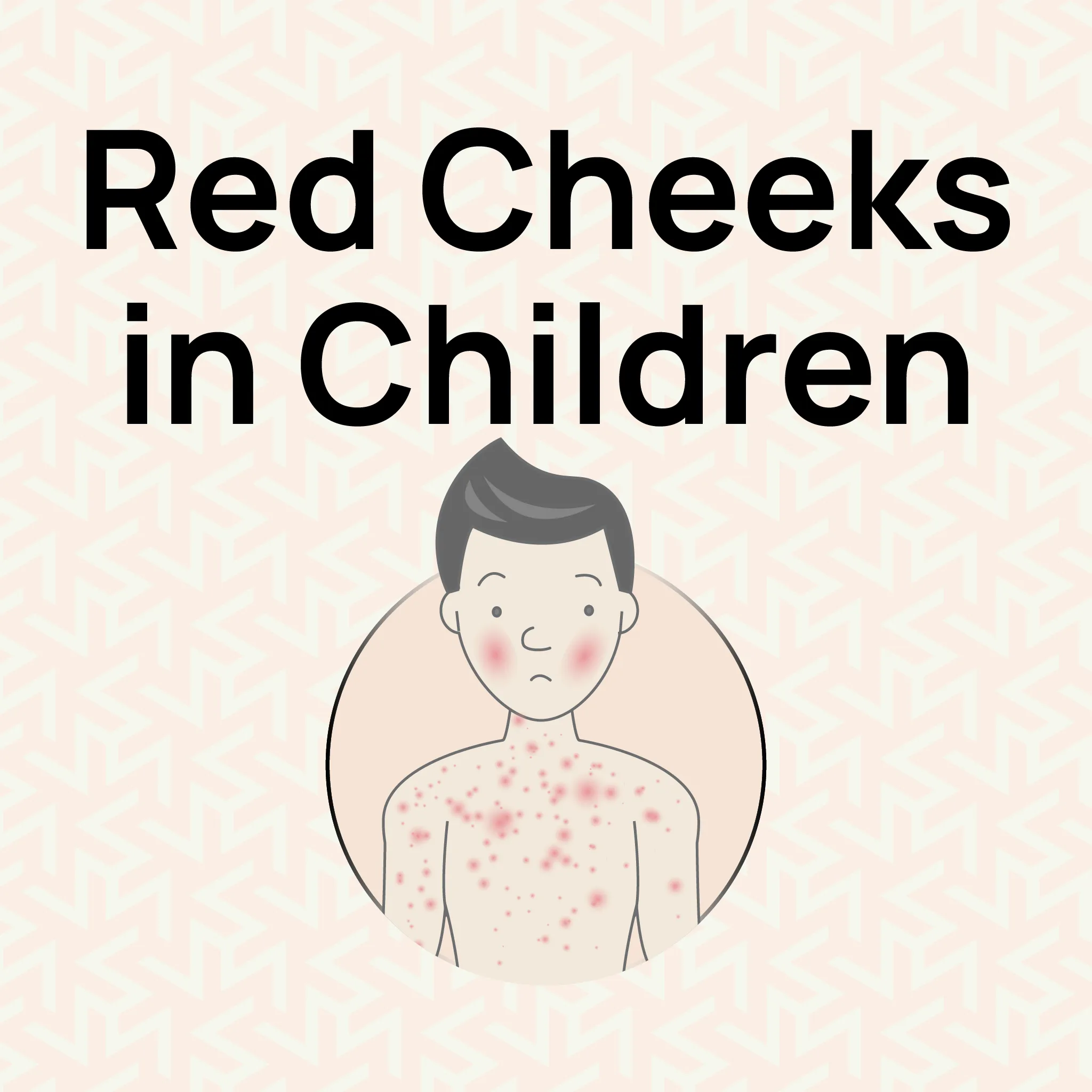
Slapped Cheek Syndrome: A Parent's Guide to Red Cheeks in Children
Training for industries with strict compliance regulations�such as construction, first aid, fire safety, food hygiene, and security�depends on clarity, precision, and strong learner engagement. Content providers on platforms like Hurak.com are putting constant efforts to offer materials that meet UK workplace standards and are understandable and applicable by the learners in real-world scenarios. AI (artificial intelligence) is increasingly playing a vital role today in enabling teachers to produce more clear and attractive learning materials. Instructors are supported by AI tools to a great extent in creating visual diagrams, scenario illustrations, and even training videos, besides that, it is making the process less time-consuming and more efficient. Coming up next are the ways that AI-generated visuals are beneficial for compliance and safety training, the reasons for their importance, and the ways trainers can take advantage of them�all with an illustrative example of the tools along the way. Why Visual Content Matters in Compliance & Safety Training The construction, security, healthcare, hospitality, and fire safety industries all generally rely on practical decision-making. Thus, high-quality visuals have a great impact on learning outcomes in several ways: 1. Better Understanding of Critical Procedures Compliance content involves risks, step-by-step instructions, and emergency responses. Visual aids are remembered easier by the students, for example: CPR and recovery positions Fire extinguisher types and fire classes Site safety rules Conflict management scenarios Hazard identification and risk assessment 2. Higher Engagement in Online Courses Charts, diagrams, illustrations, and scenario-based visuals help prevent learner fatigue, especially in long safety or compliance courses. 3. Easy Updates and Scalability The digital visuals can be quickly refreshed, thereby keeping the training materials updated with the latest industry and organizational regulations and guidelines. How AI Is Taking Control of Training Material Creation In the past, the trainers had to rely on graphic designers, photographers, or stock image suppliers to get visuals made. The whole process could be time-consuming, costly, and at times limited if the content was very specific�e.g., a fire warden's scenario or a construction hazard's illustration. The use of AI tools enables the trainers to make unique visuals within minutes which helps them: Create diagrams for manuals Develop illustrations for scenario-based learning Create images for e-learning platforms Produce short explainer videos So, for instance, the AI Image Generator could take text-based training instructions and convert them into a visual diagram that could be used for the first aid, security, or fire safety teaching modules. In the same way, a short scenario clip can be made with the help of an AI Video Generator to demonstrate actual workplace situations, like emergency evacuation routes or conflict-resolution responses. Practical Ways AI Visual Tools Are Aiding Safety & Compliance Training 1. First Aid Training The visuals generated by AI can support the instructors create: Diagrams illustrating the different steps in CPR Pictures showing the measures taken when someone chokes Images that depict the proper dressing of wounds Flowcharts that show the assessment process for emergencies The use of these materials enhances the absorption of life-saving procedures by the learners. 2. Fire Safety Courses AI can produce diagrams that illustrate: The different classes of fires (A, B, C, D, F) The correct usage of the respective fire extinguishers The order of the evacuation The procedures for alarms and assembly points Visuals that are clear and easy to read promote the correctness of information and cut down on the chances of misunderstanding. 3. Security and SIA Training The use of scenario-based illustrations helps in showing the following ways: To spot shady activities Reducing the conflict Controlling access Steps of incident reporting Through the use of these visuals, the learners are supported by contextual, real-world examples. 4. Construction & Workplace Safety AI visuals can play a role in hazard identification (e.g., trips, falls, misuse of equipment)� Proper use of PPE� Safety rules on the site� Techniques in manual handling� In this way, safety training becomes more practical and relatable. Benefits for Training Providers on Hurak.com 1. Quicker Course Development The visuals that used to consume several days can now be generated in a matter of minutes using AI image-generation tools . 2. Consistent Branding Across Materials AI tools assist in establishing a particular style throughout the handbooks, slides, assessments, and e-learning content. 3. Better Learner Engagement and Feedback Courses that contain diagrams and scenario-based visuals usually get stronger learner reviews and higher completion rates. 4. Cost-Effective for Small Providers AI minimizes the dependency on hiring professional designers or visual resources that are expensive. Best Practices for Using AI Visuals in Training In order to maintain quality and compliance, training providers shall adopt some straightforward rules: Sync visuals with learning objectives Every single image or diagram must help the specific learning outcome. Keep up to date with accuracy for regulated content First aid, fire safety, and SIA-related visuals should rely on UK-approved procedures that are already correct. Use visuals to make complex topics easier Longer procedures should be divided into steps that are easier to digest. Maintain a uniform visual style If you are using tools like Dreamina, apply the same style to all modules. Pilot visuals with a minor learner group A speedy review assists in verifying clarity and preventing possible misunderstandings. Conclusion AI-driven visual tools are becoming powerful assets for compliance, safety and professional training providers. For trainers delivering courses through Hurak.com, these tools make it easier to produce accurate, engaging and up-to-date learning materials without the delays and costs associated with traditional design methods. By using AI responsibly � and integrating visuals that genuinely support learning � providers can significantly improve the quality of their course delivery and create a more effective training experience for their learners.
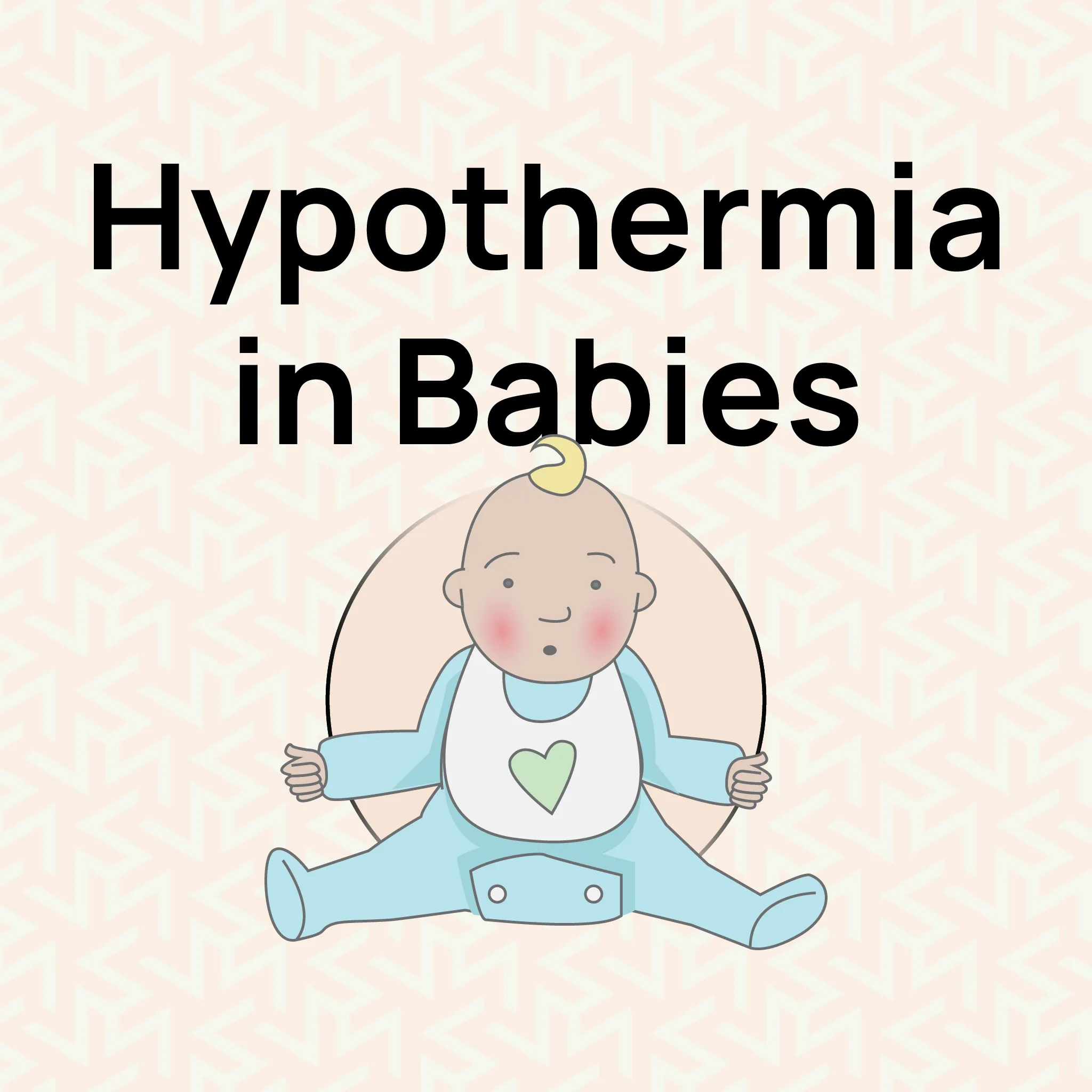
Hypothermia in Babies: Signs, Causes, Symptoms and Treatment
Read the full article for more details.

What Are Febrile Seizures? Signs, Causes and Treatment
Read the full article for more details.
Spotting and Treating Mumps: A Complete Guide for Families
Read the full article for more details.
Scarlet Fever: Symptoms, Causes and Treatments Explained
If your child suddenly develops a red, rough rash along with a sore throat and fever, you might be wondering if it’s scarlet fever. Scarlet fever is a contagious bacterial infection that mostly affects children, though adults can get it too. Scarlet fever is caused by the same bacteria that cause strep throat. This often starts with fever, sore throat, and a bright red rash. If your child has any of these symptoms, it is important to treat them early with antibiotics. If treated properly, scarlet fever does have an excellent prognosis. Early diagnosis will help avoid serious complications and allow your child to return to their regular activities sooner rather than later.Causes and Transmission of Scarlet FeverUnderstanding scarlet fever helps parents and carers take early precautions to prevent the illness. The cause of scarlet fever is a bacterial infection triggered by Streptococcus pyogenes (group A streptococcus), the same bacteria responsible for strep throat. This infection releases toxins that lead to the characteristic red rash, sore throat, and high fever associated with scarlet fever.Scarlet Fever is a highly infectious disease; transmission occurs via respiratory droplets (from sneezing, coughing, etc.) produced by an affected individual, or through direct contact with contaminated surfaces and objects (such as sharing personal items, including cutlery, towels, toys, etc.). The age group most commonly affected by scarlet fever is 5-15 years, particularly in close-contact settings, such as daycare centres and schools. Like children, adults can also develop Scarlet Fever, but most cases in adults manifest with milder symptoms.Bacteria can spread from one person to another for a few days before symptoms appear, and they can still spread after 24 hours of starting antibiotic treatment. Therefore, it is essential that people with scarlet fever be diagnosed promptly and treated with prescribed antibiotics. In addition to speeding up recovery, prompt treatment prevents the continued spread of the disease among family and friends.To reduce the risk of infection, practice good hygiene habits, such as frequent handwashing, avoiding shared cups or cutlery, and keeping children home from school until they are fully recovered. Understanding both the cause and spread of scarlet fever is the first step toward protecting yourself and others.Signs and SymptomsThe symptoms of scarlet fever can look slightly different depending on a person’s age. While the infection most often affects children between 5 and 15, babies and adults can also catch it. Recognising the signs of scarlet fever early, such as fever, sore throat, and the typical scarlet fever rash, helps in getting the proper treatment quickly and preventing complications.BabiesChildren (5–15 years)AdultsMild or low-grade feverSudden high fever Moderate fever or body ache Irritability and crying more than usual Sore throat and difficulty swallowing Sore throat and mild fatiguePoor feeding or refusal to eatHeadache and chillsHeadache and mild chills Rah may appear faint or patchy Classic scarlet fever rash- red,sandpaper-like texture starting on the chest and neckSometimes a mild or no rash Vomiting or upset stomachNausea and vomiting Mild nausea or upset stomachFussiness and tirednessSwollen glands in the neck Slight swelling of glandsPeeling skin is less commonPeeling skin on fingers and toes during recovery Peeling skin is mild or absentHard to notice strawberry tongue Distinct strawberry tongue -Red and bumpy Red tongue may occur Cough or cold-like symptoms Flushed face with a pale area around the mouth Facial redness may appear mildDehydration signs- dry mouth, fear wet nappiesFatigue and general weaknessFatigue and body achesEven though the signs of scarlet fever vary slightly, the most common features across all ages include a sore throat, fever, and the scarlet fever rash, which feels rough like sandpaper and spreads from the chest and neck to other parts of the body. Early attention to these symptoms can help prevent the infection from becoming serious or spreading to others.Diagnosis of Scarlet FeverIf you notice any scarlet fever symptoms, it’s essential to see a doctor right away. Diagnosis is usually made through a physical examination and a throat swab to detect group A streptococcus, the leading cause of the infection. In some cases, doctors may run a rapid strep test for faster results. Early diagnosis ensures timely antibiotic treatment, speeds recovery, and helps stop the infection from spreading within families or classrooms.Treatment and Recovery of Scarlet FeverTo regain a person’s health as quickly as possible, immediate medical attention is essential. The primary treatment for scarlet fever involves administering antibiotics to eliminate the Group A Streptococcus bacteria. Taking the antibiotic will shorten the time the patient remains contagious and lower the risk of serious complications, such as rheumatic fever or kidney inflammation. Although some antibiotics are commonly prescribed for scarlet fever, it is important to complete the full course to ensure all bacteria are killed, even if the patient feels better before finishing the regimen.In addition to antibiotics, doctors may recommend:Fever reducers (as advised by your doctor)Adequate hydration to replace fluids lost from fever or sweatingPlenty of rest to help the body recoverSoothing warm liquids to relieve soreness.With proper treatment, most children will start to feel better between 48 and 72 hours. The rash associated with scarlet fever typically resolves within 1 week of starting antibiotic treatment; peeling of the skin on the hands and feet may occur during the healing phase, but this condition resolves naturally.Recovery After Scarlet FeverFull recovery generally takes 5 to 7 days, although fatigue can persist slightly longer. During this period, it’s essential to:Continue resting and staying hydratedMonitor the rash and other symptoms for improvement.Complete the entire antibiotic course, even if the child feels well.With proper treatment, most children start feeling better within a few days, and the rash typically fades within a week. Scarlet fever treatments are effective, and the infection usually resolves completely with medical care. Alongside proper medical care, knowing the benefits of first aid training ensures an immediate and effective response at home or school.Complications, Risks, and Adult Cases of Scarlet FeverAlthough most people recover fully with timely scarlet fever treatment, untreated or delayed cases can sometimes lead to serious complications. These occur when the group A streptococcus bacteria spread to other parts of the body or when the immune system reacts to the infection.Possible Complications and RisksUntreated scarlet fever can result in various complications, including the following:Rheumatic fever: A condition that causes an inflammatory response in the heart, joints, and nervous system.Post-streptococcal glomerulonephritis: An inflammatory disease of the kidney.Ear or sinus infections: may develop from direct bacterial spread from the throat to these areas.Pneumonia or abscesses: rare but serious bacterial complications of untreated scarlet fever.Joint pain or swelling: resulting when the immune system is in the process of reacting to an infection with streptococcus bacteria.Children under five years old, individuals with weakened immune systems, or those who delay medical treatment are more at risk of developing these complications. Early antibiotic therapy and proper rest remain the best ways to avoid such outcomes.Scarlet Fever in AdultsWhile scarlet fever is most common among school-aged children, adults can also contract the infection, especially parents, teachers, or caregivers who are in close contact with children. Adult cases usually present milder symptoms, such as sore throat, fever, fatigue, and occasionally a faint scarlet fever rash.Adults can transmit the bacteria even when symptoms are mild. Therefore, practising good hand hygiene, avoiding any contact with those who are infected, and ensuring you finish all antibiotic prescriptions are important for preventing further spread of the infection.Understanding the potential for disease spread reduces the risk of outbreaks in family, work, or community environments. You may wish to conduct research if you are uncertain of the best first aid method for your situation in order to make a sound, scientific decision.Prevention and When to Seek Medical AttentionTaking simple precautions can go a long way in preventing the spread of scarlet fever, especially in households, schools, and childcare settings. Because scarlet fever is contagious, especially among children, maintaining good hygiene is key to preventing its spread. Since the illness is highly contagious, practising good hygiene and responding early to symptoms helps protect both children and adults.To reduce the risk of infection and stop the spread of scarlet fever symptoms:Prevention TipsWash your hands frequently with soap and water, especially after coughing, sneezing, or touching shared surfaces.Avoid sharing utensils, cups, towels, or toothbrushes with anyone who is ill.Cover coughs and sneezes with a tissue or elbow to prevent droplets from spreading.Keep infected children at home until they’ve taken antibiotics for at least 24 hours and are fever-free.Clean and disinfect commonly touched objects, such as toys, doorknobs, and countertops.These habits not only reduce the chances of catching scarlet fever but also help contain the infection before it spreads to others. These prevention steps align with the key principles of the 3 P’s in first aid, helping reduce risks and respond safely.When to Seek Medical AttentionSeek immediate medical attention if your child or another family member shows any of the following:High or persistent fever that does not respond to medicationDifficulty breathing or swallowingRash spreading quickly or becoming painful.Extreme tiredness or confusionSymptoms are not improving after 48 hours of antibiotic treatment.Most cases of scarlet fever recover smoothly with prompt care, but early medical attention ensures proper diagnosis, a faster recovery, and prevents complications such as rheumatic fever or kidney inflammation.Know the Warning SignsWe believe that first aid training should be practical, easy to understand, and accessible to everyone. Enrolling in a Paediatric First Aid course, Emergency First Aid at Work (EFAW) and First Aid at Work ensures you learn the life-saving techniques under expert guidance.ConclusionScarlet fever is a contagious but treatable bacterial infection. Recognising the symptoms, understanding the causes, and seeking early treatment are key to ensuring a quick recovery. Most children recover fully with proper care, and adults can also be affected, though usually with milder symptoms. By following preventive measures and being alert to warning signs, parents and carers can protect their families and reduce the spread of this infection.Choosing the right first aid training qualification is essential for ensuring you have the skills and knowledge to respond effectively in emergencies. Whether for workplace safety, childcare, or general preparedness, selecting a recognised and comprehensive course helps build confidence and competence.Frequently Asked QuestionsWhat are the symptoms of scarlet fever?Sore throat, fever, headache, swollen glands, nausea, rough red rash, and sometimes “strawberry tongue”.What does a scarlet fever rash look like?Red, rough, sandpaper-like rash starting on the chest and neck, spreading to other areas.What causes scarlet fever?Group A Streptococcus bacteria are spread through coughing, sneezing, or contaminated surfaces.How is scarlet fever treated?Antibiotics, rest, hydration, and fever management.Is scarlet fever contagious?Yes, it spreads through droplets and close contact with infected people.Can adults get scarlet fever?Yes, often milder symptoms, but adults can still spread it.How long does scarlet fever last?Typically 5–7 days with proper treatment.Is scarlet fever dangerous?Rarely, if untreated, complications can include rheumatic fever or kidney problems.What are the signs of scarlet fever?Red rash, sore throat, fever, headache, swollen glands, nausea, and sometimes strawberry tongue.Explore More First Aid Training OptionsExpand your emergency preparedness by exploring our selection of first aid courses tailored to suit every need, profession, and level of experience:Emergency First Aid at Work (1 Day): Teaches the essentials of CPR, wound care, and how to respond to unconscious casualties. Ideal for smaller businesses.First Aid at Work Requalification Course (FAWR): A focused two-day course for those renewing their FAW certification before it expires. Refreshes essential knowledge and ensures full compliance with HSE standards.First Aid at Work (3 Days): A full three-day qualification covering a wide range of medical emergencies essential for high-risk workplaces.Paediatric First Aid (2 Days): Focused on child and infant care, including choking, fever, and allergic reactions.Advanced First Aid Training: Go beyond the basics with advanced trauma care, oxygen use, and secondary assessments.First Aid for Mental Health: Understand and support individuals showing signs of anxiety, stress, or depression.
Security Officer CV: Sample, Template Writing Guide
The UK security sector is more competitive than ever. With dozens of candidates applying for roles as door supervisors, security guards, or close protection operatives, your CV needs to stand out from the crowd.Recruiters often decide within seconds whether to continue reading your CV or move on. That�s why it must be clear, concise, and tailored, highlighting your SIA licence, relevant training, and practical on-the-job skills, all aligned with the job requirements.This guide gives you everything you need: a recruiter?friendly security CV template, expert writing tips, and a complete sample CV to use as a reference.Interested in a career in security and wondering how much it costs?Check our SIA Badge Cost guide to understand the investment required, and read our Free SIA Training guide to discover how to begin your journey without breaking the bank.Why Is a Security Officer CV Important & What Employers Look ForA successful security CV does more than list experience: it convinces employers you�re reliable, compliant, and capable. Your CV is a trust-building tool and proves why you're the right candidate for the job.A strong CV helps you:Stand out in a competitive market: as many applicants are vying for roles like door supervisor, security guard, or close protection officer.Showcase relevant skills and qualifications: including your SIA licence, CCTV, first aid, and conflict management certifications.Demonstrate meaningful work experience: such as patrolling, surveillance, incident reporting, and customer service.Match job requirements: reflect keywords and responsibilities from the job description.Highlight key soft skills: communication, situational awareness, attention to detail, professionalism, and conflict resolution.A strong CV not only showcases your strengths but also helps employers match your profile with their expectations, bringing you one step closer to landing your desired job.�Here�s what employers typically expect to see in a well-written security CV:What the employers expect:Contextual experience: roles, worked environments, and specific duties like entry control or emergency response.Certifications & licences: SIA licence, CCTV, first aid/CPR, with explicit licence numbers.Hard skills: surveillance, access control, alarm systems, proactive monitoring.Soft skills: vigilance, situational awareness, communication, conflict de-escalation.Tailored content: align CV with the specific job ad by including matching keywords to pass ATS filters.There are specific skills and areas of knowledge that employers specifically look for when hiring a security professional. From demonstrating your situational awareness to showcasing the proper certifications, your CV must reflect these expectations to be taken seriously.�If you�re applying for a job as a security guard, make sure you�re equipped with the right capabilities.Read our article on the Essential Skills in a Security Guard to understand exactly what employers are looking for.Boost Your Job Prospects with the Right Security TrainingHurak offers a range of security training programmes designed to help you meet employer expectations and enhance your CV.Our courses cover everything from legal responsibilities and conflict management to customer service and emergency procedures�making you a stronger candidate for any security role.�Enhance your CV and skills with:SIA Door Supervisor TrainingSIA CCTV Operator TrainingSIA Security Guard CourseClose Protection TrainingJoin our course today and become job-ready.Tips for Writing a Good CV for a Security OfficerA well-written CV can be the difference between getting shortlisted or being overlooked. Recruiters often scan CVs in under 30 seconds, so clarity, relevance, and professional formatting are essential.When applying for a security job, your CV should speak directly to the employer�s needs. It�s not just about listing past roles; it�s about clearly presenting your skills, training, and experience in a way that matches the job description.Whether you're writing a door supervisor CV, security guard CV, or applying for a close protection role, think of your CV as your personal security briefing. It must be clear, focused, and show that you're fully equipped to handle the role. Employers are seeking precision, reliability, and the ideal balance of technical and interpersonal skills.Here are the most important tips to help you stand out as a strong candidate:Tailor Your CV to the Job DescriptionUse specific keywords from the job ad. If the role mentions �conflict management� or �CCTV monitoring,� be sure to reflect those in your experience and skills sections.Keep the Layout Simple and CleanAvoid clutter. Stick to a minimal, modern format with clear headings, bullet points, and plenty of white space. A clean CV shows professionalism and is easy to scanFocus on Key QualificationsInclude your SIA licence, First Aid training, CCTV certification, or any other relevant course. Mention full names of qualifications and licence validity dates where applicable.Use Action-Oriented LanguageStart each bullet point with an action verb, such as �monitored,� �patrolled,� �responded,� or �reported�, to communicate your responsibilities and achievements clearly.Prioritise Relevant ExperienceList your most relevant roles first. Mention job titles, site types (e.g., retail, events, construction), and key tasks. Focus on what matters most to the role you're applying for.Show Professionalism ThroughoutFrom the language you use to the way you name your file (e.g., John_Doe_Security_CV.pdf), everything should reflect a professional and reliable image.A well-drafted CV can help you stand out, but to truly succeed, you also need to understand what�s expected from a licensed security professional.�Make sure you�re fully prepared by exploring these essential guides:Standards of Behaviour of a Security OperativeCan Security Guards Detain or Touch You?What Are SIA Security Jobs Like?Standard Security CV Template��A well-structured CV ensures that employers can quickly identify your suitability for the role. First impressions matter, especially in a competitive field like security.Follow this standard security CV template to present your qualifications clearly and professionally:CV FormatPersonal InformationPlace your full name, phone number, email, and address (or a location reference) at the top. Accuracy is essential.Profile SummaryWrite a short statement (2�3 lines) highlighting your most relevant experience and qualifications for the role.Key Skills�Bullet your strongest, role-specific skills:Surveillance & monitoringRisk assessment & threat analysisAccess control & patrol proceduresEmergency response & first aidConflict resolution & de-escalationCCTV operation & reportingExcellent communicationHigh attention to detailIT proficiencyPhysical strength & agilityPrior Work ExperienceList roles in reverse chronological order. For each job, include title, employer, location, dates, and bullet points of your duties. Focus on relevant roles; if you're new, include internships or related work.EducationMention your most recent qualifications first. Include the qualification name, institution, location, and study dates. Add any relevant awards.Certifications & LicencesClearly list your SIA licence (include badge number and validity) and any first-aid certification. Ensure everything is current.Additional InformationInclude any other relevant credentials, like a driving licence or language skills, that might add value.References / ProofreadEither list referees or write �References available upon request.� Then proofread your CV for consistency, spelling, and formatting. Ask a trusted friend to review it too.A door supervisor CV will differ slightly from a security guard CV, as the responsibilities and employer expectations aren�t the same.�It�s crucial to understand your specific job requirements and tailor your CV accordingly.Read our guide on the Difference Between Door Supervisor and Security Guard to explore their key differences.If you're already working in security and aiming to renew your SIA licence or upskill, consider joining our Top-Up training courses.Refresh and Upskill with Hurak Top-Up CoursesEnroll in our SIA refresher and top-up courses to not only keep your licence valid but also strengthen your CVSIA Close Protection Top-UpSIA Door Supervisor RefresherSIA Security Guard RefresherJoin our top-up course today and strengthen your CV for your next security job.Security CV Sample for ReferenceWhen it comes to job applications, many candidates struggle with how to present their experience effectively. That�s why we�ve created a ready-made CV sample tailored specifically for security professionals.This example uses the correct format, tone, and details expected by employers.Use it as inspiration to draft your own or simply download and customise it.Download This CV TemplateA well-written CV shows more than your qualifications�it shows your professionalism and attention to detail.�Make sure to tailor your CV to the specific security role you�re applying for, whether that�s guarding, CCTV operation, or close protection or any other. Combine this with proper training, format, structure, layout and you're set to stand out.ConclusionWhether you�re just entering the industry or looking to upskill, a great CV opens the door to your next opportunity.A poorly structured CV can cost you the job, even if you have the right skills. A great CV isn�t built on experience alone�it�s built on how well you present that experience.�With employers reviewing dozens of applications, your layout, keywords, and clarity can all become key deciding factors. A scattered or outdated format won�t communicate the high standards you�re trained to uphold.�When you match a clean CV with strong security skills and current certifications, you immediately position yourself as a capable, job-ready professional. FAQs�What should a security officer's CV include?A security officer's CV should include a professional summary, key skills such as conflict resolution and surveillance, work history, valid SIA licence details, and certifications, including first aid training.How do I write a CV for a security guard job?To write a strong security guard CV, use a clean layout, tailor the content to the job description, highlight SIA certification, and showcase relevant experience such as patrolling, CCTV monitoring, or access control.Is there a difference between a security guard CV and a door supervisor CV?Yes. While both roles involve security, a door supervisor CV should emphasise customer-facing duties and conflict management skills. In contrast, a security guard CV may focus more on surveillance and static guarding tasks.Where can I find a good security CV sample or template?You can view a professional security CV sample template in this article, and download an editable version to customise for your job application.How do I format my CV for a security job in the UK?Use a standard UK format: start with contact details and a profile summary, followed by key skills, work experience, education, certifications (like your SIA badge), and references.

How AI-Powered Visual Tools Are Transforming Compliance, Safety and Professional Training
Read the full article for more details.
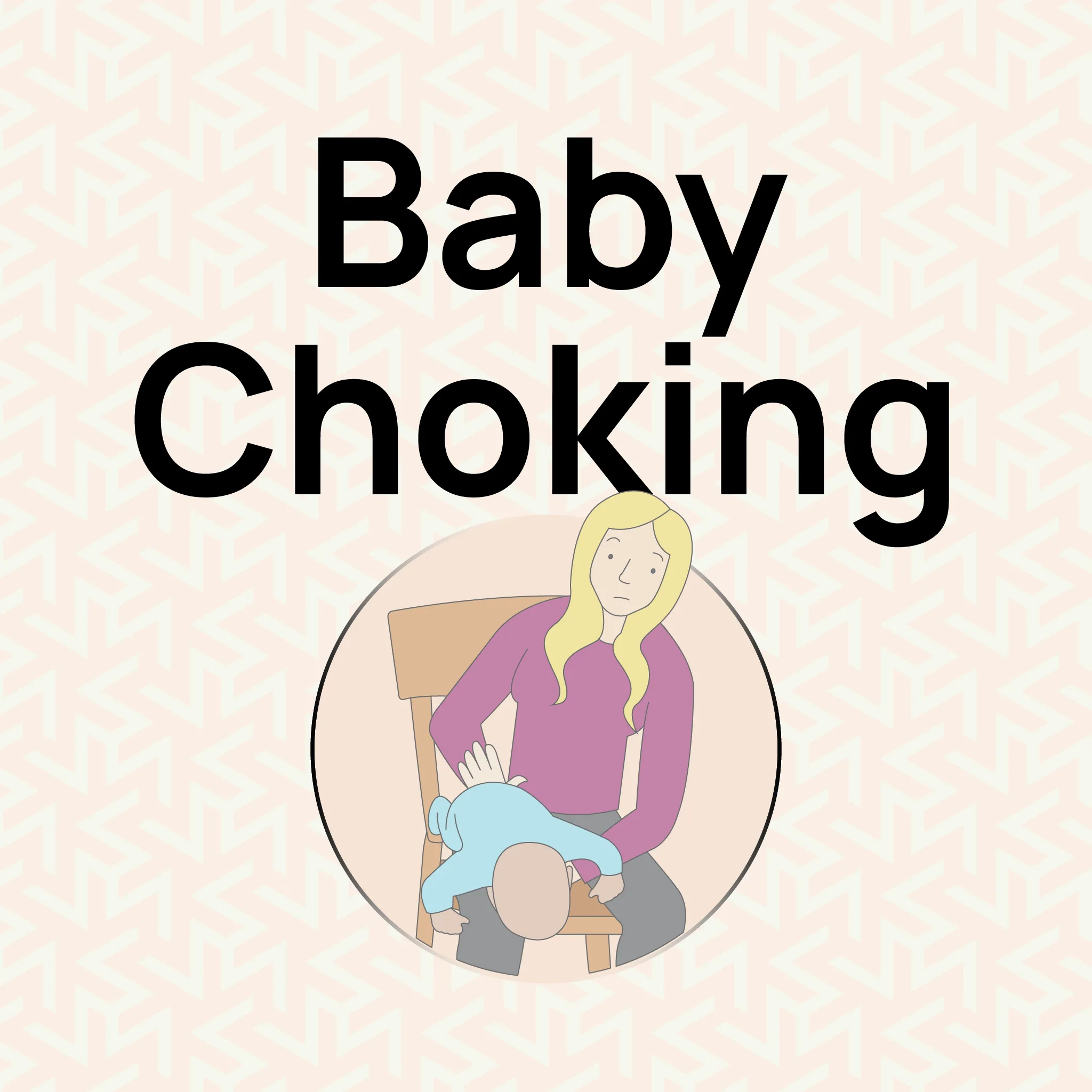
Baby Choking: What Every Parent and Caregiver Should Know About
A baby choking is every parent's worst nightmare. It happens suddenly, while playing, feeding, or even when the baby is lying down. Babies naturally put objects in their mouths as they explore and learn about the world. Choking accidents are more common than many people think. Understanding what to do if your baby is choking can make a life-saving difference. Whether it's a piece of food, a small object or milk going the wrong way, knowing the proper first aid steps and how to position your baby correctly can help clear their airway quickly and safely. In this step-by-step guide, you will learn everything parents and caregivers need to know about baby choking first aid, from spotting the signs of choking to what to do when a newborn chokes on milk and how to stop a baby choking safely and confidently. Understanding Baby Choking Choking occurs when something blocks a baby's airway, making it difficult or impossible for them to breathe. It can happen suddenly during feeding, while playing or even when the baby is lying down. Babies explore the world with their mouths, which makes them especially vulnerable. Difference Between Gagging and Choking It's essential to understand the difference between gagging and choking. Gagging is the baby's natural reflex to clear the throat. The baby may cough or make noises and can usually breathe. Choking, however, is a more serious issue. The airway is either wholly or partially blocked, and the baby may be unable to cry, cough, or breathe. Why babies are more prone to choking Babies are naturally at a higher risk of choking because their bodies and reflexes are still developing. Understanding the reasons can help parents take simple precautions to keep their little ones safe during feeding and playtime. Small airways: A baby’s airway is very narrow, so even a tiny piece of food, a toy, or an object can block it. This makes them more vulnerable to choking compared to older children or adults. Exploring with their mouths: Babies learn about the world by putting things in their mouths. It’s part of how they explore. Unfortunately, this curiosity often leads to them mouthing objects that are unsafe or too small to chew. Newborn feeding: During feeding, especially in newborns, milk can sometimes flow into the airway instead of the stomach. This can happen due to improper feeding positions or fast-flow nipples. Due to their small airways and natural curiosity, babies require constant supervision when eating or playing. Being alert and prepared can significantly reduce the risk of choking. Everyone should know basic life-saving skills. You can also enhance your knowledge by enrolling in a course today! Our first aid courses provide comprehensive training to help you handle critical situations effectively. Whether you are a parent or childcare professional, these courses help build confidence and expertise. View our Paediatric First Aid Training (2 days) and Online First Aid at Work course. Signs of Baby Choking Recognising choking in a baby as soon as it happens can make all the difference in how effectively you respond. Babies can’t always signal distress clearly, so parents and carers need to know what to look for to recognise it. Understanding the warning signs early helps you act fast and potentially save a life. Inability to make sounds or cry If your baby suddenly stops making any noise while feeding or playing, it may indicate that their airway is completely blocked. If the baby cannot cry, cough, or make any sound, this is a clear indication that air is not passing adequately, and you need to act quickly. Weak or no cough Coughing is the body's natural defence mechanism for clearing the airway. If the baby is attempting to cough but is unable to, it may indicate a severe obstruction. If the baby has only minimal cough attempts or has completely stopped coughing, you need to help the baby open the airway rather than waiting for it to open on its own. Skin or lips turning blue or pale A change in skin tone, especially around the lips or face, is a late and serious sign of choking. It indicates that the baby isn’t getting enough oxygen. This symptom requires urgent attention. Begin first aid immediately and call for emergency help if necessary. Difficulty breathing or noisy breathing If your baby is struggling to breathe, gasping, or making high-pitched noises, it suggests a partial airway obstruction. Even if the baby can still draw some breath, this situation can worsen quickly, so it’s essential to stay alert and ready to act. Panic or flailing arms A choking baby may look scared or begin waving their arms in panic. This physical distress is often an instinctive reaction to the sudden inability to breathe correctly. It’s crucial to stay calm, as a quick and composed response can help your baby recover more quickly. Recognising these signs early allows you to respond immediately with the correct first aid techniques, such as back blows and chest thrusts, before professional help arrives. The faster you act, the better the chances of clearing the blockage and preventing serious complications. Common Causes of Baby Choking Choking can occur in various situations, and some are more common than others. Understanding the potential causes can help parents, carers, and childcare professionals reduce the risk. Below are some of the most common choking hazards for babies and young children: Cause Description Choking on milk Newborns and infants can choke on milk, especially if they feed too quickly or lie flat while feeding. Small food items Foods like grapes, nuts, chunks of meat, and hard candies can block the airway if not prepared correctly. Toys and household objects Small items like coins, buttons, beads, and toy parts can easily become choking hazards for babies and toddlers. Improper feeding techniques Overfilled bottles or fast-flow nipples cause babies to swallow too much at once, increasing choking risks. Feeding in a lying-down position Feeding in this position increases the risk of choking as milk can flow into the wrong airway. Lack of supervision Choking often happens when babies are left alone, even for a short time, while eating or playing. Sticky or chewy foods Foods like peanut butter, marshmallows, and certain candies can get stuck in the airway, particularly for younger children. Playing with small toys Babies and toddlers often put small toys or toy parts in their mouths, creating choking hazards. Poorly cut food Large chunks of food or food that’s not appropriately cut can block a baby’s airway, leading to choking. Sudden distractions Distractions during feeding or play can cause babies to accidentally swallow or put objects in their mouths too quickly, leading to choking. What to Do If Your Baby is Choking: A Step-by-Step Guide When a baby chokes, acting quickly and calmly can save their life. The following steps are based on NHS guidelines and are designed to be clear and actionable for all carers. 1. Assess the situation: If the baby can still cough or cry, allow him/her to continue what he/she was doing, as this helps dislodge the obstruction. If the baby cannot make any sounds (cries or coughs) or is turning blue from lack of breath, you need to act immediately 2. Call for Help: Call 999 or 112 for emergency assistance. If you are busy helping your baby, ask someone nearby to call for you. 3. Position the Baby: For infants under 1 year old, lay the baby face down along your forearm, supporting the head and neck. Ensure the head is lower than the chest. 4. Administer Back Blows: Using the heel of your hand, give up to five sharp back blows between the baby’s shoulder blades. Check after each blow to see if the object has been dislodged. 5. Perform Chest Thrusts: If the blockage remains, turn the baby face-up, keeping the head lower than the chest. Place two fingers in the centre of the chest, just below the nipple line. Give up to five sharp chest thrusts. 6. Repeat if Necessary: Continue alternating back blows and chest thrusts until the object is expelled or emergency help arrives. If at any point the baby becomes unresponsive and is not breathing, begin infant CPR. Below is a visual checklist of the essential do's and don'ts to follow when handling a choking baby or infant: Prevent Choking in Infants Prevention is always better than dealing with a choking emergency. Here are simple steps to reduce the risk of your baby choking: Supervise feeding and play: Always supervise the baby while they eat or play. Don't leave an infant or toddler alone and unattended with small objects or food. Feed in the correct position: When feeding your baby, you should hold them slightly upright. Whether the baby is bottle-fed or breastfed, you want to make sure you burp them often to prevent milk from coming back up quickly. Offer age-appropriate foods: Don't give babies under 4 years anything small, complex, or round like nuts, grapes, popcorn, or hard candies. For soft foods, cut them into tiny, manageable pieces. Offer age-appropriate foods: Store small items such as coins, buttons, and small toy pieces on high surfaces so babies cannot reach them, and check your floors and the surfaces below them for potential choking hazards regularly. Stay up-to-date with first aid for baby choking: It is essential for parents, caregivers, and childcare providers to stay up to date with first-aid training pertaining to infants who are choking. Take a first-aid certification course to be confident and knowledgeable about how to respond in an emergency. Conclusion Choking can happen suddenly, and every second counts when a baby’s airway is blocked. Understanding the signs of choking, knowing what to do if your baby is choking, and learning the correct positioning for back blows and chest thrusts can save a life. Parents, carers and childcare professionals choosing the best first aid training qualification play vital roles in keeping babies safe. While emergency first aid is vital, prevention is equally important; supervising feeding, offering age-appropriate foods and keeping small objects out of reach can significantly reduce risks Frequently Asked Questions How should you position a choking infant when you begin to treat them? Hold the baby face down along your forearm, supporting the head and neck. Keep the head lower than the chest for a back blow. If chest thrusts are needed, turn the baby face-up while still supporting the head and neck. How to stop a baby choking? Back-to-back five blows and five chest thrusts for infants under 1 year. Call emergency services if the baby cannot breathe or becomes unresponsive. Avoid finger sweeps unless the object is clearly visible. What to do if a newborn chokes on milk? Sit the baby slightly upright during feeding and burp regularly. If choking occurs, follow the back blows and chest thrust sequence. Call emergency services if the baby cannot clear the milk and shows signs of distress When should you seek medical help after a choking incident? Seek medical attention even if the baby seems fine afterwards. Call emergency services immediately if the baby cannot breathe or coughs or turns blue. Newborns choking on milk or other fluids should always be assessed by a healthcare professional. Explore Other First Aid Courses at Hurak Looking to boost your skills? Explore our range of first aid courses to find the right one for you. Here are some of our most popular first aid courses to help you stay prepared: Emergency First Aid at Work (1 Day): A one-day course covering essential life-saving skills, including CPR, choking, bleeding control, and managing emergencies. Ideal for low-risk workplaces. First Aid at Work (3 Days): A comprehensive three-day training that prepares you to respond to a wide range of injuries and illnesses in the workplace. Meets HSE requirements for high-risk environments. Paediatric First Aid (2 Days): Designed for those working with infants and children. Covers child-specific emergencies like choking, febrile seizures, allergic reactions, and more. Basic First Aid Course: Perfect for general awareness. It covers basic skills like dealing with minor wounds, burns, shock, and fainting and is suitable for non-workplace settings. Advanced First Aid Training: Intended for those needing higher-level skills. Includes oxygen administration, advanced trauma management, and secondary assessments. First Aid for Mental Health: Focuses on identifying, understanding, and supporting individuals with mental health conditions. Covers stress, anxiety, depression, and early intervention strategies.
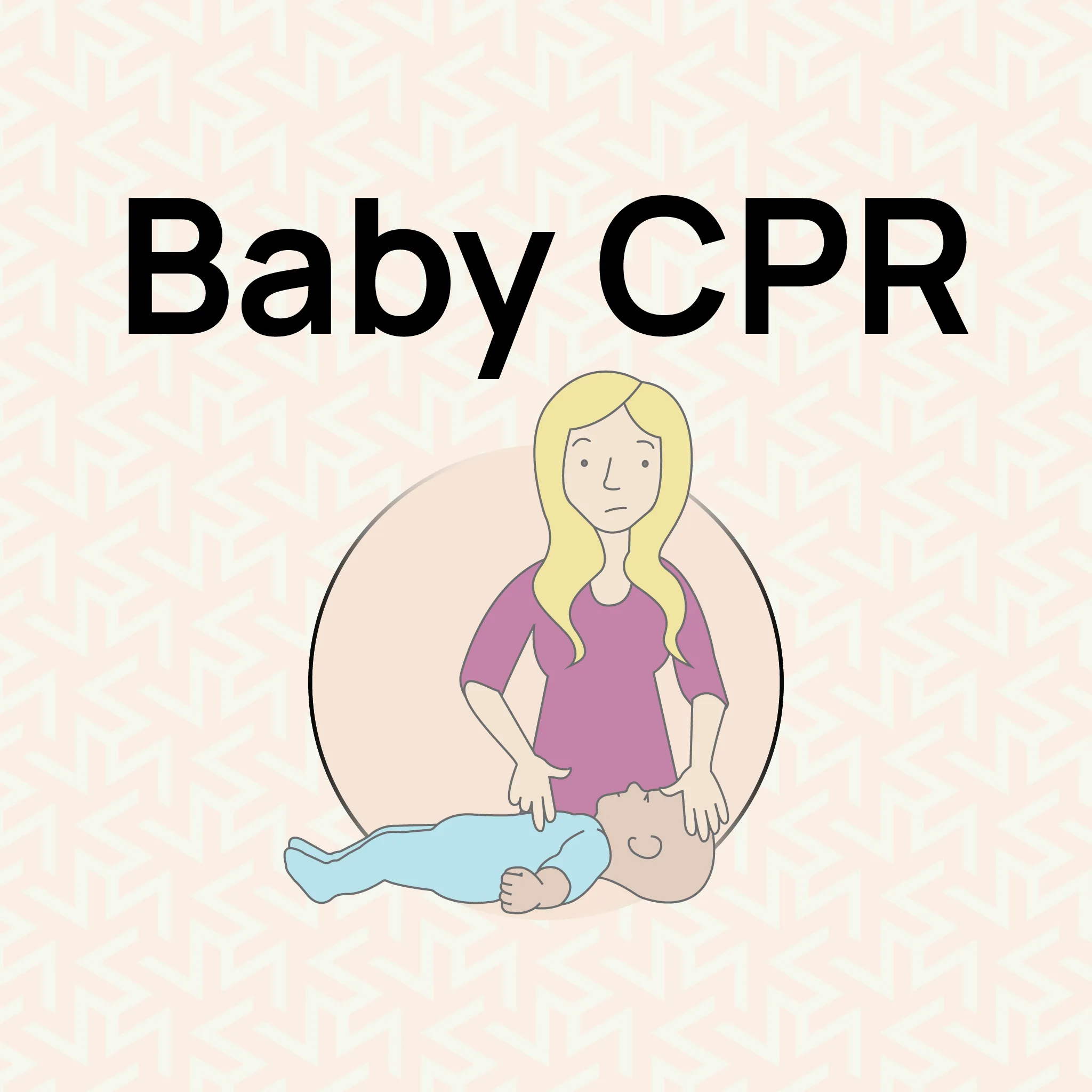
Baby CPR: Step-By-Step to Performing CPR on a Baby or Child
Read the full article for more details.