

What Is Inclusive Practice? Meaning, Benefits and Examples in Education
Inclusive practice is more than a buzzword in education, it�s a commitment to creating a learning environment where every student, regardless of background, ability, or need, feels valued and supported. Whether you're a teacher, teaching assistant, or school leader, understanding inclusive practice is essential to meeting the diverse needs of learners. In this blog, we�ll break down what inclusive practice really means, explore why it matters, and how you can apply it with simple, effective strategies.�What Is Inclusive Practice in Education?�Inclusive practice in education is about creating fair, accessible learning environments where all students can succeed. It involves adapting teaching methods and classroom support to meet individual needs, whether they relate to disability, language, culture, or learning style. It�s about creating an environment where all students feel valued, respected, and able to participate fully. It means recognising that each student brings unique strengths, experiences, and challenges to the classroom, and adapting teaching methods, materials, and assessment to ensure no one is excluded or left behind.Rather than providing the same support to every learner, inclusive practice focuses on offering equitable opportunities. This may involve adjusting lesson formats, using differentiated instruction, or creating a classroom culture that values respect, collaboration, and accessibility.The goal is to remove barriers, promote participation, and ensure no learner is excluded from opportunities to achieve their full potential.Why Is Inclusive Practice Important in the Classroom?Inclusive practice plays a vital role in creating a positive, supportive learning environment where all students feel respected and valued. In a diverse classroom, learners may come from different cultural backgrounds, have varying abilities, or face barriers such as language difficulties or special educational needs. Inclusive teaching helps ensure these differences are embraced rather than overlooked. When educators implement inclusive strategies, it leads to:Improved student engagement and motivation.Stronger academic outcomes for all learners.Greater empathy and cooperation among peers.Reduced discrimination and bias in the classroom.Inclusive practice not only benefits those with additional needs, but it also enhances the learning experience for every student. By promoting fairness and adaptability, schools create a culture of belonging where all learners can thrive both socially and academically.The Role of Inclusion in Modern EducationInclusion plays a vital role in shaping today�s education system. It ensures that no learner is left behind due to disability, socioeconomic status, cultural background, or learning differences. More than just a teaching strategy, inclusion is a mindset, one that promotes fairness, access, and active participation for all students.�The Equality Act 2010 legally requires educational institutions to promote inclusivity, making it both an ethical and regulatory obligation.Key Outcomes of Inclusion in Education:Equal learning opportunities for all.Protection from discrimination.Development of inclusive values across the community.Significantly, inclusion not only benefits those from marginalised groups. It creates more collaborative, empathetic, and dynamic classrooms, improving the educational experience for everyone.Benefits of Inclusive Practice in a Learning Environment:Benefit�Impact on Learning�Increased learner motivationStudents feel seen, heard, and supportedEnhanced social cohesionLearners collaborate, respect, and learn from each otherBoost in academic outcomesTailored support drives progress across all levelsGreater retention & engagementGreater retention & engagementCompliance with UK legislationMeets statutory duties under the Equality Act 2010Build a More Inclusive Classroom. Gain the skills to teach diverse learners effectively. Teach Better. Reach Everyone. Advance your skills with the Level 4 CET course. Explore our range of Teaching Courses at Hurak.��The Importance of Inclusive Practice in Early Childhood EducationInclusive practice during early childhood lays the groundwork for how children perceive themselves, others, and the learning environment. These early years are essential for building key cognitive, emotional, and social skills.Supports Holistic Child DevelopmentInclusive settings encourage physical, emotional, and cognitive growth by offering tailored learning experiences. Children benefit from environments that respect their individual pace and style of learning.Encourages Emotional SecurityWhen children feel safe, accepted, and valued, they develop confidence and resilience. Inclusive classrooms promote emotional security through consistent support and positive reinforcement.Improves School ReadinessChildren exposed to inclusive teaching strategies early on are more likely to enter primary school ready to engage and succeed. This includes early literacy, numeracy, and communication skills.Reinforces Parental InvolvementInclusive settings often work closely with families to support children�s individual needs, fostering a stronger school-family partnership and shared responsibility for learning outcomes.Key Principles of Inclusive PracticeInclusive practice is guided by several key principles that ensure every learner feels valued, supported, and able to succeed. These principles are essential for creating a learning environment that recognises and responds to the diverse needs of all students.Equity, Not EqualityWhile equality gives everyone the same support, equity recognises that learners may need different resources or approaches to achieve similar outcomes. Inclusive educators focus on levelling the playing field by tailoring support to individual needs.Respect for DiversityInclusive practice embraces differences in ability, background, culture, language, and experience. Educators value these differences as assets, not barriers, and foster a culture of respect and understanding in the classroom.Accessible LearningTeaching methods, materials, and assessments should be accessible to all learners. This could mean using visual aids, providing extra time, offering content in multiple formats, or incorporating assistive technologies.Learner-Centred ApproachInclusive educators actively involve students in their learning. This includes recognising different learning styles, encouraging participation, and adapting lesson plans based on feedback and observation.Collaboration and PartnershipWorking with colleagues, families, and support staff is vital to delivering effective inclusion. Collaborative planning ensures that learners receive consistent support across their education journey.Real-World Examples of Inclusive PracticeInclusive practice in schools is not just a philosophy; it�s a daily commitment to ensuring that all students, regardless of their background or needs, can participate, progress, and feel a sense of belonging. Here are some practical, real-world examples of inclusive practice:Differentiated InstructionTeachers adapt lesson plans to suit different learning styles, abilities, and interests. This may include visual aids, group work, hands-on activities, or technology-based learning tools.Assistive TechnologiesTeachers adapt lesson plans to suit different learning styles, abilities, and interests. This may include visual aids, group work, hands-on activities, or technology-based learning tools.Flexible Seating and LayoutsClassrooms are arranged to be physically accessible, with spaces that support collaboration, movement, or quiet reflection based on student needs.Cultural Awareness in ContentIncorporating diverse perspectives, holidays, and case studies that reflect the backgrounds of all learners.Inclusive Language and CurriculumLanguage used in classrooms is respectful and free of bias. Curriculum choices reflect diverse cultures, identities, and experiences to make learning relevant and affirmingOngoing Staff TrainingTeachers and support staff engage in continuous professional development to understand inclusive strategies, unconscious bias, and legal obligations under the Equality Act 2010.Overcoming the Barriers to Inclusive PracticeInclusive practice is powerful, but not without hurdles. Below are key barriers and how schools can overcome them:BarrierImpactPotential SolutionLack of training or awarenessTeachers may feel overwhelmed or unsureCPD sessions, Equality and Diversity Awareness CourseLimited resourcesSchools may lack the funding, staff, or learning aids necessary for inclusive provision.Maximise existing tools creatively, apply for grants, and use free assistive technologies. Collaborative planning helps distribute the workload efficiently.Time constraintsLimits personalised planning or follow-upPlan ahead, and use group activities efficiently. Use collaborative planning and shared resourcesBias or assumptionsUnconscious bias can lead to lower expectations for specific learners.Implement regular reflection, training on equality and diversity, and encourage a school-wide inclusive ethos.Curriculum rigidityStandardised curricula may not accommodate all learning styles or abilities.Adopt flexible teaching models, differentiated learning, and varied assessment methods.FAQs�What is meant by inclusion and inclusive practices?Inclusion = equal access to learning for all.Inclusive practices = teaching methods that support diverse needs (e.g., visual aids, differentiated tasks).Why is inclusion important in education?Promotes fairness and equality.Helps all learners feel valued and supported.Encourages positive behaviour and classroom cohesion.What are some examples of inclusive practice?Using subtitles for videos.Providing learning materials in multiple formats.Offering extra time or alternative assessments.Choosing culturally relevant content.What are the core principles of inclusive teaching?Equality:� Everyone is treated fairly.Equity: Support based on individual need.Accessibility: Removing barriers.Diversity: Embracing differences.Participation: Involving all learners.How can teachers promote inclusive learning?Plan lessons for mixed abilities.Use assistive tools and resources.Collaborate with SEN coordinators.Respect learners' backgrounds and experiences.Reflect on feedback to improve classroom inclusivity.ConclusionInclusive practice isn�t just a teaching method, it�s a mindset that shapes the entire learning environment. By embracing diversity, promoting equity, and removing barriers, educators create spaces where all learners feel valued, supported, and empowered to succeed.Whether it�s through differentiated teaching, collaborative planning, or a focus on accessibility, inclusion benefits everyone, not just those with additional needsIt�s the foundation of an engaging, respectful, and effective learning environment. When educators commit to inclusion, they build classrooms where all students, regardless of background or ability, have the chance to thrive.As the educational landscape evolves, inclusive practice will remain essential in building fairer, more empathetic, and dynamic institutions.Strengthen your expertise with certified training designed to help you meet inclusive education standards. Gain real-world skills to create safe, effective, and engaging classroomsReady to Champion Inclusive Practice in EducationInclusion isn�t just a policy it�s a mindset. Whether you're working with early years learners or supporting students with diverse needs, Hurak offers practical, accredited courses designed to help you foster inclusive, supportive, and equitable learning environments.Understand inclusive teaching strategiesGain practical skills for supporting diverse learnersBoost your qualifications and career prospectsPopular Courses That Promote Inclusive Education:Level 3 Award in Supporting Teaching and Learning in SchoolsHLTA Level 4 Certificate for Higher Level Teaching Assistants (RQF)Level 2 Award in Support Work in Schools (RQF)Level 3 Diploma in Specialist Support for Teaching and Learning in SchoolsLevel 3 Award in Education and Training (AET/PTLLS)Explore Inclusive Teaching Courses at Hurak �
Understanding Teaching Assistant Levels: Roles, Qualifications Salary Insights
If you're exploring a career as a Teaching Assistant (TA), understanding the different levels within the role is crucial. Each level has specific responsibilities, qualifications, and pay scales, making it important to know where you fit in.�Whether you're just starting your journey or looking to advance, this guide explains the key differences between Teaching Assistant levels. We'll break down what each level involves, the qualifications required, and how your duties and salary evolve as you progress in your role.What are Teaching Assistant levels?If you're new to the education sector, you might be wondering what Teaching Assistant levels actually mean. In simple terms, they define the range of roles and responsibilities a TA can hold in a school. From helping with basic classroom tasks to leading small group sessions, these levels guide how duties are assigned based on your experience, training, and confidence.Each level represents a step forward in your career. You might start in an entry-level support role, then work towards more independent positions such as a Higher Level Teaching Assistant (HLTA).�Understanding these levels not only helps schools set expectations but also helps you find the right starting point and plan your growth within the field.Breakdown of Teaching Assistant LevelsEach Teaching Assistant level reflects your experience, qualifications, and the responsibilities you take on. Here's a clear breakdown:Level 1 � Entry-Level SupportRole: Basic classroom tasks such as preparing materials, helping pupils with simple activities, tidying up, and providing general support.Requirements: No formal qualifications required, but GCSEs in Maths and English are usually expected.Career tip: Enter into a volunteer program if you're just starting out or exploring a career in education.Level 2 � Classroom Support Assistant�Role: Actively supports teaching by working with small groups, assisting individual pupils, and helping to deliver learning activities.Qualification: Level 2 Certificate in Supporting Teaching and Learning (or equivalent).Career tip: Offers a good balance between gaining hands-on experience and making a visible difference in the classroom.Level 3 � Specialist Support AssistantRole: Supports pupils with additional needs, helps plan lessons, and may lead small group sessions independently.Qualification: Level 3 Diploma in Supporting Teaching and Learning.�Career tip: Often linked to better pay and greater responsibility within the school setting.HLTA � Higher Level Teaching AssistantRole: Delivers lessons, manages classes in the teacher�s absence, assesses pupil progress, and supports planning.Qualification: HLTA status, typically with a Level 4 Certificate and proven classroom experience.Career tip: A strong step if you're aiming to train as a qualified teacher in the future.These levels act as a career ladder within the TA profession. You can progress through them with experience and the right training, gaining both confidence and capability as you go.Below is a quick reference table for Teaching Assistant qualifications structured to match your level of responsibility and experience. There's a clear path forward, whether you're just starting or aiming to lead lessons.Not sure which Teaching Assistant level is right for you? Explore our range of Teaching Assistant Courses at Hurak to find the perfect fit.�Browse our Teaching Assistant Courses to support pupils more directly. Our Level 2 course offers a strong starting point with hands-on classroom involvement. For those aiming to specialise or take on more responsibility, especially in areas like SEN or small group teaching, Level 3 could be the ideal next step. Our Higher Level Teaching Assistant (HLTA) course prepares you for a senior TA role, with the potential to step into teaching. Below is a quick reference table for Teaching Assistant qualifications structured to match your level of responsibility and experience. There's a clear path forward, whether you're just starting or aiming to lead lessons.QUALIFICATION NAMELEVELWHO IS IT FORWHAT DOES IT LEAD TOLevel 1 Award in Preparing to Work in Schools1Complete beginners with no classroom experienceEntry into volunteer roles or basic classroom supportLevel 2 Certificate in Supporting Teaching & Learning (STL)2New or aspiring TAs in supervised rolesGeneral classroom TA positionsLevel 3 Certificate/Diploma in STL3TAs looking to take on more responsibilitySpecialist roles, including SEN supportHLTA Preparation & Assessment4+Experienced TAs looking to lead classroom activitiesHLTA status � lead lessons, assess pupil progressLevel 4 Certificate in Education and Training4TAs aiming to progress into formal teaching rolesPathway into teacher training or QTLSWhy TA Levels MatterWhether you're currently a Teaching Assistant or considering entering the profession, understanding TA levels is crucial to your career growth and success. Here�s why:Career Growth and OpportunitiesTA levels serve as stepping stones in your professional journey. As you progress through each level, you become eligible for more advanced roles, such as a Higher Level Teaching Assistant (HLTA) or even pursue teacher trainingIncreased Earning PotentialYour pay often reflects your TA level. By advancing through the levels and gaining relevant qualifications, you not only improve your skills but also increase your earning potential, as schools typically align pay with the level of responsibility.Demonstrates Competence to EmployersEach level showcases your skills and expertise to hiring managers and headteachers. From supporting students with special educational needs (SEN) to taking on leadership roles in classrooms, your qualifications and level make it clear what you can bring to the tableConfidence BoostWhen you�re trained and qualified for your role, it boosts your confidence in the classroom. This confidence is not only valuable to your development but also fosters respect from students and colleagues alikeMaking a Meaningful ImpactAt higher levels, you have the chance to make a real difference in students� educational journeys. Whether it�s providing one-on-one support, managing lessons, or helping students with additional needs, advancing your TA level opens doors to impactful, rewarding workTeaching Assistant Levels and Pay Scale in the UK (2025)Understanding the pay scale for Teaching Assistants is vital for career planning. Salaries can vary depending on the level of responsibility, qualifications, experience, and geographic location. Here�s a detailed overview of the current pay scale for TAs, updated for 2025Entry-Level Teaching Assistants (Level 1)Typical Salary: �17,000 � �19,000 per yearHourly Rate: �9.50 � �10.50Note: Salaries may be lower in areas with a high cost of living, such as London.Classroom Support Assistants (Level 2)�Typical Salary: �19,000 � �22,000 per yearHourly Rate: �10.50 � �12.00Note: Pay may be higher in regions with higher living costs, including LondonHigher Level Teaching Assistants (HLTAs)�Typical Salary: �22,500 � �29,000 per yearHourly Rate: �12.00 � �15.00Note: According to sources such as Impact Teachers, these positions offer more advanced responsibilities and higher pay.Special Educational Needs (SEN) Teaching AssistantsTypical Salary: �21,000 � �24,000 per yearHourly Rate: �11.00 � �13.00Note: SEN TAs may receive additional training and support to cater to the specific needs of students.Geographic VariationsSalaries for TAs can vary significantly depending on location:London (Inner and Outer): Higher pay scales to reflect the increased cost of living. For example, in Inner London, salaries can be significantly higher than in other parts of the UK. The National Careers Service reports that starting salaries in London can be around �21,000, which is above the national average.Rural Areas: Salaries in rural areas may be slightly lower due to reduced living costs, though local school budgets can still influence pay.For more details on the current salary range, you can explore resources like the National Careers Service.Explore our Teaching Assistant Courses at Hurak and choose the Right Level for youLevel 2 Award in Support Work in Schools (RQF)A perfect entry point for those new to the education sector.Level 2 Certificate in Supporting Teaching and LearningGain hands-on skills for active classroom support roles.Level 3 Award in Supporting Teaching and LearningGreat for those looking to take on more classroom responsibilities.Level 3 Certificate in Supporting Teaching and LearningIn-depth training for long-term teaching assistant roles.Level 3 Diploma in Specialist Support for Teaching and LearningSpecialise in areas like SEN and become a key classroom support expert.Level 4 Certificate for Higher Level Teaching Assistants (HLTA)Step into a senior TA role and lead learning activities.Not sure which Teaching Assistant level suits you? Browse our Teaching Assistant CoursesHow to Progress as a Teaching AssistantIf you�re eager to grow in your Teaching Assistant (TA) role, here are some practical steps you can take to enhance your career and gain more responsibilities:Start Volunteering or Part-TimeIf you're new to the field, volunteering or taking on part-time work can help you gain valuable classroom experience. This is a great way to get your foot in the door, build your skills, and establish connections within schoolsPursue a TA QualificationTaking a TA qualification course is one of the most effective ways to enhance your knowledge and skills. Whether it's a short online course or a more formal qualification like a Level 2 or Level 3 certificate, these qualifications can make a huge difference in your career prospects.Take Advantage of CPD (Continuing Professional Development)Many schools offer CPD opportunities that support your growth. These programs help you stay up-to-date with educational practices and improve your teaching skills. Don�t hesitate to ask your school about CPD options, as this can also strengthen your CV.Work Towards HLTA StatusIf you�re aiming for a leadership role, working towards Higher Level Teaching Assistant (HLTA) status is an important step. HLTA status enables you to take on more advanced responsibilities, such as leading lessons or managing classes, and can serve as a stepping stone towards a career in teaching.FAQ:Do I need qualifications to become a Teaching Assistant?Not always. You can start in some entry-level roles (Level 1) without formal qualifications. However, most schools prefer candidates with GCSEs in English and Maths, and progressing to Levels 2 and 3 typically requires recognised certifications.What�s the difference between Level 2 and Level 3 Teaching Assistants?Level 2 TAs provide general classroom support, often under supervision. Level 3 TAs take on more responsibility working with SEN pupils, leading small groups, and sometimes contributing to lesson planning.How much can a Teaching Assistant earn in the UK?Pay varies by level, region, and experience. Entry-level TAs typically earn between �20,000��23,000, while Higher Level Teaching Assistants can earn up to �29,000+, depending on the local authority and role set by the National Career Service.What is a Higher Level Teaching Assistant (HLTA)?An HLTA is an experienced TA who can lead lessons, assess pupils, and take on more advanced responsibilities. You usually need a Level 4 qualification and substantial classroom experience to reach this level.What does SEN mean in schools?SEN stands for Special Educational Needs. It refers to pupils who need additional support due to learning difficulties, disabilities, or emotional and behavioural challenges that affect their ability to learn.Can Teaching Assistant roles lead to becoming a teacher?Yes. Many TAs progress into teacher training through qualifications like the Level 4 Certificate in Education and Training or by pursuing QTLS (Qualified Teacher Learning and Skills status).ConclusionBecoming a Teaching Assistant (TA) opens up a variety of career opportunities, with clear paths for progression, better pay, and a chance to make a real impact in the classroom. Whether you�re just starting out or looking to advance in your career, understanding the different TA levels and what they require is key to making informed decisions. The role offers flexibility, a rewarding environment, and the potential for continuous growth, without the need for years of formal university education.Ready to Start Your Teaching Assistant Career?Build strong classroom skills and earn a recognised qualification with the Level 2 Certificate in Supporting Teaching and Learning. Perfect for beginners looking to step confidently into a TA role.Start Your Journey Today and Enrol Now.

Top European Hospitality Schools Offering Strategic Business Training
Aspiring leaders in hospitality often look to European institutions that combine traditional service excellence with sharp business acumen. This list highlights the best European hospitality schools for strategic business training, featuring SHMS and other top-rated programs renowned for blending operational expertise with strategic thinking.The modern hospitality industry demands more than exceptional service delivery�it requires visionary leaders who can navigate complex global markets, drive digital transformation, and create sustainable business models. European hospitality schools have long recognized this evolution, developing programs that merge time-honored hospitality traditions with cutting-edge business strategy education.What Sets European Hospitality Schools Apart in Strategic Business TrainingEuropean hospitality schools strategic business training programs distinguish themselves through their emphasis on real-world application, international perspective, and industry integration. These institutions leverage their proximity to global hospitality markets, luxury brands, and diverse cultural environments to provide students with authentic business challenges and cross-cultural leadership experiences.The most effective programs combine rigorous academic curricula with hands-on operational training, allowing students to understand both the service foundation and strategic imperatives of hospitality businesses. Students gain exposure to revenue management, digital marketing, sustainable operations, and international expansion strategies while developing the soft skills essential for leading multicultural teams.Top 6 European Hospitality Schools for Strategic Business Leadership1. Swiss Hotel Management School (SHMS) � MA in International Hospitality Business Management � Best Swiss Excellence with Strategic IntegrationSHMS ranks #3 in the 2025 QS World University Rankings for Hospitality and Leisure Management, making it the highest-ranked conventional hotel management school globally. The one-year MA program offers specializations in Hotel Management, Events Management, or Luxury Brand Management, with all tracks emphasizing strategic business applications and hands-on learning in authentic Swiss hospitality environments. Students learn in the historic Caux Palace, a Belle �poque palace hotel that has hosted royalty and international dignitaries, providing an unparalleled setting for understanding luxury hospitality operations. The program combines traditional Swiss hospitality excellence with modern business strategy, preparing graduates for senior international positions through intensive practical projects and industry collaborations. SHMS maintains the #2 world ranking for employer reputation, reflecting the exceptional regard employers have for graduates' business acumen and operational expertise.2. EHL Hospitality Business School � Master's in Global Hospitality Business � Best Global Strategic PerspectiveEHL has held the #1 ranking in QS World University Rankings for Hospitality and Leisure Management for seven consecutive years, establishing it as the definitive leader in hospitality education worldwide. The Master's in Global Hospitality Business offers a transformative 16-month program spanning three continents�with semesters in Lausanne (Switzerland), Hong Kong (Polytechnic University), and Houston (University of Houston Conrad N. Hilton College). This unique global approach provides students with strategic insights into diverse hospitality markets while developing cultural intelligence and international business strategy skills. The program features real-world business projects with industry partners, executive coaching for leadership development, and access to EHL's powerful network of 30,000 alumni in 150 countries. Students exploring hospitality business strategy development will find this program's global perspective invaluable for understanding how cultural contexts influence strategic decision-making.3. Glion Institute of Higher Education � MSc in International Hospitality Business Leadership � Best Leadership Development FocusGlion ranks #6 globally in QS World University Rankings for Hospitality and Leisure Management and holds a #3 ranking for employer reputation, reflecting the high regard industry leaders have for Glion graduates' business leadership capabilities. The MSc in International Hospitality Business Leadership is available at campuses in Switzerland and London, offering students flexibility while maintaining consistent academic excellence. The program specifically distinguishes between management and leadership, dedicating separate semesters to each concept before culminating in a Business Research Project or professional internship with applied research component. Founded in 1962, Glion has established itself among the world's finest institutions specializing in hospitality and luxury management, with 98% of job-seeking students receiving employment offers on graduation day. The program's emphasis on practical business application and soft skills development produces graduates who combine operational expertise with strategic vision.4. Les Roches � Graduate MBA/Master's Programs in Hospitality Management � Best Employer RecognitionLes Roches has built an exceptional reputation among hospitality employers worldwide, with programs offered in Switzerland and Spain that focus on strategic hospitality management and industry transformation. The school's MBA and Master's programs center on developing leaders who can drive organizational change and implement innovative business strategies in dynamic hospitality environments. Les Roches emphasizes experiential learning through real-world business challenges, industry consulting projects, and entrepreneurship initiatives that prepare graduates for executive roles. The institution's strong employer relationships provide students with direct access to strategic management opportunities and mentorship from industry leaders who are actively shaping the future of hospitality business.5. Hotelschool The Hague � MBA in International Hospitality Management � Best Applied Transformation TrainingLocated in the Netherlands, Hotelschool The Hague offers a practice-oriented MBA focused on hotel transformation and strategic management, earning recognition as one of Europe's top institutions for applied hospitality business education. The program emphasizes strategic thinking in hospitality transformation, preparing leaders to navigate industry disruption, implement digital innovations, and create sustainable business models. Students engage with real hospitality businesses facing transformation challenges, developing practical solutions that demonstrate strategic thinking and change management capabilities. The school's location in the Netherlands provides access to diverse European markets and international business environments, enhancing students' understanding of global hospitality strategy.6. European Hospitality Management MOOCs and Case Study Consortium � Best Open-Source Strategic LearningThis collaborative platform offers free access to strategic business modules and case studies curated from leading European hospitality schools, providing democratized access to high-quality strategic education. The consortium features contributions from renowned institutions across Europe, covering topics such as revenue optimization, digital transformation, sustainable hospitality practices, and international expansion strategies. Students can access virtual workshops, peer collaboration opportunities, and mentorship from established hospitality executives without the financial barriers of traditional graduate programs. While not offering formal degrees, the platform serves as an excellent supplement to formal education or as professional development for working hospitality managers seeking to enhance their strategic thinking capabilities.Strategic Career Advantages of European Hospitality Business EducationGraduates from these European hospitality schools strategic business training programs consistently achieve leadership positions across diverse industries, with many transitioning beyond traditional hospitality into luxury goods, aviation, finance, and consulting. The combination of service excellence training and strategic business education creates versatile professionals who understand both operational excellence and strategic vision.European programs provide particular advantages in developing cultural intelligence and international business perspective, essential skills as hospitality companies expand globally and serve increasingly diverse customer bases. The emphasis on sustainability, innovation, and digital transformation in European curricula also positions graduates to lead industry evolution.Many graduates successfully launch their own hospitality ventures, while others advance rapidly to executive positions in established hotel groups, luxury brands, and related service industries. The strong alumni networks from these institutions provide ongoing mentorship and business opportunities throughout graduates' careers.Choosing Your Path: Strategic Considerations for European Hospitality EducationSelecting the right European hospitality school for strategic business training requires careful evaluation of your career objectives, learning preferences, and professional circumstances. Consider factors such as program format, geographic focus, industry specializations, and post-graduation support when evaluating options.The institutions highlighted here offer proven approaches to developing strategic leaders who can drive business success in complex, dynamic environments. From SHMS's Swiss excellence to EHL's global perspective and Glion's leadership focus, each provides unique advantages for different career trajectories.Take the next step in your hospitality career by researching these programs thoroughly and connecting with admissions teams to understand how their strategic business curricula align with your leadership aspirations. For additional guidance on hospitality leadership development strategies, explore resources that can help you maximize the return on your educational investment and position yourself for strategic leadership roles in the evolving hospitality industry.
The Complete Guide to the 4?Cs of Food Safety for UK Food Businesses
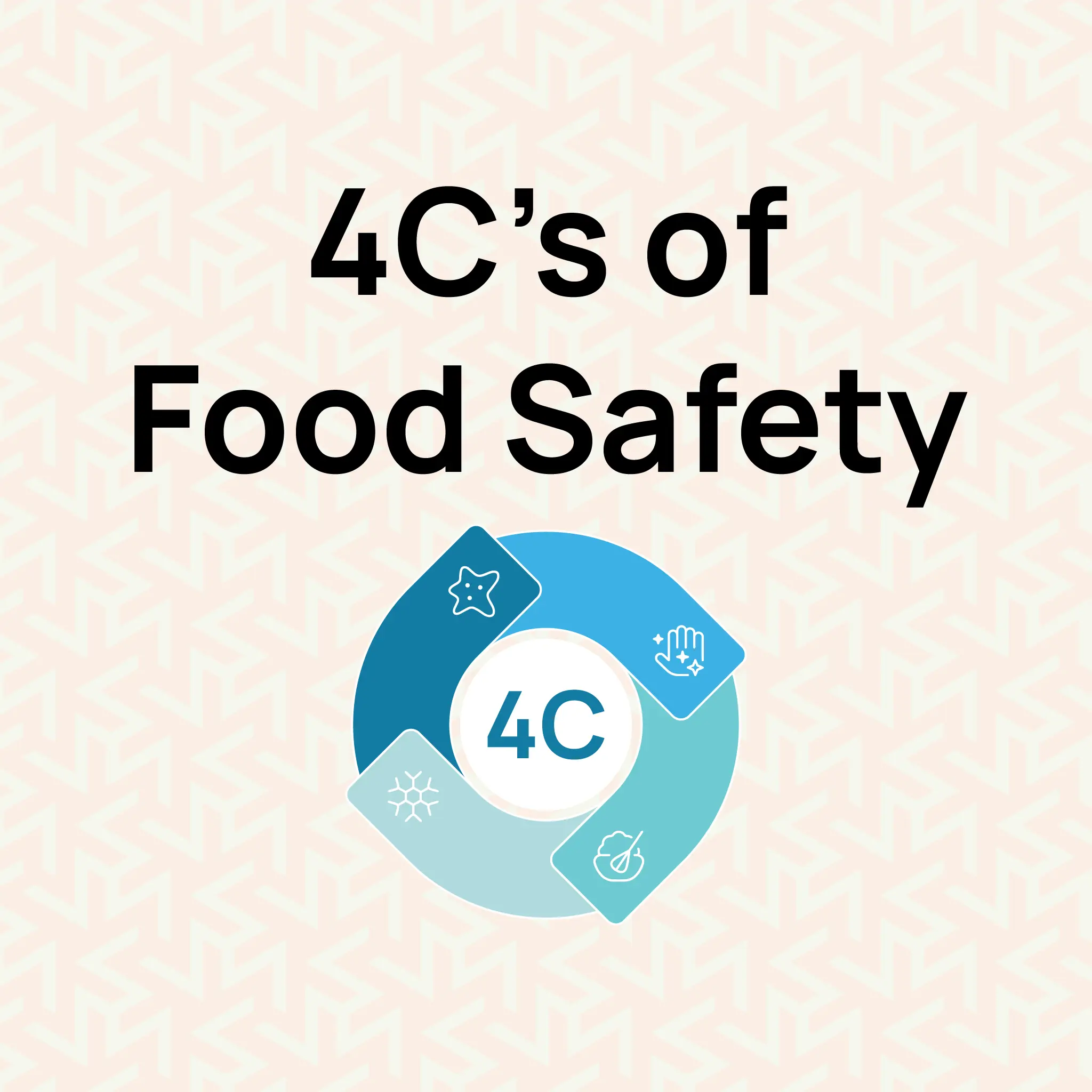
Running a food business in the UK requires adhering to strict food safety standards to protect your customers and fulfil your legal obligations. From restaurants and caf�s to catering services and takeaways, maintaining high levels of hygiene and safe food handling is essential to avoid health risks and regulatory consequences.The 4Cs of food safety � Cleaning, Cooking, Chilling, and avoiding Cross-contamination � are key principles promoted by the Food Standards Agency (FSA). They provide a clear and practical framework for managing food safety throughout every stage of food preparation and service.Although the 4Cs themselves aren�t explicitly outlined in legislation, the practices they support are fundamental to complying with UK food laws, including the Food Safety Act 1990 and the Food Hygiene Regulations 2006. Failing to implement these practices can lead to foodborne illnesses, poor hygiene ratings, and legal action.In this article, we�ll break down each of the 4Cs, explore why they�re so important for food businesses, and offer practical tips to help you apply them in day-to-day operations.But first, let�s look at why these four principles are considered essential across the UK food industry.Why Is Following the 4Cs Important for Food Businesses?What are the 4Cs of food safety, and why are they important?Simply put, they are Cleaning, Cooking, Chilling, and avoiding Cross-contamination, four essential principles that safeguard food safety and help UK businesses comply with legal and hygiene standards.The 4Cs aren�t just a checklist; they form the foundation of safe food handling by reducing health risks, supporting legal compliance, and ensuring you�re prepared for inspections.Here�s how each of these principles reinforces why the 4Cs should be at the heart of every UK food business.They Reflect FSA Guidelines and ExpectationsThe Food Standards Agency (FSA) strongly promotes the 4Cs because they provide a clear foundation for safe food handling and hygiene. While not explicitly mentioned in the law, the FSA considers the 4Cs to be essential to good food safety practices, and inspectors will expect to see them applied in kitchens, storage areas, and front-of-house environments.Following the 4Cs can also help businesses achieve a better food hygiene rating, which in turn influences customer trust and reputationIgnoring the 4Cs Increases Health RisksWhen businesses don�t follow the 4Cs, they increase the risk of foodborne illnesses caused by harmful bacteria like Salmonella, Listeria, or E. coli. Cross-contamination, incorrect cooking temperatures, or inadequate chilling can all contribute to the growth and spread of these pathogens, posing a serious risk to your customers' health.There Are Serious Legal Consequences Although the 4Cs themselves aren't written into legislation, the practices they represent are enforceable under UK food law. The Food Safety Act 1990 requires all food businesses to produce and serve food that is safe to eat. Failure to control food safety hazards could result in prosecution, fines, business closure, or even imprisonment in serious cases.Helps You Stay Inspection-ReadyFood safety inspections don�t happen on your schedule; they can occur at any time. Following the 4Cs ensures you're prepared, with strong cleaning routines, proper temperature control, labelled storage, and clear procedures in place. This makes risk assessments easier and helps maintain compliance across your team.For detailed guidance on how to be prepared for a Food Safety Inspection, read our article on the food hygiene rating checklist.Incorporating the 4Cs into your daily operations isn�t just about passing inspections; it�s about building a food safety culture that protects people, supports your brand, and reduces long-term risks.Now let�s look more closely at each of the 4Cs in action.? Ready to upskill your staff or meet legal training requirements?�Start with a certified course: ? Level 2 Food Hygiene and Safety for Catering ? Level 2 Food Hygiene and Safety for RetailThe 4Cs of Food Safety Now that we�ve explored why the 4Cs matter, let�s look at each one in practice. Together, they create a strong framework that protects food from common hazards, but each one plays a unique role in keeping your premises inspection-ready and legally compliant CleaningCleaning is the first and arguably the most continuous step in food safety. It�s about creating and maintaining a hygienic environment, not just at the start or end of the day, but throughout the entire day.A clean-as-you-go approach ensures that spills, food scraps, and splashes are addressed promptly. Why wait until the end of a shift to wipe down a counter that�s been touched dozens of times? By cleaning as you work, you prevent harmful bacteria from building up and spreading to food or equipment. It�s proactive, not reactive.Go beyond a simple wipe-down. The six stages of cleaning are key: pre-clean, main clean, rinse, disinfect, final rinse, and drying. These aren�t just steps, they�re safeguards. Miss one, and you risk leaving behind dangerous residues or ineffective sanitisation.Use colour-coded chopping boards to separate raw meat, cooked food, dairy, and vegetables. It�s a small thing that goes a long way in reducing cross-contamination, especially when multiple people are prepping in a busy kitchen.And don�t overlook the basics: hand hygiene. Hands can transfer thousands of bacteria in a single touch. Follow the 7 steps of hygienic hand washing, especially after handling raw foods, using the toilet, or taking out the bins.Lastly, wash fruits and vegetables under running water before cooking or serving. This removes dirt and pesticide residues, but do not wash raw meat; it can splash bacteria across your sink and counters, increasing the risk of contamination.CookingCooking is more than getting food hot, it�s your defence against harmful microorganisms like Salmonella or E. coli. If meat isn�t cooked properly, these bacteria can survive and cause serious illness.Every food type has its specific requirements. The core cooking temperature generally recommended is 75�C; however, checking with a food probe is the most reliable way to ensure the food is safe. You should always be aware of the Temperature Danger Zone while cooking.If you're cooking something with packaging (like a frozen pie or pre-made meal), follow the manufacturer's guidelines. But if there are no instructions, stick with FSA advice, especially for:Poultry (chicken, duck, turkey)PorkMinced meats (like sausages, kebabs, burgers)Offal (liver, kidneys)Rolled joints, where bacteria can be pushed from the surface into the centre during preparationThese foods are considered high-risk because they�re more likely to carry harmful bacteria. That�s why undercooking them isn�t just a mistake, it�s a danger.Poor cooking practices can also breach the Food Safety Act 1990. If your food harms someone, even unintentionally, the consequences are legal.ChillingChilling slows down the growth of bacteria, but only if it�s done right.It is essential to understand the ideal fridge storage temperature and make sure your fridge is set to 5�C or below. Also, never overload your fridge. Cold air needs space to circulate; otherwise, certain spots warm up, creating the perfect breeding ground for bacteria.Always store raw meats on the bottom shelf of the fridge to prevent their juices from dripping onto ready-to-eat foods, which can lead to cross-contamination and serious foodborne illnesses. For tips on safe fridge storage, see our full guide on how to organise a fridge.Understand the food dates. A �use-by� date is about safety; eat it after that and you�re taking a risk. A �best-before� date, on the other hand, is about quality. It is crucial to be aware of the difference between use-by and best-before date.When it comes to leftovers, many wonder: Can you put warm food in the fridge? The answer is yes, but let it cool slightly first � ideally for no more than 1�2 hours. Placing steaming food directly into the fridge can raise its internal temperature and potentially affect other items stored nearby.Understand your freezing limits, too. Beef and other meats can only last a certain amount of time, even when stored in the freezer. Learn how long you can safely freeze food, the best methods for cooking it from frozen, and how to defrost it properly.Cross-ContaminationCross-contamination is silent and quick. A knife used for raw chicken, then reused for salad without washing, that�s all it takes.To protect food from cross-contamination:Always use separate equipment and colour-coded boards for raw and cooked food.Store raw food below cooked food in the fridge to prevent drips.Wash your hands every time you switch tasks.Clean and disinfect surfaces between jobs.Be aware of cross-contact, especially when it comes to allergens, as even a trace can trigger a serious reaction.Understand the different types of contamination:Physical (e.g. hair, glass)Microbial (bacteria, viruses)Chemical (cleaning agents)This is where habits matter most � a well-trained team that�s alert, organised, and consistent makes all the difference.Advance Your Food Safety Skills With Professional TrainingUnderstanding the 4Cs is essential, but it�s only the beginning. To truly lead safe, compliant food operations, especially in supervisory roles, formal training is a must.? Level 3 Food Hygiene and Safety Course Ideal for managers and supervisors, this course dives deeper into food law, risk assessments, and hygiene practices, helping you implement the 4Cs across your team and stay compliant with UK regulations.? Food Allergy Awareness Course Allergen cross-contact is a serious risk. This short course trains you to identify, label, and control allergens in food preparation � a vital extension of your cross-contamination strategy.Take charge of food safety today!Going Beyond the 4Cs: Best Practices to Prevent Food Safety FailuresNow that we�ve seen how each of the 4Cs plays a role in preventing foodborne risks, let�s shift focus to the broader strategies businesses can adopt to keep those risks at bay�before they even start.�Here are three proven ways to stay proactive about food safety compliance:Implement a HACCP PlanHazard Analysis and Critical Control Points (HACCP) is more than just a checklist�it's a structured system designed to identify, assess, and control food safety risks at every stage of your operation. From storage to service, every potential hazard is identified and managed effectively.Stay Inspection-Ready at All TimesWaiting until an EHO visit is announced is a recipe for panic. By maintaining your premises, documentation, and adhering to food safety protocols on a daily basis, you ensure that you're always prepared for a spot check. This includes having updated cleaning logs, temperature records, and allergen labelling processes in place.Invest in Regular Staff TrainingEven the best systems fall apart without well-trained staff. Ongoing training ensures that your team is confident in consistently applying the 4Cs. Refresher sessions are especially crucial in high-turnover environments, such as the hospitality industry. A simple misunderstanding of cross-contact, for example, could put a customer with allergies at serious risk.HACCP Training for Safer PremisesLearn how to assess food safety risks, apply adequate controls, and keep your kitchen inspection-ready with Hurak�s Level 2 HACCP Course.��Start TodayIncorporating these measures won�t just help you avoid food safety issues; they�ll help you build a culture of accountability across your team.�Let�s now understand how things can quickly go wrong when even one of the 4Cs of food safety is ignored, with an example.This example shows how one small lapse in chilling can escalate into a serious breach, reinforcing why every C counts.How a Small Oversight Can Lead to a Major Food Safety BreachLet�s examine a scenario that could occur at any food outlet, where a minor lapse in judgment puts customer health at risk.�Note: This example is provided for educational purposes only.Scenario: A Busy Caf� and a Chilling OversightIn a small high-street caf�, the kitchen staff cooked large batches of minced beef chilli during morning prep. Due to time pressure and limited fridge space, hot food was placed directly into the fridge to cool faster. Later that evening, several customers reported symptoms of food poisoning. An investigation by local authorities revealed that the food had spent too long in the temperature danger zone�between 8�C and 63�C. Allowing bacteria like Clostridium perfringens to multiply. No chilling logs were maintained, and the team was unaware of proper cooling procedures.What went wrong? A failure to follow safe chilling practices, one of the 4Cs, triggered a chain reaction, demonstrating how a single oversight can impact public health, damage your brand reputation, and result in legal action.The story also illustrates why understanding guidelines isn�t enough; you must apply them, monitor their implementation, and train your staff to do the same.Conclusion: Food Safety is a Constant CommitmentMastering the 4Cs �Cleaning, Cooking, Chilling, and Cross-Contamination �forms the backbone of any safe food environment. But food safety doesn�t end there.�To truly protect your customers and reputation, you must go the extra mile.Consider TACCP and VACCP strategies to protect against intentional food threats, or implement regular risk assessments to identify vulnerabilities before they cause harm. Leveraging smart kitchen technology for temperature logs and hygiene audits can also add precision and confidence to your operations.Whether you run a food truck or manage a full-service kitchen, your safety systems must evolve with the industry. When done right, these steps not only reduce risk but also boost customer trust and business resilience.Go Beyond the 4Cs � Train SmarterMaster legal compliance, inspections, allergen safety and more with Hurak�s CPD-certified Food Hygiene and Safety Courses.? Find Your Course NowFAQsWhat are the 4Cs of food safety, and why are they important?The 4Cs of food safety are Cleaning, Cooking, Chilling, and avoiding Cross-contamination.�They are important because they form the foundation of safe food handling practices, helping to prevent foodborne illnesses, protect public health, and ensure compliance with UK food safety laws. By following the 4Cs, food businesses can reduce health risks, maintain hygiene standards, and pass inspections with confidence.How can I train my staff on the 4Cs?Enrol them in a certified Food Hygiene Course, such as Hurak�s Level 2 or Level 3 programmes, which cover the 4Cs in depth.Is it mandatory to follow the 4Cs in a home kitchen?While not legally required for home use, following the 4Cs helps protect your family from harmful bacteria and ensures safer food practices.Are there practices beyond the 4Cs that I should know?Yes, advanced methods such as TACCP, VACCP, digital temperature monitoring, and regular risk assessments extend beyond the 4Cs to address intentional food threats and complex safety risks.
How Long Does Beef Last in the Fridge?
Ever stood in front of your fridge wondering, �Is this beef still safe to eat?�Whether it�s leftovers from Sunday roast or raw mince from yesterday�s shop, knowing how long beef lasts in the fridge (or freezer) can be confusing and potentially risky if you get it wrong. In this guide, we�ll walk you through how to store beef correctly, how long it lasts depending on the type and condition, safe defrosting practices, how to spot signs of spoilage, and even UK food safety laws you need to know, especially if you're running a food business. Let�s make food safety simple � and your fridge, safer. How to Store Beef in the Fridge or FreezerStoring beef properly is crucial for maintaining its freshness, preventing foodborne illness, and minimising waste. Whether it�s raw, cooked, minced, or sliced, how you pack and store beef (in your fridge or freezer) plays a crucial role in determining how long it will last.Choose the Right Packaging: Airtight is EssentialStore beef in airtight containers or sealed freezer-safe bags to prevent contamination and moisture loss.Wrap raw cuts in cling film and foil, or better yet, vacuum seal them if possible.Avoid leaving beef in supermarket packaging for long-term storage. Transfer to proper containers once you're home.Set the Right TemperatureYour fridge should always be kept at 5�C or below, and your freezer at -18�C or colder, to stop bacteria from multiplying.Keeping your appliances within these limits helps you avoid entering the Temperature Danger Zone where harmful microbes can grow quickly, as explained in our food safety fridge storage temperature guideline.�Store in the Right Place: Raw Below, Cooked AboveRaw beef should always be stored on the bottom shelf, in a leak-proof container, to prevent drips from contaminating other foods.Cooked beef can be placed on upper shelves but must be kept away from raw items at all times to prevent cross-contamination.An organised fridge, with clearly defined zones for raw and cooked foods, is not only safer but also more efficient. If you�re unsure how to set it up, our guide on how to organise your fridge offers practical tips for arranging shelves properly and maximising space.Label Before You StoreMark each item with the storage date and note whether it�s raw or cooked.This helps track freshness and reduces the risk of consuming spoiled beef or discarding safe food too soon.Portion Before FreezingDivide large packs of beef into smaller portions before freezing to avoid repeatedly defrosting and refreezing.Lay bags flat for faster freezing and to save space.Remove as much air as possible from the packaging to prevent freezer burn.Safe storage starts with small habits, using the proper packaging, setting the correct temperature, and placing beef where it won�t contaminate other foods. These steps not only help your food last longer but also reduce waste and protect your health.Want to build a stronger foundation in food hygiene?? Start the Level 1 Food Hygiene and Safety Course Perfect for home cooks, kitchen staff, and anyone handling food, this concise online course teaches you how to store, prepare, and serve food safely, including tips for preventing cross-contamination and maintaining a well-organised fridge.How Long Does Beef Last in the Fridge or Freezer?Storing beef safely isn�t just about keeping it cold; it�s about knowing how long each type can stay fresh without putting your health at risk. From steaks and mince to cooked leftovers, each has its own shelf life in the fridge and freezer.�Let�s look at how long you can store different types of beef in the fridge and freezer based on UK food safety standards.Beef Storage Chart (UK Guidelines)Type of BeefStorage StyleFridge (? 5�C)Freezer (? -18�C)Raw steak or roasting jointUncooked cut3�5 days6�12 monthsRaw minced/ground beefUncooked mince1�2 days3-4 monthsCooked beef (any type)Leftovers3�4 days2�3 monthsStews and beef-based mealsMixed dishes3�4 days2�3 monthsRaw beef sausagesFresh packed1�2 days1�2 monthsCold cuts/sliced beefDeli-style3�5 days (opened)1�2 monthsBeef gravy or stockCooked liquids1�2 days2�3 monthsNow that you�ve seen the chart, let�s understand what it means in practical terms. Not all beef is created equal, mince spoils quicker than steaks, and leftovers have different timelines than raw cuts.�Each category also requires different handling to keep it safe in the fridge or freezer.Here�s a quick breakdown of why:Whole cuts like steaks and joints have a longer shelf life because they�re exposed to less air and bacteria.Minced beef should be treated with urgency. The grinding process increases bacterial exposure, so it�s best used within 1�2 days.Cooked beef dishes, such as roast beef or bolognese, can be stored in the refrigerator for 3�4 days. If you're not sure you�ll eat it in that time, freeze it to extend its life.Gravy, stock, or cold cuts may look harmless, but they can spoil quickly. Store them in airtight containers and clearly label the date on each container.Pro Tip: No matter the type, always label and date what you freeze; it�s easy to forget when that container was put in.Let�s understand how long beef lasts in the fridge with an example for better understanding:Example:Anna, a busy parent, buys beef mince and steaks every Saturday. She keeps the mince in the fridge and uses it for Sunday lasagne. She freezes the steak for next weekend. Leftover cooked beef is placed in labelled containers and eaten for lunch within 3 days, or frozen if not.Meanwhile, James, who runs a catering business, logs every beef delivery and moves anything unused into the deep freeze within 48 hours. This process helps him stay compliant, organised, and waste-free.Whether you are storing food at your home or at a restaurant, understanding the timelines is key to avoiding spoilage and keeping your kitchen safe.Want to dive deeper into food safety?�Explore related articles:�high-risk foods | food preservation methods | how to cook frozen foodDoes the Type of Beef Cut Affect Fridge Life?Absolutely � and more than you might expect.As discussed earlier, whole cuts stay fresh longer thanks to their minimal surface exposure.Here�s a quick breakdown:Whole Cuts (e.g. steak, joint): Last longer; fewer exposed surfaces mean slower spoilage.Minced or Ground Beef: Spoils faster due to increased exposure to air and bacteria during processing.Cooked Beef: Shorter life once cooked, even if it started fresh.Sliced Cold Cuts: High risk, especially once opened; they spoil quickly.Tip: When in doubt, opt for vacuum-sealed cuts and store them in the coldest part of your refrigerator.While storage rules apply broadly to all beef, understanding the type of cut can help you fine-tune how long you keep it in your fridge or freezer. Whole cuts last longer than ground or sliced beef, and cooked beef has a much shorter shelf life regardless of the cut.Being aware of these nuances helps you avoid food waste and reduce the risk of spoilageTake charge of food safety in your kitchen.The Level 3 Food Hygiene and Safety Course is designed for supervisors, managers, and owners to build a strong foundation in food hygiene systems and solve day-to-day safety challenges.How to Defrost Beef SafelyWe�ve just seen how different cuts affect how long beef lasts, but that's not all. Once you�re ready to use it, how you defrost your beef is just as crucial for maintaining safety, flavour, and texture. Defrosting incorrectly can undo all the careful storage you�ve done so far.Here�s how to do it right:? Safe Defrosting MethodsIn the fridge (best method): Place your beef on a tray at the bottom of the refrigerator to prevent drips from contaminating other food. This slow, controlled method keeps the meat below 5�C, which helps prevent the growth of harmful bacteria.In cold water: Submerge the beef in a leak-proof plastic bag in a bowl of cold water. Change the water every 30 minutes to maintain its freezing temperature. Cook immediately after thawing.In the microwave: Use the defrost setting and cook the beef straight away. Be aware that microwave defrosting may partially cook the outer layers, so timing matters. Our guide on how to defrost food in the microwave explains how to do it safely and avoid uneven cooking.Proper defrosting keeps your beef safe to eat, preserves quality, and supports good kitchen hygiene. And if you�re handling food in a business setting, knowing the correct methods is essential for staying compliant with UK food safety law.How to Tell if Beef Has Gone BadAfter defrosting, it�s essential to check whether the beef is still safe to use, especially if it has been in storage for an extended period. Even when stored or defrosted correctly, beef can still spoil due to improper handling, inadequate packaging, or prolonged storage.Knowing the signs of spoilage helps you avoid food waste, but more importantly, it protects against foodborne illness, whether you�re cooking at home or running a kitchen.Look out for these common indicators that your beef is no longer safe to eat:Strange or sour smell: Fresh beef should have a neutral scent. A sour, ammonia-like, or rotten smell means it�s spoiled and should be discarded immediately.Slimy or sticky surface: Spoiled beef often develops a slippery film on the surface. This is caused by bacterial growth and is a clear sign that the meat should not be used.Discolouration: Beef naturally darkens slightly with age, especially when exposed to air. But if it turns green, grey, or has unusual patches, it�s a red flag.Off taste (in cooked beef): If the flavour is bitter, metallic, or �off�, it�s better to be safe than sorry � don�t eat it.Note: Microbial contamination isn�t always visible. Even if beef looks and smells okay, if it�s been stored improperly or past its use-by and best-before dates, it can still be unsafe.Spotting spoiled beef isn�t always about what you can see; it's also about how it�s been stored, handled, and defrosted. When in doubt, throw it out -- safety comes first.Regular fridge checks and proper labelling go a long way in keeping your kitchen safe. Beef Storage in the UK: Essential GuidelinesNow that you know how to identify spoiled beef, let�s talk about prevention. Taking a few simple steps when storing, preparing, and handling beef can significantly extend its shelf life and reduce waste.Label and Date Everything ClearlyWhether you�re storing raw steaks or cooked mince, always label with the storage date. Not only does this support FIFO (First In, First Out) rotation, but it�s essential for traceability under UK food law, particularly in commercial kitchens.Keep Beef at Safe TemperaturesStore beef in the fridge at 5�C or below, and freeze it at -18�C or lower. UK regulations set a legal maximum of 8�C for chilled foods, but best practice recommends a lower temperature to ensure safety.Use Airtight or Vacuum-Sealed ContainersPackaging beef in sealed, air-tight containers or vacuum bags prevents exposure to air and slows bacterial growth. This protects quality and meets hygiene standards that help prevent contamination.Store Raw Beef on the Bottom ShelfIn both home and professional settings, placing raw meat at the bottom of the fridge stops juices from dripping onto ready-to-eat foods, a key step in avoiding food contamination, which is strictly regulated under UK food safety law.Avoid Overpacking the Fridge or FreezerProper airflow ensures the entire unit maintains safe temperatures. Overcrowding can lead to uneven cooling and breach legal storage limits.Follow Use-By Dates � They�re Legally BindingUnlike best-before dates, use-by dates are enforceable. Selling, serving, or even consuming beef past this point is illegal under the Food Safety and Hygiene (England) Regulations 2013..Ensure Staff Are Trained in Food Storage PracticesFor food businesses, having trained staff is not just good sense, it�s a requirement under Regulation (EC) No. 852/2004. Even basic storage mishandling can lead to legal action if safety is compromised.For a deeper dive into your responsibilities as a food business, visit our guide to the Food Safety Act 1990.Combining good habits with legal knowledge is the key to safe beef storage. Whether you�re labelling meat at home or running a catering operation, the rules are there to protect health and ensure accountability. Doing things properly means reducing risk and doing right by your customersConclusion:Proper beef storage is about more than just keeping your food fresh; it�s a vital step in protecting yourself, your family, or your customers from foodborne illness. Understanding the differences in shelf life between cuts, following safe defrosting practices, recognising spoilage signs, and complying with UK food safety laws all contribute to safer kitchens at home and in business.�By combining simple storage habits with clear labelling and correct temperatures, you can significantly reduce waste and keep your food safe to enjoy. Whether you're cooking dinner or running a busy catering business, these practical steps build a foundation of food safety everyone can rely on.So, how long does beef last in the fridge? Now you know, and with the right approach, you can store your beef safely and confidently every time.Boost your food safety skills with expert training.Explore a wide range of accredited food hygiene and safety courses designed for every level, from home cooks to food business professionals.Find the right course for you at Hurak!!FAQHow long does beef last in the fridge?Beef can last between 1 to 5 days in the fridge, depending on the cut and whether it�s raw or cooked. For example, raw steaks and roasting joints usually stay fresh for 3 to 5 days, while minced beef should be used within 1 to 2 days. Cooked beef leftovers typically last 3 to 4 days in the fridge. Always store beef at or below 5�C and label it with the date to keep track of freshness.How long can you keep chicken in the freezer?Chicken can be safely stored in the freezer for varying lengths depending on the cut and whether it�s cooked or raw. Raw whole chicken can last up to 12 months in the freezer, while raw chicken pieces are best used within 9 months. Cooked chicken typically lasts 2 to 6 months in the refrigerator. Always freeze chicken at -18�C or below and use airtight packaging to maintain quality.What�s the best way to store beef and chicken to maximise their shelf life?Use airtight containers or vacuum-sealed bags to store both beef and chicken. Label your packages with the storage date. Keep raw meat on the bottom shelf of your refrigerator to prevent drips, and ensure the temperature stays at 5�C or lower. For freezing, wrap meat tightly to avoid freezer burn and portion it for easy thawing.Can you refreeze beef or chicken after thawing?It�s safe to refreeze beef or chicken only if it has been thawed in the fridge and hasn�t been left out at room temperature. Refreezing may affect texture and flavour, so it�s best to freeze in smaller portions to avoid the need for multiple thawing cycles.