
Employees� Responsibilities for Health and Safety at Work: A Complete Guide
Health and safety in the workplace isn�t just the employer�s responsibility; it�s a shared duty. Every employee, regardless of their role, plays a vital part in maintaining a safe and healthy working environment. By understanding and fulfilling their responsibilities, employees not only protect themselves but also contribute to the well-being of colleagues and the overall success of the organisation.Under the Health and Safety at Work Act 1974 (HASAWA), employees have clear legal duties. These range from following safety procedures and using equipment properly to reporting hazards and cooperating with their employer�s policies. Failing to fulfil these responsibilities can lead to accidents, injuries, and even legal consequences.In this guide, we�ll explore the key responsibilities employees have for health and safety, explain their legal duties under HASAWA, and highlight practical steps to keep the workplace safe for everyone.Why Health and Safety Responsibilities Matter for EmployeesHealth and safety in the workplace is a shared responsibility, not something that rests solely with employers. Employees play a crucial role in creating a safe environment, and their actions have a direct impact on the well-being of everyone around them. By following procedures, reporting hazards, and working responsibly, employees help prevent accidents and reduce risks.Taking responsibility isn�t just about avoiding injury; it also builds a culture of safety and trust. When staff actively contribute to health and safety, it protects colleagues, reassures clients or visitors, and ensures smoother business operations. It also helps employees feel more confident and valued, knowing they are part of a workplace that prioritises their wellbeing.Importantly, fulfilling health and safety duties is also a legal requirement under the Health and Safety at Work Act 1974. Failing to meet these responsibilities can lead to accidents, disciplinary action, or even legal consequences. Ultimately, when employees take health and safety seriously, everyone benefits from individual workers to the organisation as a whole.Take Charge of Workplace Safety � Boost Your Health and Safety Skills with HurakEnsure you understand your responsibilities and contribute to a safer workplace. Hurak offers a range of accredited Health and Safety courses to help employees, supervisors, and managers stay compliant and confident.Popular Health and Safety Courses:Level 2 Health and Safety in the Workplace � Fundamental knowledge for all employeesLevel 3 Health and Safety in the Workplace � Advanced training for managers and supervisorsManual Handling Training � Safe lifting techniques to prevent injuriesIOSH Managing Safely Course and Certificate� � Learn prevention and emergency response proceduresIOSH Working Safely Course � Identify hazards and implement effective controlsWant more options? Browse all Health and Safety Courses at Hurak and find the right training for your team.Employees� Rights and Responsibilities Under Health and Safety LawWorkplace safety depends on a balance between what employees can expect from their employers and what is expected of them in return. Employees have the right to safe systems of work, access to training, and the use of personal protective equipment (PPE). They should also be informed about risks and know how to raise concerns.In return, employees carry responsibilities. These include taking care of their own health and safety, following agreed safety procedures, cooperating with managers, and ensuring their actions do not put others at risk. Reporting hazards, near misses, or faulty equipment is a vital part of this responsibility.By combining rights with responsibilities, the Health and Safety at Work Act 1974 ensures that safety is a shared duty. This partnership helps reduce accidents, improve compliance, and build safer working environments.What Are Employees� Responsibilities for Health and Safety?Employees have clear legal responsibilities under the Health and Safety at Work Act 1974 (HASAWA). These duties are non-negotiable and form the foundation of workplace safety compliance. Every employee must:Follow workplace health and safety policies set by the employer.Use protective equipment and machinery correctly, as instructed.Take reasonable care of their own safety and that of others who may be affected by their actions.Report hazards, accidents, or unsafe practices to a manager or supervisor.Cooperate with employer safety measures to ensure that legal standards are upheld.Refrain from misusing safety equipment or creating risks for others.These responsibilities are rooted in law, meaning failure to comply can result in disciplinary action or even legal consequences. By meeting these duties, employees help employers meet their obligations while protecting everyone in the workplace.Duties Under the Health and Safety at Work Act 1974 (HASAWA)The Health and Safety at Work Act 1974 (HASAWA) is the foundation of workplace safety law in the UK. While it places significant responsibilities on employers to create safe working conditions, it also sets out clear duties for employees. These duties ensure that safety is a shared responsibility across the workplace.Key employee duties under HASAWA include:Taking reasonable care of your own health and safety, as well as that of colleagues and anyone who may be affected by your work.Following the safety instructions and training provided by the employer to ensure tasks are carried out safely.Using equipment and protective gear properly and never misusing items designed for safety purposes.Reporting hazards, accidents, or unsafe practices so that risks can be addressed quickly.Cooperating with employers and supervisors to ensure all legal obligations under health and safety law are met.Failing to fulfil these duties can result in disciplinary action, legal consequences, or an increased risk of accidents in the workplace. By complying with HASAWA, employees not only fulfil their legal obligations but also contribute to fostering a safer and more responsible working environment.Practical Steps to Keep the Workplace SafeHealth and safety isn�t just about knowing the law; it�s about putting safety into practice every day. Employees can take simple yet effective actions that make a significant difference in reducing risks and preventing workplace accidents.Steps employees can take include:Follow training and instructions carefully: Apply the knowledge gained from health and safety training and always carry out tasks as instructed.Wear and maintain PPE: Use personal protective equipment (PPE) as required, and report any damage or loss promptly.Report hazards and near misses quickly: Don�t ignore unsafe conditions, inform your manager or safety officer so issues can be addressed before they cause harm.Keep your workspace clean and organised: A tidy work area reduces slips, trips, and falls while making it easier to spot potential hazards.Encourage safe behaviour among colleagues: Look out for others, share safety reminders, and promote a culture where everyone feels responsible.Stay alert and proactive: Pay attention to your surroundings, avoid shortcuts that compromise safety, and take action when something seems unsafe.By following these steps, employees not only meet their legal duties but also contribute to a safer, healthier, and more efficient workplace.How Employees Support Employer ResponsibilitiesEmployers carry the primary legal duty for workplace safety, but their efforts only work if employees cooperate. By following safety procedures every day, employees help ensure that the systems designed to protect them are effective. Proper use of equipment and personal protective equipment (PPE) prevents unnecessary risks and supports the employer�s investment in safety resources.Employees also contribute by promptly reporting hazards, allowing employers to take corrective action, and by providing feedback on policies and training to highlight areas for improvement. Active participation in health and safety training demonstrates commitment and enables employees to apply safe practices in real-world situations. Just as significantly, encouraging teamwork and cooperation fosters a culture where safety is a priority for everyone.Together, these actions demonstrate that health and safety are not just a matter of employer duty but a shared responsibility that benefits the entire organisation.Where to Get Help and Advice on Health and SafetyEmployees have several support options if they are unsure about their health and safety responsibilities or need to raise concerns. The table below outlines the primary sources of help:Source of HelpHow They Support EmployeesLine Manager / SupervisorFirst point of contact for reporting hazards, unsafe practices, or health and safety concernsHealth and Safety OfficerProvides guidance, investigates issues, and ensures policies are followed correctly.Safety RepresentativesAct on behalf of employees, raise concerns collectively, and help maintain compliance.Training & Workplace ResourcesManuals, induction sessions, and refresher training provide knowledge on rights and duties.External Regulators (HSE)Offer impartial advice, enforce the Health and Safety at Work Act 1974, and investigate reports.By knowing who to contact and when, employees can address safety concerns quickly and effectively, ensuring risks are managed before they become serious problems.Frequently Asked QuestionsWhat responsibilities do employees have in health and safety?Employees must take reasonable care of their own health and safety and that of others. This includes following workplace procedures, using PPE correctly, and reporting hazards or unsafe practices.Who is responsible for health and safety in the workplace?Both employers and employees share responsibility. Employers provide a safe system of work, training, and equipment, while employees must cooperate and play their part in maintaining a safe workplace.What must employees do under the Health and Safety at Work Act 1974?Under HASAWA, employees are legally required to act responsibly, use safety equipment properly, follow training and instructions, and report risks or incidents promptly.Who should be contacted for health and safety matters?Employees should raise concerns with their line manager, supervisor, or the organisation�s appointed health and safety officer. External regulators, such as the Health and Safety Executive (HSE), may also be contacted if needed.Who has legal duties at work?Legal duties are shared: employers, employees, contractors, and even visitors may have responsibilities depending on their role and actions in the workplace.Conclusion: Employees� Role in Workplace SafetyHealth and safety is not just the employer�s duty; it is a shared responsibility that depends on the active involvement of employees. By following workplace policies, using equipment safely, reporting hazards, and cooperating with managers, employees help create a safer and more productive environment for everyone.The Health and Safety at Work Act 1974 makes it clear that employees have legal obligations; however, beyond compliance, these responsibilities also build trust, reduce risks, and promote a positive workplace culture. Every action, from wearing PPE to speaking up about unsafe practices, contributes to protecting colleagues and ensuring that safety remains a top priority.Ultimately, health and safety work best when everyone takes ownership. Employees who understand and carry out their responsibilities not only safeguard themselves but also play a vital part in protecting their team and supporting their organisation�s long-term success.

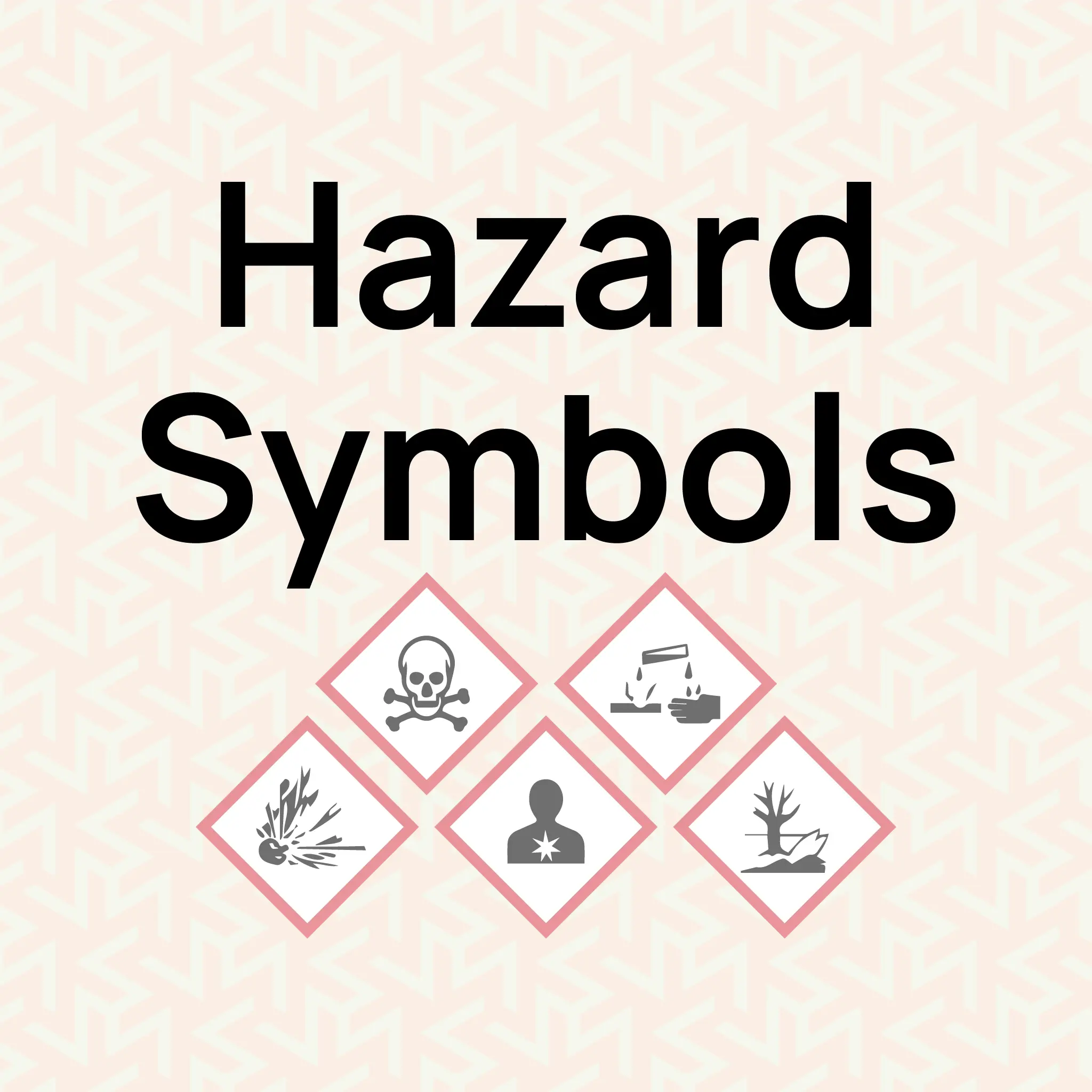
Understanding COSHH Reforms: What the New Hazard Symbols Mean for You
Hypothermia in children and infants occurs when core body temperature drops below the normal range of 36.5�C, usually due to the environment being significantly colder than the infant's body temperature (e.g., cold, damp). Unlike adults, infants and babies cannot effectively regulate their body temperature due to their smaller size and limited fat stores. With their larger surface area relative to their body weight, they can lose heat rapidly, particularly when exposed to cold surroundings. Mild cold stress can have far-reaching consequences on a baby's respiration, circulation, and overall wellness. In newborns and premature infants, even mild-to-moderate cases of hypothermia may cause low blood sugar or poor feeding. Severe cases could lead to extremely serious complications that could be life-threatening. The following information discusses everything you need to know regarding hypothermia in infants, including the causes, signs and symptoms, potential treatments, and preventative measures that may be employed. Regardless of whether you are a new parent, care provider, or childcare professional, learning to identify the first signs of hypothermia in your infant will help keep them safe and healthy. What Is Hypothermia? Hypothermia occurs when a baby�s core body temperature drops below 36.5�C, preventing the body from functioning normally. At this lowered temperature, vital processes such as metabolism, breathing, and circulation begin to slow. A baby�s heart rate may decrease, breathing can become shallow, and the body may struggle to maintain energy levels needed for growth and survival. A baby's small size, limited fat reserves, and immature ability to regulate body temperature make them more prone to heat loss than older children and adults. Infants are susceptible to temperature changes, even from brief exposure to cold or wet conditions. Early intervention is important in order to reduce the risk of negative health outcomes and avoid more serious complications. Quick responses to these conditions will allow your infant to achieve a full recovery as soon as possible. What Causes Hypothermia in Babies and Children Several everyday factors can make an infant or child lose body heat quickly. Understanding these causes is the first step in preventing hypothermia. Cold environment or draught: Many houses are very cold. A baby or child can lose a lot of body heat very quickly if in a room below the recommended temperature for that age group. Even being in a room for a short time (10-30 minutes) can be dangerous for a newborn, infant, or toddler. Wet skin or clothing: When a child is wet after bathing, swimming, or being outside in the rain, if they do not dry immediately, they will lose a lot of body heat quickly through evaporation. Wet clothes and bedding make the situation worse because they continue to draw heat from the body. Premature and low-weight babies: Babies born too soon (premature) or with a low birth weight have less body fat and are not able to regulate their temperature as well as full-term, normal-weight babies. These babies are at higher risk of developing cold stress. Illness or infections: Certain illnesses and infections (fever, sepsis, low energy, and dehydration) can weaken an infant or child's ability to generate body heat. They are at a greater risk of developing hypothermia when they are ill. Inadequate clothing or wrapping: Wearing clothing that is too thin or not covering the head and feet, or using blankets, can lead to significant loss of body heat even in otherwise warm environments. Outdoor exposure in cold weather (children): Older children can develop hypothermia if they spend an extended period outside in cold air due to wind or in wet conditions without proper clothing. Being aware of these common causes is crucial, as early recognition and simple preventive measures can protect both babies and children from hypothermia. Signs and Symptoms of Hypothermia in Babies Young children and babies cannot always tell us when they feel cold, so it is essential for carers and parents to recognise the warning signs early. Observing both physical cues and behavioural changes can help identify hypothermia before it becomes serious. � � � Age Group Physical Signs Behavioural Symptoms Babies / Infants Cold, pale, or bluish skin (hands, feet, lips); mottled skin; shivering (sometimes absent); cool abdomen or chest when touched Weak or high-pitched cry; slow or shallow breathing; poor feeding or refusal to feed; drowsiness, lethargy, reduced movement Children / Toddlers Cold or pale skin; blue lips or fingers; shivering; numb extremities; slow capillary refill Shivering, tiredness or fatigue; irritability; complaints of feeling cold; clumsiness or poor coordination Important: A baby with a temperature below 36.5�C should always be treated as at risk. For older children, persistent cold skin, blue lips, unrelenting shivering, or unusual tiredness or confusion are warning signs. When to call a doctor: Babies / Infants: Blue lips or face, very slow or shallow breathing, refusal to feed, unresponsiveness. Children / Toddlers: Persistent shivering, lethargy, confusion, cold extremities, or complaints of severe chill. Prompt action and early recognition can prevent serious complications and ensure both babies and children stay safe and healthy. How to Treat Hypothermia in Babies and Children When a baby or child shows signs of hypothermia, it is essential to warm them gently and gradually. Sudden or aggressive warming can be harmful, so a calm and measured approach is necessary. Mild Hypothermia � Babies / Infants Move the baby to a warm, quiet space away from draughts. Remove any wet clothing and dry the baby gently with soft towels. Wrap the baby snugly in warm blankets to retain body heat. Encourage skin-to-skin contact with a carer (kangaroo care) to help transfer warmth naturally. If the baby is alert, encourage feeding to maintain energy levels. Mild Hypothermia � Children / Toddlers Move the child to a warm, draft-free room. Remove wet clothing and dry thoroughly. Wrap the child in warm blankets and offer warm drinks if the child is alert. Encourage gentle movement to generate body heat. Moderate or Severe Hypothermia � Babies and Children Seek medical help immediately, as professional care is required. In hospitals, doctors may use incubators, radiant warmers, or warm intravenous fluids to safely restore body temperature. Warming must be gradual, as rapid increases in body temperature can cause shock or other complications. Monitor breathing, responsiveness, and temperature closely. With prompt and careful treatment, most babies recover quickly and safely. Early recognition and timely intervention make all the difference in preventing serious complications. For caregivers interested in understanding the skills and techniques involved, this complete guide to first aid training levels provides detailed information about child care. Possible Health Risks and Complications If hypothermia in babies goes untreated, several health issues can arise. A baby with a temperature below 36.5�C should be treated as at risk. Breathing difficulties or irregular heartbeat: Low body temperature can slow respiration and affect heart function, placing additional strain on the baby�s body. Low blood sugar and metabolic imbalance: Hypothermia increases the risk of hypoglycaemia and disrupts normal metabolic processes, potentially affecting energy levels and growth. Weakened immune system and higher infection risk: Cold stress can reduce the body�s ability to fight infections, making babies more susceptible to illness. While these complications are severe, early recognition and prompt treatment are highly effective. With proper care, most babies recover fully and safely. Preventing Hypothermia: Tips for Babies and Children The most important thing that parents or caregivers can do to help protect a child from cold stress is to take preventive measures. The preventative steps below will help you keep your baby safe and healthy. Keep the room warm at about 25�28�C Dry the baby right away after bathing (to prevent heat loss). Dress in layers (soft clothing with a hat and socks) to help keep in body heat. Practice skin-to-skin contact; holding your baby close against your chest is a natural way to help keep him/her warm. Avoid drafts (keep your baby away from windows, fans or air vents, which may cause a drop in body temperature). Check your baby�s temperature regularly (especially when it is cold outside or your baby is sick). Early recognition and simple preventive measures can protect both babies and children from hypothermia. Conclusion Baby hypothermia can develop quickly, often due to cold environments, wet clothing, prematurity, illness, or inadequate wrapping. Recognising the early warning signs, such as freezing or bluish skin, weak cry, poor feeding, and lethargy, is essential for timely intervention. Mild cases can be managed at home with gentle warming and skin-to-skin contact, while moderate or severe hypothermia requires immediate medical attention. Prevention is straightforward: maintain a warm environment, dress babies appropriately, dry them promptly, practise skin-to-skin contact, and monitor their temperature regularly. Knowledge and quick response can make a vital difference in keeping infants safe and healthy. With proper awareness and care, cold stress in newborns can be prevented, ensuring your little one stays warm, healthy, and safe. Knowing the benefits of first aid techniques can help parents respond quickly and safely if their baby shows signs of hypothermia. Frequently Asked Questions What is hypothermia in babies? It�s when a baby�s body temperature drops below 36.5�C, affecting breathing, metabolism, and circulation. What causes hypothermia in babies? Cold rooms, wet clothing, prematurity, illness, or inadequate wrapping can all cause heat loss. What are the signs of hypothermia in babies? Cold or bluish skin, weak cry, poor feeding, slow breathing, and lethargy. How do you treat hypothermia in babies? Mild cases: warm room, dry clothing, blankets, skin-to-skin contact. Severe cases: seek medical help immediately. How can hypothermia in babies be prevented? Keep rooms warm, dress in layers, dry promptly, practise skin-to-skin contact, and monitor temperature. When should I call a doctor? If the baby shows persistent cold, blue lips, a weak cry, slow breathing, refusal to feed, or lethargy. Broaden Your First Aid Knowledge� Stay prepared and confident by exploring our additional first aid courses. Each one is designed to help you protect lives and promote safety wherever you are: Emergency First Aid at Work (1 Day): Learn core techniques like CPR and handling unconscious casualties, a perfect first step for beginners. First Aid at Work (3 Days): Gain full workplace certification while mastering complex scenarios such as burns, fractures, and cardiac emergencies. Paediatric First Aid (2 Days): Tailored for child-focused environments, this course equips you to respond effectively to choking, allergic reactions, and injuries in children. Basic First Aid Course: A valuable but straightforward introduction for families, volunteers, and community workers. Advanced First Aid Training: Develop advanced decision-making skills for serious emergencies involving multiple injuries or trauma.� First Aid for Mental Health: Learn to approach, listen, and support those experiencing mental health challenges.

The Risk Assessment Process: A 5-Step Guide to Identifying and Managing Workplace Hazards
Risk assessments are a critical component of maintaining a safe and healthy workplace. Whether you're managing a construction site, an office, or any other work environment, identifying potential hazards and understanding the associated risks is essential for protecting employees, clients, and visitors.In this comprehensive guide, we will walk you through the 5-step risk assessment process, from identifying hazards to managing and mitigating risks effectively. By the end of this guide, you'll not only understand the importance of conducting regular risk assessments but also how to perform them with confidence. The knowledge and tools shared here will help you ensure a safer, more compliant workplace, reducing the likelihood of accidents and improving overall productivity.What is a Risk Assessment?A risk assessment is a systematic process used to identify potential hazards in the workplace, evaluate the risks associated with them, and determine the appropriate control measures to prevent accidents or harm. Conducting a risk assessment ensures that employees, contractors, and visitors can work in a safe and compliant environment.Performing regular risk assessments is a legal requirement in many industries, but beyond compliance, it helps organisations proactively manage safety, reduce workplace injuries, and maintain operational efficiency.A risk assessment is more than just a formality; it is a structured approach to workplace safety. The primary purpose is to:Identify hazards that could cause injury, illness, or property damage.Assess the likelihood and severity of those hazards.Implement controls to minimise or eliminate risk.Provide documentation to support compliance and facilitate continuous improvement.Understanding the difference between hazard and risk is crucial for a practical risk assessment:HazardRiskAnything that has the potential to cause harm (e.g., chemicals, machinery, slippery floors).The likelihood that the hazard will actually cause harm, and the severity of the potential outcome.Example: A wet floor is a hazard, while the possibility of someone slipping and injuring themselves is the risk.Why Carry Out a Risk Assessment?Conducting a risk assessment is not only a legal requirement but also an essential step in creating a safe and productive workplace. By identifying potential hazards and assessing risks, businesses can prevent accidents, protect their employees, and ensure compliance with relevant safety regulations.A well-executed risk assessment also supports better decision-making, reduces costs associated with workplace incidents, and fosters a culture of proactive safety awareness.Many industries are legally required to conduct risk assessments under workplace health and safety regulations. These laws are designed to:Ensure employers provide a safe working environment.Protect employees, contractors, and visitors from preventable harm.Require documentation and evidence of safety measures taken.Failing to conduct risk assessments can lead to penalties, legal action, or reputational damage.Importance of Risk Assessments in Workplace Safety and ProductivityRisk assessments are a cornerstone of workplace safety and organisational efficiency. They serve both as a legal requirement and a practical tool to protect employees, reduce risks, and enhance productivity.Key reasons to conduct regular risk assessments include:Legal compliance: Many safety regulations require documented risk assessments.Accident prevention: Identifying hazards early helps prevent injuries, fatalities, and workplace incidents.Cost savings: Reduces downtime, compensation claims, insurance costs, and damage to equipment or property.Improved efficiency: Streamlines operations by proactively managing risks before they escalate.Employee confidence and culture of safety: Encourages proactive behaviour, boosts morale, and fosters a safe working environment.By implementing effective risk assessments, organisations can maintain smooth operations, safeguard their workforce, and create a proactive safety culture that benefits everyone.Key Principles of an Effective Risk AssessmentAn effective risk assessment is built on a series of structured principles designed to identify, evaluate, control, and monitor workplace hazards. Following these principles ensures organisations protect employees, maintain compliance, and foster a proactive safety culture. Identifying Hazards: The foundation of any risk assessment is recognising potential hazards that could cause harm. These hazards may arise from physical sources, such as machinery or wet floors, chemical substances like cleaning agents, biological risks including bacteria or viruses, or environmental factors such as poor lighting and extreme temperatures.A practical way to identify hazards is to walk through the workplace, observe daily operations, consult employees, and review past incident reports. This approach helps ensure no potential hazard goes unnoticed. Evaluating Risks and Their Severity: After identifying hazards, it�s crucial to assess the risks associated with each hazard. This evaluation focuses on three key aspects: the likelihood of harm occurring, the severity of potential consequences, and the level of exposure to which employees may be subjected.For instance, a wet floor in a frequently trafficked corridor represents a high likelihood of slips and falls, while a minor chemical spill in a restricted area may present a lower risk if managed correctly. Evaluating risks in this way allows organisations to prioritise which hazards need immediate attention. Controlling and Mitigating Risks: Once risks are evaluated, the next step is to implement control measures to reduce or eliminate them. Control methods range from removing the hazard entirely to substituting dangerous substances or processes with safer alternatives, and installing engineering solutions such as machine guards or ventilation systems.Administrative measures, including training, policies, and safe work procedures, complement these controls, while personal protective equipment (PPE) acts as the final line of defence. The goal is to create multiple layers of protection to ensure employee safety. Monitoring and Reviewing Risk Assessments: Risk assessments are ongoing activities, not one-off tasks. Regular monitoring ensures risks remain controlled, while reviews help identify new hazards or changing workplace conditions.Organisations should schedule periodic assessments, re-evaluate risk controls after incidents or near-misses, and continuously improve procedures and training. This ensures the risk assessment process remains dynamic, practical, and relevant to the evolving workplace environment.Master Workplace Safety � Strengthen Your Risk Assessment Skills with HurakWant to ensure hazards are appropriately identified, risks are controlled, and your workplace stays safe and compliant?Popular Courses You Might Find Useful:Level 2 Health and Safety in the Workplace: Learn essential safety principles, risk assessment techniques, and compliance requirements.Level 3 Health and Safety in the Workplace: Advanced training for managing complex risks and leading safety initiatives.IOSH Managing Safely: Equip yourself with practical skills to assess, manage, and mitigate workplace hazards effectively.Working Safely (IOSH): Gain fundamental knowledge to maintain a safe working environment across various industries.Explore Hurak�s range of Health and Safety Courses designed for employees, managers, and safety professionals. Whether you�re new to workplace safety or looking to enhance your expertise, there�s a course tailored for you.The 5-Step Risk Assessment ProcessThe 5-step risk assessment process is the industry-standard approach to identifying, evaluating, and controlling workplace hazards. By following these steps, organisations can ensure legal compliance, protect employees, and improve operational efficiency. Understanding each step enables businesses to implement effective safety measures while cultivating a proactive culture of risk management.Step 1: Identify HazardsThe first step in the process is to recognise any potential hazards that could cause harm to employees, visitors, or contractors. Hazards can be physical, chemical, biological, ergonomic, or environmental in nature.Practical examples include wet floors, exposed machinery, hazardous chemicals, poorly maintained equipment, or even work-related stress. Conducting walkthrough inspections, consulting staff, and reviewing past incidents are effective ways to identify hazards before they escalate into accidents.Step 2: Decide Who Might Be Harmed and HowAfter identifying hazards, it�s essential to determine who could be affected and in what way. This includes employees, contractors, visitors, or even members of the public in certain workplaces.Consider factors like frequency of exposure, vulnerability of individuals (e.g., new staff, pregnant workers, or those with disabilities), and potential consequences of an incident. Understanding who is at risk and how they may be harmed helps in prioritising safety measures effectively.Step 3: Evaluate Risks and Implement ControlsOnce hazards and affected individuals are identified, the next step is to assess the likelihood and severity of each risk and implement appropriate controls.Controls should follow the hierarchy of risk management, starting with eliminating the hazard if possible, substituting dangerous processes with safer alternatives, implementing engineering or administrative controls, and using personal protective equipment (PPE) where necessary.For example, if a machine poses a cutting hazard, installing a guard and providing operator training are both adequate controls. The goal is to minimise the risk to an acceptable level.Step 4: Record Your FindingsDocumenting the risk assessment is crucial for legal compliance and accountability. A written record should include the identified hazards, who might be harmed, the evaluation of risks, and the controls implemented.Recording findings ensures that employees are informed about potential hazards and can follow the safety measures. It also provides a reference for future audits and inspections, making it easier to demonstrate compliance with health and safety regulations.Step 5: Review and Update the Risk AssessmentRisk assessments are dynamic documents that require regular review and updates. Any changes in the workplace, such as the introduction of new equipment, processes, or personnel, may create new risks that require reassessment.Regular reviews help ensure that safety measures remain effective and reflect current workplace conditions. This proactive approach supports continuous improvement and helps organisations maintain a culture of safety.How to Fill Out a Risk Assessment FormCompleting a risk assessment form may seem straightforward, but doing it correctly is crucial for ensuring workplace safety, complying with legal requirements, and implementing effective risk management. A properly completed form ensures that hazards are identified, evaluated, and controlled, and it serves as a formal record for audits and inspections.Here�s how to approach it effectively: Start with Basic InformationEvery risk assessment form begins with essential details:Location or department: Specify the area or team being assessed.Date and assessor name: Record who is completing the assessment and when.Task or process description: Clearly state what activity, equipment, or procedure is being evaluated.This information ensures accountability and provides context for the findings. Identify HazardsList all potential hazards related to the task or area. Consider physical, chemical, biological, ergonomic, and environmental risks. Examples include:Slippery floors or trip hazardsMoving machineryHazardous substancesWalkthrough inspections and staff consultation can help uncover less obvious hazards. Determine Who Might Be HarmedFor each identified hazard, specify who is at risk and how they might be affected. Include:EmployeesVisitorsVulnerable groups (e.g., new staff, young workers, or pregnant employees)Understanding the affected individuals is key to implementing targeted and effective control measures. Evaluate the Risk and Identify ControlsAssess the likelihood and severity of each hazard and determine the risk level. Then, identify controls to eliminate, reduce, or remove the hazard entirely (if possible):�Substitute with a safer alternativeImplement engineering or administrative controlsUse personal protective equipment (PPE)Clearly document both the risk evaluation and the measures being taken to mitigate it. Record Findings and Sign OffOnce all hazards, affected individuals, and controls are documented:Sign the form to confirm completionShare the findings with relevant staffStore the form for future reference, audits, or updates.A thoroughly completed form ensures that your organisation meets legal obligations and maintains a proactive safety culture. Review and Update RegularlyRisk assessment forms are living documents. Review and update them:After changes in the workplaceWhen introducing new equipment or processesFollowing incidents or near missesRegular updates ensure that control measures remain effective and risks are managed appropriately.Common Mistakes to Avoid During Risk AssessmentsEven experienced safety officers and managers can make errors during risk assessments. Avoiding these common mistakes ensures that the assessment is accurate, effective, and compliant with legal requirements.By recognising these pitfalls, you can strengthen workplace safety, improve compliance, and prevent accidents before they occur.Common MistakeWhy It�s a ProblemHow to Avoid ItFailing to Involve EmployeesFailing to Involve EmployeesInclude frontline staff in the assessment process for real-world insightsOverlooking Small or Less Obvious HazardsMinor hazards can cause accidents or near missesConduct thorough inspections; consider ergonomic, environmental, and behavioural risksNot Evaluating Severity or Likelihood ProperlyInadequate or excessive controls, wasted resourcesUse a risk matrix to assess likelihood and impact systematicallyFailing to Update Assessments RegularlyOutdated controls create false security and non-complianceReview assessments periodically or after incidentsInadequate DocumentationDifficult to track progress, demonstrate compliance, or learn from incidentsKeep clear, detailed, and accessible records of hazards, controls, and responsibilitiesIgnoring Employee TrainingControl measures may be ineffective if staff don�t know how to apply themProvide regular training and updates to employees on safety proceduresBest Practices for Conducting a Risk AssessmentConducting a risk assessment effectively requires more than just identifying hazards; it involves a systematic approach that ensures workplace safety, compliance, and efficiency. One of the most important best practices is to engage all relevant employees. Frontline staff often have first-hand knowledge of the risks in their work environment, so involving them in the assessment process can uncover hazards that might otherwise be overlooked. To ensure your risk assessments are thorough and effective, start by involving all relevant employees. Their insights can reveal hidden dangers and practical solutions.�Use a structured approach, following the 5-step risk assessment process, and prioritise risks according to severity and likelihood. Always document your findings clearly, and schedule regular reviews to keep assessments up to date. Training employees on identified hazards and controls ensures that safety measures are consistently applied. Don�t forget to include less obvious risks, such as environmental, ergonomic, or procedural hazards, to create a truly comprehensive assessment.Frequently Asked Questions About Risk AssessmentWhat is a risk assessment?A risk assessment is a systematic process of identifying workplace hazards, evaluating the risks they pose, and implementing controls to minimise harm. It ensures the safety of employees and compliance with legal requirements.�Why are risk assessments necessary?Risk assessments are crucial for preventing accidents, ensuring legal compliance, reducing costs, and fostering a proactive safety culture. They help organisations identify hazards before incidents occur and protect both employees and business operations.�How do you conduct a risk assessment?Conducting a risk assessment involves five key steps: identifying hazards, determining who might be harmed and how, evaluating risks and implementing controls, documenting findings, and regularly reviewing the assessment. This structured process ensures that all hazards are addressed effectively.�How do I fill out a risk assessment form?A risk assessment form should document each identified hazard, the associated risks, who is affected, the control measures in place, and the person responsible for implementation. Ensure it�s clear, accurate, and regularly updated.�What is the difference between a hazard and a risk?A hazard is anything that can cause harm, such as machinery, chemicals, or working at height. A risk is the likelihood that the hazard will cause damage and its potential severity. Understanding this difference is essential for prioritising controls during a risk assessment.�How often should a risk assessment be reviewed?Risk assessments should be reviewed regularly and whenever changes occur in the workplace, such as the introduction of new equipment, processes, or personnel. Regular reviews ensure that controls remain effective and hazards are continuously managed.�Can risk assessments reduce costs for a business?Yes. By identifying hazards early and implementing controls, organisations can prevent accidents, reduce downtime, minimise compensation claims, and lower insurance premiums, all of which lead to cost savings.Conclusion: Implementing the Risk Assessment Process EffectivelyA well-executed risk assessment process is not just about compliance; it�s a strategic tool for enhancing workplace safety, productivity, and efficiency. By following the structured 5-step process, companies can identify hazards early, implement adequate controls, and minimise the likelihood of accidents or downtime. Involving employees in assessments increases awareness and engagement, creating a proactive safety culture. Regular monitoring and reviews ensure that risks are continuously managed, helping organisations protect their workforce while optimising operations and reducing costs.

Lone Working Safety Explained: Risk Assessment, Policy Requirements Practical Solutions
A lone worker might be a delivery driver starting a late-night route, a care worker visiting a service user at home, or a security guard patrolling an empty building. Although these roles seem routine, the reality is that working alone significantly increases exposure to risks such as violence, medical emergencies, slips and falls, or delays in rescue because help is not immediately available.Lone working is common across many industries, yet it requires careful management and a structured safety approach. Employers have a legal and moral responsibility to protect workers who operate without direct supervision, ensuring risks are assessed, control measures are in place, and clear procedures are followed.This guide explains what lone working means, who it applies to, key hazards, how to carry out a lone working risk assessment, what a lone working policy should include, and which laws regulate lone working. You will also find practical examples and best-practice guidance to help you keep lone workers safe.What Is Lone Working?Lone working refers to any work activity where an employee performs duties without close or direct supervision, or in a location where no other team members are present. Lone workers may be completely isolated from others, working remotely, working alone in a building, or travelling between sites.Common situations where lone working occurs:Working in a remote location or off-site locationWorking outside regular business hoursTravelling alone for work purposesWorking alone within a workplace, such as a night shift or a single-person siteMobile roles where workers move between environmentsLone working applies to full-time, part-time, temporary, contractor, and volunteer staff. Regardless of employment type, employers must ensure that employees are safe, competent, trained, and adequately supported.Who Is Considered a Lone Worker?A lone worker is anyone who carries out their job without direct supervision or immediate support from colleagues. This can include working at a fixed location, such as a shop or site office; travelling between locations; visiting clients in their homes; or working remotely outside regular business hours.Lone working is one of a wide range of professions in which individuals work independently. The profession of lone working is not restricted to one area. For example, home support workers and social care workers frequently operate independently within individuals' homes, as do security officers and night shift employees, who are responsible for providing a safe and secure environment on the premises where they work. Delivery drivers, postal workers, and couriers are often required to perform their work while moving from place to place. In contrast, construction workers may complete their work on-site, either alone or with minimal assistance. Retail employees and store operators may work alone in their shops. In contrast, cleaners and facility staff typically perform cleaning and other routine maintenance outside the time frames during which the company operates or has customers present. Other examples of lone working include utility workers, field techs, settlement agents, and rental property inspectors.Industries with the most exposure to lone working situations include healthcare, emergency services, transport, construction, retail, property services and field-based engineering roles, where job duties regularly require independent decision-making without immediate backup.Why Lone Working Safety MattersLone workers face a unique combination of risks. Without others present, a minor incident can quickly escalate into a serious emergency. Workers may experience increased exposure to workplace violence, accidents, sudden illness, isolation or mental stress.When a worker is alone, the ability to call for help, receive immediate first aid, or escape a dangerous situation may be limited. Employers have a legal duty of care to ensure safe working environments, identify foreseeable risks, and put in place proportionate controls.Effective lone worker safety protects employees, reduces business disruption, meets regulatory expectations and strengthens workplace culture.How Many Lone Workers Are Attacked Every Day?Multiple sources suggest the risk to lone workers is significant and rising. A UK-based estimate puts the figure at about 150 lone workers attacked daily (physical or verbal), equating to approximately 54,750 attacks per year.A 2025 report by SoloProtect revealed a concerning trend: physical attacks on lone workers have surged by 132% over the last three years, while weapon-related incidents have also increased sharply.Wider workplace data from HSE, which includes lone working among other work-related settings, recorded around 689,000 workplace violence incidents in 2024/25 across England and Wales.Additionally, a survey of lone workers by EcoOnline in 2025 found that nearly half (46%) reported a rise in violence or aggression in their workplace over the past 2–3 years.These figures reinforce the need for structured risk assessments, robust safety policies, training, and real-time monitoring to protect lone workers.Roles and Responsibilities (Employers, Managers & Lone Workers)Effective lone working safety depends on shared roles and responsibilities across the organisation. Each group plays a critical role in preventing incidents and responding quickly when risks arise.EmployersConducting risk assessments: Identify and evaluate hazards, assess risks and implement proper controls for lone working.Providing Training, Policies, and Equipment: Ensure workers are trained in procedures for working alone and have the appropriate equipment to remain safe while working alone.Supervising and Monitoring Processes: Setting up processes for monitoring lone worker activity and developing appropriate measures to assist workers in the event of a problem.Regularly Review Safety Arrangements: Continuously improve arrangements in response to incidents or operational changes, evaluate control measures after an incident, and document adjustments made.Managers / SupervisorsSupport lone workers in day-to-day operations, offer guidance and ensure procedures are followed.Monitor communication and welfare system, check-in schedules, GPS tracking or buddy systems.Respond quickly to concerns and emergencies, verify worker status and activate emergency protocols when required.Lone WorkersFollow all lone working procedures and training provided, including safe systems of work and emergency instructions.Use equipment and safety technology correctly, e.g., alarms, devices, PPE and monitoring tools.Report hazards, incidents, or unsafe situations to enable improvements and prevent future harm.Maintain regular communication while working alone, especially when conditions change or risks increase.Lone working safety is most effective when every party understands and fulfils their responsibilities. Clear communication, ongoing monitoring, and a proactive safety culture help reduce risks and protect workers across all environments.Legal Requirements: Which Laws Regulate Lone Working?Most countries require employers to protect employees from foreseeable risks, including situations where work is carried out alone. Although specific legislation differs across regions, the core legal principle of the duty of care remains consistent worldwide. Employers must ensure that lone workers are not exposed to greater risk than those working alongside colleagues and that suitable precautions, training and supervision are provided.Legal requirements typically fall under general workplace health and safety laws that mandate employers to assess risks, implement control measures and review them regularly. Many regulatory frameworks also include expectations around violence prevention, welfare provision and emergency planning, especially where workers deal with the public or operate in high-risk environments. Employers are also legally required in many jurisdictions to provide appropriate training, equipment, communication systems and safe working procedures.Common Hazards and Risks of Lone WorkingLone workers can face a diverse range of hazards depending on their work environment, tasks performed, location, public interaction, access to emergency support and the time of day they operate. Without colleagues nearby, even minor incidents can escalate into serious consequences, making it essential to recognise and manage the risks of working alone.Physical Hazards: One of the most common types of hazards faced by workers in solitary jobs is physical hazards. When performing activities such as operating machines or using other equipment without a supervisor present, workers are at increased risk of injury or accidents. Similarly, the risk of sustained injuries and being involved in accidents from slips, trips and falls is increased in outdoor or poorly lit locations, as well as when the job includes working at height, performing manual handling or dealing with dangerous materials, since there is no one to assist them or to alert others if they were to become injured during an emergency.Violence and Aggression: Workers who regularly interface with the public or enter new surroundings are at an increased risk of being verbally or physically assaulted. The level of risk is generally higher for jobs that involve frequent customer-related conflicts, require a supervisor to respond to emergencies, and include workers who handle cash or work in isolated retail settings. Additionally, workers who perform home visits as part of their duties, such as social workers, emergency responders, or law enforcement officers, face an increased risk to their personal safety when interacting alone with unexpected individuals or situations.Health and Medical Emergencies: Lone workers may experience sudden illness, fatigue, stress or medical complications without anyone nearby to provide immediate help. Conditions such as asthma attacks, cardiac issues or injury from strain can become life-threatening if there is no way to quickly call for assistance. Mental health concerns, including anxiety and work-related stress, are also more common when employees feel isolated or unsupported.Environmental and Location-Based Risks: Some lone workers operate in remote, poorly lit or hard-to-access locations where communication and visibility are limited. In such environments, unreliable mobile signal, extreme weather, hazardous terrain, restricted access and long response times can dramatically increase the severity of incidents. Working outdoors, at height, offshore or during night hours also introduces unpredictable environmental hazards.These risks demonstrate why lone working requires comprehensive planning, realistic safety controls, reliable communication systems and appropriate protective equipment. Proactively identifying hazards and implementing structured risk management measures is essential for maintaining safety wherever employees work independently.Lone Working Risk Assessment (What It Is and Why It’s Important)A lone working risk assessment is a structured process used to identify hazards associated with lone working and determine the steps required to minimise them. It evaluates who may be harmed and the seriousness of the consequences.Employers must carry out a risk assessment whenever workers operate alone, ensuring it is documented, communicated and regularly reviewed. It is a legal requirement in many regions and a critical tool for preventing injury.How to Conduct a Lone Working Risk Assessment (Step-by-Step)1. Identify hazards: Assess the tasks involved, environment, equipment and behaviours that could cause harm.2. Determine who may be harmed and how: Consider employees, contractors, visitors and members of the public.3. Evaluate risk severity and likelihood: Decide whether the current level of risk is acceptable or further controls are required.4. Implement control measures: Introduce training, procedures, buddy systems, supervision, communication tools or technology.5. Record findings and create an action plan: Keep clear documentation that can be reviewed and updated.6. Communicate outcomes: Ensure workers understand procedures and expectations.7. Monitor and review regularly: Update after incidents, near misses, role changes or new hazards.Lone Working Risk Assessment Example (Format Guide)A typical lone working risk assessment may include: Section Details Task/Activity Example: Home visit to client’s property Location Residential area, eveningIdentified hazardsviolence, unfamiliar environment, slipsPeople at Risk Lone worker, publicExisting Controls Training, visit scheduling, and check-in systemAdditional Controls NeededLone worker alarm device, risk rating reviewResidual RiskLow / Medium / HighReview Date Set period or event-basedThis structure helps employers document decisions and demonstrate compliance.Control Measures, Monitoring and SupervisionEffective control measures are essential to protect lone workers and ensure that risks remain manageable during isolated work activities. Organisations should implement clear lone working procedures and safe working methods, supported by structured check-in and check-out systems, planned communication schedules, and escalation processes such as buddy systems.Real-time monitoring tools, safe visit protocols and accurate location information also help ensure that workers can be quickly reached if assistance is required. Additionally, high-risk tasks should be limited or prohibited when supervision is not available. Strong monitoring and supervision practices provide managers with the ability to respond rapidly to incidents and prevent minor concerns from becoming serious emergencies.Lone Working Solutions and Safety TechnologyTechnology plays a vital role in enhancing the safety and communication support available to lone workers. Organisations can choose from a wide range of digital solutions, including lone worker mobile apps, GPS-enabled tracking devices, wearable man-down detection sensors, and satellite communication tools designed for remote or no-signal environments. Many devices offer panic alarms, SOS alerts and automated time-based check-ins to activate emergency responses if a worker is unresponsive. Selecting the most appropriate solution depends on factors such as job type, location, risk level, and available connectivity. When integrated with strong organisational procedures, safety technology greatly improves response times and increases overall protection for lone workers.Lone Working Policy: What Should It Include?A lone working policy is an essential organisational document explaining how the business manages lone worker safety. It sets expectations for both employers and employees.A strong lone working policy should include:Purpose and scopeRoles and responsibilitiesLone working risk assessment requirementsControl measures to reduce riskIncident reporting and emergency response procedureMonitoring and supervision arrangementsUse of equipment, technology and PPETraining and communication processesPolicy review timeline and compliance expectationsA clear policy improves consistency, awareness and operational safety.Training Requirements for Lone WorkersTraining is essential to ensure lone workers understand how to keep themselves safe, recognise risks and respond effectively to emergencies. Practical training should cover personal safety awareness and conflict management, helping employees develop confidence when dealing with complex or unpredictable situations. It should also include hazard recognition and dynamic risk assessment skills, enabling lone workers to evaluate changing conditions and make safe decisions on the spot.Emergency response procedures, such as incident reporting, escalation steps, and communication protocols, must be clearly understood, along with guidance on using lone worker safety devices or monitoring technology. Training must also reflect organisation-specific procedures, including check-in systems, workplace protocols and equipment handling. Regular refresher training is strongly recommended to maintain competence, especially when job roles, equipment or organisational processes change.Emergency Response & Incident ReportingAn effective emergency response plan helps workers know what to do if something goes wrong.Steps should include:Assess the situation and attempt contactEscalate to emergency services if requiredFollow internal incident escalation proceduresRecord details and conduct post-incident reviewSupport affected employeesLearning from incidents helps improve safety performance.Industry-Specific Lone Working ScenariosHealthcare & Social Care: Home visits and patient interactions can involve unpredictable behaviour and unfamiliar environments.Security & Night Workers: Working alone in isolated buildings increases risks from intrusion or confrontation.Delivery & Driving Roles: Remote locations, road accidents and working in public spaces increase risk.Construction & Maintenance: Working at height, near machinery or in hazardous environments requires strong risk management.Retail & Customer-Facing Roles: Handling cash increases robbery risk, especially during late hours.Cleaning & Facilities: Working alone in large or complex buildings increases isolation risk.Real-World Examples and Case StudiesReal incidents clearly demonstrate why robust lone working procedures, training and monitoring systems are essential. For example, a lone healthcare worker known as “Anna” suffered a medical emergency while working alone in 2025. She activated an SOS alert on her personal safety device, enabling monitoring staff to locate her immediately and dispatch emergency support, an action credited with saving her life. In another case, a manufacturing employee working alone during a night shift suffered an industrial accident while handling chemicals. A personal alarm system triggered an automatic alert, allowing supervisors to respond quickly and provide first aid until paramedics arrived.Data also highlights the rising risk landscape: a 2024 report by Solo Protect revealed a 132% increase in physical attacks, and over 10% of workplace fatalities involve lone workers. These real examples show that without communication and monitoring systems, outcomes could have been far more severe, reinforcing the need for proactive safety planning, technology solutions and effective lone worker training.Final ThoughtsLone working is an essential part of many industries, but it must be managed carefully. By assessing risks, developing strong policies, using effective technology and providing appropriate training, employers can improve safety and support lone workers to perform their roles confidently and securely.Frequently Asked Questions (FAQs)Is it legal to work alone?Yes, but only if risks have been properly assessed and safe systems are in place.Who is responsible for a lone worker?Employers hold the primary responsibility, supported by managers and workers themselves.How often should risk assessments be reviewed?After any incident, role change or significant environment change, or at scheduled intervals.What should a lone worker carry with them?Communication device, ID, emergency contact information, PPE and any required tools or alarms.Can lone workers work at night?Yes, but additional controls and monitoring may be required.

Health and Safety at Work Act 1974: Key Reforms and What They Mean for You
Every workplace, no matter how big or small, carries some level of risk. Whether it�s slipping on a wet floor, mishandling hazardous materials, or working at height, the potential for harm is always present. That�s why the UK introduced one of its most vital pieces of legislation, the Health and Safety at Work etc. Act 1974 (HASAWA).This Act is the foundation of all modern health and safety laws in the UK. It was designed to protect not only employees but anyone who could be affected by work activities, including the self-employed, contractors, and members of the public. But HASAWA is more than just legal jargon. It influences how we plan, organise, and carry out our work. In this article, we�ll explore what HASAWA is, how it reformed workplace safety, and why it matters to you, whether you�re an employee, manager, or simply preparing for a new career.What is the Health and Safety at Work Act 1974?The Health and Safety at Work Act 1974 is the UK�s primary law governing health, safety, and welfare in the workplace. Before HASAWA, safety regulations were scattered and inconsistent; many workers had little or no protection from workplace hazards. This Act brought everything together under one consistent legal framework.HASAWA applies to nearly all employers, employees, and self-employed individuals in the UK. It outlines a duty of care for all individuals involved in work-related activities. Employers must ensure, so far as is reasonably practicable, the health and safety of their employees. In turn, employees have a responsibility to take reasonable care of themselves and others and to cooperate with their employer�s health and safety arrangements.What makes HASAWA unique is that it focuses on principles rather than prescribing detailed rules. This enables flexibility and adaptability across various industries, from construction sites to care homes.When Was the Health and Safety at Work Act Introduced?The Act was introduced in 1974, during a time when industrial accidents and workplace hazards were significantly more common. Workers in factories, construction sites, and chemical plants faced daily dangers with limited legal protection.Before HASAWA, UK safety laws were fragmented and industry-specific, creating inconsistencies in standards. The introduction of HASAWA represented a unified, comprehensive approach to workplace safety that could evolve with changing industries and technologies.What Did HASAWA Change?It Made Health and Safety Everyone�s ResponsibilityOne of the most fundamental reforms introduced by HASAWA was the concept that everyone involved in a work activity has a role to play in maintaining a safe workplace. This wasn�t just a legal technicality; it marked a cultural shift.Employers became legally obligated to protect the health, safety, and welfare of their employees. That includes ensuring that machinery is safe to use, work environments are clean and risk-free, proper training is provided, and safety equipment, such as helmets or harnesses, is both available and adequately maintained. But it didn�t stop there. Employers also have a duty to protect others who may be affected by their work, such as contractors, delivery drivers, customers, or even people passing by a construction site.Employees, too, were given clear responsibilities. Under Section 7 of the Act, every employee must take care of their safety and that of others who may be affected by their actions. They must follow health and safety instructions, attend training sessions, and use protective gear properly. Deliberately misusing or interfering with safety equipment, like removing a guard from a machine or blocking a fire exit, is a direct offence under Section 8.This mutual accountability model remains the foundation of workplace safety law today.It Extended Protection to the Public and Self-EmployedBefore HASAWA, safety laws mostly covered traditional employer-employee relationships. The 1974 Act changed that by recognising that work activities often involve people outside the organisation.If a shop floor is slippery and a customer falls, or if scaffolding collapses and injures a pedestrian, the employer is held responsible under the Act. The law requires businesses to take steps to ensure that non-employees, including clients, visitors, and members of the public, are not put at risk due to work being carried out.It also recognises the growing number of self-employed people. Under HASAWA, self-employed individuals must ensure that their work doesn�t pose a danger to others. Whether you�re a freelance electrician or a self-employed cleaner, you�re still legally required to carry out risk assessments and use equipment safely.This reform ensured that safety isn't limited by job title; if your work impacts others, you�re part of the system.? Related reading: Consequences of Poor Health and Safety ProceduresIt Introduced the Health and Safety Executive (HSE) for EnforcementLegislation is only helpful if it�s enforced. HASAWA addressed this by establishing the Health and Safety Executive (HSE), a dedicated national regulator for workplace safety. The HSE has the authority to investigate workplaces, enter premises without warning, and ensure compliance.If they find serious risks or breaches, they can:Issue improvement notices requiring fixes by a set dateServe prohibition notices that stop work immediately.Prosecute companies and individuals in court.Fines under the Act can be unlimited, and in severe cases, company directors or managers can face up to two years� imprisonment. This enforcement mechanism made it clear that health and safety are not optional; it's a legal and moral responsibility.If you�re stepping into a leadership role, understanding your obligations is critical. The IOSH Managing Safely course is designed to help professionals navigate these legal duties with confidence.Regulations That Support HASAWAHASAWA outlines general duties, but its flexibility is further enhanced by supporting regulations that provide specific, actionable guidelines. These regulations are legally binding and help employers interpret and apply HASAWA in real-life situations.The Management of Health and Safety at Work Regulations 1999 require employers to carry out detailed risk assessments, introduce emergency procedures, and appoint competent persons to oversee safety.The Control of Substances Hazardous to Health (COSHH) Regulations 2002 provide guidance on the safe storage, handling, and disposal of chemicals, dust, fumes, and other hazardous substances. These rules are especially critical in labs, cleaning roles, and manufacturing sectors.The Provision and Use of Work Equipment Regulations (PUWER) 1998 ensure that all tools and machines used in the workplace are safe and maintained. Employers must check that staff are trained before using such equipment.The Manual Handling Operations Regulations 1992 address one of the most common workplace injuries, musculoskeletal damage from lifting or moving objects. Employers must reduce the need for manual handling and train staff in safe techniques.The Regulatory Reform (Fire Safety) Order 2005 focuses on fire risk assessment, emergency exits, fire alarms, and staff training. Fire safety responsibilities fall on a "responsible person," often the employer or building manager.For those responsible for teams or compliance, a more advanced understanding of legal duties is essential.? Managing People or Projects? Know Your Legal Responsibilities.The IOSH Managing Safely course helps team leaders and managers confidently and effectively comply with health and safety law.Why This Act Still Matters TodayAlthough the HASAWA was introduced in 1974, it remains the backbone of workplace safety in the UK. The nature of work has changed dramatically, offices have gone remote, new technologies have emerged, and mental health has taken centre stage. Yet the Act�s flexible, principle-based approach means it remains applicable.Understanding your responsibilities under HASAWA isn�t just about avoiding fines or ticking boxes. It�s about being a better professional. You become more aware of your environment, more conscious of risks, and more proactive in solving problems before they escalate. These are qualities that employers value highly, especially in roles related to leadership, operations, facilities, or HR.ConclusionThe Health and Safety at Work Act 1974 revolutionised the way we think about safety at work. It imposed a legal duty on employers to protect others, made safety a collective responsibility, and established a system of enforcement to hold individuals accountable for their actions. But beyond legal compliance, this Act is about culture; it encourages every person in the workplace to be aware, to act, and to care.Whether you're wearing a hard hat or managing a team from a desk, your understanding of HASAWA can make the difference between a safe, supportive environment and a risky one. In the modern world of work, that knowledge is not only empowering but also essential.Thinking about stepping into a leadership or compliance role? This course provides in-depth knowledge and credibility.? Looking to Advance Your Career in Safety Compliance?The Level 3 Health and Safety (RQF) qualification is ideal for professionals stepping into supervisory or compliance-focused roles.Frequently Asked QuestionsWhat is the Health and Safety at Work Act 1974?It�s the UK�s main law protecting workplace health, safety, and welfare. It outlines the legal duties of employers, employees, and others involved in work activities.What does HASAWA 1974 mean?HASAWA refers to the Health and Safety at Work etc. Act 1974. It ensures all workplaces manage risks and promotes a shared responsibility for safety.Who does HASAWA place legal duties on?Employers, employees, self-employed workers, and equipment suppliers all have responsibilities under the Act.When was the Health and Safety at Work Act introduced?The Act was introduced in 1974 to address rising workplace accidents and unify outdated safety laws.What is the main piece of legislation for health & safety in the UK?The Health and Safety at Work Act 1974 is the central law, supported by specific regulations like COSHH and the Management Regulations (1999).What is the Health and Safety at Work Act 1974 summary?It requires employers to protect health and safety, employees to cooperate, and HSE to enforce the law through inspections and penalties.What law regulates health and safety in the workplace?HASAWA 1974 is the primary legislation, backed by detailed rules covering chemicals (COSHH), manual handling, equipment use, and fire safety.How to Build Your Knowledge and Stay CompliantWhether you're an employee or in a supervisory role, there are structured training programmes that help you understand and apply HASAWA principles in your day-to-day work:Level 3 Health and Safety RQF: Ideal for team leaders or those with compliance responsibilities.CITB Temporary Works Supervisor Course: Designed for those managing temporary structures on construction sites.Part P Domestic Installers Course: Mandatory for anyone doing electrical work in domestic premises.You can also browse all available health and safety training to find the right course for your sector or job role.

Decibel Meter: How to Measure Noise Levels and Protect Your Hearing
If your child suddenly develops a red, rough rash along with a sore throat and fever, you might be wondering if it�s scarlet fever. Scarlet fever is a contagious bacterial infection that mostly affects children, though adults can get it too. Scarlet fever is caused by the same bacteria that cause strep throat. This often starts with fever, sore throat, and a bright red rash. If your child has any of these symptoms, it is important to treat them early with antibiotics. If treated properly, scarlet fever does have an excellent prognosis. Early diagnosis will help avoid serious complications and allow your child to return to their regular activities sooner rather than later. Causes and Transmission of Scarlet Fever Understanding scarlet fever helps parents and carers take early precautions to prevent the illness. The cause of scarlet fever is a bacterial infection triggered by Streptococcus pyogenes (group A streptococcus), the same bacteria responsible for strep throat. This infection releases toxins that lead to the characteristic red rash, sore throat, and high fever associated with scarlet fever. Scarlet Fever is a highly infectious disease; transmission occurs via respiratory droplets (from sneezing, coughing, etc.) produced by an affected individual, or through direct contact with contaminated surfaces and objects (such as sharing personal items, including cutlery, towels, toys, etc.). The age group most commonly affected by scarlet fever is 5-15 years, particularly in close-contact settings, such as daycare centres and schools. Like children, adults can also develop Scarlet Fever, but most cases in adults manifest with milder symptoms. Bacteria can spread from one person to another for a few days before symptoms appear, and they can still spread after 24 hours of starting antibiotic treatment. Therefore, it is essential that people with scarlet fever be diagnosed promptly and treated with prescribed antibiotics. In addition to speeding up recovery, prompt treatment prevents the continued spread of the disease among family and friends. To reduce the risk of infection, practice good hygiene habits, such as frequent handwashing, avoiding shared cups or cutlery, and keeping children home from school until they are fully recovered. Understanding both the cause and spread of scarlet fever is the first step toward protecting yourself and others. Signs and Symptoms The symptoms of scarlet fever can look slightly different depending on a person�s age. While the infection most often affects children between 5 and 15, babies and adults can also catch it. Recognising the signs of scarlet fever early, such as fever, sore throat, and the typical scarlet fever rash, helps in getting the proper treatment quickly and preventing complications. Babies Children (5�15 years) Adults Mild or low-grade fever Sudden high fever� Moderate fever or body ache� Irritability and crying more than usual� Sore throat and difficulty swallowing� Sore throat and mild fatigue Poor feeding or refusal to eat Headache and chills Headache and mild chills� Rah may appear faint or patchy� Classic scarlet fever rash- red,sandpaper-like texture starting on the chest and neck Sometimes a mild or no rash� Vomiting or upset stomach Nausea and vomiting� Mild nausea or upset stomach Fussiness and tiredness Swollen glands in the neck� Slight swelling of glands Peeling skin is less common Peeling skin on fingers and toes during recovery� Peeling skin is mild or absent Hard to notice strawberry tongue� Distinct strawberry tongue -Red and bumpy� Red tongue may occur� Cough or cold-like symptoms� Flushed face with a pale area around the mouth� Facial redness may appear mild Dehydration signs- dry mouth, fear wet nappies Fatigue and general weakness Fatigue and body aches Even though the signs of scarlet fever vary slightly, the most common features across all ages include a sore throat, fever, and the scarlet fever rash, which feels rough like sandpaper and spreads from the chest and neck to other parts of the body. Early attention to these symptoms can help prevent the infection from becoming serious or spreading to others. Diagnosis of Scarlet Fever If you notice any scarlet fever symptoms, it�s essential to see a doctor right away. Diagnosis is usually made through a physical examination and a throat swab to detect group A streptococcus, the leading cause of the infection. In some cases, doctors may run a rapid strep test for faster results. Early diagnosis ensures timely antibiotic treatment, speeds recovery, and helps stop the infection from spreading within families or classrooms. Treatment and Recovery of Scarlet Fever To regain a person's health as quickly as possible, immediate medical attention is essential. The primary treatment for scarlet fever involves administering antibiotics to eliminate the Group A Streptococcus bacteria. Taking the antibiotic will shorten the time the patient remains contagious and lower the risk of serious complications, such as rheumatic fever or kidney inflammation. Although some antibiotics are commonly prescribed for scarlet fever, it is important to complete the full course to ensure all bacteria are killed, even if the patient feels better before finishing the regimen. In addition to antibiotics, doctors may recommend: Fever reducers (as advised by your doctor) Adequate hydration to replace fluids lost from fever or sweating Plenty of rest to help the body recover Soothing warm liquids to relieve soreness. With proper treatment, most children will start to feel better between 48 and 72 hours. The rash associated with scarlet fever typically resolves within 1 week of starting antibiotic treatment; peeling of the skin on the hands and feet may occur during the healing phase, but this condition resolves naturally. Recovery After Scarlet Fever Full recovery generally takes 5 to 7 days, although fatigue can persist slightly longer. During this period, it�s essential to: Continue resting and staying hydrated Monitor the rash and other symptoms for improvement. Complete the entire antibiotic course, even if the child feels well. With proper treatment, most children start feeling better within a few days, and the rash typically fades within a week. Scarlet fever treatments are effective, and the infection usually resolves completely with medical care. Alongside proper medical care, knowing the benefits of first aid training ensures an immediate and effective response at home or school. Complications, Risks, and Adult Cases of Scarlet Fever Although most people recover fully with timely scarlet fever treatment, untreated or delayed cases can sometimes lead to serious complications. These occur when the group A streptococcus bacteria spread to other parts of the body or when the immune system reacts to the infection. Possible Complications and Risks Untreated scarlet fever can result in various complications, including the following: Rheumatic fever: A condition that causes an inflammatory response in the heart, joints, and nervous system. Post-streptococcal glomerulonephritis: An inflammatory disease of the kidney. Ear or sinus infections: may develop from direct bacterial spread from the throat to these areas. Pneumonia or abscesses: rare but serious bacterial complications of untreated scarlet fever. Joint pain or swelling: resulting when the immune system is in the process of reacting to an infection with streptococcus bacteria. Children under five years old, individuals with weakened immune systems, or those who delay medical treatment are more at risk of developing these complications. Early antibiotic therapy and proper rest remain the best ways to avoid such outcomes. Scarlet Fever in Adults While scarlet fever is most common among school-aged children, adults can also contract the infection, especially parents, teachers, or caregivers who are in close contact with children. Adult cases usually present milder symptoms, such as sore throat, fever, fatigue, and occasionally a faint scarlet fever rash. Adults can transmit the bacteria even when symptoms are mild. Therefore, practising good hand hygiene, avoiding any contact with those who are infected, and ensuring you finish all antibiotic prescriptions are important for preventing further spread of the infection. Understanding the potential for disease spread reduces the risk of outbreaks in family, work, or community environments. You may wish to conduct research if you are uncertain of the best first aid method for your situation in order to make a sound, scientific decision. Prevention and When to Seek Medical Attention Taking simple precautions can go a long way in preventing the spread of scarlet fever, especially in households, schools, and childcare settings. Because scarlet fever is contagious, especially among children, maintaining good hygiene is key to preventing its spread. Since the illness is highly contagious, practising good hygiene and responding early to symptoms helps protect both children and adults. To reduce the risk of infection and stop the spread of scarlet fever symptoms: Prevention Tips Wash your hands frequently with soap and water, especially after coughing, sneezing, or touching shared surfaces. Avoid sharing utensils, cups, towels, or toothbrushes with anyone who is ill. Cover coughs and sneezes with a tissue or elbow to prevent droplets from spreading. Keep infected children at home until they�ve taken antibiotics for at least 24 hours and are fever-free. Clean and disinfect commonly touched objects, such as toys, doorknobs, and countertops. These habits not only reduce the chances of catching scarlet fever but also help contain the infection before it spreads to others. These prevention steps align with the key principles of the 3 P�s in first aid, helping reduce risks and respond safely. When to Seek Medical Attention Seek immediate medical attention if your child or another family member shows any of the following: High or persistent fever that does not respond to medication Difficulty breathing or swallowing Rash spreading quickly or becoming painful. Extreme tiredness or confusion Symptoms are not improving after 48 hours of antibiotic treatment. Most cases of scarlet fever recover smoothly with prompt care, but early medical attention ensures proper diagnosis, a faster recovery, and prevents complications such as rheumatic fever or kidney inflammation. Know the Warning Signs We believe that first aid training should be practical, easy to understand, and accessible to everyone. Enrolling in a Paediatric First Aid course, Emergency First Aid at Work (EFAW) and First Aid at Work ensures you learn the life-saving techniques under expert guidance. Conclusion Scarlet fever is a contagious but treatable bacterial infection. Recognising the symptoms, understanding the causes, and seeking early treatment are key to ensuring a quick recovery. Most children recover fully with proper care, and adults can also be affected, though usually with milder symptoms. By following preventive measures and being alert to warning signs, parents and carers can protect their families and reduce the spread of this infection. Choosing the right first aid training qualification is essential for ensuring you have the skills and knowledge to respond effectively in emergencies. Whether for workplace safety, childcare, or general preparedness, selecting a recognised and comprehensive course helps build confidence and competence. Frequently Asked Questions What are the symptoms of scarlet fever? Sore throat, fever, headache, swollen glands, nausea, rough red rash, and sometimes �strawberry tongue�. What does a scarlet fever rash look like? Red, rough, sandpaper-like rash starting on the chest and neck, spreading to other areas. What causes scarlet fever? Group A Streptococcus bacteria are spread through coughing, sneezing, or contaminated surfaces. How is scarlet fever treated? Antibiotics, rest, hydration, and fever management. Is scarlet fever contagious? Yes, it spreads through droplets and close contact with infected people. Can adults get scarlet fever? Yes, often milder symptoms, but adults can still spread it. How long does scarlet fever last? <!-- wp:paragraph {"style":{"elements":{"lin
Cuts and Grazes First Aid: How to Clean, Treat and Heal Minor Wounds Effectively
Minor injuries like cuts and grazes are common in everyday life, whether it's a slip, a scraped knee, or a kitchen accident. Knowing how to treat these wounds correctly is essential to prevent infection and promote faster healing.In this guide, you'll discover straightforward first aid steps to safely clean, treat, and care for minor wounds, whether you're helping yourself, a child, or someone else.What Are Cuts and Grazes?Cuts and grazes are two of the most common minor injuries. A cut is a break in the skin typically caused by something sharp like glass, a knife, or metal. It can range from shallow surface nicks to deeper wounds. A graze, on the other hand, happens when the outer layer of skin is scraped off, often due to friction, such as falling on a rough surface. Both types of injuries expose the skin to bacteria and dirt, thereby increasing the risk of infection if not properly cleaned and treated.Understanding these differences helps you choose the correct first aid response and prevent the spread of infection.Injury Types:Laceration: Torn skin, often irregular.Incision: Clean, straight-edged wound.Graze (abrasion): Surface-level scrape.Puncture: Small entry point with depth.How to Clean a Cut or GrazeProper cleaning is the first and most crucial step in treating any cut or graze. It helps remove dirt, debris, and bacteria, reducing the risk of infection and supporting faster healing.Wash your HandsBefore touching the wound, wash your hands thoroughly with soap and water to prevent introducing bacteria. Dont forget to check that your kit includes clean gauze and plasters.Stop the BleedingIf the wound is bleeding, gently apply pressure with a clean cloth or sterile pad for a few minutes until it stops.Rinse with Clean WaterGently run cool or lukewarm tap water over the wound to flush out dirt and debris.Clean Around the WoundUse a clean cloth or sterile gauze with mild soap to clean the skin around the cut or graze, not directly in it.Dry the Area GentlyPat the area dry with a clean towel or sterile gauze; avoid rubbing.Apply an AntisepticUse a mild antiseptic cream or spray if advised, especially if the wound is at risk of infection.Cover the WoundApply a sterile dressing to protect it from dirt and bacteria.Tip: Avoid using alcohol, hydrogen peroxide, or iodine directly in the wound, as they can irritate the skin and slow healing. Avoid touching the wound directly once it's cleaned. Change the dressing daily or if it becomes wet or dirty.Steps to Stop Bleeding and Apply First AidStopping the bleeding quickly and safely is crucial to minimise the risk of infection and facilitate proper healing. Bleeding is your body's natural response to a cut, but it doesn't need to last long. While most minor cuts and grazes stop bleeding on their own, some may need basic first aid intervention. Here's what to do if they don't:STEPACTIONPURPOSE1Apply pressureControls bleeding immediately2Elevate the limbReduces blood flow to the area3Wait 5-10 minsAllows clotting to begin4Clean the woundRemoves bacteria and debris5Apply dressingKeeps it protected and cleanIf the wound continues to bleed after applying pressure for 10 minutes or looks deep, it's best to seek medical advice.Boost Your First Aid Confidence Get Certified with HurakWant to be fully prepared to manage bleeding, dress wounds, and respond to everyday injuries with confidence?Popular Courses You Might Find Useful:Emergency First Aid at Work (EFAW): Perfect for workplace responders and frontline staffPaediatric First Aid Course: Ideal for parents, childminders, and early years educatorsFirst Aid at Work (FAW): A comprehensive 3-day course for designated first aiders at workExplore Hurak's range of First Aid Courses designed for individuals, teams, and workplaces. Whether you're a parent, carer, employee, or health and safety rep, there's a course tailored for youHow to Treat and Heal Minor Wounds QuicklyTreating cuts and grazes properly not only speeds up recovery but also reduces the risk of infection or scarring. With a few simple steps, you can help your skin heal faster and more comfortably. Stick to these simple steps:Clean the Wound Thoroughly: Use clean water and mild soap to remove dirt and bacteria. This is the foundation of fast healing.Apply a Healing Ointment or Antiseptic: A thin layer of antiseptic cream or petroleum jelly helps keep the wound moist and protected, facilitating the formation of new skin cells more easily.Cover It Up: Use a dressing to keep the area clean and protected from friction or further injury.Change Dressings Daily: Replace the dressing at least once a day, or whenever it becomes wet or dirty, to prevent irritation or infection.Let It Breathe: Once the wound starts forming a scab and is no longer weeping, give it short periods of air exposure to support the natural healing process.Avoid Picking Scabs: As tempting as it is, picking at a scab delays healing and increases the risk of scarring.Eat a Nutrient-Rich Diet: Healing is also an internal process; foods rich in vitamin C, zinc, and protein support skin repair and regeneration.Signs of Infection You Shouldn't IgnoreMost cuts and grazes heal without issue, but infection can delay healing and cause discomfort. Even minor cuts and scrapes can become infected if not properly cared for and treated. Spotting the early signs of infection is crucial for preventing complications and knowing when to seek medical attention.Common Signs a Wound May Be Infected:Redness spreading around the wound.Swelling that persists or worsens.Increased pain or tenderness around the area.Pus or yellowish discharge.Warmth in the skin surrounding the wound.A foul smell is coming from the wound.Fever or feeling unwell (in more serious cases).When to seek medical advice if:The wound doesn't start healing after a few days.Signs of infection (redness, swelling, pus, and pain) are worsening.A dirty object, bite, or rusted metal caused the injury.You haven't had a tetanus booster in the last 10 years.Tip: Don't wait it out. When in doubt, it's always best to get a medical opinion, especially if the wound is large, deep, or slow to heal.Healing Timeline: How Long Do Cuts and Grazes Take to Heal?The time it takes for a cut or graze to heal depends on its depth, location, and how well it's cared for. Most minor wounds heal quickly with basic first aid, but knowing what to expect can help you monitor progress and avoid complications.StageWhat HappensDay 1-2The cut may bleed at first, then a scab begins to form.Day 3-4The area might feel sore and look red. Scab thickens.Day 5-7The scab starts to dry and fall off. New skin forms.Week 2+Skin finishes healing. A faint scar might remain.Factors That Affect Healing Time:Wound depth: Superficial grazes heal quicker than deeper cuts.Location: Joints and hands may take longer due to movement.Infection: Even a minor infection can delay healing.Aftercare: Clean, moist wounds heal faster than dry or exposed ones.When to Seek Medical Help for Cuts and GrazesMost minor cuts and grazes can be safely treated at home, but some injuries require professional care, especially if there is a risk of infection or complications. See a doctor if:The wound is deep, large, or bleeding heavily.Bleeding doesn't stop after applying pressure for 10 minutes.Dirt or debris is stuck in the wound and can't be cleaned out.A rusty object, an animal bite, or a dirty surface caused the injury.You haven't had a tetanus shot in the last 10 years.The area around the wound becomes redder, swollen, or painful.There is pus, a bad smell, or you develop a fever, signs of infection.The wound isn't healing after 7 to 10 days.FAQCan I use antiseptic on every cut?Use mild antiseptics carefully and sparingly. Strong antiseptics can irritate healthy skin and may slow down the healing process.When should I get a tetanus booster?If the cut is deep, caused by rusty or dirty objects, and your last tetanus booster was more than 10 years ago, it's time to get a booster.How often should I change the dressing?Change the dressing daily or sooner if it becomes wet, dirty, or loose to help prevent infection.Are grazes more likely to get infected than cuts?Yes, grazes can be more prone to infection because the skin is scraped away, allowing dirt and bacteria to enter. Clean grazes thoroughly and keep an eye on them.How can I help a wound heal faster?Keep the wound clean and covered. Use a non-medicated ointment to keep it hydrated. Avoid picking at scabs. Also, eat a diet rich in protein and vitamin C to support healing.ConclusionTaking proper care of cuts and grazes is essential to prevent infection and promote rapid healing. By knowing how to clean wounds, apply first aid, and recognise when to seek medical help, you can confidently manage these common injuries at home. Cuts and grazes are everyday injuries that most people will encounter. With the proper first aid knowledge, you can treat these wounds quickly and effectively, thereby reducing pain and promoting a faster recovery.Always keep a basic first aid kit handy, follow clean and safe wound care steps, and don't hesitate to get medical advice if needed. By taking these simple precautions, you can prevent complications and support your body's natural healing process, allowing you to return to your daily routine with confidence.Take the Next Step: Get Certified in First Aid with HurakCuts and grazes are easy to handle, but are you ready for more serious emergencies? Gain the skills to respond confidently in any emergency; at home, at work, or in public.Join our First Aid at Work (FAW), A comprehensive 3-day training designed for workplace first aiders and safety-conscious professionals.Be prepared. Be the one who knows what to do. Train with Hurak today.<
The Regulatory Reform (Fire Safety) Order 2005 Explained: Purpose, Compliance, and Penalties
Fire safety isn't just a box to tick; it's a legal requirement that can save lives. The Regulatory Reform (Fire Safety) Order 2005 was introduced to streamline fire safety laws and place responsibility firmly on those in control of premises. Employers, landlords, and managers should make sure that risks are evaluated, hazards are minimised, and individuals are safeguarded.Designed to simplify multiple pieces of legislation, the Fire Safety Order 2005 clearly outlines what compliance looks like and the serious consequences of failing to meet these standards. This article examines its purpose, compliance requirements, and the penalties for non-compliance.What Is the Regulatory Reform (Fire Safety) Order 2005?The Regulatory Reform (Fire Safety) Order 2005, often referred to as the Fire Safety Order 2005 , is the foundation of fire safety law in England and Wales. It was enacted on 1 October 2006 and replaced more than 70 separate pieces of fire safety legislation with a single unified framework.This act applies to almost all non-domestic premises, such as workplaces, residential buildings, and common areas. Its main aim is to make sure that the responsible person, who is an employer, a landlord, building owner, or facilities manager, is under reasonable measures to minimise the threat of fire and ensure the safety of anyone who might be present on the premises.Unlike older regulations, the Fire Safety Order 2005 focuses on prevention and ongoing risk management, rather than prescribing specific standards. It requires regular fire risk assessments, appropriate safety measures, and ongoing monitoring to ensure the safety of people.By combining several legislations into one, the Regulatory Reform Order 2005 made fire safety obligations clearer, easier to follow, and more enforceable across different types of buildings and organisations.Why Was the Fire Safety Order 2005 Introduced?For many businesses, fire safety once meant navigating a maze of outdated regulations.Fire Safety Order 2005 was introduced to identify this confusion, and dozens of old rules were replaced by one set of clear and practical duties.The law is structured in such a manner that it is easy to comply with because it has one responsible individual per premises; either it is an employer, a landlord, or a building manager. This shift also encouraged a proactive approach to fire safety, moving away from rigid checklists towards regular risk assessments and prevention.Who Must Comply With the Fire Safety Order 2005?The Fire Safety Order 2005 applies to almost every type of business and organisation. Whether you run a shop, manage an office, operate a factory, or oversee a school or hospital, this legislation applies to you. It also covers shared spaces in apartment blocks, such as corridors and stairwells.The law makes the responsible person, usually the employer, landlord, or building manager, accountable for fire safety. Their job is to assess risks, implement the necessary measures, and protect everyone on the premises, including staff, customers, contractors, and visitors.Prioritise Fire Safety Compliance with HurakThe Regulatory Reform (Fire Safety) Order 2005 makes fire safety a legal duty . Don't leave compliance to chance. Build the skills you need with our accredited training:Fire Marshal & Fire Warden Online Train designated staff to lead safe evacuations and meet legal requirements.NEBOSH Fire Safety Certificate Gain advanced knowledge of fire risk management and compliance.Fire Safety Manager Advanced Diploma Develop leadership-level fire safety expertise for high-risk or multi-site organisations.Stay compliant, protect lives, and meet your legal responsibilities with Hurak. Explore All Fire Safety Courses.Core Compliance Duties for Businesses and OrganisationsCompliance with the Regulatory Reform (Fire Safety) Order 2005 is not optional; it is a legal requirement for anyone responsible for non-domestic premises. The law makes the responsible person accountable for ensuring that fire risks are appropriately managed and that everyone on the premises is protected.Some of the key duties include:Conducting regular fire risk assessments: Involves identifying hazards, assessing who may be at risk, and taking action to mitigate those risks.Maintaining fire safety equipment: Ensure alarms, extinguishers, lighting, and emergency exits are installed and kept in good working order.Developing and communicating evacuation procedures: Ensure all occupants know how to respond promptly in the event of an emergency.Providing staff training: Equip employees with fire prevention knowledge, emergency response skills, and confidence in using fire safety equipment.Ongoing monitoring and reviews: Periodically update fire risk assessment and fire risk procedures, especially when there is a change in the premises or workforce.These duties are designed to move fire safety from a reactive approach to a proactive culture of prevention. By meeting them, organisations not only comply with the law but also create a safer environment for employees, customers, visitors, and residents.Consequences of Failing to Meet Fire Safety ObligationsFor businesses, failing to meet the requirements of the Fire Safety Order 2005 can have devastating consequences. In addition to fines and legal penalties, failure to comply may destroy customer trust, disrupt operations, and pose a risk to lives.Authorities may:Issue enforcement or prohibition notices that affect the normal running of the business.Impose financial penalties that can be severe and damaging.Pursue prosecution, which may result in huge fines or imprisonment in grave cases.The message is also straightforward, compliance does not merely mean that you are following the legal obligations, but also that you are protecting people, your reputation and running your business smoothly.How to Stay Compliant With the Fire Safety Order 2005Compliance with the Regulatory Reform (Fire Safety) Order 2005 should be seen as a cycle rather than a one-off activity. It starts with a detailed fire risk assessment, followed by action to address any hazards that are identified. However, the process doesn't stop there; it must be repeated and updated whenever circumstances change, such as renovations, staff turnover, or the introduction of new equipment.From there, organisations must ensure fire safety systems remain functional at all times. This includes regularly checking alarms, extinguishers, and escape routes. Alongside this, evacuation procedures should be tested through drills, while staff need ongoing training to reinforce awareness and responsibility.The final piece of the cycle is recording everything. Proper documentation shows that an organisation takes its duties seriously and provides crucial evidence if challenged by authorities. Seeking advice from professionals can further strengthen compliance, especially for larger or higher-risk premises.The Lasting Importance of the Fire Safety OrderNearly two decades after it came into force, the Regulatory Reform (Fire Safety) Order 2005 is still one of the pillars of fire safety in England and WalesEven though new laws have been introduced, such as the Fire Safety Act 2021 and the Building Safety Act 2022, the Order continues to form the foundation of fire safety law.It still matters today because:Fire risks have not disappeared: Workplaces, public buildings, and residential blocks all continue to face hazards that must be managed.It sets the baseline for compliance: Newer laws build on, rather than replace, the Fire Safety Order. making a clear understanding of it to achieve the existing duties.Accountability is essential: By assigning responsibility to a clearly defined responsible person, the Order ensures that fire safety is not overlooked.It promotes a culture of prevention: The focus on risk assessment and ongoing management keeps organisations proactive rather than reactive.For businesses, landlords, and property managers, staying aligned with the Fire Safety Order 2005 remains the essential starting point for protecting people, safeguarding assets, and meeting legal requirements.ConclusionThe Fire Safety Order 2005 continues to shape how businesses and organisations manage fire risks. Its purpose is clear: simplify the law, promote prevention, and ensure someone is always responsible for safety.For employers, landlords, and managers, compliance entails conducting risk assessments, providing staff training, developing emergency plans, and conducting ongoing reviews. Lack of compliance may lead to fines, prosecution, and loss of reputation. The Order enables businesses to remain compliant, prevent disruptions and most importantly keep people safe when used accordingly.
Workplace Regulations 1992: A Clear Guide to Health, Safety and Welfare Compliance
Understanding the Workplace Regulations 1992 is key for any business committed to health, safety, and compliance. These regulations define what's expected in areas such as workplace design, safety measures, and staff welfare, ensuring that legal standards are met. Yet, many employers and managers struggle to interpret the legal text. This guide simplifies the rules, providing clear and practical explanations to help you stay compliant, protect your workforce, and foster a culture of safety.What Are the Workplace Regulations 1992?The Workplace (Health, Safety and Welfare) Regulations 1992 are a set of legal requirements designed to ensure that working environments across the UK meet basic standards of health, safety, and welfare. Introduced under the Health and Safety at Work 1974 Act, they were developed to bring UK law in line with European Directive 89/654/EEC, which established minimum safety requirements for workplaces.These regulations outline the conditions that every employer must provide, including adequate ventilation, proper lighting, reasonable workplace temperatures, and access to welfare facilities. They apply to almost all types of workplaces, from offices and factories to shops and warehouses, making them one of the most widely relevant pieces of UK health and safety legislation.At their core, the regulations aim to create a safe, comfortable, and supportive work environment for employees, while providing employers with a clear legal framework to follow. They remain a cornerstone of workplace compliance and continue to shape how health and safety are managed across industries today.Who Do the Workplace Regulations 1992 Apply To?The Workplace Regulations 1992 apply to the majority of workplaces in the UK, setting minimum standards that employers must meet to protect their staff. Whether it's an office, warehouse, factory, retail store, or school, most working environments fall under these rules.However, there are some key exceptions. The regulations do not apply to:Construction sites are covered by separate legislation.Workplaces inside means of transport, such as ships or aircraft.Mines, quarries, and other extractive industries have their own safety regulations.Domestic premises where people are employed.For most employers, this means the 1992 regulations are highly relevant and legally binding. Every business owner, manager, and supervisor has a duty to ensure their workplace meets the required health, safety, and welfare standards. For employees, it provides reassurance that their working environment must legally be kept safe, clean, and supportive.Main Requirements of the RegulationsThe Workplace Regulations 1992 outline a series of minimum standards that employers must maintain to keep staff safe, healthy, and supported at work. These requirements cover both the physical conditions of the workplace and the welfare facilities provided.Key areas include:Ventilation, Temperature, and Lighting: Employers must ensure that workplaces have fresh air or mechanical ventilation, maintain a reasonable indoor temperature, and provide adequate lighting that is suitable for the work being carried out.Cleanliness and Space Standards: Workrooms should be kept clean and free from waste, with sufficient floor space, adequate height, and a suitable room layout to allow staff to move and work safely without overcrowding.Safety of Doors, Windows, and Traffic Routes: Entrances, exits, windows, and internal traffic routes must be safe to use. This includes providing clear passageways, ensuring doors and gates open safely, and making windows or skylights easy to open, clean, and maintain.Welfare Facilities: Employers are required to provide essential welfare facilities, including clean toilets, washing facilities, access to drinking water, and suitable rest areas. These facilities must be adequate for the number of employees and kept in good condition.Together, these requirements ensure that workplaces are not only legally compliant but also comfortable and safe for employees to carry out their duties effectively.Why the Workplace Regulations 1992 MatterThe Workplace (Health, Safety and Welfare) Regulations 1992 are more than just a set of rules; they form the foundation of modern workplace standards in the UK. Their importance lies in the way they safeguard employees while giving employers a clear legal framework to follow.For employers, the regulations matter because they:Provide a structured approach to maintaining safe and healthy workplaces.Help prevent accidents, injuries, and illnesses that could disrupt operations.Reduce the risk of enforcement action, financial penalties, and reputational damage.Support a culture of compliance that enhances efficiency and productivity.For employees, these regulations matter because they:Guarantee access to safe, clean, and supportive working conditions.Protect their right to welfare facilities such as toilets, rest areas, and drinking water.Ensure that the workplace environment does not compromise their health or well-being.Reinforce confidence that their employer has a legal duty to safeguard them.In practice, the 1992 regulations help strike a balance between business responsibilities and employee rights. They are designed to create work environments where people can perform effectively without unnecessary risks to their health or safety. By shaping both the physical conditions and the welfare provisions of a workplace, these regulations remain central to building safer, fairer, and more productive organisations across the UK.Employer Duties Under the RegulationsThe Workplace (Health, Safety and Welfare) Regulations 1992 place the primary responsibility for compliance with health, safety, and welfare regulations on employers. Every business, regardless of size, has a legal duty to ensure that its workplace meets the minimum standards for health, safety, and welfare.Key employer duties include:Providing a safe and suitable working environment: Employers must maintain workplaces that are adequately ventilated, well-lit, at a reasonable temperature, and kept clean to protect the health of their employees.Ensuring adequate space and safe access: Workrooms must allow sufficient space for movement, and doors, windows, and traffic routes must be designed and maintained to minimise risks.Maintaining welfare facilities: Employers are required to provide suitable facilities, including toilets, washing areas, drinking water, and rest areas. These must be adequate for the number of staff and kept in good working order.Conducting risk assessments and regular checks: Employers must regularly inspect the workplace to identify hazards and take steps to eliminate or mitigate them. Maintenance routines should be scheduled to ensure continued compliance.Training and informing employees: Staff should be made aware of workplace safety standards and trained on how to use facilities and equipment safely. Clear policies and guidance help ensure compliance at all levels of the organisation.Failing to meet these duties can lead to enforcement action by the Health and Safety Executive (HSE) or local authorities, including fines or prosecution. Beyond legal requirements, fulfilling these duties helps employers protect their workforce, maintain productivity, and build a positive safety culture within the organisation.Employee Rights and ExpectationsWhile employers carry the primary responsibility under the Workplace (Health, Safety and Welfare) Regulations 1992, employees also benefit from clear rights and are expected to play a role in maintaining safe working conditions.Employee rights under the regulations include:Working in an environment that is clean, well-ventilated, adequately lit, and maintained at a reasonable temperature.Access to welfare facilities such as toilets, washing areas, drinking water, and suitable rest spaces.Safe access to and from their workplace, with doors, windows, and traffic routes designed to minimise risks.The right to raise concerns if workplace conditions do not meet the required standards, without fear of unfair treatment.Employee expectations include:Following workplace safety rules and policies put in place by their employer.Using equipment, facilities, and protective measures responsibly.Reporting hazards, defects, or unsafe practices to supervisors or managers.Cooperating with employer-led training and instructions to ensure compliance with the regulations.By outlining both rights and expectations, the regulations aim to create a balanced approach where employers provide safe and supportive conditions, and employees contribute to maintaining them. This shared responsibility helps build safer, healthier, and more productive workplaces.Consequences of Non-ComplianceFailing to meet the standards set out in the Workplace (Health, Safety and Welfare) Regulations 1992 can have serious implications for employers. Non-compliance is not just a minor oversight; it is a legal offence that can lead to enforcement action by the Health and Safety Executive (HSE) or local authorities.Enforcement notices: Inspectors may issue Improvement or Prohibition Notices requiring employers to correct unsafe conditions or stop dangerous activities immediately.Financial penalties: Businesses found to be in breach of the regulations may face unlimited fines, depending on the severity of the offence.Prosecution: In severe cases, employers can be prosecuted in court, with potential custodial sentences for individuals held personally responsible.Reputational damage: Beyond legal sanctions, failing to meet basic health and safety standards can harm a company's reputation, affecting employee trust and client relationships.Increased costs: Workplace accidents or poor welfare standards can lead to higher staff turnover, sickness absence, and compensation claims.By complying with the 1992 regulations, employers not only avoid these consequences but also create a safer and healthier workplace that benefits both staff and business performance.How to Stay CompliantMeeting the requirements of the Workplace (Health, Safety and Welfare) Regulations 1992 is not only a legal duty but also an investment in the well-being and productivity of your workforce. Employers can take practical steps to make sure their workplace consistently meets the standards set out in the regulations.For employers, staying compliant with the Workplace Regulations 1992 means protecting both people and business operations. Compliance involves more than meeting minimum requirements; it's about creating a workplace where staff feel safe and supported. Risk assessments, proper maintenance, and welfare provisions are essential, but so is training employees to understand and follow safety policies. A compliant workplace reduces accidents, improves staff morale, and avoids costly penalties, making compliance a smart business strategy as well as a legal obligation.FAQsWhat are the Workplace (Health, Safety and Welfare) Regulations 1992?The Workplace Regulations 1992 are a set of UK laws that define minimum standards for health, safety, and welfare in most workplaces. They cover essentials such as ventilation, lighting, cleanliness, workspace, and welfare facilities.Who do the Workplace Regulations 1992 apply to?They apply to the majority of UK workplaces, including offices, shops, factories, and schools. Exceptions include construction sites, mines, quarries, domestic premises, and means of transport, which are governed by separate legislation.What are the main requirements of the Workplace Regulations 1992?The regulations require employers to maintain safe and clean workplaces with adequate ventilation, reasonable temperatures, sufficient lighting, safe traffic routes, and proper welfare facilities such as toilets, washing areas, and drinking water.What are employers' duties under the Workplace Regulations 1992?Employers must ensure the workplace is safe, clean, and properly maintained, carry out regular risk assessments, provide adequate welfare facilities, and train staff on health and safety practices. Failure to do so can lead to fines or legal action.What rights do employees have under the Workplace Regulations 1992?Employees have the right to work in clean, safe, and supportive conditions, access welfare facilities, and raise concerns about unsafe practices without fear of retaliation. They are also expected to follow safety policies and report hazards.What happens if an employer does not comply with the Workplace Regulations 1992?Non-compliance can result in enforcement notices, unlimited fines, prosecution, business disruption, reputational damage, and increased costs due to accidents or staff absence.How can employers stay compliant with the Workplace Regulations 1992?Employers can stay compliant by conducting regular risk assessments, maintaining safe working conditions, ensuring welfare facilities are available, training staff, and keeping up to date with health and safety standards through accredited training.ConclusionThe Workplace (Health, Safety and Welfare) Regulations 1992 remain a cornerstone of UK health and safety law, shaping the conditions in which millions of employees work every day. By setting minimum standards for ventilation, lighting, welfare facilities, and overall workplace safety, the regulations ensure that employees are protected while giving employers a clear framework to follow.For businesses, compliance is not just about avoiding fines or legal action; it is also about maintaining a strong reputation. It's about creating a safe and supportive environment where employees can perform at their best. For staff, it reinforces the right to work in conditions that promote health, well-being, and dignity.In essence, these regulations strike a balance between legal responsibility and human need. Employers who prioritise compliance not only safeguard their workforce but also benefit from improved morale, higher productivity, and a stronger reputation. Investing in health and safety training and conducting regular workplace assessments are among the most effective ways to maintain compliance and foster a positive work environment.Stay Compliant with Workplace Regulations Learn with HurakThe Workplace (Health, Safety and Welfare) Regulations 1992 set clear standards for employers and employees. Training is the most effective way to meet compliance, protect your workforce, and create a safer environment.Explore Hurak's Range of Health & Safety Courses:Core Health & Safety Compliance CoursesThese are directly tied to the regulations and employer/employee duties:Level 2 Health and Safety in the WorkplaceLevel 3 Health and Safety in the WorkplaceNEBOSH Certificate in Fire SafetyWorkplace Welfare & Safety Support CoursesGood fits for sections like welfare facilities, cleanliness, and safe environments:Manual Handling TrainingIOSH Working Safely CourseFirst Aid at Work TrainingSpecialised Workplace Safety CoursesThese reinforce areas linked to employer duties and compliance under workplace regs:Asbestos Awareness TrainingWorking at Height TrainingIOSH Managing Safely CourseIOSH Working Safely CourseExplore Huraks Health and Safety Courses to keep your business compliant and your employees protected.