
Hand Bandage
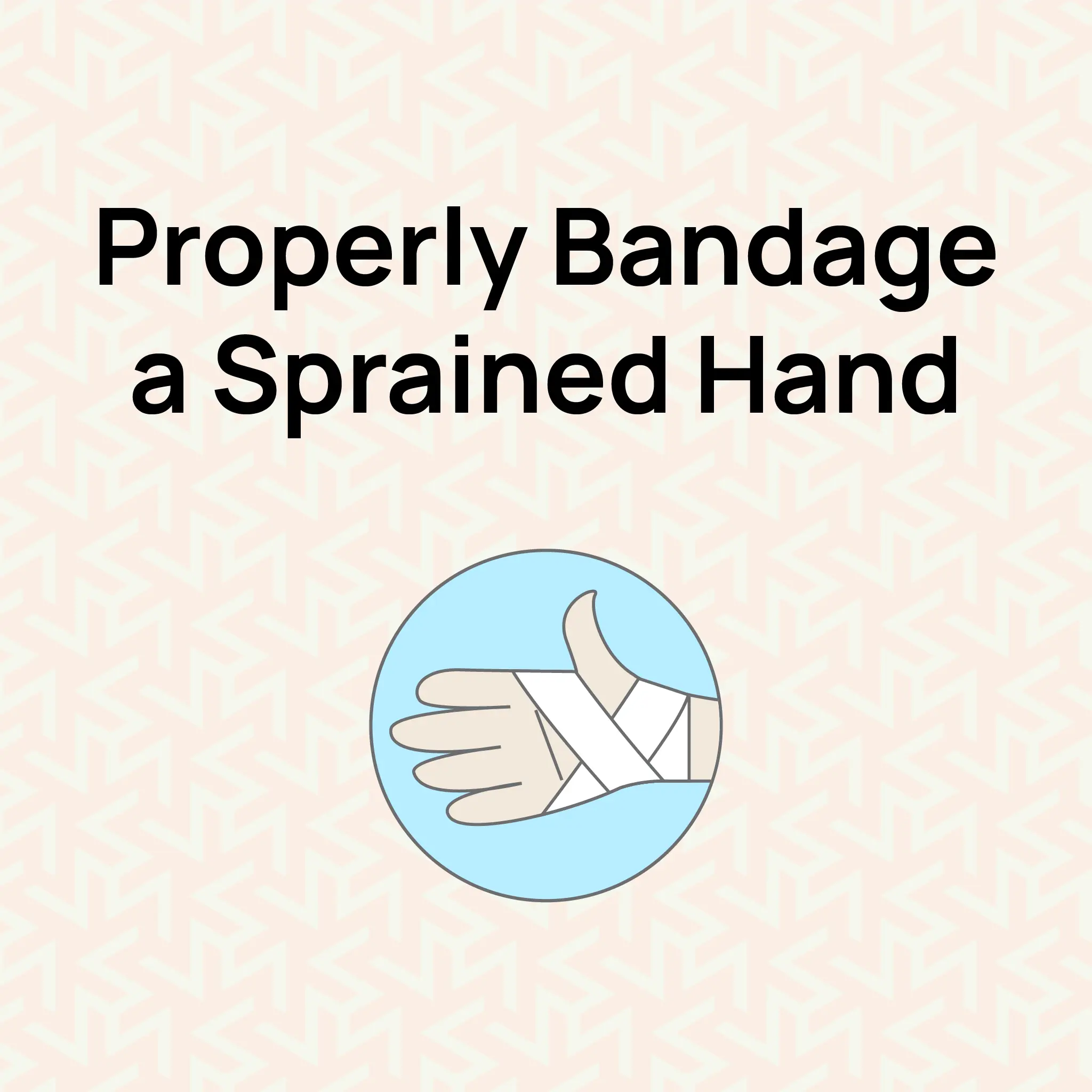
Injuries are not something you can predict, and therefore, it is imperative that you know how to protect yourself after an injury has occurred. A sprained hand is a common phenomenon. Therefore, it is essential to know about the implications of using certain stretcher bands in order to help heal and support a sprained or injured hand.A sprain occurs when the ligaments, the tough bands of tissue connecting bones at a joint-are stretched or torn. Common symptoms of a sprained hand include pain, swelling, bruising, and difficulty moving the affected area. Immediate care is essential to manage these symptoms and promote healing.How to Bandage a Sprained WristForcing a sprained wrist into a cast will only contribute to the swelling, while stabilizing it provides solid confinement that aids in healing. Here�s a step-by-step guide on the principles of first aid for treating a sprained wrist:Gather Your Supplies: Essential items include a sterile bandage, several gauze pads, adhesive tape, and a pair of scissors. An elastic bandage for support is particularly effective.Position Your Hand: To reduce swelling, keep your hand above the level of your heart. After washing, dry it on a pillow or any soft surface.Apply Ice: Before bandaging, apply ice to the injured area for about 15-20 minutes, using a cloth to cover the ice pack. This step aligns with the aims of first aid by minimizing swelling and discomfort.Prepare the Bandage: If there�s any exposed skin, place a gauze pad directly over the affected area first. Wrap the bandage around the painful wrist, overlapping slightly as you go. It should be snug but not tight enough to stop blood circulation. Continue wrapping up to the wrist and a bit on the hand for added support.Secure the Bandage: Finally, use adhesive tape to fasten the end of the bandage securely. Ensure it�s tightly fixed to prevent movement, but not so tight that it hinders blood flow.Check for Comfort: Encourage the injured individual to wiggle their fingers. If they experience numbness or significant pain, the bandage may be too tight, which is crucial to assess in any first aid scenario.By following these steps, you can effectively apply the three Ps of first aid and promote healing while ensuring comfort.How to Wrap a Wrist EffectivelyWhen wrapping a wrist, keep in mind the following tips:Use the Figure-Eight Technique: To some extent, this technique offers support but does, at the same time, offer a modicum of freedom. The bandage should loop around the wrist first, then over the back of the hand.Continue the process of wrapping the bandage in an 8 figure motionLayer for support: If your wrist requires more support, it is recommended that you layer the bandage. Try not to put too much pressure on the wrist.Check the bandage regularly. When the swelling is minimized, a new dressing or adjustment of the bandage may be required.How to Apply a Roller Bandage to the HandFirst you wrap the hand from a little above the wrist and make it pass around the wrist twiceMake sure the palm of your hand is facing down. Start with the little finger and then across. Make sure you do not cover the first knucklesMake sure that each layer covers at least half of the previous one as you work across the palm and thumb, creating the Figure 8 pattern. Continue the process until the bandage is ultimately used up. Make sure you do not cover the thumb unless the wound is expanding over till the thumbOnce the bandage is completely used up use either a tape or a clip to secure it, so that it doesn�t open up. .main{ border:3px solid #0f7c90; border-radius:20px; position: relative; font-family:roboto; font-weight: 400; color: #000; } .main-two{ position: absolute; top:-25px; left:45px; background-color:white; } .img-div{ border-radius : 100%; padding:2px 7px; background-color:#0f7c90; margin-right:5px; width: 50px; height: 50px; } .img{ width:30px; object-fit:contain; height:auto; border-radius : 100%; } @media only screen and (max-width: 600px) { .heading{ font-size:20px; } .img{ width:20px; object-fit:contain; height:auto; border-radius : 100%; } .img-div{ width: 40px; height: 40px; } .main-two{ left:25px; } } How to use a Hand Bandage ? knowing how to bandage a sprained hand properly can significantly improve the injury. It is a useful skill which helps in preventing injury and aiding recovery. If you want to gain the skills and confidence to handle any hand injury- whether at home, at work, or on the go- our Emergency First Aid at Work Course is the perfect place to start. This expert-led course will teach you step-by-step techniques for applying hand bandages and providing essential first aid in various situations. ConclusionLearning how to wrap a sprained hand is one crucial factor that can be extremely helpful when treating an injured hand. Following this step-by-step guide would enable you to be better positioned to offer proper care to an injured hand or wrist. Seek help from a professional healthcare provider if the injury appears severe or is worsening; if you receive or give proper care swiftly, your injury will recover quickly, and you�ll be able to get back to your daily activities soon.

Choking First Aid
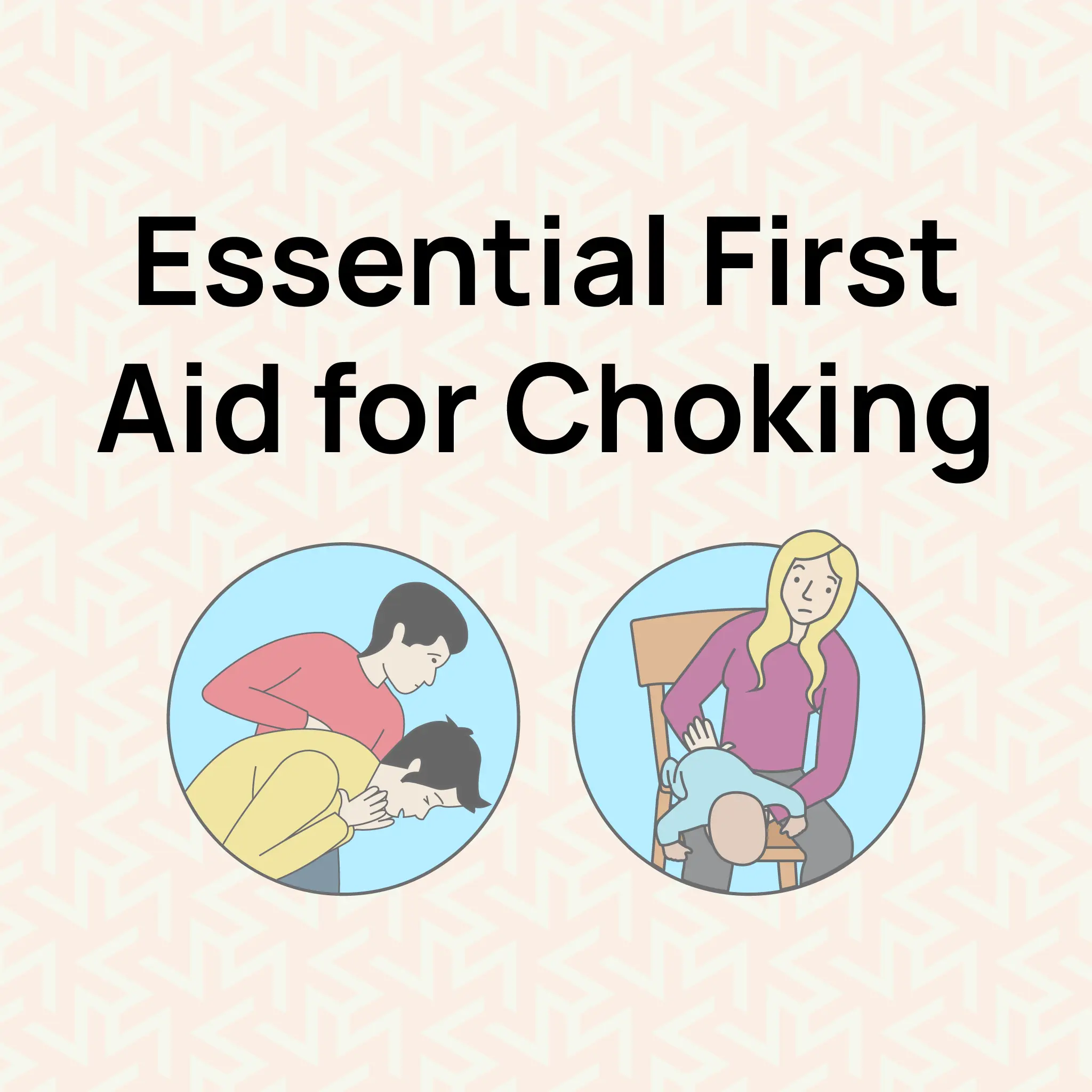
Understanding Choking Food Choking: The Adult NemesisHave you ever experienced the panic of someone choking? I have, and let me tell you, it is not something you would want to confront without adequate preparation. I am referring to both Food choking in adults and babies choking � either way you need to be prepared with adequate knowledge that covers how to perform first aid when such a scenario arises � Acting fast and efficiently when someone is choking can save a life. Let us dive deeper into understanding choking. The treatment and 1st aid for choking.Infant Choking: A Parent's NightmareWhat to Look For: How to Recognize ChokingWe will discuss choking treatment later, but let�s cover the signs first.The hands-on-the-throat universal sign of chokingSeems unable to talk, cough or breathe correctlyEyes are panic-strickenDeep wheezing, or abnormal retraction- gasp soundsParts of the body turning violet or ashen blue throughout the bodyLoss of consciousness (this is the most extreme case)Choking Management: First Aid Guide with DiagramsFor Adults and Children Over 1 YearEncouraging coughing � for some people that is enough.If coughing fails, it�s two-hand back slap time. Deliver five upward fist-strikes between the shoulder blades.Still stuck? Abdominal thrusts, also known as the Heimlich method, is the next step.While standing behind them.While putting your arms around their waist.You make a fist just above their belly button.While seizing your fist with your other hand.In a rapid velocity, deliver quick paroxysms stroke in an upward direction.4.Repeat the previous steps by alternating back blows with abdominal thrusts until the object becomes dislodged.Infant Choking: How to Help an Infant ChokingWhat should you do if an infant is choking? This is a question that comes up quite a lot, take note of the following and remain composed throughout the taskWhat to Do if an Infant ChokesPlace the baby on their stomach along your forearm.Do five back blows that are both soft and hard.If that doesn't work turn them around and give them 5 booty bumps.Keep alternating between back blows and booty bumps until you can remove the obstructionBearing in mind that there is no such thing as abdominal thrust for babies.When to call for help and How to Do It999 can be dialed without hesitation in the event that:You were choking yourself and were all by yourself in the roomThe person passes out.If you can�t seem to help the person due to severe airway obstruction .Choking Treatment: Beyond the EmergencyKnowing the 1st aid for choking is important but now let�s discuss prevention methods:Cut food into small pieces especially for kids and elderlyChew food well and for your throat to be at rest. Let your mouth do the workInfants and Toddlers should not be allowed to play with small objectsInfants and young children should be supervised while eating at all times� .main{ border:3px solid #0f7c90; border-radius:20px; position: relative; font-family:roboto; font-weight: 400; color: #000; } .main-two{ position: absolute; top:-25px; left:45px; background-color:white; } .img-div{ border-radius : 100%; padding:2px 7px; background-color:#0f7c90; margin-right:5px; width: 50px; height: 50px; } .img{ width:30px; object-fit:contain; height:auto; border-radius : 100%; } @media only screen and (max-width: 600px) { .heading{ font-size:20px; } .img{ width:20px; object-fit:contain; height:auto; border-radius : 100%; } .img-div{ width: 40px; height: 40px; } .main-two{ left:25px; } } Be Ready to Help in Choking Emergencies! Choking can happen in an instant. Are you prepared? Discover essential first aid steps to take if someone is choking. Get certified now by enrolling in our Emergency First Aid course and learn how to potentially save a life. FAQSWhat are the 5 steps if someone is choking?Cough it outSlap it outSqueeze it outCheck their mouthCall the emergency helpline (999)What is the first aid practice for choking?If a person is choking and having difficulty talking or crying or laughing forcefully your immediate response should be to give them five blows and five swift abdominal thrusts.What not to do when someone is choking?It is crucial that you remember never to pat an infant on the back if they are able to cough, in such situation slapping them on the back may dislodge the object and might be inhaled deeper in the airwaysWrapping It Up: Be Prepared, Save LivesFew points to remember � this is your ultimate preparedness guide in terms of choking first aid, whether it be adult food choking or infant choking and the appropriate response. Exceptional as that may sound, I assure you that this information will remain with you.Please keep in mind the following because in the event that there is no time to call for help and the person is in danger of choking it is you who will be the first patient�s helper. As a first responder you should be familiar with the importance and benefits of first aid. Relax and do something about it. Listen to your body as it will tell you that you can go back to doing what you do best!In this regard, I would like to ask a brave question � have any of you been in practice and had to use these skills? Or using a bit of food choking yourself how close dilation did you get? Please do share your experience in the comments. We can teach each other and raise awareness on this important life-saving technique.Take care of yourself and may all of your meals go down with ease.
FIRST AID KIT CONTENTS
A first aid kit is a very useful item; its primary aim is to tend to injuries and unexpected situations before professional help can be called. This kit contains a variety of items that can immobilise an injury, relieve pain, and help in resisting the growth of bacterial infections. Irrespective of the status of being at home, in the workplace, or while travelling, having a properly stocked first aid kit can exponentially assist in controlling a situation like an injury, at least to a certain extent.In the UK, it is imperative that a leaflet with general guidance be included in the first aid kit. This is the HSE�s leaflet and it serves as basic guidance and advice on first aid at work. This leaflet contains emergency first aid information for people who may not necessarily be from the medical field. It provides a visual step-by-step guide on preventing sudden hazardous situations. This guide is intended to assist a first aider in an emergency; it also includes checking airways and breathing as well as performing CPR: chest compressions.Why You Need a First Aid KitOwning to the fact that injuries and accidents may occur at any time, a first aid box is very useful when it comes to your personal safety. It provides basic equipment and materials for treatments of various injuries that may occur unexpectedly. Having a first aid kit can be handy when one has no access to a proper health facility or a medical centre. What this entails is that if an individual has a properly stocked kit, chances of a complication arising from the emergency are minimised.First Aid Kit EssentialsA good example of such essential items include a first aid kit and drugs that you may need to manage an emergency situation before an expert intervention is available. It comprises items like bandages, antiseptic solutions, medical instruments that are normally used in dressing minor injuries, and alleviating pain. We have no control over sudden accidents, and this is the reason why having a first aid kit increases preparedness in handling the emergencies as well as provide a sense of security irrespective of where one is; at home, workplace or travelling.First Aid Kit ChecklistBasic Supplies For First Aid Kit�Adhesive BandagesAdhesive TapesSterile Gauze PadsTypeClear Plasters,Blue Catering Plasters, Gel Blister PlastersHypoallergenic tapeFabric Plasters, Waterproof Plasters, Sterile padsPurposeIdeal for covering small cuts, blisters and abrasionsSecure gauze pads and bandages in PlaceUsed to cover and protect larger wounds. They help absorb blood and other fluids and prevent infections�Medical Tools For First Aid Kit�TweezersScissors�ThermometerTypePlastic disposable tweezers, Splinter tweezersPreferably blunt tip to avoid accidental injuryDigital Thermometers�PurposeUseful for removing splinters or debris from woundTo cut tape, Gauze or clothing if neededMeasure body temperature to identify feverEmergency Supplies For First Aid Kit�CPR Face ShieldBurn CreamEye wash/ PadsTypeStandardBurn cream or GelEye wash or eye padsPurposeProvides a barrier for performing CPR while minimising the risk of disease transmission.Relieves pain and promotes healing for minor burnsRinse out debris or chemicals from the eyes and protect injured eyesPersonal Items For First Aid Kit�Pain relievers�Anti-allergyTypeParacetamol, Ibuprofen�Antihistamines�PurposeAlleviates Pain and manages feverTreats symptoms of allergies and can be vital if someone has severe allergies�Maintenance Of Your First Aid KitIt is imperative that you consistently check the expiration dates of the items that have been stored in your first aid kit and have them immediately replaced in case the items have expired, next make sure you restock the kit. Furthermore you need to check the kit time and time again to make sure nothing is missing and that it contains all necessary items.Where You Should Place Your First Aid KitYour first aid kit should be placed somewhere within the home where it cannot be accessed by children. In offices, it should be placed in the kitchen considering that�s where accidents happen quite frequently or in the bathroom. Another suitable location could be a hall closet. This would provide the staff with quick and easy access to the kit. In a nutshell, it should be stored in a place that is easily accessible during an emergency.The British Standard Compliant Workplace First Aid KitThe British Healthcare Trade Association has developed kits that are more appropriate for workplace accidents. These kits have now become the British Standard Kits for all. The list below showcases the required content for first aid kits for workplaces in the UK. The contents in these first aid kits comply with the British Standard BS8599.Contents:Instructions x 1Contents List x 1Medium Dressing 12 x 12cm x 4Large Dressing 18 x 18cm x 3Triangular Bandage x 3Eye Pad & Bandage x 3Waterproof Plasters x 60Cleansing Wipes (Sterile) x 30Microporous Tape 2.5cm x 5m x 2Nitrile Disposable Gloves (Pair) x 9Finger Dressing 3.5 x 3.5cm x 3Revive Aid (Resuscitation Device) x 1Thermal Blanket x 2Burn Dressing 10 x 10cm x 2Tuff Cut Scissors x 1Conforming Bandage 7.5 x 4.5cm x 2FAQ�sWhy are towels important in a first aid kit?A clean towel can be used to clean up a wound, scrape or cut, use sterile saline solution and clean the affected area so that it stops bleeding and prevents infection.Do you need tweezers in a first aid kit?There are different types of tweezers designed for a variety of tasks however when assembling your first aid kit include a Flat-Tipped tweezer, these tweezers are versatile and easy to use. The Flat-Tipped tweezer is an essential tool in every first aid kit. .main{ border:3px solid #0f7c90; border-radius:20px; position: relative; font-family:roboto; font-weight: 400; color: #000; } .main-two{ position: absolute; top:-25px; left:45px; background-color:white; } .img-div{ border-radius : 100%; padding:2px 7px; background-color:#0f7c90; margin-right:5px; width: 50px; height: 50px; } .img{ width:30px; object-fit:contain; height:auto; border-radius : 100%; } @media only screen and (max-width: 600px) { .heading{ font-size:20px; } .img{ width:20px; object-fit:contain; height:auto; border-radius : 100%; } .img-div{ width: 40px; height: 40px; } .main-two{ left:25px; } } Don�t wait until an emergency strikes! Equip yourself with the knowledge and tools you need by creating your own first aid kit today. Let�s make safety a priority! Join our Emergency First Aid at Work course and get certified now. ConclusionHaving an all-rounded first aid kit is one of the best investments in terms of safety and precaution. Thus, with supplies of these items included and your kit properly replenished from time to time, you�ll be in good stead to manage minor accidents and emergencies adequately. But as we already know, sometimes a first aid kit is enough to address certain issues, but always consult a doctor if needed. Stay safe and be prepared.

OSHA Bloodborne Pathogens Standard: Protecting Workers from Infectious Diseases
OSHA's Bloodborne Pathogens Standard, found in 29 CFR 1910.1030, fortified by the 2000 Needlestick Safety and Prevention Act, is a crucial framework ensuring worker safety. It mandates exposure control plans, engineering controls, and training, emphasizing Universal Precautions. This standard is vital for employers and workers in various settings, underscoring the importance of safety measures in handling bloodborne pathogens.Why Bloodborne Pathogen Standard?The OSHA Bloodborne Pathogen Standard is imperative due to the immense threat bloodborne pathogens pose to human health. With an alarming annual estimate of three million exposures, accidental punctures in workplaces and laboratories contribute significantly to bloodborne infections.Hospital settings in the United States witness approximately 400,000 sharp injuries yearly. OSHA's standard addresses this public health concern by advocating Universal Precautions, assuming all body fluids and sites may harbor infectious microorganisms. By promoting practices like hand hygiene, proper use of personal protective equipment, and engineering controls, the standard aims to significantly reduce exposure risks, safeguarding employees and curbing the spread of infectious diseases like HBV, HCV, and HIV.What practices are advised according to the standards?Engineering controls play a vital role in minimizing employee exposure to bloodborne pathogens. Safer medical devices, including needleless and shielded needle devices, and proper disposal practices significantly reduce sharps and needlestick injuries.Best practices according to OSHA regulations for bloodborne pathogens involve planning safe handling, opting for needle alternatives, using devices with engineered sharps injury protection, activating safety features, avoiding sharps exchange, refraining from recapping or breaking needles, and ensuring immediate disposal in secured sharps containers. Additionally, completing Bloodborne Pathogens training enhances overall safety measures in healthcare and related settings.Protections Provided By OSHA For Bloodborne Pathogen SafetyThis standard is designed to safeguard employees whose job duties may reasonably involve contact with blood, emphasizing a proactive approach to eliminate or minimize occupational exposures.For this purpose, the following are the standards that OSHA requires workers to follow for bloodborne pathogens clean-up procedures OSHA:Exposure Control Plan: Establishing Comprehensive ProtectionEmployers are mandated to create an Exposure Control Plan, a written document outlining strategies to eliminate or minimize occupational exposures. The plan includes an exposure determination, categorizing job classifications with potential exposure, and tasks performed leading to exposure. Updates to this plan must occur annually to reflect changes in tasks, procedures, and positions that impact occupational exposure.Implementing Universal Precautions and Engineering ControlsThe adoption of Universal Precautions is integral to the standard, requiring the treatment of all human blood and OPIM as potentially infectious. Engineering controls, such as safer medical devices (needleless systems, shielded needle devices), sharps disposal containers, and self-sheathing needles, are crucial in isolating or removing bloodborne pathogens hazards from the workplace.Work Practice Controls: Enhancing Safety ProtocolsWork practice controls involve practices that alter task execution to reduce exposure risk. This includes proper handling and disposal of contaminated sharps, specimen management, laundry procedures, and surface cleaning. These controls ensure a comprehensive approach to minimizing the possibility of exposure.Personal Protective Equipment (PPE): Ensuring Worker SafetyEmployers must provide and maintain PPE, including gloves, gowns, eye protection, and masks, at no cost to the worker. Regular cleaning, repair, and replacement of PPE are essential, guaranteeing the effectiveness of protective measures.Hepatitis B Vaccinations and Post-Exposure Evaluation: Protecting Worker HealthThe standard mandates offering hepatitis B vaccinations to workers with occupational exposure, administered within 10 days of assignment. Post-exposure evaluation, offered at no cost, includes documenting exposure incidents, testing source individuals for infectivity, testing exposed workers' blood, offering prophylaxis and counseling, and maintaining confidentiality of diagnoses.Communication of Hazards: Labels and SignsEmployers must use warning labels on containers of regulated waste, contaminated sharps, and refrigerators containing blood or OPIM. Amenities may consume red bags or containers instead of labels. Signs must be posted in HIV and HBV research laboratories when infectious materials are present.Recordkeeping and Information/Training Provision: Ensuring ComplianceEmployers are obligated to maintain worker medical and training records, including a sharps injury log. Regular training covering bloodborne pathogens, exposure control methods, hepatitis B vaccine, and post-exposure procedures is mandatory on initial assignment, annually thereafter, and when tasks change. Specialized training is required for HIV and HBV laboratory workers, promoting comprehension in a language and educational level accessible to all workers. One such training offered by OSHA is Bloodborne pathogen training of 1 credit hour.OSHA Bloodborne Pathogen TrainingDue to the high risk posed by bloodborne pathogens, it is crucial to protect workers from such pathogens through training. For this purpose, just like other OSHA workplace safety training i.e.; OSHA 30 Construction and OSHA 10-hour training for workers� awareness of site hazards, the Bloodborne pathogen OSHA training is provided to ensure that all workers are trained about bloodborne pathogens.Requirements: Comprehensive Training for Exposure ControlOSHA Bloodborne Pathogen Training equips employees with essential knowledge, including understanding bloodborne pathogens, recognizing exposure risks, learning control methods, grasping vaccine significance (especially for hepatitis B), and understanding post-exposure evaluation procedures. Training sessions prioritize accessibility, encouraging worker engagement with interactive formats. Specialized initial training caters to HIV and HBV laboratory workers, addressing the unique risks in their work environments.Who Needs Bloodborne Pathogens OSHA Training?The training is essential for those facing potential exposure to blood or other infectious materials (OPIM) in various job roles, including healthcare workers (doctors, nurses, and medical assistants), laboratory personnel, first responders (paramedics, EMTs, firefighters, police officers), janitorial and maintenance staff, tattoo and piercing artists, and mortuary/funeral home staff.Course Content: In-depth Knowledge for Effective ControlThe BBP training comprehensively covers crucial topics, including engineering controls with safety devices, proper cleaning and disinfecting practices, understanding and using personal protective equipment (PPE) like gloves and masks, emphasizing personal hygiene, safe handling and disposal protocols, implementing universal and standard precautions, hazard communication practices, and recognizing, reporting, and addressing employee exposures.OSHA Bloodborne Pathogens Certifications: Proof of CompetenceUpon completion of the training, participants undergo an OSHA Bloodborne Pathogens quiz to assess their understanding. Successful completion, with a passing score, results in the issuance of a certification. This certification serves as tangible proof that the individual has undergone and comprehended the OSHA Bloodborne Pathogen Training, emphasizing workplace safety and competence in handling potential exposure risks.Acquire Safety With OSHA Bloodborne Pathogen TrainingTo keep workers safe from harmful infections, OSHA has rules called the Bloodborne Pathogens Standard. These rules, found in 29 CFR 1910.1030, are like safety guidelines for jobs where people might touch blood or other infectious stuff. OSHA wants to make sure workers know how to stay safe. This includes having a plan to prevent exposure, using special tools, and giving vaccines. Workers, like doctors and janitors, should get training about bloodborne pathogens.The training covers topics like using safe tools, wearing protective gear, and what to do if there's an exposure. After the training, workers take a quiz to show they understand. Getting a passing score means they get a certificate, proving they know how to stay safe from bloodborne pathogens at work.


How to Enroll in Cheap OSHA Online Training Courses
Safety training is crucial for everyone. Due to the increase in workplace accidents and incidents, it has become a massive demand for employees and employers. Moreover, several states make safety training mandatory to make the workplace secure and healthy. According to the International Labour Organization (ILO), there are almost 340 million accidents at work, and about 160 million cases of work-related illnesses have been recorded. In order to reduce the number of workplace accidents, there are different platforms offering the cheapest OSHA safety training online which becomes the most cost-effective way to train employees on workplace safety. If you wondering about how to enroll in cheap OSHA safety training courses online, then read this blog without further ado!6 Budget-Friendly Ways to Enroll In OSHA Safety ProgramsThe hunt for affordable and cheapest OSHA courses is ongoing. The majority of employees look for courses that strike a balance between cost and quality. You can also get OSHA courses in the USA at the best prices via OSHAOutreachCourses.com To ensure that you receive the best bang for your buck, this comprehensive guide is designed for you. Here you read the best tips to enroll in OSHA safety courses at low pricing without hassle.Research Affordable OSHA Training ProvidersThe very first thing you have to look for is your convenience, which means whether you want to get your training online or consider the traditional way of training. Many organizations are now considering online safety training platforms due to their flexibility and affordability. There are several online training platforms available that offer an easy approach to start their training with minimum investment.One of the best things about the online platforms is; that trainees will get access to different eLearning tools and get safety training on their mobile phones, tablets, and laptops in their comfort zone. According to an IBM study, workers who receive online training save 30 dollars in productivity because they are able to work from home less frequently.Undoubtedly, searching for an affordable OSHA safety training provider online is the cost-effective way to enroll employees to receive qualitative and accredited knowledge.Look For Bundle PackagesIt's critical to find a balance between price and quality content for safety training. So, employers should seek out OSHA classes that are reasonably priced, providing thorough instruction together with accredited certification and a reasonable price. In such cases, you can opt for a bundle package that is also an effective strategy in order to reduce the overall cost of OSHA online training.Many online safety training platforms are offering packages on workplace OSHA safety training at the cheapest pricing. You just look for the courses that meet your specified needs and explore the bundled options that are more economical choices as compared to purchasing individual courses separately.Leverage Free Resources and MaterialsTo get OSHA safety training at a low price, you can also find OSHA safety training platforms that offer free trials or introductory courses. This will help potential learners assess the course content, teaching methods, and overall suitability before committing to a paid program. Yet, this might be the best way to leverage free resources and materials and understand what learning materials are best for you. For those seeking budget-friendly options, exploring platforms that offer OSHA 30 online for $99 can provide a cost-effective yet comprehensive approach to safety education.Additionally, you can also check the official OSHA website to get comprehensive knowledge of safety training modules. However, these materials may not substitute for a complete safety training course, but they can serve as a valuable supplement. Combining these resources with affordable online courses creates an ample and cost-effective training plan.Government Assistance ProgramAnother tip to get OSHA safety training at affordable rates is to investigate government-sponsored initiatives that may provide financial support or discounts for OSHA training. Some regions offered OSHA programs in place to encourage businesses and individuals to prioritize workplace safety.Additionally, you can also look for different government funding and assistance programs that could pay for OSHA safety training. Nowadays, the majority of state and municipal programs are designed to help companies and individuals to enforce workplace safety and develop a sound culture at the workplace by providing appropriate training. No offense, but by utilizing thes e initiatives, you can drastically lower the cost of the OSHA online courses.Group DiscountsEncourage group enrollments within your organizations to take advantage of group discounts. This not only reduces costs but also fosters a collective commitment to workplace safety. Businesses have a chance to enroll multiple employees in OSHA training to get benefits from group discounts. Several online platforms aim to provide safety training at low-cost rates by enrolling in bulks. This makes it economically viable for businesses to ensure the safety and compliance of their entire workforce without incurring excessive costs.Check for user reviews & testimonialsAnother important tip to consider before enrolling in affordable OSHA safety training programs is to check the user reviews and testimonials. You must have to contemplate the testimonials from individuals and businesses that have completed the courses from the online platform you are choosing. This firsthand information gives valuable insights and the effectiveness of the course, it even clarity of instructional materials and the overall satisfaction of participants.To Wrap Up the ThingsAfter reading this whole blog, the final verdict is prioritizing workplace safety training through OSHA online safety training programs doesn�t have to be a financial burden. By strategically exploring the cost-effecting option and comparing pricing, employees, and employers can take advantage of free and available resources. Everyone can access the high-quality OSHA online training courses without breaking the bank. Now, you can embrace the budget-friendly path to OSHA compliance safety training and ensure a safer and more secure work environment for every worker.

The Future of Education and Training in the Digital Age
Technology is rapidly transforming the way of learning. It has changed the traditional educational system, and now, every learning platform is at your fingertips. From online books to courses and classes, everything is going digital.In the digital age, the future of education and training is undergoing a transformative shift, with a significant role played by outdoor virtual run. These outdoor virtual runs not only add an engaging and dynamic element to the learning experience but also align seamlessly with the technological advancements shaping our educational landscape.As we step further in the digital era, the future of education expects a considerable revolution. Traditional educational institutes face tough challenges adapting the latest technological approaches and introducing new educational models according to technological advancements and innovations. Be it a school, university, or tuition agency, and every learning institute has transformed its educational process to the latest digitized models and technological innovations. From personalized learning platforms to virtual classes, everything has changed. In the same way, the digital age has also brought a massive change in skills. These days, there is a growing demand for data analysis, IT, computer programming, artificial intelligence, and machine learning. Educational institutes and academies continuously struggle to adapt their workforce to the latest digital trends by offering workshops, courses, and webinars.The effect of the digital age on education and training is bright but challenging at the same time. However, it has made learning easy and also increased the learning opportunities as well as skills for the new generation. It has offered new learning platforms and more potential to create an equitable and effective educational system.Here are some key trends that are shaping the future of education and training in this revolutionized digital age.Adaptive learning softwareDigitalization has introduced a few beneficial software for the learning process. One of them is Adaptive learning software. These software tailor the study model according to the person's learning ability and progress. It tracks the student's progress and identifies the areas where they need more support. Software like ProProfs LMS and eFront LMS software make this easier by offering personalized learning paths, assessments, and progress tracking to ensure every learner gets the support they need. It then designs its learning process accordingly. It also offers personalized instructions and activities to increase the skills and abilities of the learner. It is helpful for education as well as skill learning. Be it the course material of your chemistry or you want to know the coding, Adaptive learning software will make your learning process fun, engaging, and adaptable.A few popular adaptive software are GeniusTutor, Dreambox, Khan Academy, and IXL. These powerful tools help students learn more efficiently and effectively.Up To-Date InformationGone are the days when a book written in the 70's or 80's with old information was taught in the classrooms. With the digitization of the educational sector, the data is up-to-date and authentic. Google search, Wikipedia, and other educational and surveying websites regularly update information and add new research from time to time. Now, institutes and learning academies have made learning advanced online. There is no need to carry twenty books and search them for a topic. Just open Google and explore the case, and you will get all the necessary information. In the same way, study materials, as well as courses related to the latest skills, are also available on Google and YouTube. You don't have to go anywhere to learn a new skill; You can access everything on your fingerprint. With digital learning enabling students to acquire new skills faster, platforms like Apply IQ make it easy to transition those skills into real career opportunities.�Virtual ClassroomsThe digital era has transformed learning platforms. Now, you don't need to go to school physically. Now, you can learn anytime and from anywhere. It has made education accessible to people with disabilities, busy schedules, living in remote areas, or attending a session far from their location. These classrooms incorporate multimedia channels such as videos, Zoom meetings, online quizzes, and webinars to make the learning interactive and engaging. When deciding where to host live and recorded classes, comparing platforms like Teachable vs Thinkific helps you pick the best mix of delivery features, student analytics, and course management tools. They are accessible through Zoom, Google Meet, and Skype video calls. Some institutes also offer recorded classes, which they upload on their platform, and when students sign up, they get access to these classes. These days, educational institutes, online academies, and training centres are taking advantage of virtual classrooms and making education accessible and efficient. Even a small-level tuition agency is also taking advantage of the virtual classrooms and offering online learning facilities. In countries like Singapore, the 7% educational system has gone online, and parents prefer their kids to learn in their homes. These institutes specially design virtual classrooms according to the age and class of the students and make the study fun and interactive.Open Educational ResourcesThe digital age, like every field in our lives, has a substantial positive impact on training and educational processes, too. These days, every study material is available at your fingertips. If you want an excellent book to read, a course to join in your holidays, or to learn something new, the internet has vast resources. Whether you want to explore international education options like study in�UK, or enroll in a short online program, online academies are offering free as well as paid courses to make it easy and accessible. These open educational resources not only give you access to every kind of study material but also help you learn within the comfort of your home. They are a massive help to humanity. In addition, there are also games and software that are specially designed for educational purposes. Apps such as Duolingo, Google Translate, Khan Academy, and Udemy are good resources for learning.Intelligent Tutoring PlatformsIntelligent tutoring platforms are the same as adaptive learning software. These are AI-supported educational platforms that provide personalized learning experiences according to the learning capability and progress. They use natural learning processes (NLP) and machine learning to understand the student's progress and ability to learn and then design their educational syllabus accordingly with straightforward interpretation and personalized instructions. It also offers feedback to its learners interactively and conversationally. In addition, they also provide immediate feedback and correct any errors on time. My Math Lab, Smart Sparrow, ALEKS, Mathia, and Knewton are famous examples of intelligent learning platforms. Another example of this approach is an AI-powered homework assistant. Such a tool can answer questions, break down complex topics, and provide clear explanations, making it easier for learners to understand difficult material in real time.These intelligent systems highlight how AI can serve as a supportive guide, helping students learn more efficiently while complementing traditional study methods. Be it a tuition agency, an educational institute, or a vocational training centre, every organization now emphasizes using innovative learning platforms to get the most out of their learning process.As educational technology continues to evolve, an AI question solver for students offers an invaluable resource, enabling them to tackle challenging assignments with ease and enhancing their overall learning experience.Interactive Learning ExperiencesThe advancement of technology and the innovation of chatbots and artificial intelligence has wholly transformed the learning process. With the emerging software and tools specially designed to make study interesting and engaging, students now take more interest in their education. Ai has created an interactive and engaging learning experience for students. With instant feedback online, query forums, communities, and personalized tutoring services, interaction has increased globally. Now, a student in one country can interact with others with the same interests in another corner of the World. It has also increased the exposure of the youth, and they learn about other cultures and societies around the World. Moreover, cloud-based apps such as Kahoot, EDApp, NearPod, and H5P are specially designed to create and deliver interactive and engaging lessons to the students. These apps also make the learning process fun and exciting by coordinating games, quizzes, and easy-to-solve queries.Smart Content CreationDigital educational transformation not only aids students but also facilitates teachers. Now, they don't have to read books and prepare lengthy lectures. Many software are specially designed for teachers to prepare their daily lessons and quizzes. Online forms, quizzes, and assignments have made the teaching process easy and efficient. With the Whiteboard, Canva, MS Office, video maker, and other educational tools, teachers not only prepare the study material but can easily design questionnaires, quizzes, and other learning activities. A PowerPoint to SCORM converter further enables them to turn presentations into interactive, trackable e-learning modules. However, for educational institutions looking to build customized digital tools, many prefer to hire React developers who can create responsive, interactive teaching platforms tailored to their needs. Additionally, incorporating a video editor into their toolkit allows teachers to create engaging video content to enhance their lessons and captivate students' attention. A video compressor ensures these videos are optimised for quick uploads and smooth playback, especially when sharing on school platforms or learning management systems. In addition, with AI tools�and chatGPT, such as Jasper AI, WriteSonic, Pika AI, or Canva, you can write or design any written or visual content.�These AI-supported tools help you create a 1000-word assignment within a few minutes and can also be adapted for AI assessment solutions that personalize learning and evaluate student performance more accurately. The OCR tools such as image to text converter and pdf to excel converter allow educators to quickly extract text from scanned books or handwritten notes, saving time and streamlining content creation.Online Discussion PlatformsEvery social media platform has communities and forums for every field of life. The same goes for the education sector. Besides Quora and other online academies, online communities and forums help you discuss any topic with others in your field. You can also get expert guidance or ask about a topic you need assistance with. Be it your scholarship exam or taking a course, and you can discuss anything on these discussion platforms and get helpful information and support. You can also join a Live session in case you need an urgent response or perform a survey for your research paper. Many learning organizations such as academies, vocational training centres, or even small tuition agencies also have their forums online where they offer assistance of any kind to learners. Additionally, you can also book sessions with experts in your field. The Internet World is vast, providing every bit of support for making the learning process efficient and effective.On a Final Note!Digitalization has a profound impact on education and the learning process. Virtual learning platforms and online academies replace traditional educational setups. Educational material is now within your smartphone; with a single click, you are exposed to a vast collection of learning material and platforms. Open educational resources and affordable learning software have made the learning process accessible and engaging. From large organizations to small venues such as a training centre or a tuition agency, they also incorporate digitized techniques to get the most out of their educational process.�To cope with the emerging trends in the educational sector and advanced digitalization, educators and organizations must stay updated with the new technology and learn how to develop new skills accordingly. The future of education and training is like a shining star. Digitalization has the potential to make learning more feasible, accessible, and adaptable for the new generations!

What is Epilepsy?
Millions of individuals worldwide are impacted by epilepsy, including those who support or care for those with the disorder. It is a typical neurological illness that can afflict anyone, regardless of age, sex, or race, and frequently results in seizures.The definition of epilepsy, key distinctions between it and seizures, indications and symptoms of a seizure, ways to support someone with epilepsy, and what to do in the case of a seizure are all covered in this article.What is epilepsy?A frequent disorder that affects the brain and can result in seizures is epilepsy. Brain electrical activity surges, known as seizures, can cause symptoms like losing consciousness, trembling, or falling.Epilepsy typically begins in childhood or after age 60 and lasts a lifetime. Epilepsy symptoms can sometimes be controlled with medicine, and the illness occasionally gets better with time. However, epilepsy is a chronic disorder for many people.Each individual�s case of epilepsy has a unique set of causes, which are numerous and varied. A severe head injury, a stroke, or an infection of the brain are a few typical causes of brain damage.There are various varieties of epilepsy as well as various causes. Four different forms of epilepsy have been identified by the International League Against Epilepsy (ILAE).Focal epilepsy � seizures that start on just one side of the brain.Generalised epilepsy � starts on both sides of the brain.Combined generalised and focused epilepsy � are a part of combined general and focal epilepsy.Unknown � Sometimes, it is difficult to pinpoint the origin of these kinds of seizures.What are the differences between epilepsy and seizures?An electrical surge in the brain, known as a seizure, can result in aberrant muscle tone, movements, behaviours, perceptions, and levels of consciousness. Depending on whatever portion of the brain is affected, seizures have a distinct impact on various people. People frequently fall to the ground during generalised seizures, for instance.Numerous factors, including drug usage, high blood sugar, and fever, can cause seizures. It is typically accepted that someone has epilepsy if they experience two or more seizures separated by at least 24 hours.It is significant to remember that seizures can occur in people who do not have epilepsy. Seizures are necessary for epilepsy, even if they don�t have overt consequences. Seizures, as was previously established, are not always brought on by epilepsy and can be brought on by various factors.Making the distinction between seizure triggers and epilepsy causes is crucial. For instance, a person with epilepsy who is sleep deprived may experience a seizure. The seizure is brought on by insufficient sleep, but brain damage may be the underlying factor in their epilepsy. In this case, the seizure rather than the lack of sleep is what has triggered their epilepsy.Among the causes of epilepsy are:A brain infection.A lack of oxygen during birth.Genetics.Alzheimer�s disease.A brain or head injury.A brain tumour.Drug or alcohol misuse.A stroke.Seizure-inducing factors include:Missing medication.Changes in hormones.A fever is especially common in children.Stress.A lack of sleep.Alcohol and recreational drugs.Skipping or missing meals.Over excitement.Flashing and flickering lights.What are the symptoms and signs of epileptic seizures?Depending on the type of seizure a person is experiencing, their signs and symptoms will change. Not all seizures are accompanied by strange shaking or body movements, and some last only a few seconds.The following are some symptoms and warning indicators that someone may be suffering an epileptic seizure:Rapid blinking.Breathing problems.Appear confused or in a daze.Unconsciousness.Losing muscle tone.Changes in hearing, vision, taste, smell and feel.Difficulty talking.An increased heart rate.Lip-smacking, chewing motions, or rubbing hands and fingers.Uncontrollable body movements, shaking or jerking.People must be aware of a seizure�s warning signs and symptoms to recognise it quickly and render aid if necessary.Particularly if they persist for more than five minutes or the victim stops breathing, seizures can be exceedingly dangerous. Knowing how to assist someone with epilepsy during a seizure is vital since seizures can cause other injuries, such as bruises, scrapes, and head trauma.Our First Aid at Work training course describes the various reactions to various kinds of seizures, how to spot an emergency, and how to assist a person after a seizure.How to help someone with epilepsy?Each person with epilepsy is different; thus, the kind of support they need will differ. You can only provide someone with the most suitable and helpful assistance if you comprehend how their disease affects them.How to respond to seizures?Respond as follows if someone is having a seizure:Do:Remove any dangerous things from the area.Remain composed, reassuring, and by their side until the seizure is done.After the seizure, check in with them to see if they�re alright and give them a seat.Don�t:Do not grab them, restrain them, or make any sudden motions.Presume that they are aware of what is taking place.Try to entice them over or provide them with food or beverages.'Call 112 or 999 if:A person has a series of seizures without gaining awareness between them.It is their first seizure.More than five minutes pass as the seizure continues.The individual is hurt, or you believe they require medical attention.As previously said, the sort of seizure the person is experiencing will determine how you should react. Take a look at one of our first aid training courses if you want to understand how to handle various seizure types and how to spot an emergency.Some people will recover from a seizure immediately, while others may need a few minutes or even hours. People may experience confusion and fatigue during the postictal state, which is the period following a seizure. The best method to provide support is to be there for the person and stick with them till they recover.Learning about it and spreading as much information as possible to increase awareness are two of the most significant things you can do for a friend with epilepsy. The complexity of epilepsy is more than most people realise, and any knowledge gained is beneficial to all those who are affected.

The Importance of First Aid in Schools
Accidents and emergencies are bound to happen in a school's active environment, where children constantly learn, play, and grow. Having trained personnel and a structured first aid program can help maintain the safety and well-being of students and staff alike.Why First Aid Matters in SchoolsFirst aid is not just about addressing physical injuries; it includes a range of skills that can save lives. It helps prevent injuries from worsening and provides immediate care until professional help arrives. The importance of first aid in school includes the following:Immediate Response to AccidentsSchools carry out activities where accidents like cuts, falls, or burns can occur. Knowledge of first aid equips teachers and staff to respond promptly and appropriately.Life-Saving PotentialIn critical situations such as cardiac arrests, choking incidents, or severe allergic reactions, quick action through first aid techniques can help save lives.Promoting Safety AwarenessTeaching first aid creates a culture of safety awareness among students, encouraging them to take responsibility for their well-being and that of others.First Aid in School Policy as a Legal RequirementSchools are places where learning happens, but they must also be safe. When accidents or medical emergencies happen, having the right knowledge and tools for first aid can make a difference.Schools are legally required to ensure student safety. In the United Kingdom, laws require schools to have enough first aid supplies, medical staff, and training. But beyond laws, schools have a moral duty to keep students safe by being ready for medical emergencies.Under the Health and Safety (First Aid) Regulations 1981, first aid should always be available at schools and colleges. The availability applies on campus or during off-site activities like field trips. Regulations say employers must provide the right first aid equipment, facilities, and trained staff based on a first aid assessment. The basic first aid requirements for schools and colleges are:A suitable first aid kit is stocked according to the assessment, meeting minimum standards suggested by HSE.An appointed person or designated first aider(s) responsible for first aid.Information for staff about where to find equipment, facilities, and first aid personnel.How To Include First Aid in the School CurriculumTo ensure comprehensive coverage, schools can include first aid education into their curriculum through:Structured Training ProgramsFormal first aid courses are part of physical education or health classes.Simulation ExercisesConduct regular drills and simulations to practice emergency response scenarios.Continuous LearningProviding refresher courses and updates to keep skills current among staff and students.What are the Types of First Aid Needed in SchoolsSchools should prepare for various types of first aid scenarios, including:Emergency First AidDealing with immediate, life-threatening situations such as cardiac arrest, severe bleeding, or unconsciousness.Basic First AidTreating minor injuries like cuts, bruises, sprains, and burns common among children during daily activities.Mental First AidAddressing emotional distress, anxiety, or panic attacks in students is increasingly recognised as essential alongside physical first aid.What Does First Aid Training in School Involve?First aid training in schools teaches students essential skills:calling emergency servicesassessing safetycommunicating with the injuredtreating cuts, bleeding, and burnsapplying bandagesassisting with fractures and CPRhandling head injuries, allergies, and nosebleedspreparing students to respond confidently in medical emergencies.The Department for Education made first aid training compulsory for students in England's state-funded schools in 2020. It is now part of children's health education and varies by age group.Ready to Learn More?Put your knowledge of the importance of first aid in schools into practice by enrolling in a course today! Our First Aid courses offer complete training to help you handle critical situations. Whether you want to improve your skills or workplace safety, these courses help build confidence and expertise. View our Emergency First Aid at Work (EFAW) and Level 3 First Aid at Work courses. These courses meet the UK legal requirements and help you keep people safe.First Aid Learning for Primary School StudentsBasic first aid for common injuries, including head injuries.How to call emergency services.First Aid Learning for Secondary School StudentsBasic first aid for injuries and illnesses.Life-saving skills like CPR.How and when to use a defibrillator.What is the Importance of Mental Health First Aid at SchoolMental health first aid is like regular first aid but for mental health. It is often overlooked, but it is very important.Nowadays, young people struggle with mental health issues. School staff should know about mental health first aid and get trained.Studies show that 1 in 6 children aged 5-16 might have a mental health problem. And more than half of young� adults aged 16-25 have talked to their doctor about mental health issues.Mental health first aid teaches school staff how to spot signs that a young person might be having mental health problems. Staff must be able to notice these signs early and know how to help someone in a crisis. This training is especially important for staff in secondary schools.What should a School First Aid Kit Contain?A school first aid kit should contain everything needed for common accidents. It should include the following items:bandagesantiseptic wipesgauze for cuts and scrapessplintsice packsEpiPen for allergiessaline solution for washing wounds or eyesCPR face shieldsburn gelinhaler for anaphylactic shock.Checking and replacing items regularly keeps the kit ready for any emergency.Who can Administer First-Aid Training in Schools?First Aid Training in school is delivered by qualified people. Determining who should be responsible for first aid in schools is critical:Trained Personnel:Designated staff membersTeachersAdministratorsSchool NursesBefore delivering first aid training to pupils, they should undergo regular training and CPR certification.What are the Positive Impacts of First Aid in SchoolsAn effective first aid program in school has several benefits:Increased Safety: Immediate response reduces the severity of injuries and accidents, creating a safer school environment overall.Empowerment: Both staff and students feel empowered and confident in their ability to handle emergencies effectively.Community Engagement: Involving parents and the broader community in first aid workshops or training sessions leads to a collaborative approach to safety.What Qualifications are Required by a First Aider at School?First-aiders need to have specific qualifications:1. They must have a valid certificate in either:First aid at workEmergency first aid at workAny other suitable training based on what the school needs.It is a legal requirement for schools and early years providers that all staff have first-aid training. At least one person must have a current paediatric first-aid certificate. This person must be present whenever children are around and go on trips with them.ConclusionFirst aid is a life-saving practice. By prioritising first aid education and preparedness, schools improve safety and nurture a community where compassion and responsibility thrive. From physical injuries to mental health crises, the ability to respond promptly and effectively ensures that schools provide necessary protection and support. Introducing basic first aid skills into the curriculum empowers students to assist others and potentially save lives in emergencies.�

How To Conduct a Secondary Survey in First Aid
The secondary survey assesses the injuries of an awake, responsive person. It involves thoroughly examining the person's health history, assessing the four vital signs and conducting a systematic head-to-toe examination. If we discover any injuries, we administer first aid accordingly. Finally, we document all our actions and findings of the entire process. A secondary survey is performed after completing the primary steps of first aid (remembered as DRABC).What is the Difference Between a Primary and a Secondary Survey First, we always do a primary survey to quickly find and stop any life-threatening injuries. Once the person is more stable, we do a secondary survey. This is where we gather more information about what might have caused the person's injuries or illness.Primary SurveySecondary Survey�First examinationSecond examination�Assesses and stabilities a person in life threatening conditions�Diagnoses and treats major injuries after stabilisation��Follows DRABC stepsFollow AMPLE steps�Does not involves a head to toe examination�Involves a head to toe examinationFor responsive or unresponsive patients�Typically for responsive patients�Why Do We Perform the Secondary Survey in First AidIn a secondary survey, we look for injuries. We physically examine every part of the injured person's body from head to toe. We check the front, back, sides, underneath, and top. This survey includes looking at the airway again and checking the lungs again.When To Perform the Secondary Survey in First AidIf the person has more than one injuryIf it will take more than 20 minutes for medical help to arriveIf you're taking the person to get medical helpHow to Perform a Secondary Survey in First AidSAMPLE History TakingAsk questions to learn more about the person's medical background. Remember the word "SAMPLE" to help you remember what to ask:S stands for Symptoms: What the person feels, like pain or weakness.A stands for Allergy: Do they have any allergies? These could be to nuts or medicines like penicillin or aspirin.M is for Medication: Are they taking any medicines?P is for Previous medical history: Do they have any ongoing health conditions like diabetes or epilepsy? Have they had any surgeries or injuries before?L is for Last Meal: When did they last eat or drink?E is for Event history: What happened, and where did it happen? Was it because of an illness or an accident? Talk to anyone nearby to find out more, and look for any clues that could help understand what happened. Also, check if they have any special jewellery that might have medical information on it.Vital SignsCheck four critical things:Level of Consciousness: Are they awake and aware?Breathing: Are they breathing normally?Pulse: What's their heartbeat like?Skin Condition and Temperature: Is their skin normal, and are they warm enough?By conducting this secondary survey, we ensure that we've covered everything and helped the person in the best possible way.Check the Level of ConsciousnessChecking someone's level of consciousness (LOC) helps us understand how aware they are. We often use the letters AVPU to do this:A for Alert: If someone is alert, they're fully awake and can answer questions. They know who they are, where they are, and what time it is.V for Verbal: If they respond only when spoken to but aren't fully alert, they're in the verbal stage. They might seem confused and not know where they are or what's happening.P for Pain: If they only react when you give them a little pain, like pinching them, they're in the pain stage. They might move or make noises, but they cannot communicate appropriately.U for Unresponsive: If they're not reacting, even to pain, they're unresponsive. This is serious, and we need to act quickly to help them.Remember, another quick way to check is to look at their eyes, listen to what they say, and see if they can follow simple commands like squeezing your fingers.BreathingTo check someone's breathing, watch their chest rise and fall for 30 seconds. You can also gently place your hand on their stomach to feel it. Count how many breaths they take in that time, and then double it to know how many breaths they take per minute. Here's what's expected:For babies, breathing below 25 breaths is too slow, 30-50 is normal, and over 60 is too fast.For children: Below 15 is too slow, 20-30 is normal, and over 40 is too fast.For adults: Below 10 is too slow, 10-20 is normal, and over 30 is too fast.Normal Breathing Rated (no. of breaths)Infant30-50Child20-30Adult10-20�PulseYour pulse shows how often your heart beats in a minute. You can check it by feeling the person�s wrist, neck, or upper arm. Use two fingers and press gently until you feel the pulse. Count how many beats you feel in 30 seconds, then double it to get the beats per minute.Normal Pulse Rates:For babies: A normal pulse range is between 120 and 150 beats per minute.For children: It can vary between 80 and 150 beats per minute.For adults: The average pulse rate is usually between 60 and 100 beats per minute.Normal Pulse Rates (beats/min)Infant120-150Child80-50Adult60-100�Skin Condition and TemperatureWhen we check someone's skin, we're looking at a few things:Temperature: Is their skin warm or cold?Colour: Does their skin look normal or pale?Dryness: Is their skin dry or wet/sweaty?To check, gently feel their forehead and cheeks with your hand. If their skin is normal, it should feel warm and dry and be a regular colour. But if it's pale, cold, and sweaty, it could mean they're going into shock.Head-to-Toe ExaminationThis is a thorough check of the person's whole body for any injuries we might have missed earlier. Here's how to do it:Before you start, ask if they feel any pain and explain what you will do.Talk to them throughout, & watch their face for any signs of pain.Keep going, and even if you find something, make a note and continue.Be respectful and only expose areas you need to check.Look for any bumps, bruises, or anything unusual.If they're unconscious, look for any medical alert tags or jewellery.Always look before touching.Let's start at the head:Feel the skull for anything unusual.Check the ears for any fluid.Look at the eyes. Are the pupils the same size?Check the nose for any runny stuff.Look inside the mouth. Are the teeth okay? Are the lips a standard colour?Now, let's move to the neck:Check if the neck veins look big or bulging.See if they're wearing a necklace with medical info.Feel the collarbones.Check both shoulders.Now, onto the arms:Check each arm carefully.Squeeze each fingernail and see if the colour comes back quickly.Ask them to squeeze your fingers. Are they strong enough and equal on both sides?Next, let's look at the chest and underneath:Ask if it hurts when they breathe.Make sure the chest goes up and down as it should with each breath.Reach around to the back as far as you can.Let's check the tummy and underneath:Use your hands flat to feel the tummy gently.Don't press too hard. Just see if there's any pain, tenderness, or stiffness.Put your hand flat on their tummy and ask them to push against it. Does it hurt?Reach around to the back as far as you can.Now, let's look at the hips:Please put your hands on the hip bones and gently squeeze to check they're stable.Moving down to the legs, ankles, and feet:Check each leg one by one.See if one leg is shorter than the other.Check the kneecap and the area underneath carefully.Give a little pinch on the foot and ask if they felt it.Could you put your hands on their feet? Ask them to push and then pull against your hands. Are they equally strong on both sides? Ask them to wiggle their toes and see if they can do it.Check the circulation in their legs.Provide First-Aid for InjuriesOnce you've finished checking everything, it's time to give the right first aid for any injuries or illnesses you find. If the person has more than one injury, start with the most serious one.Pro Tip: Act quickly if you find serious injuries. Administer first aid immediately, even if you have not completed the survey. Keep the person's safety top priority.�DocumentationAfter you've given first aid, write down what you've found and what you've done. This information can help doctors or other medical staff who will care for the person later. It is important to know if the injury happened at work because it might need an investigation. You'll usually fill out forms provided for this purpose, and you should keep them as required by the rules in your area.First-Aid TrainingThe Emergency First Aid training course is designed for low-risk environments such as offices and small retail stores. It gives participants the fundamental knowledge and skills to manage emergencies in these settings effectively.On the other hand, First Aid Training at Work is one of the extensive first aid courses that meets the requirements specified in the Health and Safety Regulations (First Aid) 1981 and goes a step beyond the Emergency First Aid at Work (EFAW) course, qualifying you to work in high-risk workplaces.Get Trained in All First-Aid SkillsFirst Aid CoursesBook NowRated Excellenton major review sitesFAQsWhat are the four vital signs for a secondary survey?The four vital signs of a secondary survey are checking the level of consciousness (LOC), breathing rate, pulse rate, skin condition and temperature.What does SAMPLE stand for in a secondary survey?SAMPLE stands for Symptom, Allergy, Medication, Previous medical record, Last meal and Events leading to the casualty. It is the order in which the history of the injured person is taken.What is the main aim of the secondary survey?The main aim of the secondary survey is to check for major injuries that might have been missed during the primary survey.What are the steps included in Emergency Scene Management?The steps included in ESM include scene survey, primary survey, secondary survey and ongoing casualty care.