

How to Defrost Your Freezer at Home: Step-by-Step Guide
Did you know that not defrosting your freezer can increase energy use by up to 30%, resulting in a significantly higher electricity bill?Timely defrosting isn�t just about saving space�it�s also an effective way to cut energy costs and help your appliance run efficiently for longer.According to AMDEA (the UK�s appliance manufacturers� association), over 98% of UK homes own a fridge or fridge�freezer. Meanwhile, the Frozen Food Report 2021 by the British Frozen Food Federation (BFFF) reveals that Frozen food attracted over 400,000 new shoppers in the last two years.With frozen food demand on the rise and new eateries opening daily, knowing how to defrost a freezer safely and efficiently is more crucial than ever.A thick layer of ice doesn�t just take up valuable space�it can compromise food quality and reduce your freezer�s performance. Manual defrosting ensures proper food safety and helps protect your freezer from unnecessary strain.In this article, we�ll walk you through everything you might wonder about defrosting a freezer, such as:How to defrost a freezerHow often should you defrost it?How long does it take to defrost a freezer?What to do with food when defrosting the freezer?We will answer all these and share some practical tips to streamline the task.Note: Many newer freezers are designed to be frost-free, meaning they don�t require manual defrosting. However, if you have an older model, it�s essential to learn how to defrost your freezer properly.Why Defrosting Your Freezer MattersAs mentioned earlier, defrosting your freezer isn�t just about saving on energy bills; it plays a crucial role in maintaining your appliance�s performance. If you run a food business, timely defrosting of your freezer helps you comply with food hygiene regulations and maintain food safety standards.Do you know the difference between Food Hygiene and Food Safety?While they�re often used interchangeably, these two terms have distinct meanings, especially when it comes to food business compliance.? Read our guide on the Difference Between Food Hygiene and Food Safety to get clarity and stay compliant.Let�s understand the key pointers on why to defrost the freezer:Improved Energy EfficiencyEach time you open your freezer, warm air enters and turns into frost. Over time, this frost builds up, particularly around the internal vents and coils, making it more difficult for the appliance to maintain cold temperatures.�As a result, the freezer operates at full capacity, consuming more energy than necessary.Example:Imagine trying to cool a room with the windows open�the same happens inside your freezer when frost blocks proper airflow. Defrosting helps your freezer run smoothly and keeps electricity bills in check.Better Temperature ControlWhen ice builds up on the internal components, it can interfere with the freezer�s ability to maintain a consistent temperature.This is particularly risky when storing meats, seafood, or dairy products, which require specific temperatures to remain safe.According to the Food Standards Agency, frozen food should be stored at a temperature of -18?C. Too much ice can push the internal temperature above this threshold, leading to food spoilage or safety breaches, especially in commercial kitchens.Example:�If you run a caf� and your frozen chicken is stored at -14?C instead of -18?C due to frost build-up, you risk serving unsafe food.�That�s why it�s crucial to understand the basics of safe food storage temperature and how to organise a fridge, especially in a busy kitchen environment, so you can reduce the risk of cross-contamination and stay compliant with food safety standards.More Space for StorageFrost can occupy a surprising amount of space inside your freezer, limiting the amount of food you can store. This becomes a problem if you rely on freezer space for perishable stock, meal prep, or batch cooking.Regular defrosting ensures you get maximum usable space, making it easier to store items properly and access them without having to dig through layers of ice.Example:�A 100-litre freezer with thick ice on the walls can lose up to 10�15% of usable space. That�s the equivalent of losing room for a week�s worth of frozen meals.Easier and More Effective CleaningA defrosted freezer is far easier to clean. Without ice getting in the way, you can wipe down the walls, shelves, and compartments more thoroughly, removing spills, odours, or residues that might otherwise go unnoticed.Example:If something like frozen spinach bursts or leaks during storage, you might not notice it under frost. Defrosting helps reveal hidden messes and maintain hygiene.Opportunity to Organise and Take StockDefrosting gives you a perfect chance to review what you�ve stored, check expiry dates, and reorganise items.�This helps avoid unnecessary waste and ensures that older items are used before newer ones are introduced.To know more about food expiry dates, read our article on the Difference Between Used By and Best Before Dates.Example:�You might find a bag of frozen berries at the back that's a year old, past its best quality. Defrosting days help you label, rotate, and keep things in order.By regularly defrosting your freezer, you�re not only improving energy efficiency and creating more storage space, but you�re also taking an important step towards maintaining food quality, preventing waste, and ensuring compliance with safety standards.�Whether you're running a food business or managing your home kitchen, this simple routine can make a big difference. How Often Should You Defrost a Freezer?If you have a freezer at home, defrosting it once a year is typically sufficient. However, in a commercial kitchen�such as a restaurant, caf�, or food truck�you should defrost it at least once every three months to comply with health and safety regulations.As a general rule, defrost your freezer when the ice build-up reaches about � inch (6 mm). Letting too much ice accumulate doesn�t just reduce storage space�it also makes the appliance work harder and less efficiently.Some models have a defrost indicator, often a small red tag inside the freezer. Once this tag is covered by frost, it�s a clear sign you need to defrost.Always check your user manual for model-specific instructions. Different freezers have different needs, especially depending on how often and how heavily they're used.Note: As mentioned earlier, if your appliance is a frost-free freezer, it may come with an automatic defrost function.�Not sure if yours has it? A quick look at the manual will help you confirm before doing a manual defrost unnecessarily.Keeping an eye on frost levels and following a regular defrosting routine helps your freezer work more efficiently, saves on energy bills, and extends the life of your appliance.�Whether you�re managing a commercial kitchen or simply maintaining your home freezer in top condition, timely defrosting plays a crucial role in both food safety and appliance care.Tools and Equipment for Defrosting a FreezerBefore you begin, gather all the essentials to make the defrosting process faster, safer, and mess-free. Here�s a checklist of what you�ll need:Protective GearWear rubber gloves and eye protection to prevent injuries while handling melting ice or cleaning products.Cooler Boxes or Insulated BagsUse these to keep your frozen food cold while the freezer is switched off.Towels or Absorbent ClothsLay them down to soak up melting water and prevent slipping hazards.Buckets or ContainersUse them to collect water from melted ice, especially if your freezer has a drainage hose.Cleaning SuppliesOnce defrosted, take the opportunity to deep clean the interior. Use mild detergent and a soft cloth.Having this equipment handy will speed up the process, allowing you to complete the entire deforesting process with much easeHow to Defrost a Freezer Quickly (Step-by-Step)With the right approach, you can complete the process of defrosting your freezer smoothly in just a few steps.Here�s a simple, step-by-step method that anyone can follow for defrosting freezer.�Picture this: You�re about to start, and I�m right here guiding you.Step 1: Switch Off and Empty the FreezerFirst, unplug your freezer or turn it off at the mains. Now, grab a cooler bag or insulated box and carefully transfer your frozen food into it.Example: Imagine you�re defrosting on a Sunday morning. While your food stays chilled in the cooler bag, you can relax and get ready for the next steps without rushing.Pro tip: Label the items you take out, so when you�re restocking later, nothing gets lost or forgotten.Step 2: Lay Towels and Remove ShelvesNext, spread some towels or absorbent cloths on the floor to catch melting water. If your freezer has a drain hose, place it in a bucket to avoid puddles.�Remove any shelves or drawers, but only if they come loose easily. If they�re stuck in ice, give the frost some time to soften first.Example: Picture this: You�ve spread thick towels around the freezer and placed a bucket under the drain hose. As you gently start removing the drawers and shelves, one slides out easily, but another seems a bit stuck, so you leave it be for now, just like we advised.You step back for a moment, knowing you�ve prepped the space well and can now let the ice melt slowly.Step 3: Let the Ice Melt NaturallyLeave the freezer door open and let the room�s warmth do its work. Avoid shortcuts like hairdryers, knives, or heat sources, as they may cause damage or injury.Remember: Chipping ice with sharp tools or using kettles/steamers can harm your freezer and isn�t worth the risk.Example: Think of it like slow cooking�the ice melts gently, and you can grab a cup of tea while you wait.Step 4: Soak Up Water and Clean InsideAs the ice melts, use towels to mop up excess water. Once fully defrosted, give the inside a good clean with a sponge and a mild detergent or a baking soda solution.�Rinse well and dry thoroughly to prevent any moisture from lingering.Example: Picture wiping down your freezer, leaving it spotless and fresh, ready to keep your food perfectly frozen again.Step 5: Restart and RestockSwitch the freezer back on and wait for it to reach the correct temperature (usually around -18�C). This can take a few hours, depending on your model.When it�s cold again, carefully restock your frozen items.Example: Imagine closing the door to a clean, efficient freezer, with everything neatly labelled and stored exactly where you want it.By following these simple steps, you can easily defrost your freezer without needing expert assistance. However, if your appliance shows signs of malfunction, such as unusual noises, leaking, or inconsistent cooling, it�s best to consult a professional.For regular maintenance, though, a quick manual defrost like this can save you time, money, and hassle.Build Your Food Safety Knowledge�No Matter Your RoleWhether you're new to food handling or managing a team in a busy kitchen, food safety is non-negotiable. At Hurak, we offer certified training for every level.�Choose from our beginner-friendly Level 1 Food Hygiene and Safety course or the in-depth Level 3 Food Hygiene and Safety (RQF) qualification for supervisors and managers.Stay compliant, serve with confidence, and build a safer workplace�start your training with Hurak today.How Long Does It Take to Defrost a Freezer?The most common question that�ll come to your mind before you decide to defrost is how long is it going to take to defrost a freezer?The answer depends on several factors, and not every freezer is the same.Ice Build-UpThe more ice you have, the longer it�ll take. A thin layer of frost may clear up in 2�3 hours, while a freezer with thick ice sheets could take anywhere from 8 hours to a full day.Room TemperatureIf your kitchen is warm, the ice will melt quicker. In cooler environments, defrosting will naturally take more timeRegular Maintenance During DefrostingIf you check in often, soak up excess water, and gently scrape off loosened ice with a plastic scraper, you can speed up the process without damaging the appliance.Note:� Avoid shortcuts like using boiling water, hairdryers, or sharp tools�they may cause more harm than good.In short, defrosting a freezer can take anywhere from a couple of hours to 24 hours, depending on the situation. Allowing it to melt naturally is not only the safest option for your freezer but also helps it last longer.What to Do with Food When Defrosting the FreezerWondering what to do with food when defrosting the freezer?�It�s a common concern, but with a bit of preparation, your food can stay safe and cold throughout the process.Use a Cool Box or Insulated BagsThe best solution is to transfer frozen items into a cool box or insulated freezer bags. These keep the cold in and reduce the risk of spoilage.Add Ice Packs or Frozen BottlesBoost the chill by adding ice packs or even frozen water bottles inside the cooler. This helps maintain a safe temperature for several hours.Ask a Neighbour for HelpGot a friendly neighbour? Ask if they have freezer space to temporarily store some of your food. It�s a simple trick that can save a full freezer�s worth of items!Move Items to the Fridge (If Needed)If you're planning to cook something soon, you can move it to the fridge. Just remember�once an item starts thawing, you should use it within 24 hoursDon�t Forget Food SafetyKeep everything sealed and cold to avoid cross-contamination. If any item has completely defrosted, feels warm to the touch, or smells off, it�s best to discard it. When in doubt, don�t risk it.With a bit of planning, managing your frozen food during defrosting doesn�t have to be stressful.Tips to Prevent Future Ice BuildupYou�ve done all the hard work to defrost your freezer, now let�s make sure you don�t have to do it again anytime soon. These simple tips will help keep your appliance ice-free for longer:Check Your Door SealsThe rubber seals (gaskets) around the freezer door prevent cold air from escaping. Clean them regularly with warm, soapy water, and test them with a piece of paper if it slides out easily, the seal may need replacing.Don�t Overload or UnderfillA full freezer is more efficient, but overstuffing blocks airflow. On the other hand, a nearly empty freezer makes the motor work harder. Aim for a balanced load and leave space around vents.Cool Food Before FreezingAvoid putting hot or warm food straight into the freezer�it releases moisture that turns into frost. Always let food cool to room temperature first.Open the Door Less OftenEvery time you open the freezer, warm air enters and condenses into frost. Be quick and decisive�know what you need before opening the door.Keep the Temperature Just RightSet your freezer to the optimal -18�C (0�F). Too warm encourages ice, and too cold wastes energy. Additionally, keeping your freezer organised helps cold air circulate more effectively, just like in your fridge.By incorporating these habits into your routine, you�ll reduce frost buildup, maintain consistent freezer performance, and minimise maintenance hassles.ConclusionKeeping your freezer frost-free is simpler than you think�and it makes everyday cooking and storage much easier. When you know what to do and when to do it, defrosting becomes a smooth part of your routine. A well-maintained freezer not only runs more efficiently and uses less energy but also keeps your food safer and fresher for longer.By having the right tools on hand, avoiding risky shortcuts, and following a few smart habits, you�re taking the right steps toward better food hygiene and a longer appliance life.Make freezer defrosting part of your regular kitchen upkeep, because a little effort today saves you a lot of trouble tomorrow.From safe storage space to food safety laws - there�s more to learn.Take the next step with Hurak�s Food Hygiene and Safety Courses and build your confidence in kitchen compliance.FAQs�How do I defrost a freezer quickly and safely?To defrost a freezer quickly, switch it off, empty the contents into a cool box, lay towels to catch water, and leave the door open to let the ice melt naturally. Avoid using knives, boiling water, or hairdryers, as they can damage the appliance or cause injury.How long does it take to defrost a freezer?It can take anywhere from 2 to 24 hours, depending on the amount of frost that has built up, your room temperature, and whether you assist the process by mopping up water or removing loose ice safely.How often should I defrost my freezer?For home use, once a year is generally enough. In commercial kitchens, aim to defrost every 3 months or whenever the ice buildup reaches about � inch (6 mm).What should I do with the food when defrosting the freezer?Transfer food into insulated cool boxes with ice packs or frozen water bottles. You can also temporarily store items with a neighbour or move soon-to-be-used items to the fridge. Keep food sealed and cold to avoid spoilage.Is it safe to leave the freezer door open while defrosting?Yes, you should leave the freezer door open during defrosting to allow warm air in, which helps the ice melt naturally and safely. Just make sure to place towels around the base to catch melting water.Can I use hot water or a hairdryer to accelerate the defrosting process?It�s not recommended. Using hot water, sharp objects, or a hairdryer can damage internal components or create safety risks. Stick to safe, natural methods, such as room-temperature melting and gentle plastic scrapers.Does defrosting affect food safety?If managed correctly, it doesn�t have to. Keep food cold in insulated containers during the process. If any items defrost fully or warm up, they should be cooked within 24 hours or discarded if unsafe.What happens if I never defrost my freezer?A freezer with excessive frost will become less efficient, consume more energy, and store less food. It may also compromise temperature control, putting food safety at risk, especially in commercial environments.Do I need to defrost a frost-free freezer?No. Frost-free freezers come with automatic defrost functions. However, it�s still good practice to occasionally clean and check for any issues, especially around seals and vents.Can defrosting the freezer extend its lifespan?Yes. Regular defrosting reduces strain on the motor, improves cooling efficiency, and helps prevent breakdowns, allowing your freezer to run smoothly for longer.
How Long Does Cooked Meat Last in the Fridge?
Whether it's roast beef from Sunday dinner or leftover chicken curry, cooked meat has a short life in the fridge. If stored too long, cooked meat can pose a risk of food poisoning, even when it appears and smells normal.In this article, we'll explain exactly how long different types of cooked meat can stay chilled safely, how storage methods affect freshness, and when it's best to freeze or throw it away.Let�s start by understanding what exactly falls under �cooked meat� � it�s broader than you might think.What Counts as Cooked Meat?When we say "cooked meat," we�re referring to any meat product that has already been cooked and is ready to eat without further preparation. This includes food you've made at home as well as pre-cooked items bought from a shop or takeaway.Here are some common examples of cooked meat:Home-cooked meat � Roasted chicken, grilled lamb chops, fried beef mince, baked pork, etc.Pre-cooked or ready-to-eat meats � Rotisserie chicken, cooked ham, sliced deli meats, and hot counter items.Cooked processed meats � Sausages, bacon, frankfurters, meatballs, and cooked salami.Mixed dishes containing cooked meat � Stews, curries, pasta bakes, casseroles, meat pies, and lasagne.All of the above fall under the umbrella of cooked meat � whether prepared from scratch, pre-packed, or bought hot and ready to eat.As meat comes under high-risk food, if you plan to store cooked meat after it�s been prepared, there�s a time limit to how long it stays safe. It also needs to be kept in the fridge or freezer under the right conditions to prevent cross-contamination.Now that we�ve clarified what cooked meat includes, let�s look at how it should be cooked in the first place to ensure it�s safe to store.How Should Meat Be Cooked to Ensure It�s Safe?Proper cooking is the first and most critical step in making sure meat is safe to eat and store. Undercooked meat can still contain harmful bacteria such as Salmonella, E. coli, or Listeria, which can cause foodborne illnesses even if the meat looks done on the outside.To ensure meat is fully cooked:Use a food thermometer and check the internal temperature. For most cooked meats, it should reach at least 75�C in the thickest part.Juices should run clear, not pink or red, especially with poultry.Stir or turn meat during cooking to avoid cold spots, particularly in microwave or oven dishes.Cooking meat thoroughly helps prevent bacterial growth in the first place � a crucial step if you plan to store leftovers. It also supports longer-lasting results when using food preservation methods, such as refrigeration or freezing.In the UK, the temperature danger zone ranges from 8�C to 63�C � a range in which bacteria can multiply rapidly and increase the risk of foodborne illness.�To keep cooked meat safe, ensure it cools quickly and is stored at a temperature below 5�C or above 63�C, depending on when you plan to eat it. How Long Does Cooked Meat Last in the Fridge and Freezer?The Food Standards Agency (FSA) recommends that cooked meat, including poultry, red meat, and processed meat, should be eaten within three days of the day it�s cooked or opened.�That means the day of cooking plus two more days. After that, it should either be thrown away or frozen before the three days are up.Cooked Meat Shelf Life: UK GuidelinesCooked Meat TypeFridge (?5?�C)Freezer (? �18?�C)All cooked meats (chicken, lamb, beef, pork, sausages, etc.)Eat within 3 days (day of cook + 2)Safe for up to 3 months if frozen before day 3Meat-based stews, casseroles, or curriesEat within 3 days2�3 monthsPre-packed cooked meats (openedEat within 3 days of openingUp to 1 month if frozen before the use-by dateNote: Follow storage instructions on packaging, including the Use-By and Best-Before dates.Check out our article on How Long Can You Freeze Food for detailed freezer storage guideIf you�ve stored your cooked meat in the freezer, you�ll need to defrost it properly to keep it safe to eat.Let�s look at the right ways to do it.Defrosting Cooked Meat: What You Need to KnowWhen you freeze cooked meat, defrosting it safely is just as important as how you stored it. Incorrect defrosting can lead to the growth of harmful bacteria.Here�s how to do it properly:Option 1: In the Fridge (Recommended)Transfer the cooked meat from the freezer to the bottom shelf of your fridge.Place it in a sealed container or on a plate to catch any moisture.Let it defrost overnight or for several hours, depending on portion size.Once fully thawed, you must eat it within 24 hours.Never refreeze previously frozen cooked meat after defrosting.Option 2: In the Microwave (Only If You�re Reheating Immediately)Use the defrost setting or low power settingReheat thoroughly until the food is steaming hot throughout.Only use this method if you plan to eat the meat immediately after defrosting.Do not refreeze after microwaving.For a detailed guide, refer to our article on defrosting cooked food in the microwave.Why This MattersCooked meat, once frozen, should be treated like fresh meat when defrosted. Bacteria can multiply quickly if they're kept too long at room temperature or if they�re not reheated thoroughly.Also note:Reheating cooked meat is safe, provided it has been stored, defrosted, and reheated properly.Check out our article on How to Reheat Food Safely More Than OnceWhen in doubt, it�s safest to discard the meat.But whether you�ve defrosted it or kept it chilled, cooked meat won�t last forever, and the risks of holding it too long are real.�Let�s understand what happens if you store cooked meat for too long.What Happens If You Eat Cooked Meat That�s Been in the Fridge Too Long?Leaving cooked meat in the fridge beyond the recommended 3-day limit can pose serious health risks.Potential Risks:Bacterial growth � Harmful bacteria like Listeria and Salmonella can multiply.Spoilage � Even if it looks or smells fine, toxins may already be present.Food poisoning � Nausea, vomiting, diarrhoea, stomach cramps, and even hospitalisation in severe cases.If cooked meat smells off, has a slimy texture, or you�re unsure how long it�s been in the fridge, it�s always safer to discard it.To make the most of cooked meat�s short shelf life, it�s important to store it properly and avoid early spoilage.How to Store Cooked Meat SafelyStoring cooked meat properly is just as important as cooking it thoroughly. Even a short lapse in temperature control or hygiene can increase the risk of contamination and spoilage.Here�s how to store cooked meat safely:Cool food quickly � Ideally within 1�2 hours after cooking. Avoid leaving meat out at room temperature.Use shallow containers � These help meat cool evenly and faster.Store in sealed, airtight containers � Prevents exposure to air and bacteria.Label with the date � Always write the storage date and type of meat to avoid confusion later.Keep your fridge below 5�C � Use a thermometer to check. Don�t rely on guesswork.Keep cooked meat separate from raw meat � This avoids cross-contamination. Store cooked items on the top shelf.Need help keeping things organised? Check out our guide on how to organise your fridge for food safety.Store Cooked Food Safely � Whether at Home or on the JobStoring and preserving food the right way isn�t just important for households � it�s critical for catering professionals, manufacturers, and retail staff too. If you handle food, understanding proper storage, labelling, and hygiene is essential to keep customers safe and stay compliant with UK law.Hurak offers certified Level 2 Food Hygiene and Safety Courses for all major industries:�Level 2 Food Hygiene for Catering�Level 2 Food Hygiene for Manufacturing�Level 2 Food Hygiene for RetailEnrol now to build safer food habits at work.How to Tell If Cooked Meat Has Gone BadEven within its storage time, cooked meat can still spoil if not handled or stored properly. Spotting the signs early can protect you from foodborne illness.Signs to Watch Out For:Unpleasant smell � A strong, sour, or �off� odour is the clearest warning.Slimy or sticky texture � This often indicates bacterial growth.Discolouration � Greyish or green patches mean it�s no longer safe to eat.Unusual taste � If the flavour seems off, do not consume the meat.Now, if your cooked meat still looks and smells fine and is within its safe storage period, you might be wondering: What�s the best way to use it?How to Use Leftover Cooked Meat SafelyLeftover cooked meat doesn�t have to go to waste � in fact, with the proper handling and a bit of creativity, it can become the base of your next delicious meal.�From quick stir-fries to comforting pies, there are plenty of safe, tasty ways to use it up before it expires.Here�s a quick guide to using leftover cooked meat safely and creativelyAppropriately handled, leftovers can help reduce waste, save money, and make meal prep a whole lot easier.Conclusion: Make Every Bite SafeCooked meat may seem harmless once it�s properly chilled and stored in the fridge, but it has a short shelf life and needs the same care and attention as raw meat.Let�s say you batch-cooked some roast beef for Sunday dinner. You stored the leftovers properly, but they remained in the fridge until Thursday, exceeding the recommended storage time. At that point, the meat is no longer safe to eat, regardless of appearance.Had you labelled the container and eaten it by Tuesday, it could�ve become a tasty sandwich filling or part of a beef stir-fry.Knowing how long cooked meat lasts and how to store it properly makes everyday food handling safer and more efficient.Whether you manage a kitchen or cook at home, adopting these practices ensures food safety and reduces waste, one meal at a time.Want to Improve Food Safety Standards at Work?Learn how to store, handle, and manage food safely with Hurak�s CPD-recognised�Food Hygiene and Safety CoursesFAQsHow long does cooked meat last in the fridge (UK)?Cooked meat lasts for up to 3 days in the fridge when stored at 5�C or below. This includes the day it was cooked, plus two more days. After this point, it should be eaten, frozen, or discarded.Can you eat cooked meat after 5 days in the fridge?No, it's not recommended. Even if there are no visible signs of spoilage, bacteria like Listeria can multiply over time. After 3 days, cooked meat becomes unsafe and should be thrown away.How long can you keep cooked meat in the freezer?You can freeze cooked meat for up to 2�3 months. It should be stored in an airtight container or freezer-safe bag. Always label and date it before freezing.Can you reheat cooked meat more than once?Yes, but it�s safest to reheat only once. Reheat thoroughly until the food is steaming hot throughout (75�C). Never reheat meat that�s been left out for more than two hours or has already been reheated.How do I know if cooked meat has gone bad?Look out for:Unpleasant or sour smellSlimy textureUnusual discolourationIf in doubt, throw it out � even if it's within the "safe" period.What�s the safest way to store leftover cooked meat?Cool it quickly (within 2 hours of cooking)Store in sealed containersPlace it in the coldest part of the fridge (?5�C)Label with the date cookedFor longer storage, freeze portions in airtight containers.
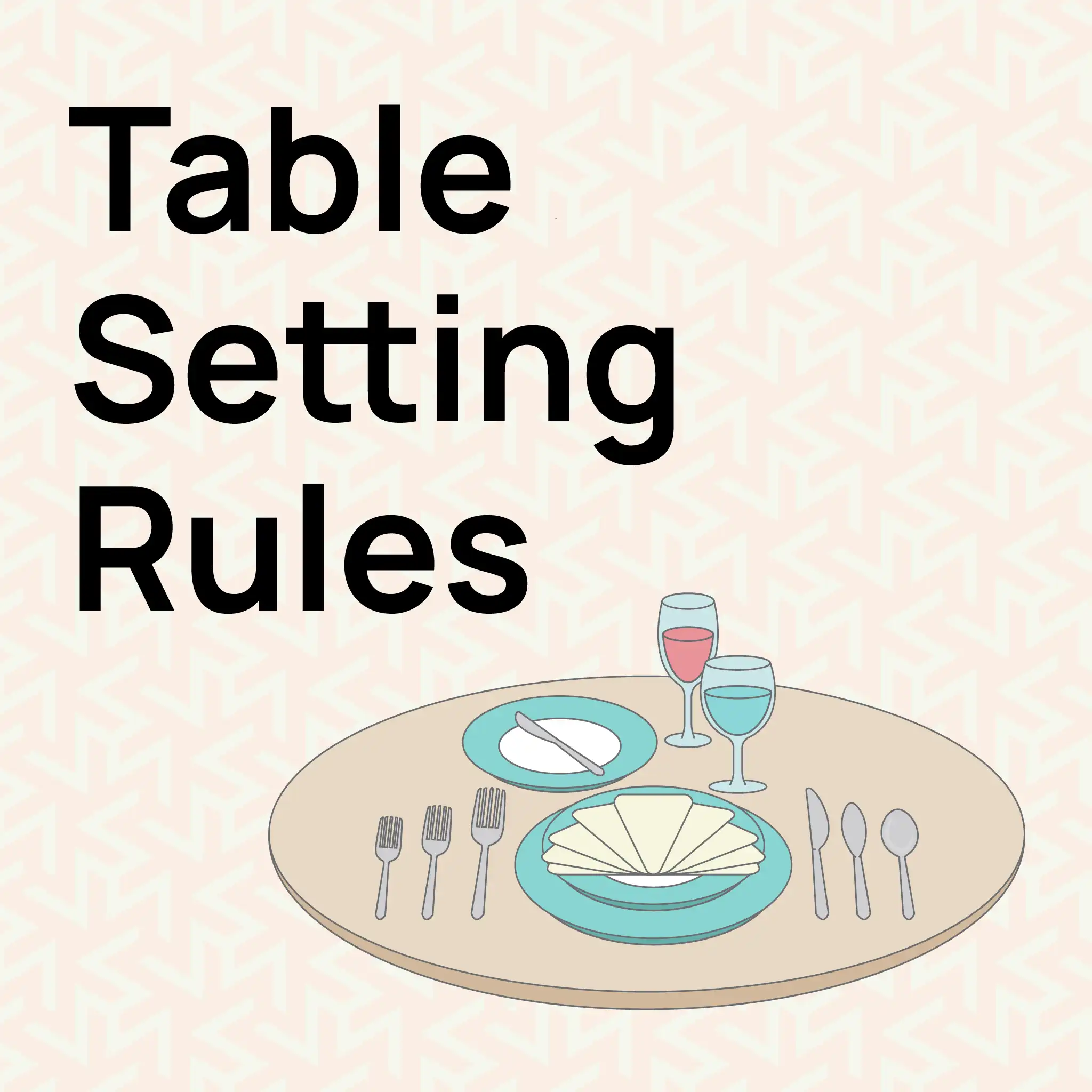
Mastering Table Setting Rules: From Basics to UK-Specific Etiquette
Do You Know Where the Oyster Fork Goes in a Formal Table Setting?Whether you're working in hospitality, catering, events, or corporate dining, knowing how to set a table correctly is a key part of presenting yourself and your organisation professionally. From high-end restaurants to formal banquets and client-facing events, a well-laid table sets the tone before a single word is spoken or dish is served.And it's not only the host or staff who need to know. If you're an attendee, manager, or guest speaker, understanding basic table etiquette helps you appear confident, polished, and in tune with industry expectations.In this article, we�ll guide you through the essential table setting rules - from the basics of cutlery placement to formal arrangements, UK-specific etiquette, and common mistakes to avoid. Whether you're refreshing your skills or training your team, you�ll find practical guidance that applies across industries.Sharpen Your Professional Edge with Certified TrainingIf you're serious about maintaining high standards in hospitality or catering, mastering table etiquette is just the start.�Our Level 2 Food Hygiene and Safety Course for Catering dives deeper into what every professional should know � from microbiological hazards to pest control, cross-contamination, cleaning procedures, and more.Get certified and show your commitment to industry best practices.Why Table Setting Rules Matter (Across Industries)First Impressions Begin at the TablePeople often form an opinion about you or your business, long before they�ve tasted the food or spoken to you. Your table setup is one of the first things they notice, and it instantly conveys professionalism (or the lack thereof).Whether you work in:Hospitality or cateringCorporate settingsEvent managementTraining or educationThe way you present a dinner table setting reflects your attention to detail and respect for the occasion.In Hospitality, Presentation is Half the ExperienceBefore guests even see the menu, they�re already observing:The restaurant�s exterior appearanceThe cleanliness and layout of the spaceHow the table setting looksIf the cutlery is placed correctly, napkins are folded neatly, and everything looks intentional, guests feel confident about the food before it's even served.Read our article Career Guide: Hospitality and Catering for a better understanding of this profession.In Corporate Environments, Etiquette Speaks Before You DoAt formal business lunches or networking dinners, your behaviour at the table can shape your professional reputation.People notice:How you carry yourself at the tableYour knowledge of cutlery etiquette (e.g., which fork to use firstWhether you know the difference between a formal table setting vs. casual diningYour team may get to know you over time, but first impressions are often built on small, visible habits like how you sit, talk, eat, and interact during meals.How to Set a Table: The BasicsIf you�re unsure where to start, here are a few fundamentals every professional should know:Plates: The dinner plate is placed at the centre; starter or side plates are placed on top or to the left.Cutlery: Forks on the left, knives and spoons on the right. Use cutlery from the outside in.Glassware: Water glass sits above the knife; wine glasses go slightly right and behind.Napkins: Placed either on the plate or to the left of the forks.Dessert utensils: Placed horizontally above the plate if needed.These are just the basics. For a more in-depth understanding, let�s break down the different styles of table layouts and learn how to place each item correctly.Types of Table SettingsThere are three types of table layouts. Each style suits different occasions, from casual meals to formal events.�Let�s take a closer look at each type.Basic Table SettingWhen to Use:This is perfect for a regular lunch or dinner at home. Think of meals with family.How to Set It:Dinner Plate: Place it in the centre.Knife: On the right side of the plate with the blade facing in.Fork: On the left side of the plate.Spoon: If needed (e.g. for soup), place to the right of the knife.Water Glass: Placed directly above the knife.Napkin: Either to the left of the fork or neatly on the plate.Practical Scenario Example:You're enjoying a quiet dinner at home with family after work. You place your cutlery and glass as described above -� just enough to dine comfortably without any unnecessary clutter.Casual/Informal Table SettingWhen to Use:Perfect for informal gatherings, such as dinner with friends, birthday lunches, or Sunday roasts. It�s a step up from basic but still relaxed.How to Set It:Dinner Plate: At the centre of the setting.Salad Plate or Soup Bowl: On top of the dinner plate (depending on what's served first).Cutlery:Small Fork (Salad Fork): To the left, outermost.Large Fork (Dinner Fork): To the left, closest to the plate.Dinner Knife: To the right of the plate, blade inward.Soup Spoon (if needed): To the right of the knife.Bread Plate: Above the forks, to the upper left.Butter Knife: Placed diagonally across the bread plate.Water Glass: Above the knife.Wine Glass (if needed): To the right of the water glass.Napkin: Folded to the left of the forks or placed on the plate.Practical Scenario Example:You�ve invited your colleagues for a weekend lunch at home. This setup conveys informality, yet you�ve made an effort to make them feel special and welcome.Formal Table SettingWhen to Use:This is the go-to for high-end events such as weddings, black-tie dinners, or formal restaurant service, where guests are served multiple courses.How to Set It:Charger Plate: This decorative base sits beneath the dinner plate and stays on the table until the main course is served.Plates: A soup bowl, salad plate, or fish plate is placed atop the charger in the order of the courses.Cutlery (Outside-In Rule):Left Side:Fish Fork: Far left.Salad Fork: Middle.Dinner Fork: Closest to the plate.Right Side:Soup Spoon: Far right.Fish Knife: Middle.Dinner Knife: Closest to the plate.Dessert Fork and Spoon: Placed horizontally above the plate.Oyster Fork (if needed): Far right, beyond the spoons.Bread Plate: Upper left above the forks, with a butter knife placed diagonally.Glassware:Water Goblet: Above the knives.White Wine Glass: Slightly right of the water glass.Red Wine Glass: Slightly behind and right of the white wine glass.Champagne Flute/Cocktail Glass: Behind the wine glasses.Napkin: Elegantly folded on the charger or to the left of the forks.Practical Scenario Example:You�re attending a black-tie fundraising dinner. As you approach the table, you know you�re in a professional, high-standard environment because the setup reflects it - layered cutlery, sparkling glassware, and proper placements signal care and class.Cutlery Etiquette and UsageWhen it comes to cutlery, knowing the proper etiquette not only helps you dine gracefully but also shows respect for tradition and your hosts. Here are the key points to remember:Outside-In RuleStart using the cutlery furthest from your plate first and work your way inward with each course. This classic rule helps guests know which utensils to use and when.Resting and Finished PositionsTo signal to servers you�re resting between bites, place your knife and fork in a slight �V� shape on your plate. When finished, place them parallel, usually diagonally from 4 o�clock to 10 o�clock on the plate.UK Cutlery EtiquetteIn the UK, traditional dining etiquette follows the Continental or European style. This is especially important in formal settings such as restaurants, catering events, and hospitality venues.The fork is held in the left hand, with the tines facing downward.The knife is held in the right hand, used to cut food and guide it onto the back of the fork.Unlike the American style, there�s no switching hands. The fork stays in the left hand throughout the meal.This method is seen as efficient, polite, and professional, and is widely taught in hospitality training and workplace dining protocols in the UK.How to Hold Cutlery CorrectlyKnife: Rest the handle in your palm and place your index finger along the top of the blade for better control.Fork: Hold it similarly to a pencil, but with a relaxed grip, and keep the tines facing down.Avoid stabbing food or waving cutlery while talking - these are considered poor manners.Why It MattersFollowing proper table etiquette not only shows respect in formal settings but also reflects positively on your professionalism, especially if you're working in or entering the hospitality or catering industry.Take Your Food Safety Knowledge to the Next LevelIf you're responsible for managing food handlers, overseeing hygiene standards, or training staff, it�s essential to have the right qualifications in place.�Our Level 3 Food Hygiene and Safety (RQF) course is designed for supervisors, managers, and business owners working in the food industry.? CPD-Certified�? Meets legal training obligations? Ideal for all supervisory roles in food businessesCommon Mistakes to Avoid When Setting a TableIn professional environments, minor errors in a table setup can create a negative impression.�Here are some common mistakes to watch out for while arranging the table:Placing cutlery in the wrong order - always follow the correct table setting by working from the outside in, course by course.Using mismatched tableware or leaving fingerprints on glassware while setting the table.Confusing the bread plate with the side plate or mixing up the placement of forks and knives.Ignoring napkin placement or simply tossing it on the table, continuously fold it neatly and place it appropriately.Tips to Enhance Your Table SettingOnce you�ve mastered the basic table layout, take it a step further by enhancing both its appearance and functionality:Add a centrepiece � A simple vase with fresh flowers, a decorative candle, or a seasonal item can give your dinner table setup a welcoming focal point. Just ensure it�s not too tall to block the view across the table.Use coordinated colours � Match your tablecloth, napkins, and tableware for a polished look. Neutral or earthy tones work well for a formal setting, while bright colours can bring life to casual meals.Upgrade your cutlery � Beautiful, polished cutlery not only enhances the dining experience but also reinforces good cutlery etiquette in the UK. Matching sets show attention to detail.Include place cards for formal meals � It adds a professional touch and helps avoid confusion in seating arrangements.Add texture and layering � Use placemats, chargers, or fabric napkins to introduce depth and elevate a basic table layout into something visually impressive.Glassware counts too � Clean, streak-free glasses arranged in the correct order add sophistication to any formal table setup.Lighting matters � Soft lighting, whether through candles or warm-toned bulbs, can instantly upgrade the dining atmosphere.These enhancements are subtle yet effective, transforming any table setup from functional to memorable, making them ideal for both home entertaining and professional hospitality settings.ConclusionMastering table setting rules isn't just about looks � it involves creating a clean, professional, and welcoming experience. Whether you're hosting at home, preparing for a restaurant service, or setting up a corporate event, understanding proper table setting layout and cutlery etiquette makes all the difference.From a basic to a formal table setting, paying attention to details and placing items in the correct manner helps elevate the occasion.You Might Also Like:Understanding table setting rules is just one part of mastering food service and safety. If you're looking to expand your knowledge, explore these helpful reads:TACCP vs VACCP: What's the Difference?Food Hygiene vs Food Safety: Why Both MatterChef vs Cook: Key Differences ExplainedHow Many Times Can You Reheat Food?Understanding the Kitchen Brigade System FAQsWhat are the basic table setting rules everyone should know?Place the fork to the left of the plate, the knife to the right with the blade facing inwards, and the spoon (if needed) to the right of the knife. The napkin can be placed to the left of the fork or on the plate. Glassware should be positioned above the knife.How do I set a table with the fork and knife on the same side?While traditional settings place the fork on the left and the knife on the right, for informal occasions or space-saving needs, both can be placed on the same side. Ensure they are aligned neatly, with the knife blade facing the fork.What is the correct table setup for a formal dinner?A formal table setup includes multiple courses and utensils: charger plate, soup bowl, salad plate, dinner plate, various forks and knives placed in order of use from the outside in, dessert utensils above the plate, and appropriate glassware for water, white wine, red wine, and champagne.How should I lay a table in the UK?In the UK, the fork is held in the left hand with tines facing down, and the knife in the right hand. Utensils are placed in the order of use from the outside in. Napkins are typically placed to the left of the forks or on the plate.What are some common mistakes to avoid while setting a table?Avoid overcrowding the table, mismatched or misplaced cutlery, using inappropriate settings for the occasion, and neglecting essential hygiene practices, such as clean linens and polished utensils.How can I enhance the aesthetics of my table setup?Incorporate elements like a tasteful centrepiece (e.g., a vase with fresh flowers), matching tablecloth and napkins, polished cutlery, and coordinated dinnerware to elevate the dining experience.What is cutlery etiquette in the UK?In the UK, it's customary to hold the fork in the left hand with tines facing down and the knife in the right hand. During pauses, place the knife and fork in an inverted V on the plate; when finished, place them parallel at the 6:30 position.Why is understanding table setting etiquette important?Proper table setting etiquette reflects professionalism, enhances the dining experience, and is essential in hospitality and catering industries to meet guest expectations and standards.
How Flavour Shapes the Way We Eat: Types, Profiles Global Influence
Flavour plays a crucial role in every eating experience. Most of us have a basic understanding of what flavour is. We judge food by it, and we know something is delicious when it has the right one.Flavour is what gives food its taste and keeps your customers coming back for more.If you are a chef, run a restaurant or cafe, or work in catering, flavour is a big part of your everyday work. Getting it right can turn a good dish into a great one and help your business stand out.�This article is a quick and simple guide to understanding flavours.What is Flavour?As mentioned above, flavour is what gives your food its taste, but it is more than just taste; it's the whole experience of eating. It's the way your senses come together to help you enjoy food.The moment you bite into something, your tongue picks up the basic tastes - sweet, salty, sour, bitter and umami. But your nose, too, is picking up all the subtle aromas that give food its character.Flavour is also deeply tied to memory and emotion. It is why the smell of freshly baked bread might remind you of home, or why a well-seasoned Sunday roast with crispy roasted potatoes can take you back to a special family meal.Flavour doesn�t just stay on your tongue, it lingers in your mind.That is why two people can eat the same dish and have different opinions about it. One might call it comforting, while the other finds it overpowering. Flavour is personal, shaped by your background and mood.Think of the joy in tasting a perfectly ripe mango on a warm afternoon, it is not just the sweetness you notice, but the smell, the texture, the memories it triggers, and how it makes you feel in that moment. That whole experience -� that is the flavour.Flavour is generally classified into three main types. Understanding them can help you design better menus, create more balanced dishes, and make smarter choices when reading labels. It can help you greatly when combined with a clear understanding of the Food Pyramid and how different food groups support a healthy diet.Different Types of FlavourNatural FlavoursThese come from natural sources, such as fruits, plants, herbs, or animals. They may be extracted or concentrated, but they originate from natural sources.Examples: Lemon, vanilla, mint, or ginger.Often used in foods that want to keep a �clean label� or natural appeal.Artificial FlavoursThese are made in labs to copy the natural flavours and sometimes to create new ones. They are safe to eat and are often used because they are cost-effective.Examples: Flavours like strawberry, banana, or chocolate that are created without using the actual fruit or base ingredient.Often used in sweets, soft drinks, and packaged snacks.�Spices and HerbsThese are ingredients that add flavour on their own, they are not made in a lab or added as extras. They come from plants and are used in various cooking methods to add depth and aroma.Examples: Black pepper, basil, rosemary, cumin, thyme.Used fresh or dried, ground or whole, in both home and commercial kitchens.Why is Flavour Important?Flavour is much more than just a part of food. It�s at the heart of the eating experience. It is what makes a dish stand out. You might forget what was on the plate, but you�ll remember how it tasted.The flavours you use decide how your dish will come together, whether it falls flat or leaves a lasting impression. Flavour connects to memory, mood, and personal experience.One flavourful bite can remind someone of home, a special event, or even a holiday abroad.Why Flavour Matters to Businesses and Customers?In today�s competitive food industry, flavour does more than just please the palate; it plays a decisive role in building customer loyalty and shaping your brand.Flavour brings customers back - people often return to a restaurant, caf� or takeaway not just for the setting but because something in the taste stays with them.It builds emotional connection - a flavourful dish can trigger nostalgia, comfort, or joy, and that's what turns first-time diners into loyal regulars.It is the foundation of authenticity - customers remember food that tastes real, rich, and unique. Flavour is what makes your offering stand out in the market.Flavour influences trends - pairing unexpected ingredients or creating bold new combinations can set trends, like the recent viral �pink sauce� wave across the U.K., which gained traction for its unique blend of creamy, tangy, and spicy flavours.Customers today are looking for more than just taste in a brand. They care about the story behind the plate.�They notice things like whether your ingredients are sourced responsibly, whether your team is treated fairly, and how your food is made, whether it is crafted with care or rushed and artificial.Even the little things matter.The way your packaging looks and feels, the aroma that greets them before the first bite, and the texture that completes the experience. These details help shape how your food is remembered, but ultimately it�s the flavour that truly brings them back.�To see how this works in practice, let�s look at a real-world example of how a business used flavour innovation to meet both health goals and customer expectations. Case Study: Kerry Group's Flavour Innovation in Reduced-Sodium SnacksKerry Group successfully developed cheese-flavoured savoury snacks with reduced sodium content, targeting markets in Mexico and the USA. By utilising their Tastesense� Salt technology, along with fermentation and Smoke & Grill techniques, they maintained the authentic cheese flavour while adhering to health guidelines.Key Highlights:? Sodium Reduction: Achieved up to 60% reduction in sodium without compromising on flavour.? Flavour Preservation: Maintained the desired cheese flavour profile by using the advanced flavour-preserving technologies.? Market Compliance: Aligned with health regulations in target markets.? Source: Kerry Group Case StudyThis case study exemplifies how businesses can innovate in flavour to meet health objectives without sacrificing consumer satisfaction.Understanding Flavour ProfilesUnderstanding your customers� flavour preferences is an essential part of delivering a great food experience. And that starts with the understanding of flavour profiles - the combinations of tastes and aromas that define a dish, a cuisine, or even a culture.Flavour profiles help us recreate tastes from around the world and build dishes that are rich, layered, and memorable. These profiles often reflect regional habits and preferences of what grows locally, what�s been passed down through generations, and what people have come to love over time.Take Italy, for example. Italian food is known for its bold yet balanced flavours, think of garlic, olive oil, fresh basil, ripe tomatoes, and aged parmesan. These ingredients combine to create the comforting, savoury profile we often associate with Italian cuisine. It�s not just about the ingredients, but how they blend together, the sweetness of tomatoes balancing the sharpness of cheese, the warmth of garlic complementing the freshness of herbs.Understanding flavour profiles like this can help you do more than just replicate a dish, it enables you to pair ingredients smartly, adapt recipes to suit your customers� tastes, and even innovate with confidence while staying true to a culinary tradition.Flavour is what brings people together - across tables, cultures, and memories.Different cultures have perfected their own unique blends of taste and aroma over centuries, giving us iconic flavour pairings that are loved worldwide.Here are some well-known cuisines from around the world and the unique flavour combinations that make them stand out.Global Flavours: What Makes Each Cuisine UniqueThai � Thai cuisine is known for its vibrant contrast of sweet, salty, sour, and spicy. Think lemongrass, lime, chilli, and fish sauce � all working together to hit every part of your palate.Mexican � Smoky chipotle, earthy cumin, zesty lime, and fresh coriander make up the backbone of bold and layered Mexican flavours.Indian � Spices like cumin, coriander, turmeric, and cardamom are layered carefully to create depth and warmth, with balance coming from yoghurt, tomato, or citrus.Japanese � Clean and delicate, Japanese food relies on umami-rich ingredients like miso, soy sauce, seaweed, and dashi, often balanced with subtle sweetness or acidity.These combinations show just how much thought and tradition go into getting flavour right. And that brings us back to why flavour matters, it�s not just about making something taste good, it�s about creating an experience people remember.FAQsWhat�s the difference between flavour and taste?Taste is what your tongue senses - sweet, sour, salty, bitter, and umami. Flavour includes taste, smell, texture, and even memory and emotion. Many people use the words 'flavour' and 'taste' interchangeably, but in food training, it�s important to distinguish them, just like how we differentiate between cross-contamination and cross-contact.What makes food taste more flavourful?Using fresh ingredients, proper seasoning, and balancing tastes like sweet, sour, and salty can make food more flavourful.How does flavour work?�Flavour works through a mix of taste, smell, and texture. When you eat, your brain combines all these signals to create the flavour experience.What are the main components of flavour?Taste, aroma (smell), and mouthfeel (texture) are the key components of flavour.Why is flavour important in food preparation?Flavour makes food enjoyable, helps build customer loyalty, and sets your dish or brand apart.What is umami?Umami is a savoury taste often described as meaty or broth-like. It is one of the five basic tastes and adds depth to many dishes.What is aroma?Aroma is the smell or fragrance of food that greatly influences how we perceive flavour. It is detected by the nose and plays a key role in the overall eating experience.What does mouthfeel mean?Mouthfeel refers to the texture and physical sensations of food in the mouth, such as creaminess, crunchiness, or smoothness, which contribute significantly to flavour perception.
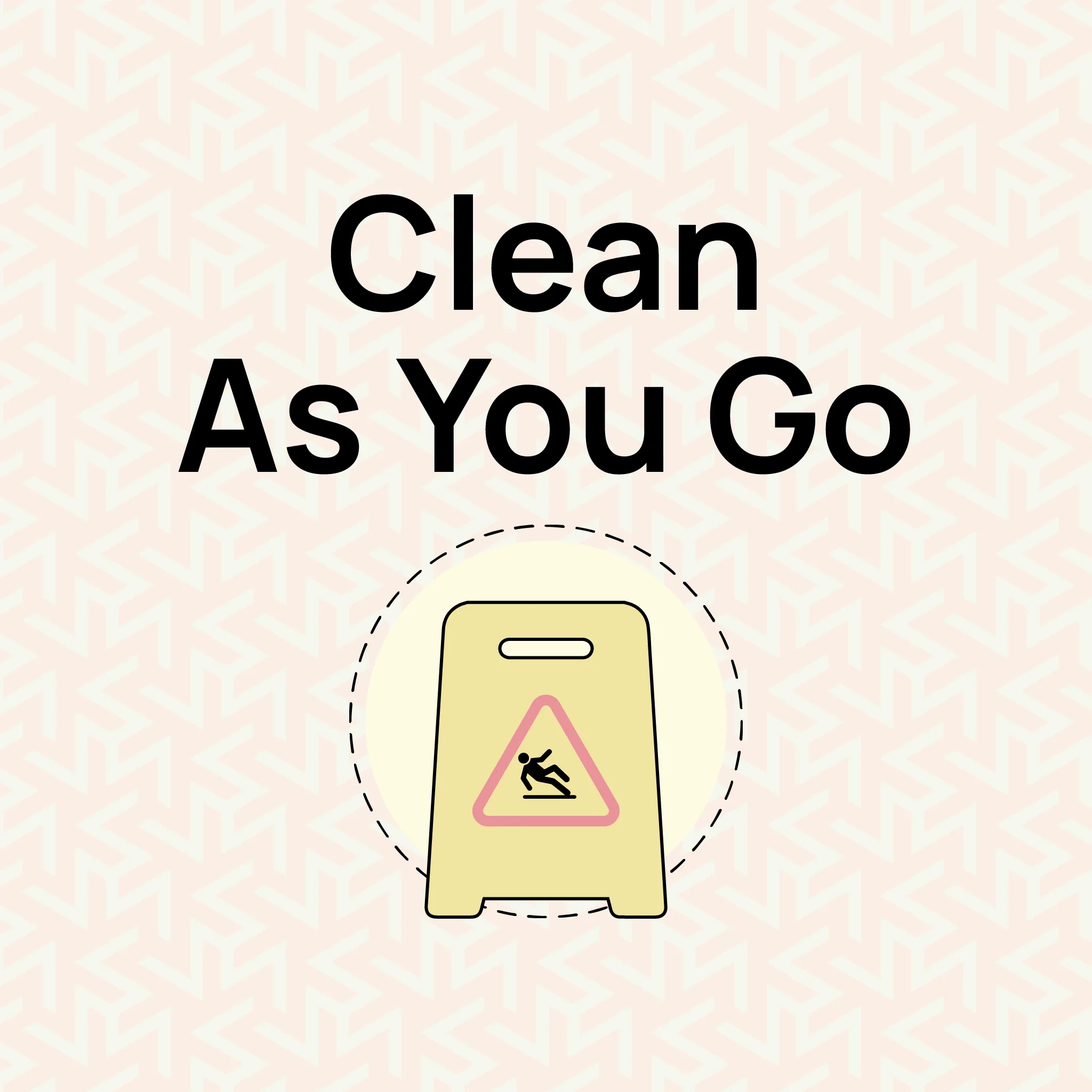
Clean As You Go Simplified: Essential Tools and Implementation Tips
�Clean as you go� may appear to be a simple concept, but it can be challenging to implement in practice, especially in high-pressure workplaces with multiple staff members. Without proper structure and clearly defined responsibilities, this straightforward idea can quickly lead to confusion, missed tasks, and serious concerns regarding food safety and food hygiene. To be effective, the policy must be well-organised and embedded into the daily workflow to maintain a clean and safe environment.A clean as you go (CLAYGO) policy is a cleaning strategy that promotes continuous cleaning throughout the working day. It encourages staff to view cleaning as a routine responsibility, rather than a one-off task, thereby helping to maintain hygiene at all times.In this article, we�ll explain what clean as you go means, how CLAYGO policies work, the tools required, how to implement them effectively in the workplace, and more.What do you mean by Clean as you go?Clean as you go (CLAYGO) is a standard policy widely used in professional environments like hospitality and catering. It is a cleaning method that involves cleaning work areas immediately after completing a task, rather than leaving it for the end of the shift.For example, it could mean a chef wiping down their workstation after preparing a dish or staff disposing of food waste and spills right away. This proactive approach ensures that cleanliness is maintained throughout the day.Why Is It Important?Implementing a CLAYGO policy helps maintain consistent hygiene and reduces the risk of cross-contamination.It ensures compliance with food safety standards.It promotes a shared sense of responsibility - cleaning isn't limited to just one role. From junior staff to senior managers, everyone contributes to maintaining a clean, safe, and professional work environment.Types of CleaningNow that we understand what �Clean as You Go� means and why it matters, let�s take a closer look at the two main types of cleaning.In a professional setting, a Clean as You Go policy is typically divided into two key segments:Immediate CleaningThis type of cleaning is about acting fast. Spills, broken glass, or dropped food must be addressed immediately to prevent accidents or contamination. Staff should know precisely what to do and have cleaning materials readily available, such as gloves, paper towels, disinfectant spray, and warning signs. Quick action keeps the environment safe and prevents minor issues from escalating into major problems.Routine CleaningRoutine cleaning focuses on maintaining clean and hygienic work areas throughout the day. Tasks include wiping surfaces, clearing food waste, emptying bins, and cleaning tools or equipment after use. These jobs should be part of everyone�s daily schedule, not left until the end of a shift.By clearly separating urgent clean-ups from regular tasks, it�s easier to keep the workplace running smoothly, safely, and to a high standard of hygiene.Real Example: Cleaning Between Tasks to Prevent ContaminationA chef finishes prepping meat for lunch service and immediately disinfects the chopping board and work surface before starting on fresh vegetables to avoid contamination.How to Implement and Manage �Clean As You Go� in the WorkplaceTo make the 'clean as you go' policy effective, it must be incorporated into your daily routine. In a busy workplace, setting clear standards is essential.Everyone should know exactly what they are responsible for. This avoids confusion, reduces delays in action, and ensures tasks are not just left for �someone else� to handle. Assigning specific cleaning responsibilities to staff based on areas, tasks, or time slots helps maintain order and supports a hygienic environment.However, immediate cleaning tasks, such as spillages or breakages, must not require management's approval. Staff members must be trained to act on them promptly to prevent any hygiene and safety issues.A clear and clean-as-you-go approach not only promotes hygiene but also improves operational flow in high-paced environments, such as commercial kitchens.Make sure your workplace has a proper waste management plan to support daily cleaning efforts. If rubbish, packaging, or debris is left to pile up, even the best cleaning routines can fail. By working with trusted Lakeland dumpster services, you can ensure waste is removed regularly. This helps keep work areas clean, safe, and organized, allowing staff to focus on their tasks without interruptions.Real Example: Quick Action After a SpillA kitchen porter accidentally spills oil on the floor during a busy lunch service. Instead of waiting, they immediately place a wet floor sign, use absorbent granules to soak up the spill, and clean the area before anyone slips.Steps for smooth implementation:Once you�re clear on when and what to clean, the next step is to implement it and make this practice part of your team�s daily habits. Below are a few steps for implementing CLAYGO smoothly in your organisation.Outline cleaning duties clearly, specifying who is responsible for what and when.Train all staff, including both new and existing employees, so they understand the policy.Place cleaning equipment where it�s needed most, especially near food prep zones and walkways.Define disposal procedures, including waste management, and when bins must be emptied.Use signage or checklists, as visual reminders of key cleaning responsibilities.After putting your 'Clean as You Go' (CLAYGO) plan into action, it�s equally important to ensure that your staff are well-trained and consistently supported. Ongoing training and regular monitoring are crucial for maintaining the policy and ensuring it becomes an integral part of your workplace culture.Staff Training, Monitoring, and Refresher:How to Train StaffDeliver training as part of onboarding for all new employees.Use practical demonstrations�walk through what immediate vs routine cleaning looks like in real kitchen settings.Provide visual aids, such as cleaning checklists and the CLAYGO poster.How to Track ComplianceUse a daily cleaning checklist that staff must tick off and sign at the end of their shift.Supervisors should conduct spot checks to ensure that cleaning is done correctly and not just ticked off.Encourage peer accountability by having team members remind each other of their CLAYGO duties.�How to Refresh TrainingSchedule regular refresher sessions (monthly or quarterly).Review hygiene-related incidents during team meetings and utilise them as learning opportunities.Update posters and checklists if procedures change to keep materials relevant and engaging. Essential Tools to Support the Clean as You Go PolicyIn a busy kitchen, cleanliness and speed go hand in hand, and the staff needs to have access to the right tools at all times. These tools help ensure that food areas remain safe, hygienic, and clutter-free throughout the day.Here are the essential items every kitchen must have in a cleaning tool kit:Blue roll or absorbent paper towels � Ideal for wiping spills, drying hands, and keeping surfaces dry.Food-safe disinfectant spray � For sanitising worktops, utensils, and preparation areas.Rubbish sacks or waste bins � Easily accessible for immediate disposal of food waste and packaging.Absorbent granules or spill powder � Useful for soaking up oil, sauces, or any liquid spills quickly and safely.Sponges or disposable cloths � For regular cleaning of surfaces and kitchen tools.Dustpan and brush � To sweep up crumbs, food particles, or broken items efficiently.�Wet Floor� or hazard warning signs � To mark freshly cleaned areas and prevent slips or accidents.Having a well-stocked cleaning kit within reach supports hygiene and promotes a smooth and safe kitchen operation.To make it even easier for your team to stay on track, we�ve created a visual reminder you can display in your workspace.Clean As You Go Poster � Essential Tools and Tips for a Safer KitchenUse this poster to understand the CLAYGO (Clean As You Go) policy at a glance. It highlights the key cleaning tools your kitchen should have and outlines clear steps for effective implementation, even in the busiest work environments.Download our 'Clean as You Go' poster to help your team follow hygiene standards visually and consistently.FAQ'sWhat does "Clean As You Go" mean?Clean as you go means cleaning work areas, tools, and surfaces immediately after use rather than waiting until the end of a shift. It�s a proactive hygiene approach that helps reduce the risks of cross-contamination and supports a safer, more efficient workspace, especially in kitchens and food-handling environments.What is a Clean As You Go policy?A clean-as-you-go policy is a structured cleaning system that encourages staff to clean continuously throughout the day. It outlines responsibilities, schedules, and standards for maintaining hygiene throughout the workplace. This policy is particularly essential in industries such as food service, hospitality, and healthcare.What tools are needed for a Clean As You Go system?Essential clean-as-you-go tools include paper towels or blue roll, food-safe disinfectants, sponges, dustpans and brushes, rubbish sacks, spill granules, and 'Wet Floor' signs. Having these items readily available helps staff act quickly and maintain hygiene throughout the workday.Can I download a Clean As You Go poster?Yes, a clean as you go poster is available to help staff visualise and understand the policy. It outlines key tools and responsibilities, making it easier to train teams and maintain a high level of hygiene. Scroll up to download the CLAYGO poster directly from this article.What is the difference between "clean as you go" and "clear and clean as you go"?Clear and clean as you go refers to removing clutter (clearing) and cleaning surfaces simultaneously. This two-step process is especially effective in kitchens where hygiene and efficiency are crucial. It's a common practice recommended by food safety authorities in the UK.

Further Education vs Higher Education | Key Differences
Choosing the right path in education can be confusing, especially when terms like further and higher education are often used interchangeably. Whether you're returning to study, exploring career progression, or supporting someone else's learning journey, understanding the difference is essential. This quick guide breaks down what sets further education and higher education apart, from qualifications and course levels to career outcomes, so you can make an informed decision that suits your goals.We�ll clearly explain what each pathway involves, what qualifications you can earn,�internships for high school students, and how they align with your personal or professional goals, helping you make the right decision with confidence.�Top NVQ Courses Offered by HurakLooking to boost your career with a nationally recognised qualification? Hurak provides a range of NVQ courses tailored to various industries. Here are some of their top offerings:Level 2 NVQ in Plant Operations: Perfect for operatives aiming for the CPCS Blue Card.Level 2 NVQ in Controlling Lifting Operations (Slinger Signaller): Ideal for those working in crane and lifting operations.Level 3 NVQ Diploma in Adult Health and Social Care: Advance your role in care with this popular qualification.Level 3 Award in Education and Training (AET): Start your journey to becoming a certified trainer or teacher.Browse All NVQ Courses at Hurak.What Is Further Education (FE)?Further education (FE) refers to any type of learning that takes place after secondary school but isn�t part of a university degree or higher education. It offers a diverse range of qualifications, from academic courses to practical and vocational training, providing individuals with the skills needed for the workforce or further studies.FE is typically delivered in colleges, training centres, or adult education providers. Common qualifications include:A-LevelsBTECsNVQs (National Vocational Qualifications)ApprenticeshipsFunctional Skills�The good thing about FE lies in its flexibility; courses are available part-time, in the evenings, or even online, making it an ideal option for those with work or family commitments. Whether you're looking to build practical skills, pursue a specific career path, or prepare for higher education, further education offers a variety of routes to meet your personal and professional goals.What Is Higher Education (HE)?Each year, thousands of UK adults enrol in higher education to gain specialist qualifications, switch careers, or advance in their current roles. Higher education refers to studies undertaken after completing further education, typically at university level. It includes qualifications such as:Bachelor�s DegreesFoundation DegreesHigher National Certificates (HNCs) and Diplomas (HNDs)Master�s DegreesDoctorates (PhDs)These programmes are more academically focused and often involve in-depth study, research, or theoretical learning.Most full-time HE courses take three to four years to complete, though part-time and distance learning options, such as online MBA, are available .Unlike further education, HE often leads to advanced qualifications required for roles in law, engineering, teaching, or healthcare.Key differences between further and higher educationFurther education (FE) and higher education (HE) serve as distinct milestones in your learning journey, each providing unique opportunities for career progression and academic development.�Level of StudyFE: Post-secondary study, often providing a foundation for future higher learning or specific job preparation.HE: Advanced academic study, typically pursued after completing FE, offering qualifications like Bachelor�s and Master�s degrees.Qualification TypesFE: Focuses on practical skills and vocational qualifications such as BTECs, NVQs, and apprenticeships.HE: Offers academic qualifications like degrees, which delve deeper into specialised knowledge and research.Duration & FlexibilityFE: Shorter, flexible study options, often one to two years, with part-time or online opportunities.HE: Longer courses, generally lasting three to four years, are usually full-time with more structure.Career PathwaysFE: Ideal for entry-level positions, apprenticeships, or preparation for higher study.HE: Leads to professional and specialist careers requiring advanced qualifications, such as law, engineering, and medicine.Below is a table for your quick reference of the key differences:CATEGORY�FURTHER EDUCATIONHIGHER EDUCATION�Qualification LevelsLevel 1 to Level 3Level 4 and aboveTypical Providers�College, Training CentresUniversities, HE institutionsEntry RequirementsOften minimal, depending on the courseUsually A-levels or equivalentCostOften free or low-costTuition fees apply (loans available)Study FocusPractical, job-ready skillsAcademic, subject-specific knowledgeTime CommitmentVaries, often short or part-time2�4+ years (mostly full-time)Which Path Is Right for You?Deciding between further education (FE) and higher education (HE) comes down to your goals, qualifications, and learning preferences. Each route offers valuable opportunities; it�s about finding what fits your current stage and career plan.Choose Further Education if you:Need to gain foundational or Level 2�3 qualifications.Need to develop job-ready skills quickly.Prefer practical, hands-on learning environments.Explore career options or return to study with flexibility in mind.Choose Higher Education if you:Aim to earn a university-level qualification (Bachelor�s, Master�s, etc.).Plan to enter a profession that requires a degree (e.g. law, teaching, healthcare).Enjoy academic study and want to explore a subject in depth.Prefer a longer-term learning commitment with research opportunitiesWhichever route you choose, both FE and HE can lead to rewarding careers. It�s about picking the one that aligns with your personal circumstances and long-term goals. For those who have already completed higher education and wish to take their expertise to the next level, postgraduate programs such as MBAs can be a powerful way to advance professionally. These programs, like the Evening MBA Degree, offer a flexible, innovation-driven curriculum designed for experienced professionals seeking leadership growth in dynamic industries.�Not Sure Which Path to Take?Hurak offers courses to support both Further and Higher Education goals:Choose Further Education if you want job-ready skills fast:Level 3 AET (Teaching) �Health & Safety in Construction�Food Hygiene & SafetyChoose Higher Education Prep if you're aiming for advanced roles:Level 4 CET (Teaching)Level 5 Diploma in Teaching (QTLS Route)Browse all our Courses at Hurak.FAQsWhat is the main difference between further education and higher education?Further education (FE): Courses below degree level (e.g. A-levels, BTECs)Higher education (HE): Degree-level and above (e.g. BA, BSc, Master�s)Do I need further education before I can do higher education?Often yes, as most university courses require Level 3 qualificationsAlternative pathways, like Access to HE or relevant work experience, may applyCan I go to university without A-levels?�Yes, through:Access to HE DiplomaBTEC Level 3NVQ Level 3Foundation degreesWork experience in some casesIs further education free in the UK?Yes, for most 16�19-year-oldsAdults may qualify for:Free Level 3 coursesAdvanced Learner LoansSupport based on income or employment statusHow long does further education take?Short courses: A few weeks or monthsFull-time courses: 1�2 yearsPart-time/evening options: Flexible durationWhat support is available for adult learners?Financial support (grants, bursaries, or personal loans)Flexible schedules (evenings, online, part-time)Free advice via the National Careers Service or local collegesIs higher education worth it?Yes, for careers that require degrees (e.g., teacher, nurse, lawyer). Vocational jobs may offer strong earnings with FE alone.Can I do both further and higher education?Yes, many learners progress from FE to HE. Example: BTEC Level 3 ? University degree.Final ThoughtsBoth further education and higher education play important roles in helping you reach your personal and professional goals. Whether you�re aiming to enter the workforce quickly, build practical skills, or pursue a degree for a specialised career, the right path depends on your current situation and long-term ambitions.Understanding the difference between further and higher education helps you make informed decisions about your future. FE provides flexible, skills-based learning, while HE offers academic depth and professional qualifications. Consider your career goals, study preferences, and current qualifications before deciding.You can also speak to an education provider or careers adviser to get tailored guidance and make the most confident choice for your future.Explore Hurak�s career guides to find the right path for your goals.Hurak offers accredited courses that open doors in teaching, assessing, and supporting roles in education.Start building your future today: Award in Education and Training (AET) �| Teaching Assistant Courses�We also offer pathways into quality assurance and assessment: Assessment Training | IQA Training
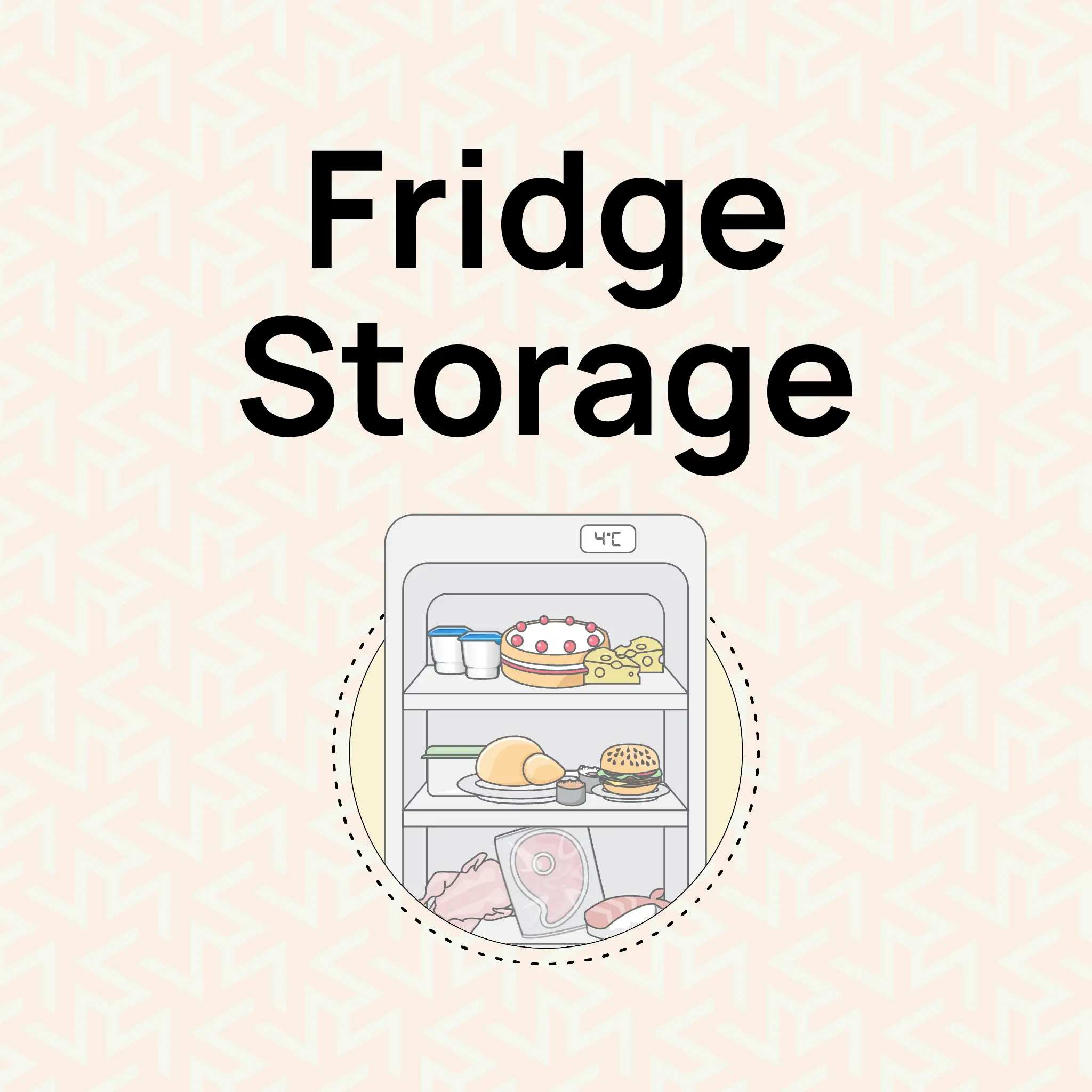
The Ultimate Guide to Food Safety Fridge Storage: Temperatures, Hygiene Best Practices
If you are involved in the food industry, proper food storage isn't optional � it's essential.Whether you are a chef, restaurant manager, food manufacturer, or small food business owner, safe food handling is part of your daily responsibility. Storing food properly keeps it fresh and protects both your customers' health and your business reputation.While you may use a fridge daily, do you know if you are using it correctly? Are you following the food storage guidelines and maintaining the correct fridge temperature for food safety? Understanding these basics can prevent your food from spoiling and ensure the safety of your customers.In this article, let�s learn the basics of safe fridge storage, fridge and freezer temperatures, proper food organisation, and hygiene practices.Why Proper Food Storage MattersIncorrect fridge storage can cause harmful bacteria to grow rapidly, putting people at risk of serious illness. This isn�t just about rotten food; it�s about unseen microbial threats that can multiply quickly if food is not stored at the right temperature or location.Storing food at the correct temperature:Keeps it safe to eatSlows the growth of harmful bacteriaHelps you meet legal food safety standardsSafe Fridge Temperatures: Legal Limits and Best PracticesTemperature is one of the most crucial factors in maintaining food safety. The legal maximum temperature for storing chilled food is 8�C, but to be on the safe side, it�s strongly recommended to keep your fridge at or below 5�C.Type of StorageTemperature RequiredWhy It MattersChilled Food (Legal Limit)8?�C or below (legal in England, Wales, NI)Slows down bacterial growth. Must be followed by law.Best Practice for FridgesBelow 5?�CSafer than the legal limit. Gives a buffer to keep food cold enough.Danger Zone8?�C to 63?�CBacteria grow fastest here. Avoid this range when storing or holding food.Freezing-18?�C or belowStops bacterial growth completely.?? What is the 'Danger Zone'?What is it? The danger zone is the temperature range between 8?�C and 63?�C where bacteria multiply rapidly.Why avoid it? Keeping food in this range for too long increases the risk of food becoming unsafe to eat.Safe practice:Keep chilled food below 8?�CKeep hot food above 63?�CClick to learn more about the food temperature danger zoneFrozen Food Safety: Key Temperature GuidelinesJust like chilled food, frozen food also needs careful temperature control. The ideal freezer temperature is -18�C or lower to keep food safe for longer periods.Here�s a quick reference chart for frozen storage:AspectDetailsLegal Freezer Temperature-18?�C or lowerBest Practice Temperature-18?�C (consistently maintained)PurposeSlows down bacterial growth and preserves food for longerStorage TipAvoid frequent door openings; ensure air can circulate around food itemsNote: Use a freezer thermometer to ensure the temperature stays consistent at -18�C or lower.When it comes to food safety, it�s not just about storing food at the right temperature; keeping your fridge clean is just as important.Safe storage helps stop harmful bacteria from growing, but good fridge hygiene helps prevent dirt, mould, and everyday germs from spreading to your food.Both food safety and food hygiene play crucial roles in ensuring the quality of food. Food safety focuses on how food is stored (e.g., keeping the fridge at a temperature below 5�C), while food hygiene focuses on where and in what condition it is stored.For example, meat kept at the right temperature can still become unsafe if stored in a dirty fridge.Take Your Food Safety Knowledge FurtherPut your food safety skills into practice by enrolling in our Level 2 Food Hygiene and Safety for Catering course.Learn more about food safety hazards, temperature control, cross-contamination, and proper food storage so you can keep food safe and avoid common mistakes.Ideal for individuals working in catering, hospitality, or the food service industry.Explore Now!How to Store Different Foods in the Fridge: A Simple GuideStoring different types of food correctly in the fridge is key to keeping them safe, fresh, and hygienic. It helps prevent cross-contamination, improves airflow, and ensures food stays at the right temperature.Take a quick look at the chart below to learn how to organise the food in your fridge.Additional Tip: Avoid storing high-risk items like milk or eggs in the fridge door, as it's the warmest area due to frequent opening.For a detailed breakdown on where and how to place foods in your fridge to avoid cross-contamination, check out our full guide on Fridge OrganisationFridge Hygiene and Safety Checks Using HACCPFood businesses across the U.K. use the food safety management system called �HACCP (Hazard Analysis and Critical Control Points) to manage both food safety and hygiene.It is a step-by-step method used to spot potential risks and prevent them before they become a real problem. Whether you run a caf�, restaurant, or food truck, HACCP helps you keep food safe from start to finish.Here�s how the 7 Principles of HACCP apply directly to fridge and freezer food safety:Conduct a hazard analysis � Identify risks such as temperature fluctuations, improper storage, or poor cleanliness.Determine critical control points (CCPs) � Fridge and freezer storage are essential CCPs in any food operation.Establish critical limits � Keep chilled food at or below 5�C, and frozen food at -18�C or lower.Set up monitoring procedures � Check and record fridge and freezer temperatures at least twice a day, ideally at the start and end of each shift. Use clearly labelled thermometers and ensure staff know what to do if readings are out of range.Additional Tip: Don�t rely solely on the fridge�s built-in display; place a separate fridge thermometer inside to cross-check accuracy.Establish corrective actions � Take clear steps if temperatures exceed safe limits (e.g. move food, call maintenance, record the issue).Additional Tip: If there�s a power cut, note the time and duration.�If the fridge exceeds safe limits for more than 4 hours, the affected food may need to be discarded.Verify procedures � Review temperature records and fridge performance regularly to ensure everything�s working as intended.Keep documentation � Maintain easy-to-read logs of temperature checks and basic cleaning records to stay compliant during inspections.In SummaryFridge food safety is more than setting the right temperature. It�s about following clean practices, storing each item correctly, and applying a system like HACCP to stay in control.? Learn MoreWant to ensure your business stays safe, clean, and up to standard? ? Explore our Food Safety Courses and get certified today.FAQ's�What is the recommended food safety fridge temperature in the U.K.?The food safety fridge temperature in the U.K. should be 5�C or lower. Although the legal limit is 8�C, keeping it below 5�C offers better protection.What is the correct cooling food temperature?The cooling food temperature should drop from 63�C to 8�C within 90 minutes to meet food safety standards.What are the food storage guidelines in the U.K.?According to food storage guidelines in the U.K., chilled foods should be kept below 8�C, and frozen foods at -18�C or lower. Raw and cooked foods must be stored separately to avoid cross-contamination.What is considered a safe fridge temperature in the U.K.?A safe fridge temperature in the U.K. is at or below 5�C. This helps slow down the growth of harmful bacteria and keeps food fresh.What is the ideal food hygiene temperature?The food hygiene temperature for cold storage is 5�C or below, and for hot holding, it�s above 63�C. These limits help prevent bacterial growth.
Flammable vs Combustible: What�s the Difference? (A Simple Workplace Safety Guide)
When it comes to any work environment, safety must be a top priority, especially in industries that deal with hazardous materials, such as flammable and Combustible substances. Knowing the difference between these two types of substances helps prevent workplace accidents and protect people and property. Following basic safety guidelines is essential to keep your team safe and your workplace compliant.This article will help you clearly understand the key differences between flammable and combustible substances, in simple terms, with easy examples, so you can maintain a safer workplace.What is a Flammable Substance?Flammable substances are materials or liquids that easily catch fire, even at normal room temperatures. They have low flash points, which means they can give off vapours that ignite quickly when exposed to a spark, flame, or heat.Think of petrol or acetone - they can instantly catch fire if not handled or stored correctly. .main{ border:3px solid #0f7c90; border-radius:20px; position: relative; font-family:roboto; font-weight: 400; color: #000; } .main-two{ position: absolute; top:-25px; left:45px; background-color:white; } .img-div{ border-radius : 100%; padding:2px 7px; background-color:#0f7c90; margin-right:5px; width: 50px; height: 50px; } .img{ width:30px; object-fit:contain; height:auto; border-radius : 100%; } @media only screen and (max-width: 600px) { .heading{ font-size:20px; } .img{ width:20px; object-fit:contain; height:auto; border-radius : 100%; } .img-div{ width: 40px; height: 40px; } .main-two{ left:25px; } } Did You Know? Even heat from everyday activities can pose a risk. That�s why understanding how heat affects substances, like knowing the temperature danger zone for food, is crucial to overall workplace safety. Common Flammable Items:Flammable fabrics include: cotton, polyester, nylonFlammable liquids include: petrol, acetone (nail polish remover), ethanol (hand sanitisers)What is a Combustible Substance?Combustible substances can also catch fire, but not as easily as flammable ones. They need to be heated to a higher temperature before they begin to burn. Once they catch fire, they can keep burning steadily and fuel a large fire.Think of materials like wood or paper. They won�t burst into flames immediately, but if there�s enough heat, they will burn and spread fire.Common Combustible Substance:Combustible solids include: wood, paper, plasticCombustible liquids include: Diesel, Vegetable oil, Paint thinnerEven though these materials may appear safe when stored, they can become hazardous if left in large quantities or exposed to heat or fire.To better understand why, let�s first look at an important concept: Flash Point.What is a Flash Point?This is the lowest temperature at which a substance gives off enough vapour to catch fire when exposed to a flame or spark.In simple words, the lower the flash point, the easier it is to catch fire.That�s why knowing the flash point of a material helps in understanding how easily it can ignite and how careful you need to be with it.Flash Points of Flammable and Combustible SubstancesType of substanceFlash Point�Flammable substanceBelow 37.8�CCombustible substanceAbove 37.8�C and below 93.3�CSo, what does flash point mean in the workplace?If a material has a flash point below 37.8�C, it can release flammable vapours even at normal room temperature (usually below 30�C). These vapours can easily ignite, making the material flammable.On the other hand, materials with a flash point between 37.8�C and 93.3�C won�t usually produce vapours in a typical work setting. That means they are less likely to catch fire under normal conditions, so we call them combustible.Think of it this way: one liquid starts releasing flammable vapours at room temperature (around 22�C), while another only does that when it gets much hotter, like 70�C. The first one can catch fire more easily, even on a warm day, so it�s called flammable. The second needs more heat to burn, so it�s combustible.Knowing the flash point of materials in your workplace helps you plan proper storage, reduce fire hazards, and create a safer environment for everyone.Flash Points of Common Flammable and Combustible SubstancesFlammable substancesFlash PointCombustible substancesFlash PointPetrol (Gasoline)*-43�CDiesel Fuel*52�C to 82�CEthanol16.6�CPhenol79�CAcetone-20�CKerosene*38�C to 72�CMethanol12�CFormaldehyde64�CPropylene Oxide-37�CHydrazine52�CEthyl Chloride-50�CPaint Thinner*40�CBenzene-11�CNaphthalene78.9�CNote: this may vary depending on the specific compositionWhat is the Difference Between Flammable and Combustible Substances?Let�s now clearly compare flammable and combustible substances to help you take proper safety measures. This will help you identify them more easily in the workplace and help you take appropriate safety measures.Refer to the visual comparison chart below for a quick breakdown of flammable vs combustible substances.In Simple Terms:Flammable = Lights up fast (e.g., petrol, acetone)Combustible = Burns with more heat (e.g., diesel, kerosene)Why Knowing the Difference Matters at WorkFlammable and combustible materials can seriously impact workplace safety, especially if stored near heat, sparks, or open flames. Some of these materials release vapours that can catch fire or cause explosions if improperly handled.To avoid these risks, you first should check the Safety Data Sheets (SDSs) of any hazardous material used or stored in your workplace.What Is an SDS & Why Is It Important?An SDS (Safety Data Sheet) is a document that tells you everything you need to know about a chemical or substance, including how to handle it safely.Each SDS includes key details like:The substance�s name and the manufacturer's contact informationIts physical and chemical properties (like flash point)Potential health hazards and fire risksStorage and disposal instructionsFirst-aid and fire-fighting stepsTip: Always read the SDS to check whether a substance is flammable or combustible, and follow its recommended safety measures.How to Reduce Fire Risks at WorkHere are some simple, practical tips to stay safe:? For Flammable Materials:Store in approved, airtight containers to stop vapours from escaping.Keep them away from ignition sources � even a small spark can start a fire.Use clear labels so everyone knows what they�re handling.Ensure proper ventilation to avoid vapour build-up.Dispose of waste safely, as leftover vapours can still be a hazard.?? For Combustible Materials:Store in a cool, well-ventilated area � heat can raise the risk of ignition.Use non-sparking tools like brass or plastic when handling them.Avoid heaters, direct sunlight, or machinery that gives off heat.Follow local safety guidelines for handling and storage.Understanding the difference between flammable and combustible substances is essential for workplace safety. Always look for the hazard symbol, especially the flame icon, to identify flammable substances.Review Safety Data Sheets (SDS) for information such as flash points and handling instructions. These small steps can go a long way in preventing accidents.Make it a habit to check these every time you handle, store, or dispose of a chemical.If you work in the food industry, this knowledge becomes even more critical. From cooking oils to cleaning agents, flammable substances are more common than you might think. Mishandling them can lead to serious safety and hygiene risks. Key Takeaways: Flammable and Combustible SubstancesThis table highlights the key points covered in the article, offering a quick reference to the main differences between flammable and combustible substances, their flash points, examples, and safety considerations.Work in Food Safety?Learn how to manage hazardous materials like oils, chemicals, and more. Book a Certified Food Safety Course Today ?FAQsAre flammable and combustible substances the same?No. Flammable substances ignite at lower temperatures, while combustible ones need more heat to catch fire.What is a flash point?�It�s the lowest temperature at which a substance gives off vapour that can ignite.Why is the flash point important?It helps determine how easily a material can catch fire.Where can I find flash point information?Check the Safety Data Sheet (SDS) for any hazardous material.Is diesel flammable or combustible?�Diesel is combustible. It needs more heat to ignite than petrol.What�s the difference between flash point and fire point?The flash point is when the vapour ignites briefly. The fire point is the temperature at which it burns continuously.Are flammable substances more dangerous than combustible ones?Yes, because they can catch fire even at room temperature.Can combustible materials become flammable?Under high heat or pressure, they can behave like flammable ones.What makes a substance hazardous in terms of fire?Low flash point and high vapour production near heat sources.How can I reduce fire risk from flammable substances?Store safely, keep away from heat, and follow handling guidelines.
Balanced Diet Made Easy: Using the Healthy Eating Pyramid for Smarter Meal Planning
In today�s competitive food industry, serving great-tasting meals isn�t enough - you also need to serve responsibly. Whether you plan menus, prepare food, or run a restaurant, cafe, or catering business, understanding healthy eating is key.Knowing how to create balanced meals, choose proper portion sizes, and follow the food pyramid can help you plan better menus, meet your customers' needs, and stay informed about food regulations.In this guide, we�ll explain what a balanced diet is, break down the Healthy Eating Pyramid (also known as the Food Pyramid UK), and show you how to use it in everyday meal planning for all age groups.What Is A Balanced Diet?A balanced diet means consuming the right amount of various foods to ensure the body receives all the necessary nutrients for optimal health. It�s about balance, not cutting out food groups, but eating the right things in the right amounts.Our body needs:Carbohydrates for energy (like rice, bread, pasta)Proteins to build muscles (like eggs, chicken, lentils)Fats for cell health (like nuts, seeds, oils)Vitamins and minerals for overall function (from fruits and vegetables)Water helps maintain hydration and supports the digestive process.Understanding these core components lays the foundation for building a balanced diet. Now let�s look at how much of each you should actually eat every day.Daily Balanced Diet Recommendations (by Age Group)Your daily nutritional needs vary depending on age, activity level, and physiological stage. The chart below outlines the ideal food intake to ensure each age group receives the right balance of nutrients for healthy growth and function.Food GroupsChildren�(2-3 years)Children (6-11 years)Teenagers(12-17 years)AdultsElderlyGrains1.5�3 bowls3�4 bowls4�6 bowls3�8 bowls3�5 bowlsVegetablesAt least 1.5 servingsAt least 2 servingsAt least 3 servingsAt least 3 servingsAt least 3 servingsFruitsAt least 1 servingAt least 2 servingsAt least 2 servingsAt least 2 servingsAt least 2 servingsProtein (meat, fish, eggs, legumes)56.25�112.5 g112.5�187.5 g150�225 g187.5�300 g187.5�225 gDairy/Alternatives2 servings2 servings2 servings�1-2 servings1-2 servingsFats & SugarsSmall amountSmall amountSmall amountSmall amountSmall amountWater4-5 glasses6-8 glasses6-8 glasses6-8 glasses6�8 glassesSide note on portion guidance:1 Serving of vegetables = approx.?80?g (e.g. a medium apple, � cup cooked veg, or a small bowl of salad)1 Serving of dairy = approx.?150?ml (e.g. a glass of milk or a small yoghurt pot)Small amount of fats & oils = about 1 teaspoon (5?ml) of oil or reduced-fat spread per mealSource: NHS?? Did You Know?Some everyday foods like dairy, meat, and eggs fall into the high-risk food category. If they�re not stored or cooked correctly, they can quickly become a serious health hazard.�That�s why it�s essential to follow proper methods of food preservation - such as refrigeration, freezing, or vacuum sealing, to maintain their safety and extend shelf life.The daily recommendations in the chart are meant to guide your everyday eating habits. You don�t have to give up your favourite foods to eat healthily. It�s all about balance. Enjoy the foods you love, just in the proper portions. A healthy diet doesn�t mean cutting out treats completely. It means making wise choices most of the time, so your body gets what it needs while you still enjoy what you eat.Food Pyramid Basics: A Layered Approach to Healthy EatingNow that we have seen the Balanced Diet Chart for children, teenagers, adults, and the elderly, you might wonder,� �How do I apply this in everyday life?�That�s where the Healthy Eating Food Pyramid comes in.While the diet chart gives you exact portions for each age group, the healthy food pyramid offers a simple visual guide to help you plan meals wisely. It shows which types of food to eat more of, which to eat in moderation, and which to limit.�Whether you're cooking for a child, packing lunch for a teenager, or planning meals for the elderly, the food pyramid helps you keep everything in balance.The Food Pyramid Chart is divided into five layers:�Fruits and Vegetables, Starchy Foods, Proteins, Dairy Products, Fats and Sugar.�This healthy eating pyramid structure helps clarify which foods to eat more or less of for a balanced diet.Let�s understand the food pyramid chart layer by layer.Layer 1?. Fruit and Vegetables � Eat the Most (Base Layer)Examples: Apples, bananas, carrots, spinach, broccoli, oranges, berries, etc.Why: These are packed with vitamins, minerals, fibre, and antioxidants. They help your body fight diseases and maintain healthy digestion.How much: Aim for at least 5 portions every day. Try to include a variety of colours on your plate � the more colourful, the betterLayer 2?. Starchy Foods (Carbohydrates) � Eat PlentyExamples: Wholemeal bread, brown rice, pasta, cereals, couscous, oats, potatoes, beansWhy: These are the body�s main energy source. They also help protect muscles, support brain function, and regulate blood sugar.How much: These should make up a big portion of each meal. Choose wholegrain options for more fibre and better digestion.Layer 3?. Proteins � Eat in Moderation (Middle Layer)Examples: Meat, fish, eggs, poultry, beans, lentils, chickpeas, nuts, seedsWhy: Protein helps build and repair the body�s tissues. It keeps muscles strong and supports the immune system. For a broader look at how proteins fit into a balanced diet alongside other essential food groups, refer to the NHS Eatwell Guide, the official UK resource for healthy eating.How much: Eat a moderate amount at each meal. Include both animal-based (e.g. chicken, fish) and plant-based proteins (e.g. beans, tofu) for balance.Layer 4?. Milk and Dairy Foods � Eat in ModerationExamples: Milk, yoghurt, cheese, butter, cream, and plant-based alternatives (like almond or soy milk)Why: Great source of calcium, protein, and vitamins for strong bones and teeth.How much: Have 2 to 3 servings daily, and go for low-fat or reduced-fat versions if possible.Layer 5?. Fats and Sugars � Eat the Least (Top of the Pyramid)Examples: Crisps, sweets, pastries, cakes, biscuits, deep-fried foods, soft drinks, processed foodsWhy: These foods are high in calories but offer very little nutrition. Too much can lead to weight gain and health problems like diabetes and heart disease.How much: Eat sparingly - just once or twice a week is enough. When using oils, choose healthy unsaturated fats like olive oil or sunflower oil. When consuming packaged treats or processed items, it�s also vital to understand the difference between �use by� and �best before� dates to avoid spoilage and waste.Note: Foods at the top of the Healthy Eating Pyramid - like sweets, fried items, and processed foods, should be eaten sparingly.These are often high-risk foods due to their sugar, salt, or fat content, which can contribute to long-term health issues like heart disease or obesity.Did you know?The Food Pyramid is also known as the Food Triangle or the Healthy Eating Triangle because of its triangular shape. This layout visually indicates which foods to consume more of at the base and which to consume sparingly at the top.�Whether you're preparing meals for children, teens, or adults, the Food Pyramid helps you maintain the right nutritional balance across all age groups. It�s a practical tool that simplifies healthy eating into a format anyone can follow.Below, you'll find a clear visual chart of the Healthy Eating Pyramid to help you put this into practice.How to Apply the Healthy Eating Pyramid in Daily LifeUnderstanding the Healthy Eating Pyramid is helpful, but applying it to daily life is where it makes a real difference. The pyramid isn�t just a concept it�s a practical guide you can use to make everyday decisions, whether you're grocery shopping, prepping meals for the week, or choosing what to order at a restaurant.�By aligning your food choices with the pyramid structure, you ensure your meals are balanced, varied, and rich in essential nutrients without the stress of a strict diet.Let�s understand how to apply the healthy eating pyramid in daily life.When Shopping:Plan meals around the base of the pyramid: whole grains, fruits, and vegetables.Use a shopping list based on the pyramid levels to avoid impulse buys.When Meal Prepping:Batch-cook whole grains like brown rice, quinoa, or oats.Wash and chop vegetables in advance for easy access.Pre-portion lean proteins to save time during busy weekdays.When Eating Out:Choose dishes that include vegetables, whole grains, and lean proteins.Avoid meals that are overly fried, creamy, or high in sugar.By making these small, pyramid-based changes in daily life, you naturally move towards healthier choices and support long-term wellbeing for yourself and your loved ones.Enhance Your Food Safety KnowledgeWhether you're just starting out or working in a professional kitchen, understanding food hygiene is essential.? Level 1 Food Hygiene and Safety Course � Ideal for beginners in food handling environments who need to learn the basics of food safety and hygiene.? Level 2 Food Hygiene and Safety for Catering Course � Perfect for catering professionals involved in food preparation and handling.? Both courses are CPD Certified and entirely online � start learning today!Sample Daily Meal Plan Based on the Food PyramidAfter understanding what a balanced diet is and how the food pyramid guides us in making smart food choices, let�s create a healthy food chart based on the Food Pyramid.Note: This is intended to serve as a general guide to help you plan balanced meals throughout. However, everyone's nutritional needs are different.�MealWhat To EatImportancePyramid CoverageBreakfastWholegrain toast with peanut butter + 1 bananaEnergy from grains, good fats from peanut butter, vitamins & fibre from fruit? Grains (base), ? Fruit,? Healthy fatsMid-Morning SnackLow-fat yoghurt or fruit slicesKeeps you full and adds calcium and vitamins? Dairy,�? FruitLunchBrown rice or wholemeal sandwich + chicken/egg + veggie sticksBalanced mix of carbs, protein and fibre? Grains,? Protein,? VegetablesAfternoon SnackHandful of nuts or crackers with hummusProtein and fibre boost, curbs cravings? Protein alternatives,? Healthy fatsDinnerGrilled fish/tofu + steamed veggies + chapati or potatoesLight but full of nutrients; aids repair, digestion and recovery? Protein,? Vegetables,? GrainsOptional TreatDark chocolate square or homemade smoothieSatisfies sweet cravings without overloading sugar??Treats (top of pyramid � eat rarely)ConclusionIn recent years, many healthy eating recommendations in the UK have shifted their focus towards sustainability. The Healthy Eating Pyramid naturally supports this by encouraging more plant-based meals, which are often more environmentally friendly.�Reducing red meat and processed foods not only improves health but also lowers your carbon footprint, a win for both you and the planet.If you are involved in meal planning, menu creation, or food preparation, understanding the principles of a balanced diet and the Food Pyramid is essential. These guidelines help you serve healthier meals, meet nutritional standards, and build trust with your customers. A balanced diet also goes hand in hand with food safety and food hygiene, especially when handling both raw and cooked foods, to ensure both nutrition and safety. FAQ�sWhat is the Food Pyramid in the UK, and how does it differ from other models?The Food Pyramid, often referred to as the Eatwell Guide, is a visual representation of the types and proportions of foods needed for a healthy, balanced diet. It emphasises consuming more fruits and vegetables, whole grains, and lean proteins while limiting saturated fats, sugars, and salt.How does the Human Body Nutrition Chart assist in meal planning?The Human Body Nutrition Chart outlines the essential nutrients required for various bodily functions, helping individuals understand the importance of a balanced intake of carbohydrates, proteins, fats, vitamins, and minerals. This chart serves as a guide to ensure all nutritional needs are met through diet.Why is understanding the Nutrition Facts Label important?The Nutrition Facts Label provides detailed information about the nutritional content of packaged foods, including calorie count, macronutrients, and micronutrients. Understanding this label helps consumers make informed choices and maintain a balanced diet.How can I plan meals using the Food Pyramid for Kids?The Food Pyramid for Kids breaks down the balanced diet into age-appropriate portions and food types, helping parents and caregivers provide nutritious meals that support healthy growth.How do I apply the pyramid to snacks?Choose snacks from the lower levels of the pyramid�like fruit, nuts, or wholegrain crackers. Avoid frequent high-fat or sugary snacks from the top tier.Is the Healthy Eating Pyramid suitable for vegetarians?Yes. It can be easily adapted with plant-based proteins like lentils, tofu, and beans. The focus on whole foods and plant-based meals aligns well with vegetarian and vegan diets.What about portion sizes?The pyramid doesn�t give exact portion sizes but offers a general guide on proportions. Use the larger base for bulk foods and smaller portions from the top levels.