


Lone Working Safety Explained: Risk Assessment, Policy Requirements Practical Solutions
A baby choking is every parent's worst nightmare. It happens suddenly, while playing, feeding, or even when the baby is lying down. Babies naturally put objects in their mouths as they explore and learn about the world. Choking accidents are more common than many people think. Understanding what to do if your baby is choking can make a life-saving difference. Whether it's a piece of food, a small object or milk going the wrong way, knowing the proper first aid steps and how to position your baby correctly can help clear their airway quickly and safely. In this step-by-step guide, you will learn everything parents and caregivers need to know about baby choking first aid, from spotting the signs of choking to what to do when a newborn chokes on milk and how to stop a baby choking safely and confidently. Understanding Baby Choking Choking occurs when something blocks a baby's airway, making it difficult or impossible for them to breathe. It can happen suddenly during feeding, while playing or even when the baby is lying down. Babies explore the world with their mouths, which makes them especially vulnerable. Difference Between Gagging and Choking� It's essential to understand the difference between gagging and choking. Gagging is the baby's natural reflex to clear the throat. The baby may cough or make noises and can usually breathe. Choking, however, is a more serious issue. The airway is either wholly or partially blocked, and the baby may be unable to cry, cough, or breathe. Why babies are more prone to choking Babies are naturally at a higher risk of choking because their bodies and reflexes are still developing. Understanding the reasons can help parents take simple precautions to keep their little ones safe during feeding and playtime. Small airways: A baby�s airway is very narrow, so even a tiny piece of food, a toy, or an object can block it. This makes them more vulnerable to choking compared to older children or adults. Exploring with their mouths: Babies learn about the world by putting things in their mouths. It�s part of how they explore. Unfortunately, this curiosity often leads to them mouthing objects that are unsafe or too small to chew. Newborn feeding: During feeding, especially in newborns, milk can sometimes flow into the airway instead of the stomach. This can happen due to improper feeding positions or fast-flow nipples. Due to their small airways and natural curiosity, babies require constant supervision when eating or playing. Being alert and prepared can significantly reduce the risk of choking. Everyone should know basic life-saving skills. You can also enhance your knowledge by enrolling in a course today! Our first aid courses provide comprehensive training to help you handle critical situations effectively. Whether you are a parent or childcare professional, these courses help build confidence and expertise. View our Paediatric First Aid Training (2 days) and Online First Aid at Work course. Signs of Baby Choking� Recognising choking in a baby as soon as it happens can make all the difference in how effectively you respond. Babies can�t always signal distress clearly, so parents and carers need to know what to look for to recognise it. Understanding the warning signs early helps you act fast and potentially save a life. Inability to make sounds or cry If your baby suddenly stops making any noise while feeding or playing, it may indicate that their airway is completely blocked. If the baby cannot cry, cough, or make any sound, this is a clear indication that air is not passing adequately, and you need to act quickly. Weak or no cough Coughing is the body's natural defence mechanism for clearing the airway. If the baby is attempting to cough but is unable to, it may indicate a severe obstruction. If the baby has only minimal cough attempts or has completely stopped coughing, you need to help the baby open the airway rather than waiting for it to open on its own. Skin or lips turning blue or pale A change in skin tone, especially around the lips or face, is a late and serious sign of choking. It indicates that the baby isn�t getting enough oxygen. This symptom requires urgent attention. Begin first aid immediately and call for emergency help if necessary. Difficulty breathing or noisy breathing If your baby is struggling to breathe, gasping, or making high-pitched noises, it suggests a partial airway obstruction. Even if the baby can still draw some breath, this situation can worsen quickly, so it�s essential to stay alert and ready to act. Panic or flailing arms A choking baby may look scared or begin waving their arms in panic. This physical distress is often an instinctive reaction to the sudden inability to breathe correctly. It�s crucial to stay calm, as a quick and composed response can help your baby recover more quickly. Recognising these signs early allows you to respond immediately with the correct first aid techniques, such as back blows and chest thrusts, before professional help arrives. The faster you act, the better the chances of clearing the blockage and preventing serious complications. Common Causes of Baby Choking Choking can occur in various situations, and some are more common than others. Understanding the potential causes can help parents, carers, and childcare professionals reduce the risk. Below are some of the most common choking hazards for babies and young children: � Cause Description Choking on milk Newborns and infants can choke on milk, especially if they feed too quickly or lie flat while feeding. Small food items Foods like grapes, nuts, chunks of meat, and hard candies can block the airway if not prepared correctly. Toys and household objects Small items like coins, buttons, beads, and toy parts can easily become choking hazards for babies and toddlers. Improper feeding techniques Overfilled bottles or fast-flow nipples cause babies to swallow too much at once, increasing choking risks. Feeding in a lying-down position Feeding in this position increases the risk of choking as milk can flow into the wrong airway. Lack of supervision Choking often happens when babies are left alone, even for a short time, while eating or playing. Sticky or chewy foods Foods like peanut butter, marshmallows, and certain candies can get stuck in the airway, particularly for younger children. Playing with small toys Babies and toddlers often put small toys or toy parts in their mouths, creating choking hazards. Poorly cut food Large chunks of food or food that�s not appropriately cut can block a baby�s airway, leading to choking. Sudden distractions Distractions during feeding or play can cause babies to accidentally swallow or put objects in their mouths too quickly, leading to choking. What to Do If Your Baby is Choking: A Step-by-Step Guide When a baby chokes, acting quickly and calmly can save their life. The following steps are based on NHS guidelines and are designed to be clear and actionable for all carers. 1. Assess the situation:� If the baby can still cough or cry, allow him/her to continue what he/she was doing, as this helps dislodge the obstruction. If the baby cannot make any sounds (cries or coughs) or is turning blue from lack of breath, you need to act immediately 2. Call for Help: Call 999 or 112 for emergency assistance. If you are busy helping your baby, ask someone nearby to call for you. 3. Position the Baby: For infants under 1 year old, lay the baby face down along your forearm, supporting the head and neck. Ensure the head is lower than the chest. 4. Administer Back Blows: Using the heel of your hand, give up to five sharp back blows between the baby�s shoulder blades. Check after each blow to see if the object has been dislodged. 5. Perform Chest Thrusts: If the blockage remains, turn the baby face-up, keeping the head lower than the chest. Place two fingers in the centre of the chest, just below the nipple line. Give up to five sharp chest thrusts. 6. Repeat if Necessary: Continue alternating back blows and chest thrusts until the object is expelled or emergency help arrives. If at any point the baby becomes unresponsive and is not breathing, begin infant CPR. Below is a visual checklist of the essential do's and don'ts to follow when handling a choking baby or infant: Prevent Choking in Infants� Prevention is always better than dealing with a choking emergency. Here are simple steps to reduce the risk of your baby choking: Supervise feeding and play: Always supervise the baby while they eat or play. Don't leave an infant or toddler alone and unattended with small objects or food. Feed in the correct position: When feeding your baby, you should hold them slightly upright. Whether the baby is bottle-fed or breastfed, you want to make sure you burp them often to prevent milk from coming back up quickly. Offer age-appropriate foods: Don't give babies under 4 years anything small, complex, or round like nuts, grapes, popcorn, or hard candies. For soft foods, cut them into tiny, manageable pieces. Offer age-appropriate foods: Store small items such as coins, buttons, and small toy pieces on high surfaces so babies cannot reach them, and check your floors and the surfaces below them for potential choking hazards regularly. Stay up-to-date with first aid for baby choking: It is essential for parents, caregivers, and childcare providers to stay up to date with first-aid training pertaining to infants who are choking. Take a first-aid certification course to be confident and knowledgeable about how to respond in an emergency. Conclusion� Choking can happen suddenly, and every second counts when a baby�s airway is blocked. Understanding the signs of choking, knowing what to do if your baby is choking, and learning the correct positioning for back blows and chest thrusts can save a life. Parents, carers and childcare professionals choosing the best first aid training qualification play vital roles in keeping babies safe. While emergency first aid is vital, prevention is equally important; supervising feeding, offering age-appropriate foods and keeping small objects out of reach can significantly reduce risks Frequently Asked Questions How should you position a choking infant when you begin to treat them? Hold the baby face down along your forearm, supporting the head and neck. Keep the head lower than the chest for a back blow. If chest thrusts are needed, turn the baby face-up while still supporting the head and neck. How to stop a baby choking? Back-to-back five blows and five chest thrusts for infants under 1 year. Call emergency services if the baby cannot breathe or becomes unresponsive. Avoid finger sweeps unless the object is clearly visible. What to do if a newborn chokes on milk? Sit the baby slightly upright during feeding and burp regularly. If choking occurs, follow the back blows and chest thrust sequence. Call emergency services if the baby cannot clear the milk and shows signs of distress When should you seek medical help after a choking incident? Seek medical attention even if the baby seems fine afterwards. Call emergency services immediately if the baby cannot breathe or coughs or turns blue. Newborns choking on milk or other fluids should always be assessed by a healthcare professional. Explore Other First Aid Courses at Hurak Looking to boost your skills? Explore our range of first aid courses to find the right one for you. Here are some of our most popular first aid courses to help you stay prepared: Emergency First Aid at Work (1 Day): A one-day course covering essential life-saving skills, including CPR, choking, bleeding control, and managing emergencies. Ideal for low-risk workplaces. First Aid at Work (3 Days): A comprehensive three-day training that prepares you to respond to a wide range of injuries and illnesses in the workplace. Meets HSE requirements for high-risk environments. Paediatric First Aid (2 Days): Designed for those working with infants and children. Covers child-specific emergencies like choking, febrile seizures, allergic reactions, and more. Basic First Aid Course: Perfect for general awareness. It covers basic skills like dealing with minor wounds, burns, shock, and fainting and is suitable for non-workplace settings. Advanced First Aid Training: Intended for those needing higher-level skills. Includes oxygen administration, advanced trauma management, and secondary assessments. First Aid for Mental Health: Focuses on identifying, understanding, and supporting individuals with mental health conditions. Covers stress, anxiety, depression, and early intervention strategies.

Decibel Meter: How to Measure Noise Levels and Protect Your Hearing
If your child suddenly develops a red, rough rash along with a sore throat and fever, you might be wondering if it�s scarlet fever. Scarlet fever is a contagious bacterial infection that mostly affects children, though adults can get it too. Scarlet fever is caused by the same bacteria that cause strep throat. This often starts with fever, sore throat, and a bright red rash. If your child has any of these symptoms, it is important to treat them early with antibiotics. If treated properly, scarlet fever does have an excellent prognosis. Early diagnosis will help avoid serious complications and allow your child to return to their regular activities sooner rather than later. Causes and Transmission of Scarlet Fever Understanding scarlet fever helps parents and carers take early precautions to prevent the illness. The cause of scarlet fever is a bacterial infection triggered by Streptococcus pyogenes (group A streptococcus), the same bacteria responsible for strep throat. This infection releases toxins that lead to the characteristic red rash, sore throat, and high fever associated with scarlet fever. Scarlet Fever is a highly infectious disease; transmission occurs via respiratory droplets (from sneezing, coughing, etc.) produced by an affected individual, or through direct contact with contaminated surfaces and objects (such as sharing personal items, including cutlery, towels, toys, etc.). The age group most commonly affected by scarlet fever is 5-15 years, particularly in close-contact settings, such as daycare centres and schools. Like children, adults can also develop Scarlet Fever, but most cases in adults manifest with milder symptoms. Bacteria can spread from one person to another for a few days before symptoms appear, and they can still spread after 24 hours of starting antibiotic treatment. Therefore, it is essential that people with scarlet fever be diagnosed promptly and treated with prescribed antibiotics. In addition to speeding up recovery, prompt treatment prevents the continued spread of the disease among family and friends. To reduce the risk of infection, practice good hygiene habits, such as frequent handwashing, avoiding shared cups or cutlery, and keeping children home from school until they are fully recovered. Understanding both the cause and spread of scarlet fever is the first step toward protecting yourself and others. Signs and Symptoms The symptoms of scarlet fever can look slightly different depending on a person�s age. While the infection most often affects children between 5 and 15, babies and adults can also catch it. Recognising the signs of scarlet fever early, such as fever, sore throat, and the typical scarlet fever rash, helps in getting the proper treatment quickly and preventing complications. Babies Children (5�15 years) Adults Mild or low-grade fever Sudden high fever� Moderate fever or body ache� Irritability and crying more than usual� Sore throat and difficulty swallowing� Sore throat and mild fatigue Poor feeding or refusal to eat Headache and chills Headache and mild chills� Rah may appear faint or patchy� Classic scarlet fever rash- red,sandpaper-like texture starting on the chest and neck Sometimes a mild or no rash� Vomiting or upset stomach Nausea and vomiting� Mild nausea or upset stomach Fussiness and tiredness Swollen glands in the neck� Slight swelling of glands Peeling skin is less common Peeling skin on fingers and toes during recovery� Peeling skin is mild or absent Hard to notice strawberry tongue� Distinct strawberry tongue -Red and bumpy� Red tongue may occur� Cough or cold-like symptoms� Flushed face with a pale area around the mouth� Facial redness may appear mild Dehydration signs- dry mouth, fear wet nappies Fatigue and general weakness Fatigue and body aches Even though the signs of scarlet fever vary slightly, the most common features across all ages include a sore throat, fever, and the scarlet fever rash, which feels rough like sandpaper and spreads from the chest and neck to other parts of the body. Early attention to these symptoms can help prevent the infection from becoming serious or spreading to others. Diagnosis of Scarlet Fever If you notice any scarlet fever symptoms, it�s essential to see a doctor right away. Diagnosis is usually made through a physical examination and a throat swab to detect group A streptococcus, the leading cause of the infection. In some cases, doctors may run a rapid strep test for faster results. Early diagnosis ensures timely antibiotic treatment, speeds recovery, and helps stop the infection from spreading within families or classrooms. Treatment and Recovery of Scarlet Fever To regain a person's health as quickly as possible, immediate medical attention is essential. The primary treatment for scarlet fever involves administering antibiotics to eliminate the Group A Streptococcus bacteria. Taking the antibiotic will shorten the time the patient remains contagious and lower the risk of serious complications, such as rheumatic fever or kidney inflammation. Although some antibiotics are commonly prescribed for scarlet fever, it is important to complete the full course to ensure all bacteria are killed, even if the patient feels better before finishing the regimen. In addition to antibiotics, doctors may recommend: Fever reducers (as advised by your doctor) Adequate hydration to replace fluids lost from fever or sweating Plenty of rest to help the body recover Soothing warm liquids to relieve soreness. With proper treatment, most children will start to feel better between 48 and 72 hours. The rash associated with scarlet fever typically resolves within 1 week of starting antibiotic treatment; peeling of the skin on the hands and feet may occur during the healing phase, but this condition resolves naturally. Recovery After Scarlet Fever Full recovery generally takes 5 to 7 days, although fatigue can persist slightly longer. During this period, it�s essential to: Continue resting and staying hydrated Monitor the rash and other symptoms for improvement. Complete the entire antibiotic course, even if the child feels well. With proper treatment, most children start feeling better within a few days, and the rash typically fades within a week. Scarlet fever treatments are effective, and the infection usually resolves completely with medical care. Alongside proper medical care, knowing the benefits of first aid training ensures an immediate and effective response at home or school. Complications, Risks, and Adult Cases of Scarlet Fever Although most people recover fully with timely scarlet fever treatment, untreated or delayed cases can sometimes lead to serious complications. These occur when the group A streptococcus bacteria spread to other parts of the body or when the immune system reacts to the infection. Possible Complications and Risks Untreated scarlet fever can result in various complications, including the following: Rheumatic fever: A condition that causes an inflammatory response in the heart, joints, and nervous system. Post-streptococcal glomerulonephritis: An inflammatory disease of the kidney. Ear or sinus infections: may develop from direct bacterial spread from the throat to these areas. Pneumonia or abscesses: rare but serious bacterial complications of untreated scarlet fever. Joint pain or swelling: resulting when the immune system is in the process of reacting to an infection with streptococcus bacteria. Children under five years old, individuals with weakened immune systems, or those who delay medical treatment are more at risk of developing these complications. Early antibiotic therapy and proper rest remain the best ways to avoid such outcomes. Scarlet Fever in Adults While scarlet fever is most common among school-aged children, adults can also contract the infection, especially parents, teachers, or caregivers who are in close contact with children. Adult cases usually present milder symptoms, such as sore throat, fever, fatigue, and occasionally a faint scarlet fever rash. Adults can transmit the bacteria even when symptoms are mild. Therefore, practising good hand hygiene, avoiding any contact with those who are infected, and ensuring you finish all antibiotic prescriptions are important for preventing further spread of the infection. Understanding the potential for disease spread reduces the risk of outbreaks in family, work, or community environments. You may wish to conduct research if you are uncertain of the best first aid method for your situation in order to make a sound, scientific decision. Prevention and When to Seek Medical Attention Taking simple precautions can go a long way in preventing the spread of scarlet fever, especially in households, schools, and childcare settings. Because scarlet fever is contagious, especially among children, maintaining good hygiene is key to preventing its spread. Since the illness is highly contagious, practising good hygiene and responding early to symptoms helps protect both children and adults. To reduce the risk of infection and stop the spread of scarlet fever symptoms: Prevention Tips Wash your hands frequently with soap and water, especially after coughing, sneezing, or touching shared surfaces. Avoid sharing utensils, cups, towels, or toothbrushes with anyone who is ill. Cover coughs and sneezes with a tissue or elbow to prevent droplets from spreading. Keep infected children at home until they�ve taken antibiotics for at least 24 hours and are fever-free. Clean and disinfect commonly touched objects, such as toys, doorknobs, and countertops. These habits not only reduce the chances of catching scarlet fever but also help contain the infection before it spreads to others. These prevention steps align with the key principles of the 3 P�s in first aid, helping reduce risks and respond safely. When to Seek Medical Attention Seek immediate medical attention if your child or another family member shows any of the following: High or persistent fever that does not respond to medication Difficulty breathing or swallowing Rash spreading quickly or becoming painful. Extreme tiredness or confusion Symptoms are not improving after 48 hours of antibiotic treatment. Most cases of scarlet fever recover smoothly with prompt care, but early medical attention ensures proper diagnosis, a faster recovery, and prevents complications such as rheumatic fever or kidney inflammation. Know the Warning Signs We believe that first aid training should be practical, easy to understand, and accessible to everyone. Enrolling in a Paediatric First Aid course, Emergency First Aid at Work (EFAW) and First Aid at Work ensures you learn the life-saving techniques under expert guidance. Conclusion Scarlet fever is a contagious but treatable bacterial infection. Recognising the symptoms, understanding the causes, and seeking early treatment are key to ensuring a quick recovery. Most children recover fully with proper care, and adults can also be affected, though usually with milder symptoms. By following preventive measures and being alert to warning signs, parents and carers can protect their families and reduce the spread of this infection. Choosing the right first aid training qualification is essential for ensuring you have the skills and knowledge to respond effectively in emergencies. Whether for workplace safety, childcare, or general preparedness, selecting a recognised and comprehensive course helps build confidence and competence. Frequently Asked Questions What are the symptoms of scarlet fever? Sore throat, fever, headache, swollen glands, nausea, rough red rash, and sometimes �strawberry tongue�. What does a scarlet fever rash look like? Red, rough, sandpaper-like rash starting on the chest and neck, spreading to other areas. What causes scarlet fever? Group A Streptococcus bacteria are spread through coughing, sneezing, or contaminated surfaces. How is scarlet fever treated? Antibiotics, rest, hydration, and fever management. Is scarlet fever contagious? Yes, it spreads through droplets and close contact with infected people. Can adults get scarlet fever? Yes, often milder symptoms, but adults can still spread it. How long does scarlet fever last? <!-- wp:paragraph {"style":{"elements":{"lin
Health and Safety at Work Act 1974: Key Reforms and What They Mean for You
Every workplace, no matter how big or small, carries some level of risk. Whether it�s slipping on a wet floor, mishandling hazardous materials, or working at height, the potential for harm is always present. That�s why the UK introduced one of its most vital pieces of legislation, the Health and Safety at Work etc. Act 1974 (HASAWA).This Act is the foundation of all modern health and safety laws in the UK. It was designed to protect not only employees but anyone who could be affected by work activities, including the self-employed, contractors, and members of the public. But HASAWA is more than just legal jargon. It influences how we plan, organise, and carry out our work. In this article, we�ll explore what HASAWA is, how it reformed workplace safety, and why it matters to you, whether you�re an employee, manager, or simply preparing for a new career.What is the Health and Safety at Work Act 1974?The Health and Safety at Work Act 1974 is the UK�s primary law governing health, safety, and welfare in the workplace. Before HASAWA, safety regulations were scattered and inconsistent; many workers had little or no protection from workplace hazards. This Act brought everything together under one consistent legal framework.HASAWA applies to nearly all employers, employees, and self-employed individuals in the UK. It outlines a duty of care for all individuals involved in work-related activities. Employers must ensure, so far as is reasonably practicable, the health and safety of their employees. In turn, employees have a responsibility to take reasonable care of themselves and others and to cooperate with their employer�s health and safety arrangements.What makes HASAWA unique is that it focuses on principles rather than prescribing detailed rules. This enables flexibility and adaptability across various industries, from construction sites to care homes.When Was the Health and Safety at Work Act Introduced?The Act was introduced in 1974, during a time when industrial accidents and workplace hazards were significantly more common. Workers in factories, construction sites, and chemical plants faced daily dangers with limited legal protection.Before HASAWA, UK safety laws were fragmented and industry-specific, creating inconsistencies in standards. The introduction of HASAWA represented a unified, comprehensive approach to workplace safety that could evolve with changing industries and technologies.What Did HASAWA Change?It Made Health and Safety Everyone�s ResponsibilityOne of the most fundamental reforms introduced by HASAWA was the concept that everyone involved in a work activity has a role to play in maintaining a safe workplace. This wasn�t just a legal technicality; it marked a cultural shift.Employers became legally obligated to protect the health, safety, and welfare of their employees. That includes ensuring that machinery is safe to use, work environments are clean and risk-free, proper training is provided, and safety equipment, such as helmets or harnesses, is both available and adequately maintained. But it didn�t stop there. Employers also have a duty to protect others who may be affected by their work, such as contractors, delivery drivers, customers, or even people passing by a construction site.Employees, too, were given clear responsibilities. Under Section 7 of the Act, every employee must take care of their safety and that of others who may be affected by their actions. They must follow health and safety instructions, attend training sessions, and use protective gear properly. Deliberately misusing or interfering with safety equipment, like removing a guard from a machine or blocking a fire exit, is a direct offence under Section 8.This mutual accountability model remains the foundation of workplace safety law today.It Extended Protection to the Public and Self-EmployedBefore HASAWA, safety laws mostly covered traditional employer-employee relationships. The 1974 Act changed that by recognising that work activities often involve people outside the organisation.If a shop floor is slippery and a customer falls, or if scaffolding collapses and injures a pedestrian, the employer is held responsible under the Act. The law requires businesses to take steps to ensure that non-employees, including clients, visitors, and members of the public, are not put at risk due to work being carried out.It also recognises the growing number of self-employed people. Under HASAWA, self-employed individuals must ensure that their work doesn�t pose a danger to others. Whether you�re a freelance electrician or a self-employed cleaner, you�re still legally required to carry out risk assessments and use equipment safely.This reform ensured that safety isn't limited by job title; if your work impacts others, you�re part of the system.? Related reading: Consequences of Poor Health and Safety ProceduresIt Introduced the Health and Safety Executive (HSE) for EnforcementLegislation is only helpful if it�s enforced. HASAWA addressed this by establishing the Health and Safety Executive (HSE), a dedicated national regulator for workplace safety. The HSE has the authority to investigate workplaces, enter premises without warning, and ensure compliance.If they find serious risks or breaches, they can:Issue improvement notices requiring fixes by a set dateServe prohibition notices that stop work immediately.Prosecute companies and individuals in court.Fines under the Act can be unlimited, and in severe cases, company directors or managers can face up to two years� imprisonment. This enforcement mechanism made it clear that health and safety are not optional; it's a legal and moral responsibility.If you�re stepping into a leadership role, understanding your obligations is critical. The IOSH Managing Safely course is designed to help professionals navigate these legal duties with confidence.Regulations That Support HASAWAHASAWA outlines general duties, but its flexibility is further enhanced by supporting regulations that provide specific, actionable guidelines. These regulations are legally binding and help employers interpret and apply HASAWA in real-life situations.The Management of Health and Safety at Work Regulations 1999 require employers to carry out detailed risk assessments, introduce emergency procedures, and appoint competent persons to oversee safety.The Control of Substances Hazardous to Health (COSHH) Regulations 2002 provide guidance on the safe storage, handling, and disposal of chemicals, dust, fumes, and other hazardous substances. These rules are especially critical in labs, cleaning roles, and manufacturing sectors.The Provision and Use of Work Equipment Regulations (PUWER) 1998 ensure that all tools and machines used in the workplace are safe and maintained. Employers must check that staff are trained before using such equipment.The Manual Handling Operations Regulations 1992 address one of the most common workplace injuries, musculoskeletal damage from lifting or moving objects. Employers must reduce the need for manual handling and train staff in safe techniques.The Regulatory Reform (Fire Safety) Order 2005 focuses on fire risk assessment, emergency exits, fire alarms, and staff training. Fire safety responsibilities fall on a "responsible person," often the employer or building manager.For those responsible for teams or compliance, a more advanced understanding of legal duties is essential.? Managing People or Projects? Know Your Legal Responsibilities.The IOSH Managing Safely course helps team leaders and managers confidently and effectively comply with health and safety law.Why This Act Still Matters TodayAlthough the HASAWA was introduced in 1974, it remains the backbone of workplace safety in the UK. The nature of work has changed dramatically, offices have gone remote, new technologies have emerged, and mental health has taken centre stage. Yet the Act�s flexible, principle-based approach means it remains applicable.Understanding your responsibilities under HASAWA isn�t just about avoiding fines or ticking boxes. It�s about being a better professional. You become more aware of your environment, more conscious of risks, and more proactive in solving problems before they escalate. These are qualities that employers value highly, especially in roles related to leadership, operations, facilities, or HR.ConclusionThe Health and Safety at Work Act 1974 revolutionised the way we think about safety at work. It imposed a legal duty on employers to protect others, made safety a collective responsibility, and established a system of enforcement to hold individuals accountable for their actions. But beyond legal compliance, this Act is about culture; it encourages every person in the workplace to be aware, to act, and to care.Whether you're wearing a hard hat or managing a team from a desk, your understanding of HASAWA can make the difference between a safe, supportive environment and a risky one. In the modern world of work, that knowledge is not only empowering but also essential.Thinking about stepping into a leadership or compliance role? This course provides in-depth knowledge and credibility.? Looking to Advance Your Career in Safety Compliance?The Level 3 Health and Safety (RQF) qualification is ideal for professionals stepping into supervisory or compliance-focused roles.Frequently Asked QuestionsWhat is the Health and Safety at Work Act 1974?It�s the UK�s main law protecting workplace health, safety, and welfare. It outlines the legal duties of employers, employees, and others involved in work activities.What does HASAWA 1974 mean?HASAWA refers to the Health and Safety at Work etc. Act 1974. It ensures all workplaces manage risks and promotes a shared responsibility for safety.Who does HASAWA place legal duties on?Employers, employees, self-employed workers, and equipment suppliers all have responsibilities under the Act.When was the Health and Safety at Work Act introduced?The Act was introduced in 1974 to address rising workplace accidents and unify outdated safety laws.What is the main piece of legislation for health & safety in the UK?The Health and Safety at Work Act 1974 is the central law, supported by specific regulations like COSHH and the Management Regulations (1999).What is the Health and Safety at Work Act 1974 summary?It requires employers to protect health and safety, employees to cooperate, and HSE to enforce the law through inspections and penalties.What law regulates health and safety in the workplace?HASAWA 1974 is the primary legislation, backed by detailed rules covering chemicals (COSHH), manual handling, equipment use, and fire safety.How to Build Your Knowledge and Stay CompliantWhether you're an employee or in a supervisory role, there are structured training programmes that help you understand and apply HASAWA principles in your day-to-day work:Level 3 Health and Safety RQF: Ideal for team leaders or those with compliance responsibilities.CITB Temporary Works Supervisor Course: Designed for those managing temporary structures on construction sites.Part P Domestic Installers Course: Mandatory for anyone doing electrical work in domestic premises.You can also browse all available health and safety training to find the right course for your sector or job role.
The Regulatory Reform (Fire Safety) Order 2005 Explained: Purpose, Compliance, and Penalties
Fire safety isn�t just a box to tick; it�s a legal requirement that can save lives. The Regulatory Reform (Fire Safety) Order 2005 was introduced to streamline fire safety laws and place responsibility firmly on those in control of premises. Employers, landlords, and managers should make sure that risks are evaluated, hazards are minimised, and individuals are safeguarded.Designed to simplify multiple pieces of legislation, the Fire Safety Order 2005 clearly outlines what compliance looks like and the serious consequences of failing to meet these standards. This article examines its purpose, compliance requirements, and the penalties for non-compliance.What Is the Regulatory Reform (Fire Safety) Order 2005?The Regulatory Reform (Fire Safety) Order 2005, often referred to as the Fire Safety Order 2005 , is the foundation of fire safety law in England and Wales. It was enacted on 1 October 2006 and replaced more than 70 separate pieces of fire safety legislation with a single unified framework.This act applies to almost all non-domestic premises, such as workplaces, residential buildings, and common areas. Its main aim is to make sure that the responsible person, who is an employer, a landlord, building owner, or facilities manager, is under reasonable measures to minimise the threat of fire and ensure the safety of anyone who might be present on the premises.Unlike older regulations, the Fire Safety Order 2005 focuses on prevention and ongoing risk management, rather than prescribing specific standards. It requires regular fire risk assessments, appropriate safety measures, and ongoing monitoring to ensure the safety of people.By combining several legislations into one, the Regulatory Reform Order 2005 made fire safety obligations clearer, easier to follow, and more enforceable across different types of buildings and organisations.Why Was the Fire Safety Order 2005 Introduced?For many businesses, fire safety once meant navigating a maze of outdated regulations.Fire Safety Order 2005 was introduced to identify this confusion, and dozens of old rules were replaced by one set of clear and practical duties.The law is structured in such a manner that it is easy to comply with because it has one responsible individual per premises; either it is an employer, a landlord, or a building manager. This shift also encouraged a proactive approach to fire safety, moving away from rigid checklists towards regular risk assessments and prevention.Who Must Comply With the Fire Safety Order 2005?The Fire Safety Order 2005 applies to almost every type of business and organisation. Whether you run a shop, manage an office, operate a factory, or oversee a school or hospital, this legislation applies to you. It also covers shared spaces in apartment blocks, such as corridors and stairwells.The law makes the responsible person, usually the employer, landlord, or building manager, accountable for fire safety. Their job is to assess risks, implement the necessary measures, and protect everyone on the premises, including staff, customers, contractors, and visitors.Prioritise Fire Safety Compliance with HurakThe Regulatory Reform (Fire Safety) Order 2005 makes fire safety a legal duty � don�t leave compliance to chance. Build the skills you need with our accredited training:Fire Marshal & Fire Warden Online � Train designated staff to lead safe evacuations and meet legal requirements.NEBOSH Fire Safety Certificate � Gain advanced knowledge of fire risk management and compliance.Fire Safety Manager Advanced Diploma � Develop leadership-level fire safety expertise for high-risk or multi-site organisations.Stay compliant, protect lives, and meet your legal responsibilities with Hurak. Explore All Fire Safety Courses.Core Compliance Duties for Businesses and OrganisationsCompliance with the Regulatory Reform (Fire Safety) Order 2005 is not optional; it is a legal requirement for anyone responsible for non-domestic premises. The law makes the responsible person accountable for ensuring that fire risks are appropriately managed and that everyone on the premises is protected.Some of the key duties include:Conducting regular fire risk assessments: Involves identifying hazards, assessing who may be at risk, and taking action to mitigate those risks.Maintaining fire safety equipment: Ensure alarms, extinguishers, lighting, and emergency exits are installed and kept in good working order.Developing and communicating evacuation procedures: Ensure all occupants know how to respond promptly in the event of an emergency.Providing staff training: Equip employees with fire prevention knowledge, emergency response skills, and confidence in using fire safety equipment.Ongoing monitoring and reviews: Periodically update fire risk assessment and fire risk procedures, especially when there is a change in the premises or workforce.These duties are designed to move fire safety from a reactive approach to a proactive culture of prevention. By meeting them, organisations not only comply with the law but also create a safer environment for employees, customers, visitors, and residents.Consequences of Failing to Meet Fire Safety ObligationsFor businesses, failing to meet the requirements of the Fire Safety Order 2005 can have devastating consequences. In addition to fines and legal penalties, failure to comply may destroy customer trust, disrupt operations, and pose a risk to lives.Authorities may:Issue enforcement or prohibition notices that affect the normal running of the business.Impose financial penalties that can be severe and damaging.Pursue prosecution, which may result in huge fines or imprisonment in grave cases.The message is also straightforward, compliance does not merely mean that you are following the legal obligations, but also that you are protecting people, your reputation and running your business smoothly.How to Stay Compliant With the Fire Safety Order 2005Compliance with the Regulatory Reform (Fire Safety) Order 2005 should be seen as a cycle rather than a one-off activity. It starts with a detailed fire risk assessment, followed by action to address any hazards that are identified. However, the process doesn�t stop there; it must be repeated and updated whenever circumstances change, such as renovations, staff turnover, or the introduction of new equipment.From there, organisations must ensure fire safety systems remain functional at all times. This includes regularly checking alarms, extinguishers, and escape routes. Alongside this, evacuation procedures should be tested through drills, while staff need ongoing training to reinforce awareness and responsibility.The final piece of the cycle is recording everything. Proper documentation shows that an organisation takes its duties seriously and provides crucial evidence if challenged by authorities. Seeking advice from professionals can further strengthen compliance, especially for larger or higher-risk premises.The Lasting Importance of the Fire Safety OrderNearly two decades after it came into force, the Regulatory Reform (Fire Safety) Order 2005 is still one of the pillars of fire safety in England and WalesEven though new laws have been introduced, such as the Fire Safety Act 2021 and the Building Safety Act 2022, the Order continues to form the foundation of fire safety law.It still matters today because:Fire risks have not disappeared:� Workplaces, public buildings, and residential blocks all continue to face hazards that must be managed.It sets the baseline for compliance: Newer laws build on, rather than replace, the Fire Safety Order. �making a clear understanding of it to achieve the existing duties.Accountability is essential: By assigning responsibility to a clearly defined �responsible person,� the Order ensures that fire safety is not overlooked.It promotes a culture of prevention: The focus on risk assessment and ongoing management keeps organisations proactive rather than reactive.For businesses, landlords, and property managers, staying aligned with the Fire Safety Order 2005 remains the essential starting point for protecting people, safeguarding assets, and meeting legal requirements.ConclusionThe Fire Safety Order 2005 continues to shape how businesses and organisations manage fire risks. Its purpose is clear: simplify the law, promote prevention, and ensure someone is always responsible for safety.For employers, landlords, and managers, compliance entails conducting risk assessments, providing staff training, developing emergency plans, and conducting ongoing reviews. Lack of compliance may lead to fines, prosecution, and loss of reputation. The Order enables businesses to remain compliant, prevent disruptions and most importantly keep people safe when used accordingly.
Workplace Regulations 1992: A Clear Guide to Health, Safety and Welfare Compliance
Understanding the Workplace Regulations 1992 is key for any business committed to health, safety, and compliance. These regulations define what�s expected in areas such as workplace design, safety measures, and staff welfare, ensuring that legal standards are met. Yet, many employers and managers struggle to interpret the legal text. This guide simplifies the rules, providing clear and practical explanations to help you stay compliant, protect your workforce, and foster a culture of safety.What Are the Workplace Regulations 1992?The Workplace (Health, Safety and Welfare) Regulations 1992 are a set of legal requirements designed to ensure that working environments across the UK meet basic standards of health, safety, and welfare. Introduced under the Health and Safety at Work 1974 Act, they were developed to bring UK law in line with European Directive 89/654/EEC, which established minimum safety requirements for workplaces.These regulations outline the conditions that every employer must provide, including adequate ventilation, proper lighting, reasonable workplace temperatures, and access to welfare facilities. They apply to almost all types of workplaces, from offices and factories to shops and warehouses, making them one of the most widely relevant pieces of UK health and safety legislation.At their core, the regulations aim to create a safe, comfortable, and supportive work environment for employees, while providing employers with a clear legal framework to follow. They remain a cornerstone of workplace compliance and continue to shape how health and safety are managed across industries today.Who Do the Workplace Regulations 1992 Apply To?The Workplace Regulations 1992 apply to the majority of workplaces in the UK, setting minimum standards that employers must meet to protect their staff. Whether it�s an office, warehouse, factory, retail store, or school, most working environments fall under these rules.However, there are some key exceptions. The regulations do not apply to:Construction sites are covered by separate legislation.Workplaces inside means of transport, such as ships or aircraft.Mines, quarries, and other extractive industries have their own safety regulations.Domestic premises where people are employed.For most employers, this means the 1992 regulations are highly relevant and legally binding. Every business owner, manager, and supervisor has a duty to ensure their workplace meets the required health, safety, and welfare standards. For employees, it provides reassurance that their working environment must legally be kept safe, clean, and supportive.Main Requirements of the RegulationsThe Workplace Regulations 1992 outline a series of minimum standards that employers must maintain to keep staff safe, healthy, and supported at work. These requirements cover both the physical conditions of the workplace and the welfare facilities provided.Key areas include: Ventilation, Temperature, and Lighting: Employers must ensure that workplaces have fresh air or mechanical ventilation, maintain a reasonable indoor temperature, and provide adequate lighting that is suitable for the work being carried out. Cleanliness and Space Standards: Workrooms should be kept clean and free from waste, with sufficient floor space, adequate height, and a suitable room layout to allow staff to move and work safely without overcrowding. Safety of Doors, Windows, and Traffic Routes: Entrances, exits, windows, and internal traffic routes must be safe to use. This includes providing clear passageways, ensuring doors and gates open safely, and making windows or skylights easy to open, clean, and maintain. Welfare Facilities: Employers are required to provide essential welfare facilities, including clean toilets, washing facilities, access to drinking water, and suitable rest areas. These facilities must be adequate for the number of employees and kept in good condition.Together, these requirements ensure that workplaces are not only legally compliant but also comfortable and safe for employees to carry out their duties effectively.Why the Workplace Regulations 1992 MatterThe Workplace (Health, Safety and Welfare) Regulations 1992 are more than just a set of rules; they form the foundation of modern workplace standards in the UK. Their importance lies in the way they safeguard employees while giving employers a clear legal framework to follow.For employers, the regulations matter because they:Provide a structured approach to maintaining safe and healthy workplaces.Help prevent accidents, injuries, and illnesses that could disrupt operations.Reduce the risk of enforcement action, financial penalties, and reputational damage.Support a culture of compliance that enhances efficiency and productivity.For employees, these regulations matter because they:Guarantee access to safe, clean, and supportive working conditions.Protect their right to welfare facilities such as toilets, rest areas, and drinking water.Ensure that the workplace environment does not compromise their health or well-being.Reinforce confidence that their employer has a legal duty to safeguard them.In practice, the 1992 regulations help strike a balance between business responsibilities and employee rights. They are designed to create work environments where people can perform effectively without unnecessary risks to their health or safety. By shaping both the physical conditions and the welfare provisions of a workplace, these regulations remain central to building safer, fairer, and more productive organisations across the UK.Employer Duties Under the RegulationsThe Workplace (Health, Safety and Welfare) Regulations 1992 place the primary responsibility for compliance with health, safety, and welfare regulations on employers. Every business, regardless of size, has a legal duty to ensure that its workplace meets the minimum standards for health, safety, and welfare.Key employer duties include: Providing a safe and suitable working environment: Employers must maintain workplaces that are adequately ventilated, well-lit, at a reasonable temperature, and kept clean to protect the health of their employees. Ensuring adequate space and safe access: Workrooms must allow sufficient space for movement, and doors, windows, and traffic routes must be designed and maintained to minimise risks. Maintaining welfare facilities: Employers are required to provide suitable facilities, including toilets, washing areas, drinking water, and rest areas. These must be adequate for the number of staff and kept in good working order. Conducting risk assessments and regular checks: Employers must regularly inspect the workplace to identify hazards and take steps to eliminate or mitigate them. Maintenance routines should be scheduled to ensure continued compliance. Training and informing employees: Staff should be made aware of workplace safety standards and trained on how to use facilities and equipment safely. Clear policies and guidance help ensure compliance at all levels of the organisation.Failing to meet these duties can lead to enforcement action by the Health and Safety Executive (HSE) or local authorities, including fines or prosecution. Beyond legal requirements, fulfilling these duties helps employers protect their workforce, maintain productivity, and build a positive safety culture within the organisation.Employee Rights and ExpectationsWhile employers carry the primary responsibility under the Workplace (Health, Safety and Welfare) Regulations 1992, employees also benefit from clear rights and are expected to play a role in maintaining safe working conditions.Employee rights under the regulations include:Working in an environment that is clean, well-ventilated, adequately lit, and maintained at a reasonable temperature.Access to welfare facilities such as toilets, washing areas, drinking water, and suitable rest spaces.Safe access to and from their workplace, with doors, windows, and traffic routes designed to minimise risks.The right to raise concerns if workplace conditions do not meet the required standards, without fear of unfair treatment.Employee expectations include:Following workplace safety rules and policies put in place by their employer.Using equipment, facilities, and protective measures responsibly.Reporting hazards, defects, or unsafe practices to supervisors or managers.Cooperating with employer-led training and instructions to ensure compliance with the regulations.By outlining both rights and expectations, the regulations aim to create a balanced approach where employers provide safe and supportive conditions, and employees contribute to maintaining them. This shared responsibility helps build safer, healthier, and more productive workplaces.Consequences of Non-ComplianceFailing to meet the standards set out in the Workplace (Health, Safety and Welfare) Regulations 1992 can have serious implications for employers. Non-compliance is not just a minor oversight; it is a legal offence that can lead to enforcement action by the Health and Safety Executive (HSE) or local authorities.Enforcement notices: Inspectors may issue Improvement or Prohibition Notices requiring employers to correct unsafe conditions or stop dangerous activities immediately.Financial penalties: Businesses found to be in breach of the regulations may face unlimited fines, depending on the severity of the offence.Prosecution: In severe cases, employers can be prosecuted in court, with potential custodial sentences for individuals held personally responsible.Reputational damage: Beyond legal sanctions, failing to meet basic health and safety standards can harm a company�s reputation, affecting employee trust and client relationships.Increased costs: Workplace accidents or poor welfare standards can lead to higher staff turnover, sickness absence, and compensation claims.By complying with the 1992 regulations, employers not only avoid these consequences but also create a safer and healthier workplace that benefits both staff and business performance.How to Stay CompliantMeeting the requirements of the Workplace (Health, Safety and Welfare) Regulations 1992 is not only a legal duty but also an investment in the well-being and productivity of your workforce. Employers can take practical steps to make sure their workplace consistently meets the standards set out in the regulations.For employers, staying compliant with the Workplace Regulations 1992 means protecting both people and business operations. Compliance involves more than meeting minimum requirements; it�s about creating a workplace where staff feel safe and supported. Risk assessments, proper maintenance, and welfare provisions are essential, but so is training employees to understand and follow safety policies. A compliant workplace reduces accidents, improves staff morale, and avoids costly penalties, making compliance a smart business strategy as well as a legal obligation.FAQsWhat are the Workplace (Health, Safety and Welfare) Regulations 1992?The Workplace Regulations 1992 are a set of UK laws that define minimum standards for health, safety, and welfare in most workplaces. They cover essentials such as ventilation, lighting, cleanliness, workspace, and welfare facilities.Who do the Workplace Regulations 1992 apply to?They apply to the majority of UK workplaces, including offices, shops, factories, and schools. Exceptions include construction sites, mines, quarries, domestic premises, and means of transport, which are governed by separate legislation.What are the main requirements of the Workplace Regulations 1992?The regulations require employers to maintain safe and clean workplaces with adequate ventilation, reasonable temperatures, sufficient lighting, safe traffic routes, and proper welfare facilities such as toilets, washing areas, and drinking water.What are employers� duties under the Workplace Regulations 1992?Employers must ensure the workplace is safe, clean, and properly maintained, carry out regular risk assessments, provide adequate welfare facilities, and train staff on health and safety practices. Failure to do so can lead to fines or legal action.What rights do employees have under the Workplace Regulations 1992?Employees have the right to work in clean, safe, and supportive conditions, access welfare facilities, and raise concerns about unsafe practices without fear of retaliation. They are also expected to follow safety policies and report hazards.What happens if an employer does not comply with the Workplace Regulations 1992?Non-compliance can result in enforcement notices, unlimited fines, prosecution, business disruption, reputational damage, and increased costs due to accidents or staff absence.How can employers stay compliant with the Workplace Regulations 1992?Employers can stay compliant by conducting regular risk assessments, maintaining safe working conditions, ensuring welfare facilities are available, training staff, and keeping up to date with health and safety standards through accredited training.ConclusionThe Workplace (Health, Safety and Welfare) Regulations 1992 remain a cornerstone of UK health and safety law, shaping the conditions in which millions of employees work every day. By setting minimum standards for ventilation, lighting, welfare facilities, and overall workplace safety, the regulations ensure that employees are protected while giving employers a clear framework to follow.For businesses, compliance is not just about avoiding fines or legal action; it is also about maintaining a strong reputation. It�s about creating a safe and supportive environment where employees can perform at their best. For staff, it reinforces the right to work in conditions that promote health, well-being, and dignity.In essence, these regulations strike a balance between legal responsibility and human need. Employers who prioritise compliance not only safeguard their workforce but also benefit from improved morale, higher productivity, and a stronger reputation. Investing in health and safety training and conducting regular workplace assessments are among the most effective ways to maintain compliance and foster a positive work environment.Stay Compliant with Workplace Regulations � Learn with HurakThe Workplace (Health, Safety and Welfare) Regulations 1992 set clear standards for employers and employees. Training is the most effective way to meet compliance, protect your workforce, and create a safer environment.Explore Hurak�s Range of Health & Safety Courses:Core Health & Safety Compliance CoursesThese are directly tied to the regulations and employer/employee duties:Level 2 Health and Safety in the WorkplaceLevel 3 Health and Safety in the WorkplaceNEBOSH Certificate in Fire Safety�Workplace Welfare & Safety Support CoursesGood fits for sections like welfare facilities, cleanliness, and safe environments:Manual Handling TrainingIOSH Working Safely Course�First Aid at Work Training�Specialised Workplace Safety CoursesThese reinforce areas linked to employer duties and compliance under workplace regs:Asbestos Awareness TrainingWorking at Height TrainingIOSH Managing Safely CourseIOSH Working Safely CourseExplore Hurak�s Health and Safety Courses to keep your business compliant and your employees protected.
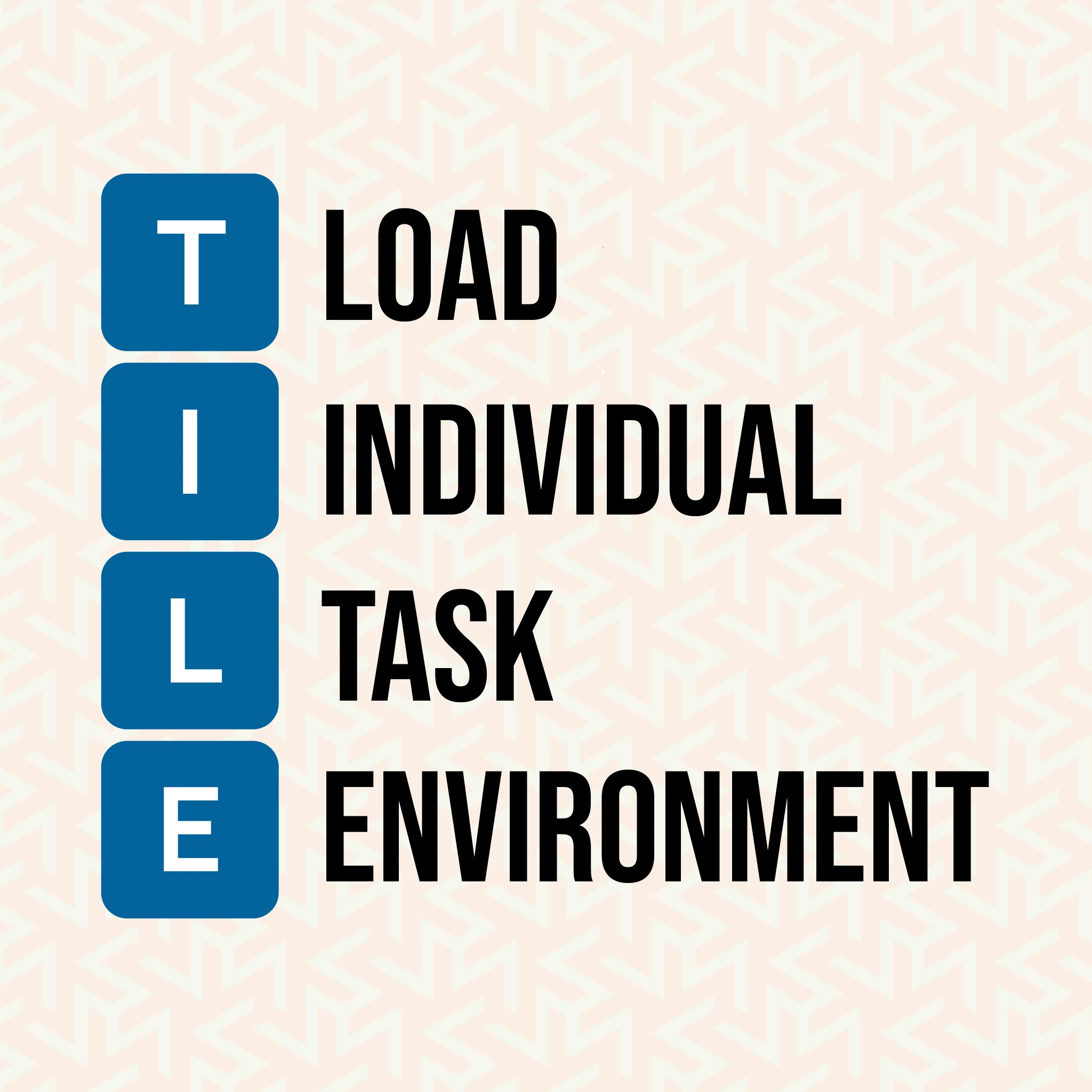
What Does TILE Stand For in Manual Handling? A Complete Guide to the TILE Framework
If a person in the home has developed swollen cheeks or is experiencing pain after chewing, you may be concerned that it is just a virus, such as a cold. However, it could be a much more serious issue, so check for mumps. Mumps is a viral infection that primarily affects the salivary glands, causing swelling in the cheeks and jaw on either or both sides of the face. While the MMR vaccination (measles, mumps, and rubella) has led to a decrease in MMR cases compared to years past, mumps still occurs today, particularly among unvaccinated individuals or those living in areas with low vaccination rates. You can be prepared to act calmly and protect your family from others by understanding how the virus spreads, identifying symptoms, and learning how to care for someone with mumps. Although mumps is highly contagious, it is usually mild. Therefore, with appropriate treatment, most individuals will recover without complication. Let's take an in-depth look at mumps, including what causes it, its symptoms, how to treat it, and how to prevent its spread. What Is Mumps? Mumps is a contagious viral infection caused by the mumps virus. It primarily affects the parotid glands, located near the ears and responsible for saliva production. When infected, these glands become swollen and tender, leading to the tell-tale �puffy cheeks� appearance. Mumps can affect children, teenagers, and adults, although vaccination has significantly reduced its occurrence in recent years. The infection spreads easily through respiratory droplets, such as by coughing, sneezing, or even sharing utensils and drinks with an infected person. While mumps is usually not life-threatening, in rare cases, it can lead to complications such as inflammation of the brain, testicles, or ovaries. What Causes Mumps & How It Spreads Mumps is caused by the mumps virus, a member of the paramyxovirus family. It primarily affects the salivary glands, particularly the parotid glands, which are located near the angle of the jaw. It can be transmitted to others around the infected individual, including those in close proximity, either when the infected person expels saliva into the air (through coughing, sneezing, or talking) or by sharing utensils that have been in direct contact with Saliva. How It Spreads from Person to Person Mumps is highly contagious. The mumps virus is transmitted from one person to another, and the recipient can become infected. Therefore, unvaccinated people are more susceptible to mumps in crowded settings, such as schools, student hostels, or universities. When an individual is infectious, they can transmit the Mumps Virus for approximately 3 to 5 days after symptoms appear. To help prevent spreading mumps: Stay home and avoid close contact with your family or friends for at least 5 days after the swelling begins. Cough or sneeze into a tissue; cover your mouth and nose with a tissue. Wash your hands frequently and don't share personal Items like towels, cups, utensils, etc. Mumps Symptoms Mumps symptoms usually appear two to three weeks after exposure to the virus. In the early stages, it may resemble the flu, characterised by mild fever and fatigue. As the infection progresses, one of the most recognisable signs is swelling in the cheeks or jaw due to inflamed salivary glands (parotid glands). Common Symptoms The most typical signs and symptoms of mumps include: Swelling in one or both cheeks or the jaw (parotid glands): The hallmark symptom is puffiness and tenderness near the ears. Pain while chewing, swallowing, or talking: This is caused by the swollen glands pressing on nearby muscles and nerves. Fever and chills: Often appear before or alongside swelling. Headache and fatigue: Common as your body fights off the viral infection. Muscle aches and joint pain: Indicating your immune system�s response. Loss of appetite: Due to discomfort and fever. Less Common but Serious Complications In some cases, mumps can lead to more serious complications, particularly in adults or those who aren�t vaccinated: Orchitis: Swelling and pain in one or both testicles (in males). This may cause tenderness and discomfort but rarely leads to infertility. Oophoritis: Ovarian inflammation (in females), which can cause abdominal pain and tenderness. Meningitis or encephalitis: Inflammation of the brain or its lining, leading to severe headache, neck stiffness, or confusion. Hearing loss: A rare but possible complication due to nerve inflammation. Most people recover completely within a few weeks, but complications are more likely in adults than in children. If you experience severe pain, persistent fever, neck stiffness, or confusion, seek medical help immediately. Mumps in Babies and Young Children Mumps is rare in babies under one year old because they often carry temporary antibodies passed from their mothers. However, if exposed to the virus, infants may develop symptoms such as fever, irritability, loss of appetite, or mild facial swelling near the jaw or ears. These signs can be harder to detect in younger children. Since babies cannot receive the MMR vaccine before 12 months, preventing infection depends on limiting exposure and ensuring all family members are fully vaccinated. Maintaining good hygiene, avoiding contact with infected individuals, and disinfecting shared surfaces also help protect infants. If a baby shows swelling, high fever, or unusual fussiness, parents should consult a doctor immediately to confirm the cause and prevent complications. Early medical attention ensures safe care and peace of mind for families. How Long Does Mumps Last? The duration of mumps can vary from person to person, but in most cases, symptoms last between 7 to 10 days. The facial swelling and pain usually start to improve after the first week, though tiredness and mild discomfort may linger for a short while. With plenty of rest, hydration, and supportive care, most people make a full recovery without complications. However, it�s essential to monitor symptoms, especially in young children, adults, or individuals with weakened immunity, and seek medical attention if the illness appears to worsen or last longer than expected. When to See a Doctor Contact a healthcare professional if you or your child experiences any of the following warning signs: Persistent high fever or severe pain Swelling in the testicles, abdomen, or face that worsens Stiff neck, confusion, or severe headache, which could indicate meningitis Symptoms lasting longer than 10 days without improvement Existing health issues or a weak immune system that increase complication risk Mumps Treatment There is no specific antiviral medicine for mumps. Treatment focuses on relieving symptoms and supporting the body's recovery. Most people can manage the illness at home with supportive care and treatment. Home Care Tips: Get plenty of rest: avoid strenuous activities until you feel better. Ease discomfort: Use over-the-counter pain relief. Apply warm or cold compresses to reduce facial swelling. Stay hydrated: drink water, soups, and juices to prevent dehydration. Eat soft foods: Smoothies, soups, and mashed foods are easier to chew when jaw pain is present. If you notice severe pain, swelling in the testicles or abdomen, or prolonged fever, seek medical advice immediately. Doctors can provide guidance and rule out complications. Prevention of Mumps The best protection against mumps is the MMR vaccine, which is recommended by the World Health Organisation and guards against measles, mumps, and rubella. Two doses are recommended: Age Group Recommended Dose Notes 12- 15 months � � � � � First dose Start protection early 4-6� years � � � � Second dose Ensures long-term immunity Adults (unvaccinated or unsure) � � � � Catch-up dose Consult a healthcare provider Adults who haven�t received both doses or are unsure of their vaccination status should also consider getting vaccinated. Mumps Prevention in Babies (Before 12 Months) Babies younger than 12 months are too young to receive the MMR vaccine, so their protection depends on herd immunity and caregivers' careful precautions. Parents and family members should ensure they are fully vaccinated, especially before contact with infants. To lower the risk of infection in babies and young children: Wash your hands frequently with soap and water. Avoid sharing bottles, spoons, or towels. Keep sick individuals away from infants. Disinfect toys and common surfaces regularly. Cover your mouth and nose when coughing or sneezing. Keep children at home if they show any symptoms of illness. These preventive steps reduce the risk of mumps spreading within families and childcare settings. Staying informed and maintaining vaccinations ensures that both babies and older children remain protected from this contagious infection, with different levels of first aid training and how each equips you to handle various health emergencies. Is Mumps Contagious? Yes, mumps is highly contagious. It can spread from three days before the swelling begins to about five days after it appears. During this period, infected individuals can easily pass the virus to others through droplets or direct contact. To prevent spreading mumps: Stay home and avoid close contact with others for at least five days after swelling begins. Cover your mouth and nose when coughing or sneezing. Wash your hands frequently and avoid sharing personal items. Conclusion Mumps is a contagious but usually mild viral illness that can affect anyone, especially those who are unvaccinated. Recognising symptoms early, staying isolated during the contagious phase, and focusing on rest and hydration can help ensure a smooth recovery. The MMR vaccine is the best defence against mumps, keeping not just individuals but entire families and communities safe. If symptoms appear, always consult a healthcare professional for proper guidance and care. Discover the benefits of first aid training and why every parent or carer should know how to manage sudden illnesses like mumps Frequently Asked Questions� What is mumps? Mumps is a viral infection that causes swelling in the salivary glands, leading to puffy cheeks and jaw pain. What causes mumps? It�s caused by the mumps virus, which spreads through respiratory droplets or saliva. What are the main symptoms of mumps? Swelling in the cheeks or jaw, fever, fatigue, headache, and pain while chewing. How long does mumps last? Symptoms typically last 7�10 days, tho
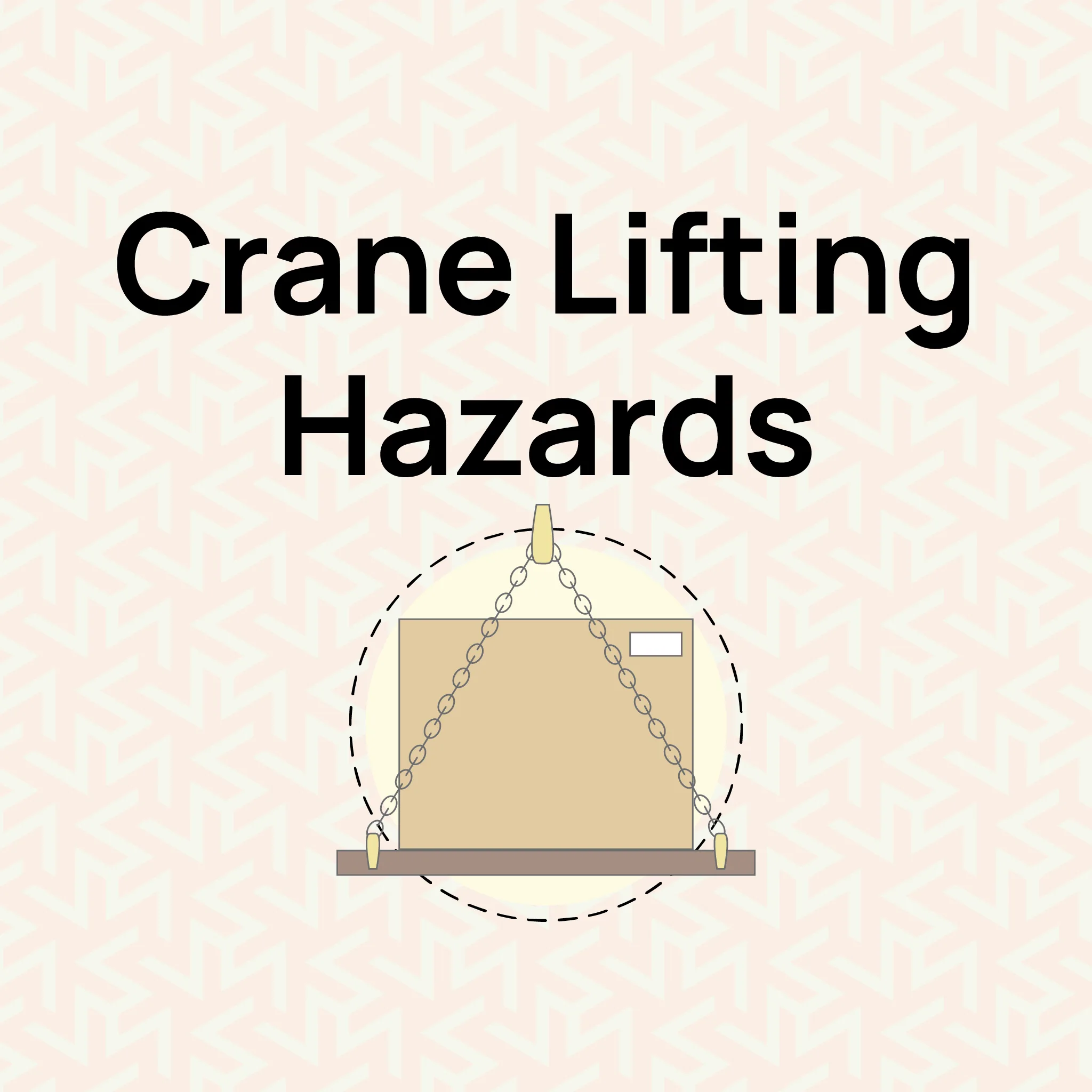
Crane Lifting Hazards and Control Measures: A Practical Safety Guide
Crane operations are a common sight on construction sites, manufacturing yards, and industrial projects across the UK. While they make it possible to move heavy materials with ease, cranes also present serious risks. Accidents involving cranes can cause severe injuries, property damage, and in some cases, even loss of life. That�s why understanding crane lifting hazards and how to control them is crucial for anyone working around lifting equipment, from site operatives to supervisors and managers.This article examines the most common crane lifting hazards, the control measures that mitigate them, and the crucial role of training in creating a safer workplace. It�s written in plain English and is intended for anyone looking to improve their knowledge, whether you�re a beginner or a seasoned professional.Why Is Crane Lifting Safety So Important?Crane-related incidents often result from predictable causes, including a poorly secured load, unclear communication, or failure to identify a hazard before a lift. According to the UK�s Health and Safety Executive (HSE), lifting operations continue to account for serious injuries and fatalities each year.Crane lifting doesn�t just involve the operator; it�s a coordinated task between supervisors, slingers, signalers, and ground workers. When a single part of that team breaks down or fails to follow procedure, the risks escalate quickly. From crushing injuries to electrocution or crane collapse, the potential consequences of poor planning or oversight are too significant to ignore.?? New to Site Work? Start HereThe Health and Safety Awareness (HSA) course covers the basics every site worker should know, including lifting zones, PPE, and hazard spotting.Explore the Health and Safety Awareness course.Common Hazards in Crane Lifting OperationsFalling Loads One of the most dangerous hazards during crane operations is a load becoming detached mid-lift. This can happen due to improper rigging, overloading, or worn lifting equipment. The weight and momentum of a falling load can be fatal to anyone beneath or nearby. Ensuring secure attachment and regular inspection of lifting gear is vital.Overloading and Equipment Failure Every crane is designed with a maximum Safe Working Load (SWL). When this limit is exceeded, structural failure is likely to occur. Even if the crane appears to handle the weight, stress damage can accumulate, compromising future safety. Equipment failures also occur when slings, hooks, or shackles are damaged or have exceeded their usable lifespan.Unstable Ground and Crane Tipping Cranes rely on a stable base. Soft ground, uneven surfaces, or working too close to open trenches can cause a crane to become unbalanced and tip. Weather conditions, such as rain or high winds, can exacerbate this instability. A site that�s poorly assessed or prepared becomes a serious risk for crane operations.Electrocution from Overhead Power Lines Cranes often operate near overhead electrical lines, particularly on urban or infrastructure sites. If a crane comes into contact with live wires, the risk of electrocution is high, not only to the operator but also to anyone in contact with the crane or the ground in the area. Planning safe distances and monitoring boom heights are essential precautions.Poor Communication Among Team MembersEffective crane lifts require a well-informed and briefed team. If communication breaks down between the crane operator, signaler, or slinger, mistakes can occur, such as lifting before the load is secured or swinging the load into an unsafe area. Hand signals, radios, and a clear chain of command help prevent these issues.Control Measures That Reduce RiskThorough Planning and Risk AssessmentBefore any lifting operation begins, a risk assessment should be carried out by a competent person. This includes identifying the type of lift, load weight, ground conditions, weather forecasts, and potential obstacles. Every lift should be treated as a unique task, even when it is routine because conditions can vary from day to day.In the UK, this planning falls under the Lifting Operations and Lifting Equipment Regulations (LOLER). Supervisors responsible for implementing these plans must also ensure all team members are aware of their roles. If you�re stepping into such a role, the�SSSTS course offers targeted training on how to supervise lifting activities safely and legally.Equipment Checks and Regular InspectionsLifting equipment should be checked visually before each use and formally inspected on a scheduled basis. Defective gear, whether it�s a frayed sling or a misaligned hook, must be removed from service immediately. A competent person with knowledge of LOLER requirements should carry out formal inspections.Neglecting inspections doesn�t just increase the risk of accidents; it may also result in legal penalties and fines. A deeper understanding of risk and hazard control can help workers spot potential dangers before they escalate.Thorough Planning and Risk AssessmentBefore any lifting operation begins, a risk assessment should be carried out by a competent person. This includes identifying the type of lift, load weight, ground conditions, weather forecasts, and potential obstacles. Every lift should be treated as a unique task, even when it is routine because conditions can vary from day to day.? Protect Your Back and TeamFrom rigging to load preparation, poor technique can lead to injury. The Manual Handling Training course teaches safer and smarter lifting on-site.Explore Manual Handling TrainingCreating a Controlled Lifting Zone During crane operations, the lift area should be clearly marked and access restricted. Barriers, cones, or signage can be used to prevent unauthorised entry. The lifting zone should never be crossed while a load is suspended. Extra care should be taken when visibility is poor or ground conditions are unpredictable. Managers also have a duty to stop lifting operations if conditions become unsafe, for example, due to strong winds or poor visibility. This responsibility underscores the importance of effective leadership on-site and a thorough understanding of health and safety legal frameworks.Training and Competence Proper training underpins every successful lifting operation. Everyone involved, from crane operators to ground workers, must be adequately trained and competent in their respective roles. Supervisors must not only understand the lifting process but also how to identify if team members are fit for duty. For those in a leadership position, courses like IOSH Managing Safely are valuable for understanding broader health and safety principles across the site.Clear, Unambiguous CommunicationWhether via hand signals, radios, or verbal instructions, communication during a lift must be consistent and understood by all parties. Misunderstood instructions can cause the crane to move at the wrong time or position the load in a dangerous manner. Everyone should be briefed beforehand, and only designated personnel should give instructions to the crane operator.Legal Duties and Your RoleUK law requires that lifting operations by:Planned adequately by a competent personSupervised and carried out safelyConducted using suitable and well-maintained equipmentThese legal duties fall under the Health and Safety at Work Act 1974, LOLER (Lifting Operations and Lifting Equipment Regulations), and PUWER (Provision and Use of Work Equipment Regulations). Non-compliance can result in prosecution, substantial fines, and reputational damage for companies, as well as severe injuries for workers.Understanding your legal responsibilities is part of being a responsible professional. The more informed you are, the better equipped you�ll be to protect both your team and yourself.?? Lead Safer SitesManaging crane lifts or high-risk tasks? The CITB SMSTS course equips you with the tools to plan, lead, and remain compliant on-site.Explore the SMSTS course�The Value of Professional TrainingTraining is more than a compliance requirement; it builds competence and confidence on-site. Whether you're learning how to rig loads correctly, supervise a lifting team, or enforce safe working practices, training sharpens your ability to recognise and control risks.It also supports career development. Supervisors and site managers with accredited safety training are not only safer but also more employable. Those new to construction can start with a foundation course, such as Health and Safety Awareness, while experienced professionals can expand their knowledge through advanced options.FAQsWhat are the most common hazards during crane lifting operations?Some of the most common crane lifting hazards include falling loads, overloading, unstable ground, contact with overhead power lines, and poor communication among the lifting team. Each of these can result in serious injuries or fatalities if not appropriately managed. Understanding these lifting hazards and control measures is essential for safe crane operation, especially on busy construction sites.Who is responsible for crane lifting safety on site?The responsibility for crane lifting safety is shared between several roles, including the crane operator, slinger/signaller, lifting supervisor, and site manager. However, under UK law, employers must ensure that lifting operations are properly planned and supervised by competent individuals. Supervisors trained in lifting operation safety are better equipped to identify and control risks before a lift takes place.What legal regulations apply to crane operations in the UK?Crane operations fall under multiple UK regulations, most notably:LOLER (Lifting Operations and Lifting Equipment Regulations 1998)PUWER (Provision and Use of Work Equipment Regulations 1998)Health and Safety at Work Act 1974These regulations require employers to plan lifts properly, use suitable equipment, and ensure all operators are competent. Non-compliance with these laws can result in prosecution or serious harm.How can I make sure a crane lift is safe before it begins?Safe crane lifting begins with a clear lift plan, prepared by a qualified person. This plan should cover the load weight, crane type, lifting method, ground conditions, and environmental factors such as wind speed. Daily visual checks of the crane and lifting gear should be conducted, and all personnel involved should receive a briefing before the lift. These steps form part of standard lifting operation safety procedures.Do I need formal training to be involved in crane lifting operations?Yes. While roles vary, anyone involved in crane operations, whether as an operator, signaler, or supervisor, should undergo appropriate safety training. Courses like CITB SSSTS or SMSTS are specifically designed to teach site personnel how to manage risks associated with crane operations and comply with relevant legislation. Even general safety awareness or manual handling courses are helpful for operatives working near lifting zones.What should I do if the lifting equipment looks worn or damaged?If any lifting equipment, such as slings, hooks, or shackles, appears worn or defective, it should be removed from use immediately and reported to a supervisor. Using damaged equipment significantly increases the risk of failure during a lift. Regular inspections and maintenance are key elements of crane lifting safety, and they are required by law under LOLER.How often should cranes and lifting accessories be inspected?In general, lifting accessories (such as slings or chains) should be formally inspected every 6 months, and cranes or lifting appliances should be inspected every 12 months or more frequently if specified by a risk assessment. Pre-use checks should be conducted daily before commencing crane operations. These inspections must be performed by a competent person and documented.What role does communication play in safe crane lifting?Communication is vital in any lifting operation safety strategy. Operators must receive precise instructions from a designated signaler using agreed-upon hand signals or radios. Miscommunication is one of the leading causes of lifting accidents, especially on busy construction sites. Toolbox talks and lift team briefings are simple but effective ways to reduce this risk.Can weather conditions affect lifting operations?Yes, weather plays a critical role in crane safety. High winds, rain, and poor visibility can all affect load stability and crane control. Lifts should be postponed or cancelled if conditions are unsafe. This is why every lift plan should include environmental monitoring as part of its risk controls.What�s the best course to take if I want to supervise lifting operations?If you�re looking to move into a supervisory role and oversee crane activities on-site, the CITB SSSTS (Site Supervisor Safety Training Scheme) is highly recommended. It covers how to plan safe lifting operations, understand site hazards, and ensure compliance with legal duties. For those managing more complex or high-risk projects, the SMSTS (Site Management Safety Training Scheme) provides a broader foundation in health and safety management.
Fire Classification Explained: A Complete Guide to Fire Classes (A to F)
Fires in the workplace can escalate quickly and unpredictably, but your knowledge and response can make all the difference. Understanding what type of fire you're dealing with is not just useful; in high-risk environments, it can be lifesaving. That�s why the UK uses a fire classification system to help people identify fires based on the fuel involved and respond using the correct method.Whether you're a site supervisor, an office worker, or someone starting a career in health and safety, learning fire classification equips you with the right knowledge to act responsibly in an emergency. This guide is designed to clearly explain fire classes, making them accessible to everyone, regardless of their background or experience level.What Is Fire Classification?Fire classification is the method used to group different types of fires based on the material that�s burning. Each fire behaves differently and requires a unique method of extinguishment. Using water on a flammable liquid or electrical fire, for instance, can be dangerous and cause severe damage or injury.The fire classification system in the UK categorises fires from Class A to Class F, along with electrical fires, which, although not given a formal class, are widely acknowledged due to their unique nature.Understanding these classes isn�t only crucial in theory; it�s critical for real-world applications. In sectors like construction, hospitality, manufacturing, or warehousing, recognising fire types ensures both compliance and safety.?New to workplace safety? Start here.Build your foundational knowledge of workplace hazards, fire safety, and legal duties with this accessible Level 2 qualification.Start your training today.The Main Fire Classes in the UKLet�s take a closer look at the six key fire classes used in the UK:Class A � Fires involving solids:These are everyday combustibles such as wood, paper, textiles, or cardboard. They're common in offices, schools, and warehouses. Water or foam extinguishers are typically used, as they cool the fire and remove the heat source.Class B � Fires involving flammable liquids:This includes petrol, diesel, paints, and alcohol-based cleaning products. These fires can spread rapidly and should never be tackled with water. Instead, foam, dry powder, or CO? extinguishers are recommended.Class C � Fires involving gases:Gases such as propane, butane, or natural gas can ignite with explosive force. The most important action is to cut off the gas supply if safe, then use a dry powder extinguisher. Class C fires are more likely in industrial or utility sectors.Class D � Fires involving metals:Although rare, some industrial workplaces handle reactive metals such as magnesium or titanium. These fires require specialist dry powder extinguishers and should only be tackled by trained professionals.Electrical fires � Fires involving live electrical equipment:These include faulty wiring, overloaded sockets, or electrical appliances. Water must be avoided due to the electrocution risk. Instead, CO? extinguishers are most effective, as they smother the flames without leaving residue.Class F � Fires involving cooking oils and fats:Common in kitchens and catering environments, these fires burn at high temperatures. A special wet chemical extinguisher is used to cool the oil and form a seal that prevents re-ignition.Each of these fire types behaves differently. Recognising them and knowing the correct extinguisher to use isn�t just smart, it could save lives.The Importance of Using the Right ExtinguisherFire extinguishers come in different types for a reason. Using the wrong one could cause injury, damage to equipment, or intensify the fire. For example, a water extinguisher used on a cooking oil fire could result in a violent flare-up. That�s why all staff must be trained to identify fire classes and match them to the appropriate extinguisher.Employers must ensure that extinguishers are not only available but also clearly labelled and positioned near likely hazards. Even more importantly, employees should understand how to use them. Our fire safety tips for the workplace provide a helpful overview of best practices to get started.Fire extinguisher training is often included in basic health and safety qualifications and is considered a must-have for anyone acting as a fire marshal or safety lead.Legal Responsibilities and Fire Risk in the WorkplaceUnder the Regulatory Reform (Fire Safety) Order 2005, UK employers are legally responsible for ensuring that workplaces are prepared for fire risks. This includes conducting fire risk assessments, installing the correct equipment, and providing staff with appropriate training.Further legislation, such as the Fire Safety Act 2021 and the Building Safety Act 2022, emphasises accountability, especially in high-risk buildings and roles involving safety oversight. These laws highlight that fire safety isn�t optional�it's a core responsibility tied to the duty of care.Neglecting fire precautions can result in fines, prosecution, or even worse consequences. To better understand the consequences of oversight, refer to our article on the impact of poor health and safety procedures.In addition to internal policies, UK workplaces can refer to official government guidance on fire safety in non-domestic premises for compliance information.??Site Supervisors: Stay Compliant and ConfidentLearn how to assess fire risks, lead teams safely, and meet CITB requirements.Take the SSSTS Course.Who Should Learn Fire Classification?Understanding fire classification isn�t just for fire marshals. It�s relevant for:Employees in high-risk sectors like manufacturing, catering, or logisticsSupervisors and team leaders are responsible for staff safetyNew professionals aiming for careers in health and safetySite managers and duty holders are under a legal obligationWhether you�re aiming to build a career in safety or simply want to be a responsible employee, this knowledge will always be relevant. For supervisors, training often includes fire classification as part of broader workplace safety education, such as that covered in SSSTS courses.Learn and Lead with Fire Safety TrainingTraining is the most effective way to turn fire classification knowledge into action. One course that aligns especially well with this topic is the Fire Marshal and Fire Warden Course. It covers fire classes, the use of extinguishers, evacuation protocols, and the legal duties of a fire warden.For those just starting out in safety roles or seeking a general introduction, the Level 2 Health and Safety in the Workplace course provides a strong foundation, particularly for office and retail environments.Final ThoughtsFire classification may seem like a technical detail, but in reality, it forms the basis of real-world fire safety. It enables you to act with confidence, choose the correct extinguisher, and protect both people and property. Whether you're in a leadership position or just starting your first job, this knowledge is empowering.More than that, it�s part of building a safety-conscious workplace culture, one where people are prepared, calm under pressure, and equipped to prevent small incidents from becoming major emergencies.If you're ready to learn more and take on a proactive safety role, consider enrolling in a fire marshal course or general health and safety training. These qualifications not only boost your confidence, they show your employer and colleagues that you're someone they can count on in critical situations.?Advance your career in fire safety.Gain a recognised NEBOSH Fire Safety Certificate and specialise in workplace fire risk management.Get NEBOSH Certified.Frequently Asked QuestionsWhat is a Class A fire?A Class A fire involves solid materials like wood, paper, or textiles. It�s common in offices and homes and is best extinguished with water or foam.What is a Class B fire?Class B fires involve flammable liquids such as petrol or paint. They require foam, dry powder, or CO? extinguishers, never water.What is a Class F fire?Class F fires involve cooking oils or fats, typically in kitchens. These fires need a wet chemical extinguisher and should never be tackled with water.What is a Class D fire?Class D fires involve reactive metals like magnesium or titanium. These fires require a specialist dry powder extinguisher and are usually found in industrial settings.What extinguisher should I use for each fire class?Each fire class needs a specific extinguisher:A: Water or foamB: Foam, CO?, or dry powderC: Dry powderD: Specialised dry powderF: Wet chemicalElectrical: CO? or dry powder onlyWhy is fire classification important?Understanding fire classes helps you respond safely, reduces risk, and ensures compliance with UK fire safety regulations, essential in any workplace.Explore Related CoursesLooking to strengthen your fire safety knowledge or grow your workplace safety credentials? These courses are a significant next step:Fire Marshal and Fire Warden Course: Build confidence in fire prevention, evacuation protocols, and extinguisher use.Level 2 Health and Safety in the Workplace: Understand common risks, including fire hazards, in any work environment.SSSTS � Site Supervisor Safety Training Scheme: Covers fire safety duties and risk control for supervisors on construction sites.SMSTS � Site Management Safety Training Scheme: Designed for site managers, includes fire safety planning and legal responsibilities.Manual Handling Awareness Course: A foundational course to understand safe handling and reduce workplace risks, alongside fire hazards.CITB Health and Safety Awareness Course: An excellent introduction for those new to construction, including fire safety basics.
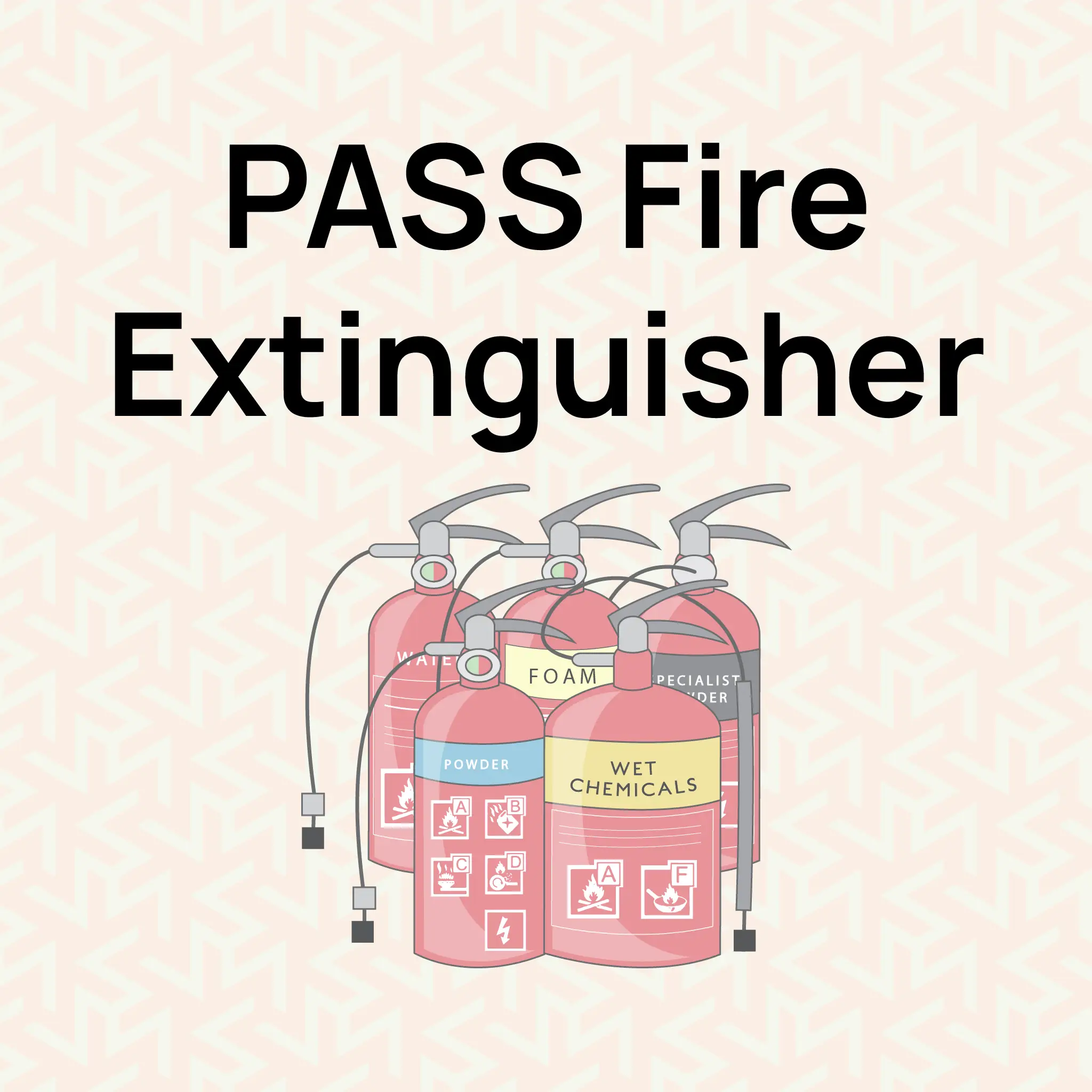
Mastering Fire Safety: The 4 Simple PASS Steps to Use a Fire Extinguisher Effectively
Fire is one of the most unpredictable and dangerous emergencies that can occur anywhere � whether it�s a small kitchen spark, an electrical fault in the office, or an accident during celebrations. If not managed quickly, even a minor incident can escalate into a life-threatening situation.In such critical moments, panic often replaces reason, but preparedness can make all the difference. Knowing how to use a fire extinguisher isn�t just an extra safety measure; it�s a fundamental life skill that can prevent serious harm.Having a fire extinguisher within reach is essential, but understanding how to use it correctly is what truly saves lives. This is where the PASS method � Pull, Aim, Squeeze, and Sweep � becomes essential. These four simple steps form the foundation of effective fire extinguisher use.�In this article, we�ll explain how to apply the PASS technique, explore the ways fire and smoke spread, and highlight the crucial role strong safety practices play in preventing fire-related incidents and protecting lives.What are the four steps for using a fire extinguisher?When a fire breaks out, panic often sets in, but the PASS system fire technique can bring clarity and calmness in those critical moments. To operate a fire extinguisher correctly, you should always follow the PASS fire extinguisher steps.�The technique consists of four key steps that can be performed quickly, even under pressure. To use a fire extinguisher, start by pulling the pin to unlock it. Aim the nozzle directly at the base of the fire, focusing on the fuel source rather than the flames. Firmly squeeze the handle to release the extinguishing agent, and then sweep the nozzle from side to side until the fire is completely extinguished.�In real emergencies, using the PASS method �Pull, Aim, Squeeze, Sweep�can help transform fear into focused action. However, it�s important to remember that knowing how to use a fire extinguisher is just one aspect of fire safety. Regular training, awareness of evacuation routes, and understanding how fire and smoke can spread are all essential for ensuring safety.�Here is a short way to learn the steps :�� � � � Step � � � � � � � � � � Action � � � � � � � � � � � � � Details P � Pull Pull the pin Unlock the extinguisher so it can be used. A � Aim Aim the nozzle at the base Directly at the fire�s base, not the flames. S � Squeeze Squeeze the handle Releases the extinguishing agent. S � Sweep Sweep side to side Cover the base until the fire is out.Why does the PASS system work?The PASS method is not just about putting out fires � it�s about doing so safely and effectively. By aiming at the base of the flames and applying the extinguisher in a steady, controlled motion, you improve your chances of stopping the fire before it spreads. Dividing the process into four simple steps helps you stay composed and act decisively when every second counts.The PASS system is widely taught in workplaces, schools, and safety programmes because it�s easy to remember, even during stressful situations. Whether you�re at home or in a busy office environment, understanding the correct approach to a fire extinguisher can make the difference between containing a small fire and facing a serious emergency.While the PASS method provides a clear and effective framework for operating extinguishers, personal safety should always come first. If the fire spreads quickly, produces heavy smoke, or feels beyond control, evacuate immediately and contact emergency services.Four Ways In Which Fire and Smoke Can SpreadIt is not enough to only know what the four steps for using a fire extinguisher are, or what PASS stands for. You must also understand the four ways in which fire and smoke can spread. This knowledge ensures you don�t underestimate the danger of fire. Those four are :�Convection � Hot gases rise, carrying flames and smoke upward.�Conduction � Heat transfers through solid materials, such as wires, pipes, or beams.�Radiation � Heat moves through invisible waves, igniting nearby surfaces.�Direct Flame Contact � Flames spread by touching other combustible items.�Knowing how fire spreads helps you decide when it�s safe to act or when to evacuate. Effective safety management combines awareness, preparation, and timely action. Consistent attention to Fire Safety at Your Workplace ensures these practices become part of everyday routines. Essential fire safety precautions�Adopting the proper preventive habits can significantly reduce fire risks. Here are some key precautions to consider:Install and maintain fire alarms�Keep a fire extinguisher in key areas like the kitchen & officesPlan & practice escape routes�Use electricity safely�Store flammables with care�Turn off the heat-producing appliances when not in use�Stay updated with fire safety regulations How to Use a Fire Extinguisher CorrectlyEven if you have a PASS fire extinguisher nearby, you must know how to use the fire extinguisher tools properly. Too many people freeze in emergencies because they have never practised.Here are the rules for how to use fire extinguisher equipment:Always stand at a safe distance from the fire.Keep an escape route behind you in case the fire spreads.Use the extinguisher only on small, contained fires.If flames grow or smoke becomes heavy, evacuate immediately.By combining these safety rules with the PASS fire extinguisher steps, you�ll know exactly how to use a fire extinguisher safely and effectively.The PASS fire extinguisher method is effective only on small, controllable fires. This is why it�s crucial to understand and repeat the four steps for using a fire extinguisher multiple times. The method is specifically designed for small, contained fires, such as a stove flame, a waste bin fire in an office, or a minor spark from equipment.�Even if you are familiar with the PASS system, regulations like the Fire Safety Order 2005 impose clear responsibilities on employers to minimise fire risks and provide proper training. Employers must conduct fire risk assessments, offer training, hold regular fire drills, and ensure escape routes are clearly marked. For a better workplace environment, it is necessary to learn and be trained in fire safety. Everyone working in offices, schools, or at public places should receive training and get certified.Achieve the NEBOSH Fire Safety Certificate with Hurak's accredited training. Gain in-depth knowledge in fire risk assessments, fire protection measures, and legal responsibilities, enhancing your qualifications for fire safety positions.ConclusionFire safety involves preparation, knowledge, and confidence. By understanding what the acronym PASS stands for�Pull, Aim, Squeeze, Sweep�you grasp the essential steps for using a fire extinguisher. This simple acronym answers the critical question: What are the four steps for using a fire extinguisher? It also helps you act effectively under pressure.The PASS method is recognised worldwide due to its simplicity and ease of remembrance. Whether in the workplace or at home, applying the PASS system can mean the difference between a minor, contained incident and a devastating fire.It is equally important to understand the four ways fire and smoke can spread: convection, conduction, radiation, and direct flame contact. Even if you know how to use a fire extinguisher, fire can quickly become dangerous if you do not understand the mechanisms of its spread.So, the next time you think about safety at work or home, remember: What are the four steps for using a fire extinguisher? The answer is always the PASS steps. By learning, training, practising, and sharing this knowledge, you take responsibility for your safety and the safety of those around you.FAQsWhat are the four steps for using a fire extinguisher?The four steps are explained through the PASS fire extinguisher method: Pull, Aim, Squeeze, and Sweep. When someone asks, �What are the four steps for using a fire extinguisher?� The answer is always to follow the PASS system fire technique for effective fire control.What does PASS stand for?It stands for PASS (Pull, Aim, Squeeze, Sweep). By remembering this, you can confidently explain how to use fire extinguisher equipment in any small fire emergency.Why is the PASS fire extinguisher method important?The PASS fire extinguisher steps simplify fire safety. In a stressful emergency, people often forget instructions, but the PASS system fire technique is easy to recall and proven to work.What are the four ways fire and smoke can spread?The four ways fire and smoke can spread are: convection, conduction, radiation, and direct flame contact. Knowing the four ways fire and smoke can spread is as important as learning how to use fire extinguisher equipment.Where can I get certified fire safety training in the UK?For those seeking recognised qualifications, there are excellent training options available. You can begin with Fire Safety Training and further enhance your skills through Health and Safety Training Courses. These programmes expand on the principles of the PASS method and the correct steps for using a fire extinguisher, while equipping you with the knowledge to handle real-life workplace situations confidently.