

How to Get a Splinter Out
Splinters are typically tiny and usually an irritationirritating, but they can become an infection concern and should not be overlooked. Whether you have a splinter that is more serious and extends deep under your skin or simply a small one, different methods of removalremoval methods are important to avoid getting an infection.Step-by-step Guide for safe removal of a splinterStep 1: Assess the SplinterBefore removing a splinter, it�s important to examine the area closely to determine the it�s depth and angle. If it is shallow and clearly visible, removal is usually straightforward. However, deeply embedded splinters may require extra care to avoid causing more damage to the skin.Step 2: Gather Your First Aid ToolsAs with most splinter removals, the key to safety is preparation. For safe removal, the tools you are going to need include a pair of tweezers, a magnifying glass to view the splinter closely, rubbing alcohol or antiseptic to clean the tweezers and needle, a sterilized needle in case the it is deep, and a bandage to cover the area after removal of the shard.Step 3: How to Remove a SplinterIf you have a splinter and wish to remove it, you should wash your hands and the affected area with soap and water. This step reduces the probability of getting an infection. After that, clean the tools you are going to use, such as the tweezers and needle, with rubbing alcohol.If the shard is deep into the skin, use the needle to prick the affected area to bring it closer to the surface. Once it�s in a reachable position, use the tweezers to grab it and then draw it out in the same angle it penetrated the skin to ensure it does not break.Step 4: Clean and Protect the WoundOnce the splinter has been extracted, wash the site one more time with an antiseptic to eliminate any germs sticking close to the skin surface. Lastly, be sure to cover the area with a bandage to further prevent the wound from getting infected as it heals. .main{ border:3px solid #0f7c90; border-radius:20px; position: relative; font-family:roboto; font-weight: 400; color: #000; } .main-two{ position: absolute; top:-25px; left:45px; background-color:white; } .img-div{ border-radius : 100%; padding:2px 7px; background-color:#0f7c90; margin-right:5px; width: 50px; height: 50px; } .img{ width:30px; object-fit:contain; height:auto; border-radius : 100%; } @media only screen and (max-width: 600px) { .heading{ font-size:20px; } .img{ width:20px; object-fit:contain; height:auto; border-radius : 100%; } .img-div{ width: 40px; height: 40px; } .main-two{ left:25px; } } Ready to Learn More? Know how to get your splinter out safely. Our First Aid courses offer complete training to help you handle critical situations. Whether you want to improve your skills or workplace safety, these courses help build confidence and expertise. View our Emergency First Aid at Work (EFAW) and Level 3 First Aid at Work courses. These courses meet the UK legal requirements and help you keep people safe. How to Get a Deep Splinter OutPulling out a deep splinter is a very delicate procedure. Avoid excessive digging, as this may compound the situation by worsening the wound and increasing the risk of an infection. If the shardfragment is not easily visible or removable, or if it is sore or oozing pus, it is better to let a physician remove it rather than tryingtry it yourself.Signs of a Splinter InfectionA splinter infection occurs when bacteria get into the affected area. There are some signs to watch out for, including reddening of the skin near the wound, skin inflammation, visible pus, discharge or fluid coming from the wound, increased pain, and the wounded area becoming warm. Such an infection can lead to more serious consequences if not treated.How to Treat an Infected Splinter at HomeAn infection should be treated with considerable precaution from the comfort of your home. First, wash the affected body part with warm water mixed with soap or warm water containing Epsom salt to help ease the skin and reduce inflammation. If the splinter is very painful, once you have removed it, wash the area with an antiseptic solution. To avoid further infection, use an over-the-counter antibiotic ointment and a clean dressing on the wound.If the infection does not improve or worsens, it is time to seek professional medical help.Preventing Splinter InfectionsSuccess in the prevention of one illness can lead to success in the prevention of others. Who said that �prevention is better than cure�? In the event of exposure to potentially splinter-causing materials, clean any cuts promptly and properly to minimizeminimise the chances of developing an infection. During woodworking operations, gardening, or handling sharp objects, protective gloves can offer additional protection.ConclusionBeing aware of how to remove a splinter and care for it can help spare anyone hours of discomfort or complications. Whether you are removing a splinter it or teaching someone how to handle an infected splinter one at home, adhering to these steps increases the chances of successful splinter removal and prevents potential infections. Prompt application of the proper measures after an injury occurs can prevent minor harm from developing into significant damage.
Stinging Nettle Treatment
What is a Stinging Nettle Rash?A stinging nettle rash is caused by the tiny hairs on the stinging nettle plant as they discharge chemicals on the skin, which make the skin burn, turn red, and swell up. The reaction is often mild, but it can sometimes become unbearable if left untreated.Symptoms of A Nettle StingSome of the most common symptoms that people experience from a Nettle sting are:BurningItchingA sharp PainBlistersRednessSwellingThese symptoms should get better within a few days.Symptoms of An Allergic reaction to Nettle StingIt is highly unlikely, however, that some people can suffer from an allergic reaction from a Nettle Sting; if you have any of the following symptoms seek immediate medical help.Trouble BreathingDifficulty swallowingVomiting or NauseaIncreased heart rateFeeling dizzyWheezingFurthermore, a person may experience swelling around the mouth, throat or under the skin; these symptoms can be life-threatening and require immediate medical attention.How to Treat Nettle StingsThere are several effective ways to relieve and treat stinging nettles, using both home remedies and professional advice:Cold CompressIt is recommended to apply a cold compress to decrease the size of the swollen area and reduce the pain sensation originating from a nettle sting. Medical Practitioners also recommends a cold pack or cold water compress to help reduce irritation.Oatmeal BathsMedical professionals say oatmeal can help reduce itching and redness, soothing inflamed skin.Baking Soda PasteBaking soda is a popular remedy for nettle stings, helping reduce the sting's impact and minimise inflammation. Multiple health resources support this method.ToothpasteToothpaste is another home remedy used to soothe itching and reduce swelling.Medications and CreamsFor persistent stings or severe reactions, antihistamines or hydrocortisone creams may be recommended. These are widely endorsed for their hormone-balancing abilities and are commonly used to address inflammatory processes and allergic reactions. .main{ border:3px solid #0f7c90; border-radius:20px; position: relative; font-family:roboto; font-weight: 400; color: #000; } .main-two{ position: absolute; top:-25px; left:45px; background-color:white; } .img-div{ border-radius : 100%; padding:2px 7px; background-color:#0f7c90; margin-right:5px; width: 50px; height: 50px; } .img{ width:30px; object-fit:contain; height:auto; border-radius : 100%; } @media only screen and (max-width: 600px) { .heading{ font-size:20px; } .img{ width:20px; object-fit:contain; height:auto; border-radius : 100%; } .img-div{ width: 40px; height: 40px; } .main-two{ left:25px; } } Stay Prepared and Save Lives! Learn more about the effective treatment for stinging nettles and other common emergencies! Our First Aid courses offer complete training to help you handle critical situations. Whether you want to improve your skills or workplace safety, these courses help build confidence and expertise. View our Emergency First Aid at Work (EFAW) and Level 3 First Aid at Work courses. These courses meet the UK legal requirements and help you keep people safe. What Helps Nettle Stings?According to medical practitioners, other alternatives include calamine lotion and antihistamines, which can help prevent scratching and reduce the risk of additional allergic reactions. Several healthcare providers have highlighted aloe vera gel as an effective remedy for nettle stings due to its cooling effect.Emergency Care for Stinging Nettle RashIf the sting worsens or home remedies and essential treatments are ineffective, it is advised to seek medical attention. Emergency first aid and professional assistance may be required in severe cases.How Long Do Nettle Stings Last?Usually, nettle stings are painful for half an hour to a few hours. However, some individuals may experience discomfort in their bones that persists longer. A healthcare provider should assess symptoms that persist without improvement for several days.
How to Treat a Burn: Essential First Aid Tips
Understanding BurnsBurns can be classified according to severity�first, second, and third-degree�and can be caused by heat, chemicals, electricity, and radiation, among others. The types are first-degree burns, which only affect the epidermis and are marked with redness and pain; second-degree burns, which also produce swelling and the formation of blisters; and third-degree burns, which affect all the layers of the skin and may require medical treatment at once. It is essential to recognise that first aid for burns needs to be done without delay to help minimise pain and improve the healing process.Burn First Aid Steps: What You Need to KnowStop the Burn: Quickly remove yourself or the person from the source of the burn (like fire or hot object). Take off any jewellery or clothing near the burn unless it�s stuck before the area swells.Cool the Burn: Run lukewarm water over the burn area for at least 20 minutes. If water isn�t available, use cold milk or canned liquids.Cover the Burn: Cover the burn with a clean, non-stick bandage or cloth after cooling. Avoid using cotton, as it can stick to the burn.Always remember to act quickly to reduce the damage.Please note:Do not wrap cling film tightly around the burn, as the area needs room to swell. You can cover the burn with a clean plastic bag if the burn is on a hand or foot. Avoid ice, creams, or gels, as these can damage the skin and increase the risk of infection. Also, do not break any blisters that may form, as this can lead to infection.First Aid for Different Types of BurnsSimple or first-degree burns are usual and can be experienced at home. Applying a thin layer of burn relief gel immediately underneath the water and dressing the area with a clean bandage is highly recommended. Burns classified under scalds�burns caused by hot water, steam, and similar agents�should also be cooled and dressed with a non-sticky dressing. Do not burst any formed blisters, as they help shield the skin layer. Scalds with steam water are a frequent result of accidents at home. The burn can be cooled under running water and treated with an antiseptic agent or a burn reliever gel. Applying a bandage on the affected part protects the burn from infections. Chemical burns, for their part, are quite different and require special treatment. Any contaminated clothing must be removed cautiously, and the affected parts must be washed with cool water for at least 20 minutes. Do not apply any creams on the skin unless advised by a doctor, and consult a physician immediately. .main{ border:3px solid #0f7c90; border-radius:20px; position: relative; font-family:roboto; font-weight: 400; color: #000; } .main-two{ position: absolute; top:-25px; left:45px; background-color:white; } .img-div{ border-radius : 100%; padding:2px 7px; background-color:#0f7c90; margin-right:5px; width: 50px; height: 50px; } .img{ width:30px; object-fit:contain; height:auto; border-radius : 100%; } @media only screen and (max-width: 600px) { .heading{ font-size:20px; } .img{ width:20px; object-fit:contain; height:auto; border-radius : 100%; } .img-div{ width: 40px; height: 40px; } .main-two{ left:25px; } } Ready to Learn More? Understanding first aid for burns can make a significant difference in emergencies. Our First Aid courses offer complete training to help you handle critical situations. Whether you want to improve your skills or workplace safety, these courses help build confidence and expertise. View our Emergency First Aid at Work (EFAW) and Level 3 First Aid at Work courses. These courses meet the UK legal requirements and help you keep people safe. Common Myths About Burn TreatmentThere are several myths related to burn management. For example, when a person applies toothpaste on any burning area, it leads him or her to more disaster as it can cause irritation and increase the risk of infection. Likewise, putting ice on a burn makes some sense to reduce the pain but damages the tissue anew. They should, therefore, not use treatment methods with which they have no confidence, such as pouring water on the burns, but should stick to standard initial treatment procedures for burn injuries.Burn First Aid EssentialsIt is necessary to have adequate burn kit stock for emergencies. Basic burn care products include burn relief gel, antiseptic cream, and sterile burn dressings. They are some supplies that make the best impact to give an instant response and quick recovery.
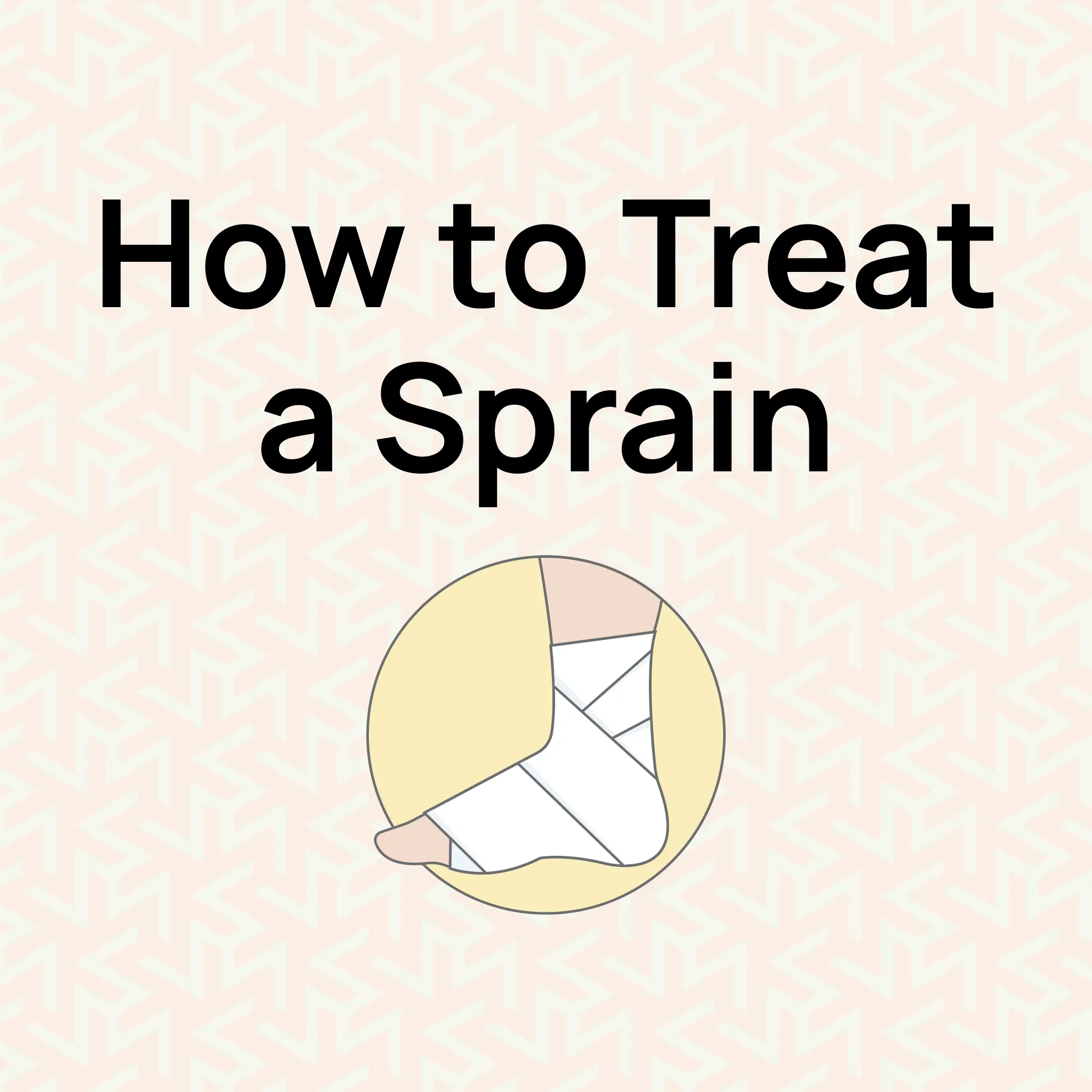
Sprain First Aid - Identifying Signs and Symptoms and its Treatment
What is a Sprain?A sprain is a partial or complete tear of a ligament, the bands of connective tissue consisting of fibres that bind two or more bones together and which stretch and sometimes rupture in response to stress. It usually occurs when the joint is turned or when there is an additional force on the joint, such as when one falls or engages in other sports activities. Symptoms of a sprain include pain, swelling, discolouration of the skin, and lack of movement of the joint. It is necessary to know the type of sprain to administer first aid, so that the healing process can begin as soon as possible.How to Treat Sprains and StrainsSprain and Strain are easy to mix up because they can feel quite similar in the beginning. A sprain usually happens when a joint twists suddenly and the ligaments around it get stretched too far, which is common with ankle or wrist injuries. A strain is slightly different because it affects muscles or tendons and often happens after lifting something heavy or overusing a muscle. Even though they involve different tissues, the first few first-aid steps are mostly the same and are aimed at keeping swelling down and helping the injured area settle.Ligament or muscle injuries causing sprains and strains may vary, but offering first aid at the early stages is crucial. To manage a sprain, it is good to apply the RICE approach, which is the most recommended. Let�s begin by understanding what RICE means and how it can be carried out correctly. .main{ border:3px solid #0f7c90; border-radius:20px; position: relative; font-family:roboto; font-weight: 400; color: #000; } .main-two{ position: absolute; top:-25px; left:45px; background-color:white; } .img-div{ border-radius : 100%; padding:2px 7px; background-color:#0f7c90; margin-right:5px; width: 50px; height: 50px; } .img{ width:30px; object-fit:contain; height:auto; border-radius : 100%; } @media only screen and (max-width: 600px) { .heading{ font-size:20px; } .img{ width:20px; object-fit:contain; height:auto; border-radius : 100%; } .img-div{ width: 40px; height: 40px; } .main-two{ left:25px; } } Ready to Learn More? Learning about sprain treatment and understanding first aid basics can significantly impact emergencies. Our First Aid courses offer complete training to help you handle critical situations. Whether you want to improve your skills or workplace safety, these courses help build confidence and expertise. View our Emergency First Aid at Work (EFAW) and Level 3 First Aid at Work courses. These courses meet the UK legal requirements and help you keep people safe. What Does RICE Stand For?The RICE formula is a helpful four-letter word to remember the directives for dealing with sprains and preventing further harm. Here's what it stands for:Rest: Do not put any pressure on the injured so that it can heal.Ice: Use a cold pack for 15�20 minutes every 1�2 hours during the initial 48 hours. This helps minimise inflammation and dull the pain.Compression: Cover the injured part with an elastic bandage to minimise inflammation and bleeding. Ensure the bandage is snug but not too tight to avoid restricting blood circulation. Learn how to dress a wound appropriately.Elevation: Place the injured limb slightly above heart level to reduce swelling caused by congestion.By remembering RICE, treatment can be easily administered early, enhancing recovery.When to Seek Professional HelpThe RICE first aid method can be used in case of mild to moderate sprains. However, severe injuries may require medical attention. It should be consulted with a healthcare professional in case:You are not able to put weight on the affected limb.Pain and swelling persist or worsen after 48 hours.The joint appears deformed or unstable.Preventing Sprains and StrainsTo prevent future injuries, it is important to practice the following preventative measures:Warm up before physical activity.Wear appropriate footwear.Make your muscles stronger around your joints.Pay attention to rough surfaces when walking or running.ConclusionProviding immediate first aid for a Sprain is essential to reduce swelling and support joint stability. Recognising symptoms such as pain, bruising, and restricted movement allows quick action. Following the recommended treatment steps helps prevent complications and promotes recovery. It is important to seek professional medical help when symptoms persist or worsen. Early response plays a key role in achieving better outcomes.
Head Injury First Aid: Key Steps for Minor and Serious Injuries
Whether minor or significant, injuries to the head should be well attended to and responded to in order to avoid escalating to a worse situation. It is also an easily injured area, and even what may look like minor injuries can so easily turn into major complications. In this writing, we will not only learn about casualty handling and treatment of our casualty with mild head swelling but also discuss more about serious injury, concussion first aid, and signals to look for when one may need the attention of a professional.How Would You Respond to a Person with a Minor Head Injury That Has Caused Visible Swelling?If someone has a minor head injury and they have signs of swelling, the same principles should be followed but with a little less severity. Here are the steps to follow:Assess the person: Make sure there is no sign of a more serious affliction. If the person is conscious and awake, go to the next steps. If they are unconscious, then get acquainted with emergency management procedures for unconscious individuals.Apply Ice or Cold Compress: If there is redness and/or puffiness, use an ice pack or cold towel on the affected area but ensure it is covered with a cloth. This minimizes the aching as clients are also tapered to prevent their skin from inflammation. Also, do not apply ice directly to the skin surface, as this will lead to frostbite.Monitor for Changes: Although the concerns may be as simple as bruises, observe the individual for any behavioural or mental changes. If the swelling increases or the person starts developing complications of severe head injury, call for help.Seek Medical Attention if Necessary: Minor redness and grains are common, but if the accident caused serious trauma or the symptoms worsen, seek medical attention.Compression Head Injury: Understanding the RisksThis particular kind of head injury usually happens whenever the force exerted on the brain is so strong that injury is inevitable. This can occur in road accidents, falls, or any other rigorous sports (close contact sports). Compression injuries may potentially result in severe fractures of the skull, besides leading to swelling of the brain or bleeding.First Aid: Compression Head InjuryCall Emergency Services ImmediatelyCompression injuries are life-threatening and require urgent medical attention.Ensure the Person Remains StillDo not move the person unless there is an immediate safety concern.Monitor for Severe SymptomsWatch for signs like:Worsening headache.Drowsiness or confusion.Vomiting or seizures.Weakness or paralysis in limbs.Unequal pupils or fluid (blood/clear) leaking from the ears or nose.Keep the Head ElevatedElevate the head (if possible) to reduce intracranial pressure.Do Not Offer Food, Drinks, or MedicationAvoid giving anything by mouth, as surgery may be required.Prevent Further HarmKeep the area safe to prevent additional injuries.Signs of Serious Head InjuryKnowing the signs of a serious head injury is essential in providing timely and appropriate first aid. This type of injury can quickly escalate to a life-threatening condition if not properly managed. Key signs of a serious injury to the head include:Loss of Consciousness: A casualty who is unconscious for more than a few seconds needs immediate medical attention.Severe Headache: A headache that worsens or is severe may indicate internal bleeding or swelling.Bleeding or Clear Fluid from the Nose or Ears: This could indicate a skull fracture and requires urgent care.Confusion, Dizziness, or Disorientation: When an individual is confused or disoriented, this may indicate a concussion or a more severe injury.Seizures: Seizures may be a sign of brain injury, and emergency services must be called immediately. .main{ border:3px solid #0f7c90; border-radius:20px; position: relative; font-family:roboto; font-weight: 400; color: #000; } .main-two{ position: absolute; top:-25px; left:45px; background-color:white; } .img-div{ border-radius : 100%; padding:2px 7px; background-color:#0f7c90; margin-right:5px; width: 50px; height: 50px; } .img{ width:30px; object-fit:contain; height:auto; border-radius : 100%; } @media only screen and (max-width: 600px) { .heading{ font-size:20px; } .img{ width:20px; object-fit:contain; height:auto; border-radius : 100%; } .img-div{ width: 40px; height: 40px; } .main-two{ left:25px; } } Take Action Now: Learn How to Save Lives with First Aid Training! Head injuries can happen anytime, and knowing how to respond quickly and effectively can make all the difference. Our First Aid courses offer complete training to help you handle critical situations. Whether you want to improve your skills or workplace safety, these courses help build confidence and expertise. View our Emergency First Aid at Work (EFAW) and Level 3 First Aid at Work courses. These courses meet the UK legal requirements and help you keep people safe. Recognizing the Signs and Symptoms of ConcussionA concussion is a mild injury to the brain resulting from being hit on the head. Concussions are very frequent, but they should never be considered as minor injuries. The signs and symptoms of a concussion include:Headache: Headache is perhaps one of the most typical symptoms of concussion and can either increase constantly for the first week after the injury or have its onset after this time.Dizziness and Nausea: Any incidence of dizziness, nausea, or vomiting after a head injury points towards a concussion.Confusion: The casualty may have amnesia of the incident, and they may be confused and not recognize the environment.Balance Issues: Stiffness, imbalance, or a tendency to fall, or difficulty in moving from place to place could also be present.Concussion First AidEnsure the Person Remains Still: Keep the casualty in a safe position and limit their movement.Avoid Further Impact: Prevent any further impact to the head, which could worsen the injury.Seek Medical Help: Even if the symptoms seem mild, it�s crucial to have a healthcare professional evaluate the injury to prevent complications.Pre Hospital Management: What You Need to Know about concussionsPre-hospital management of concussion is a very delicate area that requires great precautions and quick actions. After a head injury, if the person displays signs of concussion, take the following actions:Keep Them Calm: Try to make the person relax and do not encourage any tiring activities.Monitor Their Condition: Always look out for signs of the condition getting worse, such as confusion, a severe headache, or loss of consciousness.Do Not Allow Them to Sleep Immediately: The casualty should, in the first instance, remain awake so that there are good prospects for observing alterations in the situation.Transport to Medical Facility: If these symptoms start to worsen, or do not fade away after some time, then they need to get professional help at once. Sometimes concussions do cause headaches and dizziness, and it is necessary to have bed rest if one has a concussion. However, if one has a concussion, they are at risk of developing dangerous complications.First Aid for Head Bumps: Quick Steps to TakeHead bumps are frequently observed, but they should not be overlooked. They can produce such effects as swelling, weeping, or sometimes even a concussion. Here�s how to handle them:Ice the Bump: On the rare occasions that it is painful, you should put a cold compress or ice pack to minimize swelling.Check for Other Symptoms: During the assessment for a head or neck injury, look for symptoms of confusion, dizziness, or nausea. If any of these occur, please see a doctor right away.Encourage Rest: The casualty should not engage in any physical activity until they are ready to get up again.Watch for Delayed Symptoms: You should therefore observe any changes that may occur several hours after the bump, which may be symptoms of a serious head injury.ConclusionAll head injuries, no matter how small, should be looked into and treated. From raised lumps to puffed-up parts to indications of a broken head, it�s vital to move fast and effectively when someone is harmed. By identifying severe head injuries, using the right procedure, and getting the right medical help whenever required, one is safe from the dangers involved, and the individual injured will recover in the shortest time possible. Remember: Knowledge of how to handle a concussion or head bump first aid is crucial, as complications may arise at any time. It is always best to be safe than sorry. If you think you are in extreme pain or if the wound is major, consult a doctor immediately.
Stroke First Aid: Recognize, Respond, and Save Lives
A stroke is a condition that calls for an urgent response. Some general information regarding what to do in case of managing it goes a long way in saving a life. First aid can be useful in order to lessen the effects that strokes have and increase the chances for recovery. It is crucial to recognize the symptoms when they show up and do something about it as soon as possible. Time is always of the essence, and knowing what to do in a stroke first aid situation is of utmost importance.What Happens in a Stroke?A stroke is defined as a situation where there is a blood supply interruption to a section of the brain. This may occur in two ways: where there is a congestion in the blood flow or where a blood vessel has burst. When there is no blood flow to the brain, brain cells start to die as they are irreversibly damaged. It is crucial to understand what happens in a stroke to comprehend why fast treatment is necessary. How To Recognize a StrokeIf you are interested in learning how one can assist someone that is likely to suffer a stroke, then you need to know how to identify the signs. The FAST method is an easy technique that helps identify a stroke quickly.First Aid for Stroke at HomeNow and then, you may find yourself at home when a person suffers a stroke. Home remedies for stroke are to stay relaxed, dial an emergency number, and do the things listed above. Once again, we insist, never try to treat it yourself, wait for professional help to arrive. The only thing that needs to be guaranteed is that medical help is on the way as soon as possible.3 First Aid Treatments for a StrokeIf you are unsure how to deal with a stroke, remember these three essential first aid treatments for a stroke:Call for Help: Dial emergency services without delay.Monitor and Comfort: Keep the person comfortable and ensure they are breathing.Position the Person Safely: If unconscious but breathing, place them in the recovery position to protect their airways.These steps are crucial for survival while waiting for medical professionals to arrive. .main{ border:3px solid #0f7c90; border-radius:20px; position: relative; font-family:roboto; font-weight: 400; color: #000; } .main-two{ position: absolute; top:-25px; left:45px; background-color:white; } .img-div{ border-radius : 100%; padding:2px 7px; background-color:#0f7c90; margin-right:5px; width: 50px; height: 50px; } .img{ width:30px; object-fit:contain; height:auto; border-radius : 100%; } @media only screen and (max-width: 600px) { .heading{ font-size:20px; } .img{ width:20px; object-fit:contain; height:auto; border-radius : 100%; } .img-div{ width: 40px; height: 40px; } .main-two{ left:25px; } } Take Action Now: Be Prepared to Save a Life! Understanding stroke first aid can make all the difference in an emergency. Don't wait until it's too late, empower yourself with the knowledge and skills needed to act quickly. Enroll in a certified First Aid course today and learn how to recognize, respond to, and save lives in critical situations. Your preparedness could save someone�s life. How to Deal with a Stroke: The Role of Emergency CareIn addition, knowing how to handle a stroke is important because medical practitioners will normally administer therapies like clot-dissolving agents (in the case of an ischemic stroke) or perform surgical operations (in the case of a hemorrhagic stroke) to remove the cause of the stroke. The sooner the treatment is administered, the better the rates of recovery for patients.Post-Stroke Care and RehabilitationIn subsequent stages, post-stroke follow-up may be important in helping a person regain many of the aspects they had lost, such as physical dexterity. This may typically include occupational therapy, physical therapy, dementia care and speech therapy. Recovery is a lengthy process, and one should not rush; they should adhere closely to the doctor�s instructions.Prevention is Key: Reducing the Risk of StrokeStroke control is essential when one occurs, but it is equally vital to prevent a stroke from occurring in the first place. Here are some prevention tips:Manage Blood Pressure: High blood pressure can cause a stroke; therefore, ensuring that one's pressure is checked frequently is important.Exercise Regularly: Physical activity strengthens the cardiac muscles and blood vessels, lowering the risk of a stroke.Quit Smoking: Smoking leads to strokes by altering the blood vessels and making them less healthy for transporting blood in one�s body.Healthy Eating: Reducing salt intake, along with the intake of unhealthy fats, is a major way of reducing the risk of a stroke.ConclusionInformation about what to do if a person is affected by a stroke can help save a life. In reality, stroke first aid is more about recognizing the signs, responding right away, calling for help, and making sure the patient is protected until help arrives. A stroke is a serious medical condition that requires proper knowledge of how it should be managed. Abiding by the guidelines listed will make the biggest difference to the patient. Immediate help is a must; the faster it arrives, the better the outcome will be. Recall the listed steps and always bear in mind that first aid for a stroke at home may mean the difference between life and death in a critical situation.
The Three S�s of Seizure Management - Stay, Safe, Side
Epilepsy affects millions worldwide, and understanding seizure first aid is important in helping someone during a seizure. The "Three S's" of seizure management�Stay, Safe, Side�offer simple, actionable steps to provide practical assistance.Stay: Be Present, Be Calm During First Aid Seizure ManagementThe first rule of seizure first aid is to stay with the person throughout the episode. Your presence is important for their safety and comfort.Why Stay?Being present during a seizure ensures that the person is not left alone in a vulnerable moment and allows for careful observation of the seizure's duration and type, which can provide valuable information to medical professionals.How to Stay?Check for a medical ID: Some individuals with epilepsy wear bracelets or carry cards identifying their condition and providing treatment details.Time the seizure: Use a timer or watch to monitor how long the seizure lasts. Most seizures are brief, lasting seconds to a few minutes, but a seizure lasting five minutes or more is a medical emergency.Safe: Minimise Hazards During First Aid Epileptic ManagementCreating a safe environment is critical to prevent injury during a seizure.Why Safe?Seizures can cause loss of awareness or uncontrolled movements, increasing the risk of accidents.How to Keep Them Safe?Remove nearby hazards by moving sharp or hard objects out of reach.Guide gently if they�re wandering: If the person is walking or confused, steer them away from traffic, stairs, or other dangers.Water safety: If the seizure occurs in a pool or bathtub, remove the person from the water immediately to prevent drowning.Side: Position for Recovery During First Aid Seizure ManagementPositioning the person on their side, also known as the recovery position, can prevent complications if they lose consciousness.Why Side?Laying the person on their side with their mouth pointed downward prevents saliva from obstructing their airway, reducing the risk of choking.How to Help?Gently roll the person onto their side. Ensure their head is cushioned.Avoid forcing their body into the position if it�s difficult; wait until their movements allow you to assist.The Do's in Emergency First Aid for SeizuresStay Calm: Keep your composure to help the person promptly.Time of the Seizure: Always note the duration of the seizure to provide this information to medical professionals if needed.Protect the Person: Move harmful objects away and provide a soft surface under their head if possible.Help Them to the Side: If the person is unconscious, gently position them on their side to help keep their airway clear.Observe Closely: Monitor their breathing and behaviour during and after the seizure.Offer Comfort Post-Seizure: When the seizure ends, reassure the person, explain what happened if they�re confused, and stay with them until they recover fully. .main{ border:3px solid #0f7c90; border-radius:20px; position: relative; font-family:roboto; font-weight: 400; color: #000; } .main-two{ position: absolute; top:-25px; left:45px; background-color:white; } .img-div{ border-radius : 100%; padding:2px 7px; background-color:#0f7c90; margin-right:5px; width: 50px; height: 50px; } .img{ width:30px; object-fit:contain; height:auto; border-radius : 100%; } @media only screen and (max-width: 600px) { .heading{ font-size:20px; } .img{ width:20px; object-fit:contain; height:auto; border-radius : 100%; } .img-div{ width: 40px; height: 40px; } .main-two{ left:25px; } } Knowing the 3 S�s rule for seizure management is important in emergencies, but there's more to first aid. Our First Aid courses offer complete training to help you handle critical situations. Whether you want to improve your skills or workplace safety, these courses help build confidence and expertise. View our Emergency First Aid at Work (EFAW) and Level 3 First Aid at Work courses. These courses meet the UK legal requirements and help you keep people safe. The Don't's in Emergency First Aid for SeizuresWhile the Three S�s guide what to do, it�s equally important to know what not to do:Do not place anything in their mouth.Contrary to popular myths, people cannot swallow their tongue during a seizure. Objects in the mouth could break teeth, block the airway, or cause choking.Do not restrain them.Holding someone down during a seizure can lead to injuries for both you and the person.When to Call 999 During an Epileptic Seizure EventIn some cases, seizures require immediate medical attention. Call emergency services if:The seizure lasts longer than five minutes.The person experiences multiple seizures without regaining consciousness.They have difficulty breathing or appear to choke.It�s their first seizure.There�s a risk they�ve aspirated water.It�s better to err on caution when in doubt and call for help. As Dixon aptly says, �No one will fault you for getting help in a situation where you�re not sure what to do.�Beyond First Aid: Supporting Those with EpilepsyProviding effective first aid during a seizure is critical, but there�s more to supporting someone with epilepsy:Educate Yourself: Learn about epilepsy and its triggers. Common triggers include lack of sleep, stress, and flashing lights.Advocate for Awareness: Share knowledge about seizure first aid within your community.Be Prepared: If a friend or family member has epilepsy, keep emergency contact information and a list of their medications handy.By following the Three S�s and being informed, you can make a meaningful difference in the life of someone experiencing a seizure. Seizure first aid is not just about safety; it�s about empathy and empowerment.ConclusionIn conclusion, knowing how to help someone during a seizure can make a big difference. By remembering the "Three S's"�Stay, Safe, Side�you can provide the support they need and keep them safe. With some knowledge and care, you can help them get through a challenging moment confidently and calmly.
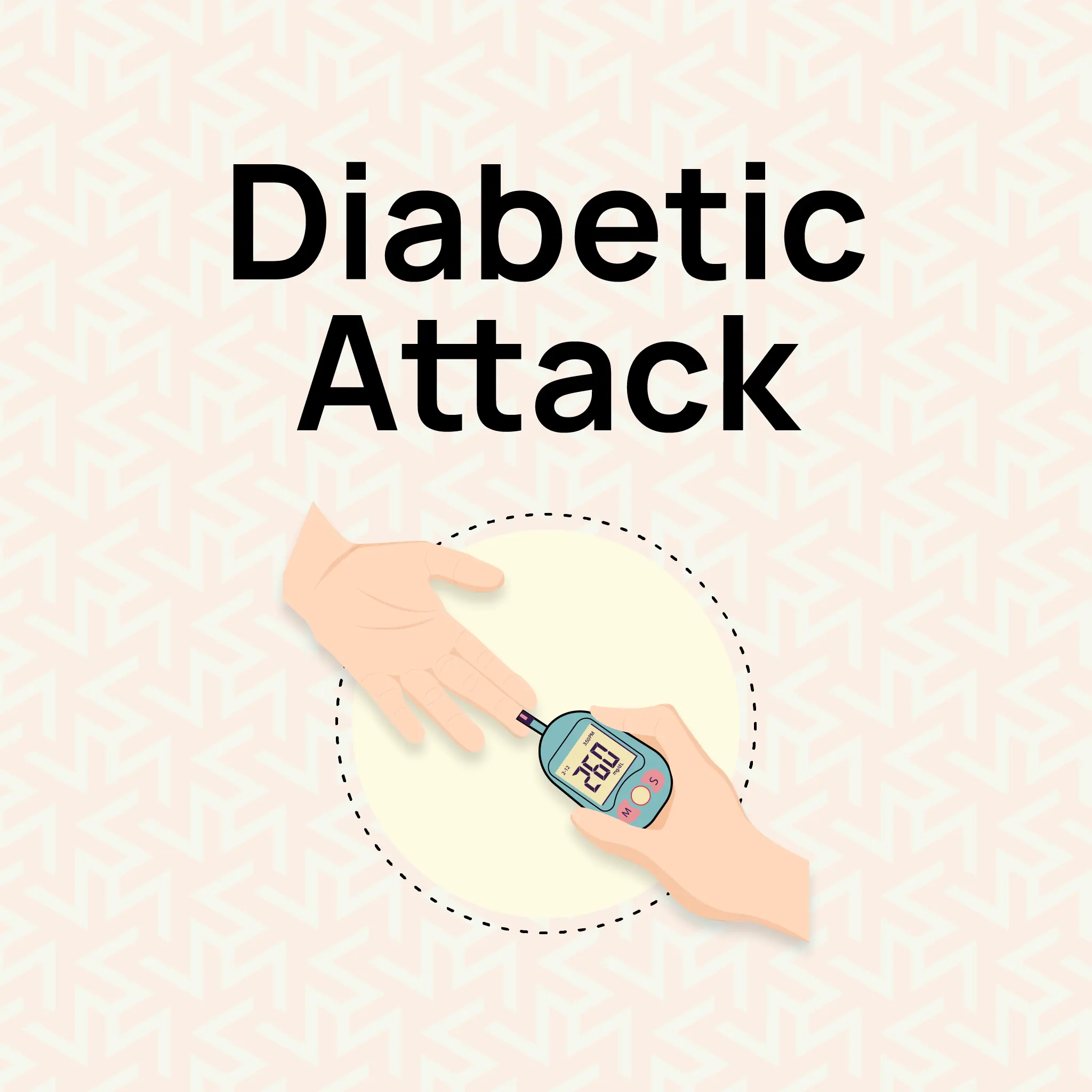
Diabetic Attack
Diabetes is a condition that affects the body�s ability to regulate blood sugar. A diabetic attack occurs when blood sugar levels fluctuate suddenly, posing serious health risks if not addressed quickly. Recognizing the symptoms and knowing how to respond are crucial.Let�s explore common triggers, warning signs, and essential first-aid measures to manage a diabetic attack effectively.What is a Diabetic Episode?A diabetic episode is caused by blood sugar levels dropping dangerously low also known as hypoglycaemia. If the blood sugar level is excessively high that condition is referred to as hyperglycemia, both the conditions can be a threat to a person's life.Hypoglycaemia: This is when a person�s blood sugar drops below 70 mg/dL, requiring immediate action to prevent serious complications.Hyperglycaemia: This is caused by a rise in blood sugar anything above 180 mg/dL), this can lead to like diabetic ketoacidosis.Both conditions can escalate quickly and require immediate first aid.What Are 3 Signs of a Diabetic Emergency?When dealing with a diabetic emergency, understand that symptoms can vary depending on whether it�s hypoglycaemia or hyperglycaemia.There are several common warning signs which may indicate you are most likely dealing with a diabetic emergency:Feeling disoriented or may appear in a daze: Having trouble thinking or speaking concisely.Dizziness or losing consciousness: A common symptom, especially during hypoglycaemia.Severe fatigue: Severe weakness that impairs normal motor functioning.These symptoms indicate that there is a need for immediate diabetes first aid.Symptoms of a Diabetic EmergencyHypoglycemia SymptomsFeeling light-headed and shiveringSweating profuselyThe vision is blurryChanges in moodLoss of consciousness in severe casesHyperglycemia SymptomsFeeling extremely thirstyThe need to urinate more than what�s considered normalFeeling Nauseated or vomitingFruity-smelling breathHeavy or inconsistent breathingWhat to Do If a Diabetic Feels DizzyDizziness is often a symptom of hypoglycemia. Here's how to respond:Check Blood Sugar: Use a glucose monitor to determine if levels are low.Provide Fast-Acting Carbohydrates: Offer 15�20 grams of glucose tablets, fruit juice, or sugary candy.Rest and then monitor: After consuming sugar, ensure the person rests, and then in approximately 15 minutes, check their blood sugar again.Seek Help: the person still feel dizzy despite the precautionary measures like consuming sugar in any form or if they lose consciousness, act swiftly and immediately administer hypoglycemia first aid, this would include a glucagon injection.If the cause of the dizziness is hyperglycemia, help the person hydrate and then monitor blood sugar levels. In case the person loses consciousness, placing them in the recovery position can help maintain their safety. Call for help if the problem persists.Diabetes First Aid During an EmergencyPrompt action during a diabetes attack is essential. Furthermore thorough knowledge of the 3 Ps in First Aid, preserving life, prevent the condition from worsening and promoting recovery can guide your actions during a diabetic emergencyHypoglycemia First AidImmediately provide a sugary drink or glucose tablet.Avoid giving foods that are high in fat, as they slow sugar absorption.If the person is unconscious, do not attempt to feed them. Instead, administer a glucagon injection or call emergency services.Hyperglycemia First AidEncourage drinking water to flush out excess sugar.Administer insulin if prescribed, but avoid overcorrection.Seek medical attention if symptoms worsen or if the person shows signs of diabeticketoacidosis (e.g., fruity breath or heavy breathing).Always ensure your First Aid kit consists of the necessary items like a glucose table and an insulin. .main{ border:3px solid #0f7c90; border-radius:20px; position: relative; font-family:roboto; font-weight: 400; color: #000; } .main-two{ position: absolute; top:-25px; left:45px; background-color:white; } .img-div{ border-radius : 100%; padding:2px 7px; background-color:#0f7c90; margin-right:5px; width: 50px; height: 50px; } .img{ width:30px; object-fit:contain; height:auto; border-radius : 100%; } @media only screen and (max-width: 600px) { .heading{ font-size:20px; } .img{ width:20px; object-fit:contain; height:auto; border-radius : 100%; } .img-div{ width: 40px; height: 40px; } .main-two{ left:25px; } } How To Administer CPR ? Do not wait for a diabetic emergency to strike, train yourself on how to manage and prevent diabetic attack, Join our comprehensive First Aid at Work Training course and help save lives today! Prevention Tips for Diabetic EpisodesMonitor Blood Sugar Levels Regularly: Keeping track of glucose levels helps prevent sudden spikes or drops.Stick to a Balanced Diet: Include high-fiber and low-glycemic foods to maintain stable sugar levels.Be Active: Balance physical activity with adequate nutrition and hydration.Know Your Triggers: Stress, illness, or skipped meals can provoke diabetic episodes.Frequently asked questions regarding someone who is having a diabetic emergencyWhat happens in a diabetic emergency?Usually when blood sugar levels become too low. This is also known as hypoglycaemia. It can be caused due to skipping a meal or physical overexertion. If left untreated, a diabetic emergency can turn serious.What should I give them to eat or drink?Any sugary drinks such as cola, fruit juice and isotonic sports drinks, and sweet foods such as chocolate and sugar cubes. If the person is diagnosed they may be carrying glucose tablets with them.How will I know if the person has been suffering from this for a long time?If they are conscious, ask them, listen closely to what they say.They may have some form of identification on them like a card, or a bracelet that will give you information about their condition, a person who has been suffering for a while may be carrying an insulin pen, glucose gel or glucose tablets.When should I decide when to call the emergency helpline?Call the emergency helpline if the person�s condition doesn�t improve or they become unresponsive.ConclusionDiabetic attacks, whether from hypoglycemia or hyperglycemia, are serious medical emergencies. It is extremely important to be aware of the symptoms of a diabetic emergency and know how to provide immediate aid. Whether it�s offering sugary snacks during hypoglycemia or assisting with hydration during hyperglycemia, your quick response can prevent complications.It is highly unlikely however in some cases a person experiencing diabetic emergency may spiral which can lead to a cardiac arrest, knowing how to use a defibrillator could save a life.Your quick response can prevent complications.By managing triggers, staying informed, and practicing diabetes first aid, individuals with diabetes can live healthier, safer lives. Always consult your healthcare provider for personalised advice.
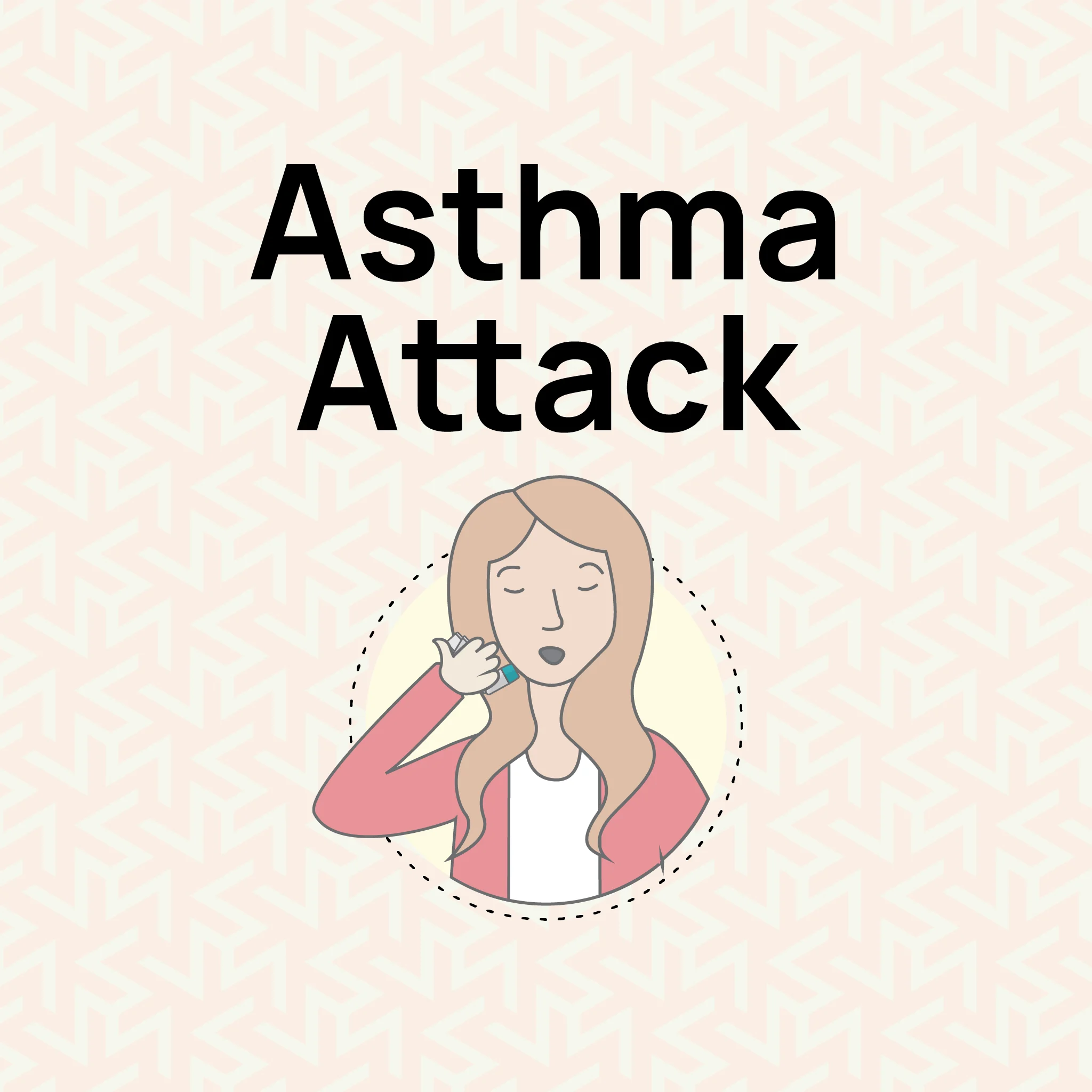
What to do if someone is having an asthma attack
There are several things you can do if you see someone having an asthma attack. Help them sit in a comfortable position and give them their inhaler. If they don�t have their inhaler, reassure them while you call the emergency helpline. Remind them to take slow and steady breaths, and if needed, help them repeat the use of the inhaler.How to Use Your Inhaler During an Asthma AttackAsthma attacks can be frightening for the individual experiencing them and those attending them. The approach to handling such a situation is timely and effective action,� understanding how to provide asthma first aid with an inhaler is essential. It can help prevent serious consequences at home, work, or in public.Take 1 or 2 puffs of your reliever inhaler (usually blue) right away. If you have a spacer, use it. If taking 2 puffs, take them one at a time.Sit down and try to breathe slowly and steadily.If you don�t feel better, take 1 puff every minute. You can take up to 10 puffs. It�s easier with a spacer if you have one.If you�re still not feeling better or you're worried, call 999.If the ambulance doesn�t arrive in 10 minutes and you still feel bad, repeat step 3.Your inhaler might be empty. Try another one if you have it to see if it helps.If you feel better and don't need to call 999, still see a doctor or asthma nurse within 24 hours.Recognising the signs of an Asthma Attack.An asthma attack occurs when the airways become inflamed, narrow and produce excess mucus, making breathing difficult.Common signs include:Severe shortness of breathWheezing or coughingTightness in the chestDifficulty speaking in full sentencesAnxiety or panic due to difficulty breathingWhat are the causes and triggers of asthma attacks?Allergens: Pollen, dust mites, mold, pet dander, roach droppingsRespiratory infections: Colds, flu, sinus infections, or viral infectionsAir pollution: Smoke, smog, fumes, strong perfumes, and chemical irritantsWeather conditions: Cold air, hot and humid weather, or drastic temperature changesPhysical activity: Overexerting with physical exercise, especially in cold or dry airStrong emotions: Stress, anxiety, or laughing intenselySmoking: Exposure to cigarette smoke, either active or passive can trigger an attackMedications: Medicines such as beta-blockers or non-steroidal anti-inflammatory drugs can sometimes be a triggerFood additives: Anything with sulfite, which commonly found in wine, dried fruits, or certain processed foodsGastroesophageal reflux disease (GERD): Acid reflux can trigger asthma symptomsEnvironmental factors: Exposure to strong chemicals, perfumes, or cleaning productsHormonal changes: For women menstruation or pregnancy can often be a cause or trigger an asthma attack.5 steps to take if someone is having an asthma attackIf you encounter someone suffering from an asthma flare-up, also known as exacerbation, taking the following steps can help them.Remain calm and reassure them: Stay calm and Reassure them that help is available.Position Them Comfortably and Help Them with their inhaler:Encourage them to use their reliever inhaler, which helps relax the airways.Encourage Slow, Deep Breaths:Guide them to take slow, steady breaths if they can. This helps reduce panic and allows more oxygen into their lungs.Call for Emergency Help if:The person is too breathless to speak.Their lips or face turn blue.They lose consciousness.Monitor and Repeat Inhaler Use:While waiting for help, the person can continue taking their reliever inhaler every few minutes as directed by their medical advisor.� .main{ border:3px solid #0f7c90; border-radius:20px; position: relative; font-family:roboto; font-weight: 400; color: #000; } .main-two{ position: absolute; top:-25px; left:45px; background-color:white; } .img-div{ border-radius : 100%; padding:2px 7px; background-color:#0f7c90; margin-right:5px; width: 50px; height: 50px; } .img{ width:30px; object-fit:contain; height:auto; border-radius : 100%; } @media only screen and (max-width: 600px) { .heading{ font-size:20px; } .img{ width:20px; object-fit:contain; height:auto; border-radius : 100%; } .img-div{ width: 40px; height: 40px; } .main-two{ left:25px; } } Enrol in our comprehensive first aid course to gain the essential skills and confidently handle any emergency. What Not to Do During an Asthma AttackDon�t give them anything to eat or drink. This can increase the risk of choking.Don�t leave them alone. Stay with them until they recover or help arrives.Avoid forcing them to lie down. This can worsen their symptoms. Preventing Future Asthma AttacksAfter the situation stabilizes, it�s essential for the individual to consult their doctor about their asthma management plan. This plan typically includes:Regular use of preventer inhalers.Avoiding known triggers.Keeping reliever inhalers readily available.Final ThoughtsKnowing how to help someone during an asthma attack can save a life. You can improve their chances of recovery by staying calm, helping them sit in the correct position, and ensuring they take the proper medication to relieve their symptoms quickly. Swift action and proper asthma first aid are critical in such situations.