

What Convictions Stop You From Getting an SIA Licence
The Security Industry Authority (SIA) ensures that individuals working in the private security industry are qualified and trustworthy. If you have a criminal record, it affects your chances of obtaining or keeping an SIA licence.What Things Are Considered by the SIA When Checking Criminal RecordsWhen reviewing your criminal record, the SIA considers several factors. The type of offence plays a significant role, with serious crimes such as violence, fraud, or theft being more likely to impact your application. The time since the offence occurred is also considered; older offences may hold less weight, particularly if you have shown clear signs of rehabilitation. The nature of the punishment, whether a custodial sentence, community order, or fine, is assessed differently. A history of repeated offences or a pattern of criminal behaviour can further influence the decision.Relevant Offences for SIA Criminal Record CheckThe SIA focuses on specific offences that could raise concerns about your suitability. These include crimes involving violence, such as assault or battery, as well as theft or burglary. Fraud-related offences, such as identity theft or forgery, are scrutinised closely. Drug offences, particularly those involving possession with intent to supply, and sexual offences are additional areas of concern.If your record includes any of these, it doesn�t automatically disqualify you, but the SIA will closely review the details. .main{ border:3px solid #0f7c90; border-radius:20px; position: relative; font-family:roboto; font-weight: 400; color: #000; } .main-two{ position: absolute; top:-25px; left:45px; background-color:white; } .img-div{ border-radius : 100%; padding:2px 7px; background-color:#0f7c90; margin-right:5px; width: 50px; height: 50px; } .img{ width:30px; object-fit:contain; height:auto; border-radius : 100%; } @media only screen and (max-width: 600px) { .heading{ font-size:20px; } .img{ width:20px; object-fit:contain; height:auto; border-radius : 100%; } .img-div{ width: 40px; height: 40px; } .main-two{ left:25px; } } Seek professional advice if you're unsure how a past conviction might affect your SIA licence application. In the meantime, you can begin your journey into the security industry by enrolling in the SIA-approved courses: the Door Supervisor Course, Security Guard Course, Close Protection Officer Course, or CCTV Operator Course. These courses will give you the skills needed to pursue a career in security, regardless of your past convictions. How SIA Deals with Your Off-Court and On-Court OffencesThe SIA focuses on specific offences that could raise concerns about your suitability. These include crimes involving violence, such as assault or battery, as well as theft or burglary. Fraud-related offences, such as identity theft or forgery, are scrutinised closely. Drug offences, particularly those involving possession with intent to supply, and sexual offences are areas of concern.How Is a UK Criminal Record Checked?The SIA carries out criminal record checks through the Disclosure and Barring Service (DBS), which provides information about convictions, cautions, warnings, and reprimands. For applicants in Scotland and Northern Ireland, equivalent services are used to obtain similar records.Will I Lose My SIA Licence for Drink Driving?A drink-driving conviction does not automatically result in losing your licence. The SIA considers several factors, such as whether the offence involved violence or caused harm to others, how recent the conviction is, and whether it reflects a pattern of behaviour. If your licence is suspended or revoked, you can appeal the decision.How Long Does the SIA Criminality Check Take?The criminality check takes up to 25 working days, though the timeframe can change based on several factors. These include the complexity of your criminal record, potential delays in gathering information from other agencies, and the need for any additional checks.Criminal Record Check from Another CountryIf you�ve lived abroad in the past five years, the SIA will require a criminal record check from that country. This ensures consistency in assessing applicants regardless of where they�ve lived. You�ll need to provide documents proving your criminal history (or lack thereof) from the relevant authorities.A criminal record doesn�t always mean you can�t get an SIA licence. The SIA evaluates each case individually, considering the nature and timing of offences, among other factors. Use the tools and resources available to ensure you�re informed before applying.Use the SIA Criminal Record Indicator to Check if You Can Get a LicenceTo make things simple, the SIA provides a criminal record indicator tool. This tool lets you enter details about your convictions and see if you can apply for a licence. It�s quick, easy, and gives a clear idea of where you stand before you start your application.FAQsHow does having a criminal record affect my SIA licence application?The SIA reviews your criminal record when considering your application. Serious offences, such as violence, fraud, or theft, are more likely to impact your chances. The time since the offence and whether you�ve shown signs of rehabilitation are also considered.What offences are considered during the SIA criminal record check?The SIA focuses on offences like violence (assault, battery), theft or burglary, fraud (identity theft, forgery), drug offences (uncommonly possession with intent to supply), and sexual offences. These offences are closely examined, but having one doesn�t automatically disqualify you.How can I check if I can get an SIA licence with my criminal record?The SIA provides a criminal record indicator tool where you can enter details about your convictions and see if you are eligible for a licence. This tool is quick, easy to use, and gives you a clear understanding of your situation before you apply.Will older convictions affect my application?Older convictions may carry less weight, especially if you�ve demonstrated rehabilitation. The SIA considers the time that has passed since the offence and whether you have shown any signs of improvement.How does the type of punishment affect my SIA application?The type of punishment given, whether a custodial sentence, community order, or fine, is assessed differently by the SIA. Serious punishments are more likely to affect your application, especially if there is a history of repeated offences.What should I do if I�m unsure how my criminal record affects my SIA application?If you're unsure, seeking professional advice to understand how your criminal record may impact your eligibility is a good idea. You can also use the SIA's criminal record indicator tool for guidance.ConclusionThe SIA takes a detailed approach to reviewing criminal records when assessing licence applications. While serious offences like violence, fraud, and theft are likely to affect your application, older offences and evidence of rehabilitation can play a role in the decision. If you have any concerns about how your criminal record may impact your chances, the SIA�s criminal record indicator tool is a helpful resource.
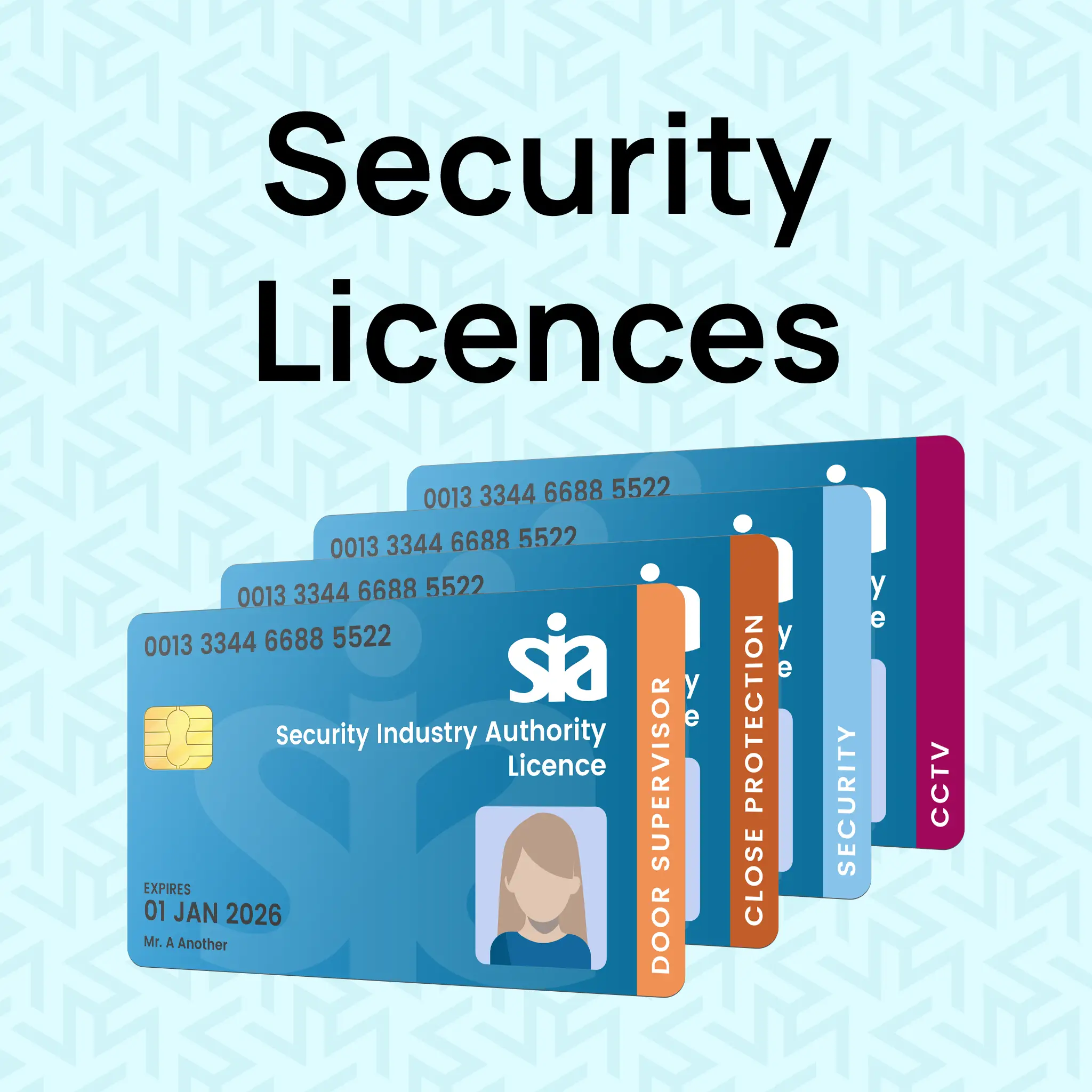
What are the Types of SIA Security Licences
The Security Industry Authority (SIA) is the regulatory body responsible for licensing security professionals in the UK. Obtaining the appropriate SIA licence is important whether you're pursuing a role in security guarding, CCTV operation, or close protection.Front Line SIA LicenceA front-line SIA license is necessary for active security roles, such as door supervisors, security guards, or CCTV operators. This licence permits direct interaction with the public while performing security duties. .main{ border:3px solid #0f7c90; border-radius:20px; position: relative; font-family:roboto; font-weight: 400; color: #000; } .main-two{ position: absolute; top:-25px; left:45px; background-color:white; } .img-div{ border-radius : 100%; padding:2px 7px; background-color:#0f7c90; margin-right:5px; width: 50px; height: 50px; } .img{ width:30px; object-fit:contain; height:auto; border-radius : 100%; } @media only screen and (max-width: 600px) { .heading{ font-size:20px; } .img{ width:20px; object-fit:contain; height:auto; border-radius : 100%; } .img-div{ width: 40px; height: 40px; } .main-two{ left:25px; } } SIA Licences Application Made Simple SIA licences are for different security jobs like door supervisors, security guards, and CCTV operators.The Door Supervisor Licence manages crowds and entrances, while the Security Guard Licence protects property. If you work with surveillance cameras, you need a CCTV Operator Licence. Taking the right SIA courses will prepare you for the job and help you get licensed easily. How Much is an SIA Licence?An SIA licence costs �204, regardless of the type. This fee is applicable to the three-year licence period, and it is paid during the application process. Some employers or training providers may cover this fee on your behalf.SIA Licence ApplicationThe SIA licence application is done online through SIA website. You�ll be asked to give personal information, evidence of your training and qualifications, and a criminal background check.SIA CertificateOnce you have finished your SIA training, you will be awarded an SIA certificate. This document proves that you have successfully passed the course and met the training requirements to apply for your licence.SIA Non-Front Line LicenceThe non-frontline SIA licence is given to individuals in supervisory or administrative positions in the security industry. It is required for individuals who are in charge of or overseeing supervising licensable security activities, but not directly participating in security operations.How Long Does the SIA Criminality Check Take?The criminality check is one of the most essential steps in the SIA licence application process. This typically takes up to 14 days, but it might also change depending on the situation of the individual and the complexity of the background check.SIA Licence TypesThe SIA offers several licence types, each tailored to a specific role:Door Supervisor Licence: For roles involving access control and crowd management.Security Guard Licence: For guarding premises and assets.CCTV Operator Licence: For monitoring security systems.Close Protection Licence: For providing personal security to individuals.What are the SIA Licence RequirementsTo qualify for an SIA licence, you must meet the following requirements:Be at least 18 years old.Complete the relevant SIA-approved training course.Hold a valid first aid certificate.Pass a criminal record check.Have the right to work in the UK.What are the Steps to Get an SIA LicenceComplete the required training for your chosen licence type.Obtain a valid first aid certificate.Pass the SIA criminality and right-to-work checks.Create an account on the SIA website and submit your application.Pay the �204 licence fee and await approval.SIA Right to Work CheckThe SIA, as part of the application process, makes a right-to-work check to ensure that you are legally permitted to work in the UK. You are required to produce some form of documentation, such as a passport or biometric residence permit.SIA Application FormThe SIA application form is available online through the SIA portal. It requires information about your training, criminal record, and personal information. Always make sure that all the information is correct to prevent any delays in the processing.SIA Licence RenewalRenewing your SIA licence is generally straightforward, though additional training might be required depending on when you obtain your qualification. If your qualification was awarded after April 2021 or your certificate states "[Awarding Body Name] Level 2 Award in Door Supervision (QCF)," no extra training is necessary.However, if additional training is required, then you have to undergo a refresher course, such as Top-Up Refresher Training for Door Supervisors, before you renew your licence. You can start the renewal process up to four months before your current licence expires, but the new licence will only become active after the current one has expired.How Long is an SIA Licence Valid For?SIA licences are valid for three years from the date of issue. To continue working legally in the security industry, you must renew your licence before it expires.SIA Licence FeeThe licence cost for all SIA licences is �204. This fee is non-refundable, so ensure you meet all the eligibility requirements before applying.We are applying for all SIA Licenses on your behalf. Visit our SIA License page and contact us now. ConclusionAn SIA licence is the key to a successful career in the security sector of the UK. Whether your intention is to work as a door supervisor, security guard or on CCTV operations, it is important to know the various types of licences, application procedures and requirements. With the right preparation, you can obtain your licence and open up exciting opportunities in the security field.If you're ready to take the next step, explore the relevant SIA training courses and ensure you meet all the requirements for your chosen licence type.
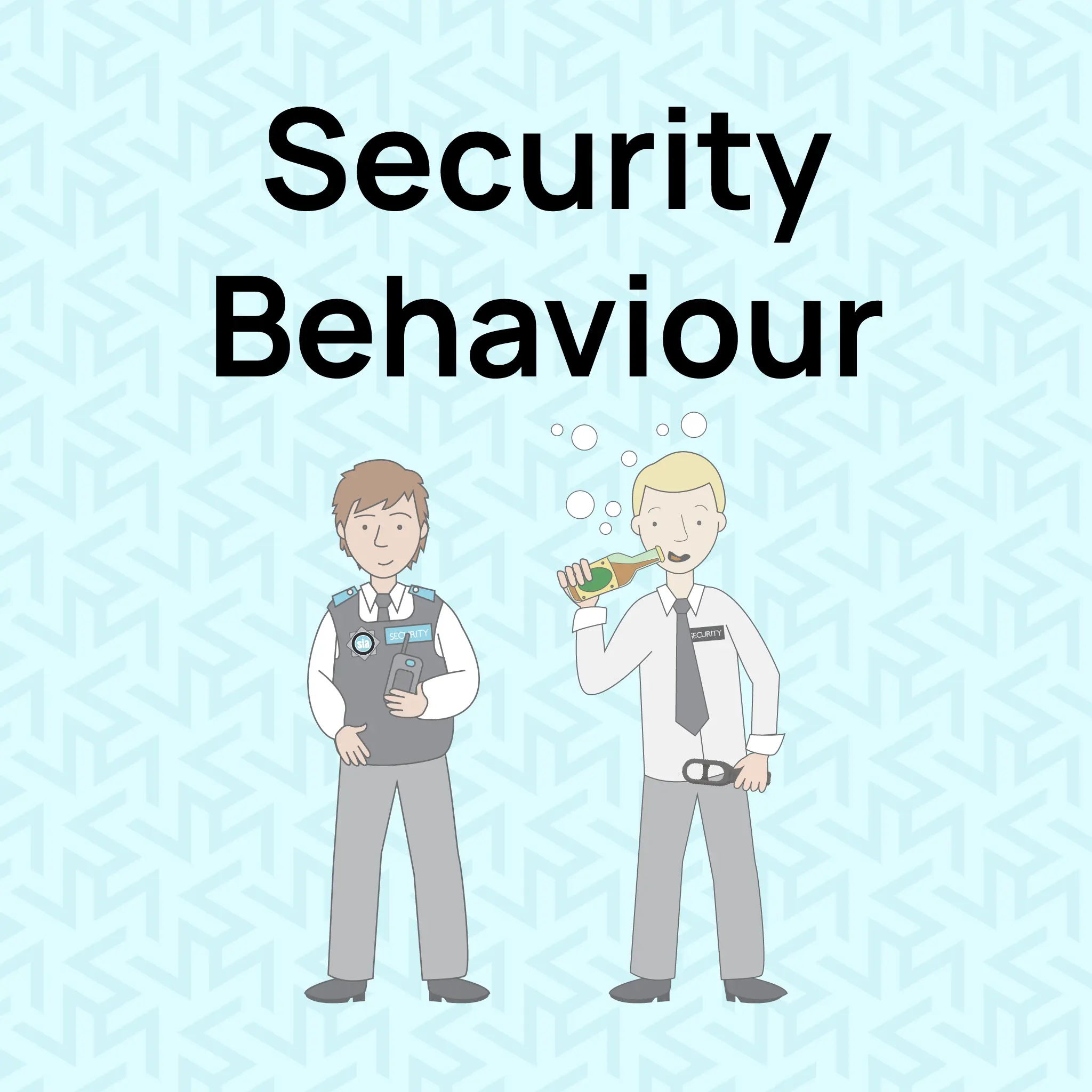
What are the Required Standards of Behaviour of a Security Operative in the UK
The SIA requires people in the private security industry to follow specific standards of behaviour and act professionally, skillfully, and ethically. Not following these rules can lead to disciplinary action, such as losing their SIA license. The private security industry in the UK is significant, employing thousands of people and playing an important role in the economy.What are the Standards of Behaviour for Security GuardsUK security guards must follow strict professional conduct standards set by the SIA. This means they must carry out their duties with honesty, integrity, responsibility, and respect for others. Guards must avoid behaviour that could damage public trust in the security profession. This includes:Accepting bribesFalsifying incident reportsSharing confidential informationAbusing their authorityWorking under the influence of drugs or alcohol, which affects judgmentWhile on duty, guards should stay calm under pressure, resolve conflicts through clear and non-aggressive communication, and only use force as a last resort. Serious misconduct, negligence, or failure to follow these standards can lead to suspension or loss of their SIA license.Conflicts of InterestSecurity guards must not engage in activities that create actual or perceived conflicts of interest. For example, a guard working at a shopping mall cannot also work for a retailer within the same mall, as their roles may conflict.Guards must never use their position for personal gain. For instance, allowing unauthorised access to a warehouse for illegal activity in exchange for money violates trust. Any potential or actual conflicts of interest must be reported to employers immediately.Discrimination and Human RightsSecurity guards interact with people from diverse backgrounds and must treat everyone fairly and respectfully. The SIA forbids discrimination based on race, religion, gender, disability, sexual orientation, or other protected characteristics.Guards must not engage in harassment, intimidation, or unfair treatment. For example, targeting someone based on their ethnicity or stereotypes is considered discrimination.While performing their duties, guards must:Only take actions (like limiting access) when there is a real and valid reason, not based on bias.Make reasonable accommodations for disabled individuals to ensure fair treatment.Guards must also respect the rights of others and not exceed their lawful authority. Actions like improper detention, excessive use of force, or restricting freedoms (e.g., movement, expression, or assembly) violate SIA standards.Security guards uphold professionalism, integrity, and UK laws by acting fairly and ethically. SIA licensing requires ongoing training to help guards apply human rights principles daily.Activity/BehaviourCode of Ethics & ConductConsequences of BreachEthical ConductGuards must perform their duties with honesty, integrity, and respect for others.Licence suspension or revocationConflicts of InterestGuards must avoid situations that create actual or perceived conflicts of interest.Disciplinary action or dismissalDiscrimination and Human RightsGuards must treat everyone fairly and uphold human rights in all interactions.Legal action and licence revocationIntoxication and Substance AbuseWorking under the influence of drugs or alcohol is strictly prohibited.Suspension, fines, or loss of licenceExceeding AuthorityGuards must act within their legal powers and avoid overstepping their authority.Fines, prosecution, or licence revocationConfidentialityGuards must share confidential information with proper authorisation.Fines, legal action, or licence revocationEquipment UseGuards must only use restricted equipment, like handcuffs or batons, when permitted.Fines, licence suspension, or revocationSurveillance and RecordingGuards must follow privacy laws and regulations when conducting surveillance.Fines, legal action, or licence revocationWhat are the Prohibited Activities for Security OperativesIntoxication and Substance AbuseSecurity guards must never work while under the influence of alcohol or drugs. Staying alert and clear-headed is essential for their safety and making good emergency decisions.The SIA strictly bans drinking alcohol or using recreational drugs while on duty. Turning up to work impaired can lead to suspension or loss of their licence. Employers may also carry out random drug and alcohol tests.Guards must avoid drinking shortly before their shift, which can still affect their performance. If a guard takes prescription medication that may impact their duties, they must inform their supervisor. Breaking these rules puts public safety at risk.Exceeding Authority and PowersSecurity guards must act within the limits of their legal powers, as outlined in their SIA licence and training. Misusing authority�such as overstepping duties, making threats, or giving unlawful orders�is strictly prohibited.For example, security guards cannot pretend to be police officers, search people without reason, or use force beyond their training. They should never suggest they have more power than the law allows.Overstepping boundaries damages public trust in security professionals. Regular training helps guards understand their limits and the consequences of going beyond their lawful powers.Disclosing Confidential InformationSecurity guards must keep private or sensitive information they learn on the job confidential unless required by law. For example, sharing details about important visitors, security procedures, or company secrets is prohibited.Leaking private information�such as someone�s habits, vulnerabilities, or incident details�can harm people�s privacy and security. It could also expose the client or organisation to further risks.Guards must get permission before publicly sharing confidential information, such as interviews or articles. They should avoid unnecessary requests for sensitive data and refrain from casually discussing work-related details with others.Maintaining discretion is essential for professionalism and trust. Breaking confidentiality rules�intentionally or carelessly�violates SIA standards and can lead to serious consequences.� .main{ border:3px solid #0f7c90; border-radius:20px; position: relative; font-family:roboto; font-weight: 400; color: #000; } .main-two{ position: absolute; top:-25px; left:45px; background-color:white; } .img-div{ border-radius : 100%; padding:2px 7px; background-color:#0f7c90; margin-right:5px; width: 50px; height: 50px; } .img{ width:30px; object-fit:contain; height:auto; border-radius : 100%; } @media only screen and (max-width: 600px) { .heading{ font-size:20px; } .img{ width:20px; object-fit:contain; height:auto; border-radius : 100%; } .img-div{ width: 40px; height: 40px; } .main-two{ left:25px; } } Understanding the SIA Code of Conduct is useful for security professionals to stay compliant and progress in their roles. Whether you're a Door Supervisor, Security Guard, Close Protection Officer, or CCTV Operator, practising these standards builds trust and professionalism. To become qualified SIA security officers, take our expert courses today, develop your skills, and become the best in the field! FAQsWhat are the required standards of behaviour for security guards in the UK?Security guards in the UK must follow strict standards set by the SIA, including honesty, integrity, and respect for others. They must avoid bribery, falsifying reports, sharing confidential information, abusing authority, and working under the influence of drugs or alcohol.What happens if a security guard violates the SIA standards of behaviour?If a security guard fails to follow the required standards, they may face disciplinary action, including suspension or revocation of their SIA license. Serious misconduct can result in legal action or fines.Can a security guard work in a role that creates a conflict of interest?No, security guards must avoid situations that create actual or perceived conflicts of interest. For example, working for a retailer at a mall while being a guard at that mall is prohibited. Any potential conflicts must be reported to employers.What is considered discrimination by a security guard?Security guards must treat everyone fairly and respectfully, without discrimination based on race, religion, gender, disability, or other protected characteristics. Engaging in harassment or unfair treatment is prohibited.Can security guards use excessive force in their duties?No, security guards must only use force when necessary and appropriate. They should not exceed their legal powers or engage in actions like improper detention or excessive use of force.What are the rules regarding intoxication and substance abuse for security guards?Security guards must never work while under the influence of alcohol or drugs. Doing so can lead to suspension or loss of their license. Guards must also avoid drinking shortly before their shift and inform their supervisors if they take medication that affects their duties.What is the importance of confidentiality for security guards?Security guards must maintain confidentiality regarding sensitive or private information they encounter during their duties. Sharing this information without authorisation, such as security procedures or personal details, is prohibited and can lead to serious consequences, including legal action.ConclusionIn conclusion, security operatives in the UK are held to high professional and ethical standards set by the SIA to ensure public safety, trust, and the integrity of the security industry. By adhering to the required behaviour, avoiding conflicts of interest, and respecting human rights, security guards help maintain a secure and respectful environment. Violations of these standards, such as working under the influence, exceeding authority, or disclosing confidential information, can have serious consequences, including legal action and loss of employment. Ongoing training and awareness are important for security professionals to comply with these standards and uphold their responsibility to the public and their clients.
Security Uniform in the UK Security Industry
A security guard's uniform is more than just clothing; it symbolises authority, professionalism, and safety. In the UK, several roles within the security industry mean that uniforms are tailored to fit specific functions and environments. From high-visibility gear on construction sites to formal attire in corporate settings, security uniforms are important in creating a professional image while ensuring functionality and safety.What is Personal Protective Equipment in the UK Security Industry?Personal Protective Equipment (P.P.E.) refers to clothing and accessories used to protect security officers from potential hazards on the job. This can include high-visibility jackets, steel-toe boots, gloves, helmets, and protective eyewear in the UK. P.P.E. is especially important in environments like construction sites or events with higher physical risks. Regulations often mandate specific P.P.E. to ensure the officer's safety and compliance with health and safety standards.Uniform for a Door SupervisorDoor supervisors, often the first point of contact at venues like clubs, bars, and events, require practical and professional uniforms. Their security attire usually includes:High-visibility jacketsHigh-visibility armbands displaying their SIA licenseComfortable but durable shoesThe uniform should convey authority while remaining approachable to patrons.Uniforms for CCTV OperatorsCCTV operators usually work in control rooms, so their uniforms prioritise comfort and practicality. A typical CCTV operator�s uniform includes:Polo shirts or smart casual attireComfortable trousersIdentification badges or lanyardsUnlike field roles, high-visibility clothing is generally unnecessary.Uniform for Close Protection OfficersClose protection officers (CPOs), commonly known as bodyguards, require a discreet and professional appearance. Their uniforms often depend on the client�s preferences and the environment, but typically include:Business suits or formal attire for corporate settingsTactical clothing for high-risk situationsComfortable, sturdy footwear.CPOs balance formality with functionality to respond to threats while blending into their surroundings.Uniform for Dog HandlersDog handlers work in diverse settings, from event security to perimeter patrols. Their uniforms are designed for practicality and durability, often including:High-visibility jackets and vestsWeather-resistant clothingSturdy boots for outdoor workUtility belts carry equipment like leashes, torches, and first-aid kitsThe uniform ensures that the handler and the dog can operate effectively under different conditions. .main{ border:3px solid #0f7c90; border-radius:20px; position: relative; font-family:roboto; font-weight: 400; color: #000; } .main-two{ position: absolute; top:-25px; left:45px; background-color:white; } .img-div{ border-radius : 100%; padding:2px 7px; background-color:#0f7c90; margin-right:5px; width: 50px; height: 50px; } .img{ width:30px; object-fit:contain; height:auto; border-radius : 100%; } @media only screen and (max-width: 600px) { .heading{ font-size:20px; } .img{ width:20px; object-fit:contain; height:auto; border-radius : 100%; } .img-div{ width: 40px; height: 40px; } .main-two{ left:25px; } } In the security industry, wearing the right uniform maintains professionalism, safety, and compliance, whether you're a Door Supervisor, CCTV Operator, Close Protection Officer, or Security Guard. Along with your uniform, obtaining the necessary training and SIA license is essential. Apply for your SIA License to ensure you're fully prepared for your career in security! Uniform for Construction, Logistics, and Traffic ManagementSecurity officers in construction and traffic management roles require high-visibility clothing to ensure safety on busy sites. Typical items include:High-visibility vests or jacketsHard hats and steel-toe bootsGloves and protective eyewearComfortable trousers designed for outdoor useThese uniforms prioritise safety and compliance with site-specific regulations.Uniforms for Corporate and Education Security SectorsIn corporate offices and educational institutions, security officers often serve as the public face of security. Their uniforms reflect professionalism and approachability, usually consisting of the following:Formal shirts and tiesBlazers or tailored jacketsSmart trousers and polished shoesThis attire ensures a polished appearance while maintaining authority.What is the Best Kind of Security Uniform?The best security uniform depends on the specific role and environment. Key considerations include:Functionality: The uniform should enable the officer to perform their duties effectively.Comfort: Long shifts require clothing that is easy to wear for extended periods.Professionalism: The uniform should convey authority and instil confidence in the public.Compliance: Ensuring the uniform meets industry regulations and safety standards is essential.A one-size-fits-all approach doesn�t work in the UK security industry. Tailoring uniforms to specific roles and environments ensures officers can perform their duties safely, efficiently, and professionally.FAQsWhat is the purpose of a security guard uniform?Security guard uniforms signify authority, professionalism, and safety while offering functionality suited to specific roles and environments.What does Personal Protective Equipment (P.P.E.) include in the UK security industry?P.P.E. includes high-visibility jackets, steel-toe boots, gloves, helmets, and protective eyewear, primarily used in high-risk environments like construction sites.What is typically included in a door supervisor's uniform?Door supervisors wear high-visibility jackets, SIA armbands, and durable, comfortable shoes to convey authority while remaining approachable.Do CCTV operators need high-visibility clothing?CCTV operators usually wear comfortable, practical clothing like polo shirts and trousers, as their work is conducted in control rooms.What kind of attire do close protection officers (CPOs) wear?CPOs wear business suits or tactical clothing depending on the setting, balancing professionalism with functionality for discreet security.Why is high-visibility clothing essential for construction and traffic security officers?High-visibility clothing ensures safety in high-risk environments by increasing visibility to others on busy sites.How are uniforms tailored for corporate and educational security officers?Corporate and education security uniforms include formal shirts, ties, blazers, and polished shoes to reflect professionalism and authority.ConclusionSecurity guard uniforms in the UK security industry are important in balancing professionalism, functionality, and safety. From door supervisors to corporate security, each role demands tailored attire to meet the job's needs while complying with health and safety standards. These uniforms are a practical tool for security operations and a visual representation of authority and trust. By aligning uniform design with role-specific requirements, the industry ensures that security officers can perform their duties effectively, fostering a safe and professional environment.
How to Enrol in FREE SIA Security Training in 2025
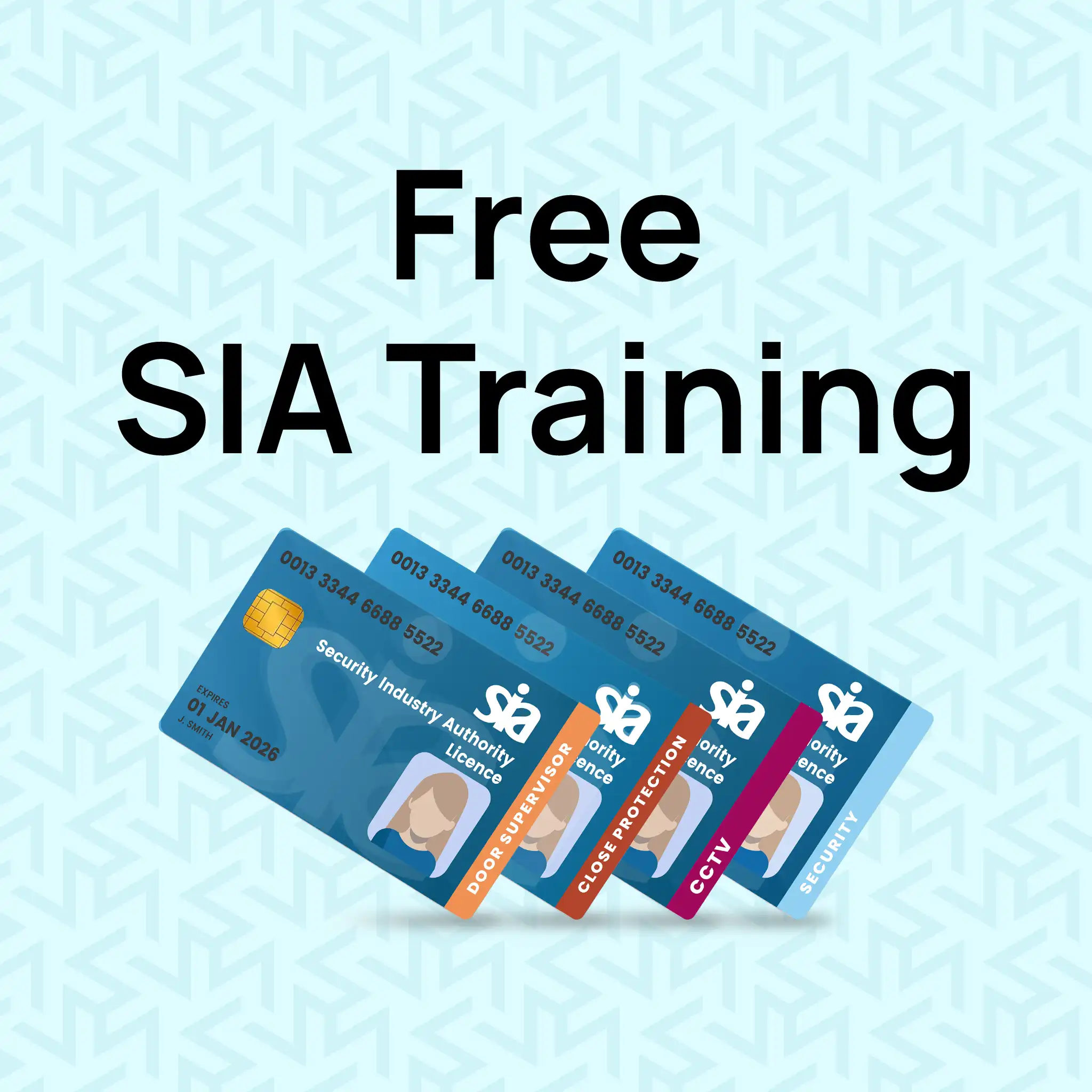
In 2025, there are many ways to access free SIA training to help you enter the security sector without the upfront costs.What is an SIA Training?SIA (Security Industry Authority) training is a set of courses that provide individuals with the necessary skills and knowledge to work legally and effectively in regulated security roles in the UK. These roles include door supervisors, security guards, CCTV operators, and close protection officers.To obtain an SIA licence, a legal requirement for anyone in these roles, you must first complete the relevant SIA training course. The training covers many topics, including conflict management, physical intervention, health and safety, emergency procedures, and the legal aspects of working in security.How to Get Free SIA Training in 2025Free access to SIA courses and qualifications is available through many pathways. Some of the common ones are:Fully Funded Training ProgramsMany organisations and training providers offer fully funded training programs for people who want to enter the security industry. These programs cover the costs of the training courses and exams required to obtain an SIA license. The government, local authorities, and private organisations run these programs to help people enter the workforce, especially in high-demand sectors like security.You can often find fully funded courses through local job centres or by searching online for training providers offering government-backed schemes. These programs remove the financial barrier to entering the security sector and can be a great way to get your SIA license without paying it upfront.Job-Linked FundingSome employers offer financial support to help you obtain your SIA licence. This is common in companies looking to hire security staff who want to ensure their employees are fully qualified. In this case, the employer may cover the cost of your training and licence as part of the hiring process. It�s a good idea to check with potential employers during the application process to see if they offer any funding for SIA licences.Government-Backed InitiativesThe UK government runs several programs that support people in finding work in high-demand sectors, such as security. These government-backed initiatives may provide funding to cover your training and SIA licence costs. Some training providers collaborate with these government programs to offer eligible individuals free training. You can check with your local job centre or search online for schemes.Youth and Employment ProgramsIf you are a young person or have been long-term unemployed, you may be eligible for special programs to help you get your first job in the security industry. Many youth and employment programs provide free SIA training to help individuals enter the workforce. These programs provide opportunities in sectors like security, with high worker demand. If you fit into these categories, you can check local opportunities for free training through youth employment programs.SIA GrantsThe Security Industry Authority (SIA) awarded a total of �72,163.70 in grants for good causes during the 2023�2024 financial year. Recipients included Diverse FM Community Media & Training Ltd (�23,000), Employment 4 All C.I.C (�18,000), Glasgow Street Aid (�9,264), and several others, supporting community welfare and safety initiatives.SIA Training Courses You Can Access for FreeTo work in the security industry, you will need to complete specific training depending on the type of role you are aiming for. Here are the most common SIA training courses and their durations:SIA Training TypeDurationFocusDoor Supervisor Training6 daysSkills necessary to work as a door supervisor in securitySecurity Guard Training4 daysSkills needed to work as a security guardCCTV Operator Training3 daysOperating CCTV systems in security settingsClose Protection Training16-19 daysTraining for close protection officers for high-profile individualsWhile these courses may have associated costs, many fully funded programs will cover the cost of the training, allowing you to enter the workforce as a qualified security professional without paying out of pocket. .main{ border:3px solid #0f7c90; border-radius:20px; position: relative; font-family:roboto; font-weight: 400; color: #000; } .main-two{ position: absolute; top:-25px; left:45px; background-color:white; } .img-div{ border-radius : 100%; padding:2px 7px; background-color:#0f7c90; margin-right:5px; width: 50px; height: 50px; } .img{ width:30px; object-fit:contain; height:auto; border-radius : 100%; } @media only screen and (max-width: 600px) { .heading{ font-size:20px; } .img{ width:20px; object-fit:contain; height:auto; border-radius : 100%; } .img-div{ width: 40px; height: 40px; } .main-two{ left:25px; } } Free SIA Licence Funding Options While we don't offer free SIA courses, many resources, such as FREE mock exams and E-Books, are available to help cover the cost of your SIA licence. You can explore funding opportunities through local providers, employers, and government schemes. Check out available SIA security courses like Door Supervisor, Security Guard, and CCTV Operator to help start your career in the security industry. Other Costs to ConsiderWhile free SIA training programs are available, there may still be additional costs associated with obtaining your SIA licence, such as:Background Check: The criminal background check required by the SIA is a mandatory part of obtaining your licence. This check may be fee-based, though some training programs will cover the cost.First Aid Course: All SIA licence holders must complete an emergency first aid course. Some training programs may include this as part of the package, but you should check if any extra costs are involved.When applying for a funded program, ask about any additional fees to ensure you are fully prepared.How to Apply for an SIA LicenceOnce you�ve completed your training, the process to apply for your SIA licence is straightforward:Create an Account: Set up an account on the SIA website.Submit Your Application: Log into your account and complete the application form, providing personal details and information about your training.Pay the Licence Fee: The SIA licence costs �204. Some funded programs may cover this fee, but if not, you will need to pay it yourself.Wait for Your Licence: Once your application is processed, you will receive your SIA licence. This typically takes around 14 days.ConclusionGetting your SIA licence for free in 2025 is possible through many funded programs, job-linked funding, and government-backed initiatives. These opportunities can help remove the financial barrier to entering the security industry and allow you to start a rewarding career in a growing sector. While we don�t offer free SIA courses, many resources are available to help cover the cost of training and licensing.

OSHA Bloodborne Pathogens Standard: Protecting Workers from Infectious Diseases
OSHA's Bloodborne Pathogens Standard, found in 29 CFR 1910.1030, fortified by the 2000 Needlestick Safety and Prevention Act, is a crucial framework ensuring worker safety. It mandates exposure control plans, engineering controls, and training, emphasizing Universal Precautions. This standard is vital for employers and workers in various settings, underscoring the importance of safety measures in handling bloodborne pathogens.Why Bloodborne Pathogen Standard?The OSHA Bloodborne Pathogen Standard is imperative due to the immense threat bloodborne pathogens pose to human health. With an alarming annual estimate of three million exposures, accidental punctures in workplaces and laboratories contribute significantly to bloodborne infections.Hospital settings in the United States witness approximately 400,000 sharp injuries yearly. OSHA's standard addresses this public health concern by advocating Universal Precautions, assuming all body fluids and sites may harbor infectious microorganisms. By promoting practices like hand hygiene, proper use of personal protective equipment, and engineering controls, the standard aims to significantly reduce exposure risks, safeguarding employees and curbing the spread of infectious diseases like HBV, HCV, and HIV.What practices are advised according to the standards?Engineering controls play a vital role in minimizing employee exposure to bloodborne pathogens. Safer medical devices, including needleless and shielded needle devices, and proper disposal practices significantly reduce sharps and needlestick injuries.Best practices according to OSHA regulations for bloodborne pathogens involve planning safe handling, opting for needle alternatives, using devices with engineered sharps injury protection, activating safety features, avoiding sharps exchange, refraining from recapping or breaking needles, and ensuring immediate disposal in secured sharps containers. Additionally, completing Bloodborne Pathogens training enhances overall safety measures in healthcare and related settings.Protections Provided By OSHA For Bloodborne Pathogen SafetyThis standard is designed to safeguard employees whose job duties may reasonably involve contact with blood, emphasizing a proactive approach to eliminate or minimize occupational exposures.For this purpose, the following are the standards that OSHA requires workers to follow for bloodborne pathogens clean-up procedures OSHA:Exposure Control Plan: Establishing Comprehensive ProtectionEmployers are mandated to create an Exposure Control Plan, a written document outlining strategies to eliminate or minimize occupational exposures. The plan includes an exposure determination, categorizing job classifications with potential exposure, and tasks performed leading to exposure. Updates to this plan must occur annually to reflect changes in tasks, procedures, and positions that impact occupational exposure.Implementing Universal Precautions and Engineering ControlsThe adoption of Universal Precautions is integral to the standard, requiring the treatment of all human blood and OPIM as potentially infectious. Engineering controls, such as safer medical devices (needleless systems, shielded needle devices), sharps disposal containers, and self-sheathing needles, are crucial in isolating or removing bloodborne pathogens hazards from the workplace.Work Practice Controls: Enhancing Safety ProtocolsWork practice controls involve practices that alter task execution to reduce exposure risk. This includes proper handling and disposal of contaminated sharps, specimen management, laundry procedures, and surface cleaning. These controls ensure a comprehensive approach to minimizing the possibility of exposure.Personal Protective Equipment (PPE): Ensuring Worker SafetyEmployers must provide and maintain PPE, including gloves, gowns, eye protection, and masks, at no cost to the worker. Regular cleaning, repair, and replacement of PPE are essential, guaranteeing the effectiveness of protective measures.Hepatitis B Vaccinations and Post-Exposure Evaluation: Protecting Worker HealthThe standard mandates offering hepatitis B vaccinations to workers with occupational exposure, administered within 10 days of assignment. Post-exposure evaluation, offered at no cost, includes documenting exposure incidents, testing source individuals for infectivity, testing exposed workers' blood, offering prophylaxis and counseling, and maintaining confidentiality of diagnoses.Communication of Hazards: Labels and SignsEmployers must use warning labels on containers of regulated waste, contaminated sharps, and refrigerators containing blood or OPIM. Amenities may consume red bags or containers instead of labels. Signs must be posted in HIV and HBV research laboratories when infectious materials are present.Recordkeeping and Information/Training Provision: Ensuring ComplianceEmployers are obligated to maintain worker medical and training records, including a sharps injury log. Regular training covering bloodborne pathogens, exposure control methods, hepatitis B vaccine, and post-exposure procedures is mandatory on initial assignment, annually thereafter, and when tasks change. Specialized training is required for HIV and HBV laboratory workers, promoting comprehension in a language and educational level accessible to all workers. One such training offered by OSHA is Bloodborne pathogen training of 1 credit hour.OSHA Bloodborne Pathogen TrainingDue to the high risk posed by bloodborne pathogens, it is crucial to protect workers from such pathogens through training. For this purpose, just like other OSHA workplace safety training i.e.; OSHA 30 Construction and OSHA 10-hour training for workers� awareness of site hazards, the Bloodborne pathogen OSHA training is provided to ensure that all workers are trained about bloodborne pathogens.Requirements: Comprehensive Training for Exposure ControlOSHA Bloodborne Pathogen Training equips employees with essential knowledge, including understanding bloodborne pathogens, recognizing exposure risks, learning control methods, grasping vaccine significance (especially for hepatitis B), and understanding post-exposure evaluation procedures. Training sessions prioritize accessibility, encouraging worker engagement with interactive formats. Specialized initial training caters to HIV and HBV laboratory workers, addressing the unique risks in their work environments.Who Needs Bloodborne Pathogens OSHA Training?The training is essential for those facing potential exposure to blood or other infectious materials (OPIM) in various job roles, including healthcare workers (doctors, nurses, and medical assistants), laboratory personnel, first responders (paramedics, EMTs, firefighters, police officers), janitorial and maintenance staff, tattoo and piercing artists, and mortuary/funeral home staff.Course Content: In-depth Knowledge for Effective ControlThe BBP training comprehensively covers crucial topics, including engineering controls with safety devices, proper cleaning and disinfecting practices, understanding and using personal protective equipment (PPE) like gloves and masks, emphasizing personal hygiene, safe handling and disposal protocols, implementing universal and standard precautions, hazard communication practices, and recognizing, reporting, and addressing employee exposures.OSHA Bloodborne Pathogens Certifications: Proof of CompetenceUpon completion of the training, participants undergo an OSHA Bloodborne Pathogens quiz to assess their understanding. Successful completion, with a passing score, results in the issuance of a certification. This certification serves as tangible proof that the individual has undergone and comprehended the OSHA Bloodborne Pathogen Training, emphasizing workplace safety and competence in handling potential exposure risks.Acquire Safety With OSHA Bloodborne Pathogen TrainingTo keep workers safe from harmful infections, OSHA has rules called the Bloodborne Pathogens Standard. These rules, found in 29 CFR 1910.1030, are like safety guidelines for jobs where people might touch blood or other infectious stuff. OSHA wants to make sure workers know how to stay safe. This includes having a plan to prevent exposure, using special tools, and giving vaccines. Workers, like doctors and janitors, should get training about bloodborne pathogens.The training covers topics like using safe tools, wearing protective gear, and what to do if there's an exposure. After the training, workers take a quiz to show they understand. Getting a passing score means they get a certificate, proving they know how to stay safe from bloodborne pathogens at work.

How to Enroll in Cheap OSHA Online Training Courses
Safety training is crucial for everyone. Due to the increase in workplace accidents and incidents, it has become a massive demand for employees and employers. Moreover, several states make safety training mandatory to make the workplace secure and healthy. According to the International Labour Organization (ILO), there are almost 340 million accidents at work, and about 160 million cases of work-related illnesses have been recorded. In order to reduce the number of workplace accidents, there are different platforms offering the cheapest OSHA safety training online which becomes the most cost-effective way to train employees on workplace safety. If you wondering about how to enroll in cheap OSHA safety training courses online, then read this blog without further ado!6 Budget-Friendly Ways to Enroll In OSHA Safety ProgramsThe hunt for affordable and cheapest OSHA courses is ongoing. The majority of employees look for courses that strike a balance between cost and quality. You can also get OSHA courses in the USA at the best prices via OSHAOutreachCourses.com To ensure that you receive the best bang for your buck, this comprehensive guide is designed for you. Here you read the best tips to enroll in OSHA safety courses at low pricing without hassle.Research Affordable OSHA Training ProvidersThe very first thing you have to look for is your convenience, which means whether you want to get your training online or consider the traditional way of training. Many organizations are now considering online safety training platforms due to their flexibility and affordability. There are several online training platforms available that offer an easy approach to start their training with minimum investment.One of the best things about the online platforms is; that trainees will get access to different eLearning tools and get safety training on their mobile phones, tablets, and laptops in their comfort zone. According to an IBM study, workers who receive online training save 30 dollars in productivity because they are able to work from home less frequently.Undoubtedly, searching for an affordable OSHA safety training provider online is the cost-effective way to enroll employees to receive qualitative and accredited knowledge.Look For Bundle PackagesIt's critical to find a balance between price and quality content for safety training. So, employers should seek out OSHA classes that are reasonably priced, providing thorough instruction together with accredited certification and a reasonable price. In such cases, you can opt for a bundle package that is also an effective strategy in order to reduce the overall cost of OSHA online training.Many online safety training platforms are offering packages on workplace OSHA safety training at the cheapest pricing. You just look for the courses that meet your specified needs and explore the bundled options that are more economical choices as compared to purchasing individual courses separately.Leverage Free Resources and MaterialsTo get OSHA safety training at a low price, you can also find OSHA safety training platforms that offer free trials or introductory courses. This will help potential learners assess the course content, teaching methods, and overall suitability before committing to a paid program. Yet, this might be the best way to leverage free resources and materials and understand what learning materials are best for you. For those seeking budget-friendly options, exploring platforms that offer OSHA 30 online for $99 can provide a cost-effective yet comprehensive approach to safety education.Additionally, you can also check the official OSHA website to get comprehensive knowledge of safety training modules. However, these materials may not substitute for a complete safety training course, but they can serve as a valuable supplement. Combining these resources with affordable online courses creates an ample and cost-effective training plan.Government Assistance ProgramAnother tip to get OSHA safety training at affordable rates is to investigate government-sponsored initiatives that may provide financial support or discounts for OSHA training. Some regions offered OSHA programs in place to encourage businesses and individuals to prioritize workplace safety.Additionally, you can also look for different government funding and assistance programs that could pay for OSHA safety training. Nowadays, the majority of state and municipal programs are designed to help companies and individuals to enforce workplace safety and develop a sound culture at the workplace by providing appropriate training. No offense, but by utilizing thes e initiatives, you can drastically lower the cost of the OSHA online courses.Group DiscountsEncourage group enrollments within your organizations to take advantage of group discounts. This not only reduces costs but also fosters a collective commitment to workplace safety. Businesses have a chance to enroll multiple employees in OSHA training to get benefits from group discounts. Several online platforms aim to provide safety training at low-cost rates by enrolling in bulks. This makes it economically viable for businesses to ensure the safety and compliance of their entire workforce without incurring excessive costs.Check for user reviews & testimonialsAnother important tip to consider before enrolling in affordable OSHA safety training programs is to check the user reviews and testimonials. You must have to contemplate the testimonials from individuals and businesses that have completed the courses from the online platform you are choosing. This firsthand information gives valuable insights and the effectiveness of the course, it even clarity of instructional materials and the overall satisfaction of participants.To Wrap Up the ThingsAfter reading this whole blog, the final verdict is prioritizing workplace safety training through OSHA online safety training programs doesn�t have to be a financial burden. By strategically exploring the cost-effecting option and comparing pricing, employees, and employers can take advantage of free and available resources. Everyone can access the high-quality OSHA online training courses without breaking the bank. Now, you can embrace the budget-friendly path to OSHA compliance safety training and ensure a safer and more secure work environment for every worker.
How to Spot a Fake SIA Licence Card?
With over 378,000 active SIA licence holders in the UK, an increasing number of individuals are found holding a fake SIA licence. Such individuals put the public at risk due to a lack of security training and qualifications. The Security Industry Authority (SIA) takes forged SIA licences seriously and penalises fake SIA licence card holders.In this blog post, I�ll discuss spotting a fake SIA licence and other relevant queries.How to Spot a Fake SIA Licence Card?Below, you can check the latest SIA licence that will help you identify a fake SIA licence. Any discrepancies or differences from the latest official version can indicate that the licence is fake or counterfeit.Over the years, the Security Industry Authority (SIA) has changed designs for SIA licences. This could be one of the reasons it�s hard to spot the difference between a fake SIA licence and a real one.From 2007 to now, SIA has made minor yet noticeable changes in the licence design. Below I�ve shared all the SIA licences since 2007.YearsSIA LicenceUntil March 2007Until April 2007Until November 2007Until June 2016Latest SIA Licence DesignHow to Check If an SIA Licence Is Fake?After issuing an SIA licence to an individual, SIA registers it on the official Register of Licence Holders Database, which is publicly accessible. Under section 12 of the Private Security Industry Act, it�s mandatory to establish and maintain a register. To check if an SIA licence is fake or real, you can simply enter the licence number.For any reason, if the SIA licence does not appear in the register, you must report to SIA.Can I Use a Fake SIA Licence?No, you cannot use a fake SIA licence, as it�s an offence under the Forgery and Counterfeiting Act 1981. If individuals are caught using counterfeit SIA licences, they can face legal penalties. SIA regularly conducts spot checks throughout the UK to identify individuals using fake documents to get security jobs.Moreover, employers and business owners in the security industry also use an SIA Licence Checker to check if you have a valid and real SIA licence. During employment checks, fake SIA licences are identified, which means individuals are unlikely to get a security job with a forged SIA licence.Penalties for Using a Fake SIA LicenceSIA takes serious action when it comes to fake licences or working fraudulently in the security industry. Anyone caught with a fake SIA licence will face prosecution, and if found guilty, they will be subject to penalties and legal consequences.Using a fake SIA licence can result in a maximum penalty of six months in prison and a potential fine of �5,000.�In 2019, a man from Chester, working as a Door Supervisor, was convicted of working with a forged SIA licence. SIA took action against him, and he was persecuted at Chester Magistrates Court. He received a 12-month community order with 170 hours of unpaid work. Also, he was penalised �882, along with a victim surcharge of �85.Can I Work in Security without an SIA Licence?You cannot work in the security industry without a valid SIA licence. In the UK, individuals engaged in licensable activities in the security industry are required to hold a valid SIA licence.An SIA licence shows they have undergone the necessary training and background checks. Working without the required SIA license for such activities is illegal and can result in penalties.How to Get an SIA Licence?Getting an SIA licence is a 3-step process. Once you complete these steps, you will receive your SIA licence through mail. If you want to learn this in detail, read our blog, �A Step-by-Step Guide to Getting an SIA Licence.�Step 1: Complete the Relevant Accredited Licence-Linked SIA TrainingDepending on your desired job role and the SIA licence you wish to get, choose the relevant training course.APLH Personal Licence CourseSIA Security Guard Training CourseSIA Door Supervisor Training CourseSIA CCTV Operator Training CourseSIA Refresher Training For Door SupervisorsFirst Aid at Work TrainingEmergency First Aid at Work Course .banner-blue { border-radius: 10px; overflow: hidden; border: 2px solid #ccc; box-shadow: 0 4px 8px rgba(0, 0, 0, 0.2); background-color: #fdf9ee; } .book-now { color: white; background-color: #DF3D52; border: none; padding: 15px 60px; border-radius: 5px; cursor: pointer; font-size: 20px; text-decoration: none; } .book-now:hover { /*text-decoration: none;*/ color: white; background-color: #c33f50; } Get your Legal SIA Licence by signing up for our SIA Security courses Security Courses Book Now Rated Excellent on major review sites Step 2: Complete the Licence ApplicationTo apply for your SIA licence, please go to the SIA website and complete an online application form. Fill in all the required information, including personal details, qualifications, and employment history. SIA will contact you within 25 working days.Step 3: Visit the Nearest Post OfficeYou must visit the nearest Post Office to complete your identity checks. Please take along your original copies of your documents and the SIA application reference number.Common SIA LicencesSIA issues numerous SIA Licences for different security jobs, including:SIA Security Guard LicenceSIA Door Supervisor LicenceAPLH Personal LicenceClose Protection LicenceCCTV Operators LicenceKey Holding Licence

What Is Retail Security?
As the name suggests, retail security refers to the security relevant to the retail industry. Retail security is often called retail shop security. Retail security can also be defined as security actions or measures retailers take to keep everyone safe on the retail premises. It helps in reducing the risks associated with theft.Did you know?An astounding 7.5 million shoplifting crimes occur annually.�There are some standard measures that most retail stores take, like hiring qualified retail security guards, installing CCTV cameras, implementing security systems, and more.The level of security in the retail premises depends mainly on the type of store, its location, and several other factors. Some retail stores are at a higher risk of theft than others, depending on the nature of their business. For example, a gold or diamond jewellery shop has more high-value items than a beauty retail store. In that case, the security measures for a jewellery shop should be more strict.Retail Security SystemsRetail security systems play a vital role in protecting against theft. These integrated systems are designed to minimise the risk of theft and to make such activities more challenging for thieves. It�s extremely important for the retail sector to adopt quality retail security systems to protect their businesses while keeping costs low. Some most effective retail security systems are:Security tagging: These systems prevent casual theft by catching occasional shoplifters unfamiliar with their operation.Anti-tampering devices: They are placed on exterior windows and doors to alert guards at a central location.Remote CCTV cameras: They help monitor activities through cameras installed at different places.Motion detectors: They are placed in outdoor areas like backyards.Electronic article surveillance: It prevents shoplifting from retail stores.Retail Security JobsWith increasing numbers of casual shoplifters and other major incidents, there is a high need for more security. Therefore, there are numerous security jobs available in retail stores in the UK. The two most popular retail security job roles are Security Guard and Retail Security Officer.How to Find a Job in Retail SecurityTo find retail security jobs in London, please visit this link. To find retail security jobs in Birmingham, please visit this link. To find retail security jobs in Glasgow, please visit this link. To find retail security jobs in Liverpool, please visit this link. To find retail security jobs in Dublin, Ireland, please visit this link. Also, find retail security jobs near me.If you want to know about other security jobs, please read our blog, �A Comprehensive Guide to Top SIA Security Jobs.�Earning Potential in Retail Security JobsIn the UK, the hourly rate for retail security jobs is around �10-�14.�It means if you work full-time, you can earn up to �2500 every month. If you have some experience and have the required qualifications, you can earn double of it by becoming a team lead or security manager.What is a Retail Security Officer? A Retail Security Officer plays an important role in preventing theft within a retail environment. Their primary duty is to monitor shoppers and identify suspicious shoplifting behaviours closely. Retail security officers ensure the safety and security of the public in the retail premises.How to Become a Retail Security Officer / Retail Security GuardIf you want to become a retail security officer or retail security guard in the UK, there are two main steps you must follow.Step 1: Book and Pass Your SIA Door Supervisor / SIA Security Guard CourseThe first step is to book and pass either the SIA Door Supervisor Training Course or the SIA Security Guard Training Course.The SIA Door Supervisor Training Course by Hurak Learning is a six-day comprehensive course with four units. The SIA Security Guard Training Course by Hurak Learning is a four-day training course with three units.You must pass the mandatory assessments to complete these training courses successfully. Take our free SIA Licence Training Mock Exam to prepare for the assessment.Step 2: Apply for Your SIA LicenceOnce you have completed your SIA training course, the next step is to apply for your SIA licence through the nearest post office. You will need to pay your SIA licence application fee of �204.To understand which SIA licence you need, read our blog �A Comprehensive Guide to the SIA Licence Checker.� .banner-blue { border-radius: 10px; overflow: hidden; border: 2px solid #ccc; box-shadow: 0 4px 8px rgba(0, 0, 0, 0.2); background-color: #fdf9ee; } .book-now { color: white; background-color: #DF3D52; border: none; padding: 15px 60px; border-radius: 5px; cursor: pointer; font-size: 20px; text-decoration: none; } .book-now:hover { /*text-decoration: none;*/ color: white; background-color: #c33f50; } Get your Legal SIA Licence by signing up for our SIA Security courses Security Courses Book Now Rated Excellent on major review sites How Much Do You Earn as a Retail Security Officer?In the UK, the average hourly wage of a Retail Security Officer is from �9.00 to �12.00. However, it depends on the location, experience, company, and seniority level.What is Retail Cyber Security?With the increasing number of online and mobile shopping, retailers are facing cyber threats such as payment card fraud, data breaches, and ransomware attacks. To protect against these threats, retail cyber security has become a critical aspect of the modern retail industry. Retail cyber security helps business owners protect their sensitive customer data, financial transactions, and the overall integrity of digital operations. Modern fraud prevention and digital trust platforms like Sift empower retailers to detect suspicious activity in real time, reduce false positives, and create a safer, more seamless shopping experience.Retail Security SystemsWith the increasing number of thefts, retail security systems are essential to overcome security issues in the retail industry. These systems help protect businesses from theft and vandalism, ensuring the safety of customers and employees. The three most important retail security systems are retail CCTV security systems, retail anti theft security systems, and retail security tagging systems. In�parallel with security measures, retailers are also investing in technologies like a retail recommendation engine to enhance customer experience and boost sales through personalized product suggestions.Retail CCTV Security SystemsRetail CCTV security systems offer comprehensive security solutions, typically consisting of cameras strategically placed in the most critical areas of the retail premises. CCTV cameras continuously monitor the premises, providing real-time video surveillance and recording capabilities.Retail CCTV security systems are designed with advanced technology, including high-resolution cameras, motion detection, and remote access. The major purpose of these systems is to help enhance the overall safety of the retail environment. However, they are also helpful in providing invaluable insights for improving operational efficiency and loss prevention.Retail Anti Theft Security SystemsThere is a range of technologies used for retail anti-theft security systems, such as security gates, Radio-Frequency Identification (RFID) systems, and Electronic Article Surveillance (EAS) tags.Retail anti theft security systems help prevent theft by sounding alarms when items from the retail store are taken out of the premises without permission. They also keep track of products in real time to reduce losses and manage inventory in a better way.All these systems are great for reducing theft and creating a safer shopping experience for customers. It also helps in increasing profitability for retailers.How Security Tagging WorksSecurity tags are one of the most popular retail anti theft security systems. Security tags function by emitting a radio frequency (RF) signal, which is then detected by sensors placed at store exits. They are attached to the items in the retail store. An alarm sounds when these items pass through the sensors without being deactivated. It gives a signal to the retail staff that the buyer is trying to leave the retail store without paying for the item.There are two main types of security tags, soft tags and hard tags.As the name suggests, soft tags are made from soft materials like paper or a piece of cloth. These tags are typically attached directly to fabric-based items. They are less visible than hard tags and can be used for a broader range of products.Hard tags are made from hard materials such as metal or plastic. They are attached to items using a pin. Due to their material, these tags are more visible than soft tags.