On This Page

July 21, 20266 min read
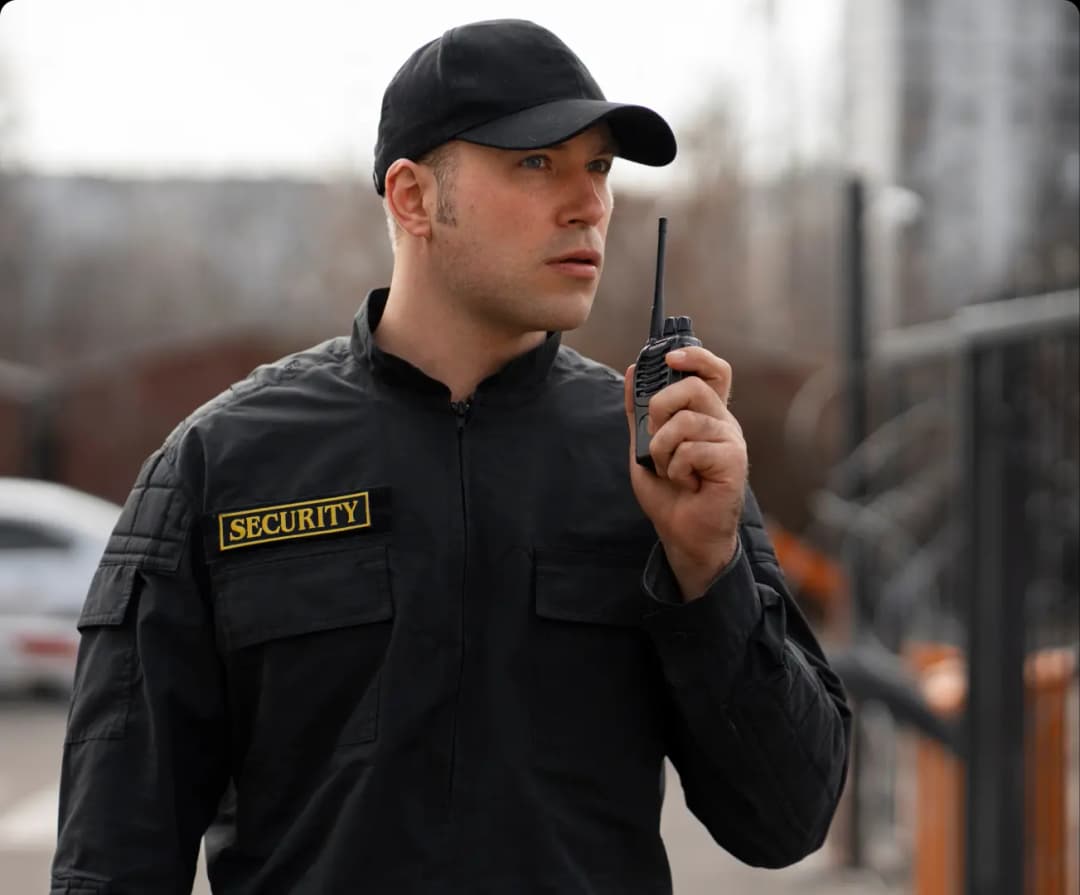
A security guard's uniform is more than just clothing; it symbolises authority, professionalism, and safety. In the UK, several roles within the security industry mean that uniforms are tailored to fit specific functions and environments. From high-visibility gear on construction sites to formal attire in corporate settings, security uniforms are important in creating a professional image while ensuring functionality and safety.
Personal Protective Equipment (P.P.E.) refers to clothing and accessories used to protect security officers from potential hazards on the job. This can include high-visibility jackets, steel-toe boots, gloves, helmets, and protective eyewear in the UK. P.P.E. is especially important in environments like construction sites or events with higher physical risks. Regulations often mandate specific P.P.E. to ensure the officer's safety and compliance with health and safety standards.
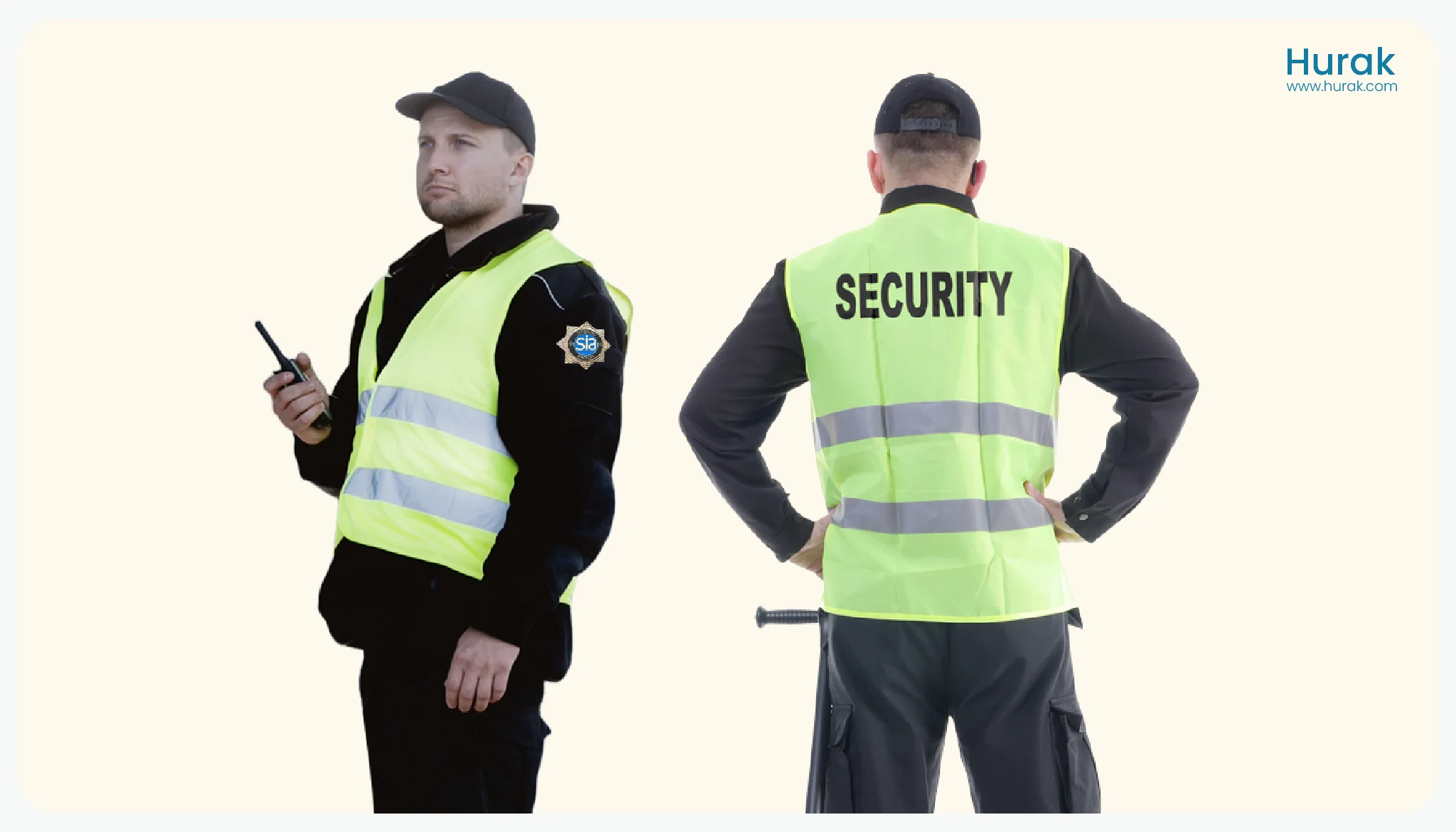
Door supervisors, often the first point of contact at venues like clubs, bars, and events, require practical and professional uniforms. Their security attire usually includes:
High-visibility jackets
High-visibility armbands displaying their SIA license
Comfortable but durable shoes
The uniform should convey authority while remaining approachable to patrons.
CCTV operators usually work in control rooms, so their uniforms prioritise comfort and practicality. A typical CCTV operator's uniform includes:
Polo shirts or smart casual attire
Comfortable trousers
Identification badges or lanyards
Unlike field roles, high-visibility clothing is generally unnecessary.
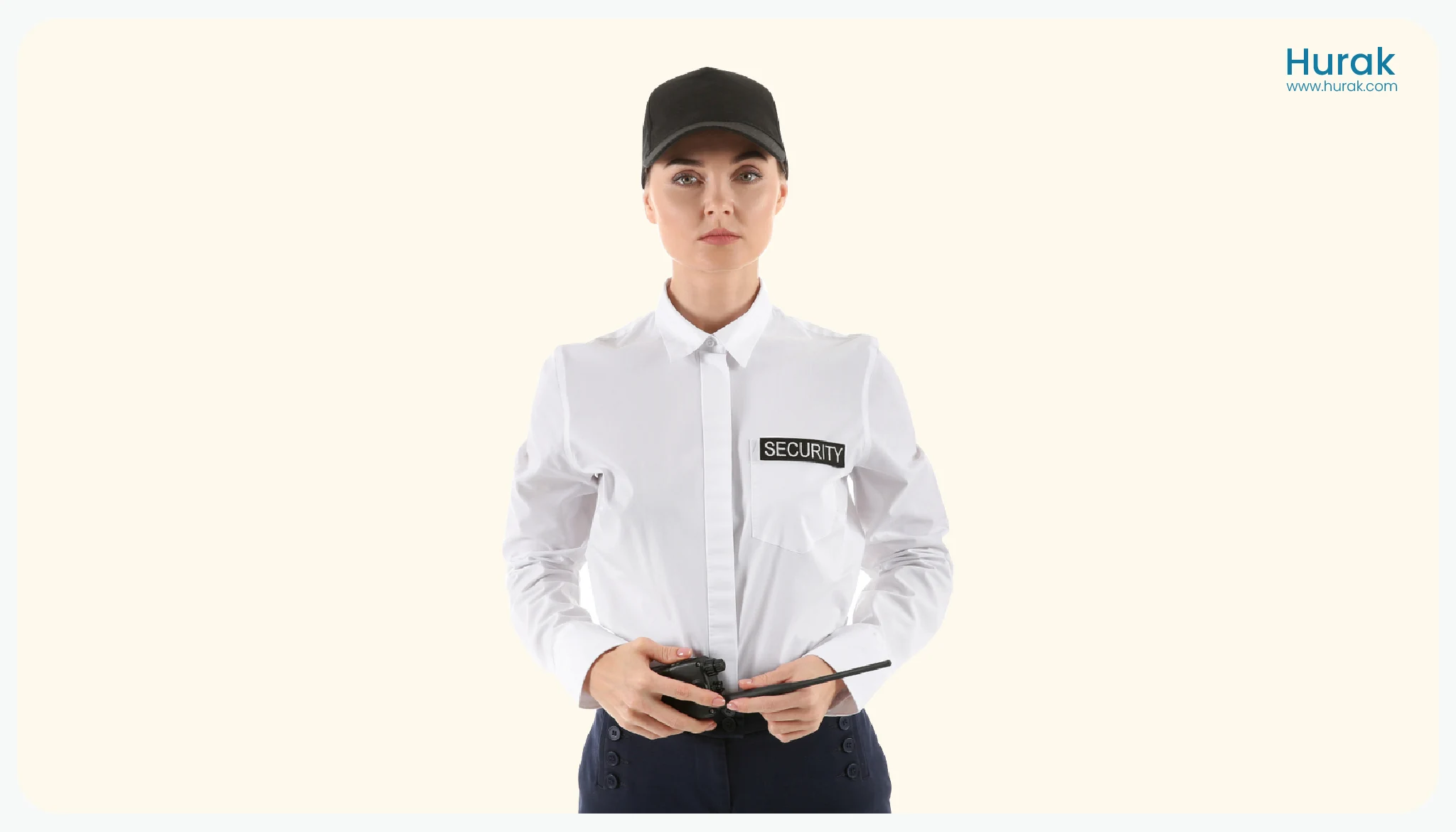
Close protection officers (CPOs), commonly known as bodyguards, require a discreet and professional appearance. Their uniforms often depend on the client's preferences and the environment, but typically include:
Business suits or formal attire for corporate settings
Tactical clothing for high-risk situations
Comfortable, sturdy footwear.
CPOs balance formality with functionality to respond to threats while blending into their surroundings.

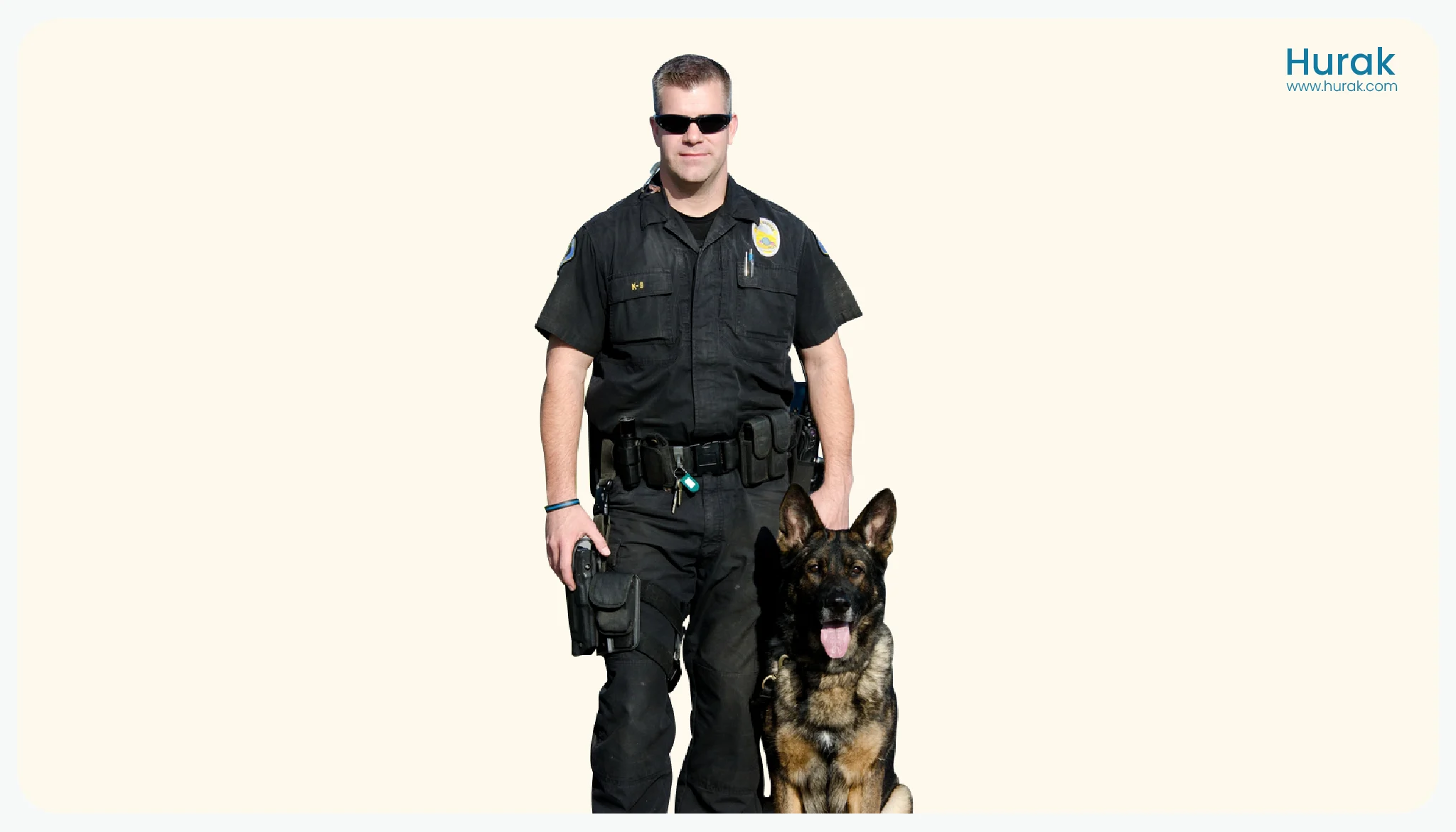
Dog handlers work in diverse settings, from event security to perimeter patrols. Their uniforms are designed for practicality and durability, often including:
High-visibility jackets and vests
Weather-resistant clothing
Sturdy boots for outdoor work
Utility belts carry equipment like leashes, torches, and first-aid kits
The uniform ensures that the handler and the dog can operate effectively under different conditions.
In the security industry, wearing the right uniform maintains professionalism, safety, and compliance, whether you're a Door Supervisor, CCTV Operator, Close Protection Officer, or Security Guard. Along with your uniform, obtaining the necessary training and SIA license is essential. Apply for your SIA License to ensure you're fully prepared for your career in security!
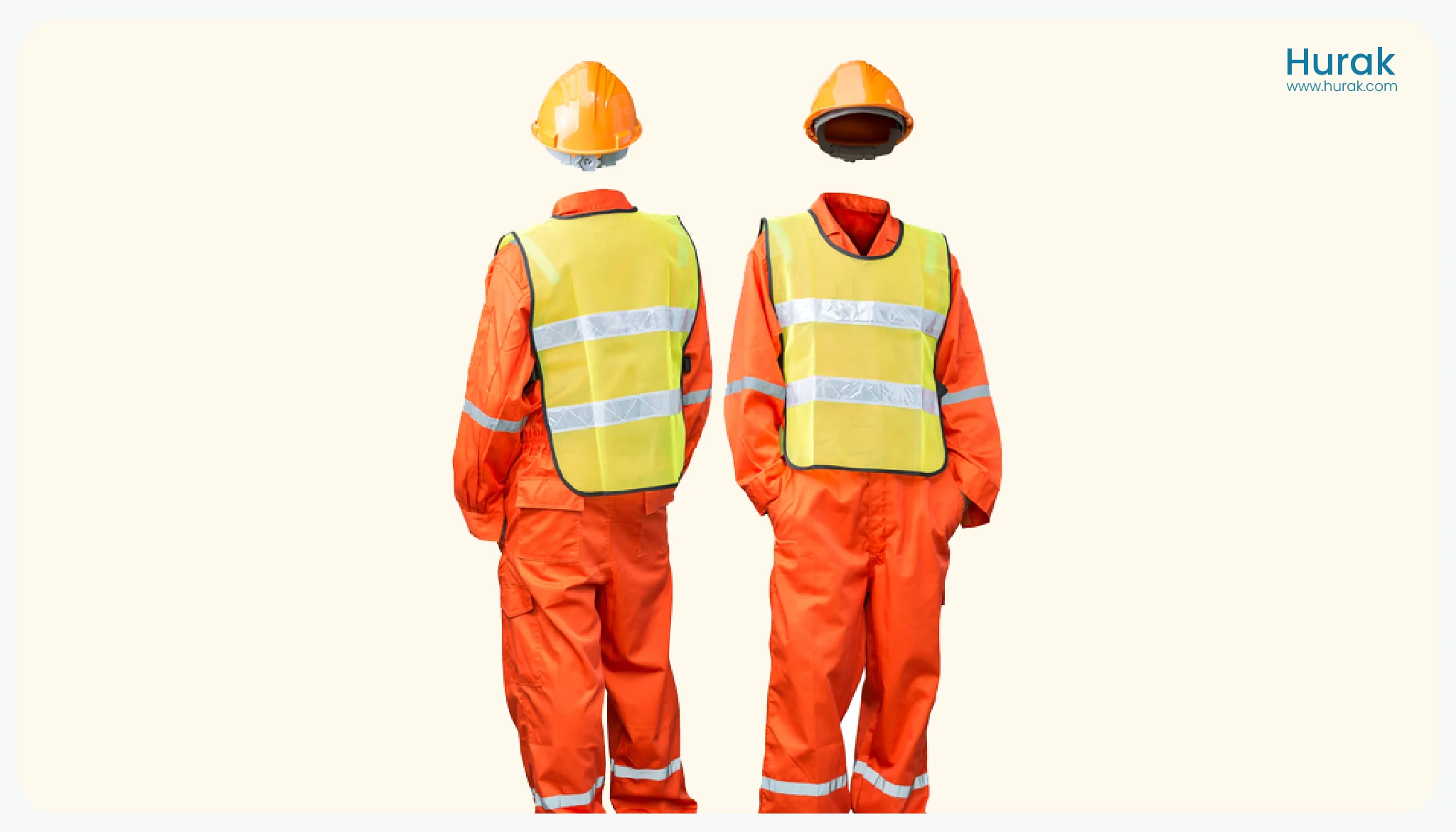
Security officers in construction and traffic management roles require high-visibility clothing to ensure safety on busy sites. Typical items include:
High-visibility vests or jackets
Hard hats and steel-toe boots
Gloves and protective eyewear
Comfortable trousers designed for outdoor use
These uniforms prioritise safety and compliance with site-specific regulations.
In corporate offices and educational institutions, security officers often serve as the public face of security. Their uniforms reflect professionalism and approachability, usually consisting of the following:
Formal shirts and ties
Blazers or tailored jackets
Smart trousers and polished shoes
This attire ensures a polished appearance while maintaining authority.
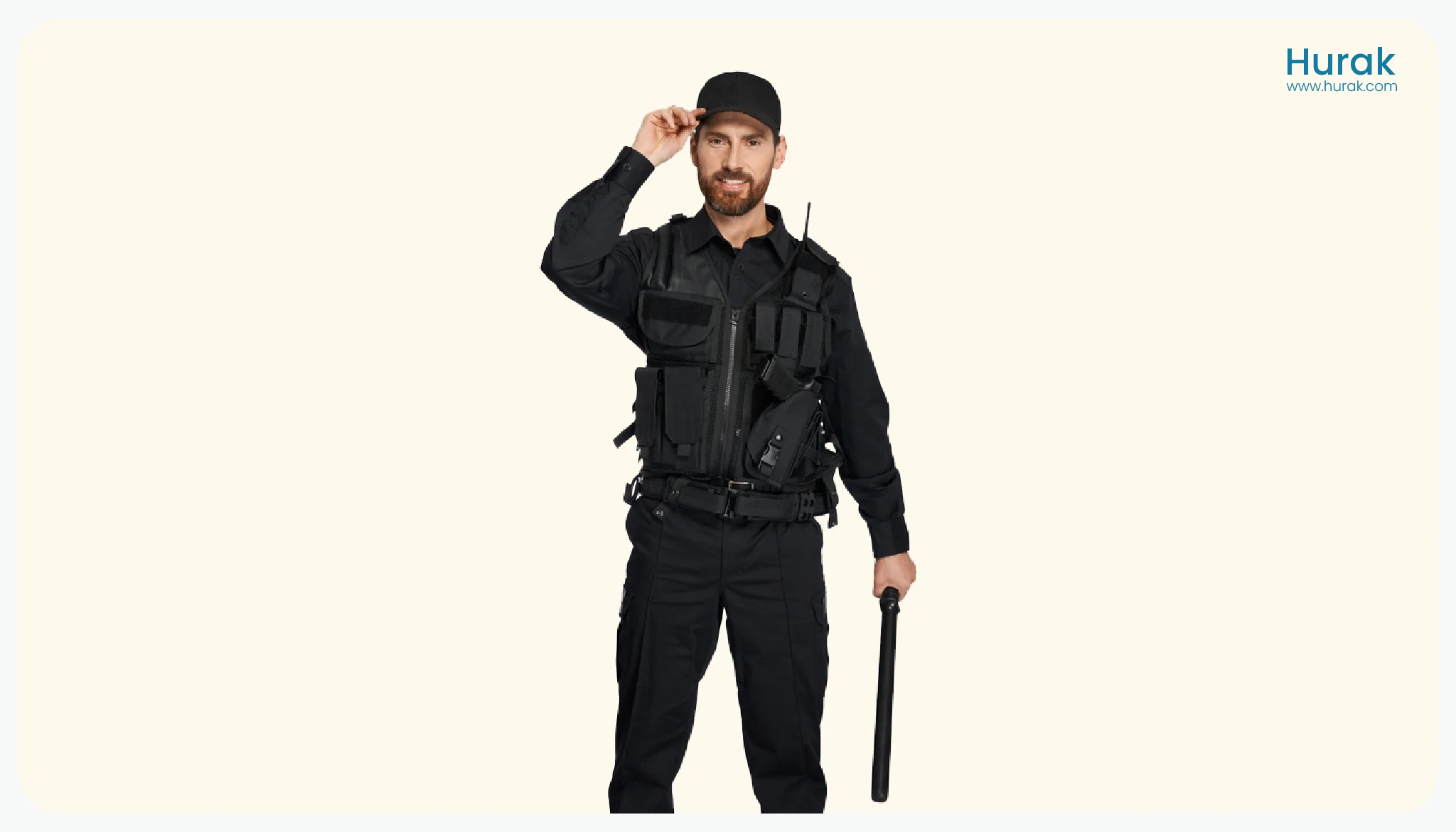
The best security uniform depends on the specific role and environment. Key considerations include:
Functionality: The uniform should enable the officer to perform their duties effectively.
Comfort: Long shifts require clothing that is easy to wear for extended periods.
Professionalism: The uniform should convey authority and instil confidence in the public.
Compliance: Ensuring the uniform meets industry regulations and safety standards is essential.
A one-size-fits-all approach doesn't work in the UK security industry. Tailoring uniforms to specific roles and environments ensures officers can perform their duties safely, efficiently, and professionally.
Security guard uniforms signify authority, professionalism, and safety while offering functionality suited to specific roles and environments.
P.P.E. includes high-visibility jackets, steel-toe boots, gloves, helmets, and protective eyewear, primarily used in high-risk environments like construction sites.
Door supervisors wear high-visibility jackets, SIA armbands, and durable, comfortable shoes to convey authority while remaining approachable.
CCTV operators usually wear comfortable, practical clothing like polo shirts and trousers, as their work is conducted in control rooms.
CPOs wear business suits or tactical clothing depending on the setting, balancing professionalism with functionality for discreet security.
High-visibility clothing ensures safety in high-risk environments by increasing visibility to others on busy sites.
Corporate and education security uniforms include formal shirts, ties, blazers, and polished shoes to reflect professionalism and authority.
Security guard uniforms in the UK security industry are important in balancing professionalism, functionality, and safety. From door supervisors to corporate security, each role demands tailored attire to meet the job's needs while complying with health and safety standards. These uniforms are a practical tool for security operations and a visual representation of authority and trust. By aligning uniform design with role-specific requirements, the industry ensures that security officers can perform their duties effectively, fostering a safe and professional environment.

Courses
Upskill with job-ready training.
Mock Tests
Measure your learning progress.
Create an online video course, reach students across the globe and earn money