

Where to Find Bricklaying Jobs on Construction Sites
Bricklaying is a skilled trade with steady demand across the UK�s construction industry. It�s not just about your skill with bricks and mortar; knowing where to find jobs and how to prepare is key. Here�s a simple guide to help you find bricklaying site work, build your experience, and grow your career.Get the Right Qualifications FirstMost construction sites require workers to have a valid CSCS (Construction Skills Certification Scheme) card. For bricklayers, this usually means the Blue Skilled Worker Card. To get this, you need an NVQ Level 2 Diploma in Bricklaying and a pass in the CITB Health, Safety, and Environment Test.The NVQ Level 2 is the industry standard that verifies your bricklaying skills and assures employers that you can carry out tasks safely, efficiently, and to a professional standard on site.You can earn this qualification through a full apprenticeship, a fast-track assessment if you already have experience, or an intensive course with on-site assessments. It�s essential to aim for this qualification early because it not only opens doors to jobs but can also increase your pay.If you want to know more about obtaining a CSCS card, check out our detailed article on Bricklayer CSCS Card. You can also explore the NVQ Level 2 Bricklaying course offered by Hurak to get qualified and site-ready quickly.�Start your training today with Hurak�s NVQ Level 2 Bricklaying course.Build Practical Experience EarlyQualifications matter, but hands-on experience is just as necessary. Try to get real site work during or after your training, even if it�s unpaid or short-term. Many employers value practical skills and learning on the job as much as formal certification.If you�re new, you might need to start with labouring or site assistant roles. This helps you understand how a construction site operates and allows you to build trust with supervisors. Don�t hesitate to accept these early roles; they�re stepping stones to more skilled bricklaying work.You can learn about the complete pathway into the trade in our article, How to Become a Bricklayer in the UK. Alongside bricklaying skills, consider additional courses like health and safety or manual handling through Hurak to strengthen your site readiness.Be Proactive. Don�t Wait for Job AdsWaiting for bricklaying job adverts can slow your progress. Many bricklayers find work by directly contacting local builders, small contractors, or site supervisors, even if no jobs are officially advertised. Drop off your CV, send an email with free link tracking, or visit sites to introduce yourself. Being proactive shows initiative and can lead to trial work or referrals.Build relationships with local building firms and subcontractors working on larger projects. The construction industry often relies on word of mouth, so these connections are valuable.Use Job Boards and Online PlatformsJob boards list many construction roles every day. Popular sites like Indeed, TotalJobs, CV-Library, and Reed regularly post bricklaying site work. Use search terms like �bricklaying site work,� �CSCS bricklayer,� or �construction bricklayer needed� to find relevant listings. Set up alerts so you don�t miss short-term contracts, especially during busy building seasons.Specialist platforms like Checkatrade, MyBuilder, and MyJobQuote are also great places to build your trade profile and connect with local clients. Create a professional profile, upload photos of your work, and collect reviews to boost your reputation. Even small home projects can help you get noticed and gain confidence.Register with Recruitment AgenciesRecruitment agencies specialising in construction can speed up your job search. They often know about site vacancies before they�re advertised and can place you in labouring or groundworking roles if you�re just starting. Look for agencies like Hays Construction, Daniel Owen Ltd, Building Careers UK, or Randstad Trades & Labour. Increasingly, many employers and agencies are also adopting Diversity Recruiting Software to reach a wider pool of candidates and ensure fair opportunities for skilled workers from all backgrounds.Typically, agencies will ask for your CSCS details, right to work proof, PPE, and references if you have them. Being registered means you get access to a range of site work opportunities across the UK.Network with Other TradespeopleNetworking is a powerful tool in the construction industry. Join local trade Facebook groups, WhatsApp job boards, or attend trade events and site safety courses. Talk to other tradespeople and share job leads. Your next opportunity might come from someone you meet while buying tools or at a training session.Accept Entry-Level Work While You LearnIf you�re new to bricklaying, don�t shy away from starting with labouring or site clean-up roles. These jobs may pay less but help you get a foot in the door, prove your reliability, and learn how sites operate. Supervisors often promote workers who show a good attitude and punctuality into bricklaying roles over time.Keep Up with Training and Site StandardsStay competitive by renewing your CSCS card and attending refresher courses on site safety and manual handling. If you�re working but not yet fully qualified, ask about on-site NVQ assessments. These allow experienced workers to gain certification while on the job, often without the need for classroom time.Upskilling can make a real difference. Explore our range of courses that can help you improve your knowledge and stand out on-site.ConclusionBricklaying is a practical and rewarding trade, but getting your first few jobs takes more than just technical skill. Start by getting the right qualifications, especially your CSCS card and NVQ Level 2 Diploma. Then, be proactive and seek out experience by connecting with builders directly, exploring job boards, agencies, and networking groups. With the right mindset and support from training providers like Hurak, you�ll be well on your way to a solid career in bricklaying.Want More Than Just Labouring Work?Get NVQ-certified with Level 2 in Bricklaying.Earn qualifications on the job and increase your chances of securing consistent, higher-paying site contracts.�FAQ'sCan I work without a CSCS card?Almost all legal construction sites require a CSCS card. Without it, your job options will be minimal.What basic tools do I need?A typical bricklaying toolkit includes trowels, levels, a bolster chisel, a tape measure, and personal protective equipment (PPE).Is bricklaying a seasonal job?Work is usually busier in summer, but indoor projects and renovations continue year-round.How much can I earn?According to the UK government's National Careers Service, bricklayers typically earn between �25,000 at the entry level and �45,000 with experience annually. Based on a standard full-time working year (around 230 working days), that equates to approximately �110��200 per day, depending on your level of experience, location, and the complexity of work involved.
The Ultimate Guide to Food Safety Fridge Storage: Temperatures, Hygiene Best Practices
If you are involved in the food industry, proper food storage isn't optional � it's essential.Whether you are a chef, restaurant manager, food manufacturer, or small food business owner, safe food handling is part of your daily responsibility. Storing food properly keeps it fresh and protects both your customers' health and your business reputation.While you may use a fridge daily, do you know if you are using it correctly? Are you following the food storage guidelines and maintaining the correct fridge temperature for food safety? Understanding these basics can prevent your food from spoiling and ensure the safety of your customers.In this article, let�s learn the basics of safe fridge storage, fridge and freezer temperatures, proper food organisation, and hygiene practices.Why Proper Food Storage MattersIncorrect fridge storage can cause harmful bacteria to grow rapidly, putting people at risk of serious illness. This isn�t just about rotten food; it�s about unseen microbial threats that can multiply quickly if food is not stored at the right temperature or location.Storing food at the correct temperature:Keeps it safe to eatSlows the growth of harmful bacteriaHelps you meet legal food safety standardsSafe Fridge Temperatures: Legal Limits and Best PracticesTemperature is one of the most crucial factors in maintaining food safety. The legal maximum temperature for storing chilled food is 8�C, but to be on the safe side, it�s strongly recommended to keep your fridge at or below 5�C.Type of StorageTemperature RequiredWhy It MattersChilled Food (Legal Limit)8?�C or below (legal in England, Wales, NI)Slows down bacterial growth. Must be followed by law.Best Practice for FridgesBelow 5?�CSafer than the legal limit. Gives a buffer to keep food cold enough.Danger Zone8?�C to 63?�CBacteria grow fastest here. Avoid this range when storing or holding food.Freezing-18?�C or belowStops bacterial growth completely.?? What is the 'Danger Zone'?What is it? The danger zone is the temperature range between 8?�C and 63?�C where bacteria multiply rapidly.Why avoid it? Keeping food in this range for too long increases the risk of food becoming unsafe to eat.Safe practice:Keep chilled food below 8?�CKeep hot food above 63?�CClick to learn more about the food temperature danger zoneFrozen Food Safety: Key Temperature GuidelinesJust like chilled food, frozen food also needs careful temperature control. The ideal freezer temperature is -18�C or lower to keep food safe for longer periods.Here�s a quick reference chart for frozen storage:AspectDetailsLegal Freezer Temperature-18?�C or lowerBest Practice Temperature-18?�C (consistently maintained)PurposeSlows down bacterial growth and preserves food for longerStorage TipAvoid frequent door openings; ensure air can circulate around food itemsNote: Use a freezer thermometer to ensure the temperature stays consistent at -18�C or lower.When it comes to food safety, it�s not just about storing food at the right temperature; keeping your fridge clean is just as important.Safe storage helps stop harmful bacteria from growing, but good fridge hygiene helps prevent dirt, mould, and everyday germs from spreading to your food.Both food safety and food hygiene play crucial roles in ensuring the quality of food. Food safety focuses on how food is stored (e.g., keeping the fridge at a temperature below 5�C), while food hygiene focuses on where and in what condition it is stored.For example, meat kept at the right temperature can still become unsafe if stored in a dirty fridge.Take Your Food Safety Knowledge FurtherPut your food safety skills into practice by enrolling in our Level 2 Food Hygiene and Safety for Catering course.Learn more about food safety hazards, temperature control, cross-contamination, and proper food storage so you can keep food safe and avoid common mistakes.Ideal for individuals working in catering, hospitality, or the food service industry.Explore Now!How to Store Different Foods in the Fridge: A Simple GuideStoring different types of food correctly in the fridge is key to keeping them safe, fresh, and hygienic. It helps prevent cross-contamination, improves airflow, and ensures food stays at the right temperature.Take a quick look at the chart below to learn how to organise the food in your fridge.Additional Tip: Avoid storing high-risk items like milk or eggs in the fridge door, as it's the warmest area due to frequent opening.For a detailed breakdown on where and how to place foods in your fridge to avoid cross-contamination, check out our full guide on Fridge OrganisationFridge Hygiene and Safety Checks Using HACCPFood businesses across the U.K. use the food safety management system called �HACCP (Hazard Analysis and Critical Control Points) to manage both food safety and hygiene.It is a step-by-step method used to spot potential risks and prevent them before they become a real problem. Whether you run a caf�, restaurant, or food truck, HACCP helps you keep food safe from start to finish.Here�s how the 7 Principles of HACCP apply directly to fridge and freezer food safety:Conduct a hazard analysis � Identify risks such as temperature fluctuations, improper storage, or poor cleanliness.Determine critical control points (CCPs) � Fridge and freezer storage are essential CCPs in any food operation.Establish critical limits � Keep chilled food at or below 5�C, and frozen food at -18�C or lower.Set up monitoring procedures � Check and record fridge and freezer temperatures at least twice a day, ideally at the start and end of each shift. Use clearly labelled thermometers and ensure staff know what to do if readings are out of range.Additional Tip: Don�t rely solely on the fridge�s built-in display; place a separate fridge thermometer inside to cross-check accuracy.Establish corrective actions � Take clear steps if temperatures exceed safe limits (e.g. move food, call maintenance, record the issue).Additional Tip: If there�s a power cut, note the time and duration.�If the fridge exceeds safe limits for more than 4 hours, the affected food may need to be discarded.Verify procedures � Review temperature records and fridge performance regularly to ensure everything�s working as intended.Keep documentation � Maintain easy-to-read logs of temperature checks and basic cleaning records to stay compliant during inspections.In SummaryFridge food safety is more than setting the right temperature. It�s about following clean practices, storing each item correctly, and applying a system like HACCP to stay in control.? Learn MoreWant to ensure your business stays safe, clean, and up to standard? ? Explore our Food Safety Courses and get certified today.FAQ's�What is the recommended food safety fridge temperature in the U.K.?The food safety fridge temperature in the U.K. should be 5�C or lower. Although the legal limit is 8�C, keeping it below 5�C offers better protection.What is the correct cooling food temperature?The cooling food temperature should drop from 63�C to 8�C within 90 minutes to meet food safety standards.What are the food storage guidelines in the U.K.?According to food storage guidelines in the U.K., chilled foods should be kept below 8�C, and frozen foods at -18�C or lower. Raw and cooked foods must be stored separately to avoid cross-contamination.What is considered a safe fridge temperature in the U.K.?A safe fridge temperature in the U.K. is at or below 5�C. This helps slow down the growth of harmful bacteria and keeps food fresh.What is the ideal food hygiene temperature?The food hygiene temperature for cold storage is 5�C or below, and for hot holding, it�s above 63�C. These limits help prevent bacterial growth.

Bricklayer Qualifications Salary Guide | Become a Bricklayer
Bricklaying is a hands-on profession that shapes our homes and workplaces; it's more than just stacking bricks. If you've ever considered becoming a bricklayer, there are a few things you should know first: what credentials are required, how to get trained, what skills will help you succeed, what kind of salary to expect, and where this career might lead you. We've made it easy for you to get started in the bricklaying industry by providing clear guidance and easy steps.Qualifications & Training for BricklayersBecoming a qualified bricklayer usually involves a mix of practical experience and formal training. The most common routes include:Apprenticeships - The Most Common PathApprenticeships combine on-the-job training with classroom learning, allowing you to earn while you learn. You�ll typically spend 2�3 years gaining hands-on experience alongside a qualified bricklayer while completing nationally recognised qualifications.Diplomas, NVQs and the CSCS Card - Building Your CredentialsMany bricklayers pursue NVQ Level 2 or 3 diplomas in bricklaying or related construction trades. These qualifications show your capability to do the job at a professional level.You must also have a valid CSCS (Construction Skills Certificate Scheme) card in order to work on most construction sites in the UK. This card indicates that you've met the required health and safety standards and usually requires an NVQ or equivalent qualification.Together, your NVQ or diploma and a CSCS card form the essential foundation for a successful career in bricklaying. To learn how to obtain your card step-by-step, see our detailed guide on the Bricklayer CSCS Card.Explore More Construction Courses with HurakLooking to build your career in construction?Hurak offers a wide range of industry-recognised training courses, from bricklaying and health & safety to site supervision and management. Whether you're starting out or levelling up, we�ve got the right course for you.Browse all Construction Courses at HurakEntry Routes into BricklayingA career in bricklaying can be started in a number of ways, depending on your experience and educational background.Starting as a School LeaverMany young people go straight from school into bricklaying by signing up for apprenticeships or college classes that teach construction skills.Becoming a Bricklayer with No ExperienceIf you don't have any experience, you can start with entry-level jobs or short training courses. Some employers offer on-the-job training for beginners who show enthusiasm and a willingness to learn.College Courses and Short-Term TrainingColleges provide diplomas and certificates in bricklaying and construction, which are suitable for those who want to experience classroom learning before joining the labour force.If you're just starting out, this guide on gaining site work as a bricklayer shares practical tips to help you land your first job on site.Essential Skills Needed to Be a Successful BricklayerTo be a good bricklayer, you need to be in good physical condition and be able to work with your hands. You are required to be able to lift heavy objects, be on your feet most of the day, and use tools carefully, so good coordination and stamina are very helpful.Being able to read plans and work accurately helps you understand technical drawings and build things correctly. A good eye for detail helps you lay bricks evenly and securely, in accordance with the project requirements.Since bricklayers typically don't work alone, communication and teamwork are equally important. Being able to follow directions and coordinate effectively is important because you will be working with other construction professionals.Safety is a big deal on busy construction sites. Knowing how to follow safety guidelines and use safety gear properly not only protects you but also the people around you.Both new and experienced bricklayers can improve by avoiding common mistakes that affect quality and safetyBricklayer Salaries: What You Can Expect to EarnStarting Salaries for BeginnersAccording to the National Careers Service, bricklayers starting out typically earn between �20,000 and �30,000 per year. This depends on your employer, location, and whether you begin through an apprenticeship or direct employment.The Apprenticeships.gov.uk site confirms that most bricklaying apprentices begin with wages around the apprentice minimum wage, but this usually increases quickly as experience builds and training milestones are reached.Earnings with Experience and SpecialisationExperienced bricklayers usually earn �30,000 to �40,000 annually, as reported by the National Careers Service. This is based on industry averages for qualified professionals who have progressed beyond entry-level roles.Additionally, the gov.uk guidance on Skilled Worker visa sponsorship lists bricklaying roles with minimum salary thresholds ranging from �25,600 to �30,960, reflecting the expected earnings of skilled tradespeople. .main{ border:3px solid #0f7c90; border-radius:20px; position: relative; font-family:roboto; font-weight: 400; color: #000; } .main-two{ position: absolute; top:-25px; left:45px; background-color:white; } .img-div{ border-radius : 100%; padding:2px 7px; background-color:#0f7c90; margin-right:5px; width: 50px; height: 50px; } .img{ width:30px; object-fit:contain; height:auto; border-radius : 100%; } @media only screen and (max-width: 600px) { .heading{ font-size:20px; } .img{ width:20px; object-fit:contain; height:auto; border-radius : 100%; } .img-div{ width: 40px; height: 40px; } .main-two{ left:25px; } } Want to Boost Your Earnings and Take on Specialist Roles? Completing the NVQ Level 3 Diploma in Bricklaying can significantly improve your earning potential. This advanced qualification is ideal for experienced bricklayers seeking supervisory roles or aiming to qualify for the CSCS Gold Card. With an NVQ 3, you're more likely to land higher-paying jobs and build a stronger career trajectory. Self-Employment and Higher Income PotentialWhile direct government data on self-employed bricklayers is limited, the National Careers Service notes that bricklayers who are self-employed or run their own business may earn significantly more, depending on contracts and workload. Top-tier professionals in busy regions or those with niche skills may exceed �40,000 or more annually.What Is the Bricklayer Work Environment Like?Bricklayers typically work outside on construction sites, where they may be subjected to a variety of weather conditions, and their work can be physically taxing. In addition to mixing and applying mortar, their main duties involve laying bricks, blocks, and stones. For maximum accuracy, they also measure and cut materials.Collaboration with other construction professionals is essential to meet project deadlines effectively. Bricklayers wear protective gear like boots, gloves, and helmets to lower their risk of injury.Career Progression in BricklayingFrom Trainee to Skilled BricklayerWith experience and qualifications, you can progress from an apprentice to a fully skilled bricklayer, handling more complex tasks.Moving Into Supervisory or Management RolesExperienced bricklayers can advance to become site supervisors, foremen, or project managers, overseeing teams and ensuring adherence to quality standards.Becoming a Specialist or Self-Employed ContractorSome bricklayers specialise in areas like restoration or stone masonry. Others start their own contracting businesses for greater independence and income.ConclusionA career as a bricklayer is a rewarding one, with defined training paths, a gradual increase in remuneration and promotion possibilities. Whether you are an apprentice or have no experience, developing your skills and qualifications is important.Bricklaying combines physical work with craftsmanship, and those who stick with it can enjoy a fulfilling career in construction.NVQ Level 2 Diploma in BricklayingPerfect for beginners or entry-level workersThis qualification demonstrates your ability to carry out bricklaying tasks safely and to a professional standard on site. It�s ideal if you're looking to apply for the CSCS Blue Skilled Worker Card.Learn more about the NVQ Level 2 in BricklayingFAQ'sHow long does it take to become a qualified bricklayer?Typically, apprenticeships last 2�3 years, but some individuals gain skills more quickly, depending on their commitment and available opportunities.What qualifications do I need to start?Entry-level apprenticeships often require GCSEs or equivalent, but some employers accept learners with no formal qualifications.Can I become a bricklayer with no experience?Yes, there are a lot of people who start with zero experience, often through apprenticeships, training courses, or on-the-job learning.What is the average salary for bricklayers?Average salaries range from �18,000 for beginners to �35,000+ for experienced workers; self-employed bricklayers can earn more.Is bricklaying a physically demanding job?Yes, it requires strength, stamina, good hand-eye coordination, and a focus on safety.Explore Other Popular NVQs to Boost Your Bricklaying CareerIf you�re interested in advancing your skills beyond repointing and bricklaying basics, pursuing NVQ qualifications is a great way to build your expertise and qualify for various CSCS cards.Level 2 NVQs (Skilled Worker � Blue CSCS Card)Level 3 NVQs (Advanced Worker � Gold CSCS Card)NVQ Level 2 in BricklayingNVQ Level 2 in PlasteringNVQ Level 2 in Roofing OccupationsNVQ Level 2 in Carpentry and JoineryNVQ Level 2 in Wall and Floor TilingNVQ Level 2 in Painting and DecoratingNVQ Level 2 in Passive Fire ProtectionNVQ Level 2 in StonemasonryNVQ Level 3 in BricklayingNVQ Level 3 in PlasteringNVQ Level 3 in Roofing OccupationsNVQ Level 3 in Wall and Floor TilingNVQ Level 3 in Painting and DecoratingNVQ Level 3 in Stonemasonry � Banker MasonryNVQ Level 3 in Stonemasonry � Memorial Masonry
Common Bricklaying Mistakes (And How to Fix Them)
Even the most experienced bricklayers make mistakes, especially when working under pressure. Whether it�s something as simple as misjudging mortar consistency or skipping key prep steps, small errors can quickly turn into big problems if left unchecked.Here�s what you need to know about the most frequent issues in brickwork and how to get it right, from uneven brickwork to repointing issues, we�ll walk you through what to watch out for, how to correct poor habits, and why improving your technique matters for both quality and safety. Think of this as a quick check-in on what to avoid and how to maintain your bricklaying skills.Why Avoiding Mistakes MattersIn bricklaying, precision isn�t just about appearances, it affects the strength, safety, and durability of the entire structure. Poor workmanship can compromise structural integrity, reduce weather resistance, and lead to long-term issues that require costly repairs. Even small errors, when repeated, can set you back professionally and result in rework. Whether you�re just starting out or have years of site experience, many bricklaying mistakes stem from the same causes: rushing, skipping important checks, or not fully understanding the process. The good news is that most of these can be avoided with the right knowledge and habits.In the sections that follow, we�ll break down these common mistakes and show you how to fix, or better yet, avoid them altogether.Incorrect mortar mixingOne of the most frequent issues is incorrect mortar mixing. Too much water, not enough cement, or inconsistent batches can all weaken the mix and cause premature cracking. Using clean materials and sticking to proper ratios is key. Mix in small batches so the mortar remains workable, and always pay attention to consistency, it�s the foundation of everything that follows.Drainage and Clean-UpWhile focusing on structure, many bricklayers overlook the importance of drainage or fail to remove excess mortar. Water trapped without proper drainage can slowly damage the wall from within, while dried mortar on bricks makes the finish look rushed and unprofessional. Always plan for water runoff and wipe away spills before they set.Misaligned or uneven bricksAnother issue is misaligned or uneven brick courses. Even if you�re working quickly, it�s important to use a spirit level and string line frequently to keep things straight. A single slanted course can throw off an entire wall, leading to a finished product that looks unprofessional and may need reworking.Skipping wall ties or reinforcementSkipping wall ties or reinforcement is a structural mistake that can seriously weaken a wall, especially in cavity construction. It�s essential to check the building plans for tie spacing, embed them correctly, and ensure they�re aligned properly. Overlooking this step compromises the wall�s stability and longevity.Leaving out expansion jointsSometimes, it�s what you don�t include that causes problems like leaving out expansion joints. These small gaps are critical for absorbing movement caused by temperature changes or settling. Without them, walls can crack over time, especially on long or exposed surfaces.Poor weather planningPoor weather planning is another common pitfall. Cold, wet, or windy conditions can interfere with mortar setting and brick adhesion. Working in unsuitable weather or failing to protect fresh work can lead to frost damage or weakened bonds. Always check site conditions and be prepared to adapt; sometimes, waiting a day can save days of repair.Improper joint toolingWhen it comes to finishing, improper joint tooling, especially during repointing work, can lead to both aesthetic and functional issues. Tooling too early, leaving gaps, or applying uneven pressure can weaken the joint or lead to moisture ingress. The trick is to let the mortar cure slightly before striking, ensuring full, clean, and uniform joints.Poor Repointing TechniquesMistakes like raking out too deeply, using the wrong mortar mix, or striking too early can lead to weak joints and moisture ingress. If repointing is done poorly, the whole wall can deteriorate faster than it should. �Read our full guide on Brickwork Repointing Mistakes and How to Get It RightIgnoring drawings or building regulationsIgnoring drawings or building regulations is another common error that often leads to problems down the line. Misplacing damp-proof courses, getting cavity widths wrong, or misaligning openings can all result in failed inspections or the need for costly corrections. Double-checking plans before and during your build helps avoid these headaches.Inconsistent perp jointsInconsistent perp joints, the vertical gaps between bricks, may seem like a small detail, but they can make good brickwork look messy. Using gauges or spacers and taking the time to align each brick properly leads to a more professional finish.Overworking laid bricksThere�s also the habit of overworking laid bricks. Tapping or adjusting bricks after placement might seem harmless, but it can break the mortar bond and reduce strength. It�s better to take your time placing the brick correctly the first time, instead of correcting it later.Rushing the jobFinally, rushing the job is a mistake that leads to many of the issues listed above. From uneven courses to incomplete joints, trying to move too fast usually costs more time in the long run.Bricklaying rewards a steady rhythm, one that comes from experience, not speed alone. If you want to work on UK construction sites, getting a CSCS card is essential for most bricklaying jobs. Here�s how to get your Bricklayer CSCS Card.Turn Experience Into Certification and Lay the Foundation for Your Bricklaying CareerAlready working on-site? Get officially recognised with the NVQ Level 2 in Bricklaying practical, respected, and built for professionals like you.Get Certified with NVQ Level 2Ready to Lead and Take On Bigger Projects?The NVQ Level 3 Diploma in Bricklaying is built for skilled tradespeople looking to move into supervisory roles, tackle complex builds, and grow their career in construction.�Take the Lead with NVQ Level 3ConclusionBricklaying is as much about avoiding errors as it is about getting the basics right. From mixing mortar correctly to maintaining level brick courses, every decision on site impacts the strength, safety, and appearance of the final build. Mistakes like skipping expansion joints, repointing poorly, or misreading drawings can seem small in the moment but lead to significant consequences later.The best bricklayers are those who keep learning, stay precise under pressure, and understand the �why� behind every task, not just the �how.�Need Help Getting Your Bricklaying CSCS Card?If you�re unsure about the process or need to book your NVQ Level 2 or 3 in Bricklaying, contact Hurak at 0333 344 1293.We offer a wide range of trade-specific NVQs and provide full support with CSCS card applicationsFrequently Asked Questions on BricklayingWhy is mortar mix consistency so important?If your mortar is too wet or too dry, it won't bond properly with the bricks. This can lead to weak joints, cracks, or crumbling over time. Always follow the recommended mix ratio and use clean, consistent materials.What happens if you don�t use expansion joints in a wall?Without expansion joints, brickwork can crack as it expands and contracts with temperature changes. They�re especially important in long or exposed walls.How can weather impact bricklaying?Wet, cold, or windy conditions can cause mortar to dry too slowly or too quickly, weakening the bond. It�s important to plan ahead and use protective covers or additives when needed.How do I keep brickwork level and neat?Use a string line, spirit level, and brick gauge consistently. It takes practice, but attention to detail is what separates neat, professional brickwork from amateur jobs.Advance Your Career with These Popular Construction NVQsLevel 2 NVQs (Blue CSCS Card � Skilled Worker)These are ideal if you�re early in your career or want to get formally recognised for your current skills:NVQ Level 2 in Bricklaying�NVQ Level 2 in StonemasonryNVQ Level 2 in PlasteringNVQ Level 2 in CarpentryNVQ Level 2 in Wall and Floor TilingNVQ Level 2 in Roofing OccupationsNVQ Level 2 in Painting and DecoratingNVQ Level 2 in Passive Fire ProtectionLevel 3 NVQs (Gold CSCS Card � Advanced Worker/Supervisor)Perfect if you�re experienced and ready to lead on-site or take on complex projects:NVQ Level 3 in Bricklaying�NVQ Level 3 in Stonemasonry � Banker MasonryNVQ Level 3 in Stonemasonry � Memorial MasonryNVQ Level 3 in PlasteringNVQ Level 3 in Roofing OccupationsNVQ Level 3 in Wall and Floor TilingNVQ Level 3 in Painting and DecoratingEach of these NVQs can be completed through an on-site assessment, so you don�t have to stop working to qualify. Take the next step in your trade and stay competitive in the construction industry.
Flammable vs Combustible: What�s the Difference? (A Simple Workplace Safety Guide)
When it comes to any work environment, safety must be a top priority, especially in industries that deal with hazardous materials, such as flammable and Combustible substances. Knowing the difference between these two types of substances helps prevent workplace accidents and protect people and property. Following basic safety guidelines is essential to keep your team safe and your workplace compliant.This article will help you clearly understand the key differences between flammable and combustible substances, in simple terms, with easy examples, so you can maintain a safer workplace.What is a Flammable Substance?Flammable substances are materials or liquids that easily catch fire, even at normal room temperatures. They have low flash points, which means they can give off vapours that ignite quickly when exposed to a spark, flame, or heat.Think of petrol or acetone - they can instantly catch fire if not handled or stored correctly. .main{ border:3px solid #0f7c90; border-radius:20px; position: relative; font-family:roboto; font-weight: 400; color: #000; } .main-two{ position: absolute; top:-25px; left:45px; background-color:white; } .img-div{ border-radius : 100%; padding:2px 7px; background-color:#0f7c90; margin-right:5px; width: 50px; height: 50px; } .img{ width:30px; object-fit:contain; height:auto; border-radius : 100%; } @media only screen and (max-width: 600px) { .heading{ font-size:20px; } .img{ width:20px; object-fit:contain; height:auto; border-radius : 100%; } .img-div{ width: 40px; height: 40px; } .main-two{ left:25px; } } Did You Know? Even heat from everyday activities can pose a risk. That�s why understanding how heat affects substances, like knowing the temperature danger zone for food, is crucial to overall workplace safety. Common Flammable Items:Flammable fabrics include: cotton, polyester, nylonFlammable liquids include: petrol, acetone (nail polish remover), ethanol (hand sanitisers)What is a Combustible Substance?Combustible substances can also catch fire, but not as easily as flammable ones. They need to be heated to a higher temperature before they begin to burn. Once they catch fire, they can keep burning steadily and fuel a large fire.Think of materials like wood or paper. They won�t burst into flames immediately, but if there�s enough heat, they will burn and spread fire.Common Combustible Substance:Combustible solids include: wood, paper, plasticCombustible liquids include: Diesel, Vegetable oil, Paint thinnerEven though these materials may appear safe when stored, they can become hazardous if left in large quantities or exposed to heat or fire.To better understand why, let�s first look at an important concept: Flash Point.What is a Flash Point?This is the lowest temperature at which a substance gives off enough vapour to catch fire when exposed to a flame or spark.In simple words, the lower the flash point, the easier it is to catch fire.That�s why knowing the flash point of a material helps in understanding how easily it can ignite and how careful you need to be with it.Flash Points of Flammable and Combustible SubstancesType of substanceFlash Point�Flammable substanceBelow 37.8�CCombustible substanceAbove 37.8�C and below 93.3�CSo, what does flash point mean in the workplace?If a material has a flash point below 37.8�C, it can release flammable vapours even at normal room temperature (usually below 30�C). These vapours can easily ignite, making the material flammable.On the other hand, materials with a flash point between 37.8�C and 93.3�C won�t usually produce vapours in a typical work setting. That means they are less likely to catch fire under normal conditions, so we call them combustible.Think of it this way: one liquid starts releasing flammable vapours at room temperature (around 22�C), while another only does that when it gets much hotter, like 70�C. The first one can catch fire more easily, even on a warm day, so it�s called flammable. The second needs more heat to burn, so it�s combustible.Knowing the flash point of materials in your workplace helps you plan proper storage, reduce fire hazards, and create a safer environment for everyone.Flash Points of Common Flammable and Combustible SubstancesFlammable substancesFlash PointCombustible substancesFlash PointPetrol (Gasoline)*-43�CDiesel Fuel*52�C to 82�CEthanol16.6�CPhenol79�CAcetone-20�CKerosene*38�C to 72�CMethanol12�CFormaldehyde64�CPropylene Oxide-37�CHydrazine52�CEthyl Chloride-50�CPaint Thinner*40�CBenzene-11�CNaphthalene78.9�CNote: this may vary depending on the specific compositionWhat is the Difference Between Flammable and Combustible Substances?Let�s now clearly compare flammable and combustible substances to help you take proper safety measures. This will help you identify them more easily in the workplace and help you take appropriate safety measures.Refer to the visual comparison chart below for a quick breakdown of flammable vs combustible substances.In Simple Terms:Flammable = Lights up fast (e.g., petrol, acetone)Combustible = Burns with more heat (e.g., diesel, kerosene)Why Knowing the Difference Matters at WorkFlammable and combustible materials can seriously impact workplace safety, especially if stored near heat, sparks, or open flames. Some of these materials release vapours that can catch fire or cause explosions if improperly handled.To avoid these risks, you first should check the Safety Data Sheets (SDSs) of any hazardous material used or stored in your workplace.What Is an SDS & Why Is It Important?An SDS (Safety Data Sheet) is a document that tells you everything you need to know about a chemical or substance, including how to handle it safely.Each SDS includes key details like:The substance�s name and the manufacturer's contact informationIts physical and chemical properties (like flash point)Potential health hazards and fire risksStorage and disposal instructionsFirst-aid and fire-fighting stepsTip: Always read the SDS to check whether a substance is flammable or combustible, and follow its recommended safety measures.How to Reduce Fire Risks at WorkHere are some simple, practical tips to stay safe:? For Flammable Materials:Store in approved, airtight containers to stop vapours from escaping.Keep them away from ignition sources � even a small spark can start a fire.Use clear labels so everyone knows what they�re handling.Ensure proper ventilation to avoid vapour build-up.Dispose of waste safely, as leftover vapours can still be a hazard.?? For Combustible Materials:Store in a cool, well-ventilated area � heat can raise the risk of ignition.Use non-sparking tools like brass or plastic when handling them.Avoid heaters, direct sunlight, or machinery that gives off heat.Follow local safety guidelines for handling and storage.Understanding the difference between flammable and combustible substances is essential for workplace safety. Always look for the hazard symbol, especially the flame icon, to identify flammable substances.Review Safety Data Sheets (SDS) for information such as flash points and handling instructions. These small steps can go a long way in preventing accidents.Make it a habit to check these every time you handle, store, or dispose of a chemical.If you work in the food industry, this knowledge becomes even more critical. From cooking oils to cleaning agents, flammable substances are more common than you might think. Mishandling them can lead to serious safety and hygiene risks. Key Takeaways: Flammable and Combustible SubstancesThis table highlights the key points covered in the article, offering a quick reference to the main differences between flammable and combustible substances, their flash points, examples, and safety considerations.Work in Food Safety?Learn how to manage hazardous materials like oils, chemicals, and more. Book a Certified Food Safety Course Today ?FAQsAre flammable and combustible substances the same?No. Flammable substances ignite at lower temperatures, while combustible ones need more heat to catch fire.What is a flash point?�It�s the lowest temperature at which a substance gives off vapour that can ignite.Why is the flash point important?It helps determine how easily a material can catch fire.Where can I find flash point information?Check the Safety Data Sheet (SDS) for any hazardous material.Is diesel flammable or combustible?�Diesel is combustible. It needs more heat to ignite than petrol.What�s the difference between flash point and fire point?The flash point is when the vapour ignites briefly. The fire point is the temperature at which it burns continuously.Are flammable substances more dangerous than combustible ones?Yes, because they can catch fire even at room temperature.Can combustible materials become flammable?Under high heat or pressure, they can behave like flammable ones.What makes a substance hazardous in terms of fire?Low flash point and high vapour production near heat sources.How can I reduce fire risk from flammable substances?Store safely, keep away from heat, and follow handling guidelines.
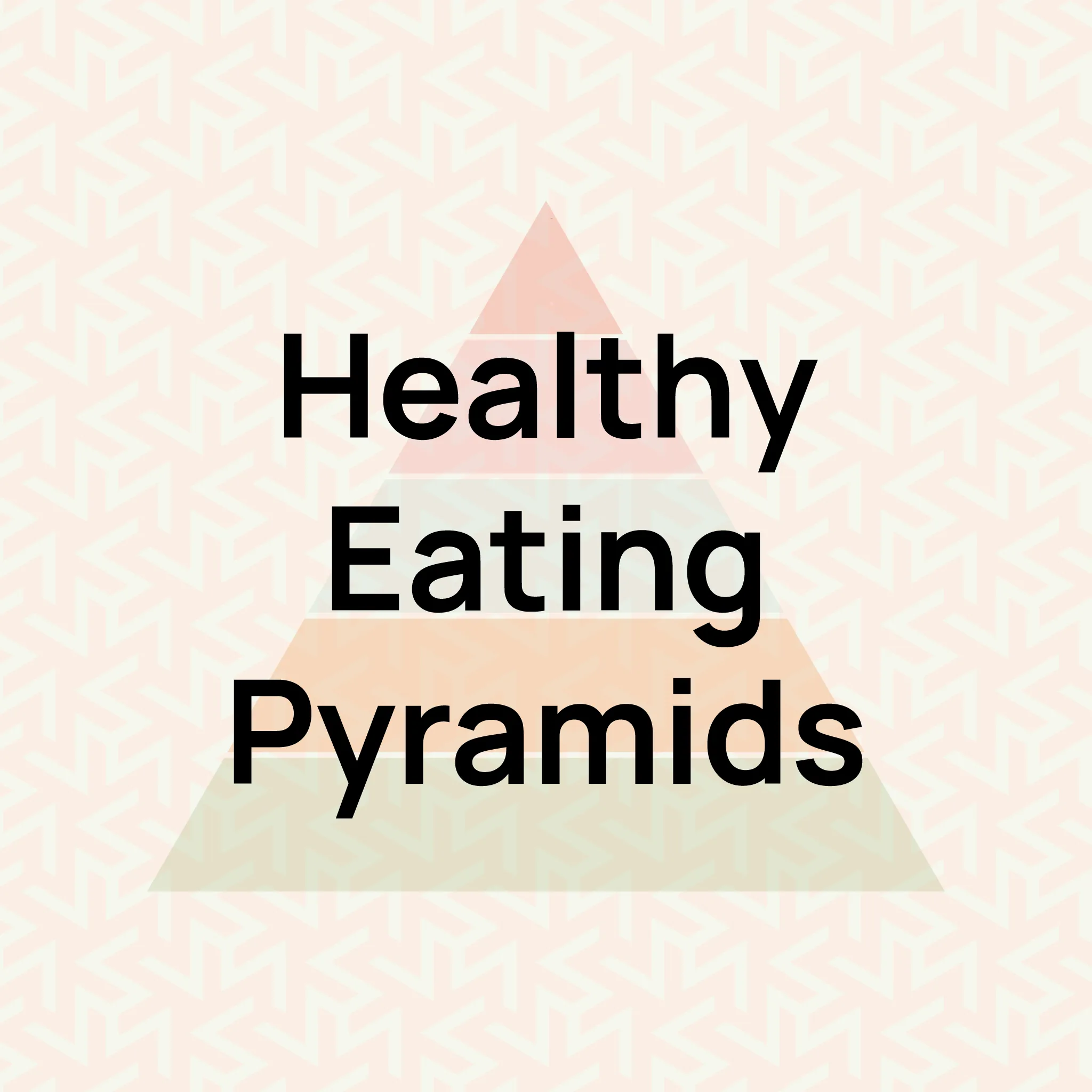
Balanced Diet Made Easy: Using the Healthy Eating Pyramid for Smarter Meal Planning
In today�s competitive food industry, serving great-tasting meals isn�t enough - you also need to serve responsibly. Whether you plan menus, prepare food, or run a restaurant, cafe, or catering business, understanding healthy eating is key.Knowing how to create balanced meals, choose proper portion sizes, and follow the food pyramid can help you plan better menus, meet your customers' needs, and stay informed about food regulations.In this guide, we�ll explain what a balanced diet is, break down the Healthy Eating Pyramid (also known as the Food Pyramid UK), and show you how to use it in everyday meal planning for all age groups.What Is A Balanced Diet?A balanced diet means consuming the right amount of various foods to ensure the body receives all the necessary nutrients for optimal health. It�s about balance, not cutting out food groups, but eating the right things in the right amounts.Our body needs:Carbohydrates for energy (like rice, bread, pasta)Proteins to build muscles (like eggs, chicken, lentils)Fats for cell health (like nuts, seeds, oils)Vitamins and minerals for overall function (from fruits and vegetables)Water helps maintain hydration and supports the digestive process.Understanding these core components lays the foundation for building a balanced diet. Now let�s look at how much of each you should actually eat every day.Daily Balanced Diet Recommendations (by Age Group)Your daily nutritional needs vary depending on age, activity level, and physiological stage. The chart below outlines the ideal food intake to ensure each age group receives the right balance of nutrients for healthy growth and function.Food GroupsChildren�(2-3 years)Children (6-11 years)Teenagers(12-17 years)AdultsElderlyGrains1.5�3 bowls3�4 bowls4�6 bowls3�8 bowls3�5 bowlsVegetablesAt least 1.5 servingsAt least 2 servingsAt least 3 servingsAt least 3 servingsAt least 3 servingsFruitsAt least 1 servingAt least 2 servingsAt least 2 servingsAt least 2 servingsAt least 2 servingsProtein (meat, fish, eggs, legumes)56.25�112.5 g112.5�187.5 g150�225 g187.5�300 g187.5�225 gDairy/Alternatives2 servings2 servings2 servings�1-2 servings1-2 servingsFats & SugarsSmall amountSmall amountSmall amountSmall amountSmall amountWater4-5 glasses6-8 glasses6-8 glasses6-8 glasses6�8 glassesSide note on portion guidance:1 Serving of vegetables = approx.?80?g (e.g. a medium apple, � cup cooked veg, or a small bowl of salad)1 Serving of dairy = approx.?150?ml (e.g. a glass of milk or a small yoghurt pot)Small amount of fats & oils = about 1 teaspoon (5?ml) of oil or reduced-fat spread per mealSource: NHS?? Did You Know?Some everyday foods like dairy, meat, and eggs fall into the high-risk food category. If they�re not stored or cooked correctly, they can quickly become a serious health hazard.�That�s why it�s essential to follow proper methods of food preservation - such as refrigeration, freezing, or vacuum sealing, to maintain their safety and extend shelf life.The daily recommendations in the chart are meant to guide your everyday eating habits. You don�t have to give up your favourite foods to eat healthily. It�s all about balance. Enjoy the foods you love, just in the proper portions. A healthy diet doesn�t mean cutting out treats completely. It means making wise choices most of the time, so your body gets what it needs while you still enjoy what you eat.Food Pyramid Basics: A Layered Approach to Healthy EatingNow that we have seen the Balanced Diet Chart for children, teenagers, adults, and the elderly, you might wonder,� �How do I apply this in everyday life?�That�s where the Healthy Eating Food Pyramid comes in.While the diet chart gives you exact portions for each age group, the healthy food pyramid offers a simple visual guide to help you plan meals wisely. It shows which types of food to eat more of, which to eat in moderation, and which to limit.�Whether you're cooking for a child, packing lunch for a teenager, or planning meals for the elderly, the food pyramid helps you keep everything in balance.The Food Pyramid Chart is divided into five layers:�Fruits and Vegetables, Starchy Foods, Proteins, Dairy Products, Fats and Sugar.�This healthy eating pyramid structure helps clarify which foods to eat more or less of for a balanced diet.Let�s understand the food pyramid chart layer by layer.Layer 1?. Fruit and Vegetables � Eat the Most (Base Layer)Examples: Apples, bananas, carrots, spinach, broccoli, oranges, berries, etc.Why: These are packed with vitamins, minerals, fibre, and antioxidants. They help your body fight diseases and maintain healthy digestion.How much: Aim for at least 5 portions every day. Try to include a variety of colours on your plate � the more colourful, the betterLayer 2?. Starchy Foods (Carbohydrates) � Eat PlentyExamples: Wholemeal bread, brown rice, pasta, cereals, couscous, oats, potatoes, beansWhy: These are the body�s main energy source. They also help protect muscles, support brain function, and regulate blood sugar.How much: These should make up a big portion of each meal. Choose wholegrain options for more fibre and better digestion.Layer 3?. Proteins � Eat in Moderation (Middle Layer)Examples: Meat, fish, eggs, poultry, beans, lentils, chickpeas, nuts, seedsWhy: Protein helps build and repair the body�s tissues. It keeps muscles strong and supports the immune system. For a broader look at how proteins fit into a balanced diet alongside other essential food groups, refer to the NHS Eatwell Guide, the official UK resource for healthy eating.How much: Eat a moderate amount at each meal. Include both animal-based (e.g. chicken, fish) and plant-based proteins (e.g. beans, tofu) for balance.Layer 4?. Milk and Dairy Foods � Eat in ModerationExamples: Milk, yoghurt, cheese, butter, cream, and plant-based alternatives (like almond or soy milk)Why: Great source of calcium, protein, and vitamins for strong bones and teeth.How much: Have 2 to 3 servings daily, and go for low-fat or reduced-fat versions if possible.Layer 5?. Fats and Sugars � Eat the Least (Top of the Pyramid)Examples: Crisps, sweets, pastries, cakes, biscuits, deep-fried foods, soft drinks, processed foodsWhy: These foods are high in calories but offer very little nutrition. Too much can lead to weight gain and health problems like diabetes and heart disease.How much: Eat sparingly - just once or twice a week is enough. When using oils, choose healthy unsaturated fats like olive oil or sunflower oil. When consuming packaged treats or processed items, it�s also vital to understand the difference between �use by� and �best before� dates to avoid spoilage and waste.Note: Foods at the top of the Healthy Eating Pyramid - like sweets, fried items, and processed foods, should be eaten sparingly.These are often high-risk foods due to their sugar, salt, or fat content, which can contribute to long-term health issues like heart disease or obesity.Did you know?The Food Pyramid is also known as the Food Triangle or the Healthy Eating Triangle because of its triangular shape. This layout visually indicates which foods to consume more of at the base and which to consume sparingly at the top.�Whether you're preparing meals for children, teens, or adults, the Food Pyramid helps you maintain the right nutritional balance across all age groups. It�s a practical tool that simplifies healthy eating into a format anyone can follow.Below, you'll find a clear visual chart of the Healthy Eating Pyramid to help you put this into practice.How to Apply the Healthy Eating Pyramid in Daily LifeUnderstanding the Healthy Eating Pyramid is helpful, but applying it to daily life is where it makes a real difference. The pyramid isn�t just a concept it�s a practical guide you can use to make everyday decisions, whether you're grocery shopping, prepping meals for the week, or choosing what to order at a restaurant.�By aligning your food choices with the pyramid structure, you ensure your meals are balanced, varied, and rich in essential nutrients without the stress of a strict diet.Let�s understand how to apply the healthy eating pyramid in daily life.When Shopping:Plan meals around the base of the pyramid: whole grains, fruits, and vegetables.Use a shopping list based on the pyramid levels to avoid impulse buys.When Meal Prepping:Batch-cook whole grains like brown rice, quinoa, or oats.Wash and chop vegetables in advance for easy access.Pre-portion lean proteins to save time during busy weekdays.When Eating Out:Choose dishes that include vegetables, whole grains, and lean proteins.Avoid meals that are overly fried, creamy, or high in sugar.By making these small, pyramid-based changes in daily life, you naturally move towards healthier choices and support long-term wellbeing for yourself and your loved ones.Enhance Your Food Safety KnowledgeWhether you're just starting out or working in a professional kitchen, understanding food hygiene is essential.? Level 1 Food Hygiene and Safety Course � Ideal for beginners in food handling environments who need to learn the basics of food safety and hygiene.? Level 2 Food Hygiene and Safety for Catering Course � Perfect for catering professionals involved in food preparation and handling.? Both courses are CPD Certified and entirely online � start learning today!Sample Daily Meal Plan Based on the Food PyramidAfter understanding what a balanced diet is and how the food pyramid guides us in making smart food choices, let�s create a healthy food chart based on the Food Pyramid.Note: This is intended to serve as a general guide to help you plan balanced meals throughout. However, everyone's nutritional needs are different.�MealWhat To EatImportancePyramid CoverageBreakfastWholegrain toast with peanut butter + 1 bananaEnergy from grains, good fats from peanut butter, vitamins & fibre from fruit? Grains (base), ? Fruit,? Healthy fatsMid-Morning SnackLow-fat yoghurt or fruit slicesKeeps you full and adds calcium and vitamins? Dairy,�? FruitLunchBrown rice or wholemeal sandwich + chicken/egg + veggie sticksBalanced mix of carbs, protein and fibre? Grains,? Protein,? VegetablesAfternoon SnackHandful of nuts or crackers with hummusProtein and fibre boost, curbs cravings? Protein alternatives,? Healthy fatsDinnerGrilled fish/tofu + steamed veggies + chapati or potatoesLight but full of nutrients; aids repair, digestion and recovery? Protein,? Vegetables,? GrainsOptional TreatDark chocolate square or homemade smoothieSatisfies sweet cravings without overloading sugar??Treats (top of pyramid � eat rarely)ConclusionIn recent years, many healthy eating recommendations in the UK have shifted their focus towards sustainability. The Healthy Eating Pyramid naturally supports this by encouraging more plant-based meals, which are often more environmentally friendly.�Reducing red meat and processed foods not only improves health but also lowers your carbon footprint, a win for both you and the planet.If you are involved in meal planning, menu creation, or food preparation, understanding the principles of a balanced diet and the Food Pyramid is essential. These guidelines help you serve healthier meals, meet nutritional standards, and build trust with your customers. A balanced diet also goes hand in hand with food safety and food hygiene, especially when handling both raw and cooked foods, to ensure both nutrition and safety. FAQ�sWhat is the Food Pyramid in the UK, and how does it differ from other models?The Food Pyramid, often referred to as the Eatwell Guide, is a visual representation of the types and proportions of foods needed for a healthy, balanced diet. It emphasises consuming more fruits and vegetables, whole grains, and lean proteins while limiting saturated fats, sugars, and salt.How does the Human Body Nutrition Chart assist in meal planning?The Human Body Nutrition Chart outlines the essential nutrients required for various bodily functions, helping individuals understand the importance of a balanced intake of carbohydrates, proteins, fats, vitamins, and minerals. This chart serves as a guide to ensure all nutritional needs are met through diet.Why is understanding the Nutrition Facts Label important?The Nutrition Facts Label provides detailed information about the nutritional content of packaged foods, including calorie count, macronutrients, and micronutrients. Understanding this label helps consumers make informed choices and maintain a balanced diet.How can I plan meals using the Food Pyramid for Kids?The Food Pyramid for Kids breaks down the balanced diet into age-appropriate portions and food types, helping parents and caregivers provide nutritious meals that support healthy growth.How do I apply the pyramid to snacks?Choose snacks from the lower levels of the pyramid�like fruit, nuts, or wholegrain crackers. Avoid frequent high-fat or sugary snacks from the top tier.Is the Healthy Eating Pyramid suitable for vegetarians?Yes. It can be easily adapted with plant-based proteins like lentils, tofu, and beans. The focus on whole foods and plant-based meals aligns well with vegetarian and vegan diets.What about portion sizes?The pyramid doesn�t give exact portion sizes but offers a general guide on proportions. Use the larger base for bulk foods and smaller portions from the top levels.
Four Main Types of Food Safety Hazards and How to Keep Food Safe
Food handling in busy kitchens, caf�s, takeaways, and catering setups is anything but simple. With multiple hands on deck, shared equipment, and fast-paced service, there�s always a risk that something could go wrong, and when it comes to food safety, even one mistake can have serious consequences.From harmful bacteria and cleaning chemicals to unexpected objects or undeclared allergens, food can become contaminated at any stage, whether it's during storage, prep, cooking, or serving. These hazards don�t just risk your customer�s health - they can also damage your business reputation and lead to legal trouble.That�s why it�s crucial to understand what food safety hazards are, how they occur, and how to manage them effectively.In this article, we�ll break down the four main types of food hazards�biological, chemical, physical, and allergenic � explain their real-world impact, and share practical strategies for keeping your kitchen safe and compliant. .main{ border:3px solid #0f7c90; border-radius:20px; position: relative; font-family:roboto; font-weight: 400; color: #000; } .main-two{ position: absolute; top:-25px; left:45px; background-color:white; } .img-div{ border-radius : 100%; padding:2px 7px; background-color:#0f7c90; margin-right:5px; width: 50px; height: 50px; } .img{ width:30px; object-fit:contain; height:auto; border-radius : 100%; } @media only screen and (max-width: 600px) { .heading{ font-size:20px; } .img{ width:20px; object-fit:contain; height:auto; border-radius : 100%; } .img-div{ width: 40px; height: 40px; } .main-two{ left:25px; } } If you're exploring a career in food service or want to make your kitchen safer, don�t miss our guides on Kitchen Hazards and the hospitality and catering industry. What makes food hazardous?Food becomes hazardous when it�s contaminated by anything that can cause illness or injury. In a fast-paced kitchen, contamination can come from several sources � some visible, many not.For example, bacteria such as Salmonella or E. coli can multiply if food is left in the temperature danger zone, where it�s not hot or cold enough to prevent bacterial growth. Even clean-looking food can be unsafe if it�s been left out too long.Contamination can also occur when allergens like nuts or dairy are accidentally transferred between dishes � a common risk in shared preparation areas. This type of cross-contact can trigger severe allergic reactions, especially when allergenic ingredients aren�t clearly labelled.Then there are Physical hazards, which are a significant cause of physical contamination in food. These include things like glass shards from broken jars, pieces of plastic from packaging, or even human items like jewellery or fingernails.Some hazards are harder to detect, like chemical contamination or toxins produced by spoiled food. In cases like food poisoning, symptoms can strike quickly, even when the food smells or tastes fine.Understanding how these hazards occur is the first step in preventing them, especially in busy kitchens where large volumes of food are prepared every day. Having strong systems in place helps keep both food and customers safe.Stay Ahead of Food Hazards in Your IndustryFood hazards can occur at any point, whether you're working in catering, manufacturing, or retail. Maintaining high food hygiene standards isn't just a best practice, it's a legal and moral responsibility.�The risks of contamination are real, but with the proper training, they�re entirely preventable.Ensure that you and your team understand how to handle food safely, minimise risks, and remain compliant with Hurak�s Food Hygiene and Safety Courses.? Level 2 Food Hygiene and Safety for Catering ? Level 2 Food Hygiene and Safety for Manufacturing ? Level 2 Food Hygiene and Safety for Retail? CPD Certified | ? 100% Online | ? Flexible & Self-pacedWhat are the 4 types of food hazards?Now that we�ve seen what makes food unsafe, let�s look closely at the four main types of food hazards:Biological, Chemical, Physical, and Allergenic. Each presents a different risk, but all must be managed effectively to maintain food hygiene and safety.Biological Hazards in foodBiological hazards are caused by harmful microorganisms such as bacteria, viruses, parasites, and mould. These can lead to foodborne illnesses if not appropriately controlled.Examples include:TypeExampleCommon SourcesBacteriaSalmonella, Listeria, E. coliUndercooked meat, dairy and eggsVirusesNorovirus, Hepatitis AContaminated water, poor hygieneParasitesGiardia, CryptosporidiumContaminated water, raw meatMouldsMycotoxinsCereals, nuts, dried fruitsReal-life Example:�A chef in a caf� preps salads on a chopping board that has just been used for raw chicken. Without proper cleaning, bacteria such as E. coli can spread, putting customers at risk.Health Risks:�Biological hazards can result in vomiting, diarrhoea, listeriosis, or even hospitalisation in vulnerable individuals.Chemical Hazards in foodChemical hazards occur when harmful substances contaminate food. This could be due to naturally occurring toxins, accidental residues, or the incorrect use of food additives.Types of chemical hazards:a) Naturally occurring toxinsProduced by animals, plants, or microorganisms.Toxin TypeExampleCommonly Found InMycotoxinsAflatoxinsPeanuts, tree nuts, and cornMarine ToxinsCiguatera toxinFish, shellfishPlant ToxinsGlycoalkaloidsGreen potatoesBacterial ToxinsE. coli O157 toxinsUndercooked beef, unpasteurised milkb) Unintentionally added chemicalsThese enter food accidentally during farming or processing.SourceExamplePesticides and fertilisersCropsVeterinary drugsMeat, dairyCleaning agentsSanitiser residue on surfacesEnvironmental pollutantsPCBs, heavy metalsc) Intentionally added chemicals (in excess)These are added to improve food quality but can become hazardous if misused.AdditiveExamplePreservativesSulphites, nitratesColouringsTartrazine, cochinealVitaminsExcess Vitamin APolishing agentsOn confectionery or tabletsReal-life Example:�A local food stall uses bleach to clean surfaces but fails to rinse them properly. Chemical residue gets into the food, causing customers to experience nausea.�Health Risks:Symptoms vary from allergic reactions to organ damage depending on exposure levels.? Learn more about this in our article on microbial contaminationPhysical Hazards in foodPhysical hazards are objects in food that shouldn�t be there. These could be naturally occurring or accidentally introduced through equipment or packaging errors.Types of physical hazards:a) Naturally occurring physical hazardsExampleWhere it might be foundBonesMeat and fishFruit pits and stemsCherries, grapesShellsNuts, seafoodDirt or soilVegetablesb) Unnatural physical hazardsThese enter food due to poor hygiene or faulty equipment.HazardSourceGlassBroken containers, bulbsMetalMachinery parts, staplesPlasticPackaging, disposable glovesHuman itemsHair, nails, jewelleryReal-life Example:A bakery finds shards of plastic from a torn glove inside its dough batch. If unnoticed, this could result in a choking hazard.�Health Risks:�These range from internal injuries and broken teeth to choking and mouth cuts.? Dive deeper into this topic with our physical contamination guide.Allergenic Hazards in foodAllergenic hazards in food occur when allergens are not correctly declared or separated, putting customers at serious risk, even in trace amounts.There are 14 allergens recognised by law in the UK:AllergensCommon SourceCrustaceansPrawns, crab, pastesMolluscsMussels, snails, and saucesCereals with glutenBread, pasta, cakesSoybeansSoya milk, tofu, and saucesLupinBread, pastriesCelerySoups, sauces, saladsMustardCurry, salad dressingSesameBread, hummusSulphur dioxide/sulphitesWine, dried fruit, processed meatsFishDressings, saucesTree nutsAlmonds, hazelnuts, and ice creamPeanutsSauces, cakes, biscuitsMilkButter, cheese, yoghurtEggsCakes, mayonnaise, and sauces�Real-life Example:In a retail food setting, sesame seeds on sandwich bread aren�t mentioned on the label, triggering an allergic reaction in a customer.�Health Risks:�Symptoms include rashes, breathing difficulty, or even anaphylactic shock. How to control food safety hazards in your kitchen or food businessUnderstanding food safety hazards is only the first step; controlling them is what truly keeps your customers safe and your business running.�Whether you�re concerned about biological hazards in food, chemical hazards, physical hazards, or allergenic hazards, the goal remains the same: prevent contamination before it happens.Here are practical ways to do that:Apply the HACCP PrinciplesImplementing a structured food safety system, such as HACCP (Hazard Analysis and Critical Control Points), helps you identify risks at every stage�from storage to service.HACCP is legally required for most UK food businesses and is crucial for complying with regulations such as the Food Safety Act 1990.Train Your StaffOngoing staff training is essential to ensure that everyone understands how to identify and manage food safety hazards in real-time.�Whether you're a food handler or a manager, training reduces the risk of mistakes and helps you maintain safety standards.To stay compliant, consider Hurak�s food hygiene and safety courses, such as:Level 2 Food Hygiene and SafetyLevel 3 Food Hygiene and SafetyLevel 3 Food Hygiene and Safety for SupervisorsLevel 2 HACCP Online CourseKeep Your Kitchen CleanA clean kitchen is the foundation of safe food handling. Follow structured processes, such as the 6 stages of cleaning, to remove dirt, reduce microbial growth, and limit the chance of cross-contamination.Don't forget to follow Clean as You Go principles during busy service times to maintain hygiene standards throughout the day.Store Food ProperlyStorage mistakes are a common cause of contamination. Ensure:Raw meats are kept below ready-to-eat foods in the fridge.Foods are labelled with correct use-by dates.For help setting up your storage system or understanding correct date labelling, check out our guides on:How to organise your fridgeDifference between use by and best before datesSeparate Allergenic FoodsPrevent cross-contact by using:Colour-coded chopping boardsSeparate utensils and storageClear allergen labelsThis is especially critical for high-risk foods, such as nuts, milk, and gluten.Inspect RegularlyConduct regular checks for signs of physical contamination, spoilage, or pest activity. Look out for:Broken packagingCracked equipmentSigns of Pest InfestationUse tools like our Food Hygiene Rating Checklist to ensure consistency and compliance with hygiene standards.Know the LawFood businesses in the UK must comply with legal frameworks like:Food Safety Act 1990Regulation (EC) No 852/2004 on the hygiene of foodstuffsThese laws define the legal responsibilities of food handlers and business owners, and breaching them can result in prosecution, fines, or even closure of the establishment.By taking proactive steps through training, cleaning, proper storage, and allergen management, you can build a culture of food safety in your kitchen.But good systems alone aren�t enough unless everyone involved understands their specific responsibilities.Who Is Responsible for Preventing Food Hazards?Preventing food hazards is a shared responsibility. Everyone involved in handling food has a crucial role to play in keeping it safe, from preparation to serving on the plate.Food Handlers must follow proper hygiene, storage, and preparation practices to avoid introducing hazards. They�re on the frontline of food safety.Supervisors are responsible for monitoring operations, enforcing safety standards, and ensuring that staff are adequately trained and procedures are followed.Business Owners hold the legal duty to implement systems like HACCP, provide regular training, and maintain a hazard-free environment across the business.Understanding your role helps maintain high standards, avoid penalties, and protect public health.ConclusionFood safety hazards, whether biological, chemical, physical, or allergenic, can happen at any time and in any food setting. But with the proper awareness, training, and systems in place, these risks can be effectively controlled.From organising your fridge and labelling food correctly to implementing HACCP and separating allergens, every step matters. Whether you're a chef in a restaurant, a team member in food manufacturing, or running a caf�, being proactive is the key to prevention.Ready to Strengthen Your Food Safety Standards?From caf�s and takeaways to large-scale manufacturing units, understanding food hazards is just the start.�Take control of food safety across your team with certified training trusted nationwide.? Explore All Food Hygiene & Safety Courses�Find the right course specific to your goals.? CPD Certified | ? 100% Online | ? Flexible Study OptionsFAQsWhat are the 4 types of food safety hazards?�The four main types are:Biological hazards � such as bacteria, viruses, and parasites.Chemical hazards � like cleaning products or pesticides.Physical hazards � including glass, metal, or plastic fragments.Allergenic hazards � caused by undeclared allergens like nuts, milk, or gluten.What are biological hazards in food?Biological hazards refer to microorganisms such as bacteria (e.g., Salmonella), viruses, mould, and parasites that can contaminate food and cause illness. These are often found in raw meat, eggs, dairy, and improperly cooked foods.What are the physical hazards in food safety?Physical hazards are foreign objects, such as glass shards, bones, plastic, or metal fragments, that accidentally enter food during preparation, processing, or packaging.�Which food hazard is the most common?Biological hazards are the most common and can include bacteria like Salmonella or E. coli, which may lead to foodborne illness if food is improperly stored or cooked.What are allergenic hazards in food?The presence of allergens such as peanuts, shellfish, milk, or gluten causes allergenic hazards. Even trace amounts can cause serious allergic reactions in sensitive individuals, which is why clear labelling and cross-contact prevention are crucial.How do I reduce the risk of food safety hazards in my kitchen?Follow proper hygiene practices, store food correctly, maintain equipment, separate raw and cooked foods, and ensure all staff are trained in food safety procedures.What�s the difference between cross-contamination and cross-contact?Cross-contamination refers to the spread of harmful bacteria (like Salmonella) from one surface, food, or person to another, typically involving raw and cooked foods.Cross-contact, on the other hand, happens when allergens are unintentionally transferred to allergen-free foods, even in trace amounts. This can trigger serious allergic reactions.
Food Poisoning Symptoms, Signs and When to Seek Help
Did you know that over 2.4 million cases of foodborne diseases are reported in the UK every year?Food poisoning is far more common than many people realise, and while most cases are mild, some can be serious or even life-threatening if not treated promptly.According to the Food Standards Agency (FSA), �Foodborne pathogens such as norovirus, Campylobacter, Listeria, Salmonella and Shiga toxin-producing Escherichia coli (STEC) cause approximately 2.4 million cases of disease in the UK population and impose an annual cost to society equivalent to �9.1 billion every year.�Food poisoning is an acute illness caused by eating contaminated food. It can be the result of bacteria, viruses, parasites, or harmful chemicals in what we eat. Most people recover within a few days; however, some vulnerable groups, including children, older adults, and individuals with weakened immune systems, may require medical attention. In rare cases, it can become life-threatening.That�s why understanding what causes food poisoning, how to spot the symptoms, and what to do when it strikes is essential for everyone.Want to understand how food becomes contaminated?�Read our detailed guides on the �Common Types of Food Contamination.�Learn how to prevent:�Cross-contamination, Microbial contamination, and �Physical contamination.What is Ptomaine Poisoning?One outdated but still widely searched term for food poisoning is ptomaine poisoning. It originally referred to illnesses caused by toxic compounds (called putrefactive toxins, or ptomaines) formed when food decays due to bacterial activity. The term comes from the Greek word pt?ma, meaning "fallen body" or "corpse".Today, what was once known as ptomaine poisoning is more accurately referred to as food poisoning.Symptoms and Types of Food PoisoningFood poisoning can be caused by different types of bacteria and viruses. Majorly, there are four types of Food poisoning, each with its own symptoms. Understanding the types and signs of food poisoning can help you take appropriate action.Let�s look at the types of food poisoning, along with their symptoms and how they often make their way into our kitchens.SalmonellaSalmonella bacteria often come from the intestines of animals and can transfer to food during processing or even through poor kitchen hygiene. It�s especially common in:Undercooked chickenRaw eggs (think homemade tiramisu or runny boiled eggs)Unpasteurised milkContaminated fruits or vegetablesExample: Let�s say you�re baking a cake and lick the spoon after mixing raw eggs into the batter. If those eggs carry salmonella, that one small taste could make you sick.Symptoms: Diarrhoea, fever, stomach cramps, and vomiting�usually starting within 6 to 72 hours and lasting 4 to 7 days.CampylobacterCampylobacter is the most common cause of food poisoning in the UK, and it doesn�t take much bacteria to cause illness. It�s typically found in:Undercooked poultry (especially chicken)Red meatUnpasteurised milkContaminated waterExample: Suppose you grill some chicken but only check if it's cooked by cutting near the edge. The inside is still pink, but you don�t notice and serve it anyway. That undercooked middle could be carrying campylobacter, especially in barbecue or busy dinner settings.Symptoms: Diarrhoea, abdominal pain, fever, and flu-like symptoms. They usually appear 2 to 5 days after exposure.? Check out our article on food safety hazards to learn how to spot and prevent common food safety mistakes.E. colicoli�especially the strain O157�can cause serious illness and is known to survive on surfaces like stainless steel for weeks.You could be exposed to E. coli through:Rare or undercooked minced meat (like a medium-rare burger)Raw vegetablesUnpasteurised dairyContaminated waterExample: Even a garden salad that hasn�t been appropriately washed can carry this bacteria, mainly if grown in fertilised soil or irrigated with untreated water.Symptoms: Usually appear within 1 to 3 days and include severe stomach cramps, diarrhoea, vomiting, and sometimes fever. The illness can last up to two weeks.ListeriaListeria monocytogenes causes listeriosis, which is particularly dangerous for pregnant women and older adults. What makes listeria tricky is that it can grow even in cold temperatures, like your fridge.High-risk foods include:Ready-to-eat deli meatsSoft cheeses like camembert and briePre-packed sandwiches or saladsUnpasteurised milkSo, if you�ve left a pack of sliced ham or a soft cheese open in the fridge for a few days, it might be time to double-check its shelf life and toss it if unsure.For more information, check out our article Difference Between Use By and Best Before DatesExample: Imagine grabbing a pre-packed ham sandwich or some brie from the fridge. If these haven�t been stored properly or have passed their use-by date, Listeria can grow, even in cold temperatures and can lead to severe illness.Symptoms: Nausea, vomiting, diarrhoea, and fever. These symptoms may appear anywhere from a few days to several weeks after consuming contaminated food.Viruses (Norovirus and Hepatitis E)While bacteria are the usual suspects, viruses can also cause foodborne illness. The two most common culprits are:Norovirus � Known as the �winter vomiting bug,� it spreads easily through contaminated hands, surfaces, and food. Just imagine someone sick prepping your sandwich without washing their hands�yep, that�s how quickly it spreads.Hepatitis E � This virus is often linked to undercooked pork and poor hygiene. Always ensure pork products are cooked until steaming hot, with no pink in the middle and juices running clear.Example: You're at a family barbecue, and someone serves pork sausages that look a little pink in the middle. If that pork isn't cooked all the way through, there's a risk of Hepatitis E.�Symptoms:For Norovirus - Sudden vomiting, diarrhoea, and stomach cramps.�For Hepatitis E - Symptoms in severe cases include fatigue, nausea, and jaundice.To reduce the spread of viruses, follow proper handwashing techniques and safe food handling practices.Common Causes of Food PoisoningFood poisoning is caused by eating food that�s been contaminated with harmful bacteria, viruses, or toxins. Contamination can occur at any stage, from growing and harvesting to processing, storing, transporting, or preparing food.There�s no single cause of food poisoning - it can result from a number of issues throughout the food journey.Below are the most common causes:Storing hot or cold food at incorrect temperatures-Want to understand more about the correct temperature range? Read our article on the Temperature Danger Zone to learn how to keep food safe.Cooling food too slowly before putting it in the fridgeBuying food from untrustworthy suppliersUndercooking food, especially meat and poultryNot defrosting food properly before cooking, especially chicken and turkey-Not sure how to do it safely? Here's our guide on How to Defrost Food the right way.Cross-contamination between raw and ready-to-eat foodEating raw or undercooked foodsFood being touched by someone who is ill or hasn�t washed their hands properlyNot reheating food thoroughly-Wondering how to do it right? Read our guide on Safe Food Reheating to avoid risks.These issues can occur anywhere, including homes, restaurants, catering kitchens, or manufacturing plants.Essential Food Safety Courses for Every Role�No matter your position, whether you�re a Staff Member, Manager, or Supervisor, knowing how to safely handle food is essential for maintaining hygiene standards and protecting public health.�To stay compliant and reduce the risk of foodborne illness, explore Hurak�s Food Safety courses below:Level 2 Food Hygiene and Safety for CateringLevel 2 Food Hygiene and Safety for ManufacturingLevel 3 Food Hygiene and Safety for SupervisorsEach course is tailored to meet your role-specific responsibilities and industry requirements.Which Foods Can Cause Food Poisoning?Almost any food can make you sick if it�s contaminated. But some foods are more likely to cause food poisoning because they help bacteria grow, especially when they�re high in protein or moisture.Food can be categorised into two main groups: low-risk and high-risk.Low-Risk FoodsThese are foods that don�t support bacterial growth easily. They usually have little moisture or are preserved with salt, sugar, or acid.Examples include:CerealsCanned foodsDried pastaDried riceHowever, caution is key�once you add water or cook them, they become high-risk and must be stored and handled safely to prevent bacterial contamination.High-Risk FoodsThese foods support rapid bacterial growth when not handled properly and are often eaten without further cooking.. That makes it easier for harmful microbes to survive and multiply.Examples of high-risk foods:Cooked meat and poultryMeat dishes like stews or p�t�sPies and pastiesSauces, soups, stocks, and graviesShellfish (like prawns, oysters, and crab)Foods made with raw eggs, like mayonnaiseDairy productsCooked riceTo keep food safe, it's crucial to store high-risk items at the correct temperatures and keep them separate from raw foods. Even items like raw salad and vegetables should be washed thoroughly under clean running water before consumption to reduce the risk of contamination.Want to learn more? Explore our guide on Fridge storage and High-risk foods.Who Is Most at Risk of Food Poisoning?Some people are more likely to get seriously ill from food poisoning. If you�re preparing food for them, take extra care with hygiene, storage, and cooking.People who are especially vulnerable include:Pregnant womenOlder adultsBabies and young childrenPeople with long-term health conditions or weakened immune systemsFor these groups, even a minor mistake can have serious consequences.Diagnosing and Treating Food PoisoningFood poisoning can be unpleasant, but it doesn�t always require a trip to the doctor. Most cases can be managed safely at home with rest and care.Signs of Food PoisoningIf you�ve eaten something contaminated, symptoms typically appear within a few hours to a couple of days. The most common signs include:Feeling or being sickDiarrhoeaStomach crampsA high temperatureAching musclesChills and tirednessThese symptoms usually last for a few days, and most people recover without needing medical help.Treatment: What to Do If You Have Food PoisoningIf you�re experiencing mild symptoms, follow these steps to help your body recover:Stay at home and rest � Avoid work, school, or socialising until at least 48 hours after symptoms stopDrink plenty of fluids � Small sips of water, clear broth, or rehydration drinks help prevent dehydrationEat light meals � Stick to bland foods like toast, rice, or bananas once you feel ready to eatAvoid caffeine, alcohol, and spicy or fatty foods until you�ve fully recoveredCall your family doctor (GP) if you want reassurance or need advice; they may recommend medication to relieve symptomsMost people don�t need antibiotics. Just focus on hydration and rest.When to See a DoctorWhile food poisoning is often mild, some situations require medical attention, especially if you're in a vulnerable group or showing more serious signs.See your GP, call NHS 111, or get urgent help if:You can�t keep any fluids down because of vomitingSymptoms haven�t improved after a few daysYou show signs of severe dehydration, such as:Rapid heartbeatLittle or no urineYou�re pregnantYou�re over 60Your baby or child shows signs of food poisoningYou have a long-term health condition, like diabetes, kidney disease, or IBDYou have a weakened immune system due to chemotherapy, medication, or HIV? If you're experiencing severe symptoms and can�t visit a doctor, call NHS 111 for advice and support.How Long Does Food Poisoning Last?For most people, food poisoning clears up within 1 to 3 days; however, some symptoms, such as tiredness or an upset stomach, may persist for a bit longer. Ensure you rest well, stay hydrated, and avoid high-risk foods during recovery.What to Eat vs What to Avoid During Food PoisoningHow to Prevent Food PoisoningPreventing food poisoning comes down to a few simple habits:Cleanliness, Cooking, Chilling, and Avoiding Cross-Contamination.Wash hands, worktops, and dishcloths regularly using hot, soapy water to stop germs from spreadingUse separate chopping boards for raw and ready-to-eat foods to prevent cross-contamination-Read our article on Different Colour Coded Chopping Boards to better understand the correct usage of each chopping board in food preparationStore raw meat properly�covered and on the bottom shelf of the fridge - away from other foodsCook food thoroughly until it�s steaming hot with no pink inside; never wash raw meat before cookingKeep your fridge at a temperature below 5�C and avoid overfilling it to ensure proper air circulation-For proper fridge temperature maintenance, read our article on Fridge Storage TemperatureCool and store leftovers quickly, ideally within 90 minutes, and eat refrigerated food within 2 daysAlways check use-by dates and don�t eat food that�s past them, even if it looks fine-For a detailed understanding, read our article on Difference Between Used By and Best Before DatesWant to Learn More About Preventing Food Poisoning?Take your knowledge further with our certified Level 1 and Level 2�Food Hygiene and Safety Courses.How to Report a Food Safety or Hygiene Issue�If you�ve experienced a food safety or hygiene problem, like suspected food poisoning, poor hygiene at a food business, mouldy food, or missing allergen information, you can report it to the local authority.Common issues you can report include:Suspected food poisoningForeign objects in foodDirty premises or poor hand hygieneUnsafe food handlingOut-of-date foodIncorrect or missing allergen informationUse the Food Standards Agency article below to find your local food safety team and make a report:? Report a Food Safety or Hygiene IssueSummaryIn this article, we�ve explored the key points about ptomaine poisoning - from common foodborne pathogens and high-risk foods to safer options when you�re unwell and when to seek medical advice.Understanding food safety is not only crucial for preventing food poisoning, but it is especially important if you work in the food or hospitality industry. With numerous customers to serve and risks that can arise at any time, paying close attention to even the smallest details is crucial for maintaining public safety and ensuring smooth day-to-day operations.? Take the next step and get certified�Book our Food Hygiene and Safety Course, designed to meet real-world food safety needs.FAQsWhat is ptomaine poisoning from canned food?Ptomaine poisoning was once a term used to describe food poisoning caused by bacteria in rotting food, especially canned food. While the term is outdated, the concern is still real�eating improperly canned food can cause serious illnesses like botulism, which can be life-threatening. Always check for bulging lids, rust, or unusual smells before consuming canned food.What are the symptoms of ptomaine poisoning?Although �ptomaine poisoning� isn�t a medical term used today, it generally refers to symptoms similar to food poisoning�nausea, vomiting, stomach cramps, and diarrhoea. If symptoms appear after eating canned or preserved food, especially if it tastes �off,� seek medical advice immediately.How long does food poisoning last?Food poisoning typically lasts from a few hours to a few days, depending on the cause and severity. Mild cases clear up in 1�3 days, while more serious ones, such as those caused by E. coli or Listeria, can take a week or more and may require medical treatment.What are the symptoms of food poisoning?Common food poisoning symptoms include:NauseaVomitingDiarrhoeaStomach crampsFeverWeakness or fatigueThese symptoms can start within a few hours of consuming contaminated food or may take days to appear, depending on the specific bacteria or virus involved.What is the most common cause of food poisoning?In the UK, Campylobacter is the most common bacterial cause of food poisoning, often found in undercooked poultry.
Early Signs of Pest Infestation and How to Prevent It
Pests and pest control are often overlooked - until it's too late. By the time a full-blown outbreak occurs, pests may have already caused severe damage to your business�s reputation, operations, and public health.If you run a restaurant, caf�, food retail outlet, or manufacturing unit, maintaining high hygiene standards isn't just about cleanliness; it�s also about spotting the signs of pest infestation early.The reality is that many signs of infestation go unnoticed until the situation becomes critical.Neglecting these warning signs can shut down your business overnight. That's why it�s crucial to understand what pest infestations are, how to identify them, the types of pests that pose risks, and most importantly, how to prevent them.In this guide, we�ll break it all down in simple terms so you can take the right action at the right time.What Is Pest Control?Pest control refers to the measures taken to manage and eliminate pests that can cause harm to people, food, or property.In industries such as hospitality, food retail, and manufacturing, pests pose a significant risk to health and safety, as well as a legal concern.Effective pest control includes:Identifying signs of infestationKnowing which types of pests to look out forApplying the correct treatment or actionPutting preventive measures in place to avoid future outbreaksWhether you�re dealing with insect infestations, rodents, or other unwanted visitors, understanding pest control is crucial to keep your environment safe and compliant.Protect Your Business with the Right TrainingStay one step ahead of pest infestations with industry-approved hygiene training. Choose a course that fits your sector:? Level 2 Food Hygiene and Safety for CateringPerfect for chefs, kitchen staff, and food handlers in restaurants, caf�s, or hotels. Learn how to maintain cleanliness, avoid contamination, and comply with food safety laws.? Level 2 Food Hygiene and Safety for ManufacturingDesigned for those working in food processing and production. This course covers hygiene best practices, cross-contamination risks, and safe handling in factory or plant environments.? Level 2 Food Hygiene and Safety for RetailIdeal for supermarket staff, food shop workers, and delis. Understand safe food display, handling, and storage, as well as pest risk prevention.What Is Pest Infestation?A pest infestation occurs when unwanted organisms, commonly known as pests, enter and settle in a space where they shouldn't be, such as a food establishment, manufacturing unit,� retail setting or maybe your own house.�This could involve a group of pests, or even a single one, depending on the risk it poses.Pests such as rodents, flies, and cockroaches can significantly compromise hygiene, food safety, and public health.�When pests come into contact with food or food preparation areas, they can easily become a vehicle for cross-contamination.Because pests are often found near waste, food, or damp environments, they can carry and spread harmful pathogens such as Salmonella, E. coli, Campylobacter,and Listeria.�These bacteria can cause serious foodborne illnesses, including �Food Poisoning, especially in environments that prepare or serve food to the public.Different Types of Pest InfestationIgnoring even minor pest activity can escalate into a full-scale infestation, placing your staff, customers, and business reputation at significant risk.�There are three main categories of pests commonly found in food businesses:RodentsExamples: Rats and MiceRodents are one of the most hazardous pests due to their ability to spread disease through urine, droppings, and hair.They can chew through packaging, electrical wiring, and even structural elements of a building.InsectsExamples: Cockroaches, Flies, Ants, BeetlesCockroachesRecognised by their flat, oval-shaped bodies and long antennae, cockroaches are particularly feared in food environments.They give off a strong odour and may even hiss. Fast-moving and often nocturnal, they contaminate food and surfaces with pathogens that cause foodborne illnesses.FliesFlies are more than just a nuisance. They breed quickly, laying up to 150 eggs at once.As they travel between waste and food, they easily spread dangerous bacteria. Their presence is a strong indicator of hygiene issues in the workplace.AntsAnts are drawn to sugary or greasy food sources. Once they discover a food supply, they travel in large groups and set up trails that are difficult to control.While not all ants pose health threats, their presence in food preparation areas seriously undermines food hygiene standards.BirdsExamples: Pigeons, SeagullsBirds like pigeons may not be the first pest you think of, but they can be highly disruptive.�Their droppings are acidic and can damage property, contaminate food areas, and introduce harmful pathogens. Nesting materials and feathers can block vents, introducing fire risks.From rodents to insects and birds, each pest poses unique threats.Identifying the type of pest is the first step in choosing the proper control measures and maintaining a safe and hygienic environment.Signs of Pest InfestationDetecting a pest infestation early is crucial for maintaining a safe and hygienic environment, especially in food businesses. Insect infestations, rodent activity, or bird presence can escalate quickly if left unchecked.�Recognising the signs of insect and pest infestations enables you to take prompt action and mitigate health and safety risks.Below are some common indicators of pest infestation:Visible Traces and DroppingsDroppings: Small, speckled droppings (insects) or larger, pellet-like faeces (rodents) are a tell-tale sign, often found under appliances, in cupboards, or in corners.Urine Stains: Rodents leave behind urine marks that may fluoresce under UV light.Dead Pests or Moulted Skins: Shedding (especially in cockroach infestations) or finding carcasses is a clear sign of an active insect infestation.Damage to Property or FoodGnaw Marks: Look for chewed wires, packaging, or wooden fixtures - signs of rats or mice.Damaged Fabrics or Furniture: Holes or worn patches may indicate nesting behaviour.Gnawed Packaging or Goods: A strong indicator of a rodent presence.Tracks, Trails and Nesting EvidenceAnimal Footprints or Tracks: Especially in dusty areas or along skirting boards.Grease Marks and Tail Streaks: Rodents often leave smears on walls or surfaces they regularly travel along.Signs of Nesting: Shredded paper, insulation, or fabrics found in corners or behind appliances.Unusual Smells and SoundsMusty or Ammonia-Like Odour: A strong, stale smell can indicate a heavy infestation.Scratching or Hissing Noises: Rodents or cockroaches are typically nocturnal and may be heard behind walls or in ceilings.Unusual ActivitySeeing Live Vermin: Catching sight of pests during the day, especially cockroaches or rodents, often means the infestation is already advanced.Woodpeckers on Your Property: These birds are often drawn to insects within wood and may signal an underlying issue, such as wood-boring beetles.Now that we have covered the warning signs, let�s break it down further - here�s a quick comparison of common pests and how to spot their presence.Common Types of Infestation and Their SignsType of PestCommon Signs of InfestationRodents (Rats, Mice)- Droppings (large pellets)- Gnaw marks on food, cables or packaging- Urine stains- Scratching noises- Grease marks or tail streaks along wallsCockroaches- Small, dark droppings- Presence of egg cases (oothecae)- Unusual odour (musty)- Moulted skins- Sightings at night or in dark cupboardsFlies- Sightings of adult flies- Maggots in food bins- Dead flies around windows- Eggs or larvae in food waste areasAnts- Visible trails of ants- Presence near sugary or greasy food sourcesBirds (e.g. Pigeons)- Bird droppings on surfaces- Nesting materials in vents or ledges- Feathers in food prep areasStored Product Insects (e.g. beetles, weevils)- Holes in packaging- Insects in dry goods (flour, rice, cereals)- Dust-like material (frass) near food storageImpacts and Risks of Pest Infestation to Your BusinessImagine this: A customer spots a rat darting across your caf� floor or finds a cockroach in their meal. Such incidents don't just tarnish your reputation - they can lead to severe health risks and legal consequences.�Let�s understand some of the safety and regulatory risks involved with pest infestation.Health Hazards and Legal ImplicationsPests like rats and cockroaches are carriers of harmful pathogens. For instance, rats can transmit Weil�s disease, a serious illness that can lead to kidney failure and, in severe cases, death.�These pests contaminate food and surfaces with bacteria such as Salmonella, E. coli, and Listeria, posing significant food safety and food hygiene risks.Moreover, rodents are known to chew through electrical wiring, leading to costly repairs and potential fire hazards. Such damages not only disrupt operations but also pose safety threats to both staff and customers.Related Reads:�Fire Safety at Your WorkplaceDifference Between Risk Control and Hazard ControlRegulatory ConsequencesIn the UK, failing to manage pest infestations can result in stringent enforcement actions by the Food Standards Agency (FSA) and local authorities.�Businesses may face Remedial Action Notices (RANs), which can mandate the cessation of operations until issues are resolved.�Persistent non-compliance can lead to prosecution, hefty fines, or even permanent closure of the establishment.Reputational DamageBeyond legal and health implications, pest infestations can severely damage your brand's reputation.Negative reviews, social media backlash, and loss of customer trust can have long-lasting effects, making recovery challenging even after the issue is addressed.By proactively identifying and addressing pest infestations, you not only ensure compliance with health regulations but also protect your business's reputation and customer trust.What to Do If You See Signs of Pest InfestationEarly detection is your best defence against a full-blown pest infestation. That�s why it�s critical to regularly inspect your premises for signs of rodents, insects or birds.If you do spot any signs, swift action is essential to protect public health and maintain your business�s reputation.Here�s what to do:Close affected areas immediately � If you discover mice, rats, or cockroaches in food storage, preparation, or service areas, stop operations until the pests are fully cleared.Call a professional pest control company � Only a qualified, competent person should assess and treat the premises.Thoroughly clean and disinfect � Any surface or piece of equipment that may have been contaminated must be disinfected. Pest droppings, hair, or urine can carry serious food safety hazards.Fix entry points and maintenance issues � Seal holes, cracks, or entryways that pests could use to enter.Dispose of contaminated food � Any food that may have come into contact with pests must be safely discarded.Act quickly to avoid business closure � If an Environmental Health Officer finds signs of pest activity, they have the authority to shut down your business under an Emergency Prohibition Order. This can result in lost revenue, negative publicity, and fines exceeding �1,000.How to Prevent Pest InfestationWhile removing pests is crucial, making small daily efforts for prevention is even better. A proactive approach helps you protect your customers, your brand, and ensures compliance with food safety regulations.Set Up a Pest Control ContractIf you run a food business, one of the most effective preventative steps is to arrange a pest control contract with a reputable pest management company.�However, hiring them isn�t enough, as the owner, manager, or supervisor, you are responsible for maintaining ongoing vigilance through good practices and regular monitoring.Maintain Strong Food Safety SystemsRobust systems like HACCP (Hazard Analysis and Critical Control Points) help you stay organised and minimise the risk of contamination.�Regularly use tools like a food hygiene checklist to ensure standards are consistently met.Train Your StaffWell-trained staff are your first line of defence. Ensure they understand the risks associated with kitchen hazards and food safety hazards.�Reinforce essential practices like the clean-as-you-go principle and the 6 stages of cleaning, which help keep the premises safe and pest-free.Stop Access to PestsFit external doors tightly and install brush strips.Use fly screens on windows and vents.Seal gaps around pipes, cables, drains, and grates using rodent-proof materials like concrete.Fill cracks in walls, floors, and ceilings to remove hiding places.Remember: a mouse can squeeze through a gap as small as a pencil's width - don�t underestimate their persistence!Remove the AttractionInspect food handling and storage areas regularly.Clean hard-to-reach areas, like behind equipment.Wipe up spillages immediately.Store open food in sealed containers and off the floor.Maintain bins with tightly fitted lids and empty them regularly.Keep refuse areas clean and free from clutter, such as cardboard or old equipment.Control vegetation and remove stagnant water sources.Inspect all food deliveries for signs of infestation.By taking these steps, you not only prevent infestations but also create a hygienic and efficient environment that your customers and inspectors can trust. Conclusion: Staying One Step Ahead of PestsPest infestations can strike even the most well-run food businesses, but they are not inevitable. The key to protecting your customers, reputation, and legal standing is early detection and strong preventive action.In this article, we�ve covered:How to spot common signs of pest activityThe serious health and legal consequences of infestationsWhat immediate steps should be taken if pests are found on-siteBest practices for keeping pests out in the first place, like staff training, maintaining food hygiene standards, and implementing HACCP systemsThe cost of ignoring these issues is far greater than the cost of prevention.Risk assessments, hygiene practices, and pest-proofing your premises are not just optional�they are essential for compliance, safety, and survival in the food industry. .main{ border:3px solid #0f7c90; border-radius:20px; position: relative; font-family:roboto; font-weight: 400; color: #000; } .main-two{ position: absolute; top:-25px; left:45px; background-color:white; } .img-div{ border-radius : 100%; padding:2px 7px; background-color:#0f7c90; margin-right:5px; width: 50px; height: 50px; } .img{ width:30px; object-fit:contain; height:auto; border-radius : 100%; } @media only screen and (max-width: 600px) { .heading{ font-size:20px; } .img{ width:20px; object-fit:contain; height:auto; border-radius : 100%; } .img-div{ width: 40px; height: 40px; } .main-two{ left:25px; } } Build Confidence with the Right Food Safety Training. Explore Hurak�s certified Food Hygiene Courses to build your team�s knowledge and stay inspection-ready. FAQsWhat are the early signs of pest infestation?Early signs include droppings, gnaw marks, unusual smells, scratching noises, and sightings of pests such as rodents or cockroaches.How can I tell if there�s an insect infestation in my kitchen?Insect infestations often reveal themselves through moulted skins, egg cases, dead insects near windows, and trails of ants near sugary foods.What types of pests commonly affect food businesses?Common pests include rats, mice, cockroaches, flies, ants, and birds such as pigeons. Stored product insects like beetles and weevils also pose contamination risks.What makes food hazardous in the presence of pests?Pests carry bacteria like Salmonella and E. coli, making food hazardous through contamination of surfaces, packaging, and ingredients.What are the 3 methods of pest control?The main methods include chemical control (e.g., insecticides), physical control (e.g., traps, barriers), and biological control (e.g., introducing natural predators).What should I do if I spot pests in my food business?Immediately isolate the affected area, contact a licensed pest control professional, disinfect thoroughly, and identify how pests entered to prevent recurrence.