


Understanding the Roles and Responsibilities of a Teacher: A Simple Guide
Teachers are at the heart of any learning environment, but what exactly does the role entail? A teacher is a professional dedicated to supporting the learning and development of students across all age groups.�Their job goes beyond delivering lessons; they guide, assess, and facilitate students to reach their full potential. From managing classrooms to planning curricula, teachers carry a range of responsibilities that extend far beyond teaching alone.�This article outlines the core duties of a teacher, helping you understand what to expect in the profession, whether you're pursuing a teaching career or seeking clarity for compliance-related purposes.What are the Roles of a Teacher?Teachers do much more than deliver lessons; they play a vital part in shaping students� academic, emotional, and social development. A teacher�s role is varied and central to creating a meaningful learning experience that prepares learners for both academic exams and real-life challenges.�Whether working in primary, secondary, or further education, teachers contribute to far more than subject knowledge. They create inclusive classrooms, support personal growth, and work closely with parents and professionals to help every student succeed.Key roles of a teacher include:�RoleDescriptionEducatorDelivers subject knowledge in a structured, engaging way.FacilitatorEncourages student interaction and active learning.AssessorMonitors student progress and provides feedback.PlannerDesigns lessons and learning materials.MentorOffers support, motivation, and guidance.SafeguarderEnsures a safe, inclusive learning environment.The Teacher�s Role in Student DevelopmentA teacher�s impact extends far beyond delivering subject knowledge. They play an essential role in nurturing each student�s growth emotionally, socially, and academically. To do this effectively, teachers must adapt their approach to meet the unique needs of every learner while maintaining a classroom environment that supports focus, inclusion, and positive behaviour.�Supporting Diverse Learning NeedsNot all students learn the same way. A skilled teacher recognises this and tailors their methods accordingly. From adapting lesson materials to offering additional support, the goal is to make learning accessible and engaging for everyone.Differentiating instruction based on learning styles and ability levels.Supporting students with special educational needs (SEN).Using varied resources to keep lessons inclusive and stimulating.Encouraging participation from both confident and quieter learners.Effective Classroom ManagementA productive learning environment doesn�t happen by chance; it�s actively built and maintained. Good classroom management helps students feel safe, respected, and ready to learn.Setting clear expectations for behaviour and routines.Creating a respectful and inclusive atmosphere.Encouraging active engagement through structure and variety.Addressing disruptions calmly to maintain focus and momentum.Tip: Many schools in the UK now require teachers to complete safeguarding and compliance training, such as the Level 3 Award in Education and Training (AET), before they can teach independently.Core Responsibilities of a Teacher�Teaching is a dynamic profession that requires careful balance between planning, delivery, and student support. Teachers must create a positive, structured environment where learning can thrive. Their responsibilities are broad and essential to student development, from managing behaviour to safeguarding wellbeing. Teachers have both legal and professional duties. These can differ depending on the age group and setting.�Below is a breakdown of the core duties that shape everyday teaching practice.Planning and PreparationDesigning structured lesson plans aligned with the national curriculum.Differentiating tasks and materials to support mixed abilities, special educational needs, and learning styles.Delivering LessonsUsing a variety of teaching methods, such as group work, discussions, and interactive tools, to engage all learners.Promoting curiosity, critical thinking, and active participation.Assessing and Reporting�Setting homework, quizzes, and formal assessments to monitor understanding.Keeping accurate records of student progress and sharing updates with parents or carers.Classroom ManagementEstablishing routines and clear behaviour expectations.Creating an inclusive environment where students feel safe, respected, and ready to learn.Safeguarding DutiesIdentifying any concerns around student welfare, including mental health or abuse.Following school safeguarding protocols and reporting procedures promptly.Professional DevelopmentAttending training sessions, courses, and staff meetings.Keeping up to date with changes in education policy, teaching strategies, and curriculum updates.Legal and Ethical Responsibilities of a TeacherTeachers in the UK carry responsibilities that extend beyond the classroom. Alongside delivering education, they are expected to uphold legal and ethical standards that safeguard students and maintain the integrity of the profession. This includes adhering to safeguarding protocols, promoting equality and diversity, and complying with school policies and national education regulations. By meeting these obligations, teachers help create a safe, inclusive, and legally sound learning environment where all students can thrive.Ready to Take the Next Step?You can begin with the Level 3 Award in Education and Training (AET or PTLLS). Understanding a teacher�s responsibilities gives you a solid foundation for a successful career in education.Explore accredited teaching courses and qualifications on Hurak to start or progress your journey with confidence.How the Role of a Teacher Is EvolvingThe responsibilities of a teacher are no longer confined to textbooks and blackboards. As education systems adapt to new challenges and opportunities, teachers are expected to take on dynamic, forward-thinking roles that support long-term student development and institutional progress. Here�s how the role is evolving:Embracing Technology: Teachers now integrate digital tools, learning platforms, and virtual classrooms to enhance student engagement and accessibility.Championing Inclusivity: Creating inclusive learning environments that support students from diverse backgrounds, abilities, and learning needs has become a priority.Supporting Mental Health: Teachers play a more active role in recognising and supporting student wellbeing, often working alongside pastoral or safeguarding teams.�Fostering Independent Learning: There's a growing shift from instruction-based teaching to encouraging students to take ownership of their learning through problem-solving and collaboration.Addressing Real-World Issues: Teachers are incorporating themes like climate change, digital citizenship, and social justice into their lessons to prepare students for the modern world.Continuous Professional Development: Educators are expected to stay current with new teaching methods, technologies, and curriculum updates through ongoing training and professional development.This evolution reflects the increasing importance of teachers as leaders, innovators, and advocates in education, shaping not just learners but future-ready individuals.Why Understanding These Roles and Responsibilities Is ImportantUnderstanding the full scope of a teacher's roles and responsibilities is crucial not only for those already in the profession but also for aspiring educators, school leaders, and anyone involved in the education sector. For those considering a teaching career, having this clarity can help determine if the profession aligns with their interests, skills, and long-term ambitions. It sets realistic expectations and provides a clearer picture of what it truly means to be an effective educator.For trainee teachers or those just entering the field, this knowledge ensures better preparation. It allows them to develop the right mindset, build relevant competencies, and approach the classroom with confidence. It also facilitates better collaboration within schools, where understanding the scope of a teacher�s duties can help colleagues and leaders create more effective support systems.Moreover, when teachers are confident in their responsibilities from planning and assessment to safeguarding and leadership, it reflects directly on student outcomes. Well-informed teachers are more organised, responsive, and effective in creating positive learning experiences. Lastly, a solid understanding of these expectations is essential for meeting professional, ethical, and legal standards, especially in formal teaching settingsFAQsDo all teachers need QTS in the UK?No, QTS is required for teaching in most state schools, but it is not necessarily needed in independent or further education institutions.Is classroom management part of a teacher�s responsibility?Yes, maintaining a positive learning environment is a key part of the role.Can I teach adults without a degree?In some settings, yes. You may need a Level 3 Award in Education and Training to begin.Conclusion: More Than Just a Job TitleBeing a teacher involves much more than standing in front of a classroom. It�s a role built on trust, responsibility, and the ability to shape young minds and futures. From delivering lessons and assessing progress to promoting inclusion and safeguarding students, teachers wear many hats. Understanding these roles and responsibilities is essential, whether you're exploring teaching as a career, already working in education, or simply curious about what the profession entails.If you're considering a future in teaching or looking to upskill, having a clear grasp of what the role demands is the first step.�Ready to Develop Your Teaching Skills?Whether you're starting your teaching journey or looking to enhance your expertise, Hurak offers a range of accredited courses designed to equip you with the essential knowledge and qualifications needed for today�s education sector.�Explore some of our courses on teaching and academics, all tailored to help you succeed in your teaching career.Level 3 Award in Education and Training (AET or PTLLS)Level 4 Certificate in Education and TrainingLevel 5 Diploma in Teaching (DiT) - Further Education and SkillsHLTA Level 4 Certificate for Higher Level Teaching Assistants (RQF) QualificationLevel 3 Award in Supporting Teaching and Learning in Schools (STALIS/STLS)Level 2 Award in Support Work in Schools (RQF)Level 3 Diploma in Specialist Support for Teaching and Learning in Schools RQF�Visit Hurak today and take the next step towards becoming a confident and effective teacher!
What Is Inclusive Practice? Meaning, Benefits and Examples in Education
Inclusive practice is more than a buzzword in education, it�s a commitment to creating a learning environment where every student, regardless of background, ability, or need, feels valued and supported. Whether you're a teacher, teaching assistant, or school leader, understanding inclusive practice is essential to meeting the diverse needs of learners. In this blog, we�ll break down what inclusive practice really means, explore why it matters, and how you can apply it with simple, effective strategies.�What Is Inclusive Practice in Education?�Inclusive practice in education is about creating fair, accessible learning environments where all students can succeed. It involves adapting teaching methods and classroom support to meet individual needs, whether they relate to disability, language, culture, or learning style. It�s about creating an environment where all students feel valued, respected, and able to participate fully. It means recognising that each student brings unique strengths, experiences, and challenges to the classroom, and adapting teaching methods, materials, and assessment to ensure no one is excluded or left behind.Rather than providing the same support to every learner, inclusive practice focuses on offering equitable opportunities. This may involve adjusting lesson formats, using differentiated instruction, or creating a classroom culture that values respect, collaboration, and accessibility.The goal is to remove barriers, promote participation, and ensure no learner is excluded from opportunities to achieve their full potential.Why Is Inclusive Practice Important in the Classroom?Inclusive practice plays a vital role in creating a positive, supportive learning environment where all students feel respected and valued. In a diverse classroom, learners may come from different cultural backgrounds, have varying abilities, or face barriers such as language difficulties or special educational needs. Inclusive teaching helps ensure these differences are embraced rather than overlooked. When educators implement inclusive strategies, it leads to:Improved student engagement and motivation.Stronger academic outcomes for all learners.Greater empathy and cooperation among peers.Reduced discrimination and bias in the classroom.Inclusive practice not only benefits those with additional needs, but it also enhances the learning experience for every student. By promoting fairness and adaptability, schools create a culture of belonging where all learners can thrive both socially and academically.The Role of Inclusion in Modern EducationInclusion plays a vital role in shaping today�s education system. It ensures that no learner is left behind due to disability, socioeconomic status, cultural background, or learning differences. More than just a teaching strategy, inclusion is a mindset, one that promotes fairness, access, and active participation for all students.�The Equality Act 2010 legally requires educational institutions to promote inclusivity, making it both an ethical and regulatory obligation.Key Outcomes of Inclusion in Education:Equal learning opportunities for all.Protection from discrimination.Development of inclusive values across the community.Significantly, inclusion not only benefits those from marginalised groups. It creates more collaborative, empathetic, and dynamic classrooms, improving the educational experience for everyone.Benefits of Inclusive Practice in a Learning Environment:Benefit�Impact on Learning�Increased learner motivationStudents feel seen, heard, and supportedEnhanced social cohesionLearners collaborate, respect, and learn from each otherBoost in academic outcomesTailored support drives progress across all levelsGreater retention & engagementGreater retention & engagementCompliance with UK legislationMeets statutory duties under the Equality Act 2010Build a More Inclusive Classroom. Gain the skills to teach diverse learners effectively. Teach Better. Reach Everyone. Advance your skills with the Level 4 CET course. Explore our range of Teaching Courses at Hurak.��The Importance of Inclusive Practice in Early Childhood EducationInclusive practice during early childhood lays the groundwork for how children perceive themselves, others, and the learning environment. These early years are essential for building key cognitive, emotional, and social skills.Supports Holistic Child DevelopmentInclusive settings encourage physical, emotional, and cognitive growth by offering tailored learning experiences. Children benefit from environments that respect their individual pace and style of learning.Encourages Emotional SecurityWhen children feel safe, accepted, and valued, they develop confidence and resilience. Inclusive classrooms promote emotional security through consistent support and positive reinforcement.Improves School ReadinessChildren exposed to inclusive teaching strategies early on are more likely to enter primary school ready to engage and succeed. This includes early literacy, numeracy, and communication skills.Reinforces Parental InvolvementInclusive settings often work closely with families to support children�s individual needs, fostering a stronger school-family partnership and shared responsibility for learning outcomes.Key Principles of Inclusive PracticeInclusive practice is guided by several key principles that ensure every learner feels valued, supported, and able to succeed. These principles are essential for creating a learning environment that recognises and responds to the diverse needs of all students.Equity, Not EqualityWhile equality gives everyone the same support, equity recognises that learners may need different resources or approaches to achieve similar outcomes. Inclusive educators focus on levelling the playing field by tailoring support to individual needs.Respect for DiversityInclusive practice embraces differences in ability, background, culture, language, and experience. Educators value these differences as assets, not barriers, and foster a culture of respect and understanding in the classroom.Accessible LearningTeaching methods, materials, and assessments should be accessible to all learners. This could mean using visual aids, providing extra time, offering content in multiple formats, or incorporating assistive technologies.Learner-Centred ApproachInclusive educators actively involve students in their learning. This includes recognising different learning styles, encouraging participation, and adapting lesson plans based on feedback and observation.Collaboration and PartnershipWorking with colleagues, families, and support staff is vital to delivering effective inclusion. Collaborative planning ensures that learners receive consistent support across their education journey.Real-World Examples of Inclusive PracticeInclusive practice in schools is not just a philosophy; it�s a daily commitment to ensuring that all students, regardless of their background or needs, can participate, progress, and feel a sense of belonging. Here are some practical, real-world examples of inclusive practice:Differentiated InstructionTeachers adapt lesson plans to suit different learning styles, abilities, and interests. This may include visual aids, group work, hands-on activities, or technology-based learning tools.Assistive TechnologiesTeachers adapt lesson plans to suit different learning styles, abilities, and interests. This may include visual aids, group work, hands-on activities, or technology-based learning tools.Flexible Seating and LayoutsClassrooms are arranged to be physically accessible, with spaces that support collaboration, movement, or quiet reflection based on student needs.Cultural Awareness in ContentIncorporating diverse perspectives, holidays, and case studies that reflect the backgrounds of all learners.Inclusive Language and CurriculumLanguage used in classrooms is respectful and free of bias. Curriculum choices reflect diverse cultures, identities, and experiences to make learning relevant and affirmingOngoing Staff TrainingTeachers and support staff engage in continuous professional development to understand inclusive strategies, unconscious bias, and legal obligations under the Equality Act 2010.Overcoming the Barriers to Inclusive PracticeInclusive practice is powerful, but not without hurdles. Below are key barriers and how schools can overcome them:BarrierImpactPotential SolutionLack of training or awarenessTeachers may feel overwhelmed or unsureCPD sessions, Equality and Diversity Awareness CourseLimited resourcesSchools may lack the funding, staff, or learning aids necessary for inclusive provision.Maximise existing tools creatively, apply for grants, and use free assistive technologies. Collaborative planning helps distribute the workload efficiently.Time constraintsLimits personalised planning or follow-upPlan ahead, and use group activities efficiently. Use collaborative planning and shared resourcesBias or assumptionsUnconscious bias can lead to lower expectations for specific learners.Implement regular reflection, training on equality and diversity, and encourage a school-wide inclusive ethos.Curriculum rigidityStandardised curricula may not accommodate all learning styles or abilities.Adopt flexible teaching models, differentiated learning, and varied assessment methods.FAQs�What is meant by inclusion and inclusive practices?Inclusion = equal access to learning for all.Inclusive practices = teaching methods that support diverse needs (e.g., visual aids, differentiated tasks).Why is inclusion important in education?Promotes fairness and equality.Helps all learners feel valued and supported.Encourages positive behaviour and classroom cohesion.What are some examples of inclusive practice?Using subtitles for videos.Providing learning materials in multiple formats.Offering extra time or alternative assessments.Choosing culturally relevant content.What are the core principles of inclusive teaching?Equality:� Everyone is treated fairly.Equity: Support based on individual need.Accessibility: Removing barriers.Diversity: Embracing differences.Participation: Involving all learners.How can teachers promote inclusive learning?Plan lessons for mixed abilities.Use assistive tools and resources.Collaborate with SEN coordinators.Respect learners' backgrounds and experiences.Reflect on feedback to improve classroom inclusivity.ConclusionInclusive practice isn�t just a teaching method, it�s a mindset that shapes the entire learning environment. By embracing diversity, promoting equity, and removing barriers, educators create spaces where all learners feel valued, supported, and empowered to succeed.Whether it�s through differentiated teaching, collaborative planning, or a focus on accessibility, inclusion benefits everyone, not just those with additional needsIt�s the foundation of an engaging, respectful, and effective learning environment. When educators commit to inclusion, they build classrooms where all students, regardless of background or ability, have the chance to thrive.As the educational landscape evolves, inclusive practice will remain essential in building fairer, more empathetic, and dynamic institutions.Strengthen your expertise with certified training designed to help you meet inclusive education standards. Gain real-world skills to create safe, effective, and engaging classroomsReady to Champion Inclusive Practice in EducationInclusion isn�t just a policy it�s a mindset. Whether you're working with early years learners or supporting students with diverse needs, Hurak offers practical, accredited courses designed to help you foster inclusive, supportive, and equitable learning environments.Understand inclusive teaching strategiesGain practical skills for supporting diverse learnersBoost your qualifications and career prospectsPopular Courses That Promote Inclusive Education:Level 3 Award in Supporting Teaching and Learning in SchoolsHLTA Level 4 Certificate for Higher Level Teaching Assistants (RQF)Level 2 Award in Support Work in Schools (RQF)Level 3 Diploma in Specialist Support for Teaching and Learning in SchoolsLevel 3 Award in Education and Training (AET/PTLLS)Explore Inclusive Teaching Courses at Hurak �
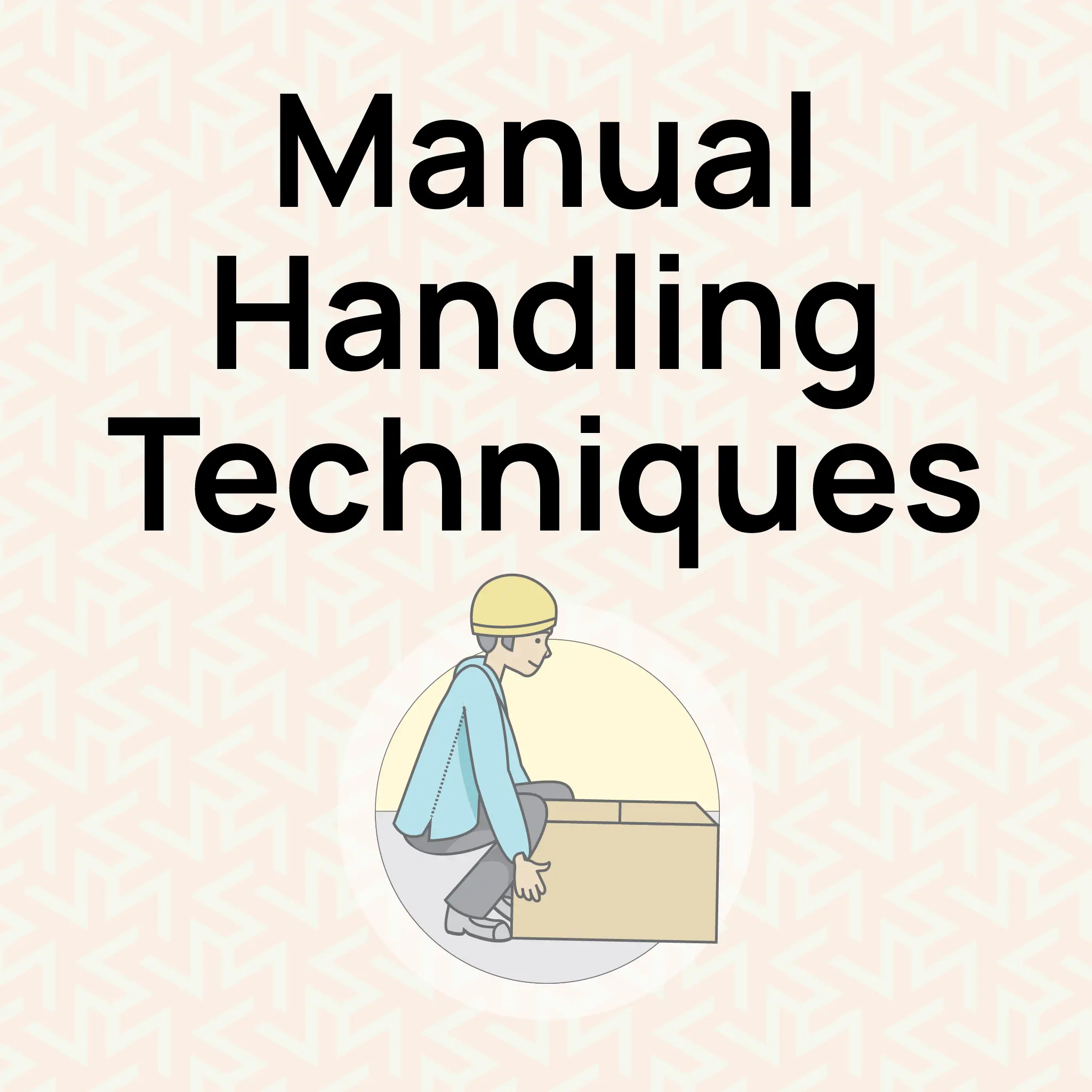
Manual Handling Techniques: A Complete Guide to Safe Lifting and Movement
The most common physical activity that is performed in the UK workplaces is manual handling. Whether it�s lifting boxes in a warehouse, repositioning patients in a care home, or moving tools on a construction site, it�s part of everyday working life for many. However, in spite of its widespread use, poor manual handling is a primary cause of workplace injuries, which frequently have prolonged effects.This guide explains how to apply manual handling techniques properly, how they affect your role and future employability, and how learning them is a smart move not only for beginners but also for experienced professionals.Understanding Manual HandlingManual handling is any task that involves the use of physical force to lift, drop, carry, push, pull, or move an object or load. A �load� may be anything: people, boxes, materials, or tools. These tasks are especially widespread in industries such as construction, healthcare, retail, and logistics.When carried out incorrectly, manual handling can lead to musculoskeletal disorders (MSDs) such as back pain, joint injuries, or long-term mobility problems. The Health and Safety Executive (HSE) reports that manual handling injuries account for more than a third of all work-related injuries in the UK, with most being preventable with the right knowledge and techniqueWhy Manual Handling Skills MatterCorrect manual handling techniques are important for anyone working in a physically active role. For employees, it prevents injury and maintains productivity. For employers, this often results in fewer absences, lower compensation claims, and smoother day-to-day operations.In sectors like construction, improper lifting and carrying can lead to more severe incidents, which often connect with broader health and safety risks on construction sites. Understanding how manual handling fits into the broader picture of workplace safety helps you take responsibility for your own health and that of the people around you.Moreover, having good practice on a regular basis in the handling of manuals will increase your employability. Workers who have basic knowledge about safety expectations and seem responsible in physical work activities tend to be appreciated more by employers.Core Manual Handling TechniquesPlan the TaskBefore you lift anything, stop and assess the situation. Ask yourself:Is the load too heavy or awkward to lift alone?Is the path clear of obstacles or trip hazards?Are there aids, such as trolleys or lifting equipment, that you could use?This is the time to prevent the risks even before they happen. There are cases where lifting is not required at all.Position Your Feet for StabilitySafe lifting is based on your position. Keep your feet roughly shoulder-width apart, with one foot slightly forward to maintain balance. Standing with your feet too close together when moving a load reduces your ability to adjust if the load shifts unexpectedly.Use Your Legs, Not Your BackThe most widespread error in handling involves bending at the waist in order to pick up an object. Instead, bend your knees while keeping your back straight and your head up. As you lift, use the strength of your leg muscles to raise the load. This approach significantly reduces strain on your spine.Hold the Load Close to Your BodyThe further away a load is from your body, the more strain it places on your arms, shoulders, and back. Always hold the load as close as possible, preferably at waist level, and ensure a secure grip before proceeding.Avoid Twisting Your BodyWhen you have picked up the load, you must always turn on your feet, not your body. Twisting while lifting is a significant cause of injury. If you need to change direction, stop, pivot your feet, and then continue.Know When to Ask for HelpUnderstanding your limits is part of safe practice. In case a load is heavy, bulky or uneven, then seek help or use a handling aid to make sure that you are safe. You should also be aware of how to avoid manual handling risks, such as working in confined spaces or lifting while fatigued.Safe Lifting in Action: A Step-by-Step ExampleAssume you are at a warehouse and a package has to be picked up from the floor and placed on a trolley. The way you would do it based on the above principles is as follows:Examine the track leading to the trolley, and clear it if necessary.Stand with feet shoulder-width apart, one foot slightly forward.Sit down, using your knees and hips, not your back.Get a firm grip on the package using both hands.Lift smoothly using your legs, keeping the box close to your body.Move slowly, do not turn or make any sudden movements when carrying the load.Lower the box onto the trolley using the same motion in reverse.This might seem methodical, but once practised, these steps become second nature and significantly reduce the risk of injury.The Bigger Picture: Creating Safer Work EnvironmentsWhile individual technique is important, safe manual handling is part of a larger system of health and safety controls. This includes:Clear signage and risk assessmentsProper lighting and ventilationErgonomic equipment and lifting aidsTraining and supervision tailored to job rolesPoor manual handling is often a symptom of broader issues. As highlighted in the consequences of poor health and safety procedures in the workplace, organisations that neglect basic safety often face greater financial, legal, and human costs.Those in charge of teams or projects are particularly responsible for ensuring these systems are in place. If you�re in or preparing for a leadership role, training like the SSSTS course equip you with the knowledge to enforce safe practices and supervise others effectively.? For SSSTS (Site Supervisor Safety Training Scheme):Stepping into a supervisory role? The SSSTS course equips you with essential knowledge to manage safety on-site, identify manual handling risks, and lead by example. Ideal for individuals seeking to advance in construction supervision.Training That Makes a DifferenceReading about techniques is helpful, but practical training is where it really clicks. Hurak Manual Handling Course provides a practical introduction to safe practices of handling in different working environments. You will be taught how to assess loads, using techniques and adhere to the health and safety laws.For those managing sites or larger teams, our SMSTS course builds on this knowledge by teaching how to plan and implement safe working systems, including manual handling processes, across entire projects.?? For SMSTS (Site Management Safety Training Scheme):Managing teams and safety at a larger scale? SMSTS is designed for site managers and senior staff who need a deeper understanding of health and safety responsibilities, including overseeing manual handling practices across complex operations.ConclusionManual handling injuries can be prevented, but only when the proper techniques and awareness are in place. For workers, it�s about taking care of your body and being able to perform your job without unnecessary risk. For employers and supervisors, it�s about leadership, responsibility, and fostering a safe environment for all.Whether you�re just starting out or working toward a supervisory role, your understanding of manual handling could make a real difference, not only to your safety but to your long-term employability and career satisfaction.If you�re considering taking on more health and safety responsibilities, understanding the key roles of a safety officer can be your next step. And remember, safety doesn't end with lifting.Check out these guides on fire safety at your workplace and practical fire safety tips to complete your knowledge Frequently Asked QuestionsWhat should always be done prior to lifting a load?Before lifting any load, always conduct a quick risk assessment to ensure safety. This involves checking the size, weight, and stability of the object, as well as the surrounding space. Is the path clear? Is the load too heavy to lift alone? These steps help prevent unexpected strain or injury. When lifting a load, plan ahead; even a few seconds of preparation can significantly reduce the risk of injury.Where should you hold and carry your load?Always keep the load close to your body, ideally at waist height. Holding the object close minimises the leverage force on your back and shoulders, helping you maintain control. Avoid stretching your arms out; this can cause imbalance and place unnecessary strain on your spine. If you're wondering where you should hold and carry your load, remember: the closer and more centred, the safer.In general, how should you position your feet when performing a lift?Place your feet shoulder-width apart to create a strong, stable base. One foot should be slightly in front of the other to help with balance, especially when lifting from the ground. The phrase "feet must be close together when moving a load" is misleading; too narrow a stance actually reduces stability. A broader base gives you greater control during the lift.What should you not do when lifting a load?You should not twist your body, bend your back, or jerk the load upwards. These are common mistakes that lead to injuries. Another thing to avoid is lifting something that feels too heavy; always ask for help or use equipment. Also, avoid rushing. What should you not do when lifting a load often comes down to poor posture, poor judgment, or both.What is the correct technique for lifting?The correct technique involves the following steps: assess the load, position your feet correctly, bend your knees (not your back), grasp the object securely, lift using your leg muscles, and keep the load close to your body. Avoid twisting while lifting, and instead, pivot your feet to turn. These manual handling principles apply to most lifting tasks, regardless of the setting.State one tip for safe handling and lifting.One essential tip is to keep the load close to your body throughout the lift. This simple action reduces pressure on your spine and improves balance. It's a fundamental part of safe manual handling and is often the difference between a smooth lift and a painful strain.What is the safe limit of force to push a load?There isn�t a fixed legal limit, but guidance from the HSE suggests that the maximum recommended force for pushing a load on a flat surface is about 20kg of force for men and 15kg for women under ideal conditions. However, the actual safe limit depends on surface friction, posture, and the height of the load. You should never push or pull a load that feels difficult to control.When handling an uneven load, what should you do?You should test the load first and check its centre of gravity. If one side is heavier, try to adjust your grip to keep the load balanced and close to your body. If necessary, reposition the contents or seek assistance. When handling an uneven load, you should avoid sudden movements, as they can lead to instability and injury.Moving and handling include which of the following actions?Manual handling encompasses a range of activities, including lifting, carrying, pushing, pulling, lowering, and holding loads using physical effort. It�s not just about lifting; any movement involving force on an object is considered manual handling. Recognising this helps identify more risks, especially when handling repetitive or awkward movements.Explore Related CoursesStrengthen your knowledge of workplace safety and grow your career with training tailored to your role:Manual Handling Training � Understand lifting techniques, reduce injury risk, and stay compliant.SSSTS (Site Supervisor Safety Training Scheme) � For those stepping into a site supervision role.SMSTS (Site Management Safety Training Scheme) � Designed for site managers to lead safely and legally.Health and Safety Awareness (HSA) � A solid starting point for beginners entering the construction or industrial sector.Fire Marshal (Fire Warden) Course � Learn fire prevention responsibilities and emergency actions.IOSH Working Safely � A short, engaging course ideal for staff across all industries.IOSH Managing Safely � For team leaders and managers responsible for health and safety.

Types of Asbestos: What They Are, Why They Matter, and How to Stay Safe
Although asbestos has been banned in the UK since 1999, it remains present in countless buildings constructed before that date. For professionals working in construction, renovation, or property management, this is not just historical trivia; it is a real and present danger. Inhalation of asbestos fibres continues to be a significant health concern, with the Health and Safety Executive (HSE) estimating around 5,000 asbestos-related deaths each year in the UK. These deaths often arise from diseases that take decades to develop, making awareness and prevention more crucial than ever.The purpose of this article is to help you understand what asbestos is, why its different forms matter, how to identify potential exposure risks, and most importantly, how to stay safe and compliant with UK regulations.What Is Asbestos and Why Was It So Widely Used?Asbestos is not a man-made material; it�s a group of six naturally occurring minerals found in the earth. What makes asbestos unique is its combination of valuable properties: it�s resistant to heat, fire, electricity, and chemical damage. Due to this, it was widely used throughout the 20th century in products such as cement, insulation, roofing, brake pads, and floor tiles.However, the same fibrous structure that makes asbestos durable is also what makes it dangerous. When asbestos-containing materials are disturbed by cutting, drilling, sanding, or even deterioration, they release tiny fibres into the air. These fibres are invisible to the naked eye and can easily be inhaled. Once inside the body, they become lodged in the lungs or other tissues, where they can remain for decades. Over time, this can cause severe diseases such as asbestosis, lung cancer, and mesothelioma.The Six Types of Asbestos and Their CharacteristicsAsbestos minerals are divided into two main categories based on their physical structure: serpentine and amphibole. The serpentine group has only one type, chrysotile, while the amphibole group includes five: amosite, crocidolite, tremolite, actinolite, and anthophyllite. Each type has a distinct fibre shape, colour, mineral composition, and level of risk. Understanding these differences is key to recognising and managing asbestos in real-world situations.Chrysotile (White Asbestos)Chrysotile, also known as white asbestos, is by far the most common type found in UK buildings, making up over 90% of all asbestos used before the ban. It features long, curly fibres and was considered easier to handle due to its flexibility. This made it popular in insulation, roofing materials, ceilings, walls, and vehicle brake linings. Its colour, usually white or grey, comes from its magnesium-based composition. Although some previously considered it �less dangerous,� modern science recognises that chrysotile fibres are still highly carcinogenic. Prolonged exposure can lead to deadly diseases, just like any other form of asbestos.Amosite (Brown Asbestos)Amosite, often called brown asbestos, was the second most common type used in the UK. It belongs to the amphibole family and has rigid, needle-like fibres that are more brittle and more dangerous when airborne. Its colour, brown or dark grey, is due to its high iron content. Amosite was commonly used in fireproof insulation boards, ceiling tiles, and pipe lagging. The sharpness of its fibres makes it more likely to become deeply embedded in lung tissue, significantly increasing the risk of mesothelioma and lung cancer.Crocidolite (Blue Asbestos)Crocidolite, or blue asbestos, is widely regarded as the most dangerous type. It's fine; sharp fibres can be inhaled more easily than those of any other asbestos type. Crocidolite was used in high-temperature insulation products such as pipe lagging, sprayed-on coatings, and some cement-based materials. Its vibrant blue colour is a visual indicator of its unique mineral makeup, which includes sodium and iron. Even brief exposure to crocidolite fibres can lead to mesothelioma, making it a significant cause of asbestos-related cancer deaths.TremoliteTremolite was not used commercially on its own but has been found as a contaminant in talc, vermiculite, paints, and sealants. It can range in colour from white to green depending on its mineral content. Like other amphiboles, tremolite has sharp, needle-like fibres that can be easily inhaled when disturbed. Although less commonly encountered, tremolite exposure has caused serious health effects, particularly in regions where contaminated talc was widely used.ActinoliteActinolite is another amphibole asbestos type, typically green to grey in colour. It has a fibrous, splinter-like structure and was also not used deliberately in most commercial products. However, it can be found as a contaminant in construction materials such as insulation, plaster, and drywall. Inhalation of actinolite fibres poses serious risks, including lung cancer and pleural diseases, even though its usage was limited.AnthophylliteAnthophyllite is the rarest of the six types and appears in shades of brown, green, or grey. It was used in limited applications, including some insulation and cement products, and also found as a contaminant in talc. Though less commonly encountered, anthophyllite fibres pose the same dangers as other types and can lead to chronic lung conditions when inhaled.Each type of asbestos derives its colour from its unique mineral composition. For example, amosite's iron-rich content gives it a brown hue, while crocidolite�s sodium and iron produce a blue colour. These visual differences are useful for categorisation, but they are not reliable for on-site identification. Only professional lab testing can confirm asbestos presence.Where Asbestos May Still Be Found in BuildingsAsbestos-containing materials (ACMs) are still found in many homes, schools, hospitals, and workplaces built before the year 2000. It�s not always obvious, and that�s what makes it dangerous. In many cases, asbestos may be hidden in old ceiling tiles, roof sheets, pipe lagging, floor tiles, sprayed coatings, and even in adhesives behind walls or under flooring.Because asbestos fibres are not visible and materials may look perfectly intact, people often don�t realise they�re at risk. During renovation or demolition, these materials can become crumbly, meaning they easily crumble and release fibres. That�s why anyone working with or around older buildings must know what to look for and when to stop and call in professionals.If you're taking on responsibilities related to site safety, training like the SMSTS or SSSTS courses will help you manage these risks more confidently.The Hidden Health Risks of Asbestos ExposureOne of the most tragic things about asbestos-related illnesses is how long they take to develop. A person exposed to asbestos fibres in their 20s might not show symptoms until their 50s or 60s. This long latency period makes early detection difficult and prevention critical.The most well-known disease caused by asbestos exposure is mesothelioma, a rare and aggressive cancer that affects the lining of the lungs and abdomen. There is no cure, and survival rates remain low. Another condition is asbestosis, a chronic lung disease that results in scarring and progressive shortness of breath. Lung cancer is also a significant risk, particularly among people who smoke and have been exposed to asbestos. Finally, pleural thickening, a condition where the lining of the lungs becomes stiff, can reduce lung function and lead to chronic discomfort.No level of asbestos exposure is considered safe. The risk may vary depending on fibre type, duration of exposure, and individual health conditions, but the only truly safe approach is prevention. Your Legal Duties Under UK Asbestos RegulationsIn the UK, the Control of Asbestos Regulations 2012 places a legal responsibility on those managing non-domestic buildings to protect workers and the public from asbestos exposure. This includes identifying ACMs, assessing their condition, keeping up-to-date records, and informing anyone who might come into contact with them.Employers must also provide training to any worker who could disturb asbestos during their work. This includes tradespeople, maintenance staff, and even office workers in buildings with known asbestos materials. Failure to comply with the law can lead to legal penalties and, more importantly, significant health consequences.To support workplace compliance, many individuals choose to take a CITB Health and Safety Awareness Course or the more comprehensive Level 2 Health and Safety in the Workplace courseHow to Identify and Manage Asbestos SafelyBecause asbestos fibres are invisible and dangerous, you should never attempt to inspect, remove, or repair asbestos yourself. The first step is to hire a licensed asbestos surveyor. These professionals conduct detailed surveys, either a management survey for ongoing building use or a refurbishment and demolition survey for construction work.After a survey confirms the presence of asbestos, proper management involves creating an asbestos register, marking affected areas, and using licensed contractors for removal or containment. In some cases, you may also need to carry out air testing to ensure no fibres remain suspended after any disturbance.Education is just as critical as containment. If you or your team work in environments where asbestos may be present, it�s essential to complete certified training like Hurak�s Asbestos Awareness Course, which covers everything from identification and legal duties to emergency proceduresConclusionAsbestos might be banned, but the danger hasn�t disappeared. For many professionals working in today�s construction and maintenance sectors, the risk is still very much alive. That�s why asbestos awareness is not just about ticking a compliance box; it�s about protecting yourself and those around you.Understanding the six types of asbestos, recognising where they may be found, and knowing the associated health risks are all essential components of creating safer working environments. Complying with UK safety regulations is also crucial. With proper training and precautions, these risks are manageable; however, ignoring them can be deadly.Compliant. Certified. Confident.UK regulations require asbestos awareness training for anyone likely to disturb asbestos-containing materials (ACMs).With Hurak, you�ll get practical knowledge, legal compliance, and CPD-recognised certification, all in one short course.Stay protected and professional, start your training now.FAQsWhat is white asbestos called?White asbestos is called chrysotile. It was the most widely used type in UK construction and is still the most commonly found in older buildings. Despite earlier claims of being "safer," chrysotile is a known health hazard and is fully banned.What is the name of blue asbestos?Blue asbestos is known as crocidolite. It has the finest fibres of all types and poses the highest risk. Even short exposure can lead to diseases like mesothelioma, making it the most dangerous form.What is brown asbestos?Brown asbestos refers to amosite, commonly used in insulation boards and ceiling tiles. Its rigid, needle-like fibres are highly hazardous and strongly linked to lung disease.How many types of asbestos are commonly found?There are six types of asbestos, but the three most common in UK buildings are:Chrysotile (white)Amosite (brown)Crocidolite (blue)These were used in everything from pipe lagging to cement and insulation.Do asbestos colours mean anything?Yes, the colours reflect the fibre type, white, brown, and blue, but they�re not reliable for on-site identification. Always consult a licensed surveyor or complete Asbestos Awareness Training to be sure.Asbestos and Your Career: What You Should KnowWhether you�re managing a site or just getting started on the tools, asbestos awareness plays a critical role in ensuring workplace safety. Many careers today still involve contact with buildings that may contain asbestos. Here�s how asbestos knowledge applies across key roles:Site Manager: Oversees all health and safety responsibilities on-site, including ensuring asbestos surveys are completed and regulations are followed during refurbishment or demolition.Site Supervisor: Coordinates daily site activities, ensuring workers don�t unknowingly disturb asbestos-containing materials and that proper procedures are followed when risks are identified.Labourer or Tradesperson: Frequently works hands-on with older materials. Without training, these roles are at high risk of accidental asbestos exposure during drilling, cutting, or removal tasks.Asbestos Surveyor: Specialises in identifying and assessing asbestos-containing materials. Plays a vital role in informing site safety decisions and ensuring compliance with UK asbestos laws.Health & Safety Officer: Monitors and enforces health and safety standards, including training requirements, safe work practices, and asbestos documentation under the Control of Asbestos Regulations 2012.If your job might bring you into contact with pre-2000 buildings, completing an Asbestos Awareness Course is not just recommended, it�s a legal requirement.
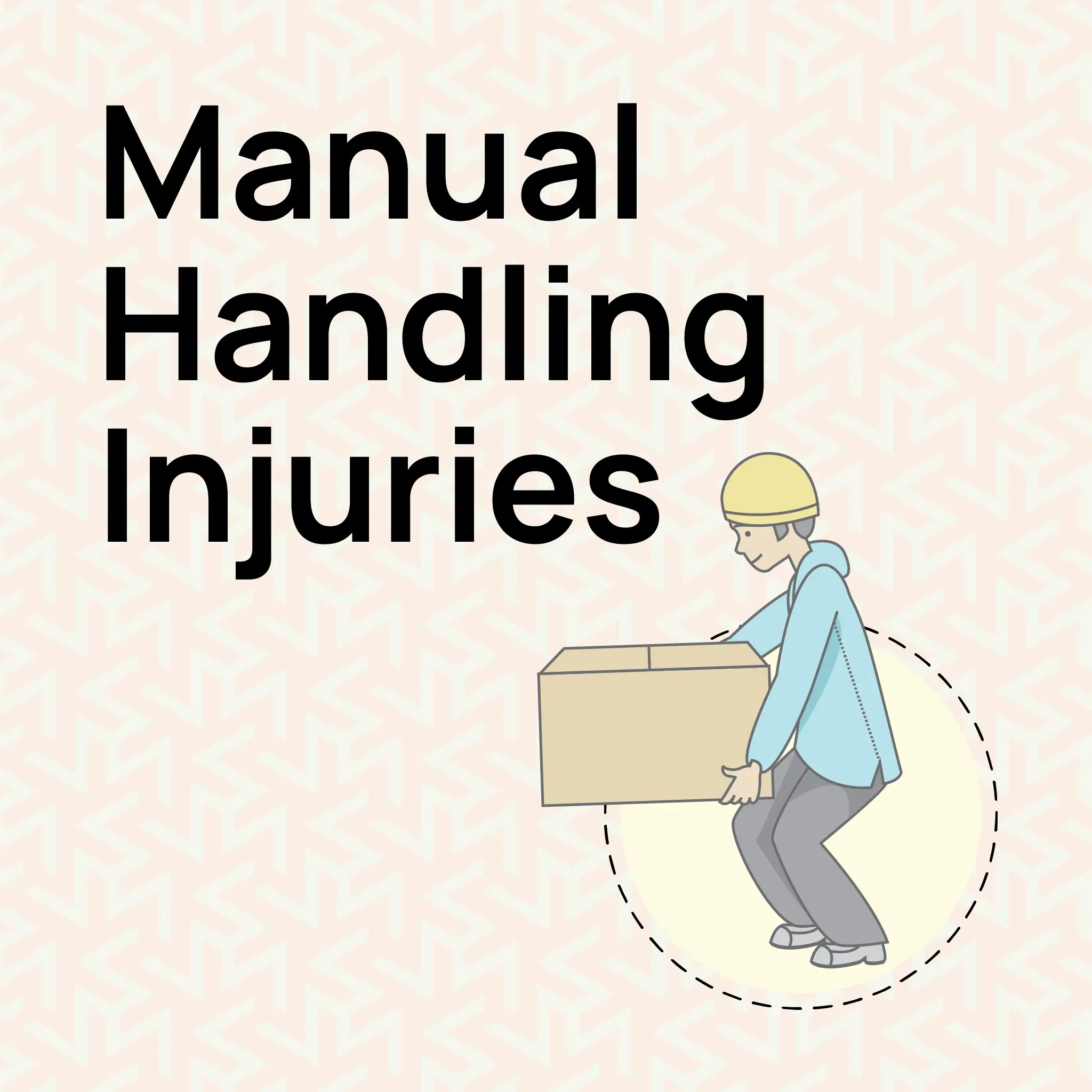
Manual Handling Injuries: The Most Common Types and How to Prevent Them
Manual handling is a common part of work across countless industries. From warehouse staff and healthcare workers to cleaners, retail employees, and construction workers, many people regularly lift, carry, push, or pull items as part of their daily duties. While these tasks may appear straightforward, incorrect handling techniques can lead to painful, sometimes life-changing injuries. Worse still, they�re often overlooked until they force someone to take time off work or even reconsider their career path.This article breaks down everything you need to know about manual handling injuries, what they are, why they happen, and how you can avoid them. Whether you�re new to the workforce, looking to build your skills, or simply want to stay safe on the job, this guide will help you make more informed, confident decisions.Understanding Manual Handling InjuriesManual handling refers to any activity involving the lifting, carrying, lowering, pushing, pulling, or moving of loads by hand or bodily force. It�s one of the most common tasks in the workplace and a leading cause of injury.The injuries associated with manual handling typically affect the musculoskeletal system, which includes muscles, joints, ligaments, and the spine. According to the Health and Safety Executive (HSE), manual handling injuries account for a significant number of all workplace incidents, particularly in physically intensive jobs.What makes them particularly concerning is their long-term impact. A strained back or a repetitive shoulder injury might seem manageable at first, but if ignored or repeated, these injuries can become chronic and prevent people from doing their jobs safely or at allThe Most Common Types of Manual Handling InjuriesWhile there are many ways a person can injure themselves during manual handling tasks, three types of injuries are especially common. Understanding these can help individuals recognise risks early and act before problems worsenBack InjuriesBack injuries, especially in the lower back, are the most frequently reported. These typically result from bending at the waist, twisting while lifting, or carrying loads that are too heavy or unbalanced. The spine is under immense pressure during improper lifting, and over time, this can lead to serious damage, such as herniated discs, long-term back pain, and restricted mobility.A logistics worker, for example, might lift dozens of boxes daily. If they don�t use proper form, the strain accumulates, and the injury often strikes suddenly after what seems like a routine movementStrains and SprainsStrains (to muscles) and sprains (to ligaments) occur in areas such as the shoulders, arms, wrists, and legs. These often develop over time through repetitive lifting or awkward postures, particularly when tasks involve reaching, twisting, or carrying loads in uncomfortable positions.Jobs in sectors such as healthcare, where moving people or equipment is part of the role, are particularly prone to these types of injuries. Our article on how to avoid manual handling risks provides a more detailed examination of these issues.Crush Injuries and FracturesAlthough less frequent, crush injuries and broken bones tend to be more severe and are often the result of sudden accidents, such as items falling, fingers getting caught, or heavy equipment tipping over. These are more likely to occur in busy environments, such as construction sites or warehouses, where large objects are frequently moved and stored.Why These Injuries Keep OccurringManual handling injuries are so prevalent because poor habits are easy to fall into, especially when staff are busy, under time pressure, or inadequately trained. Many workers lift loads instinctively, without pausing to assess the situation or plan the safest method of lifting.Common causes include:Poor technique (e.g. bending with the back rather than the knees)Overexertion, lifting too much alone instead of asking for helpRepetitive movements without restSlippery or cluttered workspacesLack of understanding about how injuries build up over timeIn some cases, there may also be a cultural problem where people �push through� discomfort or view injuries as part of the job. However, with proper awareness and training, these risks can be significantly reduced.?? Just getting started with workplace safety?Our IOSH Working Safely course provides a clear and practical introduction to health and safety principles. It�s perfect for employees in any role who want to work more safely and responsibly.How to Prevent Manual Handling Injuries Preventing manual handling injuries begins with education. Workers need to be trained not just on the right techniques but also on how to assess risk and use equipment effectively. Here are the most effective steps individuals and employers can take.Use Correct Lifting TechniquesBend at the knees, not the waist. Keep the load close to the body. Avoid twisting. Lift smoothly and avoid sudden movements. While these steps may seem simple, applying them consistently, especially in fast-paced environments, requires attention and habit formationAssess the Load and EnvironmentBefore handling anything, pause and think:Is the item too heavy or awkward to handle?Can it be broken into smaller loads?Is the path clear, and are there hazards nearby?This simple risk assessment only takes a few seconds but can prevent serious injury.Use Equipment and Ask for HelpManual handling doesn�t mean you have to do everything by hand. Use trolleys, hoists, or other tools whenever available. Don�t hesitate to ask for help with large or heavy items. Many serious injuries happen when someone tries to prove they can do it alone.Refresh Training RegularlyManual handling isn�t just about common sense. It involves understanding anatomy, physics, and workplace regulations. Whether you�re new to the job or have years of experience, ongoing training can help correct bad habits and keep you up to date with best practices The Wider Impact on Career and Safety CultureFor many professionals, physical ability is directly tied to job performance. A single injury can not only interrupt work but also limit future opportunities, especially in industries that rely on strength and stamina. In serious cases, individuals have had to retrain for entirely new careers due to long-term damage from poor manual handling.That�s why knowledge and prevention aren�t just safety concerns, they�re career strategies. By working safely and demonstrating awareness of risks, individuals also position themselves as responsible, promotable team members. Supervisors and managers, in particular, are expected to lead by example and protect their teams.For those in or aspiring to these leadership roles, courses such as SSSTS or SMSTS provide a deeper understanding of managing safety on-site, including how to mitigate the risk of manual handling injuries across an entire team.? Ready to take on more responsibility at work?The SSSTS course is ideal for team leaders and supervisors. It teaches you how to manage health and safety on-site, prevent injuries such as manual handling accidents, and comply with your legal obligations.A Safer Future Starts With AwarenessManual handling injuries are more than an inconvenience; they�re a barrier to long-term success. Whether it�s a strained back or a broken wrist, these injuries can sideline your career, limit opportunities, or cost your employer time and money.However, the good news is that they�re avoidable. With the right habits, regular training, and a safety-first mindset, you can protect yourself and contribute to creating a safer workplace for others. And if you're aiming for roles with more responsibility, knowledge of health and safety isn't just helpful, it's essential.To explore additional topics, such as fire prevention, hazard control, or the role of safety officers, browse our expanding health and safety blog?? Leading a site team? Safety starts with you.The SMSTS course is designed for site managers who want to lead by example. Gain in-depth knowledge of managing risks, protecting your workforce, and staying compliant with health and safety laws.Frequently Asked QuestionsWhat are the most common accidents and injuries that can occur when moving and handling people?When moving and handling people, such as in healthcare or care home settings, the most common injuries include back strains, shoulder injuries, and muscle pulls. These incidents occur when workers attempt to lift or reposition patients without proper assistance or technique. Unlike handling objects, moving people often involves awkward angles and unpredictable shifts in weight. These conditions make it easier to strain muscles or cause joint injuries. To avoid such risks, training in proper people-handling techniques and the use of hoists or slide sheets is essential.What are the 3 most common types of manual handling injuries?The three most common manual handling injuries are:Lower back injuries are often caused by bending or twisting while lifting.Muscle strains and sprains, typically occurring in the shoulders, arms, or wrists, are often caused by repetitive motion or overexertion.Crush injuries or fractures may happen when heavy items fall or shift unexpectedly.These injuries occur across a wide range of jobs and often result from poor lifting techniques, overexertion, or rushing through physical tasks.What is the most common type of manual handling incident?The most common type of manual handling incident involves injuries to the lower back, often resulting from lifting heavy or awkward objects incorrectly. These incidents typically stem from bending with the back rather than the knees, twisting during a lift, or carrying loads that are too far from the body. Over time, these practices can lead to chronic conditions that limit mobility and work capacity.Give two examples of injuries which may be caused by poor manual handling.Two common injuries caused by poor manual handling are:A herniated disc in the lower back can occur from lifting with bad posture or carrying excessive weight.Rotator cuff strain in the shoulder often results from reaching overhead or lifting while twisting.These injuries may start with mild discomfort but can escalate into long-term health problems without proper care or adjustments to working habits.Which of the following is the most common form of injury resulting from manual handling?Among the different types of manual handling injuries, musculoskeletal disorders affecting the lower back are the most common. They�re frequently seen in industries such as warehousing, construction, and care services. Repeated strain, awkward postures, and incorrect lifting techniques contribute heavily to this type of injury, making it crucial for both employers and employees to prioritise manual handling safety training.Explore Related CoursesWhether you're looking to improve your safety, lead a team, or move into a supervisory role, these courses support your journey:Manual Handling Awareness: Understand safe lifting techniques, reduce injury risks, and work more efficiently in physically demanding roles.CITB SSSTS (Site Supervisor Safety Training Scheme): For team leaders responsible for safety on-site, including proper manual handling practices.CITB SMSTS (Site Management Safety Training Scheme): Designed for site managers looking to manage risks, meet legal duties, and build safer teams.SSSTS Refresher: Keep your supervisor certification valid while refreshing your knowledge of site safety and manual handling.SMSTS Refresher: Update Your Understanding of Workplace Risks and Continue Leading by Example.Health and Safety Awareness Course: A foundational course covering key responsibilities, ideal for new starters across all industries.

Top European Hospitality Schools Offering Strategic Business Training
Aspiring leaders in hospitality often look to European institutions that combine traditional service excellence with sharp business acumen. This list highlights the best European hospitality schools for strategic business training, featuring SHMS and other top-rated programs renowned for blending operational expertise with strategic thinking.The modern hospitality industry demands more than exceptional service delivery�it requires visionary leaders who can navigate complex global markets, drive digital transformation, and create sustainable business models. European hospitality schools have long recognized this evolution, developing programs that merge time-honored hospitality traditions with cutting-edge business strategy education.What Sets European Hospitality Schools Apart in Strategic Business TrainingEuropean hospitality schools strategic business training programs distinguish themselves through their emphasis on real-world application, international perspective, and industry integration. These institutions leverage their proximity to global hospitality markets, luxury brands, and diverse cultural environments to provide students with authentic business challenges and cross-cultural leadership experiences.The most effective programs combine rigorous academic curricula with hands-on operational training, allowing students to understand both the service foundation and strategic imperatives of hospitality businesses. Students gain exposure to revenue management, digital marketing, sustainable operations, and international expansion strategies while developing the soft skills essential for leading multicultural teams.Top 6 European Hospitality Schools for Strategic Business Leadership1. Swiss Hotel Management School (SHMS) � MA in International Hospitality Business Management � Best Swiss Excellence with Strategic IntegrationSHMS ranks #3 in the 2025 QS World University Rankings for Hospitality and Leisure Management, making it the highest-ranked conventional hotel management school globally. The one-year MA program offers specializations in Hotel Management, Events Management, or Luxury Brand Management, with all tracks emphasizing strategic business applications and hands-on learning in authentic Swiss hospitality environments. Students learn in the historic Caux Palace, a Belle �poque palace hotel that has hosted royalty and international dignitaries, providing an unparalleled setting for understanding luxury hospitality operations. The program combines traditional Swiss hospitality excellence with modern business strategy, preparing graduates for senior international positions through intensive practical projects and industry collaborations. SHMS maintains the #2 world ranking for employer reputation, reflecting the exceptional regard employers have for graduates' business acumen and operational expertise.2. EHL Hospitality Business School � Master's in Global Hospitality Business � Best Global Strategic PerspectiveEHL has held the #1 ranking in QS World University Rankings for Hospitality and Leisure Management for seven consecutive years, establishing it as the definitive leader in hospitality education worldwide. The Master's in Global Hospitality Business offers a transformative 16-month program spanning three continents�with semesters in Lausanne (Switzerland), Hong Kong (Polytechnic University), and Houston (University of Houston Conrad N. Hilton College). This unique global approach provides students with strategic insights into diverse hospitality markets while developing cultural intelligence and international business strategy skills. The program features real-world business projects with industry partners, executive coaching for leadership development, and access to EHL's powerful network of 30,000 alumni in 150 countries. Students exploring hospitality business strategy development will find this program's global perspective invaluable for understanding how cultural contexts influence strategic decision-making.3. Glion Institute of Higher Education � MSc in International Hospitality Business Leadership � Best Leadership Development FocusGlion ranks #6 globally in QS World University Rankings for Hospitality and Leisure Management and holds a #3 ranking for employer reputation, reflecting the high regard industry leaders have for Glion graduates' business leadership capabilities. The MSc in International Hospitality Business Leadership is available at campuses in Switzerland and London, offering students flexibility while maintaining consistent academic excellence. The program specifically distinguishes between management and leadership, dedicating separate semesters to each concept before culminating in a Business Research Project or professional internship with applied research component. Founded in 1962, Glion has established itself among the world's finest institutions specializing in hospitality and luxury management, with 98% of job-seeking students receiving employment offers on graduation day. The program's emphasis on practical business application and soft skills development produces graduates who combine operational expertise with strategic vision.4. Les Roches � Graduate MBA/Master's Programs in Hospitality Management � Best Employer RecognitionLes Roches has built an exceptional reputation among hospitality employers worldwide, with programs offered in Switzerland and Spain that focus on strategic hospitality management and industry transformation. The school's MBA and Master's programs center on developing leaders who can drive organizational change and implement innovative business strategies in dynamic hospitality environments. Les Roches emphasizes experiential learning through real-world business challenges, industry consulting projects, and entrepreneurship initiatives that prepare graduates for executive roles. The institution's strong employer relationships provide students with direct access to strategic management opportunities and mentorship from industry leaders who are actively shaping the future of hospitality business.5. Hotelschool The Hague � MBA in International Hospitality Management � Best Applied Transformation TrainingLocated in the Netherlands, Hotelschool The Hague offers a practice-oriented MBA focused on hotel transformation and strategic management, earning recognition as one of Europe's top institutions for applied hospitality business education. The program emphasizes strategic thinking in hospitality transformation, preparing leaders to navigate industry disruption, implement digital innovations, and create sustainable business models. Students engage with real hospitality businesses facing transformation challenges, developing practical solutions that demonstrate strategic thinking and change management capabilities. The school's location in the Netherlands provides access to diverse European markets and international business environments, enhancing students' understanding of global hospitality strategy.6. European Hospitality Management MOOCs and Case Study Consortium � Best Open-Source Strategic LearningThis collaborative platform offers free access to strategic business modules and case studies curated from leading European hospitality schools, providing democratized access to high-quality strategic education. The consortium features contributions from renowned institutions across Europe, covering topics such as revenue optimization, digital transformation, sustainable hospitality practices, and international expansion strategies. Students can access virtual workshops, peer collaboration opportunities, and mentorship from established hospitality executives without the financial barriers of traditional graduate programs. While not offering formal degrees, the platform serves as an excellent supplement to formal education or as professional development for working hospitality managers seeking to enhance their strategic thinking capabilities.Strategic Career Advantages of European Hospitality Business EducationGraduates from these European hospitality schools strategic business training programs consistently achieve leadership positions across diverse industries, with many transitioning beyond traditional hospitality into luxury goods, aviation, finance, and consulting. The combination of service excellence training and strategic business education creates versatile professionals who understand both operational excellence and strategic vision.European programs provide particular advantages in developing cultural intelligence and international business perspective, essential skills as hospitality companies expand globally and serve increasingly diverse customer bases. The emphasis on sustainability, innovation, and digital transformation in European curricula also positions graduates to lead industry evolution.Many graduates successfully launch their own hospitality ventures, while others advance rapidly to executive positions in established hotel groups, luxury brands, and related service industries. The strong alumni networks from these institutions provide ongoing mentorship and business opportunities throughout graduates' careers.Choosing Your Path: Strategic Considerations for European Hospitality EducationSelecting the right European hospitality school for strategic business training requires careful evaluation of your career objectives, learning preferences, and professional circumstances. Consider factors such as program format, geographic focus, industry specializations, and post-graduation support when evaluating options.The institutions highlighted here offer proven approaches to developing strategic leaders who can drive business success in complex, dynamic environments. From SHMS's Swiss excellence to EHL's global perspective and Glion's leadership focus, each provides unique advantages for different career trajectories.Take the next step in your hospitality career by researching these programs thoroughly and connecting with admissions teams to understand how their strategic business curricula align with your leadership aspirations. For additional guidance on hospitality leadership development strategies, explore resources that can help you maximize the return on your educational investment and position yourself for strategic leadership roles in the evolving hospitality industry.
Understanding Teaching Assistant Levels: Roles, Qualifications Salary Insights
If you're exploring a career as a Teaching Assistant (TA), understanding the different levels within the role is crucial. Each level has specific responsibilities, qualifications, and pay scales, making it important to know where you fit in.�Whether you're just starting your journey or looking to advance, this guide explains the key differences between Teaching Assistant levels. We'll break down what each level involves, the qualifications required, and how your duties and salary evolve as you progress in your role.What are Teaching Assistant levels?If you're new to the education sector, you might be wondering what Teaching Assistant levels actually mean. In simple terms, they define the range of roles and responsibilities a TA can hold in a school. From helping with basic classroom tasks to leading small group sessions, these levels guide how duties are assigned based on your experience, training, and confidence.Each level represents a step forward in your career. You might start in an entry-level support role, then work towards more independent positions such as a Higher Level Teaching Assistant (HLTA).�Understanding these levels not only helps schools set expectations but also helps you find the right starting point and plan your growth within the field.Breakdown of Teaching Assistant LevelsEach Teaching Assistant level reflects your experience, qualifications, and the responsibilities you take on. Here's a clear breakdown:Level 1 � Entry-Level SupportRole: Basic classroom tasks such as preparing materials, helping pupils with simple activities, tidying up, and providing general support.Requirements: No formal qualifications required, but GCSEs in Maths and English are usually expected.Career tip: Enter into a volunteer program if you're just starting out or exploring a career in education.Level 2 � Classroom Support Assistant�Role: Actively supports teaching by working with small groups, assisting individual pupils, and helping to deliver learning activities.Qualification: Level 2 Certificate in Supporting Teaching and Learning (or equivalent).Career tip: Offers a good balance between gaining hands-on experience and making a visible difference in the classroom.Level 3 � Specialist Support AssistantRole: Supports pupils with additional needs, helps plan lessons, and may lead small group sessions independently.Qualification: Level 3 Diploma in Supporting Teaching and Learning.�Career tip: Often linked to better pay and greater responsibility within the school setting.HLTA � Higher Level Teaching AssistantRole: Delivers lessons, manages classes in the teacher�s absence, assesses pupil progress, and supports planning.Qualification: HLTA status, typically with a Level 4 Certificate and proven classroom experience.Career tip: A strong step if you're aiming to train as a qualified teacher in the future.These levels act as a career ladder within the TA profession. You can progress through them with experience and the right training, gaining both confidence and capability as you go.Below is a quick reference table for Teaching Assistant qualifications structured to match your level of responsibility and experience. There's a clear path forward, whether you're just starting or aiming to lead lessons.Not sure which Teaching Assistant level is right for you? Explore our range of Teaching Assistant Courses at Hurak to find the perfect fit.�Browse our Teaching Assistant Courses to support pupils more directly. Our Level 2 course offers a strong starting point with hands-on classroom involvement. For those aiming to specialise or take on more responsibility, especially in areas like SEN or small group teaching, Level 3 could be the ideal next step. Our Higher Level Teaching Assistant (HLTA) course prepares you for a senior TA role, with the potential to step into teaching. Below is a quick reference table for Teaching Assistant qualifications structured to match your level of responsibility and experience. There's a clear path forward, whether you're just starting or aiming to lead lessons.QUALIFICATION NAMELEVELWHO IS IT FORWHAT DOES IT LEAD TOLevel 1 Award in Preparing to Work in Schools1Complete beginners with no classroom experienceEntry into volunteer roles or basic classroom supportLevel 2 Certificate in Supporting Teaching & Learning (STL)2New or aspiring TAs in supervised rolesGeneral classroom TA positionsLevel 3 Certificate/Diploma in STL3TAs looking to take on more responsibilitySpecialist roles, including SEN supportHLTA Preparation & Assessment4+Experienced TAs looking to lead classroom activitiesHLTA status � lead lessons, assess pupil progressLevel 4 Certificate in Education and Training4TAs aiming to progress into formal teaching rolesPathway into teacher training or QTLSWhy TA Levels MatterWhether you're currently a Teaching Assistant or considering entering the profession, understanding TA levels is crucial to your career growth and success. Here�s why:Career Growth and OpportunitiesTA levels serve as stepping stones in your professional journey. As you progress through each level, you become eligible for more advanced roles, such as a Higher Level Teaching Assistant (HLTA) or even pursue teacher trainingIncreased Earning PotentialYour pay often reflects your TA level. By advancing through the levels and gaining relevant qualifications, you not only improve your skills but also increase your earning potential, as schools typically align pay with the level of responsibility.Demonstrates Competence to EmployersEach level showcases your skills and expertise to hiring managers and headteachers. From supporting students with special educational needs (SEN) to taking on leadership roles in classrooms, your qualifications and level make it clear what you can bring to the tableConfidence BoostWhen you�re trained and qualified for your role, it boosts your confidence in the classroom. This confidence is not only valuable to your development but also fosters respect from students and colleagues alikeMaking a Meaningful ImpactAt higher levels, you have the chance to make a real difference in students� educational journeys. Whether it�s providing one-on-one support, managing lessons, or helping students with additional needs, advancing your TA level opens doors to impactful, rewarding workTeaching Assistant Levels and Pay Scale in the UK (2025)Understanding the pay scale for Teaching Assistants is vital for career planning. Salaries can vary depending on the level of responsibility, qualifications, experience, and geographic location. Here�s a detailed overview of the current pay scale for TAs, updated for 2025Entry-Level Teaching Assistants (Level 1)Typical Salary: �17,000 � �19,000 per yearHourly Rate: �9.50 � �10.50Note: Salaries may be lower in areas with a high cost of living, such as London.Classroom Support Assistants (Level 2)�Typical Salary: �19,000 � �22,000 per yearHourly Rate: �10.50 � �12.00Note: Pay may be higher in regions with higher living costs, including LondonHigher Level Teaching Assistants (HLTAs)�Typical Salary: �22,500 � �29,000 per yearHourly Rate: �12.00 � �15.00Note: According to sources such as Impact Teachers, these positions offer more advanced responsibilities and higher pay.Special Educational Needs (SEN) Teaching AssistantsTypical Salary: �21,000 � �24,000 per yearHourly Rate: �11.00 � �13.00Note: SEN TAs may receive additional training and support to cater to the specific needs of students.Geographic VariationsSalaries for TAs can vary significantly depending on location:London (Inner and Outer): Higher pay scales to reflect the increased cost of living. For example, in Inner London, salaries can be significantly higher than in other parts of the UK. The National Careers Service reports that starting salaries in London can be around �21,000, which is above the national average.Rural Areas: Salaries in rural areas may be slightly lower due to reduced living costs, though local school budgets can still influence pay.For more details on the current salary range, you can explore resources like the National Careers Service.Explore our Teaching Assistant Courses at Hurak and choose the Right Level for youLevel 2 Award in Support Work in Schools (RQF)A perfect entry point for those new to the education sector.Level 2 Certificate in Supporting Teaching and LearningGain hands-on skills for active classroom support roles.Level 3 Award in Supporting Teaching and LearningGreat for those looking to take on more classroom responsibilities.Level 3 Certificate in Supporting Teaching and LearningIn-depth training for long-term teaching assistant roles.Level 3 Diploma in Specialist Support for Teaching and LearningSpecialise in areas like SEN and become a key classroom support expert.Level 4 Certificate for Higher Level Teaching Assistants (HLTA)Step into a senior TA role and lead learning activities.Not sure which Teaching Assistant level suits you? Browse our Teaching Assistant CoursesHow to Progress as a Teaching AssistantIf you�re eager to grow in your Teaching Assistant (TA) role, here are some practical steps you can take to enhance your career and gain more responsibilities:Start Volunteering or Part-TimeIf you're new to the field, volunteering or taking on part-time work can help you gain valuable classroom experience. This is a great way to get your foot in the door, build your skills, and establish connections within schoolsPursue a TA QualificationTaking a TA qualification course is one of the most effective ways to enhance your knowledge and skills. Whether it's a short online course or a more formal qualification like a Level 2 or Level 3 certificate, these qualifications can make a huge difference in your career prospects.Take Advantage of CPD (Continuing Professional Development)Many schools offer CPD opportunities that support your growth. These programs help you stay up-to-date with educational practices and improve your teaching skills. Don�t hesitate to ask your school about CPD options, as this can also strengthen your CV.Work Towards HLTA StatusIf you�re aiming for a leadership role, working towards Higher Level Teaching Assistant (HLTA) status is an important step. HLTA status enables you to take on more advanced responsibilities, such as leading lessons or managing classes, and can serve as a stepping stone towards a career in teaching.FAQ:Do I need qualifications to become a Teaching Assistant?Not always. You can start in some entry-level roles (Level 1) without formal qualifications. However, most schools prefer candidates with GCSEs in English and Maths, and progressing to Levels 2 and 3 typically requires recognised certifications.What�s the difference between Level 2 and Level 3 Teaching Assistants?Level 2 TAs provide general classroom support, often under supervision. Level 3 TAs take on more responsibility working with SEN pupils, leading small groups, and sometimes contributing to lesson planning.How much can a Teaching Assistant earn in the UK?Pay varies by level, region, and experience. Entry-level TAs typically earn between �20,000��23,000, while Higher Level Teaching Assistants can earn up to �29,000+, depending on the local authority and role set by the National Career Service.What is a Higher Level Teaching Assistant (HLTA)?An HLTA is an experienced TA who can lead lessons, assess pupils, and take on more advanced responsibilities. You usually need a Level 4 qualification and substantial classroom experience to reach this level.What does SEN mean in schools?SEN stands for Special Educational Needs. It refers to pupils who need additional support due to learning difficulties, disabilities, or emotional and behavioural challenges that affect their ability to learn.Can Teaching Assistant roles lead to becoming a teacher?Yes. Many TAs progress into teacher training through qualifications like the Level 4 Certificate in Education and Training or by pursuing QTLS (Qualified Teacher Learning and Skills status).ConclusionBecoming a Teaching Assistant (TA) opens up a variety of career opportunities, with clear paths for progression, better pay, and a chance to make a real impact in the classroom. Whether you�re just starting out or looking to advance in your career, understanding the different TA levels and what they require is key to making informed decisions. The role offers flexibility, a rewarding environment, and the potential for continuous growth, without the need for years of formal university education.Ready to Start Your Teaching Assistant Career?Build strong classroom skills and earn a recognised qualification with the Level 2 Certificate in Supporting Teaching and Learning. Perfect for beginners looking to step confidently into a TA role.Start Your Journey Today and Enrol Now.

7 Top BSc Tourism Management Programs for Career-Focused Learning in 2025
The modern tourism industry demands professionals who understand both strategic business management and operational excellence. A Bachelor of Science in Tourism Management provides the comprehensive foundation needed to excel in this dynamic global sector, whether you're planning to lead luxury resort operations, develop sustainable tourism initiatives, or launch innovative travel experiences.Just as professional training providers like Hurak focus on career-ready education across various industries, top tourism management programs emphasize practical skills alongside academic rigor. The best BSc Tourism Management degrees prepare graduates for immediate impact in roles spanning destination management, hospitality operations, travel technology, and tourism entrepreneurship.What to Look for in the Best BSc Tourism Management ProgramsThe most effective Bachelor of Science in Tourism Management programs combine theoretical knowledge with real-world application. Quality programs feature industry partnerships, internship opportunities, and exposure to authentic tourism operations where students engage with actual guests and stakeholders. The best tourism management degrees also integrate business fundamentals, ensuring graduates understand revenue management, sustainable practices, and global tourism trends alongside operational excellence.Top 8 Best BSc Tourism Management Programs for Career Success1. C�sar Ritz Colleges � BSc in Hotel and Tourism Management � Best Comprehensive TrainingC�sar Ritz Colleges Switzerland offers a four-year BSc degree in Hotel and Tourism Management that integrates principles of American entrepreneurship with Swiss hospitality practices, featuring a top-5 global QS ranking in Hospitality & Leisure Management for 2025. The hotel business management program combines academic excellence with practical experience through two mandatory internships and partnerships with luxury establishments worldwide. With federal accreditation by the Swiss Accreditation Council as a University of Applied Sciences Institute, students receive internationally recognized qualifications. The curriculum emphasizes sustainable tourism, destination management, and strategic business planning, preparing graduates for leadership roles in the global tourism sector.2. EHL Hospitality Business School � Top-Rated Elite Tourism EducationEHL Hospitality Business School was ranked number one by the QS World University Ranking for Hospitality and Leisure Management for the seventh consecutive year in 2025. Their bachelor's program combines advanced tourism knowledge with real-world experience through 25 hands-on workshops and two six-month internships. EHL operates student-run establishments including the Michelin-starred Berceau des Sens restaurant, providing authentic learning environments. The program covers international tourism development, destination marketing, and sustainable travel practices essential for modern tourism professionals.3. Les Roches Global Hospitality Education � Best Real-Life Tourism ImmersionLes Roches undergraduates experience comprehensive tourism operations through rotational assignments and international placement opportunities. This program offers authentic work experience across tourism spectrum, from destination management to guest services coordination. Students gain practical experience in every aspect of tourism operations, from travel planning to customer experience design. The curriculum emphasizes global tourism trends, cultural awareness, and operational management skills essential for tourism leadership roles.4. HIM Business School � Best Complementary Business FoundationHIM offers tourism-focused BBA programs with practical modules that complement business skills essential for tourism entrepreneurship. This program provides strong business grounding for tourism leaders, focusing on strategic planning, financial management, and operational efficiency critical for travel and tourism ventures. Students learn to approach tourism operations from an executive perspective, understanding market analysis, destination development, and tourism policy implications.5. Swiss Professional Hospitality Programs � Top-Rated Practical Tourism EducationThese intensive programs deliver practical tourism management training with contemporary approaches that prepare graduates for exceptional guest experiences. The curriculum emphasizes real-world application of tourism management skills within broader industry contexts, ensuring students understand how tourism excellence contributes to regional economic development and sustainable travel practices. Programs focus on destination competitiveness, visitor experience management, and tourism technology integration.6. International Tourism Partnerships � Best Global ExposureThrough strategic alliances with tourism boards and travel companies worldwide, students access international tourism training opportunities that expose them to diverse destinations and market conditions. These partnerships provide authentic learning environments where students can apply destination management skills while building professional networks across the global tourism industry. Students gain exposure to emerging tourism markets, sustainable tourism practices, and cross-cultural tourism management approaches.7. Open-Source Tourism Studies Resources � Top-Rated Independent Learning MaterialsComprehensive tourism research and case studies supplement formal training with self-guided learning opportunities. These resources include tourism economics materials, destination marketing case studies, and sustainable tourism frameworks that enhance students' theoretical understanding of tourism management principles. Materials cover tourism policy analysis, visitor behavior research, and innovative destination development strategies essential for modern tourism professionals.Developing strong analytical and communication skills remains essential in tourism management roles. The competencies required for effective professional development mirror many skills needed in tourism management, including stakeholder engagement, problem-solving, and adaptability to changing market conditions.Launch Your Tourism Management CareerBachelor of Science in Tourism Management programs provide the foundation for exceptional careers in destination management, travel operations, and tourism development. Many graduates later apply their Tourism Management expertise by working with established tour operators and industry leaders, gaining hands-on experience in real-world tourism operations. These programs combine academic rigor with practical experience, ensuring graduates possess both theoretical knowledge and operational expertise needed to excel in the dynamic tourism industry.Students develop skills that extend beyond traditional tourism roles�learning crisis management, sustainable practices, digital marketing, and international business development. These competencies prove invaluable whether graduates pursue roles in national tourism organizations, international travel companies, or launch innovative tourism ventures addressing emerging market needs.Start Your Journey in Tourism ExcellenceReady to explore comprehensive tourism management education that prepares you for leadership roles in the global travel industry? Top BSc Tourism Management programs offer unmatched learning opportunities combining Swiss academic excellence with practical industry exposure. With internationally recognized accreditation, industry partnerships, and curricula designed by tourism leaders, you'll graduate with the knowledge and professional network needed for immediate career impact.Consider exploring professional training opportunities that complement formal education, as continuous learning remains essential for success in the evolving tourism sector. Contact admissions teams at leading tourism management schools to learn more about their Bachelor of Science programs and take the first step toward your future in tourism leadership.

UK Gun Crime Explained: Stats, Deaths Public Impact
Crime is changing: not just in scale, but in the way it spreads. With each passing year, the world sees more stories of crime, whether it�s theft, drug abuse, knife attacks or gun violence.�The UK is a part of it too; while we�re not dealing with the same volume of firearm incidents as other countries, there�s a clear shift happening. Guns are no longer just rare finds; they are appearing more often in gang activity, street-level threats, and cases linked to youth and county lines networks. However, they are often not fired, but used to intimidate, threaten, and control.�According to the National Crime Agency (NCA), firearms remain a �significant threat� in the UK despite law enforcement efforts to keep numbers low. While gun deaths in the UK are still rare, the presence of weapons in everyday crimes is growing and has become a concern for the local communities.Gun Crime Statistics UK � What Do the Numbers Say?Despite the UK having some of the world�s strictest firearm laws, gun violence continues to appear in police reports year after year. Whether used in street-level disputes, gang intimidation or armed robberies, the use of firearms, legal or not, remains a pressing issue for law enforcement.In 2022�23, the UK recorded over 24,000 firearm-related offences. By 2023�24, this figure had fallen slightly, suggesting improved control in certain areas.Firearm Offences Over the YearsYearRecorded Firearm OffencesChange from the Previous Year2021-2222,170-2022-2324,094? 8.7% increase2023-2422,893? 5% decreaseSource: Office for National Statistics (ONS)These shifts are pretty interesting to observe. Let�s understand them below:Gun crime in the UK rose sharply in 2022�23, likely linked to post-lockdown gang movements and county lines activity.The drop in 2023�24 could be attributed to increased intelligence operations by the NCA and local police; however, the threat remains.Many of these crimes involve weapons that are not fired but still used to terrorise.While overall UK gun crime is currently down by 5%, the methods of gun use are shifting. There has been a noticeable rise in firearms being used to threaten rather than discharge.�These threats are often just as traumatic for victims and can still cause physical or psychological harm.In high-risk environments such as concerts, football stadiums, or busy transport hubs, crowd safety becomes an integral part of prevention, making it essential to have trained professionals on site. That�s why places like these often rely on SIA-licensed security guards who are trained to respond to escalating threats with control and authority.Gun Use in Crimes � Fired or Just Threatened?Not every gun is fired. In fact, the overwhelming majority involve firearms being used just to intimidate or threaten.�But this doesn�t make them any less dangerous. The presence of a gun, real or fake, can at any time escalate and lead to a life-threatening situation.This is where the real danger of gun violence lies in the UK today. Criminals often use guns not to kill but to frighten the victims, enforce control over rivals, or rob with fear as leverage. Unfortunately, this aggressive display of dominance can often lead to fatal injuries, panic-driven crowd reactions, and long-term mental trauma for victims.How Guns Were Used in Crimes (2023�24)Method of UsePercentage of CasesUsed as a Threat: Gun was brandished or pointed~68%Fired: Gun was actually discharged~29%Used as a Blunt Weapon: Gun was used to strike the victim physically~3.5%Source: Office for National Statistics (ONS)In Summary:Nearly 7 out of 10 gun crimes in the UK involve threats rather than discharges.The act of threatening someone with a firearm is a deliberate intimidation tactic commonly used by gangs, especially during disputes over drugs or territory.Even non-firing incidents can result in gun deaths indirectly, through retaliation, panic or police response.While it�s encouraging to see a reduction in the number of actual shootings, the growing normalisation of using guns to scare people is alarming. It suggests a shift in criminal behaviour�from concealment to visible shows of force.Whether it�s shoplifting or a nightclub bouncer dealing with a heated confrontation, the risk of it escalating is real.�In such environments, it�s crucial that security guards, tasked with retail safety and public protection, are well trained to handle such situations and understand what they can and cannot do legally.What Types of Guns Are Being Used?It's worrying to see the kinds of firearms being used in crimes, even after having strict gun laws in the UK. Gangs and criminals are using these weapons, often illegally, either by importing or modifying them. Types of Firearms Used (2023�24)Weapon TypeNumber of OffencesChange from Last Year (2023-24)Shotguns52? 42%Handguns226? 8%Other firearms1126? 9%Air weapons348? 23%Total firearms1752? 8.2%Source: Office for National Statistics (ONS)In Summary:Shotguns are declining in use due to stringent regulations and increased monitoring.Handguns have been increasingly common in gang-related shootings and territorial displays.Other firearms, including converted weapons, are often smuggled into urban hotspots.Air Weapons are easy to obtain and frequently used to threaten or shut down areas.The rise in handguns, other firearms, and air weapons is pointing towards a troubling trend. An increase in urban gang violence and easily accessible weapons is driving the spike in the highest gun crime in the UK.�This raises a key question: Where are all these guns coming from?How SIA-Licensed Guards Help Tackle Difficult SituationsIn such an alarming situation, it is crucial for public places to have well-trained SIA-licensed security guards who can calmly and professionally handle difficult situations while upholding the behavioural standards expected in the security industry.Hurak offers a number of SIA-approved security courses:Physical Intervention Refresher and Crossover Training: Ideal for those seeking to maintain their skills up to date.SIA Door Supervisor Training: Teaches conflict management and public safety.SIA CCTV Operator Training: Enhances surveillance and response to threats.SIA Security Guard Training Course: A broad foundation in security industry standards.Close Protection: Focused on personal security for high-risk environments.With well-trained, legally licensed staff, public spaces, such as pubs, events, and transportation hubs, can create safer environments and help minimise the risk of gun-related incidents.Where Are Illegal Guns Coming From in the UK?Despite strict firearm laws, gun-related crimes are escalating, and here�s what�s most important to understand: most of these weapons aren�t even legally registered.�That raises a serious question: where exactly are these guns coming from?From gang disputes to intimidation in drug-related violence, the weapons used in gun crime cases are rarely linked to law-abiding firearm owners. Instead, they often come through illegal channels�smuggled, converted, or reactivated weapons that bypass regulatory checks entirely.How Are Illegal Guns Entering the UK?The National Crime Agency (NCA) has identified several key sources for these firearms:Smuggling from Europe: Many firearms are trafficked through Eastern Europe, hidden in vehicles, parcels, or concealed luggage via ferry ports and the postal system.Converted Blank-Firing Guns: Easily purchased online or at markets, these guns are modified illegally to function like live weapons.3D-Printed Firearms: Criminals are starting to use tech to produce working parts that can be assembled into deadly weapons, becoming a growing concern.Reactivated Historical Guns: Antique or deactivated guns, once considered harmless, are being reworked and sold through criminal channels.Dark Web Purchases: Firearms can also be bought using cryptocurrency and delivered through complex, untraceable shipping routes.These weapons are increasingly being used in both urban gang violence and rural criminal activity. As a result, the highest gun crime in the UK isn't just limited to major cities: it�s spreading into previously considered low-risk areas as well.This paints a worrying picture. Criminals are finding ways to evade laws, and in doing so, are putting communities at increasing risk. Whether it�s through intimidation or actual shootings, these illegally sourced firearms pose a danger that�s difficult to predict or contain.What the Law Says About Guns in the UKGun laws in the UK are among the strictest in the world. While ownership of certain types of firearms is permitted under strict licensing conditions, the possession, purchase, or use of most guns, especially �handguns�, is tightly controlled.Despite this, gun crime still persists, mainly due to illegally sourced or converted firearms. But it is essential to note that when caught, offenders face serious legal consequences under UK law.Key UK Gun Laws at a GlanceFirearms Act 1968 � It is the core legislation covering the possession and use of firearms and ammunition in the UK.Mandatory Licensing � Anyone wishing to own or use a firearm must hold a valid firearms certificate (FAC) or shotgun certificate (SGC).Ban on Handguns � Private handgun ownership is largely illegal in the UK since the Firearms (Amendment) Act of 1997.Possession without a Licence � Being caught with a firearm without a certificate can result in up to 5 years imprisonment.Use with Intent to Injure or Threaten � It carries a maximum sentence of life imprisonment.�Real Case ExampleLet�s understand what happens if someone is caught having an illegal firearm through a real-life case.In February 2025, five men were jailed for converting 42 blank-firing pistols into lethal weapons.�These firearms, often bought legally and then modified, were linked to potential gang use.�The individuals: Connor Millington, Jordan Behan, John Riddiough, Colin Berry, and Sammy Hill, were part of an organised crime network operating across the West Midlands and North West.The gang used 3D printers and modified tools to transform blank-firing pistols into live firearms, which were then sold to criminal groups.�They were caught and sentenced to a combined 68 years in prison, with individual sentences ranging from 8 to 18 years.�The case was led by the National Crime Agency (NCA) and the North West Regional Organised Crime Unit.Complete Case Source � ROCU Police NewsThis case sets an explicit example that gun crime in the UK is handled with extreme seriousness by the law, even if the weapon has not been used to shoot.�Whether it's possession, supply, or conversion, the legal consequences are severe. Advice for Legal Gun HoldersWhile most gun crimes in the UK involve illegally sourced weapons, licensed firearm holders must still follow strict rules to avoid legal trouble.Key Tips for Legal Gun Owners:Always store guns in a locked cabinet, separate from ammunition.Never lend your firearm to anyone, even temporarily.Report lost, stolen, or damaged firearms immediately to the police.Renew your Firearm/Shotgun Certificate on time; expired licences are treated as illegal possession.Avoid transporting weapons without notifying local authorities.Even a single careless mistake can lead to serious legal consequences. That is why it is crucial to exercise extreme caution when holding a legal firearm.Conclusion: A Nation Wakes Up to Gun CrimeOne case that captured the nation�s attention and heartbreak was the tragic death of 9-year-old Olivia Pratt-Korbel in Liverpool.In August 2022, Olivia was at home with her mother when a man being chased by a gunman forced his way into their house to hide. The gunman fired blindly through the door, hitting Olivia�s mother in the wrist and fatally shooting Olivia in the chest. She died shortly after in the hospital.Both men involved in this case had criminal records, but the victim of this fatal incident was an innocent child who had merely just begun her life. She wasn�t outside or in a dangerous area; she was in the safety of her own home. And yet, she became another tragic victim of gun violence in the UK.The man responsible, Thomas Cashman, was sentenced to life imprisonment in 2023, with a minimum term of 42 years. The judge described the killing as �truly shocking� and warned of the growing threat illegal firearms pose in the UK.This single case paints a terrifying picture: no one is truly safe from gun crime when it spills out of gang rivalries and onto everyday streets.UK Gun Crime at a Glance � Infographic RecapAs a recap of the statistics we've discussed earlier, here�s a combined visual summary that shows the shift in weapon use, gun-related threats, and offence trends.Even though there has been a slight drop in total gun offences from 2022�23 to 2023�24, we shouldn�t get comfortable. Air weapons and handguns have increased in use, especially in gang and youth-related crimes.In over 17,000 incidents, guns were not fired, but were used to threaten, intimidate, or gain control, which is extremely dangerous to the public�s sense of safety. Weapons, like converted blank-firing pistols or 3D-printed parts, are increasingly being used, especially by gangs operating across cities and rural counties.Though statistics may fluctuate, what�s evident is that the nature of gun crime in the UK is changing. It's no longer just happening in dark alleys � it�s creeping into homes, schools, and everyday places.That�s why we must do more to protect public spaces, especially where large crowds gather, such as shopping centres, events, stations, and nightlife venues.�One key step is to ensure that such locations are monitored by SIA-licensed professionals who are trained not only in security but also in calmly managing violent and high-pressure situations.Hurak offers SIA-approved training for security professionals, enabling them to de-escalate threats, protect lives, and serve as the first line of defence against rising crime in the UK.Explore our certified Security Training Courses and strengthen your frontline defence team.FAQs�What is the current gun crime rate in the UK?According to the Office for National Statistics (ONS), there were 22,893 recorded firearm offences in the UK during 2023�24. This marks a 5% decrease from the previous year, showing some improvement in control measures, but concerns still remain due to changes in how firearms are being used, mostly for intimidation.Which area has the highest gun crime in the UK?West Midlands currently records the highest rate of gun crime per 100,000 people. However, in terms of total volume, London (Metropolitan Police area) still reports the most firearm-related offences overall. Other cities such as Manchester, Birmingham, and Liverpool are also experiencing notable increases.How are illegal guns entering the UK?Illegal firearms often enter the UK through:Smuggling from Eastern Europe.Modifying blank-firing or deactivated guns.Use of 3D-printed components.Dark web purchases and postal shipments.These sources are challenging to track and pose a significant concern for UK law enforcement.What are the penalties for illegal firearm possession in the UK?Being caught with an illegal firearm can lead to:Up to 5 years in prison for possession without a licence.Life imprisonment for using a gun with the intent to injure or threaten.Recent cases, like the 2025 West Midlands conversion gang, show courts are issuing lengthy sentences (8�18 years) even for weapon conversion and supply.How common are gun deaths in the UK?Gun deaths in the UK are relatively rare compared to other firearm offences. While there were over 22,000 firearm-related offences in 2023�24, only a small portion involved actual shootings. In fact, around 68% of cases involved firearms being used to threaten rather than being fired. Despite low fatality rates, the threat of gun violence remains serious, especially in gang-related crimes.