


A Step-By-Step Guide To Getting An SIA Licence
IntroductionI'm not going to discuss here whether the job market is booming or facing challenges. But one thing is for certain: there's a growing demand for security professionals. Whether it's due to an increase in security threats or a rise in the need for personal safety, the SIA security industry is on the rise. And if you're considering a career in security, getting an SIA (Security Industry Authority) licence is a crucial step. In this step-by-step guide, we'll walk you through the process of applying for and securing an SIA licence, opening up opportunities for you in this thriving industry. So, can you guess what this licence could do for your career prospects?Let's dive in and discover all about the SIA licence to ensure a smooth and rewarding journey towards a career in the security sector.Importance of Holding an SIA LicenceHolding an SIA licence is important if you want to work in the private security industry. Here are some key points that will explain the importance of holding this licence.Legal Requirement: It is a legal requirement in many security roles to hold a valid SIA licence. In case you fail to obtain a licence when required, it can result in legal consequences such as fines or imprisonment.Improved Job Prospects: You will get more job opportunities by acquiring this licence. It demonstrates that you have competent, dependable, and thoroughly vetted security checks to work in the security industry.Ensure Safety and Security: SIA licensing guarantees that people employed in the security industry have undergone appropriate background checks, including criminal record checks. It also ensures that aspirants have enough expertise to maintain security standards within the private industry.What Are The SIA Licence Application Checks?Applying for the licence doesn�t ensure that you will get one. To successfully get the licence, you need to pass all these application and eligibility checks accurately. Here are some checks you need to pass before you apply for the application fee � because it is non-refundable.Submit Documents For Identity VerificationYou have to prove your identity by providing real documents such as your valid passport and driving licence. SIA approves the authenticity of the documents by proper verification.Provide Information For Residential VerificationYou must provide all of your contact information, including the addresses you lived at over the past five years. This is for criminal record check purposesUndergo Mental Health CheckBefore applying for the SIA licence, you must meet the mental health check. You will be asked if you've been subjected to any mandatory measures (such as a community treatment order) under the Mental Health Act in the last five years. For this, you have to answer questions and also go through diagnostic tests to show that you have stable mental health.Fulfil Minimum Age RequirementThe minimum age to possess an SIA licence is 18. So, you must be 18 to apply for the SIA licence.Criminal Record CheckSIA checks your criminal record by sending a disclosure request to one of the organisations; Disclosure and Barring Service (DBS), Disclosure Scotland in Scotland, or AccessNI in Northern Ireland. This investigation helps identify any relevant charges that help in assessing whether the candidate is suitable for the job or not.Complete Required QualificationDepending on the job role, the candidate must complete the SIA-approved training and qualification.Provide Proof Of Right To WorkApplicants must provide proof of their legal right to work in the United Kingdom. This verification ensures that applicants are legally permitted to work in the country.How To Apply For An SIA Licence?Applicants for the SIA licence must go through a procedure and fulfil the desired requirements.First, you need to complete the accredited licence-linked SIA training for the respective job in the security industry.You have to meet all the application checks.Once you have completed your training course and application checks, you can apply for the licence on the UK government website by creating an online account and submitting the application form.What Is The Cost Of An SIA Licence?From 6 April 2023, the cost of an SIA Licence is �204 which you have to submit when applying for the SIA licence. If you�re applying for more than one licence, a discount of 50% will be implemented on the licence fee. It implies that you will pay �204 for the first SIA licence and �102 for any additional licences within the same application.It is important to note that the SIA licence fee is non-refundable, so make sure you apply with authentic documents and the correct licence. In case, your application gets rejected because of invalid documents or some other reason you will lose the money you spent on the licence.Licence Expiration And RenewalOnce you get your SIA security licence, it is valid for three years. To avoid any inconvenience and disruption at your job, you must have to renew it before it expires or come closer to the current expiration date. It's best to renew your SIA licence when you have about four months of validity left out of the three years.Licence Approval And Arrival TimeThe time for your licence to be processed varies on several factors such as how quickly your documentation gets approved and the number of licences you�re applying for. If the application form is submitted correctly and completely (including all required identification documents), the SIA promises to process it within 25 working days. However, in some cases that might encounter some issues, you can expect a delay. It could take up to 6 weeks or more when issues with identity checks or questions about criminal records arise. During this time, a decision on whether or not to issue a licence will be made.SIA Licence Withdrawal / Suspension SIA can suspend your licence for several reasons. Some of the reasons might be:Fail to meet the licence requirementsWhether you have the right to work in the United KingdomIncomplete address historyCriminal record checksWhat Is The Market Salary For Different Security Jobs After Getting SIA Licence?Jobs in Security IndustrySalaryDoor Supervisor �24 - 40kSecurity Guard�24 - 40kCCTV�24 - 43kClose Protection�40 - 60kWhere Can I Get Approved Training For SIA Licence?To meet the terms of an SIA licence in the UK, you must first complete a licence-linked training course, also known as an SIA licence course or SIA licence training. You must rely on an authentic training provider for the licence-linked course. Hurak Learning is one of the most reliable and authentic training providers. You can get SIA licence courses for different security jobs at affordable prices.Perks and Benefits of Choosing HurakApproved by the SIASIA may disapprove the licence-linked training if you get it from an invalid provider. Our institute is approved by SIA and also meets the standards provided by the SIA.Complete Guidance and Prep Material for Course ExamTo pass the course assessment, we provide complete prep material. Also, we offer complete guidance on how to process an application and fulfil the requirements.Cost-effective and Price Match GuaranteeWe provide courses and training at reasonable prices. We ensure that you get our courses at a lesser fee than our competitors. Our training costs range from $200 to $250, depending on the course you take for a specific security job licence. So, get your training now and obtain your SIA licence. .banner-blue { border-radius: 10px; overflow: hidden; border: 2px solid #ccc; box-shadow: 0 4px 8px rgba(0, 0, 0, 0.2); background-color: #fdf9ee; } .book-now { color: white; background-color: #DF3D52; border: none; padding: 15px 60px; border-radius: 5px; cursor: pointer; font-size: 20px; text-decoration: none; } .book-now:hover { /*text-decoration: none;*/ color: white; background-color: #c33f50; } Get your Legal SIA Licence by signing up for our SIA Security courses Security Courses Book Now Rated Excellent on major review sites Frequently Asked Questions (FAQs) What information do I need for the SIA licence application? For a licence application, the first thing you have is a reference number. SIA will send you an application reference number. Within three months of completing your online Security Industry Authority licence application, bring this to a participating branch. Secondly, you must have original documents instead of photocopies. The SIA post office will check your documents, take your photograph, record your signature, and accept the payment. Will the Post Office deliver my documents to the SIA directly? Yes, there will be an extra fee to cover the cost of postage and an envelope if you ask the Post Office to send any additional documents to the SIA. A cover note containing your reference number, full name, and address is also required. What happens if I don't have an SIA licence application reference number? Only those who have been given a licence application reference number are eligible to post their documents. To submit your application, the reference number is a must. In your online SIA account, you can find the reference number for your licence application. How old must I be to take the SIA course and obtain an SIA licence? To get the course, there are no upper- or lower-age restrictions. You must be at least 18 years old to apply for an SIA licence. I haven�t lived in the UK for long. Is this going to affect my application process? While applying for an SIA licence, you have to provide complete details of your residential address history for the last five years. If you have lived abroad for six months or more in the last five years, you must provide a criminality certificate from each country. If you fail to provide criminality certification, your application cannot proceed.ConclusionSo, let's wrap it up. Getting an SIA licence can be a game-changer for your security career. It's not just a piece of paper; it's a ticket to a world of opportunities. By following the step-by-step guide, you'll be well-equipped to navigate the application process like a pro.�As the demand for security professionals continues to rise, having an SIA licence will give you a competitive edge that can't be ignored.�So, don't wait any longer. Take charge of your future, invest in your potential, and unlock the doors to a fulfilling and prosperous career in the security industry. Trust me, it's a decision you won't regret.
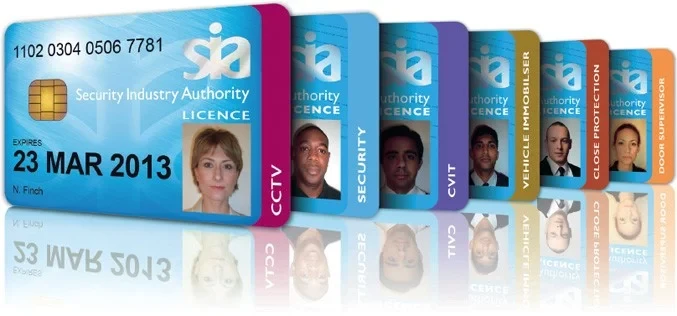
What is SIA? Understanding the Security Industry Authority
SIA stands for �Security Industry Authority, and it is responsible for regulating the private security industry in the UK.In the UK, under the Private Security Industry Act, to work legally in the private security sector, individuals must have an SIA licence. It is illegal to engage in security-related work without this licence.What Does SIA Do?SIA aims to protect the public and regulate the security industry through licensing to raise standards in the industry. The main duty of the SIA is to raise standards in private security and to ensure the protection of citizens and the regulation of the security industry through licensing.What is an SIA Licence?An SIA Licence, also known as a Security Industry Authority Licence, is a legal requirement for individuals working in specific roles within the private security industry in the United Kingdom.Types of SIA LicencesThe SIA provides two major categories of licences: front-line and non-front-line.�Front-Line LicencesThe SIA provides front-line licences to people undertaking jobs that involve direct contact with the public or involve on-site security duties. Such licences are necessary for professionals such as Door Supervisors, Security Guards, Close Protection Officers, and Public Space Surveillance (CCTV) Operators.SIA Door Supervisor Licence: This licence is held by individuals who want to work in licensed and unlicensed premises. The licence allows candidates to work in bars, restaurants, hotels, shopping malls, etc.Security Guarding Licence: For individuals wishing to work legally as security guards in shops, malls, and office buildings.Close Protection Licence: For anyone who wants to work legally as a Close Protection Officer (CPO) or Bodyguard, protecting celebrities, VIPs or high net-worth individuals.CCTV Operator Licence: For individuals looking for an SIA CCTV License to pursue a career as a CCTV operator in control rooms within businesses, shopping malls, airports, and local councils.Front-line licence holders are trained to perform security-related duties and to ensure the safety and well-being of people in different environments. These licences play a crucial role in maintaining security standards and protecting individuals and properties from potential threats.Non-Front-Line LicencesA non-frontline licence is for individuals responsible for supervising, managing, or employing individuals involved in licensable activities. This SIA license is typically issued in the form of a formal letter.Requirements for an SIA LicenceTo be 18 years oldPass an ID checkUndergo a criminal records checkBe eligible to work in the UKThis does not necessarily mean that if you have a criminal past or are not legally permitted to work in the UK, you will not be able to get an SIA licence. It will depend on your particular circumstances, and each application is handled individually.Various training programs, including first-aid, will be required of you as you apply for your SIA licence. Ensure you have all the required paperwork and accurate information because applying for an SIA licence costs �204 and is non-refundable.List of SIA Licence Training CoursesSIA Door Supervisor Training CourseSIA Security Guard Training CourseEmergency First Aid At Work (EFAW)First Aid at Work TrainingSIA CCTV Operator Training CourseSIA Top-Up Training for Door SupervisorsSIA Top-Up Training for Security GuardsPlease be aware that key-holding licences do not require formal education or training. Some courses from the above list will also need first-aid training. .banner-blue { border-radius: 10px; overflow: hidden; border: 2px solid #ccc; box-shadow: 0 4px 8px rgba(0, 0, 0, 0.2); background-color: #fdf9ee; } .book-now { color: white; background-color: #DF3D52; border: none; padding: 15px 60px; border-radius: 5px; cursor: pointer; font-size: 20px; text-decoration: none; } .book-now:hover { /*text-decoration: none;*/ color: white; background-color: #c33f50; } Get your Legal SIA Licence by signing up for our SIA Security courses Security Courses Book Now Rated Excellent on major review sites SIA Licence RenewalUnless you possess a Front Line Vehicle Immobiliser Licence, which must be renewed annually, your SIA licence will expire after 3 years. You must reapply to work lawfully when your current licence expires or is about to expire. It is crucial to maintain your SIA licence because you cannot legally work as a security operative without one, which would limit your employment options.Learn the SIA Licence Renewal process in detail by reading our blog post, �Stay SIA Licenced: Your Guide to Your SIA Licence Renewal.�As SIA licences do not automatically renew, you must track when your licence will expire. You must manually renew it if you want to keep performing the same job after your current licence expires.Up to four months before the expiration of your current licence, you may apply for an SIA licence renewal. As soon as possible, submit your renewal application because doing so lowers the possibility of a delay that could interfere with your capacity to work. Any remaining time on your current licence will be added to your new one, and your new licence will be valid as soon as SIA grants it.Hurak offers a convenient SIA licence renewal application service to simplify the process. Click on the links below and get a hassle-free licence renewal.SIA Security Guard LicenceSIA Door Supervisor LicenceSIA Close Protection LicenceCCTV LicenceSIA Licence RevocationYour SIA licence could be withdrawn for the following reasons:Your licence has been used in connection with fake identification or false documents.Someone other than you has engaged in licensable conduct while using the licence.You do not possess the training credentials you stated you did on your application.You�re punished for a relevant offence with a conviction, caution, warning, absolute or conditional discharge, or admonishment.You disregard or refuse to complete the training that SIA has ordered you to do.According to data held by the SIA, you are not a fit and proper individual to have a licence.The SIA will notify you of the decision in writing and ask for additional information in the letter. After that, you�ll have 21 days to reply to this revocation letter.SIA Licence SuspensionSIA licence suspensions take effect right away. This means if SIA has suspended your licence, even if you work for an approved contractor, you are not permitted to engage in any licensable activity. Suspension is not a typical course of action for the SIA unless there is a clear and present threat to public safety that demands action.Suppose SIA decides it is essential to suspend your licence, similar to when a licence is revoked. In that, case, they will send you a letter explaining their decision, which will take immediate effect. After that, you will have 21 days to use your right to appeal to a Magistrates� Court or to inform them if their assessment contained factual mistakes.A licence that has been suspended will remain so until the issue is rectified.How to Work in the Security SectorIf you're considering a career in the security sector as a Door Supervisor, Security Guard, or CCTV Operator, obtaining an SIA licence is essential.To get an SIA licence, you must complete a specific course. After completing the course, you can apply for an SIA licence and start working in the security sector.Wrapping Up: What is SIA?In summary, the Security Industry Authority (SIA) regulates the private security industry in the UK. Being an SIA licenced holder gives you the opportunity to serve in the private security industry as a licensed security operative and offers the potential to advance your career with better job opportunities.
A Comprehensive Guide to Top SIA Security Jobs
IntroductionDo you want to work in the security industry but aren't sure where to begin? Don't worry, we've got you covered. In this blog, we will go over a variety of SIA security jobs and opportunities available after obtaining an SIA licence. Undoubtedly, understanding the types of security job roles is important for you because it assists you in making an informed decision and choosing the right career path. After reading this, you can easily decide which path is suitable for you in the security industry. But first, you should understand the significance of an SIA licence.Importance of SIA licenceFirst and foremost, it validates your expertise and competencies. The SIA licence is proof that you're competent enough to carry out the security roles effectively. The significance of getting it also lies in the fact that it is legal compliance for SIA security jobs. You cannot work in the UK if you don�t have this badge. This licence is considered a benchmark and industry standard in the security domain and essential for many SIA security jobs. Whilst holding this licence is essential and holds many perks, you cannot overlook the fact it provides you with better job opportunities. Many employers and HR managers in the security industry prefer applicants who have an SIA licence. Having the licence not only increases your chances of getting a job but also opens up a wider range of SIA security job opportunities, including positions with greater responsibilities and higher pay.Types of SIA LicenceTill now, you must be familiar with the SIA licence and its importance. The Security Industry Authority (SIA) licence is compulsory for anyone who wants to work in the security industry. The SIA Licence is of two types:Front Line LicenceYou will need to get the front-line licence if you�re performing front-line activities as a part of your job. Moreover, if your job roles include directly engaging in security activities that involve interaction with the public or clients, you must have a front-line licence. The most common front line licences are Security Guard, Door Supervisor, Close Protection Operative and CCTV Operative.Non-Front Line LicenceIf you�re responsible for managing employees performing licensable activities, as well as directors and partners, you must hold a non-front-line licence. The most common non-front line licences are Security System Installer, Security Consultant, Key Holders and Security Manager.What Are The Requirements To Obtain An SIA Licence?To get the SIA Licence, you mustbe over 18 years old.complete the valid SIA training qualification.complete the identity checks.submit the SIA application.What Security Jobs I Can Get After Getting An SIA Licence?After getting your SIA Licence, you can get jobs in the following top-notch positions.Security Officer/GuardCCTV OperatorClose Protection OfficerSecurity Manager/SupervisorRetail Security OfficerEvent Security OfficerMobile Patrol OfficerIndustrial Security OfficerTransport Security OfficerSecurity Officer/Guard: Security guards are responsible for ensuring the security and safety of people and property in a variety of settings.CCTV Operator: CCTV operators keep an eye on monitoring and surveillance systems, such as closed-circuit television cameras, and report any unusual activity or security breaches.Close Protection Officer: Close protection officers, also known as bodyguards, provide personal security to groups or individuals that demand high security due to their high-profile status or threat to their lives.Security Manager/Supervisor: Security managers are in charge of managing an organization's security operations, developing security policies, managing security personnel, and coordinating risk assessments.Retail Security Officers: The primary function of a Retail Security Officer is to prevent theft. This is typically accomplished by observing customers and identifying any unusual shoplifting activity.Event Security Officer: During social and entertainment events, and festivals, event security managers help with crowd management, access control, and overall safety.Mobile Patrol Officer: Mobile patrol security guards protect premises and personnel by patrolling on the premises. They control the rapid alarm situations.Industrial Security Officer: Industrial security specialists design, implement, and manage security systems and procedures for a wide range of industries, including manufacturing, information technology, and military operations.Transport Security Officer: Screening airport passengers, cargo, and bags for forbidden and dangerous objects and materials is the Transportation Security Officer's responsibility.Digging Deeper Into the Top SIA Security JobsOut of many, the following are the most renowned and widely opted SIA security jobs. Apply for the latest Sia security jobs on Jooble.Security Officers/ Guards JobRoles and Responsibilities As a Security guard, you're responsible for maintaining the peace and security on the premises and the area. you're also in charge of checking passes and other documents granting access to the facility, permitting the vehicle to enter a specific area, preventing situations where the protected property can be stolen, and inspecting vehicles that are entering or leaving the protected area. Besides this, you also monitor CCTV cameras to spot malicious activities for security risks.Requirements To Get SIA Security Guard JobApplicants must complete a training course approved by the Security Industry Authority (SIA).They must be at least eighteen years old and a resident of the United Kingdom.A criminal record and identity check are also required.They should also be fluent in English.CCTV Operator JobsRoles and ResponsibilitiesThe major roles and responsibilities of CCTV operators include monitoring and controlling almost 15 screens in the central control room. As a CCTV operator, you also have to maintain a secure system for providing data in conformity with established regulations. You must be diligent, maintain integrity and accuracy, and ensure the confidentiality of all information obtained through compliance with standards and rules at all times.Requirements to Get CCTV Operator JobsTo be eligible for the CCTV operator jobs you must have to fulfil the requirement and meet the eligibility criteria:You must have a Public Space Surveillance (CCTV) Licence from the Security Industry Authority (SIA).You must be at least 18 years old. You must also pass an identity check, and a criminal record check, and have completed and gained a SIA level 2 award as a CCTV operator in a private security industry.You must complete three mandatory modules in 32 hours. For more information, go to SIA�s original website.Door Supervisor JobRoles and Responsibilities Venues employ a door supervisor who also serves as a security guard. As a door supervisor, you're in charge of people's safety and for this, you must have a strong sense of responsibility. Your main goal is to provide security, which is accomplished through various tasks such as checking the legal age and drinking age of people entering or refusing entry to drunk or intoxicated people. Moreover, you have to frequently deal with difficult situations in which people are aggressive or disobey the venue rules so you must be prepared for it.Requirements to Get an SIA Door Supervisor JobsTo work as Door Supervisor firstly, you must get a front-line licence issued by Security Industry Authority (SIA).You must have completed an SIA 'licence-linked' qualification before applying for a front-line licence. This is the Level 2 Award for Working as a Door Supervisor in the Private Security Industry at this time.You must also complete an Emergency First Aid at Work or equivalent course before taking your licence-linked qualification.Note: We at Hurak provide both SIA Licence-linked and Emergency first aid at work training.You must be 18 years or above age.Close Protection Officer JobRoles and ResponsibilitiesThe major responsibility of Close Protection Officers (CPOs) is to keep their clients safe from unwanted attention or physical harm. If you get a job as a Close Protection Officer, you're in charge of evaluating security measures and providing discreet surveillance. Also, you're responsible for providing and ensuring the safety of the principal and their family members. Additionally, you're in charge of risk assessment, making plans to minimize threats, manage and look for the security of vehicles and households.Essential Requirements to Get a Close Protection Officer JobsYou must have a valid UK driving licence.You also have an SIA front-line close protection licence as well as a level 3 close protection course training.What Is The Salary Of SIA Security Jobs?Well, one of the most important things you want to know is the salary of the SIA security jobs. Getting any of the above security jobs is worthwhile and several benefits come with them. Without any further delay, let�s have a look at top-notch SIA security jobs and their average salary in the United Kingdom.Security JobsAverage SalarySecurity Officer�23,157Door Supervisor�25,704CCTV Operator�24,053Close Protection Officer�33,325Security Manager/Supervisor�50,102Retail Security Officer�21,899Event Security Officer�23,834Mobile Patrol Officer�21,888Industrial Security Officer�23157�Transport Security Officer�25,075Overall, all the SIA security jobs are considered lucrative but security manager jobs are the highest-paid out of all. However, several reasons also account for higher salaries such as your previous experience, job role, and geographical location.Where Can I Get Complete And Valid Training For The Top SIA Security Jobs?You're in the right place if you�re looking for SIA-approved training resources for top security job roles. We offer complete training qualifications for Security guards, CCTV operators, Door supervisors, and close protection jobs. You can get the training qualification for these jobs at Hurak Learning which is the most valid and authentic resource. Our training courses are cost-effective and cover everything you need to obtain the qualification and get SIA Licence. You can enrol directly from our website for the course that matches your current job role and interest.FAQsWhat is the SIA Licence?A Security Industry Authority (SIA) licence is the legal requirement for anyone who wants to take and get hired for a security job in the United Kingdom. For instance, if you want to work as a door supervisor at events or as a security officer (security guard) at licenced places, you will need one.How much money does an SIA security officer make?In the UK, an SIA security officer makes an average salary of �22,181 annually, or �11.38 per hour. The starting salary for entry-level jobs is �21,350 per year, while the average yearly salary for experienced workers is �26,461.How long is SIA training?The duration of the SIA training usually depends on the specific training course and training provider. Generally, if you're taking training from a valid and reliable training institute you will complete the training qualification in probably less than one week. We at Hurak strive our level best to provide the best SIA training qualification in just a few days.Security Guard and Door Supervisor Training: The SIA-approved training is usually finished in 4 to 5 days for security guards and 2 days for door supervisor roles.Close Protection Training: When compared to other SIA training courses, close protection training is more thorough and intensive. It typically takes longer to complete but we finish this training course in 7 days.CCTV Operator Training: It usually takes 2 days to complete the required training to become a licenced CCTV operator on our platform.How long is the security guard training?The SIA Security Guarding Training offered by Hurak Learning is of 4 days. The qualification is divided into three units and each will be assessed by a multiple-choice exam. How do I become a CCTV operator?To become a CCTV operator, you must have to follow the below steps:Check the requirements issued by SIA to become a CCTV operatorComplete the SIA-approved training at Hurak.Obtain a qualification courseApply for an SIA licence and pay the licence feesAwait for your licence and then find a jobKey TakeawayThis blog has helped you learn about the SIA security jobs. It is worth noting that obtaining an SIA licence will not only give you an opportunity to start working in the security industry but will also open up a variety of career opportunities with high salaries. The blog also assists you in understanding the roles and responsibilities of top-tier job roles in the security industry such as security guard, close protection officer, CCTV operator, and door supervisor. This will help you to make an informed decision and choose the right career. So, get your SIA licence now and start an exciting SIA security career.
A Comprehensive Guide to the SIA Licence Checker
IntroductionWelcome to our comprehensive guide to the SIA Licence Checker. Whether you're an individual or a business in the security industry, verifying licenses is crucial for compliance and peace of mind.Did you know there are over 400,000 licensed security operatives in the UK alone? Ensuring that these individuals hold valid and up-to-date licenses is crucial for maintaining trust, safety, and compliance within the industry.However, it can be a daunting task to manually check the credentials of each individual or business you interact with. In this blog, we'll explore the ins and outs of the SIA Licence Checker, providing you with the knowledge and tools to efficiently navigate this vital processWhat is a SIA Licence?Before moving on to learning about the SIA licence checker, let�s have a look at what is an SIA licence.In the UK, holding an SIA (Security Industry Authority) licence is a legal requirement for individuals engaged in private security roles. For instance, if you aspire to work as a security officer or door supervisor at licensed premises and events, you must obtain this licence. Failure to do so is considered a criminal offence according to the Private Security Industry Act 2001.SIA licences serve as official proof that the license holder is a "fit and proper" person, having received training from a government-approved licence-linked training course that meets the industry's minimum standards. It validates their qualifications to effectively fulfil the responsibilities associated with their security position. .banner-blue { border-radius: 10px; overflow: hidden; border: 2px solid #ccc; box-shadow: 0 4px 8px rgba(0, 0, 0, 0.2); background-color: #fdf9ee; } .book-now { color: white; background-color: #DF3D52; border: none; padding: 15px 60px; border-radius: 5px; cursor: pointer; font-size: 20px; text-decoration: none; } .book-now:hover { /*text-decoration: none;*/ color: white; background-color: #c33f50; } Get your Legal SIA Licence by signing up for our SIA Security courses Security Courses Book Now Rated Excellent on major review sites Overview Of The Security Industry Authority (SIA)The Security Industry Association (SIA) is a leading trade association representing over 1,300 member companies in the global security industry.SIA advocates for favourable policies, establishes industry standards, promotes professionalism through education, and creates market opportunities. They sponsor influential events and conferences, connecting members with buyers and fostering learning.Initiatives like SIA GovSummit and Securing New Ground� engage with government decision-makers and facilitate networking. Member communities like the SIA Women in Security Forum and SIA RISE promote collaboration and industry growth.Now that you�ve learned about the SIA and SIA licence, let�s look at what is SIA licence checker.Understanding The SIA Licence CheckerThe SIA Licence Checker is a vital tool provided by the Security Industry Authority (SIA) for verifying licences and credentials in the security industry. It is an online platform designed to streamline the process of checking the validity and status of SIA licences. With the SIA Licence Checker, employers, clients, and regulatory bodies can easily verify the authenticity and currency of licences held by security personnel. This powerful tool allows users to access real-time information about licences, including their expiry dates and any restrictions or endorsements. The SIA Licence Checker ensures compliance, enhances security practices, and provides confidence in the credibility of licensed security professionals.Why Should I Use The SIA Licence Checker?Using the SIA Licence Checker offers several benefits for you whether you�re an individual working in the security industry, running an organisation, or belonging to a regulatory body. Here are some key advantages:Enhanced Compliance: The SIA Licence Checker ensures adherence to licensing requirements by providing real-time verification of licences. This helps your organisation avoid employing workers with expired or invalid licences, reducing the risk of non-compliance and potential legal consequences.Time and Cost Savings: It streamlines the process of licence verification, eliminating the need for manual checks and paperwork. This saves time and reduces administrative costs associated with manual licence validation.Credibility and Trust: By using this checker, your organisation can demonstrate its commitment to hiring licensed and qualified security personnel. It enhances the credibility and trustworthiness of security providers and gives clients confidence in the workforce deployed.Operational Efficiency: It provides a centralized platform to access licence information, reducing administrative burden and improving operational efficiency.Enhanced Security: With the SIA Licence Checker, you can verify the validity of licences, ensuring that only trained and licensed individuals are employed for security roles in your organisation. This enhances overall security measures and safeguards against unauthorized personnel.Industry Standardization: It promotes industry-wide standardization in licence verification practices. It establishes a consistent approach to validating licences, creating a level playing field, and fostering professionalism within the security industry.How The SIA Licence Checker WorksThe SIA Licence Checker operates as an online platform that leverages a comprehensive database to provide real-time verification of SIA licences. Here's an overview of how it works:Accessing the Platform: You can access the SIA Licence Checker through the official SIA website or a designated portal. You need to log in using their credentials or create a new account if you don't have one.Inputting Licence Information: Once logged in, you can input the relevant licence details of the individual they wish to verify. This typically includes the licence number, name, and other identifying information.Database Query: The SIA Licence Checker initiates a query against the central database, where all valid and current SIA licences are stored. It cross-references the provided information with the database records.Real-Time Results: Within moments, the SIA Licence Checker generates real-time results based on the query. It confirms the licence's authenticity, verifies its validity, and retrieves additional information, such as expiry date, licence category, and any endorsements or restrictions.Displaying Results: The SIA Licence Checker displays the verification results on the user's screen. It provides a clear indication of whether the licence is valid, expired, or has any issues. Users can review the details and take appropriate actions based on the results.Repeat Process: The SIA Licence Checker allows users to repeat the verification process for multiple licences, enabling efficient management of a workforce or conducting thorough checks for security personnel.Step-by-Step Guide to Using the SIA Licence CheckerHere is a step-by-step guide to using the SIA Licence Checker:Step 1: Visit the SIA WebsiteAccess the official website of the Security Industry Authority (SIA) using a web browser.Step 2: Login or Create an AccountIf you have an existing account, log in using your credentials. Otherwise, create a new account by providing the required information.Step 3: Navigate to the SIA Licence CheckerOnce logged in, locate and navigate to the section dedicated to the SIA Licence Checker. It may be found under the "Licence Verification" or a similar category.Step 4: Enter Licence DetailsOn the SIA Licence Checker page, input the relevant licence details of the individual you want to verify. This typically includes the licence number, full name, and any other requested identifying information.Step 5: Initiate Licence CheckClick on the "Check" or "Verify" button to initiate the licence check process. The SIA Licence Checker will now perform a query against its central database.Step 6: Review the ResultsAfter the licence check is completed, the SIA Licence Checker will display the verification results on your screen. Carefully review the information presented, including the licence's validity, expiry date, category, and any endorsements or restrictions.Other StepsTake Appropriate Actions: Based on the results, take the necessary actions. If the licence is valid and up to date, you can proceed with confidence. If there are any issues, such as an expired licence or discrepancies in the information, you may need to follow the appropriate protocols, such as contacting the licence holder or reporting the discrepancy to the relevant authorities.Repeat the Process: If you have multiple licences to check, repeat the above steps for each licence by entering the respective details.Maintain Records: It�s recommended to maintain proper records of the licence checks for future reference and compliance purposes. Keep track of the date, time, and results of each verification.Stay Updated: Regularly visit the SIA Licence Checker or subscribe to notifications to stay informed about any updates, changes, or enhancements to the system.Best Practices / Tips For Utilizing The SIA Licence CheckerWhen utilizing the SIA Licence Checker, it's essential to follow best practices to maximize its benefits and ensure effective license management. Here are some best practices to consider:Regular Verification: Make it a standard practice to verify the licenses of security personnel regularly. Set a schedule for routine checks to ensure that all licenses are valid and up to date.Train Users: Provide training and guidance to users who will be using the SIA Licence Checker. Ensure they understand the platform's features, how to input license details correctly, and how to interpret the verification results accurately.Maintain Proper Records: Keep a record of all license verifications conducted through the SIA Licence Checker. Document the date, time, and results of each check for compliance purposes. This documentation will serve as an audit trail and evidence of due diligence.Stay Updated with Regulations: Stay informed about any changes or updates to licensing regulations and requirements. Regularly review the guidance provided by the SIA to ensure that license checks are conducted in accordance with the latest standards.Communicate with License Holders: If any issues arise during the verification process, communicate directly with the license holders to resolve discrepancies or gather additional information.Seek Support When Needed: If you encounter technical or functional issues with the SIA Licence Checker, don't hesitate to reach out to the support team. They can provide assistance, troubleshoot problems, and address any queries you may have.Integrate with Workforce Management Systems: Consider integrating the SIA Licence Checker with your organization's workforce management systems, if possible. This integration can streamline license verification processes, automate checks, and provide seamless access to license information.Regularly Review License Status: Monitor license expiry dates and proactively address any expiring licenses. Plan ahead for renewals to ensure that licenses remain valid and avoid interruptions in compliance.Stay Compliant: Utilize the SIA Licence Checker as a tool to ensure compliance with licensing requirements. Regularly assess your organization's adherence to licensing regulations and use the SIA Licence Checker to rectify any non-compliant situations promptly.By following these best practices, you can effectively utilize the SIA Licence Checker to streamline license management, ensure compliance, and enhance the credibility of your security workforce.Future Developments And UpdatesHere are some potential future developments and updates that could be considered for the SIA Licence Checker:Improved User Interface: Enhancements to make the user interface of the SIA Licence Checker more intuitive, user-friendly, and responsive across devices.Advanced License Verification Features: Introduction of additional features like QR code scanning or biometric authentication for streamlined and secure license verification.Integration with Mobile Apps: Development of mobile applications that integrate with the SIA Licence Checker, enabling convenient license verification on smartphones or tablets.Real-Time Notifications: Implementation of a notification system to alert users about upcoming license expirations and changes in license statuses for proactive license management.Integration with Compliance Management Systems: Integration of the SIA Licence Checker with compliance management systems to centralize license management and automate compliance processes.API Access: Introduction of Application Programming Interfaces (APIs) to facilitate seamless integration of the SIA Licence Checker with third-party systems for data exchange and automation of license verification processes.Improved Data Security Measures: Strengthening of data security protocols within the SIA Licence Checker to ensure the protection of sensitive license information and compliance with evolving data privacy regulations.Please note that these points are speculative and represent potential future developments and updates. To stay informed about the specific advancements of the SIA Licence Checker, it is advisable to refer to official announcements and communications from the Security Industry Authority (SIA).FAQsHow do I know that my security supplier�s staff are correctly licensed?Visit the SIA Licence Checker, click on the �Go to the register� link at the bottom of the page, and enter their 16-digit licence numbers. Ensure that the people who sign your duty register are those who are working at your premises. The SIA and licensing authorities are very strict with end users who employ those who do not have the correct license.When there are delays in the progress of your application?The actual application process begins from the moment your application has been entered into the system and will end when the decision has been made.However, if during the process your application fails validation, the process stops will come to a stop. The most common reason for this is the submission of an incorrect application form or failure of one of the security checks.What will the SIA Licence Checker tell me?The SIA licence checker will give you an �at-a-glance� indication of your application progress in the licensing process. Where necessary the checker will also give you an exact explanation of what is happening.The SIA licence checker will also be able to tell you whether the SIA has made a decision on your application, and what that decision is. If you have been granted a licence the Checker will be able to tell you what your licence number is and whether your licence has been dispatched.ConclusionThe SIA Licence Checker is a vital resource for the security industry, offering convenience, transparency, and compliance. With hundreds of thousands of licensed security operatives, verifying licenses is essential. By following the guide's instructions and best practices, you can navigate the process with confidence.Embrace this powerful tool to protect your business, foster trust, and contribute to a safer industry. Stay informed, stay compliant, and leverage the SIA Licence Checker for informed decision-making.Thank you for joining us on this journey, now go forth and verify licenses with efficiency and peace of mind.
Essential Skills in a Security Guard
IntroductionSIA Security guards are crucial for protecting people, homes, and other assets from harm. Guards are equipped with many abilities to respond appropriately to emergencies and monitor properties. Guards can respond quickly to several incidents or circumstances and safeguard an area�s integrity. In this article, we will go through the responsibilities of a security guard in maintaining a property�s safety, some of their abilities, and how to improve them.Essential Security Guard SkillsAn SIA security guard needs a variety of skills to adequately secure a space. Some of these skills are innate in security guards, while others are learned through certification courses or training sessions. You can become a more efficient SIA security officer by being conscious of your talents and abilities and purposefully learning new ones. The majority of security guards should have the following essential skills:CommunicationThe ability to communicate is a crucial life skill and can enhance regular security guard operations. You can direct and assist a facility�s operations with verbal and written communication skills. Additionally, this can assist in avoiding challenges or problems brought on by unclear communication. Here are some other talents that can aid in improving your communication abilities:Active listeningReading AbilitiesCondensing informationKnowledge of Security OperationsResearching and implementing security operations can help maintain a consistent presence and enhance a location�s general security. It is possible to ensure that all security employees support everyday tasks to the same standard by staying updated with SIA security operations or standards. This can hasten emergency or crisis reactions as all staff members may react similarly and offer equivalent assistance. The following abilities can aid in the development of your understanding of security operations or procedural skills:Critical thinkingAnalytical skillsResearching abilitiesMulti-TaskingYou might carry out several jobs simultaneously throughout a day. Managing several duties at once is crucial because doing so can increase daily production and the security team�s effectiveness. For instance, to preserve the integrity of a facility�s entry point, you might simultaneously conduct the two vital jobs of screening guests and keeping an eye on the door. The following abilities can assist you in improving your multi-tasking capacity:Organisational skillsTask prioritisingTime managementSurveillanceSurveillance is a significant aspect of an SIA security guard; learning this ability is crucial to enhancing your security capabilities. You can enhance your ability to spot criminal activity or security incidents by honing your surveillance skills. Closed-circuit television (CCTV) feeds for risk assessment and live observation are two frequent surveillance methods. The following abilities can aid in the development of your surveillance skills:Attention to detailSituational awarenessQuick reflexesEmotional ControlBe mindful of your reactions and practise emotional restraint because some security scenarios can be unpleasant or highly emotional. By doing so, you will be better able to support others during similar circumstances. By imagining potential security situations and making predictions about your reactions, you can acquire insight into your reactions. This might assist you in identifying your emotional reactions and strategies for controlling or managing them. The following competencies can aid in the development of your capacity for emotional restraint:Self-awarenessProfessionalismAttention to DetailPaying attention to detail can aid in maintaining a facility�s integrity and surveillance skills. In addition to keeping an eye on a building�s physical operations, security officers may also check paperwork and identification to make sure only the right persons are allowed admission. Maintaining the security of the building and the safety of all the individuals you protect can be facilitated by having the ability to swiftly check and spot discrepancies in documents or identity. The following abilities can assist you in honing your attention to detail:Knowledge of accurate documents or identificationCritical thinkingAlertnessCustomer ServiceOn a regular basis, SIA security guards contact a variety of people, which can call for great customer service abilities in order to uphold an area�s security. De-escalating situations and maintaining a secure and regulated environment can be accomplished by maintaining a positive but authoritative presence. You can build solid client or interpersonal interactions and preserve long-lasting professional partnerships with the aid of effective customer service skills. You can enhance your customer service abilities by developing some of the following skills:Communication skillsConflict resolutionProblem-solving Get your Legal SIA Licence by signing up for our SIA Security courses Security Courses Book Now Rated Excellent on major review sites Develop the Skills of a Security GuardWhile some security guards may already have the expertise, many methods exist to expand your skill set and enhance your surveillance capabilities. Formal courses and certificates are valuable tools to advance and validate your security guard experience and sharpen your security abilities. Some ways to improve your security guard abilities are:Higher EducationWhile merely a general education may be required for some security guard professions, earning a two- or four-year degree will help you become more knowledgeable about security. Your skill set may be expanded by pursuing a degree in criminal justice, law, psychology, or homeland security, among other fields of study. Each of these degrees can help you learn useful skills that will make you a more capable security expert. Once you've built up your skills and experience, it's essential to review your CV and tailor it for the specific roles you're targeting.CertificationsYou might consider getting certificates to hone and establish your security knowledge before finishing your higher schooling. Given that some security certifications may be obtained without a formal education, this course may be more appealing. Among the certifications you might think about obtaining are:First aid certificationBasic life support certificationSecurity guard qualificationFirearm certificationFire safety certificationCPR certificationDoor supervisor qualificationCCTV operator certificationGet an SIA LicenceMost security officers hold a front-line Security Industry Authority (SIA) licence, regardless of higher education or certification. But before you apply for an SIA Licence, you need to complete the training associated with it. Choose from a variety of SIA Security courses that Hurak offers. With the help of an SIA licence, you can improve your abilities in personal safety, conflict resolution, fire safety, patrolling, and fundamental security duties. You might think about keeping your driver�s licence up to date or obtaining these extra licences in addition to your SIA licence:Door supervisorClose protectionCash and valuables in transitPublic space surveillanceVehicle immobiliserKey holderVehicle removal and clampingCCTV operationComplete on-job TrainingAttending on-the-job training with a security company is another excellent option for developing your abilities. This can help you hone the abilities you may have picked up in training or while attending a university. You can become a more effective guard by using the valuable experience and talents you gained throughout this time, and you might also acquire some insight into some skills you might want to develop.
The Importance of Safeguarding in Education
IntroductionMaking sure those in your charge are safe inside and outside your institution should always be your first responsibility if you work in education. You have a moral and legal obligation to respond to any indications that someone may be experiencing abuse at home or in their society.Everyone in the organisation must design and follow rigorous safeguarding policies to guarantee everything is being done to protect individuals at risk. Today�s column explores the significance of safeguarding, particularly in education.What is safeguarding?Even though everyone involved in the education industry should know the word, you might not know what safeguarding entails. Simply expressed, safeguarding refers to the actions taken to protect the health, happiness, and human rights of those entrusted to your care. Safeguarding is typically used in environments with a duty of care for children, adolescents, or vulnerable adults, such as in the education, health, and social care sectors.Why is safeguarding important?Safeguarding is crucial for defending vulnerable people from injury, abuse, and neglect. Failure to uphold your safeguarding obligations may cause someone�s suffering to continue. Effective safeguarding is essential to identify the warning signs of abuse and notify the appropriate authorities in time to assist victims.Safeguarding is essential in schools because the teaching staff has unique access to information about how kids grow, act, and interact with others. So, they are more likely to detect physical or psychological abuse. They can also use their special position to inform kids about the risks they face inside and outside the classroom and how to receive help.What is safeguarding policy?A company�s safeguarding strategy outlines how it intends to safeguard individuals� welfare in its care. It should outline the organisation�s plans for safeguarding children, adolescents, and vulnerable adults against danger and abuse inside and outside its facilities.Education organisations must have a written safeguarding policy statement as part of their duties. The organisation�s safeguarding policy should be outlined in this statement and its commitment to safeguarding and strategies for keeping persons under its care safe.You might want to refer to the official Ofsted safeguarding policy and inspectors� instructions as a resource. These materials set forth the criteria for evaluating safeguarding in early childhood education and skill-building settings across the nation.Safeguarding is essential in schools because the teaching staff has unique access to information about how kids grow, act, and interact with others. So, they are more likely to detect physical or psychological abuse. They can also use their special position to inform kids about the risks they face inside and outside the classroom and how to receive help.What are the six principles of safeguarding?Six safeguarding principles are outlined in The Care Act 2014, the primary safeguarding law that applies to NHS bodies. Although this statute solely pertains to NHS institutions, these concepts are applicable everywhere, especially in the field of education.PersonalisationThe assumption of person-led decisions and informed consent are all aspects of empowerment.PreventionIt is preferable to act now before harm is done.ProportionalityIs the ability to respond in a way that is both reasonable and least invasive, given the risk at hand.Protectionaid and advocacy for those who are most in need.PartnershipServices that work with their communities to find local solutions. Communities can help prevent, identify, and report neglect and abuse.AccountabilityAccountability and openness in providing safety measuresWhat is safeguarding children?Any educational organisation in charge of children must have a defined safeguarding procedure. A key component of the overall safeguarding process is child protection, which aims to protect children in your care from danger, abuse, or exploitation.These four categories describe child safety:Defending kids from maltreatment and cruelty.Avoiding harm to children�s growth or health.Ensuring that children receive safe and efficient care as they grow.Taking measures to ensure the best outcomes for all children and young people.Who is responsible for safeguarding children?Everyone who interacts with children has a duty to keep them safe. To do this, they must be aware of the warning signs of abuse and follow the procedures for reporting their concerns. Working Together to Safeguard Children, government guidance outlines how everyone must be responsible, communicative, and alert to safeguard children from harm.Local governments and social care teams are responsible for conducting investigations once concerns have been raised. The criteria for a wide range of authorities, organisations, and people who have a duty of care for children are outlined in Sections 10 and 11 of the Children Act of 2004.What is contextual safeguarding?Understanding and responding to children�s or young people�s experiences of damage outside their families is a key component of the contextual safeguarding method. It acknowledges young people�s connections with their neighbourhoods, educational institutions, and online networks that can result in abuse, injury, or exploitation.Individuals with safeguarding obligations, such as those working in the education sector, must recognise the need to act when appropriate because many parents have little to no influence on these connections outside the family home.What is the safeguarding of vulnerable adults?At times, it may be vital to protect adults and children. These people are referred to as �vulnerable adults.�A vulnerable adult is a person who is over 18 and who is either unable to care for oneself or who, due to their circumstances, is very susceptible to exploitation or damage. Some elements that may contribute to the classification of people as vulnerable include:physical or mental impairmentsAdvantage of povertyexperiencing traumaRacial, religious, or political exclusionrejection from their families or communitiesBut everything is covered in this list. No, employees must be aware of any person in their care who may be vulnerable to exploitation or abuse. They must make sure that any warning indications put forward by these people are seen and taken seriously.Safeguard trainingThis blog cannot cover every aspect of safeguarding because it is a vast subject. You must receive formal training to gain a solid understanding of safeguarding practice. When it comes to training, ESS offers a few different choices for individuals who are interested in learning more about protecting adults.The three-month Level 2 course, NCFE CACHE Understanding Safeguarding and Prevent, focuses on the fundamentals of Prevent Duty and safeguarding, particularly internet safety. This course offers the theoretical understanding required for protecting adults. This might involve employment in hospitals, adult education programmes, community centres, and jails.We heartily suggest the free online courses offered by the Education & Training Foundation for individuals seeking yearly updates to maintain their safeguarding knowledge and credentials. Depending on your job situation, we recommend their Safeguarding in FE and Training and Safeguarding & Safer Recruitment in FE courses.
What Security Guards Can and Cannot Do?
IntroductionIt�s interesting to know what security guards can and cannot do, whether you�re thinking about working in security or are simply a member of the public.You will know if security guards can touch, search, or detain you after reading this article, whether you are out clubbing or shopping. So continue reading to gain a better understanding of your rights and the security sector.Security officers have less authority than police officers. Security personnel are typically more like regular citizens. They are no different from other members of the public in terms of rights.Every security guard must identify themselves by wearing their badge and licence visible to the public at all times on their uniform. You should alert the company the security guard works for if you notice them without a badge. If you misplace your badge as a security guard, you must immediately notify the SIA, but you may continue to work until a new one is delivered. If the SIA learns that someone is working without a badge, they have the right to revoke their licence or even take legal action against them for licence violations.What Security Guards Can Do?Can Arrest a CitizenAny public member would be within a security guard�s rights to arrest if someone was committing an offence or if a crime had already been committed and they had good reason to believe that someone was guilty. Security guards have no more authority in this sense than the general public, albeit they are permitted to make citizen arrests under certain circumstances. Security personnel are more trained in the physical actions required to arrest since they are in a position where they are more likely to use force. Only police officers have the authority to intensify a physical arrest.Can Detain a CitizenA security guard can detain you but must have a valid justification. They make a citizen�s arrest when they detain you, and Section 24A of the Police and Criminal Evidence Act outlines the procedures they must follow.They either observe a crime or have solid evidence to support their suspicions.To stop someone from hurting oneself or other people.To prevent someone from harming property.Stop someone from leaving the area before a police officer arrives to take over.Can Touch YouSecurity guards are only allowed to touch you while holding you in custody.Can Request a Physical SearchSecurity personnel have the right to ask to physically check you and any items you have on you before allowing you to enter a place. Additionally, they have the right to demand a physical inspection whenever you enter or leave a store for whatever reason, especially if they have cause to believe you have stolen something. This is perfectly legal.Only if you give your permission can a security guard search you, your bag, or your vehicle. They aren�t allowed to search you if you object. If you enter a club and ask them not to search your bag, they will likely reject your admittance and send you on your way.Again, if you decline the bag search after being stopped by a security guard who believes you are hiding stolen items in your bag, the guard may not search. If you continue to object, they will hold you until a police officer shows up so they can perform a legitimate and forced search.A security guard may only search someone�s possessions, such as a bag if the area has been left unattended and the guard is looking for a possible bomb threat. The security guard may inspect your belongings to identify you or locate any prescriptions that might be useful for your health emergency. When you are unconscious, they can inspect your backpack as well.Get your Legal SIA Licence by signing up for our SIA Security coursesSecurity CoursesBook NowRated Excellenton major review sitesWhat Security Guards Cannot Do?Cannot Use an Excessive Amount of ForceSecurity officers, concierge security, and mobile patrols are prohibited from using excessive force when effecting a citizen's arrest. Excessive use of force would make the arrest of the civilian illegal, which would harm the security guards and their employer's reputation, making proper incident reporting, witness statements, de-escalation reviews, and tools such as body worn camera footage increasingly important. Guards should not use more force than is necessary to detain an arrested person; physical force should only be used if the suspect resists. Additionally, restraint should only be applied while waiting for the police to arrive and take control of the issue.Cannot Carry a WeaponSecurity officers aren�t authorised to carry guns because they have the same legal rights as everyone else. They are not allowed to carry weapons on their person as a deterrent or to use them, whether it be pepper spray, batons, or a gun. Front-of-house security personnel are more likely to emphasise negotiation techniques than physical force.Since it is illegal to carry weapons in the UK, no one is authorised to carry weapons like guns, batons, tasers, or pepper spray, including security personnel. A set of handcuffs is the only thing a security guard possesses. These are not weapons; they are a tool for keeping a person when the security guard makes a citizen�s arrest, and they are only used until the police show up. Guards will be taught how to use handcuffs effectively and safely, although anyone in public is technically allowed to carry them. Handcuffs are allowed for citizen arrests.
Event Stewards Stewarding at Spectator Events
IntroductionThe requirement for security is great as the events sector begins to thrive again. Frequently, when someone works at an event or venue, everyone immediately thinks of the security guard position. The function of an event steward is sometimes disregarded, but if you�ve ever attended a football game, concert, festival, or other public events, you�ve probably come across stewards and seen the crucial work they do. But what does a steward do during a gathering? What exactly do they do? Ultimately, they are there to protect you and ensure that your experience is safe and pleasurable.�Event StewardsEvent Stewards are skilled team members who are crucial to the smooth operation of an event and the safety of all attendees. Stewards can perform a wide range of duties and have many distinct responsibilities. Stewarding at Spectator Events includes being a comforting, approachable presence; controlling who is allowed entry to the event; and taking on the duty of handling any anti-social behaviour. They can also conduct any necessary searches, although legally speaking, they must be qualified to do so, such as having a Level 2 Certificate in Spectator Safety. Additionally, to conduct searches, they must be employed directly by the stadium or arena where the event occurs. To ensure that an event proceeds as planned while ensuring the health and safety of the audience, event stewards play a crucial role in managing crowd management. They perform their duties at gatherings like sporting events, music festivals, protests, vehicle rallies, and important transportation hubs.Role of a StewardStewarding at Spectator Events means a great deal of responsibility for keeping an eye out for any dangers that might endanger everyone attending a particular event. As an event steward, you have many duties before, during, and after an event. One of them is to avoid the location being too crowded. This is crucial since crowded gatherings are frequently the source of harmful accidents, and experienced stewards can stop this from happening. To lead people out during an emergency evacuation, they must also be aware of the locations of the fire exits and other escape routes.Additionally, they can conduct ticket entry checks and traffic/pedestrian management (crossing points, pedestrian pathways) to guarantee that automobiles and pedestrians can enter and exit the area in a secure, orderly manner. To learn more about the role and responsibilities of an event steward, enrol in a stewarding course today. .banner-blue { border-radius: 10px; overflow: hidden; border: 2px solid #ccc; box-shadow: 0 4px 8px rgba(0, 0, 0, 0.2); background-color: #fdf9ee; } .book-now { color: white; background-color: #DF3D52; border: none; padding: 15px 60px; border-radius: 5px; cursor: pointer; font-size: 20px; text-decoration: none; } .book-now:hover { /*text-decoration: none;*/ color: white; background-color: #c33f50; } Get your Legal SIA Licence by signing up for our SIA Security courses Security Courses Book Now Rated Excellent on major review sites Importance of StewardsThe presence of stewards has several advantages, and it is now necessary when planning events. Any type of event planning is never simple or easy; it can be stressful and involve complications. An event steward makes it possible to assign various jobs to qualified individuals who can subsequently complete them, making everything operate more smoothly. When planning an event, it is crucial to conduct a risk assessment since it enables you to look for any potential safety hazards. This is also an excellent technique to estimate the number of stewards required for this. The following is a helpful generalisation for selecting an adequate number of stewards: At least one steward is required for every ten attendees, per location, for groups of 1 to 100. The number of stewards needed will also be determined by the access and egress plan, which should be carefully established. You may require a certain number of stewards to check tickets and guide the public as they enter, but once the majority have arrived, their tasks may shift to other aspects of the event or getting the venue or site ready for everyone to safely leave.Another significant benefit of stewarding is that it makes the event feel safer, increasing attendees� enjoyment. They provide reassurance to attendees and security for the audience and the venue. Stewarding at spectator events should be done professionally as the stewards are frequently attendees� initial point of contact. It is crucial to act professionally so that people know they have a reliable person they can turn to if they need assistance with anything. Like with many events, there is always a chance that someone would go to cause trouble and not for the proper reasons. Any problem like this can be immediately resolved by a steward stepping in.Preparation for an EventPreparation is one of the most vital components, regardless of the event�s size. Event stewards should always be well-prepared because an equipment check is one of the most important tasks they perform in advance. They must make sure everything is there and functional. They need to know they can do their jobs well and to a high standard because of this. Radio and battery checks are also conducted to ensure that all communication is crystal-clear and simple to receive. Before the event, time is mostly employed to identify potential issues so they can be resolved as soon as possible.An event would struggle to go as smoothly without a steward. Therefore, there is no straightforward response to the question, �What is a steward�s duty at an event?� because they participate in various aspects of events. They facilitate smooth operations, provide guests with a safe environment, and aid in keeping people safe. They reassure workers and attendees that anything could be handled professionally if the worst were to happen.
How to Plan the Safety of the People at Spectator events?
IntroductionManaging a crowd and spectators can be demanding and time-consuming. A single incident can swiftly turn a crowd that initially appears calm into turmoil. Event stewards must ensure that they are ready to handle it. Because crowds can be so unpredictable, it needs to be carefully managed.This management is your responsibility as the event steward. Whether it�s a sporting event, music festival, or fair, event stewards have a legal responsibility to protect the audiences� safety as much as is reasonably practical. Depending on the scope of the event, event stewards may be able to assign some tasks related to crowd control to staff members or outside vendors. Still, as an event steward, you are ultimately responsible for maintaining public safety.Pre-Event PlanningEvent Organisers should consider crowd safety even before selecting a location for their event. In selecting the safest, most suitable venue for your event, take into account the following aspects in the early phases of planning:1. Expected TurnoutForecast the number of attendees you expect by considering variables like advance ticket sales, attendance at past events, and the proposed level of exposure. Always be prepared to host more guests than you had planned.2. Types of VisitorsWhen making planning choices, consider the expected demographics of the spectators. For instance, will the majority of the audience be older folks who could require specific accommodations?3. Transportation System Analyse the transportation system in the vicinity of the chosen venue to see if it can accommodate the anticipated number of spectators.4. Venue SuitabilityTake note of the venue�s maximum capacity and compare it to that number to see if your event can accommodate it. Are there adequate restrooms, first aid stations, entrances, and exits?5. Excess SpectatorsCreate a plan of action for handling a packed venue to prevent a catastrophe. Avoid being taken by surprise by an unanticipatedly large and possibly tense crowd.6. Previous InformationUtilise your understanding of prior occurrences by drawing lessons from them. Consider adding extra security for a gathering with a history of the disorder.Planning for an EventLong before the event itself, crowd and spectator safety should be managed. Event stewards can reduce the risks, the earlier they plan and identify them. Avoid planning just general event preparation and then thinking about crowd and spectator safety management; instead, plan them simultaneously.For branding your event, use an online poster maker to create a poster. Crafting captivating visuals becomes effortless, saving time and effort.Assess Event�s RiskOnce a location has been selected, thoroughly consider the objectives of the event and look for any potential risks that could endanger the staff, volunteers, attendees, or the general public.According to UK legislation, you must do a risk assessment to determine what safety measures you should take. You can obtain comprehensive instructions on conducting a risk assessment by enrolling in a stewarding course. .banner-blue { border-radius: 10px; overflow: hidden; border: 2px solid #ccc; box-shadow: 0 4px 8px rgba(0, 0, 0, 0.2); background-color: #fdf9ee; } .book-now { color: white; background-color: #DF3D52; border: none; padding: 15px 60px; border-radius: 5px; cursor: pointer; font-size: 20px; text-decoration: none; } .book-now:hover { /*text-decoration: none;*/ color: white; background-color: #c33f50; } Get your Legal SIA Licence by signing up for our SIA Security courses Security Courses Book Now Rated Excellent on major review sites Crowd HazardsThere are too many crowd safety issues for event planners to cover here fully. Instead, use the following example of a crowd-specific risk to begin identifying potential risks for your event:Crashing into other individualsCrashing against stationary objects like barricadesSurging, swinging, or rushingTrampling underfootAggressive behaviour, especially amongst groups of opposing supportersRisky behaviour, such as scaling items, sprinting down steep inclines or hurling objectsIndividuals becoming entrapped, such as wheelchair users in a vast gatheringDrunk and disorderly bystandersVenue HazardsSlipping or tripping due to dim lighting or poorly maintained floorsmoving vehicles sharing a pedestrian�s pathstructural collapse, such as the falling of a fence or barrierobstructions that slow down trafficmalfunction of equipment, such as turnstiles; andPoorly designed lines impede crowd movement and cause crossflows as people cut through the crowd to get to other locations.Early Planning is Successful PlanningTo ensure an event�s success and become an event steward, enrol in a Spectator Safety course as soon as feasible. Our stewarding course is taught by experienced instructors who have a wealth of information and tools to teach you about monitoring spectators and dealing with crowd problems.