

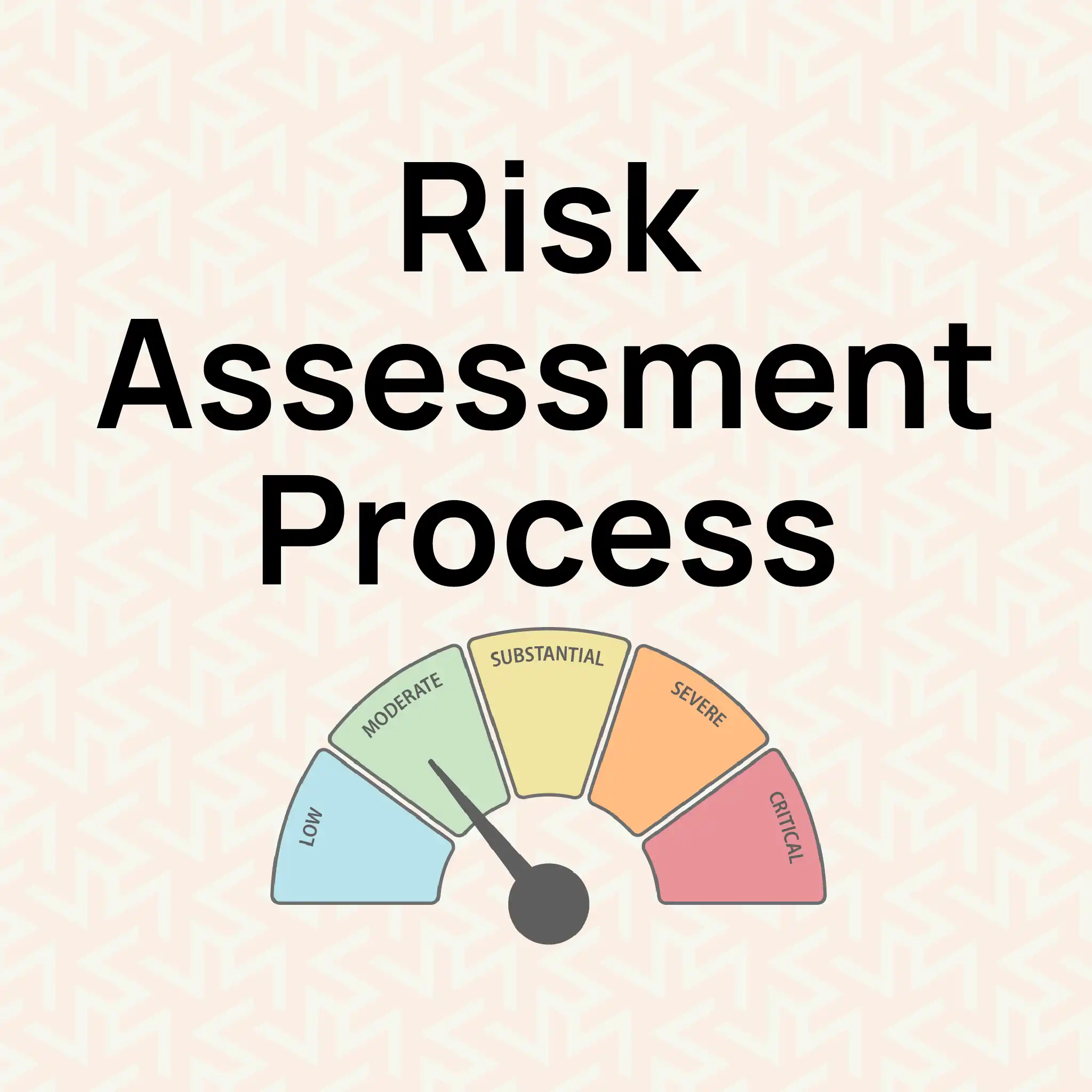
The Risk Assessment Process: A 5-Step Guide to Identifying and Managing Workplace Hazards
Risk assessments are a critical component of maintaining a safe and healthy workplace. Whether you're managing a construction site, an office, or any other work environment, identifying potential hazards and understanding the associated risks is essential for protecting employees, clients, and visitors.In this comprehensive guide, we will walk you through the 5-step risk assessment process, from identifying hazards to managing and mitigating risks effectively. By the end of this guide, you'll not only understand the importance of conducting regular risk assessments but also how to perform them with confidence. The knowledge and tools shared here will help you ensure a safer, more compliant workplace, reducing the likelihood of accidents and improving overall productivity.What is a Risk Assessment?A risk assessment is a systematic process used to identify potential hazards in the workplace, evaluate the risks associated with them, and determine the appropriate control measures to prevent accidents or harm. Conducting a risk assessment ensures that employees, contractors, and visitors can work in a safe and compliant environment.Performing regular risk assessments is a legal requirement in many industries, but beyond compliance, it helps organisations proactively manage safety, reduce workplace injuries, and maintain operational efficiency.A risk assessment is more than just a formality; it is a structured approach to workplace safety. The primary purpose is to:Identify hazards that could cause injury, illness, or property damage.Assess the likelihood and severity of those hazards.Implement controls to minimise or eliminate risk.Provide documentation to support compliance and facilitate continuous improvement.Understanding the difference between hazard and risk is crucial for a practical risk assessment:HazardRiskAnything that has the potential to cause harm (e.g., chemicals, machinery, slippery floors).The likelihood that the hazard will actually cause harm, and the severity of the potential outcome.Example: A wet floor is a hazard, while the possibility of someone slipping and injuring themselves is the risk.Why Carry Out a Risk Assessment?Conducting a risk assessment is not only a legal requirement but also an essential step in creating a safe and productive workplace. By identifying potential hazards and assessing risks, businesses can prevent accidents, protect their employees, and ensure compliance with relevant safety regulations.A well-executed risk assessment also supports better decision-making, reduces costs associated with workplace incidents, and fosters a culture of proactive safety awareness.Many industries are legally required to conduct risk assessments under workplace health and safety regulations. These laws are designed to:Ensure employers provide a safe working environment.Protect employees, contractors, and visitors from preventable harm.Require documentation and evidence of safety measures taken.Failing to conduct risk assessments can lead to penalties, legal action, or reputational damage.Importance of Risk Assessments in Workplace Safety and ProductivityRisk assessments are a cornerstone of workplace safety and organisational efficiency. They serve both as a legal requirement and a practical tool to protect employees, reduce risks, and enhance productivity.Key reasons to conduct regular risk assessments include:Legal compliance: Many safety regulations require documented risk assessments.Accident prevention: Identifying hazards early helps prevent injuries, fatalities, and workplace incidents.Cost savings: Reduces downtime, compensation claims, insurance costs, and damage to equipment or property.Improved efficiency: Streamlines operations by proactively managing risks before they escalate.Employee confidence and culture of safety: Encourages proactive behaviour, boosts morale, and fosters a safe working environment.By implementing effective risk assessments, organisations can maintain smooth operations, safeguard their workforce, and create a proactive safety culture that benefits everyone.Key Principles of an Effective Risk AssessmentAn effective risk assessment is built on a series of structured principles designed to identify, evaluate, control, and monitor workplace hazards. Following these principles ensures organisations protect employees, maintain compliance, and foster a proactive safety culture. Identifying Hazards: The foundation of any risk assessment is recognising potential hazards that could cause harm. These hazards may arise from physical sources, such as machinery or wet floors, chemical substances like cleaning agents, biological risks including bacteria or viruses, or environmental factors such as poor lighting and extreme temperatures.A practical way to identify hazards is to walk through the workplace, observe daily operations, consult employees, and review past incident reports. This approach helps ensure no potential hazard goes unnoticed. Evaluating Risks and Their Severity: After identifying hazards, it�s crucial to assess the risks associated with each hazard. This evaluation focuses on three key aspects: the likelihood of harm occurring, the severity of potential consequences, and the level of exposure to which employees may be subjected.For instance, a wet floor in a frequently trafficked corridor represents a high likelihood of slips and falls, while a minor chemical spill in a restricted area may present a lower risk if managed correctly. Evaluating risks in this way allows organisations to prioritise which hazards need immediate attention. Controlling and Mitigating Risks: Once risks are evaluated, the next step is to implement control measures to reduce or eliminate them. Control methods range from removing the hazard entirely to substituting dangerous substances or processes with safer alternatives, and installing engineering solutions such as machine guards or ventilation systems.Administrative measures, including training, policies, and safe work procedures, complement these controls, while personal protective equipment (PPE) acts as the final line of defence. The goal is to create multiple layers of protection to ensure employee safety. Monitoring and Reviewing Risk Assessments: Risk assessments are ongoing activities, not one-off tasks. Regular monitoring ensures risks remain controlled, while reviews help identify new hazards or changing workplace conditions.Organisations should schedule periodic assessments, re-evaluate risk controls after incidents or near-misses, and continuously improve procedures and training. This ensures the risk assessment process remains dynamic, practical, and relevant to the evolving workplace environment.Master Workplace Safety � Strengthen Your Risk Assessment Skills with HurakWant to ensure hazards are appropriately identified, risks are controlled, and your workplace stays safe and compliant?Popular Courses You Might Find Useful:Level 2 Health and Safety in the Workplace: Learn essential safety principles, risk assessment techniques, and compliance requirements.Level 3 Health and Safety in the Workplace: Advanced training for managing complex risks and leading safety initiatives.IOSH Managing Safely: Equip yourself with practical skills to assess, manage, and mitigate workplace hazards effectively.Working Safely (IOSH): Gain fundamental knowledge to maintain a safe working environment across various industries.Explore Hurak�s range of Health and Safety Courses designed for employees, managers, and safety professionals. Whether you�re new to workplace safety or looking to enhance your expertise, there�s a course tailored for you.The 5-Step Risk Assessment ProcessThe 5-step risk assessment process is the industry-standard approach to identifying, evaluating, and controlling workplace hazards. By following these steps, organisations can ensure legal compliance, protect employees, and improve operational efficiency. Understanding each step enables businesses to implement effective safety measures while cultivating a proactive culture of risk management.Step 1: Identify HazardsThe first step in the process is to recognise any potential hazards that could cause harm to employees, visitors, or contractors. Hazards can be physical, chemical, biological, ergonomic, or environmental in nature.Practical examples include wet floors, exposed machinery, hazardous chemicals, poorly maintained equipment, or even work-related stress. Conducting walkthrough inspections, consulting staff, and reviewing past incidents are effective ways to identify hazards before they escalate into accidents.Step 2: Decide Who Might Be Harmed and HowAfter identifying hazards, it�s essential to determine who could be affected and in what way. This includes employees, contractors, visitors, or even members of the public in certain workplaces.Consider factors like frequency of exposure, vulnerability of individuals (e.g., new staff, pregnant workers, or those with disabilities), and potential consequences of an incident. Understanding who is at risk and how they may be harmed helps in prioritising safety measures effectively.Step 3: Evaluate Risks and Implement ControlsOnce hazards and affected individuals are identified, the next step is to assess the likelihood and severity of each risk and implement appropriate controls.Controls should follow the hierarchy of risk management, starting with eliminating the hazard if possible, substituting dangerous processes with safer alternatives, implementing engineering or administrative controls, and using personal protective equipment (PPE) where necessary.For example, if a machine poses a cutting hazard, installing a guard and providing operator training are both adequate controls. The goal is to minimise the risk to an acceptable level.Step 4: Record Your FindingsDocumenting the risk assessment is crucial for legal compliance and accountability. A written record should include the identified hazards, who might be harmed, the evaluation of risks, and the controls implemented.Recording findings ensures that employees are informed about potential hazards and can follow the safety measures. It also provides a reference for future audits and inspections, making it easier to demonstrate compliance with health and safety regulations.Step 5: Review and Update the Risk AssessmentRisk assessments are dynamic documents that require regular review and updates. Any changes in the workplace, such as the introduction of new equipment, processes, or personnel, may create new risks that require reassessment.Regular reviews help ensure that safety measures remain effective and reflect current workplace conditions. This proactive approach supports continuous improvement and helps organisations maintain a culture of safety.How to Fill Out a Risk Assessment FormCompleting a risk assessment form may seem straightforward, but doing it correctly is crucial for ensuring workplace safety, complying with legal requirements, and implementing effective risk management. A properly completed form ensures that hazards are identified, evaluated, and controlled, and it serves as a formal record for audits and inspections.Here�s how to approach it effectively: Start with Basic InformationEvery risk assessment form begins with essential details:Location or department: Specify the area or team being assessed.Date and assessor name: Record who is completing the assessment and when.Task or process description: Clearly state what activity, equipment, or procedure is being evaluated.This information ensures accountability and provides context for the findings. Identify HazardsList all potential hazards related to the task or area. Consider physical, chemical, biological, ergonomic, and environmental risks. Examples include:Slippery floors or trip hazardsMoving machineryHazardous substancesWalkthrough inspections and staff consultation can help uncover less obvious hazards. Determine Who Might Be HarmedFor each identified hazard, specify who is at risk and how they might be affected. Include:EmployeesVisitorsVulnerable groups (e.g., new staff, young workers, or pregnant employees)Understanding the affected individuals is key to implementing targeted and effective control measures. Evaluate the Risk and Identify ControlsAssess the likelihood and severity of each hazard and determine the risk level. Then, identify controls to eliminate, reduce, or remove the hazard entirely (if possible):�Substitute with a safer alternativeImplement engineering or administrative controlsUse personal protective equipment (PPE)Clearly document both the risk evaluation and the measures being taken to mitigate it. Record Findings and Sign OffOnce all hazards, affected individuals, and controls are documented:Sign the form to confirm completionShare the findings with relevant staffStore the form for future reference, audits, or updates.A thoroughly completed form ensures that your organisation meets legal obligations and maintains a proactive safety culture. Review and Update RegularlyRisk assessment forms are living documents. Review and update them:After changes in the workplaceWhen introducing new equipment or processesFollowing incidents or near missesRegular updates ensure that control measures remain effective and risks are managed appropriately.Common Mistakes to Avoid During Risk AssessmentsEven experienced safety officers and managers can make errors during risk assessments. Avoiding these common mistakes ensures that the assessment is accurate, effective, and compliant with legal requirements.By recognising these pitfalls, you can strengthen workplace safety, improve compliance, and prevent accidents before they occur.Common MistakeWhy It�s a ProblemHow to Avoid ItFailing to Involve EmployeesFailing to Involve EmployeesInclude frontline staff in the assessment process for real-world insightsOverlooking Small or Less Obvious HazardsMinor hazards can cause accidents or near missesConduct thorough inspections; consider ergonomic, environmental, and behavioural risksNot Evaluating Severity or Likelihood ProperlyInadequate or excessive controls, wasted resourcesUse a risk matrix to assess likelihood and impact systematicallyFailing to Update Assessments RegularlyOutdated controls create false security and non-complianceReview assessments periodically or after incidentsInadequate DocumentationDifficult to track progress, demonstrate compliance, or learn from incidentsKeep clear, detailed, and accessible records of hazards, controls, and responsibilitiesIgnoring Employee TrainingControl measures may be ineffective if staff don�t know how to apply themProvide regular training and updates to employees on safety proceduresBest Practices for Conducting a Risk AssessmentConducting a risk assessment effectively requires more than just identifying hazards; it involves a systematic approach that ensures workplace safety, compliance, and efficiency. One of the most important best practices is to engage all relevant employees. Frontline staff often have first-hand knowledge of the risks in their work environment, so involving them in the assessment process can uncover hazards that might otherwise be overlooked. To ensure your risk assessments are thorough and effective, start by involving all relevant employees. Their insights can reveal hidden dangers and practical solutions.�Use a structured approach, following the 5-step risk assessment process, and prioritise risks according to severity and likelihood. Always document your findings clearly, and schedule regular reviews to keep assessments up to date. Training employees on identified hazards and controls ensures that safety measures are consistently applied. Don�t forget to include less obvious risks, such as environmental, ergonomic, or procedural hazards, to create a truly comprehensive assessment.Frequently Asked Questions About Risk AssessmentWhat is a risk assessment?A risk assessment is a systematic process of identifying workplace hazards, evaluating the risks they pose, and implementing controls to minimise harm. It ensures the safety of employees and compliance with legal requirements.�Why are risk assessments necessary?Risk assessments are crucial for preventing accidents, ensuring legal compliance, reducing costs, and fostering a proactive safety culture. They help organisations identify hazards before incidents occur and protect both employees and business operations.�How do you conduct a risk assessment?Conducting a risk assessment involves five key steps: identifying hazards, determining who might be harmed and how, evaluating risks and implementing controls, documenting findings, and regularly reviewing the assessment. This structured process ensures that all hazards are addressed effectively.�How do I fill out a risk assessment form?A risk assessment form should document each identified hazard, the associated risks, who is affected, the control measures in place, and the person responsible for implementation. Ensure it�s clear, accurate, and regularly updated.�What is the difference between a hazard and a risk?A hazard is anything that can cause harm, such as machinery, chemicals, or working at height. A risk is the likelihood that the hazard will cause damage and its potential severity. Understanding this difference is essential for prioritising controls during a risk assessment.�How often should a risk assessment be reviewed?Risk assessments should be reviewed regularly and whenever changes occur in the workplace, such as the introduction of new equipment, processes, or personnel. Regular reviews ensure that controls remain effective and hazards are continuously managed.�Can risk assessments reduce costs for a business?Yes. By identifying hazards early and implementing controls, organisations can prevent accidents, reduce downtime, minimise compensation claims, and lower insurance premiums, all of which lead to cost savings.Conclusion: Implementing the Risk Assessment Process EffectivelyA well-executed risk assessment process is not just about compliance; it�s a strategic tool for enhancing workplace safety, productivity, and efficiency. By following the structured 5-step process, companies can identify hazards early, implement adequate controls, and minimise the likelihood of accidents or downtime. Involving employees in assessments increases awareness and engagement, creating a proactive safety culture. Regular monitoring and reviews ensure that risks are continuously managed, helping organisations protect their workforce while optimising operations and reducing costs.

Lone Working Safety Explained: Risk Assessment, Policy Requirements Practical Solutions
A baby choking is every parent's worst nightmare. It happens suddenly, while playing, feeding, or even when the baby is lying down. Babies naturally put objects in their mouths as they explore and learn about the world. Choking accidents are more common than many people think. Understanding what to do if your baby is choking can make a life-saving difference. Whether it's a piece of food, a small object or milk going the wrong way, knowing the proper first aid steps and how to position your baby correctly can help clear their airway quickly and safely. In this step-by-step guide, you will learn everything parents and caregivers need to know about baby choking first aid, from spotting the signs of choking to what to do when a newborn chokes on milk and how to stop a baby choking safely and confidently. Understanding Baby Choking Choking occurs when something blocks a baby's airway, making it difficult or impossible for them to breathe. It can happen suddenly during feeding, while playing or even when the baby is lying down. Babies explore the world with their mouths, which makes them especially vulnerable. Difference Between Gagging and Choking� It's essential to understand the difference between gagging and choking. Gagging is the baby's natural reflex to clear the throat. The baby may cough or make noises and can usually breathe. Choking, however, is a more serious issue. The airway is either wholly or partially blocked, and the baby may be unable to cry, cough, or breathe. Why babies are more prone to choking Babies are naturally at a higher risk of choking because their bodies and reflexes are still developing. Understanding the reasons can help parents take simple precautions to keep their little ones safe during feeding and playtime. Small airways: A baby�s airway is very narrow, so even a tiny piece of food, a toy, or an object can block it. This makes them more vulnerable to choking compared to older children or adults. Exploring with their mouths: Babies learn about the world by putting things in their mouths. It�s part of how they explore. Unfortunately, this curiosity often leads to them mouthing objects that are unsafe or too small to chew. Newborn feeding: During feeding, especially in newborns, milk can sometimes flow into the airway instead of the stomach. This can happen due to improper feeding positions or fast-flow nipples. Due to their small airways and natural curiosity, babies require constant supervision when eating or playing. Being alert and prepared can significantly reduce the risk of choking. Everyone should know basic life-saving skills. You can also enhance your knowledge by enrolling in a course today! Our first aid courses provide comprehensive training to help you handle critical situations effectively. Whether you are a parent or childcare professional, these courses help build confidence and expertise. View our Paediatric First Aid Training (2 days) and Online First Aid at Work course. Signs of Baby Choking� Recognising choking in a baby as soon as it happens can make all the difference in how effectively you respond. Babies can�t always signal distress clearly, so parents and carers need to know what to look for to recognise it. Understanding the warning signs early helps you act fast and potentially save a life. Inability to make sounds or cry If your baby suddenly stops making any noise while feeding or playing, it may indicate that their airway is completely blocked. If the baby cannot cry, cough, or make any sound, this is a clear indication that air is not passing adequately, and you need to act quickly. Weak or no cough Coughing is the body's natural defence mechanism for clearing the airway. If the baby is attempting to cough but is unable to, it may indicate a severe obstruction. If the baby has only minimal cough attempts or has completely stopped coughing, you need to help the baby open the airway rather than waiting for it to open on its own. Skin or lips turning blue or pale A change in skin tone, especially around the lips or face, is a late and serious sign of choking. It indicates that the baby isn�t getting enough oxygen. This symptom requires urgent attention. Begin first aid immediately and call for emergency help if necessary. Difficulty breathing or noisy breathing If your baby is struggling to breathe, gasping, or making high-pitched noises, it suggests a partial airway obstruction. Even if the baby can still draw some breath, this situation can worsen quickly, so it�s essential to stay alert and ready to act. Panic or flailing arms A choking baby may look scared or begin waving their arms in panic. This physical distress is often an instinctive reaction to the sudden inability to breathe correctly. It�s crucial to stay calm, as a quick and composed response can help your baby recover more quickly. Recognising these signs early allows you to respond immediately with the correct first aid techniques, such as back blows and chest thrusts, before professional help arrives. The faster you act, the better the chances of clearing the blockage and preventing serious complications. Common Causes of Baby Choking Choking can occur in various situations, and some are more common than others. Understanding the potential causes can help parents, carers, and childcare professionals reduce the risk. Below are some of the most common choking hazards for babies and young children: � Cause Description Choking on milk Newborns and infants can choke on milk, especially if they feed too quickly or lie flat while feeding. Small food items Foods like grapes, nuts, chunks of meat, and hard candies can block the airway if not prepared correctly. Toys and household objects Small items like coins, buttons, beads, and toy parts can easily become choking hazards for babies and toddlers. Improper feeding techniques Overfilled bottles or fast-flow nipples cause babies to swallow too much at once, increasing choking risks. Feeding in a lying-down position Feeding in this position increases the risk of choking as milk can flow into the wrong airway. Lack of supervision Choking often happens when babies are left alone, even for a short time, while eating or playing. Sticky or chewy foods Foods like peanut butter, marshmallows, and certain candies can get stuck in the airway, particularly for younger children. Playing with small toys Babies and toddlers often put small toys or toy parts in their mouths, creating choking hazards. Poorly cut food Large chunks of food or food that�s not appropriately cut can block a baby�s airway, leading to choking. Sudden distractions Distractions during feeding or play can cause babies to accidentally swallow or put objects in their mouths too quickly, leading to choking. What to Do If Your Baby is Choking: A Step-by-Step Guide When a baby chokes, acting quickly and calmly can save their life. The following steps are based on NHS guidelines and are designed to be clear and actionable for all carers. 1. Assess the situation:� If the baby can still cough or cry, allow him/her to continue what he/she was doing, as this helps dislodge the obstruction. If the baby cannot make any sounds (cries or coughs) or is turning blue from lack of breath, you need to act immediately 2. Call for Help: Call 999 or 112 for emergency assistance. If you are busy helping your baby, ask someone nearby to call for you. 3. Position the Baby: For infants under 1 year old, lay the baby face down along your forearm, supporting the head and neck. Ensure the head is lower than the chest. 4. Administer Back Blows: Using the heel of your hand, give up to five sharp back blows between the baby�s shoulder blades. Check after each blow to see if the object has been dislodged. 5. Perform Chest Thrusts: If the blockage remains, turn the baby face-up, keeping the head lower than the chest. Place two fingers in the centre of the chest, just below the nipple line. Give up to five sharp chest thrusts. 6. Repeat if Necessary: Continue alternating back blows and chest thrusts until the object is expelled or emergency help arrives. If at any point the baby becomes unresponsive and is not breathing, begin infant CPR. Below is a visual checklist of the essential do's and don'ts to follow when handling a choking baby or infant: Prevent Choking in Infants� Prevention is always better than dealing with a choking emergency. Here are simple steps to reduce the risk of your baby choking: Supervise feeding and play: Always supervise the baby while they eat or play. Don't leave an infant or toddler alone and unattended with small objects or food. Feed in the correct position: When feeding your baby, you should hold them slightly upright. Whether the baby is bottle-fed or breastfed, you want to make sure you burp them often to prevent milk from coming back up quickly. Offer age-appropriate foods: Don't give babies under 4 years anything small, complex, or round like nuts, grapes, popcorn, or hard candies. For soft foods, cut them into tiny, manageable pieces. Offer age-appropriate foods: Store small items such as coins, buttons, and small toy pieces on high surfaces so babies cannot reach them, and check your floors and the surfaces below them for potential choking hazards regularly. Stay up-to-date with first aid for baby choking: It is essential for parents, caregivers, and childcare providers to stay up to date with first-aid training pertaining to infants who are choking. Take a first-aid certification course to be confident and knowledgeable about how to respond in an emergency. Conclusion� Choking can happen suddenly, and every second counts when a baby�s airway is blocked. Understanding the signs of choking, knowing what to do if your baby is choking, and learning the correct positioning for back blows and chest thrusts can save a life. Parents, carers and childcare professionals choosing the best first aid training qualification play vital roles in keeping babies safe. While emergency first aid is vital, prevention is equally important; supervising feeding, offering age-appropriate foods and keeping small objects out of reach can significantly reduce risks Frequently Asked Questions How should you position a choking infant when you begin to treat them? Hold the baby face down along your forearm, supporting the head and neck. Keep the head lower than the chest for a back blow. If chest thrusts are needed, turn the baby face-up while still supporting the head and neck. How to stop a baby choking? Back-to-back five blows and five chest thrusts for infants under 1 year. Call emergency services if the baby cannot breathe or becomes unresponsive. Avoid finger sweeps unless the object is clearly visible. What to do if a newborn chokes on milk? Sit the baby slightly upright during feeding and burp regularly. If choking occurs, follow the back blows and chest thrust sequence. Call emergency services if the baby cannot clear the milk and shows signs of distress When should you seek medical help after a choking incident? Seek medical attention even if the baby seems fine afterwards. Call emergency services immediately if the baby cannot breathe or coughs or turns blue. Newborns choking on milk or other fluids should always be assessed by a healthcare professional. Explore Other First Aid Courses at Hurak Looking to boost your skills? Explore our range of first aid courses to find the right one for you. Here are some of our most popular first aid courses to help you stay prepared: Emergency First Aid at Work (1 Day): A one-day course covering essential life-saving skills, including CPR, choking, bleeding control, and managing emergencies. Ideal for low-risk workplaces. First Aid at Work (3 Days): A comprehensive three-day training that prepares you to respond to a wide range of injuries and illnesses in the workplace. Meets HSE requirements for high-risk environments. Paediatric First Aid (2 Days): Designed for those working with infants and children. Covers child-specific emergencies like choking, febrile seizures, allergic reactions, and more. Basic First Aid Course: Perfect for general awareness. It covers basic skills like dealing with minor wounds, burns, shock, and fainting and is suitable for non-workplace settings. Advanced First Aid Training: Intended for those needing higher-level skills. Includes oxygen administration, advanced trauma management, and secondary assessments. First Aid for Mental Health: Focuses on identifying, understanding, and supporting individuals with mental health conditions. Covers stress, anxiety, depression, and early intervention strategies.

Security Officer CV: Sample, Template Writing Guide
The UK security sector is more competitive than ever. With dozens of candidates applying for roles as door supervisors, security guards, or close protection operatives, your CV needs to stand out from the crowd.Recruiters often decide within seconds whether to continue reading your CV or move on. That�s why it must be clear, concise, and tailored, highlighting your SIA licence, relevant training, and practical on-the-job skills, all aligned with the job requirements.This guide gives you everything you need: a recruiter?friendly security CV template, expert writing tips, and a complete sample CV to use as a reference.Interested in a career in security and wondering how much it costs?Check our SIA Badge Cost guide to understand the investment required, and read our Free SIA Training guide to discover how to begin your journey without breaking the bank.Why Is a Security Officer CV Important & What Employers Look ForA successful security CV does more than list experience: it convinces employers you�re reliable, compliant, and capable. Your CV is a trust-building tool and proves why you're the right candidate for the job.A strong CV helps you:Stand out in a competitive market: as many applicants are vying for roles like door supervisor, security guard, or close protection officer.Showcase relevant skills and qualifications: including your SIA licence, CCTV, first aid, and conflict management certifications.Demonstrate meaningful work experience: such as patrolling, surveillance, incident reporting, and customer service.Match job requirements: reflect keywords and responsibilities from the job description.Highlight key soft skills: communication, situational awareness, attention to detail, professionalism, and conflict resolution.A strong CV not only showcases your strengths but also helps employers match your profile with their expectations, bringing you one step closer to landing your desired job.�Here�s what employers typically expect to see in a well-written security CV:What the employers expect:Contextual experience: roles, worked environments, and specific duties like entry control or emergency response.Certifications & licences: SIA licence, CCTV, first aid/CPR, with explicit licence numbers.Hard skills: surveillance, access control, alarm systems, proactive monitoring.Soft skills: vigilance, situational awareness, communication, conflict de-escalation.Tailored content: align CV with the specific job ad by including matching keywords to pass ATS filters.There are specific skills and areas of knowledge that employers specifically look for when hiring a security professional. From demonstrating your situational awareness to showcasing the proper certifications, your CV must reflect these expectations to be taken seriously.�If you�re applying for a job as a security guard, make sure you�re equipped with the right capabilities.Read our article on the Essential Skills in a Security Guard to understand exactly what employers are looking for.Boost Your Job Prospects with the Right Security TrainingHurak offers a range of security training programmes designed to help you meet employer expectations and enhance your CV.Our courses cover everything from legal responsibilities and conflict management to customer service and emergency procedures�making you a stronger candidate for any security role.�Enhance your CV and skills with:SIA Door Supervisor TrainingSIA CCTV Operator TrainingSIA Security Guard CourseClose Protection TrainingJoin our course today and become job-ready.Tips for Writing a Good CV for a Security OfficerA well-written CV can be the difference between getting shortlisted or being overlooked. Recruiters often scan CVs in under 30 seconds, so clarity, relevance, and professional formatting are essential.When applying for a security job, your CV should speak directly to the employer�s needs. It�s not just about listing past roles; it�s about clearly presenting your skills, training, and experience in a way that matches the job description.Whether you're writing a door supervisor CV, security guard CV, or applying for a close protection role, think of your CV as your personal security briefing. It must be clear, focused, and show that you're fully equipped to handle the role. Employers are seeking precision, reliability, and the ideal balance of technical and interpersonal skills.Here are the most important tips to help you stand out as a strong candidate:Tailor Your CV to the Job DescriptionUse specific keywords from the job ad. If the role mentions �conflict management� or �CCTV monitoring,� be sure to reflect those in your experience and skills sections.Keep the Layout Simple and CleanAvoid clutter. Stick to a minimal, modern format with clear headings, bullet points, and plenty of white space. A clean CV shows professionalism and is easy to scanFocus on Key QualificationsInclude your SIA licence, First Aid training, CCTV certification, or any other relevant course. Mention full names of qualifications and licence validity dates where applicable.Use Action-Oriented LanguageStart each bullet point with an action verb, such as �monitored,� �patrolled,� �responded,� or �reported�, to communicate your responsibilities and achievements clearly.Prioritise Relevant ExperienceList your most relevant roles first. Mention job titles, site types (e.g., retail, events, construction), and key tasks. Focus on what matters most to the role you're applying for.Show Professionalism ThroughoutFrom the language you use to the way you name your file (e.g., John_Doe_Security_CV.pdf), everything should reflect a professional and reliable image.A well-drafted CV can help you stand out, but to truly succeed, you also need to understand what�s expected from a licensed security professional.�Make sure you�re fully prepared by exploring these essential guides:Standards of Behaviour of a Security OperativeCan Security Guards Detain or Touch You?What Are SIA Security Jobs Like?Standard Security CV Template��A well-structured CV ensures that employers can quickly identify your suitability for the role. First impressions matter, especially in a competitive field like security.Follow this standard security CV template to present your qualifications clearly and professionally:CV FormatPersonal InformationPlace your full name, phone number, email, and address (or a location reference) at the top. Accuracy is essential.Profile SummaryWrite a short statement (2�3 lines) highlighting your most relevant experience and qualifications for the role.Key Skills�Bullet your strongest, role-specific skills:Surveillance & monitoringRisk assessment & threat analysisAccess control & patrol proceduresEmergency response & first aidConflict resolution & de-escalationCCTV operation & reportingExcellent communicationHigh attention to detailIT proficiencyPhysical strength & agilityPrior Work ExperienceList roles in reverse chronological order. For each job, include title, employer, location, dates, and bullet points of your duties. Focus on relevant roles; if you're new, include internships or related work.EducationMention your most recent qualifications first. Include the qualification name, institution, location, and study dates. Add any relevant awards.Certifications & LicencesClearly list your SIA licence (include badge number and validity) and any first-aid certification. Ensure everything is current.Additional InformationInclude any other relevant credentials, like a driving licence or language skills, that might add value.References / ProofreadEither list referees or write �References available upon request.� Then proofread your CV for consistency, spelling, and formatting. Ask a trusted friend to review it too.A door supervisor CV will differ slightly from a security guard CV, as the responsibilities and employer expectations aren�t the same.�It�s crucial to understand your specific job requirements and tailor your CV accordingly.Read our guide on the Difference Between Door Supervisor and Security Guard to explore their key differences.If you're already working in security and aiming to renew your SIA licence or upskill, consider joining our Top-Up training courses.Refresh and Upskill with Hurak Top-Up CoursesEnroll in our SIA refresher and top-up courses to not only keep your licence valid but also strengthen your CVSIA Close Protection Top-UpSIA Door Supervisor RefresherSIA Security Guard RefresherJoin our top-up course today and strengthen your CV for your next security job.Security CV Sample for ReferenceWhen it comes to job applications, many candidates struggle with how to present their experience effectively. That�s why we�ve created a ready-made CV sample tailored specifically for security professionals.This example uses the correct format, tone, and details expected by employers.Use it as inspiration to draft your own or simply download and customise it.Download This CV TemplateA well-written CV shows more than your qualifications�it shows your professionalism and attention to detail.�Make sure to tailor your CV to the specific security role you�re applying for, whether that�s guarding, CCTV operation, or close protection or any other. Combine this with proper training, format, structure, layout and you're set to stand out.ConclusionWhether you�re just entering the industry or looking to upskill, a great CV opens the door to your next opportunity.A poorly structured CV can cost you the job, even if you have the right skills. A great CV isn�t built on experience alone�it�s built on how well you present that experience.�With employers reviewing dozens of applications, your layout, keywords, and clarity can all become key deciding factors. A scattered or outdated format won�t communicate the high standards you�re trained to uphold.�When you match a clean CV with strong security skills and current certifications, you immediately position yourself as a capable, job-ready professional. FAQs�What should a security officer's CV include?A security officer's CV should include a professional summary, key skills such as conflict resolution and surveillance, work history, valid SIA licence details, and certifications, including first aid training.How do I write a CV for a security guard job?To write a strong security guard CV, use a clean layout, tailor the content to the job description, highlight SIA certification, and showcase relevant experience such as patrolling, CCTV monitoring, or access control.Is there a difference between a security guard CV and a door supervisor CV?Yes. While both roles involve security, a door supervisor CV should emphasise customer-facing duties and conflict management skills. In contrast, a security guard CV may focus more on surveillance and static guarding tasks.Where can I find a good security CV sample or template?You can view a professional security CV sample template in this article, and download an editable version to customise for your job application.How do I format my CV for a security job in the UK?Use a standard UK format: start with contact details and a profile summary, followed by key skills, work experience, education, certifications (like your SIA badge), and references.

Decibel Meter: How to Measure Noise Levels and Protect Your Hearing
If your child suddenly develops a red, rough rash along with a sore throat and fever, you might be wondering if it�s scarlet fever. Scarlet fever is a contagious bacterial infection that mostly affects children, though adults can get it too. Scarlet fever is caused by the same bacteria that cause strep throat. This often starts with fever, sore throat, and a bright red rash. If your child has any of these symptoms, it is important to treat them early with antibiotics. If treated properly, scarlet fever does have an excellent prognosis. Early diagnosis will help avoid serious complications and allow your child to return to their regular activities sooner rather than later. Causes and Transmission of Scarlet Fever Understanding scarlet fever helps parents and carers take early precautions to prevent the illness. The cause of scarlet fever is a bacterial infection triggered by Streptococcus pyogenes (group A streptococcus), the same bacteria responsible for strep throat. This infection releases toxins that lead to the characteristic red rash, sore throat, and high fever associated with scarlet fever. Scarlet Fever is a highly infectious disease; transmission occurs via respiratory droplets (from sneezing, coughing, etc.) produced by an affected individual, or through direct contact with contaminated surfaces and objects (such as sharing personal items, including cutlery, towels, toys, etc.). The age group most commonly affected by scarlet fever is 5-15 years, particularly in close-contact settings, such as daycare centres and schools. Like children, adults can also develop Scarlet Fever, but most cases in adults manifest with milder symptoms. Bacteria can spread from one person to another for a few days before symptoms appear, and they can still spread after 24 hours of starting antibiotic treatment. Therefore, it is essential that people with scarlet fever be diagnosed promptly and treated with prescribed antibiotics. In addition to speeding up recovery, prompt treatment prevents the continued spread of the disease among family and friends. To reduce the risk of infection, practice good hygiene habits, such as frequent handwashing, avoiding shared cups or cutlery, and keeping children home from school until they are fully recovered. Understanding both the cause and spread of scarlet fever is the first step toward protecting yourself and others. Signs and Symptoms The symptoms of scarlet fever can look slightly different depending on a person�s age. While the infection most often affects children between 5 and 15, babies and adults can also catch it. Recognising the signs of scarlet fever early, such as fever, sore throat, and the typical scarlet fever rash, helps in getting the proper treatment quickly and preventing complications. Babies Children (5�15 years) Adults Mild or low-grade fever Sudden high fever� Moderate fever or body ache� Irritability and crying more than usual� Sore throat and difficulty swallowing� Sore throat and mild fatigue Poor feeding or refusal to eat Headache and chills Headache and mild chills� Rah may appear faint or patchy� Classic scarlet fever rash- red,sandpaper-like texture starting on the chest and neck Sometimes a mild or no rash� Vomiting or upset stomach Nausea and vomiting� Mild nausea or upset stomach Fussiness and tiredness Swollen glands in the neck� Slight swelling of glands Peeling skin is less common Peeling skin on fingers and toes during recovery� Peeling skin is mild or absent Hard to notice strawberry tongue� Distinct strawberry tongue -Red and bumpy� Red tongue may occur� Cough or cold-like symptoms� Flushed face with a pale area around the mouth� Facial redness may appear mild Dehydration signs- dry mouth, fear wet nappies Fatigue and general weakness Fatigue and body aches Even though the signs of scarlet fever vary slightly, the most common features across all ages include a sore throat, fever, and the scarlet fever rash, which feels rough like sandpaper and spreads from the chest and neck to other parts of the body. Early attention to these symptoms can help prevent the infection from becoming serious or spreading to others. Diagnosis of Scarlet Fever If you notice any scarlet fever symptoms, it�s essential to see a doctor right away. Diagnosis is usually made through a physical examination and a throat swab to detect group A streptococcus, the leading cause of the infection. In some cases, doctors may run a rapid strep test for faster results. Early diagnosis ensures timely antibiotic treatment, speeds recovery, and helps stop the infection from spreading within families or classrooms. Treatment and Recovery of Scarlet Fever To regain a person's health as quickly as possible, immediate medical attention is essential. The primary treatment for scarlet fever involves administering antibiotics to eliminate the Group A Streptococcus bacteria. Taking the antibiotic will shorten the time the patient remains contagious and lower the risk of serious complications, such as rheumatic fever or kidney inflammation. Although some antibiotics are commonly prescribed for scarlet fever, it is important to complete the full course to ensure all bacteria are killed, even if the patient feels better before finishing the regimen. In addition to antibiotics, doctors may recommend: Fever reducers (as advised by your doctor) Adequate hydration to replace fluids lost from fever or sweating Plenty of rest to help the body recover Soothing warm liquids to relieve soreness. With proper treatment, most children will start to feel better between 48 and 72 hours. The rash associated with scarlet fever typically resolves within 1 week of starting antibiotic treatment; peeling of the skin on the hands and feet may occur during the healing phase, but this condition resolves naturally. Recovery After Scarlet Fever Full recovery generally takes 5 to 7 days, although fatigue can persist slightly longer. During this period, it�s essential to: Continue resting and staying hydrated Monitor the rash and other symptoms for improvement. Complete the entire antibiotic course, even if the child feels well. With proper treatment, most children start feeling better within a few days, and the rash typically fades within a week. Scarlet fever treatments are effective, and the infection usually resolves completely with medical care. Alongside proper medical care, knowing the benefits of first aid training ensures an immediate and effective response at home or school. Complications, Risks, and Adult Cases of Scarlet Fever Although most people recover fully with timely scarlet fever treatment, untreated or delayed cases can sometimes lead to serious complications. These occur when the group A streptococcus bacteria spread to other parts of the body or when the immune system reacts to the infection. Possible Complications and Risks Untreated scarlet fever can result in various complications, including the following: Rheumatic fever: A condition that causes an inflammatory response in the heart, joints, and nervous system. Post-streptococcal glomerulonephritis: An inflammatory disease of the kidney. Ear or sinus infections: may develop from direct bacterial spread from the throat to these areas. Pneumonia or abscesses: rare but serious bacterial complications of untreated scarlet fever. Joint pain or swelling: resulting when the immune system is in the process of reacting to an infection with streptococcus bacteria. Children under five years old, individuals with weakened immune systems, or those who delay medical treatment are more at risk of developing these complications. Early antibiotic therapy and proper rest remain the best ways to avoid such outcomes. Scarlet Fever in Adults While scarlet fever is most common among school-aged children, adults can also contract the infection, especially parents, teachers, or caregivers who are in close contact with children. Adult cases usually present milder symptoms, such as sore throat, fever, fatigue, and occasionally a faint scarlet fever rash. Adults can transmit the bacteria even when symptoms are mild. Therefore, practising good hand hygiene, avoiding any contact with those who are infected, and ensuring you finish all antibiotic prescriptions are important for preventing further spread of the infection. Understanding the potential for disease spread reduces the risk of outbreaks in family, work, or community environments. You may wish to conduct research if you are uncertain of the best first aid method for your situation in order to make a sound, scientific decision. Prevention and When to Seek Medical Attention Taking simple precautions can go a long way in preventing the spread of scarlet fever, especially in households, schools, and childcare settings. Because scarlet fever is contagious, especially among children, maintaining good hygiene is key to preventing its spread. Since the illness is highly contagious, practising good hygiene and responding early to symptoms helps protect both children and adults. To reduce the risk of infection and stop the spread of scarlet fever symptoms: Prevention Tips Wash your hands frequently with soap and water, especially after coughing, sneezing, or touching shared surfaces. Avoid sharing utensils, cups, towels, or toothbrushes with anyone who is ill. Cover coughs and sneezes with a tissue or elbow to prevent droplets from spreading. Keep infected children at home until they�ve taken antibiotics for at least 24 hours and are fever-free. Clean and disinfect commonly touched objects, such as toys, doorknobs, and countertops. These habits not only reduce the chances of catching scarlet fever but also help contain the infection before it spreads to others. These prevention steps align with the key principles of the 3 P�s in first aid, helping reduce risks and respond safely. When to Seek Medical Attention Seek immediate medical attention if your child or another family member shows any of the following: High or persistent fever that does not respond to medication Difficulty breathing or swallowing Rash spreading quickly or becoming painful. Extreme tiredness or confusion Symptoms are not improving after 48 hours of antibiotic treatment. Most cases of scarlet fever recover smoothly with prompt care, but early medical attention ensures proper diagnosis, a faster recovery, and prevents complications such as rheumatic fever or kidney inflammation. Know the Warning Signs We believe that first aid training should be practical, easy to understand, and accessible to everyone. Enrolling in a Paediatric First Aid course, Emergency First Aid at Work (EFAW) and First Aid at Work ensures you learn the life-saving techniques under expert guidance. Conclusion Scarlet fever is a contagious but treatable bacterial infection. Recognising the symptoms, understanding the causes, and seeking early treatment are key to ensuring a quick recovery. Most children recover fully with proper care, and adults can also be affected, though usually with milder symptoms. By following preventive measures and being alert to warning signs, parents and carers can protect their families and reduce the spread of this infection. Choosing the right first aid training qualification is essential for ensuring you have the skills and knowledge to respond effectively in emergencies. Whether for workplace safety, childcare, or general preparedness, selecting a recognised and comprehensive course helps build confidence and competence. Frequently Asked Questions What are the symptoms of scarlet fever? Sore throat, fever, headache, swollen glands, nausea, rough red rash, and sometimes �strawberry tongue�. What does a scarlet fever rash look like? Red, rough, sandpaper-like rash starting on the chest and neck, spreading to other areas. What causes scarlet fever? Group A Streptococcus bacteria are spread through coughing, sneezing, or contaminated surfaces. How is scarlet fever treated? Antibiotics, rest, hydration, and fever management. Is scarlet fever contagious? Yes, it spreads through droplets and close contact with infected people. Can adults get scarlet fever? Yes, often milder symptoms, but adults can still spread it. How long does scarlet fever last? <!-- wp:paragraph {"style":{"elements":{"lin
Health and Safety at Work Act 1974: Key Reforms and What They Mean for You
Every workplace, no matter how big or small, carries some level of risk. Whether it�s slipping on a wet floor, mishandling hazardous materials, or working at height, the potential for harm is always present. That�s why the UK introduced one of its most vital pieces of legislation, the Health and Safety at Work etc. Act 1974 (HASAWA).This Act is the foundation of all modern health and safety laws in the UK. It was designed to protect not only employees but anyone who could be affected by work activities, including the self-employed, contractors, and members of the public. But HASAWA is more than just legal jargon. It influences how we plan, organise, and carry out our work. In this article, we�ll explore what HASAWA is, how it reformed workplace safety, and why it matters to you, whether you�re an employee, manager, or simply preparing for a new career.What is the Health and Safety at Work Act 1974?The Health and Safety at Work Act 1974 is the UK�s primary law governing health, safety, and welfare in the workplace. Before HASAWA, safety regulations were scattered and inconsistent; many workers had little or no protection from workplace hazards. This Act brought everything together under one consistent legal framework.HASAWA applies to nearly all employers, employees, and self-employed individuals in the UK. It outlines a duty of care for all individuals involved in work-related activities. Employers must ensure, so far as is reasonably practicable, the health and safety of their employees. In turn, employees have a responsibility to take reasonable care of themselves and others and to cooperate with their employer�s health and safety arrangements.What makes HASAWA unique is that it focuses on principles rather than prescribing detailed rules. This enables flexibility and adaptability across various industries, from construction sites to care homes.When Was the Health and Safety at Work Act Introduced?The Act was introduced in 1974, during a time when industrial accidents and workplace hazards were significantly more common. Workers in factories, construction sites, and chemical plants faced daily dangers with limited legal protection.Before HASAWA, UK safety laws were fragmented and industry-specific, creating inconsistencies in standards. The introduction of HASAWA represented a unified, comprehensive approach to workplace safety that could evolve with changing industries and technologies.What Did HASAWA Change?It Made Health and Safety Everyone�s ResponsibilityOne of the most fundamental reforms introduced by HASAWA was the concept that everyone involved in a work activity has a role to play in maintaining a safe workplace. This wasn�t just a legal technicality; it marked a cultural shift.Employers became legally obligated to protect the health, safety, and welfare of their employees. That includes ensuring that machinery is safe to use, work environments are clean and risk-free, proper training is provided, and safety equipment, such as helmets or harnesses, is both available and adequately maintained. But it didn�t stop there. Employers also have a duty to protect others who may be affected by their work, such as contractors, delivery drivers, customers, or even people passing by a construction site.Employees, too, were given clear responsibilities. Under Section 7 of the Act, every employee must take care of their safety and that of others who may be affected by their actions. They must follow health and safety instructions, attend training sessions, and use protective gear properly. Deliberately misusing or interfering with safety equipment, like removing a guard from a machine or blocking a fire exit, is a direct offence under Section 8.This mutual accountability model remains the foundation of workplace safety law today.It Extended Protection to the Public and Self-EmployedBefore HASAWA, safety laws mostly covered traditional employer-employee relationships. The 1974 Act changed that by recognising that work activities often involve people outside the organisation.If a shop floor is slippery and a customer falls, or if scaffolding collapses and injures a pedestrian, the employer is held responsible under the Act. The law requires businesses to take steps to ensure that non-employees, including clients, visitors, and members of the public, are not put at risk due to work being carried out.It also recognises the growing number of self-employed people. Under HASAWA, self-employed individuals must ensure that their work doesn�t pose a danger to others. Whether you�re a freelance electrician or a self-employed cleaner, you�re still legally required to carry out risk assessments and use equipment safely.This reform ensured that safety isn't limited by job title; if your work impacts others, you�re part of the system.? Related reading: Consequences of Poor Health and Safety ProceduresIt Introduced the Health and Safety Executive (HSE) for EnforcementLegislation is only helpful if it�s enforced. HASAWA addressed this by establishing the Health and Safety Executive (HSE), a dedicated national regulator for workplace safety. The HSE has the authority to investigate workplaces, enter premises without warning, and ensure compliance.If they find serious risks or breaches, they can:Issue improvement notices requiring fixes by a set dateServe prohibition notices that stop work immediately.Prosecute companies and individuals in court.Fines under the Act can be unlimited, and in severe cases, company directors or managers can face up to two years� imprisonment. This enforcement mechanism made it clear that health and safety are not optional; it's a legal and moral responsibility.If you�re stepping into a leadership role, understanding your obligations is critical. The IOSH Managing Safely course is designed to help professionals navigate these legal duties with confidence.Regulations That Support HASAWAHASAWA outlines general duties, but its flexibility is further enhanced by supporting regulations that provide specific, actionable guidelines. These regulations are legally binding and help employers interpret and apply HASAWA in real-life situations.The Management of Health and Safety at Work Regulations 1999 require employers to carry out detailed risk assessments, introduce emergency procedures, and appoint competent persons to oversee safety.The Control of Substances Hazardous to Health (COSHH) Regulations 2002 provide guidance on the safe storage, handling, and disposal of chemicals, dust, fumes, and other hazardous substances. These rules are especially critical in labs, cleaning roles, and manufacturing sectors.The Provision and Use of Work Equipment Regulations (PUWER) 1998 ensure that all tools and machines used in the workplace are safe and maintained. Employers must check that staff are trained before using such equipment.The Manual Handling Operations Regulations 1992 address one of the most common workplace injuries, musculoskeletal damage from lifting or moving objects. Employers must reduce the need for manual handling and train staff in safe techniques.The Regulatory Reform (Fire Safety) Order 2005 focuses on fire risk assessment, emergency exits, fire alarms, and staff training. Fire safety responsibilities fall on a "responsible person," often the employer or building manager.For those responsible for teams or compliance, a more advanced understanding of legal duties is essential.? Managing People or Projects? Know Your Legal Responsibilities.The IOSH Managing Safely course helps team leaders and managers confidently and effectively comply with health and safety law.Why This Act Still Matters TodayAlthough the HASAWA was introduced in 1974, it remains the backbone of workplace safety in the UK. The nature of work has changed dramatically, offices have gone remote, new technologies have emerged, and mental health has taken centre stage. Yet the Act�s flexible, principle-based approach means it remains applicable.Understanding your responsibilities under HASAWA isn�t just about avoiding fines or ticking boxes. It�s about being a better professional. You become more aware of your environment, more conscious of risks, and more proactive in solving problems before they escalate. These are qualities that employers value highly, especially in roles related to leadership, operations, facilities, or HR.ConclusionThe Health and Safety at Work Act 1974 revolutionised the way we think about safety at work. It imposed a legal duty on employers to protect others, made safety a collective responsibility, and established a system of enforcement to hold individuals accountable for their actions. But beyond legal compliance, this Act is about culture; it encourages every person in the workplace to be aware, to act, and to care.Whether you're wearing a hard hat or managing a team from a desk, your understanding of HASAWA can make the difference between a safe, supportive environment and a risky one. In the modern world of work, that knowledge is not only empowering but also essential.Thinking about stepping into a leadership or compliance role? This course provides in-depth knowledge and credibility.? Looking to Advance Your Career in Safety Compliance?The Level 3 Health and Safety (RQF) qualification is ideal for professionals stepping into supervisory or compliance-focused roles.Frequently Asked QuestionsWhat is the Health and Safety at Work Act 1974?It�s the UK�s main law protecting workplace health, safety, and welfare. It outlines the legal duties of employers, employees, and others involved in work activities.What does HASAWA 1974 mean?HASAWA refers to the Health and Safety at Work etc. Act 1974. It ensures all workplaces manage risks and promotes a shared responsibility for safety.Who does HASAWA place legal duties on?Employers, employees, self-employed workers, and equipment suppliers all have responsibilities under the Act.When was the Health and Safety at Work Act introduced?The Act was introduced in 1974 to address rising workplace accidents and unify outdated safety laws.What is the main piece of legislation for health & safety in the UK?The Health and Safety at Work Act 1974 is the central law, supported by specific regulations like COSHH and the Management Regulations (1999).What is the Health and Safety at Work Act 1974 summary?It requires employers to protect health and safety, employees to cooperate, and HSE to enforce the law through inspections and penalties.What law regulates health and safety in the workplace?HASAWA 1974 is the primary legislation, backed by detailed rules covering chemicals (COSHH), manual handling, equipment use, and fire safety.How to Build Your Knowledge and Stay CompliantWhether you're an employee or in a supervisory role, there are structured training programmes that help you understand and apply HASAWA principles in your day-to-day work:Level 3 Health and Safety RQF: Ideal for team leaders or those with compliance responsibilities.CITB Temporary Works Supervisor Course: Designed for those managing temporary structures on construction sites.Part P Domestic Installers Course: Mandatory for anyone doing electrical work in domestic premises.You can also browse all available health and safety training to find the right course for your sector or job role.
The Regulatory Reform (Fire Safety) Order 2005 Explained: Purpose, Compliance, and Penalties
Fire safety isn�t just a box to tick; it�s a legal requirement that can save lives. The Regulatory Reform (Fire Safety) Order 2005 was introduced to streamline fire safety laws and place responsibility firmly on those in control of premises. Employers, landlords, and managers should make sure that risks are evaluated, hazards are minimised, and individuals are safeguarded.Designed to simplify multiple pieces of legislation, the Fire Safety Order 2005 clearly outlines what compliance looks like and the serious consequences of failing to meet these standards. This article examines its purpose, compliance requirements, and the penalties for non-compliance.What Is the Regulatory Reform (Fire Safety) Order 2005?The Regulatory Reform (Fire Safety) Order 2005, often referred to as the Fire Safety Order 2005 , is the foundation of fire safety law in England and Wales. It was enacted on 1 October 2006 and replaced more than 70 separate pieces of fire safety legislation with a single unified framework.This act applies to almost all non-domestic premises, such as workplaces, residential buildings, and common areas. Its main aim is to make sure that the responsible person, who is an employer, a landlord, building owner, or facilities manager, is under reasonable measures to minimise the threat of fire and ensure the safety of anyone who might be present on the premises.Unlike older regulations, the Fire Safety Order 2005 focuses on prevention and ongoing risk management, rather than prescribing specific standards. It requires regular fire risk assessments, appropriate safety measures, and ongoing monitoring to ensure the safety of people.By combining several legislations into one, the Regulatory Reform Order 2005 made fire safety obligations clearer, easier to follow, and more enforceable across different types of buildings and organisations.Why Was the Fire Safety Order 2005 Introduced?For many businesses, fire safety once meant navigating a maze of outdated regulations.Fire Safety Order 2005 was introduced to identify this confusion, and dozens of old rules were replaced by one set of clear and practical duties.The law is structured in such a manner that it is easy to comply with because it has one responsible individual per premises; either it is an employer, a landlord, or a building manager. This shift also encouraged a proactive approach to fire safety, moving away from rigid checklists towards regular risk assessments and prevention.Who Must Comply With the Fire Safety Order 2005?The Fire Safety Order 2005 applies to almost every type of business and organisation. Whether you run a shop, manage an office, operate a factory, or oversee a school or hospital, this legislation applies to you. It also covers shared spaces in apartment blocks, such as corridors and stairwells.The law makes the responsible person, usually the employer, landlord, or building manager, accountable for fire safety. Their job is to assess risks, implement the necessary measures, and protect everyone on the premises, including staff, customers, contractors, and visitors.Prioritise Fire Safety Compliance with HurakThe Regulatory Reform (Fire Safety) Order 2005 makes fire safety a legal duty � don�t leave compliance to chance. Build the skills you need with our accredited training:Fire Marshal & Fire Warden Online � Train designated staff to lead safe evacuations and meet legal requirements.NEBOSH Fire Safety Certificate � Gain advanced knowledge of fire risk management and compliance.Fire Safety Manager Advanced Diploma � Develop leadership-level fire safety expertise for high-risk or multi-site organisations.Stay compliant, protect lives, and meet your legal responsibilities with Hurak. Explore All Fire Safety Courses.Core Compliance Duties for Businesses and OrganisationsCompliance with the Regulatory Reform (Fire Safety) Order 2005 is not optional; it is a legal requirement for anyone responsible for non-domestic premises. The law makes the responsible person accountable for ensuring that fire risks are appropriately managed and that everyone on the premises is protected.Some of the key duties include:Conducting regular fire risk assessments: Involves identifying hazards, assessing who may be at risk, and taking action to mitigate those risks.Maintaining fire safety equipment: Ensure alarms, extinguishers, lighting, and emergency exits are installed and kept in good working order.Developing and communicating evacuation procedures: Ensure all occupants know how to respond promptly in the event of an emergency.Providing staff training: Equip employees with fire prevention knowledge, emergency response skills, and confidence in using fire safety equipment.Ongoing monitoring and reviews: Periodically update fire risk assessment and fire risk procedures, especially when there is a change in the premises or workforce.These duties are designed to move fire safety from a reactive approach to a proactive culture of prevention. By meeting them, organisations not only comply with the law but also create a safer environment for employees, customers, visitors, and residents.Consequences of Failing to Meet Fire Safety ObligationsFor businesses, failing to meet the requirements of the Fire Safety Order 2005 can have devastating consequences. In addition to fines and legal penalties, failure to comply may destroy customer trust, disrupt operations, and pose a risk to lives.Authorities may:Issue enforcement or prohibition notices that affect the normal running of the business.Impose financial penalties that can be severe and damaging.Pursue prosecution, which may result in huge fines or imprisonment in grave cases.The message is also straightforward, compliance does not merely mean that you are following the legal obligations, but also that you are protecting people, your reputation and running your business smoothly.How to Stay Compliant With the Fire Safety Order 2005Compliance with the Regulatory Reform (Fire Safety) Order 2005 should be seen as a cycle rather than a one-off activity. It starts with a detailed fire risk assessment, followed by action to address any hazards that are identified. However, the process doesn�t stop there; it must be repeated and updated whenever circumstances change, such as renovations, staff turnover, or the introduction of new equipment.From there, organisations must ensure fire safety systems remain functional at all times. This includes regularly checking alarms, extinguishers, and escape routes. Alongside this, evacuation procedures should be tested through drills, while staff need ongoing training to reinforce awareness and responsibility.The final piece of the cycle is recording everything. Proper documentation shows that an organisation takes its duties seriously and provides crucial evidence if challenged by authorities. Seeking advice from professionals can further strengthen compliance, especially for larger or higher-risk premises.The Lasting Importance of the Fire Safety OrderNearly two decades after it came into force, the Regulatory Reform (Fire Safety) Order 2005 is still one of the pillars of fire safety in England and WalesEven though new laws have been introduced, such as the Fire Safety Act 2021 and the Building Safety Act 2022, the Order continues to form the foundation of fire safety law.It still matters today because:Fire risks have not disappeared:� Workplaces, public buildings, and residential blocks all continue to face hazards that must be managed.It sets the baseline for compliance: Newer laws build on, rather than replace, the Fire Safety Order. �making a clear understanding of it to achieve the existing duties.Accountability is essential: By assigning responsibility to a clearly defined �responsible person,� the Order ensures that fire safety is not overlooked.It promotes a culture of prevention: The focus on risk assessment and ongoing management keeps organisations proactive rather than reactive.For businesses, landlords, and property managers, staying aligned with the Fire Safety Order 2005 remains the essential starting point for protecting people, safeguarding assets, and meeting legal requirements.ConclusionThe Fire Safety Order 2005 continues to shape how businesses and organisations manage fire risks. Its purpose is clear: simplify the law, promote prevention, and ensure someone is always responsible for safety.For employers, landlords, and managers, compliance entails conducting risk assessments, providing staff training, developing emergency plans, and conducting ongoing reviews. Lack of compliance may lead to fines, prosecution, and loss of reputation. The Order enables businesses to remain compliant, prevent disruptions and most importantly keep people safe when used accordingly.