

How To Protect Food From Physical Contamination
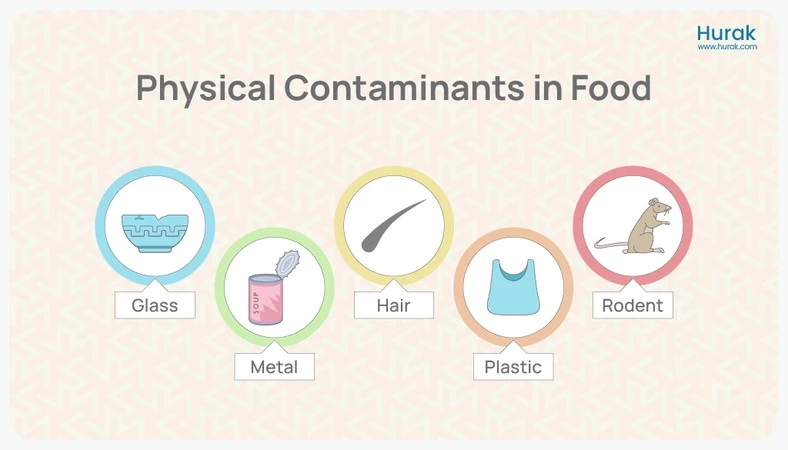
Unwanted solid objects in food cause distress, injury, or severe health implications. Physical contamination of food negatively impacts a business's reputation and success. Preventive measures to avoid physical food contamination are important safety protocols in the food industry.What is Physical Contamination of Food?Physical contamination occurs when solid foreign objects unintentionally mix with different food types. Proactive steps must be taken to prevent incidents involving physical contamination of food. This is done to protect both customers and the business.How to Protect Food From Physical Contamination?It is important for businesses to perform food safety protocols and regular staff training on hygiene practices to avoid physical contamination. Protection from physical food contamination includes:Regular Cleaning and Maintenance:Maintain a clean and hygienic environment where food is being handled and stored. Sanitising equipment, surfaces, and storage areas are important steps to prevent contamination.Food Handler Training and Educationall staff members. Special attention must be given to proper hygiene practices and contamination prevention in food handling areas. The employees should be trained on the following:wearing appropriate work clothestying back hairNot wearing jewellery or fake nailsSafety and Compliance ProgramsEstablishing an in-house safety and compliance program prioritises lays emphasis on the professional development and operational integrity of the employees. .second-cta-block .main-heading { font-weight: bold; font-size: 22px; } .second-cta-block .book-now { background: #DF3D52; color: #FFFFFF !important; border-radius: 8px; } .second-cta-block .second-heading { font-size: 17px; } .second-cta-block .card { border: 0 !important; } .second-cta-block .card-body { border: 1px solid #909090; box-shadow: rgba(0, 0, 0, 0.16) 0px 1px 4px; border-top-right-radius: 100px; border-bottom-right-radius: 100px; background: #fdf9ee; } .second-cta-block .image-wrapper { height: 330px; position: absolute; right: -60px; top: calc(50% - 210px); /* Center the image vertically */ } .second-cta-block .image-wrapper img { height: 100%; } .second-cta-block .trustpilot-widget { width: 256px; } .cta-heading-section { width: 75%; } @media screen and (max-width:991px) { .second-cta-block { padding-top: 100px; } .second-cta-block .card-body { border: 1px solid #909090; box-shadow: rgba(0, 0, 0, 0.16) 0px 1px 4px; border-radius: 19px; border-radius: 14px; background: #fdf9ee; } .cta-heading-section { width: 100%; padding-top: 50px; } .second-cta-block .image-wrapper { height: 270px; right: 0; position: absolute; left: calc(50% - 90px); top: calc(50% - 315px); } } Get Online Food Safety Courses Food Hygiene And Safety Check the Course Rated Excellent on major review sites Quality Assurance Protocols�Quality assurance protocols inspect incoming ingredients, packaging materials, and finished products against any form of contamination.Routine AuditsRegular audits are done to ensure quality and hygiene control. Thorough facility inspections can be done through a trusted third-party service. It is also capable of detecting possible loopholes in the system, which lead to physical contamination of food.Detailed ReportingThe detailed report should include a quantitative and qualitative description of the plant's operating conditions. Detecting inconsistencies through thorough evaluation allows for timely intervention and thus prevents any possible contamination events.The Hazard Analysis and Critical Control Points (HACCP) SystemThe HACCP approach performs several tasks to protect food from physical, chemical and microbiological contamination.For more information, visit our blog article �The HACCP System: Process and Principles.�Types of Physical Contaminants in FoodPhysical contaminants in food can range from harmless to hazardous. They include non-living objects and living organisms such as:PlasticMetalGlassHairRodents & pestsLikely Sources and Examples of Physical Contamination of FoodPhysical contamination can arise from various sources, including:Building structureEquipmentPackagingFood handlersAnimalsSuppliersFor example:Fragments of plaster, glass, or metal from deteriorating building materials or equipment can get mixed with food during preparation or serving.Inadequate packaging or unhygienic practices by food handlers can transfer contaminants like hair, jewellery, or plastic into food items.Physical Contamination of FoodPhysical contamination occurs when foreign objects that exist in solid states get accidentally mixed with food items. Proactive steps must be taken to prevent incidents involving physical contamination of food. This is to protect both customers and the business.Detecting Physical Contamination in FoodThe following three are the most prominent technological tools for detecting physical contamination in food.�Magnetic separatorsMetal detectorsX-ray machinesThese are specialised machines that can help detect physical contaminants. They are able to detect both metal and non-metal debris, such as glass, plastic, and stones.Responding to Food Contamination IncidentsIn case there is a food contamination crisis, necessary actions should be taken:�Remove contaminated food items by recalling them from market circulation.Conduct a thorough investigation to identify the root cause.Maintain open communication with customers who were affected by the incident.Provide transparency and reassurance regarding the steps taken to address the issue.ConclusionPrevention of physical contamination of food involves good training of food handlers and maintenance of food safety measures in food handling areas. Physical contamination is the entry of unwanted solid metals and nonmetals into food. Examples include glass, metal, plastic and hair. It has become essential for the food industry to observe the necessary steps to avoid physical contamination of food. Preventing contamination is not just about compliance; it is about safeguarding public health and maintaining trust in the food supply chain.

How to Become a Teacher from a Teaching Assistant
If you currently work as a teaching assistant, one of your career goals can be to become a teacher. Although entering the teaching profession is quite usual after being a TA for some time, it is not always necessary. Before switching from teaching assistant to teacher, many TAs decide to advance in their positions to acquire as much knowledge and expertise as possible.Several teacher assistant certifications are available to help you advance your knowledge and expertise as a teaching assistant. This blog will guide you through five ways to transition from a teaching assistant to a teacher.Can a Teaching Assistant Become a Teacher?Yes, a TA can pursue a career in teaching. There are numerous paths to teaching, many of which teaching assistants may choose. Certain pathways call for a specific level of teaching experience and qualifications. The most popular teaching qualifications a TA can obtain to get into teaching are: teaching adults, which has various prerequisites, and teaching in schools, which requires QTS or an equivalent certificate.5 Ways to Become a Teacher from a Teaching AssistantHere are five steps to help you transition from a teaching assistant to a teacher.Complete the Adult Education Teaching QualificationLevel 3 Award in Education and TrainingThere are several types of teaching opportunities, and for TAs who want to work in the field of adult education, the Level 3 Award in Education and Training is a great place to start. This is the most fundamental teaching qualification that will help you understand teaching principles.Although it's not a requirement to become a teacher, earning a Level 3 qualification is an excellent method to determine if teaching is your right career path.Level 4 Certificate in Education and TrainingOf the three teaching and training qualifications, the Level 4 Certificate in Education and Training is the second most advanced one. It is also a recommended qualification for a teaching assistant who wants to work as an adult educator.In addition to helping you assess, refine, and enhance your current talents, the course builds core teaching and training skills. It is also the first of three courses taught in person and online.Complete the Qualification for Classroom TeachingLevel 5 Diploma in Education and TrainingObtaining Qualified Teacher Learning and Skills status (QTLS) is one path to beginning your teaching career in a classroom. To apply for QTLS, you must have the Level 5 Diploma in Education and Training (DET), the most advanced teaching and training qualification. This qualification allows you to develop your teaching and training skills.After completing the qualification, you can apply for QTLS status. This status makes you eligible to work as a teacher in a classroom or other educational settings.A Degree with QTSGenerally, you need to have QTS or an equivalent qualification if you wish to teach learners who are younger than sixteen. While some private or independent schools may not require it, it is generally recommended to have it. However, this is a prerequisite at public schools. A bachelor's degree that offers QTS, such as a bachelor of education, bachelor of arts (BA) with QTS, or bachelor of science (BSc) with QTS, is one route to obtain this professional certification.The degree you choose will probably depend on the subject you intend to teach. For example, a BSc in Physics with QTS is normally required to become a physics teacher, whereas a BA in History with QTS is more suitable for someone who wants to teach history. Teachers in elementary and high schools must have QTS.The Postgraduate Certificate of Education (PGCE)If you need QTS but also have a degree, you can take the PGCE. Graduates who wish to get into teaching can benefit from this year-long programme. Depending on the university, different prerequisites may apply, such as a lower second-class honours degree and A levels in math and English. The PGCE is comparable to a master's degree and normally takes one year to complete.Training for new teachers is part of the Initial Teacher Training (ITT) PGCE programme. Seek out PGCE courses that grant QTS following successful completion. Teachers with QTS may choose to further their education with a PGCE.The Professional Graduate Diploma in Education (PGDE) is the Scottish equivalent of the PGCE, which is the same in England, Wales, and Northern Ireland. The PGDE and PGCE programmes combine academic learning with school-based work to deliver theoretical and practical knowledge to learners.Build Relationships and Networking Networking and building contacts are essential for new entrants in teaching to grow professionally and advance their careers. Going to conferences and events in your field, connecting with mentors and colleagues, and participating in online teacher communities are all good places to start. These options can help you build a support system, exchange knowledge, and obtain insights. To network with and gain knowledge from other educators, your school may also provide professional development activities and courses. To build long-lasting relationships, remember that you should have an optimistic outlook and attitude, be receptive to new ideas, and follow up with contacts. Lastly, to learn more about the hiring process and to receive tips on making an impression as a candidate, speak with the administrators, teachers, and colleagues at your school.FAQsWhat's the difference between a fully qualified teacher and a newly qualified teacher (NQT)?An NQT, or early career teacher, is a person who has obtained QTS but has yet to finish classroom training. For NQTs, the induction phase lasts three to six terms or one to two years. They are certified to teach after passing an examination at the end of each term. This induction phase can be finished either full or part-time.Are there any registration requirements to become a teacher?In Scotland, there are regulations regarding registration. QTS or a similar qualification is the only requirement in England, Wales, and Northern Ireland. Additionally, registration with the General Teaching Council for Scotland is required.Can I become a teacher without a degree?You should consider obtaining Qualified Teacher Learning and Skills (QTLS) status if you want to transition from a teaching assistant to a teacher with no degree. Since 2012, QTLS has been acknowledged as equivalent to Qualified Teacher Status (QTS), which means it confers the same qualifications on teachers as QTS.Can a level 3 TA teach a class?Yes, anyone who has achieved the Level 3 Award in Education and Training can teach a class.Can a teaching assistant teach a class?Higher-level teaching assistants can take some lessons instead of the teacher, cover absences, and teach courses alone. Typically, the purpose of hiring teaching assistants is to assist the teacher and support the classroom environment.
The 10 Most Important Teaching Assistant Skills and Qualities
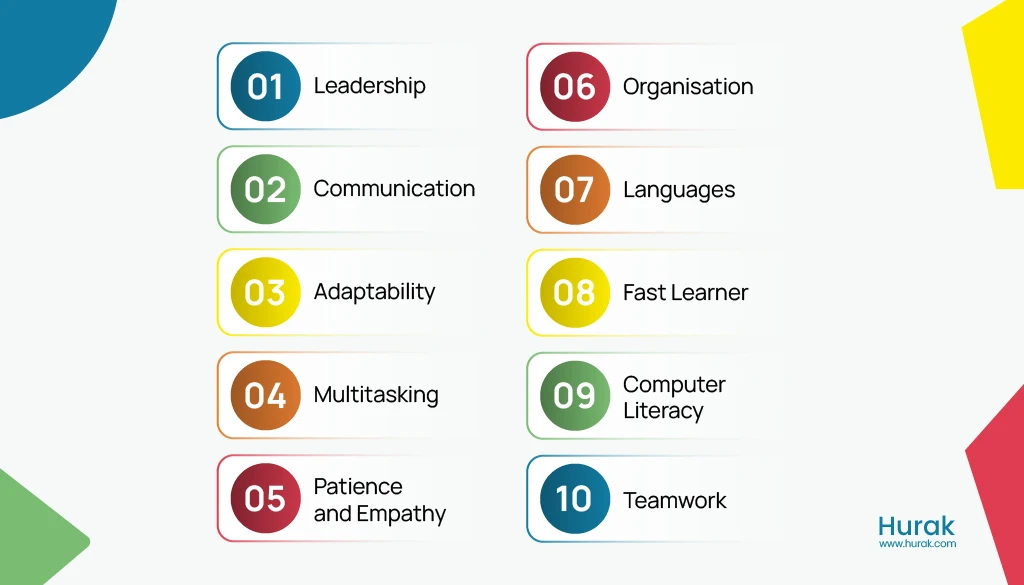
The most valuable skills on resumes for teaching assistants are soft skills, personal qualities, and practical skills. While soft skills are typically developed over time in both professional and personal contexts, practical skills can be developed through training as a teaching assistant or professional experience in educational roles.This blog will discuss the ten most important skills of a teaching assistant.The 10 Most Important Teaching Assistant Skills and Qualities LeadershipOne of the most important qualities of a teaching assistant is leadership. Teaching assistants are authority figures when working one-on-one with students. Being assertive is even more beneficial when working with groups of students because disobedient students can disrupt the classroom. On your resume, make note of any professional experience you have in a management or leadership role. If you need more professional leadership experience, think back to personal experiences where you had to learn how to lead, like engaging in your interests or hobbies.AdaptabilityThe teaching assistant role requires adaptability. Teaching assistants frequently have to make last-minute adjustments to their regular schedules to cover for staff absences or handle unforeseen difficulties. In your application for a teaching assistant position, be sure to indicate that you are adaptable to sudden changes in work. Describe how you enjoy change and work best in a setting where no two days are the same.MultitaskingTeaching assistants often handle multiple projects simultaneously, so multitasking is one of their most important skills. For instance, they might encounter unforeseen questions or interruptions that call for their quick attention while supervising a group of students, consulting a lesson plan, or marking work. When you include multitasking on your resume, you showcase your ability to manage multiple tasks simultaneously. When you multitask, you can handle problems as they arise and provide the highest calibre of instruction.Patience and EmpathyEvery learner has unique needs and struggles. By practising patience and empathy, you can offer individualised support and handle students' challenges with care. This will establish a nurturing learning environment for all students, specifically those who require more attention. As a teacher assistant, you must create an environment where all students feel respected and understood.OrganisationTeaching assistants usually have hectic schedules and are in charge of helping several students at once. Their ability to be organised facilitates efficient time management and allows them to monitor their students' academic progress. To make organising easier, keep your workspace neat, primarily if you work in shared offices or classrooms. By setting a good example, teaching assistants can motivate their pupils to be organised.LanguagesCommunicating in another language, even on a basic level, can be advantageous when working as a teaching assistant. Teaching assistants usually need to provide additional support to students whose first language is not English. Many schools highly value candidates who can support their students' English language proficiency. A Question AI study assistant can create practice questions in multiple languages, making it easier for students to improve their skills. Including your language skills on your resume may help you stand out as a more desirable candidate for this role.Fast LearnerYour career as a teaching assistant can benefit from having quick learning skills and enthusiasm in many different ways. Your ability to quickly pick up new curriculums or learning materials improves your teaching abilities with students. To support students' success, you're keen to learn about innovative teaching techniques and keep up with industry best practices. Your ability to quickly adapt to new responsibilities and procedures makes you a desirable candidate for a promotion. Additionally, being a motivated and inspired learner, you can encourage and inspire students to take an active interest in their education.Computer LiteracyTo be a good teaching assistant, you must know how to use a computer to manage work-related administrative tasks. You must also create student progress reports or keep track of attendance. Teaching assistants must assist students in using laptops or computers so they can learn using this valuable resource. Moreover, if you already have general computer literacy, you can quickly learn using new software at work. If you do not have it, you must take computer training to be a teaching assistant.TeamworkPractising teamwork is also included in the list of important skills relevant to the teaching assistant role. The purpose of teaching assistants is to support student's education at all times. They have the same objective as the parents, students, teachers, and other teaching assistants. Even working alone with students, teaching assistants must view themselves as team members. Working as a team requires you to ask for help when you need it, support others, and communicate with coworkers effectively. Being team-oriented can help you inspire others and your coworkers when faced with obstacles.Wrap UpTeaching assistants are necessary for the educational process to be improved. They play an essential role in the classroom. To improve students' educational experience, teachers should seek a great teaching assistant by identifying candidates with outstanding communication skills, subject-matter expertise, empathy, proactiveness, and a collaborative mindset. You must look for real-world experience through training programmes, volunteer work, and internships to improve your chances even more. Acknowledging and valuing the positive impact that exceptional teaching assistants (TAs) can have on students' academic performance and personal development is critical.

Teaching Assistant Salary in the United Kingdom in 2024
If you plan to become a teaching assistant in the UK, you may wonder about the salary. Undoubtedly, it�s a respectable and rewarding career. However, before you begin your career, you must know how much you will earn as a teaching assistant (TA).This blog will explain the TA pay scale in terms of different levels. It will also discuss other important aspects related to TA salary, such as holiday allowances, TA contracts, and more.What is the Teaching Assistant Salary in the UK?Typically, a Teaching Assistant in the UK earns approximately �14,674 per year. Entry-level TAs begin at �13,984 per year, while TAs with a few years of experience earn up to �16,362 per year. These salary estimates vary depending on different factors.Teaching Assistant Pay ScaleThe TA pay scale in the UK is different because it depends on various factors such as the level, region, and experience of a TA. Generally, most institutes follow the UK�s support staff pay scale, and it�s starting salary is �13,984. Different contract types offer different salaries. For example, a term-time worker will earn less than a full-time, full-year worker, even if they are on the same scale.Let�s look at the salaries for Level 1, 2, 3, and 4 teaching assistants.TA LevelsTA SalariesDescriptionLevel 1 TA Salary�13,984If you want to begin your career as a teaching assistant in the UK, you can expect to earn approximately �13,984. This is based on the local government pay scale in 2024.Level 2 TA Salary�14,329If you have some experience as a TA, you can earn up to �14,329 as a level 2 TA. The salary jump from level 1 TA might not be significant, but you can expect to earn more with higher levels.Level 3 TA Salary�15,138With level 3, you have gained much experience in the field and can expect to earn approximately �15,138 per year. The level 3 teaching assistant salary is much higher than the salaries of levels 1 and 2.Level 4 Teaching Assistant Salary�16,362This is the highest TA salary, up to �16,362 per year. The level 4 TA is called HLTA (Higher Level Teaching Assistants).These salaries are an estimation and may vary depending on the location and several other factors. However, it provides a general idea of how much you can expect to earn as a TA in the United Kingdom.Holiday Allowances for Teaching AssistantsTeaching assistants also get school holidays as paid leave only if they are on a permanent full-time contract. Due to the nature of the job, most teaching assistants are hired on term-time-only contracts. Therefore, they don�t get the benefits of school holidays as paid leave. However, in most institutions, TAs on a permanent full-time contract have annual leave entitlement, which varies from institution to institution.Teaching Assistant ContractsThere are different types of teaching assistant contracts that define TA employment conditions. These contracts adhere to the conditions set by the local authority or the institution. These contracts are:Permanent all yearTemporary all yearPermanent term timeTemporary term timeCasualUnion Membership for Teaching AssistantsTeaching assistants should join any local government union, such as Unite, Unison, or GMB. Although it�s not mandatory, it�s highly beneficial for them.FAQsWhat is the difference in pay between level 2 and level 3 teaching assistants?Level 2 teaching assistants earn approximately �14,329, whereas level 3 TAs earn up to �15,138 annually.How much does a teaching assistant get paid in the UK?The average salary for a teaching assistant in the UK is �14,674. However, the actual compensation may vary based on the roles and levels. TAs with a few years of experience can make up to �16,362 annually, while entry-level TAs start at �13,984 annually.How many hours does a teaching assistant have to work in a week?Typically, a teaching assistant in the UK works for 32-40 hours a week. However, it mainly depends on the institute and the workload.Do teaching assistants get paid in the summer holidays in the UK?Teaching assistants are paid in the summer holidays only if they are on a full-time, permanent contract. However, this is not a rule and depends on factors such as institutes� policy, contract type, location, etcWrap Up: Teaching Assistant SalaryNow that you know about teaching assistant salaries in the UK, you can decide if this is a rewarding career for you. Remember, TA salaries vary from region to region in the UK. In some cities, TAs at a particular level can earn more than others. There are different types of contracts; teaching assistants on a full-time contract can get more benefits, such as paid holidays.
Four Common Types of Food Contamination
Food contamination is a serious concern for consumer health and food business. To uphold the standard of food quality, knowledge about the common types of food contamination is important.What is Food ContaminationFood contamination refers to harmful or unwanted substances affecting food�s safety, quality and purity. Food is said to become contaminated and unfit for consumption.�Finding a strand of hair in your rice or choking on peanut chocolate to which you are allergic are some examples of food contamination.Four Common Types of Food ContaminationThe four main categories of food contamination are chemical, microbiological, physical, and allergenic. Each type has a specific nature, cause, and preventive measures.Chemical Contamination of Food: Causes and PreventionChemical contaminants are harmful substances entering food that are unfit for human consumption.Sources of chemical food contaminants include:PesticidesCleaning agentsToxins included during various food production stages.Prevention of chemical food contamination includes:Safety protocolsProper cleaning proceduresCareful storage of foods away from chemicalsFor more information, visit our blog article �The HACCP System: Process and Principles.�Microbial or Biological Contamination of Food: Causes and PreventionMicrobial or biological contamination is the most common type of food contamination. It is contamination of food items by other living organisms. Microbial contaminants are harmful microorganisms like bacteria, viruses or parasites in food that can lead to foodborne illnesses.Foods left exposed to the "Danger Zone" temperature range between 40�F and 140 �F (8�C and 60�C) are prone to bacterial contamination. Bacteria can grow twice as fast between 8�C and 60�C in 20 minutes.Sources of microbial food contaminants include:Salmonella and campylobacter pathogensUnhygienic conditionsInappropriate cooking temperaturesCross-contaminationPrevention of microbial contamination of food includes:Food hygiene standardsAppropriate cooking temperaturesCross-contamination preventionFor more information, visit our blog article �Protecting Food From Microbial Contamination.�Physical Contamination of Food: Causes and PreventionPhysical contaminants include undesirable objects in food, such as glass or metal, that can contribute towards physical injury risks.Sources of physical food contaminants include:Inadequate quality control measuresEquipment malfunction during processing and packagingPrevention of physical contamination of food includes:Proper staff trainingQuality assuranceEquipment maintenanceFor more information, visit our blog article �Protecting Food From Physical Contamination.�Allergenic Contamination of Food: Causes and PreventionAllergenic contaminants include foreign substances or allergens that can cause a reaction when they are introduced into the bodies of susceptible people. Gluten, peanuts, eggs, mustard, and soy are examples of food allergens.Sources of allergenic food contaminants include:Presence of unidentified allergensImproper cleaning of space and equipmentImproper labelling of allergens on packaged and unpackaged foodCross-contact contaminationPrevention of allergenic contamination of food includes:Labelling and identification of food allergens on food packagesProper allergen management during food preparationAir, equipment and package cleaningCross-contact contamination preventionFor more information, visit our blog article �Protecting Food From Cross-Contact Contamination.� .second-cta-block .main-heading { font-weight: bold; font-size: 22px; } .second-cta-block .book-now { background: #DF3D52; color: #FFFFFF !important; border-radius: 8px; } .second-cta-block .second-heading { font-size: 17px; } .second-cta-block .card { border: 0 !important; } .second-cta-block .card-body { border: 1px solid #909090; box-shadow: rgba(0, 0, 0, 0.16) 0px 1px 4px; border-top-right-radius: 100px; border-bottom-right-radius: 100px; background: #fdf9ee; } .second-cta-block .image-wrapper { height: 330px; position: absolute; right: -60px; top: calc(50% - 210px); /* Center the image vertically */ } .second-cta-block .image-wrapper img { height: 100%; } .second-cta-block .trustpilot-widget { width: 256px; } .cta-heading-section { width: 75%; } @media screen and (max-width:991px) { .second-cta-block { padding-top: 100px; } .second-cta-block .card-body { border: 1px solid #909090; box-shadow: rgba(0, 0, 0, 0.16) 0px 1px 4px; border-radius: 19px; border-radius: 14px; background: #fdf9ee; } .cta-heading-section { width: 100%; padding-top: 50px; } .second-cta-block .image-wrapper { height: 270px; right: 0; position: absolute; left: calc(50% - 90px); top: calc(50% - 315px); } } Get Online Food Safety Courses Food Hygiene And Safety Check the Course Rated Excellent on major review sites Impact of Food ContaminationFood contamination can lead to serious negative impacts on consumers and businesses, in the form of food poisoning and economic losses, respectively.Consumer-Related Impacts of Food ContaminationAccidental or intentional food contamination can lead to food poisoning, hospitalisation or even death. According to the Food Standards Agency, there were an estimated 2.4 million cases of food-related diseases in 2018.�The causative agents identified were salmonella and campylobacter, the most common causes of food poisoning in people.Business-Related Impacts of Food ContaminationAs the food industry has become highly competitive in the UK, even slight negligence in terms of food contamination can result in far-reaching negative impacts on the brand name. This can include:Customer dissatisfactionDamage to brand reputationDecline in the food business's economic growthMethods of Food ContaminationPhysical, chemical and microbial contamination of food can occur through direct contamination or cross-contamination. These methods introduce contaminants into food products and substances.Direct Food ContaminationDirect food contamination is the pollution of those sources from which raw food is extracted, such as plants and animals. This is due to chemical and biological contaminants in the air, soil or water in the natural habitat of the food source.�Example: Shellfish contaminated by toxic marine algae is an example of direct food contamination.Food Cross-ContaminationCross-contamination is the transfer of contaminants among different kinds of food, between food and unclean equipment and from food handler to food. It usually occurs during improper food handling. Chemical and microbial contaminants enter food products during any one of the stages of food preparation.�Example: Raw food products like meat and poultry contaminate other foods and kitchen utensils. Microbes can be transferred from one food to another by sharing the same knife or another unwashed tool. This is an example of food cross-contamination.�Which Food Hygiene Training Course Certificate Do I Need?The food safety and hygiene certificate you need depends on your job and the type of food business you work in.Level 2 Certificate: This is for people who handle, prepare, cook, or package food, like chefs, kitchen assistants, baristas, childminders, food shop workers, market stall holders, bakers, and food factory workers.Level 3 Certificate: This certification is for those who manage or supervise food-related work, like head chefs, kitchen managers, restaurant managers, food shop supervisors, quality controllers, and factory supervisors. This level covers advanced food safety management and HACCP.You can also choose food hygiene courses based on your industry:Catering: For businesses that serve food directly to customers, like restaurants, cafes, and canteens.Retail: For businesses selling packaged food, like shops, delis, and supermarkets.Manufacturing: For businesses that process and pack food, like factories and warehouses.Food hygiene training is important for everyone in the food industry, from factory workers to restaurant supervisors to supermarket employees. It is a legal requirement to know about food safety, so getting the right certificate helps you promote good food safety practices in your workplace.FAQsWhat are the four types of food contamination?The four main categories of food contamination are chemical, microbial, physical and allergenic.What is the most common type of food contamination?Microbial or biological contamination is the most common type of food contamination. It is contamination of food items by other living organisms.What is food contamination?Food contamination refers to harmful or unwanted substances affecting food�s safety, quality and purity. Food is said to become contaminated and unfit for consumption.What is direct food contamination?Direct food contamination is the pollution of those sources from which raw food is extracted, such as plants and animals.What is cross-contamination of food?Cross-contamination is the transfer of contaminants among different kinds of food, between food and unclean equipment, and from food handler to food.How quickly can bacterial contamination of food occur?Bacteria can grow twice as fast between 8�C and 60�C in 20 minutes.ConclusionChemical, biological/microbial, physical and allergenic are the common types of food contamination that pose a threat to consumer health and food businesses. Each type has a specific set of causes and preventive measures which must be studied in detail to maintain food safety and hygiene. Consumer safety must be prioritised through proper decontamination methods and awareness. This is to prevent health complications in individuals and economic losses for the food industry.�

How to Become a Teaching Assistant With No Experience
If you don't have any experience as a Teaching Assistant, you could find yourself in a never-ending cycle where you think you need experience to get a job, but you can only get experience with a job. On the other hand, you can develop your resume as a potential teaching assistant and obtain relevant experience through various non-traditional job options.How to Become a Teaching Assistant with No ExperienceWithout experience, you can still work as a teaching assistant, but your chances of getting hired as a TA may be less. While candidates with experience are more likely to be called for interviews, you can increase your chances of landing a position as a teaching assistant by taking specific actions. Here's how to get started as a teaching assistant without prior experience:Undertake an Internship or ApprenticeshipYou could assist professional teaching assistants or even participate in lesson planning as an intern teaching assistant. Apprenticeships may provide structured training in addition to employment. Moreover, they guarantee that you will get the required skills and make money at the same time.Sign Up for Volunteer WorkAnother option is to gain experience by volunteering at your child's school or with other kid-focused organisations. If you have previously volunteered to tutor kids, this can be a great experience that applies to the position. You could also volunteer in your neighborhood if this is the first time you have done it.Apply for Teaching Assistant RolesOnce you think you already possess the knowledge and expertise needed to work as a teaching assistant, you can begin applying for relevant jobs. As a teaching assistant, you can apply for a position directly with a company, institution, or educational setting. Direct applications through academy trusts or local authorities are also available. Look for job openings without experience or educational requirements, and show flexibility in the hiring procedure.Entry-Level PositionsSeeking entry-level positions in educational settings, such as a lunchtime supervisor or breakfast/after-school club coordinator, can be a stepping stone to a Teaching Assistant role. These positions offer valuable exposure to the school environment and allow you to build relationships with teachers and administrators.Get Childcare ExperienceEngaging with children beyond the limitation of formal education can be very helpful in getting a teaching assistant job. Taking care of children or helping at after-school programmes can help you better understand their needs and behaviours. This gives you a great starting point for becoming a teaching assistant because you will be skilled at communicating, being patient, and recognising the variety of kids' needs.NetworkingIf you want to become a teaching assistant but have no experience, you must engage with professionals in the field. You can attend workshops, seminars, or relevant events where you can meet experienced professionals in the field. You can show your willingness and interest in the field and your availability for the job. These professionals often look for talented and dedicated individuals for such roles. By attending such events, you will have a better understanding of this field and will gain more knowledge.Get Teaching Assistant Supporting QualificationsEven though qualifications are important, they may not always be sufficient for a teaching assistant. Since many applicants may possess very similar skills and knowledge to yours, it could be helpful to have some additional qualifications to go along with your TA certifications. Pursuing one of the many complementary qualifications available can give you additional knowledge in specialised fields like childcare, mental health awareness, safeguarding, equality and diversity, or even first aid.FAQsCan you be a Teaching Assistant with no experience?Yes, you can become a Teaching Assistant even without prior experience. Schools often look for candidates with a passion for education and a willingness to learn; many offer on-the-job training.Can you be a Teaching Assistant with no qualifications?While some basic qualifications, like GCSEs in English and Maths, are commonly required, many schools are open to candidates who need formal qualifications in education, especially if they demonstrate the right skills and attitudes.
How To Preserve Food And Why It�s Important
Food preservation keeps food safe to eat for a longer time, by stopping bacteria and spores from growing.What is Food Preservation?Food preservation primarily provides protection from germs. It is the process that extends the shelf life of food by protecting it from microbial contamination.�The time duration that food stays good to eat is called its "shelf life." Perishable food is used sooner because its shelf life runs out quickly. Non-perishable food has a long shelf life and can be stored for later use.How Do You Preserve FoodThere are different ways to preserve food. Here are some common ones:Putting food in the fridgeStoring food in the freezerPutting food in cans made of aluminium or tinAdding salt or sugar to foodLetting food fermentTreating food with heatThese methods help stop bacteria from growing and spoiling the food. They either take out water, keep it cold, seal it in a vacuum, or heat it to make it last longerPutting Food in the FridgeStoring food at a low temperature between 0�and 4 degrees celsius, slows down bacterial spread and keeps food fresh.Refrigerated food remains out of the "Danger Zone" Temperature at 40 �F and 140 �F� (8 �C and 60 �C). At the danger zone temperature, the growth of bacteria is twice as rapid.Fridge storage of food at below 5 �C for up to 3 to 4 days in most cases is preferred to prevent spoilage.Food leftovers should be stored within 2 hours to prevent prolonged exposure to room temperature.It is important to arrange food correctly stored in separate compartments or sealed containers, to prevent cross-contamination.Ideally, food items stored first must also be consumed first. The First-In First-Out (FIFO) rule confirms that food is used before it expires, reducing food waste.For more information, read our blog article, �The FIFO Food Stock Rotation.�Storing Food in the FreezerFreezer temperature usually ranges between -18�C and 0�C.�Freezing food slows down the growth of bacteria and enzymatic activity, preserving freshness and nutrients.Food stored in a freezer can remain preserved for up to several months.�It is important to cool food before freezing it.�Freezing causes water molecules to form crystals of ice.�The method reduces the amount of free water needed for microbial and enzymatic reactions.�Always maintain the freezer to the lowest temperature for proper crystal formation.�Freezing does not aim to sterilise food, it keeps the quality of food intact.Putting Food in Cans Made of Aluminium or TinStoring food in tin containers protects food from bacterial toxins.The container is sterilised using intense heat.�High temperatures in a pressure canner destroy harmful microorganisms like Clostridium botulinum spores.The required temperature for destroying these spores is 240�F (116�C).�During canning, the heat treatment kills vegetative bacteria, yeasts and moulds.�The high temperature also interferes with the process of microbial cell wall synthesis, protein production and metabolism.�Food is stored in a can under airtight conditions. The can is further heated to destroy microorganisms.�High-acid foods (low PH) such as fruits and pickles undergo low heat intensities during canning.Foods low in acidity require high temperatures for canning. Examples include meat and soups.Adding Salt or Sugar to FoodSugar and salt act as natural preservatives in food by reducing water activity and slowing microbial growth.Wet or dry sugar/salt treatment can help preserve food through desiccation or extreme dying.Drying occurs by osmosis when water moves from a region of high concentration to a region of low concentration.Water in food responsible for bacterial growth moves out into the salty environment of low water concentration.Sugar and salt-driven osmotic pressure leads to unfavourable conditions for microorganisms in water-starved environments.Letting Food FermentFermentation is the oldest method of food preservation that preserves the freshness of food through bacterial activity.�Fermentation causes acidification that inhibits the growth of microorganisms such as yeast, bacteria and moulds.�Microorganisms produce alcohols and organic acids from sugars. As a result, unfavourable environmental conditions are created for bacterial spread. The quality of food is preserved, and the shelf-life is prolonged.�Some microorganisms produce preservative compounds that help maintain the safety and quality of fermented foods.�Usually, there is no need to add chemicals or artificial additives in fermented foods.Fermentation occurs in an anaerobic environment that slows the growth of aerobic bacteria.The process of fermentation prevents unwanted oxidation of food.�Fermentation produces vitamins, enzymes, and bioactive compounds to maintain the nutritional value and health benefits of fermented foods.Treating Food with HeatPasteurisation reduces microbiological presence in solid and liquid foods by using high intensities of heat.�The process does not kill microbial growth at 100%.�Pasteurised foods have a limited shelf life and require refrigeration due to the presence of surviving microorganisms.�The main difference between the process of sterilisation in canning and pasteurisation is that sterilisation completely destroys microorganisms and spores. On the other hand, pasteurisation reduces microbial load with the presence of some surviving microorganisms. It does not change the nutritional value and taste of food.�Pasteurisation �Holder Method� Conditions: 149�F (65�C) for 30 minutesPasteurisation �High Temperature/Short Time (HTST)� Conditions: 190�F (88�C) for 15 secondsWhich Food Preservation Method is the Best?The most suitable preservation method depends on factors such as the type of food, and the desired shelf life. For example, canning is suitable for preserving fruits and vegetables. Freezing is used for preserving meats and seafood.Bacterial Spores in FoodThe shape of bacterial spores is oval or sphere-like. They are small dormant forms of bacteria that are highly resistant to heat, desiccation, and chemical agents. They survive high temperatures, up to 150�C (302�F). Spores can multiply and lead to food spoilage and potential health risks.Importance of Food Preservation in Food SafetyPrevents the growth of harmful microorganisms that cause foodborne illnessesProlongs the shelf life of perishable food items�Reduces the risk of consuming contaminated foodProtects consumers from foodborne pathogens such as Salmonella, E. coli, and ListeriaMinimises food waste by allowing extra food to be storedSaves money and reduces the environmental impact of food production and distribution. .second-cta-block .main-heading { font-weight: bold; font-size: 22px; } .second-cta-block .book-now { background: #DF3D52; color: #FFFFFF !important; border-radius: 8px; } .second-cta-block .second-heading { font-size: 17px; } .second-cta-block .card { border: 0 !important; } .second-cta-block .card-body { border: 1px solid #909090; box-shadow: rgba(0, 0, 0, 0.16) 0px 1px 4px; border-top-right-radius: 100px; border-bottom-right-radius: 100px; background: #fdf9ee; } .second-cta-block .image-wrapper { height: 330px; position: absolute; right: -60px; top: calc(50% - 210px); /* Center the image vertically */ } .second-cta-block .image-wrapper img { height: 100%; } .second-cta-block .trustpilot-widget { width: 256px; } .cta-heading-section { width: 75%; } @media screen and (max-width:991px) { .second-cta-block { padding-top: 100px; } .second-cta-block .card-body { border: 1px solid #909090; box-shadow: rgba(0, 0, 0, 0.16) 0px 1px 4px; border-radius: 19px; border-radius: 14px; background: #fdf9ee; } .cta-heading-section { width: 100%; padding-top: 50px; } .second-cta-block .image-wrapper { height: 270px; right: 0; position: absolute; left: calc(50% - 90px); top: calc(50% - 315px); } } Get Online Food Safety Courses Food Hygiene And Safety Check the Course Rated Excellent on major review sites Disadvantages of Food Preservation MethodsFood preservation methods offer several benefits, but they also have some drawbacks:Canning and drying can lead to a loss of vitamins and minerals in food.Some preserved foods have reduced palatability due to changes in texture and flavour.Packaging materials used in food preservation methods, such as cans and plastic containers, can have negative environmental consequences.FAQsWhat is the difference between pasteurisation and sterilisation?Sterilisation completely eliminates microorganisms and spores. On the other hand, pasteurisation reduces microbial load with the presence of some surviving bacteria.What temperature can spores survive?��The correct temperature for storing food in a fridge is at below 5 �C for up to 3 to 4 days.What is the correct temperature for storing food in a fridge?Fridge storage of food at below 5 �C for up to 3 to 4 days in most cases is preferred to prevent spoilage.�What is food preservation?Food preservation is the process that extends the shelf life of food items by protecting them from microbial contamination.�What are the common methods of food preservation?Common methods for preserving food are fridge/freezer storage, tin can storage, salt or sugar treatment, fermentation and heat treatment.ConclusionFood preservation protects food from microbial contamination. It maintains food safety, quality, and nutritional value. Methods of food preservation include fridge and freezer storage, tin can storage, salt or sugar treatment, fermentation, and heat treatment. They inhibit bacterial growth and prolong the freshness of food. Each preservation method is best suited based on the type of food and desired shelf life. Despite some drawbacks, food preservation methods contribute greatly to food safety.

How to Reheat Food Safely More Than Once
Ideally, do not reheat food more than once. However, under appropriate conditions, food reheated two or three times is safe to eat. When it comes to reheating leftover food more than once, whether they are home-cooked meals or dine-in takeaways, appropriate heating and storage temperatures play an important role in determining food safety.The Safety of Reheating FoodFood reheated more than once is safe if correct temperatures and proper handling conditions are followed. Although fresh food is ideal, you can safely reheat it at an appropriate temperature, using proper storage methods and suitable cooking tools.How Many Times Can You Reheat Food?It is best to eat fresh food, right after it comes out of the oven or off the stove. Food should be reheated only once, as suggested by the Food Standards Agency (FSA).If you are unsure about the odour, texture or palatability of leftover food, it is best to dispose of it. Reheating should not be done quite frequently.Each time food is reheated, its safety and quality becomes questionable. However, by following certain guidelines reheated meals can be enjoyed without concerns about food safety.Do not Reheat These Foods More Than OnceIt is safe to reheat most foods more than once under suitable temperature and storage conditions. However, there are certain foods that should not be reheated more than once. This is because frequent reheating, even if done properly, negatively affects their taste, quality, texture and overall safety. Examples of foods that should not be reheated more than once include:PrawnsFishMilkCheeseCustardCooked RiceGnocchiSoupsThe Safe Method to Reheat Food LeftoversThe safe method to reheat food leftovers requires knowledge about the correct reheating temperature, refrigeration conditions and suitable reheating equipment.Safe Reheating Temperature and Duration for Food LeftoversIt is preferable to reheat food at 165�F (74�C) for a duration of at least 2 minutes.�Achieving proper internal temperature of food to kill any bacterial growth that may have occurred during storage is the most important aspect of reheating food safely.�Food safety guidelines in England require reheated food to reach an internal temperature of at least 70 �C (158�F). In Scotland, a minimum reheating temperature of at least 82 �C (180�F) is allowed.Safe Fridge and Freezer Storage for Food LeftoversStored food must be kept refrigerated at below 5�C and frozen between 0�C and -18�C. Leftover cooked food can be stored safely for up to 3 to 4 days, with some exceptions. Any unconsumed portions of food must be stored within 2 hours.Proper refrigeration and freezer storage of food can help preserve food to maintain its safety and hygiene.Safe Reheating Equipment for Food LeftoversFood should be reheated to the ideal internal temperature of 165�F (74�C) on air fryers, stovetops, microwave ovens and conventional ovens. It is important to note that slow heating devices are not recommended for reheating leftovers.Reheating Food in an Air fryerAir fryers are a recent invention in the world of cooking that serve dual purposes of cooking and reheating. While reheating food in an air fryer, set the temperature to 350�F (175�C) and reheat food for a few minutes. Check that its internal temperature reaches 165�F (74�C). Allow frequent stirring for proper heating. Air fryers provide convenience for preserving flavour and moisture content of your reheated food.Reheating Food in a Slow CookerSlow heating devices, such as a slow cooker, are not recommended for reheating leftovers. It carries the risk of food remaining over-exposed to temperatures in the danger zone, between 40 �F and 140 �F. The danger zone temperature� increases the growth rate of food bacteria.Reheating Food in Conventional Ovens, Microwave Ovens and StovetopsConventional ovens reheat food evenly but may take longer than other heating devices. Reheating in microwave ovens requires periodic stirring for even heating. Accurate temperature control can be achieved with stovetops but may demand our undivided attention.Defrosting and Reheating Frozen FoodCompletely defrost frozen food before reheating, by placing it from the freezer to the fridge, kept at a temperature range of 0�C- 4�C. It is not recommended to defrost food at room temperature or in a microwave. This is to avoid exposure to undesirable temperatures that promote bacterial growth in food.Reheating Frozen Food TwiceOnce frozen food has been thawed, it is recommended to reheat it only once to prevent the risks of spoilage and microbial contamination. However, frozen food can be reheated more than once provided that it is thoroughly heated to an internal temperature of 165�F (74�C) to completely destroy harmful bacteria.For more information, visit our blog article, �Cooking Raw Frozen Food Without Defrosting.�Probe Thermometer to Check Food TemperatureThe reading on the thermometer will indicate whether the food has undergone any contamination or spoilage due to bacterial growth. Check temperature using an appropriate metal stem probe thermometer to detect microbial spoilage in food.Safe Reheating of Food for ChildrenThe NHS suggests that reheating cooked food for a child should only be done once. Microwaved food should be stirred properly to avoid any air pockets before feeding the baby. While reheating, food must be hot and cooled before serving.Refrigerating Food LeftoversReheated food must be allowed to cool properly before storage. For rapid cooling, food can be placed in an ice bath and chilled before placing it in the fridge.Common Risks of Reheating FoodCommon risks concerned with reheating food include inappropriate temperatures leading to uneven heating and if the food has been stored at room temperature for a prolonged period of time. These risks lead to food poisoning, anti-palatability and consumer dissatisfaction.Inappropriate Temperatures and �Hot Spots�If food is reheated at an incorrect temperature, certain parts of food reach higher temperatures than others. This creates �hotspots� that act as breeding grounds for food pathogens. Pockets of hot and cold portions of food can also lead to an unsatisfactory taste and lack of appetite for the meal.Prolonged Storage at Room temperatureThe chances of bacterial contamination increase if food is stored at room temperature for a prolonged period of time. At room temperature, food is susceptible to �Danger Zone� temperatures between 40�F (4�C) and 140�F (60�C). At these temperatures, bacteria thrive and multiply, leading to food spoilage.Food poisoning and Consumer Health ImpactsA negative consequence of consuming unsafe reheated food is food poisoning, due to entry of pathogens such as Campylobacter and Salmonella into the human body. Common symptoms of food poisoning include nausea, vomiting, diarrhoea, and in severe cases, hospitalisation or even death.Impact on Commercial Food ProductsFood reheating and storage protocols are important to uphold the reputation and popularity of a food business. If customers face health concerns due to low food quality, the demand for the food product can decline. This can result in financial losses for the food company. For consumer loyalty and trust, safe food reheating and storage guidelines should be followed.Common Mistakes in Reheating FoodSeveral common mistakes can compromise the safety and quality of reheated food. These include use of plastic or metal containers, reheating food at incorrect temperatures, and uneven heating.Use of Plastic or Metal ContainersPlastic containers, when exposed to high temperatures, can pass on undesirable chemicals to food. Sparking can occur on uneven heating with metal containers. It is preferable to use ceramic or microwave safe-glass containers to heat food evenly, to avoid chemical leaching.Reheating Food at Inappropriate TemperaturesThe appropriate temperature to reheat food is at least 165�F (74�C) to destroy bacterial growth. If reheated at an inappropriate temperature, any bacteria present in food will not be completely destroyed. This increases the risk of food poisoning. It is recommended to use a food thermometer to make sure that food has achieved desirable reheating temperatures.Lack of Stirring for Even HeatingWhen one does not stir food properly while reheating, some portion of food may become burnt while the rest would be left under-heated. This reduces palatability and promotes microbial growth in food. Constant stirring while reheating helps distribute heat evenly throughout the food, confirming food hygiene. .second-cta-block .main-heading { font-weight: bold; font-size: 22px; } .second-cta-block .book-now { background: #DF3D52; color: #FFFFFF !important; border-radius: 8px; } .second-cta-block .second-heading { font-size: 17px; } .second-cta-block .card { border: 0 !important; } .second-cta-block .card-body { border: 1px solid #909090; box-shadow: rgba(0, 0, 0, 0.16) 0px 1px 4px; border-top-right-radius: 100px; border-bottom-right-radius: 100px; background: #fdf9ee; } .second-cta-block .image-wrapper { height: 330px; position: absolute; right: -60px; top: calc(50% - 210px); /* Center the image vertically */ } .second-cta-block .image-wrapper img { height: 100%; } .second-cta-block .trustpilot-widget { width: 256px; } .cta-heading-section { width: 75%; } @media screen and (max-width:991px) { .second-cta-block { padding-top: 100px; } .second-cta-block .card-body { border: 1px solid #909090; box-shadow: rgba(0, 0, 0, 0.16) 0px 1px 4px; border-radius: 19px; border-radius: 14px; background: #fdf9ee; } .cta-heading-section { width: 100%; padding-top: 50px; } .second-cta-block .image-wrapper { height: 270px; right: 0; position: absolute; left: calc(50% - 90px); top: calc(50% - 315px); } } Get Online Food Safety Courses Food Hygiene And Safety Check the Course Rated Excellent on major review sites When to Discard Reheated Food?Sometimes bacterial activity can cause contamination in food that undergoes proper reheating. Unusual flavours, odours and texture are signs of discarding the reheated food and it�s best not to eat it.�OdourThe most prominent sign of spoilage is foul and unusual odour which could imply chemical changes in food due to bacterial contamination.FlavourUncharacteristic or sour flavour of food that is different from its original taste is another sign of food spoilage due to bacterial activity.TextureIf reheated food has become slimy or semi solid in nature, indicating unusual consistency of food, the reheated food must be discarded immediately.It is best to practise vigilance when examining reheated food before eating it. Carefully identify the signs of food spoilage in terms of foul odour, uncharacteristic flavour and inconsistent texture. Even if reheated under desirable conditions, reheated food can still become inedible due to microbial pollution.Can You Reheat This Food More Than Once?Cooked RiceIt is not recommended to reheat rice more than once. Rice must not be stored in the fridge for more than a day. While reheating cooked rice, add a small quantity of water and heat it in a microwave, checking its consistency with a fork. This will prevent rice from becoming dry or lumpy.ChickenUse of a low-temperature oven when reheating chicken maintains its stable water content. To retain the original flavour of the meat, cover it with an aluminium foil to retain moisture.Stir-fryIn a frying pan, reheat the stir-fry chicken using a small amount of oil for 2-5 minutes, with continuous stirring.For more information, visit our blog article �Can You Reheat Pork?�ConclusionReheating food leftovers more than once can be safe if proper precautions are taken. While it's best to eat food fresh, reheating can be done safely at the correct reheating and storage temperatures. Using suitable reheating equipment and even heating of food are other measures that allow people to enjoy leftover meals without worrying about food safety.
Can you reheat food
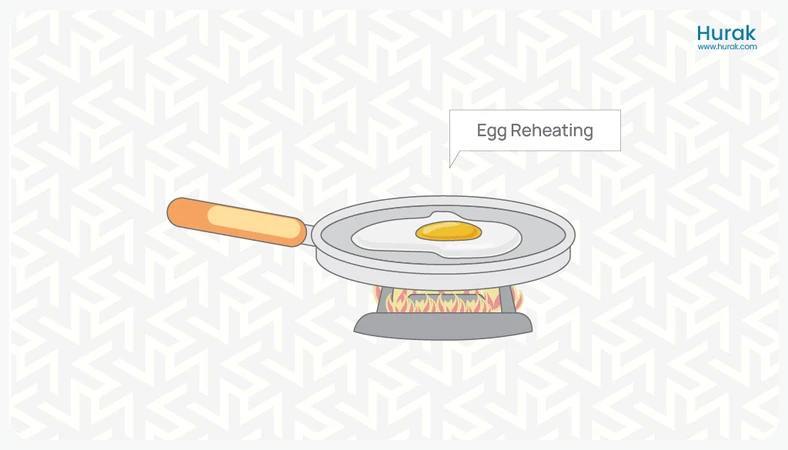
Reheating food once is recommended by the Food Standards Agency (FSA). However, with special attention to food safety guidelines, reheated meals can be enjoyed without affecting quality.General Safety of Reheating FoodFood safety guidelines require food leftovers to be evenly heated to an average internal temperature of �165�F (74�C) for a duration of at least 2 minutes in microwaves and stove tops. Reheating food in baking ovens requires higher temperatures and more time. For even heating, frequent stirring is preferred. Proper storage and defrosting of leftover food is done at the correct refrigeration temperature range between 0�C and 4�C.For more information, visit our blog article �The Safety of Reheating Food More Than Once.� .second-cta-block .main-heading { font-weight: bold; font-size: 22px; } .second-cta-block .book-now { background: #DF3D52; color: #FFFFFF !important; border-radius: 8px; } .second-cta-block .second-heading { font-size: 17px; } .second-cta-block .card { border: 0 !important; } .second-cta-block .card-body { border: 1px solid #909090; box-shadow: rgba(0, 0, 0, 0.16) 0px 1px 4px; border-top-right-radius: 100px; border-bottom-right-radius: 100px; background: #fdf9ee; } .second-cta-block .image-wrapper { height: 330px; position: absolute; right: -60px; top: calc(50% - 210px); /* Center the image vertically */ } .second-cta-block .image-wrapper img { height: 100%; } .second-cta-block .trustpilot-widget { width: 256px; } .cta-heading-section { width: 75%; } @media screen and (max-width:991px) { .second-cta-block { padding-top: 100px; } .second-cta-block .card-body { border: 1px solid #909090; box-shadow: rgba(0, 0, 0, 0.16) 0px 1px 4px; border-radius: 19px; border-radius: 14px; background: #fdf9ee; } .cta-heading-section { width: 100%; padding-top: 50px; } .second-cta-block .image-wrapper { height: 270px; right: 0; position: absolute; left: calc(50% - 90px); top: calc(50% - 315px); } } Get Online Food Safety Courses Food Hygiene And Safety Check the Course Rated Excellent on major review sites Can You Reheat Meat?Reheating meat can be done safely, if the correct temperature and storage conditions are thoroughly followed.ChickenReheating cooked chicken is safe but it is important to avoid moisture loss and changes in texture. Reheat chicken to an internal temperature of 74�C (165�F) for a minimum of 2 minutes. Reheating chicken in a microwave multiple times should be avoided as it can drastically lower its quality and taste.If leftover chicken is stored in the fridge for more than four days, it is safer to discard it. However, cooked poultry can be safely stored in the freezer for up to 6 months.Pork and Pork ProductsReheating pork dishes is safe, but maintaining their taste and texture can be a difficult task. This is particularly difficult for roast pork or pork chops, which may become dry and tough. Proper storage is required for reheating pork food.�To keep pork safe for later consumption, do not leave it out at room temperature for more than two hours.SausagesYou can reheat sausages using the microwave or stovetop. Before reheating, cut the sausages lengthwise into two halves and add a small amount of water. This will prevent them from drying out. Refrigerate or freeze leftover sausages within two hours and consume it within three days.BaconBacon can be reheated in an oven by baking it on a wire rack or foil-lined baking sheet until it is heated internally.GammonLeftover gammon can be reheated in either sliced form or as a whole joint. Warm the gammon and place it on a baking sheet at a suitable temperature.ChorizoChop the chorizo into smaller pieces for even reheating. Spread the slices on a microwave-safe plate, preferably in a single layer. Reheat in short intervals of 30 seconds to a minute, to avoid overcooking.BeefReheating beef dishes is safe. Using a microwave or stove top are preferred methods as oven reheating can lead to dryness and toughness. For best results, consider reheating beef in sauces like gravy, casseroles, or pies to retain moisture. Beef dishes already in sauce can be reheated as is or with a small amount of water in the microwave or stovetop.SteakReheating steak can be carried out by the use of a damp paper towel on top of the steak. Then heat it on medium, rotating the meat in between, for at least 2 minutes.�LambLike other meats, reheating should bring the cooked lamb to an internal temperature of 165�F (74�C), measured with a thermometer. Proper storage and defrosting procedures are essential before reheating. Portions should be cooled, sliced, wrapped in foil, and frozen for later use. For leftover frozen lamb, thaw or defrost it in a refrigerator.DuckIt is safe to reheat leftover duck. Place the duck in a microwave-safe dish and add broth or water, to prevent dryness. A plastic wrap or a paper towel can be used to cover the dish. Reheat the duck for 2-3 minutes on medium heat, until the temperature reaches at least 165�F (75�C) before serving.Meat BallsThe correct method to reheat meatballs depends on whether they are served with sauce or not. When serving with sauce or gravy, reheat them gently on the stovetop by combining them with the sauce in a pan over low heat. If not served with sauce, reheat them in the oven making sure they are warmed evenly without drying out.HaggisHaggis can be frozen and reheated for later use. When reheating, defrosting in the refrigerator from the frozen state is important. Haggis can be reheated either by steaming or microwaving.KebabReheating kebab is safe the day after but not recommended beyond that due to meat freshness concerns. Use a microwave or heat on a stove to retain juices. Cool leftovers completely before refrigerating in airtight containers.Can You Reheat Seafood?When reheating seafood dishes, it is important to address timing and method for suitable taste and safety. Cooked fish can typically be reheated within four days, with the addition of onions or garlic, to improve flavour.PrawnsIt is best to reheat prawns once to avoid texture issues. Make sure prawns reach an internal temperature of 165�F (74�C) for safe consumption, whether reheating from frozen or thawed.FishMinimum internal cooking and reheating temperature for fish is 70�C (158�F), for a time span of 15 seconds. Preheat the oven and place seafood in a buttered dish and cover with foil. Bake for around 15 minutes. For salmon, preheat to 275�F (135�C).It is advisable to only reheat fish once to avoid bacteria growth. Reheating to boiling confirms safety but may affect taste. Proper reheating maintains both safety and flavour.TunaCanned tuna and casseroles can be reheated by using a standard reheating method. For tuna steaks, reheating is possible if they are refrigerated properly. If the tuna steak has been lightly pan-seared and remains rare in the middle, a quick sear should be enough, preserving its quality.Can You Reheat Eggs and Dairy Foods?Leftover cooked eggs and egg-based dishes can be safely enjoyed if they are stored correctly and reheated to a sufficient temperature.Several reheating techniques are suitable for different types of cooked eggs and egg dishes. Internal temperature should reach at least 165�F (74�C) before serving. Reheating cooked egg dishes does not affect their nutritional value but may undergo minor changes in texture or taste.EggsWhile reheating eggs is generally safe, not all types of cooked eggs reheat well. Scrambled eggs and omelettes can be reheated. Hard-boiled eggs, whether shelled or not, can be safely reheated by placing them in boiling water for a few minutes. It is safe to reheat fried eggs but they may become tough and rubbery.MilkWhen using the microwave, reheat milk on medium to high power, stirring every 15 seconds until steam rises. On the stovetop, reheat directly in a saucepan with regular stirring.Reheating milk is possible but not advisable, as it may form a gritty texture and lose its flavour. If reheating is necessary, store the milk in the refrigerator in an airtight container. Make sure not to keep reheated milk for more than two days and discard any leftovers after this period.CheeseMany dishes containing cheese can be reheated either in the oven or microwave, but only once. Refrigerate them within two hours of cooking and consume them within 2 to 4 days to maintain freshness and safety.CustardIt is important to note that the custard can be stored in the refrigerator for a maximum of 48 hours. When reheating, use a very low heat and stir continuously until the custard is thoroughly heated. Do not bring it to a boil. Reheat only once and serve immediately.PaneerIt is safe to reheat paneer in a microwaved covered dish. Avoid overheating that can lead to a tough texture. Upon reaching the desired temperature, remove the dish from the microwave. This will maintain better taste and texture.Can You Reheat Grains and Legumes?Reheating grains and legumes is possible, if done the right way. The cooked grains and legumes can be stored in the refrigerator for a maximum of four days or in the freezer for up to six months. Thoroughly reheat them before consumption and discard any remains having unpleasant odours or appearances.PastaReheat pasta with bolognese sauce in the oven. Add extra sauce or oil if needed, and bake under appropriate conditions. For pasta without sauce, boil water and immerse the sauce-free pasta for 30-40 seconds. You can also use a metal strainer submerged in boiling water for a brief reheating period. Drain and serve.NoodlesA recommended method for reheating noodles without sauce involves placing them in a metal strainer. Then submerge them in boiling water until warmed, for approximately 30 seconds. This technique maintains texture due to the brief exposure to intense heat.QuinoaThe best approach for reheating cooked quinoa is in the microwave. Place thawed or frozen quinoa in a microwave on high heat until it reaches the appropriate temperature.OrzoLike any pasta, leftover orzo might become slightly dry. Add water before reheating. For extra flavour, add lemon juice and seasoning with salt and pepper.Bulgar WheatBulgur, once cooked, can be stored in the refrigerator for up to four days. When reheating refrigerated bulgur, place it in a saucepan with a small amount of water. Cook over medium heat until it is heated thoroughly.LentilsTo reheat lentils, place the dish in a microwave and add a small amount of water or stock. Cover the dish and microwave it, stirring periodically until heated to 165�F (74�C).Kidney BeansReheat kidney beans once to preserve taste and texture. Make sure there is enough moisture during reheating. Kidney beans should be stored correctly in the fridge or freezer.Baked BeansReheating baked beans is feasible if they have been properly stored in a sealed container and refrigerated within 2 hours. Consumed leftover baked beans within three days. Baked beans must never be reheated in the original metal container. Achieve an appropriate reheating temperature to at least 165�F (74�C).ChickpeasTo reheat, soak the chickpeas in freshwater and bring it to a boil. This is achieved on a stove top for 5-6 minutes, or in a microwave for 1-2 minutes.Cooked RiceTo reheat leftover rice using a microwave, add 2 tablespoons (30 ml) of water per cup of rice. Microwave for 3�4 minutes until hot at a temperature of 165�F (74�C). For stir-frying, use oil in a pan over medium heat, breaking up clumps and checking temperature with a thermometer. Avoid reheating rice more than once.Can You Reheat Vegetables?While reheating vegetables is possible, it is important to be cautious and avoid overheating them. Studies indicate that exposing vegetables like spinach, carrots, turnips, or celery to intense heat can convert their high nitrate content into harmful toxins. This can lead to health issues such as cancer and infertility. However, there are safe methods to reheat vegetables.QuicheFor reheating of quiche, preheat the oven to 350�F (180�C) allow the chilled quiche to reach room temperature. Then, set it on a wire rack in the oven and warm for 10-15 minutes. To prevent the crust from burning, loosely cover the quiche with foil during reheating.Baked PotatoesReheating baked potatoes can be done by slicing them into quarters. This is followed by covered microwaving for 2 minutes. For oven reheating, baking at 350�F (177�C) for at least 20 minutes is recommended.Garlic BreadReheating garlic bread is safe. Using an oven to reheat your garlic bread is recommended. Wrap the bread in foil and place it in the oven at 350�F (177�C) for 10-15 minutes.Corn on the CobTo reheat corn on the cob, there are several convenient options. In the microwave method, place the corn in a dish with water. Cover it with a damp towel, and microwave in intervals until heated to an appropriate temperature. Boiling the corn for a few minutes is another quick method. If you prefer the grill, brush the corn with oil or butter. Rotate it every 30 seconds until warm.Can You Reheat This Food?SpaghettiFor reheating spaghetti without affecting texture, the stovetop method is a suitable option. In a pan, place the leftover spaghetti with a small amount of olive oil or water to generate steam. Warm over low to medium heat, stirring at regular intervals until the dish is thoroughly heated. This reheating method saves up moisture and keeps your spaghetti fresh.GnocchiYou can reheat gnocchi using a stovetop. Boil water with salt and add gnocchi to the boiling water. Let it warm for 30 to 60 seconds, then remove. Oven reheating requires preheating to 320�F (160�C). Place gnocchi in a dish with water, and heat for 10-12 minutes. Gnocchi should only be reheated once for safety and quality.LasagnaReheating a whole lasagna is feasible and convenient. For microwave reheating, individual servings can be placed on a microwave-safe dish. Sprinkle water on the dish and cover with a paper towel. Heating in 90-second intervals is advised to avoid overheating.BurgersReheating burgers is quite simple and easy. Cook the burgers until the centre of the patty reaches 165�F (74�C). If you are adding cheese, do it during the last 1 to 2 minutes of cooking.SoupIt is best to thaw frozen soup in the refrigerator before reheating. Once thawed, you can reheat it either on the stove or in the microwave. To preserve quality, avoid reheating soup more than once, heating only the required time.When reheating clear soups or broths, bring them to a boil for three minutes. However, for soups containing thickeners like cream or flour, boiling can change the flavour and texture. Instead, bring them to a boil, then reduce the heat while stirring continuously for 3 minutes.Frozen CurryReheating frozen curry is straightforward. You can either defrost it beforehand or reheat it directly from frozen. If reheating from frozen, microwave it until it is hot enough. Stir for even heating.Dumplings (Fried or Steamed)Dumplings can be reheated but not in a microwave as it can affect the texture unfavourably. Steamed dumplings are best reheated by steaming them once more. Fried dumplings can be reheated by briefly steaming, then adding a small amount of oil for a crisp finish.Gravy For a quick reheating method for gravy, transfer the gravy to a shallow microwave-safe dish. Stir between intervals, until it is in steaming liquid form.PorridgePorridge can be reheated in a microwave, until it becomes piping hot. Stir thoroughly before eating with the addition of a small amount of liquid. Porridge can be kept safely refrigerated for up to 5 days and frozen for up to 3 months.ConclusionWhether you are reheating meat, seafood, dairy, grains, or vegetables, there are a number of suitable reheating methods to suit your taste and convenience. Some foods such as cooked rice and gnocchi should not be reheated more than once. Regardless of the type of food, it is recommended to confirm proper storage of leftovers. Use appropriate reheating temperatures to maintain food safety and quality.