

How AI Surveillance Improves Workplace Safety Compliance
According to the International Labour Organization, there are approximately 2.78 million work-related deaths each year, and 374 million non-fatal work injuries annually. Moreover, the global market for AI in workplace safety is expected to grow at a CAGR of 14.8%, reaching over $3.8 billion by 2027. These figures highlight the urgent need for more proactive and data-driven approaches to health and safety compliance.Furthermore, this article explores how AI-driven surveillance systems can revolutionize health and safety protocols across industries. It delves into real?time monitoring, hazard detection, policy enforcement, data collection for audits, and cost-benefit analysis. Additionally, this piece will showcase use cases, address privacy and ethical issues, and outline best practices for implementing AI surveillance in the workplace.Why Real Time Monitoring MattersEnhanced Visibility into Hazardous EnvironmentsConsequently, AI surveillance systems equipped with real-time video analytics enable continuous monitoring of complex or dangerous zones. For example, AI-powered cameras can automatically detect the presence of workers in restricted areas and trigger alerts. This improves oversight and ensures that response teams can react immediately in case of incidents. Companies offering AI development services play a crucial role in building such intelligent surveillance solutions tailored to specific safety and compliance requirements.Automated PPE ComplianceMoreover, machine?vision algorithms can analyze whether employees are wearing the correct personal protective equipment (PPE), such as hard hats, safety goggles, or high-visibility vests. When non-compliance is detected, the system can automatically notify workers or supervisors, thereby reducing manual checks and improving compliance rates.Intelligent Behavior TrackingFurthermore, AI systems can identify unsafe behaviors like slipping, improper lifting, or unsafe proximity to moving machinery. By analyzing body posture and movements, these systems notify managers in real time to enforce corrective actions before accidents occur.Proactive Hazard DetectionIdentifying Unsafe Conditions Before They EscalateAdditionally, AI surveillance�can detect physical hazards such as loose cables, wet floors, or obstacles blocking emergency exits. Using pattern recognition, the system can distinguish between normal and hazardous conditions and send alerts when anomalies are detected. This early warning helps prevent accidents before they happen.Environmental Risk SensingSimilarly, AI combined with sensors can detect environmental risks like smoke, chemical leaks, or excessive heat. These systems allow for rapid detection and automated escalation, significantly reducing potential harm to workers and property.Integration of night vision camera TechnologyFirstly, companies like Coram AI have begun integrating advanced�night vision camera�functionality into their systems to enhance round-the-clock safety monitoring. These cameras, capable of detecting movement and identifying workers even in low-light environments, are often powered by solutions developed by top AI development firms. This ensures consistent surveillance regardless of lighting conditions and reflects the growing role of AI in workplace safety innovation.Ensuring Policy and Procedure EnforcementAutomated Documentation of ComplianceConsequently, AI systems can automatically record footage and generate detailed logs of compliance events�such as PPE usage, machine operation procedures, or scheduled safety drills.When integrated with automated compliance software, these logs create a traceable audit trail, which supports regulatory inspections and internal reviews. To take compliance a step further, organizations can integrate these automated logs into a broader AI governance framework. This ensures that safety events, regulatory data, and access records are centrally managed, auditable, and aligned with company-wide policies. By combining real-time surveillance with structured governance, businesses can not only track incidents but also demonstrate accountability and regulatory readiness.To translate automated logs into structured compliance processes, many organisations combine safety analytics with IT compliance services that support risk assessments, policy development, and ongoing audits. This type of compliance framework support helps align surveillance data with regulatory requirements, ensuring consistent documentation, improved audit readiness, and more efficient incident management.Intelligent Access ControlFurthermore, many AI-based surveillance systems integrate with access control solutions to ensure only authorized personnel enter restricted zones. The system cross-checks ID badges, biometric data, and authorized access lists, preventing unauthorized entry and enhancing workplace safety.Data-Driven Decision MakingAnalytics and ReportingMoreover, using AI agents within data analytics dashboards, safety teams can identify trends, high-risk areas, and recurring infractions. This enables organizations to allocate resources effectively, develop targeted training programs, and measure the impact of safety initiatives over time.Predictive Risk ModelsAdditionally, AI-driven surveillance data can be used to build predictive models that forecast potential incidents based on historical patterns. Organizations can then proactively address underlying issues�such as adjusting workflows, redesigning workstations, or reinforcing training protocolsCost Benefit AnalysisReducing Incident-Related CostsConsequently, using AI surveillance to prevent accidents can result in substantial savings by lowering medical care expenses, legal fees, and regulatory fines. Fewer accidents also mean reduced downtime and higher productivity, which results in operational savings over time.Optimizing Resource AllocationMoreover, automated surveillance eliminates the need for constant manual inspection by health and safety officers. This enables organizations to reassign staff to other strategic tasks. Over time, the combination of reduced labor costs and incident avoidance typically yields a positive return on investment (ROI) within 12�18 months.Addressing Privacy and Ethical ConsiderationsTransparency and Clear GuidelinesFurthermore, transparent communication about surveillance practices helps build employee trust. Employers should clearly outline what is being monitored, how data is stored, who has access, and how long it will be retained.Data Security and Access ControlAdditionally, securing video data with encryption, unidirectional data transfer equipment and access control ensures that sensitive footage is not misused or accessed by unauthorized personnel. This minimizes the risk of data breaches and promotes ethical surveillance.Fair Use and Bias MitigationSimilarly, AI systems must be trained on diverse datasets to avoid biases that could unfairly target certain employee groups. Regular audits and algorithm reviews help maintain fairness and prevent discrimination.Implementation Best PracticesPilot ProgramsConsequently, organizations should begin with small-scale pilot programs to evaluate system performance, identify gaps, and adjust policies. Pilots help validate metrics such as detection accuracy, false alarm rates, and alert response times.Training for StaffMoreover, employees and supervisors should be trained on AI surveillance systems�both its capabilities and limitations. They must be informed how to respond to alerts, interpret data dashboards, and engage in incident documentation.Continuous EvaluationAdditionally, safety teams should regularly review system logs, performance metrics, and incident outcomes. Ongoing evaluation allows for fine-tuning alert thresholds, adding new detection capabilities, or expanding coverage as needed.FAQsWhat types of hazards can AI surveillance detect?AI systems can identify unsafe conditions like wet floors, missing PPE, spine-straining postures, smoke, chemical leaks, and unauthorized access.How does AI surveillance integrate with existing safety systems?AI surveillance can interface with access-control systems, environmental sensors, incident-reporting platforms, and company dashboards to streamline data flow and workflow.Can AI surveillance respect worker privacy?Yes. By implementing clear monitoring policies, data encryption, retention limits, and access controls, organizations can maintain transparency and trust.ConclusionIn summary, AI surveillance enhances workplace health and safety compliance by enabling real-time monitoring, automating hazard detection, ensuring procedural adherence, and providing data-driven insights. It also delivers measurable cost savings while addressing privacy and ethical concerns. As a result, organizations that deploy well-structured AI surveillance systems can create safer work environments and foster a culture of continuous improvement.Key TakeawaysAI surveillance supports proactive risk management through real-time detection of hazards and unsafe behavior.Integration of AI with environmental sensors and analytics improves policy enforcement and audit readiness.Advanced features like night vision enhance low-light monitoring and round-the-clock safety.Ethical implementation�including privacy safeguards and bias mitigation�is essential.ROI from reduced incidents and labor optimization can occur within 12�18 months with proper deployment.
Mastering Table Setting Rules: From Basics to UK-Specific Etiquette
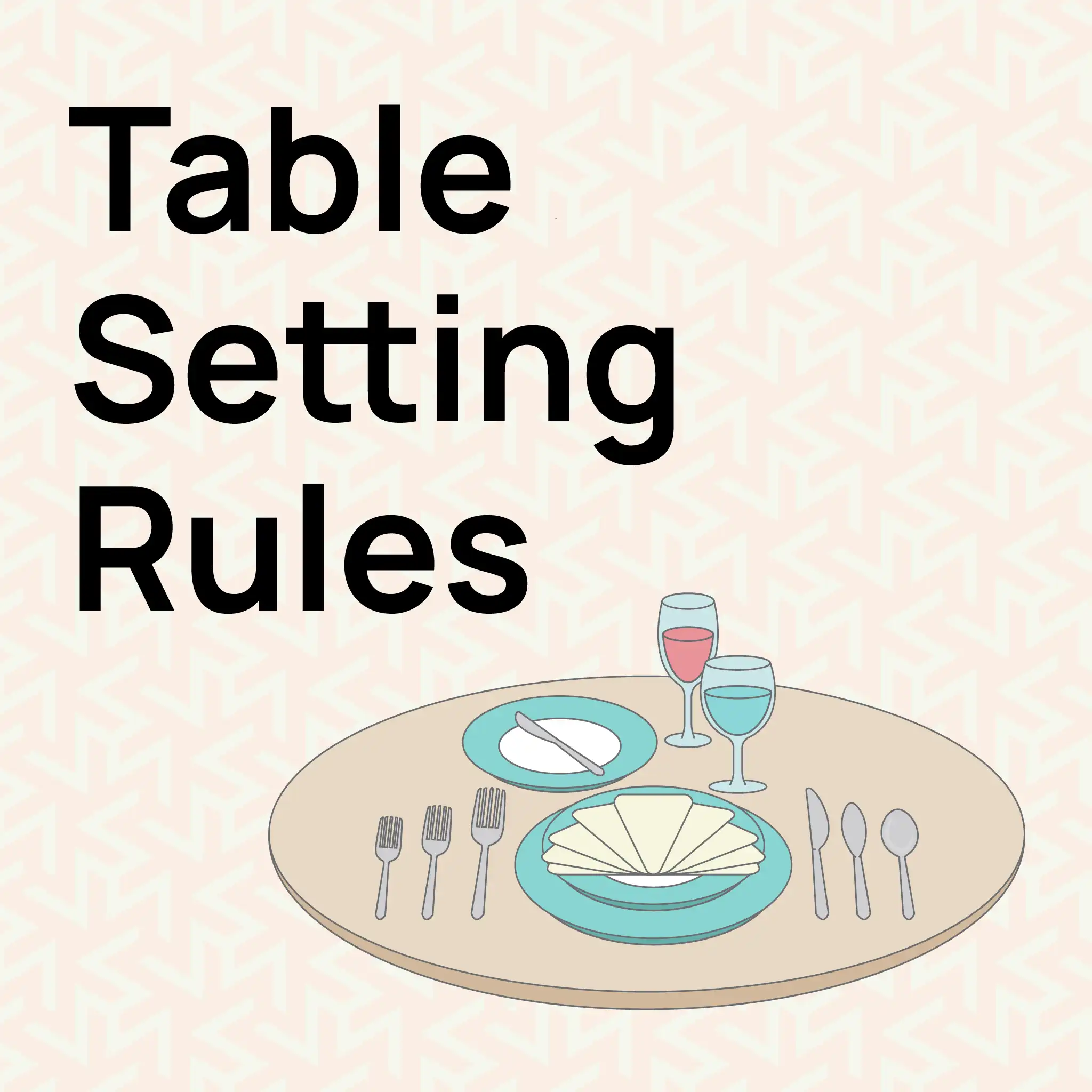
Do You Know Where the Oyster Fork Goes in a Formal Table Setting?Whether you're working in hospitality, catering, events, or corporate dining, knowing how to set a table correctly is a key part of presenting yourself and your organisation professionally. From high-end restaurants to formal banquets and client-facing events, a well-laid table sets the tone before a single word is spoken or dish is served.And it's not only the host or staff who need to know. If you're an attendee, manager, or guest speaker, understanding basic table etiquette helps you appear confident, polished, and in tune with industry expectations.In this article, we�ll guide you through the essential table setting rules - from the basics of cutlery placement to formal arrangements, UK-specific etiquette, and common mistakes to avoid. Whether you're refreshing your skills or training your team, you�ll find practical guidance that applies across industries.Sharpen Your Professional Edge with Certified TrainingIf you're serious about maintaining high standards in hospitality or catering, mastering table etiquette is just the start.�Our Level 2 Food Hygiene and Safety Course for Catering dives deeper into what every professional should know � from microbiological hazards to pest control, cross-contamination, cleaning procedures, and more.Get certified and show your commitment to industry best practices.Why Table Setting Rules Matter (Across Industries)First Impressions Begin at the TablePeople often form an opinion about you or your business, long before they�ve tasted the food or spoken to you. Your table setup is one of the first things they notice, and it instantly conveys professionalism (or the lack thereof).Whether you work in:Hospitality or cateringCorporate settingsEvent managementTraining or educationThe way you present a dinner table setting reflects your attention to detail and respect for the occasion.In Hospitality, Presentation is Half the ExperienceBefore guests even see the menu, they�re already observing:The restaurant�s exterior appearanceThe cleanliness and layout of the spaceHow the table setting looksIf the cutlery is placed correctly, napkins are folded neatly, and everything looks intentional, guests feel confident about the food before it's even served.Read our article Career Guide: Hospitality and Catering for a better understanding of this profession.In Corporate Environments, Etiquette Speaks Before You DoAt formal business lunches or networking dinners, your behaviour at the table can shape your professional reputation.People notice:How you carry yourself at the tableYour knowledge of cutlery etiquette (e.g., which fork to use firstWhether you know the difference between a formal table setting vs. casual diningYour team may get to know you over time, but first impressions are often built on small, visible habits like how you sit, talk, eat, and interact during meals.How to Set a Table: The BasicsIf you�re unsure where to start, here are a few fundamentals every professional should know:Plates: The dinner plate is placed at the centre; starter or side plates are placed on top or to the left.Cutlery: Forks on the left, knives and spoons on the right. Use cutlery from the outside in.Glassware: Water glass sits above the knife; wine glasses go slightly right and behind.Napkins: Placed either on the plate or to the left of the forks.Dessert utensils: Placed horizontally above the plate if needed.These are just the basics. For a more in-depth understanding, let�s break down the different styles of table layouts and learn how to place each item correctly.Types of Table SettingsThere are three types of table layouts. Each style suits different occasions, from casual meals to formal events.�Let�s take a closer look at each type.Basic Table SettingWhen to Use:This is perfect for a regular lunch or dinner at home. Think of meals with family.How to Set It:Dinner Plate: Place it in the centre.Knife: On the right side of the plate with the blade facing in.Fork: On the left side of the plate.Spoon: If needed (e.g. for soup), place to the right of the knife.Water Glass: Placed directly above the knife.Napkin: Either to the left of the fork or neatly on the plate.Practical Scenario Example:You're enjoying a quiet dinner at home with family after work. You place your cutlery and glass as described above -� just enough to dine comfortably without any unnecessary clutter.Casual/Informal Table SettingWhen to Use:Perfect for informal gatherings, such as dinner with friends, birthday lunches, or Sunday roasts. It�s a step up from basic but still relaxed.How to Set It:Dinner Plate: At the centre of the setting.Salad Plate or Soup Bowl: On top of the dinner plate (depending on what's served first).Cutlery:Small Fork (Salad Fork): To the left, outermost.Large Fork (Dinner Fork): To the left, closest to the plate.Dinner Knife: To the right of the plate, blade inward.Soup Spoon (if needed): To the right of the knife.Bread Plate: Above the forks, to the upper left.Butter Knife: Placed diagonally across the bread plate.Water Glass: Above the knife.Wine Glass (if needed): To the right of the water glass.Napkin: Folded to the left of the forks or placed on the plate.Practical Scenario Example:You�ve invited your colleagues for a weekend lunch at home. This setup conveys informality, yet you�ve made an effort to make them feel special and welcome.Formal Table SettingWhen to Use:This is the go-to for high-end events such as weddings, black-tie dinners, or formal restaurant service, where guests are served multiple courses.How to Set It:Charger Plate: This decorative base sits beneath the dinner plate and stays on the table until the main course is served.Plates: A soup bowl, salad plate, or fish plate is placed atop the charger in the order of the courses.Cutlery (Outside-In Rule):Left Side:Fish Fork: Far left.Salad Fork: Middle.Dinner Fork: Closest to the plate.Right Side:Soup Spoon: Far right.Fish Knife: Middle.Dinner Knife: Closest to the plate.Dessert Fork and Spoon: Placed horizontally above the plate.Oyster Fork (if needed): Far right, beyond the spoons.Bread Plate: Upper left above the forks, with a butter knife placed diagonally.Glassware:Water Goblet: Above the knives.White Wine Glass: Slightly right of the water glass.Red Wine Glass: Slightly behind and right of the white wine glass.Champagne Flute/Cocktail Glass: Behind the wine glasses.Napkin: Elegantly folded on the charger or to the left of the forks.Practical Scenario Example:You�re attending a black-tie fundraising dinner. As you approach the table, you know you�re in a professional, high-standard environment because the setup reflects it - layered cutlery, sparkling glassware, and proper placements signal care and class.Cutlery Etiquette and UsageWhen it comes to cutlery, knowing the proper etiquette not only helps you dine gracefully but also shows respect for tradition and your hosts. Here are the key points to remember:Outside-In RuleStart using the cutlery furthest from your plate first and work your way inward with each course. This classic rule helps guests know which utensils to use and when.Resting and Finished PositionsTo signal to servers you�re resting between bites, place your knife and fork in a slight �V� shape on your plate. When finished, place them parallel, usually diagonally from 4 o�clock to 10 o�clock on the plate.UK Cutlery EtiquetteIn the UK, traditional dining etiquette follows the Continental or European style. This is especially important in formal settings such as restaurants, catering events, and hospitality venues.The fork is held in the left hand, with the tines facing downward.The knife is held in the right hand, used to cut food and guide it onto the back of the fork.Unlike the American style, there�s no switching hands. The fork stays in the left hand throughout the meal.This method is seen as efficient, polite, and professional, and is widely taught in hospitality training and workplace dining protocols in the UK.How to Hold Cutlery CorrectlyKnife: Rest the handle in your palm and place your index finger along the top of the blade for better control.Fork: Hold it similarly to a pencil, but with a relaxed grip, and keep the tines facing down.Avoid stabbing food or waving cutlery while talking - these are considered poor manners.Why It MattersFollowing proper table etiquette not only shows respect in formal settings but also reflects positively on your professionalism, especially if you're working in or entering the hospitality or catering industry.Take Your Food Safety Knowledge to the Next LevelIf you're responsible for managing food handlers, overseeing hygiene standards, or training staff, it�s essential to have the right qualifications in place.�Our Level 3 Food Hygiene and Safety (RQF) course is designed for supervisors, managers, and business owners working in the food industry.? CPD-Certified�? Meets legal training obligations? Ideal for all supervisory roles in food businessesCommon Mistakes to Avoid When Setting a TableIn professional environments, minor errors in a table setup can create a negative impression.�Here are some common mistakes to watch out for while arranging the table:Placing cutlery in the wrong order - always follow the correct table setting by working from the outside in, course by course.Using mismatched tableware or leaving fingerprints on glassware while setting the table.Confusing the bread plate with the side plate or mixing up the placement of forks and knives.Ignoring napkin placement or simply tossing it on the table, continuously fold it neatly and place it appropriately.Tips to Enhance Your Table SettingOnce you�ve mastered the basic table layout, take it a step further by enhancing both its appearance and functionality:Add a centrepiece � A simple vase with fresh flowers, a decorative candle, or a seasonal item can give your dinner table setup a welcoming focal point. Just ensure it�s not too tall to block the view across the table.Use coordinated colours � Match your tablecloth, napkins, and tableware for a polished look. Neutral or earthy tones work well for a formal setting, while bright colours can bring life to casual meals.Upgrade your cutlery � Beautiful, polished cutlery not only enhances the dining experience but also reinforces good cutlery etiquette in the UK. Matching sets show attention to detail.Include place cards for formal meals � It adds a professional touch and helps avoid confusion in seating arrangements.Add texture and layering � Use placemats, chargers, or fabric napkins to introduce depth and elevate a basic table layout into something visually impressive.Glassware counts too � Clean, streak-free glasses arranged in the correct order add sophistication to any formal table setup.Lighting matters � Soft lighting, whether through candles or warm-toned bulbs, can instantly upgrade the dining atmosphere.These enhancements are subtle yet effective, transforming any table setup from functional to memorable, making them ideal for both home entertaining and professional hospitality settings.ConclusionMastering table setting rules isn't just about looks � it involves creating a clean, professional, and welcoming experience. Whether you're hosting at home, preparing for a restaurant service, or setting up a corporate event, understanding proper table setting layout and cutlery etiquette makes all the difference.From a basic to a formal table setting, paying attention to details and placing items in the correct manner helps elevate the occasion.You Might Also Like:Understanding table setting rules is just one part of mastering food service and safety. If you're looking to expand your knowledge, explore these helpful reads:TACCP vs VACCP: What's the Difference?Food Hygiene vs Food Safety: Why Both MatterChef vs Cook: Key Differences ExplainedHow Many Times Can You Reheat Food?Understanding the Kitchen Brigade System FAQsWhat are the basic table setting rules everyone should know?Place the fork to the left of the plate, the knife to the right with the blade facing inwards, and the spoon (if needed) to the right of the knife. The napkin can be placed to the left of the fork or on the plate. Glassware should be positioned above the knife.How do I set a table with the fork and knife on the same side?While traditional settings place the fork on the left and the knife on the right, for informal occasions or space-saving needs, both can be placed on the same side. Ensure they are aligned neatly, with the knife blade facing the fork.What is the correct table setup for a formal dinner?A formal table setup includes multiple courses and utensils: charger plate, soup bowl, salad plate, dinner plate, various forks and knives placed in order of use from the outside in, dessert utensils above the plate, and appropriate glassware for water, white wine, red wine, and champagne.How should I lay a table in the UK?In the UK, the fork is held in the left hand with tines facing down, and the knife in the right hand. Utensils are placed in the order of use from the outside in. Napkins are typically placed to the left of the forks or on the plate.What are some common mistakes to avoid while setting a table?Avoid overcrowding the table, mismatched or misplaced cutlery, using inappropriate settings for the occasion, and neglecting essential hygiene practices, such as clean linens and polished utensils.How can I enhance the aesthetics of my table setup?Incorporate elements like a tasteful centrepiece (e.g., a vase with fresh flowers), matching tablecloth and napkins, polished cutlery, and coordinated dinnerware to elevate the dining experience.What is cutlery etiquette in the UK?In the UK, it's customary to hold the fork in the left hand with tines facing down and the knife in the right hand. During pauses, place the knife and fork in an inverted V on the plate; when finished, place them parallel at the 6:30 position.Why is understanding table setting etiquette important?Proper table setting etiquette reflects professionalism, enhances the dining experience, and is essential in hospitality and catering industries to meet guest expectations and standards.
How Flavour Shapes the Way We Eat: Types, Profiles Global Influence
Flavour plays a crucial role in every eating experience. Most of us have a basic understanding of what flavour is. We judge food by it, and we know something is delicious when it has the right one.Flavour is what gives food its taste and keeps your customers coming back for more.If you are a chef, run a restaurant or cafe, or work in catering, flavour is a big part of your everyday work. Getting it right can turn a good dish into a great one and help your business stand out.�This article is a quick and simple guide to understanding flavours.What is Flavour?As mentioned above, flavour is what gives your food its taste, but it is more than just taste; it's the whole experience of eating. It's the way your senses come together to help you enjoy food.The moment you bite into something, your tongue picks up the basic tastes - sweet, salty, sour, bitter and umami. But your nose, too, is picking up all the subtle aromas that give food its character.Flavour is also deeply tied to memory and emotion. It is why the smell of freshly baked bread might remind you of home, or why a well-seasoned Sunday roast with crispy roasted potatoes can take you back to a special family meal.Flavour doesn�t just stay on your tongue, it lingers in your mind.That is why two people can eat the same dish and have different opinions about it. One might call it comforting, while the other finds it overpowering. Flavour is personal, shaped by your background and mood.Think of the joy in tasting a perfectly ripe mango on a warm afternoon, it is not just the sweetness you notice, but the smell, the texture, the memories it triggers, and how it makes you feel in that moment. That whole experience -� that is the flavour.Flavour is generally classified into three main types. Understanding them can help you design better menus, create more balanced dishes, and make smarter choices when reading labels. It can help you greatly when combined with a clear understanding of the Food Pyramid and how different food groups support a healthy diet.Different Types of FlavourNatural FlavoursThese come from natural sources, such as fruits, plants, herbs, or animals. They may be extracted or concentrated, but they originate from natural sources.Examples: Lemon, vanilla, mint, or ginger.Often used in foods that want to keep a �clean label� or natural appeal.Artificial FlavoursThese are made in labs to copy the natural flavours and sometimes to create new ones. They are safe to eat and are often used because they are cost-effective.Examples: Flavours like strawberry, banana, or chocolate that are created without using the actual fruit or base ingredient.Often used in sweets, soft drinks, and packaged snacks.�Spices and HerbsThese are ingredients that add flavour on their own, they are not made in a lab or added as extras. They come from plants and are used in various cooking methods to add depth and aroma.Examples: Black pepper, basil, rosemary, cumin, thyme.Used fresh or dried, ground or whole, in both home and commercial kitchens.Why is Flavour Important?Flavour is much more than just a part of food. It�s at the heart of the eating experience. It is what makes a dish stand out. You might forget what was on the plate, but you�ll remember how it tasted.The flavours you use decide how your dish will come together, whether it falls flat or leaves a lasting impression. Flavour connects to memory, mood, and personal experience.One flavourful bite can remind someone of home, a special event, or even a holiday abroad.Why Flavour Matters to Businesses and Customers?In today�s competitive food industry, flavour does more than just please the palate; it plays a decisive role in building customer loyalty and shaping your brand.Flavour brings customers back - people often return to a restaurant, caf� or takeaway not just for the setting but because something in the taste stays with them.It builds emotional connection - a flavourful dish can trigger nostalgia, comfort, or joy, and that's what turns first-time diners into loyal regulars.It is the foundation of authenticity - customers remember food that tastes real, rich, and unique. Flavour is what makes your offering stand out in the market.Flavour influences trends - pairing unexpected ingredients or creating bold new combinations can set trends, like the recent viral �pink sauce� wave across the U.K., which gained traction for its unique blend of creamy, tangy, and spicy flavours.Customers today are looking for more than just taste in a brand. They care about the story behind the plate.�They notice things like whether your ingredients are sourced responsibly, whether your team is treated fairly, and how your food is made, whether it is crafted with care or rushed and artificial.Even the little things matter.The way your packaging looks and feels, the aroma that greets them before the first bite, and the texture that completes the experience. These details help shape how your food is remembered, but ultimately it�s the flavour that truly brings them back.�To see how this works in practice, let�s look at a real-world example of how a business used flavour innovation to meet both health goals and customer expectations. Case Study: Kerry Group's Flavour Innovation in Reduced-Sodium SnacksKerry Group successfully developed cheese-flavoured savoury snacks with reduced sodium content, targeting markets in Mexico and the USA. By utilising their Tastesense� Salt technology, along with fermentation and Smoke & Grill techniques, they maintained the authentic cheese flavour while adhering to health guidelines.Key Highlights:? Sodium Reduction: Achieved up to 60% reduction in sodium without compromising on flavour.? Flavour Preservation: Maintained the desired cheese flavour profile by using the advanced flavour-preserving technologies.? Market Compliance: Aligned with health regulations in target markets.? Source: Kerry Group Case StudyThis case study exemplifies how businesses can innovate in flavour to meet health objectives without sacrificing consumer satisfaction.Understanding Flavour ProfilesUnderstanding your customers� flavour preferences is an essential part of delivering a great food experience. And that starts with the understanding of flavour profiles - the combinations of tastes and aromas that define a dish, a cuisine, or even a culture.Flavour profiles help us recreate tastes from around the world and build dishes that are rich, layered, and memorable. These profiles often reflect regional habits and preferences of what grows locally, what�s been passed down through generations, and what people have come to love over time.Take Italy, for example. Italian food is known for its bold yet balanced flavours, think of garlic, olive oil, fresh basil, ripe tomatoes, and aged parmesan. These ingredients combine to create the comforting, savoury profile we often associate with Italian cuisine. It�s not just about the ingredients, but how they blend together, the sweetness of tomatoes balancing the sharpness of cheese, the warmth of garlic complementing the freshness of herbs.Understanding flavour profiles like this can help you do more than just replicate a dish, it enables you to pair ingredients smartly, adapt recipes to suit your customers� tastes, and even innovate with confidence while staying true to a culinary tradition.Flavour is what brings people together - across tables, cultures, and memories.Different cultures have perfected their own unique blends of taste and aroma over centuries, giving us iconic flavour pairings that are loved worldwide.Here are some well-known cuisines from around the world and the unique flavour combinations that make them stand out.Global Flavours: What Makes Each Cuisine UniqueThai � Thai cuisine is known for its vibrant contrast of sweet, salty, sour, and spicy. Think lemongrass, lime, chilli, and fish sauce � all working together to hit every part of your palate.Mexican � Smoky chipotle, earthy cumin, zesty lime, and fresh coriander make up the backbone of bold and layered Mexican flavours.Indian � Spices like cumin, coriander, turmeric, and cardamom are layered carefully to create depth and warmth, with balance coming from yoghurt, tomato, or citrus.Japanese � Clean and delicate, Japanese food relies on umami-rich ingredients like miso, soy sauce, seaweed, and dashi, often balanced with subtle sweetness or acidity.These combinations show just how much thought and tradition go into getting flavour right. And that brings us back to why flavour matters, it�s not just about making something taste good, it�s about creating an experience people remember.FAQsWhat�s the difference between flavour and taste?Taste is what your tongue senses - sweet, sour, salty, bitter, and umami. Flavour includes taste, smell, texture, and even memory and emotion. Many people use the words 'flavour' and 'taste' interchangeably, but in food training, it�s important to distinguish them, just like how we differentiate between cross-contamination and cross-contact.What makes food taste more flavourful?Using fresh ingredients, proper seasoning, and balancing tastes like sweet, sour, and salty can make food more flavourful.How does flavour work?�Flavour works through a mix of taste, smell, and texture. When you eat, your brain combines all these signals to create the flavour experience.What are the main components of flavour?Taste, aroma (smell), and mouthfeel (texture) are the key components of flavour.Why is flavour important in food preparation?Flavour makes food enjoyable, helps build customer loyalty, and sets your dish or brand apart.What is umami?Umami is a savoury taste often described as meaty or broth-like. It is one of the five basic tastes and adds depth to many dishes.What is aroma?Aroma is the smell or fragrance of food that greatly influences how we perceive flavour. It is detected by the nose and plays a key role in the overall eating experience.What does mouthfeel mean?Mouthfeel refers to the texture and physical sensations of food in the mouth, such as creaminess, crunchiness, or smoothness, which contribute significantly to flavour perception.
Clean As You Go Simplified: Essential Tools and Implementation Tips
�Clean as you go� may appear to be a simple concept, but it can be challenging to implement in practice, especially in high-pressure workplaces with multiple staff members. Without proper structure and clearly defined responsibilities, this straightforward idea can quickly lead to confusion, missed tasks, and serious concerns regarding food safety and food hygiene. To be effective, the policy must be well-organised and embedded into the daily workflow to maintain a clean and safe environment.A clean as you go (CLAYGO) policy is a cleaning strategy that promotes continuous cleaning throughout the working day. It encourages staff to view cleaning as a routine responsibility, rather than a one-off task, thereby helping to maintain hygiene at all times.In this article, we�ll explain what clean as you go means, how CLAYGO policies work, the tools required, how to implement them effectively in the workplace, and more.What do you mean by Clean as you go?Clean as you go (CLAYGO) is a standard policy widely used in professional environments like hospitality and catering. It is a cleaning method that involves cleaning work areas immediately after completing a task, rather than leaving it for the end of the shift.For example, it could mean a chef wiping down their workstation after preparing a dish or staff disposing of food waste and spills right away. This proactive approach ensures that cleanliness is maintained throughout the day.Why Is It Important?Implementing a CLAYGO policy helps maintain consistent hygiene and reduces the risk of cross-contamination.It ensures compliance with food safety standards.It promotes a shared sense of responsibility - cleaning isn't limited to just one role. From junior staff to senior managers, everyone contributes to maintaining a clean, safe, and professional work environment.Types of CleaningNow that we understand what �Clean as You Go� means and why it matters, let�s take a closer look at the two main types of cleaning.In a professional setting, a Clean as You Go policy is typically divided into two key segments:Immediate CleaningThis type of cleaning is about acting fast. Spills, broken glass, or dropped food must be addressed immediately to prevent accidents or contamination. Staff should know precisely what to do and have cleaning materials readily available, such as gloves, paper towels, disinfectant spray, and warning signs. Quick action keeps the environment safe and prevents minor issues from escalating into major problems.Routine CleaningRoutine cleaning focuses on maintaining clean and hygienic work areas throughout the day. Tasks include wiping surfaces, clearing food waste, emptying bins, and cleaning tools or equipment after use. These jobs should be part of everyone�s daily schedule, not left until the end of a shift.By clearly separating urgent clean-ups from regular tasks, it�s easier to keep the workplace running smoothly, safely, and to a high standard of hygiene.Real Example: Cleaning Between Tasks to Prevent ContaminationA chef finishes prepping meat for lunch service and immediately disinfects the chopping board and work surface before starting on fresh vegetables to avoid contamination.How to Implement and Manage �Clean As You Go� in the WorkplaceTo make the 'clean as you go' policy effective, it must be incorporated into your daily routine. In a busy workplace, setting clear standards is essential.Everyone should know exactly what they are responsible for. This avoids confusion, reduces delays in action, and ensures tasks are not just left for �someone else� to handle. Assigning specific cleaning responsibilities to staff based on areas, tasks, or time slots helps maintain order and supports a hygienic environment.However, immediate cleaning tasks, such as spillages or breakages, must not require management's approval. Staff members must be trained to act on them promptly to prevent any hygiene and safety issues.A clear and clean-as-you-go approach not only promotes hygiene but also improves operational flow in high-paced environments, such as commercial kitchens.Make sure your workplace has a proper waste management plan to support daily cleaning efforts. If rubbish, packaging, or debris is left to pile up, even the best cleaning routines can fail. By working with trusted Lakeland dumpster services, you can ensure waste is removed regularly. This helps keep work areas clean, safe, and organized, allowing staff to focus on their tasks without interruptions.Real Example: Quick Action After a SpillA kitchen porter accidentally spills oil on the floor during a busy lunch service. Instead of waiting, they immediately place a wet floor sign, use absorbent granules to soak up the spill, and clean the area before anyone slips.Steps for smooth implementation:Once you�re clear on when and what to clean, the next step is to implement it and make this practice part of your team�s daily habits. Below are a few steps for implementing CLAYGO smoothly in your organisation.Outline cleaning duties clearly, specifying who is responsible for what and when.Train all staff, including both new and existing employees, so they understand the policy.Place cleaning equipment where it�s needed most, especially near food prep zones and walkways.Define disposal procedures, including waste management, and when bins must be emptied.Use signage or checklists, as visual reminders of key cleaning responsibilities.After putting your 'Clean as You Go' (CLAYGO) plan into action, it�s equally important to ensure that your staff are well-trained and consistently supported. Ongoing training and regular monitoring are crucial for maintaining the policy and ensuring it becomes an integral part of your workplace culture.Staff Training, Monitoring, and Refresher:How to Train StaffDeliver training as part of onboarding for all new employees.Use practical demonstrations�walk through what immediate vs routine cleaning looks like in real kitchen settings.Provide visual aids, such as cleaning checklists and the CLAYGO poster.How to Track ComplianceUse a daily cleaning checklist that staff must tick off and sign at the end of their shift.Supervisors should conduct spot checks to ensure that cleaning is done correctly and not just ticked off.Encourage peer accountability by having team members remind each other of their CLAYGO duties.�How to Refresh TrainingSchedule regular refresher sessions (monthly or quarterly).Review hygiene-related incidents during team meetings and utilise them as learning opportunities.Update posters and checklists if procedures change to keep materials relevant and engaging. Essential Tools to Support the Clean as You Go PolicyIn a busy kitchen, cleanliness and speed go hand in hand, and the staff needs to have access to the right tools at all times. These tools help ensure that food areas remain safe, hygienic, and clutter-free throughout the day.Here are the essential items every kitchen must have in a cleaning tool kit:Blue roll or absorbent paper towels � Ideal for wiping spills, drying hands, and keeping surfaces dry.Food-safe disinfectant spray � For sanitising worktops, utensils, and preparation areas.Rubbish sacks or waste bins � Easily accessible for immediate disposal of food waste and packaging.Absorbent granules or spill powder � Useful for soaking up oil, sauces, or any liquid spills quickly and safely.Sponges or disposable cloths � For regular cleaning of surfaces and kitchen tools.Dustpan and brush � To sweep up crumbs, food particles, or broken items efficiently.�Wet Floor� or hazard warning signs � To mark freshly cleaned areas and prevent slips or accidents.Having a well-stocked cleaning kit within reach supports hygiene and promotes a smooth and safe kitchen operation.To make it even easier for your team to stay on track, we�ve created a visual reminder you can display in your workspace.Clean As You Go Poster � Essential Tools and Tips for a Safer KitchenUse this poster to understand the CLAYGO (Clean As You Go) policy at a glance. It highlights the key cleaning tools your kitchen should have and outlines clear steps for effective implementation, even in the busiest work environments.Download our 'Clean as You Go' poster to help your team follow hygiene standards visually and consistently.FAQ'sWhat does "Clean As You Go" mean?Clean as you go means cleaning work areas, tools, and surfaces immediately after use rather than waiting until the end of a shift. It�s a proactive hygiene approach that helps reduce the risks of cross-contamination and supports a safer, more efficient workspace, especially in kitchens and food-handling environments.What is a Clean As You Go policy?A clean-as-you-go policy is a structured cleaning system that encourages staff to clean continuously throughout the day. It outlines responsibilities, schedules, and standards for maintaining hygiene throughout the workplace. This policy is particularly essential in industries such as food service, hospitality, and healthcare.What tools are needed for a Clean As You Go system?Essential clean-as-you-go tools include paper towels or blue roll, food-safe disinfectants, sponges, dustpans and brushes, rubbish sacks, spill granules, and 'Wet Floor' signs. Having these items readily available helps staff act quickly and maintain hygiene throughout the workday.Can I download a Clean As You Go poster?Yes, a clean as you go poster is available to help staff visualise and understand the policy. It outlines key tools and responsibilities, making it easier to train teams and maintain a high level of hygiene. Scroll up to download the CLAYGO poster directly from this article.What is the difference between "clean as you go" and "clear and clean as you go"?Clear and clean as you go refers to removing clutter (clearing) and cleaning surfaces simultaneously. This two-step process is especially effective in kitchens where hygiene and efficiency are crucial. It's a common practice recommended by food safety authorities in the UK.