

What are High-Risk Food Types and How To Prevent Their Contamination
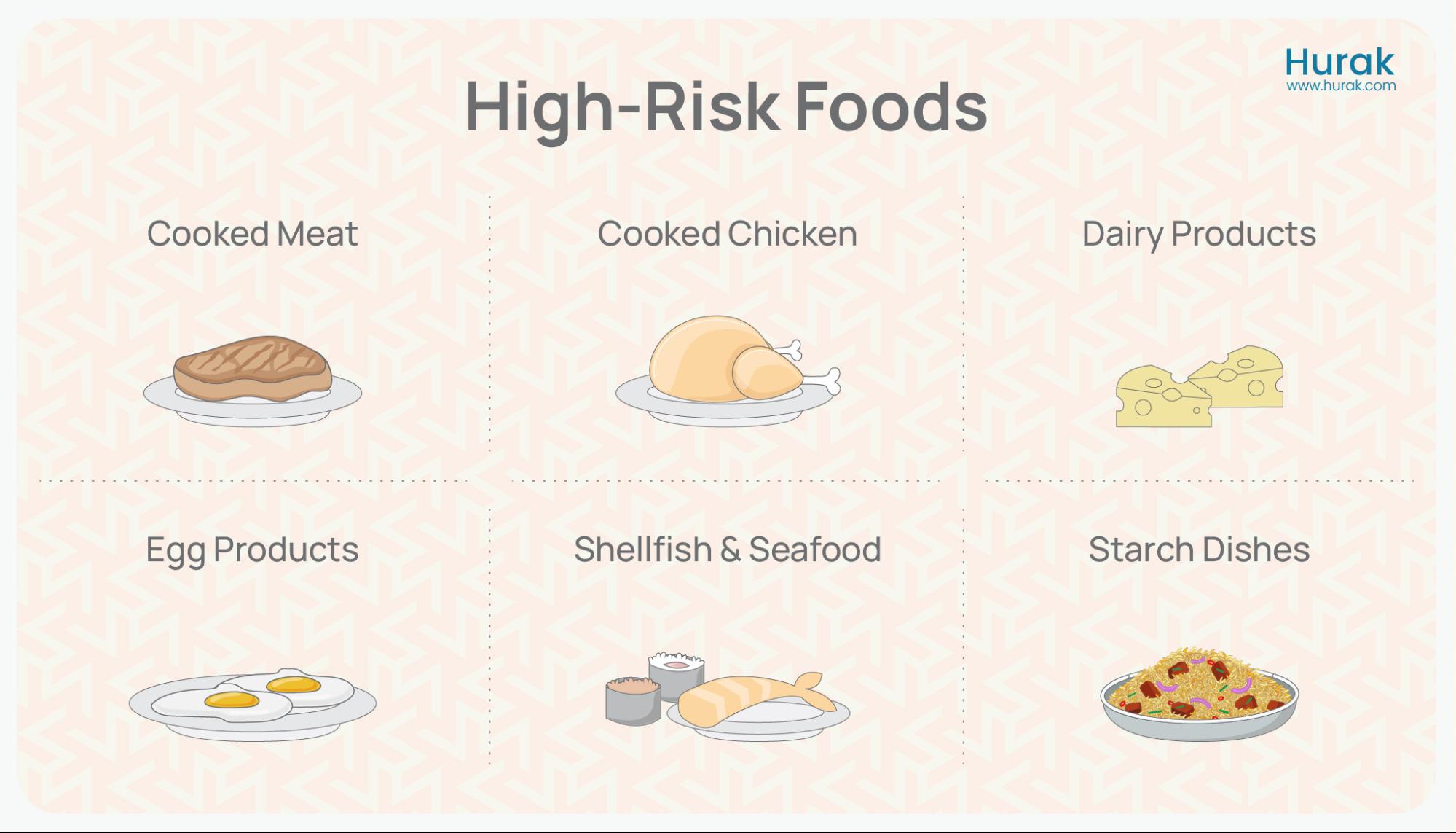
Certain types of food are more likely to get contaminated, and it is important to identify these high-risk food types. Understanding the sources of contamination and taking proper storage measures is key to reducing food contamination.The Food Standards Agency (FSA) reported increased food poisoning cases in the UK. In 2009, there were around 1 million cases annually, but by 2022, this number had risen to 2.4 million. Food poisoning is a serious health issue when contaminated food is eaten.What are the Food Risk CategoriesHigh-risk food types have an increased chance of harmful bacteria growing and are stored under refrigeration.Low-risk food is typically low in moisture and contains high sugar and salt content. Bacteria struggle to multiply under these conditions, so it is stored safely at room temperature. .second-cta-block .main-heading { font-weight: bold; font-size: 22px; } .second-cta-block .book-now { background: #DF3D52; color: #FFFFFF !important; border-radius: 8px; } .second-cta-block .second-heading { font-size: 17px; } .second-cta-block .card { border: 0 !important; } .second-cta-block .card-body { border: 1px solid #909090; box-shadow: rgba(0, 0, 0, 0.16) 0px 1px 4px; border-top-right-radius: 100px; border-bottom-right-radius: 100px; background: #fdf9ee; } .second-cta-block .image-wrapper { height: 330px; position: absolute; right: -60px; top: calc(50% - 210px); /* Center the image vertically */ } .second-cta-block .image-wrapper img { height: 100%; } .second-cta-block .trustpilot-widget { width: 256px; } .cta-heading-section { width: 75%; } @media screen and (max-width:991px) { .second-cta-block { padding-top: 100px; } .second-cta-block .card-body { border: 1px solid #909090; box-shadow: rgba(0, 0, 0, 0.16) 0px 1px 4px; border-radius: 19px; border-radius: 14px; background: #fdf9ee; } .cta-heading-section { width: 100%; padding-top: 50px; } .second-cta-block .image-wrapper { height: 270px; right: 0; position: absolute; left: calc(50% - 90px); top: calc(50% - 315px); } } Get Online Food Safety Courses Food Hygiene And Safety Check the Course Rated Excellent on major review sites Explaining High-Risk FoodHigh-risk food types are ready-to-eat items. They do not undergo further heat treatment or cooking to protect against microbial contamination. They act as breeding grounds for the growth of pathogenic bacteria.High-risk food has a high protein content and a higher chance of bacterial spread. It requires careful handling and storage to prevent microbial growth.Examples of High-Risk food include:Cooked meat and poultry:Beef, pork, ham, lamb, chicken, turkey, duckCooked meat products:Meat pies, pasties, p�t�, meat stock, gravy, cook-chill mealsDairy products:Milk, cream, artificial cream, custards, products with unpasteurised milk, ripened soft and moulded cheesesEgg products:Cooked eggs, quiche, products containing raw or lightly cooked eggs (e.g., mayonnaise, mousse, homemade ice cream)Shellfish and seafood:Mussels, cockles, cooked prawns, raw oystersStarch dishes:Cooked rice, pastaExplaining Low-Risk FoodLow-risk food remains safe at room temperature. It is less likely to cause food poisoning. Examples include:Preserved food:Smoked or salted fishDry good:Bread, flour, biscuitsAcidic food:Pickled foods, vinegar, fruitFermented productsSalami, pepperoniFood with high sugar/fat content:Jam, chocolateUnopened tinned foodThese food types typically contain low moisture or are preserved to inhibit bacterial growth, reducing the risk of contamination and foodborne illnesses.Is Raw Chicken a High-Risk Food?There is a misunderstanding that raw chicken is high-risk. Although eating improperly cooked or thawed raw chicken can lead to illness, it is not a high-risk food type. In the UK, it undergoes additional cooking or roasting before consumption, destroying bacteria.For instance, raw chicken provides an ideal environment for bacterial growth due to its protein content and moisture. However, this does not categorise it as a high-risk food unless eaten raw.On the other hand, cooked chicken, having undergone preparation and cooking, is immediately eaten without further treatment. If contaminated post-cooking, it can lead to foodborne illnesses. Therefore, it is a high-risk food.How Does Bacterial Spread Occur in FoodBacteria can multiply rapidly under suitable conditions. Especially at the Danger Zone�Temperature, bacteria can double in number every 10 to 20 minutes.These multiplying bacteria absorb nutrients from their surroundings through their cell walls and release toxins that can cause illness if consumed.For bacteria to multiply, they require:ProteinMoistureWarmthNeutral pH conditions (not too acidic or alkaline)Sufficient timeFor example, an apple contains moisture but lacks the protein needed to support bacterial growth, making it a low-risk food.How Should You Store and Handle High-Risk FoodDetecting contamination of high-risk food is not always possible through sight, smell, or taste. Therefore, correct storage is important for preventing contamination with high-risk food.Lowering temperatures significantly slow down this growth process, making refrigerators and freezers important for preventing bacterial spread.The table below lists the causes and prevention of high-risk food types.Cause of High-Risk Food ContaminationPrevention of High-Risk Food ContaminationInappropriate cooking or reheating temperature�Confirm that the internal temperature of the food reaches 75 degrees or above while cooking or reheating�Inappropriate food storage conditionsRaw and cooked food must be stored separately�Properly rearrange food according to their type.�Maintain fridge temperature at below 5 �C and your freezer below -15 �C.�High-risk food left exposed at the Temperature Danger ZoneDo not leave food to thaw or defrost at room temperature for over 2 hours.Handling food using unclean equipment or surfacesUse different colour-coded chopping boards or utensils for different food types�Handling food using unwashed hands�Wash hands before and during food preparation using the 7 steps for hand hygieneFood eaten after the �Use By� date�Microbial growth will likely occur in high-risk food types if eaten beyond their �Use By� date.�Follow the FIFO Food Stock Rotation Method for the timely consumption of food to prevent food-borne illnesses.Carelessness in detecting food-related hazards�Implement the HACCP process throughout the food production and supply cycle.ConclusionColour-coded chopping boards help keep your food and customers safe by minimising microbial cross-contamination and allergenic cross-contact risk. Using separate chopping boards for different food types is a good kitchen practice that controls contamination. Be consistent with your specific chopping boards, and discard those with prominent cracks and damage.

Which Quality Assurance Qualification Do I Need
Quality assurance plays an important role in overcoming quality-related concerns within organisations. Quality failures, such as biased assessments, can damage an organisation's reputation. Early detection of issues saves the cost of correcting systematic errors. To become a quality assurer, you must pass relevant qualifications. QA qualifications are of two types: internal and external. A learner must read the course guidelines carefully to choose the right qualification.Internal Quality Assurance IQAQuality assurance is the backbone of maintaining quality standards in products or services. IQA confirms fairness and quality in assessments. Organisations rely on IQAs to oversee assessors' activities. They confirm that all evaluations are impartial and uphold the organisation's reputation for quality.The responsibilities of an Internal Quality Assurer may include:Verifying that assessors meet requisite standardsOrganising monitoring activitiesCollaborating with assessors, trainers, and employers for uniformity in assessment practicesAssessing the performance of trainers and assessors and offering constructive feedbackAssisting trainers and assessorsReviewing samples of assessment records and decisionsEngaging with learnersPlanning the methods and timing of assessor monitoringIdentifying the best practices across the organisationInternal Quality Assurance (IQA) ensures that institutions offering official qualifications regulated by Awarding Organisations maintain high standards.Awarding Organisations, Bodies, or Exam Boards issue certificates and set qualification standards. An IQA oversees compliance with Awarding Organisation requirements, which is especially important for assessing candidates' qualification process. .main{ border:3px solid #0f7c90; border-radius:20px; position: relative; font-family:roboto; font-weight: 400; color: #000; } .main-two{ position: absolute; top:-25px; left:45px; background-color:white; } .img-div{ border-radius : 100%; padding:2px 7px; background-color:#0f7c90; margin-right:5px; width: 50px; height: 50px; } .img{ width:30px; object-fit:contain; height:auto; border-radius : 100%; } @media only screen and (max-width: 600px) { .heading{ font-size:20px; } .img{ width:20px; object-fit:contain; height:auto; border-radius : 100%; } .img-div{ width: 40px; height: 40px; } .main-two{ left:25px; } } The right quality assurance qualification depends on your goals. Start with the IQA Award Unit 1 for foundational knowledge, or progress to IQA Units 1 and 2 for practical and theoretical skills in monitoring assessments. For leadership roles, the Lead IQA Course prepares you to manage quality assurance teams effectively. Which IQA Qualifications Do I Need?For those looking to work in internal quality assurance for an organisation, there are three IQA qualifications to consider.The Level 4 Award in Understanding Internal Quality Assurance (Unit 1) is a theory-based course intended to provide learners with the essentials of internal quality assurance.The Level 4 Award in the Internal Quality Assurance of Assessment Processes and Practice (RQF), comprised of units 1 & 2, is the most popular IQA qualification required. This credential is used for the main IQA roles within organisations and is highly useful for your career in quality assurance.What Follows the IQA Level 4 Award?Upon obtaining the Level 4 Award, individuals may choose the Level 4 Certificate in Leading the Internal Quality Assurance of Assessment Processes and Practice (RQF). This advanced qualification allows individuals to oversee their quality assurance team.Hurak offers Level 4 Awards and Level 4 Certificate programs. Learners gain access to our 24/7 student portal, which facilitates flexible study options. Visit our course offerings or contact our team for further details.External Quality Assurance (EQA)EQAs represent an awarding organisation rather than directly affiliated with an organisation or assessment centre. They offer advice, support, and assistance to the centre's Internal Quality Assurers (IQAs). They also help assessors and other staff involved in qualification processes to ensure the fair treatment of candidates. EQAs verify that qualifications are delivered in compliance with regulatory standards, such as those set by OFQUAL. This may involve preventing cheating or unethical behaviour, such as plagiarism or impersonation during assessments.Which EQA qualification Do I Need?The primary qualification in this field is the Level 4 Award in External Quality Assurance of Assessment Processes and Practice. It covers the theoretical understanding of the EQA role and the practical aspects of conducting visits, checks, and monitoring.It is suitable for individuals who oversee assessment quality externally.The Level 4 Award in Understanding the External Quality Assurance of Assessment Processes and Practice is for EQA beginners who want to understand the principles and methods of external quality assurance without needing practical application.This qualification's goal is to prepare individuals for roles in the workplace where they are responsible for maintaining assessment quality standards.What is the Difference Between Internal and External Quality Assurance QualificationsWhile both IQA and EQA are concerned with upholding the standard of quality, there are differences between their objectives and level of operations.
What Colour Chopping Board Do I Use
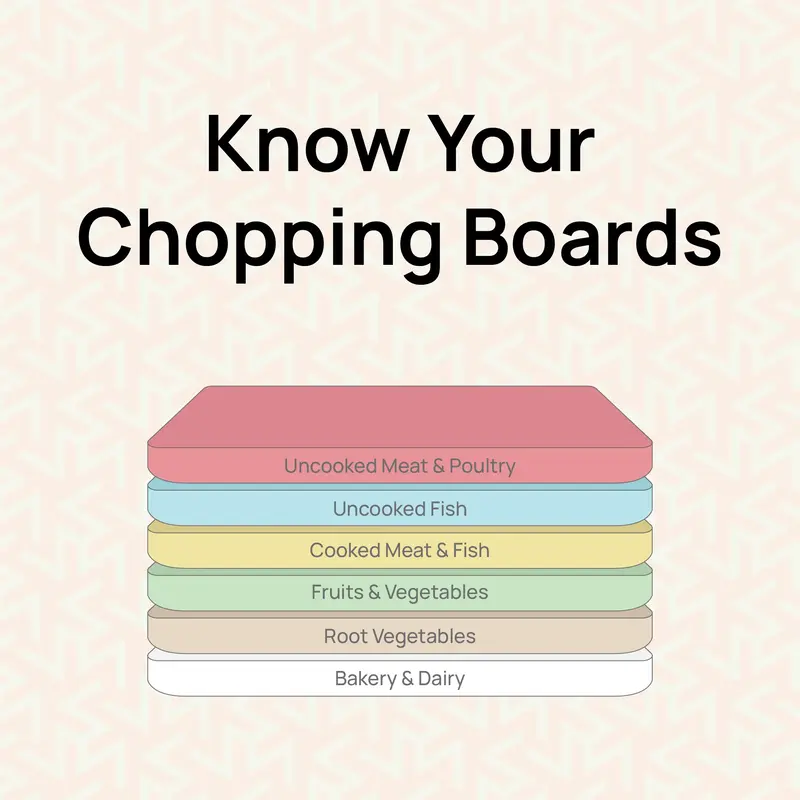
Providing safe and hygienic food is a top priority in the food industry. Customers trust food manufacturers and restaurants to meet food safety standards. To maintain this trust, kitchen hazards must be controlled to prevent contamination and customer harm. One such hazard control is using a colour-coded chopping board system in the kitchen so that low and high-risk food types do not mix. Assigning different colours to chopping boards for different food types is a good kitchen practice that will help prevent cross-contamination. Using colour-coded boards is also a HACCP practice for hazard analysis and contamination control.Understanding Different Colour-Coded Chopping BoardsNo law says you have to use specific-coloured chopping boards in kitchens. However, it is wise to follow the common practice of colour-coding to prevent microbial contamination. For kitchen safety, chefs and cooks must know what each chopping board colour means.What Colour Chopping Board Should Be Used?Keeping a red-coloured chopping board in sight is advisable if you regularly deal with raw meat. For cooked meat, use a yellow chopping board. A white chopping board is typically used for dairy food and bread, while a blue one is used for handling raw fish. The brown board is used for unwashed vegetables, while green is used for fresh fruits and vegetables. .second-cta-block .main-heading { font-weight: bold; font-size: 22px; } .second-cta-block .book-now { background: #DF3D52; color: #FFFFFF !important; border-radius: 8px; } .second-cta-block .second-heading { font-size: 17px; } .second-cta-block .card { border: 0 !important; } .second-cta-block .card-body { border: 1px solid #909090; box-shadow: rgba(0, 0, 0, 0.16) 0px 1px 4px; border-top-right-radius: 100px; border-bottom-right-radius: 100px; background: #fdf9ee; } .second-cta-block .image-wrapper { height: 330px; position: absolute; right: -60px; top: calc(50% - 210px); /* Center the image vertically */ } .second-cta-block .image-wrapper img { height: 100%; } .second-cta-block .trustpilot-widget { width: 256px; } .cta-heading-section { width: 75%; } @media screen and (max-width:991px) { .second-cta-block { padding-top: 100px; } .second-cta-block .card-body { border: 1px solid #909090; box-shadow: rgba(0, 0, 0, 0.16) 0px 1px 4px; border-radius: 19px; border-radius: 14px; background: #fdf9ee; } .cta-heading-section { width: 100%; padding-top: 50px; } .second-cta-block .image-wrapper { height: 270px; right: 0; position: absolute; left: calc(50% - 90px); top: calc(50% - 315px); } } Get Online Food Safety Courses Food Hygiene And Safety Check the Course Rated Excellent on major review sites Red - Raw MeatsRed chopping boards are used for raw meat and poultry. Given their high risk of causing foodborne illnesses, reserving these boards solely for handling uncooked meats is essential.The red chopping board can cook, marinate, or debone raw food. However, use it solely for raw meat to prevent cross-contamination between raw and ready-to-eat food.Yellow - Cooked Meat and FishYellow chopping boards are used strictly for cooked meat and fish. Using them for raw animal products compromises food safety standards. The yellow board is specifically designed for slicing or deboning cooked meats:beef jointroasted chickenham, salami, and turkey slicescooked salmoncooked troutWhite - Dairy and Baked GoodsWhite chopping boards serve a dual purpose, catering to dairy and bakery items. From slicing cake to grating cheese, they carry out many tasks. However, washing the board between uses is essential due to the risk of cross-contact contamination caused by potential allergens. Having separate boards for dairy and baked goods is an option, but it may not be practical. Therefore, it is advisable to reserve white chopping boards for non-allergenic food items to confirm safety.Blue - Raw FishBlue chopping boards are used for raw fish. Given the high risk associated with raw seafood, limit the use of blue boards solely to handling uncooked fish. Thoroughly clean the chopping board daily to maintain hygiene standards.Therefore, when it comes to raw fish, turn to the blue chopping board. Examples include:Raw codRaw haddockRaw tunaRaw salmonRaw prawnsRaw musselsBrown - Root VegetablesBrown chopping boards are intended for preparing uncooked root vegetables like potatoes and carrots. These vegetables often retain traces of soil, making them prone to microbial contamination. By using brown boards exclusively for this purpose, cross-contamination risks are minimised.Green - Washed Fruits and VegetablesAs the colour suggests, a green chopping board is used to wash fruits and salad vegetables. It can also be used to cut up fruit, such as apples and bananas, and salad items like tomatoes, peppers, and cucumbers. Do not use the green chopping board for unwashed fruits and vegetables carrying soil; use the brown board instead.Purple - Allergen-Free FoodPurple boards are dedicated to "free-from" food, especially for people suffering from allergies or food intolerances. Using a separate board for these food helps prevent cross-contamination of allergens for the safety of sensitive individuals. As allergens pose significant risks to certain individuals, it is important to utilise purple boards correctly in the kitchen.Food such as gluten-free bread relies on the purple chopping board. This practice is smart and prevents allergic reactions. Avoid cross-contact to keep everyone safe from allergens.Promoting AwarenessA prominent poster of the colour-coded chopping boards in the kitchen reminds the staff to follow the designated colours during food preparation. This can uphold food safety standards and minimise the risk of cross-contamination.Why Do We Use Different Chopping BoardsDifferent-coloured chopping boards in kitchens help keep high-risk food separate. They also reduce the chance of cross-contamination and cross-contact among different food types. Chefs can work faster because they instantly know which board to use for each food. We can use the same colour system to make knives extra safe.Put up a poster in the kitchen to remind everyone which colour board to use for each type of food. It is an easy way to keep things safe when you're cooking.Be Consistent with Colour-Coded Chopping BoardsAssign specific colours for different food groups, like red for raw meat and yellow for cooked meat. Maintain consistency to prevent cross-contamination. Avoid mixing colours for different food groups to confirm kitchen safety.The Debate about Using Plastic Chopping Boards for SafetyWhen chefs choose chopping boards, they consider more than just colours. The material of the board matters, too. The two main options are plastic and wood.Many people choose plastic chopping boards when handling risky food like raw meat. They believe plastic is safer and easier to clean.However, experts do not all agree on this. Some say plastic boards are better for hygiene because they do not soak up liquids and are easier to clean.Knowing When to Replace Your Chopping BoardFor food safety, it is important to frequently change your chopping boards. Even with colour coding, old and worn boards can pose risks.Deep Knife Scratches: While knife marks are standard, many deep scratches provide a breeding ground for bacteria. If you spot many deep cuts, it is time to replace the board.Uneven Surface: A board no longer sits flat on your counter is unsafe. Constant cleaning can cause warping, making it wobble during use, increasing the risk of accidents.Accidental Use of the Wrong Coloured Board: If someone mistakenly uses the wrong board for a task. For instance, if you cut raw meat on a board meant for vegetables, replace that board for safety standards.ConclusionColour-coded chopping boards help keep your food and customers safe by minimising microbial cross-contamination and allergenic cross-contact risk. Using separate chopping boards for different food types is a good kitchen practice that controls contamination. Be consistent with your specific chopping boards, and discard those with prominent cracks and damage.
What is the Difference between Food Hygiene and Food Safety
Food safety and hygiene cannot be used interchangeably as they have key differences in meaning and practice. Food hygiene is based on sanitation and cleanliness practices. Food safety is a holistic guide that upholds consumer protection from foodborne hazards. Food hygiene can be considered as part of the complete food safety procedure.The Main Difference between Food Hygiene and Food SafetyFood hygiene confirms product value and quality. It deals with measures that maintain equipment and facilities cleanliness and proper hygiene. For hygienic food production, washing hands and sanitising surfaces is important. Food hygiene practices prevent bacterial contamination and promote food safety.On the other hand, food safety is largely concerned with consumer welfare and protecting food from physical, chemical, and microbial contaminants. It involves complete food supply chain safety by following good manufacturing and storage practices. Examples include cooking and storing food at suitable temperatures and protecting food from cross-contamination.Food Safety & Food Hygiene with ExamplesPrimary Concern of Food Safety PracticesThe primary concern of food safety practices is the prevention of contamination at all stages of the food supply chain.Example: In agricultural food production, farmers implement Good Agricultural Practices (GAPs) to minimise the risk of contamination. This includes proper irrigation practices, pest management strategies, and worker hygiene protocols.Primary Concern of Food Hygiene PracticesFood hygiene practices aim to prevent microbial contamination. They help keep the environment clean in food-handling areas, such as kitchens, restaurants, and food-processing facilities. This involves maintaining the cleanliness of surfaces, equipment and employees.Example: In a restaurant kitchen, food hygiene practices may include regular handwashing by food handlers. They also include proper cleaning and sanitising of food contact surfaces.Target Hazards in Food Safety PracticesThe main types of hazards encountered in food safety are microbiological, chemical, and physical. Microbiological hazards refer to harmful bacteria, viruses, parasites, and fungi that can contaminate food and cause illness.Some of the chemical hazards include cleaning agents, food additives, and pesticides. Physical hazards are any foreign object, such as glass, metal, or plastic, that may accidentally enter food products.Example: A microbiological hazard could be the presence of Salmonella bacteria in raw poultry, which can cause food poisoning if not properly cooked. These chemical hazards can be the pesticides left on fruits and vegetables. Pieces of broken glass in a salsa jar could be physical hazards.Target Hazard of Food Hygiene PracticesFood hygiene measures are specifically aimed at microbiological food contamination that may lead to foodborne diseases. This requires maintaining strict hygiene practices and sanitation standards to reduce the risk of contamination.Example: Pest control measures are implemented to prevent food contamination by insects or rodents, which can act as microorganism carriers.For more information, visit our blog article �Four Common Types of Food Contamination�Standard Regulation of Food Safety PracticesGovernments and international organisations set rules and standards to keep food safe and protect people�s health. These rules include food labelling, hygiene practices, and inspection standards.Example: The Food Standards Agency (FSA) is responsible for food safety and hygiene in England, Wales and Northern Ireland.Standard Regulation of Food Hygiene PracticesLocal health departments and municipal governments impose regulations and standards for food hygiene practices within their jurisdictions. These regulations may include requirements for food handler training, facility inspections, and pest control measures.Example: Health inspectors conduct routine inspections of food establishments to oversee compliance with hygiene regulations. They can check food handling procedures, cleanliness facilities and storage of food products. Key Food Safety MeasuresKey measures of food safety include cooking foods to appropriate temperatures to kill harmful bacteria, conducting hazard analysis, and testing food products for contaminants.Example: The Hazard Analysis and Critical Control Points (HACCP) system is a preventive approach food businesses use to identify and address potential hazards. This involves conducting a hazard analysis, establishing critical control points (CCPs), and implementing control measures.Key Food Hygiene MeasuresKey measures for maintaining food hygiene include personal hygiene practices among food handlers, such as proper cleaning and sanitation of equipment and facilities. Pest control management is also a step towards food hygiene.Example:�Food handlers must wash their hands frequently, especially after handling raw meat or using the restroom, to prevent the spread of bacteria.Food preparation equipment is washed and sanitised on a regular basis to eliminate food residue or microbial contamination.Sealing cracks and crevices is done to prevent the entry and spread of pests carrying microbes in food-handling areas. .second-cta-block .main-heading { font-weight: bold; font-size: 22px; } .second-cta-block .book-now { background: #DF3D52; color: #FFFFFF !important; border-radius: 8px; } .second-cta-block .second-heading { font-size: 17px; } .second-cta-block .card { border: 0 !important; } .second-cta-block .card-body { border: 1px solid #909090; box-shadow: rgba(0, 0, 0, 0.16) 0px 1px 4px; border-top-right-radius: 100px; border-bottom-right-radius: 100px; background: #fdf9ee; } .second-cta-block .image-wrapper { height: 330px; position: absolute; right: -60px; top: calc(50% - 210px); /* Center the image vertically */ } .second-cta-block .image-wrapper img { height: 100%; } .second-cta-block .trustpilot-widget { width: 256px; } .cta-heading-section { width: 75%; } @media screen and (max-width:991px) { .second-cta-block { padding-top: 100px; } .second-cta-block .card-body { border: 1px solid #909090; box-shadow: rgba(0, 0, 0, 0.16) 0px 1px 4px; border-radius: 19px; border-radius: 14px; background: #fdf9ee; } .cta-heading-section { width: 100%; padding-top: 50px; } .second-cta-block .image-wrapper { height: 270px; right: 0; position: absolute; left: calc(50% - 90px); top: calc(50% - 315px); } } Get Online Food Safety Courses Food Hygiene And Safety Check the Course Rated Excellent on major review sites ConclusionWhile food safety and hygiene are essential aspects of food quality and safety, they cannot be used interchangeably. Food hygiene is primarily concerned with the cleanliness and sanitation of the food handling environment to avoid the contamination of food by microbes. Food safety, on the other hand, is a broader term that focuses on protecting consumers from harmful contaminants and foodborne illnesses throughout the entire food supply chain.
The 7 Steps of Hygienic Hand Washing
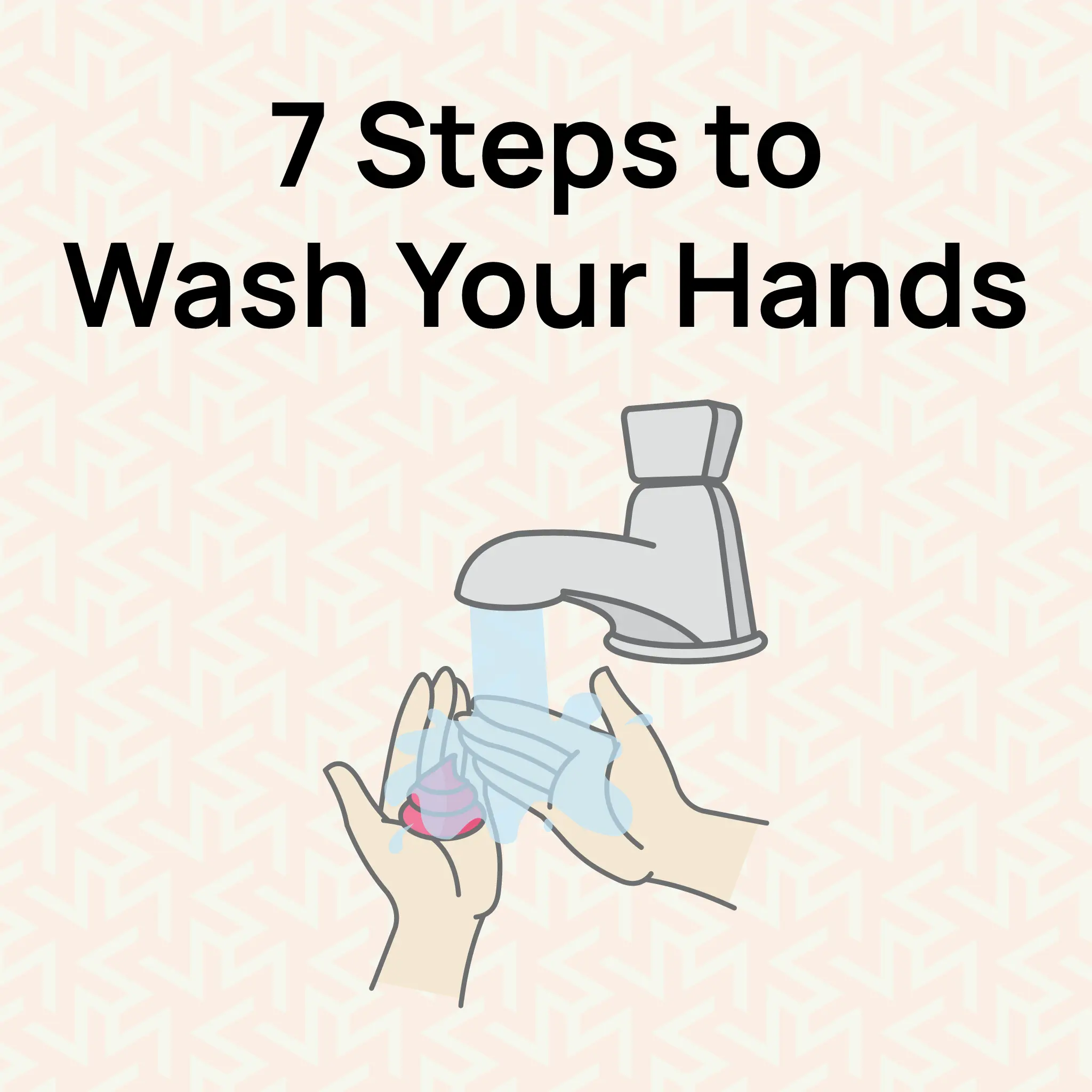
When it comes to keeping germs at bay, there is one simple practice we can all do: hand washing. But it is not just a quick rinse under the tap; there is a proper way to do it to make sure you are getting rid of those germs. Why Hand Washing Is Important?Hand washing is important because it helps keep us healthy and stops germs from spreading. Our hands touch many things throughout the day like door handles, money, and even our faces. And on all those things, some germs can make us sick.When we wash our hands with soap and water, the soap breaks down the germs and dirt. When we rinse them off, they go down the drain. By washing our hands regularly, especially before we eat and after using the restroom. We can stop those germs from getting into our bodies. It is a simple but super effective way to stay healthy.Unfortunately, many do not know how to wash their hands properly or neglect to do so. However, proper hand washing is important for food safety in places like restaurants.Therefore, everyone must learn the correct way to wash their hands. It is straightforward�there are just seven steps that anyone can follow.Singing "Happy Birthday" twice while washing your hands can help you ensure you are washing them for the recommended 20 seconds.How to Wash Your Hands in 7 Steps?The 7 steps of hand washing, recommended by the NHS, are simple and effective. Remember to wash your hands for at least 20 seconds for thorough cleaning. Here they are:Wet Your Hands: Use warm water and enough soap to create a good lather.Rub Your Palms Together: Rub your hands in circles, clockwise and anti-clockwise.Wash the Back of Your Hands: Interlock your fingers and rub the back of one hand with the palm of the other, then switch hands.Interlace Your Fingers: Link your fingers together, palm to palm, and rub your palms and fingers together.Clean Your Fingertips: Put one hand over the other, interlock your fingers, and rub the backs of your fingers against your palms, then switch hands.Scrub Your Thumbs: Wrap your fingers around your thumb and rub it in circles, then switch thumbs.Rub Your Fingertips on Your Palm: Rub the tips of your fingers in circles on the palm of your other hand, then switch hands.After following these steps, rinse your hands thoroughly with warm running water. Dry them with a clean, disposable paper towel. Paper towels are best for hygiene, but if hand dryers are available, you can use those too.�Be careful not to touch anything with your clean hands after drying them. This is to avoid transferring germs back onto them.�If possible, use a paper towel to turn off the taps. If your hands feel dry after washing, moisturising them is a good idea. Dry hands can be more prone to cracking, providing a breeding ground for germs.�Following these simple steps, every time you wash your hands can help keep yourself and those around you safe from germs and illness. So, lather up, scrub away, and stay healthy! .second-cta-block .main-heading { font-weight: bold; font-size: 22px; } .second-cta-block .book-now { background: #DF3D52; color: #FFFFFF !important; border-radius: 8px; } .second-cta-block .second-heading { font-size: 17px; } .second-cta-block .card { border: 0 !important; } .second-cta-block .card-body { border: 1px solid #909090; box-shadow: rgba(0, 0, 0, 0.16) 0px 1px 4px; border-top-right-radius: 100px; border-bottom-right-radius: 100px; background: #fdf9ee; } .second-cta-block .image-wrapper { height: 330px; position: absolute; right: -60px; top: calc(50% - 210px); /* Center the image vertically */ } .second-cta-block .image-wrapper img { height: 100%; } .second-cta-block .trustpilot-widget { width: 256px; } .cta-heading-section { width: 75%; } @media screen and (max-width:991px) { .second-cta-block { padding-top: 100px; } .second-cta-block .card-body { border: 1px solid #909090; box-shadow: rgba(0, 0, 0, 0.16) 0px 1px 4px; border-radius: 19px; border-radius: 14px; background: #fdf9ee; } .cta-heading-section { width: 100%; padding-top: 50px; } .second-cta-block .image-wrapper { height: 270px; right: 0; position: absolute; left: calc(50% - 90px); top: calc(50% - 315px); } } Get Online Food Safety Courses Food Hygiene And Safety Check the Course Rated Excellent on major review sites The 7 Steps of Hand Washing PosterWe have created a free poster displaying the 7 steps of hand washing. You can download and display it in the hand-washing areas at your workplace or home. This poster will serve as a reminder for everyone to wash their hands properly, helping to prevent microbial contamination.
What is the Kitchen Brigade System
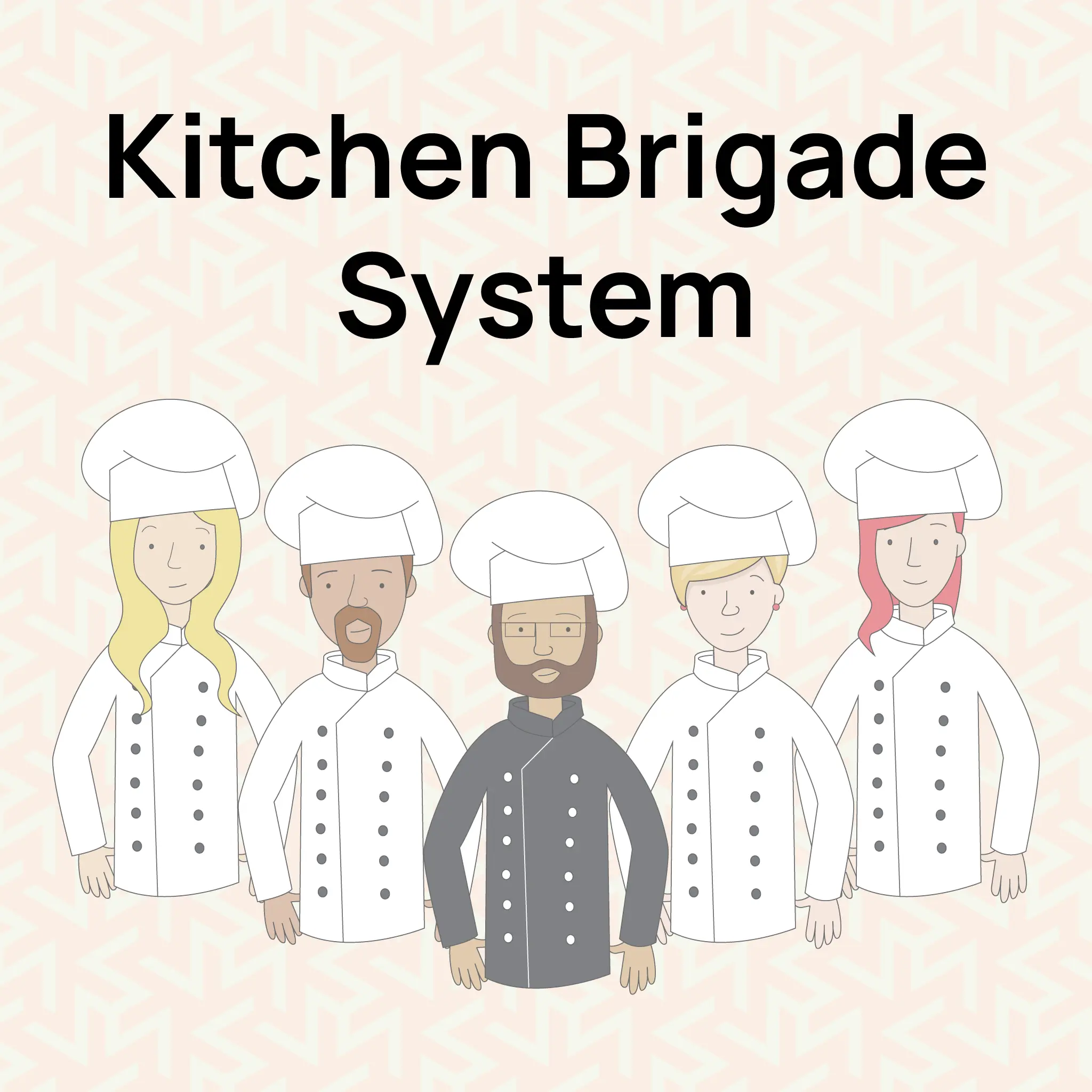
There is a system called the Brigade de Cuisine in many professional kitchens today. It is a fancy French way of saying there is a specific order to how things are done in the kitchen.What's the Kitchen Brigade System?The kitchen brigade system, or "brigade de cuisine", organises the people who work in a restaurant kitchen so that everything runs smoothly. Each person has a specific job, which helps the kitchen work well.In a big kitchen, there are many different jobs, like the boss chef (called the executive chef) and the assistant boss (sous chef). Other chefs (line cooks) look after different parts of the cooking.�For example, the chef in charge of making soups is the potager. Another one for seafood dishes is the poissonnier. For desserts, the chef is called the p�tissier.The kitchen brigade idea started in fancy restaurants, but even fast-food places use a simpler version. In fast-food kitchens, there are stations for frying, grilling, and putting meals together. Cooks are hired to work at these stations and keep things running smoothly.The Birth of the Kitchen HierarchyGeorges Auguste Escoffier was a clever chef who devised a way to organise kitchen work like an army. In the 1800s, he used his experience from the French military to set up a system in hotel kitchens. The aim was to keep things running smoothly and avoid chaos.�Escoffier created a way to organise the kitchen staff. He gave each person a specific job to do. As time passed, kitchens got smaller, and wages went up. Escoffier's system could still be adapted to fit any kitchen. .second-cta-block .main-heading { font-weight: bold; font-size: 22px; } .second-cta-block .book-now { background: #DF3D52; color: #FFFFFF !important; border-radius: 8px; } .second-cta-block .second-heading { font-size: 17px; } .second-cta-block .card { border: 0 !important; } .second-cta-block .card-body { border: 1px solid #909090; box-shadow: rgba(0, 0, 0, 0.16) 0px 1px 4px; border-top-right-radius: 100px; border-bottom-right-radius: 100px; background: #fdf9ee; } .second-cta-block .image-wrapper { height: 330px; position: absolute; right: -60px; top: calc(50% - 210px); /* Center the image vertically */ } .second-cta-block .image-wrapper img { height: 100%; } .second-cta-block .trustpilot-widget { width: 256px; } .cta-heading-section { width: 75%; } @media screen and (max-width:991px) { .second-cta-block { padding-top: 100px; } .second-cta-block .card-body { border: 1px solid #909090; box-shadow: rgba(0, 0, 0, 0.16) 0px 1px 4px; border-radius: 19px; border-radius: 14px; background: #fdf9ee; } .cta-heading-section { width: 100%; padding-top: 50px; } .second-cta-block .image-wrapper { height: 270px; right: 0; position: absolute; left: calc(50% - 90px); top: calc(50% - 315px); } } Get Online Food Safety Courses Food Hygiene And Safety Check the Course Rated Excellent on major review sites The 'Mother' Sauces�Escoffier also created five important sauces, the starting points for many others. These sauces are b�chamel, velout�, espagnole, hollandaise, and tomato. They are handy in cooking, and each has special uses. Making them is easy, with simple ingredients like flour, butter, and some liquid.Chef hierarchy in the kitchenJust like an army has a general at the top, a restaurant kitchen has an executive chef as the big boss. According to the kitchen brigade system, the next in line is the chef de cuisine. Sometimes, a restaurant might have one or the other, not both. Right under the chef de cuisine is the sous chef (also known as the sous chef de cuisine).Under the sous chef are the line cooks, also called chefs de partie. They are in charge of different parts of the kitchen, called stations. Some stations might have more than one chef. For instance, the pastry section might have a pastry chef, a baker, and someone who makes frozen desserts. The brigade is completed by junior chefs known as commis chefs.The Kitchen Hierarchy Explained�The kitchen hierarchy, the Brigade de Cuisine, is like a team structure in a restaurant kitchen. Each team member has a particular job that helps the kitchen run smoothly.Here are the leading kitchen position roles:Executive Chef: The big boss of the kitchen. They handle the management side and only sometimes cook directly.Chef de Cuisine (Head Chef): This is like the boss of cooking. They manage the whole kitchen, from staff to costs, and work closely with the restaurant manager and suppliers.Sous Chef (Deputy Chef): They help the head chef and often step in when needed. They're hands-on with the cooking.Chef de Partie (Station Chef): These are the specialist cooks. Each one looks after a different kitchen part, making sure everything is cooked perfectly.There are various types of station chefs.�Sauce Chef: Makes sauces and gravies.Butcher Chef: Prepares meat and poultry.Fish Chef: Deals with fish and seafood.Roast Chef: Cooks roast meats.Fry Chef: Specialises in fried food.Grill Chef: The master of grilling.Pantry Chef: Prepares cold dishes like salads.Pastry Chef: Makes desserts and pastries.Roundsman: Fills in wherever needed.Commis Chef (Junior Chef): They learn from the station chefs and are usually still training.Kitchen Porter: They help with basic kitchen tasks and cleaning.Dishwasher: Washes all the dishes and equipment used in cooking.Waiter/Waitress: These folks work in the dining area, serving customers and letting the kitchen know if there are any issues with the food.The following table summarises different kitchen positions and their roles.Each role is important for keeping the kitchen running smoothly and ensuring customers get tasty food served just right.ConclusionIn conclusion, the Brigade de Cuisine, or kitchen hierarchy, is like an organised team structure in restaurant kitchens. It confirms that every task is handled efficiently, just like an army operates. This system, introduced by Georges Auguste Escoffier, assigns specific roles to each kitchen staff member, from the top boss, the executive chef, down to the line cooks and junior chefs.Even in fast-food kitchens, a simplified version of this system helps maintain order. Escoffier's legacy extends beyond just organisation, he also introduced the 'Mother' sauces, which are important foundations for many dishes. Whether in a high-end restaurant or a fast-food joint, the kitchen brigade system allows everything to run smoothly, resulting in delicious meals served just right.
How to Defrost Food in the Microwave?
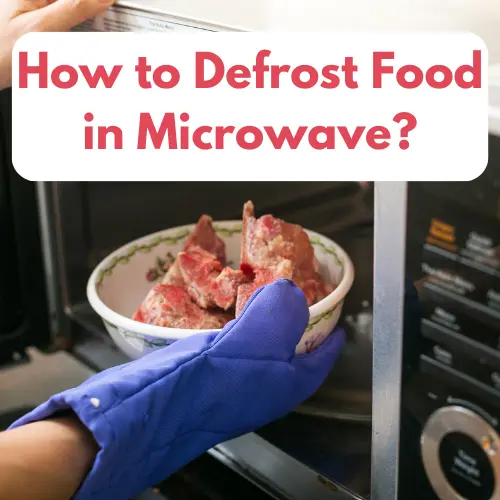
Microwaves are the most commonly used kitchen devices for warming up food. For proper defrosting, food is kept in a microwave safe-glass container. The appliance is then set to defrosting mode. Microwave defrosting saves time and provides convenience, however, defrosting food in the refrigerator is a safer option.Food is kept frozen at -18�C. Freezing preserves food by slowing down microbial activity. During freezing, water in food is formed into ice crystals. Less water content is available for bacteria to thrive. Some foods can be cooked directly from frozen, while most are defrosted before cooking.How Does Food Defrost in the Microwave?Defrosting is the process of removing ice or frost from frozen items. Microwave is an appropriate food reheating and defrosting machine for domestic and commercial kitchens. It uses electromagnetic waves to increase the kinetic energy of water molecules in food. Water molecules vibrate and generate heat, warming up the whole food. It is quick and convenient. While defrosting frozen food in a refrigerator takes hours or days, the microwave takes a few minutes to defrost food taken out of the freezer.Is it Safe to Defrost Food in the Microwave?Ideally, do not defrost food in a microwave. It carries the risk of exposing food to the temperature �Danger Zone�. The bacteria that were inactive in the frozen state grow twice as fast at the danger zone temperature. This is why it is important to cook food at high temperatures immediately after microwave defrosting, to destroy harmful bacteria. .second-cta-block .main-heading { font-weight: bold; font-size: 22px; } .second-cta-block .book-now { background: #DF3D52; color: #FFFFFF !important; border-radius: 8px; } .second-cta-block .second-heading { font-size: 17px; } .second-cta-block .card { border: 0 !important; } .second-cta-block .card-body { border: 1px solid #909090; box-shadow: rgba(0, 0, 0, 0.16) 0px 1px 4px; border-top-right-radius: 100px; border-bottom-right-radius: 100px; background: #fdf9ee; } .second-cta-block .image-wrapper { height: 330px; position: absolute; right: -60px; top: calc(50% - 210px); /* Center the image vertically */ } .second-cta-block .image-wrapper img { height: 100%; } .second-cta-block .trustpilot-widget { width: 256px; } .cta-heading-section { width: 75%; } @media screen and (max-width:991px) { .second-cta-block { padding-top: 100px; } .second-cta-block .card-body { border: 1px solid #909090; box-shadow: rgba(0, 0, 0, 0.16) 0px 1px 4px; border-radius: 19px; border-radius: 14px; background: #fdf9ee; } .cta-heading-section { width: 100%; padding-top: 50px; } .second-cta-block .image-wrapper { height: 270px; right: 0; position: absolute; left: calc(50% - 90px); top: calc(50% - 315px); } } Get Online Food Safety Courses Food Hygiene And Safety Check the Course Rated Excellent on major review sites How to Defrost Food in the Microwave?There are six easy steps to carry out defrosting in the microwave safely. Food is kept in the microwave-safe container made up of glass or plastic. Plain paper plates and microwave-safe zipper bags are also used for defrosting food.Step 1: Take out Food from the FreezerProper freezing of food takes place at -18�C (0� F). Frozen food is taken out of the freezer and is prepared for microwave defrosting.Step 2: Use Appropriate Packaging for Microwave DefrostingTransfer the food to a microwave-safe container. They can be made of plastic or glass. Glass containers are the best choice.Step 3: Set the Defrost Option on the MicrowaveUsually, microwaves have a defrost option. If not, adjust according to the setting�s instructions of the microwave. Use the level button to set the power to 20-30 per cent. Other microwaves require mass measurements of food to automatically calculate the defrosting time.Step 4: Adjust Microwave Timer for DefrostingTypically, raw frozen poultry or beef take 7-10 minutes for thorough defrosting. Vegetables take 2-3 minutes. Adjust time accordingly for different food types mentioned on the package label.Step 5: Cut Food into Smaller PiecesAt regular intervals, make sure that all sides of food are exposed to heat. Cut larger pieces of food into smaller ones. This is done to increase and expose a larger surface area of food to heat for thorough and rapid heating.Step 6: Immediately Cook Defrosted FoodOnce the food is defrosted, immediately cook it. Do not leave defrosted food at room temperature for a prolonged time. This reduces the probability of microbial contamination of food.How Long Does it Take For Microwave DefrostingUnlike other microwave functions that run at 100% power, the defrost setting reduces power levels to 20%�30%. Defrosting times are also based on weight.Which Foods Can be Defrosted in the MicrowaveIt is always preferred to use the refrigerator for defrosting food. If a quicker and easier method is required, then a microwave can be used in such circumstances. However, caution should be practised because not all food types can be defrosted in a microwave.Defrosting Raw Frozen Chicken in the MicrowaveRaw frozen chicken can be defrosted in a microwave directly by placing it in a microwave-safe container. Adjust the settings and timer of the microwave for defrosting. For every pound of chicken, 8-10 minutes are required for defrosting. Once the chicken has been defrosted, cook it immediately.Whole chicken is not recommended to be defrosted in a microwave. Uneven heating is a common cause where some portions of meat get defrosted faster than others, leading to microbial growth. Microwave defrosting should be done for smaller chicken pieces.Which Containers are Microwave-Safe?You can safely place containers in the microwave made up of the following materials:glasssilicone ceramicsWhich Containers Are Not Microwave-Safe?Make sure not to place the following containers in the microwave as they may cause electric sparking or food contamination.Crystalhandcrafted potteryplasticsStyrofoamcardboardmetals such as steel, iron, copper or other heavy metalswrinkled aluminium foilFridge Defrosting versus Microwave DefrostingRefrigeration safely defrosts food at below 5�C, at which bacteria remains inactivated. If the frozen food is left out at room temperature for over 20 minutes, avoid defrosting it in the microwave. Instead, thaw it in ice-cold water or a fridge.FAQsCan you freeze defrosted chicken more than once?If defrosting takes place in the fridge, refreezing is possible within two days. Raw chicken defrosted in the microwave should be refrozen after it is fully cooked.Is it safe to defrost food in the microwave?Defrosting food in the microwave is safe if it is kept for an appropriate time duration at the defrost setting. However, defrosting food in the fridge is a safer option.How long does it take to defrost meat in the microwave?Each pound of meat takes 8-12 minutes to defrost in the microwave. Time duration for microwave defrostingWhich containers are microwave-safe for defrosting food?Containers made of glass or silicone ceramic are safe materials for defrosting food in the microwave.ConclusionMicrowave defrosting is a convenient but less safe method compared to refrigerator defrosting. While it saves time, it increases the risk of bacterial growth due to exposure to the temperature danger zone. However, if opting for microwave defrosting, follow safety measures such as using appropriate containers and cooking immediately after defrosting to minimise microbial contamination.
How to Cook Frozen Food Straight from the Freezer
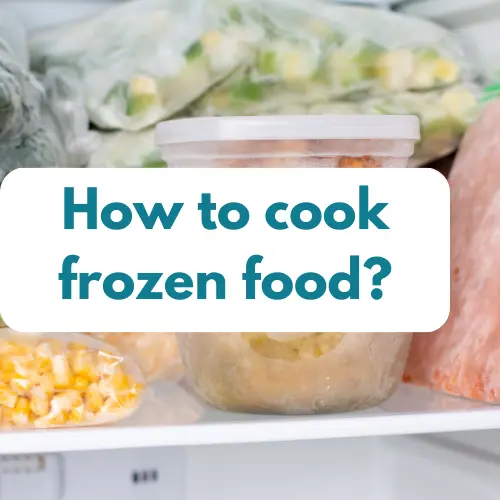
Cooking frozen food directly without defrosting is possible, if specific cooking and heating conditions are followed for food safety and hygiene.What is Frozen Food?Freezing is a preservation method that involves lowering the temperature of food to below freezing point, typically at -18�C (0�F). This is done to stop microbial growth and contamination. By freezing food, moisture is formed into ice crystals. Freezer storage increases the shelf life of food, maintaining preservation and freshness.Can You Cook Raw Frozen Food Directly?Defrosting reduces cooking time and promotes even cooking. It takes longer to cook frozen food directly from the freezer. However, it is safe as long as you cook and store raw food at appropriate temperatures. Cooking frozen food straight from the freezer requires reheating the cooking device to a suitable temperature before adding ingredients onto the cooking surface.Sausages:Cooking sausages directly from the freezer is convenient and does not affect the taste or texture.Preheat your pan or grill to medium heat. Preheat the baking oven to an appropriate temperature.Add a small amount of oil to the cooking surface to prevent the sausages from sticking.Next, place the frozen sausages on the cooking surface.There should be enough space between the sausages to allow for even cooking.Cook the sausages for at least 12-20 minutes or bake for 20-25 minutes.Use a meat thermometer to check the internal temperature reaches 75�C (165�F).Let the cooked sausages sit for a few minutes and serve.Beef, Pork and Poultry Mince:Preheating is followed by adding a small amount of oil to the cooking pan.Add the frozen mince directly to the pan.�Break up any large clumps of mince using a spatula or wooden spoon.Season the mince with salt and pepper. Add herbs or spices according to your recipe or personal preference.�Add chopped onions, garlic, or other aromatics at this stage for extra flavour.Cook the frozen mince, stirring occasionally, until it is browned and cooked through.�The mince should reach an internal temperature of 71�C (160�F) for beef or pork mince and 74�C (165�F) for poultry mince.It is preferable to thaw or defrost frozen whole meat portions before cooking rather than directly cooking them from the freezer.�Bacon:Preheat a frying pan on the stove over medium heat.�Place frozen bacon slices flat on the preheated cooking surface.Fry the frozen bacon slices for 5-7 minutes on each side, or bake for 10-15 minutes.Check that the internal temperature reaches 71�C (160�F).Once cooked, you can blot the cooked bacon slices with a paper towel to remove any excess grease before serving.�Proper refrigeration of leftover bacon requires storing in an airtight container in the refrigerator for up to 3-4 days. Reheat bacon under appropriate conditions.Prawns:Preheat a frying pan or a grill to an appropriate temperature.Season the prawns with salt and pepper. Marinate them in a mixture of olive oil, garlic, lemon juice, and herbs for extra flavour.Once your cooking surface is hot, add a small amount of oil or butter to the pan.Cook the prawns for 2-3 minutes on each side or until they are lightly charred and cooked through.If baking, place the prawns on a baking sheet lined with parchment paper or aluminium foil. Bake in the preheated oven for 8-10 minutes or until they are pink and opaque throughout.The prawns should also be firm to the touch and slightly curled.Avoid overcooking, as this can make them tough and rubbery.Store any leftover cooked prawns in an airtight container in the refrigerator for up to 2 days. Reheat them gently in a skillet or microwave before serving.For more information, visit our blog article, �Can you Reheat Pork?�Can You Cook Frozen Raw Meat in an Air Fryer?Air fryer is a safe option for cooking frozen food directly from the freezer or after thawing. Following chart displays the recommended time and appropriate temperatures for cooking raw frozen food in an air fryer.For more information, visit our blog article, �The Safety of Reheating Food More Than Once.�Which Food Should Defrost Before CookingWhile many foods can be cooked directly from frozen, some require defrosting or thawing for proper cooking. Foods with larger cuts or thicker portions, such as roasts or whole chickens, benefit from thawing before cooking. This confirms that even cooking throughout is at the correct internal temperature. However, smaller items like sausages and thinly sliced meats can be cooked directly from frozen with excellent results.Importance of Safely Freezing Raw FoodOffers convenient preservation of food.Compliance with FIFO and HACCP guidelinesPrevents exposure to the temperature danger zonePrevents food contamination .second-cta-block .main-heading { font-weight: bold; font-size: 22px; } .second-cta-block .book-now { background: #DF3D52; color: #FFFFFF !important; border-radius: 8px; } .second-cta-block .second-heading { font-size: 17px; } .second-cta-block .card { border: 0 !important; } .second-cta-block .card-body { border: 1px solid #909090; box-shadow: rgba(0, 0, 0, 0.16) 0px 1px 4px; border-top-right-radius: 100px; border-bottom-right-radius: 100px; background: #fdf9ee; } .second-cta-block .image-wrapper { height: 330px; position: absolute; right: -60px; top: calc(50% - 210px); /* Center the image vertically */ } .second-cta-block .image-wrapper img { height: 100%; } .second-cta-block .trustpilot-widget { width: 256px; } .cta-heading-section { width: 75%; } @media screen and (max-width:991px) { .second-cta-block { padding-top: 100px; } .second-cta-block .card-body { border: 1px solid #909090; box-shadow: rgba(0, 0, 0, 0.16) 0px 1px 4px; border-radius: 19px; border-radius: 14px; background: #fdf9ee; } .cta-heading-section { width: 100%; padding-top: 50px; } .second-cta-block .image-wrapper { height: 270px; right: 0; position: absolute; left: calc(50% - 90px); top: calc(50% - 315px); } } Get Online Food Safety Courses Food Hygiene And Safety Check the Course Rated Excellent on major review sites ConclusionCooking frozen food directly without defrosting is possible, keeping in mind important cooking considerations. Freezing food is an effective preservation method. It lowers the temperature to inhibit microbial growth and maintain freshness. Many foods, such as sausages, mince, bacon, and prawns, can be cooked directly from frozen.�Larger cuts like roasts or whole chickens may benefit from thawing before cooking for even heating. Proper freezing and cooking prevent contamination and maintain compliance with guidelines like FIFO and HACCP.
For How Long Can You Freeze Food
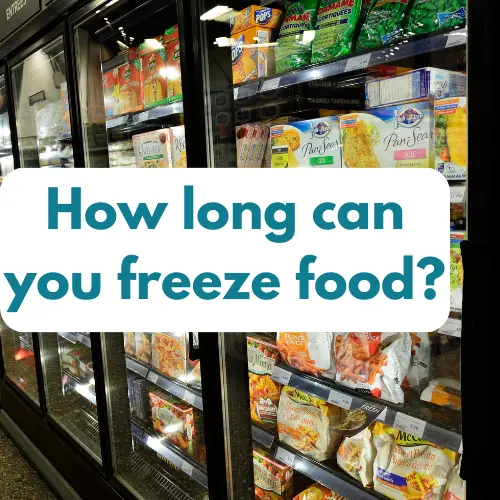
Freezer offers a safe space for preserving and keeping food fresh for several months. It is the most important storage appliance for food in domestic and commercial kitchens. Food is best protected from microbial contamination in a freezing environment at 0�F (-18�C) or below. Correct freezing of food can increase its shelf life and keeps it safe for later use.Why Freeze Food?Helps preserves foodAllows safe FIFO storageFollows food safety and hygiene practicesPromotes hazard control (HACCP guidelines)Keeps food away from the temperature danger zoneProtects food from contaminationHow to Store Food in the Freezer Safely?Temperature:Freezing temperatures can range from -6�C to -18�C. Freezer temperature at -18�C is most preferred as it preserves the quality and safety of food for a longer time.Packaging:Store food in freezer-safe containers or freezer bags to prevent freezer burn. These packages also remove excess air from containers and prevent oxidation. For instance, you can use custom food boxes to keep different items well-packed, organized, and safe for longer storage.�First-In First-Out Storage:The FIFO method, "First-In First-Out," is a safety storage rule for food that allows older items to be used before newer ones. This reduces the risk of food waste and heavy spending on stocking fresh products. This way, the soon-to-be-expired food items are consumed before they become sub-standard.Labelling:Label containers of frozen food packages with their ingredients and the date of freezing. This helps facilitate the FIFO method and timely consumption.Separate Placement:Leave space between packages for proper airflow. Keep raw meats separate from other foods to prevent cross-contamination.For more information, visit our blog article, �How To Organise Your Fridge.�Rapid FreezingBring down the temperature of warm food before freezing, to prevent temperature fluctuations in the freezer. Rapid freezing helps preserve texture and taste.How Long Can You Freeze Food For?Freezing causes water molecules in food to solidify into ice crystals. This reduces the amount of water available for bacterial activity and growth, thereby slowing down microbial spread and contamination. Generally, food is safely stored in a freezer for 3-12 months if the freezer�s temperature is maintained at 0�F (-18�C) or below.Fruits:The nutritional value and taste of fruits can remain preserved in the freezer for several months. Berries like strawberries, raspberries, and blueberries can last up to 6-12 months. Sliced bananas and mangoes maintain quality for 2-3 months.Vegetables:Vegetables can be stored in the freezer for around 8 to 12 months. Scalding� vegetables in boiling water before freezing preserves the flavour of vegetables for a longer time. Without boiling, freezing vegetables may reduce their quality and degrade faster.Raw Meat:Meat preservation in the freezer extends its shelf life significantly. Safe freezing duration for types of meat are:Ground meat: 3-4 monthsWhole cuts (steaks and chops): 6-12 monthsFish: 3-6 monthsBacon and sausage:1-2 monthsMinced meat: 2-3 monthsChickenWhole chicken: up to 12 monthsChicken pieces (chicken cutlets): up to 6-9 monthsGround chicken: 3-4 monthsFully cooked chicken sausage: 1-2 monthsCooked Leftovers:Leftovers can be frozen for 2-6 months, after which they can be safely reheated for later consumption.Cooked grains and pasta dishes: 1-2 months�Soups and stews: 2-3 months�Burgers: 3-4 monthsCooked rice: up to 6 months�Cooked chicken: 2 to 6 monthsCooked pasta: 2-3 monthsHow To Freeze Dairy FoodYou can freeze milk, cheese, and yoghurt easily in your freezer just like you would with other foods.MilkPut it in a plastic or glass container that's safe for the freezer. Don't freeze milk in paper cartons because they might not seal well and could leak. Leave some space (about 1 to 2 inches) at the top because milk expands a bit when it freezes, like other liquids do. This helps prevent the container from bursting.Cheese:Wrap the cheese first in parchment paper and then in aluminium foil to stop it from getting freezer burn. Soft cheeses might become watery and grainy when frozen.Yoghurt:Because yoghurt has some liquid, it expands a little when frozen. You can freeze it in its original container or another airtight one, but leave some space at the top to stop the container from bursting. One way to freeze thick yoghurt is to scoop it onto a tray lined with parchment paper. Once it's frozen solid, you can transfer it into an airtight container.How long can I freeze dairy food in the freezerYou can safely keep dairy products in the freezer at 0�F for different amounts of time:Milk: Up to 3 monthsCheese: Up to 6 monthsYoghurt: 1 to 2 monthsWhich Foods can not be Frozen?Some foods may not survive in the freezer due to changes in texture, flavour, or appearance. Examples of food types that generally do not freeze well include:Mayonnaise-Based Sauces: Mayonnaise becomes watery and grainy when exposed to freezing temperatures.�Shelled Eggs: Egg shells expand and crack upon freezing, leaving room for bacterial contamination.�Fried Foods: Fried foods lose their crispness and become soggy when frozen and thawed. This is particularly true for french fries, tempura, and breaded chicken.Salads and Leafy Vegetables: Leafy greens like lettuce, spinach, and kale tend to wilt and become limp when frozen.�Gelatin-Based Desserts: Gelatin desserts may lose their firm texture and become watery when frozen and thawed.What is a Freezer Burn in Frozen Food?Air inside the freezer causes dehydration and oxidation of food�s surface. Odd-coloured patches and tough texture can be seen. Freezer burn does not make food unsafe to eat, but it can significantly affect its quality and taste. A freezer burn can be prevented using the following safety measures:Use airtight containers or freezer bags to prevent food oxidation.Wrap food tightly in plastic wrap or aluminium foil.Label and date packages to keep track of how long the food has been stored. .second-cta-block .main-heading { font-weight: bold; font-size: 22px; } .second-cta-block .book-now { background: #DF3D52; color: #FFFFFF !important; border-radius: 8px; } .second-cta-block .second-heading { font-size: 17px; } .second-cta-block .card { border: 0 !important; } .second-cta-block .card-body { border: 1px solid #909090; box-shadow: rgba(0, 0, 0, 0.16) 0px 1px 4px; border-top-right-radius: 100px; border-bottom-right-radius: 100px; background: #fdf9ee; } .second-cta-block .image-wrapper { height: 330px; position: absolute; right: -60px; top: calc(50% - 210px); /* Center the image vertically */ } .second-cta-block .image-wrapper img { height: 100%; } .second-cta-block .trustpilot-widget { width: 256px; } .cta-heading-section { width: 75%; } @media screen and (max-width:991px) { .second-cta-block { padding-top: 100px; } .second-cta-block .card-body { border: 1px solid #909090; box-shadow: rgba(0, 0, 0, 0.16) 0px 1px 4px; border-radius: 19px; border-radius: 14px; background: #fdf9ee; } .cta-heading-section { width: 100%; padding-top: 50px; } .second-cta-block .image-wrapper { height: 270px; right: 0; position: absolute; left: calc(50% - 90px); top: calc(50% - 315px); } } Get Online Food Safety Courses Food Hygiene And Safety Check the Course Rated Excellent on major review sites FAQsCan you eat food that is frozen for a year?Yes, it is safe to eat food that has been frozen for a year if it has been stored at 0�F (-18�C) or below for the entire time. Check for signs of foul odour, odd texture, and taste before eating or cooking it.Which foods should not be frozen?Do not freeze mayonnaise-based foods, eggs, fried food, and leafy vegetables as they will lose their original flavour and texture.�For how long can you freeze food?Foods can be safely stored in a freezer for 3-12 months if the freezer�s temperature is maintained at 0�F (-18�C) or below.For how long can you freeze chicken?Whole chicken can be frozen for up to12 months, while smaller pieces can last up to 9 months.�For how long can you freeze cooked pasta?Cooked leftover pasta can remain stored in a freezer for up to 1-2 months.ConclusionFreezing food at 0�F (-18�C) or below protects it from bacterial contamination. Different types of food have specific suitable freezing temperatures. Not all foods are suited for freezing. Some may experience undesirable changes in texture, flavour, or appearance. Proper freezing techniques are important for preserving food quality and safety.